Wednesday, December 24, 2025
Home Blog Page 1422

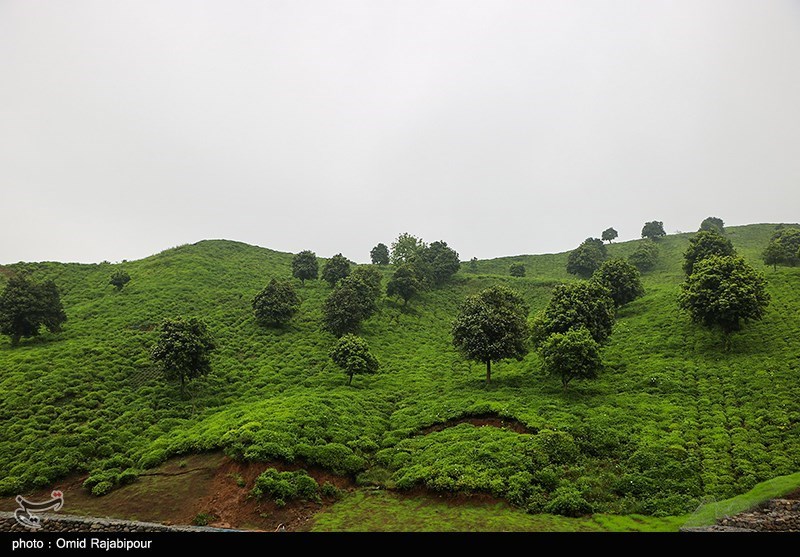
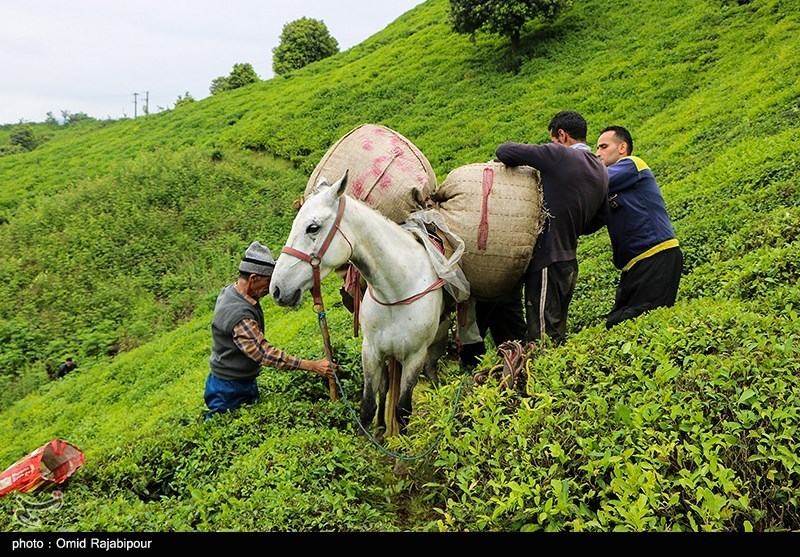
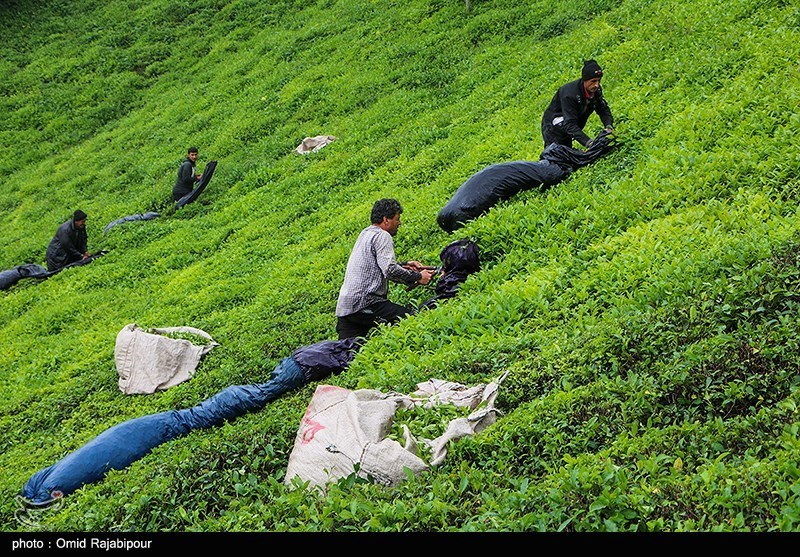
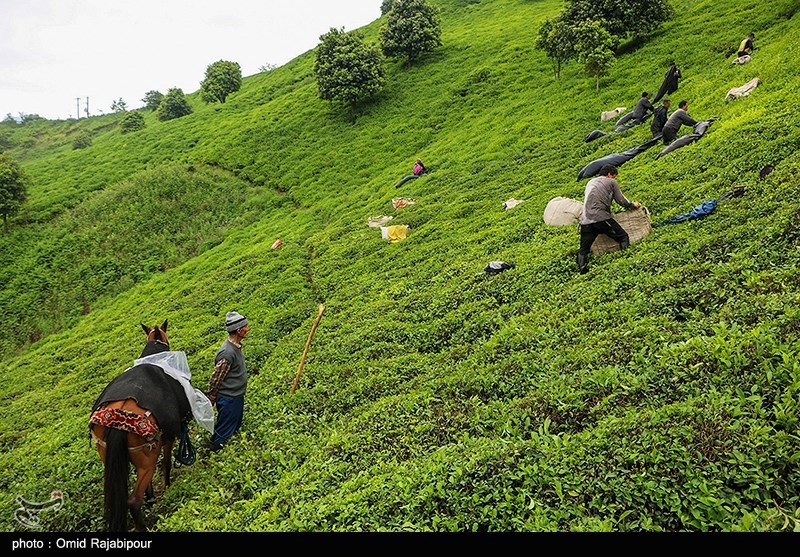
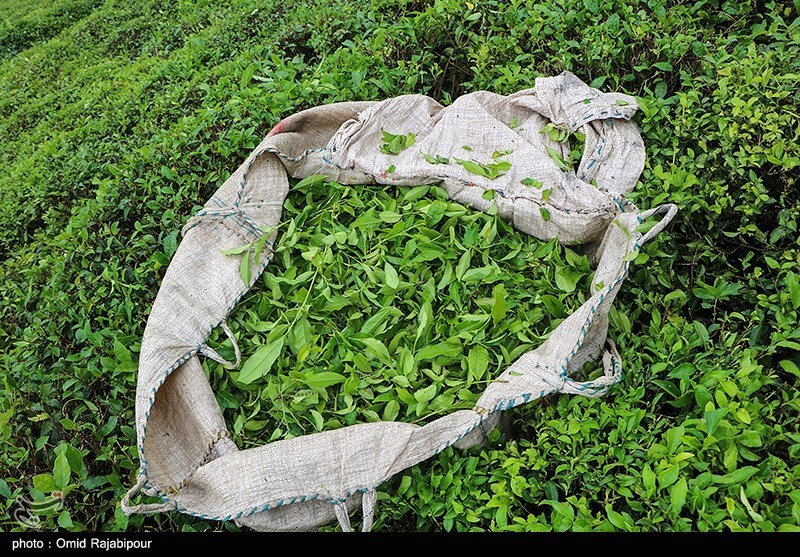
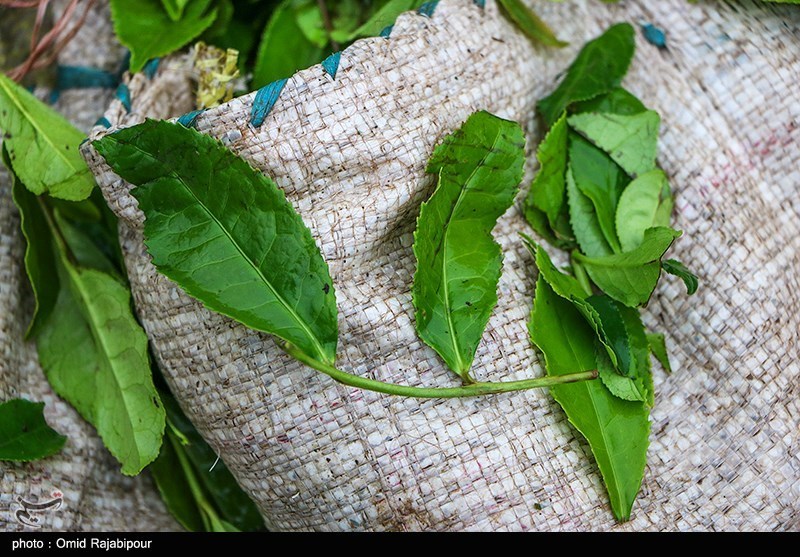
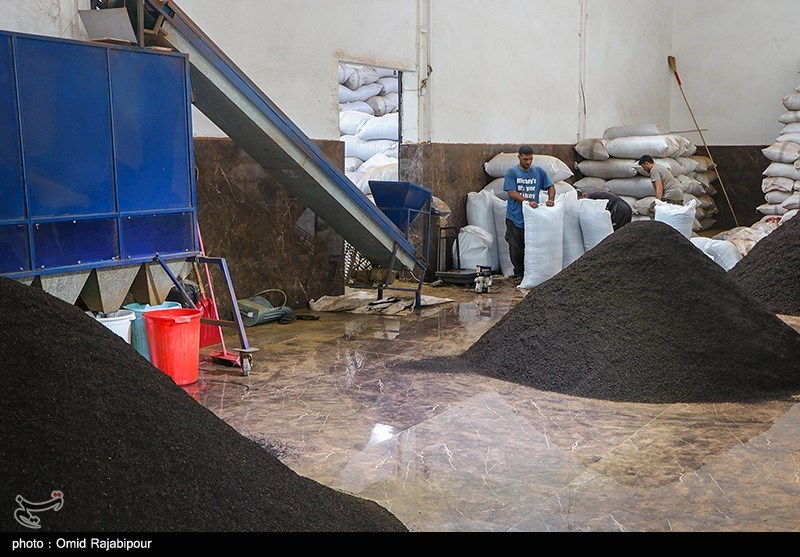
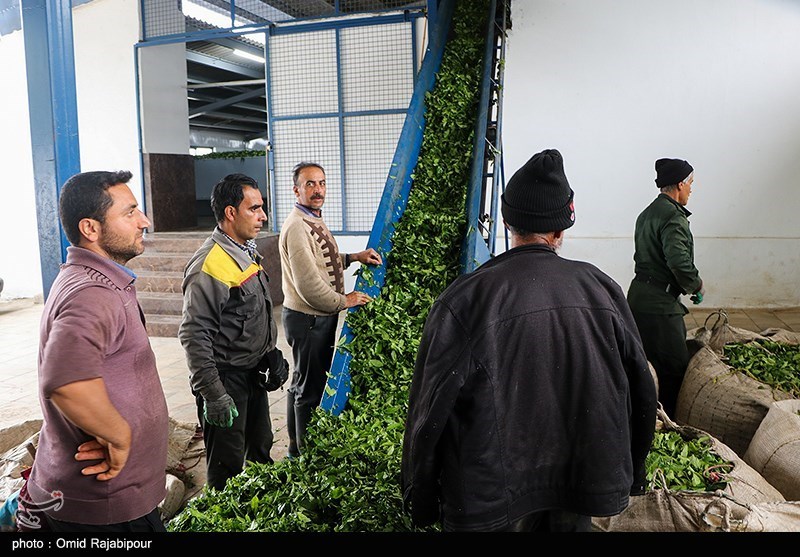
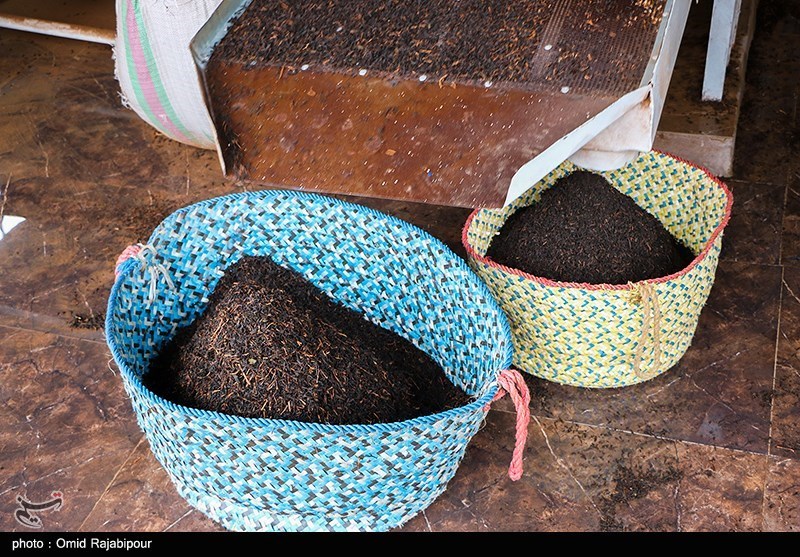
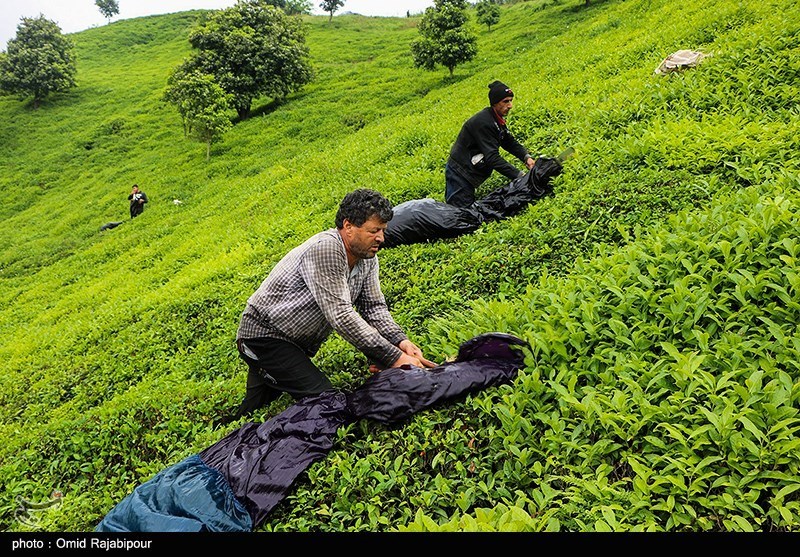
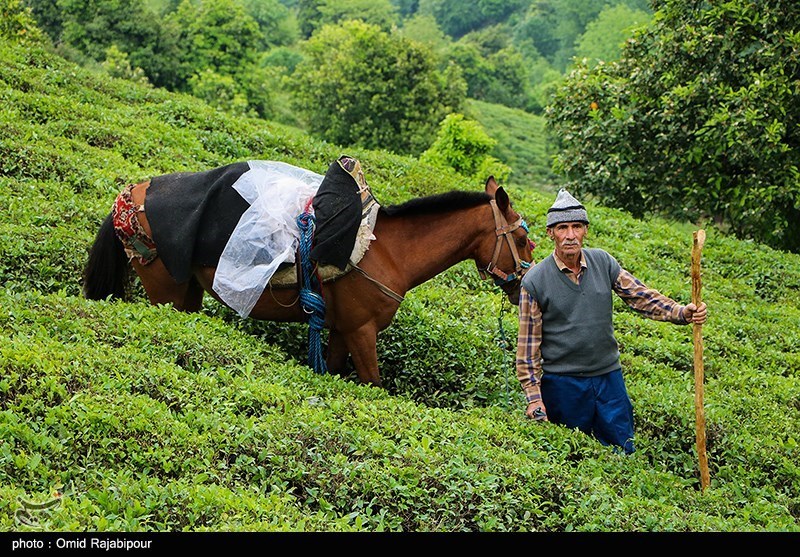
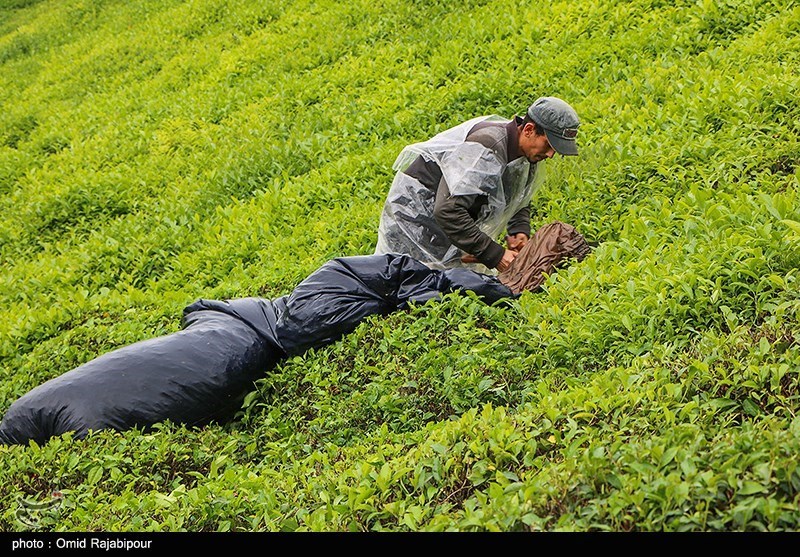
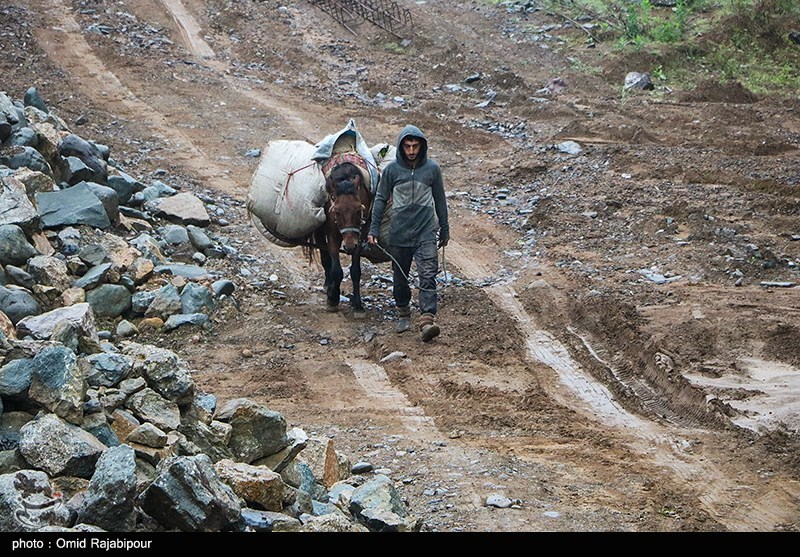
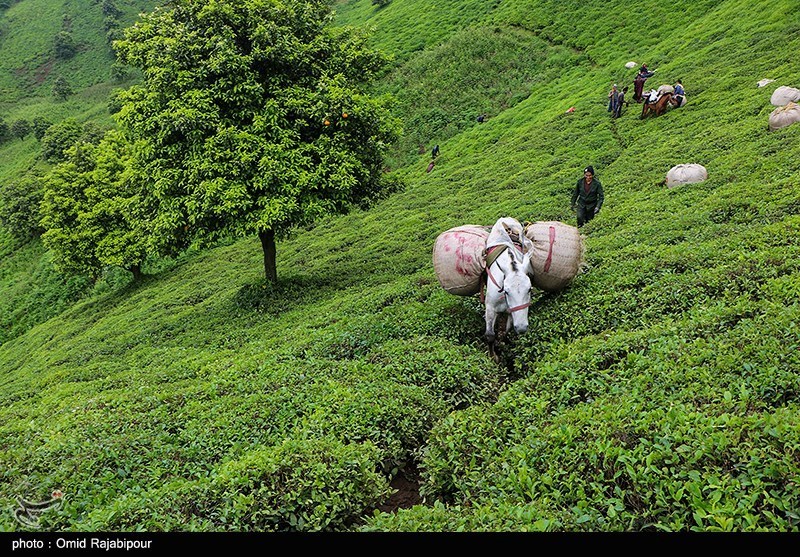
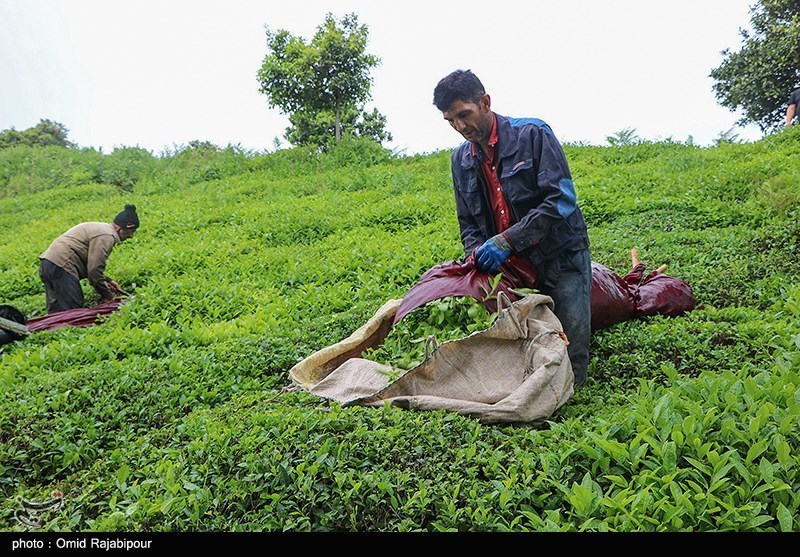
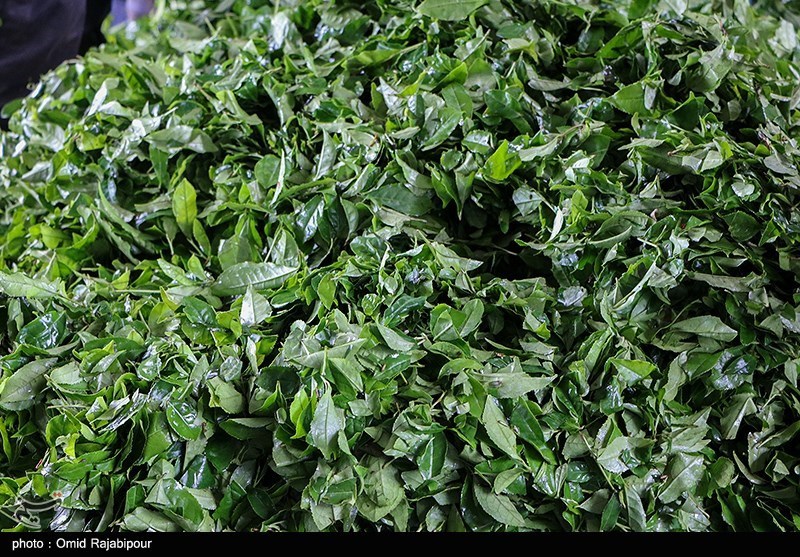
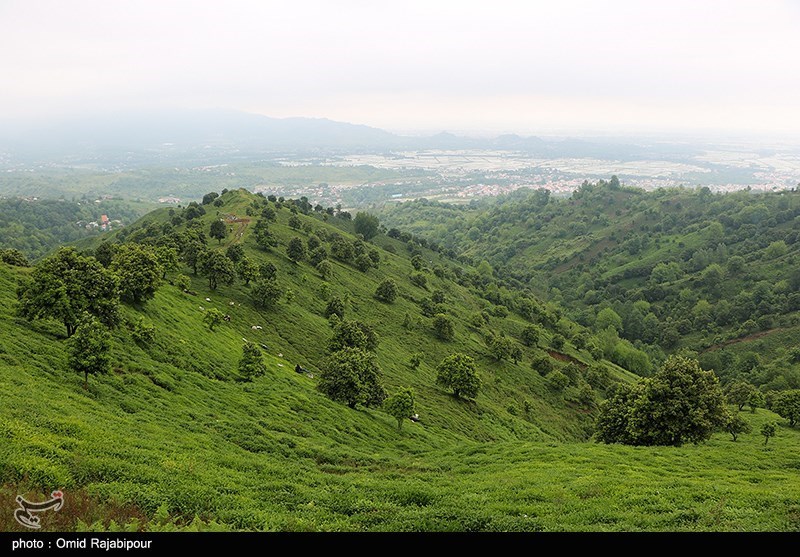
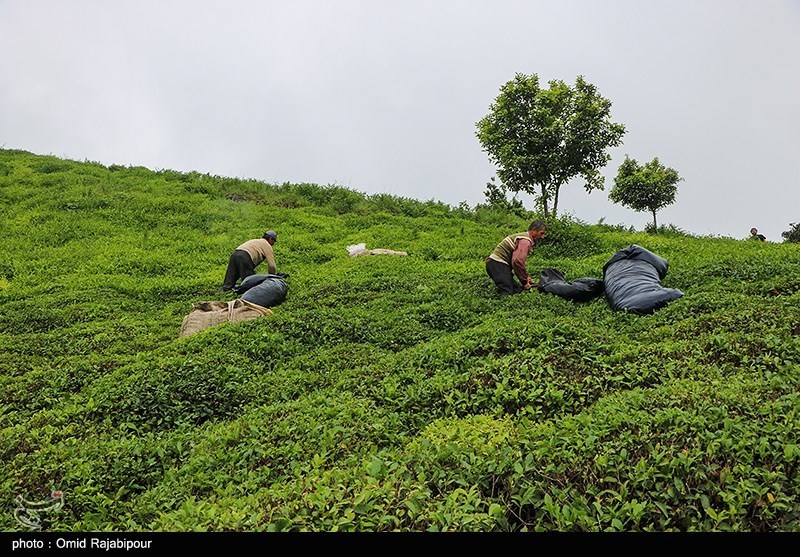
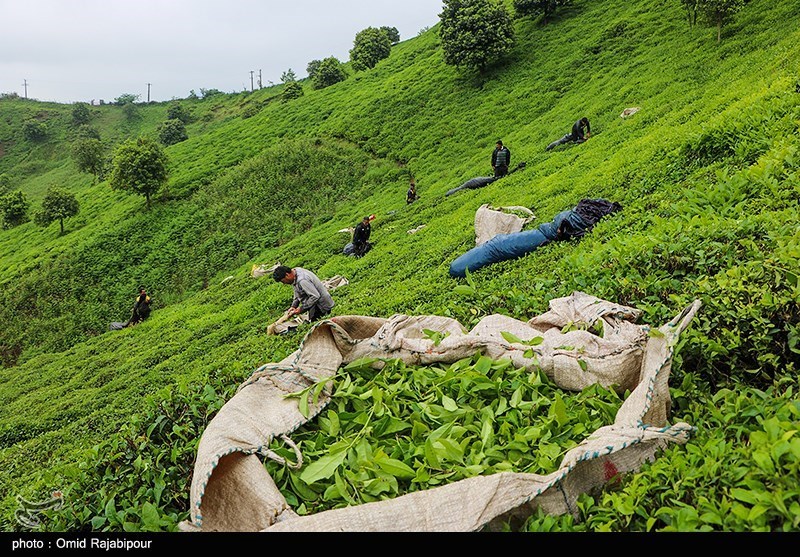
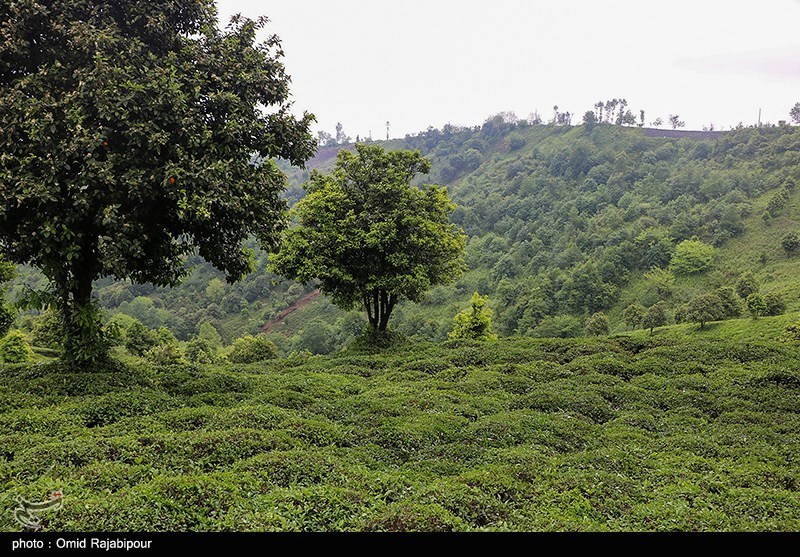
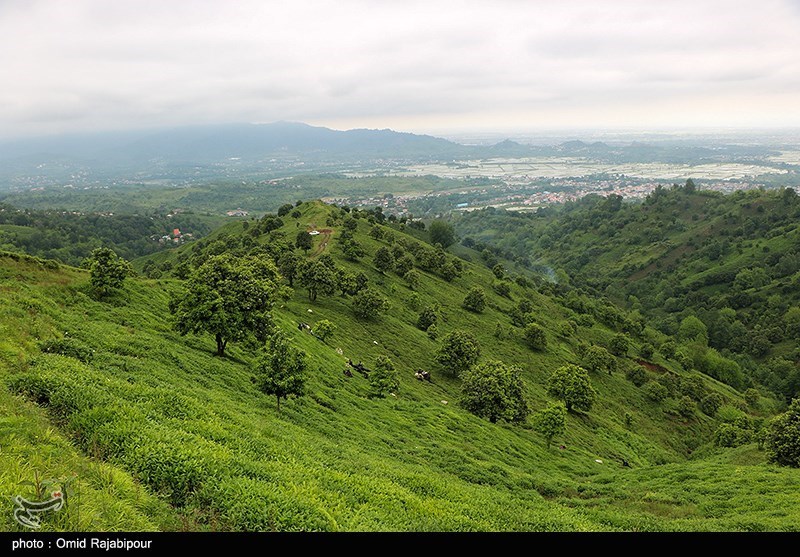
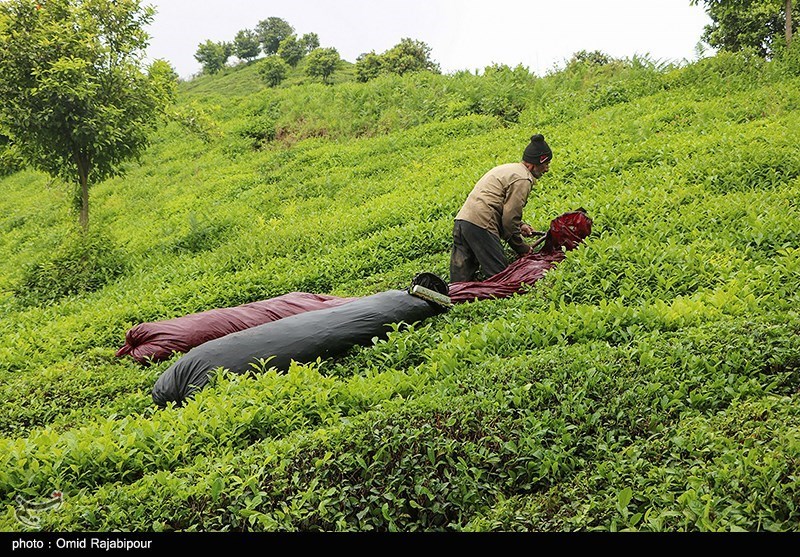
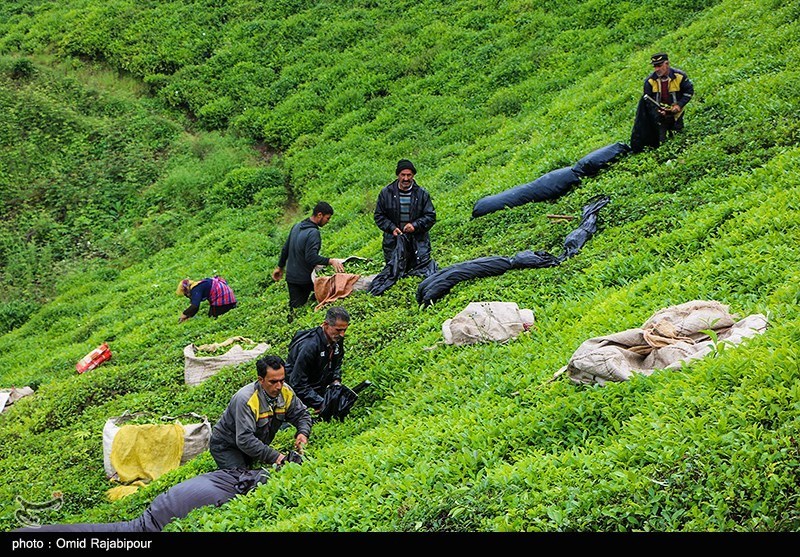
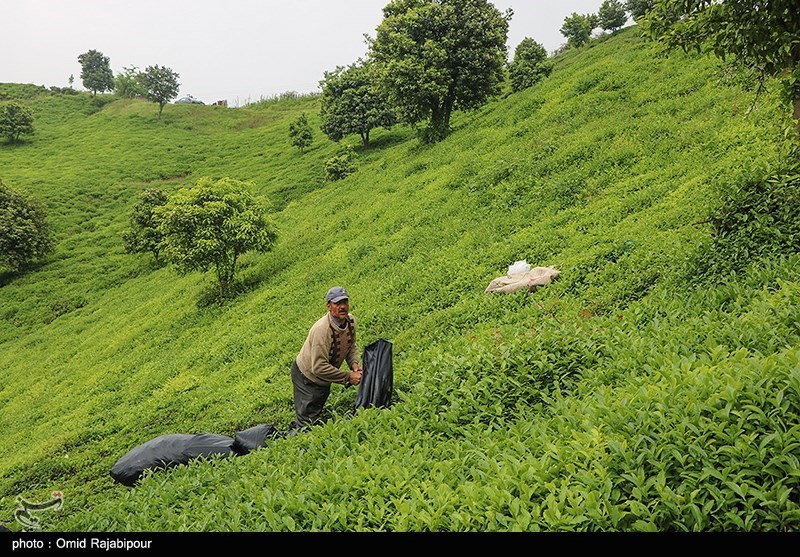
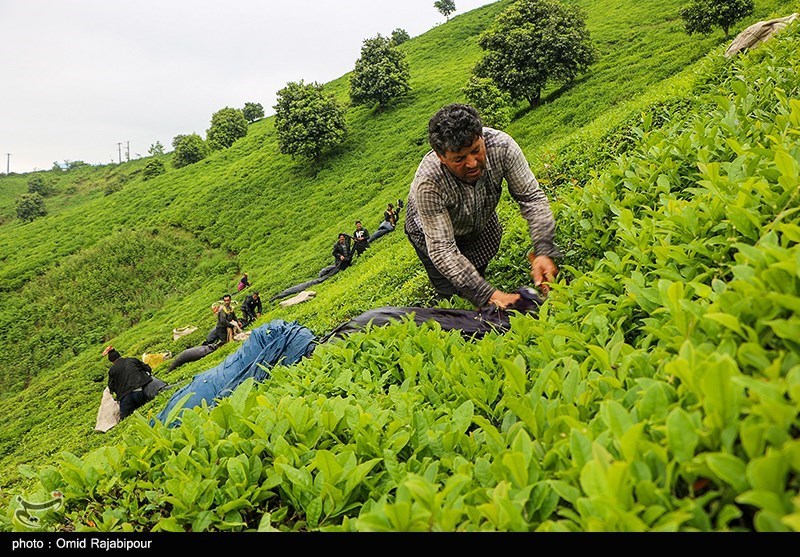
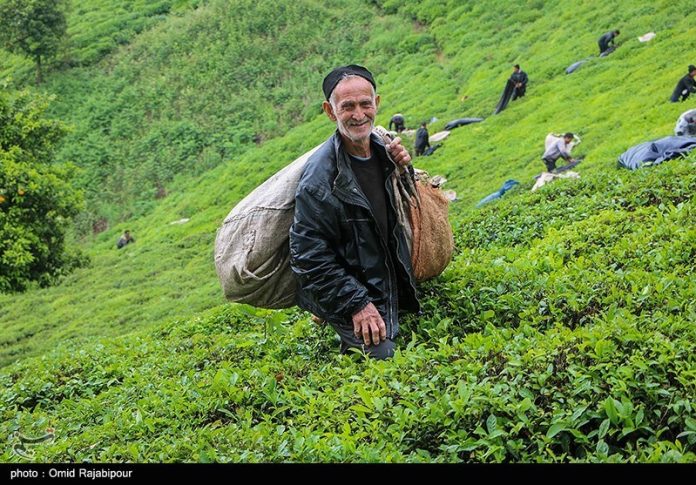
Harvesting spring-time chai (tea) plants in Iran’s north

Spring-time chai is different than summer-time and fall-time tea in that it tastes more acerbic, but just as delicious. It also takes longer to brew, which explains its stronger taste.

There are 25,000 hectares of tea farms in Iran’s littoral Gilan and Mazandaran Provinces, where 55,000 households earn a living by farming tea.

Also, 90 percent of Iran’s tea is produced in Gilan.

Here is a selection of photos of tea farmers at work in the heavenly spring weather.

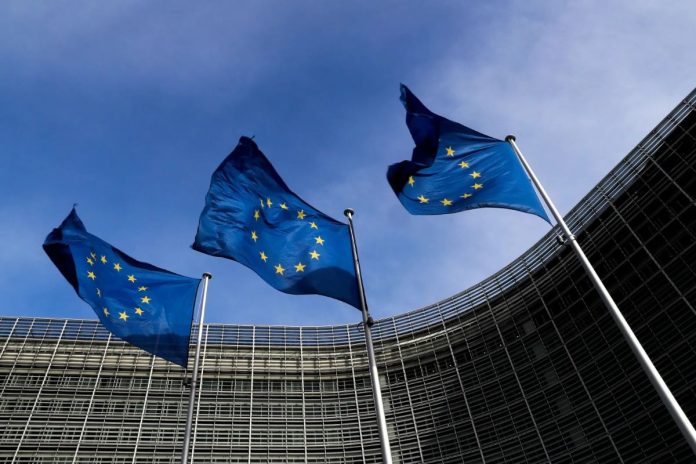
More Iranian individuals, entities targeted by EU’s eighth package of sanctions

The European Union

The new sanctions target 5 people and two entities, the European Council said on its Twitter account.

Restrictive measures now apply to a total of 216 individuals and 37 entities. They consist of an asset freeze, a travel ban to the EU and a prohibition to make funds or economic resources available to those listed.

Today’s package of listings follows the previous seven adopted by the Council on 17 October, 14 November, and 12 December 2022, 23 January, 20 February, 20 March and 24 April 2023.

Foreign-backed unrest broke out in Iran in mid-September after the death of the 22-year-old Iranian woman, Mahsa Amini, in police custody. She fainted at a police station in Tehran and was pronounced dead three days later at the hospital.

Iran’s intelligence community has announced several countries, including the United States and the UK, have used their spy and propaganda apparatuses to provoke violent riots in the country.

The European Union, the United States and the United Kingdom have in recent months issued several rounds of sanctions against Iran over allegations of human rights violation after Amini’s death.

Iranian President Raisi to travel to Indonesia on Tuesday

Ebrahim Raisi

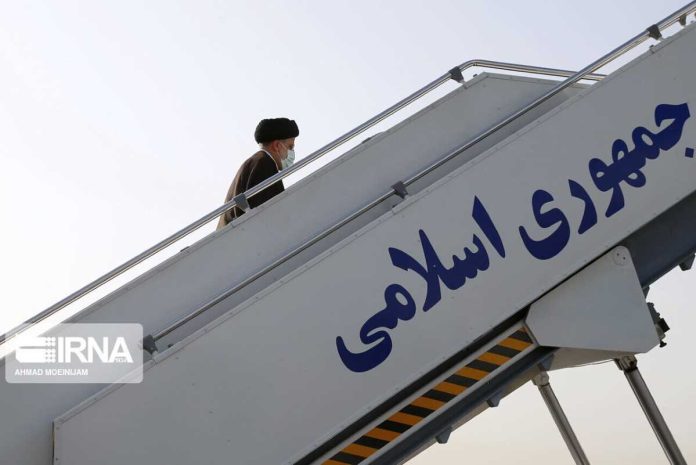
The Iranian Embassy in Jakarta said in a tweet on Monday that President Raisi would arrive in the Indonesian capital on Tuesday.

Indonesia, which has a population of 300 million, is the world’s largest Muslim and the fourth most populous country.

Separately, Iranian Foreign Minister Hossein Amirabdollahian called the scheduled visit “not only a turning point in the two countries’ bilateral relations but also indicative of the start of a new chapter in the relations between two great nations.”

Amirabdollahian said the two countries shared such qualities as “perseverance…, cultural and civilizational commonalities, [and] much capacity for cooperation in various fields,” which he said “were harbingers of the start of a new era in bilateral relations together with the new exigencies of the international order.”

He said the Iranian and Indonesian people were able to establish “deep connections” to one another “centuries ago” through the shared religion of Islam.

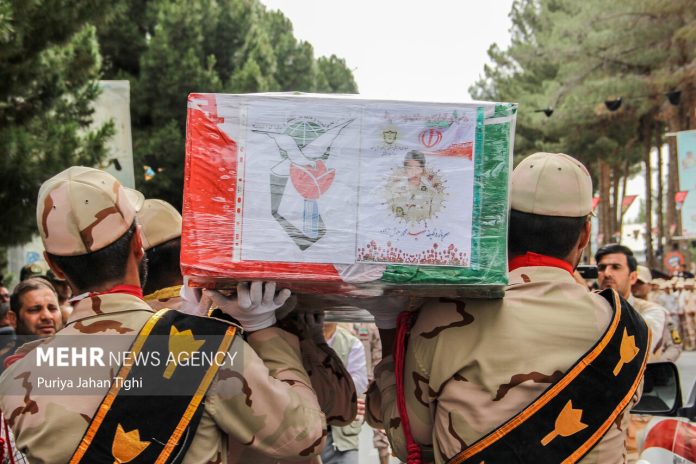
Iran holds funeral for guards killed in terror attack near Pakistan border

Iranian Border Guards

The funeral was held in the city of Zahedan, the capital of the Sistan and Baluchestan province, on Monday and was attended by provincial deputy commander of police forces, commander of border guards, governor-general of the province, as well as people from all walks of life.

Speaking at the border guards’ funeral ceremony, Iran’s deputy police chief Brigadier General Qasem Rezaei warned the deceived people who are following in the enemies’ footsteps that they “will definitely get a decisive and firm response wherever it is necessary.”

On Saturday, five border guards were martyred in clashes with armed terrorists and anti-Islamic Revolution groups in Saravan County.

“Today, police forces are more resolved and you will hear the news of the revenge in the near future,” Rezae added.

The deputy police chief also emphasized that such incidents will not create divisions between Iran, Pakistan and Afghanistan as the trio enjoy long-standing relations.

“Pakistan has given a message, saying that it will deal decisively with the perpetrators of the terrorist attack, and that it is the last message,” he said.

On Sunday, spokesman of Baluchistan Government in Pakistan, Farah Azeem Shah, condemned the terrorist attack in Saravan.

Azeem Shah stated, “The time has come for the governments and nations of Iran and Pakistan to send a strong message to these elements,” stressing that the purpose of such acts of terror was to harm the brotherly relations between Pakistan and Iran.

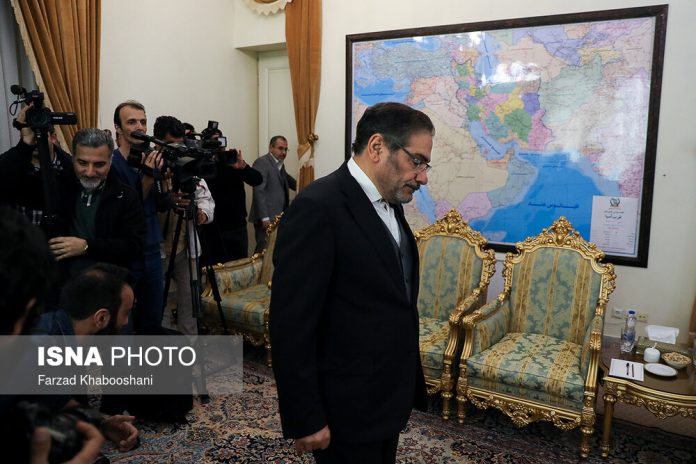
Iran’s security chief replaced after almost a decade

Ali Shamkhani

According to a decree issued by Raisi on Monday, Brigadier General Ali Akbar Ahmadian was appointed as the new secretary of Iran’s Supreme National Security Council.

Ahmadian, 62, is the director of the Islamic Revolution Guards Corps’ Strategic Center and a member of the Expediency Council.

He used to serve as the IRGC Navy commander from August 1997 until July 2000. He was also the chief of Staff of the IRGC for seven years.

Ahmadian is a graduate of the University of Tehran in dentistry and has a PhD in strategic management from the Supreme National Defense University of Iran.

His predecessor, Shamkhani, had held the position since September 2013.

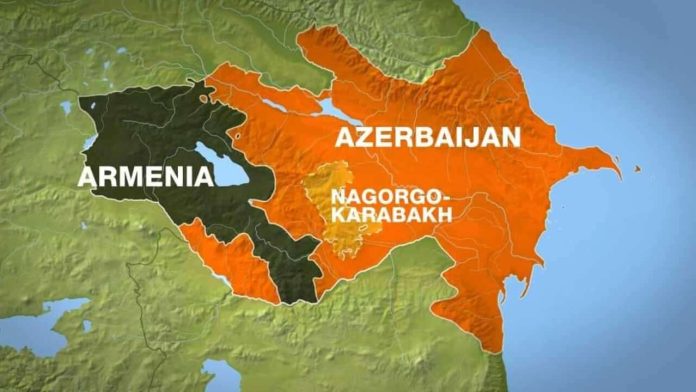
Armenian PM says Yerevan ready to recognize Nagorno-Karabakh as part of Azerbaijan

Armenia Azerbaijan

Speaking at a press conference on Monday, Pashinyan noted that the entire territory of Azerbaijan is 86,600 sq km, including the area in question – “at the same time, we say that the issue of the rights and safety of the people of Nagorno-Karabakh should be discussed” in future negotiations.

“If we and Azerbaijan understand each other correctly, Armenia will recognize the territorial integrity of Azerbaijan within the named limits, while Baku will recognize the territorial integrity of Armenia within the area of 29,800 sq km,” he added.

The two former Soviet republics have been locked in a conflict over the disputed region with a total population of around 150,000 for several decades. As the Soviet Union was collapsing, in 1988, Nagorno-Karabakh broke away from Azerbaijan, unilaterally establishing its own republic three years later. This triggered a major war, which claimed the lives of thousands of people and ended in an internationally mediated truce in 1994.

Since then, however, Armenia and Azerbaijan have engaged in sporadic fighting over the area. One of the latest clashes took place in 2020; the tensions were diffused by Moscow’s efforts to mediate.

Pashinyan’s statement comes after he stated in April that Yerevan and Baku could sign a peace treaty if they both recognize one another’s territorial integrity “without any ambiguity and pitfalls,” while agreeing not to have any territorial disputes in the future.

Azerbaijani President Ilham Aliyev also said on Monday that the signing of a peace treaty between Baku and Yerevan is inevitable.

“We think that the signing of a peace treaty is inevitable and are trying to make constructive efforts to achieve this goal. Naturally, this peace treaty should embrace international norms and principles,” he stated after talks with his Lithuanian counterpart, Gitanas Nauseda in Vilnius.

Iran rejects G7 claims over nuclear program, Ukraine war

Nasser Kanaani

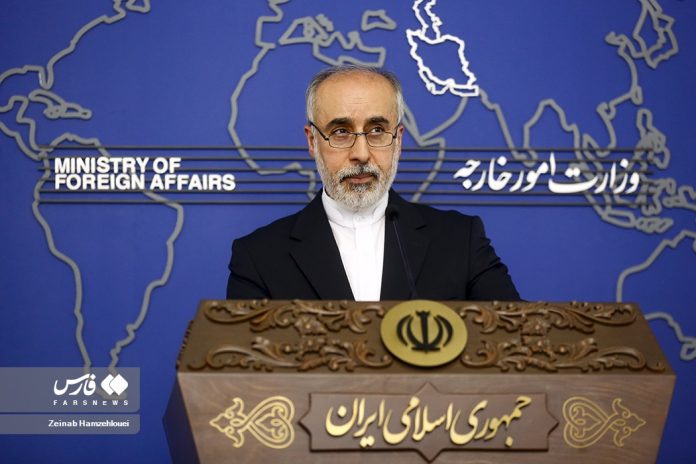
Nasser Kanaani, in reaction to parts of the final statement of the G7 summit held in Hiroshima, Japan, said, “As we have repeatedly stressed, Iran’s nuclear program is solely aimed at peaceful purposes and nuclear weapons have no place in our defense doctrine.”

He went on to say, “Therefore, we vehemently dismiss the selective statement and vague allegations by the G7 members, who maintain nuclear weapons.”

Kanaani also described the call by leaders of the G7 for the implementation of UNSC resolution 2231, endorsing the Iran nuclear deal, JCPOA, as very strange and a show of the paradoxical policies of these countries as these states “have been the main violators of the resolution and have imposed maximum illegal sanctions against the Iranian nation.”

The Foreign Ministry spokesman said the JCPOA was a goodwill gesture by Iran to remove false expressions of concern about its nuclear program and was a major achievement of multilateral diplomacy, which “unfortunately” has suffered serious damage by the illegal withdrawal of the US from the agreement and the inaction of the European sides following the US pullout.

Kanaani also referred to the satisfactory progress in the execution of the agreements between Iran and the International Atomic Energy Agency.

“The Islamic Republic of Iran has always been committed to its international obligations and is determined to continue its constructive cooperation and interaction with the IAEA within the framework of the NPT and the Safeguards Agreement.”

In other comments, the Iranian Foreign Ministry spokesman said, “Just as we have reiterated time and again, the Islamic Republic of Iran has never supplied drones to Russia during the Ukraine crisis and continues to insist on a political solution to the crisis.”

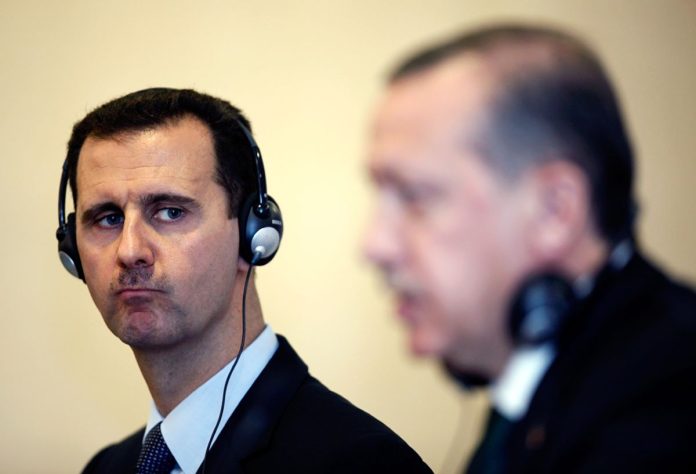
Syria sets condition for Assad-Erdogan meeting

Syria and Turkey Presidents Assad and Erdogan

Mekdad made the remarks in an interview with Russia’s RT Arabic television news network in Damascus on Sunday.

“Damascus would not normalize relations with Turkey, which occupies swathes of land in Syria,” he stated.

Mekdad added that Assad’s meeting with his Turkish counterpart would depend on the full pullout of Turkish forces from Syrian territory.

Back in March, Assad stated that there was no point in a meeting with Erdogan until Turkey’s “illegal occupation” ended.

“This is linked to arriving at a stage where Turkey would clearly be ready and without any ambiguity to exit completely from Syrian territory and end its support of terrorism and restore the situation that prevailed before the start of the war on Syria,” Assad said in an interview with Russian TV station Sputnik.

“This is the only situation when it would then be possible to have a meeting between me and Erdogan,” he continued, adding, “Aside from that, what’s the value of such a meeting and why would we do it if it would not achieve final results for the war in Syria?”

Turkey severed its relations with Syria in March 2012, a year after the Arab country found itself in the grip of deadly violence waged by foreign-backed militants.

Now, after 12 years, the two neighboring countries are taking steps toward reconciliation.

In the meantime, Turkey deployed forces in Syria in October 2019 in violation of the Arab country’s territorial integrity.

Ankara-backed militants were deployed to northeastern Syria after Turkish military forces launched a long-threatened cross-border invasion in a declared attempt to push militants of the Kurdish People’s Protection Units (YPG) away from border areas.

Ankara views the US-backed YPG as a terrorist organization tied to the homegrown Kurdistan Workers’ Party (PKK), which has been seeking an autonomous Kurdish region in Turkey since 1984.

The Kurdish-led administration in northeastern Syria says the Turkish offensive has killed hundreds of civilians, including dozens of children since it started.

Turkey has played a major role in supporting terrorists in Syria ever since a major foreign-backed insurgency overtook the country more than ten years ago.

President Assad and other senior officials have said the Damascus government will respond through all legitimate Syrian means available to the ongoing ground offensive by Turkish forces and allied Takfiri militants in the northern part of the war-battered Arab country.

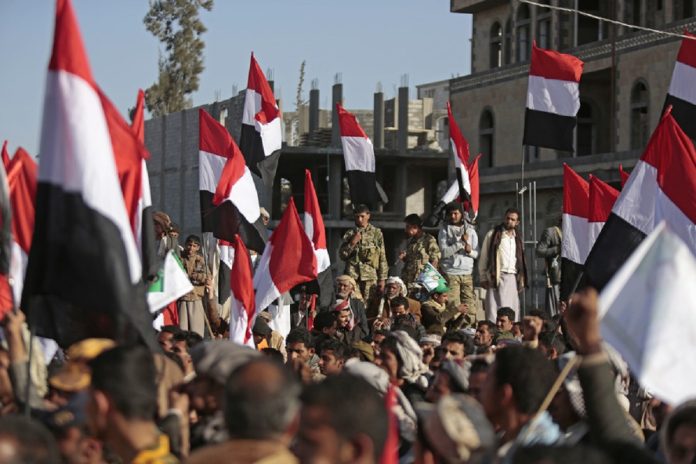
Only Iran stood by Yemen in hard times: Envoy

Yemeni Forces

Al-Deilami made the remarks in an interview with Iran’s Mehr news agency on Sunday. He talked about roles played by various countries in the war on Yemen.

“Most countries are accomplice in the Saudi-American aggression against our country, except for one country, which is the Islamic Republic of Iran,” Deilami said.

“Iran stood by the Yemeni people and staunchly supported them and presented the cause of Yemen with all sincerity in international forums, and the Yemenis saw nothing but help from the Islamic Republic of Iran,” he added.

Stressing that the Islamic Republic has since day one called for ending the aggression, lifting the blockade, sending humanitarian aid to Yemen and not interfering in its internal affairs, the Ambassador said, “Iran stood and stands by the Yemeni people in different forms and at all levels. These are the firm and honest positions of Iran from the first day to this moment.”

Deilami categorically dismissed claims that Yemen’s popular Ansarullah resistance movement was following Iran and receiving weapons and military equipment from the Islamic Republic.

“In the face of this aggression, not only Ansarullah, but all Yemeni people from all sects, regions, tribes, parties and political forces participated. The aggressor forces led by Saudi Arabia and its supporters tried to undermine the people’s resistance and make it seem that everything in Yemen is under Iran’s control,” he continued.

“But the reality has proven this statement false and the Islamic Republic has repeatedly stated through the Foreign Ministry that this issue is a media game by the enemy,” the envoy added.

Underlining that the relationship between Iran and Yemen is not only based on diplomacy but also historical and religious ties, Deilami said, “Both countries are at the center of resistance and opposition to the Zionist-American project.”

The Ambassador fielded the question whether it is Saudi Arabia to decide the end of war or the other parties involved.

“Saudi Arabia is trying to insinuate through its media and soft power that the issue is in the hands of the Americans, and of course this is true and the Americans are complicit in this aggression and brutality, but if Riyadh is honest, it can get rid of all this pressure,” Deilami underscored.

“At the same time, this does not absolve Riyadh from taking responsibility for the war, rebuilding Yemen, and ending the military presence of all forces allied with it, be it the United Arab Emirates, Sudan, the United States or Britain,” he added.

Deilami said Riyadh does not accept the responsibility of the war in Yemen in order to avoid the consequences of the aggression.

Saudi Arabia, he stated, has another goal, which is to restore its influence in Yemen through political action and negotiation and presenting itself as a neutral and mediating country.

Saudi Arabia invaded Yemen in March 2015 in collaboration with a number of its allies and with arms and logistical support from the United States and several other Western states.

The objective was to bring Yemen’s former Riyadh-backed regime back to power and crush Ansarullah, which has been running state affairs in the absence of a functional government in Yemen.

While the Saudi-led coalition has failed to achieve its objectives, the war has killed hundreds of thousands of Yemenis and created the world’s worst humanitarian crisis.

Iran-Taliban talks end; Taliban calls for good ties with Tehran

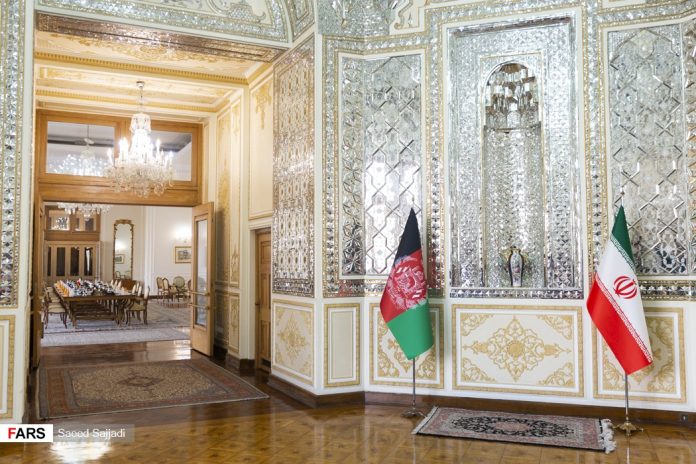
Iran Afghanistan Flags

According to the ministry, they also called for coordination to address future challenges.
The talks were headed by the deputy chief of armed forces of Iran and Afghanistan.
In the statement, the ministry noted that Afghanistan seeks good relations with Iran and is committed to further cooperation across different sectors.

The Iranian military delegation arrived in Afghanistan on Saturday for two-day talks.

It came days after Iranian President Ebrahim Raisi warned the issue of Iran’s water share from Helmand River was a “serious” issue and warned the Taliban of consequences if the rulers of Afghanistan refuse to release Iran’s share of the water.