Friday, December 26, 2025
Home Blog Page 1302

Needlework is one of the most prominent crafts in Iran

Needlework is one of the most prominent crafts in Iran

The art of needlework in Iran is mostly done in Sistan and Baluchestan Province (Baluchs) and some other regions of Iran such as Isfahan (Armenians), Bakhtiaris, north of the country (Turkmens), Khorasan and Yazd (Zoroastrians in Yazd). Needle embroideries in these areas have differences in design, color and type of stitching.

But the most prominent needlework of Iran is related to Sistan and Baluchestan and it is called Baluchi embroidery.

During the past years, the art faded to some extent. But the young people of Sistan and Baluchestan, especially women and girls, have rolled up their sleeves and are trying to make the province known with a face other than deprivation.

By setting up various workshops and exhibitions as well as innovation and change in the traditional form of the needlework industry, they have taken the art to the fashion and clothing markets inside and outside of Iran.

What you are going to read in this article is about the art of needlework in Sistan and Baluchestan.
The art of needlework in Iran

History of needlework

According to the historical textiles discovered in the western parts of Iran, this authentic art dates back to six thousand years before Christ.

According to the existing historical documents, the art of needlework has been very prosperous and popular in all periods of Iran’s history, and in some periods of history, it has enjoyed more prosperity due to the interest of noble and rich people.

In the past years, some people interested in art have collected and re-implemented authentic needlework art techniques in addition to clothes on items such as tablecloths, the margins of manteaus, shawls, ornaments, etc.
Needlework is one of the most prominent crafts in Iran
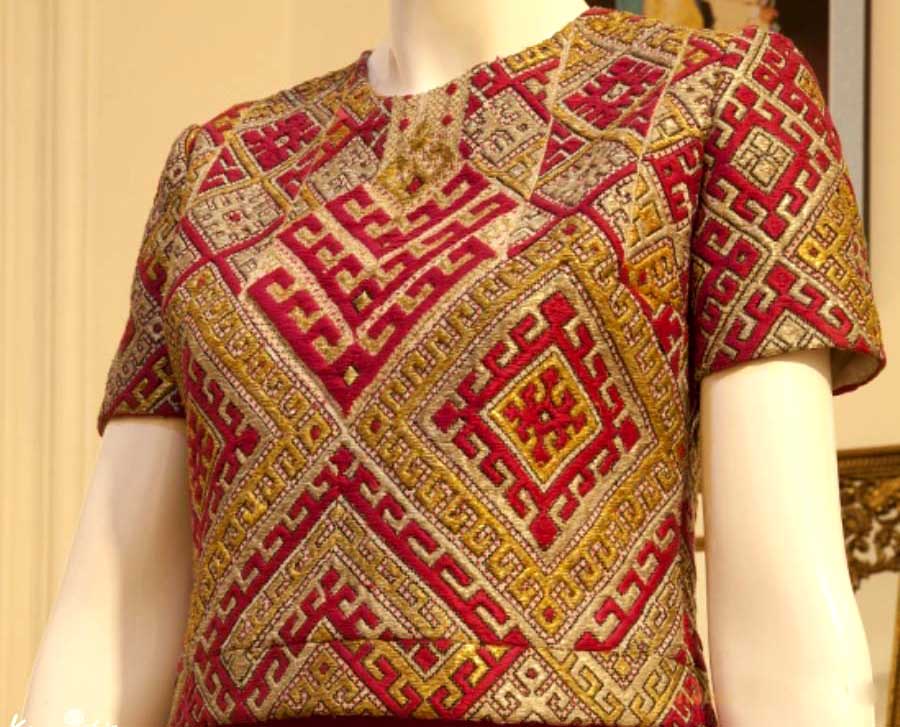
Needlework cloth created by Iranian artist Mahtab Nowrouzi. The work is kept in Saad Abad Palace Museum in Tehran.

Tools for needlework

  1.  Needle
  2. Thimble
  3. Scissors
  4. Thread
  5. Cloth

Colors and motifs used in Baluchi needlework

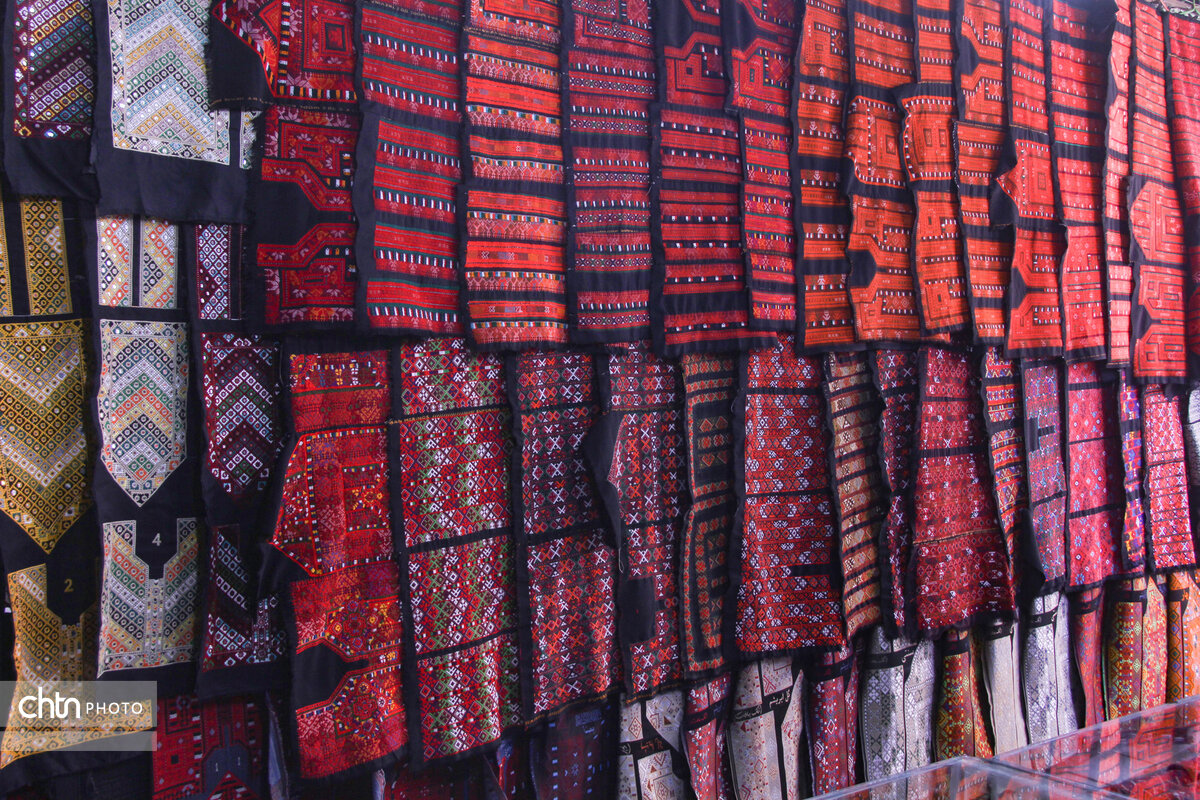
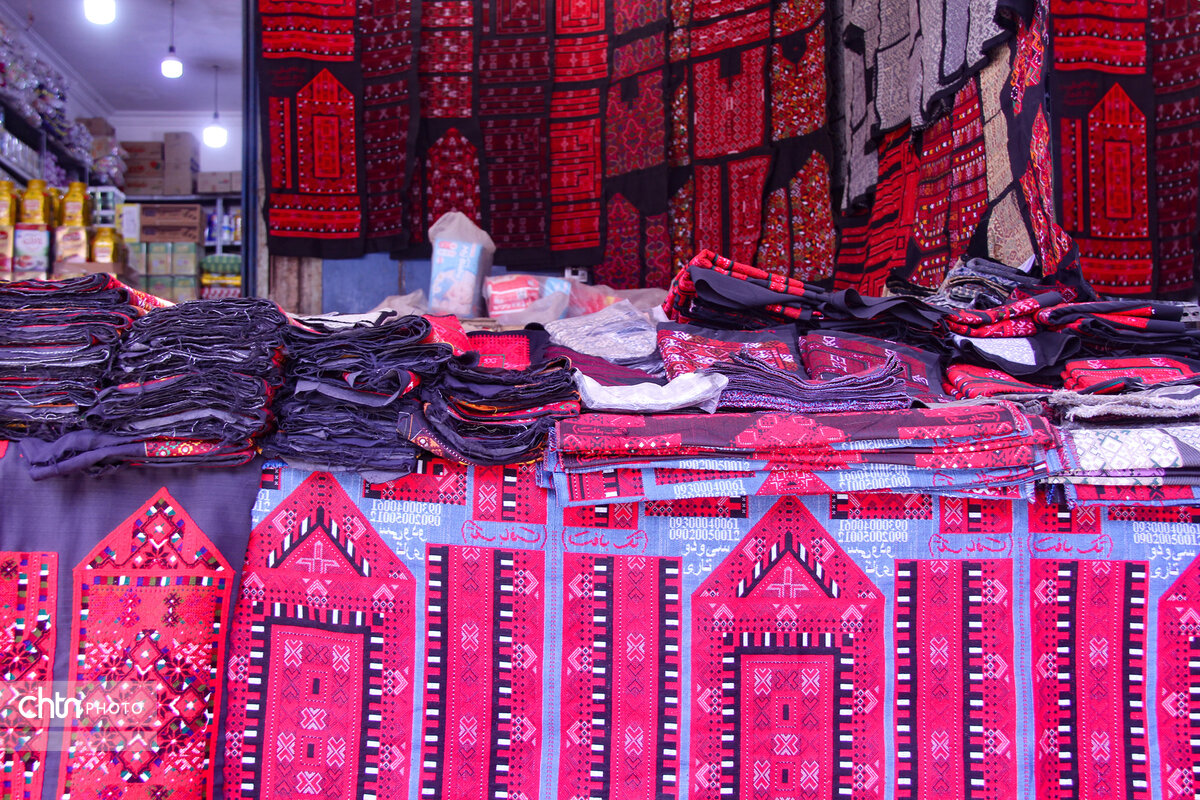
Colors in Baluchi needlework are limited to 6 colors (dark brown, red, orange, black, white, green and blue), but the sewing that includes these 6 colors is called a seven-color stitch. However, in most of the things that have been sewn, almost 80% of the design is red.

The threads used in this art are usually silk, because these threads are of higher quality and give more effect to the sewing pattern. Meanwhile, in relation to the fabric chosen for Baluchi needlework, it must have a specific and definite texture, which is called six threads.

Different kinds of widely used motifs

These motifs are generally the same in all decorations, but Baluch women can make changes in these motifs based on their own taste and experience.

Geometric patterns:

Geometric patterns are one of the most widely used motifs, that can be very diverse due to their characteristics. In addition to the motifs in the art of embroidery, it is used in other arts such as pottery, goldsmithing, etc.

Animal motifs:

The animal motifs that these patterns are derived from are the types of animals that may exist around or are in the region, or animal motifs that are derived from a person’s mentalities and are used for the sake of beauty.

Plant motifs:

Plant patterns are mostly abstract designs that are created by maintaining geometric features.

Mahtab Nowrouzi’s motifs in the national city of Needlework

Iranshahr is one of the most important cities in Sistan and Baluchestan in the field of arts and crafts.

The art of needlework is the most authentic art of Iranshahr, which shows the high taste and talent of the women of the city, that is why the city has been chosen as the national city of needlework in Iran.

Another reason for choosing Iranshahr as the national city of needlework is the presence of famous figures of this art in this city, who are internationally renowned in this field.

Lady Mahtab Nowrouzi was the most famous Baluch needlework artist who, due to her creativity and high taste in this art, created many clothes with elegant designs for the aristocrats when she was a teenager, especially for Farah Diba, the wife of Mohammad Reza Pahlavi, the last shah of Iran and now some of her works of art are kept in Saad Abad Palace Museum in Tehran.

Despite her old age, Mahtab Nowrouzi continued to practice this art until the last years of her life (2013).
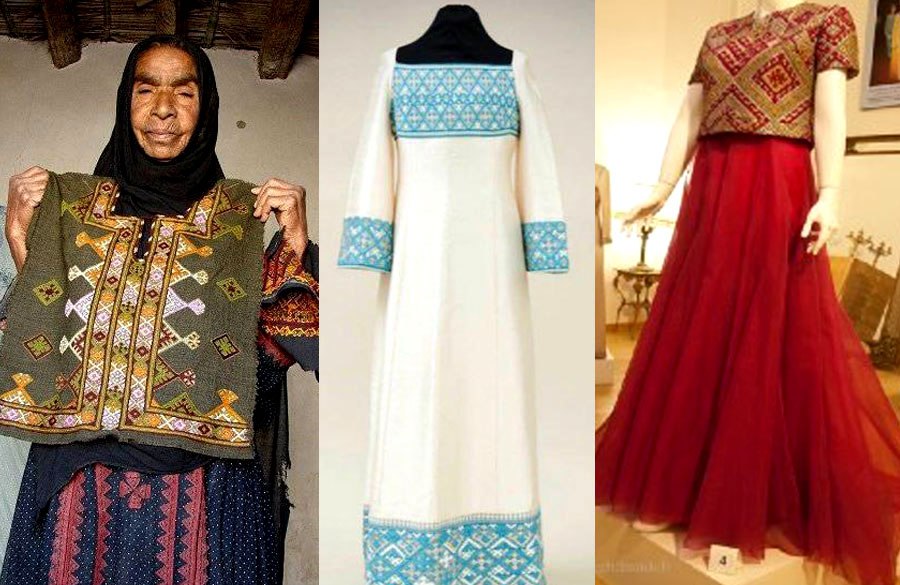
Lady Mahtab Nowrouzi, the most famous Baluch needlework artist.

The fame of Baluchi embroidery outside the borders of Iran

As it was said earlier, the art of needlework or Baluchi embroidery has entered foreign markets thanks to the efforts by the youth of Sistan.

“Somayyeh Irandegani” is one of the first women who became an entrepreneur in this field. She managed to set up the first needlework company in the country and directly and indirectly became an entrepreneur for dozens of people by using the art of Baluch women. With her own efforts and the efforts of other Baluch women and girls, needlework is exported to other countries such as the Netherlands, France and Oman.
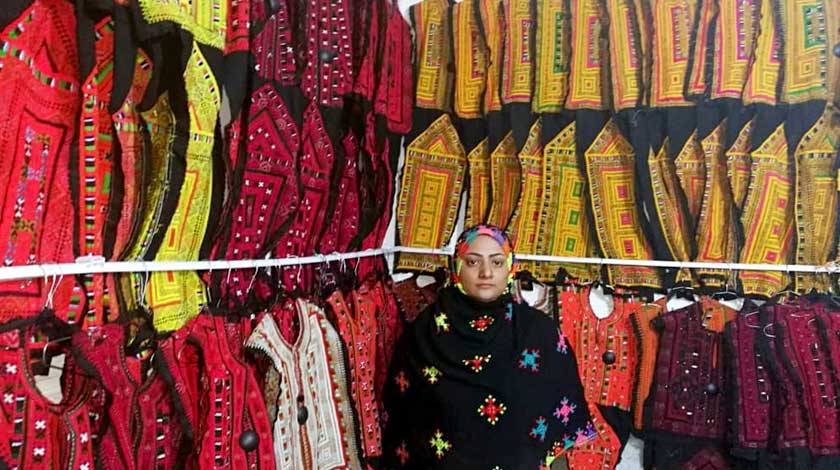
Somayyeh Irandegani

Other entrepreneurs have reported exporting their products to neighboring countries and the Persian Gulf and Scandinavia, Canada and Australia.

Furthermore, Ms. Ziba Azizi is one of the Baluch women who, in addition to teaching needlework to young girls, has worked to raise the awareness of women, children and teenagers in villages. In 2018 she received a creativity award from the Women’s World Summit Foundation (WWSF).

Among other Iranian women in the field of fashion and clothing is Mahla Zamani. She designed and sewed a dress for the Queen of Brunei, and the art of needlework was used for decoration of the dress.

Domestic market of Baluchi embroidery in Sistan and Baluchestan

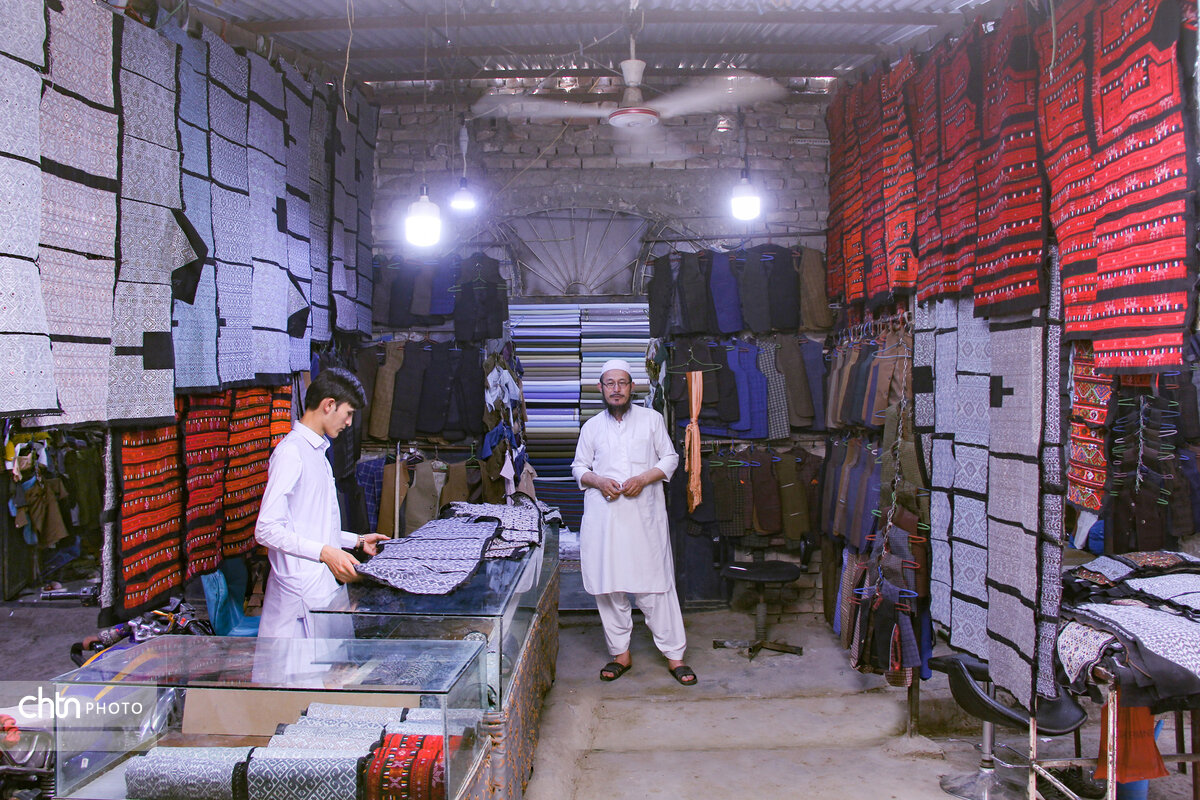
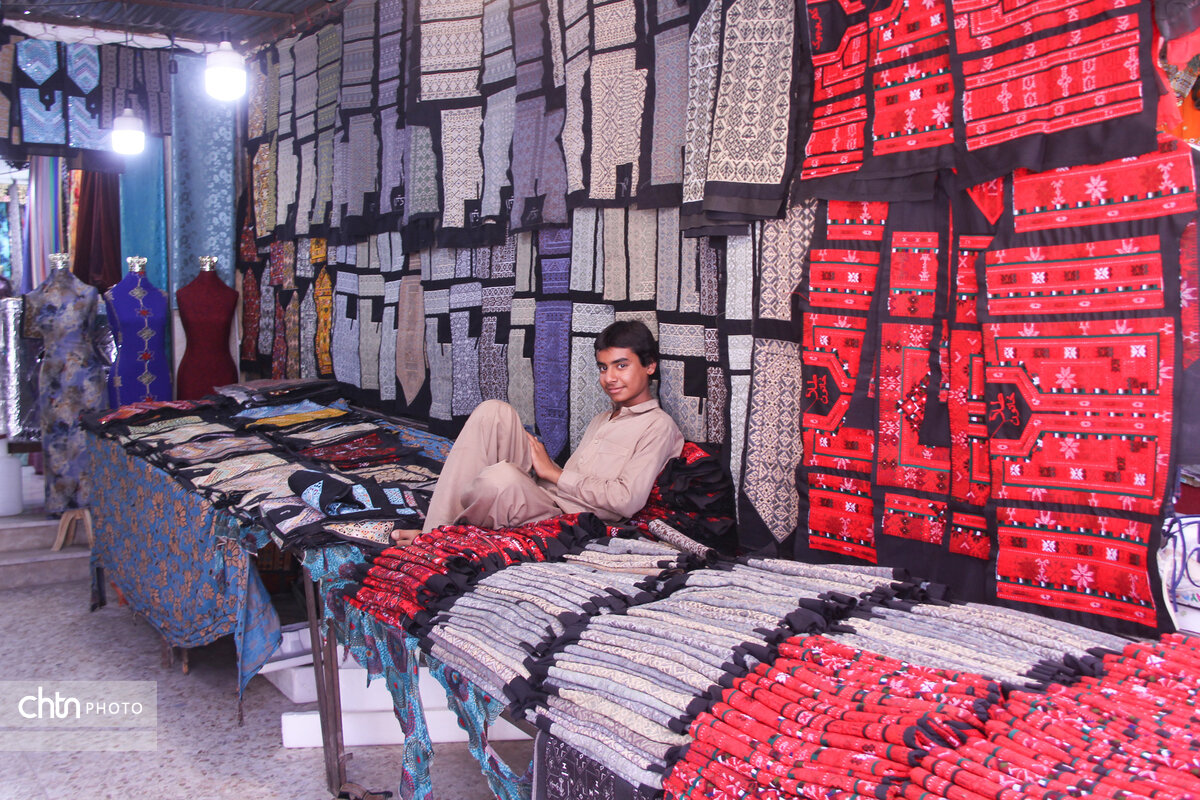
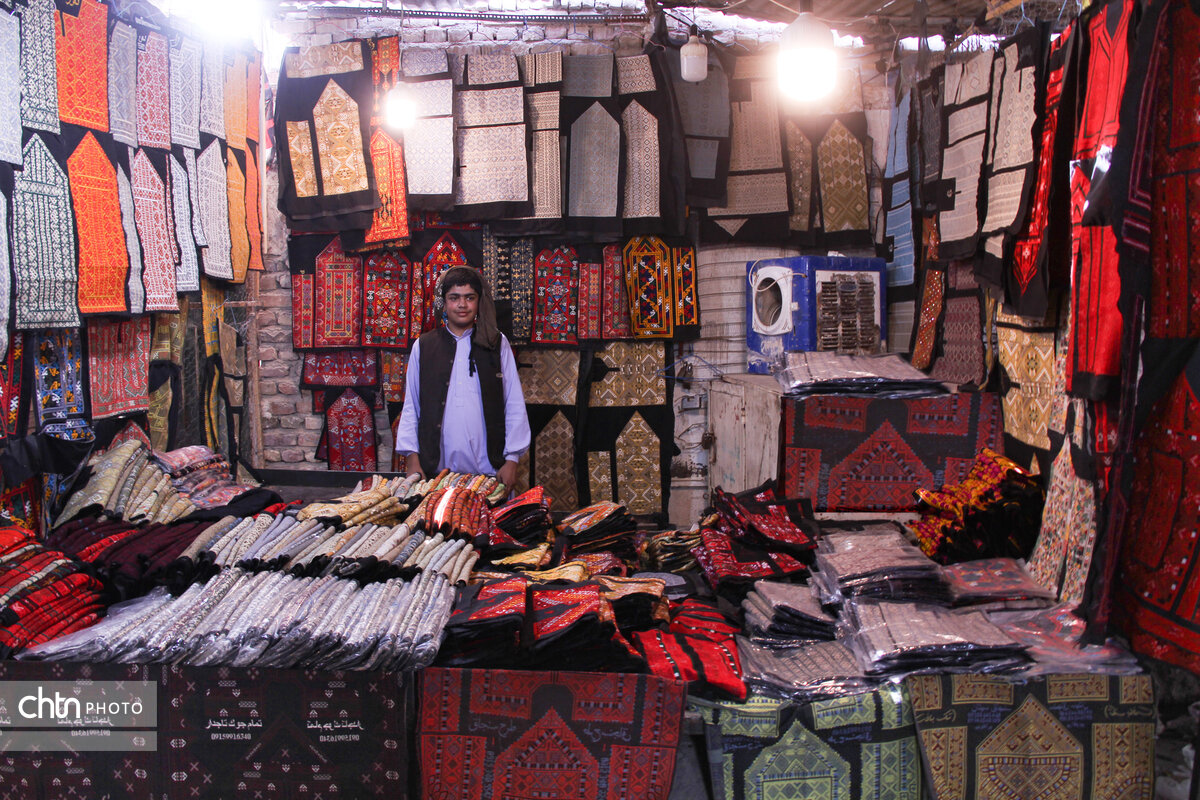
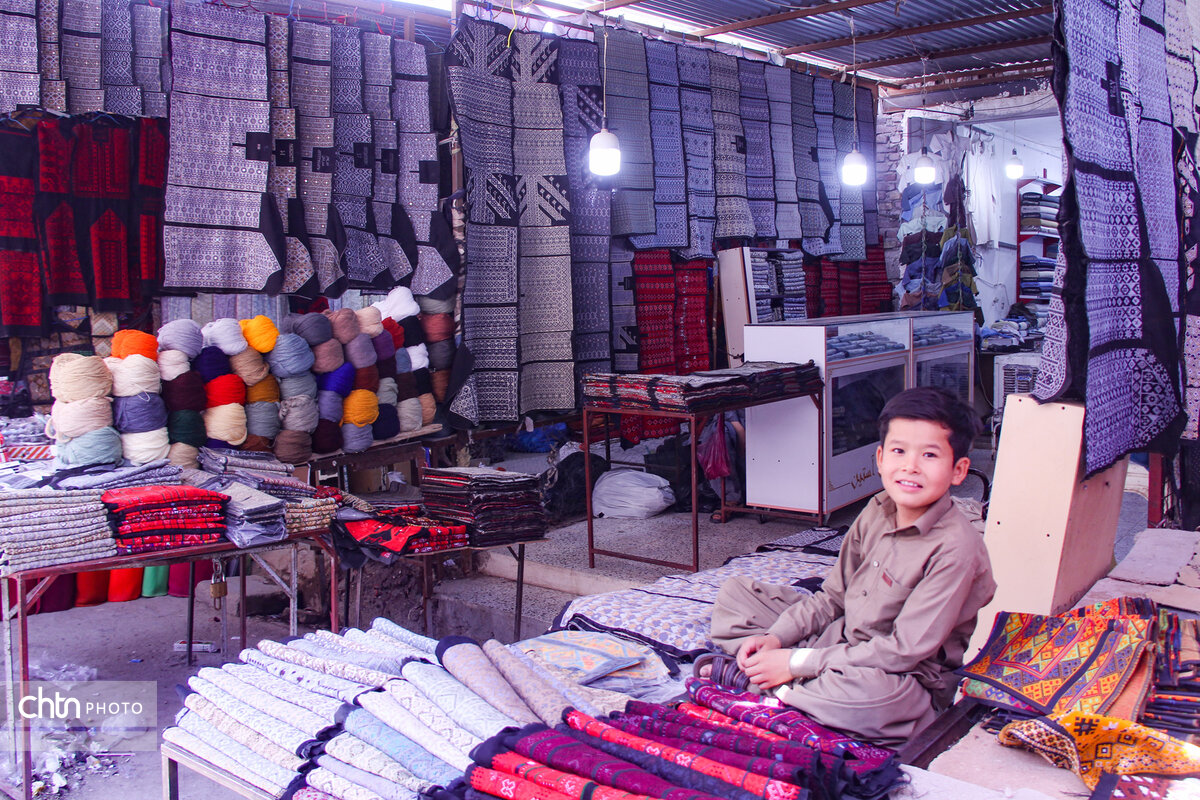
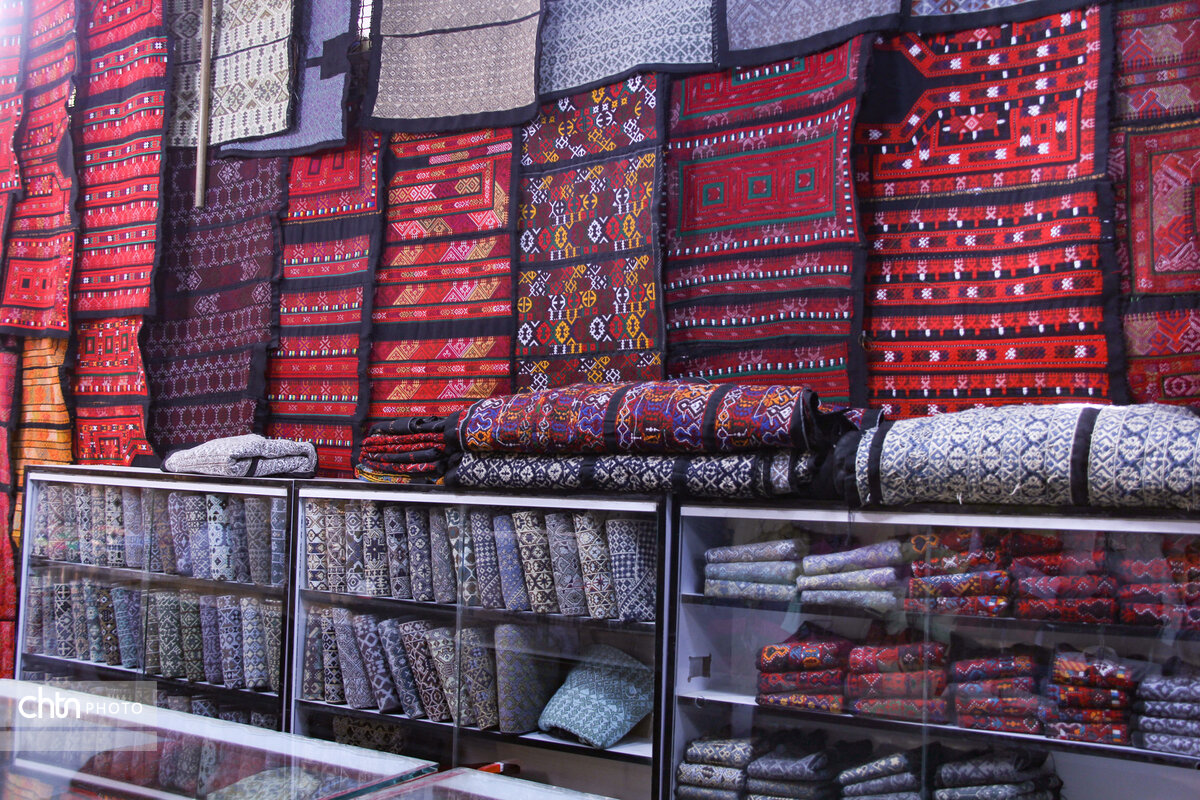
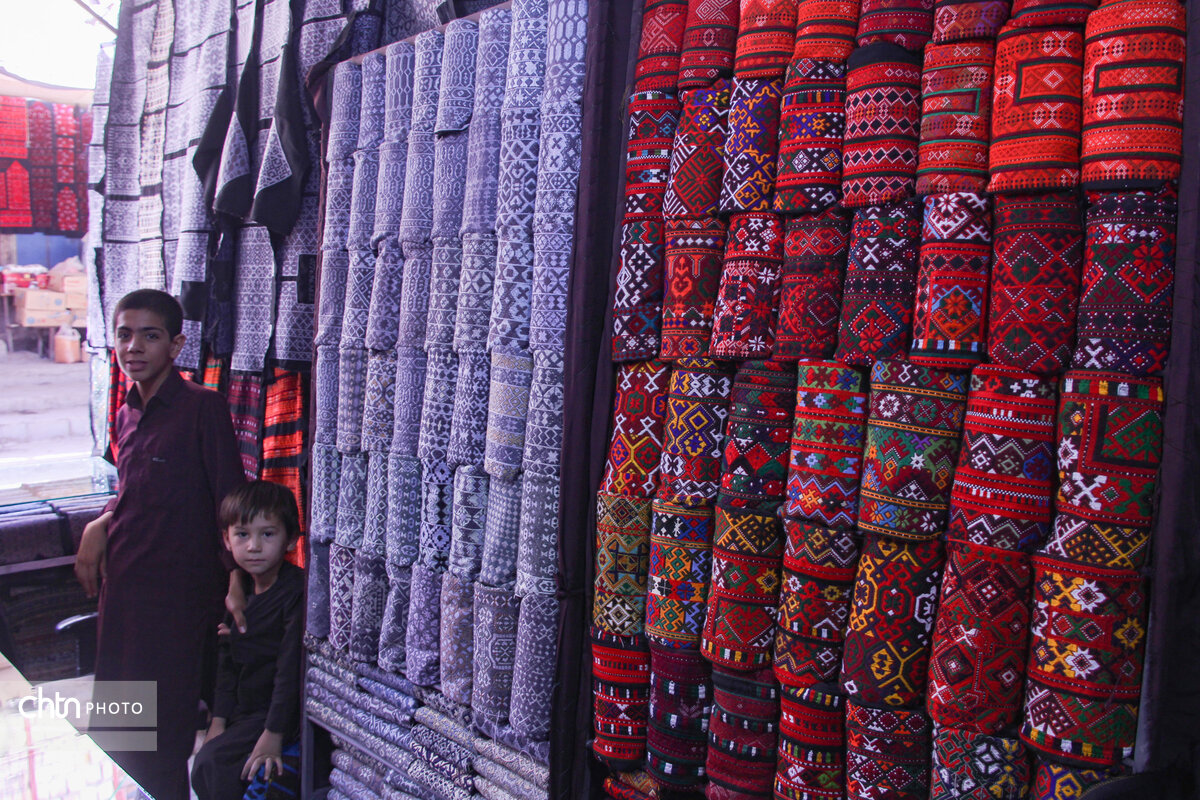
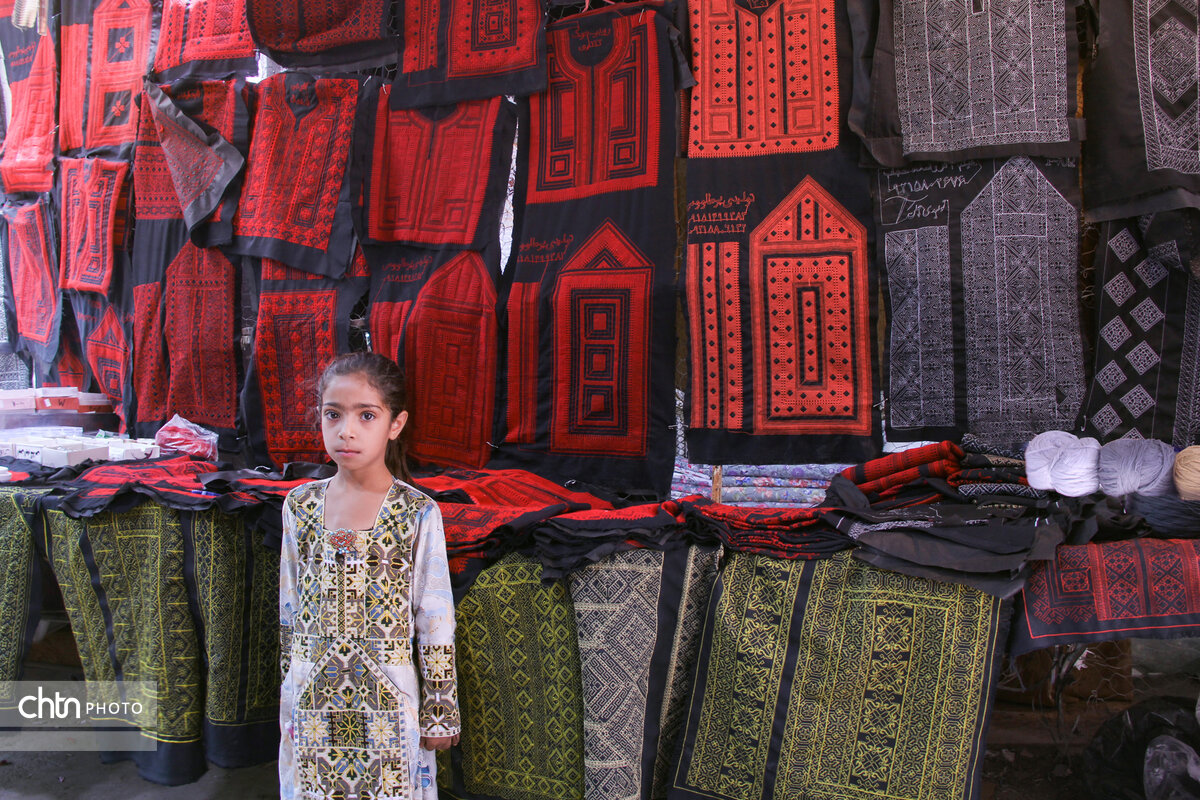
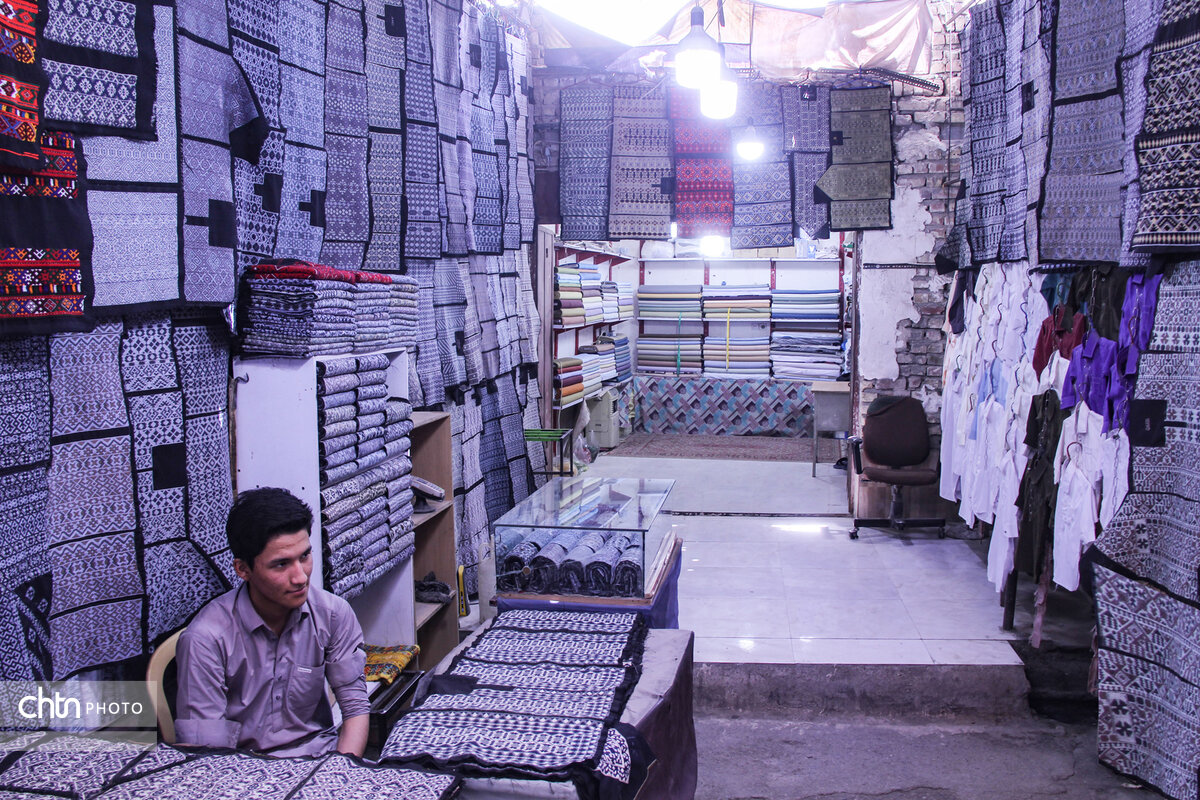
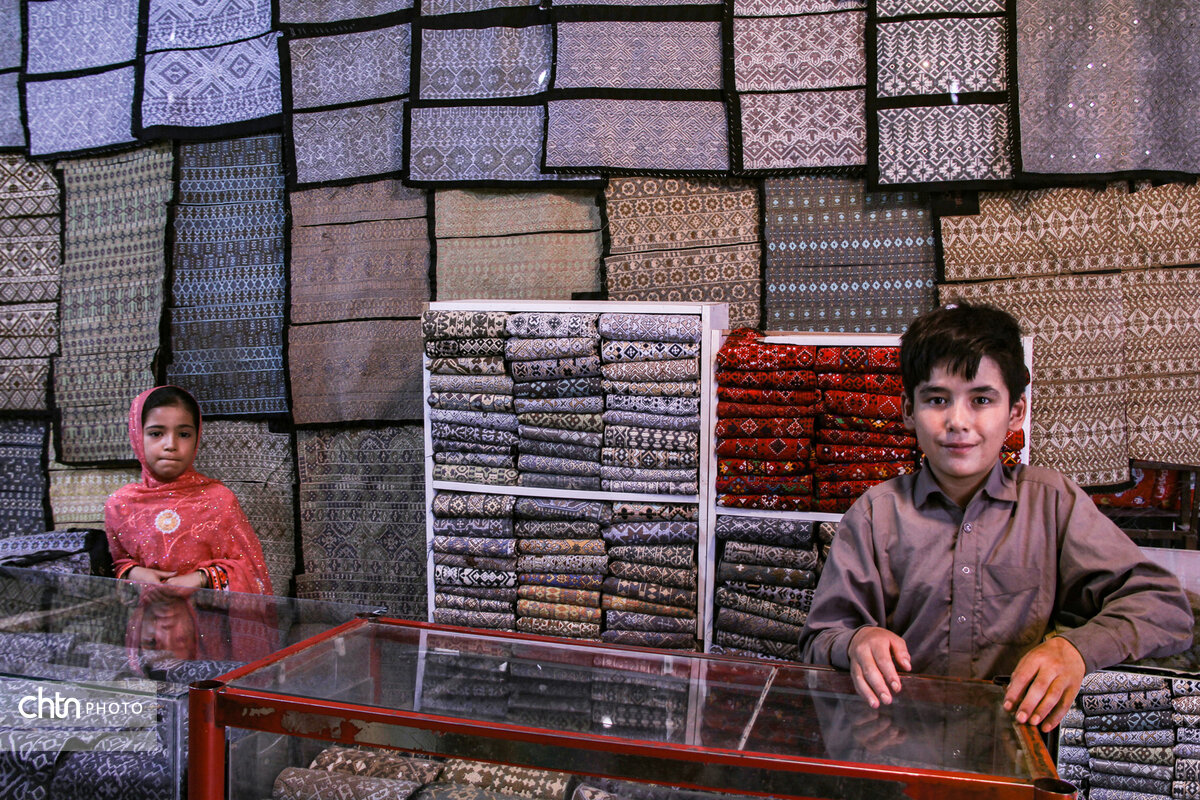
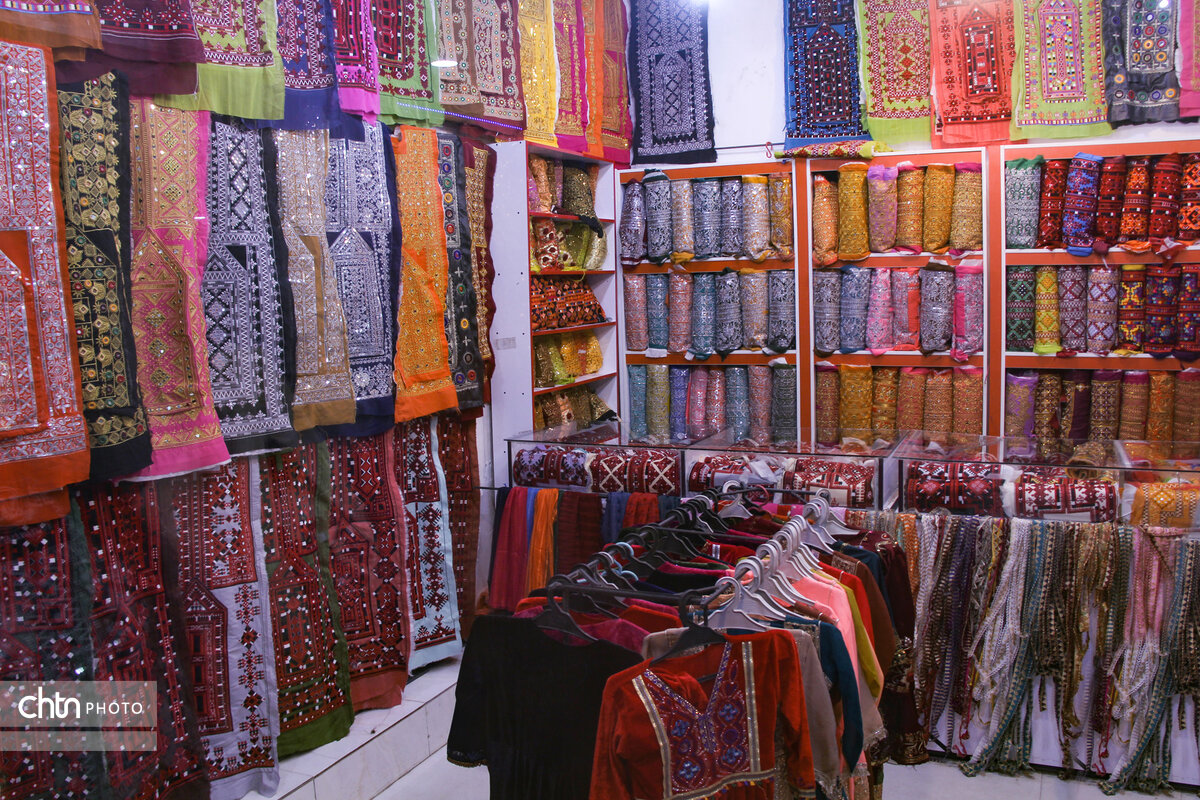
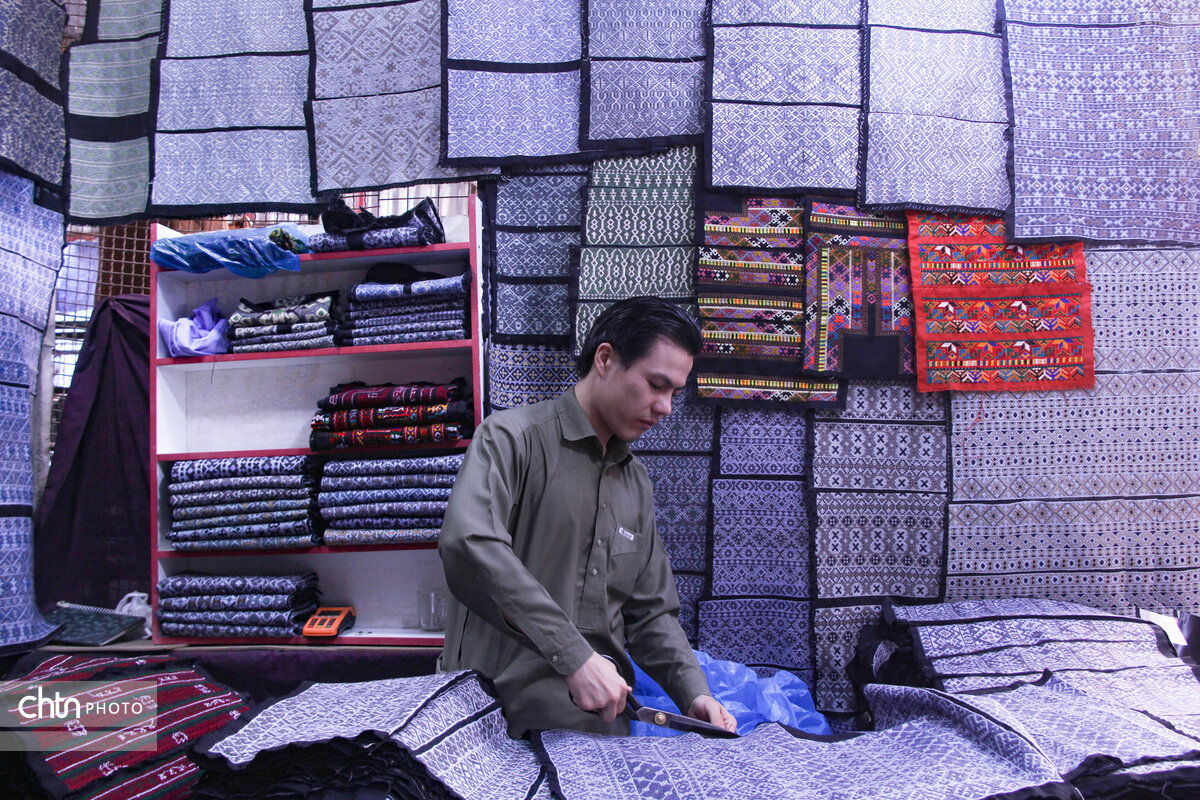
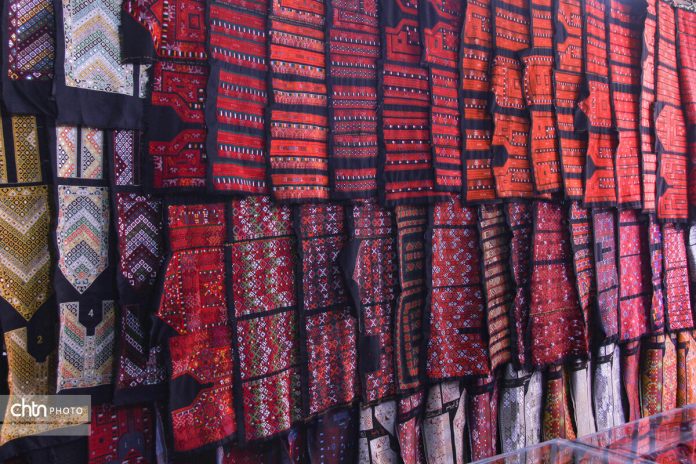
You can see pictures of one of the domestic markets of this Baluch art published by Chtn News Agency.
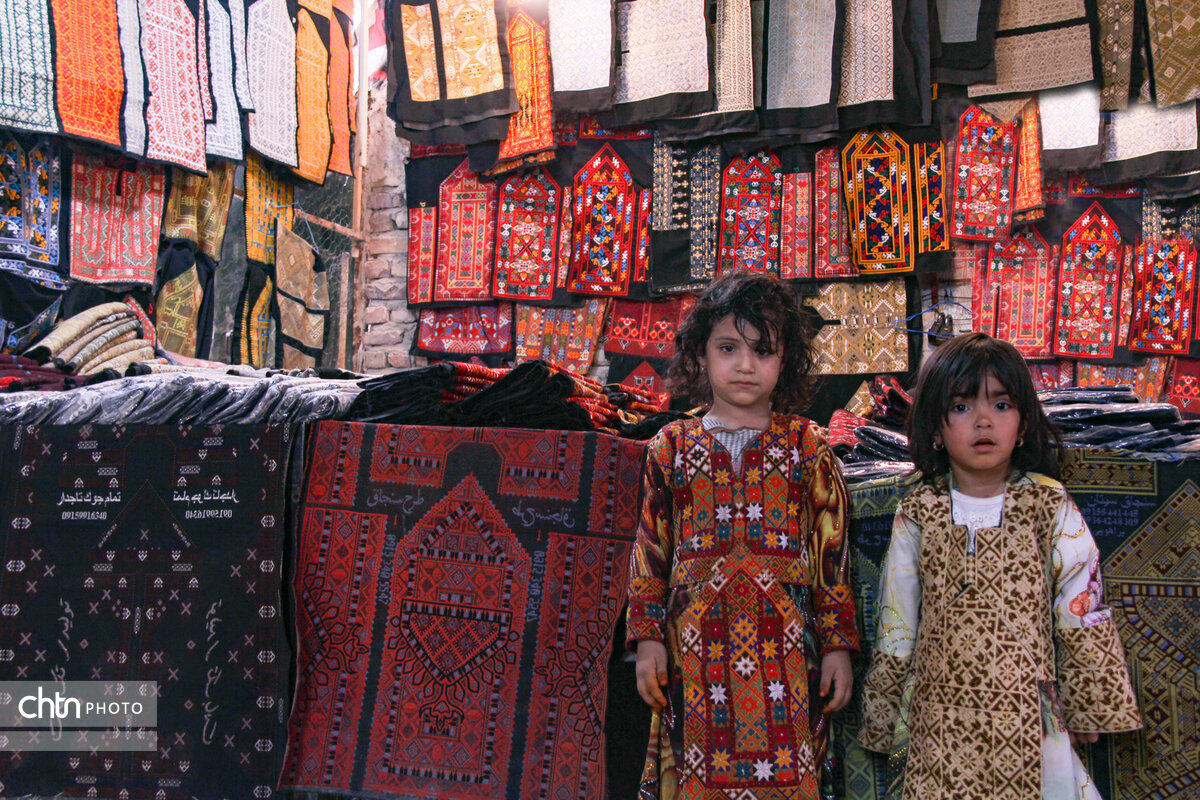
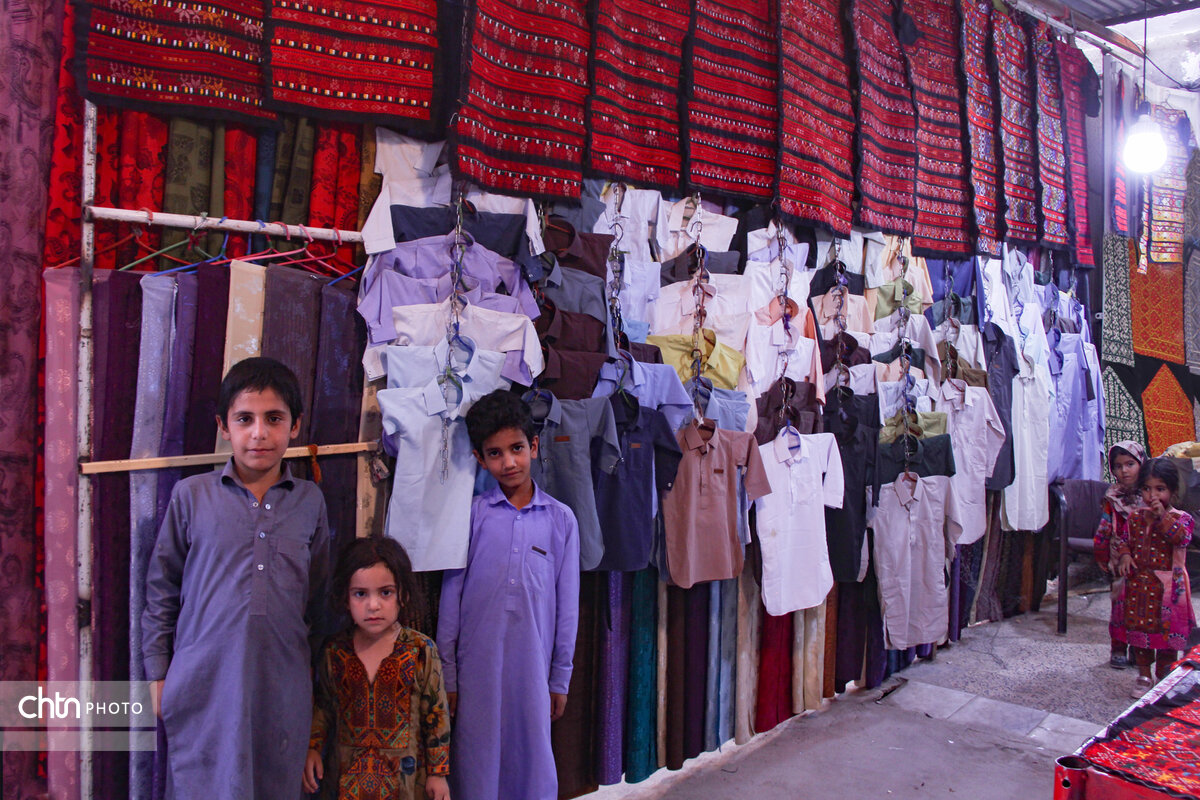
Different kinds of needlework products

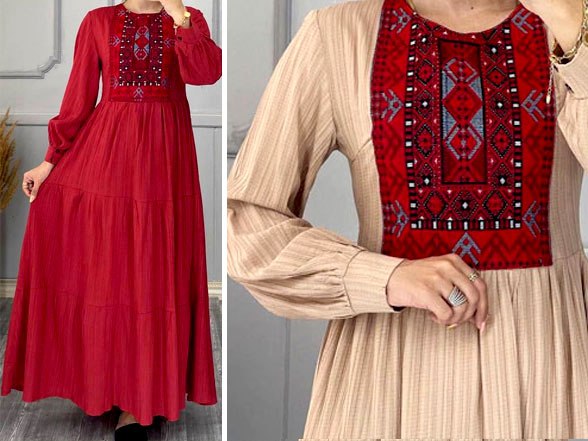
As we said, needlework production has expanded and is not just limited to the traditional clothes of Baluchestan. Nowadays artists in handicrafts use this art to create other works such as bedspreads, rugs, tablecloths, curtains, ties, bags and even shoes.
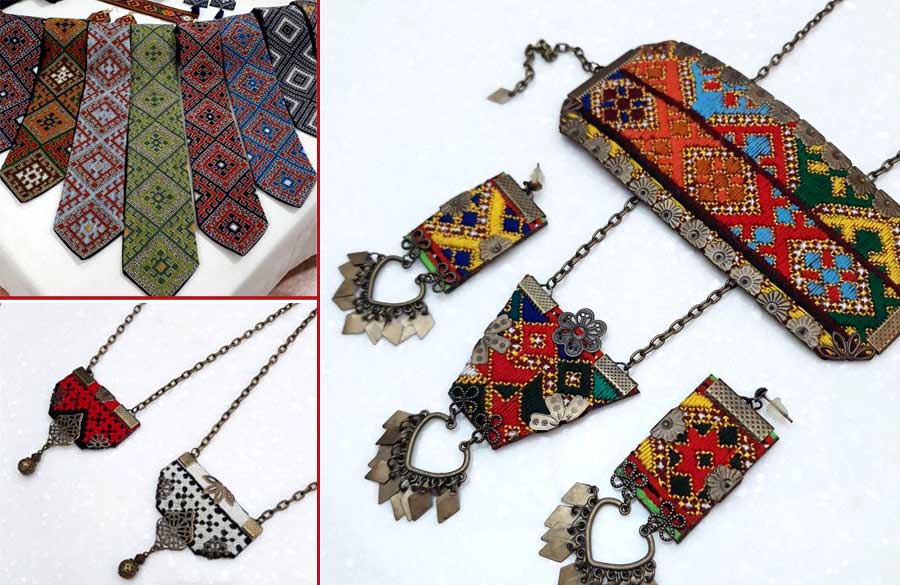
Different kinds of needlework products

A brief introduction of Sistan and Baluchestan

This province is in the southeast of Iran and was called “Maka” during the Achaemenid era. Among the most famous natural attractions of the province are Makran beaches, Lipar lagoon and Chabahar Miniature mountains.

And the most important historical attraction of the province is Shahr-e Sukhteh, Jalal Abad Citadel and Rostam Castle in Zabol.

Sistan and Baluchestan is also known as the wonderful city of fruits. There are many types of tropical fruits in this province, which are often exported.

Mirror embroidery, felt embroidery, coin embroidery, Kalpurgan pottery, lace embroidery, Sistan embroidery, etc. are other handicrafts of Sistan and Baluchestan Province.

READ MORE:

  1. Two Iranian Women Break Taboo against Female Singing
  2. Iran tourism: Hamoun, unique beauty and historical significance
  3. Sistan & Baluchestan; A Dream Land for Nature-Lovers

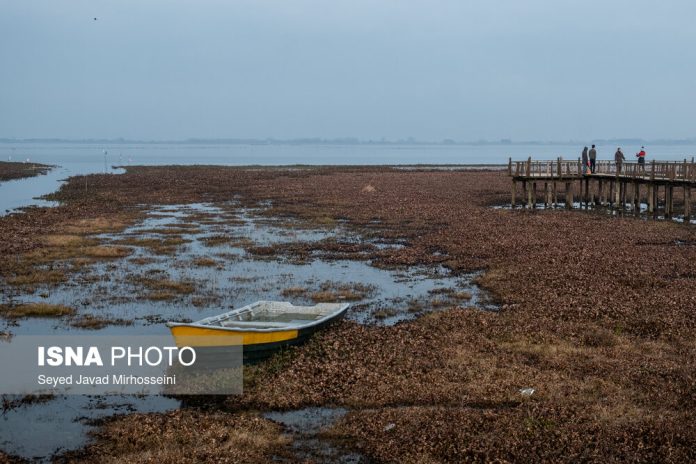
Environmentalist: Anzali Wetland in northern Iran likely to dry up soon

Anzali Wetland

The Tehran-based Etemaad Daily quoted Mohammad Kohansal as saying the lagoon is facing almost every threat or damage mentioned for wetlands in reference books.

“One can say the wetland’s days are numbered and a sad fate looms large for this international lagoon,” he says.

“As Lake Urmia is moribund, the Anzali wetland is likely to dry up, leaving behind only images of it in photo albums,” says the environmentalist.

The Anzali Lagoon is located in the Caspian Sea near Bandar-e Anzali, in the northern Iranian province of Gilan.

Reports say the water of the Caspian Sea has reached its lowest level in the last 30 years.

Ali Salaqjeh, the head of Iran’s Department of the Environment has recently said water inflows, especially the one through the Volga River, into the Caspian Sea have been blocked by the neighboring countries.

The drop in rainfall has also been attributed to the environmental crisis.

Top Comdr.: IRGC attack on terrorists’ positions in north Iraq, step toward their full disarmament

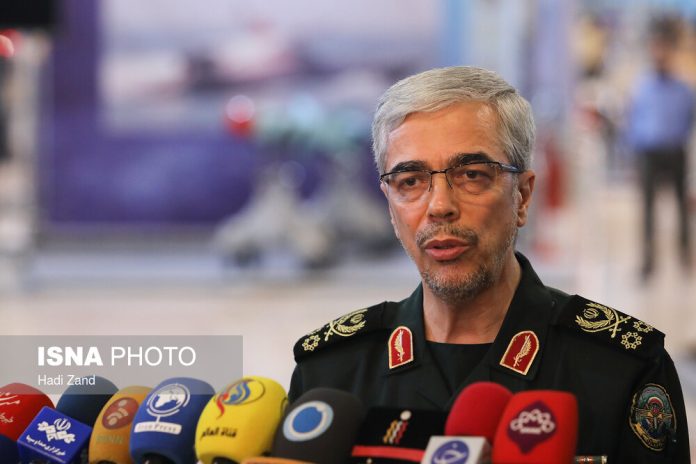
Major General Mohammad Baqeri

“Ongoing campaigns and fighting against armed bandits in the east and north of Iran, the destruction of the headquarters of terrorists in northern Iraqi regions, …, the noticeable enhancement of defense capabilities in different areas, namely in the missile, drone and ground sectors and the holding of successful military exercises recently on three Iranian Persian Gulf islands … are part of the brilliant record of the IRGC over the past one year,” said Major General Mohammad Baqeri, the chairman of the General Staff of the Iranian Armed Forces.

“Fighting sea piracy committed by hegemonic powers and their cronies and marine deterrence are among other measures adopted by the IRGC,” the top commander explained.

“The IRGC is a strong arm of the Islamic Republic of Iran working in tandem with the country’s army; cooperation and synergy between the IRGC and the army as part of the Iranian Armed Forces have put Iran among top powers both in the region and in the world,” he said.

MENA region will live with extreme water stress by 2050: Report

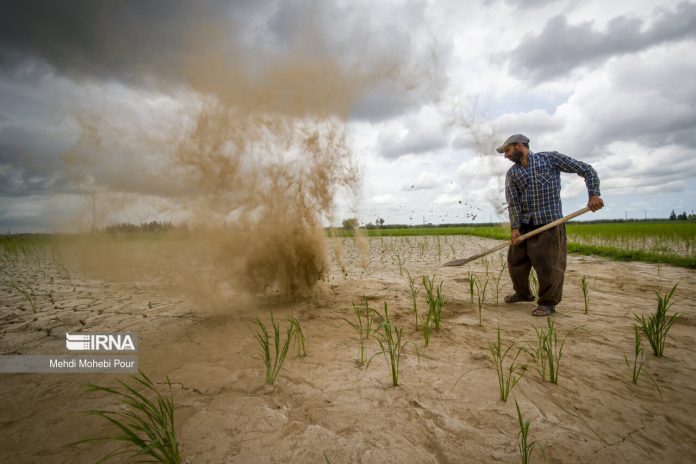
Iran drought

The United Arab Emirates; Saudi Arabia; Israel; Egypt; Yemen; Iran; Jordan; Tunisia; Iraq; India; Syria; Morocco; Eritrea; and Algeria are among the top 30 countries with high water stress.

“Our data shows that 25 countries are currently exposed to extremely high water stress annually, meaning they use over 80 percent of their renewable water supply for irrigation, livestock, industry, and domestic needs,” the report says.

“Even a short-term drought puts these places in danger of running out of water and sometimes prompts governments to shut off the taps,” it adds

Turkey has the 39th highest water stress in the world, the report shows. On Wednesday, residents of Istanbul were asked to reduce their water consumption, as major cities across the country grapple with a drought crisis amid high temperatures.

Istanbul Mayor Ekrem Imamoglu urged the city’s 16 million residents to save “every precious water drop flowing from the tap”.

His call came days after the Istanbul Water and Sewerage Administration (ISKI) published data showing that the city’s dams were only around 33 percent full as of mid-August, the lowest rate in nine years.

ISKI general manager Safak Basa launched a water-saving campaign last week to offset the “catastrophic drought” they are experiencing.

“We are going through a very drought period. While making all these investments, we are experiencing a catastrophic drought in which temperature records were indeed broken,” he was quoted by local news agencies.

According to the World Resources Institute’s Aqueduct Water Risk Atlas, which was published on Wednesday, by 2050, an additional 1 billion people are expected to live with extremely high water stress.

The report projects that global water demand will increase by 20 to 25 percent by 2050, while the number of watersheds facing high year-to-year variability, or less predictable water supplies, is expected to increase by 19 percent.

This means that in the Middle East and North Africa, 100 percent of the population will live with extremely high water stress by 2050.

“That’s a problem not just for consumers and water-reliant industries, but for political stability. In Iran, for example, decades of poor water management and unsustainable water use for agriculture are already causing protests – tensions that will only intensify as water stress worsens,” the report says.

The report notes that water scarcity in these nations is primarily attributed to limited supply, coupled with the needs of household, agricultural, and industrial sectors.

Water scarcity can result in disruptions to industries, energy blackouts, and declines in agricultural yield, the report notes.

This has been evident in India, where from 2017 to 2021, inadequate water for cooling thermal power plants led to a loss of 8.2 terawatt-hours of energy. This amount of energy could have powered 1.5 million Indian homes for half a decade.

According to the report, global food stability is in jeopardy. Currently, 60 percent of the world’s irrigated crops experience severe water strain, especially staple crops like sugarcane, wheat, rice, and maize.

However, to nourish an anticipated 10 billion individuals by 2050, the globe will have to generate 56 percent more food calories than in 2010, an obstacle intensified by rising water constraints and climate-induced disasters like droughts and floods.

To improve water management and reduce water stress, the World Resources Institute says countries can enhance their water management policies, promote water conservation in farming, implement comprehensive water resource strategies, and bolster water infrastructure using eco-friendly methods and green infrastructure.

International financial institutions and other creditors should contemplate initiating strategic debt alleviation initiatives, such as debt-for-nature exchanges, or forgiving debt in exchange for a pledge to fund biodiversity or robust infrastructure, the report says.

Additionally, water-prudent energy sources should be prioritised and cities should develop urban water resilience action plans. Farmers should switch to water-efficient crops or use methods like sprinkler or drip irrigation versus flooding fields.

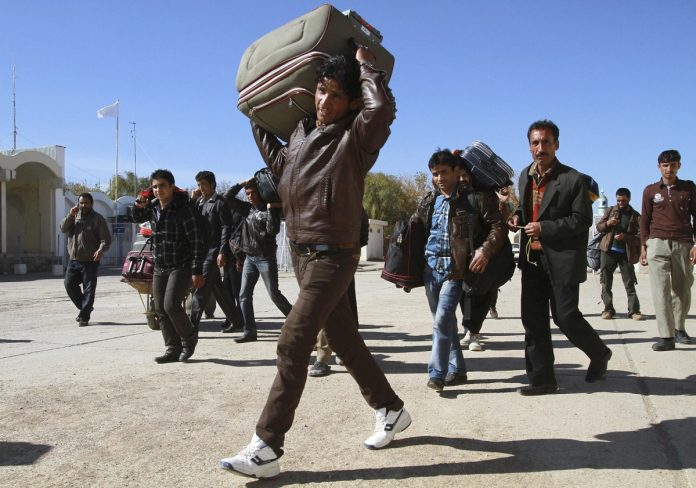
Iranian daily warns against security fallout of Afghans’ increased immigration into Iran

Afghan Refugees

“Using the term ‘foreign nationals’ to refer to those involved in the recent attack on the Shah Cherag holy shrine in the city of Shiraz tells us an important point, which the country’s political, intelligence and security officials should pay attention to,” wrote Jomhouri-e Eslami.

“Although it was announced that the perpetrator of the attack was of Tajik nationality, other individuals arrested on charges of complicity with him have other nationalities,” the paper added. “It is this very point which urges us to think about the presence of foreign nationals in our country and its numerous negative consequences, which have gripped our society and which seem to be increasing,” the daily explained.

Two people were killed and six others wounded in the terror attack on the holy shrine in Shiraz on Sunday evening. The main perpetrator is a Tajik national.

Around five million Afghan refugees are residing in Iran.

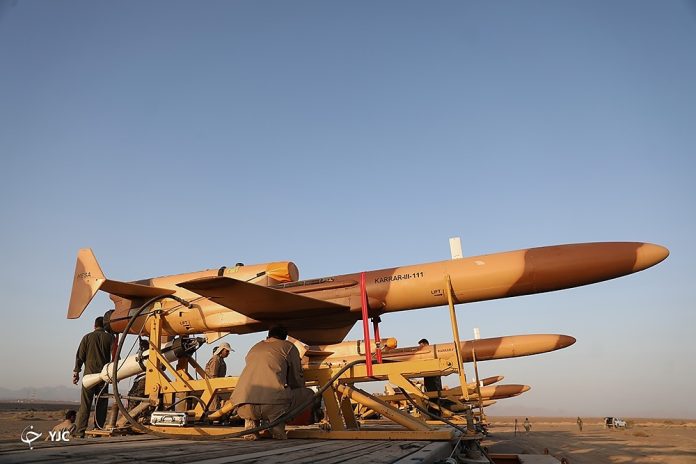
IRGC says to boost missile, drone capabilities

Iran Drone

Brigadier General Amirali Hajizadeh, the commander of the IRGC’s Aerospace Division, drew a comparison between Iran’s defense capabilities during the Iraqi-imposed war on Iran in the 1980’s and now, adding, “Once the enemy was in an offensive position and we were concerned about defending ourselves; but today, we are in an offensive position and our enemies are seeking to complete their defense network.”

He said superpowers toady are demanding to purchase state-of-the art and defense equipment from us.

“Today, our enemies have mobilized all their potentialities and resources to deal a blow to Islamic Iran; under such circumstance, the IRGC helps the government to counter enemy assaults and foil their plots,” he added.

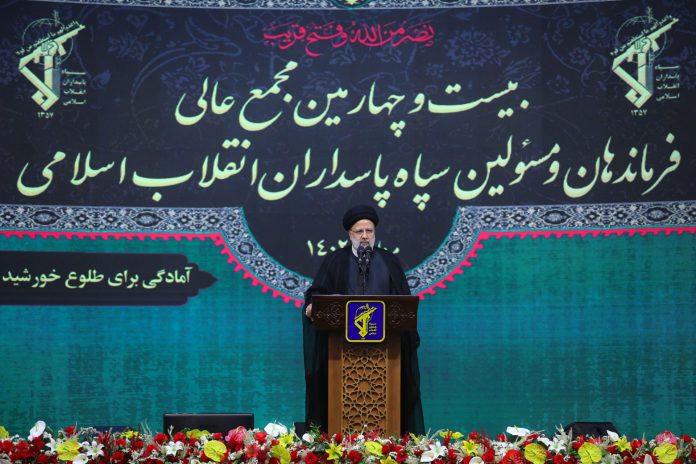
Europe indebted to IRGC: President Raisi

Ebrahim Raisi

Addressing the 24th meeting of the supreme assembly of the IRGC commanders and officials, held in Tehran on Friday, President Raisi said the IRGC’s presence in the region creates hope and contributes to security, unlike the “worrying and terrifying presence of the foreign forces”.

He also stressed that if the IRGC had not established solidarity and coordination among the popular forces in Syria, Iraq and Afghanistan in the fight against the US-made Daesh terrorist group, the Takfiri terrorists would have engulfed the entire Europe.

Taking a swipe at certain Western governments for hostility toward the IRGC, which he described as the source of hope and security, the president stated the Western leaders must explain why they do not appreciate the IRGC’s sacrifices, assassinated the hero of fight against terrorism Lt. General Qassem Soleimani, have included the IRGC in the list of terrorist organizations, and are portraying the sponsors of terrorism as the advocates of human rights.

Highlighting the IRGC’s “spiritual and social assets” among the Iranian nation, Raisi added the IRGC forces assist all people, regardless of ethnic, racial or religious backgrounds, in protecting security and in dealing with the natural disasters.

The president finally paid tribute to the IRGC for its cooperation and interaction with the administration in the settlement of problems.

One citizen, two police officers killed in firefight with armed assailant in central Iran

Crime Scene

The incident happened when security forces were deployed to a city street where the gunman had killed one citizen.

The murderer was shot dead in the firefight with police troops later. Two police officers were also wounded and were taken to hospital.

Seargent Major Hossein Zadeh Ahmadi and Seargent First Class Mohammad Ehsan Sahfi’I later succumbed to their wounds in the hospital.

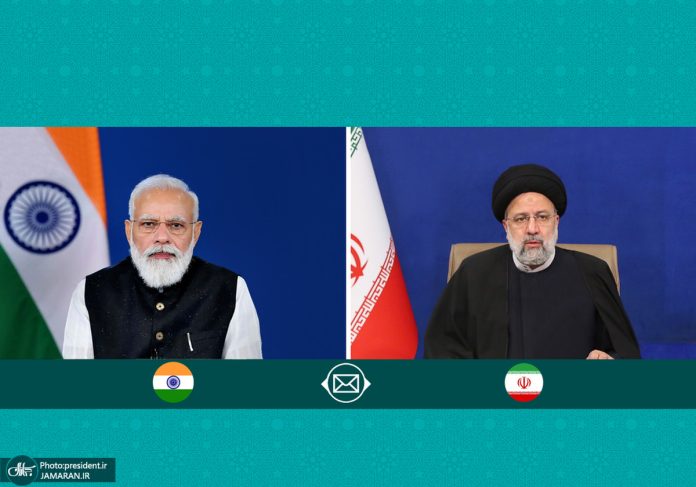
Iran president, Indian PM talk on phone, explore ways to enhance bilateral ties

Raisi and Modi

In a phone conversation on Friday, Raisi said Iran and India should specifically expand cooperation in the fields of transit and energy security.

The Iranian president underscored more interaction on the North-South Corridor.

“The Islamic Republic of Iran seeks to strengthen regional convergence and develop economic relations with all countries across the globe, particularly those in Asia, in this regard,” Raeisi added.

The president underlined Tehran and New Delhi both enjoy experiences in history that make for proper grounds for the expansion of ties at various levels.

The Indian prime minister, for his part, condemned the terrorist attack on the Shah Cheragh shrine in the Iranian city of Shiraz and extended his sympathy with the Iranian government, nation and the bereaved.

Modi hailed long-term cooperation with Iran and said the implementation of the joint project of Chabahar Port and turning it into a connectivity hub would lead to the region’s development. He said India was ready to finalize the documents pertaining to the completion of the project.

Mohammad Jamshidi, the Iranian president’s deputy chief of staff for political affairs, also posted a message on X social platform, formerly known as Twitter, with respect to the talks between Raeisi and Modi.

“They agreed to quicken developing the Chabahar Port as a symbol of bilateral cooperation,” the Iranian official tweeted.

India’s Ministry of External Affairs said in a press release that Raeisi and Modi discussed matters of bilateral and regional importance.

According to the ministry, the Indian prime minister said the relationship between Tehran and New Delhi is “underpinned by close historic and civilizational connections, including strong people-to-people contacts.”

The two sides also exchanged views about cooperation at multilateral forums including expansion of the BRICS grouping of emerging economies ahead of its summit in Johannesburg, South Africa, on August 22-24.

Iran is looking to join BRICS, the influential group of developing economies consisting of Brazil, Russia, India, China and South Africa.

According to South Africa, some 40 nations have shown interest in joining, either formally or informally, including Saudi Arabia, Argentina and Egypt.

The South African and Iranian foreign ministers recently signed a cooperation deal in Pretoria ahead of the BRICS summit.