
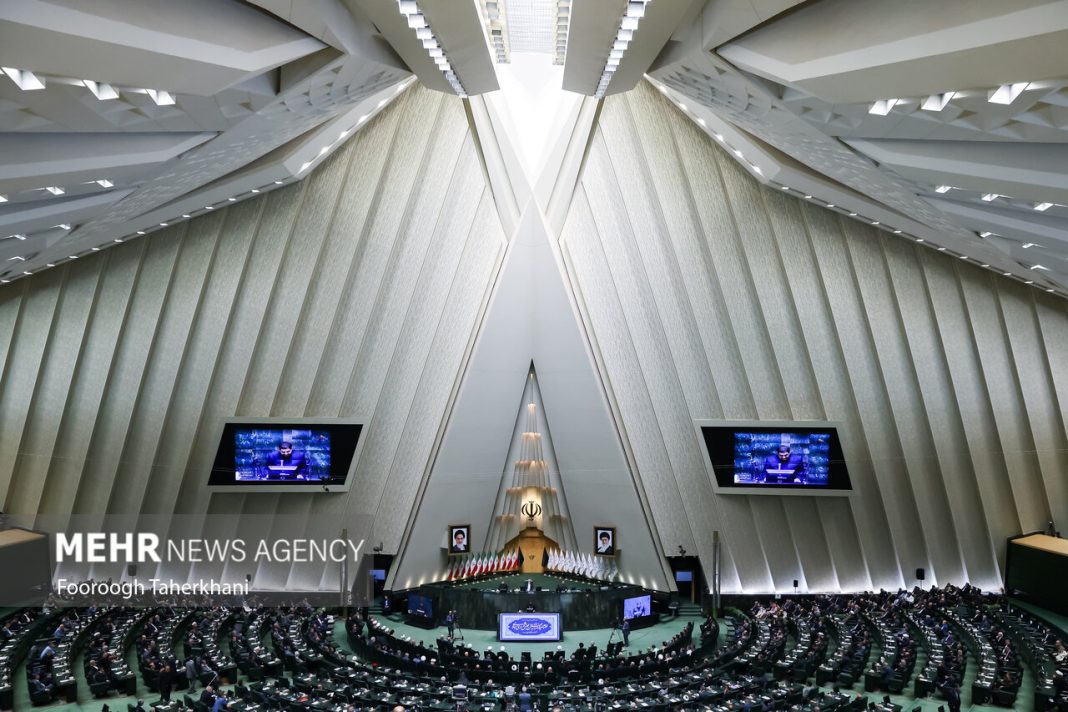
During an open session, members of the parliament endorsed the budget’s general framework with 171 votes in favor, 69 against and six abstentions, out of 246 votes cast. The decision came after the report of the Joint Budget Committee was presented to the chamber.
President Massoud Pezeshkian had originally submitted the draft budget to Parliament on December 23. However, the Joint Committee initially rejected the bill’s generalities, citing concerns over living costs, taxation and inconsistencies with the Seventh National Development Plan.
Among the key criticisms were a proposed 20 percent salary increase despite inflation estimated at over 40 percent, plans to raise value-added tax, ambiguity over preferential foreign currency allocations, insufficient funding for development obligations and a lack of serious energy price reforms.
Following the rejection, Parliament Speaker Mohammad Baqer Qalibaf announced that the president had requested the bill’s return to the committee for revisions. Lawmakers then introduced several changes, including a progressive salary increase of up to 43 percent, no rise in value-added tax, allocation of $8.8 billion in preferential currency for essential goods through electronic vouchers, funding for guaranteed wheat purchases, and resources to adjust pensioners’ salaries.
