
The most prominent hopefuls are as follows:
– Seyyed Ebrahim Raisi, the incumbent Judiciary Chief and a conservative rival of Hassan Rouhani in the 2017 presidential elections.
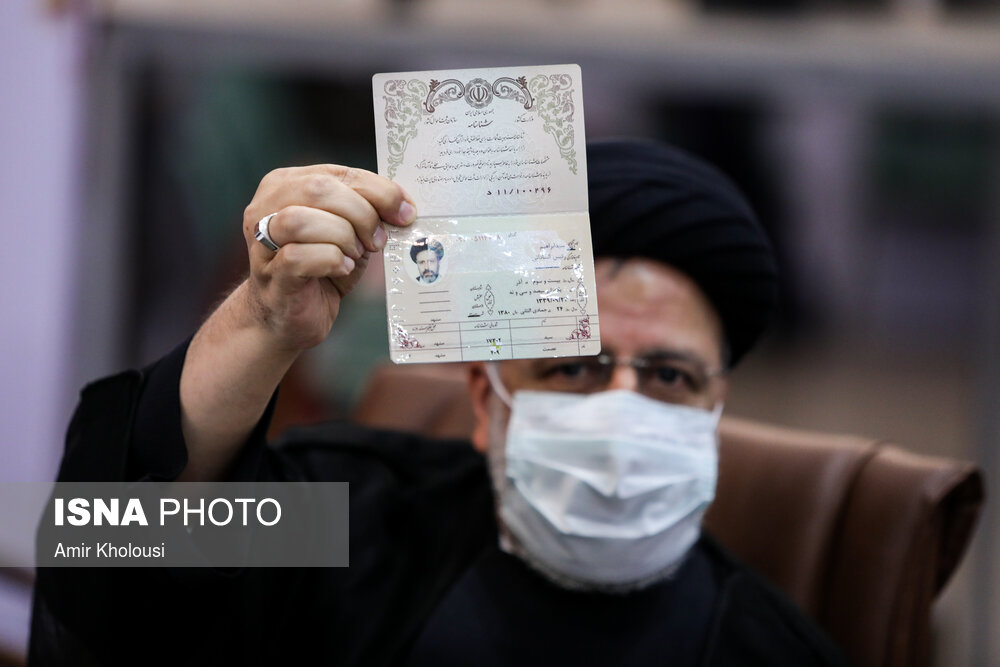
– Es’haq Jahangiri, the incumbent first vice-president and a senior reformist politician
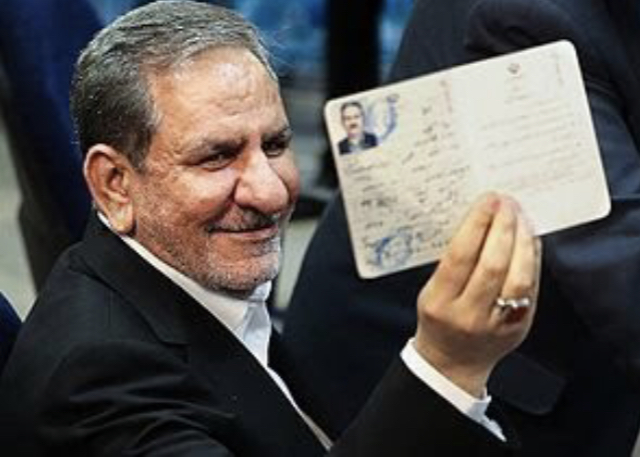
– Ali Larijani, the former Parliament speaker and a moderate conservative politician

– Mahmoud Ahmadinejad, the former president of Iran who has turned into a critic of the Establishment in recent years
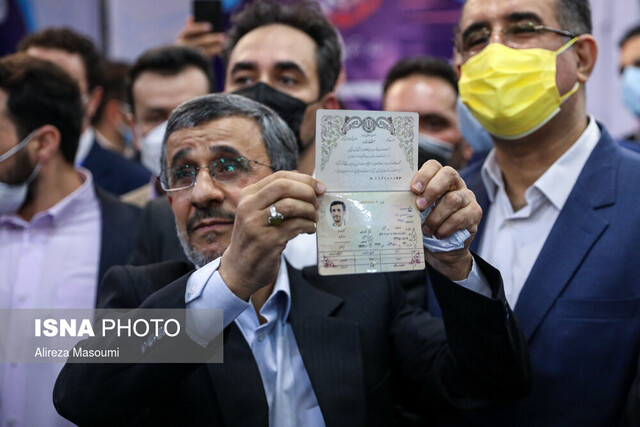
– Saeed Jalili, the former secretary of Iran’s Supreme National Security Council and former head of Iran’s nuclear negotiating team
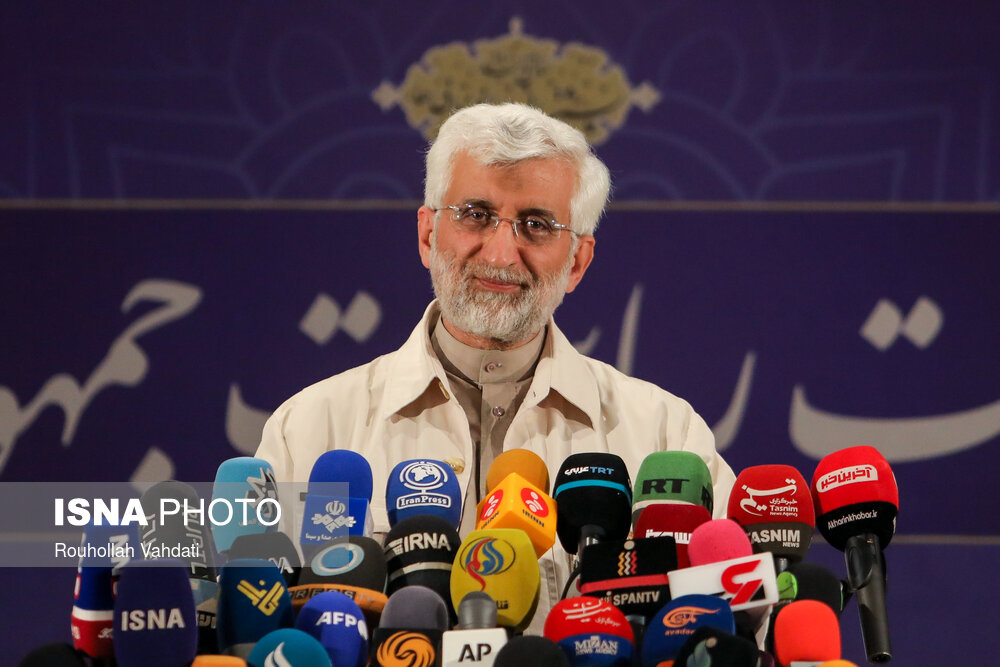
– Mostafa Tajzadeh, the former acting interior minister and senior reformist politician who served several years in prison after the 2009 post-election protests
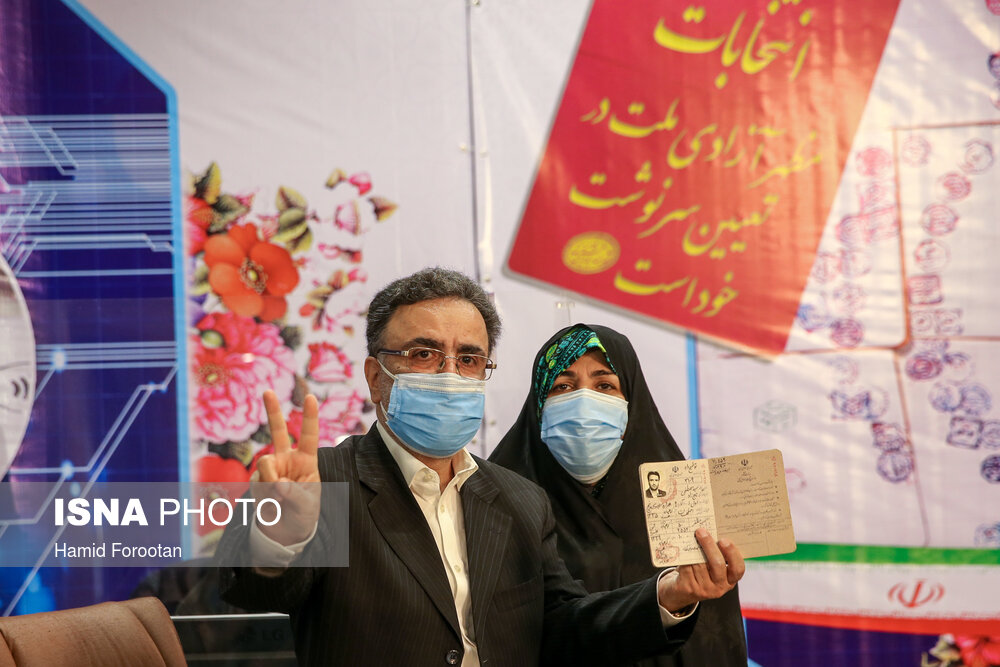
– Brigadier General Hossein Dehqan, the former minister of defence and an incumbent military advisor to Iran’s Leader
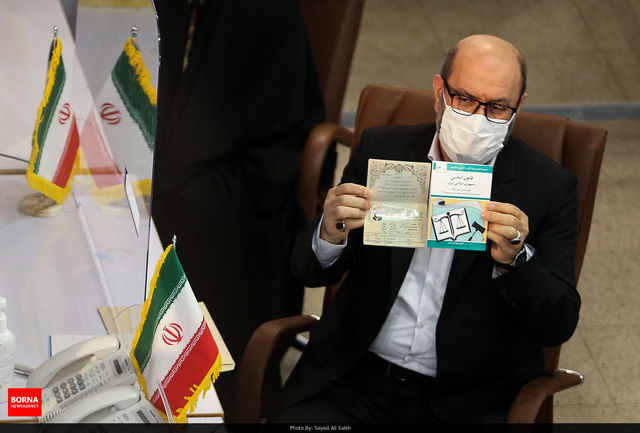
– Major General Mohsen Rezaei, the incumbent secretary of Iran’s Expediency Council and a former commander of Iranian forces in the Iran-Iraq war
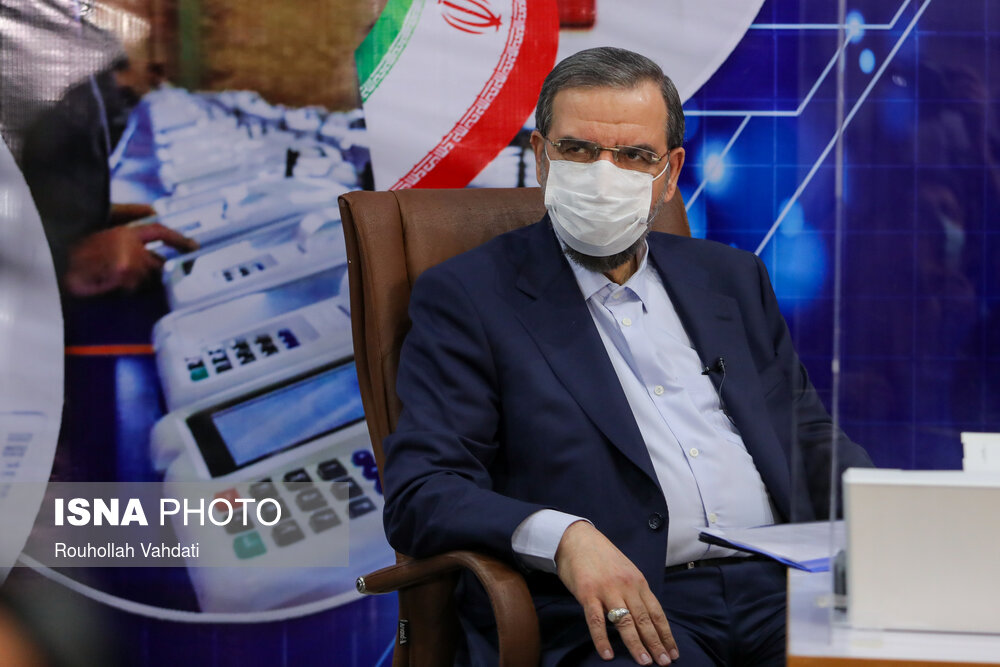
– Brigadier General Saeed Mohammad, the former commander of the IRGC Khatam al-Anbiya Construction Base
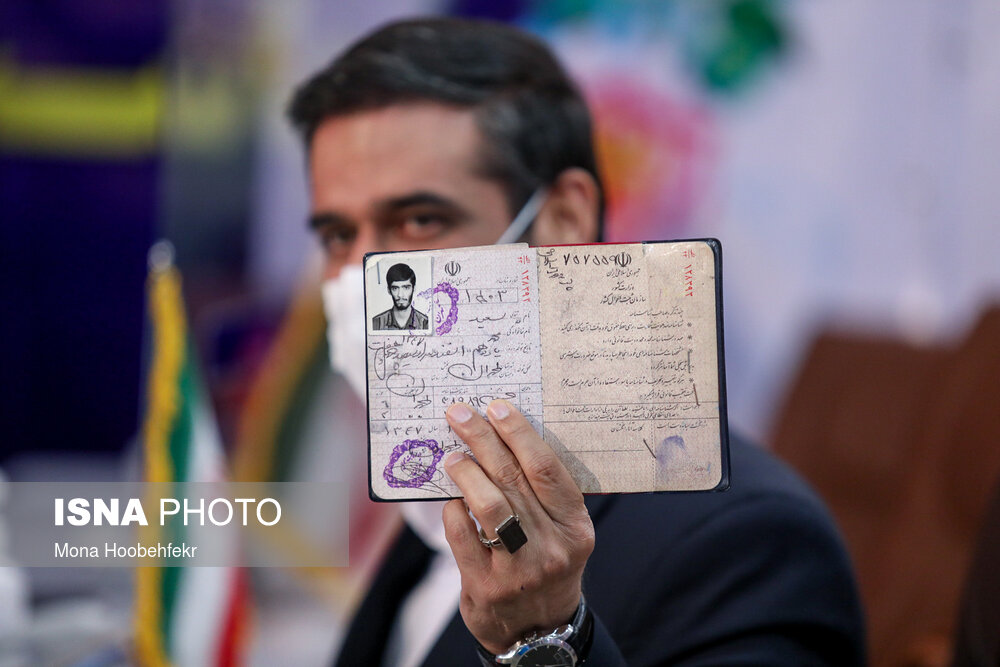
– Brigadier General Rostam Qassemi, the former oil minister and the incumbent deputy head of IRGC Quds Force for economic affairs
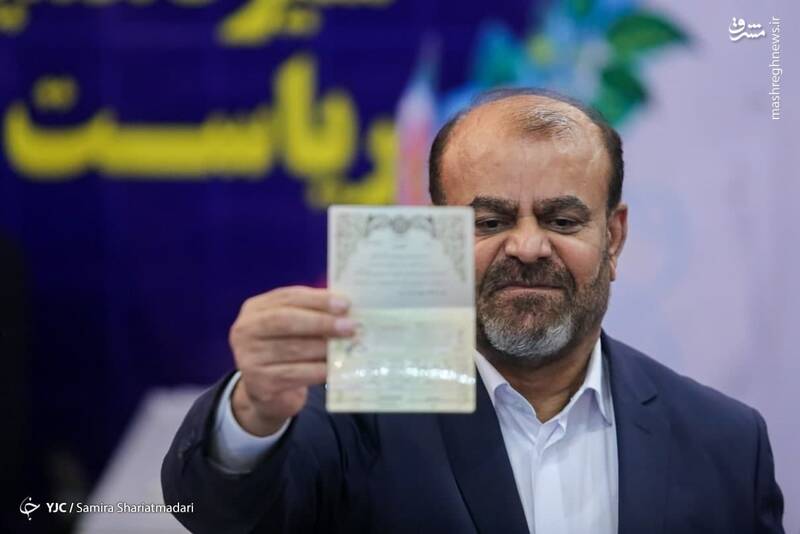
– Mohsen Hashemi Rafsanjani, the incumbent chairman of Tehran’s City Council with close ties to the reformists’ camp
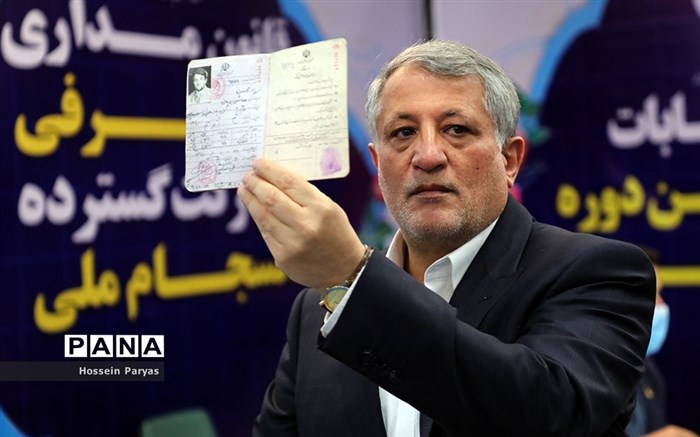
– Mahmoud Sadeghi, a reformist politician and lawyer and a former lawmaker
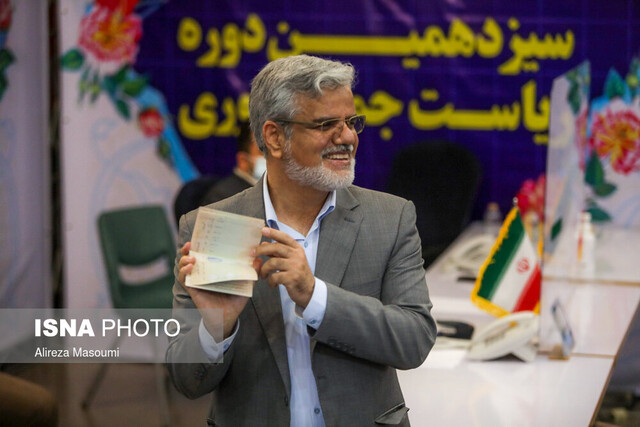
– Mohammad Shariatmadari, the incumbent minister of labour and welfare
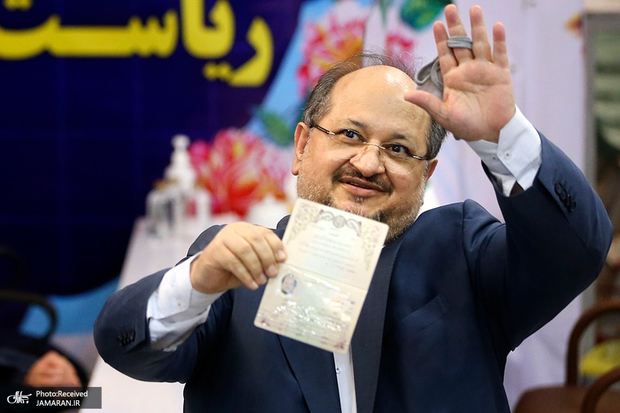
– Ezzatollah Zarghami, the former head of Iran’s state broadcaster IRIB
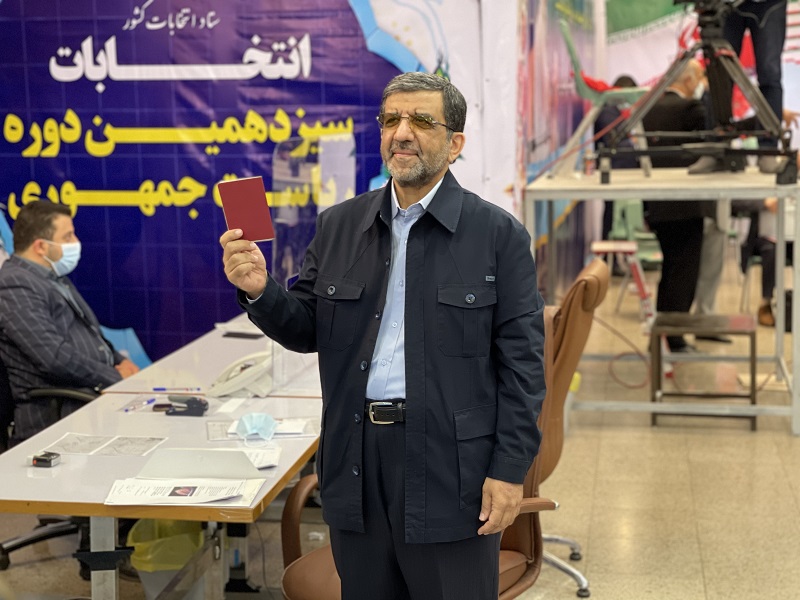
– Ali Motahari, the former vice-speaker of Iran’s Parliament
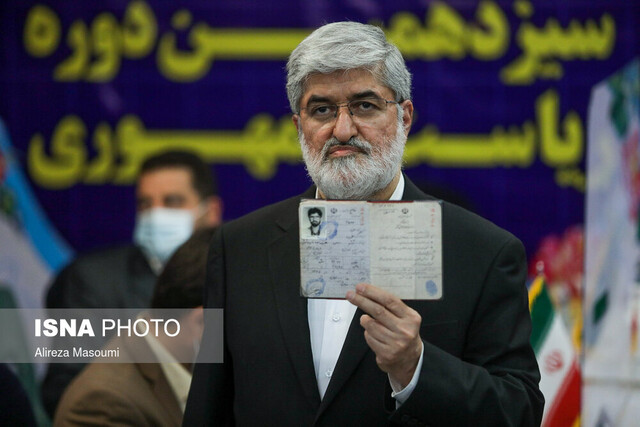
– Abdolnasser Hemmati, the incumbent governor of Iran’s Central Bank
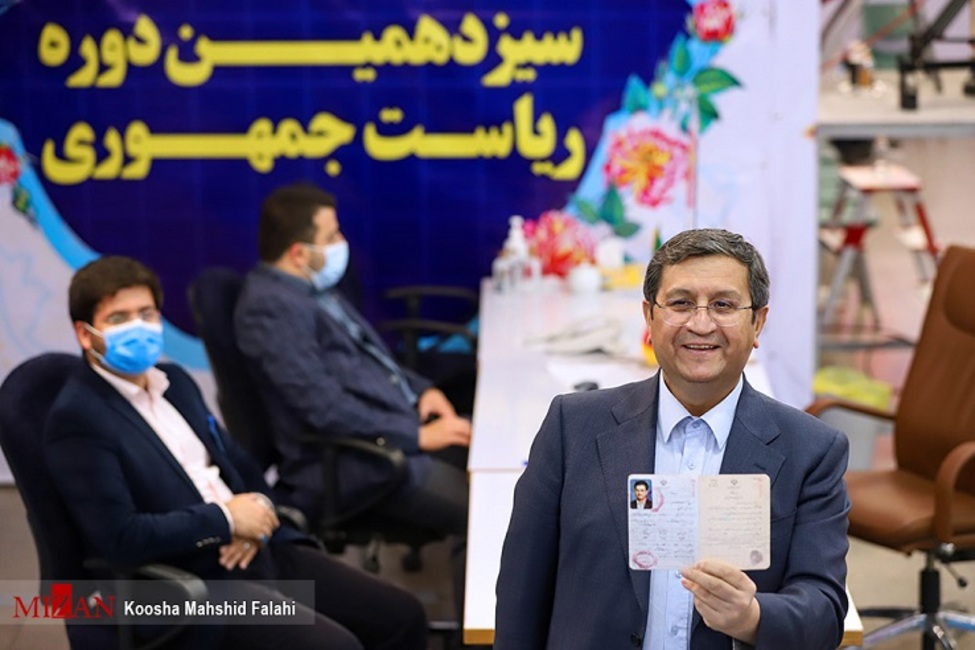
– Fereydoun Abbasi, the former head of Iran’s Atomic Energy Organisation and a current lawmaker
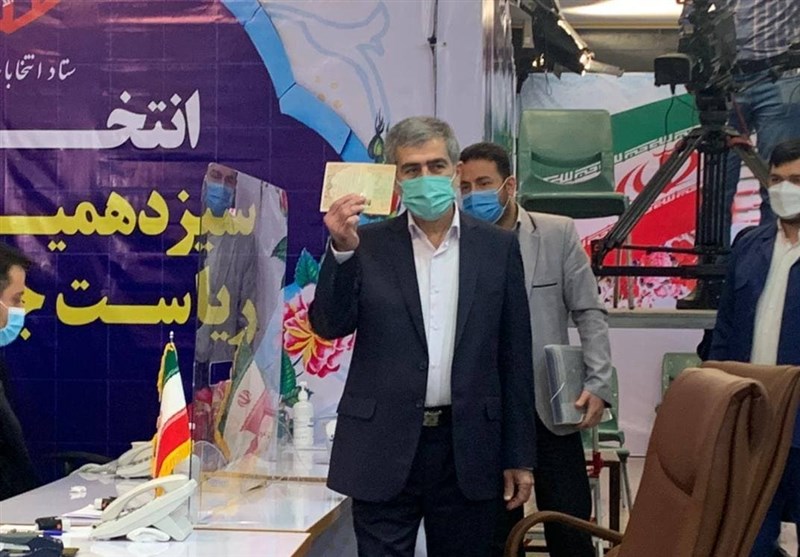
– Abbas Akhoundi, the former transport minister

– Masoud Pezeshkian, a reformist politician, an incumbent lawmaker, and a former vice-speaker of Iran’s Parliament

