Wednesday, January 14, 2026
Home Blog Page 874

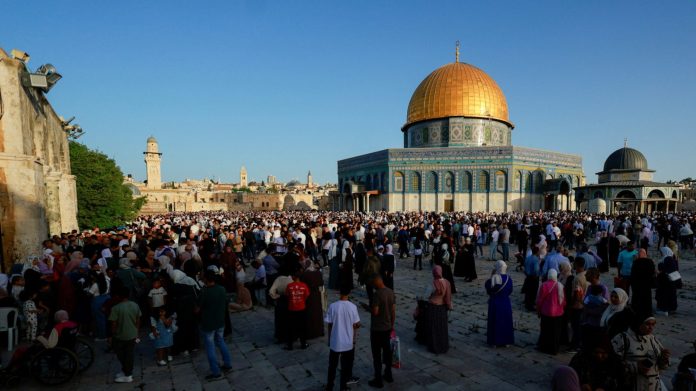
Israeli soldiers violently block Palestinians from Al-Aqsa Mosque on Eid

Aqsa Mosque

Hundreds of people, mainly young men, were prevented at checkpoints in the Old City from reaching the religious site, with some being beaten by batons, pushed and shoved by Israeli officers.

Ahead of the prayer to mark Eid al-Adha, which is celebrated by Muslims worldwide at the end of Hajj, the Islamic pilgrimage to Mecca, Israeli troops also stormed the courtyard of Al-Aqsa Mosque.

The Islamic Waqf, or religious endowment, announced that only around 40,000 Palestinians managed to pray inside Al-Aqsa Mosque.

Eid prayers often draw hundreds of thousands of Palestinians from East Jerusalem and the West Bank.

However, Israeli authorities have increased their restriction on Muslims’ access to the Jerusalem site since 7 October, severely limiting the number of people allowed inside.

Similar restrictions were also placed on Palestinians in Hebron’s Ibrahimi Mosque, where Israeli soldiers allowed only 8,000 people to pray there, according to local media.

In war-torn Gaza, Palestinians held Eid al-Adha prayers next to ruins of destroyed homes and mosques.

The Israeli war on the besieged strip, now in its ninth month, has distorted most residential buildings and mosques, turning the 365 sqkm enclave into a hellscape.

More than 800 mosques have been damaged, including 600 fully destroyed, according to the Gaza-based government media office.

Among them is the Great Omari Mosque, in the Old City, which is Gaza’s oldest mosque.

In total, at least 137,297 structures, more than half of all buildings in the Gaza Strip, have been destroyed by Israel’s bombing campaign, according to satellite imagery analysed by the United Nations Satellite Centre.

The UN agency for Palestinian refugees (UNRWA) stressed the destruction in Gaza was “indescribable” and clearing the rubble would take years.
Iran, Russia reaffirm opposition to foreign meddling in Caucasus

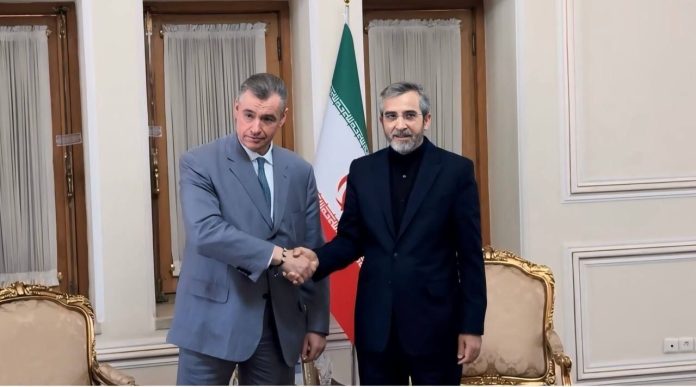
Bagheri and Khovayev

Igor Khovayev, the Special Representative of the Russian Foreign Minister for the Settlement of Issues between Azerbaijan and Armenia, who is visiting Tehran for discussions on the latest developments in the Caucasus region, met on Sunday with Bagheri.

Bagheri, noting the alignment of the two countries’ positions on important regional and international issues, referred to the Caucasus region as an area of national interest and security for both countries, and emphasized the necessity of bilateral cooperation in this domain.

Iran’s Acting Foreign Minister, highlighting the principled stance of the Islamic Republic of Iran on the peaceful resolution of regional issues, stated that the importance and sensitivity of the current developments in the Caucasus region, especially the increasing foreign interventions, necessitate strategic coordination and continuous consultation between Iranian and Russian officials.

In this regard, he stressed the importance of maximizing the use of regional mechanisms such as the 3+3 structure to resolve regional issues, expand regional cooperation and convergence, and ensure the security, stability, and collective interests of the countries in the Caucasus region.

Khovayev, for his part, conveyed the warm greetings of Sergey Lavrov, the Russian Foreign Minister, and provided a report on his country’s diplomatic efforts to establish peace and tranquility in the Caucasus region.

He emphasized Russia’s view on the need for a joint and strategic assessment by both countries regarding the developments in the Caucasus region, and the necessity for close and continuous interaction and coordination between officials of the two countries to counter the interference of external actors in the region.

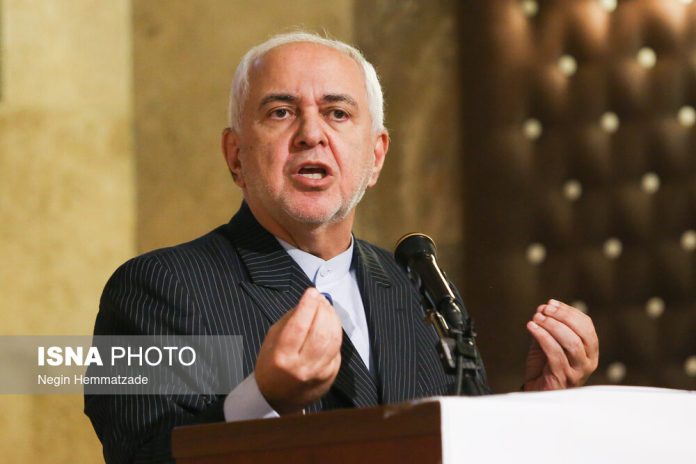
Zarif’s office refutes claims on JCPOA secrecy ahead of presidential vote

Javad Zarif

Zakani claimed that a three-person group, including former president Hassan Rouhani, Zarif, and former parliament speaker Ali Larijani, kept the Iran nuclear deal document, known as the Joint Comprehensive Plan of Action (JCPOA) hidden, not even sharing it with members of the “Special Nuclear Committee,” such as the then Secretary of the Supreme National Security Council (Ali Shamkhani) and the Supreme Leader’s special advisor (Ali Akbar Velayati), and proceeded “in utmost secrecy.”

Zarif’s office firmly denied these claims, highlighting that the complete JCPOA text and its Persian translation were promptly published on the Ministry of Foreign Affairs’ official website and made available to national media.

The office stressed the absurdity of Zakani’s allegation, noting that it implies a 155-page agreement, endorsed by a UN Security Council resolution, was concealed from the entire government structure for over two years, which undermines the alertness and institutional integrity of the Islamic Republic.

The office questioned Zakani’s assertion that the JCPOA did not reflect the will of the system, pointing out that it was approved by the parliament, the Guardian Council, and the Supreme National Security Council, and affirmed by the Supreme Leader.

Furthermore, Zarif’s office dismissed Zakani’s narrative about the presence of the then-Director General of the International Atomic Energy Agency, Yukiya Amano, in the committee, suggesting that Zakani should release the full recording of that session to the public.

The office called on Zakani to apologize for spreading falsehoods and causing public distress ahead of the elections, warning that failure to do so could result in legal action.

Iran’s Leader pardons, commutes sentences of over 2,600 prisoners ahead of upcoming eids

Ayatollah Khamenei

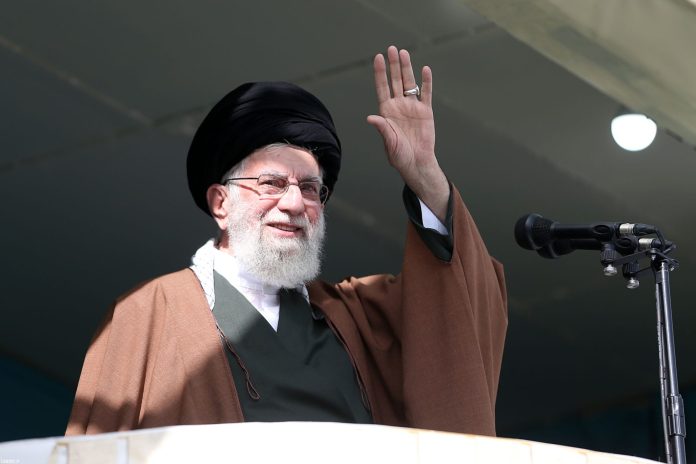
Ayatollah Khamenei pardoned or commuted the sentences of 2,654 inmates on Sunday.

The pardon was granted on the occasion of two Muslim festivals, namely Eid al-Adha and Eid al-Ghadeer, which marks the appointment of the first Shiite Imam, Ali ibn Abi Talib (AS), by Prophet Muhammad (PBUH) as his successor.

Iran’s Judiciary Chief Gholam Hossein Mohseni Ejei had sent a letter to the Leader, proposing a list of convicts deserving clemency.

Article 110 of the Constitution grants the Leader the right to pardon or reduce the sentences of convicts upon a recommendation from the head of the Judiciary.

The clemency, however, does not apply to certain types of convicts, including those who have been sentenced for their role in the armed smuggling of narcotics, arms trafficking, kidnapping, acid attacks, rape, armed robbery, bribery, embezzlement, counterfeit money forgery, money laundering, disruption of economy, smuggling of alcoholic drinks, and organized smuggling of commodities.

Fmr. Iranian ambassador to London raps missed opportunities in European ties

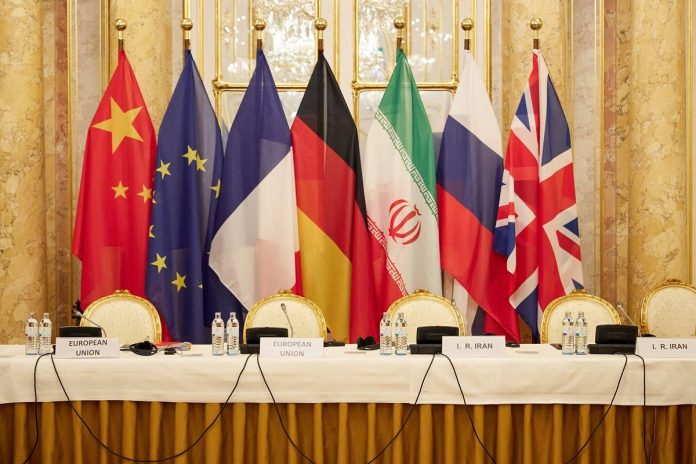
Nuclear Negotiations in Vienna

In an exclusive interview with Jamaran news outlet, he emphasized the need for a balanced approach in foreign policy and better utilization of Iran’s geopolitical strengths.

Sadatian highlighted that the energy crisis in Europe, exacerbated by Russia’s invasion of Ukraine, presented a significant opportunity for Iran. “Supplying Europe’s energy needs could have been a turning point for us,” he said.

However, instead of leveraging this opportunity, Iran promoted the idea of a “hard winter” for Europe, a strategy that backfired. The U.S. stepped in to fill the energy gap for Europe, negating the predicted harsh winter and turning it into a diplomatic setback for Iran, he said.

Sadatian stressed the importance of prioritizing strategic opportunities and capitalizing on Iran’s geographical advantages and other assets as they arise.

He also pointed out that while China is aware of Iran’s value, it’s crucial for Iran to maintain a balanced foreign policy to maximize its geopolitical potential.

‘Daesh terrorist’ inmates take hostages in Russian prison

Russian Police

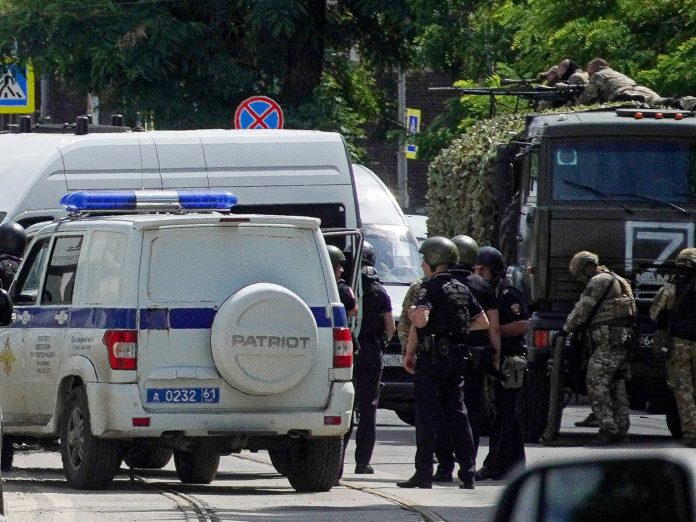
The hostage situation began on Sunday when a group of prisoners, some with terrorism convictions, reportedly broke out of their cells and into the facility’s duty station, overwhelming two officers.

The Russian Federal Penitentiary Service issued a statement confirming that two of its agents working with the penitentiary inspectorate were being held by undisclosed perpetrators. It noted that talks were underway and that law enforcement agencies were working at the scene.

Several outlets have reported that terrorists were among the hostage-takers. The Baza Telegram channel has claimed that there were six perpetrators, three of whom are serving sentences for belonging to Islamic State (IS, formerly ISIS or ISIL) and preparing an attack on the Supreme Court in the Karachaevo-Cherkessian Republic in southern Russia.

The two hostages reportedly included the head of the operational department and a junior inspector of the duty service. The perpetrators reportedly demanded a vehicle to leave the prison.

A video shared on social media shows one of the assailants, armed with a knife and wearing a black do-rag with an inscription in Arabic, sitting next to one of the handcuffed hostages, who appeared to be unharmed. The other agent also appeared to be in unhurt, except for blood on his elbow.

The 112 Telegram channel reported that the inmates were blocked inside one of the areas of the detention center, and were unable to reach the gun room. Later, it said law enforcement agencies launched an assault on the detention center, as the talks did not yield any results. At least several shots were fired in the area, according to videos shared on social media. Baza noted that it took the law enforcement agents three minutes to storm the building.

The Federal Penitentiary Service confirmed that there had been “a special operation to free hostages in a detention center” in Rostov Region, adding that “the criminals were eliminated” and the hostages were not injured.

Four trapped in mine collapse in Iran’s Shazand, rescue operations underway

Iran Rescue Operation Mine

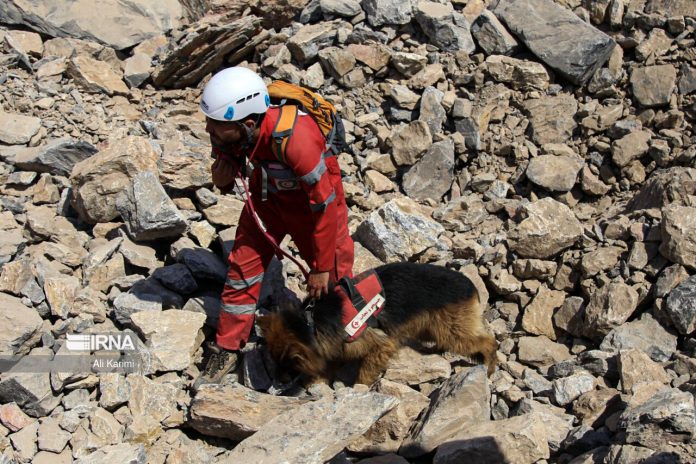
The Markazi province governor highlighted the severity of the collapse, stating, “The volume of the landslide is very high, and unfortunately, a few of the mine’s workers are trapped inside. The primary priority is to save these individuals.”

He added that technical and engineering teams from the Mining Engineering Organization are present at the site, and a detailed report will be released following a thorough technical and engineering review.

Currently, efforts are focused on preparing the route for the entry of heavy equipment. Some rescue teams, accompanied by search dogs, are already on site.

Top commander: Iran has identified sites breeding terrorists in neighboring countries

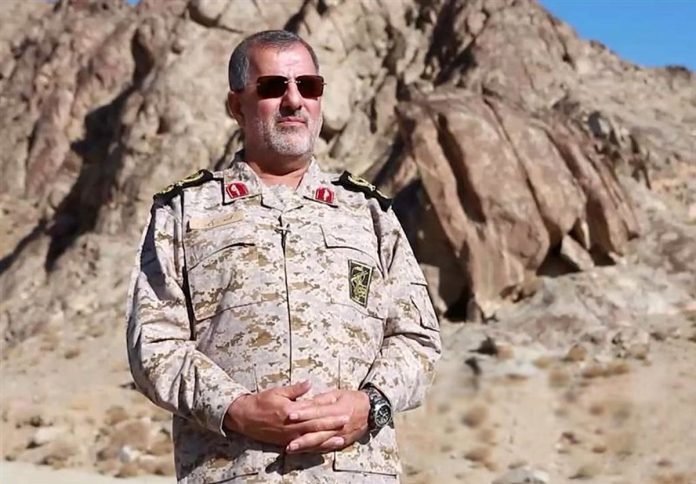
General Mohammad Pakpour

Addressing a gathering of the representative of the Iranian Leader on Sunday, the head of the IRGC Ground Force Brigadier General Mohammad Pakpour said, in several terrorist attacks in the southeastern province of Sistan and Baluchistan, thirty agents with foreign nationalities who were detained were hired and trained by Daesh and Salafist terrorist groups.

He added the IRGC Ground Force is continuing its countermeasures to foil any terrorist plot.

The Iranian commander did not specify any country, but the anti-Iran Jaish al-Adl terrorist group is based in Pakistan and has a history of bloody attacks in the province.

Tehran rejects G7 statement on Iran’s nuclear program

G-7

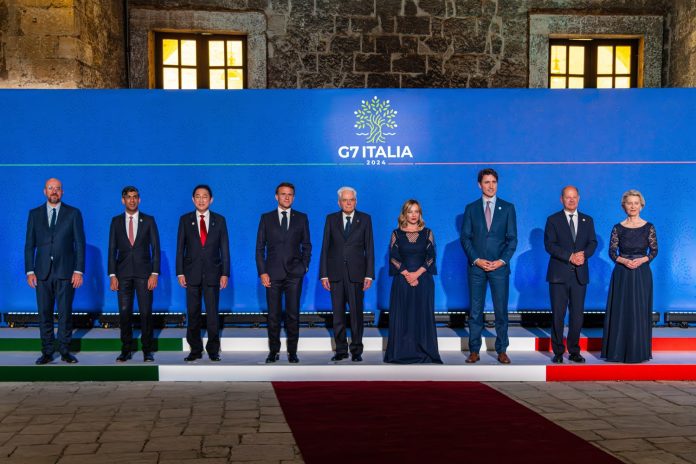
In a statement on Sunday, Kanaani refuted the contents of the G7 statement which have cast doubt on Iran’s peaceful nuclear program.

On Friday, the G7 warned Tehran against advancing its nuclear enrichment program and said they would be ready to enforce new measures if Tehran were to transfer ballistic missiles to Russia.

Kanaani said the G7 statement’s reference to a recent anti-Iranian resolution by the International Atomic Energy Agency’s Board of Governors attests to the political nature of the resolution and the intent of its initiators and certain governments to abuse the international mechanisms against the sovereign states.

Iran will continue constructive interaction and technical cooperation with the IAEA within the framework of its duties and rights, the spokesman added, stressing that Tehran will press ahead with its peaceful nuclear projects in accordance with the NPT and the Safeguards Agreement, irrespective of political pressures.

Describing the illegal measures of the US and the European troika as the root cause of the current situation, Kanaani stated those countries must prove their goodwill and refrain from taking futile and politically-motivated actions in order to address the concerns of all parties.

He then reiterated Iran’s constructive role in ensuring sustainable regional stability, adding, “The Islamic Republic of Iran will act decisively to protect and defend its national security and interests against any ill-advised measure.”

Reaffirming Iran’s unshakable commitment to advocating human rights, he said the main and pressing challenge to the fulfillment of the human rights goals in the international arena is the G7 leaders’ indifference to and inaction on the “Systematic massacre” of Palestinians by the apartheid and aggressive Zionist regime.

On the Ukraine war, Kanaani made it clear that any attempt to link the war with the cooperation between Iran and Russia would be a measure with sheer political objectives.

It’s a pity that certain countries resort to bogus and unproven allegations with political motivations to continue the useless and failed policy of imposing sanctions against Iran, he stated, adding, “We advise the G7 to learn lessons from the past and distance itself from the previous destructive policies.”

Poll shows most Russians fear outbreak of WWIII

Russian People

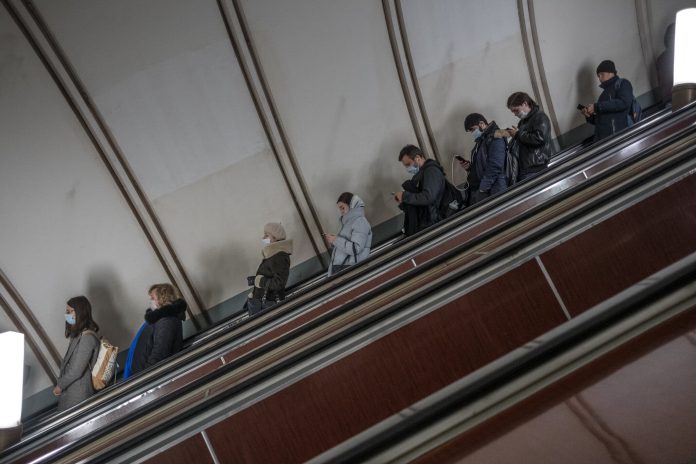
According to a report, 57% of survey respondents believe a global conflict could begin in the next 5-10 years, though 13% said they are confident this will not happen.

Among those surveyed, people aged 30-59 with higher education and who source news online were more likely to speak about a possible world war than those with lower education and income.

Around seven in ten of the 1,617 survey respondents named the US and Russia as the most likely parties in the hypothetical war, with the UK, France, Germany, Poland, and the Baltic States mentioned among Washington’s potential allies. Only one in ten respondents named Ukraine as a potential enemy of Russia in a global conflict. The respondents named China, Belarus, Iran, North Korea, India, and Kazakhstan as Russia’s main allies in the event of a global war.

More than 60% of respondents said they believe that Russia or a coalition led by Russia would win a world war, while only 6% said the US and the Collective West would achieve victory, and 18% believe that neither side would win.

The survey was conducted among 1,617 Russian citizens over 18 years old from May 23 to June 2. It also touched on the matter of support for Moscow’s military operation against Kiev. Almost three-quarters of respondents (73%) said they believe Russia is currently moving in the right direction with regard to the conflict, with 79% saying the operation is going well for the Russian army. Around half of the respondents believe it is time for peace talks and a diplomatic solution.

Warnings of a potential global conflict have been voiced repeatedly over the past two years, since the start of the Ukraine conflict in 2022. While Moscow has warned that growing Western involvement could spark a global war, and some Western analysts have said that a Russian victory will inevitably lead to this outcome, some officials and analysts believe that a world war has already begun given the scope of NATO and EU involvement.