Monday, December 29, 2025
Home Blog Page 710

US air raids target several cities across Yemen

US-led coalition Yemen

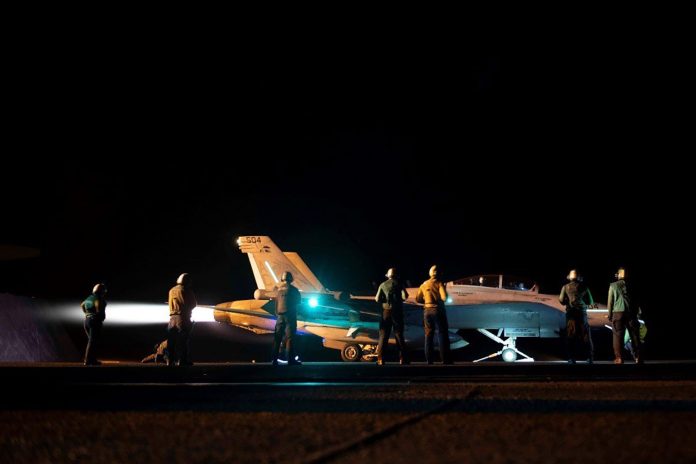
Forces from the US Central Command (CENTCOM), the military command responsible for US forces in the Middle East, “conducted strikes on 15 Houthi targets in Iranian-backed Houthi-controlled areas of Yemen today”, it said on X on Friday.

Four strikes targeted Sanaa and seven hit Hodeidah, according to the Houthi-run Al Masirah TV network.

The Hodeidah strikes hit the airport and the Katheib area, which has a Houthi-controlled military base, Al Masirah added. At least one strike hit Dhamar province, and air raids took place in Bayda province, southeast of Sanaa, the Houthi media office also reported.

“These actions were taken to protect freedom of navigation and make international waters safer and more secure for US, coalition, and merchant vessels,” CENTCOM said in its post on X, adding that the strikes took place at around 1400GMT.

The Associated Press news agency, quoting unnamed US officials, said the strikes targeted weapons systems, bases and other equipment belonging to the Houthis.

Al Masirah, which did not elaborate on any damage or casualties, said the United Kingdom also participated in the attacks.

But the UK Ministry of Defence has categorically denied any involvement in the strikes, according to an official who spoke to the Al Jazeera office in London.

Washington has repeatedly struck Houthi targets in Yemen since January in response to attacks by the group on shipping in the Red Sea and the Gulf of Aden.

The Houthis say their strikes, which have disrupted maritime traffic in a globally important waterway, target vessels linked to Israel and are intended to signal solidarity with Palestinians and opposition to Israel’s war on Gaza.

Now as the conflict between Israel and Hezbollah, another Iran-backed group, escalates with Israeli strikes killing about 2,000 people in Lebanon, the Houthis are also demanding Israel halt its assault there.

Israel has also struck Yemen with Israeli strikes on Hodeidah last month killing at least five people after the group said it targeted Israel’s Ben Gurion Airport with a missile.

The latest strikes came a day after the Houthis said they carried out a drone attack on Tel Aviv. The Israeli military said it intercepted “a suspicious aerial target” off central Israel overnight without giving further details.

The attacks also come just days after the Houthis threatened “escalating military operations” targeting Israel after they apparently shot down a US military drone flying over Yemen. And just last week, the group claimed responsibility for an attack targeting American warships.

The rebels fired more than a half-dozen ballistic missiles and antiship cruise missiles and launched two drones at three US ships that were travelling through the Bab al-Mandeb strait, but all were intercepted by navy destroyers, according to several US officials.
Biden unsure if Netanyahu holding up Gaza ceasefire deal to influence US election

Joe Biden

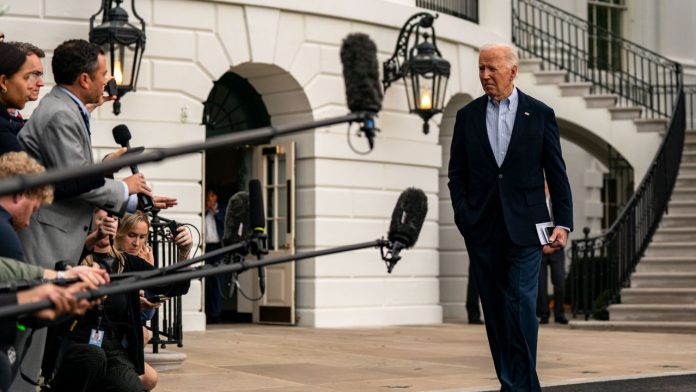
Biden was asked the question directly during a news conference at the White House on Friday, just days ahead of the one-year anniversary of the war, in which at least 41,800 Palestinians in the besieged enclave have been killed.

“No administration has helped Israel more than I have. None. None. None. And I think Bibi should remember that,” Biden said, referring to the Israeli leader by his nickname.

“And whether he’s trying to influence the election, I don’t know, but I’m not counting on that.”

The Biden administration has for months downplayed the prospect that Israel could be intentionally holding up such a deal, instead regularly laying the blame for breakdowns in talks on Hamas. It has done so despite repeated reports indicating that Netanyahu’s position had shifted throughout the talks, precluding any breakthroughs.

Still, some top Democrats have increasingly questioned whether Netanyahu could have an eye on the US election – and the possible victory of former President Donald Trump – in his military calculation.

Trump has long been Netanyahu’s preferred occupant of the White House. On the campaign trail, the Republican has attacked the Democratic nominee, Vice President Kamala Harris, over the Biden administration’s inability to reach a deal.

US officials also told The Wall Street Journal in September they did not believe a deal would be reached during Biden’s presidency, which ends in January of 2025.

Biden had initially stated that Israel supported a ceasefire plan he introduced in May, despite Netanyahu appearing to swiftly contradict the claim.

In September, the Israeli prime minister pushed back on a claim from a Biden administration official that 90 percent of the agreement had been completed. Later that month, Israel surged its attacks on Lebanon shortly after meeting with US officials pushing for de-escalation.

Since then, Netanyahu’s government has ignored appeals from US officials for a pause in fighting as it has upped its operations – including limited ground incursions – in Lebanon.

Despite Israel continuing to flaunt Washington’s public appeals, the Biden administration has for months avoided leveraging the military aid it provides to its “ironclad” ally.

Iran Leader aide: Region facing complex situation, U.S. main culprit

Ali Larijani

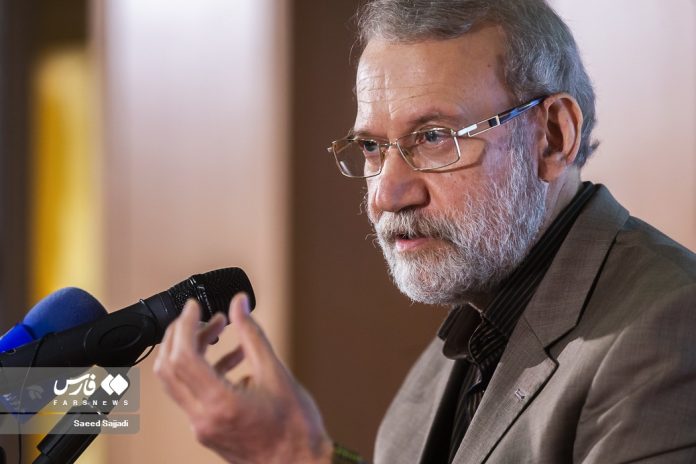
In an interview with Ham Mihan newspaper, Ali Larijani referred to the Iranian Leader’s remarks during the Tehran Friday prayers which gave the heads-up to everyone to brace themselves amid the current decisive situation.

Larijani suggested that the United States runs the command center of the plots in the region and the Zionist regime is merely the vanguard.

He criticized Washington for its duplicitous behavior, noting, “It provides weapons, but its forces do not suffer casualties. On the one hand, it creates chaos, but on the other hand, it advises others to maintain peace.”

The top aide to Iran’s Leader also referred to the crises created by the US since the victory of Iran’s Islamic Revolution in 1979, including the emergence of former Iraqi dictator Saddam Hussein and the consequent war he started with Iran, but stated that “Iran’s strategy is to be both powerful and to have a strong region.”

Larijani, who is also a member of Iran’s Expediency Council, touched on the joy of the people in the region following Iran’s Operation True Promise II against Israel on Tuesday evening involving hundreds of ballistic missiles, arguing, “It indicates that they see Iran’s power as their own.”

He, however, warned if the path of diplomacy is not pursued, conflicts will continue for a while before the enemy realizes that the issue cannot be resolved through force.

Israel says two soldiers killed in Iraqi drone strike

Israeli Army

According to the officials, the drone strike was launched by the Islamic Resistance in Iraq. The group has launched several attacks over the last year in solidarity with Palestinians in the Gaza Strip.

This is the first time the attack by the Iraqi group has resulted in any sort of casualties. The numbers are quite significant. It’s the first time since 1973 that any sort of Iraqi attack has killed an Israeli soldier.

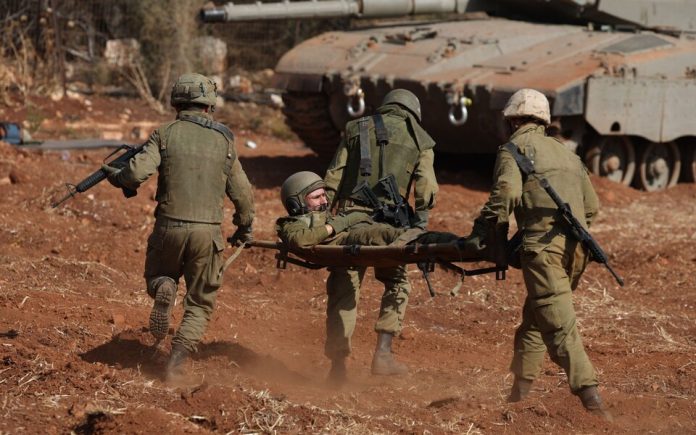
The soldiers, members of the Israeli military’s Golani Brigade, were killed while at a base in the Golan Heights. Israeli officials had previously said they had been killed “in fighting” but later clarified that they died as a result of the strike.

At least 25 others were injured in the attack.

US warned of risk of Israeli war crimes days after start of Gaza conflict: Report

Gaza War

Reuters reported on Friday that after reviewing three sets of email exchanges between senior US administration officials, dated between October 11 and 14, officials had sounded the alarm that a rising death toll in Gaza could violate international law and affect US ties to the Arab world.

“The messages also show internal pressure in the Biden administration to shift its messaging from showing solidarity with Israel to including sympathy for Palestinians and the need to allow more humanitarian aid into Gaza,” the investigation found.

In an email sent on October 11 – five days after Hamas’s attack on Israel and the start of the offensive in Gaza – the US State Department’s top public diplomacy official, Bill Russo, told senior officials that the US was “losing credibility among Arabic-speaking audiences” by not addressing the unfolding humanitarian crisis in Gaza.

On that day, Gaza’s Health Ministry had recorded a death toll of about 1,200 Palestinians.

“The US’s lack of response on the humanitarian conditions for Palestinians is not only ineffective and counterproductive, but we are also being accused of being complicit to potential war crimes by remaining silent on Israel’s actions against civilians,” Russo wrote.

Russo urged Biden’s administration to take swift action and change its public stance from its unwavering support of Israel’s response to the October 7 attack and its subsequent war on Gaza.

He later resigned from office in March, citing personal reasons.

Two days later, on October 13, Israel dropped leaflets in northern Gaza, warning one million residents to leave their homes in 24 hours as Israeli Prime Minister Benjamin Netanyahu declared he was going to “annihilate Hamas”.

Following a private phone call with the International Committee of the Red Cross (ICRC), the then deputy assistant secretary of defence for the Middle East, Dana Stroul, wrote in an email that day to senior aides to Biden that the humanitarian organisation was “raising private alarm that Israel is close to committing war crimes”.

“Their [ICRC’s] main line is that it is impossible for one million civilians to move this fast,” Stroul wrote.

The Reuters report added that a US official on the email chain also said it would be “impossible to carry out such an evacuation without creating a ‘humanitarian catastrophe’”.

Other officials chimed in on the warning, calling on the administration to convince Israel to slow down on displacing civilians to southern Gaza, the report added.

It was on that same day that the administration, for the first time, acknowledged the suffering of Palestinians during a news conference with Secretary of State Antony Blinken in Doha, Qatar.

Reuters found that on October 14, Israel’s senior defence adviser emailed his US State Department counterpart to request that a rifle shipment be expedited.

Christopher Le Mon, deputy assistant secretary at the State Department’s Democracy, Labour and Human Rights (DRL) bureau, which reviews potential weapons sales, recommended denying arms to Israel, citing the “conduct” of the Israeli National Police units, including the Yamam border patrol unit.

Le Mon said in a letter that there were “numerous reports” of Yamam’s involvement in “gross violations of human rights”.

Since the war began, the US has sent Israel a large number of munitions, including thousands of precision-guided missiles and 2,000-pound (900kg) bombs, Reuters added, citing several US officials.
Nearly a year into Israel’s relentless war on Gaza, the Health Ministry said on Friday that at least 41,802 Palestinians have been killed and 96,844 wounded.

US doctors who volunteered to work in Gaza say have not seen any militant activity in hospitals

Israel Army Gaza Hospital

In a letter to Biden and Vice President Kamala Harris, the group, who collectively spent 254 weeks volunteering at Gaza’s health care facilities, shared their firsthand experiences of the dire humanitarian conditions amid Israel’s ongoing offensive, saying they had “witnessed crimes beyond comprehension”.

“We wish to be absolutely clear: not once did any of us see any type of Palestinian militant activity in any of Gaza’s hospitals or other health care facilities,” they said in the letter, which was published on the website “Gaza Healthcare Letters”.

“We urge you to see that Israel has systematically and deliberately devastated Gaza’s entire health care system and that Israel has targeted our colleagues in Gaza for torture, disappearance, and murder,” they added.

The letter details the suffering of women and children in hospitals, including widespread malnutrition, and a lack of essential medical supplies in Gaza. They also cited a study published in the medical journal Lancet in July that said the death toll in Gaza has already surpassed 118,000, more than 5% of Gaza’s population.

“Every day I saw babies die. They had been born healthy. Their mothers were so malnourished that they could not breastfeed, and we lacked formula or clean water to feed them, so they starved,” said Asma Taha, a pediatric nurse practitioner, as quoted in the letter.

“Gaza was the first time I held a baby’s brains in my hand. The first of many,” Dr. Mark Perlmutter, an orthopedic and hand surgeon, said in the letter.

Doctors added in the letter that Israel’s “continued, repeated” displacement of the malnourished and sick population of Gaza, half of whom are children, to areas without running water or even toilets available is “absolutely shocking”.

“It is impossible that such widespread shooting of young children throughout Gaza, sustained over the course of an entire year, is accidental or unknown to the highest Israeli civilian and military authorities.”

The group demanded that the Biden administration support an international arms embargo on both Israeli and Palestinian groups until a permanent cease-fire is reached and both Israeli and Palestinian hostages are released. The signatories also asked for a meeting with Biden and Harris to discuss what they saw and why they feel American policy in the Middle East “must change immediately”.

They also reiterated their calls in their July 25 letter, including reopening the Rafah crossing to allow humanitarian aid, including water and medical supplies, into Gaza.

“Every day that we continue supplying weapons and munitions to Israel is another day that women are shredded by our bombs and children are murdered with our bullets,” they stressed.

Israel targets West Bank in rare jet attack, at least 18 killed

Israeli Air Force

Israel killed 18 Palestinians after bombing a coffee shop in the occupied West Bank using fighter jets, in the first such attack since the Second Intifada during the early 2000s.

At least one missile hit a busy cafe in the al-Hamam neighbourhood in the crowded Tulkarm refugee camp as citizens gathered there, according to official Palestinian news agency Wafa. Ambulances and first responders rushed to the scene after the raid, it added.

Video from the site posted on social media showed what appeared to be a corpse suspended in the air and rubble spewed across the street with cries in the background.

A source within the Palestinian security services told AFP this was the deadliest single attack in the occupied West Bank since 2000.

“We condemn the Tulkarm camp massacre and hold the occupation government fully responsible for its repercussions,” the Palestinian Authority’s presidency office said in a statement on Thursday.

Hamas and the Islamic Jihad movements also condemned the “massacre” calling it a “dangerous escalation”.

The Israeli army confirmed the strike and claimed it was a joint operation carried out by the Shin Bet internal security service and the air force, according to a brief statement by the military.

The strike is a crescendo of Israel’s escalating attacks in the occupied West Bank, since 7 October 2023, after the Hamas-led attack on southern Israel. At least 700 Palestinians have been killed by Israeli attacks in the occupied West Bank since then.

In August, Israel launched a massive offensive in the northern West Bank targeting the cities of Jenin, Tulkarm and Tubas with military helicopters and large convoys of armoured vehicles.

Major Israeli offensives in the occupied West Bank are sometimes occurring “at a scale not witnessed in the last two decades”, United Nations announced in September.

IRGC commander warns Israel against making a mistake regarding Iran

Rear Admiral Ali Fadavi

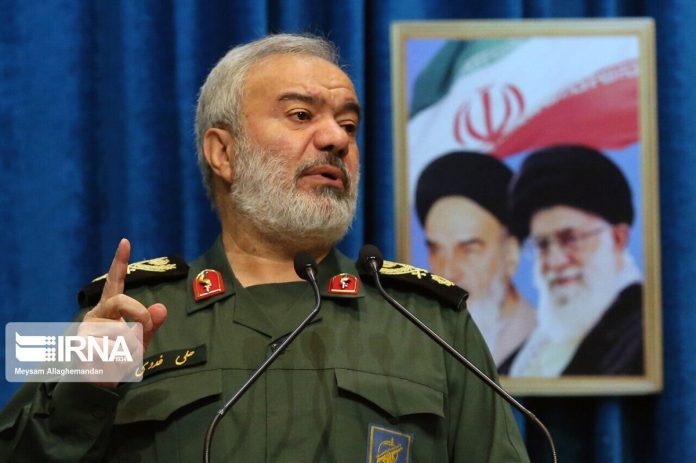
General Fadavi said Iran would retaliate against any Israeli attack on the Islamic Republic by targeting Israel’s energy resources and the regime’s gas fields and refineries.

Fadavi underlined that Iran is a vast country with many economic sites while Israel only has 3 power plants and a few refineries, which “we can hit simultaneously”.

The IRGC acting commander’s comment comes as Israeli officials have threatened to target Iran’s oil facilities and economic sites in response to the recent missile attacks by Iran against military sites in Israel.

Iran says its action was legal as Israel had carried out an act of war against the Islamic Republic by assassinating late leader of Hamas in Tehran.

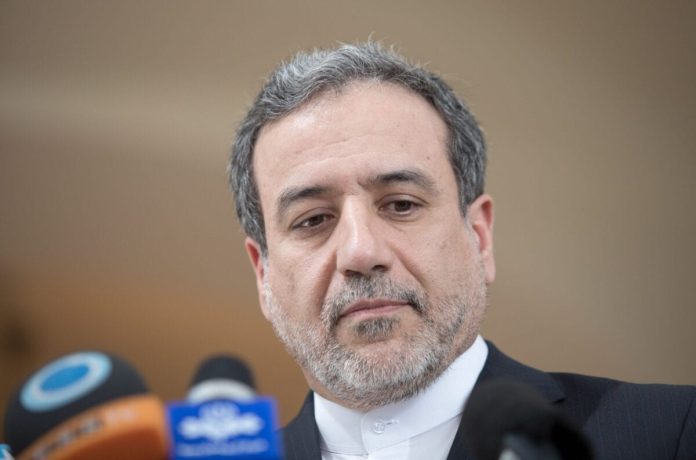
Iranian FM warns Israel against attacking Iran

Abbas Araghchi

Referring to the recent Iranian missile strikes on Israel, he said that, unlike the Zionist regime that bombs civilian areas, Iran struck military targets.

He however stressed that Iran has no plans on continuing attacks on Israel, but if Tel Aviv responds to the recent Iranian missile strikes, Tehran’s response will be harsher.

The foreign minister noted that in that case, Iran will definitely respond proportionally and in a calculated manner.

Araghchi went on to say that he held consultations about a ceasefire with Lebanese officials and that he’s in touch with them and other countries over the matter.

He added that Iran will support efforts toward a truce provided that the rights of the Lebanese people will be respected and such a ceasefire is accepted by the resistance and be simultaneous with the cessation of hostilities in Gaza.

Iran Leader: US, allies prioritizing Israel’s security to control region’s resources

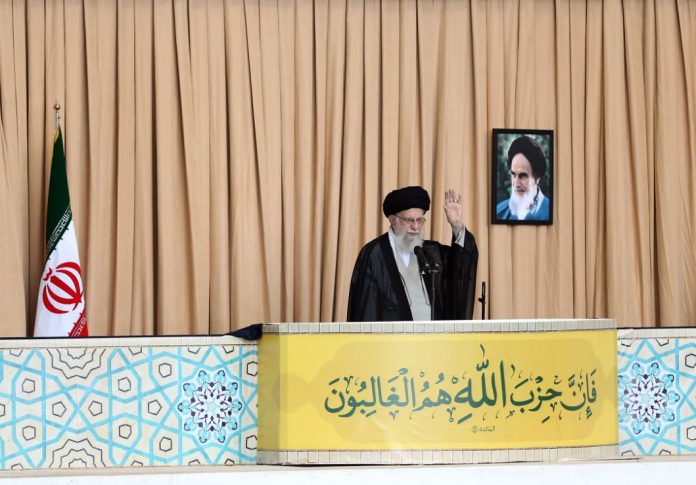
Ayatollah Khamenei

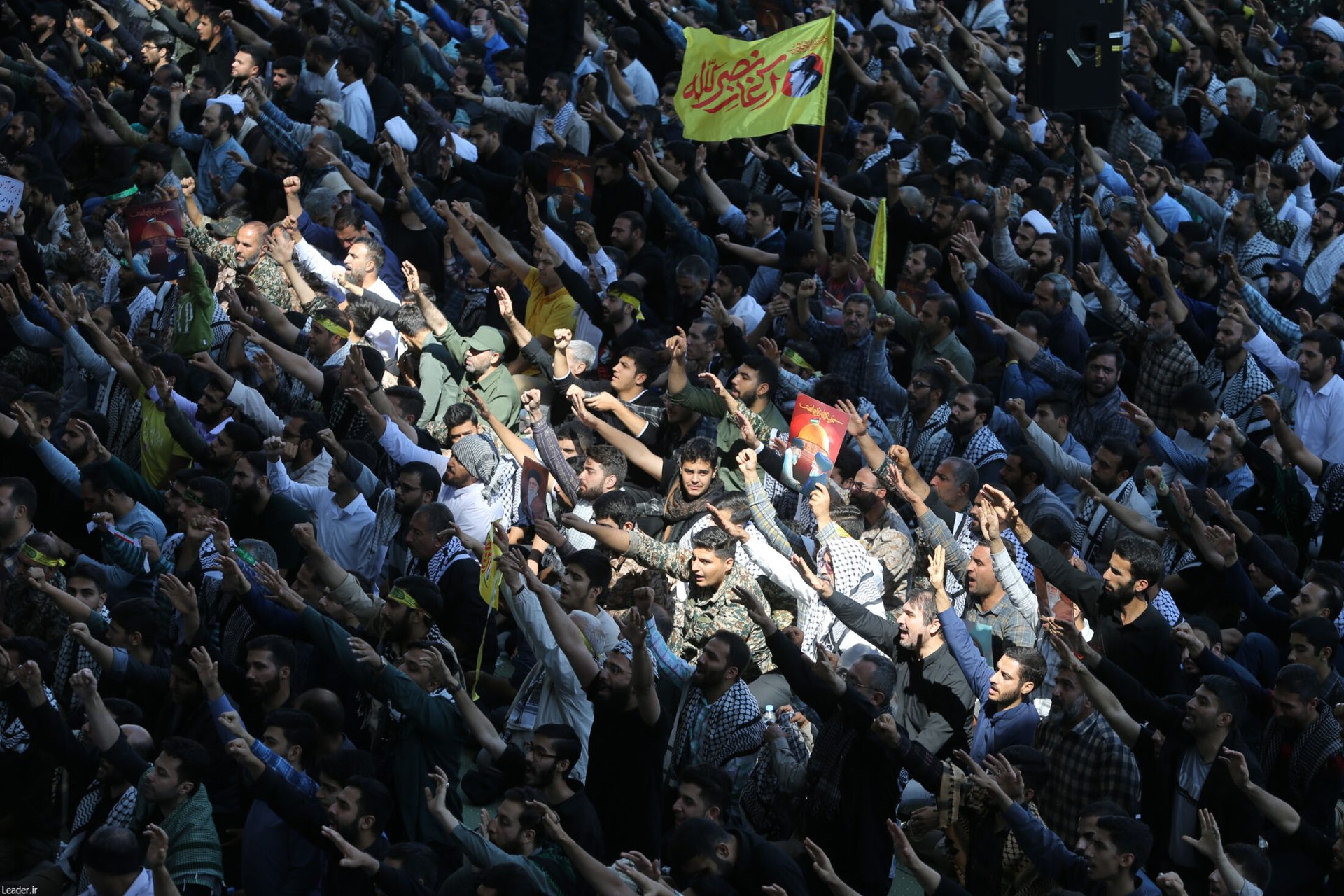
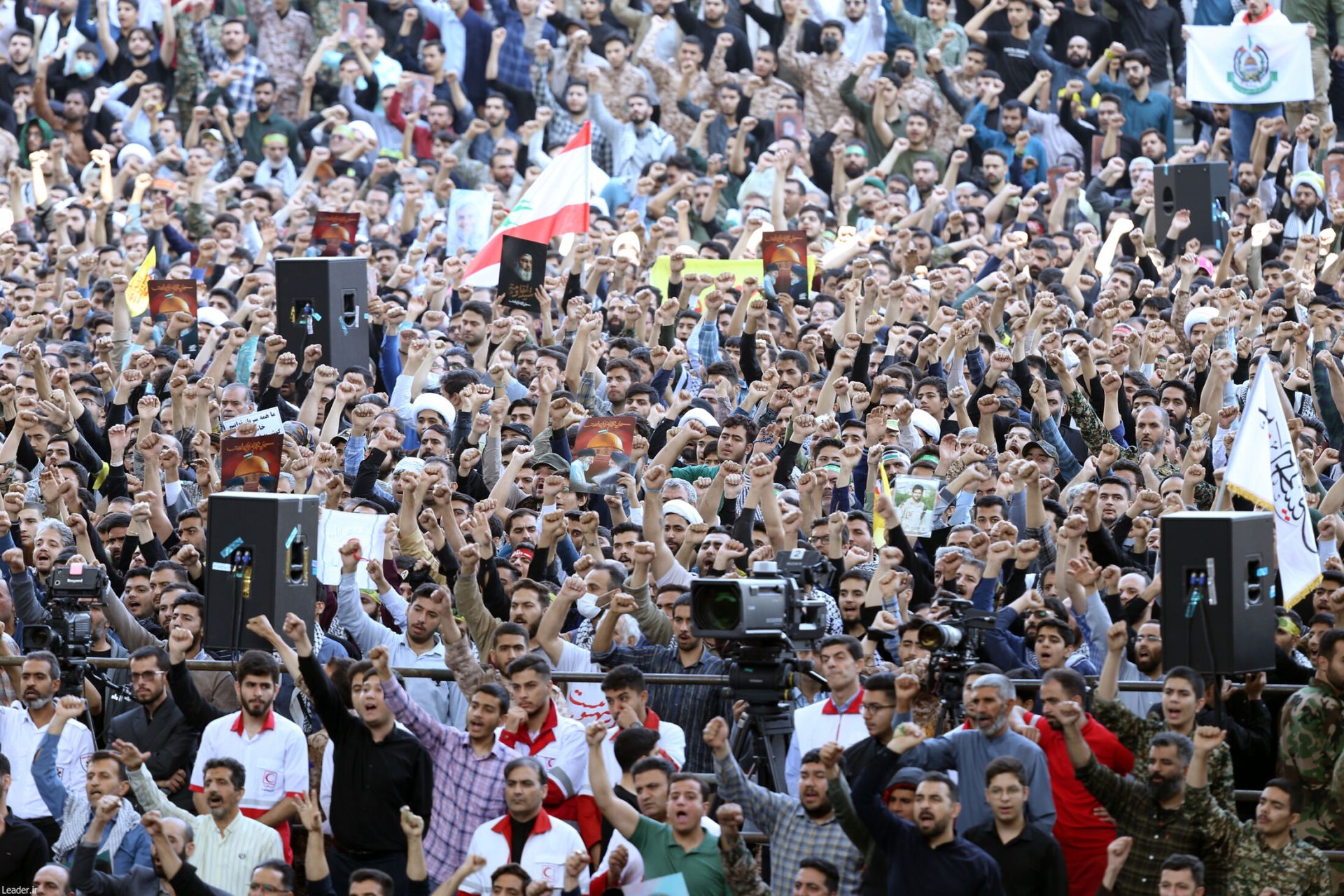
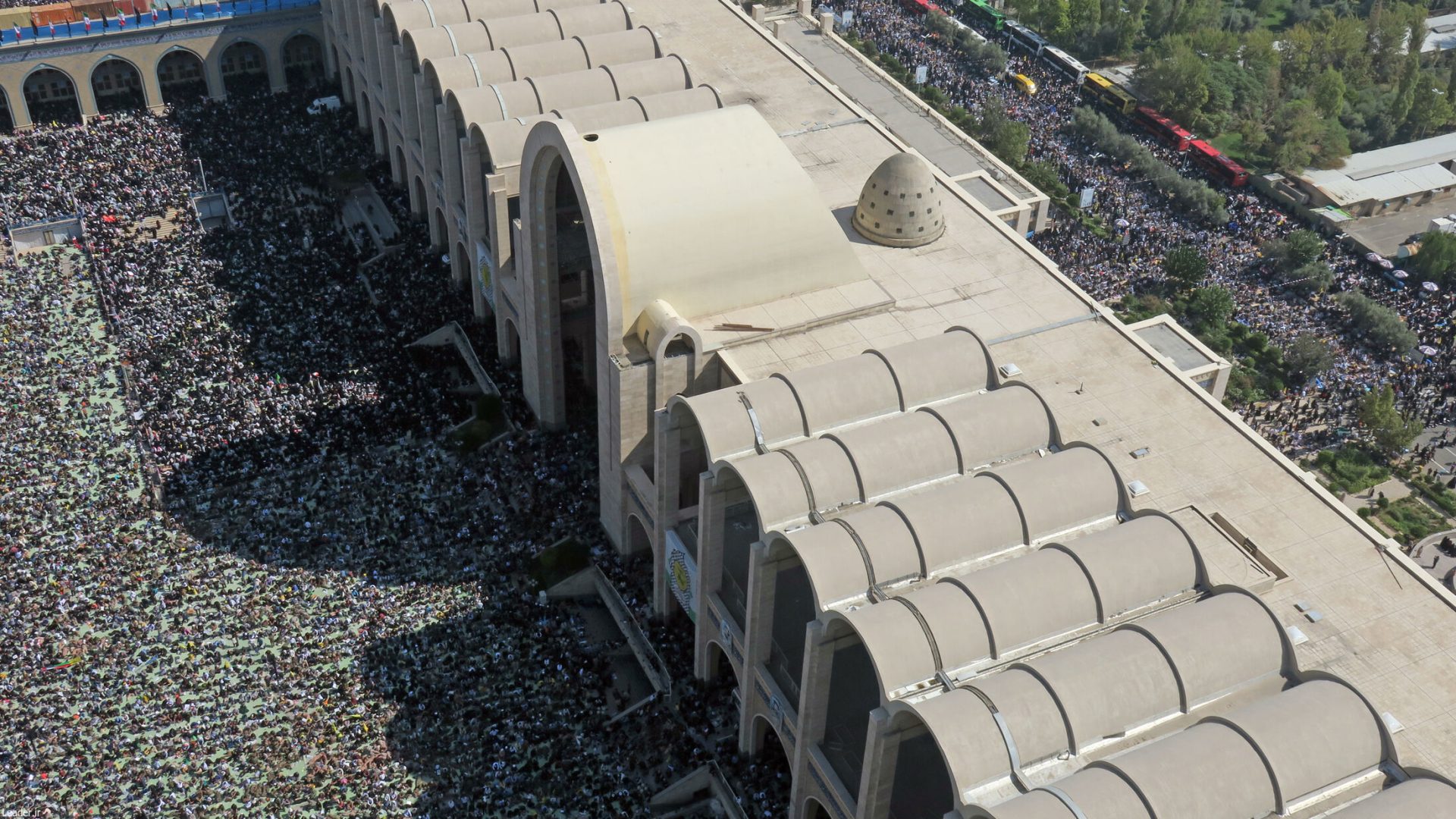
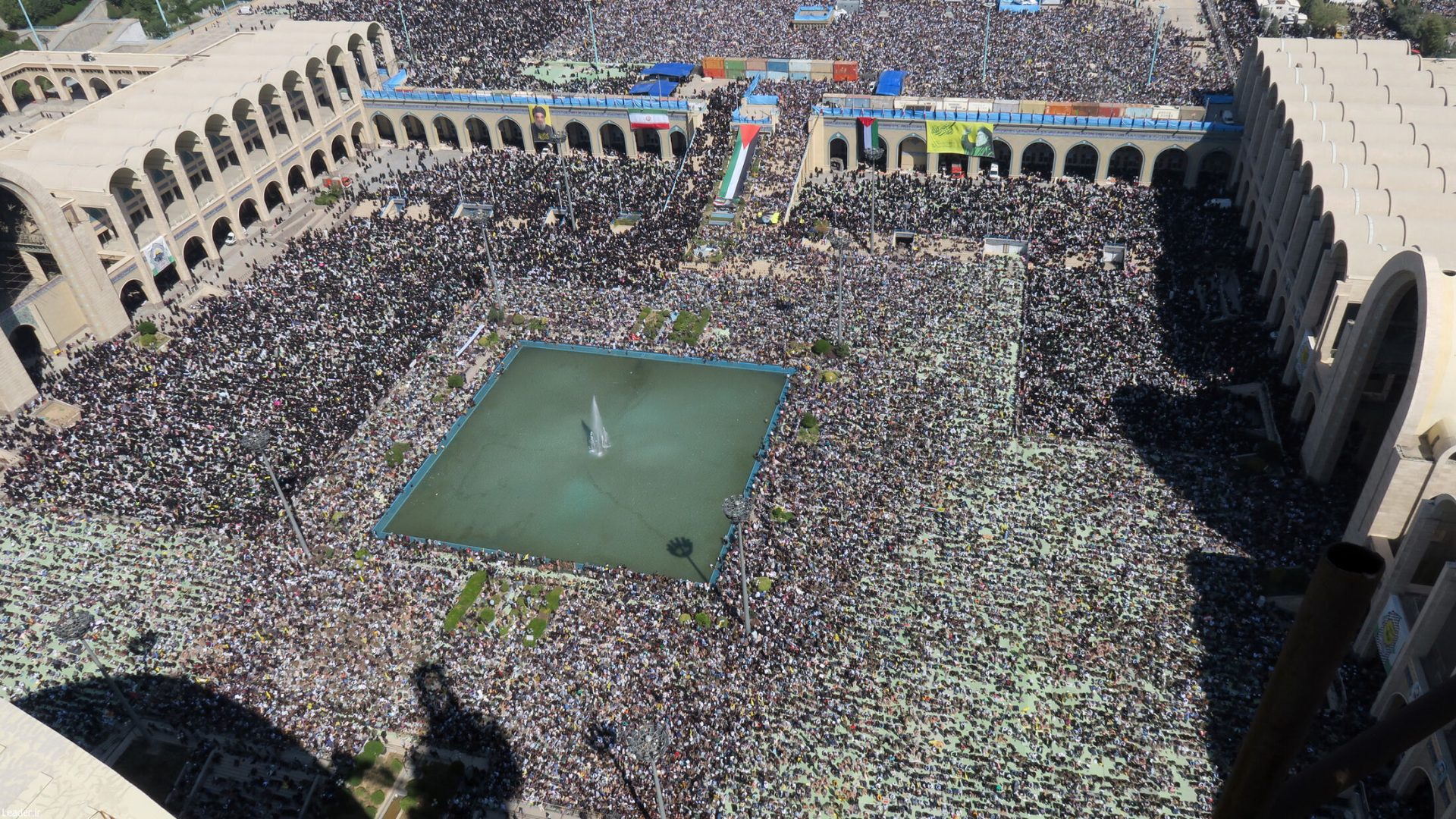
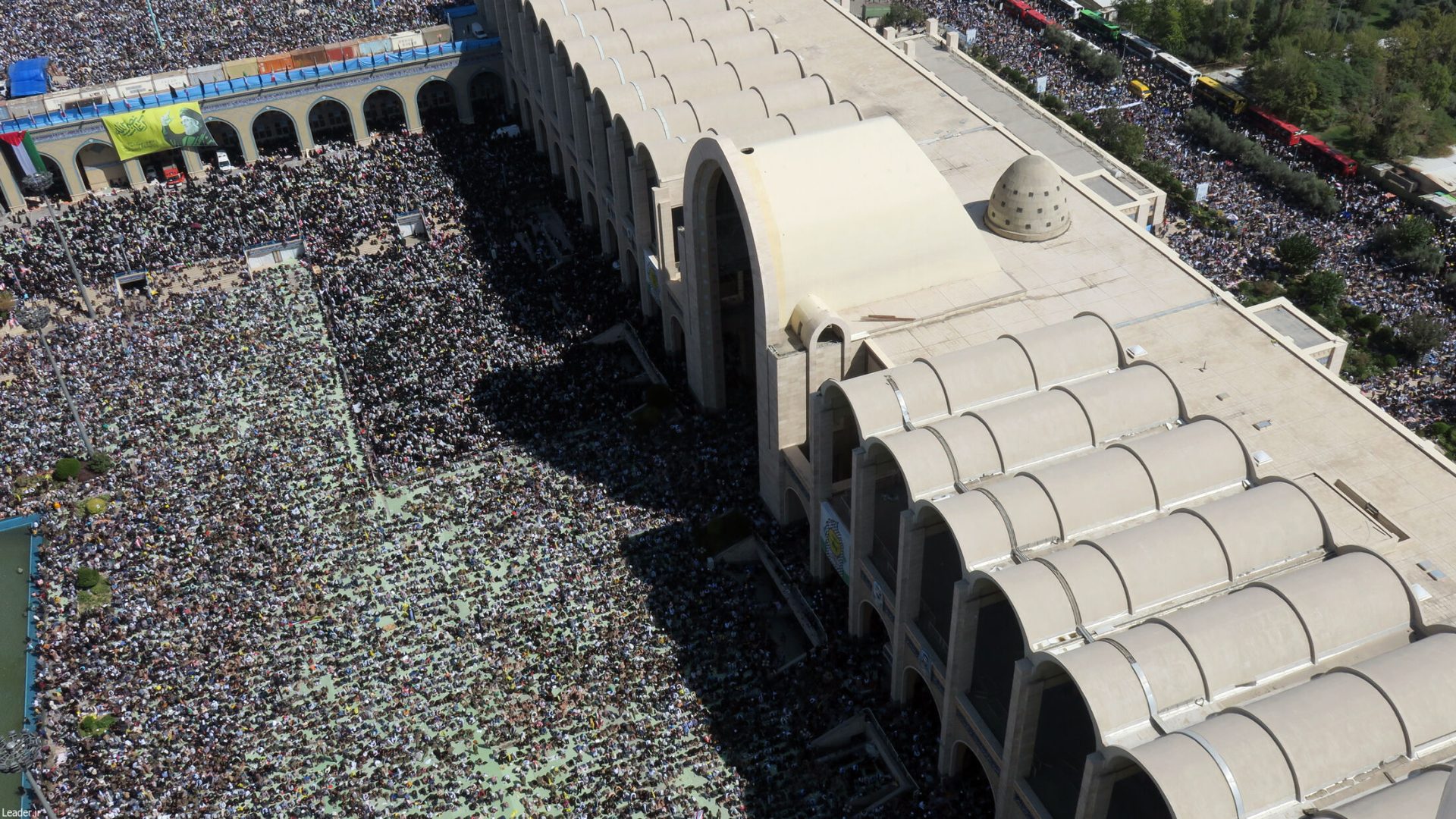
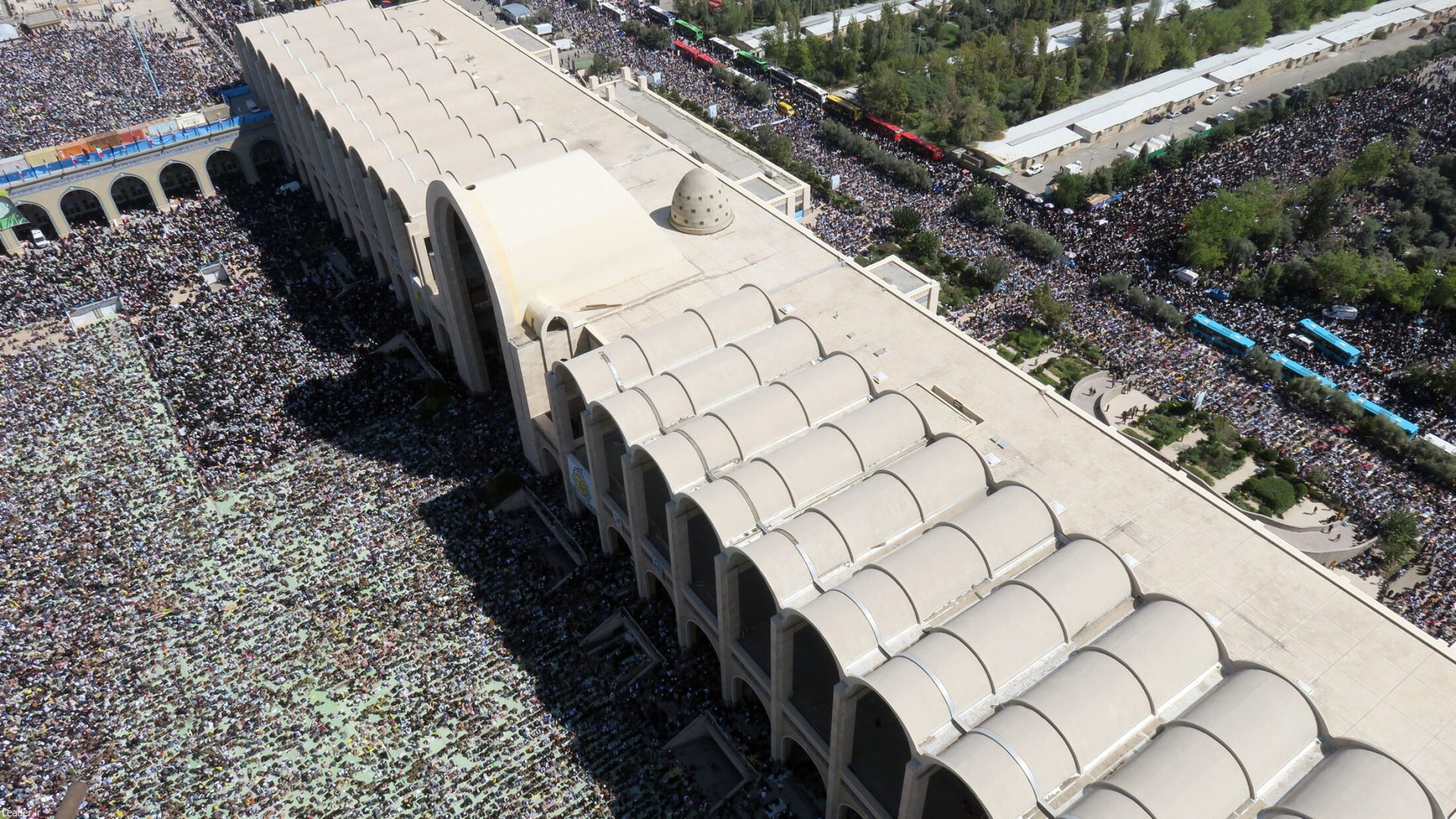
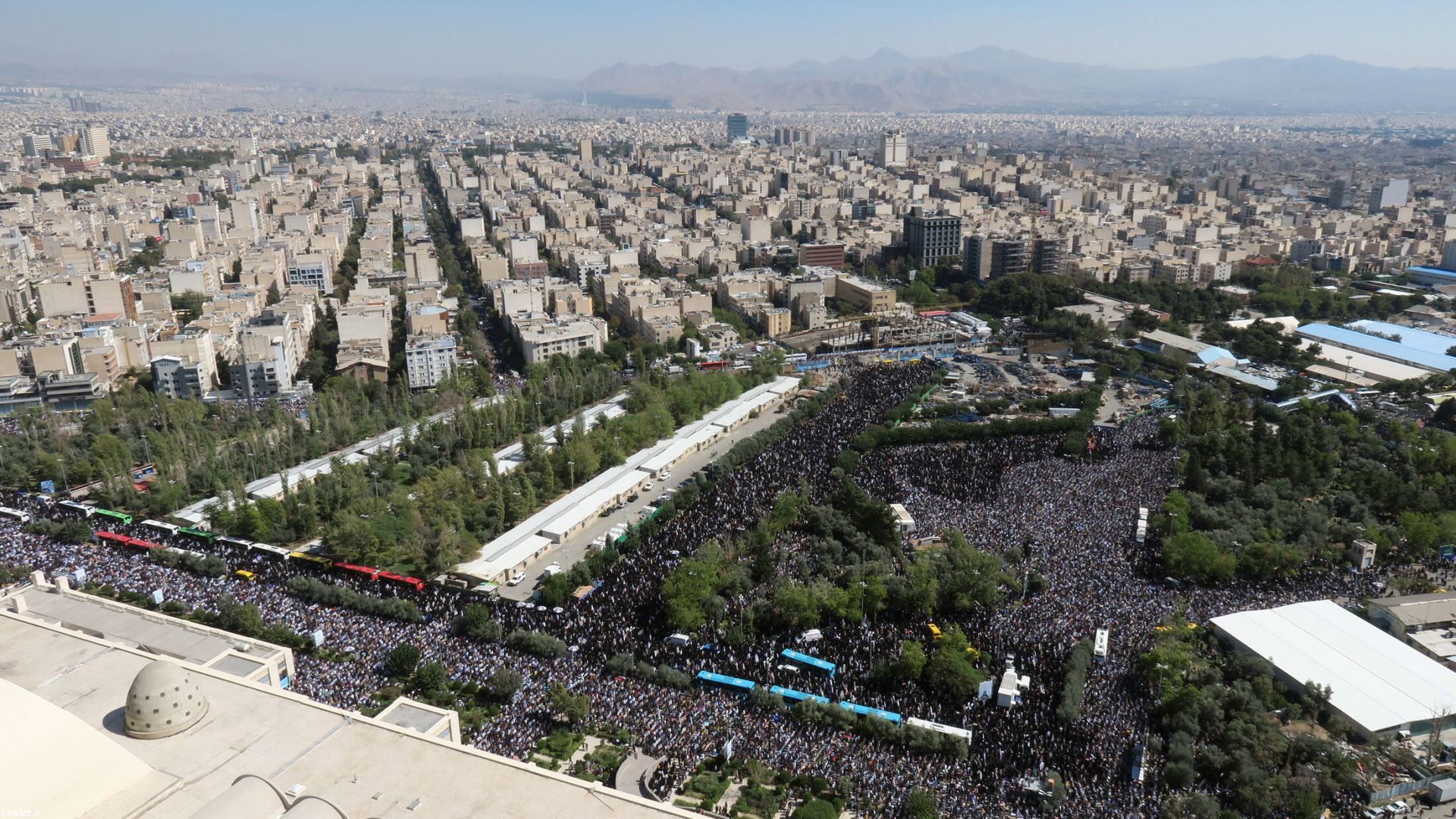
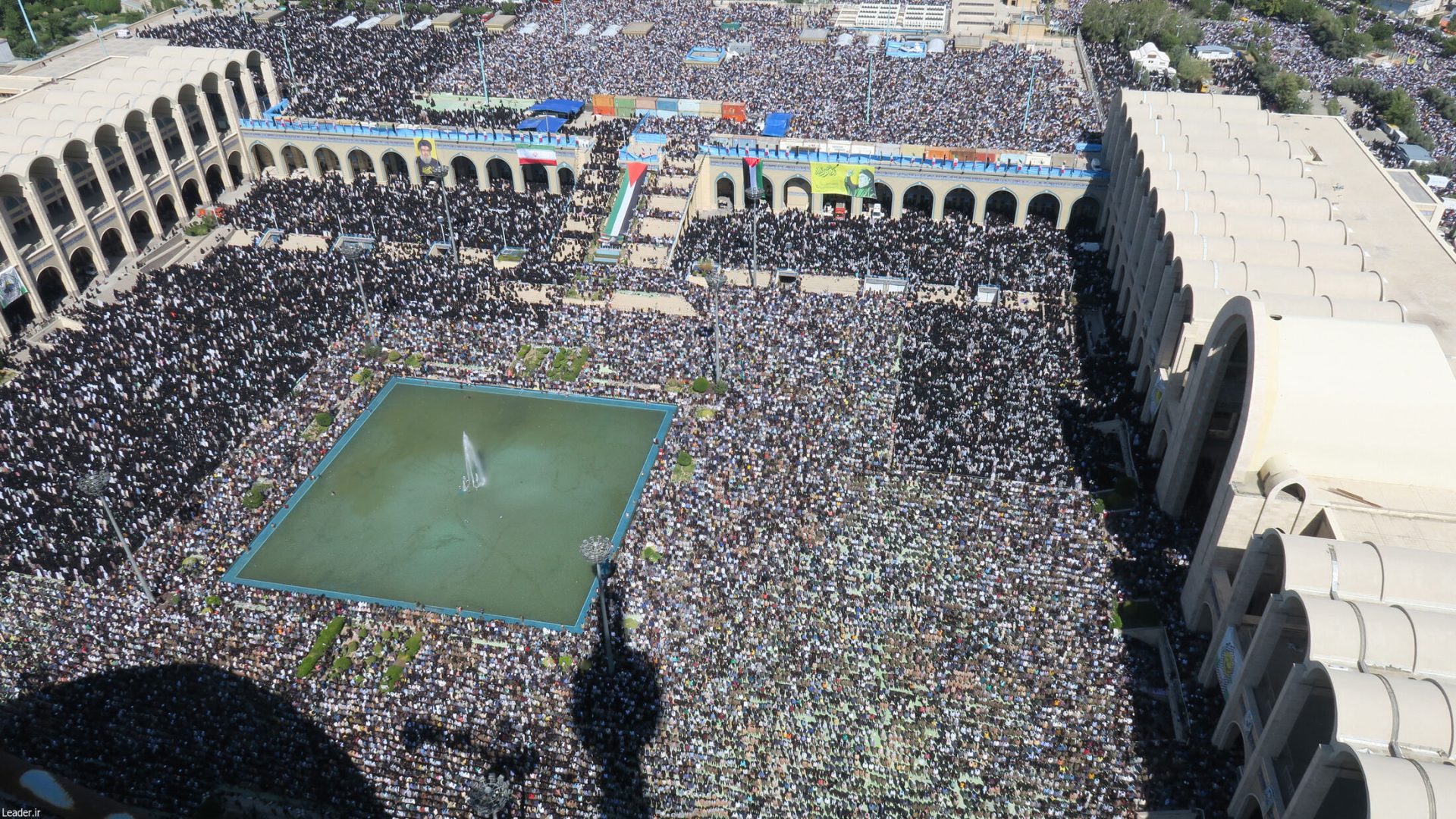
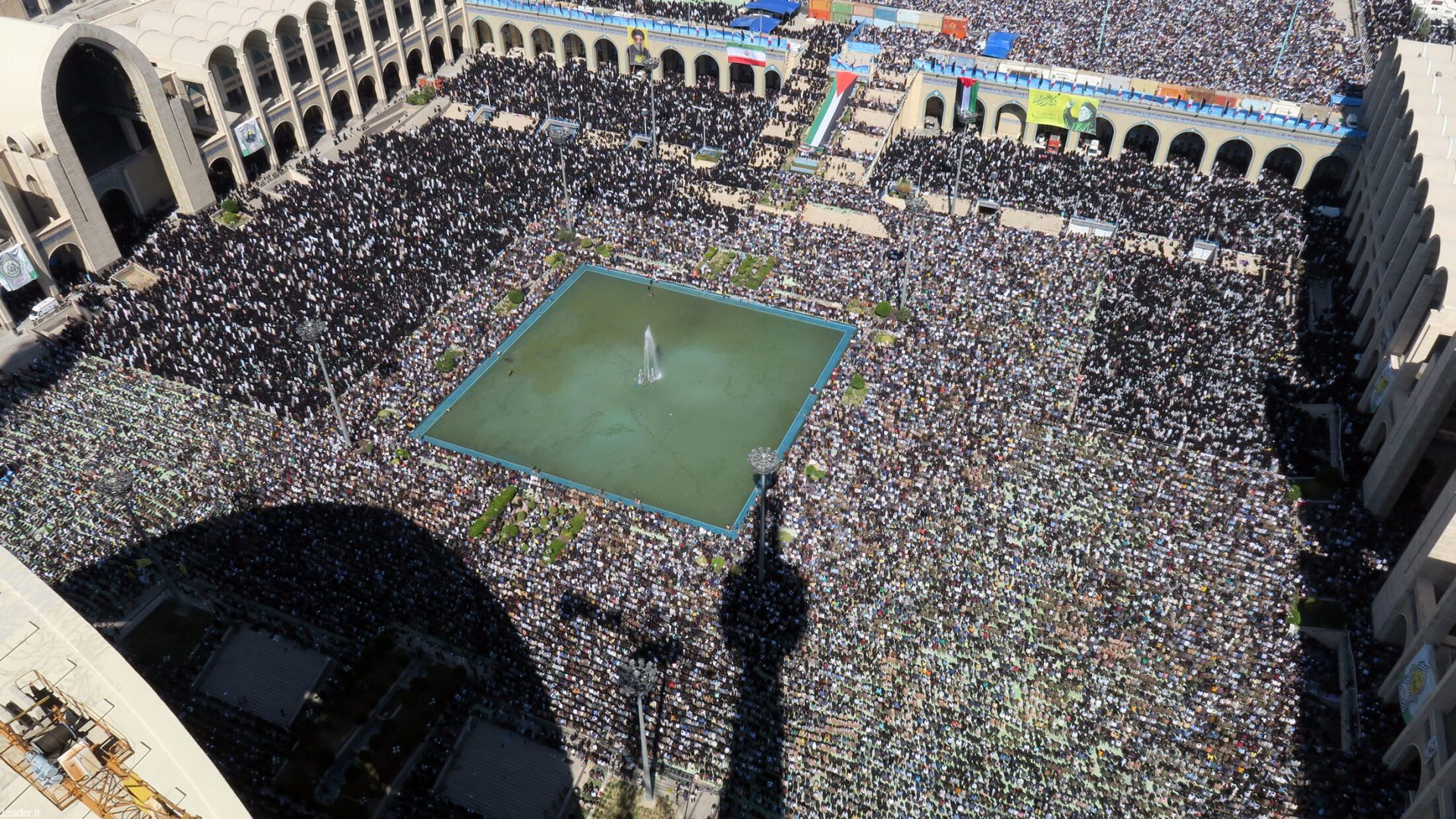
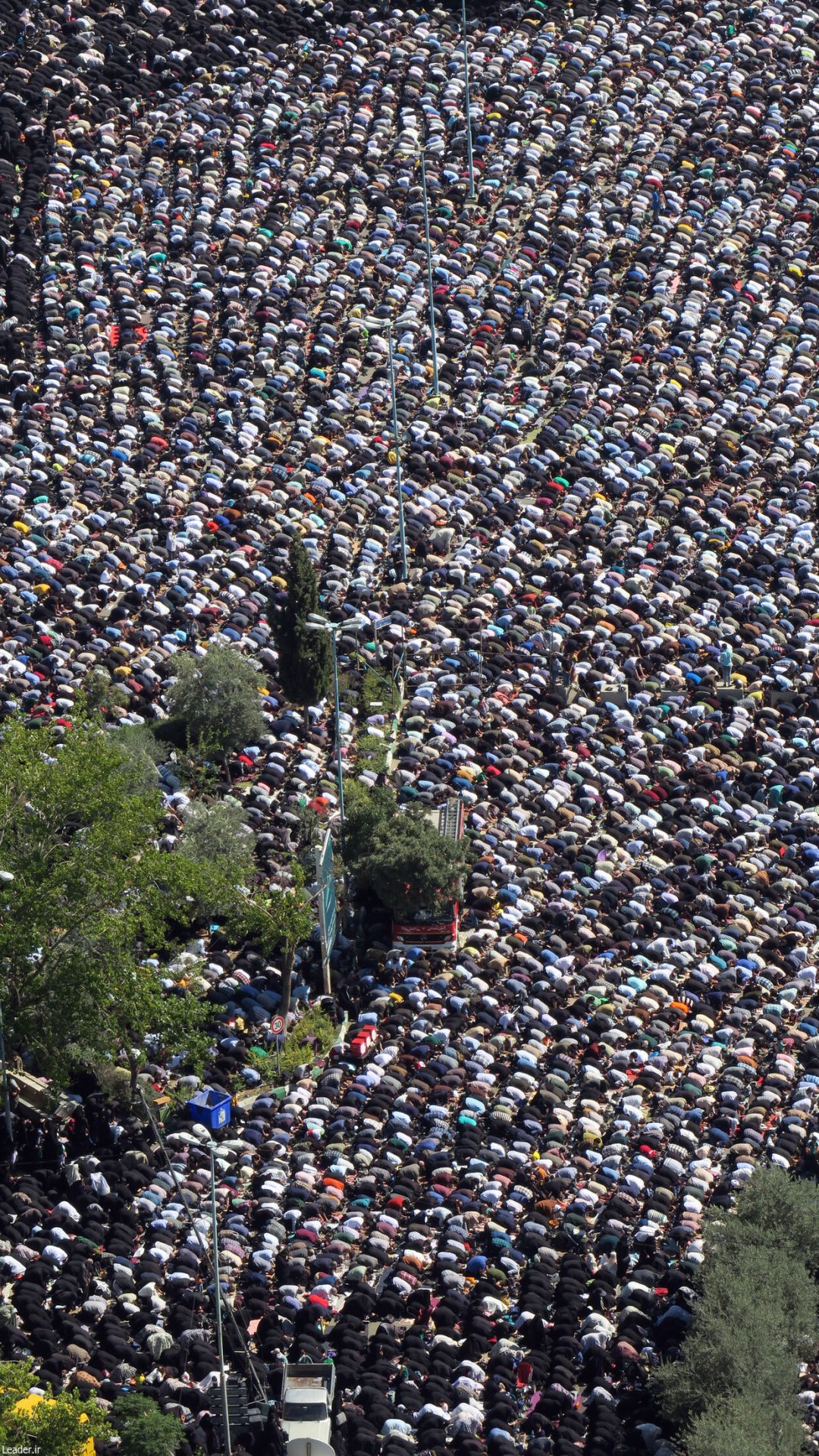
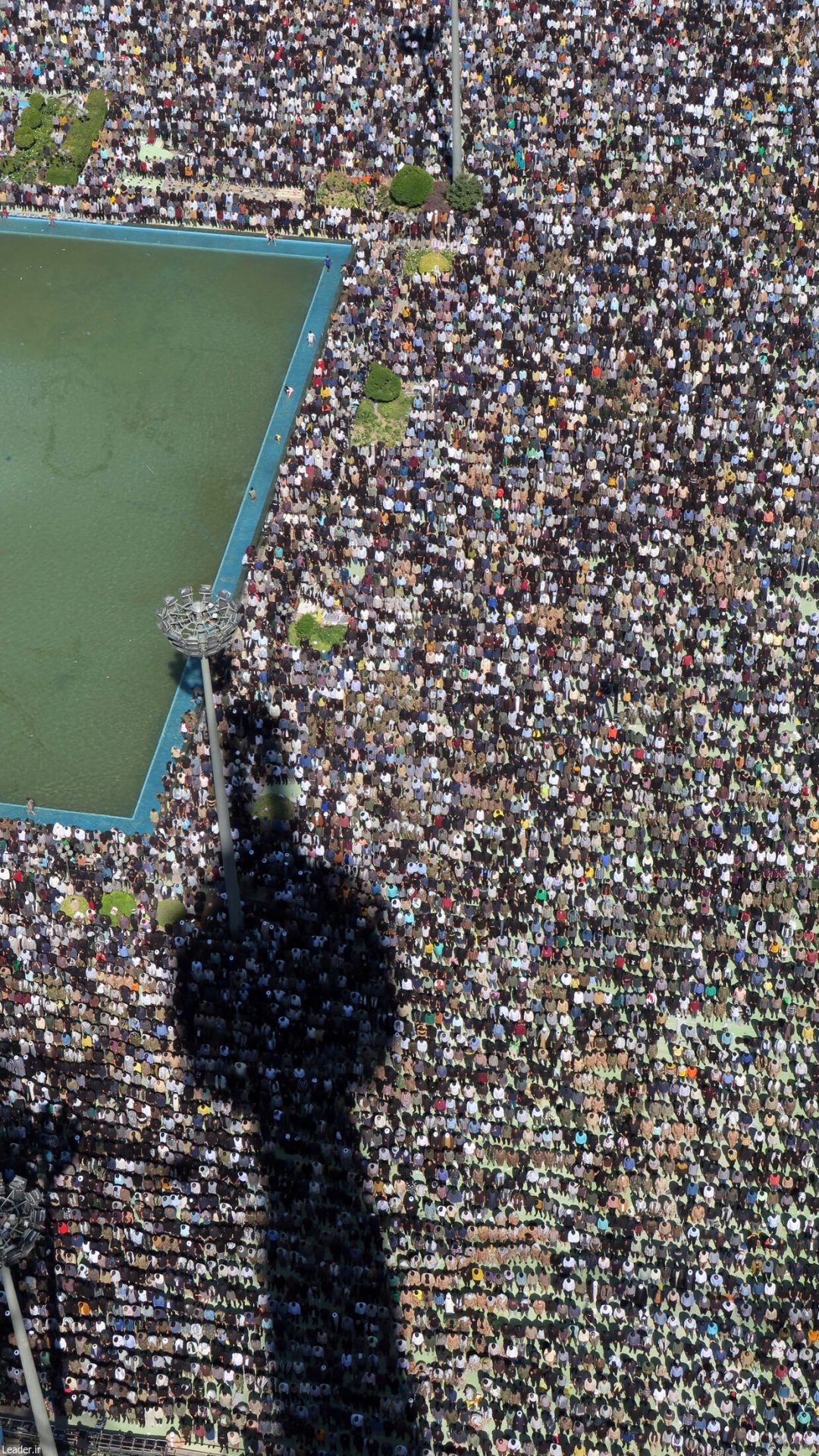
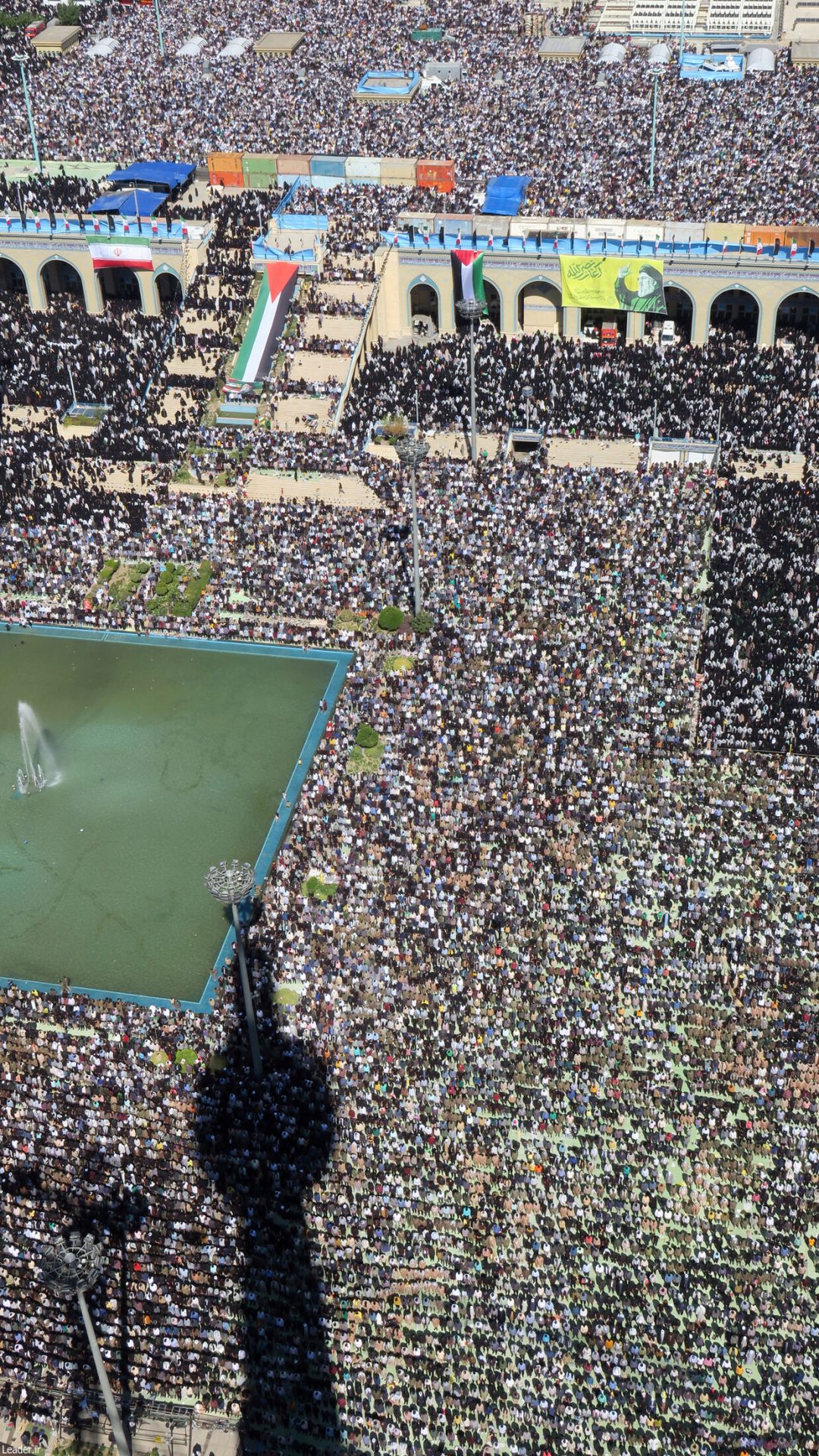
Addressing a massive crowd of worshippers in Tehran’s Mosalla grand prayers site, Ayatollah Khamenei noted the US pushes the strategy to ensure the existence of Israel and the dependency of the entire region on the occupying regime.

The Iranian leader condemned the Zionist regime as a ‘rootless, artificial, and unstable entity’ that survives only through US support, which he predicted would not last long.

He stated, “Even the Zionist criminals themselves have come to realize that they will never defeat Hamas and Hezbollah.”

Drawing parallels to the early 1980s in Iran, when numerous prominent figures were assassinated, the Leader highlighted the resilience of the Lebanese and Palestinian people, stating that the martyrdoms and spilled blood would only strengthen their movements.

Ayatollah Khamenei praised the resistance in Gaza, asserting that their steadfastness against all forms of evils had earned the admiration of all free people of the world.

The Leader singled out the Zionist regime and foreign interference as the main causes of war, insecurity, and backwardness in the region, but said that regional governments are capable of establishing peace and stability through concerted efforts of both the nations and states.

He stated that the year-long resistance in Gaza and Lebanon, along with the operation Al-Aqsa Storm against Israel, forced the Zionist regime into a defensive position reminiscent of its early years.