Monday, December 29, 2025
Home Blog Page 711

Massive crowd participating in Tehran Friday Prayers

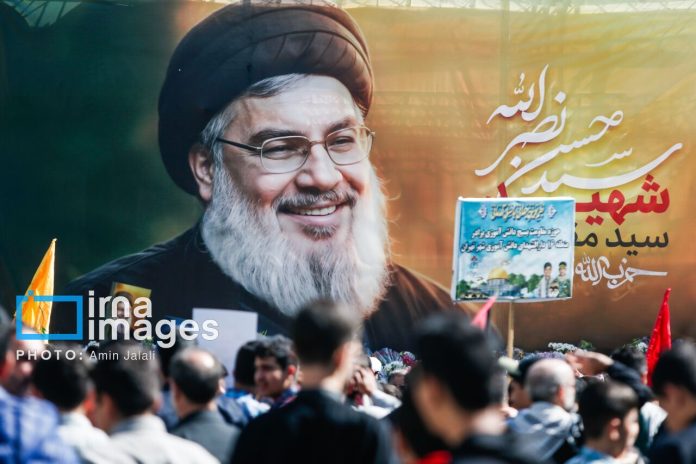
Hezbollah Nasrallah

The devout people have been swarming the Imam Khomeini Mosalla, the grand prayer complex in Tehran, since 5:30 AM (local time) on Friday.

This week’s sermons and prayer are especially important as they come on the heels of the assassination of the secretary general of the Lebanese resistance movement Hezbollah, Sayyed Hassan Nasrallah, in Beirut in a large Israeli airstrike on Tuesday.

It also comes in light of the first anniversary of the unprecedented Hamas-led Operation Al-Aqsa Storm against the Israeli-occupied territories, which is expected to be discussed in the sermons.

The crowds entered the site and moved towards the prayer venue while holding pictures of the Iranian Leader, Nasrallah, the assassinated commander of Iran’s Quds Force General Qassem Soleimani, and other martyrs of the resistance.

A ceremony is scheduled to be held to commemorate Sayyed Hassan Nasrallah and his companions, including Iran’s top IRGC commander General Abbas Nilforoushan.

Iran rejects allegation of interference in US election through AI

Trump Harris

Esmail Baghaei stressed, “These repetitive and baseless claims, which some US officials and institutions have made for some time, are politically-charged and have domestic political consumption.”

The Iranian foreign ministry spokesman noted, that the US government, which has a long history of illegal interference in the internal affairs of other countries, is not in a position to level such accusations against other countries.

The US Homeland Security Department, in a report released on October 2, said China, Iran, and Russia are expected to employ sophisticated AI-enhanced strategies to sway voters and erode trust in US democratic processes.

Referring to the high stakes surrounding the November 5 elections, the agency detailed how these foreign powers are likely to deploy their tactics in a bid to deepen the social divide and create doubts about the fairness of the elections.

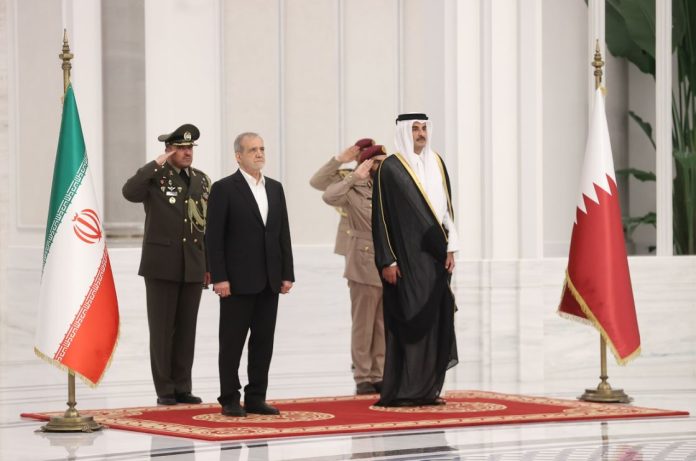
Iran’s president hails ‘fruitful’ Qatar visit, raises hopes frozen assets to be released

Pezeshkian Qatari Emir

President Pezeshkian said one of the key events was a joint meeting between Arab foreign ministers and Iran’s Minister of Foreign Affairs Seyed Abbas Araghchi, which facilitated constructive discussions on regional issues, including the situations in Gaza and Lebanon, and the strengthening of bilateral relations.

The Iranian president emphasized the productive nature of the talks, noting that grievances and disagreements were transformed into mutual understandings, paving the way for continued cooperation.

The visit also included fruitful discussions between Iran’s ministers of sports and energy, and the president of Iran’s Chamber of Commerce, with their Qatari counterparts, he noted.

The Iranian president also mentioned ‘successful negotiations’ regarding releasing Iran’s foreign currency reserves in Qatar’s central bank, saying “good understandings were made in this regard.”

The meetings resulted in six agreements, which are scheduled to be finalized during the upcoming visit of the Emir of Qatar to Tehran.

Highlighting the broader goals of the visit, President Pezeshkian stated that Iran aims to foster unity and solidarity in all its international engagements.

He also stated that discussions with leaders and officials from other countries during the trip focused on regional concerns, aiming to develop a unified perspective and voice among neighboring countries.

President Pezeshkian expressed hope that the region can be steered towards peace and security, fostering unity among Islamic countries.

Biden ‘frustrated’ by Israel over Gaza war: Report

Gaza War

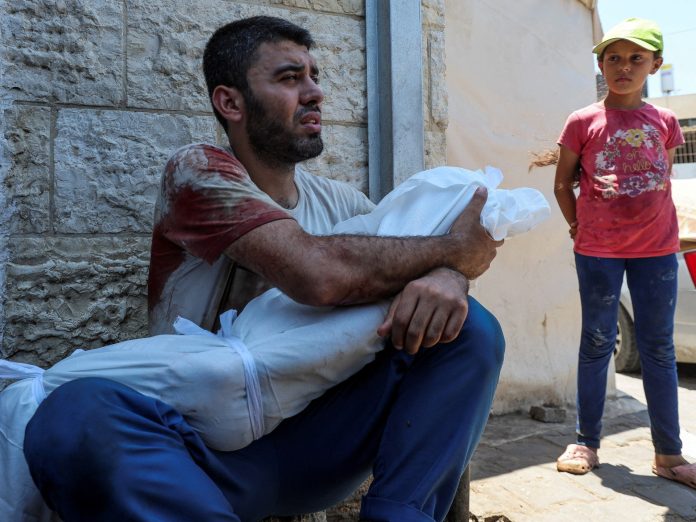
Biden and his aides have been “repeatedly frustrated” by Israel’s war in the Gaza Strip, especially by the large death toll among Palestinian civilians, the report said. It added that Israeli Prime Minister Benjamin Netanyahu has ignored US advice.

“As his influence over Netanyahu shrunk, the president’s anger grew,” Politico wrote. It cited unnamed officials as saying that phone calls between Biden and Netanyahu have “increasingly turned into shouting matches”.

The dynamic illustrates “an acknowledgement” that Biden may be unable to prevent a “regional war” in the Middle East, the magazine noted. This has forced Biden to settle for “limiting Israel’s response rather than discourage it entirely”.

Israel has continued its brutal offensive on the Gaza Strip following an attack by the Palestinian group Hamas last Oct. 7, despite a UN Security Council resolution calling for an immediate cease-fire.

Nearly 41,800 people have since been killed, mostly women and children, and at least 96,800 others injured, according to local health authorities.

The Israeli onslaught has displaced almost the entire population of the territory amid an ongoing blockade that has led to severe shortages of food, clean water and medicine.

Israel faces accusations of genocide at the International Court of Justice for its actions in Gaza.

Israel’s army has wiped out over 900 Gaza families: Report

Gaza War

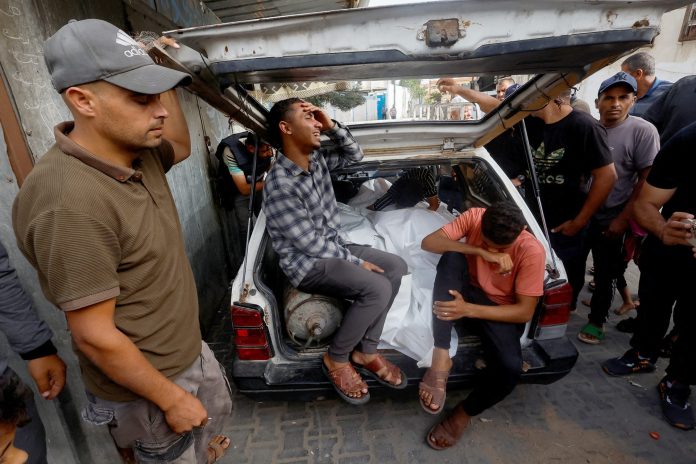
“As part of the ongoing genocide carried out by the Israeli occupation army with full American support, the occupation army has exterminated 902 Palestinian families, erasing them from the civil registry by killing all their members during a year of genocide in Gaza,” said the media office.

In staggering figures, the office clarified that the Israeli army “exterminated 1,364 Palestinian families by killing all their members, leaving only one individual per family, and similarly wiped out 3,472 Palestinian families, leaving just two individuals per family.”

“These massacres occur with the participation of several European and Western countries that supply the occupation (forces) with lethal and internationally prohibited weapons, such as the United Kingdom, Germany, France, and others,” added the office.

It urged “the international community and all international organizations to pressure the US administration and the criminal occupation to stop the genocide and halt the ongoing and continuous bloodshed”.

Israel has continued its brutal offensive on the Gaza Strip following an attack by the Palestinian group Hamas last Oct. 7, despite a United Nations Security Council resolution calling for an immediate cease-fire.

Nearly 41,800 people have since been killed, mostly women and children, and over 96,800 others injured, according to local health authorities.

The Israeli onslaught has displaced almost the entire population of the territory amid an ongoing blockade that has led to severe shortages of food, clean water, and medicine.

Israel faces a genocide case at the International Court of Justice for its actions in Gaza.

President Pezeshkian vows Iran’s stronger retaliation if Israel makes “slightest mistake”

Masoud Pezeshkian

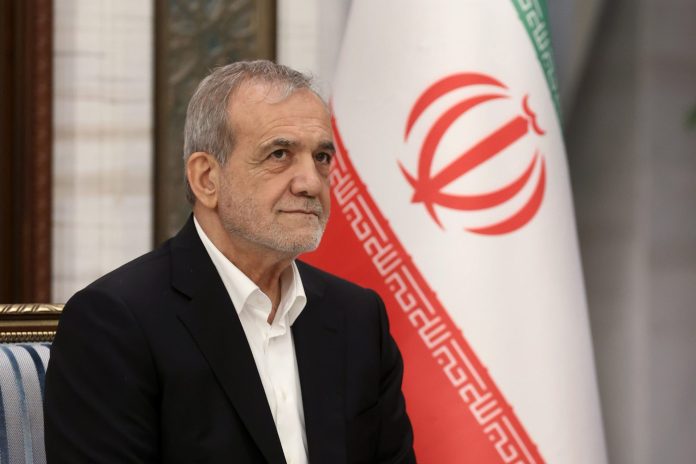
Pezeshkian made the remarks during a meeting with a delegation from the Palestinian resistance group Hamas in Qatar on Wednesday. The meeting followed Iran’s military operation dubbed True Promise II against Israeli targets.

The president criticized Western nations for making “empty promises”, saying they asked Iran to exercise restraint in response to Israel’s assassination of Ismail Haniyeh, the head of Hamas’s political bureau, in Tehran in July, in exchange for a ceasefire and the end of Israeli genocide in Gaza.

“The continuation of the Zionist regime’s crimes made the Armed Forces of the Islamic Republic of Iran give a decisive response,” Pezeshkian added.

He condemned Israel’s atrocities in Gaza and Lebanon, calling out the United States and Western countries for supporting Israel while claiming to champion democracy and human rights. He argued that these countries talk about human dignity but are complicit in backing a criminal regime, as they are completely alien to these concepts.

“People’s lives, especially those of women and children, are of no value to them, and all their claims are lies.”

The Iranian president called for greater unity among Muslim nations, stressing that disunity had allowed Israel to continue its crimes in Palestine and Lebanon.

“If Muslims were united, the Zionist regime wouldn’t dare commit such crimes,” he stressed.

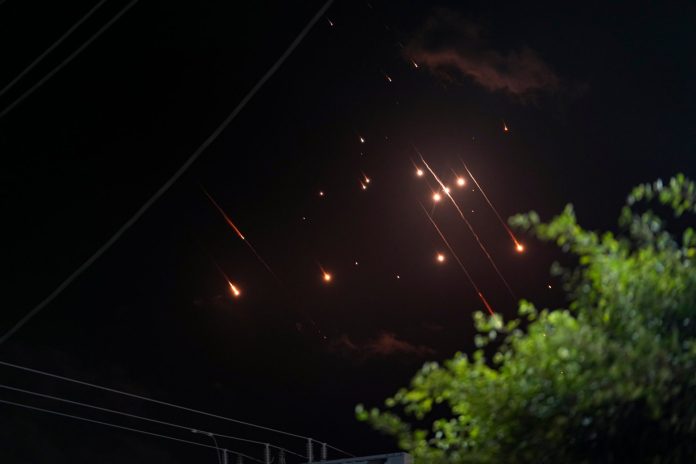
On Tuesday, Iran launched a barrage of missiles on Israeli military and intelligence facilities in a retaliatory operation, setting off sirens in several areas of the occupied Palestinian territories. Flares and missiles were visible in Tel Aviv’s sky, with explosions reported in other areas.

The Iranian operation was carried out in response to the assassinations of several key figures, including Haniyeh, Hezbollah’s Seyyed Hassan Nasrallah, and Brigadier General Abbas Nilforoushan of the Islamic Revolution Guard Corps (IRGC).

Khaled Meshaal, former Hamas chief and current leader of the group’s diaspora office, attended the meeting with Pezeshkian. He praised Iran’s military operation, calling it a significant achievement that revitalized the resistance front’s deterrence capabilities.

Meshaal added that the blood of resistance leaders would lead to the final victory for the Palestinian people and emphasized that coordinated efforts would eventually bring an end to Israel’s aggression in Gaza.

Minister: 1.2 million people displaced in Lebanon by Israeli attacks

Lebanon War

In quotes carried by Lebanon’s National News Agency he said: “We are racing against time to house them, and there are now more than 870 shelters, especially in Beirut and Mount Lebanon, where schools have reached their maximum capacity.”

On the prospect of a pause in the conflict, he noted, “[There are] some ideas that could constitute an entry point to support the diplomatic track regarding Lebanon’s request for a ceasefire, and to stop the machine of destruction and killing to which it is being subjected.”

“There are Arab initiatives, including those presented by Egypt, Qatar, and other countries, and France always calls for a ceasefire, but it is clear that the Israeli side does not care about international laws and resolution.”

“We are activating Lebanese diplomatic work at home and abroad to raise awareness of what is happening in Lebanon and focus on how to protect the country and the Lebanese [people],” he continued.

Israel has launched massive airstrikes since Sept. 23 on Lebanon that have killed more than 1,100 and injured over 3,000, according to the Lebanese Health Ministry.

The top leadership of the Lebanese group Hezbollah was killed in the Israeli assaults, including leader Seyyed Hassan Nasrallah.

Hezbollah and Israel have been engaged in cross-border warfare since the start of Israel’s war on Gaza, which has killed nearly 41,700 people, most of them women and children, following an attack by the Palestinian group Hamas last October.

More than 1,900 people have been killed and about 9,000 wounded in Lebanon in almost a year of cross-border fighting, with most of the deaths occurring in the past two weeks.

The international community has warned that Israeli attacks in Lebanon could escalate the Gaza conflict into a wider regional war.

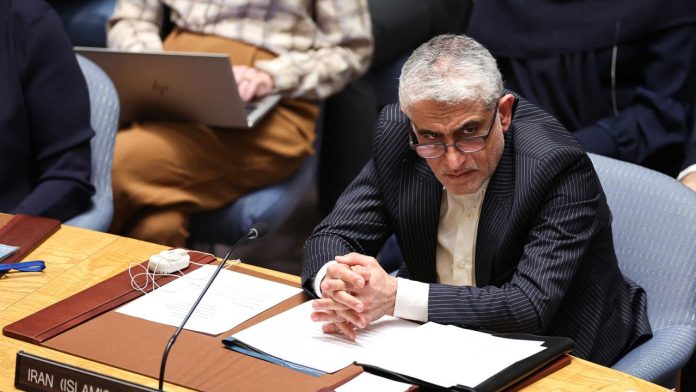
Missile attacks on Israel ‘necessary’, ‘proportionate response’: Iran’s envoy

Amir Saeed Iravani

The strikes on Tuesday were in full accordance with Tehran’s “inherent right to self-defence under Article 51 of the UN Charter and a direct response to the regime’s repeated acts of aggression against Iran, including the violation of Iran’s sovereignty and territorial integrity during the past months”, he said.

“Experience has proven that Israel only understands the language of force,” he told the council, adding that “diplomacy has repeatedly failed as Israel views restraint not as a gesture of goodwill, but as a weakness to exploit”.

He stated, “Iran is fully prepared to take further defensive measures, if necessary, to protect its legitimate interests and defend its territorial integrity and sovereignty against any acts of military aggression and the illegal use of force.”

He further condemned the “US regime” for their aim to “embolden Israel’s criminal actions” through their military support and political backing, thereby paralysing the security council from effective decision-making, and called on the council to act.

The Islamic Revolutionary Guard Corps said in a statement on Tuesday that it has targeted “the heart of the occupied territories” in response to the martyrdom of Hamas political bureau chief Ismail Haniyeh, Hezbollah Secretary General Seyyed Hassan Nasrallah, and IRGC general Abbas Nilforoushan at the hands of the Zionist regime.

The statement said the retaliatory attack has been launched after a period of self-restraint following the violation of Iran’s sovereignty.

The IRGC added it has fired tens of ballistic missiles at vital military and security Israeli targets.

It noted that 90 percent of the Iranian missiles fired at Israel have successfully hit the targets, including the “strategic centers” in the occupied territories.

Iranian officials have warned that Tehran would serve potential further aggression by the Israeli regime against the country with a harsher response.

First satellite images of Iran’s missile strike on Israeli base released

Iran Missile Attack Israel

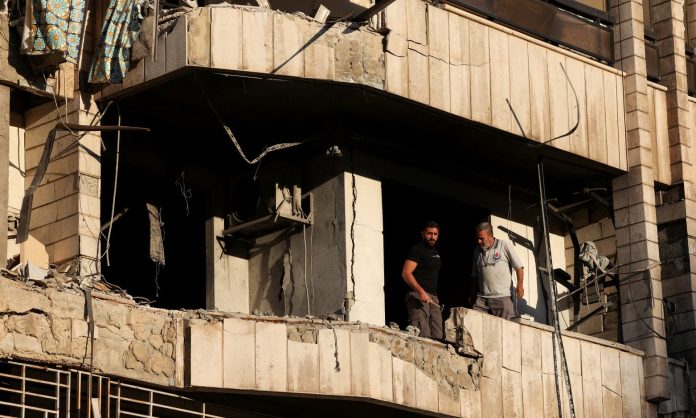
The images reveal significant destruction to buildings and hangars of fighter jets at one of Israel’s key military installations, 15 km southeast of Beersheba, in the Negev desert.

The precise missile attack, part of Iran’s Operation True Promise II, targeted critical infrastructure at the Nevatim Airbase, which hosts advanced F-35 fighter jets and refueling aircraft.

The satellite images appear to show extensive damage to several buildings and facilities near the main runway.
Large pieces of debris can also be seen spread around the building.

The Israeli military has not yet responded to requests for comments on the satellite images. However, military analysts suggest that the successful targeting of such a vital airbase demonstrates Iran’s growing missile precision and strategic capabilities.

The operation on Tuesday night came amid heightened tensions and ongoing conflicts in Gaza and Lebanon, where Israeli actions have been widely condemned by Iran and the world.

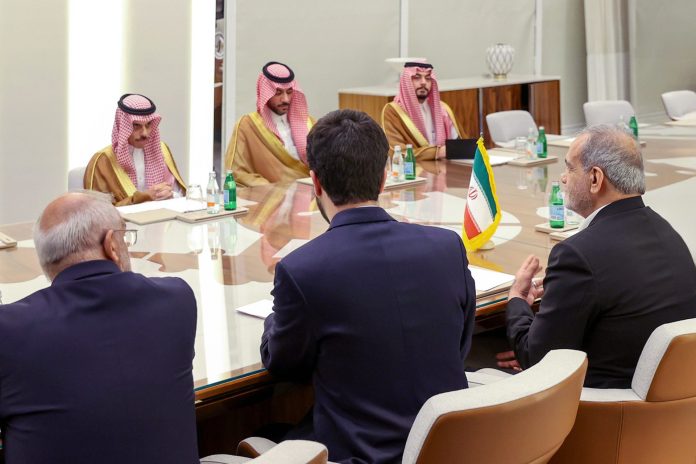
Iranian President: Saudi Arabia is our brother nation

Pezeshkian Saudi Foreign Minister

The Iranian president made the remarks during his two-day visit to Qatar in a meeting with Saudi Foreign Minister Faisal bin Farhan.

President Pezeshkian highlighted Iran’s keen interest in expanding cooperation with Saudi Arabia across various fields, emphasizing the importance of unity and collaboration among Islamic countries.

Addressing the ongoing crises in Gaza and Lebanon, Pezeshkian condemned the aggressive moves by the Israeli regime, describing them as significant challenges for the Islamic world.

He justified Iran’s recent missile operation against Israeli targets as a “legitimate response to continuous Israeli crimes,” following false promises of a ceasefire in Gaza.

Pezeshkian stressed that the suffering of people in Gaza and Lebanon should not be ignored, urging Islamic countries to unite against the Israeli aggression.

He warned that failure to do so could lead to further atrocities in other Islamic states.

The Saudi foreign minister conveyed ‘warm greetings’ from the kingdom’s Crown Prince and affirmed Riyadh’s commitment to resolving differences and fostering a friendly relationship with Tehran.

He acknowledged the critical and volatile situation in the region and expressed confidence in “Iran’s wisdom and leadership in promoting peace and stability.”