Monday, December 29, 2025
Home Blog Page 709

Iran warns Israel against any act of aggression

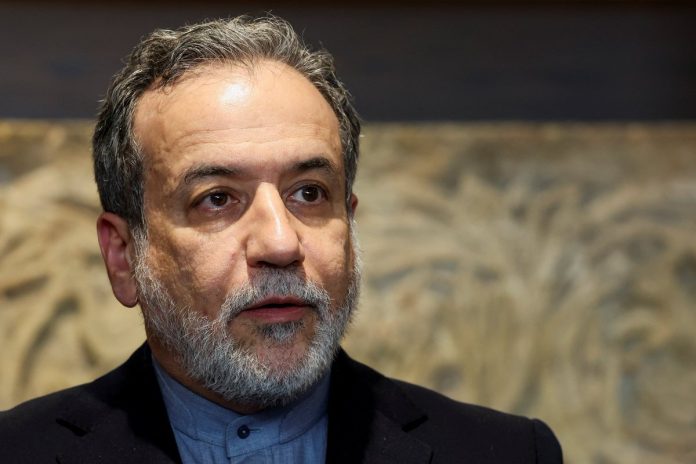
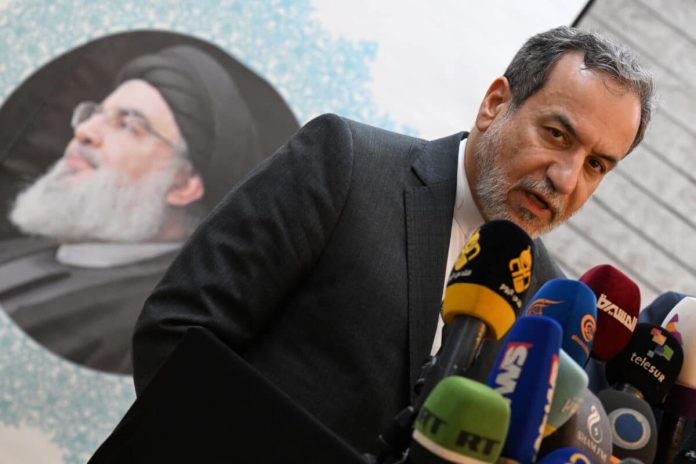
Iranian Foreign Minister Abbas Araghchi

“For every action, there will be a corresponding and similar or even a stronger reaction [from Iran]. We have proven this in the past and they [Israelis] can test our determination once again,” Araghchi stated at a press briefing in the Syrian capital of Damascus on Saturday.

“Our response to any act of aggression by the Zionist regime will be clear and obvious,” he added.

Araghchi was responding to a question about Israel’s rhetoric following Iran’s retaliatory missile attack on the regime, dubbed Operation True Promise II.

On Tuesday, the Islamic Republic launched hundreds of missiles towards the Israeli entity’s military, and espionage and intelligence bases all over the occupied territories as part of Operation True Promise II.

The operation came in response to the regime’s assassinations of Ismail Haniyeh, the head of the political bureau of the Palestinian resistance movement Hamas, Secretary General of the Lebanese resistance movement Hezbollah Sayyed Hassan Nasrallah, and Brigadier General Abbas Nilforushan, the Deputy Commander for Operations of the IRGC.

Macron urges a halt to weapons sales to Israel amid regional tensions, then does a U-turn

Gaza War

Speaking to French broadcaster France Inter on Saturday, Macron said finding a “political solution” to Israel’s nearly year-long war on the besieged enclave is a “priority” and that an arms embargo should be a key part of these efforts.

He added that Paris has already stopped its arms deliveries to Israel.

However, France will continue to provide what it called defensive equipment to Israel, primarily for missile defense, according to a report from French television station BFMTV, citing the presidential palace after the interview

“I think we are not being heard,” Macron continued, referring to Israel’s continuing assault on Gaza, which has killed almost 42,000 people, despite repeated calls for a ceasefire.

“I think it is a mistake, including for the security of Israel.”

Later that evening, Israeli Prime Minister Benjamin Netanyahu responded in a recorded statement, saying, “shame on them”, referring to Macron and other leaders advocating for an arms embargo on Israel.

“What a disgrace. Israel will win with or without their support,” Netanyahu added.

Addressing Israel’s war on Lebanon, Macron stated: “Our priority now is to avoid escalation. The Lebanese people must not, in turn, be sacrificed. Lebanon cannot become another Gaza.”

Since Israel launched its deadly aggression on Lebanon, France has increased efforts to mediate a solution, leading a call for an immediate 21-day ceasefire alongside the US and several Arab and European countries.

In September, Macron accused Netanyahu of “pushing the region to war” and reminded him of his “responsibility to prevent escalation”.

“There is a diplomatic path. This is the moment to show leadership and responsibility. Your activity in the north is pushing the region to war,” Macron told Netanyahu.

“Instead of putting pressure on us, it’s time for you to put pressure on Hezbollah,” Netanyahu responded.

Macron’s comments come after Jean-Noel Barrot, France’s foreign affairs minister, became the first representative of a western nation to visit Lebanon since Israel launched its military onslaught.

Despite Macron’s assurances that France has halted its weapons sales to Israel, rights groups and investigative media have criticised the lack of transparency surrounding the issue.

According to a defence ministry report to parliament obtained by French media outlet Mediapart, France delivered €30m ($33m) worth of military equipment to Israel in 2023.

However, since the report does not specify the months, Mediapart noted that it is impossible to determine whether these deliveries continued after Israel’s offensive on the blockaded territory began on 7 October, adding that the Ministry of the Armed Forces was unable to clarify the matter.

Israeli forces ‘TikToking’ potential war crimes in Gaza: Report

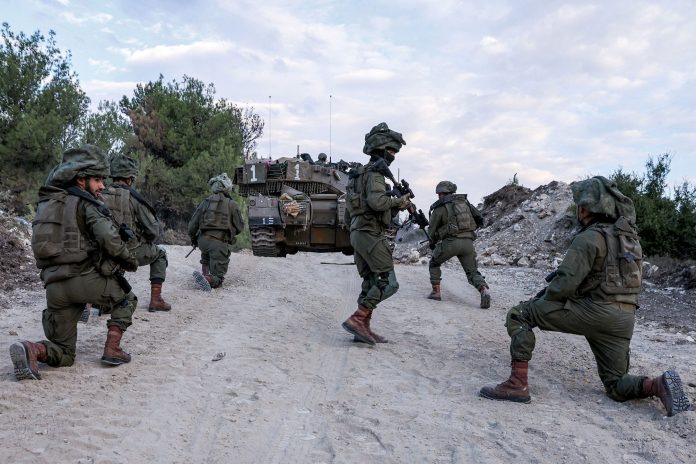
Israeli Army

According to the feature-length documentary Gaza, published online by Al Jazeera’s Investigative Unit, Israeli soldiers routinely shared abuses they committed on platforms including TikTok, Instagram, YouTube and Facebook after invading the enclave.

The crimes ranged from wanton destruction and looting, to the demolition of entire neighbourhoods and possible unlawful killings.

Al Jazeera said it was able to track down the names, ranks and military units of many of the soldiers after compiling a database of “over two and a half thousand social media accounts, containing photos and videos placed online by Israeli soldiers”.

Human rights lawyer Rodney Dixon, who watched an early screening of the documentary, called it “a treasure trove you very seldom come across”.

Dixon suggested that the documentary could be of relevance to the International Criminal Court (ICC), claiming it included material which “prosecutors will be licking their lips at”.

Israeli and Hamas leaders are currently facing a range of charges before the ICC for their roles in alleged war crimes and crimes against humanity during the war on Gaza.

In May, ICC prosecutor Karim Khan said he filed an application for arrest warrants for Israeli Prime Minister Benjamin Netanyahu and Defence Minister Yoav Gallant, as well as Hamas leaders Yahya Sinwar, Ismail Haniyeh and Mohammed Deif.

The Al Jazeera documentary also supports previous investigations which have highlighted how Palestinian civilians are routinely killed by Israeli snipers.

Commenting on the abuses featured in the documentary, Dixon stated: “Just because a civilian is in an area where combat is going on does not make them fair game.

“If they get involved in hostilities at a particular moment, yes, they lose their civilian status, they can be targeted. But then you have to show the evidence that they are presenting a threat to you.”

“It’s potentially a matter that the International Criminal Court would want to look at,” Dixon added.

The documentary also referenced one video uploaded to YouTube by a member of Israel’s 202nd Paratroopers Battalion, in which three unarmed Palestinian men were shot dead by Israeli snipers.

Retired British army general Charlie Herbert said it was “extraordinary” that an Israeli soldier uploaded the video to YouTube.

“The degree of impunity,” he said, adding, “[There] may have been legitimate targets, but it sure doesn’t look like it to me.”

Later, when commenting on an incident where an Israeli soldier blew up a building, Herbert noted: “The fact that they’ve been able to rig these buildings up with explosives shows very clearly there’s no current threat from those buildings.”

The film also explored how an Israeli army unit destroyed Khirbet Khaza’a, a small town just across the barrier wall separating Gaza from the Israeli kibbutz of Nir Oz, which was attacked on 7 October.

One soldier posted on Facebook a video set to music showing the destruction of the town, along with a voiceover saying: “We went joyously to annihilate the village of the Nazis. We worked hard for two weeks. We blew up the entire village.”

At the end of the operation the soldiers posted before and after shots of the destruction.

According to a separate video posted on Instagram, Israeli soldiers could be seen leaving with a message that read: “Mission accomplished. We… destroyed a whole village as a revenge for what they did to Kibbutz Nir Oz.”

According to Dixon, the human rights lawyer, “It is strictly prohibited to use reprisal against the civilian population of your enemy.”

Bill Van Esveld, an associate children’s rights director at Human Rights Watch, said that the large-scale unnecessary destruction of civilian property was prohibited by the Geneva Conventions and under the Rome Statute of the ICC.

The documentary also includes testimony from Fadi Bakr, a former prisoner at the Sde Teiman detention camp in southern Israel.

After sharing his personal account of his own detention and torture, Bakr describes witnessing Israeli soldiers arranging the rape of one of his fellow prisoners by a dog.

“They [Israeli forces] forced him [the Palestinian prisoner] to the ground on his belly. They tied his hands and tied his feet. There were about eight or nine soldiers. They stripped him of his underpants. A captain came and sprayed something on his backside. There was a dog there. They unleashed the dog on him. The dog raped the young man. It raped him, literally speaking. Rape.”

“It is impossible that anyone ever heard of it or saw it, or [it] could be imagined by a human mind,” he added.

The documentary also highlights the role played by US President Joe Biden and suggests he was the most senior enabler of alleged Israeli criminality, and also explores possible British complicity in Israeli abuses, especially via RAF surveillance flights over Gaza from the Akrotiri base in Cyprus.

The film opens with a quote from Palestinian novelist Susan Abulhawa: “The West cannot hide, they cannot claim ignorance. Nobody can say they didn’t know. We live in an era of technology and this has been described as the first livestream genocide in history, and I believe that to be true.”

Zelensky to present ‘victory plan’ within days: Report

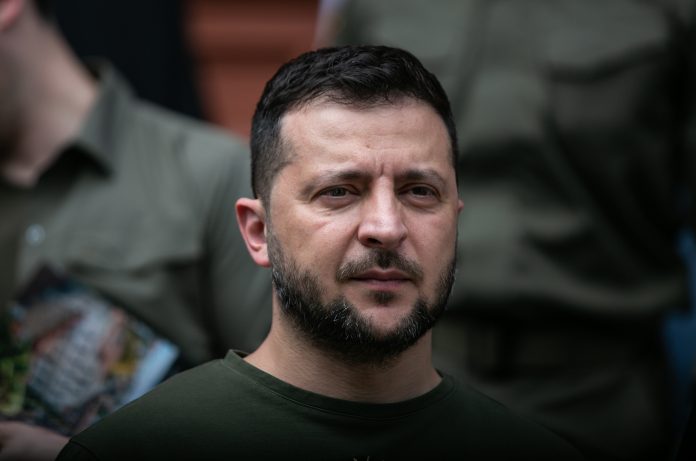
President Of Ukraine Volodymyr Zelensky

“We will present the victory plan — clear, concrete steps towards a just end to the war. The determination of our partners and the strengthening of Ukraine are what can stop Russian aggression,” Zelensky wrote on X.

The Ukraine Defense Contact Group is the U.S.-led group consisting of over 50 countries, including all 32 NATO members, that convenes at the U.S. Ramstein Air Base in Germany. The last Ramstein meeting on Sept. 6 was the group’s 24th gathering since its establishment in April 2022.

The upcoming Ramstein meeting will be the first one held on a leader-level. During the last 24th meeting Zelensky was present in person, securing more military aid from allies, including the U.S., U.K., Germany, and Canada.

Zelensky already presented his five-point plan to U.S. President Joe Biden at the White House during his trip to U.S. in late September. He also discussed it with presidential candidates Donald Trump and Kamala Harris, as well as members of Congress.

The plan includes military and diplomatic elements, such as Ukraine’s bid to join NATO, though the full details of the peace framework have not been made public. According to Kyiv, the goal is to bolster Ukraine’s negotiating position and pressure Russia into agreeing to a just peace.

In early October, U.S. State Department spokesperson Matthew Miller said Washington had reviewed Ukraine’s victory plan and identified “a number of productive steps” there.

“The victory plan that Ukraine presented is not just a question of actions that Ukraine would take. It’s a question of actions that other countries around the world would take as well,” Miller added.

Israeli sources claim Nasrallah’s presumed successor killed in air attack

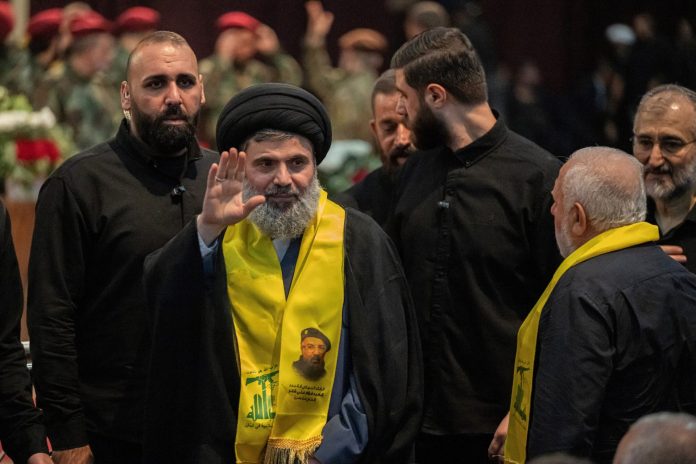
Hashem Safieddine

The Israel Defense Forces has announced that the attack in Beirut targeted Hezbollah’s intelligence headquarters. The military did not disclose who was at the underground bunker.

Three Lebanese security sources told Reuters on Saturday that Safieddine, widely expected to succeed Nasrallah, has been “unreachable” since the strike targeting an underground bunker in the Lebanese capital.

The sources added that Israeli air strikes on Beirut’s southern suburbs since Friday have kept rescue workers from searching the site of the raid suspected to have killed Safieddine.

There was no immediate reaction from Hezbollah.

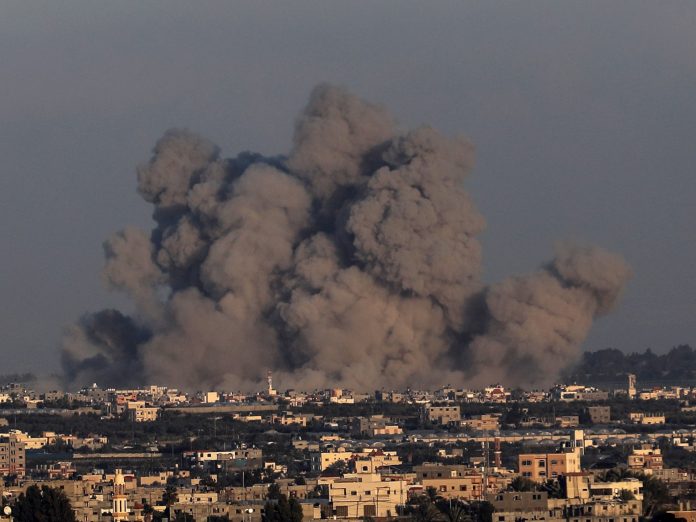
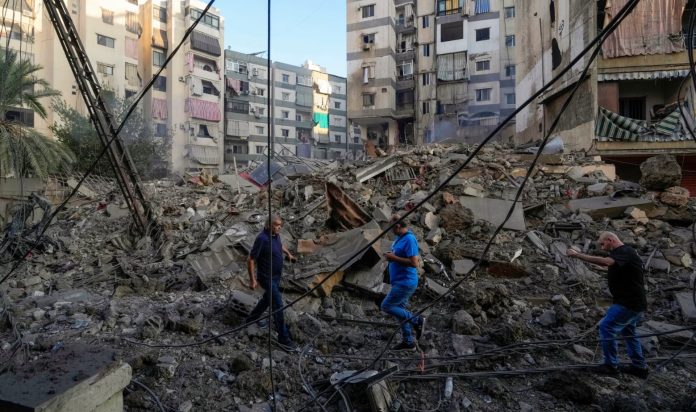
Israel carried out a series of massive air attacks on Thursday and Friday in the densely populated southern suburbs of Beirut, including the international airport’s perimeter.

Israeli media reported that the target of the attacks was Safieddine. The regime has repeatedly attacked southern Beirut neighbourhoods such as Dahiyeh, a stronghold of support for Hezbollah, since it escalated its conflict with the group.

Hezbollah and Israel have been engaged in cross-border warfare since the start of Israel’s war on Gaza, which has killed nearly 41,800 people, most of them women and children, following an attack by the Palestinian group Hamas last October.

More than 2,000 people have been killed and about 9,500 wounded in Lebanon in almost a year of cross-border fighting, with most of the deaths occurring in the past weeks.

The international community has warned that Israeli attacks in Lebanon could escalate the Gaza conflict into a wider regional war.

Israel understands only language of force: Iran’s FM

Iranian Foreign Minister Abbas Araghchi

Speaking to reporters upon his arrival in Damascus on Saturday, Araghchi stated that he has traveled to Syria for consultations about regional developments.

Condemning Israel’s unabated crimes and hostilities, the Iranian foreign minister said, “The Zionist regime knows nothing other than the language of force and war and is proceeding with its daily crimes against Beirut and Gaza.”

He called for the international community’s collective attempts to stop the Israeli atrocities.

Pointing to his significant consultations with the Lebanese officials during his visit to Beirut and the plans for talks about the regional developments in Damascus, the diplomat added, “The most important topic at present is the issue of ceasefire in Lebanon, and specifically in Gaza. There are initiatives in this regard and consultations have been held, which we hope would bear fruit.”

He also unveiled plans for a review of economic, political and cultural cooperation between Iran and Syria.

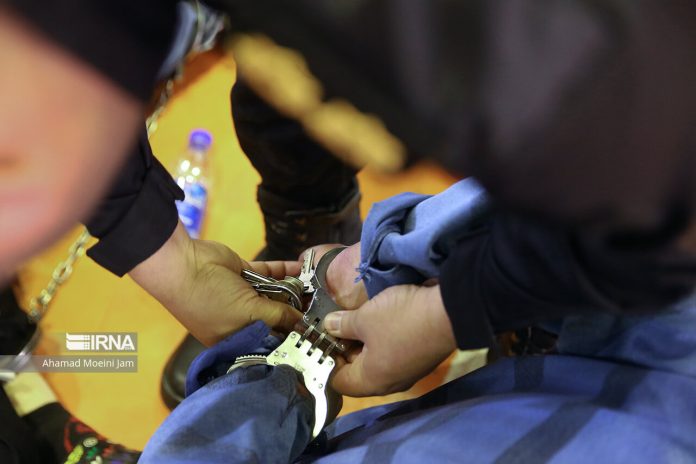
Security forces arrest 3 Daesh terrorists in northern Iran

Iran Police

Colonel Ali Akbar Darvishi told the media that the militants were planning to carry out a terrorist operation in a busy tourist area in the port city of Nowshahr.

He added that the trio were identified and arrested through the efforts of security agencies and specialized police departments in Nowshahr.

Nowshahr, along the Caspian Sea and with a population of 150,000, is a popular tourist destination in western Mazandaran province.

The arrest is part of a broader effort by Iranian security forces to combat terrorists that normally infiltrate from neighboring countries.

In recent years, Iran has faced multiple threats from Daesh and other extremist groups.

In a significant counter-terrorism operation, Iranian security forces successfully dismantled a terrorist network affiliated with the foreign-backed terrorist Jaish al-Adl group in the southeastern border province of Sistan and Baluchestan on Thursday.

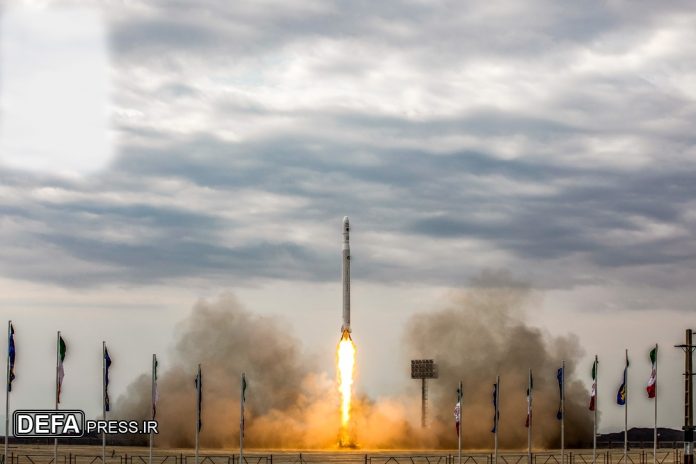
Iran says to launch three new satellites into space

Iran Satellite

The head of the agency, Hassan Salarieh, made the announcement during the opening ceremony of World Space Week, held at the Iranian Space Research Institute under the theme Space and Climate Change.

Salarieh highlighted that nearly 20 years have passed since the establishment of the Iranian Space Agency, attributing the current advancements in space technology to the efforts of experts from the Iran-Iraq war era in the 1980s.

He noted that the first communication and remote sensing satellites were developed in the 1980s, with the Omid satellite launched in 2009.

Reflecting on Iran’s space industry progress over the past two decades, he stated that the Islamic Republic has successfully developed and launched numerous communication and remote sensing satellites.

He cited the successful launch of the Pars series satellites, with Pars 1 already in orbit and Pars 2 and 3 scheduled for launch soon. Moreover, the Noor 1, 2, and 3 satellites have also been successfully launched.

Salarieh emphasized the positive impact of the private sector in the space industry, which has led to increased efficiency and advancements.

He did not specify the date for the launch, but said the first launch from the Chabahar Space Center in southeast Iran is imminent.

Iran has made significant strides in developing its space capabilities, often highlighting its achievements as a symbol of national pride and technological progress.

Despite draconian U.S.-led sanctions, Iran continues to pursue its space ambitions, aiming to enhance its scientific, communication, and surveillance capabilities by developing and launching various satellites.

Israel should hit Iran’s nuclear facilities: Trump

Donald Trump

The former president, speaking at a campaign event in North Carolina on Friday, referred to a question posed to US President Joe Biden this week about the possibility of Israel targeting Iran’s nuclear programme.

“When they asked him that question, the answer should have been, hit the nuclear first and worry about the rest later,” Trump stated.

A top US State Department official told CNN on Friday Israel has not given assurances to the Biden administration that targeting Iran’s nuclear facilities is off the table in retaliation for the Iranian ballistic missile strikes earlier this week.

The official added that it is “really hard to tell” if Israel will use the anniversary of Hamas’ October 7 attacks to retaliate.

“We hope and expect to see some wisdom as well as strength, but as you guys know, no guarantees,” the official added when asked by CNN if Israel has assured the US that Iran’s nuclear sites are off the table.

US officials have voiced support for Israel responding to Iran’s missile attack earlier this week, with multiple officials publicly saying there must be consequences. At the same time, officials have also voiced concerns about a regional conflagration as they grapple with an increasingly volatile Middle East.

President Biden said earlier this week the US would not support Israel targeting Iran’s nuclear program.

“If I were in their shoes, I’d be thinking about other alternatives than striking oil fields,” Biden stated at a press briefing Friday.

US officials also do not yet have clarity as to when Israel’s response will be decided upon, or enacted.

On Friday, Biden opposed Israel striking Iran’s nuclear facilities, saying: “If I were in their shoes, I would be thinking about other alternatives than striking Iranian oil fields.”

The president added that US officials are in touch with their Israeli counterparts “12 hours a day”, noting that Tel Aviv was “not going to make a decision immediately”.

He also stressed that sanctions on Iran are “under consideration right now”.

On Tuesday, Iran launched a barrage of missiles on Israeli military and intelligence facilities in a retaliatory operation, setting off sirens in several areas of the occupied Palestinian territories. Flares and missiles were visible in Tel Aviv’s sky, with explosions reported in other areas.

The Iranian operation was carried out in response to the assassinations of several key figures, including Haniyeh, Hezbollah’s Seyyed Hassan Nasrallah, and Brigadier General Abbas Nilforoushan of the Islamic Revolution Guard Corps (IRGC).

The IRGC announced it has fired tens of ballistic missiles at vital military and security Israeli targets.

It added that 90 percent of the Iranian missiles fired at Israel have successfully hit the targets, including the “strategic centers” in the occupied territories.

Iranian officials have warned that Tehran would serve potential further aggression by the Israeli regime against the country with a harsher response.

Death toll from Israeli attacks on Lebanon surges past 2,000: Health ministry

Lebanon War

Lebanon’s health minister has said that 2,023 people have been killed “since the start of Israeli aggression on Lebanon”.

The dead include 127 children and 261 women, along with 9,526 wounded.

The United Nations Secretary-General Antonio Guterres has expressed grave concern over the increasing toll on civilians as a result of Israel’s continued attacks on Lebanon.

“The secretary-general is very concerned about the increasing toll on civilians that we’re seeing across the immediate region Beirut,” UN spokesperson Stephane Dujarric said at a news conference.

Noting that residential areas in Lebanon’s Beirut were “once again” targeted by “intense overnight Israeli airstrikes”, Dujarric added: “The strikes continued unabated in other parts of Lebanon. The toll on civilians from this campaign is totally unacceptable.”

Dujarric urged all parties to protect civilians and civilian infrastructure, and said that Imran Riza, the UN deputy special coordinator for Lebanon, announced an additional $2 million from the Lebanon humanitarian fund “to address the deteriorating situation, bringing the total allocation to $12 million so far.”

Citing the UN’s Office of the Coordination of Humanitarian Affairs (OCHA), Dujarric stated the UN is concerned about the safety of civilians especially with the evacuation orders issued by Israel in the south of Lebanon.

Dujarric reaffirmed that the UN Interim Force in Lebanon (UNIFIL) is continuing its mission “despite the very dangerous environment,” and said the mission is urging all sides for de-escalation and full implementation of the UN Security Council resolution 1701.

The resolution 1701, adopted on Aug. 11, 2006, demands a cessation of hostilities between Lebanon and Israel and the establishment of a demilitarized zone between the Blue Line – the de facto boundary between Lebanon and Israel – and the Litani River, allowing only the Lebanese army and UNIFIL to possess weapons and military equipment in the area.