Thursday, December 25, 2025
Home Blog Page 619

Reports of captivity, injury of Iranian Consulate staff in Aleppo dismissed

Daesh

The news agency stated that all consulate staff are in good health and safety and debunked reports claiming otherwise.

The denial comes as terrorists in Syria claim to have occupied several neighborhoods in Aleppo, although they have not officially claimed full control of the city yet.

Clashes have been reported between terrorists and Syrian army forces in the Alleramoon neighborhood in eastern Aleppo.

The news agency reported earlier this week that the commander of Iranian advisors in Aleppo, General Kiomars Pourhashemi, was martyred in an attack by Israeli regime-affiliated terrorists and mercenaries in the city.

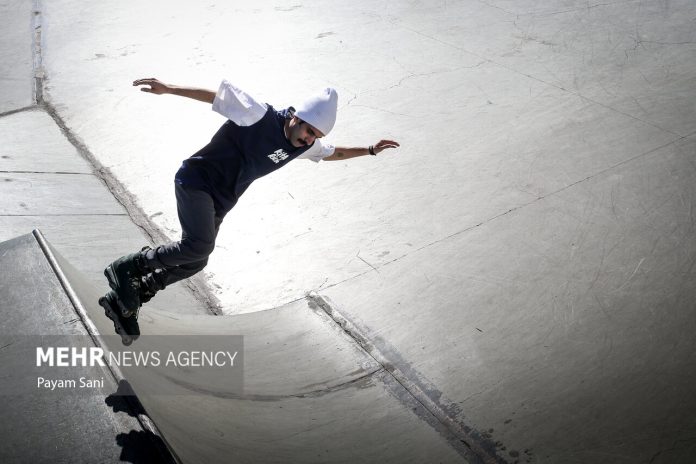
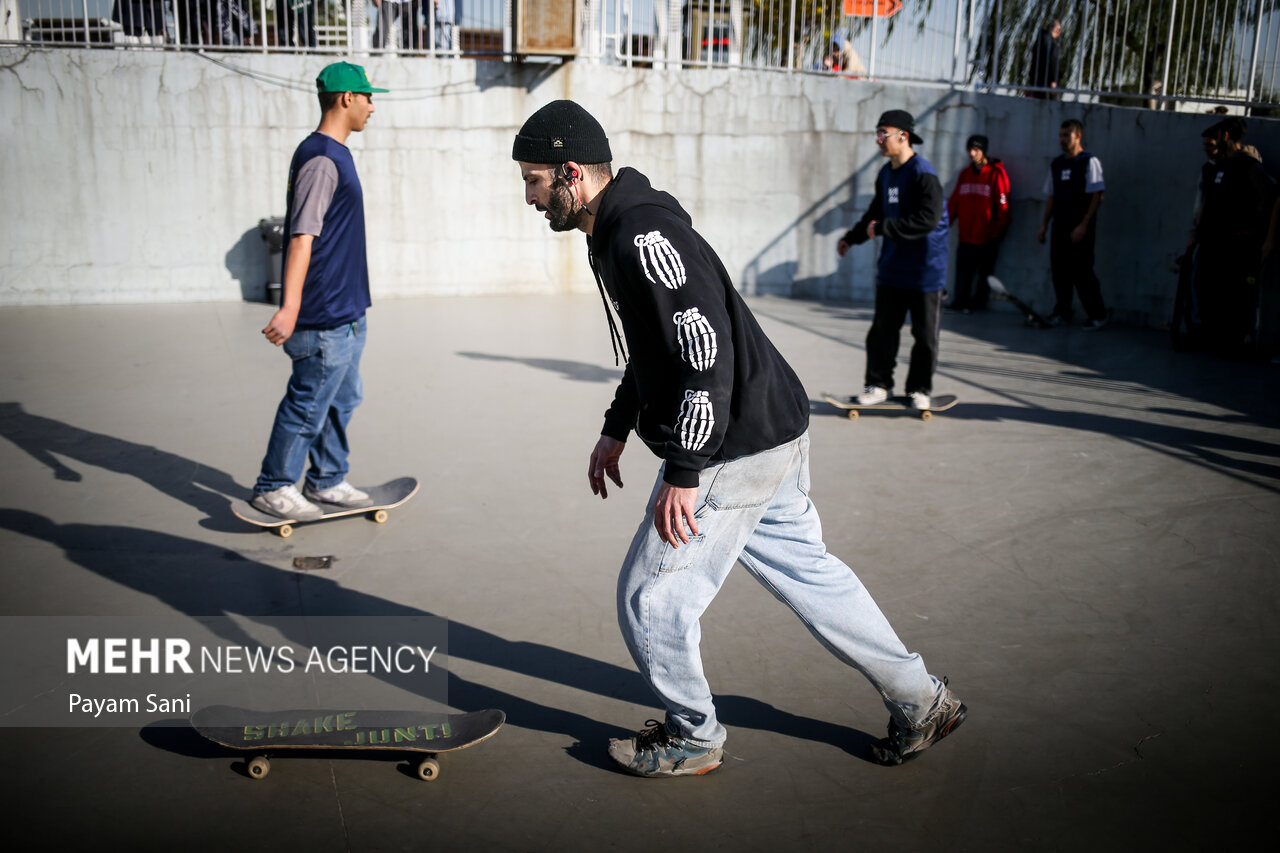
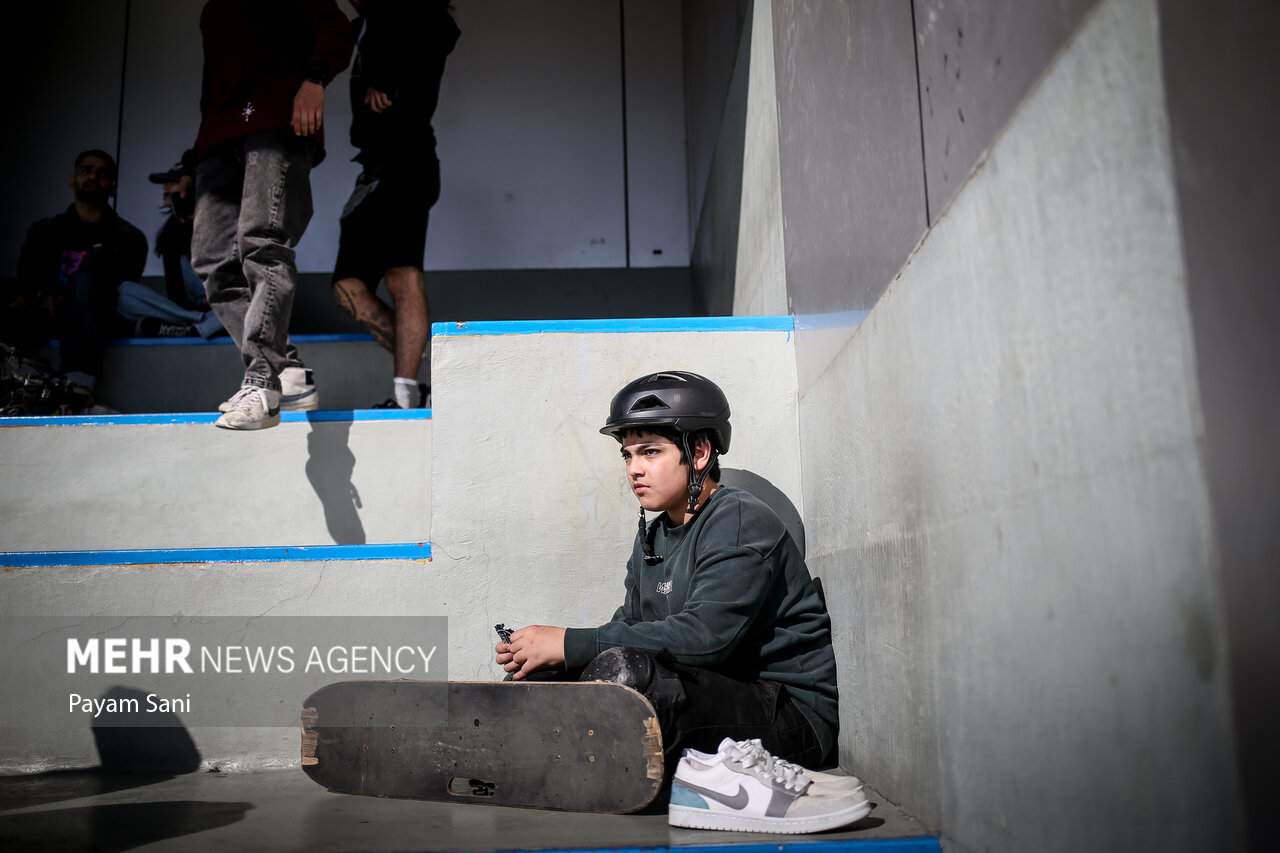
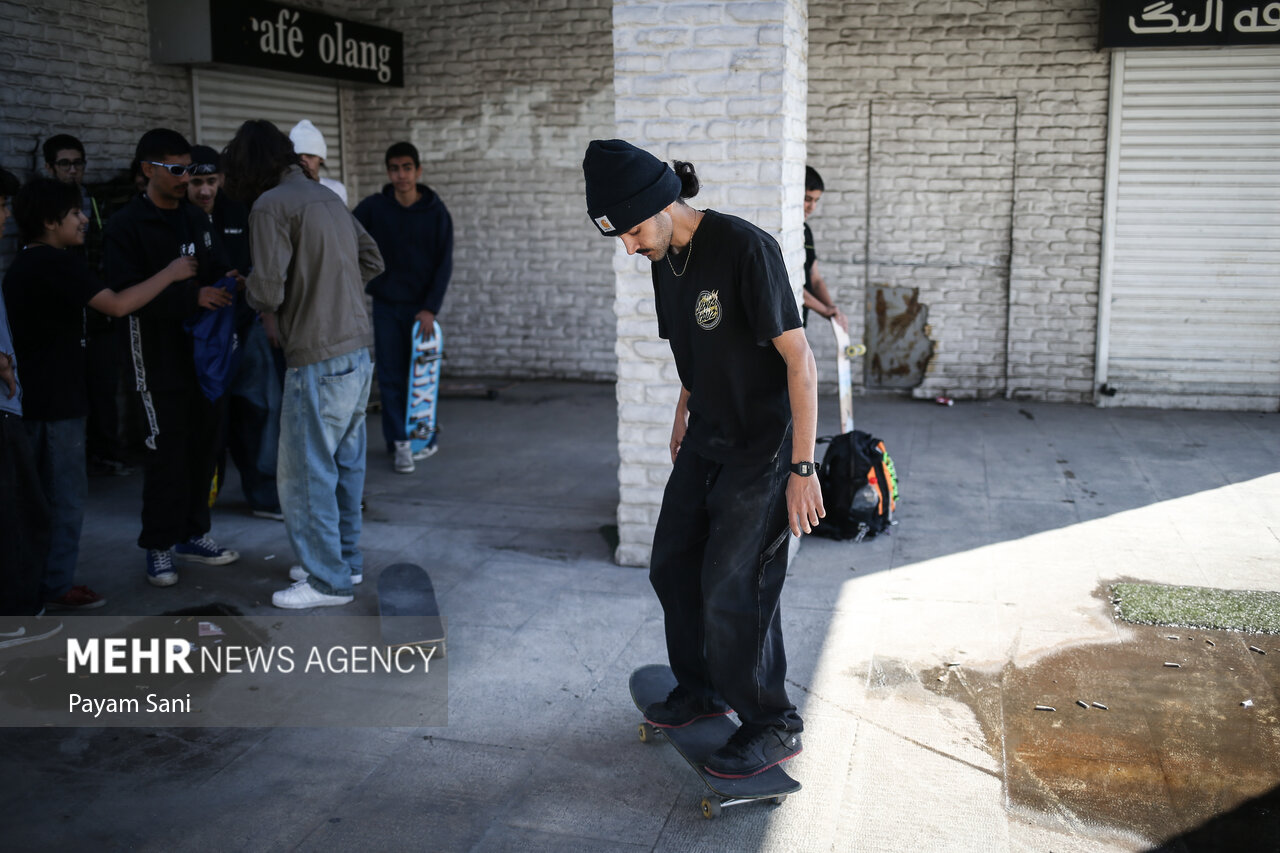
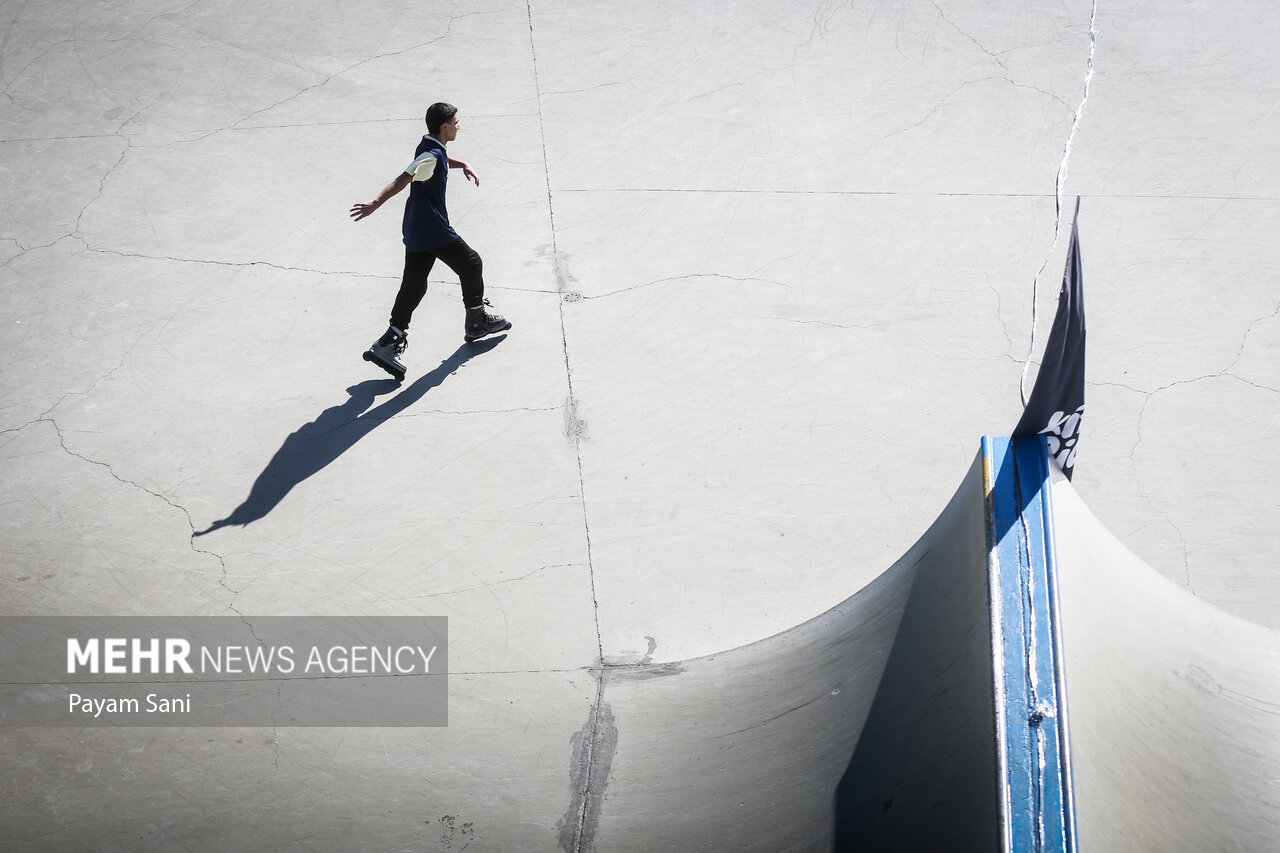
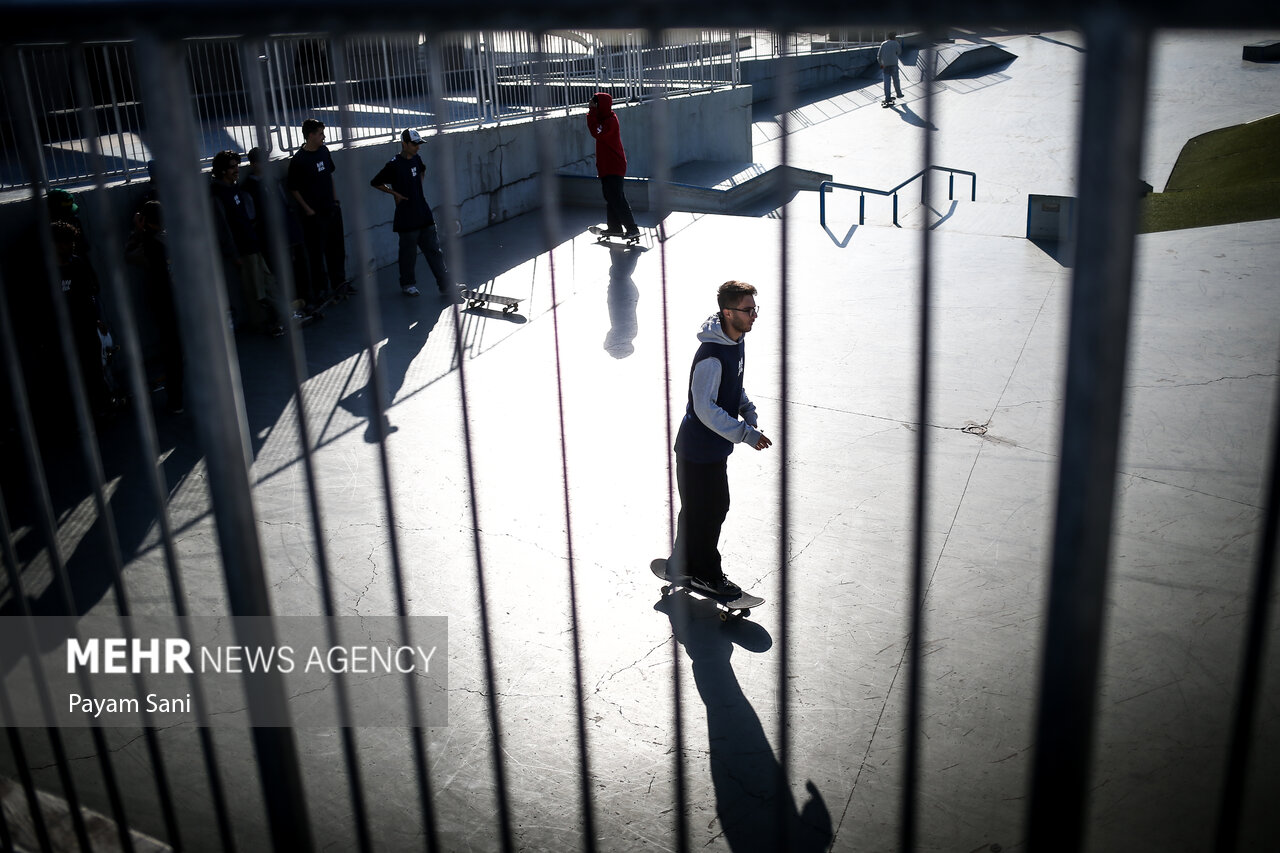
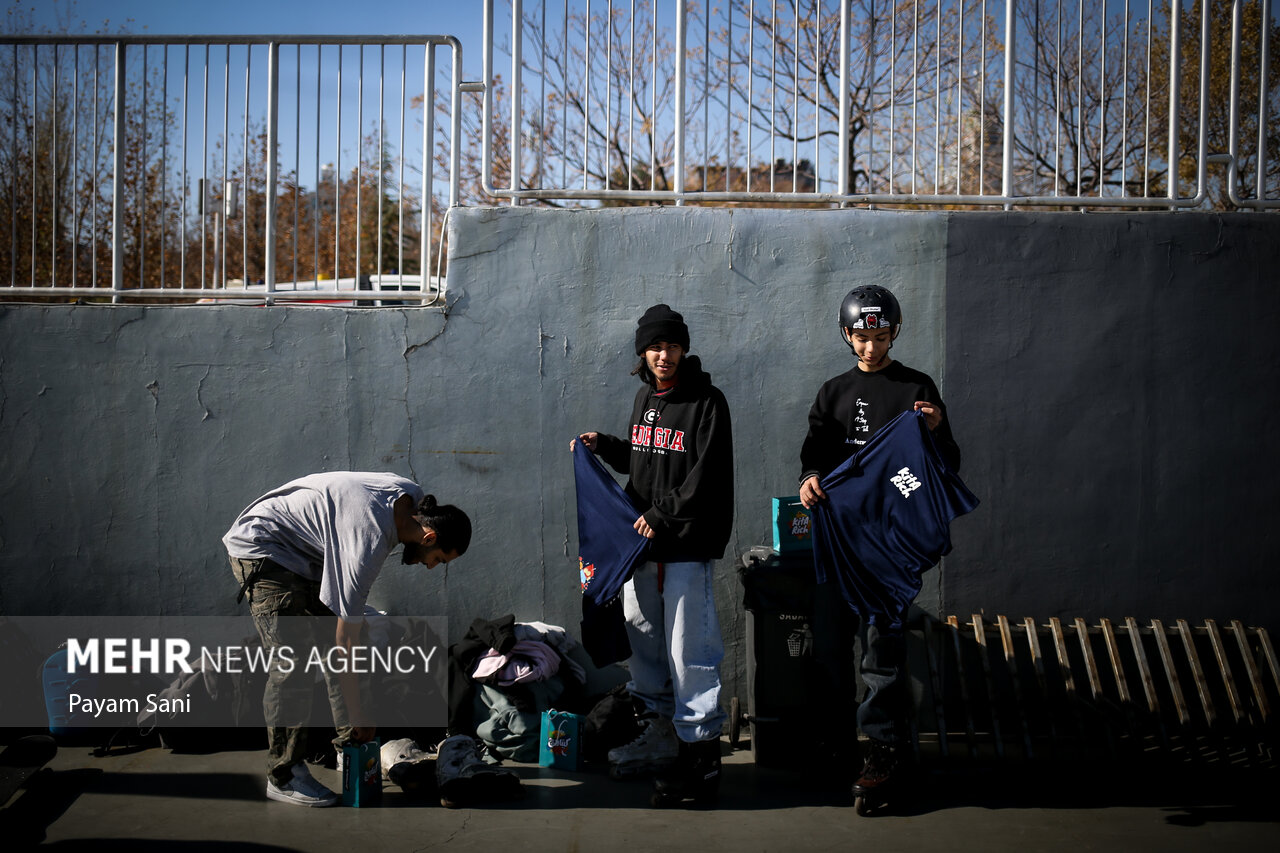
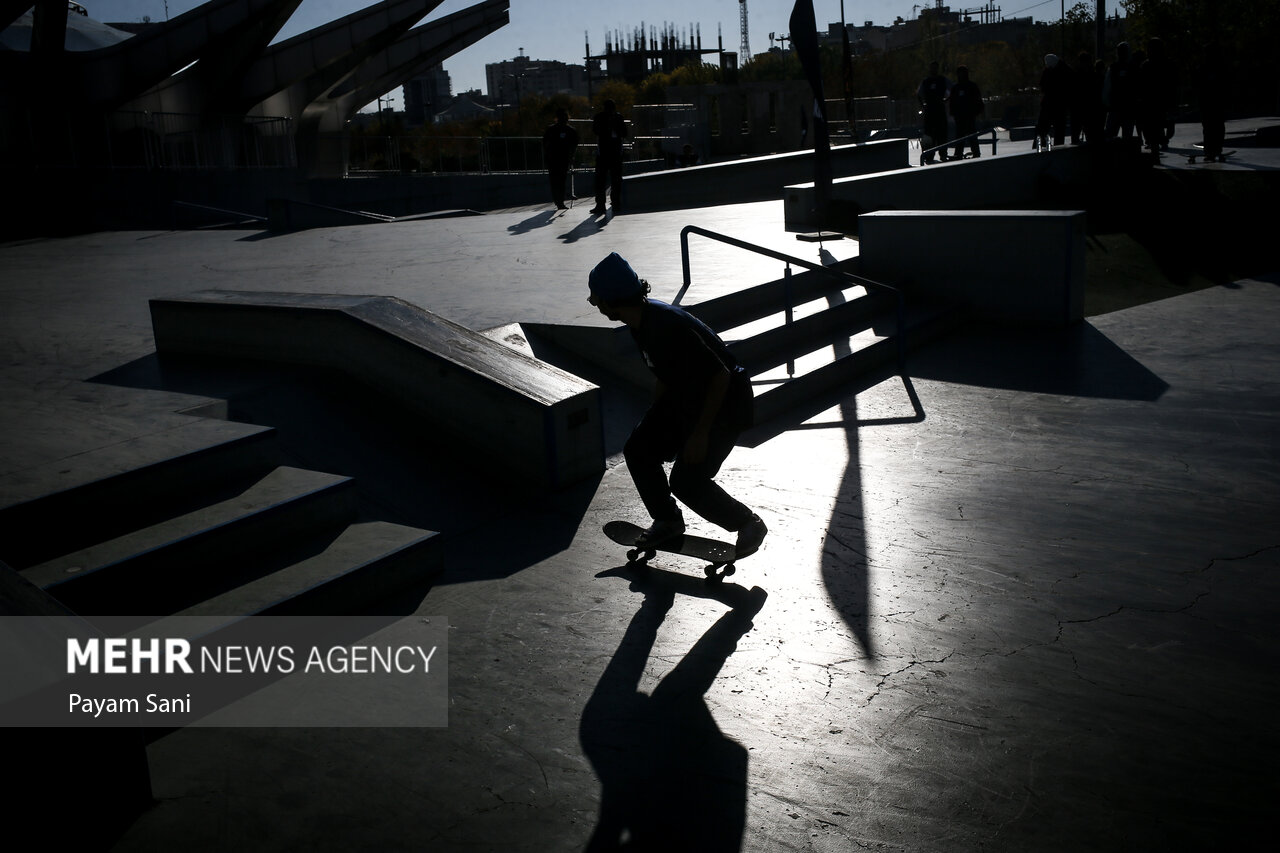
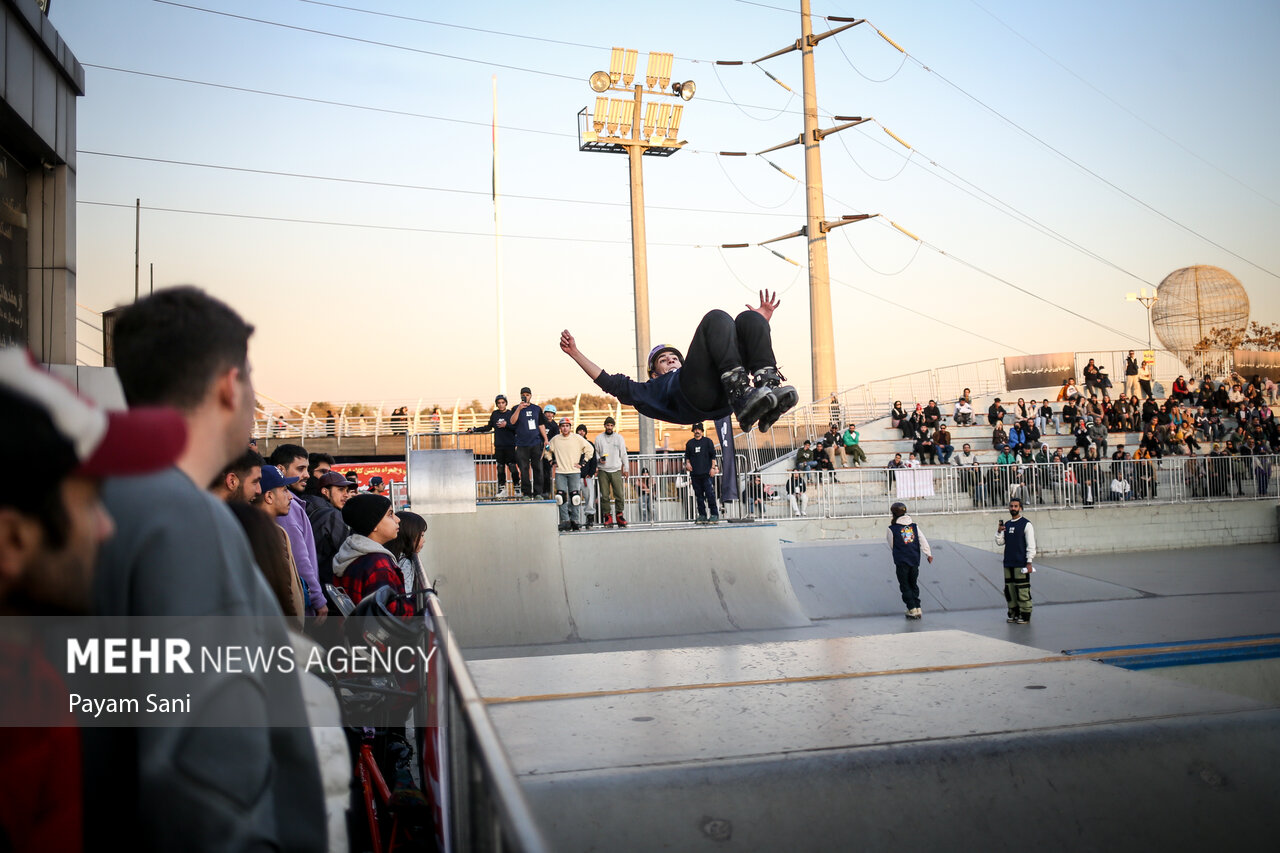
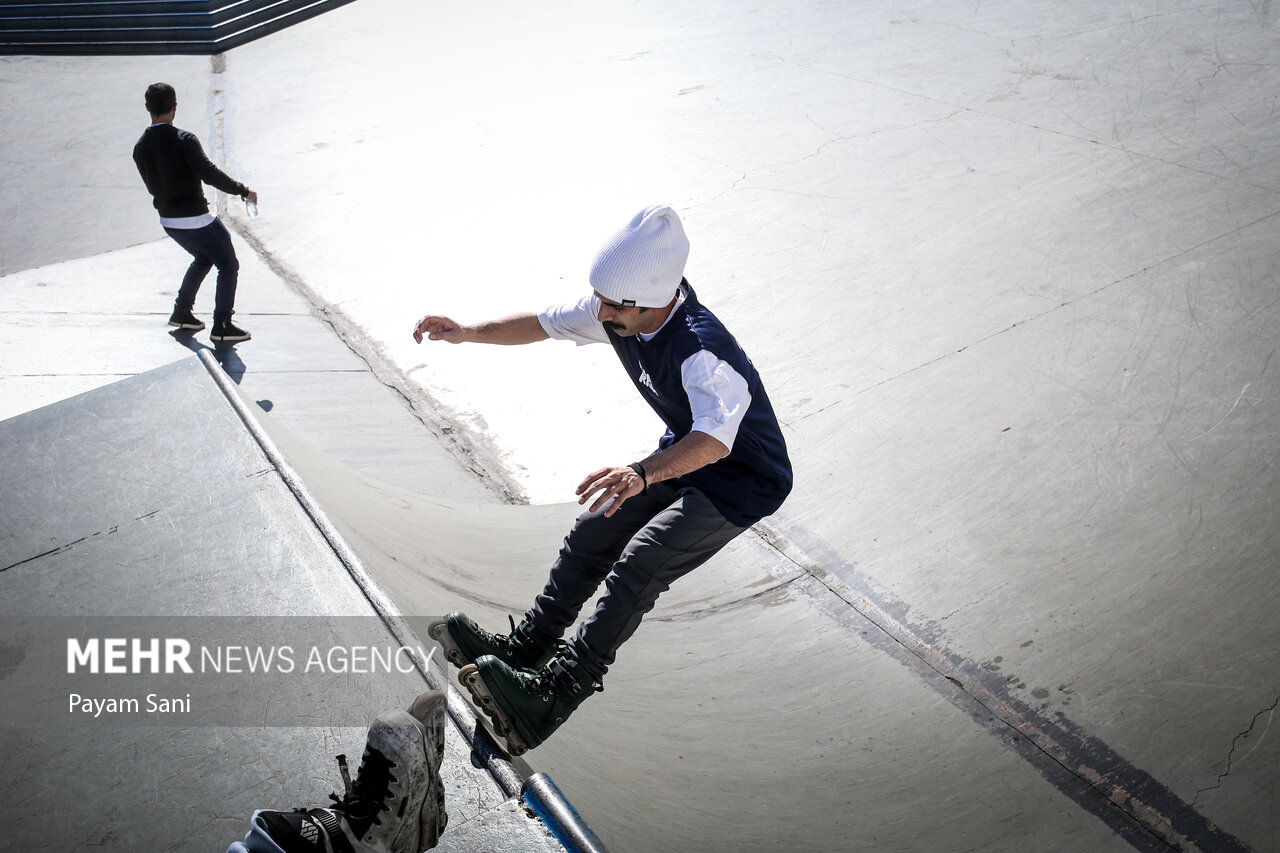
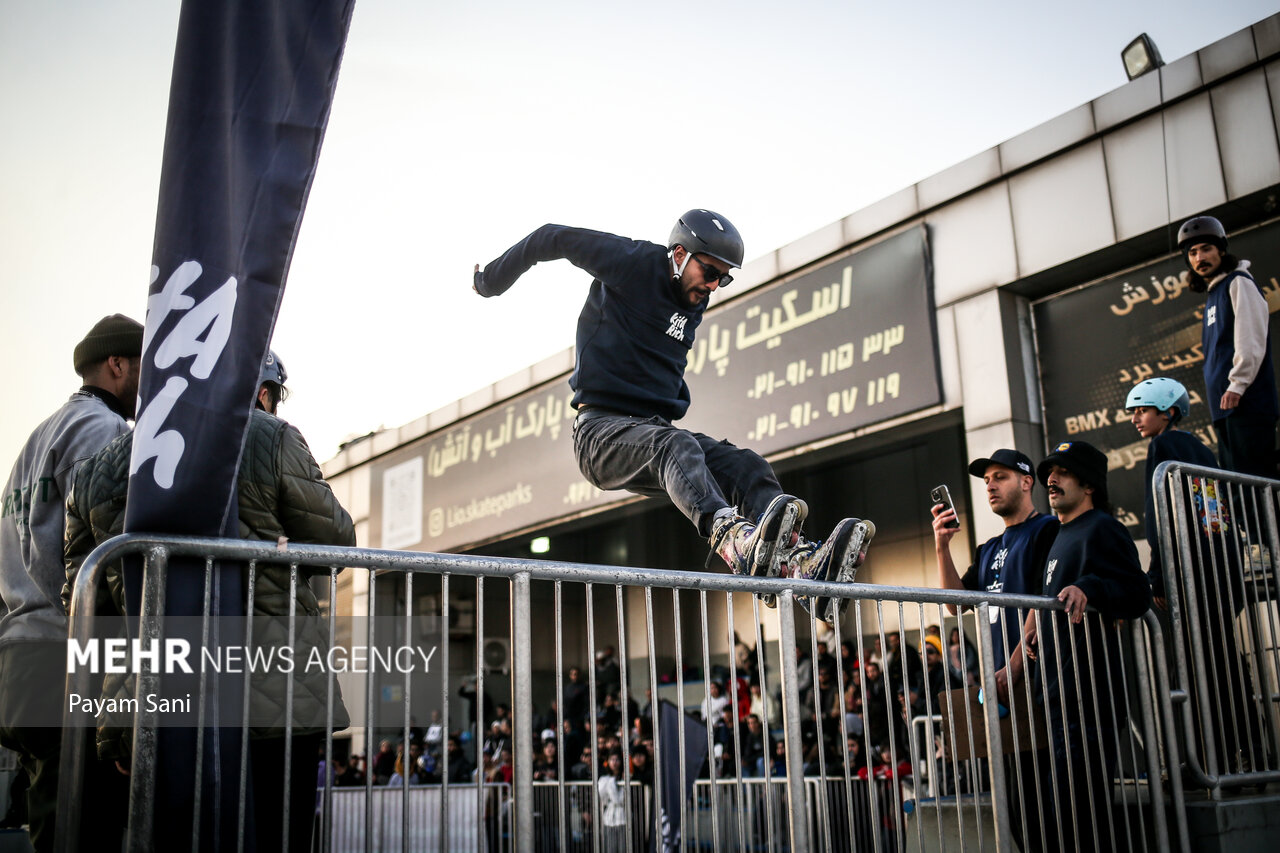
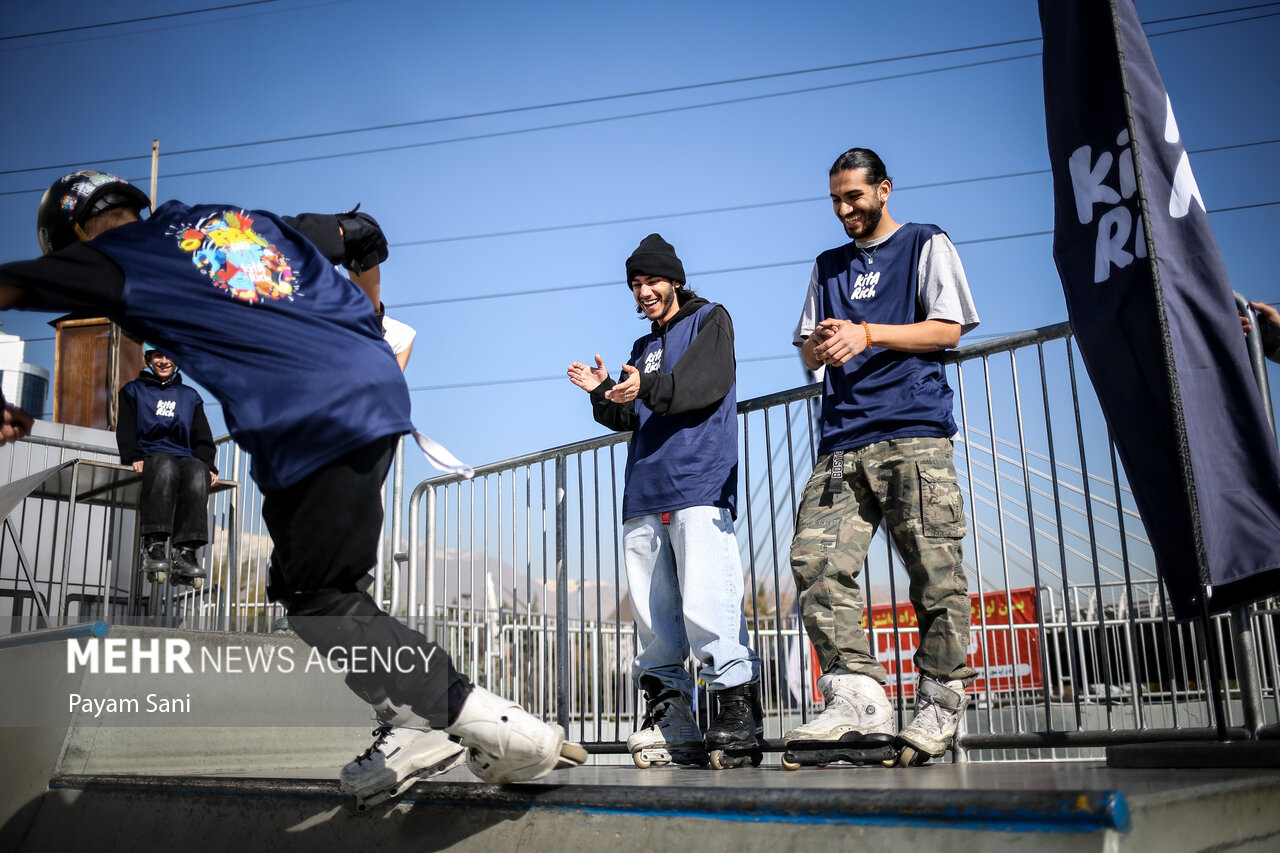
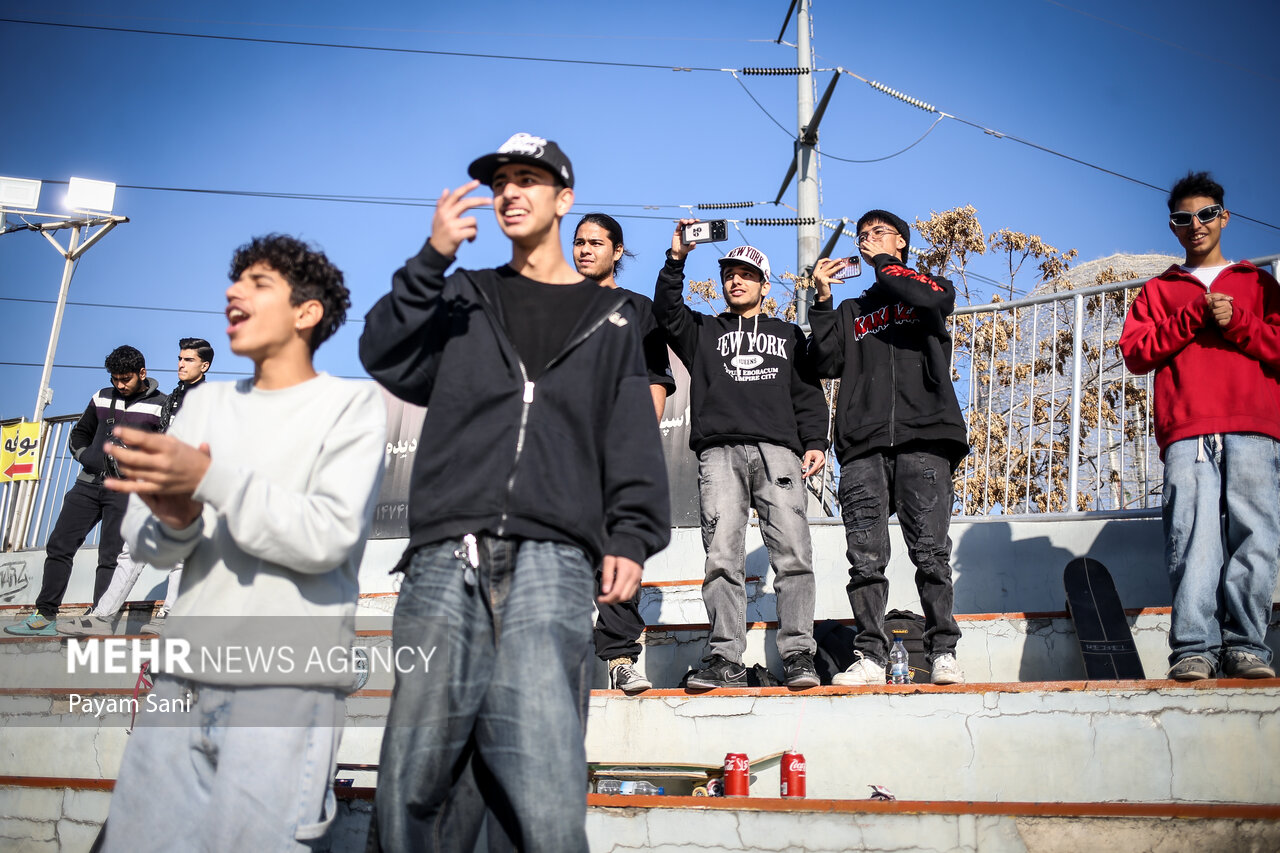
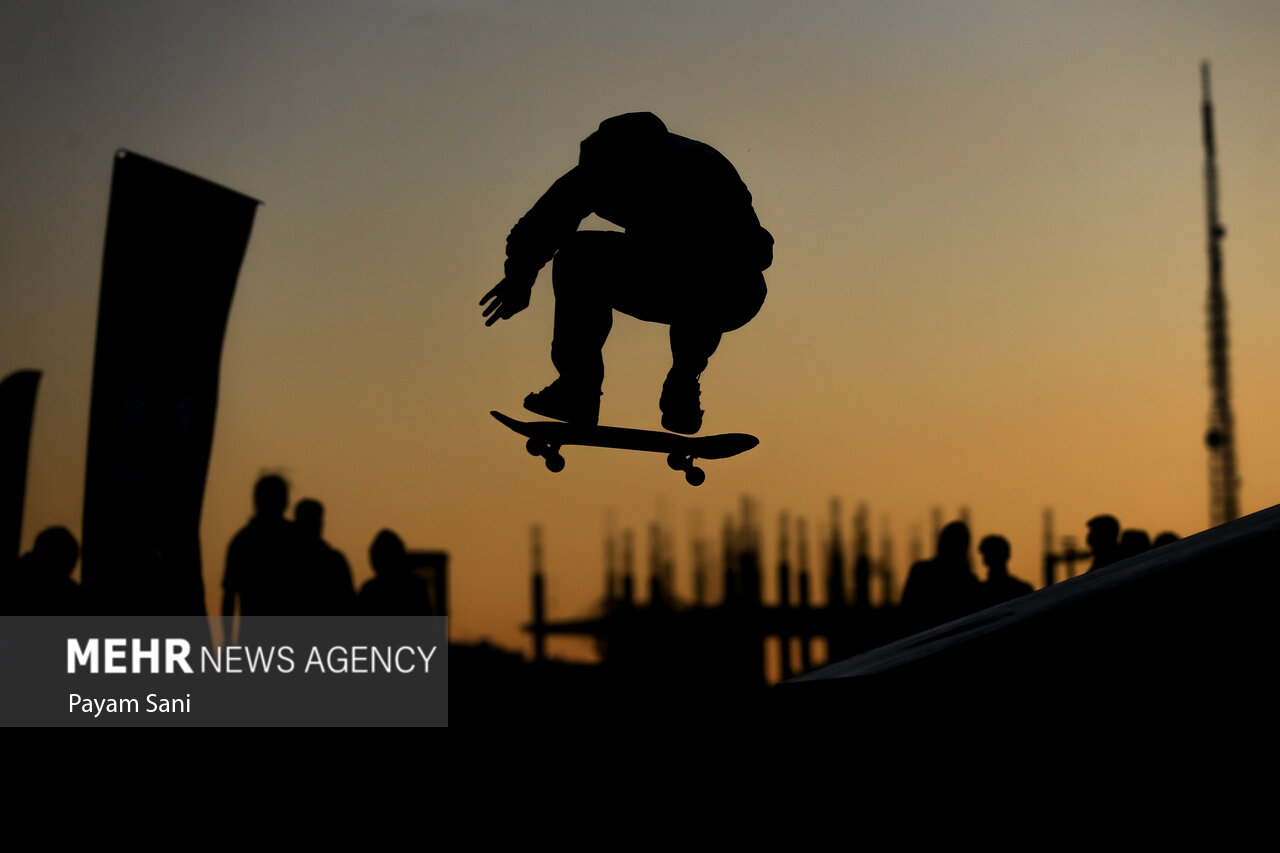
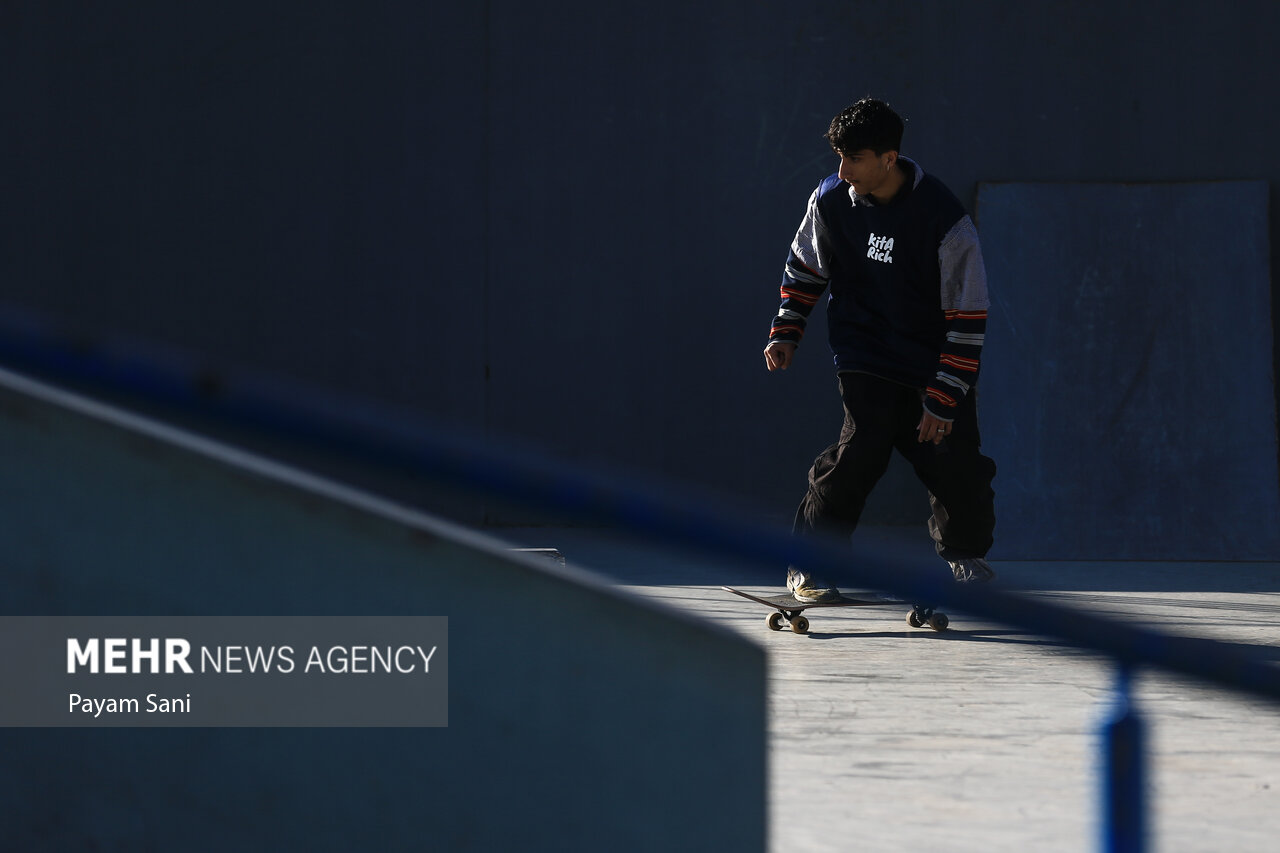
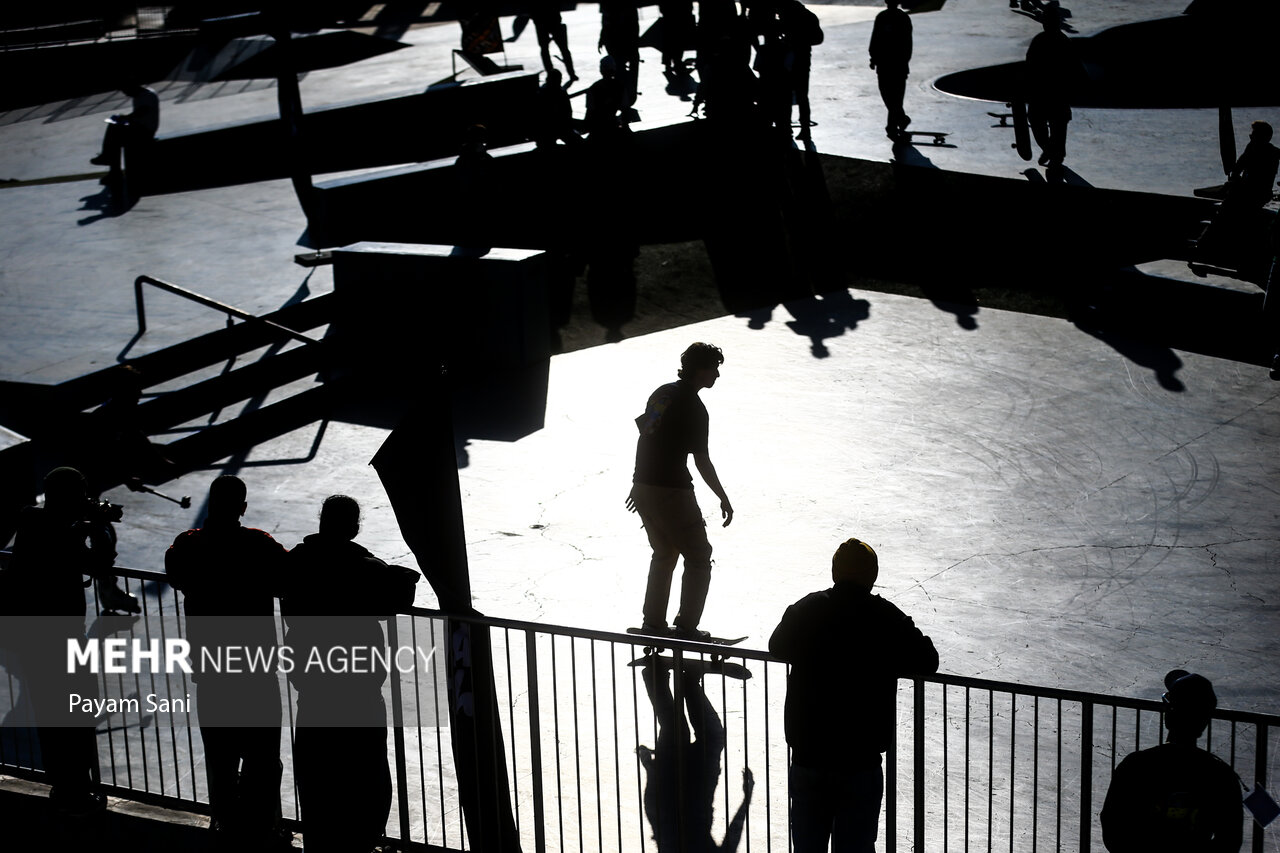
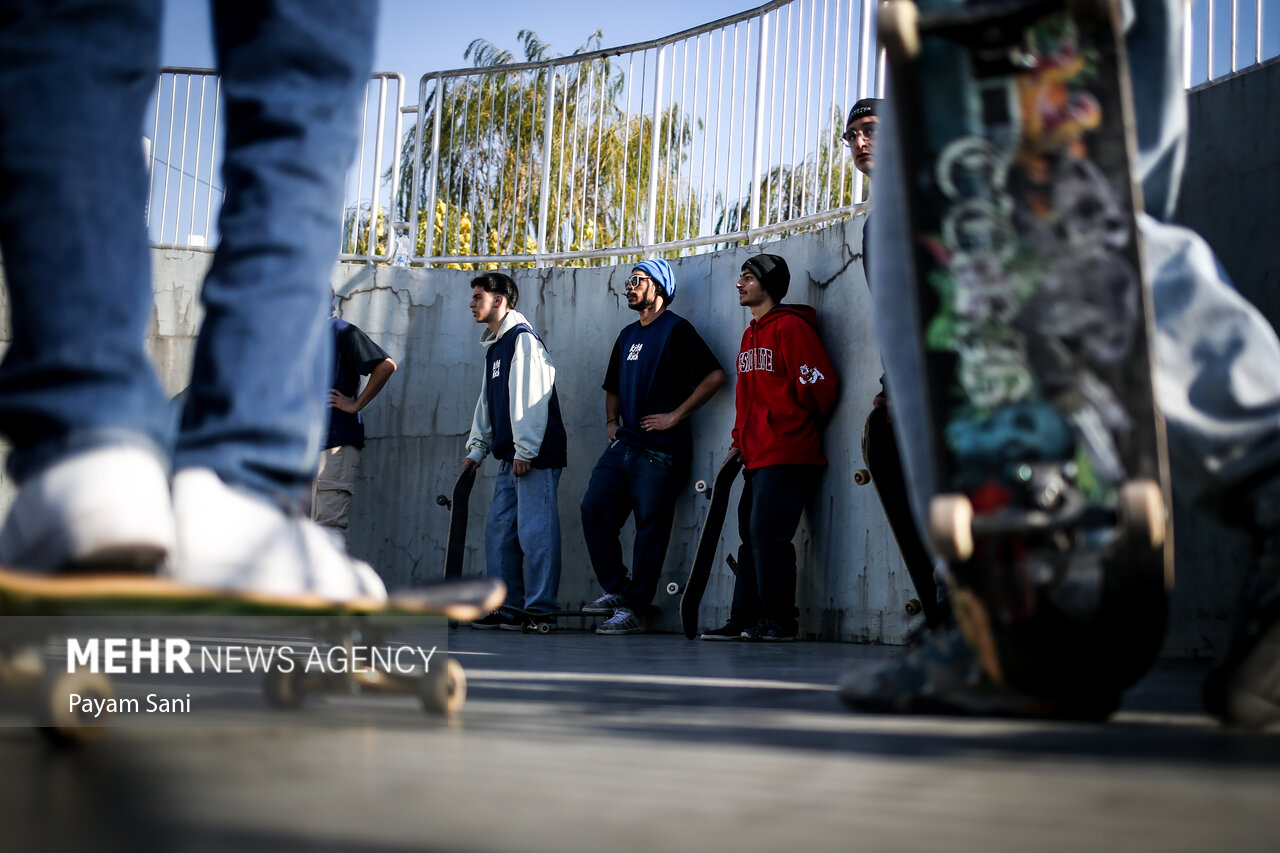
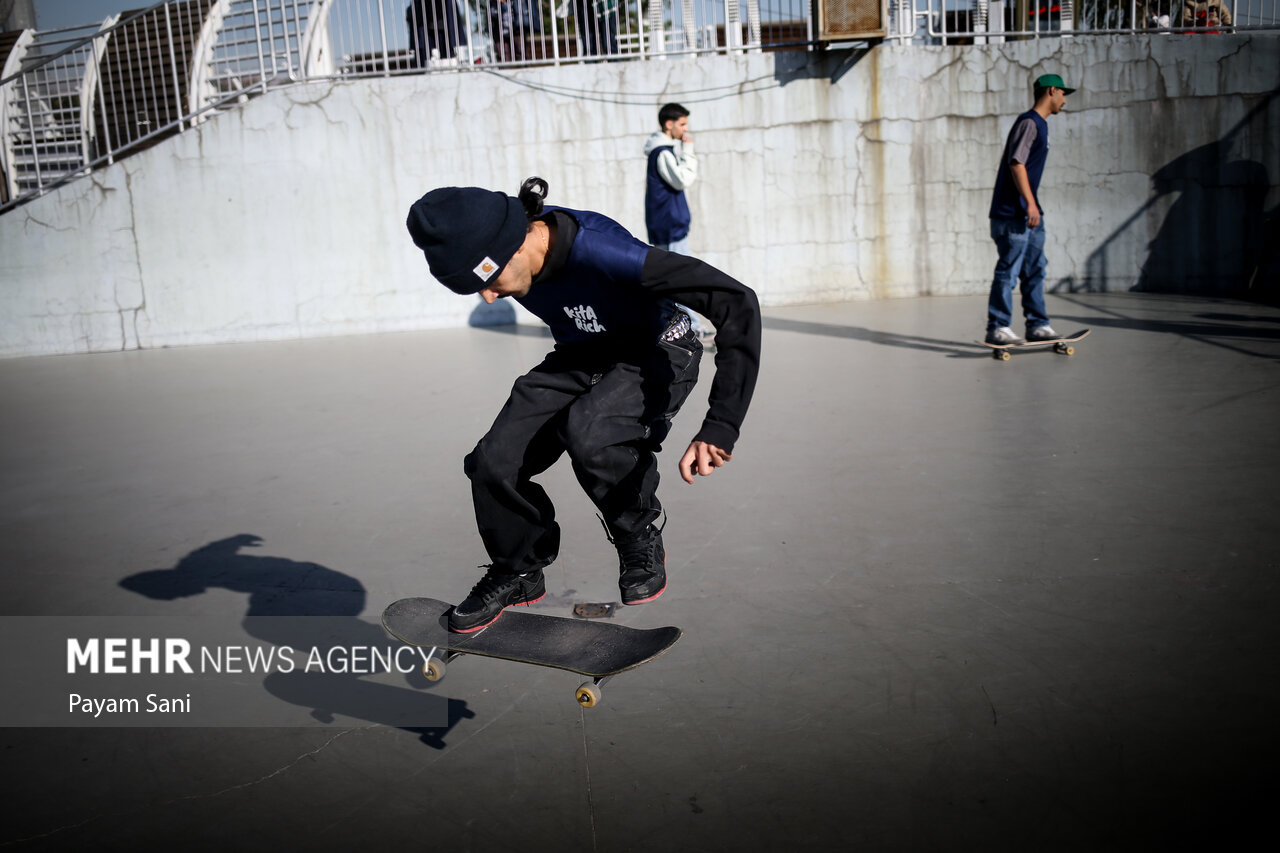
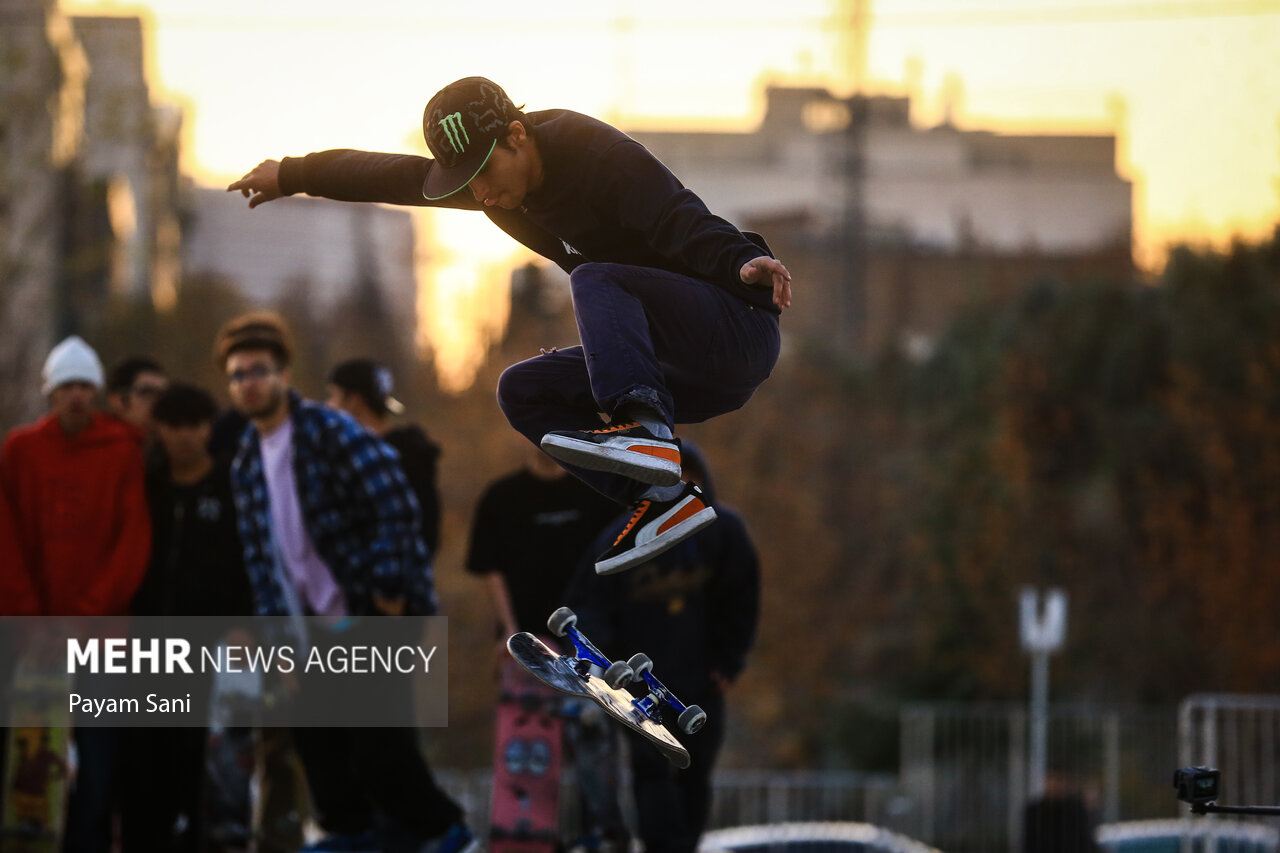
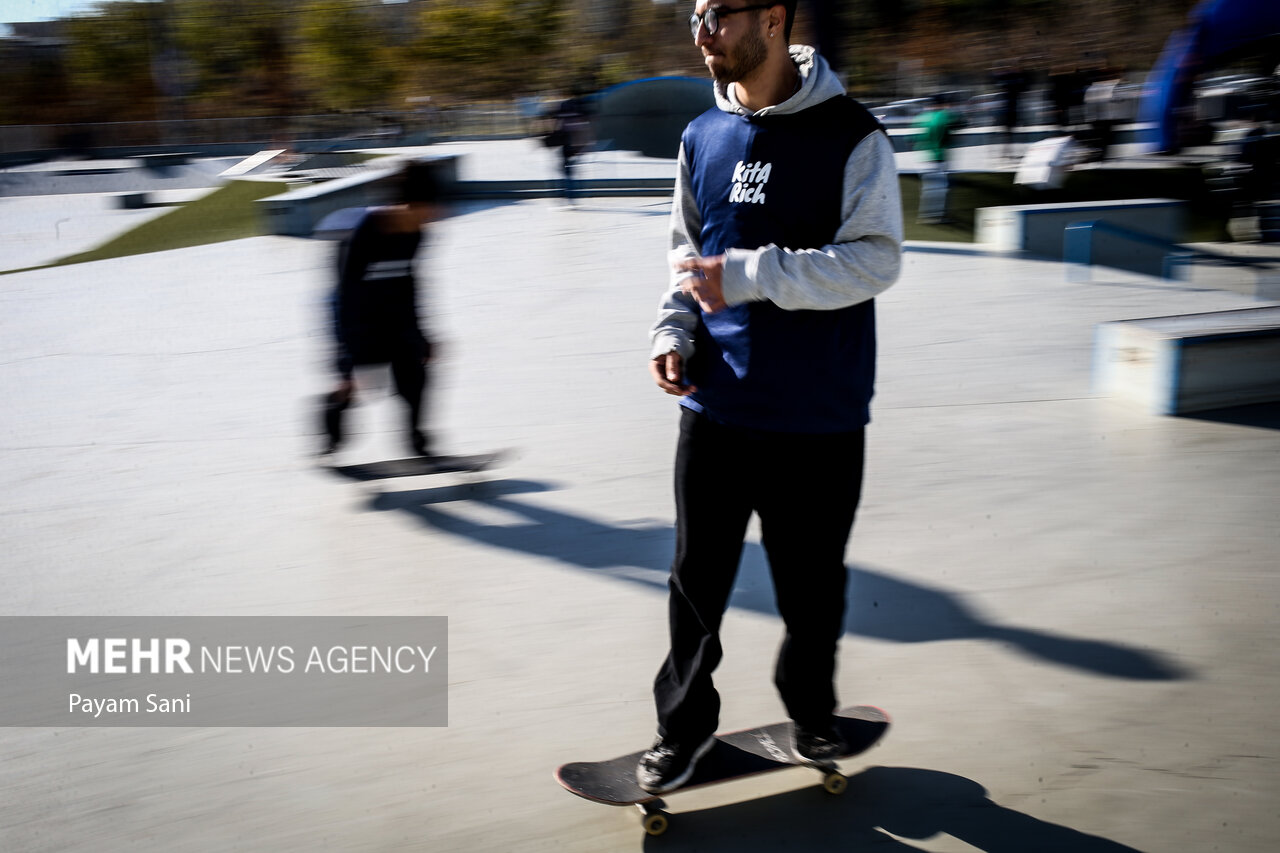
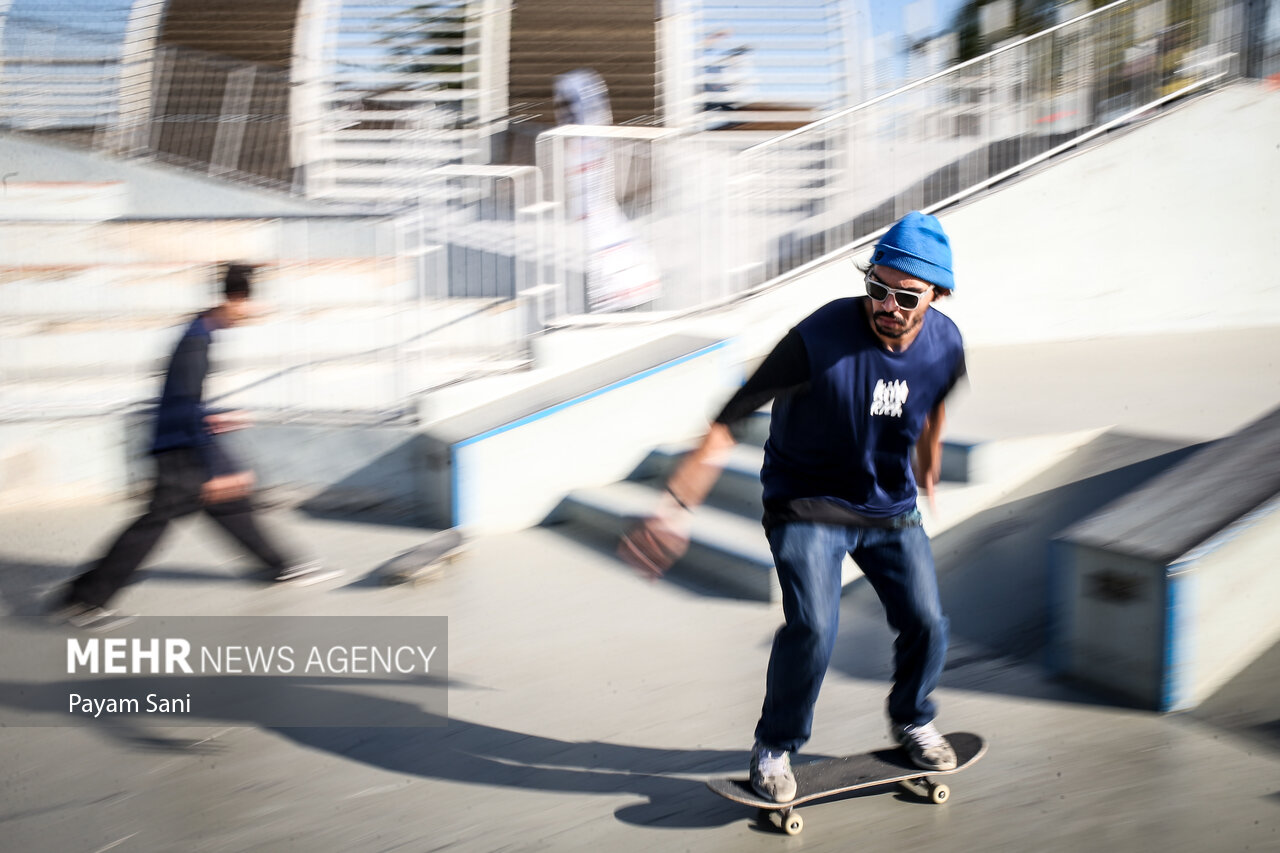
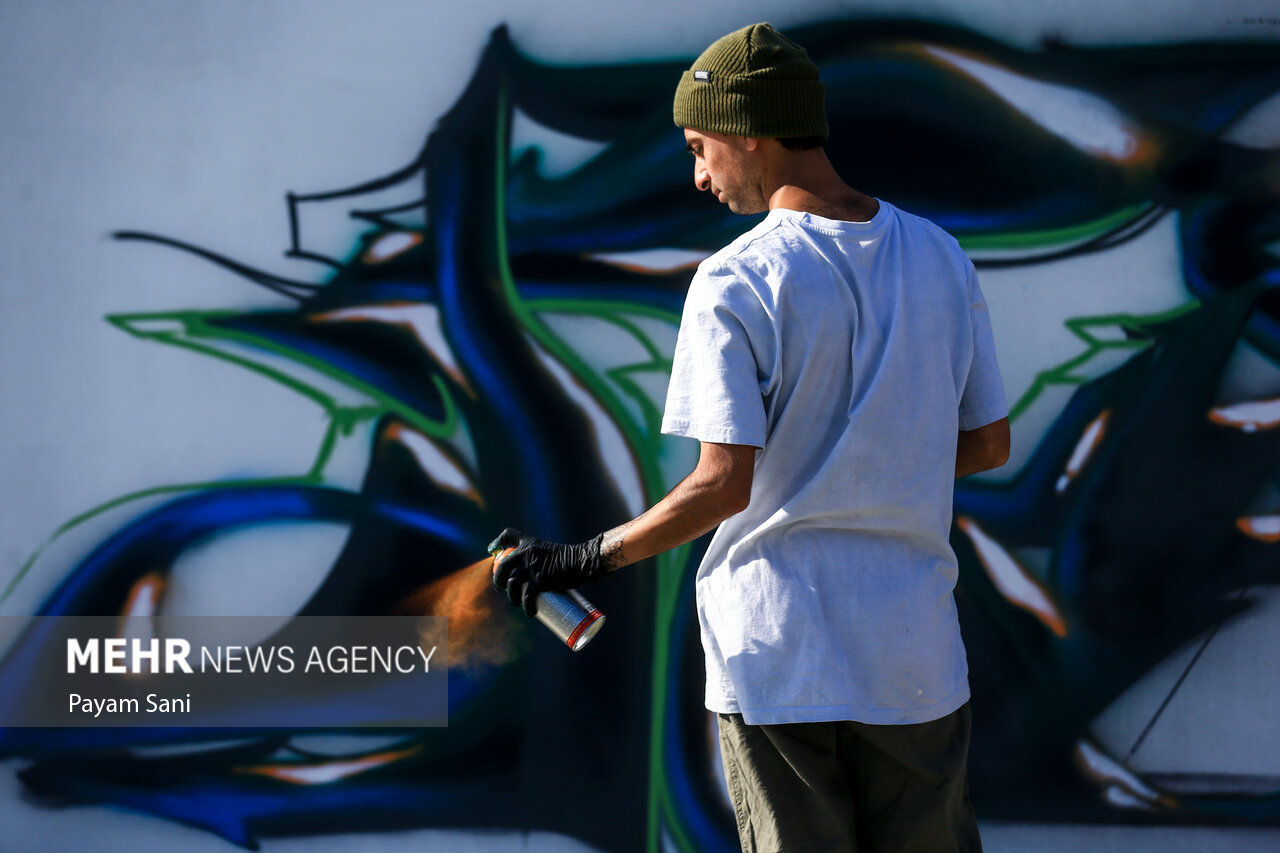
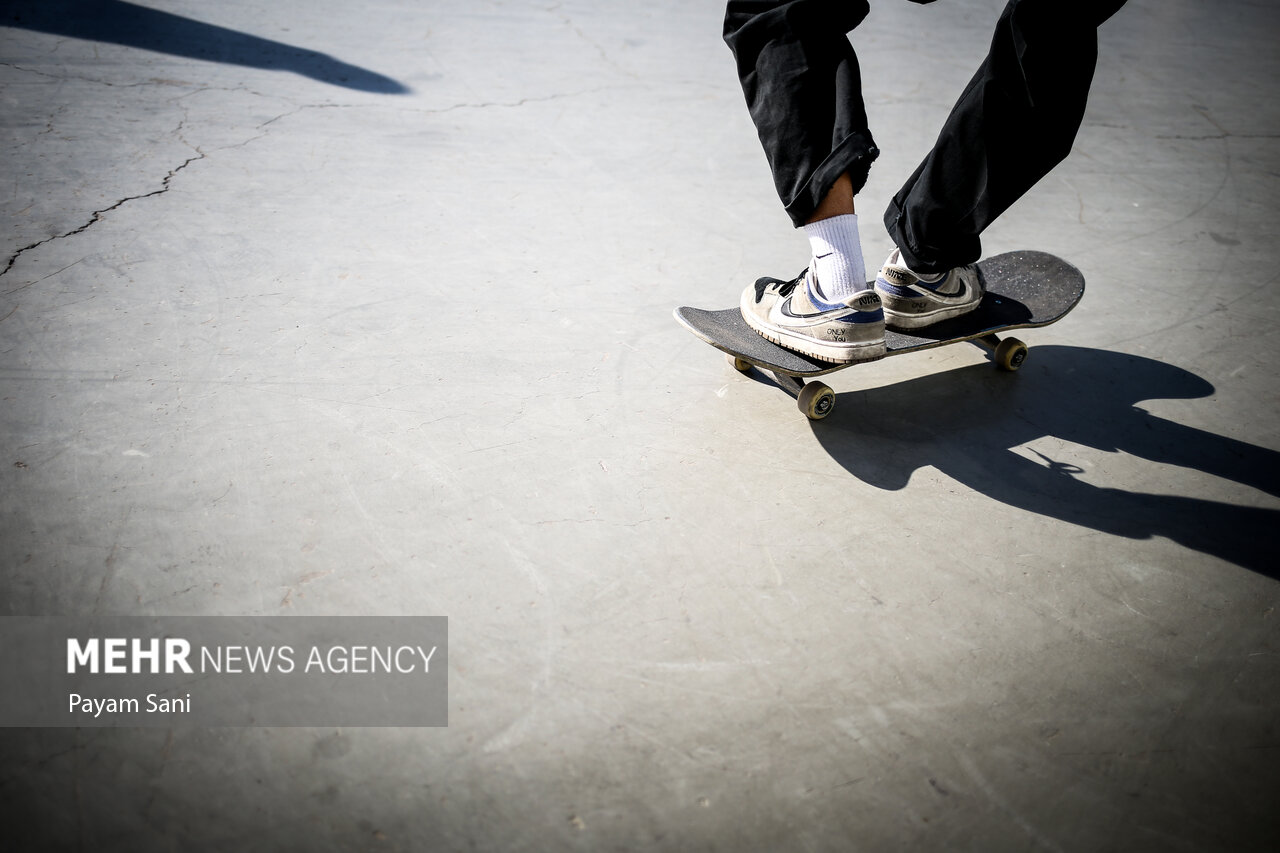
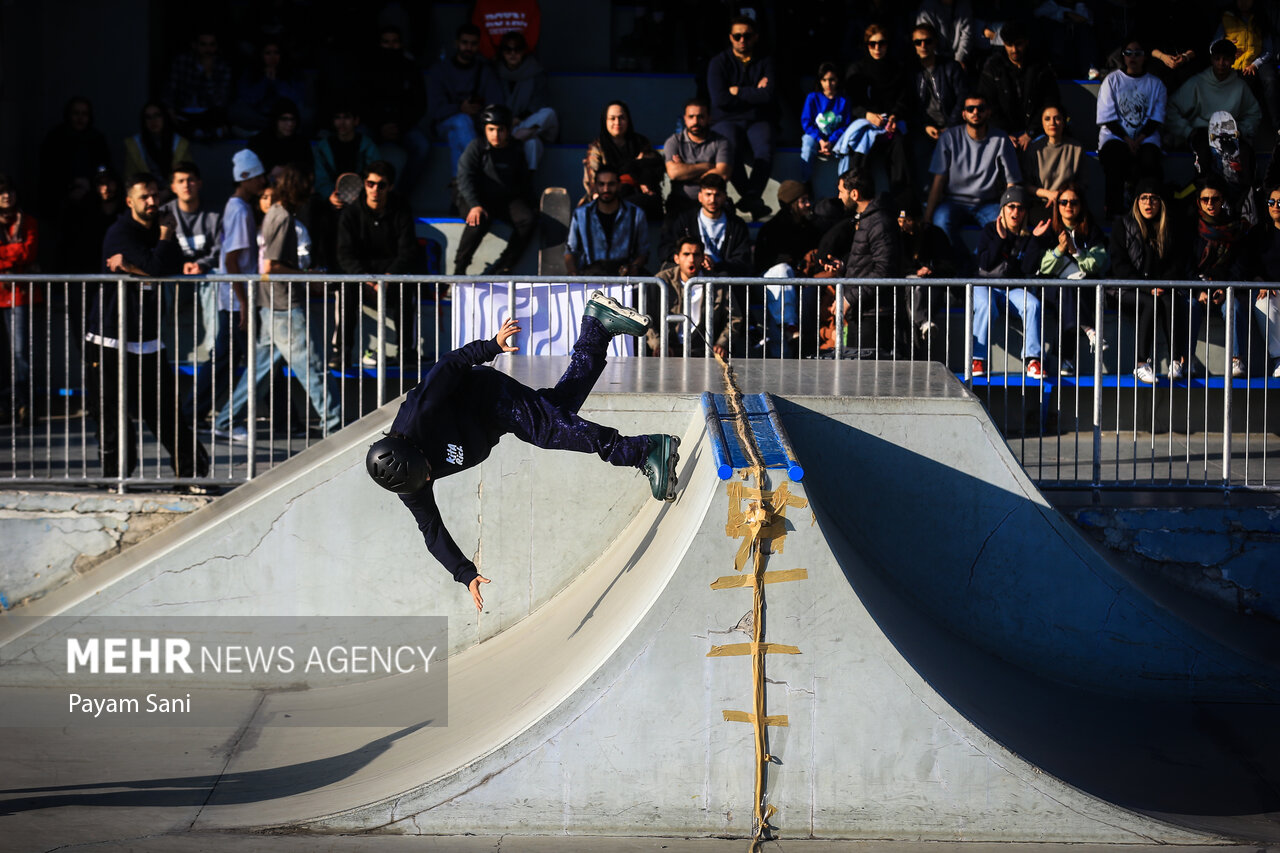
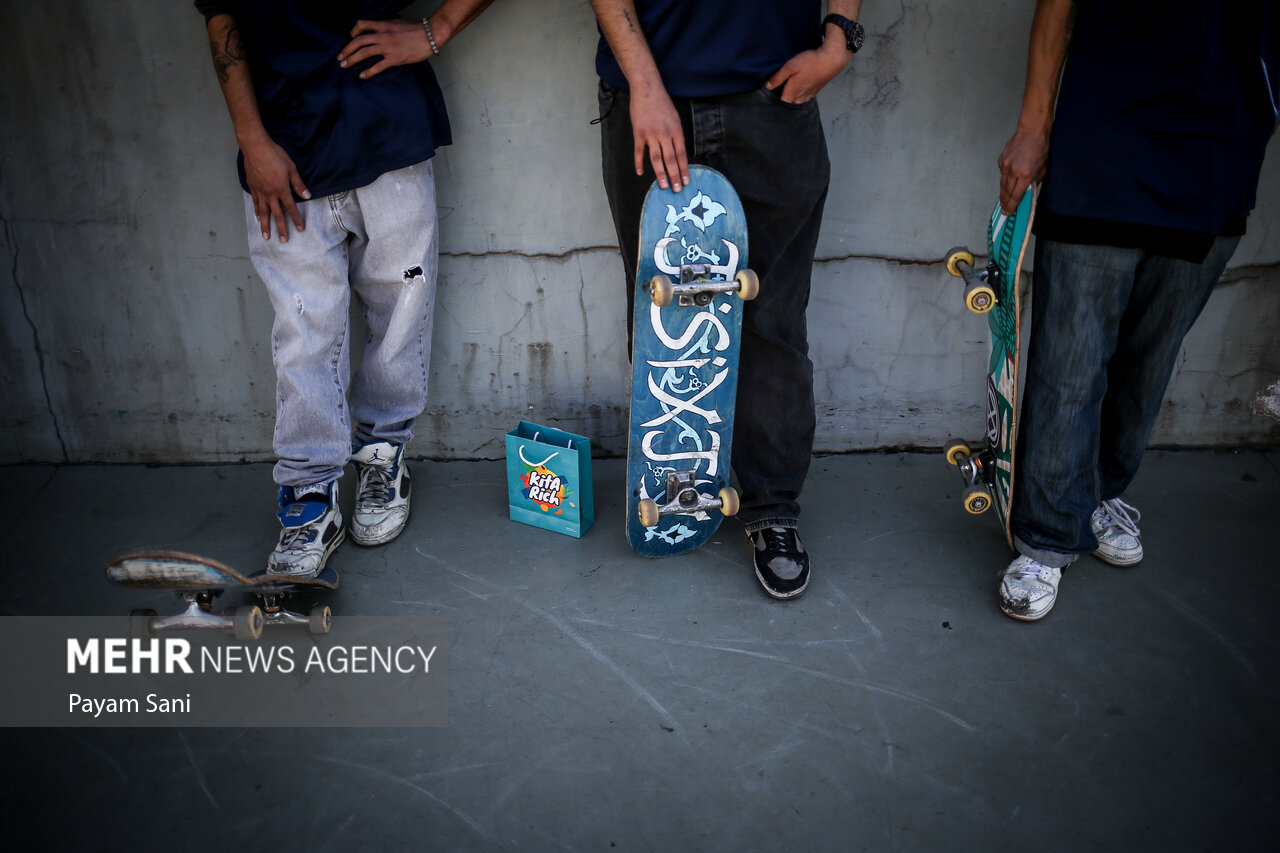
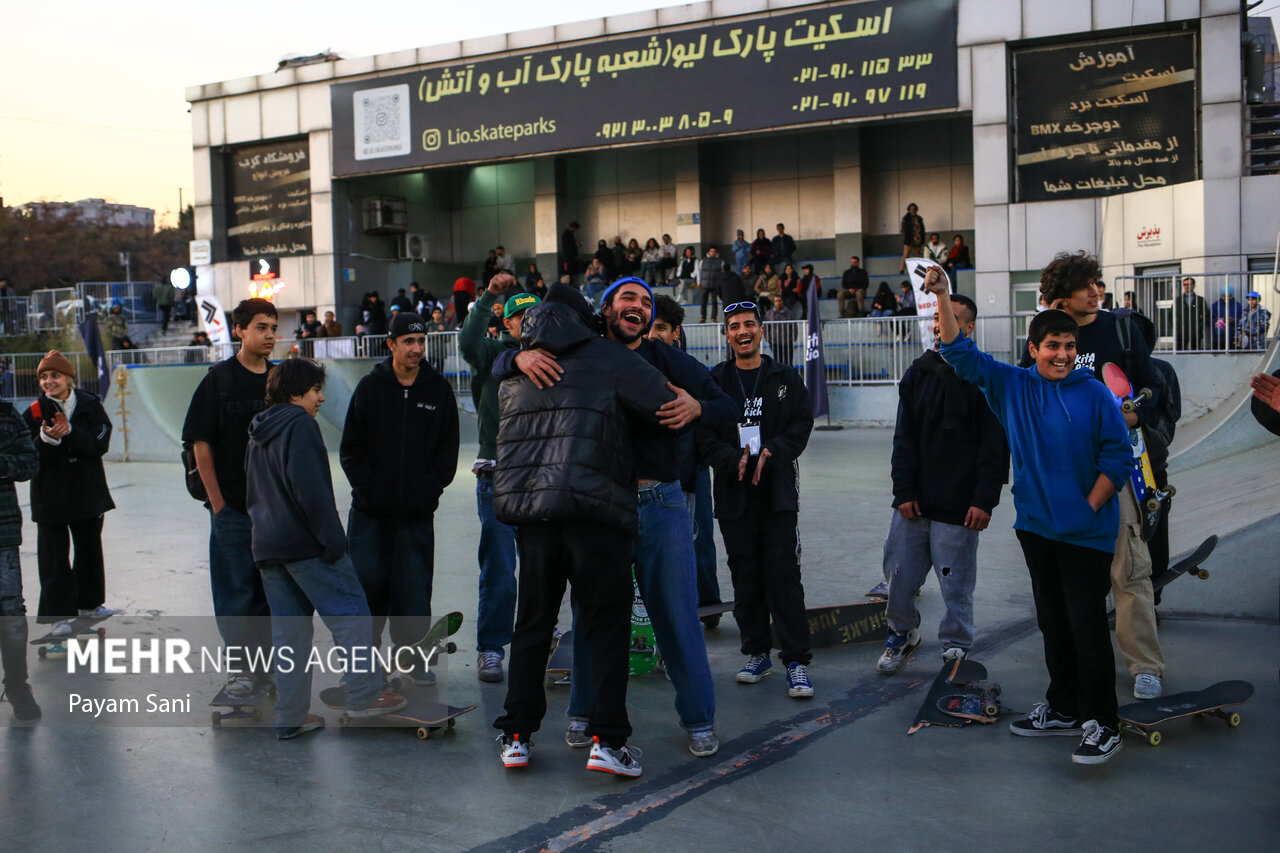
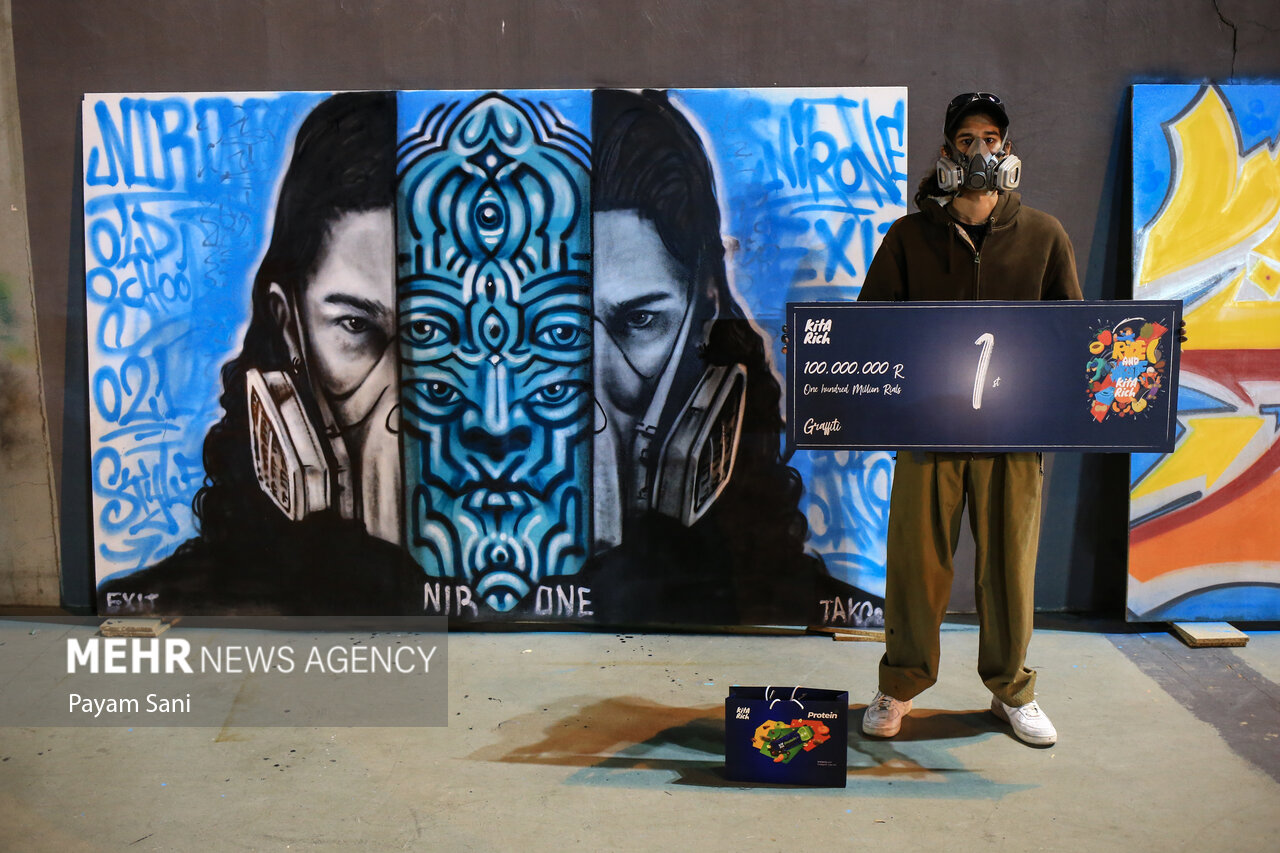
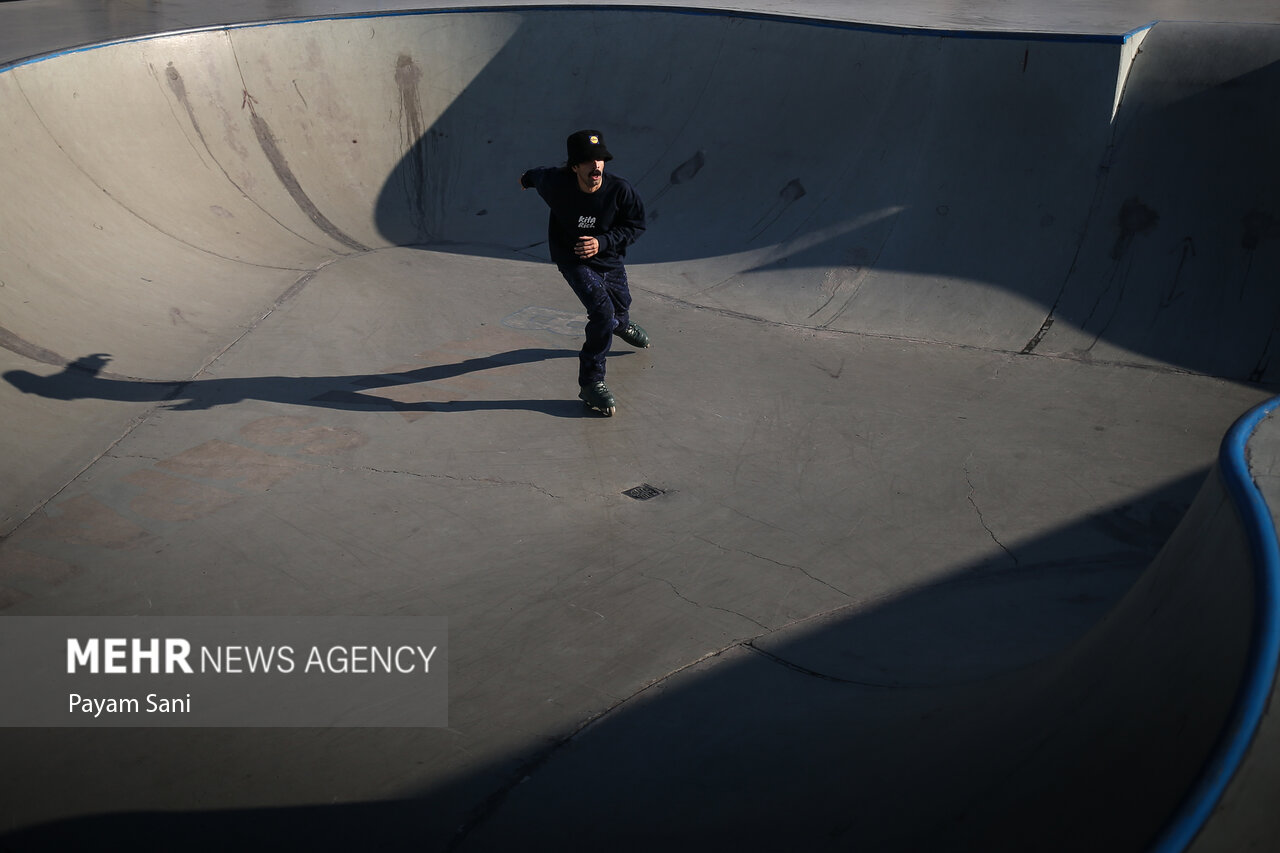
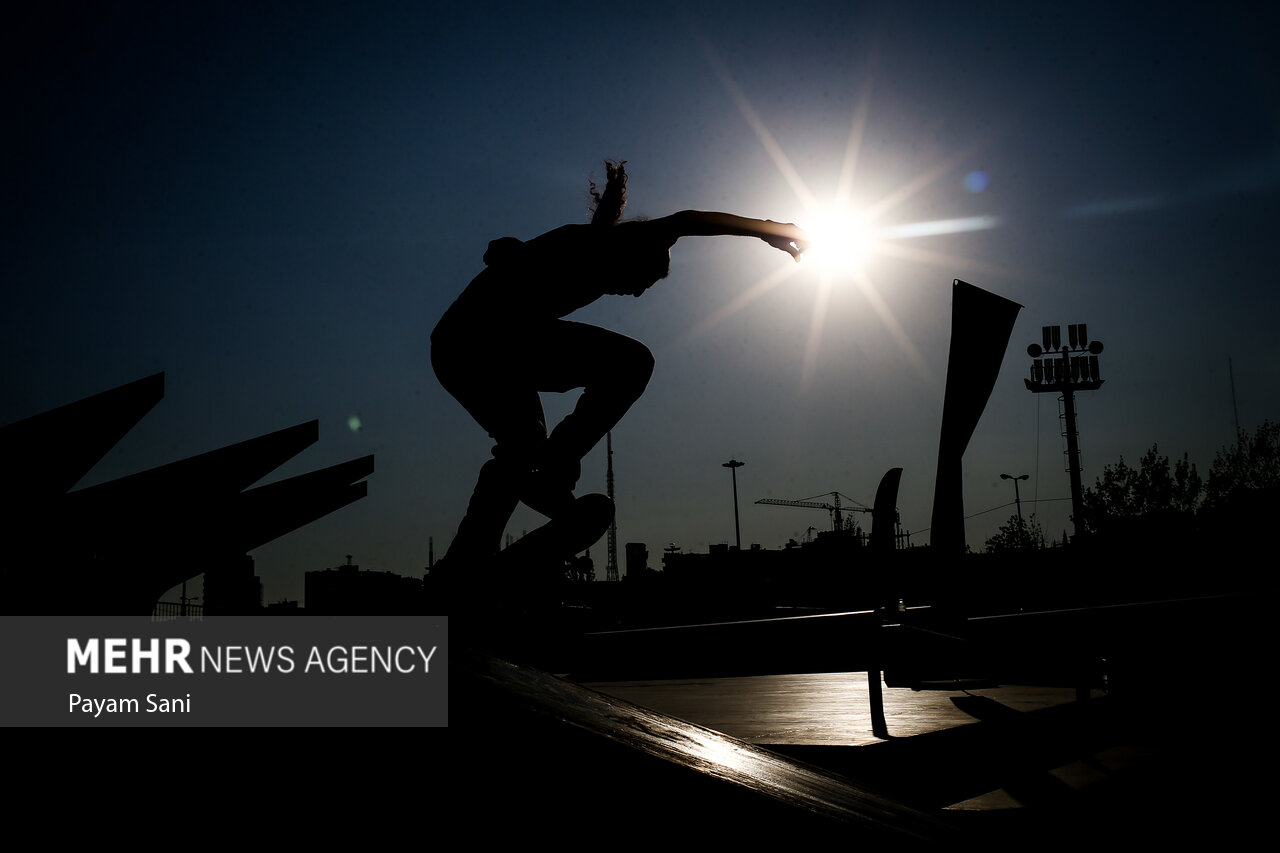
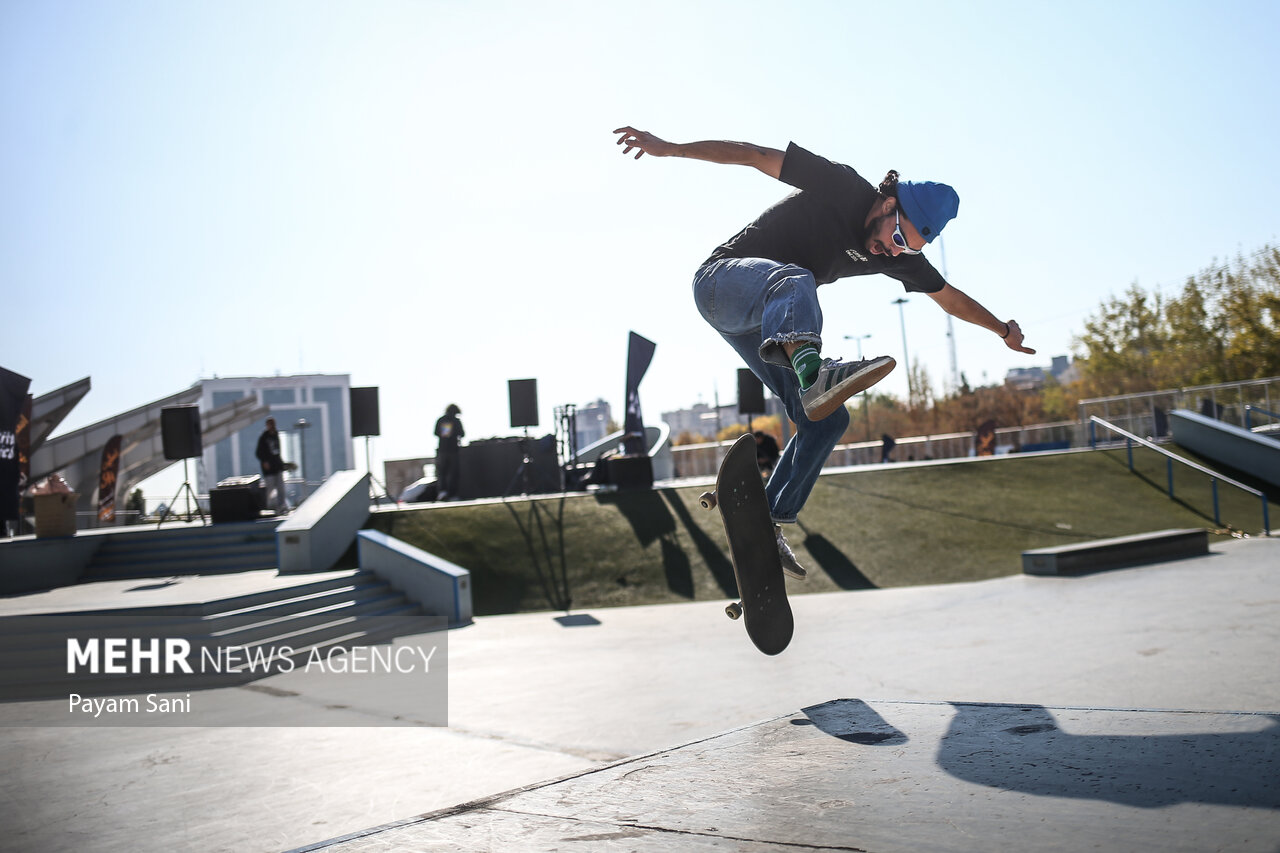
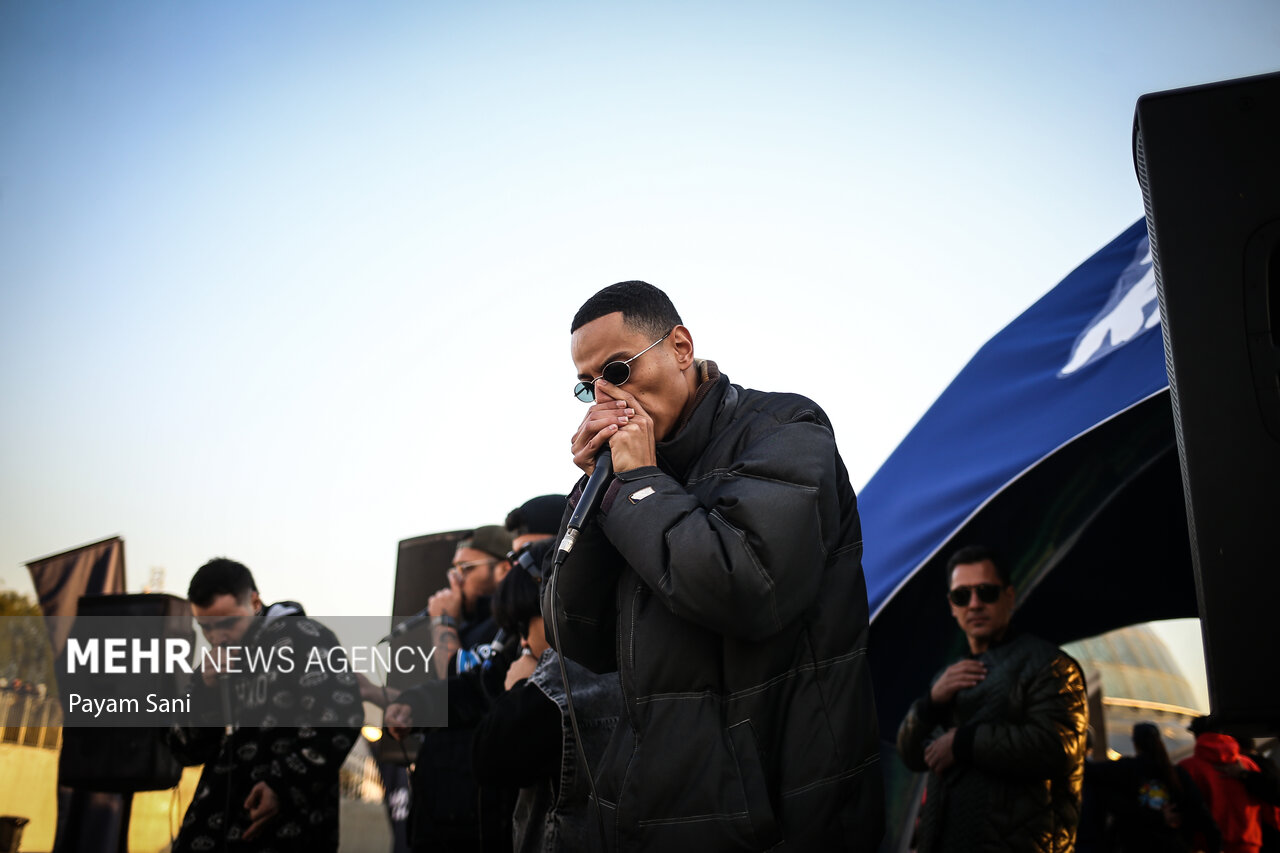
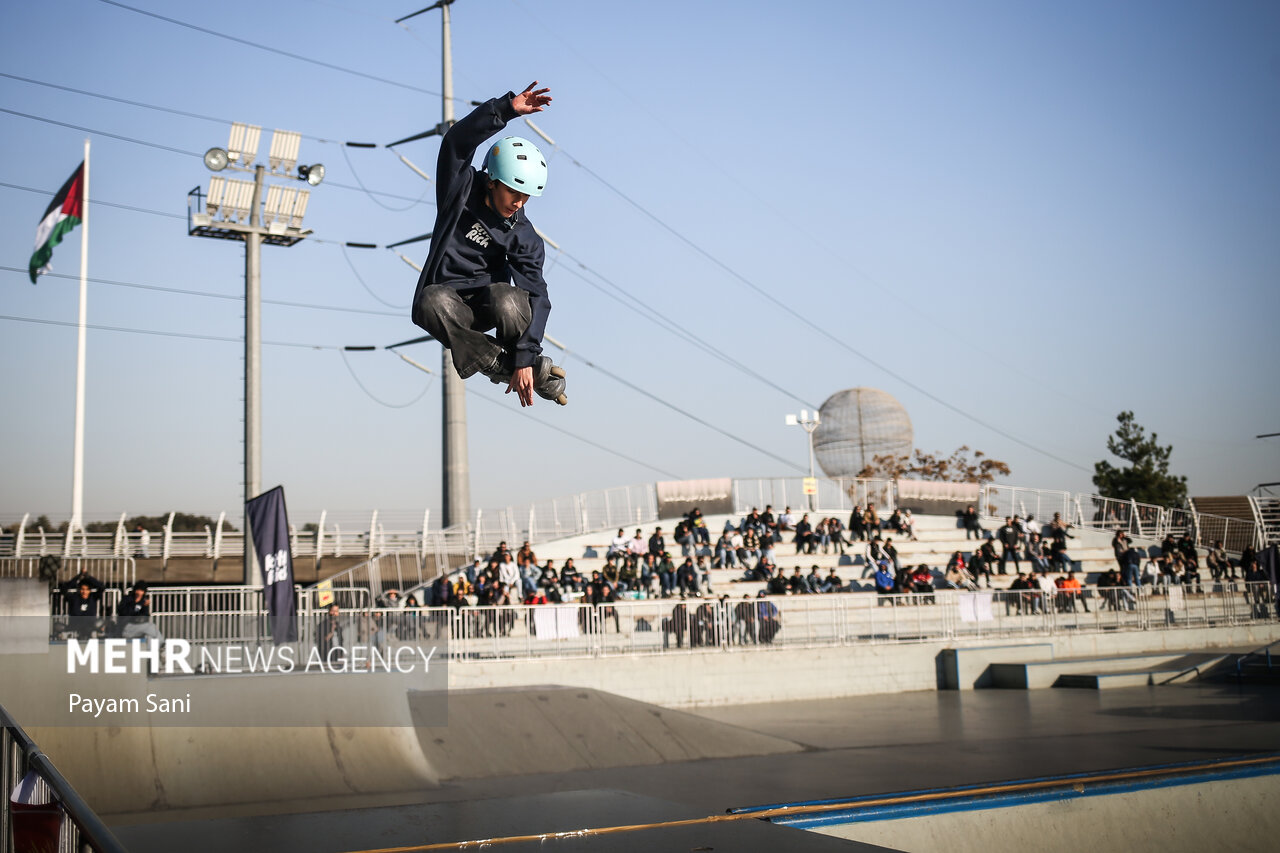
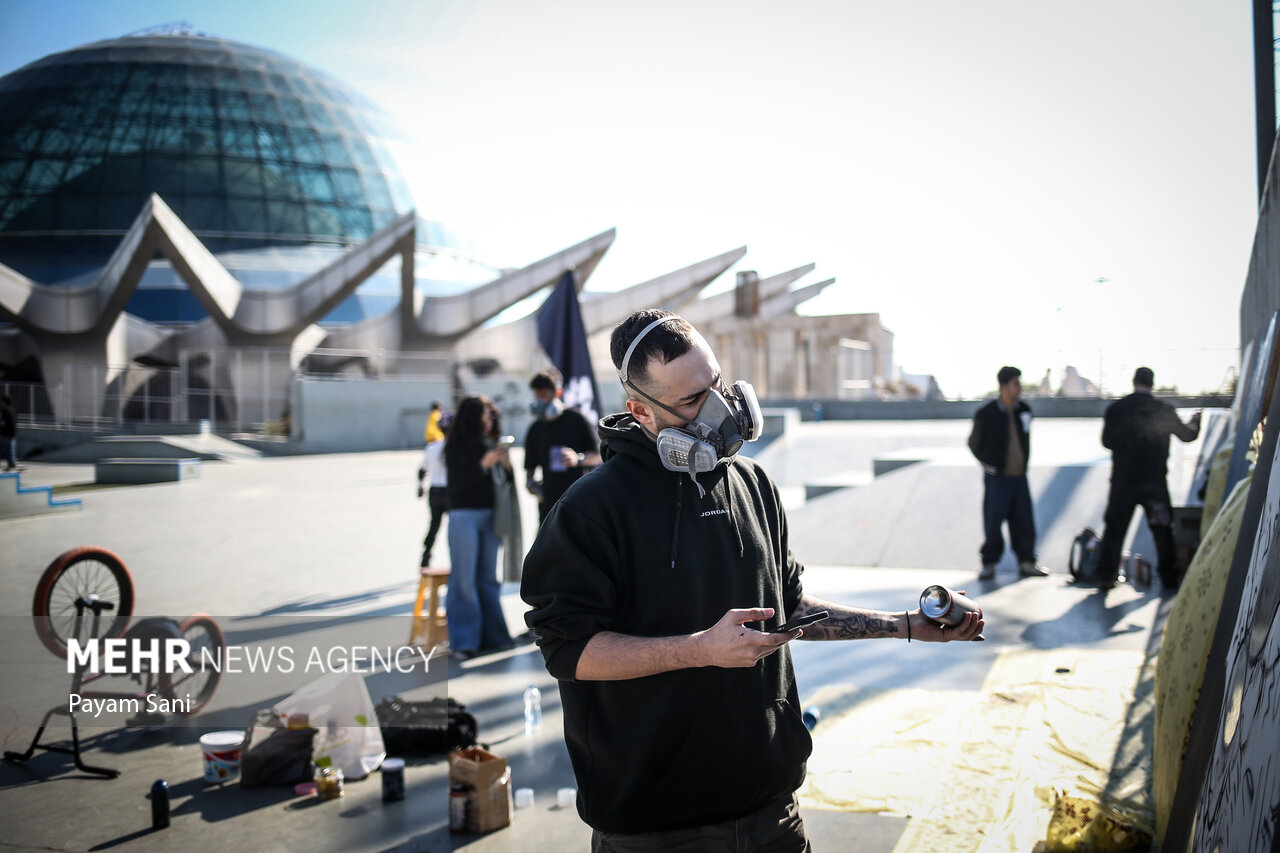
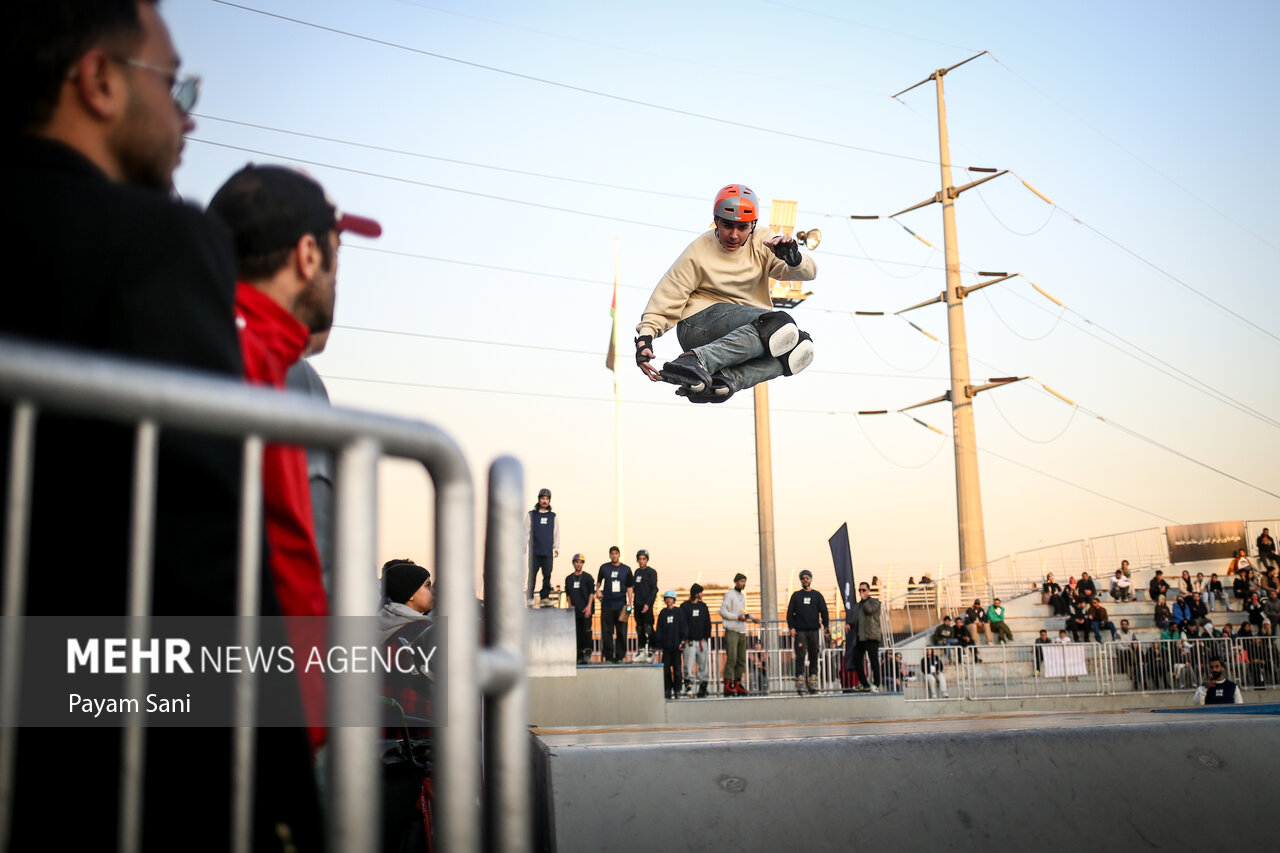
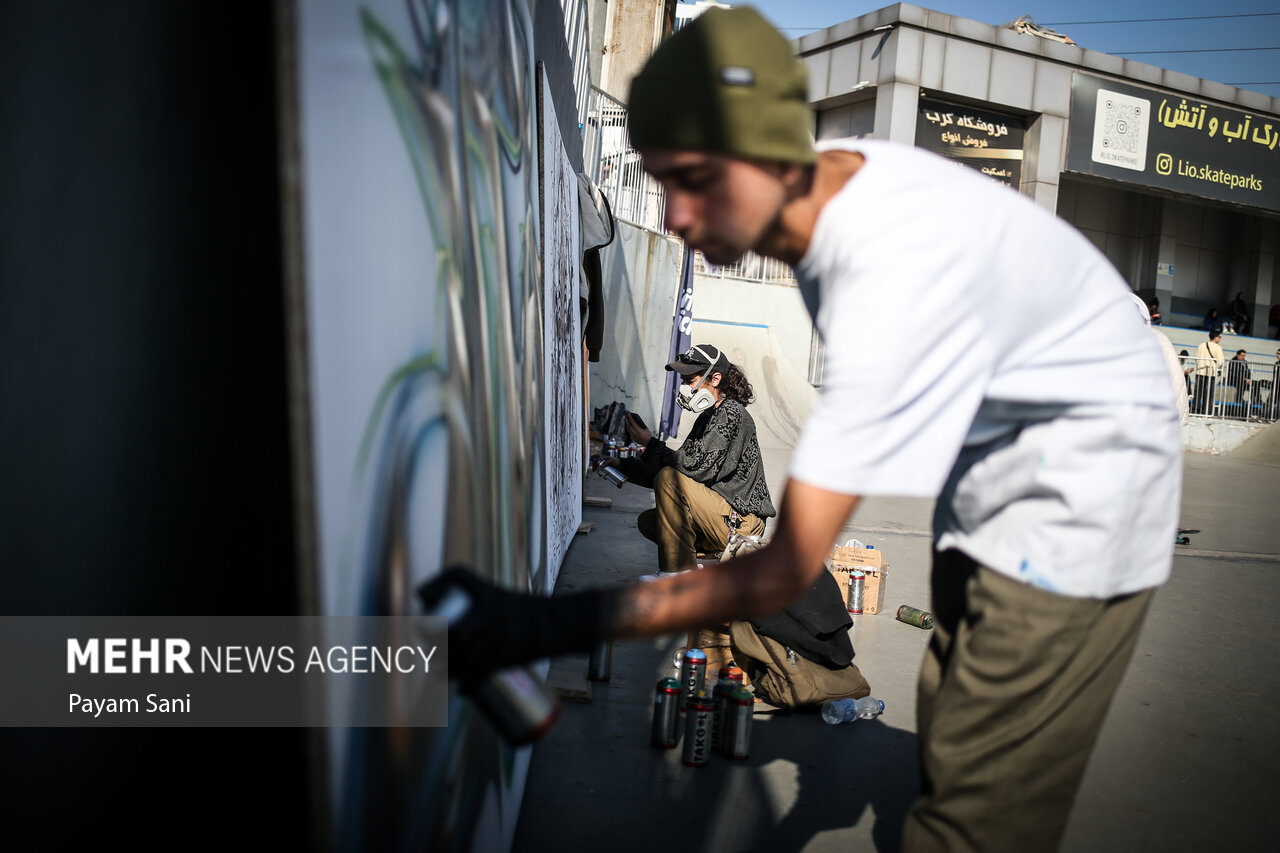
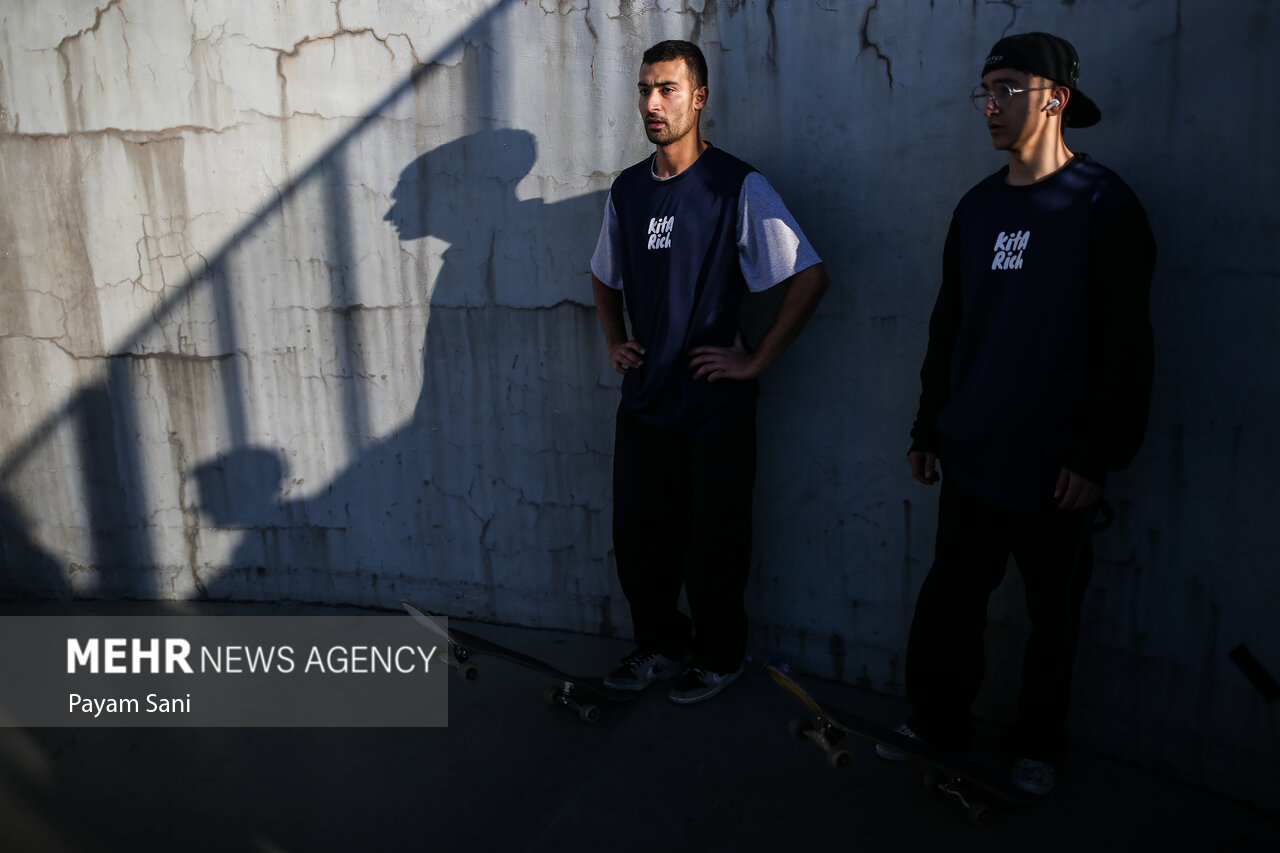
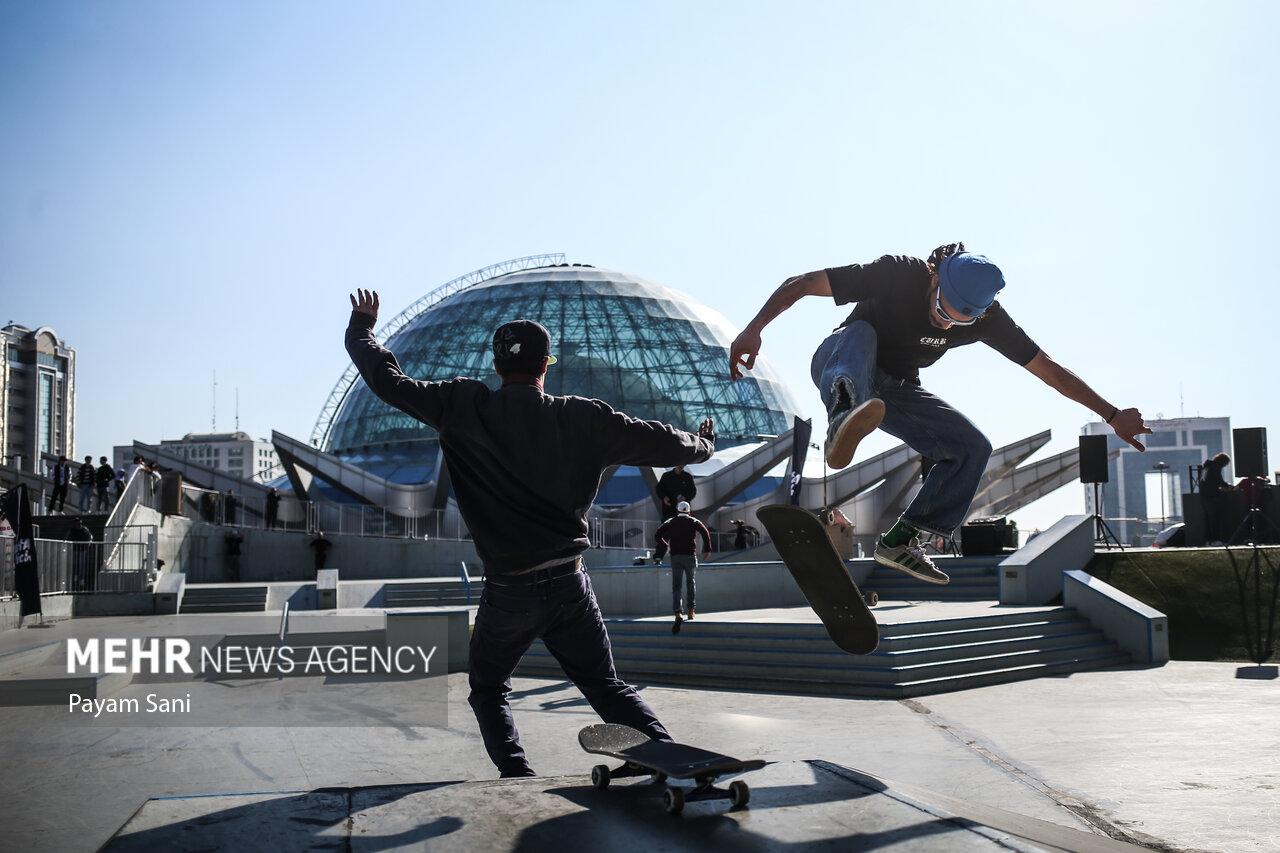
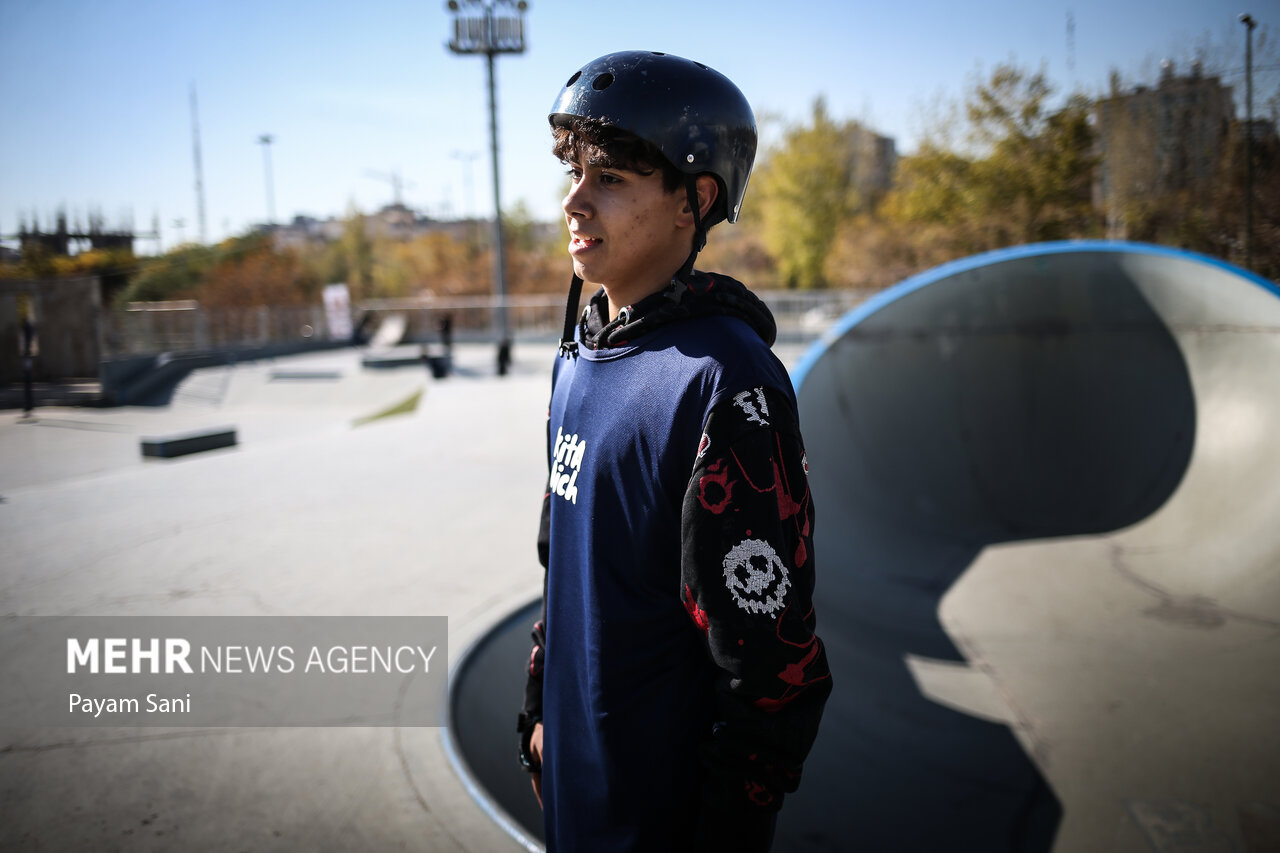
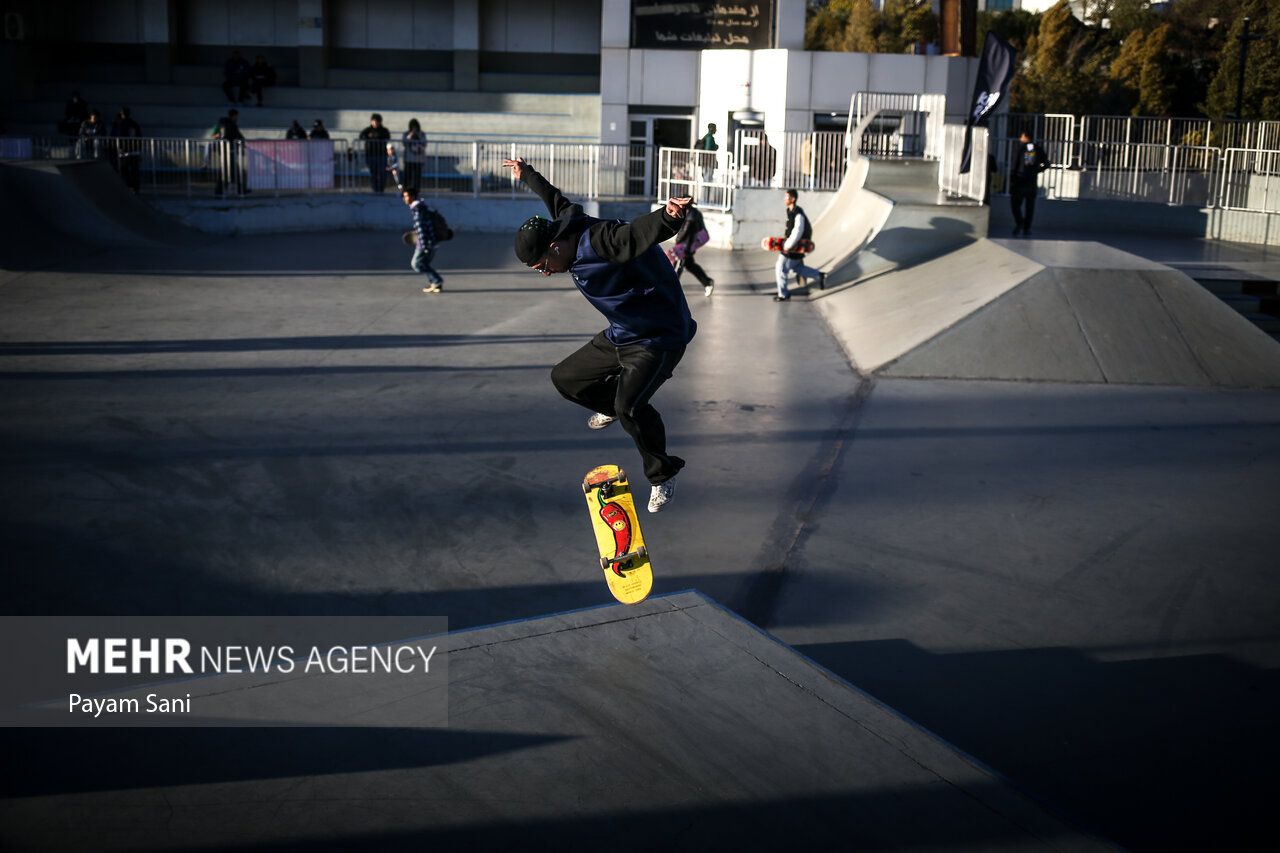
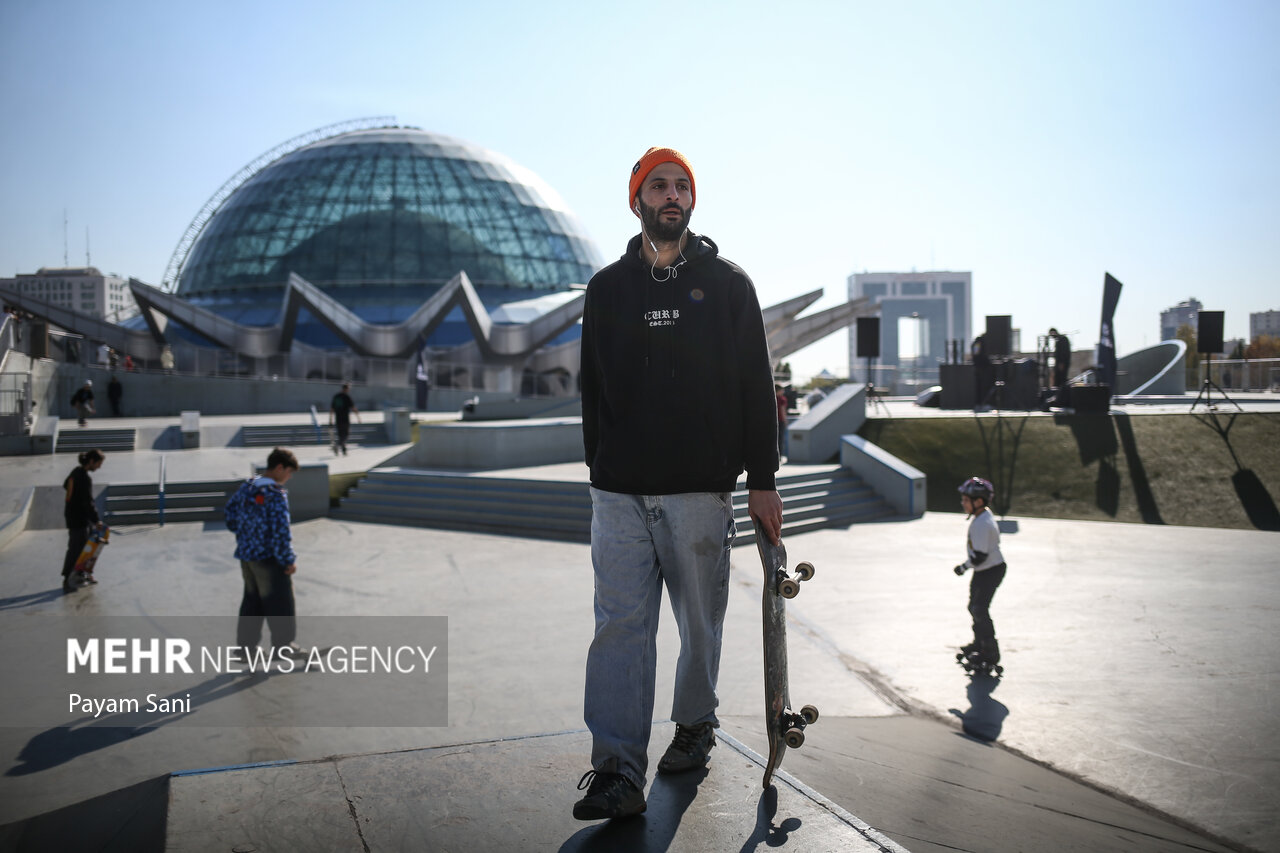
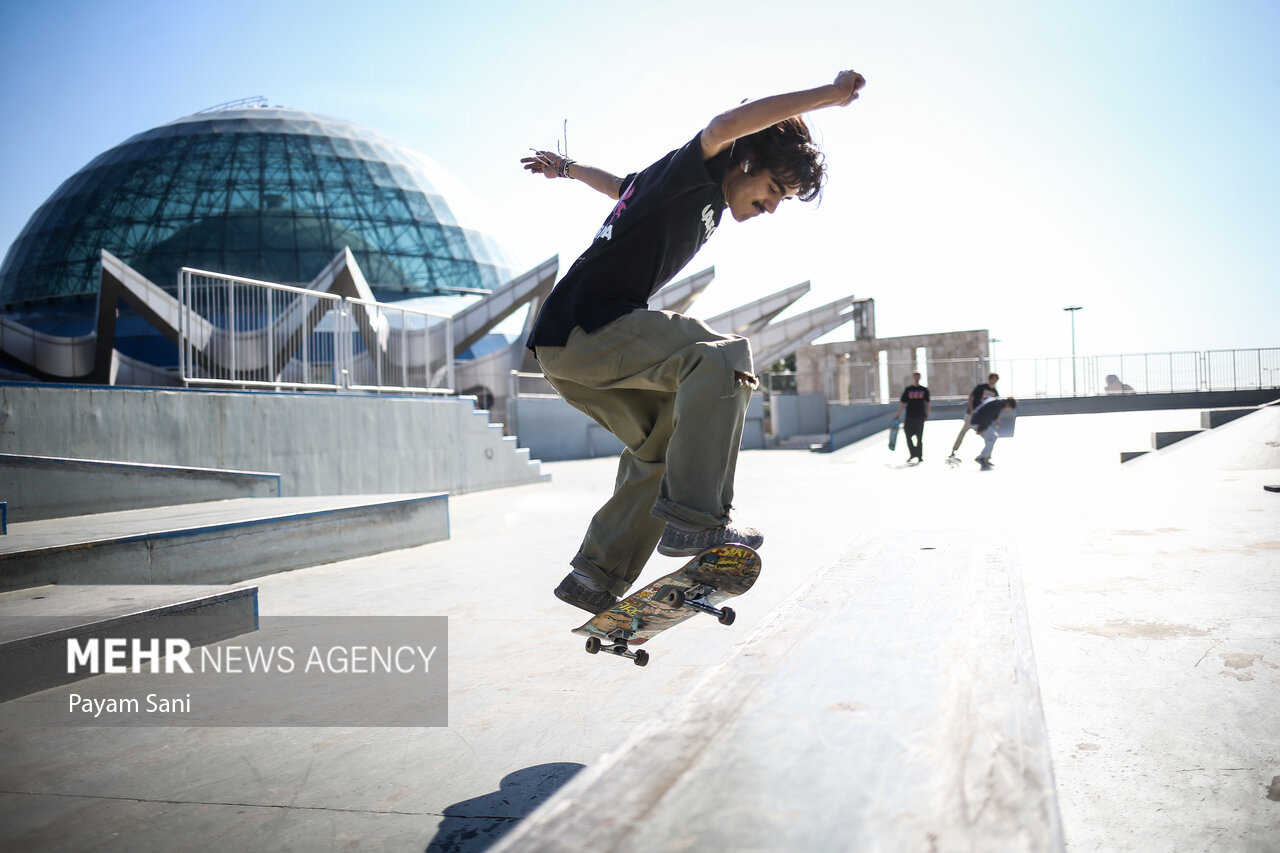
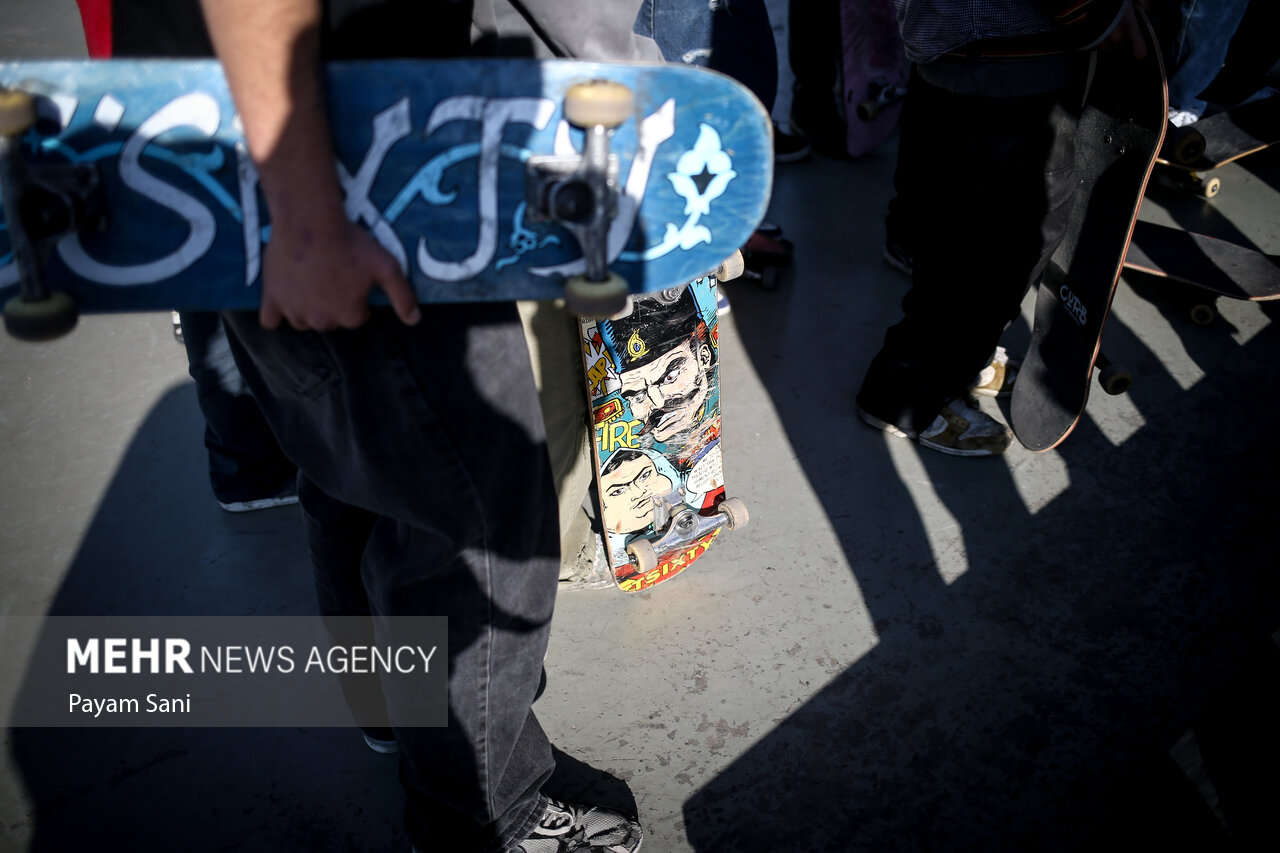
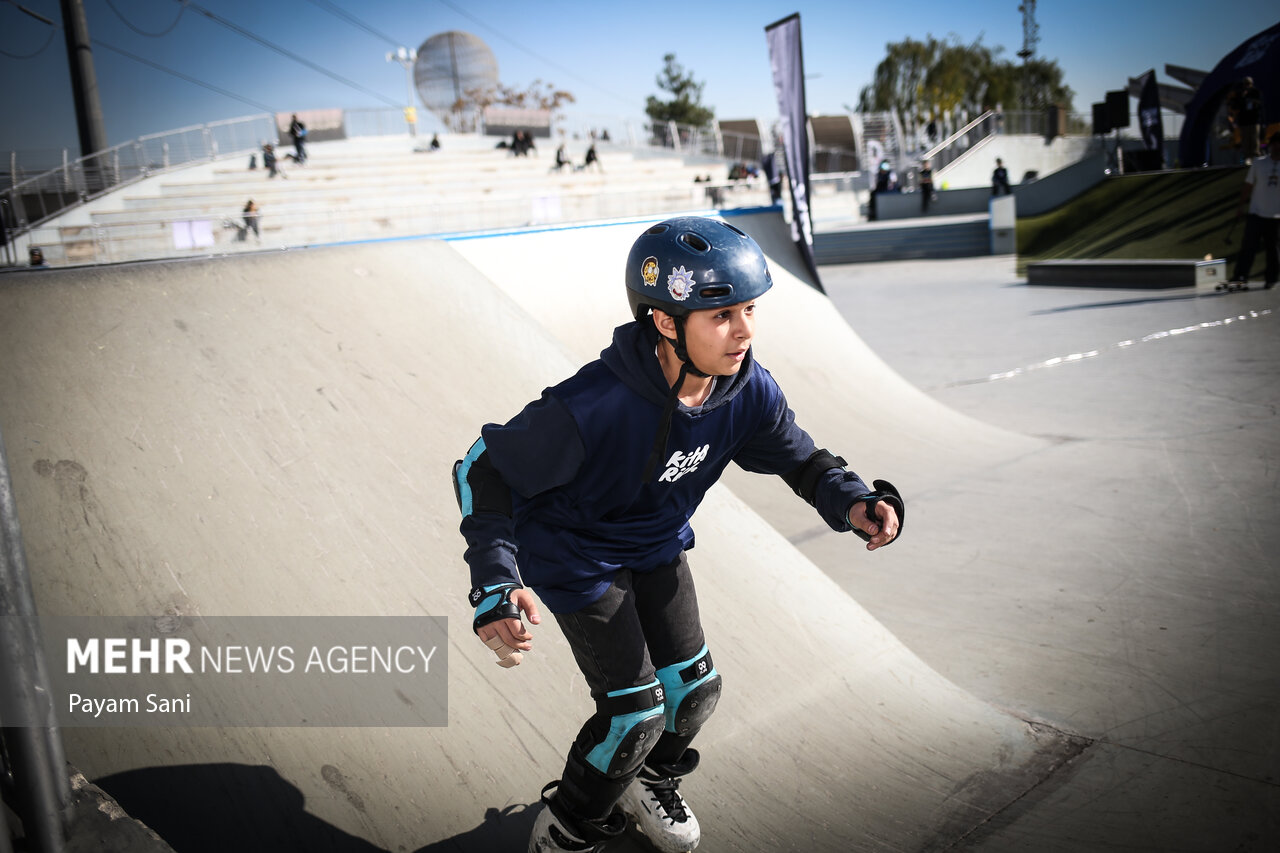
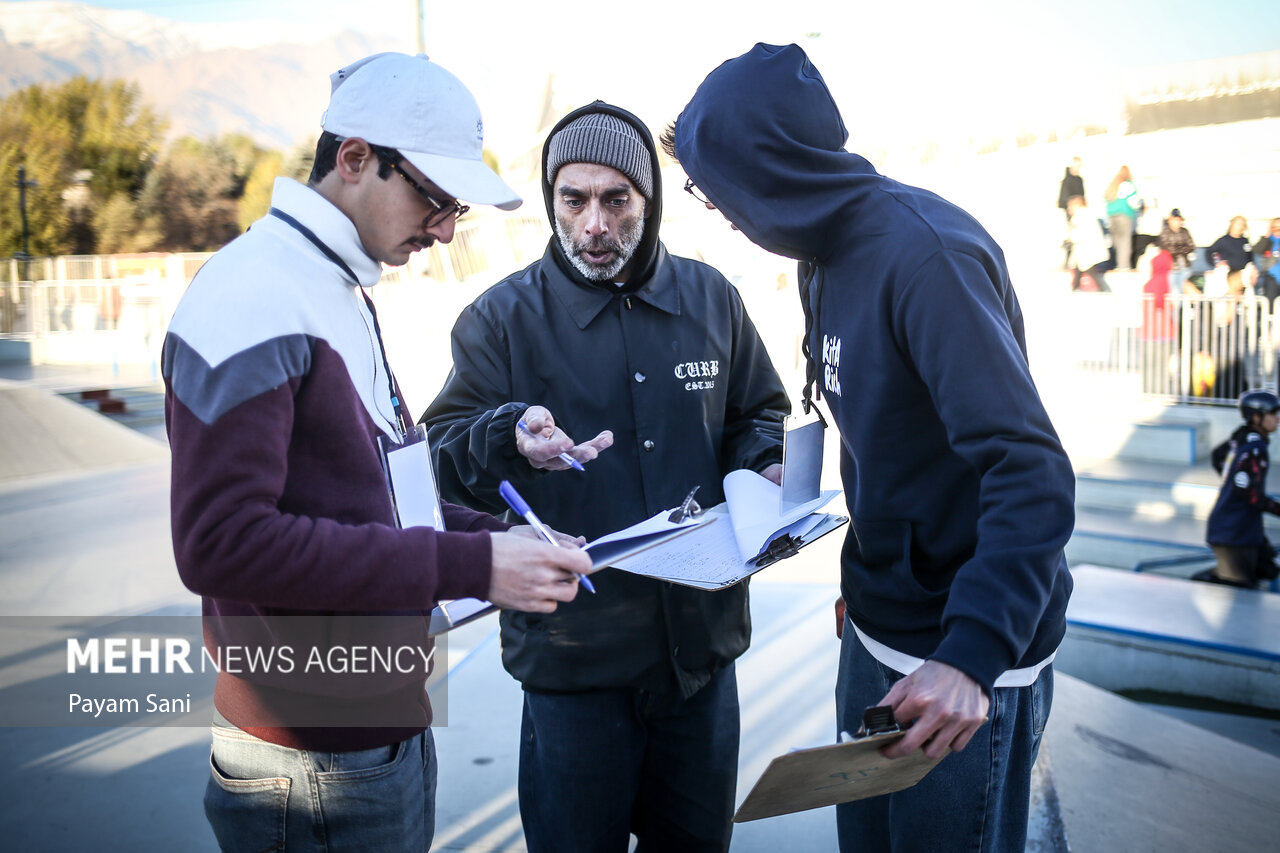
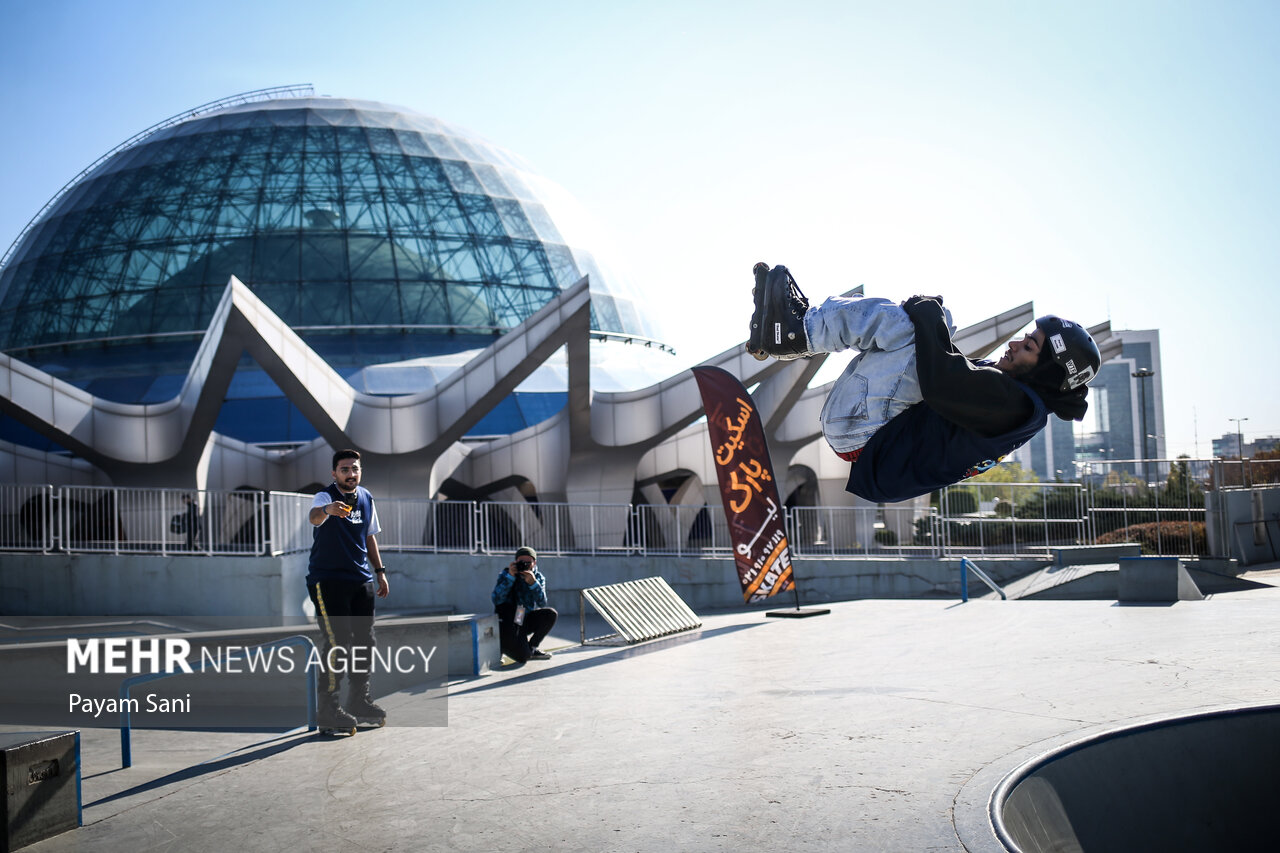
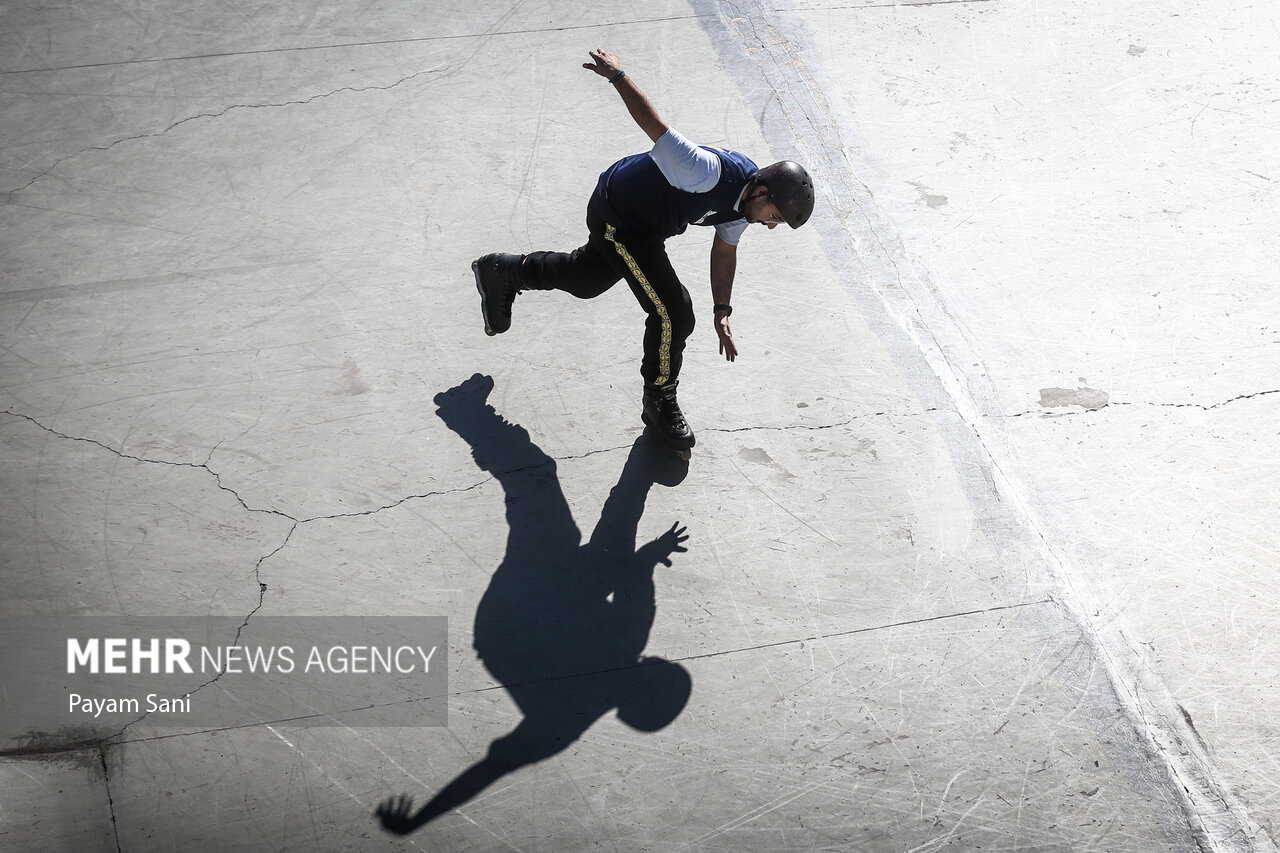
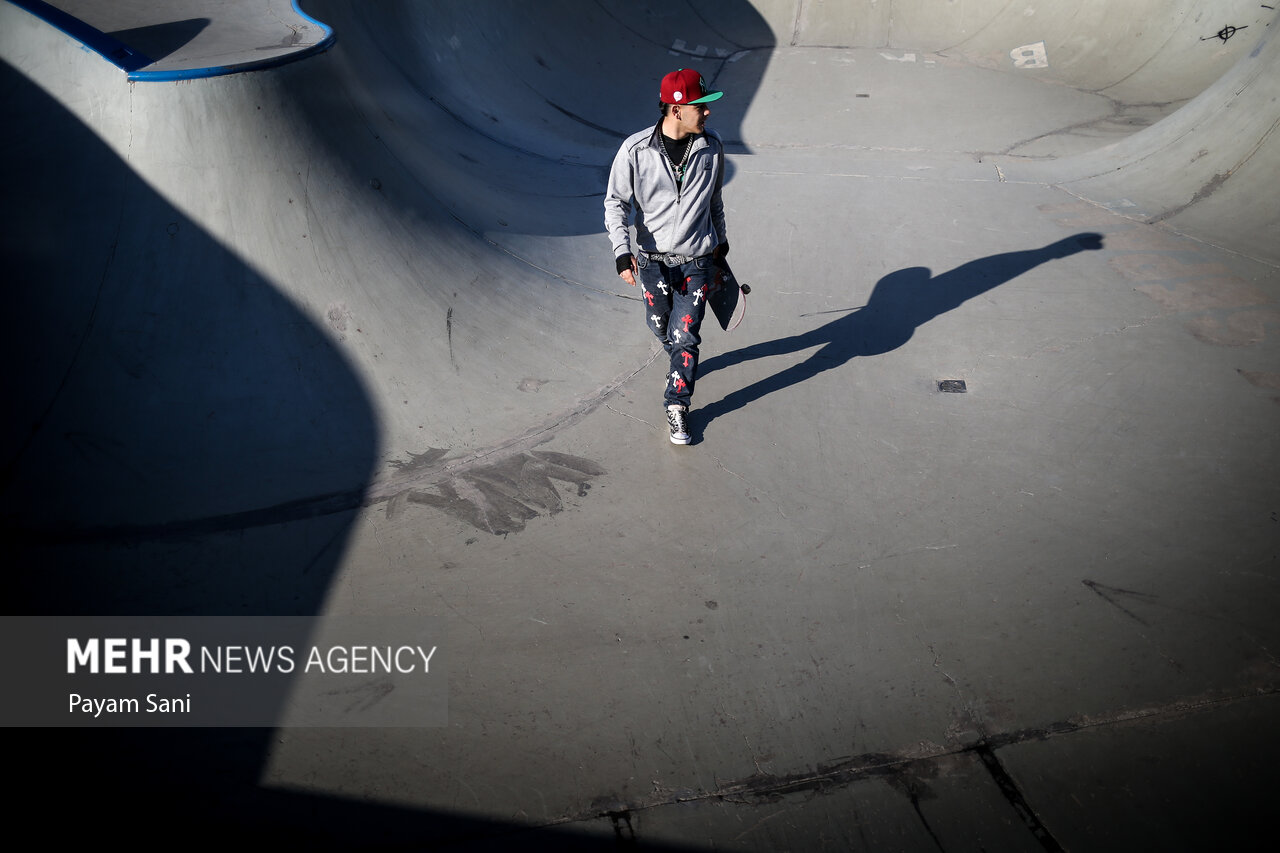
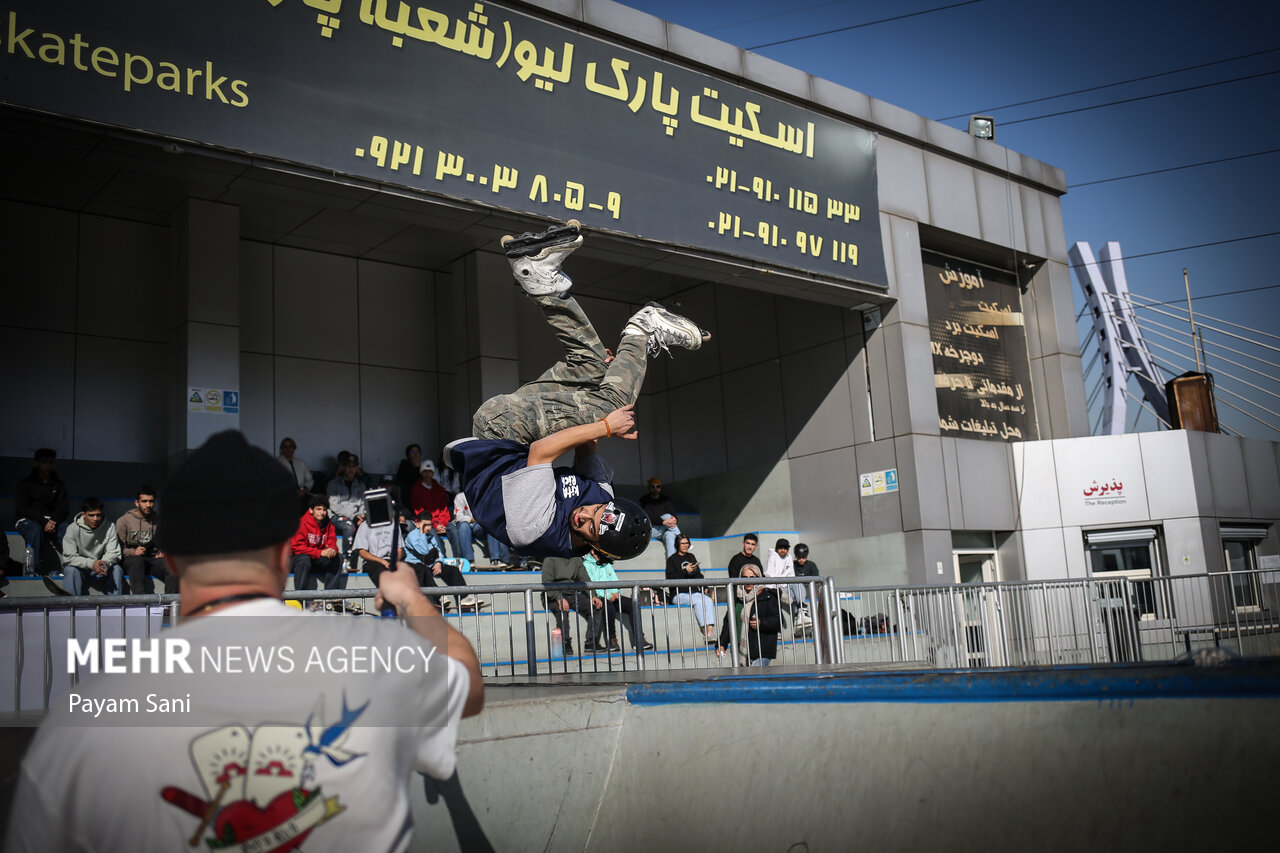
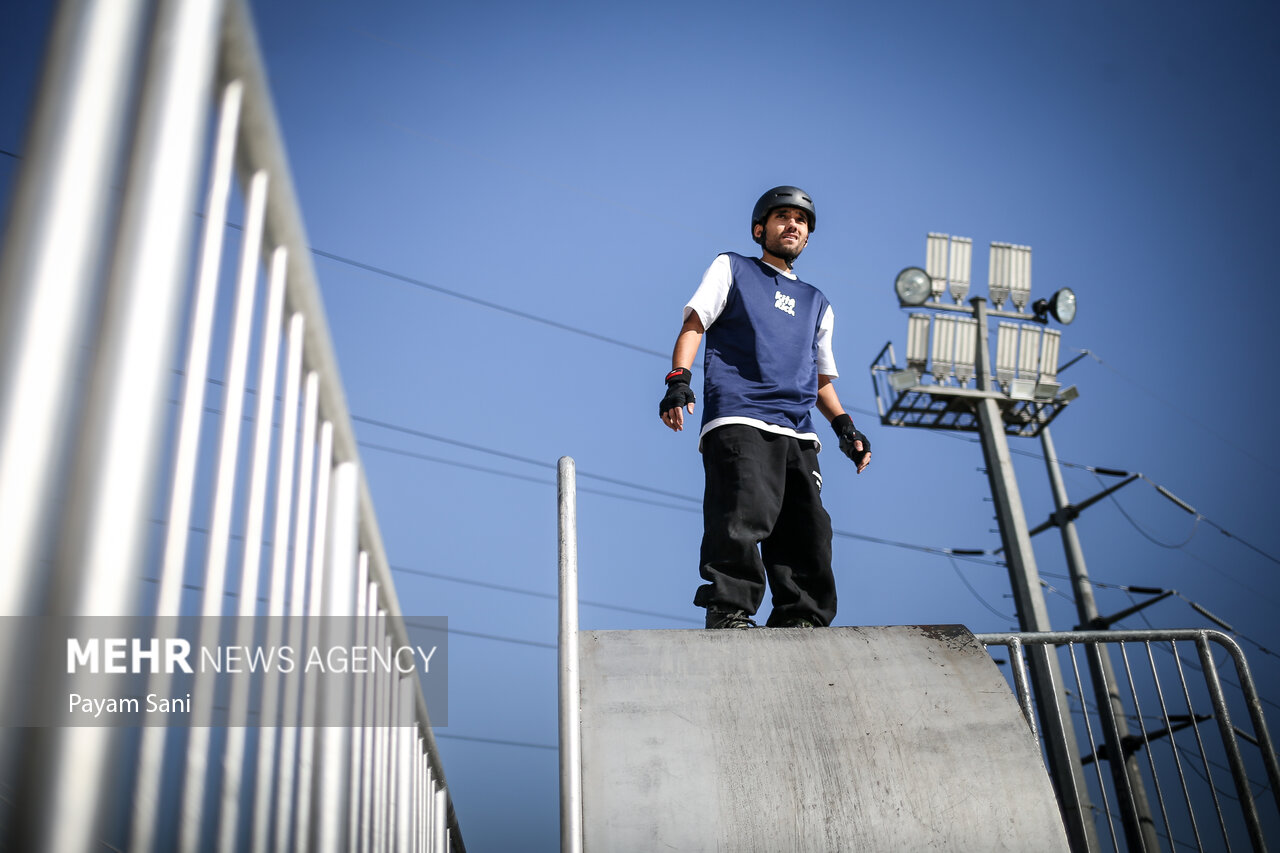
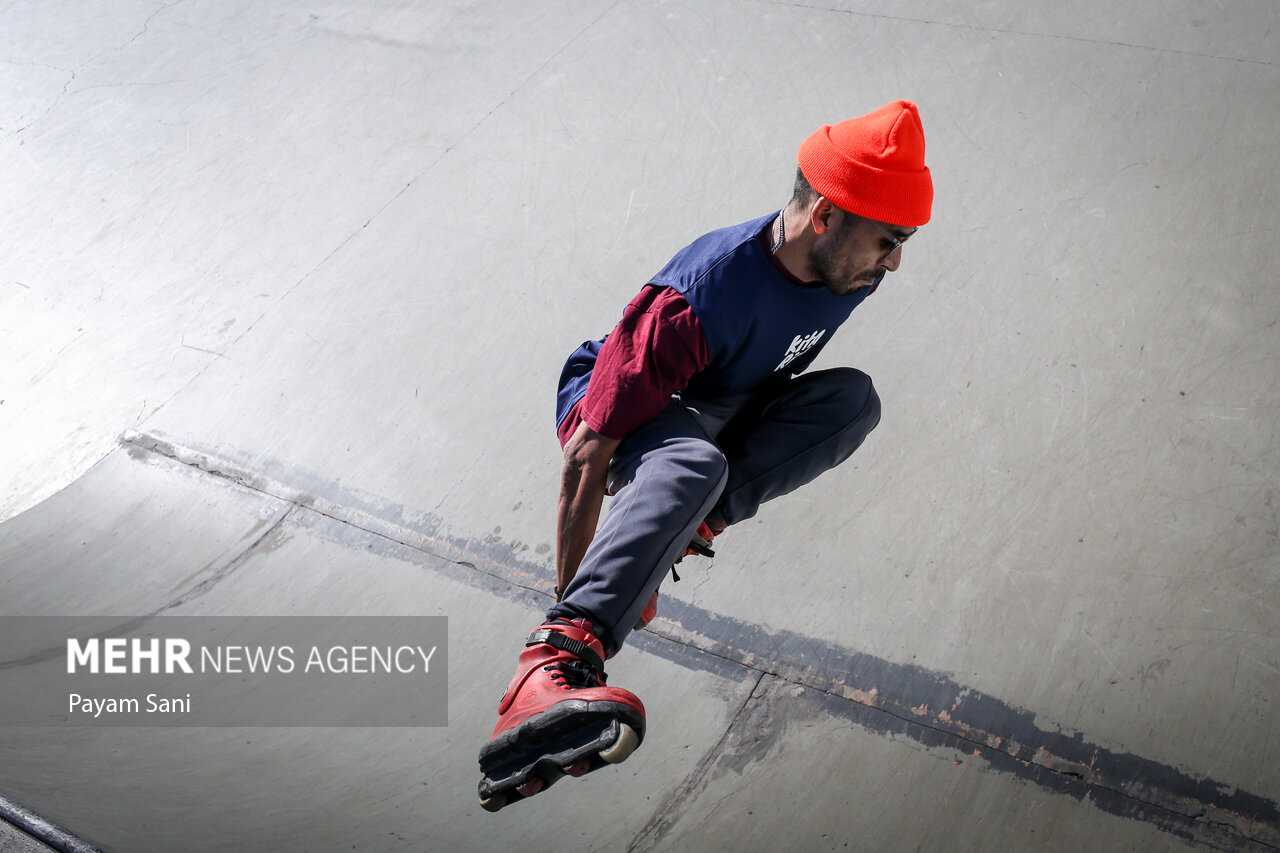
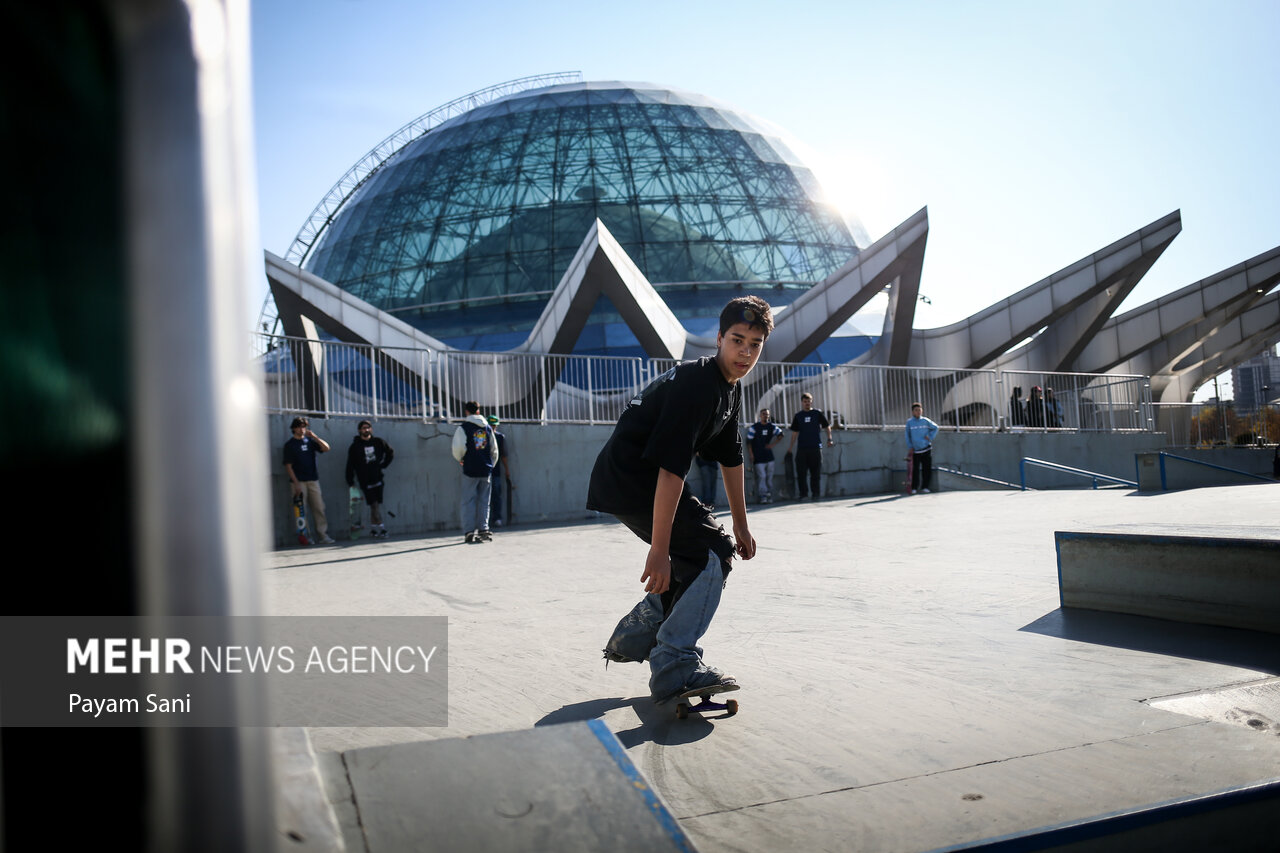
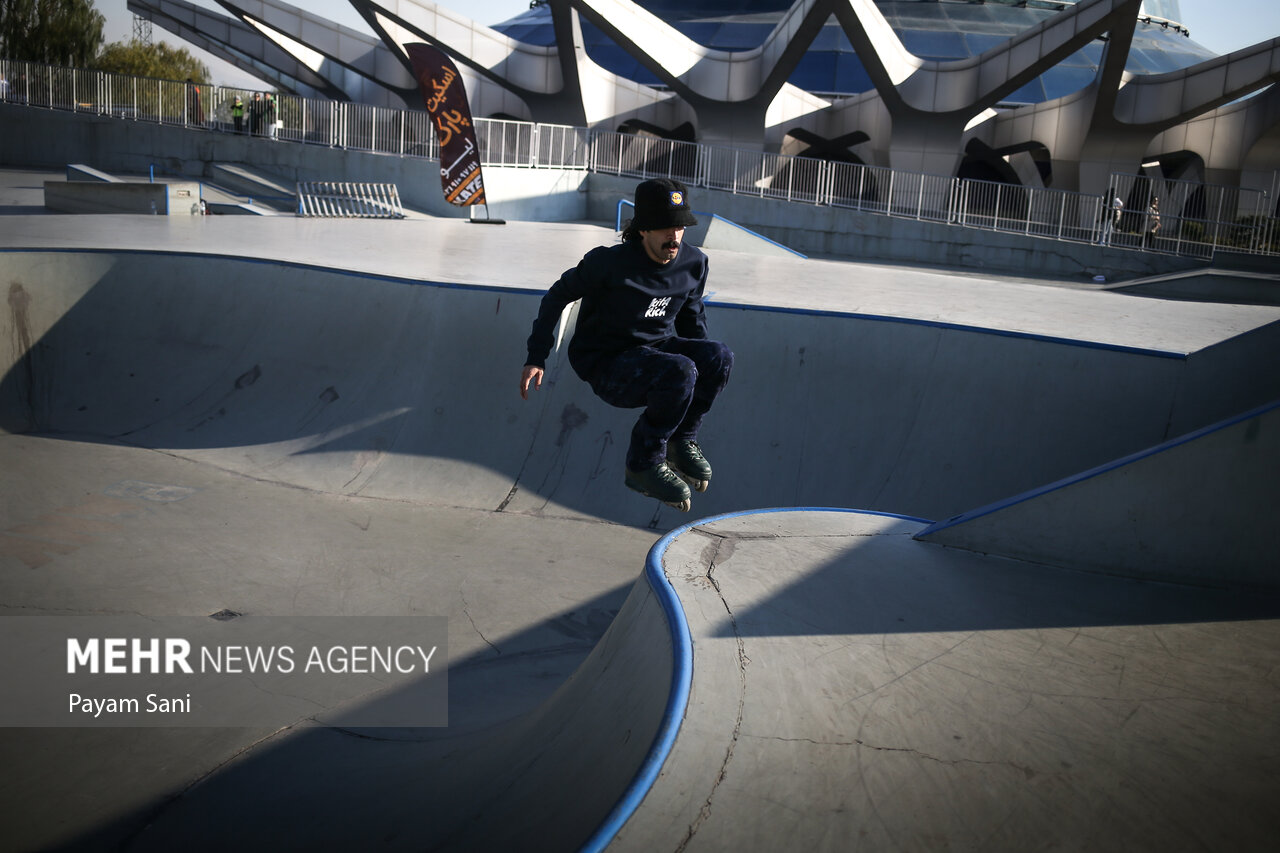
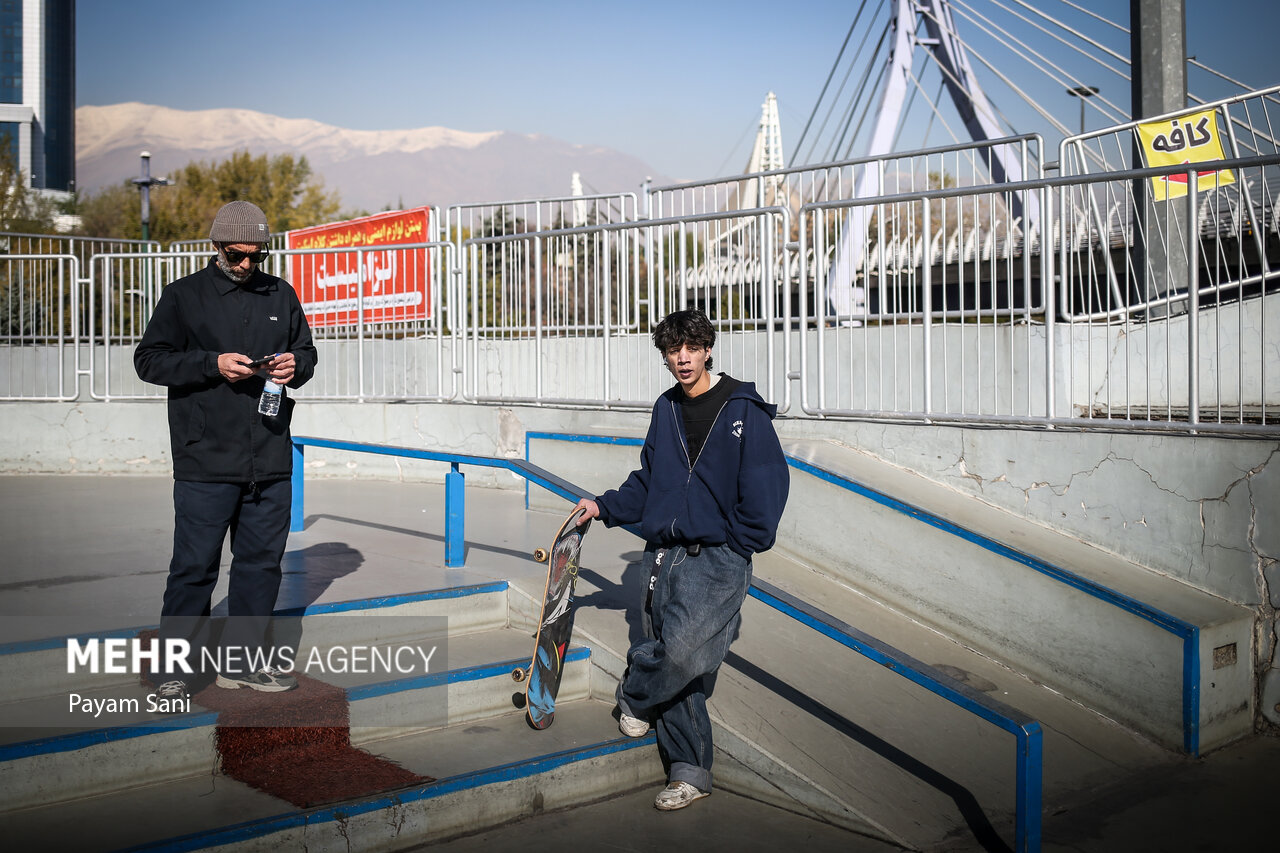
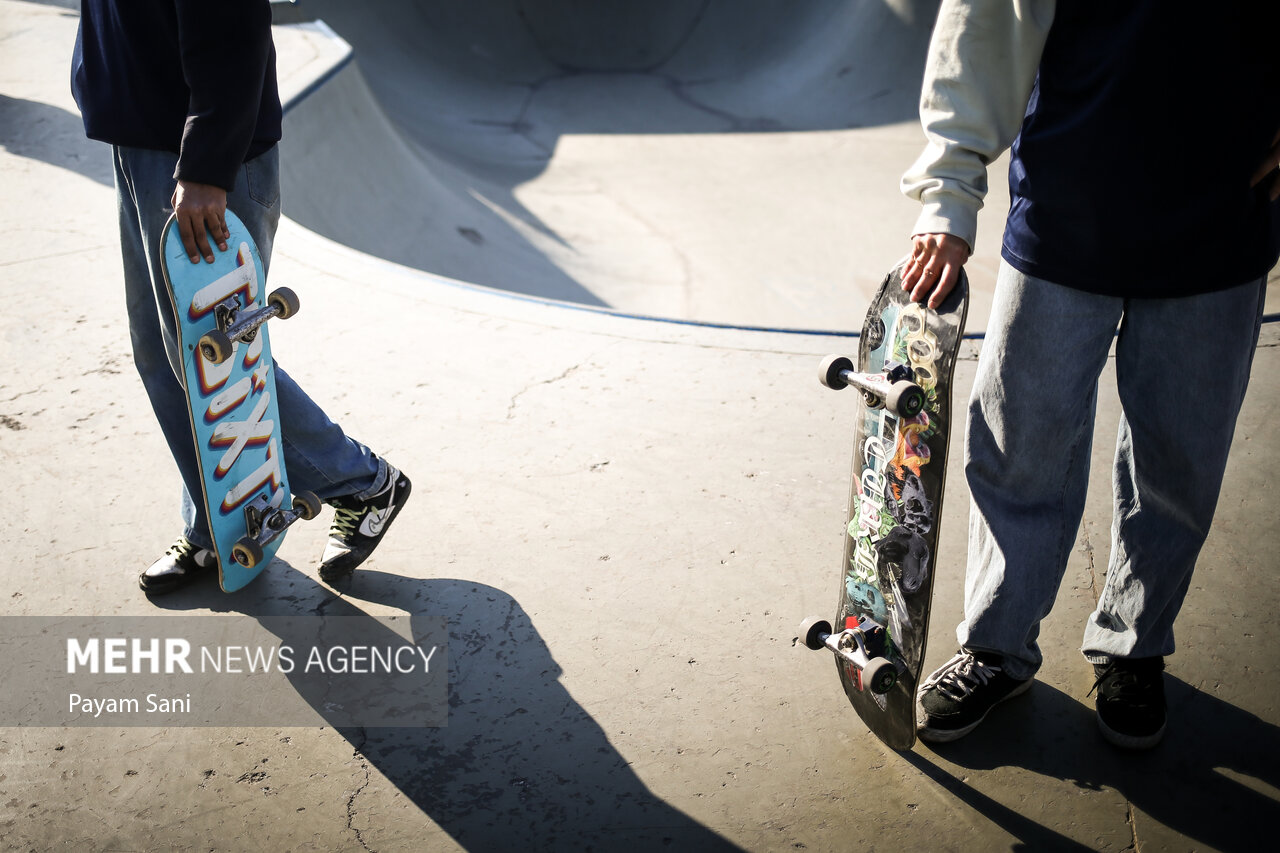
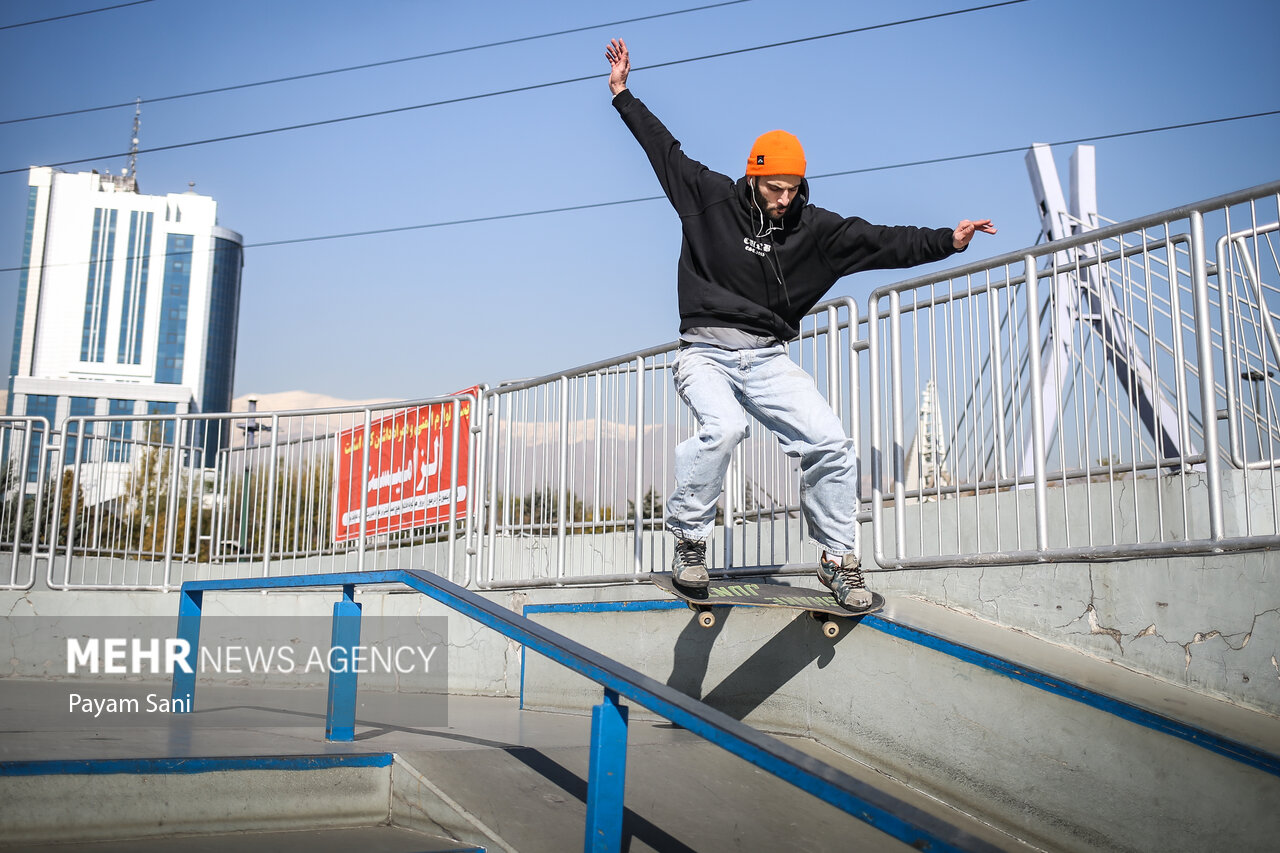
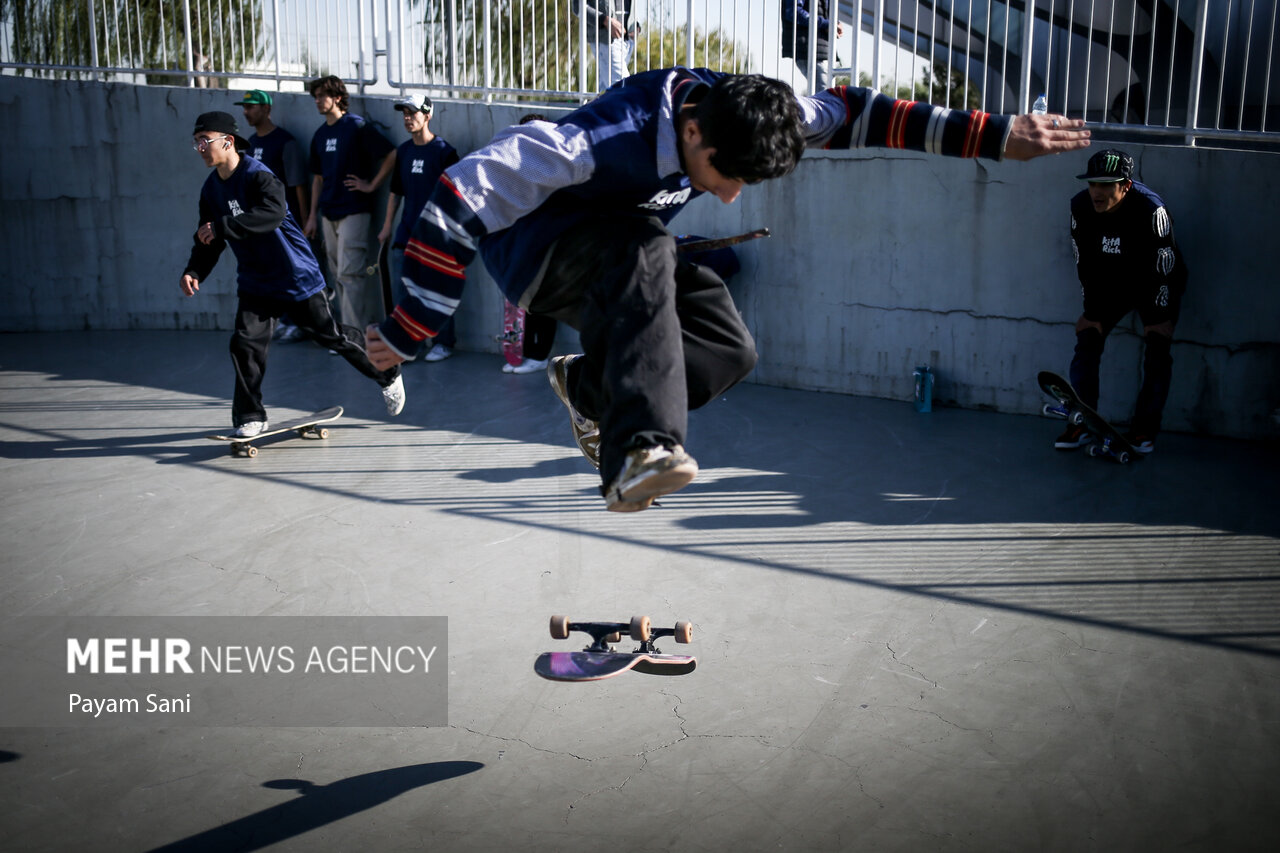
Pictures: Kitarich skate competitions held in Tehran

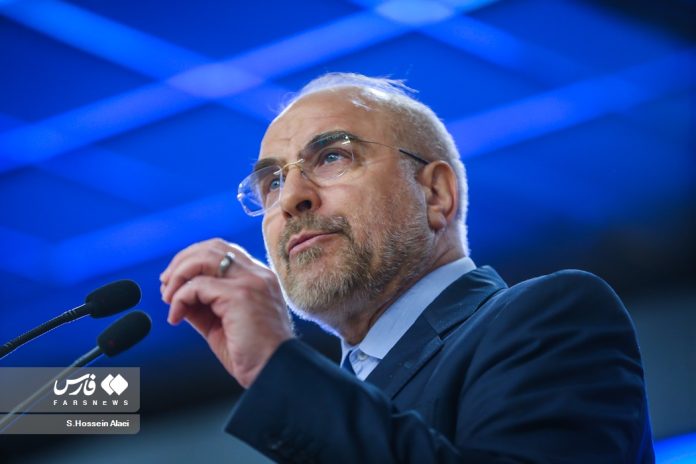
Parliament speaker vows Iran’s support for Syria amid terrorism resurgence

Bagher Ghalibaf

“The new movements of Takfiri-terrorist groups are part of the plot of the US and the illegitimate Zionist regime,” Qalibaf said on Friday in a post on his X account.

He urged the neighbors of Syria “to be vigilant and not to fall into their trap.”

“After defeating the Zionist regime, the Islamic Republic of Iran and the axis of resistance will support the Syrian government and people against the new conspiracy like in the past,” Qalibaf added.

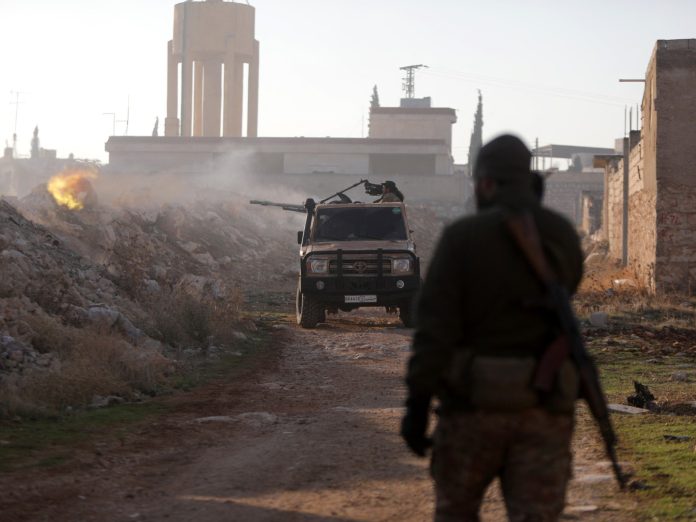
The Takfiri terrorists led by Hayat Tahrir al-Sham launched a large-scale attack in Aleppo and Idlib provinces in the northwest of Syria on Wednesday, seizing several areas, according to some reports.

Since then, the Syrian government forces have been engaged in fierce clashes with the terrorists to regain ground.

Earlier in the day, Iranian Foreign Minister Seyyed Abbas Araghchi held a phone conversation with his Syrian counterpart Bassam al-Sabbagh.

The Iranian diplomat termed the development “an American-Zionist design” that had ensued the Israeli regime’s defeats at the hands of resistance movements in Lebanon and throughout the Palestinian territories.

Araghchi also stressed the Islamic Republic’s continued support for the Syrian government, nation, and army towards fighting terrorism and protecting regional security and stability.

Since March 2011, Syria has been gripped by a campaign of militancy and destruction sponsored by the US and its allies.

In recent years, however, Syrian government forces, backed by Russia and Iran, have managed to regain control over almost all regions.

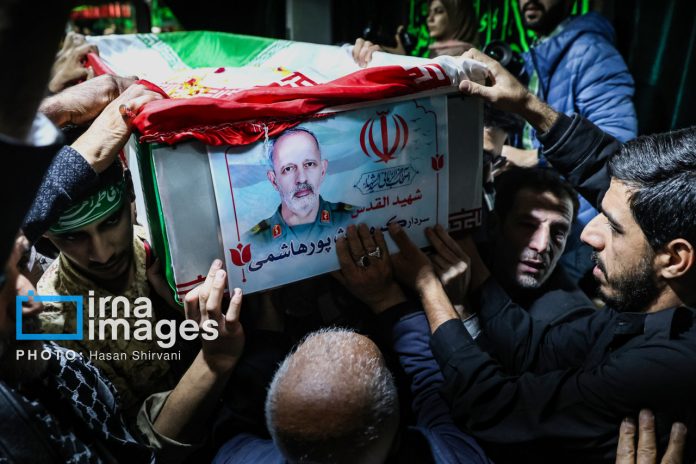
Funeral held for Iranian military advisor killed in Syria

Kiumars Pourhashemi

General Pourhashemi, a commander of the Islamic Revolution Guards Corps (IRGC) serving as a military adviser in Syria, was martyred in an attack by Takfiri terrorists on Aleppo on November 27.

The late general will be laid to rest at a Shiite shrine in northern Tehran after the funeral service.

Iran has had an advisory mission in Syria sanctioned by Damascus to combat foreign-backed militants since 2011.

Immediately after the conclusion of a ceasefire that put an end to months of Israeli aggression on Lebanon, the terrorist groups in Syria ramped up their assaults on government-held positions in the northwest of Syria.

Several people have been killed as terrorists have launched attack on Aleppo for the first time in years.

Iran calls for expulsion of Israel from UN Commission on Status of Women

Gaza War

Kazem Gharibabadi made the plea on Friday in letters to UN Secretary-General Antonio Guterres, President of the UN Economic and Social Council Bob Rae, Chair of the UN Commission on the Status of Women Abdulaziz al-Wasel, and UN High Commissioner for Human Rights Volker Turk.

Gharibabadi highlighted that Israel, which has turned Gaza into a killing field for civilians, especially women and children, undermines the credibility of international institutions and their ability to address crises and human threats effectively.

He pointed to statistics showing the extent of Israel’s brutal crimes against civilians in Gaza and Lebanon, questioning how any rational and conscientious person could accept Israel’s membership in an international body dedicated to women’s rights.

Gharibabadi noted the systematic destruction of Gaza’s educational system and the targeted killing of academics, teachers, and students.

He also urged the UN Economic and Social Council members to demonstrate their commitment to the UN Charter and human rights by preventing Israel’s continued membership in the Commission on the Status of Women, arguing that Israel should never be allowed to rejoin any human rights bodies, given its crimes against women and children.

Several Iranians killed in militants attack in Aleppo: Kayhan Daily

Syria War

In its Saturday edition, Kayhan reported, “In the past couple of days, several Iranians have been martyred in the war in Syria and Aleppo. Therefore, the ultimate and main target of the new war and the Aleppo sedition is Iran.”

Militants said on Friday they had reached the heart of Aleppo, after a surprise sweep through government-held towns nearly a decade after having been forced out of the city.

Kayhan argued, “The resistance fronts are the arms of Iran, our allies, and our friends. Attacking them is an attack on our capabilities.”

Besides the official news of the death of the commander of Iranian advisors in Aleppo, Brigadier General Kiumars Pourhashemi, no other official news has been released about the death of Iranian military forces in Tahrir al-Sham attacks on Aleppo.

Rebels make dramatic comeback in Syria, push into Aleppo city

Syria War

Since breaking out of opposition-held territory at dawn on Wednesday, rebels have charged through the Aleppo countryside, seizing around 50 towns and villages as well as a section of the strategic M5 highway, cutting off supply routes from Damascus.

On Friday, fighters took New Aleppo, a neighbourhood on the city’s western outskirts, and continued to move towards the centre.

Rebels told Middle East Eye that the offensive was in response to Syrian government attacks on opposition-held areas in Idlib and Aleppo provinces.

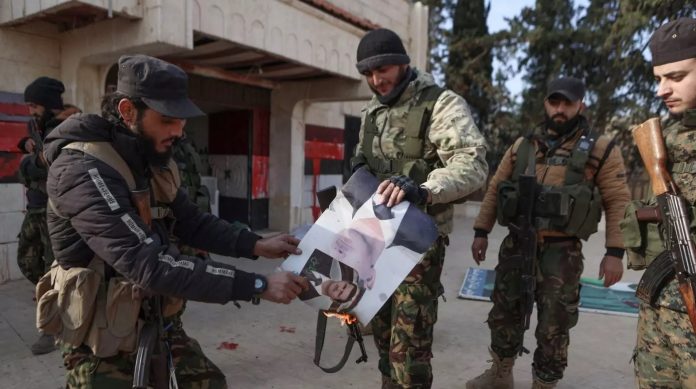
“Our fighters are now entering Aleppo city to liberate it from Assad and Iranian mercenaries and to return it to the Syrian revolution’s ranks,” rebel commander Lieutenant Colonel Hassan Abdul Ghani told MEE.

“We assure all the people of Aleppo that we will be their brothers, protecting them from Assad and Iranian abuses, and we will defend them with our souls,” he continued, adding, “We promise our compatriots in Aleppo city to give them a life of freedom and dignity.”

Rebels have taken several military bases and fortified positions, often with little resistance.

The offensive is led by Hay’at Tahrir al-Sham (HTS), a powerful hardline rebel faction. Other rebel groups, including some backed by Turkey, are also involved.

The Syrian Observatory for Human Rights, a UK-based activist group that monitors the war, estimated that around 250 fighters and soldiers have been killed on both sides since the offensive began.

The Syrian defence ministry announced its forces were facing a huge attack from rebel groups and that it has killed dozens of enemies.

Bodies line the roads of areas recently conquered by the rebels. Several of them have been seen wearing uniforms and insignia consistent with foreign fighters belonging to Iranian-backed paramilitary groups.

Meanwhile, rebel quadcopter drones were deployed above the frontlines, dropping paper notes encouraging soldiers to surrender or defect and supplying a hotline for them to do so.

“Those who choose to join our ranks and defect from the criminal Assad forces, we promise them safety,” stated Abdul Ghani.

The frontlines of Syria’s war have barely changed since 2020. A “de-escalation” agreement in 2019 between rebel-backer Turkey and Assad’s sponsors, Russia and Iran, appeared to create some stability and a long-term ceasefire.

Most of Idlib province has since been held by HTS, a former al-Qaeda affiliate, which has set up a civilian administration.

Turkey-backed rebel groups belonging to the Syrian National Army coalition have held sway in other areas of the north.

However, despite Russia being distracted by the war in Ukraine and Assad’s forces degraded by frequent Israeli attacks, Syrian and Russian warplanes have stepped up air strikes on opposition-held areas since August 2023.

Meantime, Assad’s government used the stability to make diplomatic inroads, normalising relations with several regional countries and rejoining the Arab League.

That stability now appears badly undermined. Aleppo is Syria’s second city and became an opposition stronghold following the outbreak of the revolution in 2011. Its 2016, capture by Assad’s forces was highly symbolic.

Meanwhile, rebels have now cut the M5 highway, isolating Aleppo and other Assad-held areas of the north from Damascus and major urban centres.

Rebels have also seized a large amount of weapons and equipment, including tanks, artillery, small combat drones, and ammunition.

On Friday, they announced complete control of Saraqib, a key town on the crossroads where the north-south M5 highway meets the east-west M4.

Mohamed Belaas, a pro-democracy activist who has been following developments near the frontline, told MEE that civilians across rebel-held areas are celebrating the offensive.

More than five million people live in opposition-held northern Syria, often in extreme poverty, with international aid becoming more infrequent. Around two million of those live in informal camps after being forced to flee other parts of the country due to persecution or attacks by pro-Assad forces.

Belaas added that there are no words to describe the “uplifting feeling” of civilians, some of whom are returning to homes they were displaced from but have now come under rebel control.

The activist, who was originally displaced from eastern Idlib, said that he had never seen the rebels operate in such an organised manner.

“It’s hard to describe the fierce fighting of the rebels, who are advancing to their homes under heavy shelling and Syrian and Russian air strikes over them,” he told MEE.

“The morale of the rebels played a key role in seizing the enemy lines that have been fortified for years,” he continued, adding, “There are also noticeable practices in dealing with captured fighters, treating them in a humanitarian way to encourage others to defect and surrender.”

Saudi Arabia abandons US defense pact over Palestinian statehood ‘stalemate’: Report

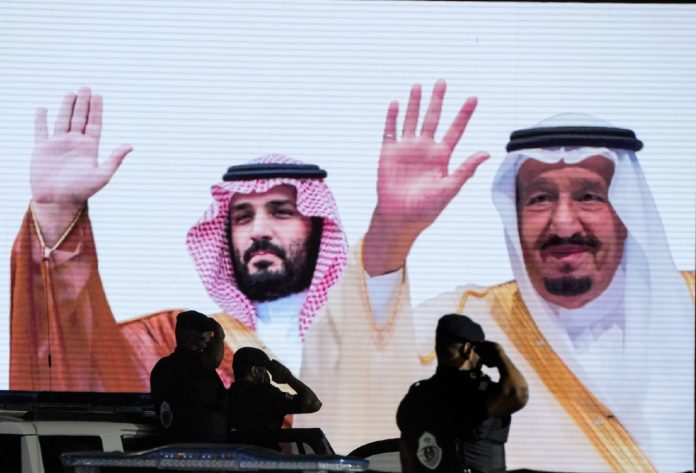
MbS King Salman

In a drive to get a wide-ranging mutual security treaty over the line earlier this year, Riyadh softened its position on Palestinian statehood, telling Washington that a public commitment from Israel to a two-state solution could be enough for the Persian Gulf kingdom to normalise relations.

But with public anger in Saudi Arabia and the wider Middle East at fever pitch over Israel’s military actions in Gaza, Crown Prince Mohammed bin Salman has again made recognition of Israel conditional on it taking concrete steps to create a Palestinian state, two Saudi and three Western sources said.
Israeli Prime Minster Benjamin Netanyahu is still eager to secure normalisation with the Saudi powerhouse as a historic milestone and a sign of broader acceptance in the Arab world, Western diplomats stated.
But he faces overwhelming opposition at home to any concessions to the Palestinians following the Oct. 7 Hamas attacks and knows any gesture in the direction of statehood would fracture his ruling coalition, they added.

With both leaders shackled for now by their domestic powerbases, Riyadh and Washington hope a more modest defence pact could be sealed before President Joe Biden leaves the White House in January, the sources noted.

A full-blown U.S.-Saudi treaty would need to pass the U.S. Senate with a two-thirds majority – and this would be a non-starter unless Riyadh recognises Israel, the six sources announced.

The pact now under discussion would involve expanding joint military exercises and drills to address regional threats, mainly from Iran. It would foster partnerships between U.S. and Saudi defence firms, with safeguards to prevent collaboration with China, the sources said.

The agreement would promote Saudi investment in advanced technologies, especially drone defence. The U.S. would increase its presence in Riyadh through training, logistics and cyber security support, and may deploy a Patriot missile battalion to enhance missile defence and integrated deterrence.

But it would not be the kind of binding mutual defence treaty that would oblige U.S. forces to protect the world’s biggest oil exporter in the event of foreign attack.

“Saudi Arabia will get a security deal which will allow more military cooperation and sales of U.S. weapons, but not a defence treaty similar to that of Japan or South Korea as initially sought,” stated Abdelaziz al-Sagher, head of the Gulf Research Institute think-tank in Saudi Arabia.

The picture is complicated further, however, by the impending arrival of Donald Trump in the White House.

While Trump’s plan to resolve the Israeli-Palestinian conflict excludes any provisions for Palestinian statehood or sovereignty, he is a close ally of the Saudi crown prince.

Palestinian and some Arab officials worry that Trump and his son-in-law Jared Kushner – architect of the “Deal of the Century” and also a close ally of the crown prince – may ultimately persuade him to support the plan.

How the prince reconciles Saudi priorities with this shifting diplomatic landscape will be pivotal, defining both his leadership and the future of the peace process, diplomats added.

The current U.S. administration has not given up hope for a deal on security guarantees before Biden leaves office in January, but a number of obstacles remain. One person in Washington familiar with the talks said there was reason to be sceptical about whether there was enough time to strike a deal.

U.S. officials are mindful that the kingdom is still interested in formally cementing the guarantees it has been seeking, especially to gain access to more advanced weapons, but are uncertain whether it would prefer to get it done under Biden, or wait for Trump, the source added.

“We continue to discuss and have many lines of effort on the table (with the Saudis),” the U.S. official stated.

A defence treaty giving Saudi Arabia U.S. military protection in exchange for recognising Israel would reshape the Middle East by uniting two long-time foes and binding Riyadh to Washington at a time when China is making inroads in the region.

It would allow the kingdom to shore up its security and ward off threats from Iran and its Houthi allies, to avoid a repeat of the 2019 strikes on its oil facilities, which Riyadh and Washington both blamed on Tehran. Iran has denied any role.

A senior Saudi official said the treaty was 95% complete but Riyadh opted to discuss an alternative agreement, given it was not doable without normalisation with Israel.

Depending on the format, a scaled-down cooperation agreement could be approved without going through Congress before Biden leaves office, two of the sources said.

There were other stumbling blocks in the negotiations to secure a mutual defence treaty.
For instance, there was no progress in the talks about civil nuclear cooperation because Saudi Arabia refused to sign a so-called 123 Agreement with the U.S. that would have denied Riyadh the right to nuclear enrichment, the six sources said.

Saudi objections to articles related to human rights proved to be another area of disagreement, one Saudi source close to the talks told Reuters.

While the Saudi leadership strongly advocates Palestinian statehood, it remains uncertain, according to diplomats, how the crown prince would respond if Trump revives the deal he floated in 2020 to resolve the Israeli-Palestinian conflict.

The plan marks a dramatic shift in U.S. policy and international agreements by overtly aligning with Israel and deviating sharply from the long-standing land-for-peace framework that has historically guided negotiations.

It would allow Israel to annex vast stretches of land in the occupied West Bank, including Israeli settlements and the Jordan Valley, and recognises Jerusalem as the “undivided capital of Israel” – effectively denying Palestinian claims to East Jerusalem as their capital, a central aspiration in their statehood goals and in accordance with U.N. resolutions.

By legitimising Israeli annexations, the Trump plan is viewed by many as a severe blow to the two-state solution and Palestinian hopes of statehood.

Saudi officials insist that the creation of a Palestinian state in accordance with previous international agreements, including East Jerusalem as its capital, remains an essential condition for long-term regional peace and stability.

Without it the cycle of violence will continue to jeopardise any normal relations, they say.
“How can we imagine a region integrated if we sidestep the Palestinian issue?” a senior Saudi official said, adding, “You can’t prevent the Palestinian right to self-determination.”

And in some of the harshest criticism of Israel since the start of the Gaza war, the Crown Prince Mohammed called Israel’s military actions in Gaza “collective genocide” in his address to an Arab and Islamic summit in Riyadh this month.

The potential for Saudi normalisation with Israel, however, could be revisited in the future, perhaps once the dust settles after the Gaza war – and possibly under a different Israeli government, diplomats said.

Fawaz Gerges, a Middle East expert at the London School of Economics, stated Trump would leverage all possible avenues to secure historic normalisation between Saudi Arabia and Israel.

“For Trump, Saudi Arabia is the big prize,” added Gerges.

“As to how normalisation could happen despite repeated Saudi leaders insistence they will not recognise Israel until a real path to a Palestinian state is set, Trump could promise a ceasefire in Gaza in return for normalisation and tentative promise to support a Palestinian state, without obliging Israel to make any real concessions to the Palestinians.”

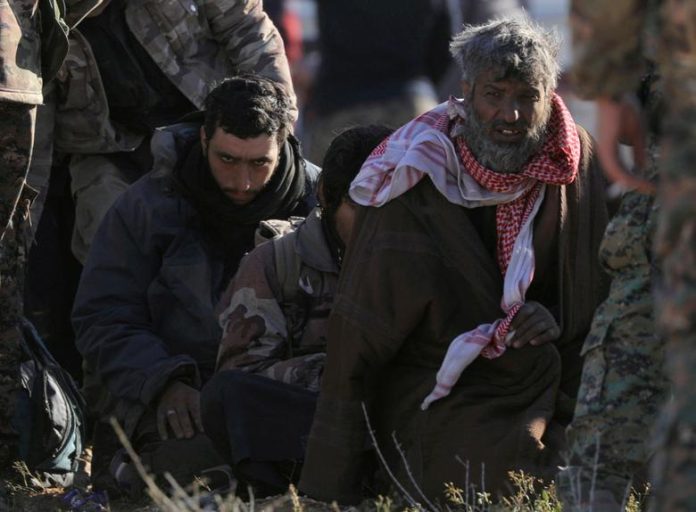
Iran engages in talks with European diplomats on nuclear issue, sanctions relief

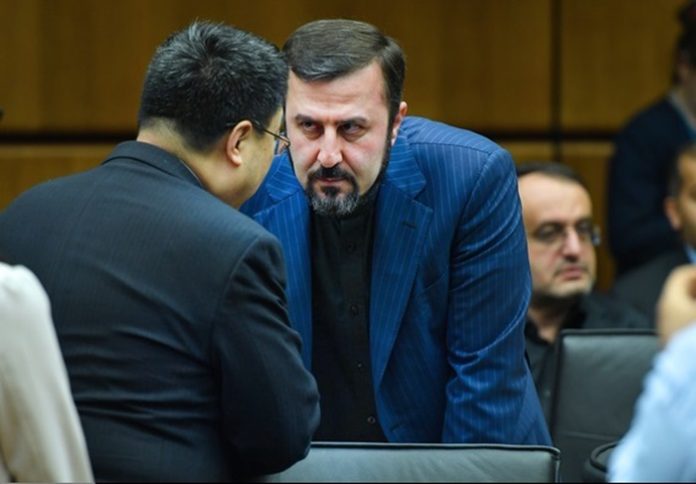
He added that the discussions focused on recent bilateral, regional, and international developments, particularly the nuclear issue and sanctions relief.

Gharibabadi underscored Tehran’s strong commitment to protecting Iranian people’s interests, highlighting dialogue and engagement as the preferred path.

He confirmed that both sides agreed to continue diplomatic discussions in the near future.

Ahead of the Friday meeting, the Iranian deputy foreign minister held talks with Enrique Mora, the EU deputy foreign policy chief in Geneva on Thursday.

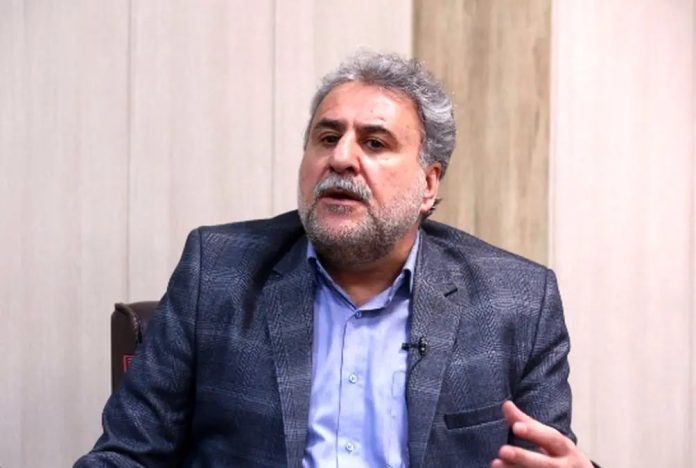
Former Iranian MP warns against threatening Europe with nukes

Falahatpisheh noted that Europeans have lived under the shadow of Russian nuclear threats for three years and warned that such rhetoric undermines Iran’s diplomatic opportunities, particularly with the US under incoming president Donald Trump.

“You are merely eliminating the minimum opportunity for diplomacy with Trump, to the benefit of Israeli Prime Minister Benjamin Netanyahu’s claims”, Falahtpisheh underlined.

The former MP also said over the next four years, the main party in conflict with Iran will be the US.

Some members of Iran’s parliament have called for a shift in the Islamic Republic’s nuclear doctrine, advocating withdrawal from the Treaty on the Non-Proliferation of Nuclear Weapons (NPT) and the production of atomic bombs, which they view as a deterrent against Israel.