Friday, December 26, 2025
Home Blog Page 598

Iran says to increase inspections as nuclear capacity expands

IAEA

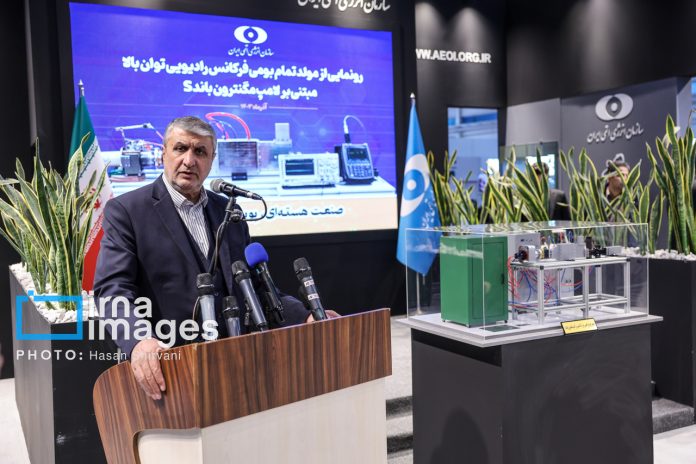
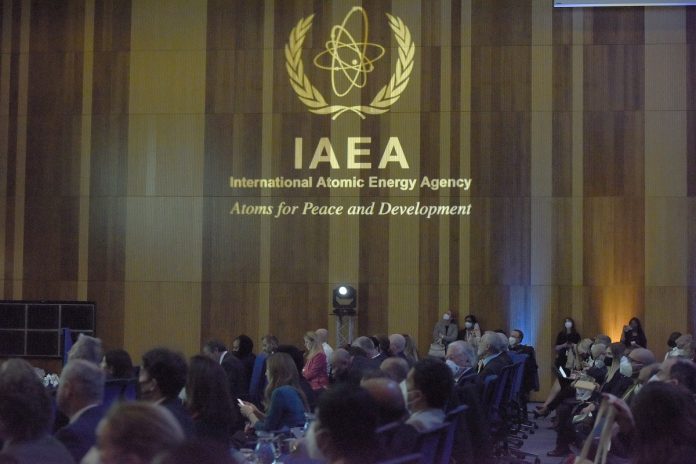
Speaking at the unveiling of a new high-power radio frequency generator on Saturday, Mohammad Eslami said that Iran’s nuclear activities comply with the IAEA regulations and safeguard agreements.

“We have expanded our capacity, and naturally, the number of inspections must increase,” he stated.

Eslami noted the country aims to generate 20,000 megawatts of electricity from nuclear power by 2040, adding that the Bushehr nuclear power plant has connected 70 billion kilowatt-hours of electricity to the national grid so far.

He highlighted the environmental benefits of nuclear energy as “clean and sustainable,” explaining, “A single uranium fuel pellet produces as much thermal energy as 481 cubic meters of gas or one ton of coal.”

Elsami criticized the Western allegations against Iran’s nuclear program, calling them unfounded, saying, “This is a long-standing propaganda effort by Zionist entity, which has never succeeded.”

The Iranian atomic chief also mentioned that Iran’s cooperation with the IAEA continues under the framework of the Non-Proliferation Treaty (NPT) and the agency’s safeguards agreements.

He asserted that Iran has provided necessary clarifications to the IAEA regarding previously disputed sites.

EU seeking to impose first sanctions on Russian intelligence over “disinformation campaigns”: Report

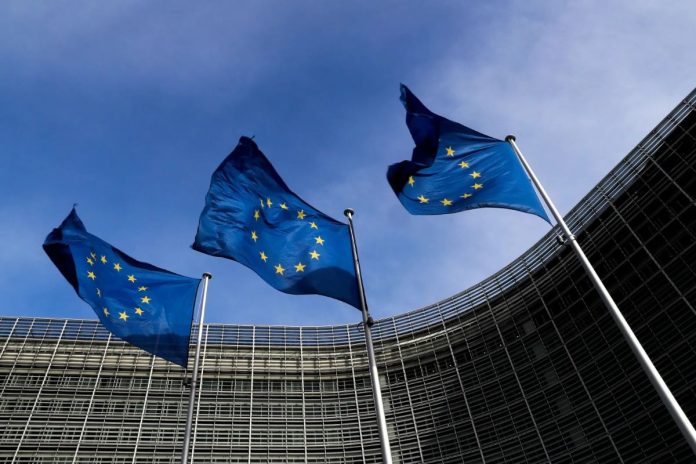
The European Union

The proposed measures target more than a dozen individuals and three entities, including Russian intelligence officers and media entrepreneurs, according to Bloomberg. The sanctions aim to counter destabilizing operations globally.

In addition, the EU plans to sanction around two dozen Belarusian individuals for alleged human rights violations or ties to President Alexander Lukashenko’s government, as part of a broader package expected to be approved by EU foreign ministers on Dec. 16 in Brussels.

The proposals follow EU ambassadors’ approval of a 15th sanctions package against Russia, targeting its “shadow fleet” of aging tankers used to bypass oil export restrictions, the Hungarian Presidency of the EU Council announced on Dec. 11.

The sanctions also apply to individuals and entities aiding Russia’s military and technological advancements by evading export controls.

European Commission President Ursula von der Leyen praised the move, wroting on X, “…the EU and its G7 partners are committed to keeping pressure on the Kremlin.”

Nuclear head says Iran producing dozens of radiopharmaceuticals using domestic technology

Mohammad Eslami

Eslami made the remarks on Saturday during the unveiling of a new achievement by the Iranian Research Institute for Nuclear Sciences and Technologies, titled the indigenously developed high-power radio frequency generator, at the Technology Market Exhibition in Tehran.

He added that this system includes the main and essential components of electron accelerators, which are urgently needed in the country.

Eslami highlighted the importance of collaboration among the Research Institute for Nuclear Sciences and Technologies, knowledge-based companies, and universities in Iran in the nuclear field, stating that this process will continue.

According to Eslami, the achievement unveiled has applications in various fields, including medical radiotherapy, imaging of customs container shipments, and industrial imaging.

Regarding Iran’s achievements in the field of radiopharmaceuticals, he stated that today the Atomic Energy Organization is providing consumers in hospitals and radiotherapy centers with 69 domestically-made radiopharmaceutical products.

Eslami emphasized that 20 radiopharmaceuticals are currently under research at the Research Institute for Nuclear Sciences and Technologies, many of which have entered the clinical phase and will be made available after completing the clinical stages.

The Iranian atomic chief pointed out these radiopharmaceuticals are used in treating and combating cancer cells.

Majority of Turks see Assad’s overthrow as positive: Poll

Syria War

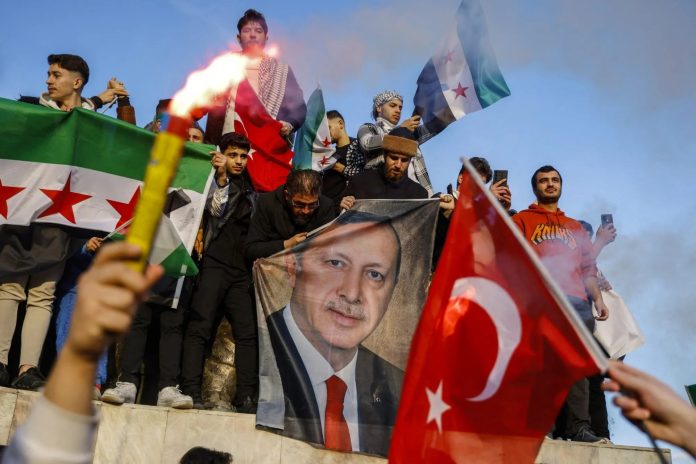
Just over 51 percent of respondents said they were satisfied with the collapse of the Assad dynasty, while 27 percent expressed neutrality on the matter.

The poll was carried out by Stracom, a research and consultancy firm, between December 8 and 11.

Since the start of the Syrian war, the Turkish government, led by President Recep Tayyip Erdogan, has been a key backer of the the Syrian opposition, which spent close to 14 years trying to depose Assad.

In contrast, the Turkish opposition has periodically urged the president to engage with Assad to resolve the Syrian crisis.

One of the most pressing issues for Turkish society has been the presence of more than three million Syrian refugees, who Turkey has hosted for more than a decade.

Despite considerable pressure from his party and electorate, Erdogan stood by the refugees before the critical May 2023 presidential elections, declaring that he would not forcibly send them back.

However, since last year, Turkey’s new interior minister, Ali Yerlikaya, has sporadically deported Syrians to Turkish-controlled areas in northern Syria in an effort to reduce their numbers.

The poll revealed that 61 percent of participants believe Syrian refugees would return to their homes now that Assad has been overthrown.

Last week, Yerlikaya mentioned that the number of Syrians leaving Turkey has doubled since Assad’s fall, as Ankara opened a new border gate in Hatay to expedite the return of refugees.

Many analysts credit Erdogan with being a pivotal actor behind Assad’s overthrow.

However, only 43 percent of respondents in the survey attributed this success to Erdogan.

Ceren Kenar, the founder and general manager of Stracom, said that Erdogan could leverage the fall of Assad to his advantage in domestic politics, given that a plurality perceives him as successful in this regard.

The poll also highlighted regional concerns. Over a third of participants expressed anxiety about a potential increase in Israel’s influence in the region following Assad’s fall, while more than 43 percent indicated they were undecided on the subject.

“There is a concern amongst some respondents that Israel might exploit the situation in Syria and expand its influence in the region,” Kenar told Middle East Eye.

“This sentiment is particularly pronounced even amongst those who view the regime’s fall positively,” Kenar continued.

Kenar also noted that Assad’s fall has sparked newfound expectations that Syrian refugees will return soon.

“If this does not happen within a short time frame, it could further exacerbate tensions within Turkish society,” she added.

Syria facing tough test: Iran

Abbas Araghchi

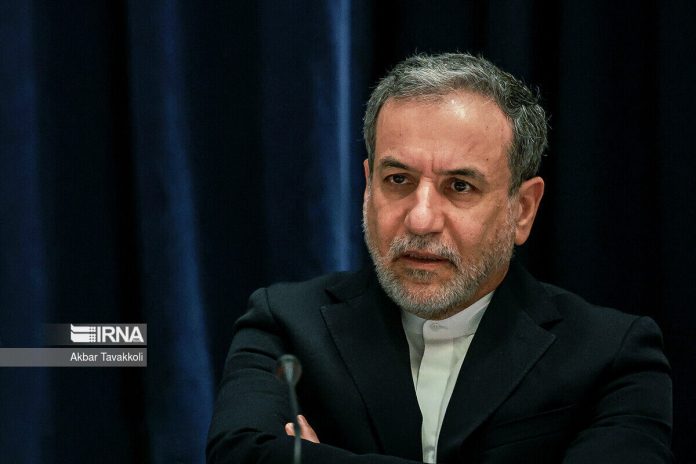
“Today, Syria faces a difficult test. The threat posed by the movements of terrorist groups such as al-Qaeda and Daesh has heightened regional concerns, raising fears that the terrorists may turn Syria into their safe haven,” wrote Araghchi in a note published by the Lebanese daily Al-Akhbar on Saturday.

The “aggressions and military interventions” by the Zionist regime, the US, and their regional allies have created significant challenges, he added.

Araghchi termed the interventions as “irreparable strategic miscalculations” that expose the objective behind them.

“The clear objective of these aggressions and interventions is the destruction of Syria’s social foundations, scientific assets, economic infrastructure, and defensive capabilities,” he said.

“There is no doubt that the Islamic world is extremely worried about the future of the West Asian region, given the conditions that the Levant and Palestine are in.”

The minister touched on the expansion of the Israeli regime’s “barbaric crimes” and their extension to Syria, which began immediately after the fall of the Assad government.

“A question to ask is who is responsible for Israel’s encroachment on the territory that is internally struggling with the difficult conditions of the fall of one government and the birth of another!?” he wrote.

Araghchi chastised the regional countries, saying their expressions of regret and concern are “the most meaningless words used in the rhetoric of many states responsible for shaping the fate of the people of West Asia”.

For over seventy-five years now, he said, the resistance has been “the only viable solution available to the children of this region in the face of the blatant aggression of the Zionist regime and the overt support of irresponsible states for the ongoing atrocities.”

The Iranian foreign minister proposed “free elections” as a solution to the current impasse.

“The way out of the current impasse and to keep the flag of independence aloft and uphold the pride and dignity of the Syrian nation is to preserve cohesion and foster a spirit of coexistence among the people through free elections that will allow all segments of the society to determine the future of their country,” he added.

“Respect for the people’s votes is realized through free and fair elections that reflect the will of the Syrian nation and lead to the formation of a political system representing all segments of society,” he continued.

Iranian officials join ‘Two Degrees Less’ campaign amid cold spell

Iran Snow

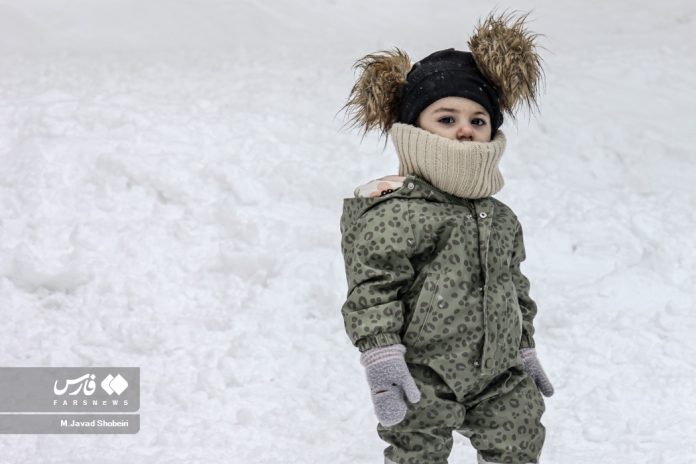
President Pezeshkian announced on Thursday through a video his participation in the campaign to lower heating by two degrees Celsius and invited the public to join the initiative, which has gained momentum.

Minister of Roads and Urban Development Farzaneh Sadeq emphasized the need for public cooperation in fuel consumption reduction.

She highlighted that reducing heating by two degrees can significantly impact energy management.

Government Spokeswoman Fatemeh Mohajerani noted that reducing temperature by one degree can save 25 million cubic meters of gas in the country.

She encouraged everyone to join the campaign for a warmer and better winter.

Shina Ansari, Vice President and head of the Environmental Protection Organization, joined the campaign, emphasizing the collective effort to ensure stable gas supply, reduce air pollution, and prevent power outages.

Oil Minister Mohsen Paknejad underscored the necessity of implementing restrictions on gas consumption in the domestic, commercial, and non-major industrial sectors due to increased household gas usage.

Deputy Minister of Petroleum Saeed Tavakoli also urged the public to lower their room temperatures.

The Iranian Meteorology Organization has warned of a dramatic temperature drop, predicting temperatures to plummet by 10 to 15 degrees Celsius in northern parts of the country and 8 to 12 degrees in southern and central areas over the next few days.

It is forecasted that the temperature in Tehran will drop to minus 3 degrees Celsius on Sunday.

Iranian MP claims Raisi assassinated by Israel

President Raisi Helicopter Crash

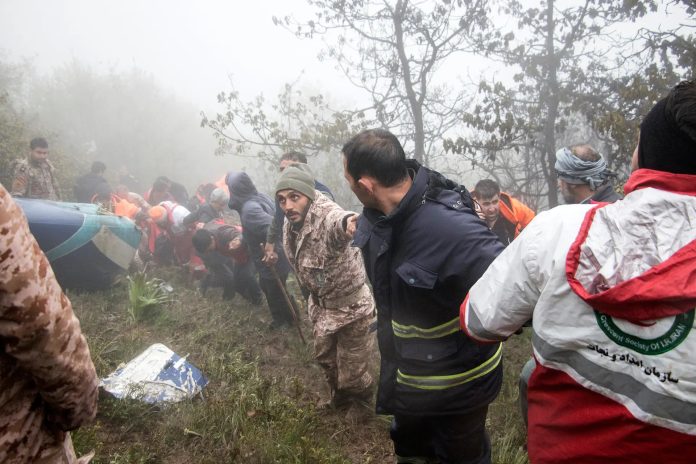
In a video, Kamran Ghazanfari stated, Raisi who was killed in a helicopter crash earlier this year, was actually assassinated, but the incident was attributed to a cloud mass, sarcastically referring to it as an “intelligent dense cloud.”

Ghazanfari, representing the capital Tehran, alleged that the former Iranian president was assassinated by Israel, the US, and the president of the Republic of Azerbaijan Ilham Aliyev, “but officials deemed it inappropriate to inform the public.”

The claim was made as Iranian security and military officials, in an official statement, attributed the crash of Raisi’s helicopter to bad weather and strongly denied any assassination attempts.

On May 19, an Iranian Air Force helicopter, en route from the Giz Galasi Dam on the border with the Republic of Azerbaijan, carrying the former president and seven others crashed near a village in northwestern Iran which led to the death of the president and his entourage including former Foreign Minister Hossein Amirabdollahian.

Russia appears to be withdrawing military assets from Syria following fall of Assad: Report

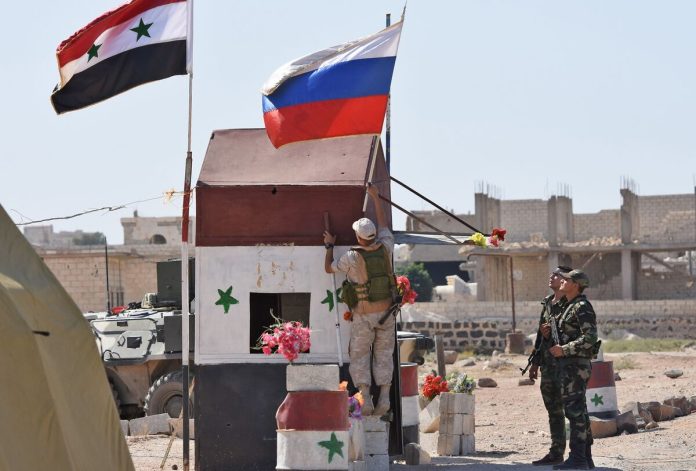
Two AN-124 heavy military transport planes were spotted at Khmeimim air base, located in Latakia on Syria’s Mediterranean coast, with their nose cones lifted, signaling readiness to load cargo. A Ka-52 attack helicopter was also being dismantled, likely in preparation for transport, while components of an S-400 air defense system were being packed up.

Imagery from the Tartus naval base, also on the Mediterranean coast, showed minimal changes. Photos taken earlier in the week revealed two Russian frigates stationed off the coast, with no major activity suggesting an immediate departure, according to CNN.

Michael Kofman, a senior fellow at the Carnegie Endowment for International Peace, described the activity as part of a larger consolidation effort at Khmeimim and the nearby Tartus naval base.

“In short, a withdrawal is underway,” Kofman wrote on X.

Russia was reportedly evacuating its forces from Syria as one of its military bases faced siege, Ukraine’s Defense Intelligence (HUR) had reported. HUR claimed that Russian troops in Syria are voicing frustration with their commanders over what they described as a chaotic withdrawal process.

The Kremlin emphasized the importance of securing its military bases and diplomatic missions in Syria, with spokesperson Dmitry Peskov saying that Moscow has maintained contact with Syria’s new leadership. He declined to disclose the number of Russian troops in the country or comment on potential evacuations.

Russia has maintained a military presence in Syria since 2015, primarily to support now overthrown Syrian President al-Assad’s government during the Arab country’s war. Damascus has been supportive of the Kremlin during the ongoing invasion of Ukraine.

Arab League deplores Israel seizure of Syrian territory

The Egyptian Foreign Ministry said in a statement that under the initiative of Egypt and other Arab countries, the Arab League held a meeting on the level of the permanent delegates in its headquarters in Cairo to draft a unified Arab stance toward the Israel’s new occupation of more Syrian lands.

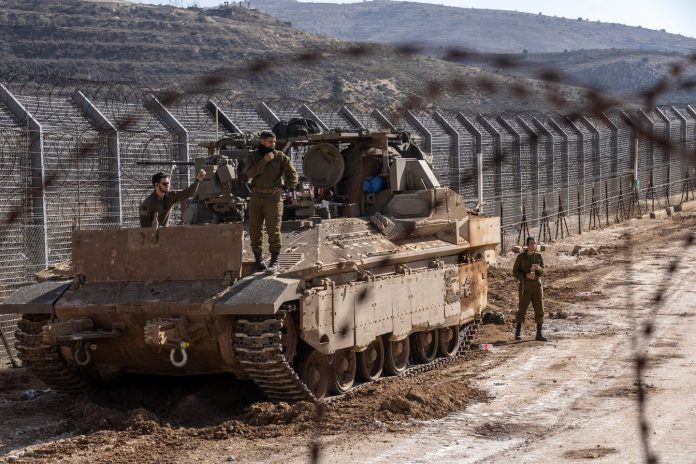
Immediately following the fall of the Bashar Assad government on Dec. 8, the Israeli army captured the buffer zone in Syria’s occupied Golan Heights, shortly after Israeli Premier Benjamin Netanyahu announced the collapse of a UN-monitored disengagement agreement with Damascus.

The Israeli army mounted hundreds of airstrikes against military bases, air defense stations, and intelligence headquarters, as well as long- and short-range missile depots and unconventional weapon stockpiles across Syria.

The meeting resulted in the issuance of a resolution condemning the Israeli incursion into Syria’s buffer zone area and other adjacent areas including the Mount Hermon, according to the Egyptian statement.

The resolution considered the Israeli practices as “violation to the disengagement agreement between Israel and Syria in 1974”.

The statement also added that the Arab League urged the international community to compel Israel to abide by international legitimacy, especially UN resolution 497 of 1981, demanding Israel to withdraw from the occupied Golan Heights.

Since 1967, Israel has occupied the Golan Heights. In 1974, a disengagement agreement between Israel and Syria was signed, which defined the borders of the buffer zone and established a demilitarized area.

Assad, who ruled Syria with an iron fist for nearly 25 years, fled to Russia on Dec. 8 after armed groups seized control of Damascus. The takeover came after Hayat Tahrir al-Sham (HTS) fighters captured key cities in a swift offensive that lasted less than two weeks.

US top diplomat meets Iraq PM during unannounced visit to Baghdad to discuss Syria

Blinken visited the US embassy in the Iraqi capital on Friday on the final stop of his tour of the Middle East following the toppling of President Bashar al-Assad’s government in Syria.

Blinken and al-Sudani discussed “the conviction of so many countries in the region and beyond that as Syria transitions from the Assad dictatorship to hopefully a democracy, it does so in a way that, of course, protects all of the minorities in Syria, that produces an inclusive, nonsectarian government”, Blinken said, adding that Syria should not become a “platform for terrorism”.

“I think this is a moment as well for Iraq to reinforce its own sovereignty as well as its stability, security and success going forward,” Blinken stated.

“The United States [and] Iraq together had tremendous success in taking away the territorial caliphate that Daesh had created years ago.”

“No one knows the importance of that more than Iraq because of the ongoing presence of ISIS [ISIL], or Daesh, in Syria, and we are determined to make sure that Daesh cannot re-emerge,” he continued.

The opposition fighters who toppled al-Assad in Syria, led by Hayat Tahrir al-Sham, have disavowed al-Qaeda and ISIL and announced they have no ambitions in Iraq.

Iraq opted not to allow rebel groups to intervene in Syria as the opposition forces advanced and ultimately seized Damascus last weekend despite Baghdad’s concerns that unrest could spill over the border.

Blinken arrived in Baghdad after stopping in Turkiye, where he also emphasised that it was “imperative” to work against a resurgence of ISIL.

He met President Recep Tayyip Erdogan, who assured Blinken Turkiye would not ease up in the fight against ISIL in Syria despite its operations against Kurdish fighters who have allied with the US in the fight against the group.

“Turkiye will never allow any weakness to arise in the fight against Daesh,” Erdogan said while promising not to let up in his government’s pursuit of groups it sees as a threat to national security.

Meanwhile, Foreign Minister Hakan Fidan told Blinken Turkiye is committed to ensuring stability in Syria “as soon as possible” and preventing ISIL fighters from gaining a foothold there.

Blinken also stated he saw “encouraging signs” of progress towards a ceasefire in the Gaza Strip, urging Turkiye to use its influence to encourage the Palestinian group Hamas to accept a proposed deal.

“We discussed Gaza, and we discussed I think the opportunity … to get a ceasefire in place. And what we’ve seen in the last couple of weeks are more encouraging signs that that is possible,” Blinken added.

“We talked about the imperative of Hamas saying ‘yes’ to the agreement that’s possible, to finally help bring this to an end.”

Nearly 44,900 Palestinians have been killed and 106,454 injured in Israel’s war on Gaza, which began on October 7, 2023, according to the Gaza Ministry of Health.