Friday, December 26, 2025
Home Blog Page 597

Eight Arab states vow to support ‘peaceful transition process’ in Syria

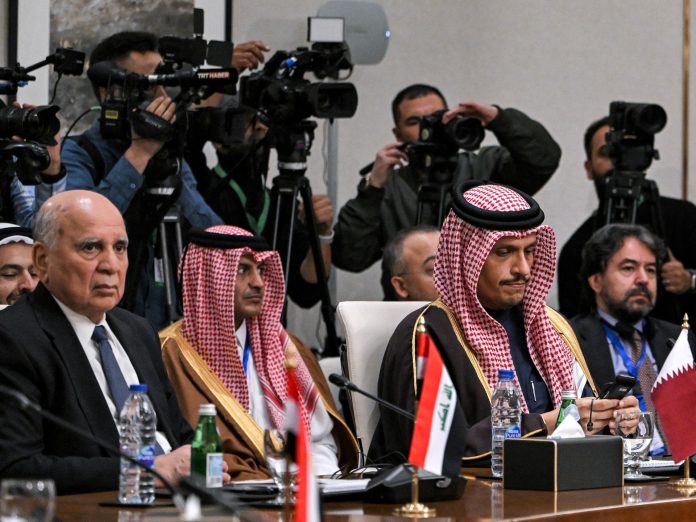
Foreign ministers from Jordan, Saudi Arabia, Iraq, Lebanon, Egypt, the UAE, Bahrain and Qatar issued a joint statement on Saturday after they met in the Jordanian Red Sea port of Aqaba.

They said “all political and social forces” must be represented in the new Syrian government and warned against “any ethnic, sectarian or religious discrimination” and called for “justice and equality for all citizens”.

The political process in Syria should be supported by “the United Nations and the Arab League, in accordance with the principles of Security Council Resolution 2254”, a resolution in 2015 which set out a roadmap for a negotiated settlement, the statement added.

The Arab diplomats also attended a separate meeting in Aqaba that included US Secretary of State Antony Blinken, UN Special Envoy for Syria Geir Pederson and EU foreign policy chief Kaja Kallas, and Turkish Foreign Minister Hakan Fidan.

That meeting also called for an inclusive and representative government that respects the rights of minorities and does not offer “a base for terrorist groups”, according to Blinken, who spoke at a news conference.

“Today’s agreement sends a unified message to the new interim authority and parties in Syria on the principles crucial to securing much-needed support and recognition,” he stated.

The talks come following the fall of al-Assad after a lightning offensive by the opposition group Hayat Tahrir al-Sham (HTS) last week.

According to their statement, the Arab ministers stated state institutions must be preserved to stop Syria from “slipping into chaos”, also calling to boost joint “efforts to combat terrorism … as it poses a threat to Syria and to the security of the region and the world”.

They also condemned “Israel’s incursion into the buffer zone with Syria”, its air strikes in Syria, and demanded “the withdrawal of Israeli forces” from Syrian territory.

Following al-Assad’s removal, a transitional government installed by the rebel forces has insisted the rights of all Syrians will be protected, as will the rule of law.

White Helmets pledges to hold Assad accountable for “his crimes”

In a video posted on X, Raed al-Saleh, head of the White Helmets, addressed the victims’ families and survivors outside the Palace of Justice in Damascus, reiterating his commitment to justice.

“Today, I promise you from in front of the Palace of Justice, not from anywhere else, to work with all legal institutions to hold the head of the regime accountable after all these violations,” Saleh declared.

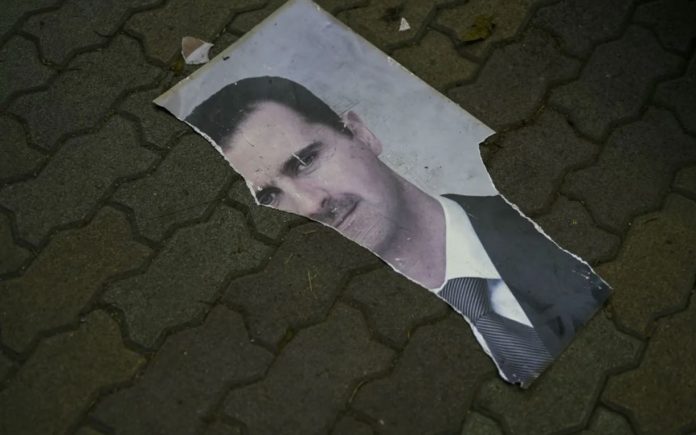
Assad, now in Russia after fleeing Syria amid advancing opposition forces, has faced widespread condemnation for his government’s brutal actions.

A week after al-Assad’s government was overthrown, one of Syria’s top human rights workers has a sobering message: 100,000 missing people are almost certainly dead.

Fadel Abdulghany, director of the Syrian Network for Human Rights (SNHR), has been working for years with a team of 21 people within Syria to record everyone who was captured or simply vanished without a trace.

As rebel forces bore down on Damascus, seizing city after city, the SNHR visited every prison and detention centre as they fell, documenting as many detainees freed from their cells as they could.

“Our records show that approximately 136,000 people were either being arrested or had been forcibly disappeared by the Assad regime,” Abdulghany told Middle East Eye.

The figure includes more than 5,000 children.

“But we have only recorded a maximum estimate of 31,000 people released over the past few days.”

The only conclusion, Abdulghany believes, is that most were killed under torture.

“There is no secret detention centre to be discovered. There are no secret floors under prisons, or heavy doors that haven’t been opened,” he said, adding, “When people share false information, it plays with the families of the victims.”

Sednaya, Syria’s most infamous prison, had a capacity of 10,000 people, Abdulghany stated.

“But approximately 1,600 prisoners were released,” he noted, far fewer than has been reported on social media, where many Syrians get their news.

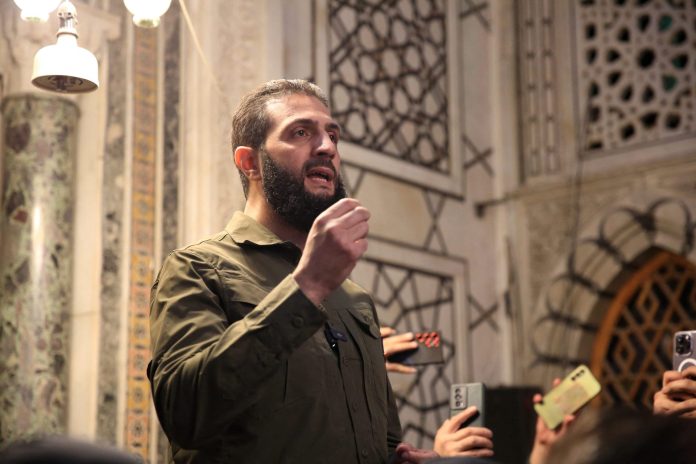
The main commander of the Syrian fighters who toppled al-Assad has warned that anyone involved in the torture or killing of prisoners during the deposed president’s rule would be hunted down and pardons were out of the question.

“We will pursue them in Syria, and we ask countries to hand over those who fled so we can achieve justice,” Hayat Tahrir al-Sham (HTS) leader Ahmed al-Sharaa, also known as Abu Mohammed al-Julani, said in a statement published on the Syrian state TV’s Telegram channel on Wednesday.

His comments came after thousands of detainees were released and families hoped to find others who disappeared in the country’s notorious jails, including the Sednaya Prison.

He urged countries “to hand over any of those criminals who may have fled so they can be brought to justice”.

Hamas says Israeli military deliberately bombed site to kill captives inside

Hamas Israel Hostages

Abu Obaida, the spokesperson for the group, said on Telegram: “The occupation army recently bombed a location where some enemy prisoners were present and repeated the bombing to ensure their death.”

“We have intelligence confirming that the enemy deliberately bombed the location with the aim of killing the prisoners and their guards,” Obaida noted.

He added: “Our fighters attempted to rescue the enemy prisoners and succeeded in retrieving one of them, whose fate remains unknown.”

Obaida held Israeli Prime Minister Benjamin Netanyahu, his government, and the Israeli army “fully responsible for this event and the lives of their prisoners.”

A video released by al-Qassam Brigades showed the bombed location and a person without clarifying whether they were killed or injured, with no facial features shown.

The video included a statement: “Netanyahu and [Chief of General Staff Herzi] Halevi seek to get rid of their prisoners in Gaza by all means.”

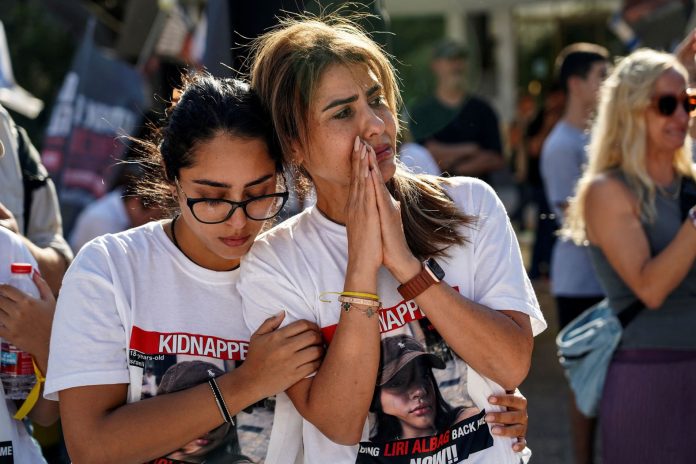
Israel estimates that there are currently 101 Israeli prisoners held in Gaza.

Mediation efforts led by the US, Egypt, and Qatar to reach a cease-fire and prisoner swap agreement between Israel and Hamas have failed due to Netanyahu’s refusal to halt the ongoing conflict.

Israel has launched a genocidal war on the Gaza Strip that has killed nearly 45,000 victims, mostly women and children, since an attack by the Palestinian resistance group, Hamas, on Oct. 7, 2023.

The second year of genocide in Gaza has drawn growing international condemnation, with officials and institutions labeling the attacks and the blocking of aid deliveries as a deliberate attempt to destroy a population.

The International Criminal Court issued arrest warrants last month for Israeli Prime Minister Benjamin Netanyahu and his former defense chief Yoav Gallant for war crimes and crimes against humanity in Gaza.

Israel also faces a genocide case at the International Court of Justice for its war on Gaza.

Schools, universities, offices closed in several Iranian provinces due to cold spell, air pollution

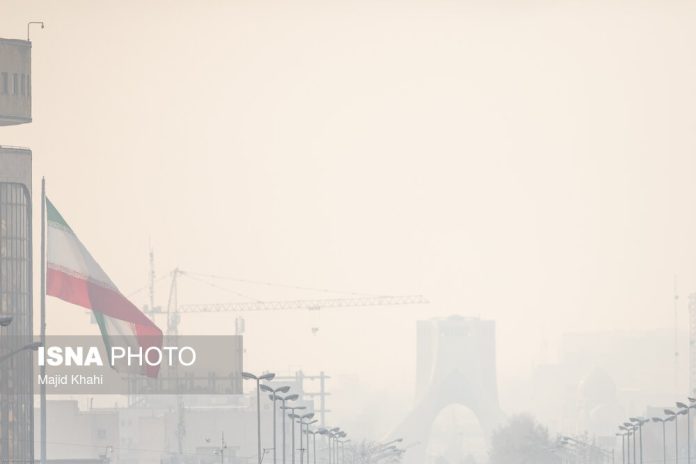
Tehran’s Governor, Mohammad Sadegh Mo’tamedian, announced on Saturday evening that all government and non-government offices, organizations, ministries, and public institutions, except service and medical centers, will be closed on Sunday.

Moreover, traffic restrictions are be implemented to reduce the air pollution.

Several other provinces mostly in northern part of the country, plus Khuzestan in the south, are also closed due the snowfall and air pollution.

The head of the National Forecast and Crisis Management Center announced on Sunday that in the past 24 hours, the coldest weather stations were at Ardabil Airport, Khalkhal, and Takht-e Soleyman, recording temperatures of -27°C, -25°C, and -24°C, respectively.

Tehran’s temperature reached -4.5°C on Saturday night.

HTS leader: Israel has ‘no more excuses’ to attack Syria

Israel Attack Syria

In an interview with the Syrian TV news channel, Ahmad al-Sharaa, who is better known by his nom de guerre Abu Mohammed al-Jolani, said that Israel has “no more excuses” to carry out airstrikes in Syria.

He added that the recent raids on Syrian soil have crossed red lines and threaten an unjustified escalation in the region.

Immediately following the fall of the al-Assad government, the Israeli army captured the buffer zone in Syria’s occupied Golan Heights, shortly after Israeli Premier Benjamin Netanyahu announced the collapse of a UN-monitored disengagement agreement with Damascus.

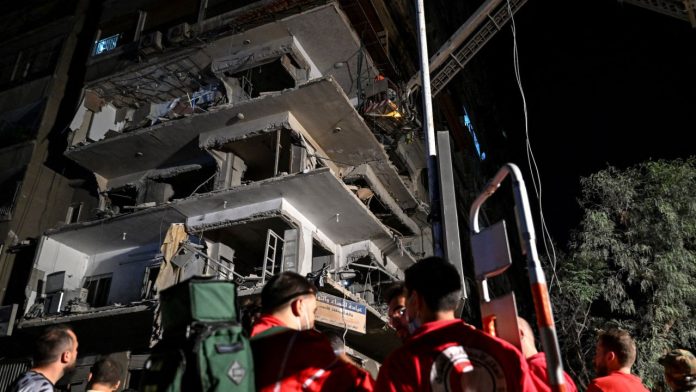
The Israeli army also mounted hundreds of airstrikes against military bases, air defense stations, and intelligence headquarters, as well as long- and short-range missile depots and unconventional weapon stockpiles across Syria.

The rebel leader called on the international community to assume its responsibility to avoid an escalation and guarantee the respecting of Syrian sovereignty. Without directly mentioning Israel, he further spoke of “diplomatic solutions” as the only way to ensure security and stability and as a preferable option to “ill-considered military adventures”.

In his interview on Saturday, the new leader in Damascus appeared to indirectly respond to Israeli concerns and provide reassurance. Sharaa said that Syria is exhausted by years of war and that at this stage it will not be dragged into conflicts that may lead to further destruction, with reconstruction and stability the main priorities.

The rebel commander added that the Iranian entrenchment in Syria had posed a great danger to Syria itself, to neighboring countries and the Persian Gulf.

“We were able to end the Iranian presence in Syria, but we are not enemies of the Iranian people.”

Over the course of a wide-ranging interview, Sharaa mentioned some of the issues that his new government will soon need to address in managing post-war Syria. He stressed the importance of abandoning the “revolutionary mentality” that propelled the rebels, and the need to establish modern institutions, guarantee the rule of law and respect the rights of all Syrians.

Sharaa delivered a scathing critique of the al-Assad government, saying that it managed Syria like a “farm”, extracting and appropriating its resources to enrich itself. He added that in the upcoming period, documents will be published to prove the extent of “the regime’s enormous theft”.

He highlighted that the lightning victory of the rebels over the former governemnt, toppled in just 11 days, proved the effectiveness of their planning and training. The rebels “took control of large cities without anyone being displaced”, he stated. However, he did not conceal the fact that relations between the various rebel groups have been marked by internal conflicts, factionalism and foreign meddling.

He also mentioned the limited Russian air campaign against the rebels in the days prior to Assad’s overthrow and said it raised fears of a repeat of the Gaza scenario. With regard to future relations with Moscow, he added that the government change offers an opportunity to re-evaluate ties in a way that serves common interests.

Militants waged a surprise two-pronged attack on Syria’s Aleppo and the countryside around Idlib on November 27.

Soon afterward, they seized control of several major Syrian cities, including Hama, Homs, Dara’a, and Suwayda, before entering the capital Damascus.

On December 8, armed groups, led by HTS militants, announced that they had fully captured Damascus, and confirmed reports of the fall of al-Assad’s government.

US acknowledges direct contact with Syrian new leadership

Abu Mohammed al-Jolani

Saturday’s statement, delivered by US Secretary of State Antony Blinken, was the first time the Biden administration has publicly confirmed talks with the group.

Such talks are sensitive. HTS has been designated as a “foreign terrorist organisation” in the US since 2018, and Washington largely avoids negotiations with such groups.

In a news conference from Aqaba, Jordan, Blinken placed his discussions with HTS in the context of broader US goals for the future of Syria.

“Yes, we have been in contact with HTS and with other parties,” Blinken said in response to a question from reporters.

He explained that he “impressed upon everyone” the need to find US citizen and freelance journalist Austin Tice, who went missing in Syria while reporting in 2012.

Blinken also indicated his team sought HTS support for a set of “principles” that diplomats from the US, the United Nations, the European Union, Turkiye and eight Arab League countries discussed for a peaceful government transition process.

“We communicated those,” Blinken added.

In May 2018, the US State Department, under then-President Donald Trump, added HTS to its list of “foreign terrorist organisations” due to its affiliation with the al-Nusra Front, an al-Qaeda affiliate.

It accused HTS of being a “vehicle” for the al-Nusra Front “to advance its position in the Syrian uprising and to further its own goals”.

The United Nations Security Council also sanctioned HTS in 2014 for a similar reason, freezing its financial assets abroad and placing it under an arms embargo.

But Ahmed al-Sharaa, also referred to as Abu Mohammed al-Julani, the leader of HTS, has taken steps to distance his organisation from al-Qaeda.

Al-Sharaa released a video in 2016 asserting his group’s independence, stating, “This new organisation has no affiliation to any external entity.”

Still, it is unlikely that US officials will agree to lifting sanctions on HTS any time soon.

Speaking to the news agency Reuters this week, Senator Chris Murphy indicated lifting sanctions on HTS was premature. He nevertheless emphasised the need to maintain ties with the forces shaping Syria’s future.

“I do not think the United States should lock ourselves out of a room that everyone else is in,” he told Reuters, adding, “I don’t think we should be shy about opening lines of communication.”

Another senator — Ben Cardin, who chairs the Senate Foreign Relations Committee — told a news conference he would likewise take a “wait and see” approach.

“It’s too early to tell whether the incoming regime’s record will reflect a different way of doing business,” Cardin noted.

The future of US involvement in Syria also remains uncertain. The country has roughly 900 troops in the country, as well as several military bases in the country’s oil-rich eastern regions.

There, the US has allied with Kurdish-led forces to combat the expansion of ISIL (ISIS or Daesh). On Saturday, Blinken emphasised that the mission was still ongoing.

“The success that we’ve had over the last years in ending the territorial caliphate of ISIS, making sure that ISIS was in a box and stays there — that remains a critical mission,” he said, adding, “This is a moment when ISIS will seek to regroup, taking advantage of the transition in Syria.”

But President-elect Trump, who is set to begin a second term in the White House in January, has indicated he may chart a different path for the US.

Shortly before the fall of the al-Assad government on December 8, Trump posted on social media that he would keep his distance from Syria.

“Syria is a mess, but is not our friend,” Trump wrote.

“THE UNITED STATES SHOULD HAVE NOTHING TO DO WITH IT. THIS IS NOT OUR FIGHT. LET IT PLAY OUT. DO NOT GET INVOLVED!”

Officials from the outgoing Biden administration, however, have been meeting with diplomats from the Arab League and other parties this week to help shape the war-torn country’s future.

Blinken on Saturday offered a summary of their joint agreement. He outlined a vision for a “Syrian-led and Syrian-owned” transition process that will eventually result in “an inclusive and representative government”, where the rights of all minorities are respected.

He also emphasised the important role the US has in the region, making a pointed case for not withdrawing from further dialogues about Syria.

“America and our partners have an important stake in helping the Syrian people chart this new path. We know that what happens inside of Syria can have powerful consequences well beyond its borders, from mass displacement to terrorism,” Blinken stressed.

“We’ve seen how the fall of a repressive regime can swiftly give way to more conflict and chaos, how the shoes of one dictator can be filled by another, or how interference by an outside country can be thrown off only to be replaced by another.”

Data show Iran’s oil exports to China dropped significantly

Iran Oil

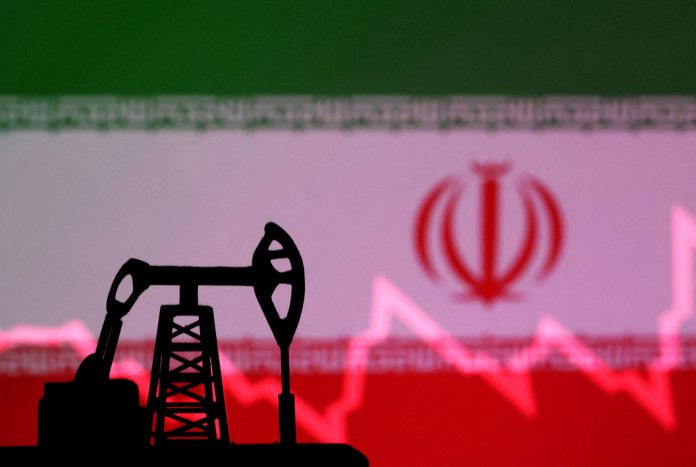
The data from Kpler, covered in a Saturday report by the Fars news agency, showed that Iranian oil exports to China had reached an average of 1.31 million barrels per day (bpd) in November, down 0.524 million bpd from October and the lowest reported in four months.

Kpler, a data analytics firm headquarters in Brussels, blamed the fall on a shortage of feedstock at Iranian refineries, geopolitical tensions, and new US sanctions affecting Iran’s arrangements for transporting oil to Chinese customers.

It added that Iran’s floating oil supplies near Singapore and Malaysia had increased because of declining deliveries to China.

However, Fars said that a sudden fall of government in Syria had caused more Iranian oil shipments to be rerouted to China, giving the Chinese customers increased negotiating power on prices.

Iran has been supplying a bulk of its crude oil to private buyers in China in the past years to avoid US sanctions that restrict its deliveries to state buyers.

Iran’s oil exports to China reached record levels in recent months, a major sign that US sanctions had effectively failed to remove the Iranian supplies from the markets.

Importing more than 0.75 million bpd of oil from Iran, China was the largest official buyer of Iranian oil before 2018 when former US president and current president-elect Donald Trump withdrew from an international deal on Iran’s nuclear program and imposed sanctions on the country.

Top Iranian security body to assess controversial Hijab Law before implementation

Ali Rabiei expressed gratitude to the president for considering the social implications of the law and involving the SNSC in its execution.

“Thanks to the president for placing the implementation of this law, considering its social consequences, on the agenda of the Supreme National Security Council,” he wrote in a social media post.

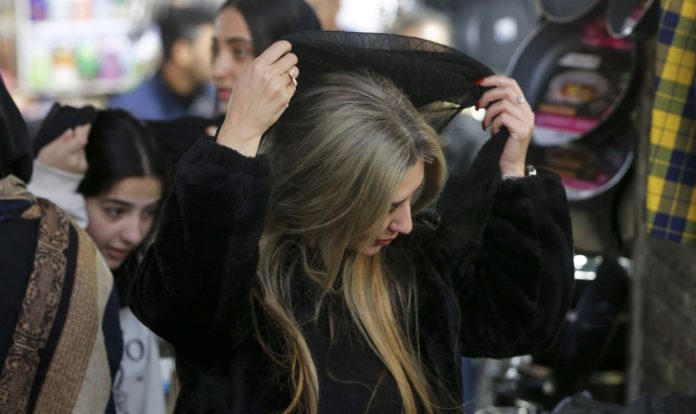
The controversial law, which mandates that women and girls wear a hijab in public, imposes severe penalties for non-compliance.

Days earlier, Rabiei had warned “These days, when I talk to any of the establishment’s loyalists from any spectrum, they believe that the Hijab and Chastity Law is impractical, and will lead to civil disobedience.”

A member of the Iranian Parliament’s Presiding Board confirmed that the Secretariat of the SNSC has requested the suspension of the implementation of the law, which is feared to trigger social unrest.

Alireza Salimi stated that the government plans to send a revised bill to the Parliament to address ambiguities in the current Hijab Law.

In a recent television interview, President Pezeshkian acknowledged the numerous questions and ambiguities surrounding the law’s implementation and emphasized the need for dialogue and cooperation to ensure the law’s effective execution.

Turkey reopens diplomatic mission in Syria days after fall of Assad gov’t

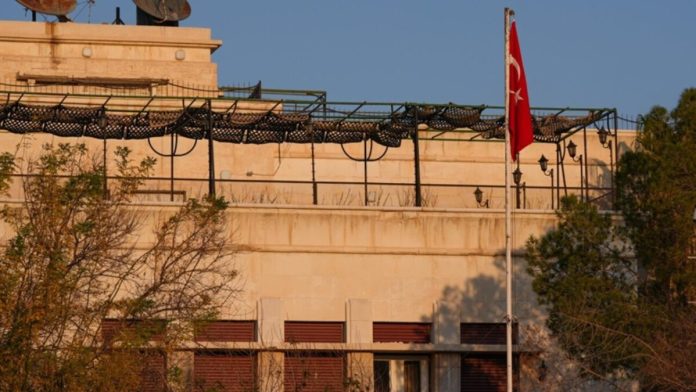
The embassy, which had suspended operations in 2012, officially reopened with Burhan Koroglu, Türkiye’s ambassador to Mauritania, as acting charge d’affaires.

Turkish Foreign Minister Hakan Fidan had formally assigned Koroglu to the new post on Thursday.

Located near the city’s Rawda Square in an area where the diplomatic missions of many other countries are also located, the Turkish Embassy continued to provide its services for a time after the regime’s violent crackdown on peaceful protesters in 2011.

However, it suspended its daily activities in late March 2012.

Embassy staff and their families returned to Türkiye following this decision.

Since the downfall of the Assad government earlier this month, the Syrian Consulate General in Istanbul has continued its operations uninterrupted.

Assad, Syria’s leader for nearly 25 years, fled to Russia after armed groups took control of Damascus last week.

On Saturday, Turkey’s president stated that Syrians today are hopeful for the future after 13 years of war in their country.

“(For the first time) In years, people are smiling on the streets of Aleppo, Homs, and Damascus. After 13 years, our Syrian brothers and sisters are looking to their future with hope,” Recep Tayyip Erdogan said at a local congress of his Justice and Development (AK) Party in the eastern province of Erzurum.

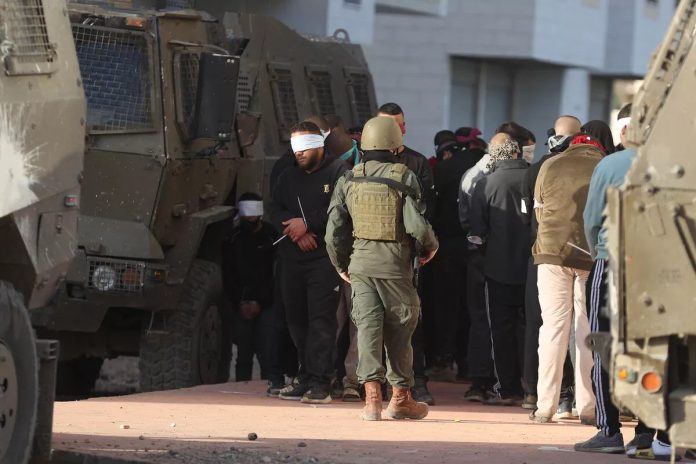
Over 12k Palestinians arrested by Israel in West Bank since start of Gaza war: Report

Israel Palestine

The Palestinian Prisoners Club said in an updated report on Friday that a majority of the arrests took place in the governorates of al-Khalil and occupied al-Quds.

More than 10,000 administrative detention orders were issued during that period, it added.

The detainees included more than 440 women and 795 children.

The regime forces have also arrested 141 journalists, of whom 59 remain in detention, including five women and 33 journalists from Gaza.

Of those detained, 11,000 people are held in administrative detention without trial or charge.

Under its policy of administrative detention, the occupying regime detains Palestinians without trial or charge for up to six months; a period which can be extended for an indefinite number of times.

The figure does not include Palestinians detained in Gaza, which are estimated in the thousands.

The ongoing arrest campaigns are accompanied by escalating abuse and severe beatings, and verbal and physical threats against detainees and their families, prisoners’ rights group said.

The abusive methods include sabotage and destruction of citizens’ homes, as well as the confiscation of personal vehicles, cash, and jewelry, the organization added.

Detainees were also used as human shields, while their families were held as hostages for periods.

In addition to the arrest campaigns, the Prisoners Club said the regime forces carried out field executions, including against family members of the prisoners.

Israel continues to withhold the bodies of 47 Palestinian prisoners who died in its jails since the start of the war on Gaza.

In recent years, the Israeli military has conducted regular raids in the West Bank, which have escalated with the beginning of the war on Gaza on Oct. 7, 2023. Palestinians have also been violently attacked by illegal Israeli settlers.

At least 809 Palestinians have since been killed and over 6,450 others injured by Israeli army fire in the occupied territory, according to the Health Ministry.

In July, the International Court of Justice declared that Israel’s decades-long occupation of Palestinian land had been “illegal” and demanded the evacuation of all existing settlements in the West Bank and East al-Quds.

Israel launched the war on Gaza on October 7, 2023, after the Palestinian resistance movement Hamas waged the surprise Operation al-Aqsa Flood against the occupying entity in response to the Israeli regime’s decades-long campaign of bloodletting and devastation against Palestinians.

The regime’s bloody onslaught on Gaza has so far killed at least 44,900 Palestinians, mostly women and children. Thousands more are also missing and presumed dead under rubble.