Thursday, December 25, 2025
Home Blog Page 504

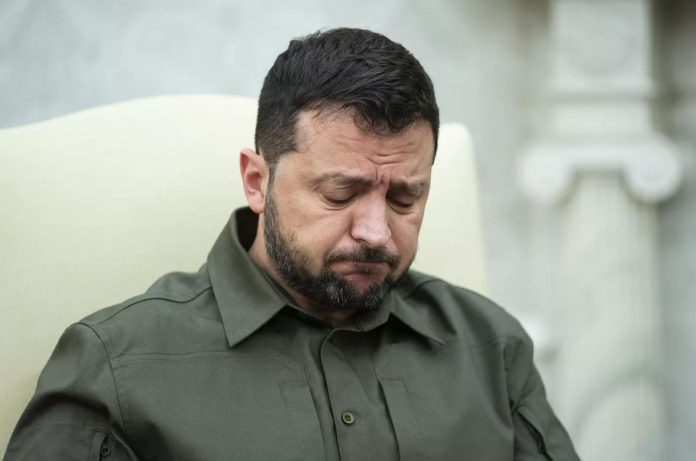
Trump’s envoy says US wants Zelensky to hold elections in Ukraine

Zelensky

According to the report, Kellogg and other White House officials have discussed asking Kiev to hold the votes as part of a potential truce deal with Moscow. Speaking to the agency, Kellogg said that both the presidential and parliamentary elections “need to be done.”

“Most democratic nations have elections in their time of war. I think it is important they do so,” the special envoy said.

“I think it is good for democracy. That’s the beauty of a solid democracy, you have more than one person potentially running.”

Parliamentary and presidential elections in Ukraine scheduled for October 2023 and March 2024 were not held after Vladimir Zelensky announced in December 2023 that they would not take place while martial law imposed during the conflict with Russia remains in force.

Martial law was declared after the escalation of hostilities between Kiev and Moscow in February 2022 and has been repeatedly extended ever since. In November 2024, it was prolonged once again and is now expected to continue at least until February 7, 2025.

US President Doland Trump has repeatedly vowed to swiftly end the Ukraine conflict. On Friday, he claimed that the US was “having very serious discussions about that war” with Russia – something that Moscow has not confirmed so far.

The American president also stated on multiple occasions that he was ready to speak with Russian President Vladimir Putin as soon as possible to negotiate an end to the fighting. Moscow has repeatedly stated it its ready for dialogue at any time, but has received no specific signals from the US. According to the Russian Foreign Ministry, no such talks are currently planned and all communications are being conducted at the embassy level.

If the US plan eventually involves a temporary ceasefire deal prior to a more permanent agreement, the winner of the Ukrainian presidential election could be responsible for negotiating the terms of the final treaty, Reuters reported on Saturday, citing discussions in the White House.

Moscow has questioned Ukrainian leader Volodymyr Zelensky’s legitimacy and stated that he is no longer qualified to sign international agreements on behalf of Ukraine as his presidential term officially expired in May 2024.

Earlier this week, Putin said that although Zelensky could take part in any potential negotiations, he could not be part of a final deal.

“It’s possible to negotiate with anyone,” the Russian leader continued, adding that any agreement would be a “very serious question” and must “guarantee the security of both Ukraine and Russia” for a “serious” period of time.

Putin had previously stated on multiple occasions that the Ukrainian constitution does not envisage any extensions of the president’s term, only authorizing this for the parliament. Moscow has also stressed it will not agree to a temporary truce and that a settlement must include “reliable, legally binding agreements eliminating the root causes of the conflict.”
Iran’s defense minister highlights progress in satellite technology

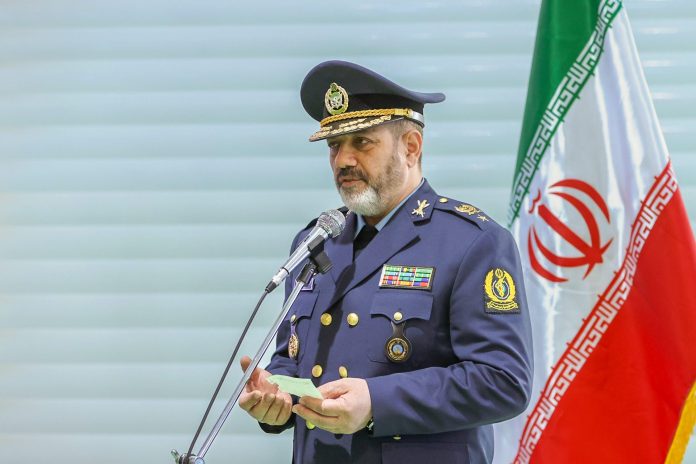
Speaking at a ceremony commemorating National Space Technology Day, Nasirzadeh emphasized that Iran has reached maturity in developing satellite carriers, with successful launches of the Simorgh and Qaem 100 satellites, both of which completed their missions flawlessly.

General Nasirzadeh highlighted the importance of space technology for Iran’s future, stating that the country must address gaps in this field to avoid dependency on foreign powers.

He noted that the Defense Ministry has collaborated with over 1,300 knowledge-based companies and more than 7,000 private firms to advance space and defense technologies.

These partnerships have enabled Iran to achieve self-sufficiency in satellite carriers, ground infrastructure, control systems, and navigation technologies.

The minister also outlined future plans, including two more satellite launches before the end of the Iranian year. He mentioned ongoing work on the Sarir satellite carrier, which will handle heavier payloads and pave the way for satellite constellation development.

Iran is also focusing on orbital transfer blocks, aiming to reach higher orbits, including Geostationary Orbit (GEO).

General Nasirzadeh reiterated Iran’s commitment to using science for equitable global relations and national development, contrasting this approach with Western views of science as a tool for dominance.

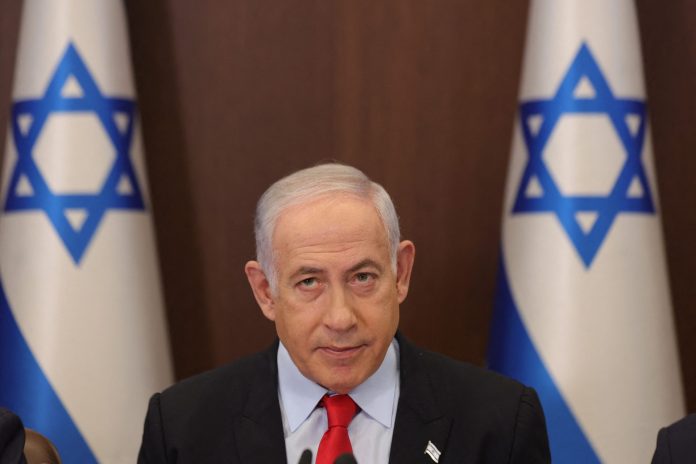
Netanyahu delays sending negotiation team to Qatar ahead of meeting with Trump: Report

Benjamin Netanyahu

The report said Netanyahu prefers to delay any action until after his meeting with Trump, citing an unnamed senior Israeli source. Netanyahu will begin a visit to the US on Sunday.

The decision comes as negotiations on the second phase of the deal set to begin Monday.

Israel has not publicly reacted to the reports.

Additionally, Netanyahu reportedly canceled a planned meeting with Mossad chief David Barnea, Shin Bet chief Ronen Bar and other senior negotiators, instead sending his military secretary, Roman Gofman, to inform them of the delay.

The Israeli leader is also said to be considering appointing Strategic Affairs Minister Ron Dermer as head of the team, arguing that the talks are more diplomatic than security-focused, the Times of Israel news outlet reported.

The ceasefire and prisoner exchange agreement between Hamas and Israel, which took effect Jan. 19, has resulted in the release of 583 Palestinian prisoners, 13 Israelis and five Thai nationals. The first phase of the deal aims to release more than 1,900 Palestinian prisoners and 33 Israeli captives within 42 days.

Israel announced that talks on the second phase of the ceasefire and prisoner swap deal would begin Feb. 3 in Washington, DC.

TasteAtlas ranking names best, worst Iranian cuisine

Known for its comforting texture and versatility, Kateh has been praised as a culinary masterpiece.

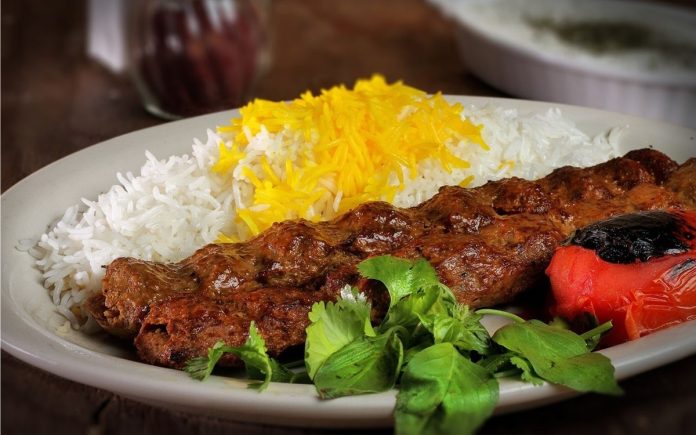
Close behind are iconic dishes like Chelow Kebab, a classic pairing of saffron-infused rice and grilled meat, and Kabab Chenjeh, tender skewered lamb or beef adored for its smoky flavor.

Kaleh Pacheh, a traditional soup made from sheep’s head and hooves, also ranked highly despite its polarizing reputation.

On the other end of the spectrum, Khoresh Kangar, a cardoon-based stew, was ranked as the lowest-rated dish, criticized for its niche appeal. Other low-rated dishes included Khoresh Lubia Sabz (green bean stew) and Shir Birinj (rice pudding), which failed to resonate with a global audience.

The ranking has sparked mixed reactions among Iranians. While many celebrated the recognition of dishes like Kateh and Chelow Kebab, others defended lower-rated dishes, emphasizing their cultural significance.

The global spotlight on Iranian cuisine has also led to increased interest in Persian restaurants worldwide, with food enthusiasts eager to explore its rich flavors.

Palestinians freed by Israel show signs of ‘torture, starvation’

As part of ceasefire accord between Hamas and Israel, 183 Palestinians were released from Israeli jails. They emerged wearing stained grey prison jumpsuits and exhibiting signs of years of detention.

Several of them looked tired and frail as they made the short walk from the bus to the European Hospital in Khan Younis, Gaza, before being cheered through the crowd and reunited with their families.

“Every time prisoners are released, we find the prisoners’ bodies reflecting the level of crimes committed against them, including torture that is unprecedented in its level after October 7, starvation crimes, systematic medical crimes, and the infection of a number of them with scabies, in addition to the severe beatings that the prisoners were subjected to before their release, which continued for days according to many of their testimonies, and which in some cases led to rib fractures,” the organisation said in a statement.

“The Prisoner’s Society confirms again that the occupation practices organized terrorism against the released prisoners and their families, through several methods that have been monitored, the most prominent of which are the severe beatings that the released prisoners were subjected to, and the threats that reached the point of killing if any reception party was organized or if the family showed any sign of reception.”

One of the released Palestinians stated, “For the past 15 months, we were exposed to the most brutal torture … the Israelis treated us in inhumane ways. They treated animals better than us.”

Speaking to Al Jazeera, Red Cross staff expressed outrage at the way the Israel Prison Service handled the released prisoners from Ketziot Prison on Saturday.

According to their accounts, Palestinian detainees were released handcuffed with their hands above their heads with a band that read: “The people of eternity does not forget.”

Hamas announced the “abuse and torture” Palestinian prisoners endured “confirms the ugliness of what [they] are subjected to” in Israeli prisons.

It added in a statement that its armed wing, the Qassam Brigades, did not fail to provide the necessary healthcare to Israeli captives despite the conditions in Gaza, including Israel’s relentless bombing and attacks that killed more than 47,000 people in the besieged enclave since October 2023.

“The good physical and psychological condition of the enemy’s prisoners proves the values ​​of our resistance and its moral commitment towards the prisoners, while the criminal occupation commits the most heinous violations against our prisoners in jails,” the statement read.

Sources told Al Jazeera that one Palestinian, Hussam Shahin, will be transferred to hospital after he underwent surgery without anaesthesia while in jail.

Under the terms of the ceasefire deal, 33 captives held by Hamas in Gaza are to be freed in the first six weeks of the truce in exchange for hundreds of Palestinians, many of whom have been serving life sentences in Israel.

Interior minister: Iran hosts 6 million foreign nationals, 2 million unlicensed

Afghan Refugee in Iran

Speaking during a televised interview, Momeni emphasized that the government has prioritized the deportation of undocumented individuals, citing limited national capacity to accommodate them and the loss of job opportunities for Iranian citizens.

Since mid-March, around 1.1 million Afghans have been deported at the border. However, estimates suggest that 50% of them attempt to re-enter the country.

To address the issue, the government has prioritized border security measures, including the construction of barriers and the installation of radar systems, the interior minister noted.

Momeni noted that similar strategies have proven effective in other countries, significantly reducing illegal crossings.

The minister also criticized employers who hire undocumented workers, stating that such practices deprive Iranian citizens of job opportunities.

He highlighted efforts to reduce the issuance of visas, acknowledging that excessive visa approvals in the past have contributed to the current challenges.

Iran continues to grapple with the economic and social impacts of hosting a large population of foreign nationals, many of whom are refugees from Afghanistan.

Iran’s president visits latest defense, space achievements

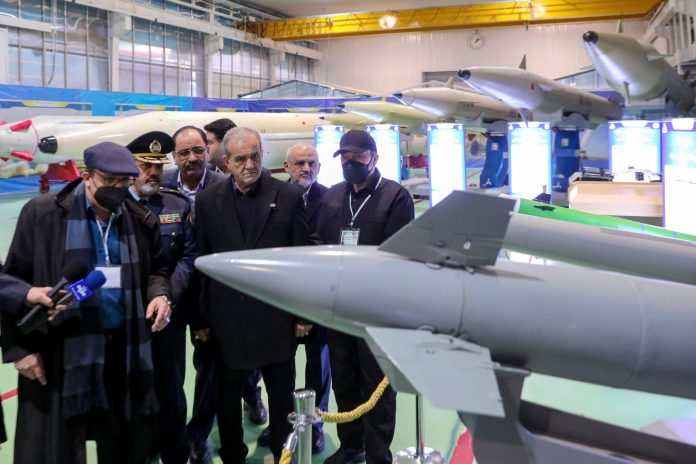
Accompanied by Defense Minister Brigadier General Aziz Nasirzadeh, President’s Chief of Staff Mohsen Haji Mirzaei, and Government Spokesperson Fatemeh Mohajerani, the president engaged with specialists in defense and space industries.

Upon arrival at the Defense Ministry’s Aerospace Organization, President Pezeshkian paid homage to the martyrs of the Ministry of Defense before starting his tour.

He got a first-hand view of new advancements, including the Simorgh launch and satellite carrier system.

Recalling the Iran-Iraq war in the 1980s, he emphasized that Iran’s defensive capabilities are now a “symbol of strength and progress.”

“At the beginning of the imposed war, the Ba’athist regime bombarded the Iranian people from both land and air, but today, our strength in the defense industries has become renowned,” he said.

He underscored the importance of developing defense power through the talents of young, creative individuals and specialized scientists to ensure that no country could threaten Iran’s sovereignty.

The day was marked as National Space Technology Day in Iran’s official calendar in commemoration of the launch of the Omid satellite by Iranian scientists on February 2nd, 2009.

IRGC Navy unveils new subterranean base

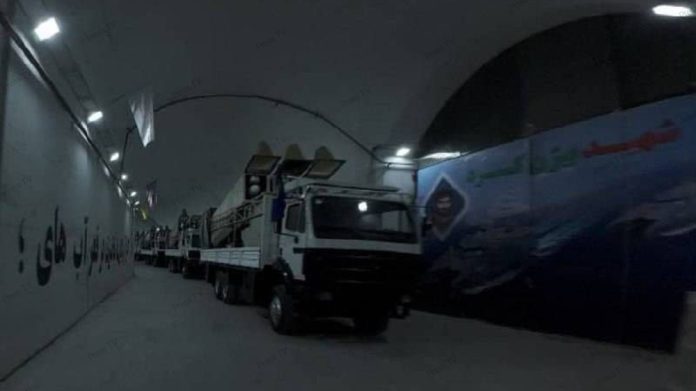
Cruise missiles with the capability of countering enemy destroyers’ electronic warfare are stored in the IRGC’s new underground missile city, Sepah News reported.

The report added that the missiles, which have undergone significant upgrades to their weapon systems and electronic warfare countermeasures, can be deployed in the shortest possible time.

IRGC Chief Commander Major General Hossein Salami and Commander of the IRGC Navy Rear Admiral Ali Reza Tangsiri unveiled the facility on Saturday. They inspected the latest combat readiness status of the IRGC Navy as well.

Back on January 18, the IRGC Navy unveiled an underground naval missile base built on the shores of Iran’s southern waters to house a large fleet of fast attack craft and other vessels.

Iranian Armed Forces, including the IRGC and the country’s Army, have been continuously enhancing their military hardware and combat readiness in line with the directives of Leader of the Islamic Revolution Ayatollah Seyyed Ali Khamenei.

The forces have vowed to defend the country’s sovereignty and territorial integrity in the face of the threats by the Iranian nation’s enemies.

The Islamic Republic launched some 200 missiles at the Israeli entity’s military, and espionage and intelligence bases all over the occupied territories on October 1 as part of Operation True Promise II.

The operation came in response to the regime’s assassinations of senior leaders of the Palestinian and Lebanese resistance and a senior IRGC commander.

In the early hours of October 26, Israel targeted two Iranian border provinces, Ilam and Khuzestan, as well as Tehran. The country’s integrated air defense system successfully intercepted and countered the aggression.

Iran has stressed it will respond to the recent Israeli act of aggression against the country and will not abandon its rights.

Iranian commander says air force planes equipped with advanced systems

Iran Air Force

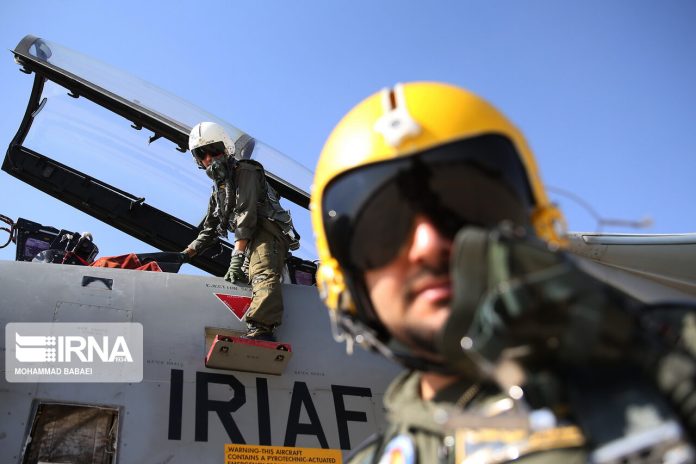
During a visit to an air base in Iran’s eastern city of Birjand on Saturday, Brigadier General Vahedi said the planes and unmanned aerial vehicles of the Iranian Air Force have been equipped with the world’s modern-day systems.

He noted that the Air Force will soon unveil two new achievements.

The commander stated that the Iranian Armed Forces are fully prepared to counter any threat at any level.

In December 2024, the Air Force said the pilotless version of its homegrown stealth fighter jet “Qaher (Conqueror)” has shown promising performance in flight tests.

The Iranian fighter jet Qaher-313 was unveiled in February 2013. The single-seat stealth fighter jet can take off and land on short runways.

At least five Palestinians killed in Jenin by Israel

In the first attack, an Israeli drone hit a group of people on a street in the city of Jenin, killing 16-year-old Ahmad al-Sadi and wounding two others critically, according to the Palestinian Wafa news agency and local officials.

The Palestinian Health Ministry later announced that four more had been killed in Israeli air strikes on the Jenin area.

The second and third attacks occurred minutes later in two separate locations, according to the governor of Jenin, Kamal Abu al-Rub.

“After the strike that killed the child [Sadi], an Israeli drone strike hit a car in Qabatiya and killed two youths,” al-Rub told the AFP news agency.

“Minutes later, another drone strike in Jenin killed two more youths who were on a motorcycle.”

The deadly raids, which Israel calls the “Iron Wall” campaign, were launched just days after a ceasefire was agreed upon in Gaza. Since then, Israeli forces have killed at least 20 Palestinians across the occupied territory, and wounded dozens of others.

Since October 2023, the Israeli military and settlers have killed at least 880 Palestinians in attacks across the occupied West Bank.

On Thursday, Palestine’s Prime Minister Mohammad Mustafa described what is happening in the occupied West Bank as “a systematic effort to destroy the foundations of the Palestinian state”.

“We are witnessing military incursions into northern West Bank governorates, accompanied by killing, detention, infrastructure destruction and demolition of homes and structures. This demands urgent international action to put this to an end.”

Earlier this month, United Nations Secretary-General Antonio Guterres called for “maximum restraint” from Israeli forces. He told a UN Security Council meeting about his fears of “an existential threat to the integrity and contiguity” of Gaza and the occupied West Bank from Israel.