Thursday, April 23, 2026
Home Blog Page 4953

Islamic establishment treats those under house arrest with tolerance

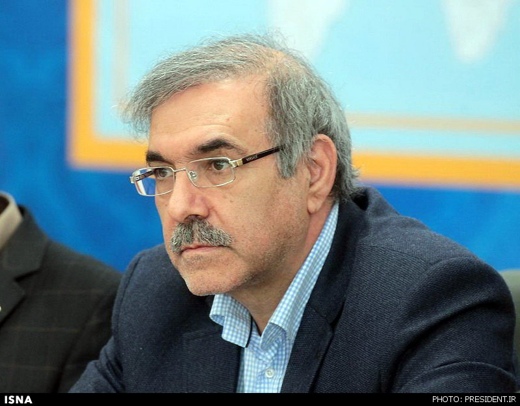
Mohammad Javad Larijani

The secretary of Iran’s Human Rights Council has said that the Islamic establishment has exercised tolerance in dealing with those who have been placed under house arrest [a reference to Mehdi Karroubi and Mir-Hossein Mousavi, two presidential candidates who disputed the 2009 election results and caused widespread unrest in the country].

Mohammad Javad Larijani, who was in Lorestan Province, said there is a lot of evidence pointing to commission of offenses in the case involving people who are under house arrest. [In order to put someone under house arrest] Either a judge’s order is necessary, or the Supreme National Security Council decides on the issue.

The following is a partial translation of the human rights official’s remarks as reported by Entekhab, a news website, on February 18:

As the judiciary chief has already said, putting people under house arrest should come through legal channels. One such channel is that a file is lodged [against individual(s)] in a court of law and a judge issues a verdict in the case.

The other channel is specifically for security cases. Under the law, if the Supreme National Security Council deems it necessary – on any grounds – to limit the freedom of an individual or a group to promote national security, it can communicate its decision to different government branches, among them the judiciary, and they have to act on the council’s decision.

Naturally, there is a lot of evidence pointing to commission of offenses in the case of people under house arrest, but it can be dealt with only through these two channels.

The house arrest of these individuals is quite legal and it has gone through the channel of the Supreme National Security Council.

I have not met with them [the people under house arrest]. Naturally, we do not hold personal grudges against individuals, especially those who have served the country in the past. The establishment normally treats them with tolerance.

The onus is on the security apparatus to protect these individuals. Nothing has gone wrong. They can even make trips to different parts of the country; they have access to medical services as well.

The services these people have rendered [in the country] have been always taken into account. But when a person commits offenses they should take responsibility for what they have done, even though they have served [the country].

Official: Moderation brings down curtain on certain groups

Morteza Bank

An official at the Presidential Office has said that the youth should not allow to be affected by extremist groups and those who think that the revival of moderation would sound their death knell.

Morteza Bank, Vice President for Supervision and Strategic Affairs, said in a congress of the Moderation and Development Party on Thursday despite the emergence of groups such as ISIL [which have hijacked the Muslim faith], Islam pursues moderation.

No extremist group can institutionalize extremist acts in the name of Islam in the country, he said.

He added that those who think development and conclusion of agreements with [the rest of] the world is dangerous for Iran defy the existing trend in the country [a reference to the policy of moderation and interaction].

Kerman qanats up for global registration

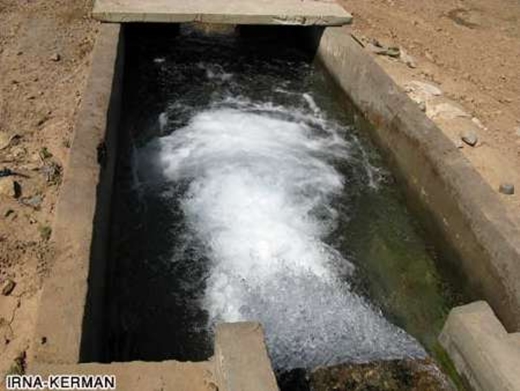
Kerman Qanats

A deputy director of the Kerman provincial Cultural Heritage, Handicrafts and Tourism department has said that dossiers of three qanats in Kerman dating back to a century ago have been submitted to UNESCO for registration on global heritage list.

Mohsen Movahhedi said that Kerman is one of the historic provinces of the country with valuable qanats.

Since Jupar, Akbarabad and Qasemabad Baravat qanats seem qualified for global registration, their cases have been sent to UNESCO, he said.

Movaheddi also said that qanat is considered a valuable global heritage founded by Iran.

Extracting underground waters through qanats is one of the wonderful inventions by mankind which has played a crucial role in Iran’s agriculture since ancient times, he said.

Most of the historians and researchers have attributed the technology of qanat building to Iranians and consider Iran as the birthplace of qanats, he said.

Qanat is one of a series of well-like vertical shafts, connected by gently sloping tunnels. They create a reliable supply of water for human settlements and irrigation in hot, arid and semi-arid climates.

Iran, US to begin fresh nuclear talks Feb. 20: Iran negotiator

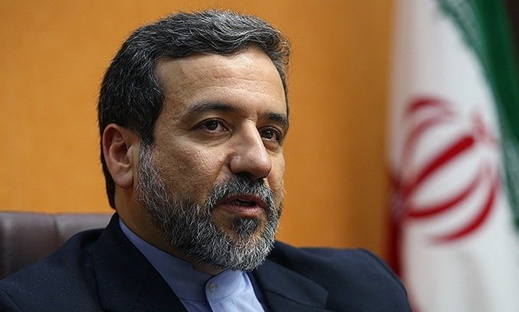
Abbas Araghchi

A senior Iranian negotiator says Iran and the United States will kick off a fresh round of talks on Tehran’s nuclear program in the Swiss city of Geneva on February 20.

The negotiations will begin on Friday when deputy foreign ministers from Iran and the US will hold talks on the Islamic Republic’s nuclear program, said Iranian Deputy Foreign Minister for Legal and International Affairs Seyyed Abbas Araghchi.

Araghchi further noted he and Iran’s Deputy Foreign Minister for European and American Affairs Majid Takht-e-Ravanchi will sit down with a US delegation headed by Under Secretary of State for Political Affairs Wendy Sherman.

The talks between the deputy foreign minister will continue on Saturday, Araghchi said, adding, “On Sunday and Monday, Iran’s Foreign Minister Mohammad Javad Zarif and US Secretary of State John Kerry will join the negotiators and the talks will continue” between the delegations from the two countries.

“It is also likely that after the fourth day [of bilateral talks between Iran and the US] the negotiations are held at P5+1 level,” Araghchi added.

Sherman and her team will travel to Geneva, Switzerland, on Thursday to hold negotiations with Iranian officials, the State Department said on Wednesday.

“These bilateral consultations will take place in the context of the P5+1 nuclear negotiations with Iran,” it added.

Iran and P5+1 – Russia, China, France, Britain, the United States and Germany – are seeking to seal a high-profile political deal by the end of March and to confirm the full technical details of the accord by July 1.

Iran: Single-phase agreement only acceptable solution to nuclear standoff

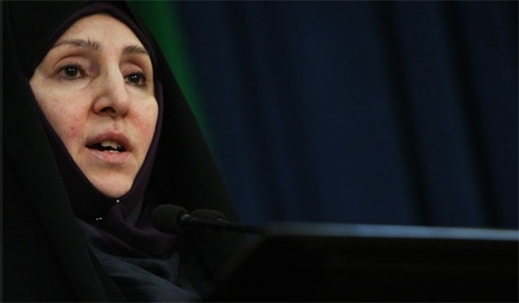
Afkham

Iranian Foreign Ministry Spokeswoman Marziyeh Afkham has once again rejected the possibility of Iran’s acceptance of a two-phase nuclear agreement with the world powers, calling on the latter to show a political will to end the standoff.

“The Islamic Republic of Iran has announced that we will accept an agreement in a single phase and all its details should be clear and it should contain no ambiguities,” Afkham said in her weekly press conference on Wednesday.

Stressing that no final deal will be possible as long as all issues and aspects of the agreement are not fully brought under the spotlight, she said, “We believe only when all the dimensions of the agreement are clarified the time will be ripe for announcing the agreement.”

Afkham also appreciated the constructive role of Russia and China in the nuclear talks, and said Tehran continues talks and consultations with the two countries not only on the nuclear issue, but also on other regional and international developments.

Her remarks came after Supreme Leader of the Islamic Revolution Ayatollah Seyyed Ali Khamenei underlined earlier this month that Iran would never accept a bad agreement with the world powers, adding that the country is in favor of a single-phase comprehensive deal which would respect the Iranian nation’s inalienable rights and entail all details.

“I agree with an agreement if it can be struck, but I disagree with a bad agreement,” the Supreme Leader said in a meeting with the commanders and personnel of the Iranian Air Force and Air Defense in Tehran in February.

He pointed to the US officials’ remarks that “disagreement is better than a bad agreement”, and said, “We believe the same and we believe that not agreement is better than striking an agreement that would harm the national interests and pave the way for humiliating the great Iranian nation.”

The Leader further stressed his opposition to striking a deal over general issues and leaving the details for some other time in future, saying a final agreement should include all the general principles and all the details together and should not leave anything for future.

The Supreme Leader reiterated that the Iranian nation will not tolerate bullying, excessive demands and illogical behavior.

Ayatollah Khamenei stressed that the general points and technical details of any accord need to be agreed upon simultaneously as the US has already proved that it tries to escape its undertakings under the pretext of different interpretations.

“The contents of such a contract should be transparent, clear and not open to interpretation. The contents of the agreement should not allow the other side which is used to bargaining to seek excuses on different issues,” he added.

The 10th round of negotiations between Iran and the six world powers was held in Vienna from November 18 to 24, where the seven nations decided to extend the talks until July after they failed to strike an agreement.

The latest round of the nuclear talks between Iran and the six world powers was held in February.Both Iran and P5+1 have underlined that cutting a final deal before the July 10 deadline is possible.

Iran, US to resume new nuclear talks in Geneva

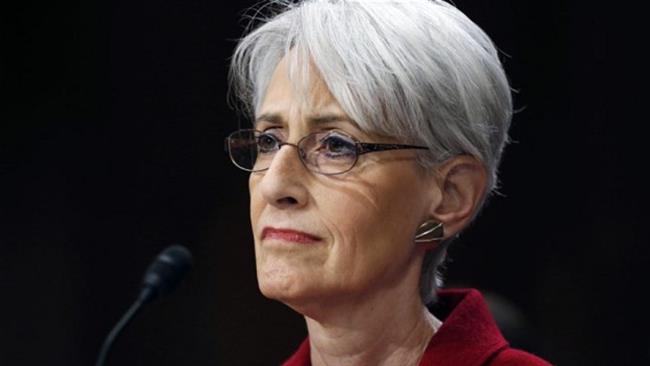
Wendy Sherman

Iranian and US negotiators will resume a new round of talks on Tehran’s nuclear program in the coming days.

Under Secretary of State for Political Affairs Wendy Sherman and her team will travel to Geneva, Switzerland, on Thursday to hold negotiations with Iranian officials, the State Department said on Wednesday.

“These bilateral consultations will take place in the context of the P5+1 nuclear negotiations with Iran,” it added.

It noted that Deputy Secretary General for the European Union’s External Action Service Helga Schmid would also join the bilateral talks.

The new round of talks will come as Iranian Foreign Minister Mohammad Javad Zarif and US Secretary of State John Kerry have held meetings multiple times mostly in European capitals.

The last face-to-face meeting between Zarif and Kerry was held in the German city of Munich earlier this month, when they met twice on separate days on the sidelines of an international security conference.

Iran’s nuclear stance

Iran’s President Hassan Rouhani said on February 10 that the country favors a “win-win” nuclear deal with P5+1, expressing hope that Tehran’s negotiating sides would show the necessary political resolve for the settlement of the nuclear case.

“Given the nuclear dossier, we have also managed to direct the negotiations to be constructive, and put the case on the track of… clinching an agreement between the two sides,” he added.

Iran and P5+1– Russia, China, France, Britain, the United States and Germany – are seeking to seal a high-profile political deal by the end of March and to confirm the full technical details of the accord by July 1.

The scale of Iran’s uranium enrichment and the timetable for the removal of anti-Iran sanctions are seen as the major stumbling blocks in the talks.

Iran has so far suspended some of its enrichment program in return for certain sanctions relief.

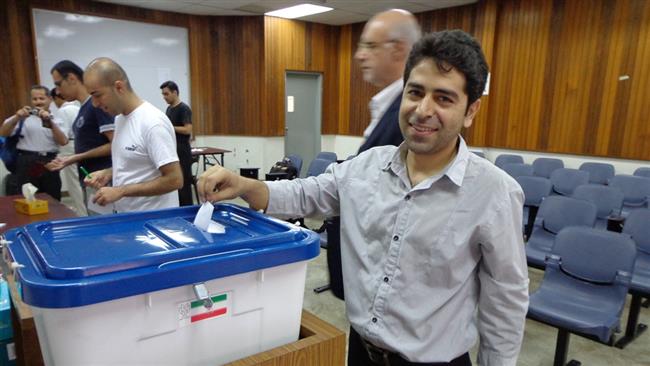
Iran’s legislative elections to come on February 26, 2016

Iran elections

The spokesman for Iran’s Guardian Council has announced the official date for the next legislative elections in the country.

Nejatollah Ebrahimian said Wednesday that nationwide elections to elect representatives for the Iranian parliament (the Islamic Consultative Assembly) will take place on February 26, 2016.

Iran’s Interior Ministry, which is charged with organizing the vote, had demanded the Guardian Council to pick a choice between February 26 and March 4 next year, Ebrahimian said.

The election for choosing members of the Assembly of Experts, an overarching body which supervises Iran’s leadership, will come on the same day. This will be the first time the two major bodies are elected simultaneously.

After the Islamic revolution of 1979, Iran has organized more than 30 votes at the national level. People are expected to cast their ballots in the next elections to pick representatives of their constituencies for a four-year term in parliament.

The new 290-seat legislature is scheduled to convene in the second half of 2016.

Members of the Assembly of Experts are elected every eight years.

A 4,200-year-old Zoroastrian grave found in northeastern Iran

4200-year-old Zoroastrian grave

Deputy Director of the Cultural Heritage, Handicrafts and Tourism Organization Ali Akbar Vahdati said that a Zoroastrian grave as old as 4,200 years has been discovered at the northeastern heights of Bojnourd in North Khorasan Province.

What comes next is a partial translation of a February 15 report the Islamic Republic News Agency filed on the find:

Vahdati said, “The discovery of the grave was made in 2012 during a project to build a park in Bojnourd. Back then the public announcement was put on hold so that further archeological examinations could be carried out. Unfortunately, operations by heavy machinery caused some damage to the skeleton and the vessels buried together with it in the grave.”

He further said that a bone sample from the skeleton was sent to a laboratory for DNA tests and studies on the vessels and the grave revealed signs of the Iranian civilization and Zoroastrianism in the region.

The ash found in the grave and the skeleton of a dog in an adjacent burial plot are indicative of Zoroastrian burial rites.

Vahdati added, “Further studies on the finds and the region suggest that there was an ancient cemetery in the suburbs of Bojnourd, an indication that back then some people took up residence in the Bojnourd Plain. The studies also confirmed that there has been a close cultural relation between the northern and southern parts of the Kopet Dag [a mountain range on the frontier between Turkmenistan and Iran’s North Khorasan Province] since 4,200 years ago.”

He went on to say, “The examination has revealed that there is a close resemblance between the finds in this region with those excavated in a hill in Turkmenistan’s Merv, suggesting that Zoroastrianism is older than it was previously thought.”

Vahdati added, “Although researchers and archeologists initially believed that people started taking up residence in the Bojnourd Plain during the Islamic Age, the recent evidence reveals that Persian tribes established residence in Bojnourd at least 4,200 years ago.”

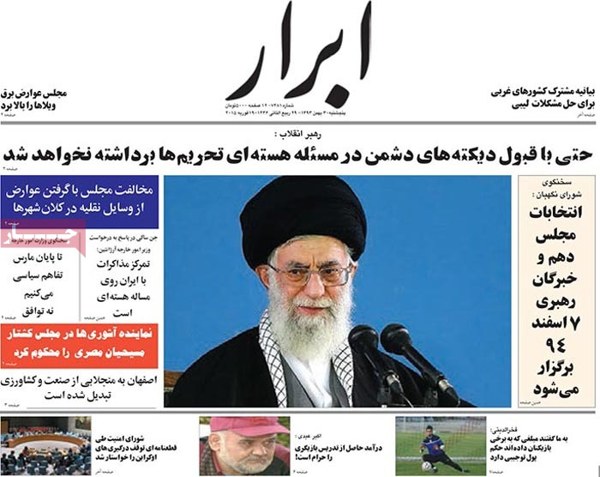
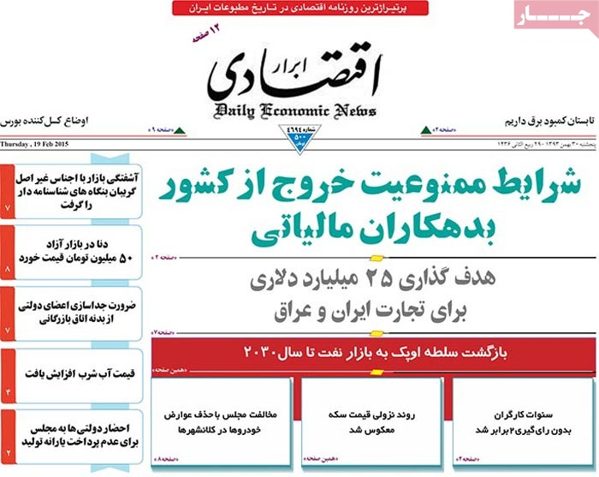
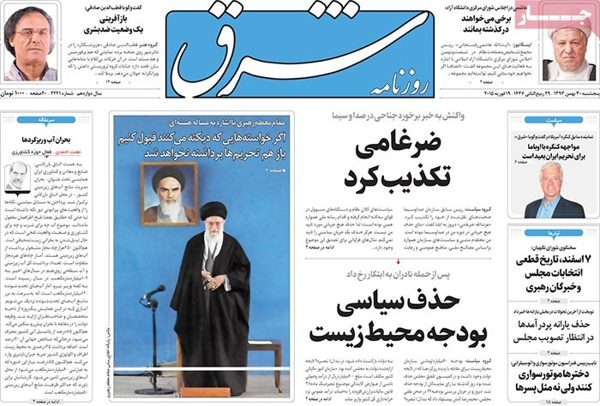
A look at Iranian newspaper front pages on Feb. 19

Iranian Newspapers Headlines

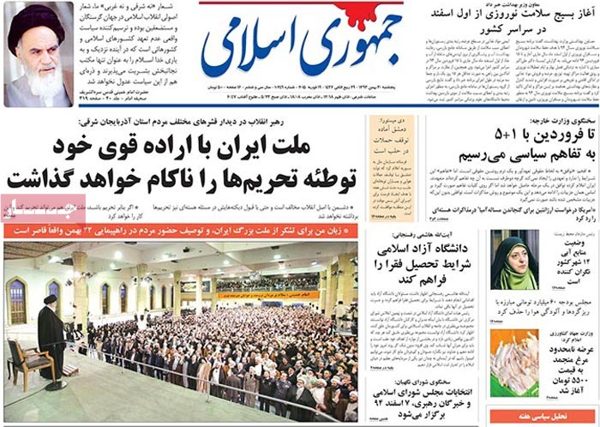
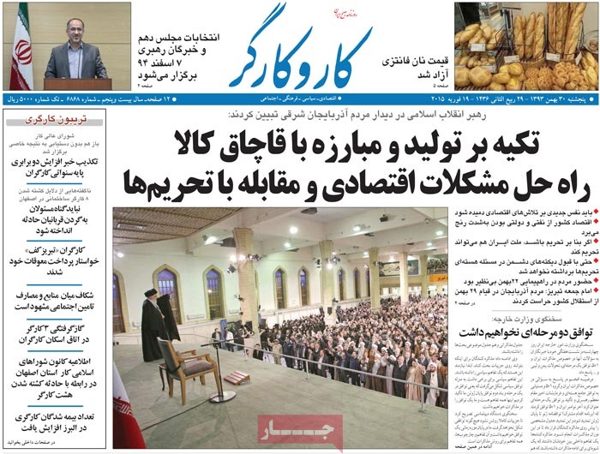
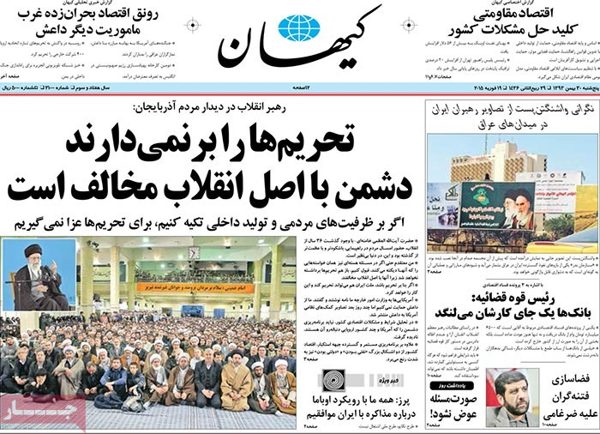
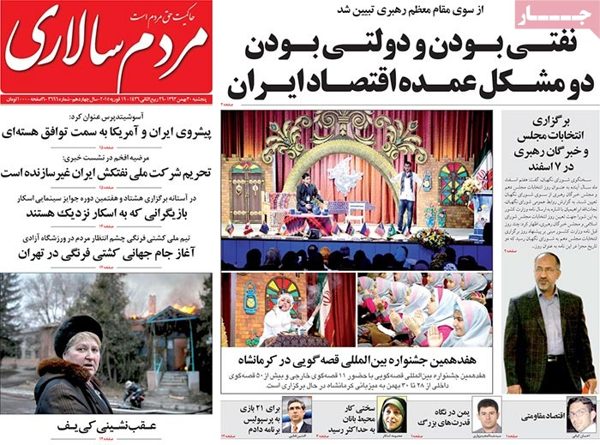
Comments by the Supreme Leader that if Europe imposes new sanctions on Iran, Tehran will retaliate and slap sanctions on Europe too dominated the front pages of Iranian newspapers on Thursday. Reformist-leaning papers put on their covers the news of parliament’s failure to allocate budget to efforts to tackle the problem of particulates.


Abrar: “Parliamentary and Assembly of Experts elections will be held on Feb. 26, 2016,” said the spokesman of the Guardian Council.

Abrar: Parliament has opposed plans to levy tariffs on cars in metropolises.

Abrar newspaper 2 - 19 - 2015


Abrar-e Eghtesadi: Iran and Iraq aim to increase the volume of their bilateral trade to $25 billion.


Abrare eghtesadi newspaper 2 - 19 - 2015


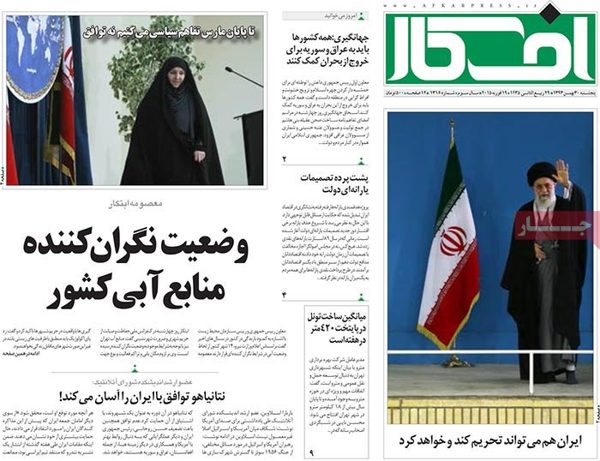
Afkar: “The country’s water resources are in an alarming condition,” said the director of the Environment Protection Organization.


Afkar newspaper 2 - 19 - 2015


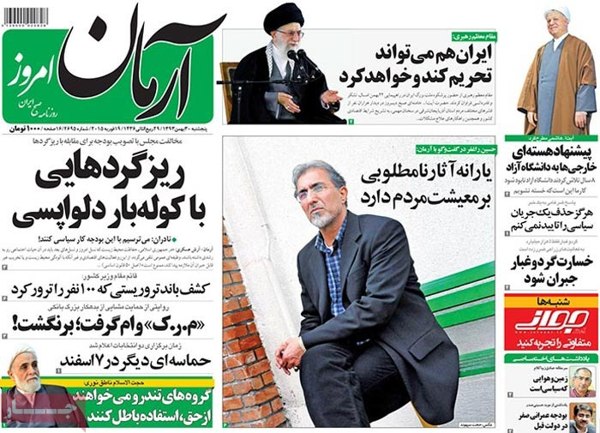
Arman-e Emrooz: Parliament has refused to allocate budget to efforts to fight particulates.

Elyas Naderan [a principlist MP] has said: We fear the budget might be used for political purposes!


Armane emruz newspaper 2 - 19 - 2015


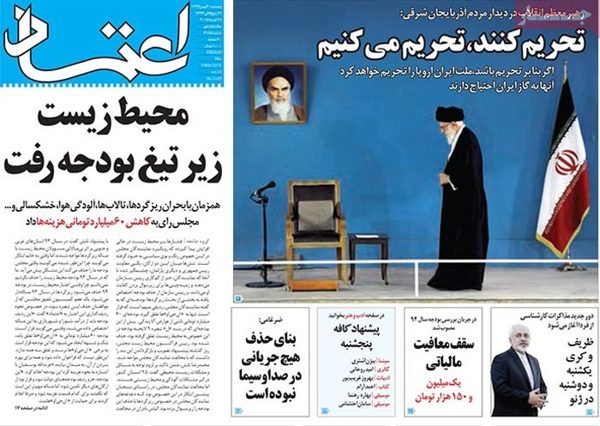
Etemad: Zarif and Kerry in Geneva on Sunday and Monday

A new round of expert talks will get underway tomorrow.


Etemad newspaper 2 - 19 - 2015


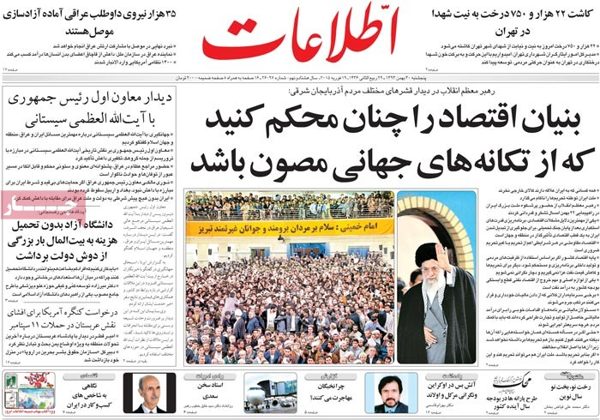
Ettela’at: Some 22,750 trees have been planted in Tehran in honor of martyrs.

Ettela’at: The first vice-president has met with [Iraqi Shiite cleric] Grand Ayatollah Sistani to discuss issues related to the region and the world of Islam.


Ettelaat newspaper 2 - 19 - 2015


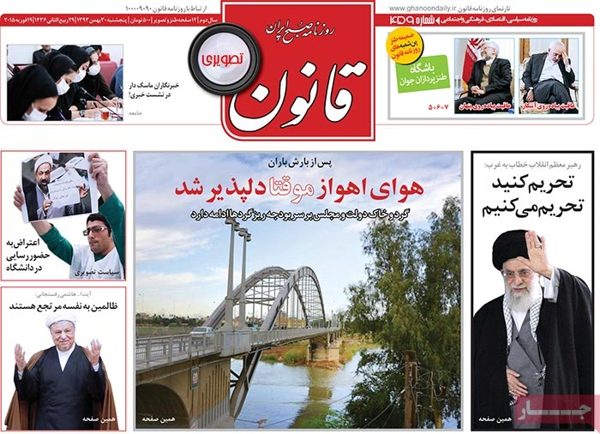
Ghanoon: After a recent rainfall, the air in Ahvaz temporarily turned blue.


Ghanoon newspaper 2 - 19 - 2015


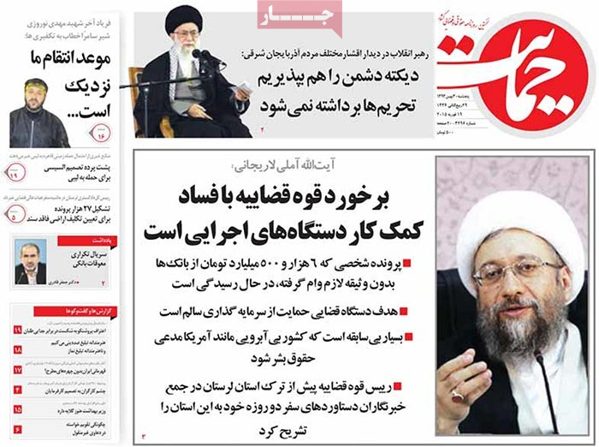
Hemayat: “Judicial crackdown on corruption helps executive institutions better fulfill their duties,” said Ayatollah Sadegh Amoli Larijani.

The judiciary chief, who was in Lorestan Province, further said the case of an individual who has received almost $2.2 billion in banking loans without collateral is under investigation. He also said the judicial system aims to support healthy investment.


Hemayat newspaper 2 - 19 - 2015


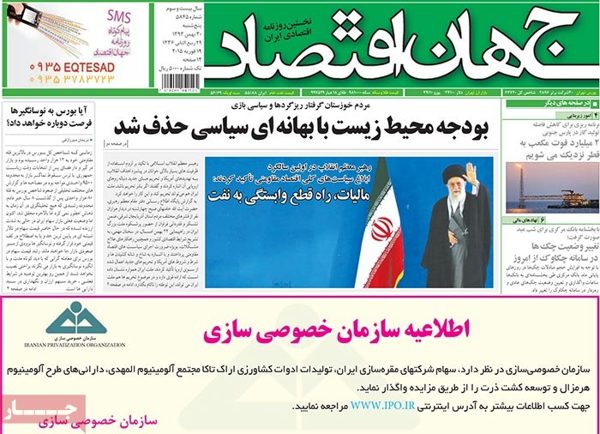
Jahan-e Eghtesad: The environment budget has been eliminated under political pretexts.


Jahane eghtesad newspaper 2 - 19 - 2015


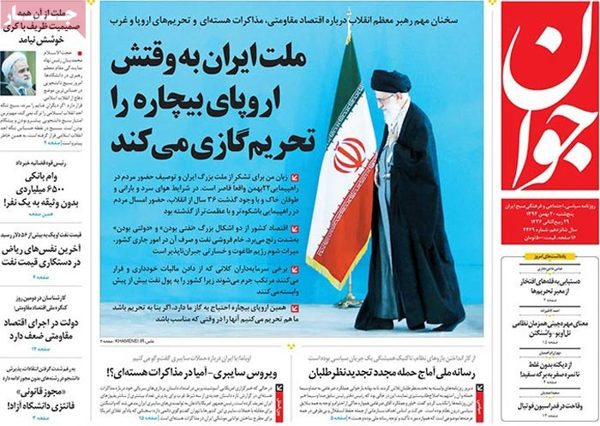
Javan: “The Iranian nation did not like the cordiality between Zarif and Kerry,” said the Leader’s representative at universities.


Javan newspaper 2 - 19 - 2015


Jomhouri Islami: “We’ll reach a political understanding with P5+1 by yearend [March 21],” said the Foreign Ministry spokeswoman.


Jomhorie eslami newspaper 2 - 19 - 2015


Kar va Kargar: “There won’t be a two-stage solution,” said Foreign Ministry spokeswoman Marziyeh Afkham.


Karo karegar newspaper 2 - 19 - 2015


Kayhan: “They won’t lift the sanctions. The enemy is opposed to the nature of the revolution,” said the Supreme Leader.


Kayhan newspaper 2 - 19 - 2015


Mardomsalari: The Supreme Leader has said the problem of Iran’s economy is that it relies on oil and is run by the government.


Mardom salari newspaper 2 - 19 - 2015


Sharq: [Former IRIB chairman] Ezzatollah Zarghami has denied that the national broadcaster followed a factional agenda when he was in charge.


Shargh newspaper 2 - 19 - 2015


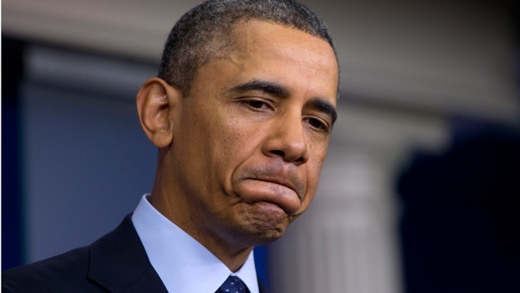
All the deadlocks of Obama

Barack-Obama

White House officials will in fact lose the Geneva deal in case no agreement is struck [between Iran and P5+1]. Such failure will see the Geneva deal become history. The Supreme Leader’s stress on the need for inking a one-phase [nuclear] deal has caused the American plot to procrastinate the talks to hit a deadlock.

The following is the translation of part of an opinion piece by Hossein Mizan published by khamenei.ir on February 15:

One month before the June 2009 elections [in Iran], Barack Obama, the 44th US president wrote a letter to the Supreme Leader asking him to try to open a new chapter in relations between the US and Iran. In the letter, Obama admitted that no issue in West Asia could be settled without Iran’s aid and presence. […]

In February 2013, Obama wrote another letter to the Islamic Revolution leader, expressing his country’s readiness to clinch a bilateral agreement on Iran’s nuclear program. […]

What is the reason behind the correspondence? If Iran is not in a good state – as the US officials claim – how come the US president sends a letter to Iran’s highest-ranking political official and appeals for help?

Perhaps one reason can be found in “Obama legacy”. […] Without fail, one reason the American historiography pays special attention to Ronald Reagan [the 40th] US president [1981–89] is his role in ending the Cold War which was one of the gravest US foreign policy crises. […]

So far Obama is among a few US presidents who have not left behind a legacy in which he and his fellow Democrats can take pride down the road. Of course he does not have much time left to create such a legacy. Thus, many believe that Obama’s legacy can be the diplomatic settlement of the Islamic Republic of Iran’s nuclear case. […]

After Democrats lost the congressional race to Republicans [in November 2014], a breakthrough in the nuclear talks with Iran could be the Democrats’ sole chance to win in the elections [in November 2016]. […]

There’s every indication that failure by Democrats to ink a deal with Iran could bring them down from the pyramid of political power for eight years. This comes as the occupants of the White House praise the Geneva deal as a big achievement of the Obama presidency, claiming that they have managed – thanks to this agreement – to stop the progress of Iran’s nuclear program after years.

Barack Obama proudly said in a recent interview with Vox [an American news website run by Vox Media] that the progress of Iran’s nuclear plan has been brought to an end in the course of 11 years of nuclear talks. Thus the American side seems to direly need the Geneva deal. The continuation of the talks or – at least – maintaining the Geneva agreement is what the US needs in order to advance its agenda at home and abroad.

What’s more, Americans badly need Iran’s help to solve regional problems. The fight against ISIL in Syria and Iraq, Lebanon’s political situation, recent political developments in Yemen and many other Gordian knots which are unfolding in the Middle East can be undone only by Iran […]

The question of Iran’s cooperation with the US for the settlement of its regional woes was categorically rejected by the Islamic Revolution leader. So a breakdown in nuclear talks will aggravate the strategic crises the US is facing in the region.

In reality, American efforts to show that Iran has lost ground in nuclear talks come at a time when US authorities or the Democrats – to say the least –are engaged in a life-and-death struggle the result of which hinges on conclusion of a nuclear agreement with Iran. […]

A while ago, [David] Cohen [the US Department of Treasury undersecretary of terrorism and financial intelligence] claimed that the Iranian economy is in a condition which basically cannot rebound unless Iran signs a nuclear deal with the West, and this has given the US more leverage in final talks with Iran.

Regardless of what has been already said – which fundamentally rejects Cohen’s claim – such viewpoints are met with strong opposition even inside the United States. Tony Blinken, the US Deputy Secretary of State, has recently said that sanctions were not what brought Iran’s nuclear program to a halt; rather a nuclear agreement with Iran has simply stopped such activities. […]

Despite rhetoric by Obama, Kerry, Cohen, etc. the US need for talks or at least keeping the Geneva agreement in place far exceeds that of the Iranian side. So walking away from the negotiating table by the US will spell the collapse of the talks. In case a breakthrough is not achieved [in the talks], the US officials will practically lose the Geneva deal and it would become history.

The US strategy used to show itself in efforts to re-extend the talks and buy time in order not to lose the Geneva deal. But the Supreme Leader’s remarks last week and his stress on a one-stage agreement which encompasses both general and detailed outlines put the Americans in a quandary. The Leader has also ruled out a multi-phase agreement as well as a [general] diplomatic agreement before agreeing on the details.

Boastful remarks by Kerry and Obama’s recent bragging all indicate that their prospective plans for reaching a general, yet half-finished, agreement – something which failed to serve the national interests of the Islamic Republic of Iran and only served the interests of the US, especially those of Democrats – have all been foiled.

The order of the Supreme Leader on a one-phase deal has targeted the Americans’ Achilles’ heel. Undoubtedly, a unique opportunity has opened up for Iran’s nuclear team to persevere and reclaim the rights of the Iranian nation and ask for the removal (not suspension) of sanctions once and for all.

It is no secret today that for Obama, his colleagues and fellow Democrats, a bad deal is better than no deal.

The original article in Farsi featured several references to support the assertions of the author.