Monday, December 29, 2025
Home Blog Page 4892

No Iranian pilgrims injured in Thursday night explosions in Karbala

Karbala-Arbaeen

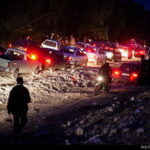
No Iranian was among the victims of multiple explosions Thursday night in the Karbala suburbs, the cause of which is said to be mortar or mini Katyusha shelling.

The director of Iran Hajj and Pilgrimage Organization’s office in Iraq Mostafa Qasemi told IRNA that a few people have been reported injured, but noted that none of them were Iranian.

He said that Iranian pilgrims could not have been injured in the attacks because they were not based in the suburbs of Karbala.

Last night at least six heavy explosions were heard in Karbala and nearby areas.

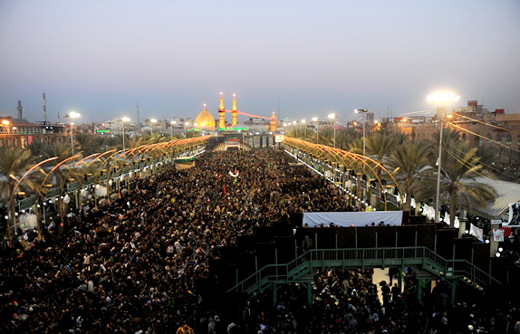
The attacks on the largest peaceful gathering of Shiite Muslims occurred at a time that according to Iraqi sources millions of pilgrims had arrived in Karbala as of Thursday to participate in Arba’een rituals – to be held on Saturday — and the number is still increasing.

Arba’een is a Shiite religious observance that occurs 40 days after Ashura, the day of martyrdom anniversary of Imam Hussein (AS), the third Shiite Imam and the grandson of Prophet Muhammad (Peace Be upon Him).

Iran, P5+1 to hold next round of talks Dec 17: Iranian negotiator

Iran-Araqchi

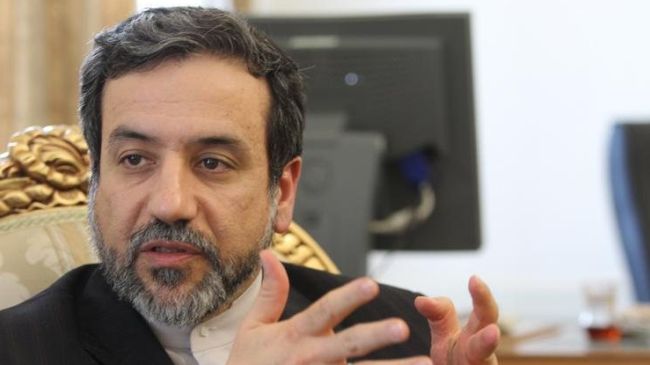
A senior Iranian nuclear negotiator says the next round of nuclear talks between Tehran and the P5+1 group will be held at the deputy ministerial level in less than a week.
A next round of talks between Iran and its negotiating partners — the United States, France, Britain, Russia, China and Germany — will be held in the Swiss city of Geneva on December 17, Seyyed Abbas Araqchi, who doubles as Iran’s deputy foreign minister for legal and international affairs, said on Thursday.
“There will be bilateral negotiations between delegations from Iran and the P5+1 group in Geneva two days prior to December 17,” the Iranian official added.
“The Iranian negotiating team is expected to hold bilateral talks with the US delegation as well as with other delegations in Geneva,” he further said.
In their last round of talks, Iran and P5+1 wrapped up a week of intense closed-door nuclear negotiations in the Austrian capital of Vienna on November 24. The negotiations aimed to tackle the remaining obstacles that stood in the way of reaching a final agreement.
At the end of the talks, the two sides decided to extend their discussions for seven more months. They also agreed that the interim deal they had signed in the Swiss city of Geneva last November remain in place during the remainder of the negotiations until July 1, 2015.

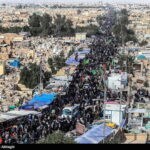
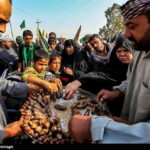
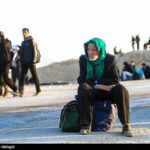
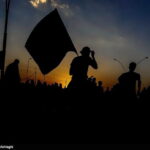
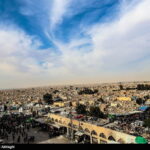
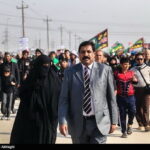
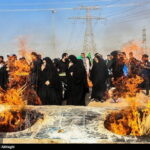
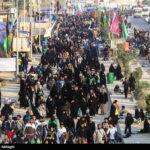
Imam Hussein lovers en route to Karbala ahead of Arba’een

Arbaeen-Imam Hossein

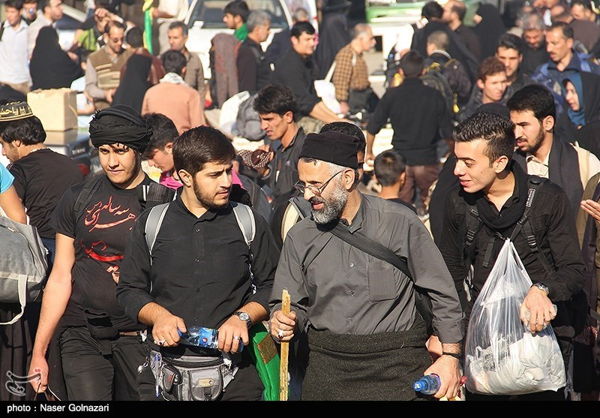
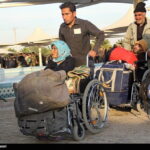
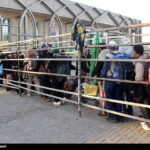
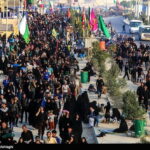
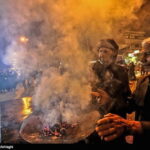
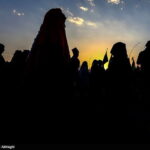
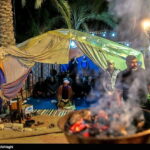
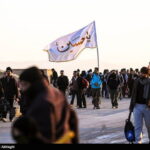
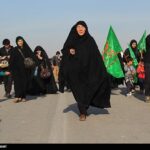
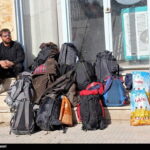
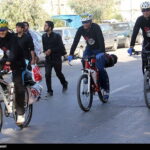
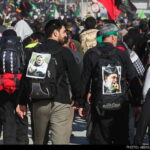
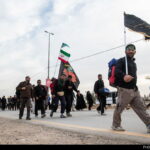
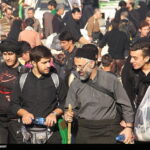
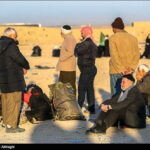
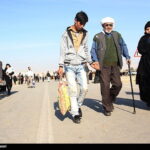
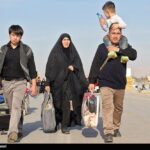
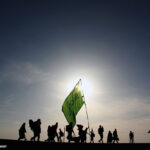
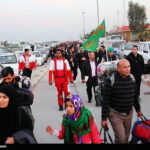
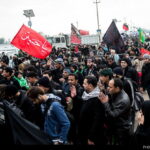
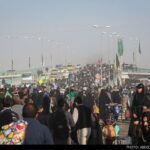
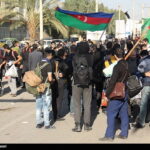
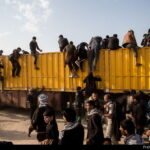
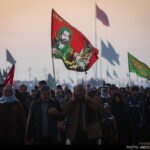
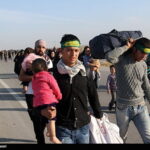
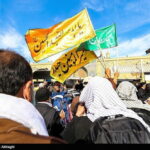
Saturday December 13 is Arba’een, a religious ceremony that comes forty days after Ashura, which marks the martyrdom of Imam Hussein, the grandson of the Prophet Muhammad (PBUH). Shiite Muslims all over the world hold services to mourn the loss of the third Imam, with some heading to the holy shrine of the martyred Imam.

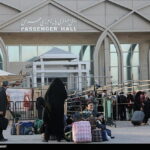
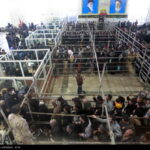
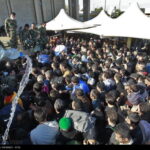
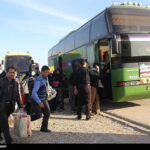
This year Iranians have set out, in droves, on a journey to the holy Iraqi city ahead of Arba’een, but the massive influx of pilgrims has promoted officials to shut down Shalamcheh and Mehran border crossings on the Iran-Iraq border, asking them to make a return.

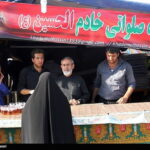
The following are photos Tasnim News Agency and the Iranian Students News Agency (ISNA) have posted online of the true lovers who are heading to Karbala, Iraq prior to the occasion. Take a look:


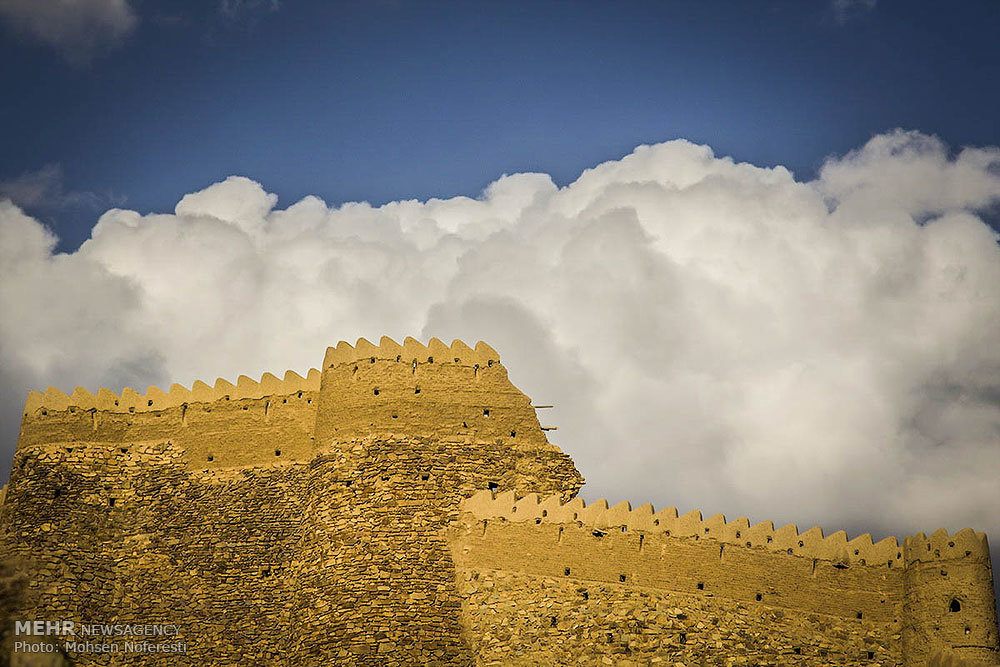
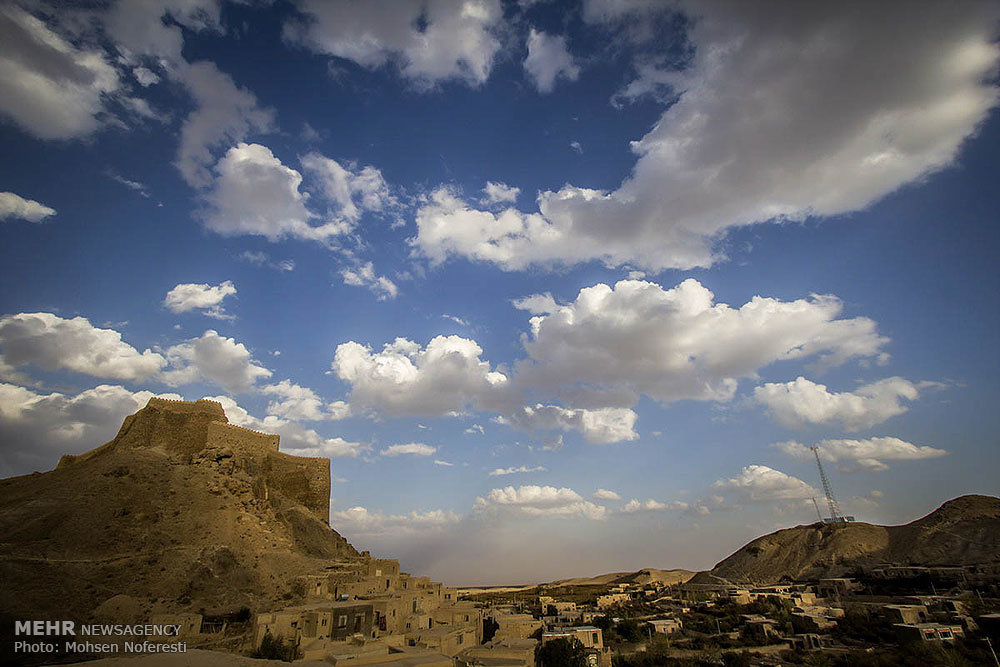
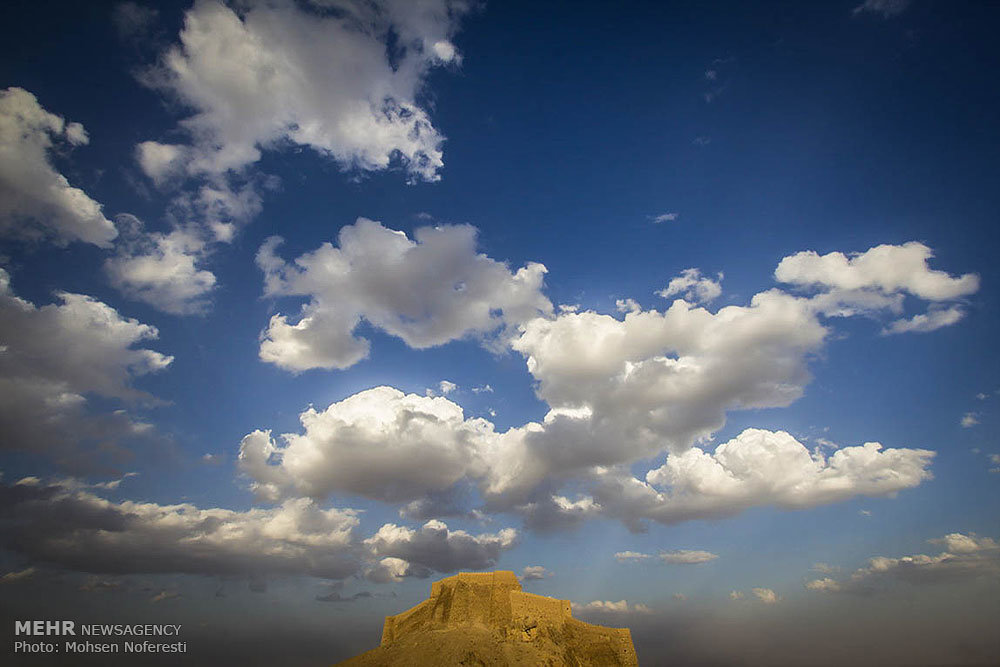
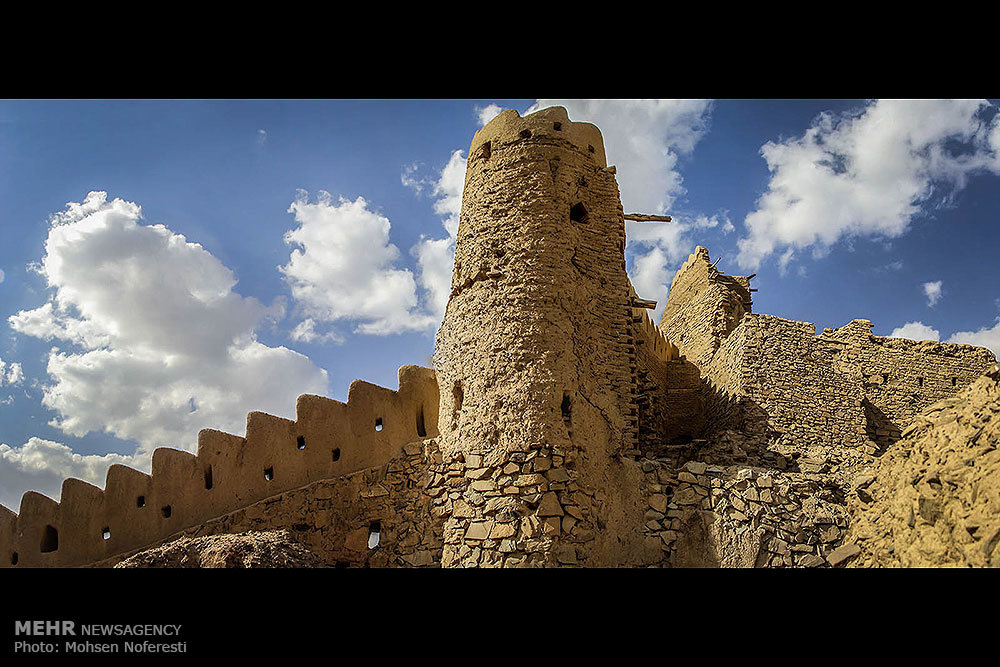
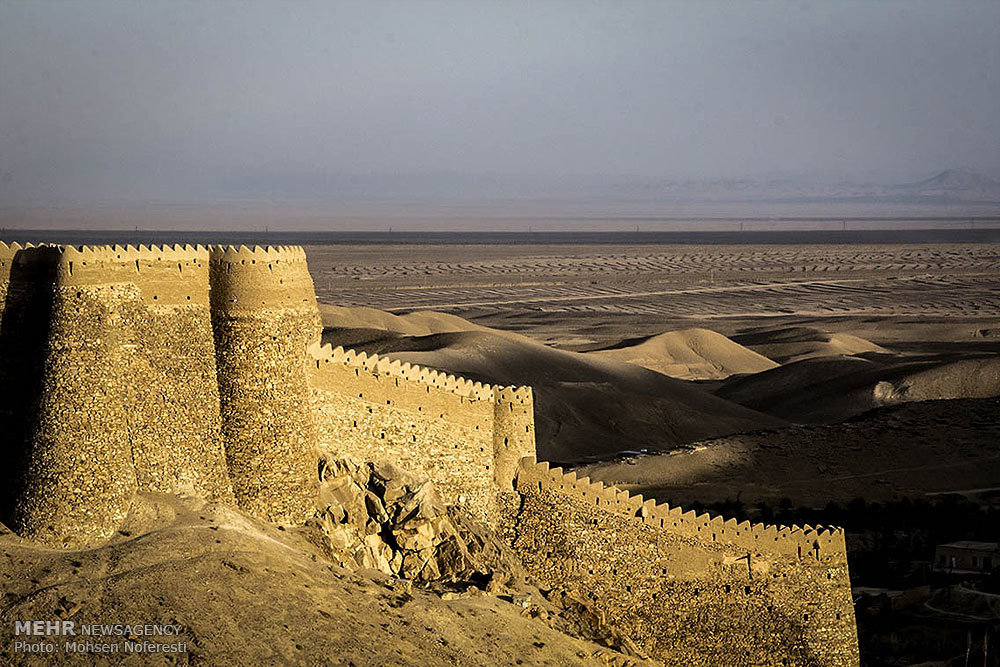
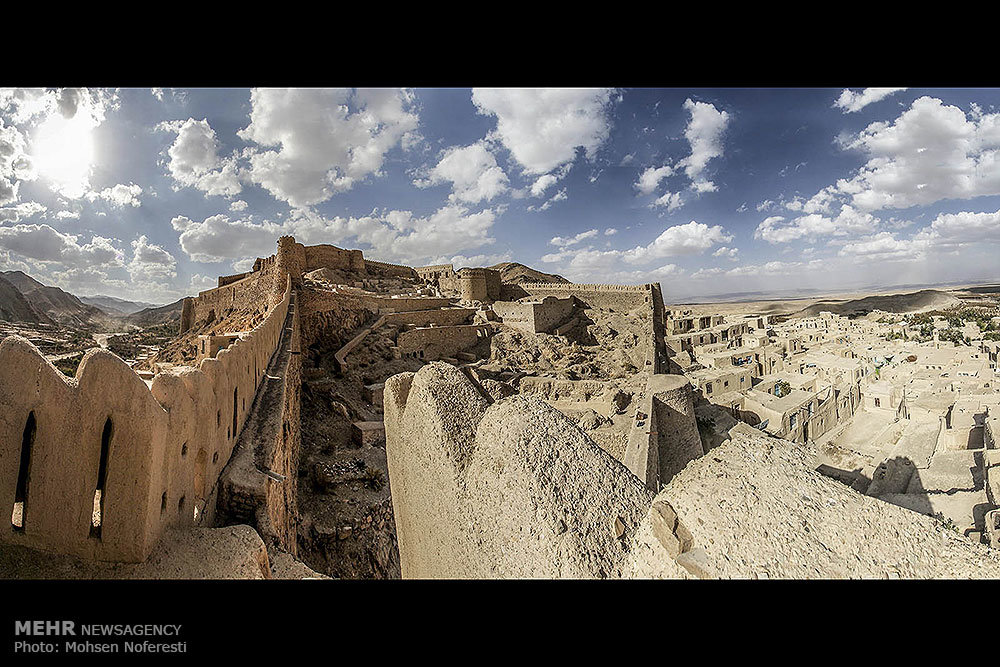
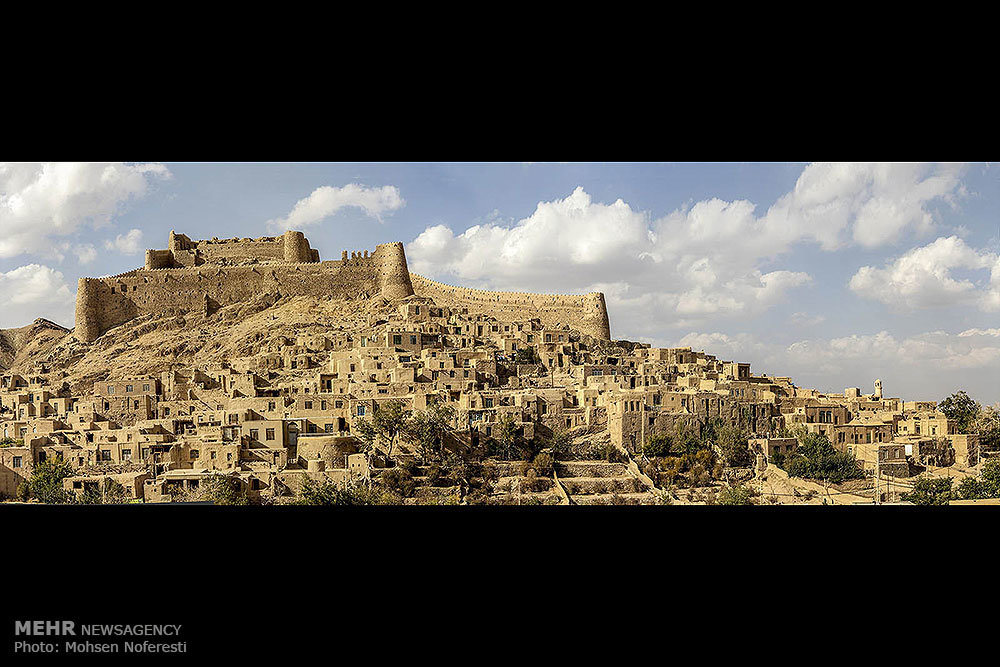
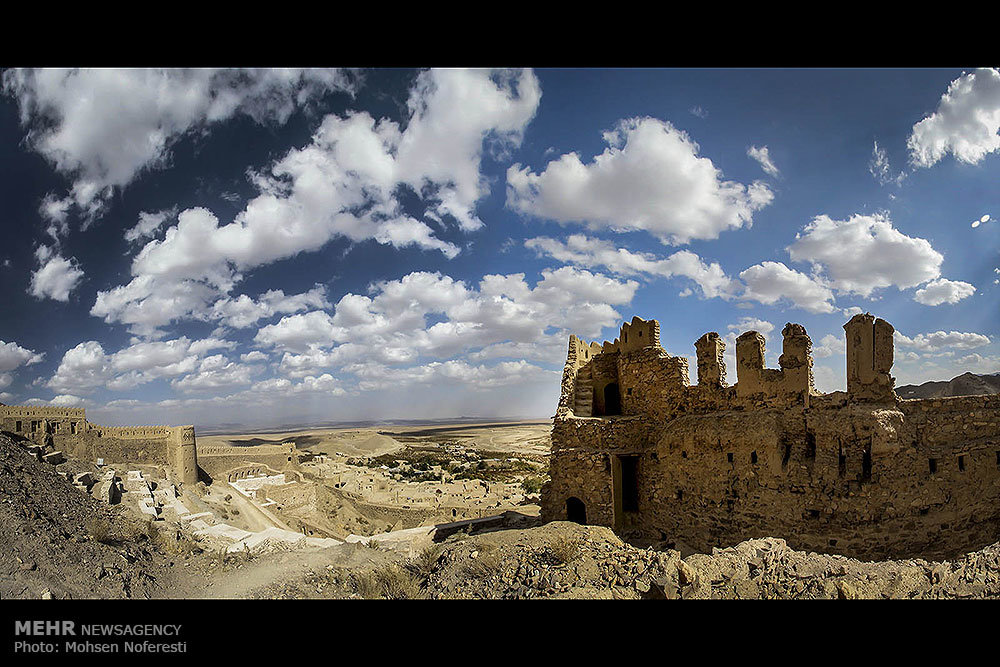
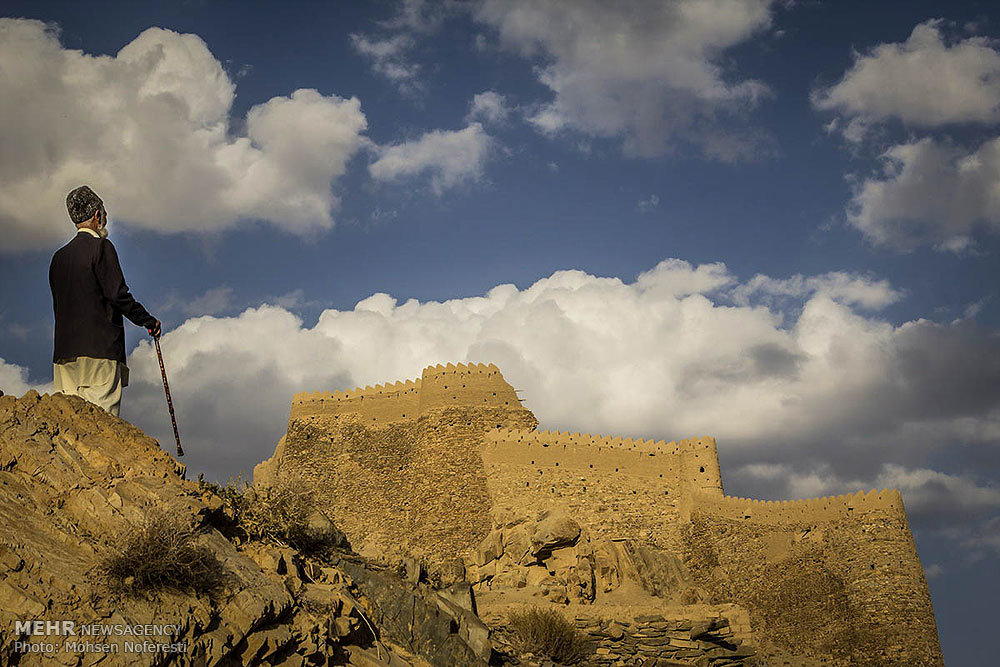
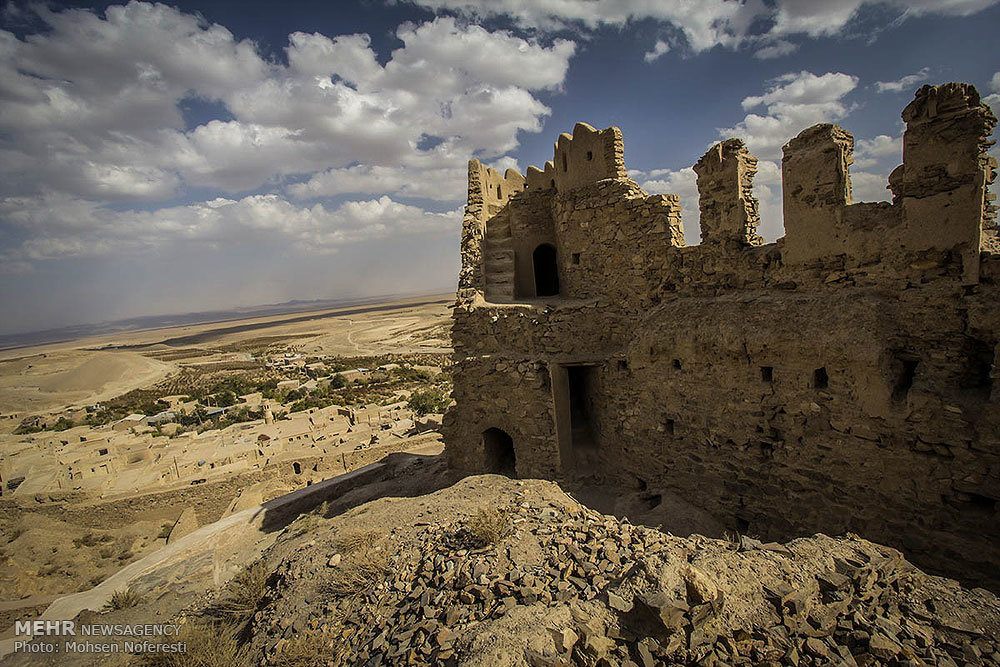
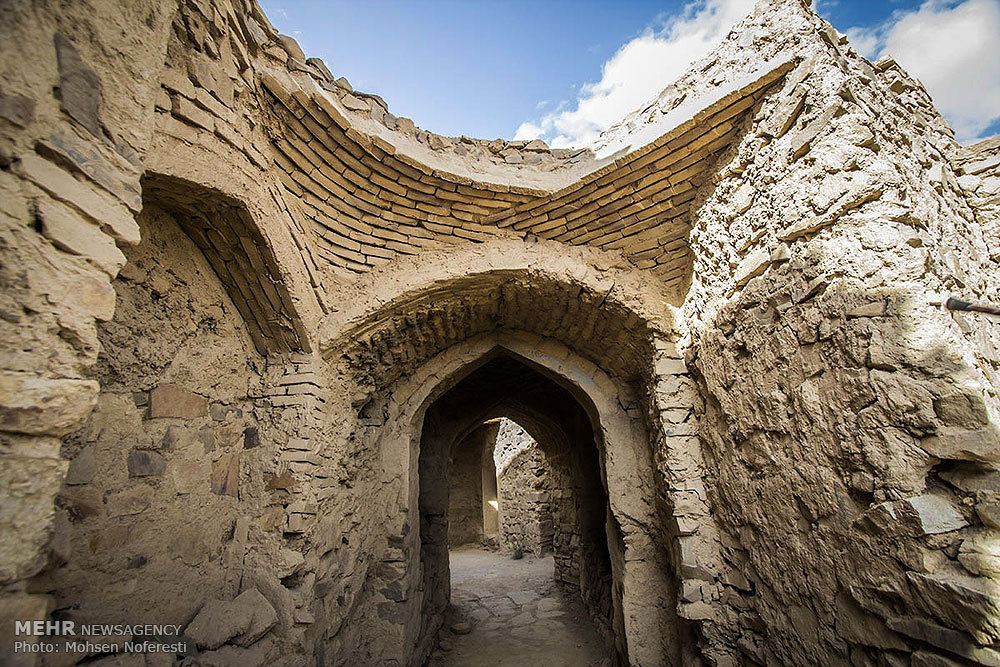
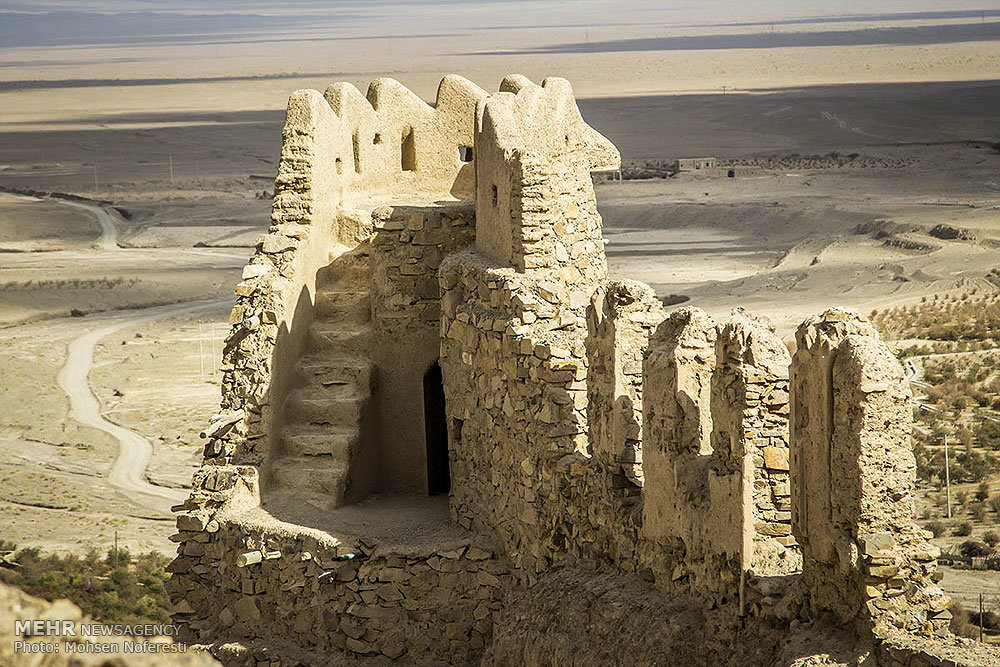
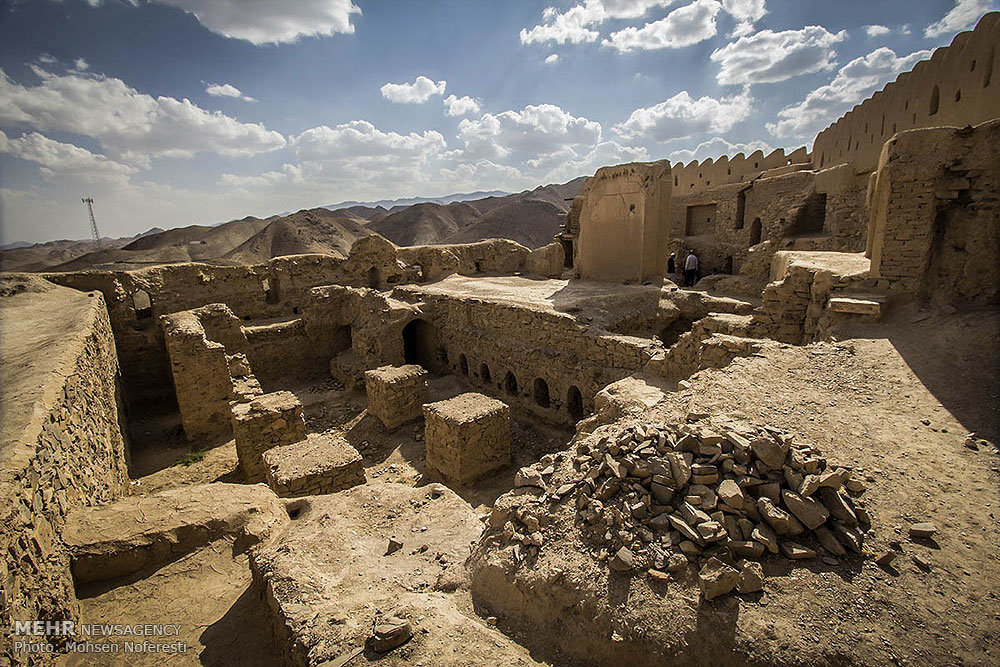
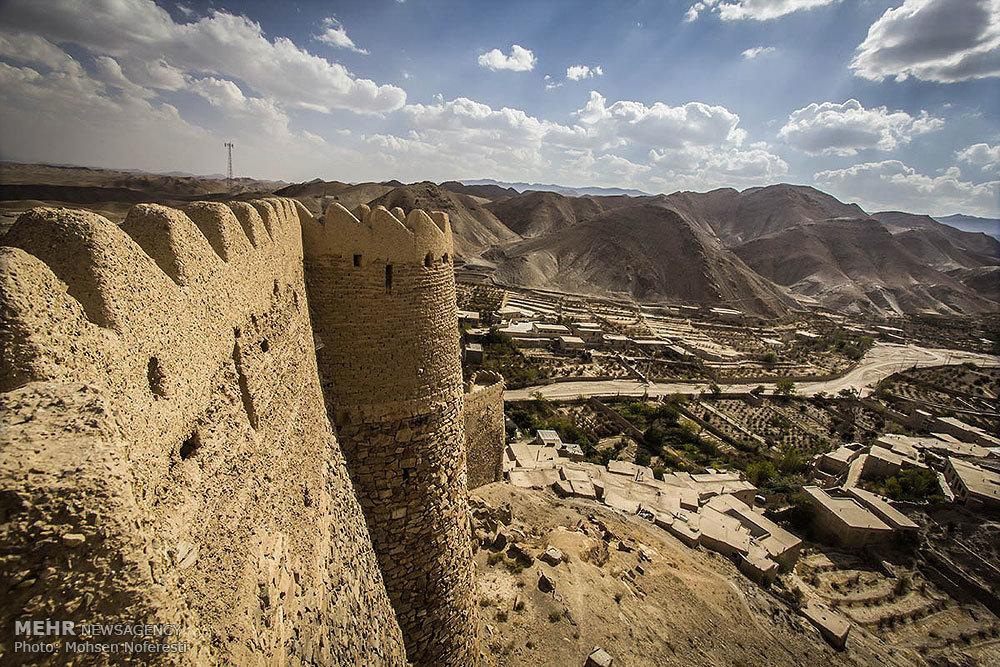
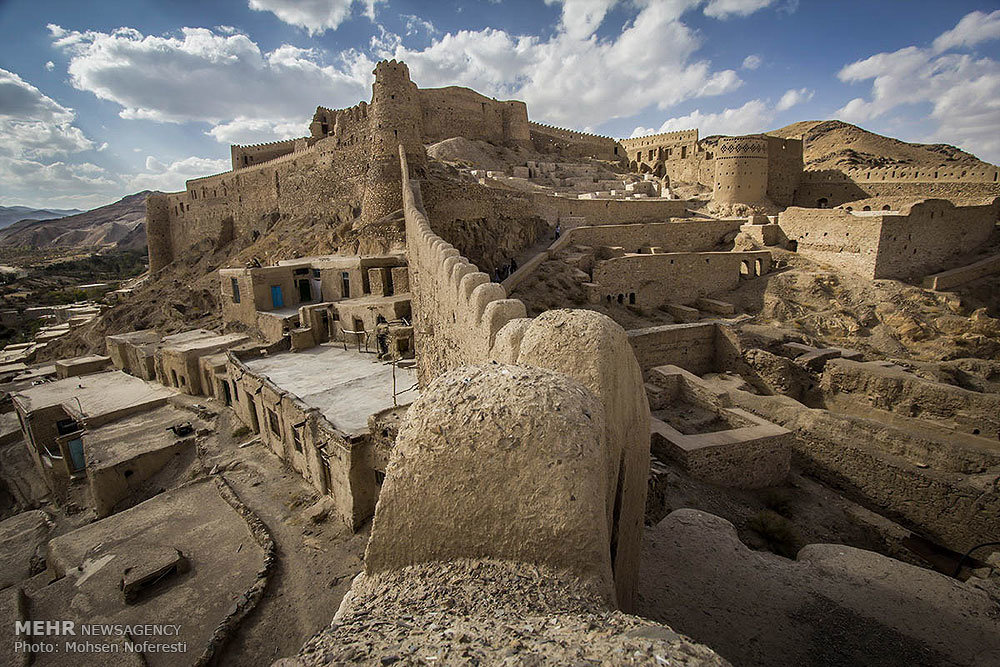
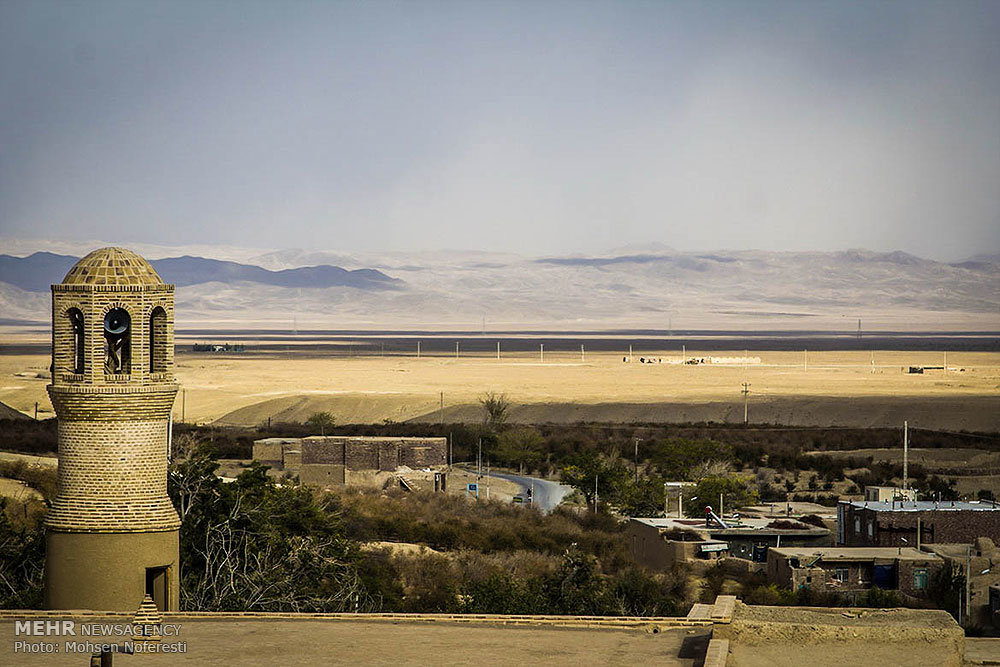
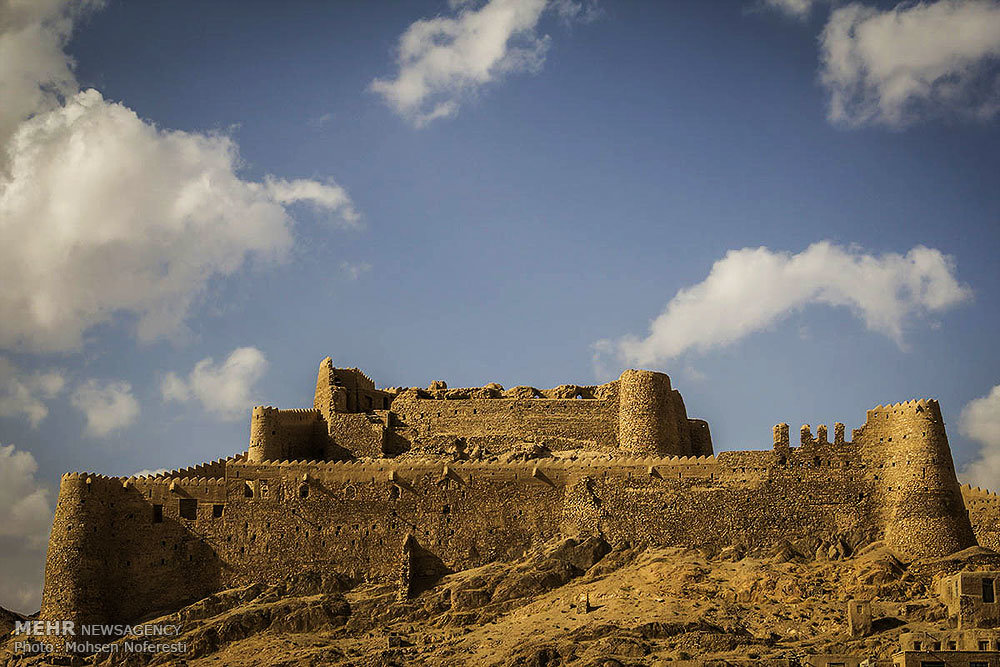
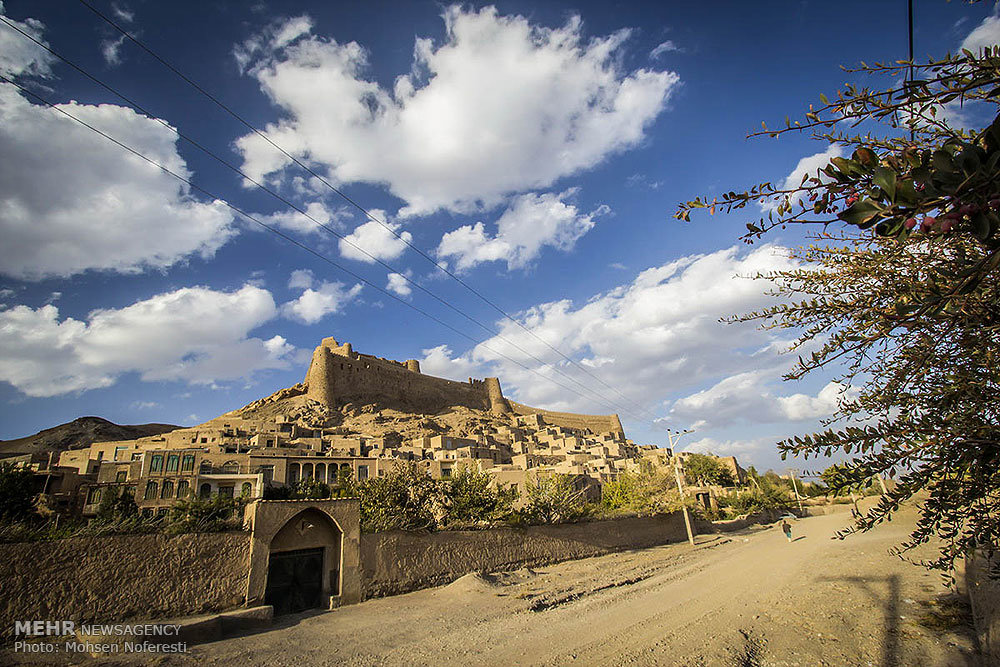
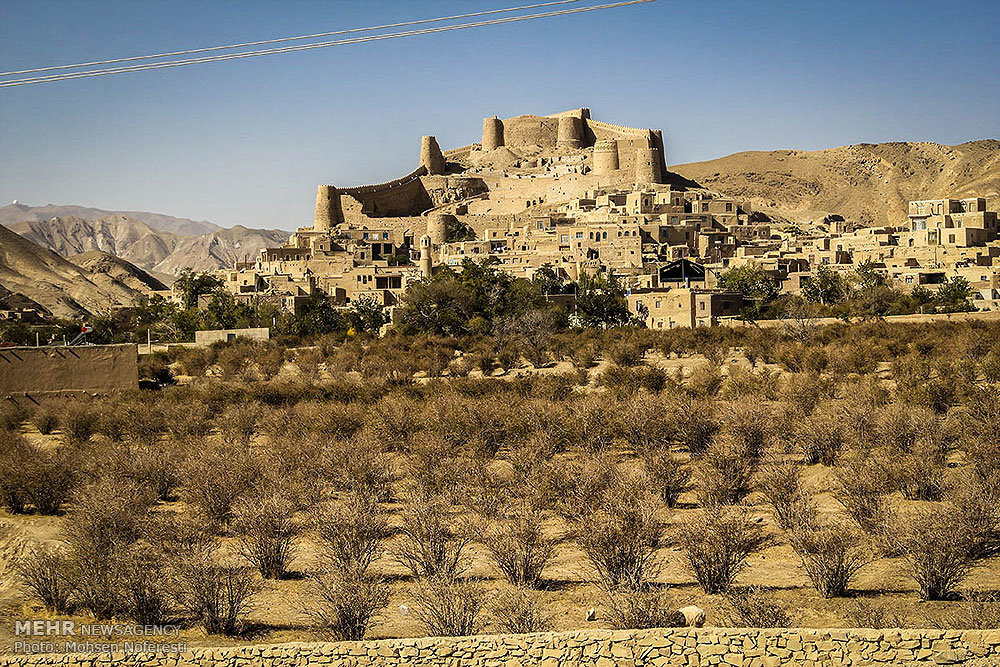
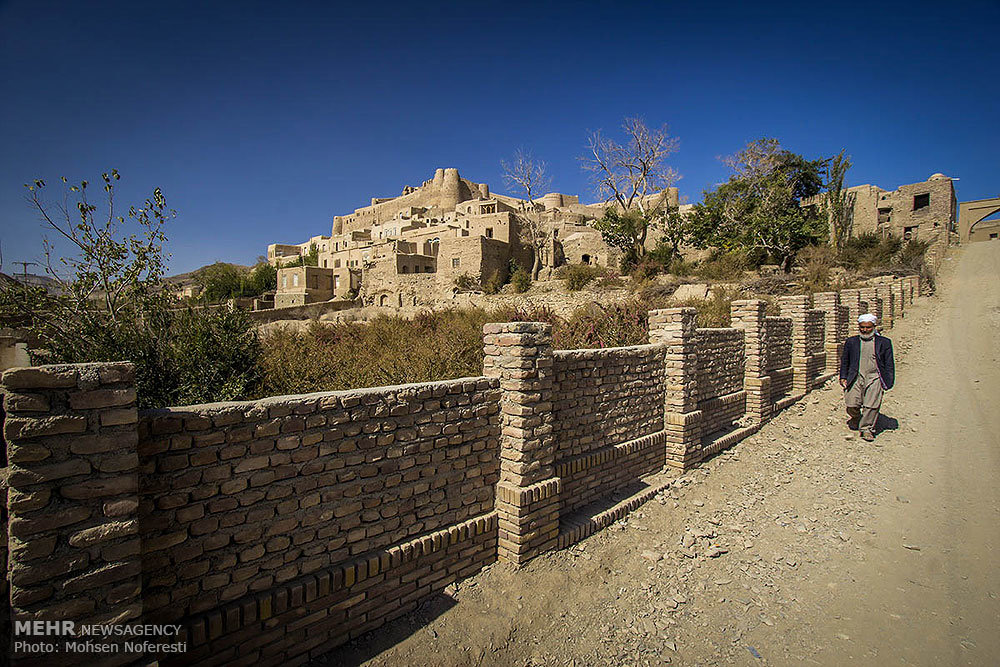
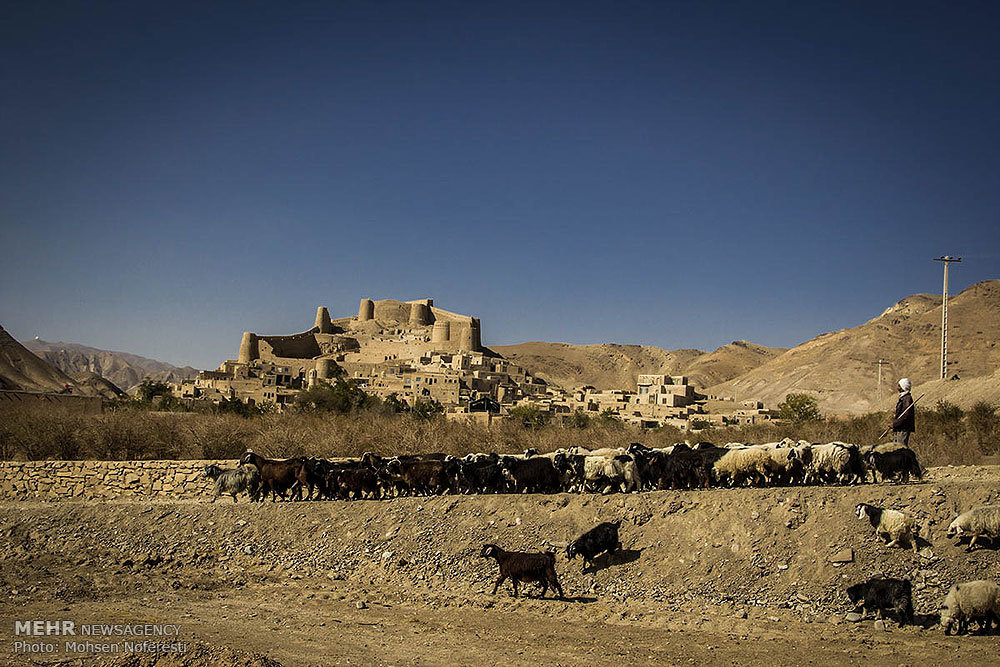
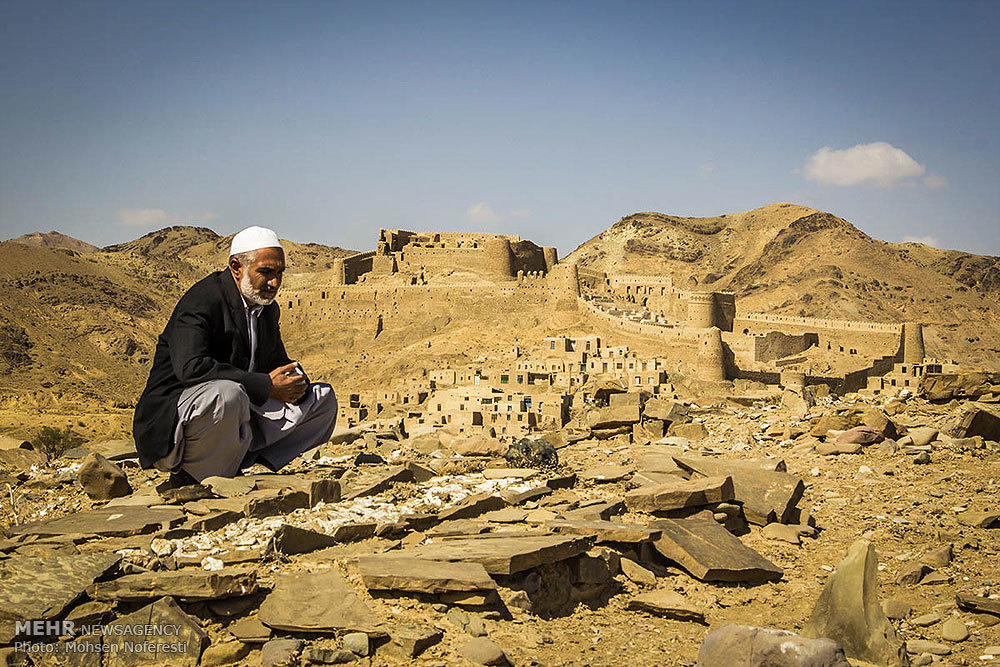
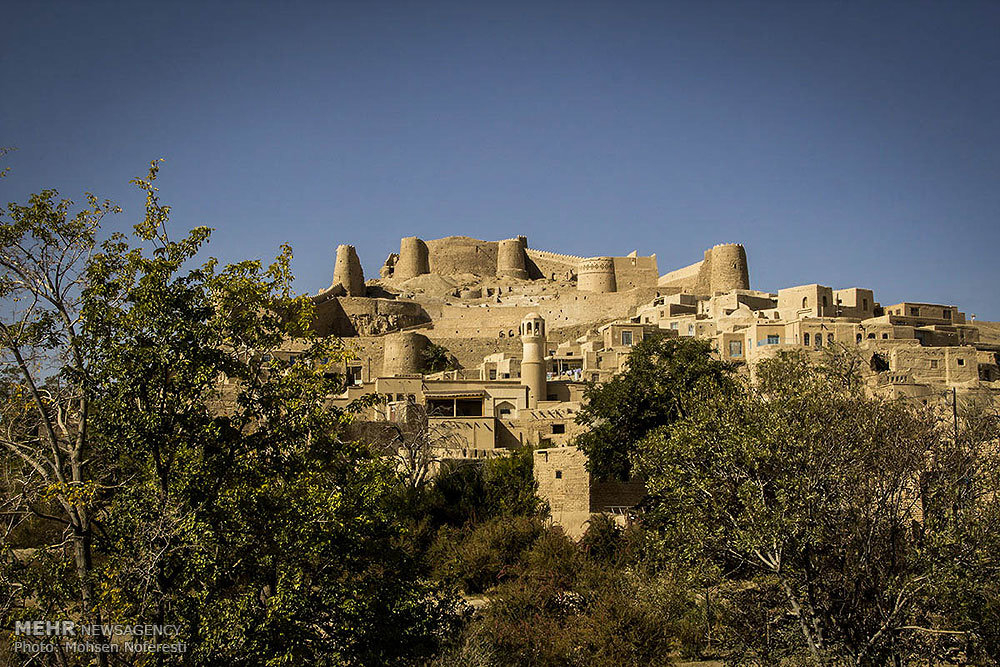
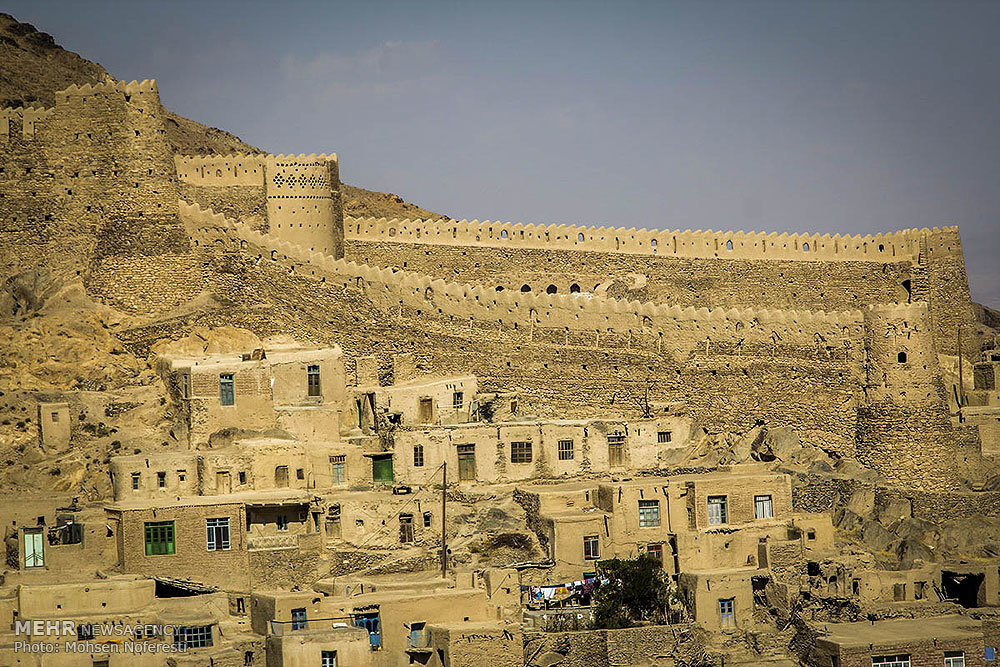
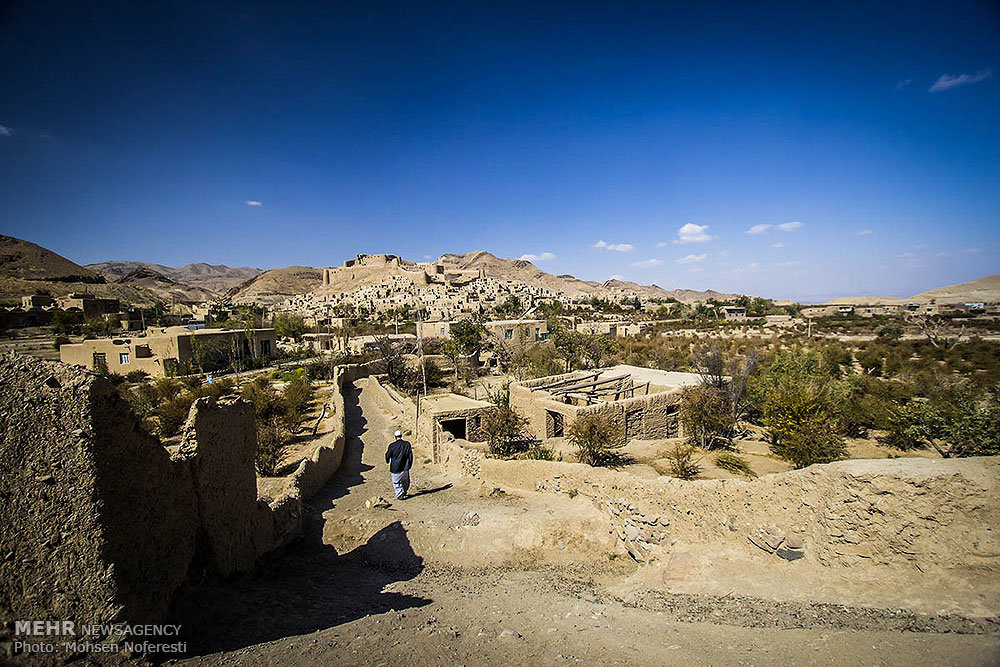
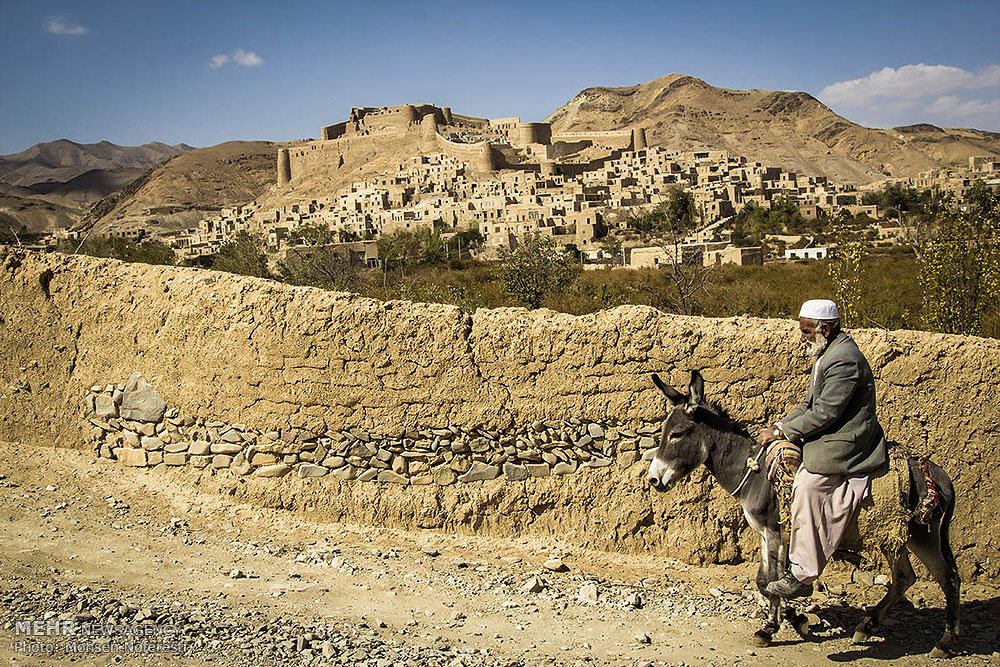
Iran Architecture in Photos: Ancient Forg Castle

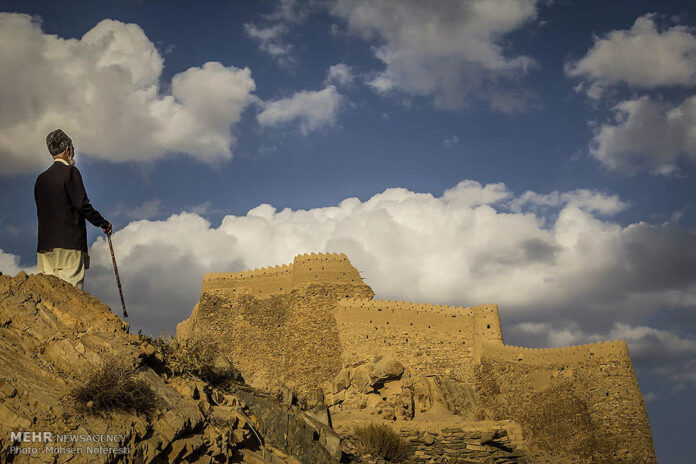
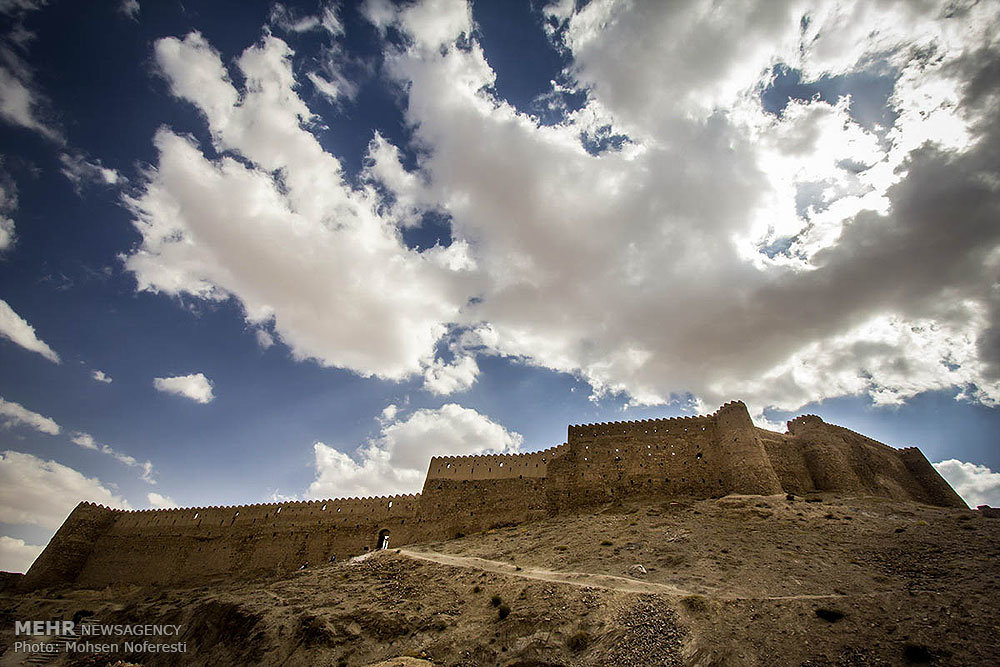
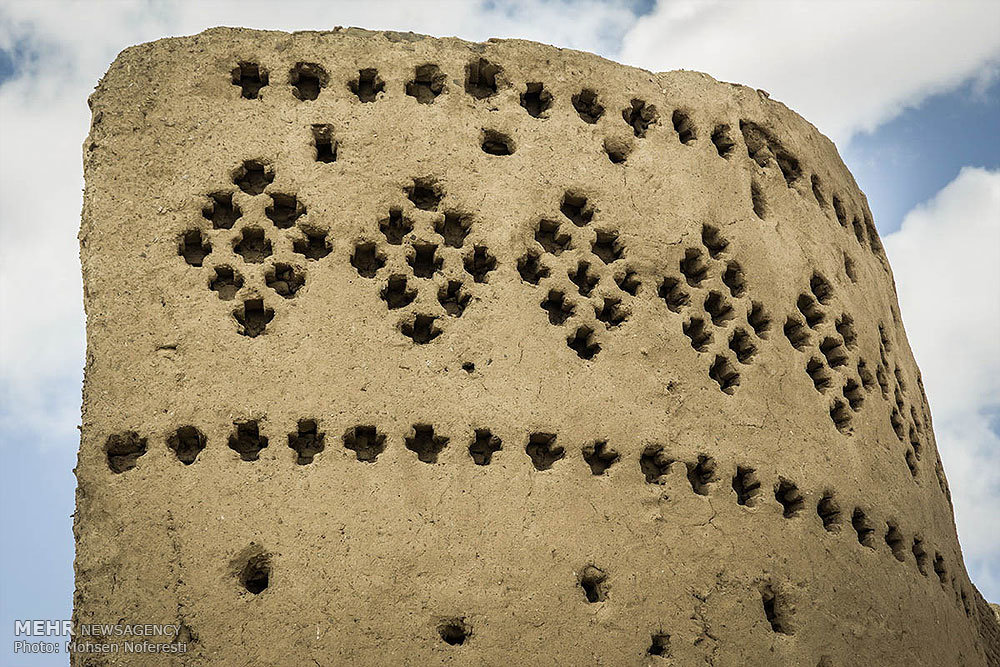
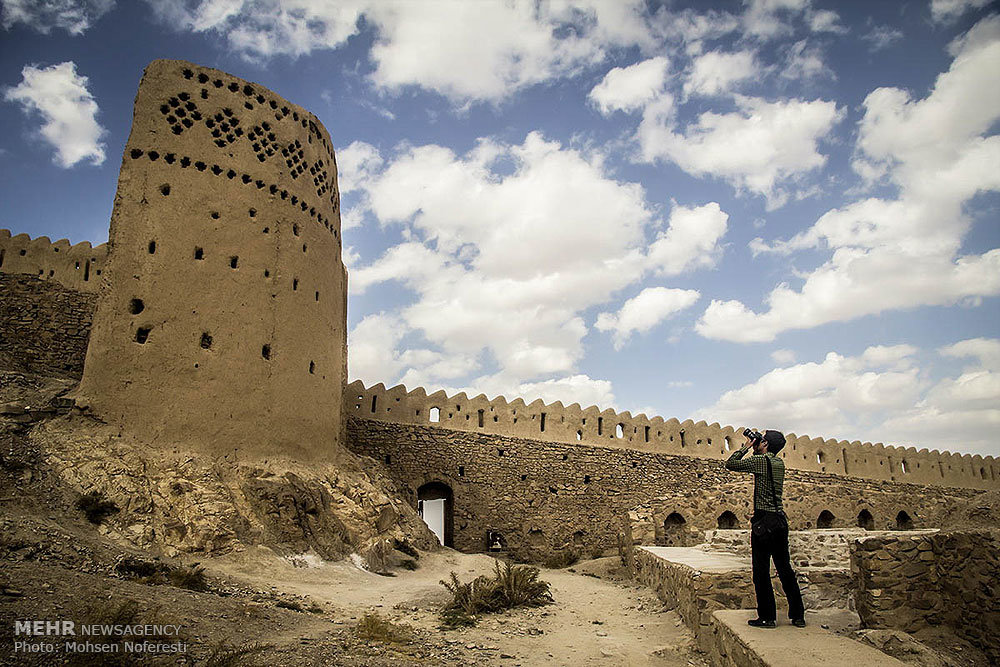
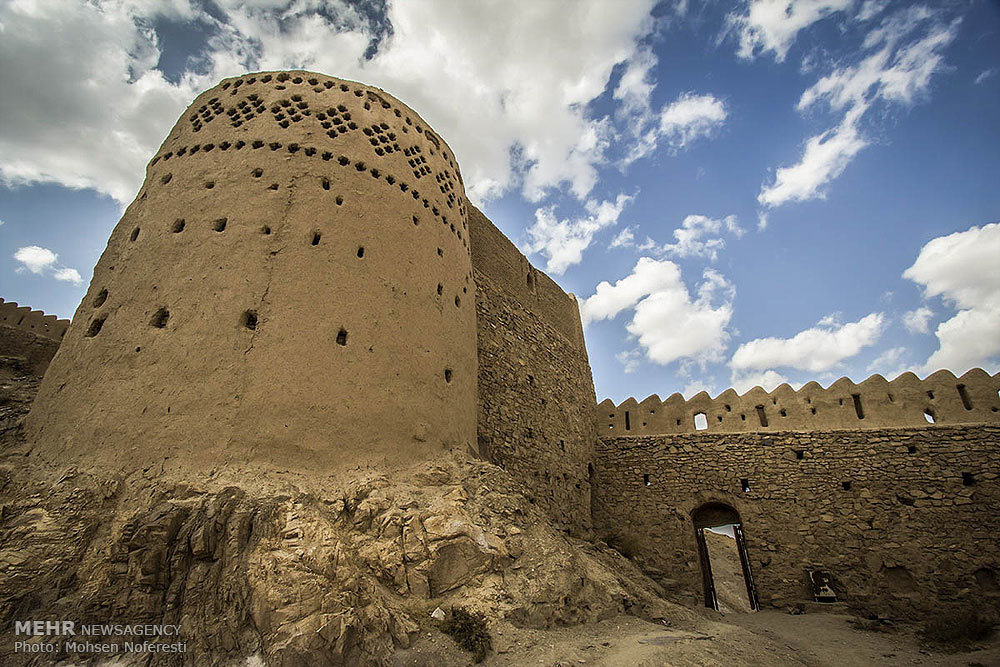
Forg Castle in Iran

Forg Castle is located in Forg Village, one of the districts of Darmian town, 90 km east to Birjand City and 10 km to Asadieh City in eastern province of Southern Khorasan.

Materials used in the building include stone, brick, clay, gypsum, lime and mortar (Sarouj).

The ancient castle dates back to the Afshar era. It was built by Mirza Baqa Khan during the Nader Shah era.The interior part of the castle includes the residence of servants, animal shelter and ammunition depot.

The following is a photo gallery of Forg Castle posted online by the Mehr News Agency. Take a look:

Intelligence Minister: We do not pry into people’s private lives

Iran's Intelligence Minister Seyyed Mahmoud Alavi

Aftab-e Yazd newspaper on December 10 reported the remarks of Intelligence Minister Seyyed Mahmoud Alavi in Bojnurd, North Khorasan province on his ministry’s responsibility of injecting a sense of security into society and its refusal to dig into people’s past and present. The following is the translation of what he said:

Thanks to unity among officials, people have grown more hopeful about the future and the noose has been tightened around the neck of adventurists and rouge elements.

When a sense of hilarity, happiness and security prevails in society, hope and dynamism will be created and the wheels of economy, industry and science start to spin.

A society with a boom economy will render enemy-imposed sanctions toothless, no matter how tough they are. Such a society will march toward scientific and economic stability.

People are the pillar of security in society and the Intelligence Ministry is seeking to ensure security and instill a sense of security in society in cooperation with members of the public. The country’s intelligence is based on religious concepts, and nothing comes out of the ministry but efforts to serve [people].

Today the stage has been set for the country to grow and develop due mainly to the unity and security which exist in the country. People from all walks of life can freely speak their mind, and political parties and groups are pursuing their goals through healthy rivalry facing no problem whatsoever.

Political parties and groups face no ban on their activities as long as they continue to act within the law and with no security issues in their gatherings. Political parties need to define what they do within the framework of healthy political rivalry; in case such rivalry grows [between them], political bickering and disputes find no room to thrive.

The Intelligence Ministry and the Unknown Soldiers of Imam Zaman [a term widely used to refer to intelligence agents] support no political groups and undertake their responsibility according to what law prescribes.

The plurality of parties and groups is a must to have hilarity and dynamism in society. We believe that all authorized political parties and groups are like children of a family where the multiplicity of taste does not translate into conflict.

A sense of security is also felt by students and professors in universities and seminary schools. They can stake out their views and positions [on different issues] facing no problem thanks to prevailing security [in society].

The government is not trying to marginalize political currents. The Intelligence Ministry and the Unknown Soldiers of Imam Zaman will not seek to promote or eliminate any political current. As far as the Government of Prudence and Hope is concerned, the ground will be prepared for those who contribute to the country’s march toward development.

All political parties and groups should concentrate their efforts on increasing synergy in the country since we are serving in the Islamic Republic under the auspices of the Vali-e Faqih [Guardian Jurist], and as the president put it, under one single flag raised by the Supreme Leader. The Islamic Republic has many things to offer to logically respond to its political opponents; In order to do so, there is no need for unfriendly terms or harsh treatment.

The intelligence forces have mobilized their potential not to bring disgrace on people; accordingly they take extra care when responding to inquiries [by government bodies] about individuals’ past performance. In reviewing such inquiries, when intelligence agents come to the conclusion that some ambiguities surround a person’s case, they invite him/her, put some questions to him/her and carry out field investigation to remove the ambiguities so that the rights of people are not trampled upon.

The country’s intelligence, judicial and police forces attach great significance to respecting people’s rights. The Intelligence Ministry which deals with people more than other bodies has to place respect for people’s rights on its agenda.

The Intelligence Ministry does not pry into people’s private lives because it is prohibited under the Sharia law. We should not create stress and fear for people. We have not been given a mission to read people’s minds [and learn about their intentions]. Since what we do has to do with people’s rights, we should take extra care in our behavior in order not to breach the rights of anybody.

Police in Sistan and Baluchestan to be indigenized: Commander

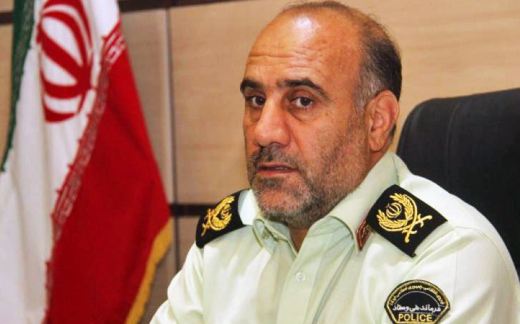
General Hossein Rahimi

The Commander of Sistan and Baluchestan Police Force said the provincial law enforcement force seeks to delegate more of the responsibility to ensure security in the southeastern border province to local residents. The following is the translation of part of Brigadier General Hossein Rahimi’s comments as reported by Arman-e Emrooz daily on December 10:

The provincial police chief said at present locals account for some 30 percent of the provincial law enforcement force, adding recruitment of Baluchi, Sunni locals is already underway.
Brigadier General Rahimi further said efforts are underway to admit between 400 and 600 local officers to provincial police academies by yearend [March 21, 2015].
We need to attract foreign investment: Iranian deputy trade min.

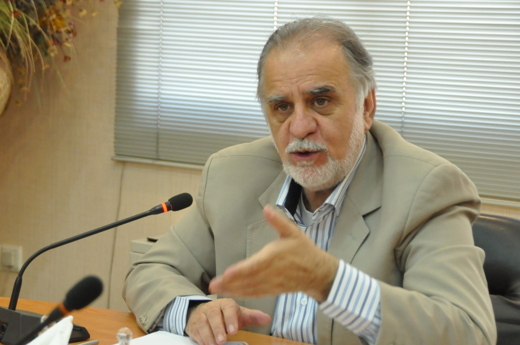
Mehdi Karbasian
Mehdi Karbasian

On December 10, SMT, a daily, ran a brief report about the comments of Deputy Trade Minister and Chairman of the Iranian Mines and Mining Industries Development and Renovation Organization (IMIDRO) Mehdi Karbasian about the necessity of the inflow of foreign investment. He also offered some explanations about the terms of a June MoU between Iran and Kuwait. What appears below is a partial translation of what he had to say:

“Domestic sources for investment are not enough if Iran is going to fulfill the objectives of the 20-year Economic Outlook Plan [which is due 2025] and consolidate its position as the leading economic power in the region. Iran is in strong need of foreign investment along with improved productivity,” said the deputy minister.

“Under a Memorandum of Understanding signed in June, 2014 between Iran’s IMIDRO and Kuwait Steel Company, the two sides agreed to jointly build a steel mill in the Persian Gulf Special Mineral Industry Zone (Bandar Abbas),” the chairman of IMIDRO added.

“The expanse of land where the steel plant will be constructed has been chosen and is under preparation for the joint project. In late November a delegation representing Kuwait Steel Company and a number of investors travelled to Bandar Abbas [in the southern Iranian province of Hormozgan]. That was followed by a decision as to where the steel plant was to be built. The Persian Gulf Special Mineral Industry Zone is now getting the lot prepared,” he further said.

Elaborating on the details of the joint construction project Karbasian said, “Under the MoU, a direct reduced iron (DRI) facility with the capacity of 1.6 million tons will be constructed in the first phase of the joint project. The second stage includes the construction of a steel mill with the capacity of 1 million tons. In the third phase, a rolling mill with a capacity of one million tons will be set up and a pelletizing plant with the capacity of five million tons will mark the final stage of the joint venture.”

Kazakhstan says ready to host Iran-P5+1 nuclear talks

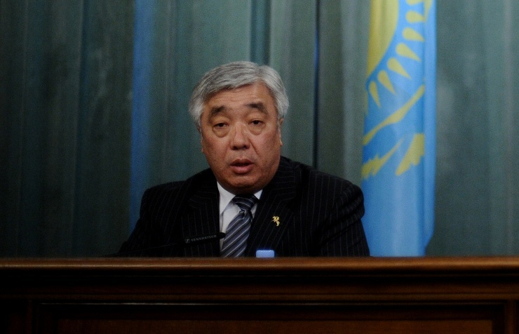
Kazakhstan

Kazakhstan is ready to host the next round of talks between Iran and six world powers over Tehran’s peaceful nuclear problem, said a joint statement issued after US-Kazakh talks on partnership.

Talks were held on Wednesday led by US Secretary of State John Kerry and Kazakh Foreign Minister Yerlan Idrisov, ITAR-TASS reported.

“Kazakhstan said the country was ready to host P5+1-Iran talks,” the document noted. Kazakhstan urges these negotiators to keep working “in constructive way to attain a comprehensive accord in 2015,” the statement said.

Iran and 5+1 (Russia, China, the US, Britain, France and Germany) wrapped up seven days of intensive nuclear talks in Vienna on November 24 without securing a long-awaited comprehensive deal.

They decided to extend talks on Tehran’s peaceful nuclear program for seven more months.

The latest round of negotiations was held ahead of the November 24 deadline.

On November 24, 2013, Iran and P5+1 signed an interim nuclear deal in the Swiss city of Geneva.

The Geneva deal (the Joint Plan of Action) came into effect in January and expired in July, when the parties decided to extend negotiations until November 24 in the hope of clinching a final deal that would end a decade of impasse over Tehran’s peaceful nuclear energy program.

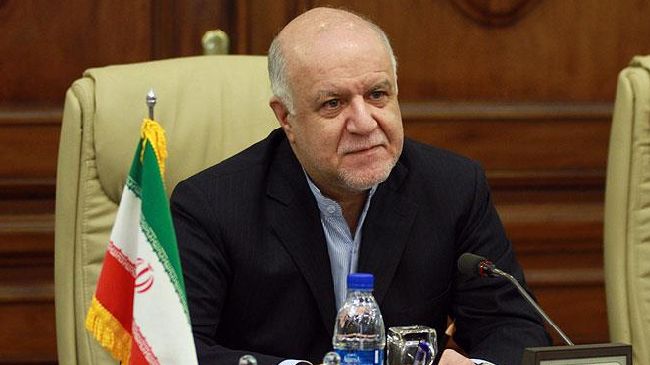
Zanganeh denies Iran, Russia ‘oil bartering’

Bijan-Zanganeh

Iran’s oil minister rejected remarks by Russian officials that Iran has signed agreement with the country to barter oil for essential goods.

Bijan Namdar Zanganeh told Mehr News Agency on Wednesday that Iran and Russia cooperated merely on oil and gas industries.

The Russian minister of economic development had already told the media that Iran and Russia would start bartering oil for essential goods. Zanganeh roundly rejected the claim, adding that no such agreement had been signed between Iran and Russia.

“According to agreements on oil and gas, Iran will use Russian technology and expertise in its oil and gas development projects,” he said.

Last September, on the sidelines of Iran-Russia joint economic conference, Russian Federation Minister of Energy Alexander Novak said that no such agreements [oil barter for essential goods] had been signed by both sides; no article of oil and essential goods barter had been asserted in joint economic memorandum of understanding either.

Meanwhile Azerbaijan Republic’s ambassador to Moscow told reporters last September that the Republic would welcome oil swap agreements with two northern and southern neighbors.

Moscow Times wrote in a report last week that Russia would embark on oil barter for essential goods with Iran according to an oil-for-goods program.

[Minister of Economic Development of the Russian Federation] Alexey Valentinovich Ulyukaev told the Russian media last Thursday that he would not reject the possibility that the agreement articles would actually be implemented by the end of the year.

US Secretary of State Spokesperson Jen Psaki emphasized that Washington was ‘aware’ of Iran-Russia talks and it might trigger a US reaction if bartering violated so-called international sanction regime against Iran.

The inverse swap of oil with Russia by Iran due to similar properties of oil produced by Iran and Russia had elicited mixed comments by Iranian, Russian and US officials in recent 2 years.

Mehdi Senaei, Iran’s ambassador to Moscow told Russian Kommersant Daily that Russia could built a second nuclear reactor in Bushehr as paying for oil received from Iran, thus implicitly confirming the inverse swap of oil.

Senaei also pointed to ‘other goods of transportation sector’ as payment for oil or ‘building small refineries.’

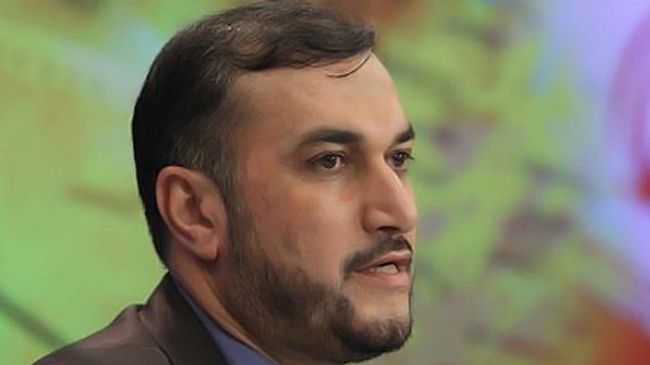
Iran diplomat: Persian Gulf states laud Iran’s role against the ISIL

Amir-Abdollahian

The Persian Gulf states praise Iran’s positive role in countering the ISIL terrorists in the Middle East despite foreign efforts to create rift between Tehran and the regional Arabs, a top Iranian diplomat says.

In a Wednesday interview, Iran’s Deputy Foreign Minister for Arab and African Affairs Hossein Amir-Abdollahian pointed to Iran’s support for Iraq and Syria in their campaign against ISIL and dismissed media allegations about Tehran’s interference in the countries.

“All the regional countries, all Arab states and the officials of the Arab countries laud Iran’s constructive, positive and progressive role in countering terrorism and this is the reality that exists between us and the regional countries,” he said.

The Iranian official added that mutual ties between the Islamic Republic and the Persian Gulf littoral states are based on friendship, cooperation and peaceful coexistence.

“However, some foreign parties may seek to create rift between us and the Persian Gulf littoral states by fueling debates such as Iranophobia,” he added.

Iran has repeatedly stressed that it will not interfere militarily in Iraq and Syria, but the Islamic Republic continues to provide support to both countries against ISIL in the form of defense consultancy and humanitarian aid.

At the onset of ISIL advances in Iraq, the Islamic Republic took rapid steps to mobilize popular forces in the country.

Tehran has also refused to join the so-called US coalition against ISIL in Iraq and Syria.

The US-led coalition began targeting positions held by the ISIL terrorists in Iraq in August. The coalition has been also conducting airstrikes against ISIL positions inside Syria, without any authorization from Damascus or a UN mandate.

Analysts believe that the US-led airstrikes have failed to play an effective role in the fight against ISIL and in some cases helped maintain the influence of the militant group.