Friday, April 24, 2026
Home Blog Page 4878

Iran, P5+1 begin new nuclear talks in Austria

Iran Talks

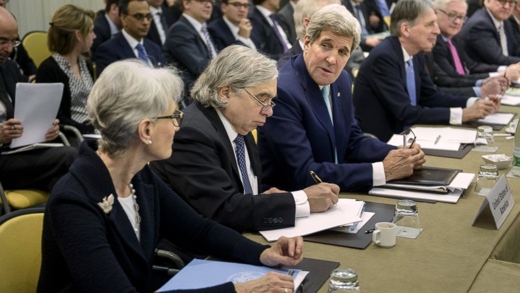
Iran and P5+1 start a new round of nuclear talks in Austria’s Vienna with an eye on hammering out a final agreement by the end of the next month.

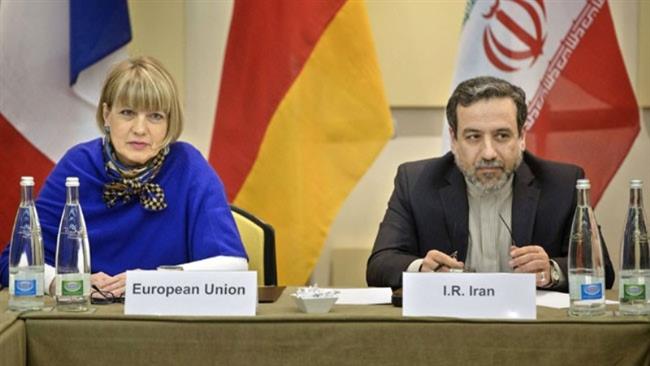
The meeting started in the Austrian capital city on Wednesday, chaired by Iranian Deputy Foreign Minister for Legal and International Affairs Abbas Araghchi, who heads the Iranian delegation, and European Union Deputy Foreign Policy Chief Helga Schmidt, who represents the six countries.

Later the negotiations, which are expected to continue until Friday, could be also attended by top American, Russian, Chinese, British, and German officials.

Negotiators held similar talks in Vienna earlier in the month.

Iran and P5+1 – the US, France, Britain, China, Russia and Germany- reached a mutual understanding in Lausanne, Switzerland, on April 2.

Majid Takht-e-Ravanchi, another Iranian deputy foreign minister in the Vienna talks, said Monday that Tehran seeks a “good” nuclear deal with P5+1. He, however, stressed that the Islamic Republic will not cave in to any excessive demands by the opposite side.

The lifting of anti-Iran sanctions is one of the main issues, over which the two sides have some differences. Tehran insists there will be no phased removal of sanctions and that they must be lifted all at once.

President Rouhani arrives in Tabriz (PHOTOS)

President Rouhani

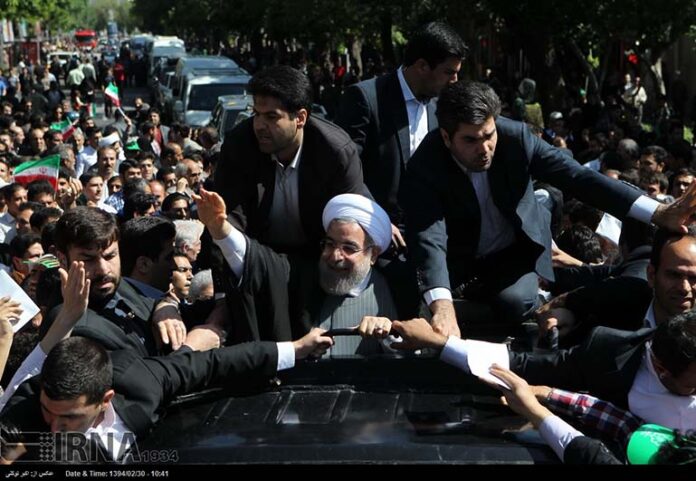
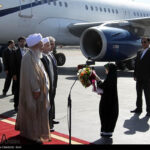
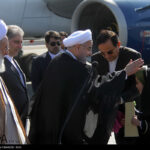
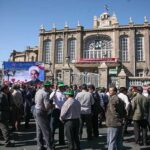
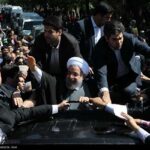
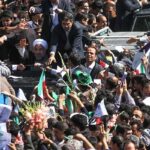
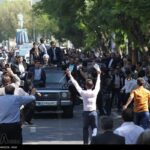
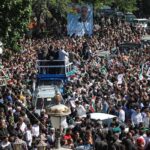
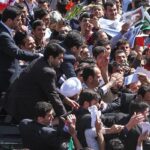
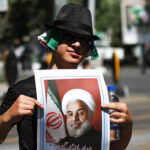
Upon arrival in the provincial capital of East Azerbaijan Wednesday, residents of Tabriz gave a warm welcome to President Rouhani.

News agencies released the following photo gallery of the president arriving in the northwestern city of Tabriz and being welcomed by locals there.

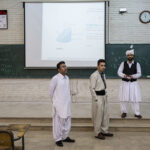
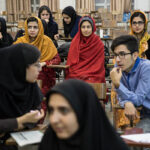
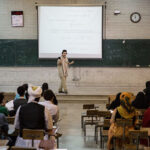
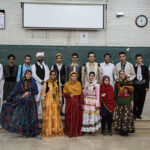
Dressed in local costumes, students, professors attend classes (PHOTOS)

Dressed in local costumes

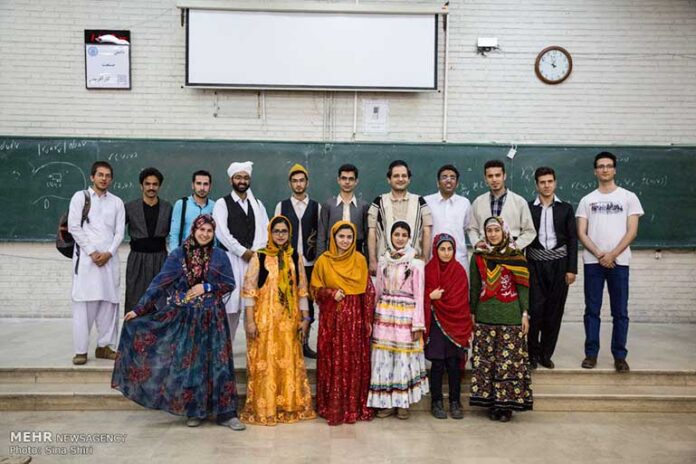
A number of students and professors at Sharif University of Technology attended classes on Tuesday dressed in local costumes which represent their ethnicity.

The symbolic move was designed to highlight the role of local cultures, lifestyles and knowledge in sustainable development.

Snapshots of university students and professors dressed in local costumes released online by Mehr News Agency:

Leader: Iran not to allow inspection of its military centers

Iran-Leader

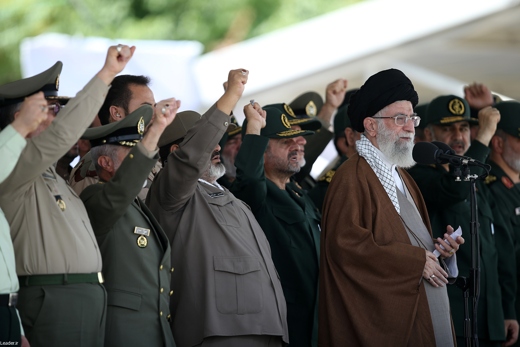
Supreme Leader of the Islamic Revolution Ayatollah Seyyed Ali Khamenei said Iran will not allow any kind of inspections of its military centers.

Addressing a meeting in Imam Hossein University on Wednesday, the Supreme Leader stressed that Iran will not allow inspections of its military facilities.

He further said they keep coming up with new things in the nuclear talks while we have already made it clear that Iran is not going to allow inspections of any of its military centers.

Ayatollah Khamenei stressed that Iran will not allow any of its military centers to be inspected by the foreigners.

They say they must receive permissions to conduct interviews with Iran’s nuclear scientists and I say this means interrogation, the leader said.

I will not permit foreigners to come and interview with scientists of the nation who advanced the domestic nuclear knowledge to this level, Ayatollah Khamenei stressed.

The Supreme Leader said he is informed that enemies, assisted by certain stupid officials in the Persian Gulf region, are determined to drag proxy wars close to the Iranian borders.

They should realize that Iran’s response to any evil move will be very harsh, the Supreme Leader of the Islamic Revolution reiterated.

How far does the West go to maintain its credibility?

Iran Talks West

A day after the Lausanne agreement was announced [in early April], the Western side started to force-feed its own reading of the talks to the media and added inspections of [Iran’s] military sites to the list of its acquisitive requests.

Alef, a news website, on May 19 ran an analysis on nuclear talks, the West’s outrageous demands to inspect Iran’s military sites and reactions by certain Iranian officials. What appears below is the translation of excerpts from the analysis:

“They [the Westerners] should not be allowed to infiltrate the country’s security and defense space under the pretext of inspection, and the military officials too are not allowed – for the sake of inspections – to admit foreigners into these areas or stop the country’s defense development,” the Supreme Leader said at a meeting with law enforcement commanders. Unconventional Western demands which amount to crossing our red lines sound familiar to the Iranian side.

What Iranian officials said after the Supreme Leader’s remarks and insistence by the Western side on inspections showed that the Iranian officials strongly believe in respecting this red line [no inspections of military sites]. For instance, IRGC Deputy Commander Brigadier General Hossein Salami had the following to say in reaction. “We do not allow foreigners to inspect Iran’s military sites, nor do we allow them to even think about it”. […]

As Secretary John Kerry and Under Secretary of State for Political Affairs Wendy Sherman held talks on April 27 – at the official residence of Iran’s UN ambassador in New York – with Foreign Minister Zarif and his deputies Abbas Araghchi and Majid Takht-e Ravanchi and Ambassador Gholamali Khoshroo over the nuclear issue, IAEA Director General Yukiya Amano raised the issue of the possible military dimensions [of Iran’s past nuclear activities] in an interview with CBS News. “[Setting aside is not an option, not a solution.] They know that I will not set aside,” he said.

[…]

Negative reactions poured in to the unrealistic position of the IAEA chief. A few days ago Araghchi was quoted as saying in an interview that Iran has agreed to inspections of its military sites. The deputy foreign minister also said there is no such thing as inspecting a country’s military sites, what the Additional Protocol allows is managed access to non-nuclear sites under certain conditions. That is implemented by 120 countries. They [the inspectors] can take environmental samples from the sites to make sure there is no radioactive material. It [the inspection] is limited with no security risks. People can rest assured that there is no security risk.

Reactions to Araghchi’s remarks, however, were not risk-free. Ebrahim Agha-Mohammadi, a member of parliament’s National Security and Foreign Policy Committee said, “[…] These issues should not be raised, because they amount to crossing the red lines, and will not be approved of by the nation and the establishment.”

Mohammad Hassan Asafari, another member of the parliamentary committee, told reporters, “Neither the negotiating team, nor the government has the authority to allow inspections of the country’s military sites. Not even parliament can give powers to anybody to meddle in the internal affairs of the armed forces, because under the Constitution the Supreme Leader monitors their performance”.

For his part, the spokesman of parliament’s National Security and Foreign Policy Committee, Hossein Naghavi Hosseini, said, “We will never allow the country’s military and defense sites to be inspected. The inspections should be in line with the IAEA’s rules and not beyond what the Additional Protocol allows. Only nuclear activities can be subject to inspection. We disapprove of any agreement on inspecting our military and defense sites. No doubt, the Islamic Republic of Iran will not give in to such inspections”.

Still nobody knows what happened when the negotiators were drafting a final agreement. Abbas Araghchi has shown no reaction to those critical of his remarks. What is certain, though, is that the Western side does not pay attention to any agreement and to the talks, and keeps making acquisitive demands as it tries to overstep the red lines of an independent country.

In late April, Foreign Minister Zarif told IAEA’s Amano on the sidelines of the Non-Proliferation Treaty Review Conference that the nuclear talks have put the credibility of the UN nuclear agency to the test. This is the best and most precise definition of the West’s pre-planned scenario for the talks with Iran. Identifying which party is putting a crimp in efforts to clinch a comprehensive [nuclear] deal will be quite easy in the future.

Iran UN envoy protests outrageous remarks by Zionist regime’s minister

khoshroo-at-UN

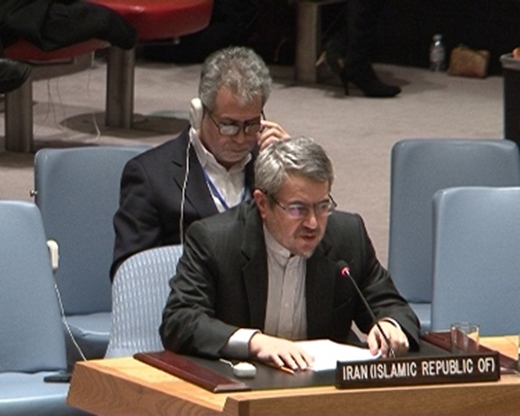
Iran’s Permanent Representative to the United Nations Gholamali Khoshroo protested the outrageous and menacing remarks of the Zionist regime’s war minister and said they implicitly indicate that Israel possesses nuclear arms.

In a letter to UN Secretary General Ban Ki-Moon on Tuesday, he protested the threatening and outrageous remarks of the Zionist regime’s war minister Moshe Ya’alon and said his remarks indeed served as the involuntary admission of the regime’s possession of nuclear arms.

He said that Moshe Ya’alon’s recent remarks and his implicit confession – that the Zionist regime might use nuclear weapons against Iran the way it was used in Hiroshima and Nagasaki – as well as the threats he extended to the Lebanese people including women and children only reveal the regime’s aggressive nature.
Despite efforts to conceal its nuclear activities and deceive people about it, the Zionist regime has now admitted to possessing nuclear arms, downplayed the non-human attacks on Hiroshima and Nagasaki with a savage attitude and openly talked about using nuclear arms against Iran, he said.

The Iranian envoy further said that the Israeli war minister also reveals the pre-planned aggression against the civilians in Gaza and Lebanon, defends such brutal attacks and cruelly voices readiness to repeat such mass killings.

Khoshroo said these remarks violate the very basic principles regulating the armed clashes and international humanitarian laws and undermine international peace and security.

He said the United Nations Security Council is thus expected to condemn the irresponsible remarks of the Zionist regime’s minister and his open threats to use nuclear weapons and massacre civilians.

He also called on the UNSC to register his letter as an official document.

FM spokeswoman unaware of visit by Taliban delegation

Marzieh Afkham

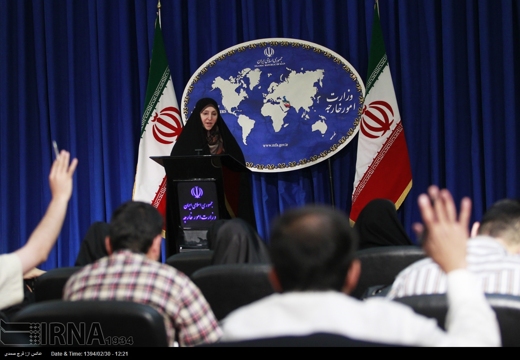
Foreign Ministry Spokeswoman Marzieh Afkham said Wednesday that she was not aware of any visit to Iran by a Taliban delegation.

[Her comments came a day after Tasnim News Agency released an exclusive report on the arrival in Iran of a Taliban delegation to hold talks with security officials.]

An investigation should be launched as to who released the news and what information they based their story on, Afkham said.

On the ship carrying Iran’s humanitarian aid to Yemen, she said the move came in coordination with UN officials and that any measure in violation of such coordination is bound to draw reaction from several international institutions.

The Foreign Ministry spokeswoman went on to say that the UN secretary general’s Arab envoy is likely to arrive in Tehran on Thursday.

On Yemen and a call by the Houthis that Tehran should be a party to future talks to settle the country’s crisis, she said Iran was among the first countries to underline a peaceful solution to the Yemeni crisis and now spares no effort to advance the talks. “But that does not mean Iran will participate in the negotiations.”

And on the case of two Iranian teenagers assaulted by Saudi airport officers, she said the case of the Saudi officers has been referred to a council in charge of implementing judicial verdicts.

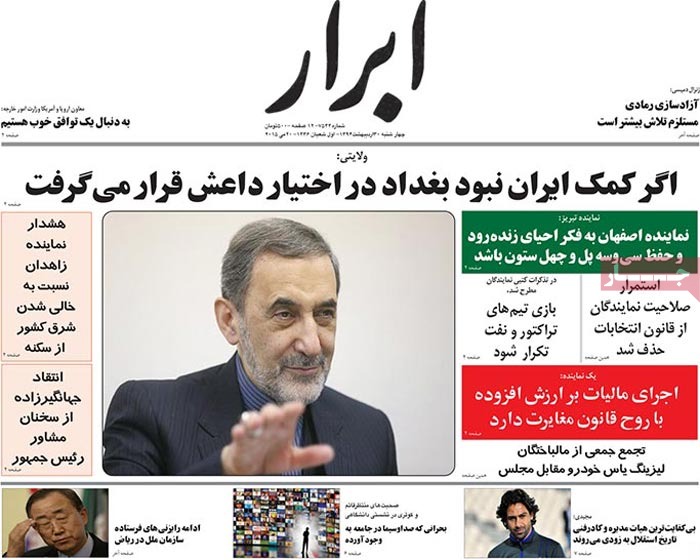
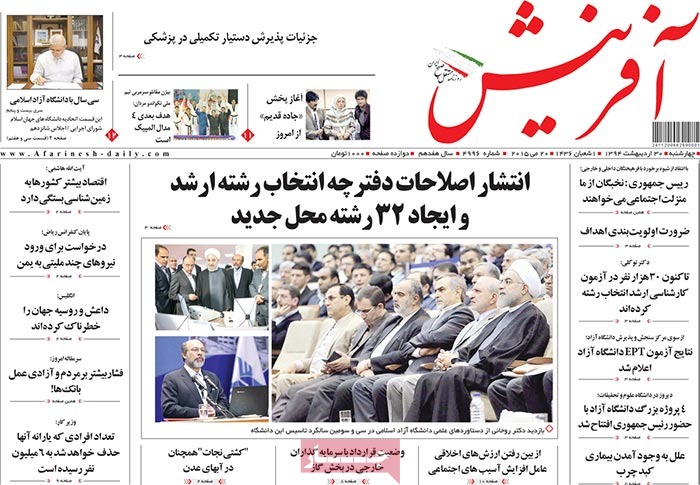
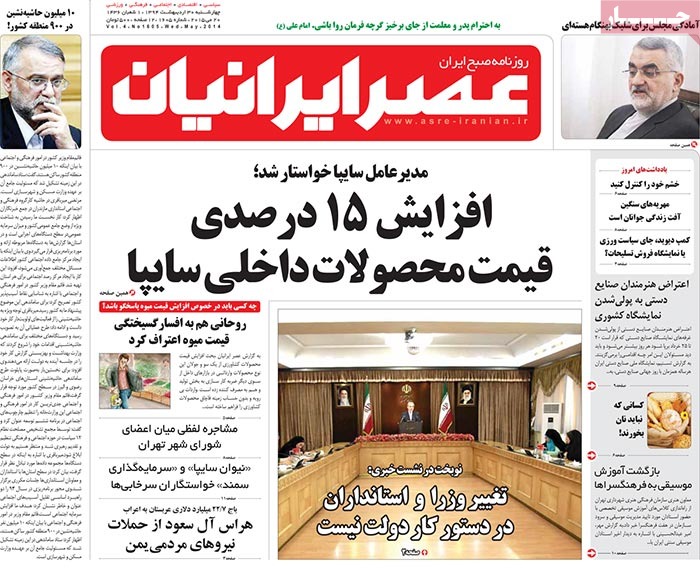
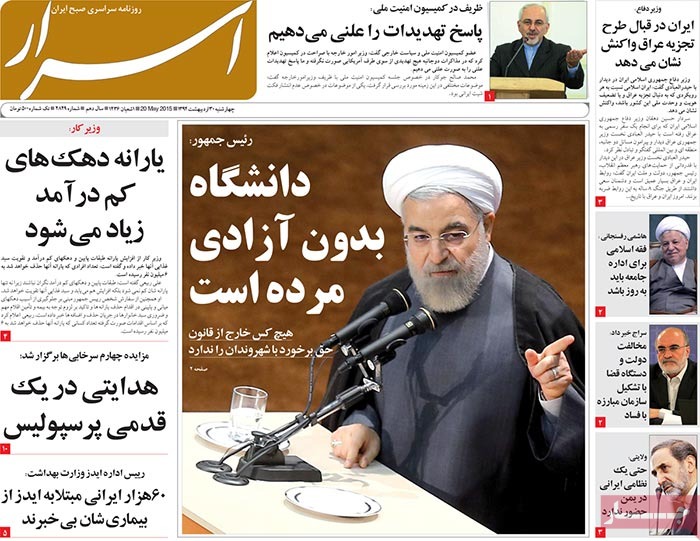
A look at Iranian newspaper front pages on May 20

Iranian Newspapers Headlines

Comments by the government spokesman on replacement of ministers and governors as well as on cash subsidies dominated the front pages of Iranian newspapers on Wednesday. The meetings of Iran’s defense minister with Iraqi officials in Baghdad and the Supreme Leader’s advisor with Syrian authorities in Damascus also appeared on the covers of dailies.


Abrar: “Had it not been for Iranian assistance, Baghdad would have fallen to IS,” said Ali Akbar Velayati, an advisor to the Supreme Leader.

Abrar: A deputy representing Zahedan in the Islamic Consultative Assembly has warned of an exodus from eastern Iran.


A look at Iranian newspaper front pages on May 20


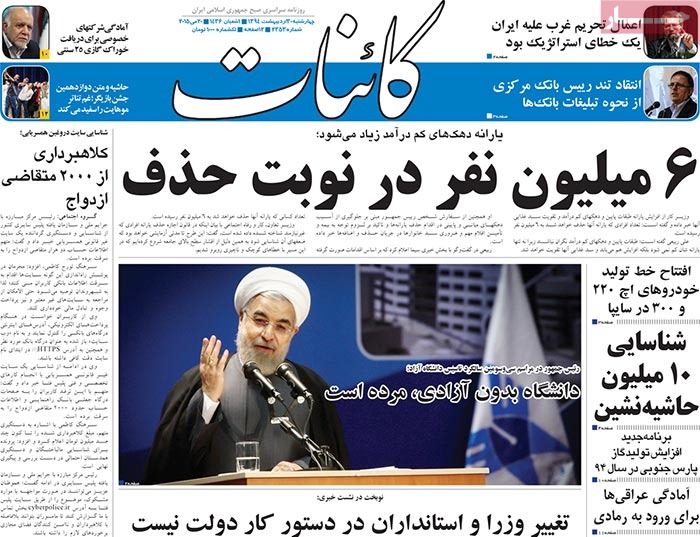
Afarinesh: “The number of individuals who won’t receive cash subsidies has hit the 6 million mark,” said the minister of labor.


A look at Iranian newspaper front pages on May 20


Asr-e Iranian: “Replacing ministers and governors general is not on the government’s agenda,” said the government spokesman.


A look at Iranian newspaper front pages on May 20


Asrar: “Islamic jurisprudence needs to be updated to be able to administer affairs in society,” said Chairman of the Expediency Council Ayatollah Akbar Hashemi Rafsanjani.

Asrar: The inspector general has said that the executive and judicial branches of government are both opposed to formation of an organization to lead the fight against corruption.


A look at Iranian newspaper front pages on May 20


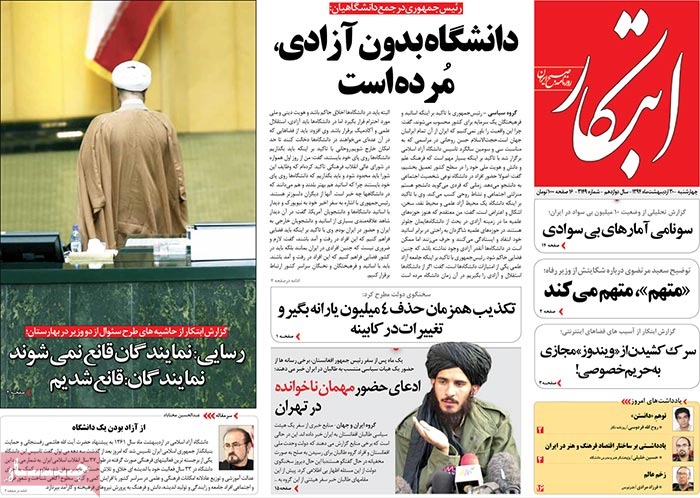
Ebtekar: “In the absence of freedom universities are dead,” said President Hassan Rouhani.


A look at Iranian newspaper front pages on May 20


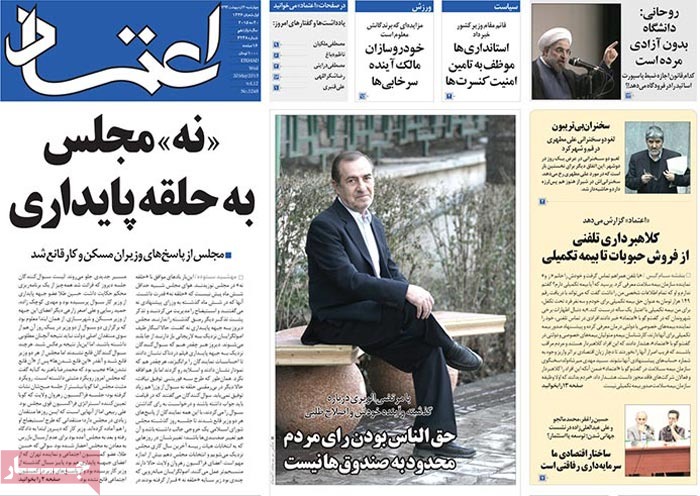
Etemad: Parliament said No to the Stability Front by finding the explanations of the ministers of housing and labor convincing.

[Members of the Stability Front are supporters of former President Ahmadinejad who are opposed to the policies of President Rouhani.]


A look at Iranian newspaper front pages on May 20


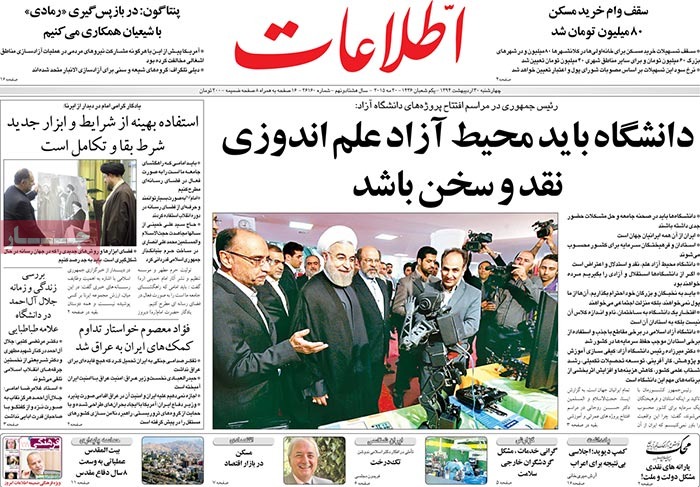
Ettela’at: Iraqi President Fuad Masum has called for continued Iranian assistance to his country.

The appeal came during President Masum’s meeting with the visiting Iranian defense minister in Baghdad.


A look at Iranian newspaper front pages on May 20


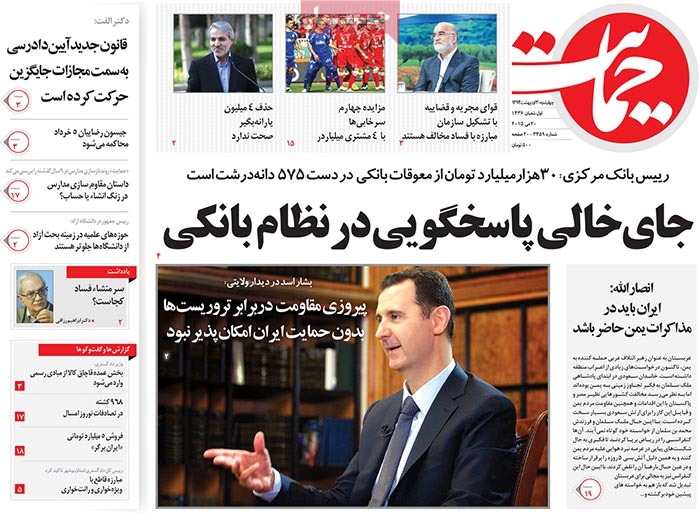
Hemayat: “Reports that 4 million individuals will be taken off the list of those who receive cash subsidies are not simply true,” said the government spokesman.

Hemayat: A fourth tender to sell out Tehran powerhouse football clubs Esteghlal and Persepolis will be held Wednesday.


A look at Iranian newspaper front pages on May 20


Kaenat: “Imposition of sanctions against Iran was a strategic mistake by the West,” said Parliament Speaker Ali Larijani.


A look at Iranian newspaper front pages on May 20


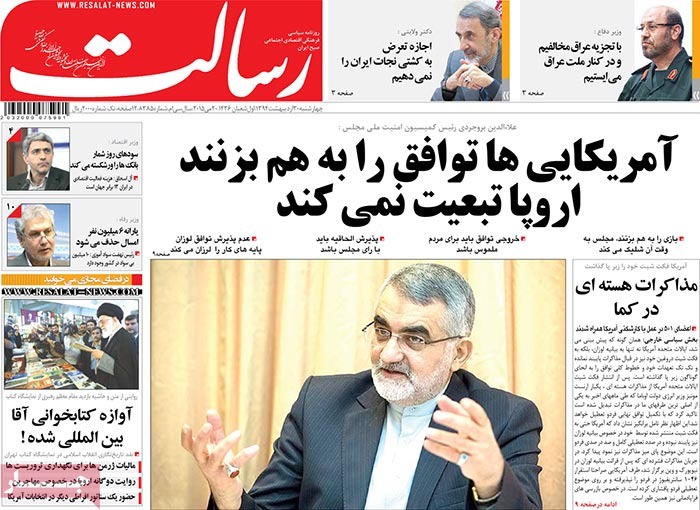
Resalat: “We are opposed to disintegration of Iraq and stand by the Iraqi people,” said Iranian Defense Minister Brigadier General Hossein Dehghan.

Resalat: “Even if the Americans back out of the deal, the Europeans won’t follow suit,” said the chairman of parliament’s National Security and Foreign Policy Committee.


A look at Iranian newspaper front pages on May 20


Pakistan will not provide Saudi with nukes: Former army official

Talat Masood

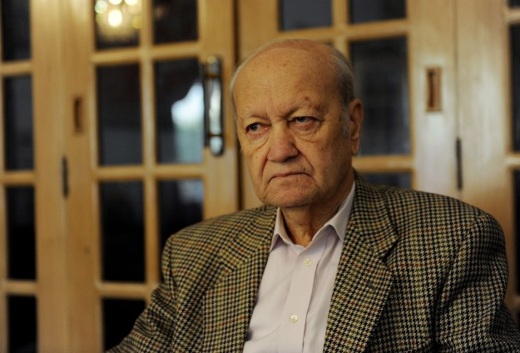
A Pakistani senior analyst, Lieutenant General Talat Masood has said that news reports by Western media that Saudi Arabia has taken the ‘strategic decision’ to acquire nuclear weapons from its ally Pakistan are baseless and false.

Speaking to IRNA he said that the objective of these reports is to malign Pakistan. “These reports are nothing new. They have been coming out over for many years and their sole objective is to defame Pakistan,” he said.

He said that as Iran and Western powers are set to sign a comprehensive nuclear deal so Western media is creating hype that under threat, Saudi Arabia might ask Pakistan to give it nuclear weapons.

The analyst said that objective of this move is to put Pakistan and Saudi Arabia under pressure. He added that these reports are incorrect as Pakistan is a responsible nuclear state and knows its responsibilities very well.

He said that Pakistan has a good standing at international level and cannot afford to take a step that would damage its reputation in the world. “Selling nuclear weapons to Saudi Arabia is out of question,” he said.

Iran to further expand naval presence in high seas: Navy commander

Habibollah Sayyari

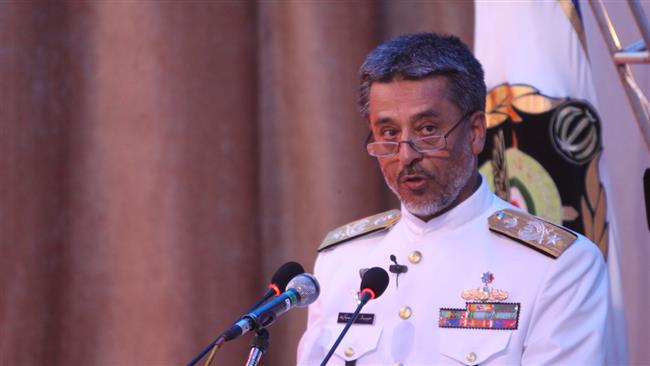
Iran’s Navy Commander Rear Admiral Habibollah Sayyari says the Islamic Republic will expand its naval presence in international waters.

Rear Admiral Sayyari said Tuesday that Iran has some “operational plans” for broader presence in international waters.

“We are a peaceful nation and are not in the habit of trespassing the borders of other countries,” he told IRNA, adding that Iran will, however, have its military vessels sail in international waters as they belong to all the countries of the world.

The Iranian commander said that Iranian vessels have had continuous presence in an area that covers the northern limits of the Indian Ocean, a waterway, which Sayyari said, is of geopolitical and commercial importance to Iran and the entire world.

He said more than a third of the global trade transit takes place through the northern part of the Indian Ocean, and for Iran, a country which relies on maritime transportation for more than 90 percent of its exports, the presence would be of high significance.

Iranian flotillas have already been to several areas in the high seas, including waterways near India, Sri Lanka, the Equator, Indonesia, the Strait of Malacca, the Pacific Ocean, the Suez Canal, the Mediterranean and the South Indian Ocean, Sayyari said.

Iranian interests in the Gulf of Aden

“We have interests in the Gulf of Aden because our commercial ships are sailing, and we have to protect the safety of these vessels,” Sayyari said.

He also elaborated on the presence of the Iranian 34th flotilla in the Gulf of Aden, saying that Iran has dispatched the flotilla to the waterway to escort the ships sailing there.

He said that the flotilla, which is comprised of the Alborz Destroyer and the Bushehr logistic vessel, is currently patrolling the region with the aim of ensuring security, adding that it will be ready to help other ships if need be.
The 34th fleet of the Iranian Navy began its journey toward the Gulf of Aden on April 9. The ships entered the waterway through a passage between the boundaries of Yemen and Oman before reaching the Bab-el-Mandab Strait. After sailing through the strait, the ships will sail toward the Red Sea, according to Sayyari.