Tuesday, December 23, 2025
Home Blog Page 47

Iran parliament’s foreign policy chief: No current talks with US, but “willingness to negotiate has existed”

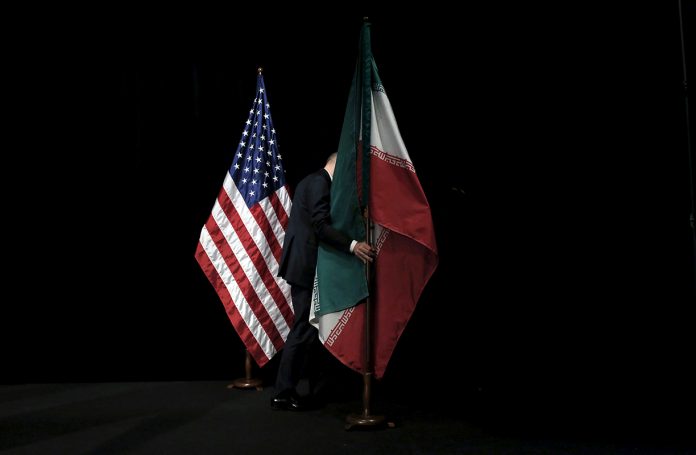
Iran US Flags

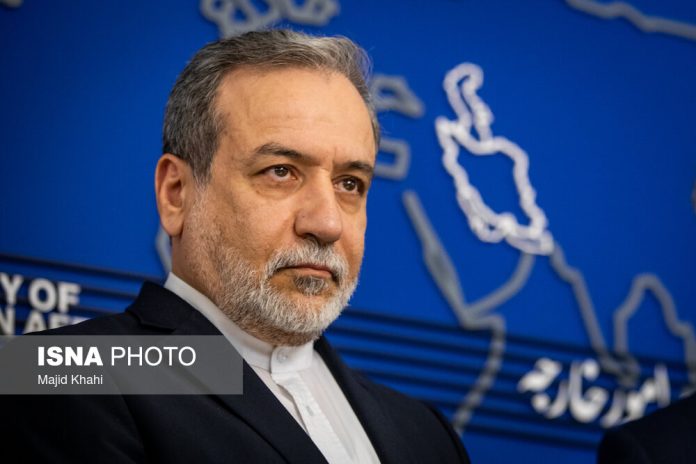
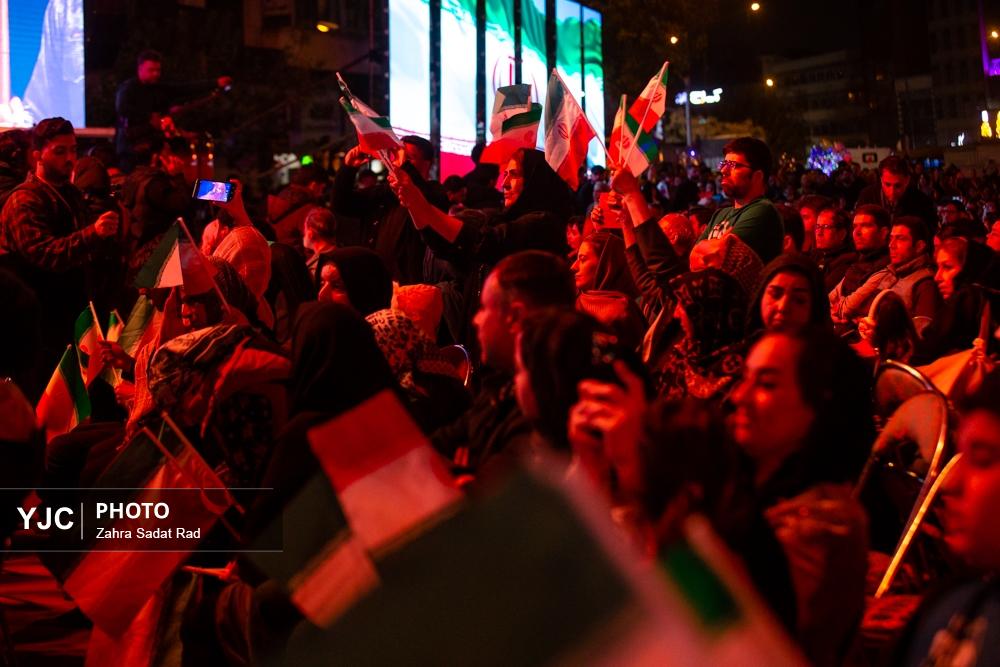
Ebrahim Azizi, speaking at the “Pioneers of Liberation” event at the University of Tehran, emphasized that Iran remains open to talks if national interests and clearly defined negotiating principles are fully respected.

“There are no ongoing negotiations between Iran and the United States at this moment, but the willingness to negotiate has existed and still exists,” he said.

Azizi stated that any future discussions must acknowledge Iran’s “right to enrichment” within the nuclear framework.

“If the principles of negotiation, its boundaries, and our national interests are upheld, and if enrichment is recognized, then we will negotiate,” he added.

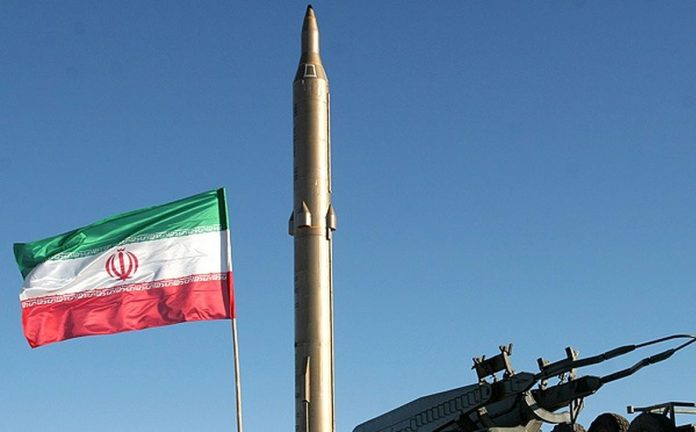
His remarks come after five rounds of indirect talks between Iran and the US over recent years, were torpedoed after a US-Israeli aggression against Iran ongoing in June.
Despite intermittent progress, those rounds failed to produce a final settlement, and formal channels have since stalled.

Explosive weapons killed most children on record in 2024: Report

Gaza War

Nearly 12,000 children were killed or injured in conflict last year worldwide, said the UK-based charity, citing UN figures. This was the highest number since records began in 2006, and was up by 42 percent on the 2020 total.

Previously, children in war zones were more likely to die from malnutrition, disease or failing health systems.

But as conflicts, such as those in Gaza, Sudan and Ukraine, take place more and more in urban areas, children are being caught up as bombs and drones strike hospitals, schools and residential areas, Save the Children said.

More than 70 percent of child casualties in war zones in 2024 were caused by explosive weapons, such as missiles and grenades, up from an average of around 59 percent in the period from 2020 to 2024, according to the report.

“The world is witnessing the deliberate destruction of childhood — and the evidence is undeniable,” said Narmina Strishenets, senior conflict and humanitarian advocacy advisor at Save the Children UK.

“Children are paying the highest price in today’s wars… Missiles are falling where children sleep, play and learn — turning the very places that should be the safest, like their homes and schools, into death traps.”

Children’s smaller bodies and developing organs means injuries from blasts can be much more severe and recovery can be more complex and prolonged.

“Children are far more vulnerable to explosive weapons than adults,” said Paul Reavley, a consultant paediatric emergency physician and co-founder of the Paediatric Blast Injury Partnership, a coalition between Save the Children UK and medical specialists.

“Their anatomy, physiology, behaviour and psychosocial needs make them disproportionately affected.”

The conflicts that claimed the most casualties among children in 2024 were in the Palestinian territories of Gaza and the occupied West Bank, Sudan, Myanmar, Ukraine and Syria.

The deadliest conflict in recent years for children is in Gaza, where 20,000 children have been killed since Israel launched its war on the territory, the report said.


FIFA unveils official 2026 World Cup poster featuring Iran captain Jahanbakhsh

The design release comes ahead of the expanded tournament, which will be held across the US, Mexico and Canada next year.

The 23rd edition of the World Cup, scheduled from 11 June to 19 July 2026, will mark the first time the competition includes 48 teams, significantly increasing the number of matches and participating nations.

FIFA is set to conduct the tournament draw on December 4 in the US, where all qualified teams will learn their group-stage opponents.

The newly revealed poster highlights a blend of players symbolizing the tournament’s global reach.

Iran is currently continuing preparations for the remaining stages of World Cup qualification.

Iran’s Permanent Mission to UN: Canada ‘posturing’ as rights champion despite history of racism

In a statement released on Thursday, Iran’s Permanent Mission to the United Nations lambasted Canada after the country welcomed the adoption of an anti-Iran rights resolution it had drafted at the Third Committee (Social, Humanitarian & Cultural Issues) of the UN General Assembly.

“Spare us the sanctimonious drivel from Canada—a country with a well-documented history of thousands of Indigenous children dumped in unmarked graves, still steeped in its own entrenched structural racism—now posturing as a global champion of human rights vis-à-vis Iran,” it said.

The mission also noted that Canada would have stood trial if human rights had not been misused as a tool for political pressure.

“Had ‘human rights’ not been hijacked as a geopolitical cudgel by the usual club of serial offenders, Canada would have been the one in the dock, sweating under resolutions, not swaggering upon the stage!”

The UN’s Third Committee on Wednesday approved the draft resolution titled “Situation of human rights in the Islamic Republic of Iran” by a vote of 79 in favor to 28 against, with 63 abstentions.

Speaking prior to the vote, Iranian Deputy Permanent Representative to the United Nations Gholamhossein Darzi rejected the “politically motivated, selective, and wholly counterproductive” resolution.

He stated that the allegations against Iran contained in the document are based on “unverified and selectively interpreted information.”

The resolution disregards Iran’s human rights achievements, as well as its efforts towards advancing socio-economic development and strengthening legal protections in accordance with constitutional and international obligations, he added.

The envoy further criticized the resolution for failing to condemn the flagrant violations of international law committed by the Israeli regime and the United States during their 12-day military aggression against Iran in June.

The drafters, Darzi emphasized, deliberately omitted any reference in the text to the profoundly harmful and negative impacts of unilateral coercive measures with respect to the human rights of the Iranian nation.

“We firmly believe that, were human rights not being misused as a tool for political pressure by a certain group of countries, the main sponsor of this draft—namely Canada—would itself have been the subject of resolutions in this esteemed body: for the atrocities committed against its Indigenous peoples; for its neglect of the living and economic conditions of its own citizens, and for its military support to the Israeli regime in the commission of genocide and war crimes in the occupied Palestinian territories,” he added.

Meanwhile, he concluded that the resolutions, which do not reflect the realities on the ground, “are crafted not to advance human rights, but to exert political pressure.”


Iran urges Brazil to oppose EU3-initiated IAEA resolution against Tehran

In a telephone conversation on Wednesday, Iranian Foreign Minister Abbas Araqchi and his Brazilian counterpart Mauro Vieira discussed bilateral relations and the latest international developments.

The two top diplomats also emphasized the importance of expanding cooperation across all areas of mutual interest, stressing the need to strengthen collaboration within the international organizations.

Araqchi, emphasizing the necessity of preventing certain states from misusing the international institutions to pressure the developing countries, denounced the “improper” initiative by the three European countries –the UK, France and Germany- to pass a resolution against Iran at the IAEA Board of Governors meeting.

He slammed the European move as “irresponsible, provocative, and unjustifiable”, saying it continues the political approach of the EU3 and the US at the UN Security Council to revive previously annulled resolutions against Iran.

Araqchi warned that such action will further damages the IAEA’s professional and technical credibility.

The Iranian foreign minister then called on all Board of Governors member states to oppose the illegal measure by the three European governments.

Brazil is one of the 35 members of the IAEA Board of Governors for 2025–2026.

The European troika and the US have submitted a draft resolution to this week’s meeting of the UN nuclear agency’s Board of Governors, demanding answers and access from Iran over its enriched uranium stock and the nuclear sites bombed during the Israeli and American war of aggression in June.


Oxfam says G20 billionaires could end global poverty in one year’s earnings

6 April 2014. Khor Abeche: A displaced mother and her child inspect the remnants of their burnt house in Khor Abeche, South Darfur. According to the community leaders, more than 3,000 Internally Displaced Persons (IDPs) still remain inside the UNAMID base, following the attack that they suffered by an armed group on March 22. About 300 heavily armed men attacked the IDP camp, setting fire to dozens of shelters and stealing livestock belonging to the residents. The World Food Programme (WFP) have already distributed food (sorghum) to the IDPs and the UNAMID base provide potable water and health care, while a team of 35 UNAMID engineers are currently constructing a 70,000 m2 Buffer Zone, with watch towers, solar lights, two community centers and latrines at the vicinity of the base, where the IDPs will be able to securely settle in the near future. Photo by Albert Gonzalez Farran, UNAMID

The British-based charity urged this weekend’s summit of the powerful G20 group of major economies to back initiatives by the host, South Africa, to address massive global wealth inequality and the debt undermining developing countries.

Billionaires in the 19 countries that are part of the grouping made $2.2 trillion last year as their combined wealth grew to $15.6 trillion dollars, it said, basing its figures on the Forbes list.

“The annual cost to lift up the 3.8 billion people who currently live below the poverty line is $1.65 trillion,” it announced in a statement.

Oxfam backed a recommendation that South Africa will present to the November 22-23 summit for the establishment of an international panel to tackle inequality in the same way the UN’s IPCC works on the threat from global warming.

“If the South African G20 establishes a new International Panel on Inequality it will be a tremendous step in addressing the inequality emergency,” executive director Amitabh Behar said in the statement.

Oxfam also called for the world’s wealthy to be “fairly taxed in order to help end poverty and fight the climate breakdown.”

It singled out the United States, which is boycotting the Johannesburg meeting, as championing “destructive policies — from reckless tariffs to regressive tax breaks and cuts to life-saving aid” that increase inequality between the rich and poor.

Calling for action on debt, it added 3.4 billion people live in countries that spend more on interest repayments than on education or health.

The G20 includes 19 countries as well as the European Union and African Union, which together represent 85 percent of global GDP and two-thirds of the world population.

South Africa hopes its summit, the first G20 in Africa, will advance issues facing the continent and developing countries in the “Global South” before the rotating presidency is handed to the United States for 2026.


Iranian motocross rider in coma after severe crash at Azadi Track, renewing safety concerns

According to local media, Madanipour sustained critical injuries after a high-impact fall on the course. Medical teams at the scene transferred her to hospital, where doctors are working to stabilize her condition.

The incident follows the death of sports photographer Hamidreza Darajati in May, who succumbed to severe injuries after being struck by a racing car while covering an auto-racing event. Both events were held under the supervision of the national motorsport federation.

After Darajati’s death, racing tracks were temporarily closed for safety reviews, and officials pledged to make safety the federation’s top priority.

The recurrence of serious incidents, however, has intensified public scrutiny, with critics pointing to deficiencies in track design, risk management and event oversight.

Seven international flights diverted to Bandar Abbas after severe low visibility shuts Dubai airport

According to Kazem Tavasoli, Director General of Hormozgan Airports, southern Iran, the diverted aircraft landed safely, and the airport continues to receive additional flights as the disruption persists.

“All operational units, ground services and security teams were placed on full alert from the first minutes,” he told reporters, adding that essential services for passengers and crew were provided without interruption.

Tavasoli noted that Bandar Abbas International Airport has historically served as a reliable alternate airport for regional flights facing emergency conditions.

“This incident once again demonstrated the airport’s capability to manage unexpected situations efficiently,” he said.

He added that if adverse weather conditions in Dubai continue, Bandar Abbas remains fully prepared to accept a larger number of diverted flights.

WHO warns nearly one-third of women worldwide faced partner or sexual violence

Released on Wednesday, it also found 316 million women and girls aged 15 and older were subjected to physical or sexual violence by an intimate partner over the past year.

That amounts to about 11 percent of all women and girls in that age bracket globally.

“Violence against women is one of humanity’s oldest and most pervasive injustices yet still one of the least acted upon,” WHO Director-General Tedros Adhanom Ghebreyesus said in a statement accompanying the findings.

“No society can call itself fair, safe or healthy while half its population lives in fear. Ending this violence is not only a matter of policy; it is a matter of dignity, equality and human rights. Behind every statistic is a woman or girl whose life has been forever altered.”

Released in advance of the UN’s International Day for the Elimination of Violence Against Women and Girls later this month, the WHO report analysed data from 168 countries collected between 2000 and 2023.

Despite the stark findings, the UN agency warned violence against women remains “a deeply neglected crisis” with efforts to address the problem “critically underfunded”.

It added only 0.2 percent of global aid was allocated to programmes focused on preventing violence against women in 2022.

That funding fell even further this year, the report said, as United States President Donald Trump slashed his country’s foreign aid and development contributions.

The WHO also warned that women and girls in conflict zones or living in other vulnerable situations are particularly at risk of experiencing intimate partner and sexual violence.

“In recent years, the rising number of armed conflicts, protracted crises and environmental degradation and disasters have underscored the increasing risk of violence against women living in these fragile contexts,” the report noted.

“The risk of exposure to this violence is heightened by the resulting displacement and insecurity.”


Syria condemns Israeli PM’s ‘illegal visit’ to seized territory

Israel expanded its occupation of southern Syrian territory as the government of former President Bashar al-Assad was overrun by rebel forces in December.

“My government strongly condemns this provocative tour, which epitomises Israel’s ongoing aggression against Syria and its people,” Ibrahim Olabi, Syria’s ambassador to the United Nations, told the UN Security Council on Wednesday.

“We renew our call on the UN and this council to take firm and immediate action to halt these violations, ensure their non-reoccurrence, end the occupation and enforce relevant resolutions, particularly the 1974 disengagement agreement” that followed the 1973 Arab-Israeli War.

Since the overthrow of al-Assad, Israel has kept troops in a UN-patrolled buffer zone in the Golan Heights separating Israeli and Syrian forces.

UN spokesperson Stephane Dujarric described Netanyahu and other senior Israeli officials’ “very public visit” as “concerning, to say the least”.

Dujarric noted that UN Resolution 2799, recently passed by the Security Council, “called for the full sovereignty, unity, independence, and territorial integrity of Syria”.

Israel has previously said the 1974 agreement has been void since al-Assad fled, and it has breached Syrian sovereignty with air strikes, ground infiltration operations, reconnaissance overflights, the establishment of checkpoints, and the arrest and disappearance of Syrian citizens.

Syria has not reciprocated the attacks.

During the Security Council meeting, Danny Danon, Israel’s ambassador to the UN, did not directly address Netanyahu’s visit but instead lectured Syria’s ambassador.

“Show us that Syria is moving away from extremism and radicalism, that the protection of Christians and Jews is not an afterthought but a priority. Show us that the militias are restrained and justice is real and the cycle of indiscriminate killings has ended,” Danon stated.

Olabi responded: “The proving, Mr Ambassador, tends to be on your shoulders. You have struck Syria more than 1,000 times, and we have responded with requests for diplomacy … and responded with zero signs of aggression towards Israel. … We have engaged constructively. and we still await for you to do the same.”

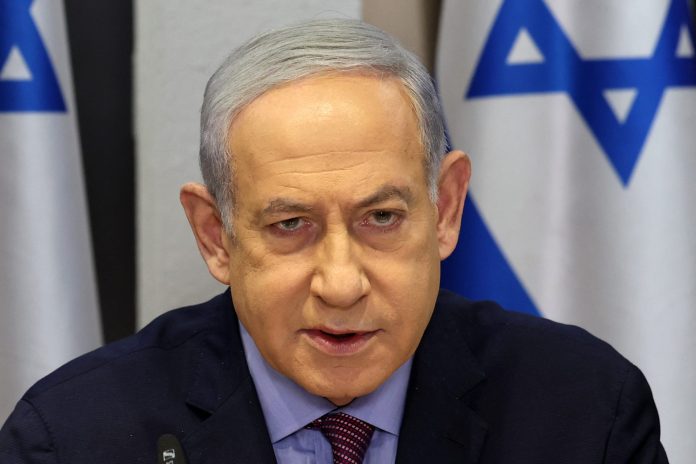
Netanyahu was accompanied to Syrian territory by Foreign Minister Gideon Saar, Defence Minister Israel Katz, army Chief of Staff Eyal Zamir and the head of the Shin Bet security service, David Zini

Syria’s Ministry of Foreign Affairs and Expatriates condemned “in the strongest terms the illegal visit, … considering it a serious violation of Syria’s sovereignty and territorial integrity”.

This month, Israel’s army renewed its incursions into Syria, setting up a military checkpoint in the southern province of Quneitra.

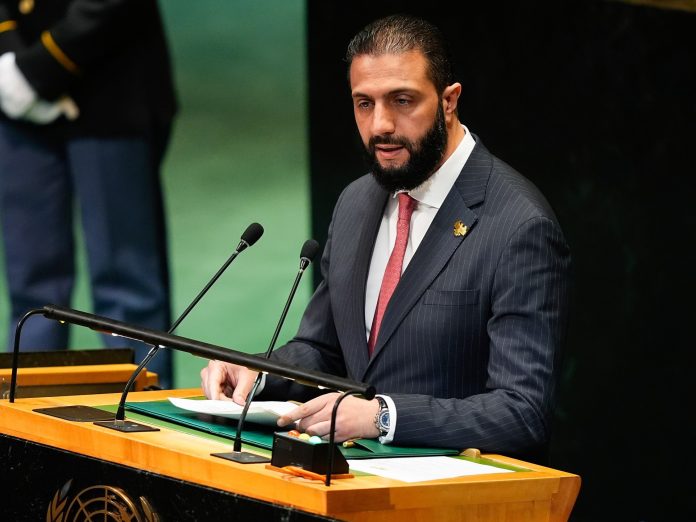
In September, Syrian President Ahmed al-Sharaa said Israel had conducted more than 1,000 air strikes and more than 400 ground incursions in Syria since al-Assad was overthrown, describing the actions as “very dangerous”.