Monday, December 22, 2025
Home Blog Page 4683

US, Saudis increasing regional interference: Top Iran official

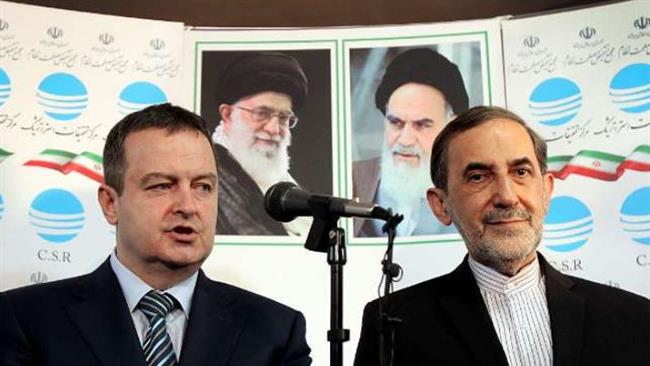
Velayati-Ivica Dacic

The United States and some “reactionary” countries in the Middle East such as Saudi Arabia are trying “to increase their interference” in regional affairs, a senior Iranian official said.

Ali Akbar Velayati, a top advisor to Leader of the Islamic Revolution Ayatollah Seyyed Ali Khamenei, made the remarks on the sidelines of a meeting with Serbia’s Foreign Minister Ivica Dacic in Tehran on Tuesday.

“The Islamic Republic of Iran still supports its regional allies such as the legal governments in Iraq and Syria, the Islamic resistance and the legal government in Lebanon, and the fighters for the Yemeni people,” he said.

“One of the very odd things the Americans do in the region is to bring a group of terrorists from various countries and train them in Syria’s neighboring countries,” he said, adding, “These terrorists do nothing except killing the oppressed people of Syria, Iraq and Yemen.”

He also told a Press TV correspondent “Iran is against any kind of foreign intervention in internal affairs of Syria, Iraq, Lebanon and Yemen,” adding that the US and its allies want to “impose their will” on the governments of these countries.

Hundreds of thousands of people have been killed in Syria and Iraq due to a deadly crisis created by foreign backed ISIL Takfiri militants in the past few years, while relentless Saudi air raids against Yemen have left thousands of people dead in the impoverished Arab country since late March.

Senior Iranian cleric writes letter to al-Azhar’s grand imam

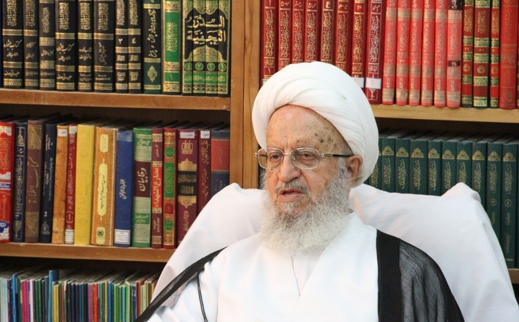
Makarem Shirazi

Senior Iranian cleric Ayatollah Nasser Makarem Shirazi has welcomed a call by the Grand Imam of the al-Azhar Mosque, Egypt’s top Muslim authority, for a unity meeting of leading Sunni and Shia scholars.

Ayatollah Makarem Shirazi has sent a letter to al-Azhar’s Sheikh Ahmed el-Tayeb, proposing a conference between top Shia and Sunni scholars “to review the most important obstacles in the way of Islamic unity” and “to set forth the most significant, necessary measures for reinforcing Islamic unity,” the Iranian cleric’s international affairs advisor Ayatollah Seyyed Mohammad Hosseini Ghazvini told reporters on Monday, without specifying the date the letter was sent.

The call by Tayeb had been aired on Egypt’s state TV on July 22 during the holy month of Ramadan.

Stressing the necessity of “coexistence and peace” between Shia and Sunni Muslims, Tayeb had urged Sunni scholars to issue a fatwa (religious decree) prohibiting the killing of Shia Muslims.

He had also called on Shia scholars to issue a similar fatwa banning the killing of Sunni Muslims.

Ayatollah Ghazvini said Ayatollah Makarem Shirazi had included principal issues in his letter and is awaiting Tayeb’s response.

Iran, Azerbaijan mull expansion of economic cooperation

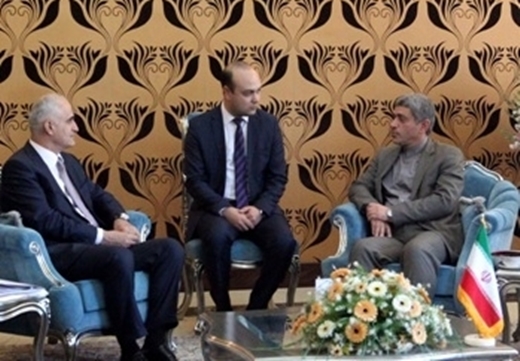
Iran-Azerbaijan

Visiting Azeri Minister of Economic Development Shahin Mostafayev conferred on Tuesday with Iran’s Minister of Economy Ali Tayyebnia on ways of expanding economic cooperation.

The two ministers called for expansion of cooperation in banking and insurance sectors as well as increasing trade and investment between the two nations.

Termination of sanctions after the conclusion of a nuclear deal between Iran and P5+1 has prepared the ground for expansion of economic cooperation between the two countries, Tayyebnia said.

Expansion of cultural relations between the two countries is beyond commercial ties between the two sides, he said.

To that end, expansion of banking and insurance cooperation should be put on the agenda, said the Iranian minister.

Establishment of a customhouse bridge between Iran and Azerbaijan over the Aras River to ease trade exchanges was on the agenda of the talks between the two sides, he said.

The Azeri minister, for his part, referred to his 30-member delegation comprising the state-run and private sectors, saying, it shows the extent of eagerness on the part of Azerbaijan to broaden the level of relations and cooperation with the Islamic Republic of Iran.

Congratulating the Islamic Republic of Iran for its significant triumph in nuclear talks, he said all countries in the region will benefit from such great achievement.

Ambiguities surrounding overseas trips of Iranian MPs

air

A day after Bronwyn Bishop, the speaker of Australia’s House of Representatives, was forced to resign because of her lavish business trips, ambiguities surrounding the number and costs of overseas trips by some members of Iran’s parliament remain far from resolved.

In a report on August 3, Alef.ir, a news website run by Ahmad Tavakoli, a Tehran MP, drew an analogy between what happened in Australia and the unresolved ambiguities surrounding the foreign trips of a number of Iranian MPs.

In the report, the website has drawn attention to Mrs. Bishop’s resignation and urged those involved to learn a lesson from her mistake, as it highlights the unaddressed request for transparency about the travel costs of Iranian MPs. The following is the translation of part of the report the website released:

Mojtaba Rahmandoust, an MP who signed a petition for clarification of the issue, said that the number and overseas travel expenses of MPs are still far from clear to the public. Over a year ago, in a petition a number of MPs appealed to the parliament’s vice speaker for executive affairs to make public the number of overseas trips as well as the assignment pays offered to deputies between May 28, 2013 and May 28, 2014. More than a year later, in spite of constant calls, the request has yet to be met.

The report concluded that the unaddressed call is one of the reasons why the fight against corruption is an uphill struggle in the country: officials do not welcome any supervision of their conduct.

Ahmad Tavakoli was one of the four deputies who signed the petition.

Pharmacy doubles as art gallery (PHOTOS)

Pharmacy0

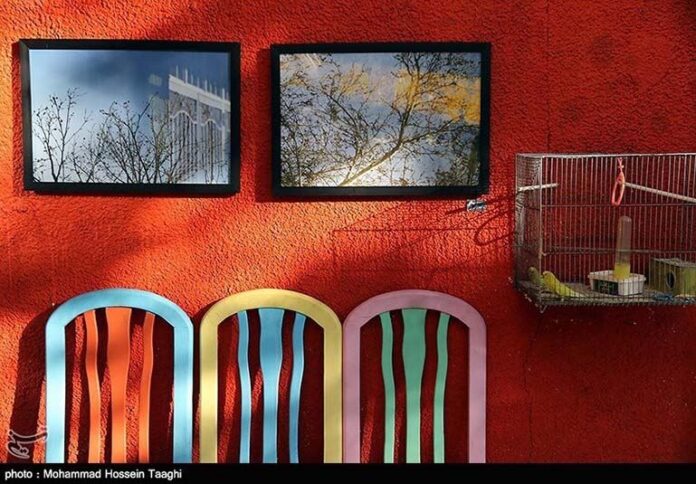
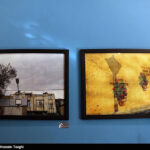
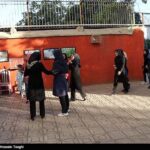
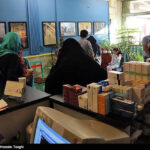
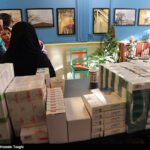
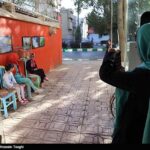
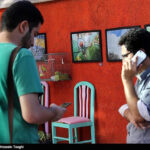
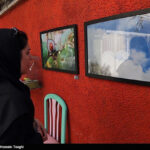
A tasteful pharmacy owner in Mashhad has decided to lend the colorful walls of his store to artists so that they can put their artworks on public display.

Images of the drugstore released online by Tasnim News Agency:


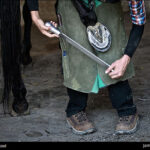
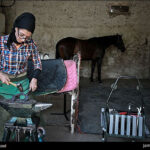
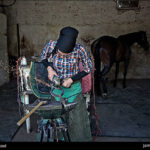
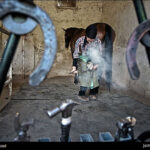
The only woman who makes horseshoes in Iran (PHOTOS)

horseshoes00

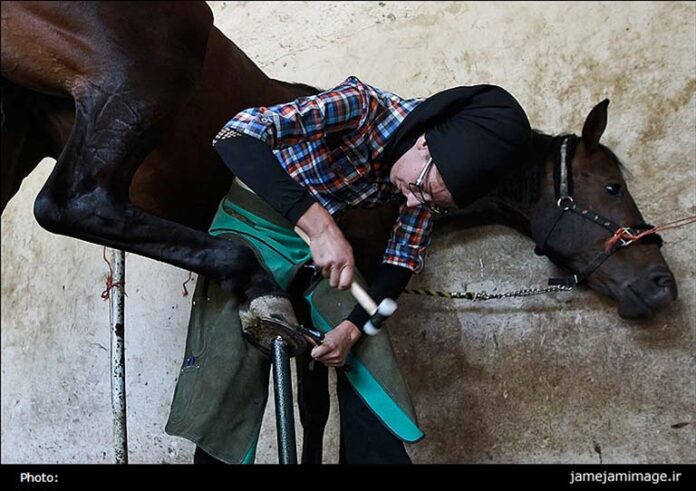
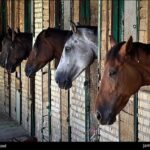
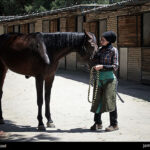
Farnaz Hashemi is a young Iranian woman who has chosen a male-dominated job.

The only Iranian female farrier has a way with horses and excels at replacing horseshoes.

When asked about what inspired her to choose the job, she said that her efforts to acquire the skill were initially meant to replace the horseshoes of her horse on her own, but two years into her 4-year apprenticeship, she developed a liking for the job.

Hashemi added that some thought that she would give up the job after a while to return to her horse-riding career.  

She said that after completing several courses and reading self-study books on horse shoemaking, she eventually succeeded in making horseshoes by herself.

Images of a female horse shoemaker in Iran put online by jamejamonline.ir:


Agreement among Qom, Najaf and Al-Azhar offsets prejudice and religious violence

Alazhar-Qom

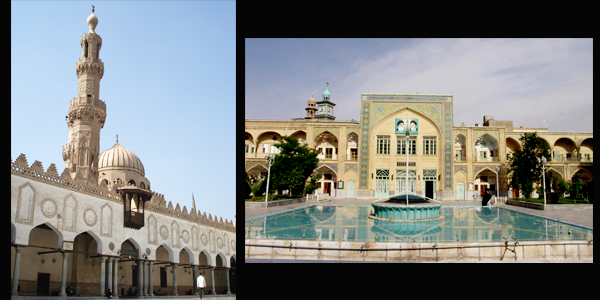
Imam of Al-Azhar Ahmed el-Tayeb has said that senior Sunni and Shiite clerics should issue religious edicts banning the killing of all Muslims.

The imam made the comment on a TV program in Egypt, calling on Muslim clerics and scholars to attend a joint meeting in Cairo, set aside their differences and condemn and ban the killing of Sunni and Shiite Muslims. Egypt’s top Muslim authority also called on Sunni scholars to issue a fatwa prohibiting the killing of Shiite Muslims.He urged Shiite scholars too to issue a similar fatwa prohibiting the killing of Sunni Muslims.

Ahmed el-Tayeb [stressed that his call was aimed at “burying sectarian strife” and halting the “bloodbath” that is gripping the region and] said that such fatwas will help build a culture of coexistence and peace between members of two Muslim denominations.

His call for a joint meeting this year comes after Al-Azhar held an International Counterterrorism Conference in December. From Iran, Chancellor of the Islamic Madhahib [Faiths] University Ahmad Moballeghi took part and delivered a speech in the conference.

Sources of emulations in Iran, including Grand Ayatollahs Lotfollah Safi Golpaygani, Nasser Makarem Shirazi, Abdul-Karim Mousavi Ardebili and Jafar Sobhani, praised Al-Azhar’s initiative, saying it can establish a link between Qom Seminary School and Al-Azhar.

In reaction to a call by the Al-Azhar Islamic Center for holding a joint meeting of Sunni and Shiite scholars later this year, Moballeghi told reporters that the way to keep prejudice and religious extremism at bay goes through the kind of dialogue which leads to fatwas that protect the Muslim community.

The following is the translation of an excerpt of his comments published by Tasnim News Agency on August 1:

Remaining in limbo, that is to say failing to issue religious edicts or issuing toothless edicts, amounts to washing opportunities down the drain and giving the enemies of Islam an edge, he said, adding, “Such failures by Islamic scholars will only serve the interests of prejudiced groups like ISIS which go out of their way to tarnish the reputation of the Muslim community and make Shiite-Sunni relations tense. We need to act before it gets too late.”

He hailed as a great opportunity a recent invitation extended by Grand Sheikh of Al-Azhar to Shiite and Sunni scholars to come together and issue fatwas against extremism and the massacre of Muslims and said the call does have all the features to become a milestone for Muslims and Islamic relations.

He said that Qom Seminary and Al-Azhar each hosted a conference in condemnation of Takfiri violence last year. I was invited to the conference in Egypt which was very good and Qom Seminary hailed the measure of A-Azhar.

The Iranian cleric further said the imam of Al-Azhar has long held views supporting calm in the ranks of Islamic nations, citing his invitation to Iranian clerics to attend the conference.

He said that unity among Shiites and Sunnis entails dialogue and agreement between the two in a bid to respect the red lines of each other, keep the atmosphere calm and turn up the heat on extremist Takfiris.

The university chancellor went on to say that the institution in charge of proximity* [among Islamic faiths] or any other organizations should go among the ranks of Muslims in the community, adding that to carry the message of proximity across, those involved should make their presence felt in Muslim societies, skillfully hold dialogue, let go of the details and reach a consensus on general themes which serve the interests of the Islamic community.

Moballeghi also said that the Supreme Leader of the Islamic Revolution and sources of emulation are fully aware of the importance of Muslim unity. He said the Supreme Leader’s fatwa on unity in the world of Islam and his praise for Al-Azhar’s stance played an effective role and improved the situation, adding that the current situation today necessitates another fatwa to be issued.

Al-Azhar and Qom Seminary School are not expected to see eye to eye on everything, but they can reach a consensus on the red lines, he said.

Dr. Moballeghi said the call for unity has been made by Al-Azhar, adding for years similar calls have been coming from Qom Seminary School, but what matters now is that the two take steps toward a joint objective.

He further said that the imam of Al-Azhar delivered an excellent speech on the need for unity and renunciation of violence in a conference in condemnation of Takfiri violence [last year], adding that we should not take a stance today which may dissuade Al-Azhar from the path it is now walking down.

Proximity refers to dialogue among Islamic sects and denominations focusing on common ground to achieve unity in the world of Islam.

[The late Ayatollah Seyyed Hossein Borujerdi held special views on bringing about proximity among different Islamic sects. Ayatollah Borujerdi was an advocate of unity and solidarity of the Islamic world and tried to create a kind of proximity among different Muslim sects. To that end, he corresponded with Dar ul-Taqrib (Center of Proximity) in Cairo and its founders. Ayatollah Borujerdi, was sensitive and averse towards sectarian divisiveness among Muslims, and tried his very best to prevent it. ]

[Sheikh Mahmoud Shaltut was a prominent Egyptian Sunni religious scholar and Islamic theologian best known for his work in Islamic reform. Sheikh Shaltut is remembered for encouraging harmonious interactions between the Sunnis and Shiites. He maintained close relations with prominent Shiite figures such as Seyyed Hossein Borujerdi and zealously campaigned for open discussion and cooperation between the two branches. Shaltut desperately wanted to overcome misconstructions and avoid quarrels between the two sects.]

US preparing for joint commerce chamber with Iran: Official

9149

Head of Iran’s Chamber of Commerce, Industries, Mines and Agriculture Mohsen Jalalpour said the US has launched preliminary measures to form a joint chamber with Iran.

According to regulations, he said, Iran will start to do the same two months after the formation of a chamber in the US.

He went on to say that Iran has done nothing to this effect so far for given the fact that it has received nothing to this effect from the US.

Talking to reporters in Tehran on Tuesday, he said he has received no formal request from the US officials for any economic delegations to visit Iran.

He said a call for economic talks and negotiations may take place during the September visit of the Iranian President Hassan Rouhani to the US to take part in the United Nations General Assembly.


Meet Iran’s next Bill Gates: a dropout-medical student

1783357

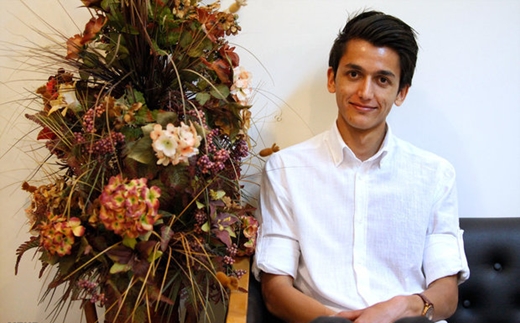
A young scientist, computer programmer and inventor, named Sajjad Yaghoubi has grabbed the media’s attention nationally and somewhat internationally in the past few years.

The tall, skinny and olive-skinned Yaghoubi was born 23 years ago in Maku, a city in the extreme northwest of Iran – in West Azerbaijan Province.

Born into a middle-income family, Sajjad was the third of four children and the only son of the family. He completed primary school all the way to high school in his small hometown of Maku.

However, the small-sized town with only a few learning facilities and a limited number of educational centers couldn’t bring him down.

Already at an early age he began to satisfy his curiosity in robots by dismantling toys and machines in order to figure out the function of each part.

If that weren’t bad enough, he would even sell his stuff to buy robot parts.

On that topic, Sajjad even had a story to recount for the Tehran Times.

On one of his birthdays, his father surprised him with a brand new cell phone as a birthday gift. The very next day, however, when his father could not locate his son via his cell phone, Sajjad had to confess that he had sold the pricey phone in exchange for some robotic parts for his next creation.

During 6th grade, with no guidance at his disposal, Sajjad tapped into the world of ‘robotics’.

Although it only seemed an interest to him at first, the field of robotics would open up many possibilities to him later on and win him plenty of awards.

On his journey into the robotics world, Sajjad encountered a lot of “naysayers” who mocked him and tried to cast a gloom over his dreams, but little did they know that his strong resolve would block out all of them.

It goes without saying that Sajjad must’ve had wonderful mentors along the way. In fact, he named his father and late uncle as his inspirational and motivational gurus.

Since his town of residency had a limited number of books available to the public, particularly on his favorite topic, robotics, Sajjad’s uncle, whom he called a genius, mailed out around 20 books on biology and robotics to him each month from Tehran.
“I would read the books voraciously, knowing full well that more would be on the way in the following months to get my hands on,” he recalled.

In addition to winning the first nationwide award in robotics while still on his second year of junior high school, Sajjad also took the second place at the Robocup World Competition in Germany in 2009, and got gold medal in Belgium at the World Invention Competition in the same year.

Ever since Sajjad was a young boy, he knew he wanted to contribute to the world and help people. But it wasn’t until he arrived in high school that he reaffirmed his obligation to the world and rechanneled his energy to incorporate robots into the medical industry to assist the ailing people.

While still in high school, he built somewhere around 40 different robots: from soccer, humanoid, autonomous, rescue and earth quake rescue robots to aerial, basic surgical, agricultural, military and industrial path finder robots.

As a high school student, Sajjad won numerous prizes at various competitions including: first place at the Malaysian invention innovation technology competition, best special prize at the Korean under 18 world inventions Olympiads, and the special prize of best under 18 inventor in Asia.

One of his inventions, which Sajjad takes great pride in, is called the “eye exercise equipment”. The device, patented in his name when he was only 16, isolates the extraocular muscles and relieves eye tiredness in just five minutes by improving the blood circulation in them.

The useful equipment is already out in the market in Turkey and goes for $400.

After graduating with honors from high school, Sajjad decided to go abroad to further his education in an area where Iran had already lagged behind due to years of sanctions imposed by the West.

Higher education institutions in the United States and Europe were off limits since his mother wasn’t willing to send her sole beloved son to faraway lands.

So, Sajjad picked Turkey where he had already been granted a scholarship from Bahcesehir University department of medical school in Istanbul.

A year after his arrival in Turkey, he began observing surgeons in operating theaters where he got to assess the design flaws of medical equipment used during surgeries in order to improve their precision.
It was then that Sajjad decided to launch his company and began selling his inventions, his company runs successfully to this day in Turkey.

While in university, Sajjad continued his outstanding performance, which once again won him many more medals and accolades in competitions.

The list includes: gold medal at the invention world competition in Germany in medical field 2011, silver medal at the Russian innovation and technology contest in 2011, the world’s best & youngest inventor of 2012 in Croatia, gold medal at the European and World Competition in Romania in 2012 in medical field, gold medal for the largest invention competition in the world in Geneva, Switzerland, in 2013, gold special prize of USA invention competition as the best creative inventor in 2014, best paper of world medical student congress in Ankara, Turkey in 2014; he was awarded the youngest peace spokesman from Iran and turkey in USA model UN students congress 2014, and last but not least he took the 3rd place at the Geneva invention competition 2015.

Sajjad told the Tehran Times that in January 2016 he will participate at CES, a global consumer electronics and consumer technology tradeshow, in Las Vegas, Nevada to present his latest inventions.

He continued to study medicine for three years until one day he decided the world of academia wasn’t feeding his dream fast enough since he wanted to undertake research in operating rooms.

Sajjad decided to call it quits and leave the academic world behind in Turkey. He is now planning to move to the States, to pick up where he left it off in Turkey and to get on with his dream projects.

With a company in Turkey already established under his name and a new office in Tehran, the third-year college drop-out has made a name for himself so much so that his name is known to everyone in his hometown.

With 15 patents, so far, under his name, and surely many more to come, Sajjad’s mind is constantly buzzing with new ideas, trying to find solutions for unsolved problems.

It is just a matter of time before Sajjad’s name captures the world’s attention and becomes an international icon with his new discoveries and inventions.

Beyond a shadow of a doubt, Sajjad has made a leap at such a young age; he already has fame and wealth.

1783354

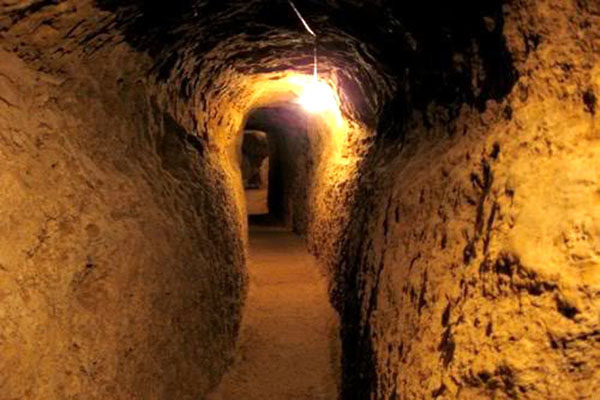
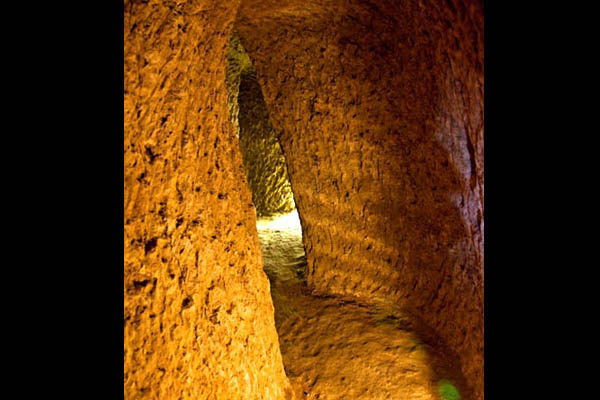
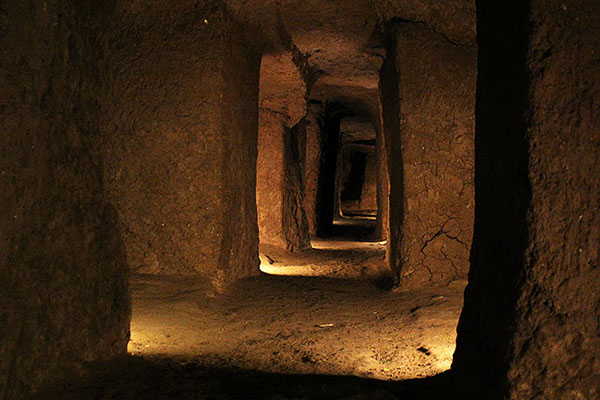
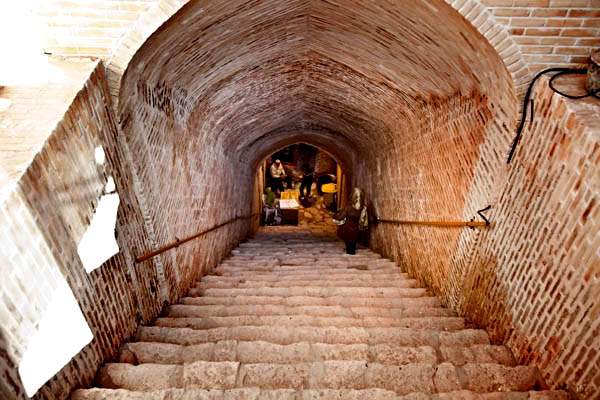
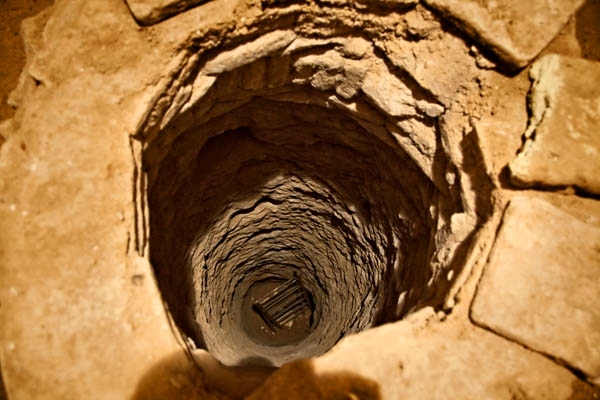
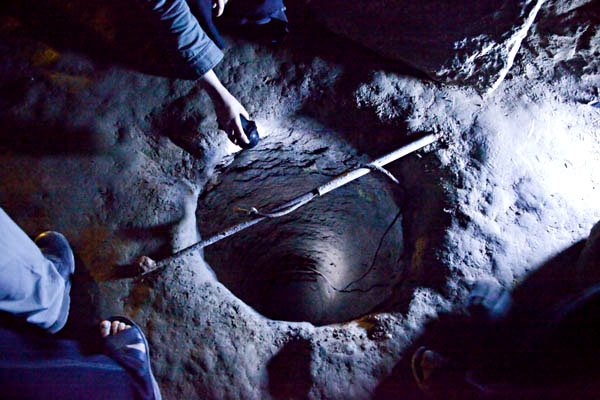
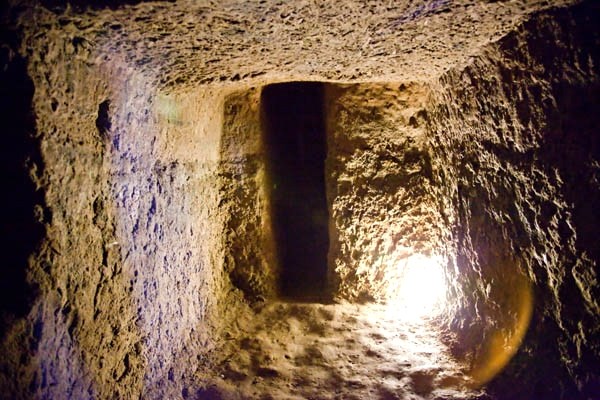
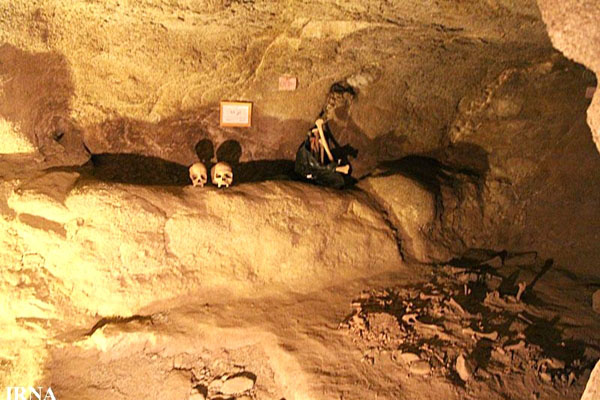
Iran in Photos: Underground City of Nooshabad

Underground city of Nooshabad

Nooshabad, which was discovered by chance during a construction project, was initially built to protect city dwellers against invasion and plundering, particularly during the Mongol invasion of Iran.

The 3-story underground city is between 4 and 18 meters in depth and is thousands of square meters in area.

Images of the underground city of Nooshabad posted online by hamshahrionline.ir: