Monday, December 22, 2025
Home Blog Page 4682

New atmosphere misunderstood by some people: Zarif

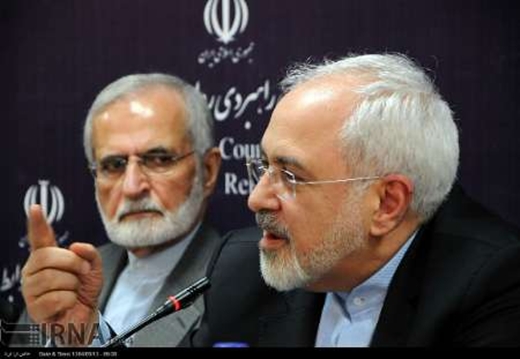
Zarif

Foreign Minister Mohammad Javad Zarif said on Tuesday it is very important that a new atmosphere has emerged after the nuclear agreement, but it is unfortunately misunderstood by some people.

Speaking at a session of Strategic Foreign Relations Council, Zarif elaborated on the legal aspects of the UN Security Council Resolution 2231 and its appendixes, arguing that in order to resolve the issue, President Rouhani’s government was urged to create new conditions.

“The important point is that the old atmosphere (of threats and sanctions) is demolished and a new atmosphere has emerged, but some people misunderstand it. Today a new chapter has opened and that is what Mr. Rouhani refers to as exit from Chapter 7 of the UN Charter,” he said.

The Iranian foreign minister said, this means the Iranian nuclear program is no longer considered a threat to the international peace and stability.

“It is right that our nuclear program must proceed with certain restrictions. That is for sure, since six resolutions of the UN Security Council which were passed in the course of eight years (of the previous Iranian government) against Iran and we had not abided by them, and righteously not done so, are now annulled,” he added.

He said that those restrictions are under Article 41 of the UNSC Resolution. They should exist and there is no escape from them, but for our friends who are experts in legal affairs this should be clarified.

“Our missile experts tell us that none of our missiles are designed for carrying nuclear warheads, and they will never be designed for that purpose,” added Zarif.

The Iranian foreign minister added that he believes a major development has taken place.

“After all, Iran has managed to negotiate with six world powers, get engaged in a give and take transaction, urge them to yield to the passing of a UNSC resolution to guarantee the proper implementation of JCPOC, and all in all turn the threat into an opportunity.

“I believe this is an exceptional opportunity for Iran, although there are threats as well,” he added.
Iran reiterates neutrality in conflict between Kurds, Turkey

Fazli-Iran minister

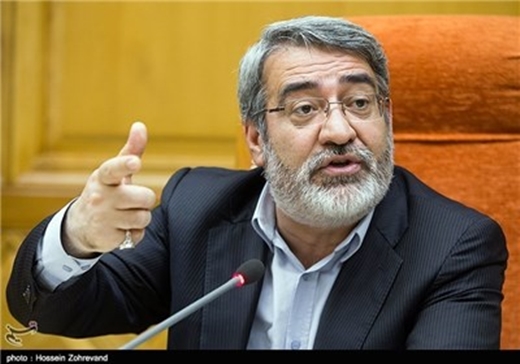
Iranian Interior Minister Abdolreza Rahmani Fazli stressed that Tehran has adopted a neutral position on the ongoing conflict in Turkey between the central government and Kurdish fighters.

There is unrest in Turkey’s border areas due to the country’s stances on Syria and its support for the so-called Islamic State in Iraq and the Levant (ISIL) terrorist group, Rahmani Fazli said in a meeting with Kerman’s Friday prayers leader Ayatollah Yahya Jafari.

Kurdish people residing in border areas have practically become a threat to the central government, he added.
The minister pointed to Iran’s stance on the conflict between the two sides in Turkey, saying that Tehran has frequently declared neutrality.

“Every country should decide on its own internal affairs,” he noted.

Rahmani Fazli reiterated Iran’s support for Syria, Yemen and other Muslim countries around the world.

Iran’s police chief said on Monday the country’s northwestern borders have been temporarily closed by order of the Supreme National Security Council (SNSC) in an apparent response to unrest in neighboring Turkey.

[…]

Italy to broaden cooperation on auto industry with Iran

Italy

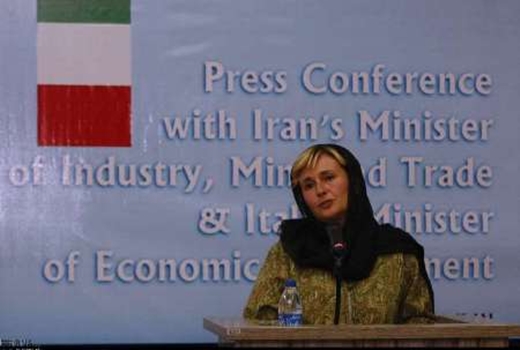
The Italian Minister for Economic Development Federica Guidi on Tuesday said economic relations with Iran are deep-rooted and Rome is interested in broadening automotive cooperation with Iran.

The Italian minister arrived in Tehran at the head of a delegation on Tuesday and conferred with Iran’s Minister of Industries, Mines and Trade Mohammad Reza Nematzadeh.

On expansion of cooperation between Iran and Italy on automobile production, she said there is no doubt that cooperation with Iran on auto production will be launched with more strength as demands in the Iranian market are very high.

Economic relations and cooperation between Iran and Italy are very deep and the volume of trade exchange between the two sides before sanctions stood at over seven billion euros, Guidi said.

“We are now at a sensitive juncture and believe that the recent accord not only will be to the benefit of Iran but also Europe and the world,” she said.

“In the past, Italy was Iran’s traditional trade partner, but today we seek to play an extensive active role in various fields,” she said.

She called for establishment of win-win and long-term relations between the two sides.

Italy spares no efforts to provide Iran with new finance routes and believes in continued fruitful cooperation between the two sides, she said.

Iranian scientists clone endangered wild ram

wild ram-1

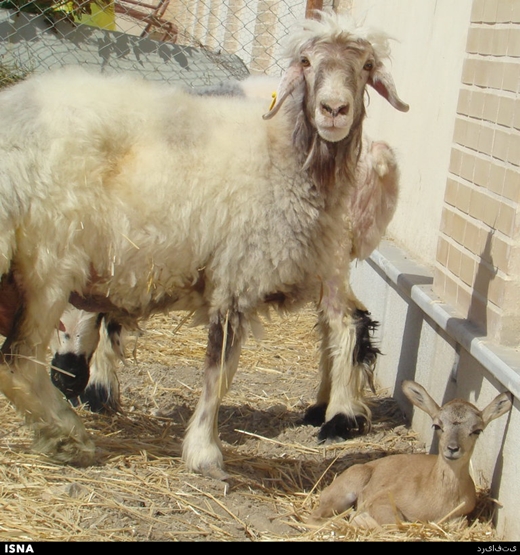
Royan, a renowned Iranian institute working in the field of biomedicine, has managed to clone a type of wild ram that is in danger of extinction, the institute’s chief said.

Mohammad Hossein Nasr Isfahani, the head of the Isfahan-based Royan Biomedicine and Stem Cells Institute, announced in a press conference Tuesday that the researchers working in this center have succeeded in cloning the Ghamishloo Wild Ram, an endangered Iranian species.

Named Maral, the newborn cloned lamb, is now in perfect health and is being kept in Royan Research Center’s farm, he stated.

Nasr Isfahani further noted that only three Asian countries – South Korea, Japan, and China –have the technology of cloning endangered species at their disposal, and Iran is now the fourth country in Asia to achieve the capability.

Currently, scientists in Royan Biomedicine Research Center are trying to reproduce the Asiatic Cheetah and Persian Leopard using the same method, he noted, adding they have already made some progress.

Royan Institute had earlier cloned a lamb named Royana, which was born on September 30, 2006, after many successful experiences and researches in the institute.

They also cloned a first goat on April 15, 2009, at Isfahan campus of Royan Institute by cesarean section.

Iran in recent years has made considerable headway in various scientific fields including biotechnology, satellite technology, and nanotechnology.

Back in January, when visiting an exhibition of Iran’s latest achievements in the fields of nanotechnology and biotechnology, the Supreme Leader hailed the country’s scientific progress rate, which is higher than the world’s average.

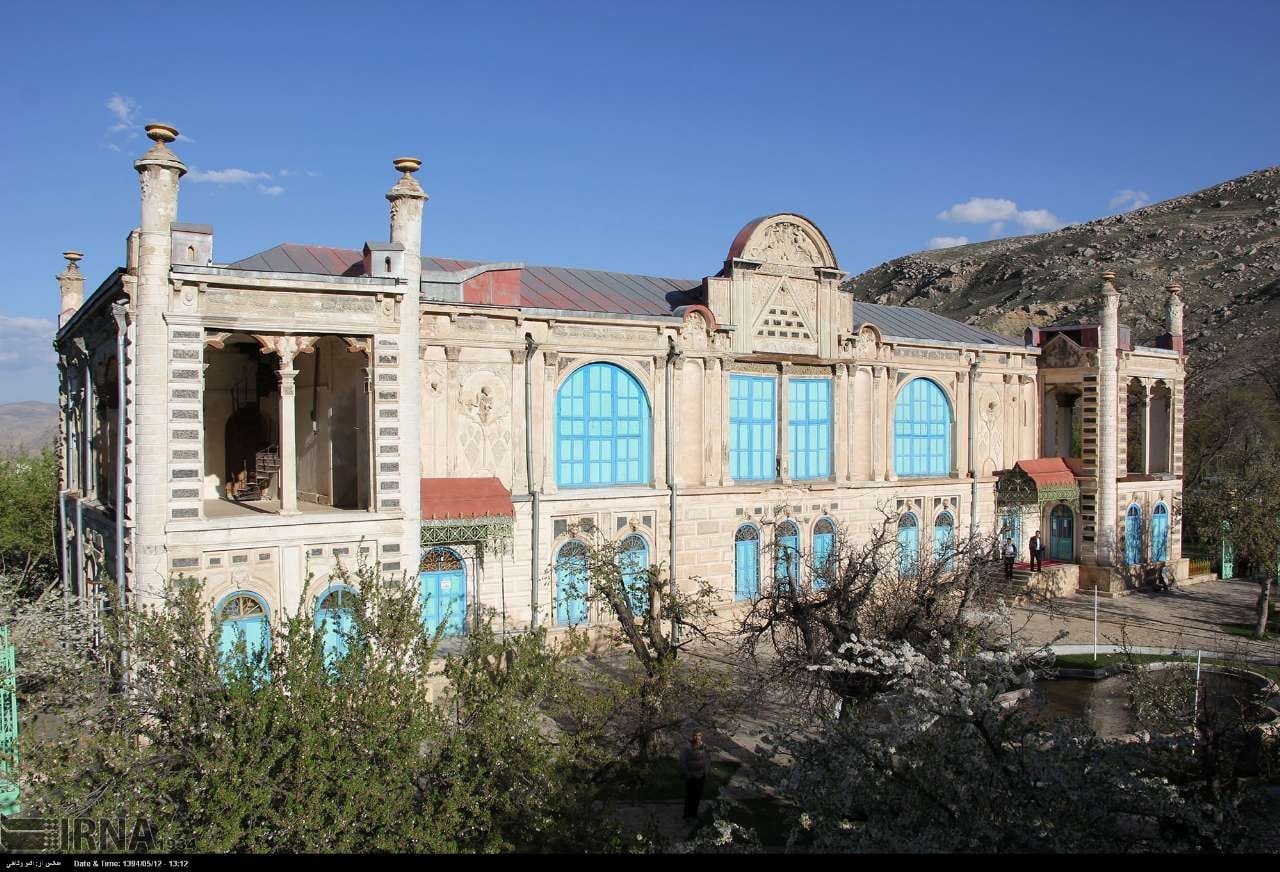
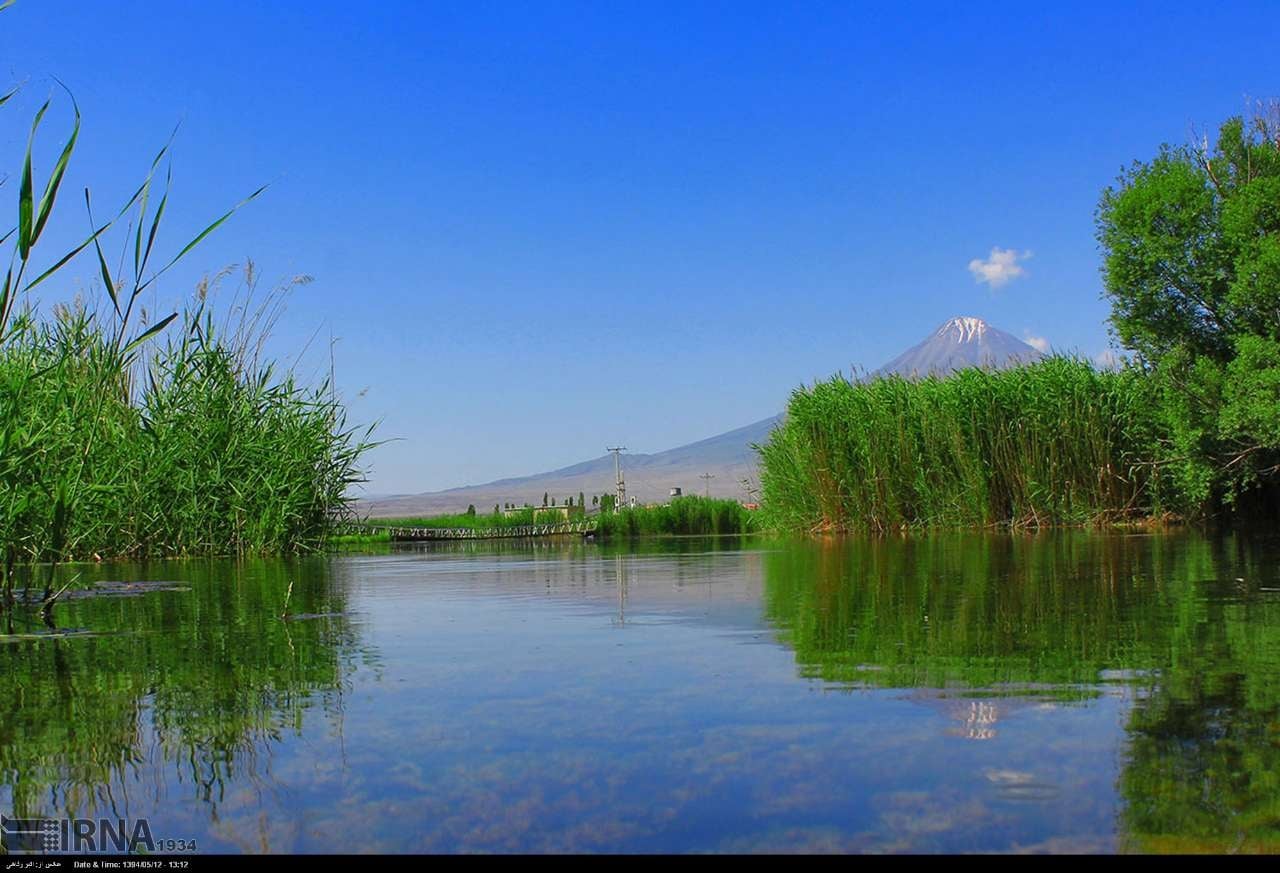
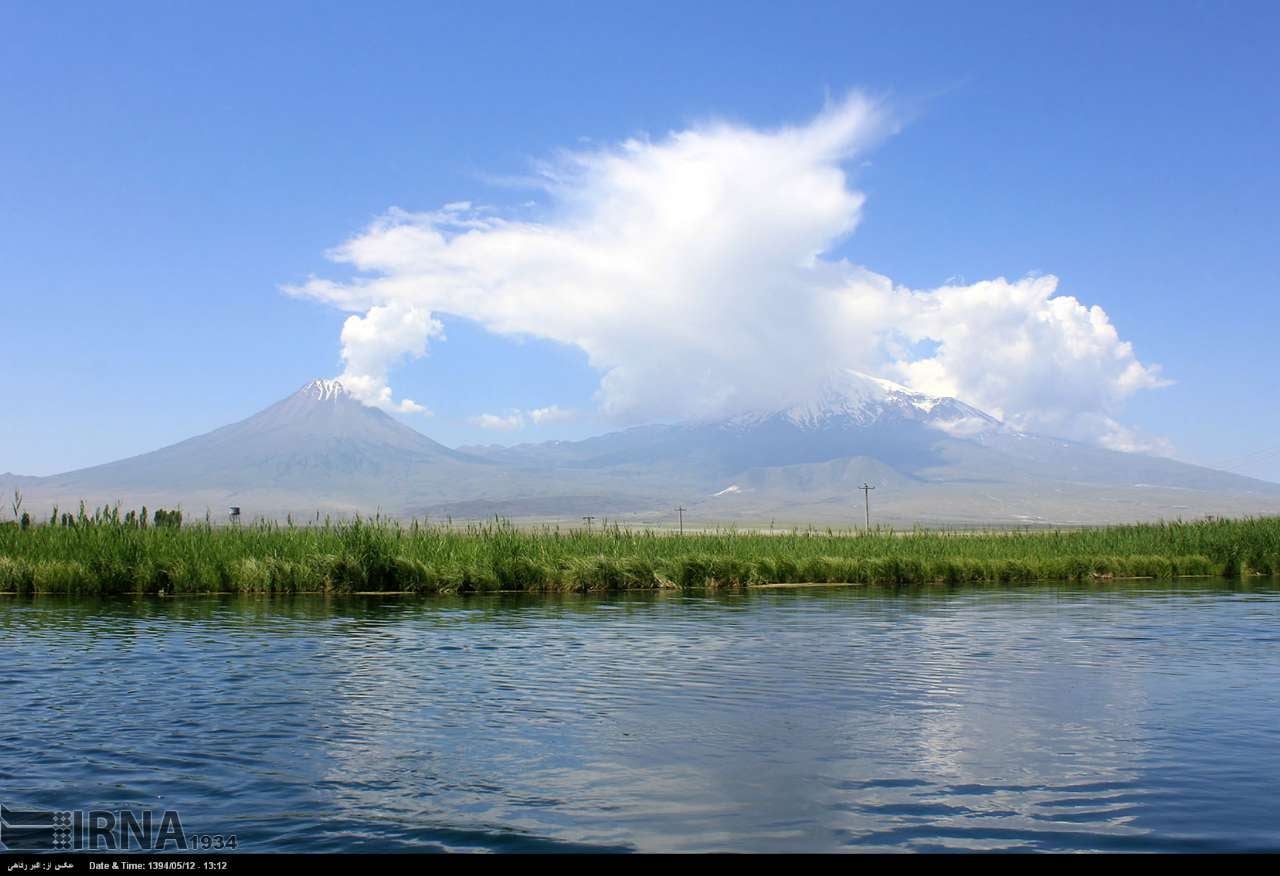
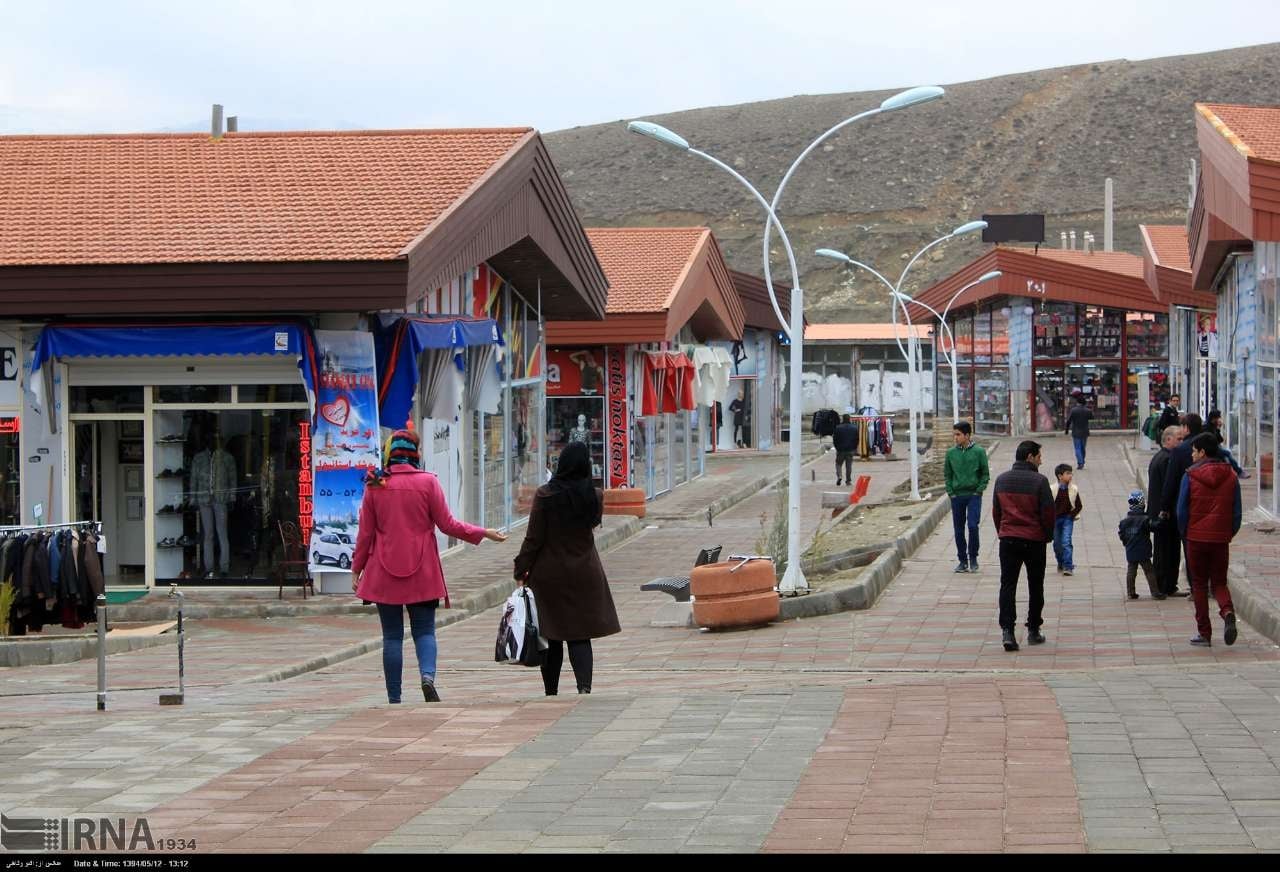
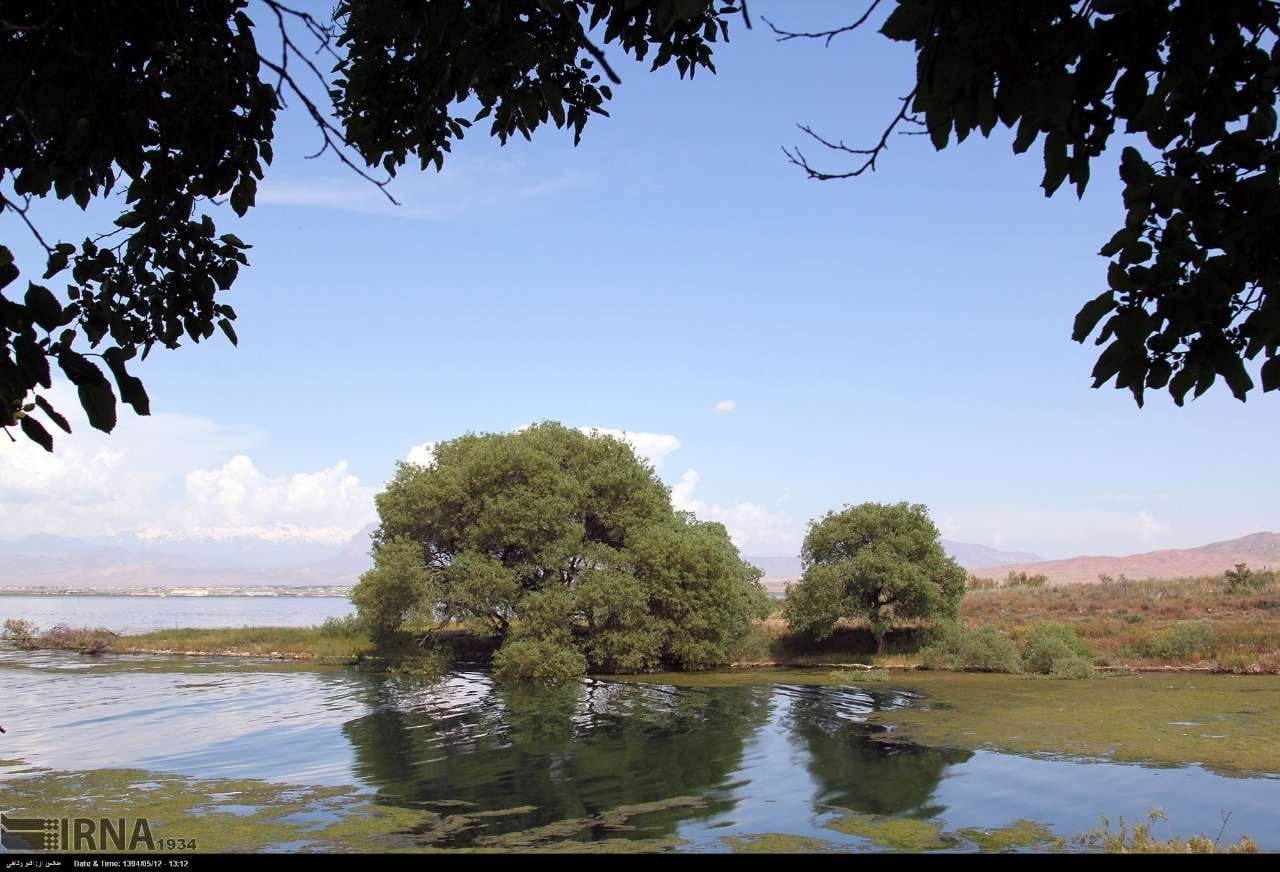
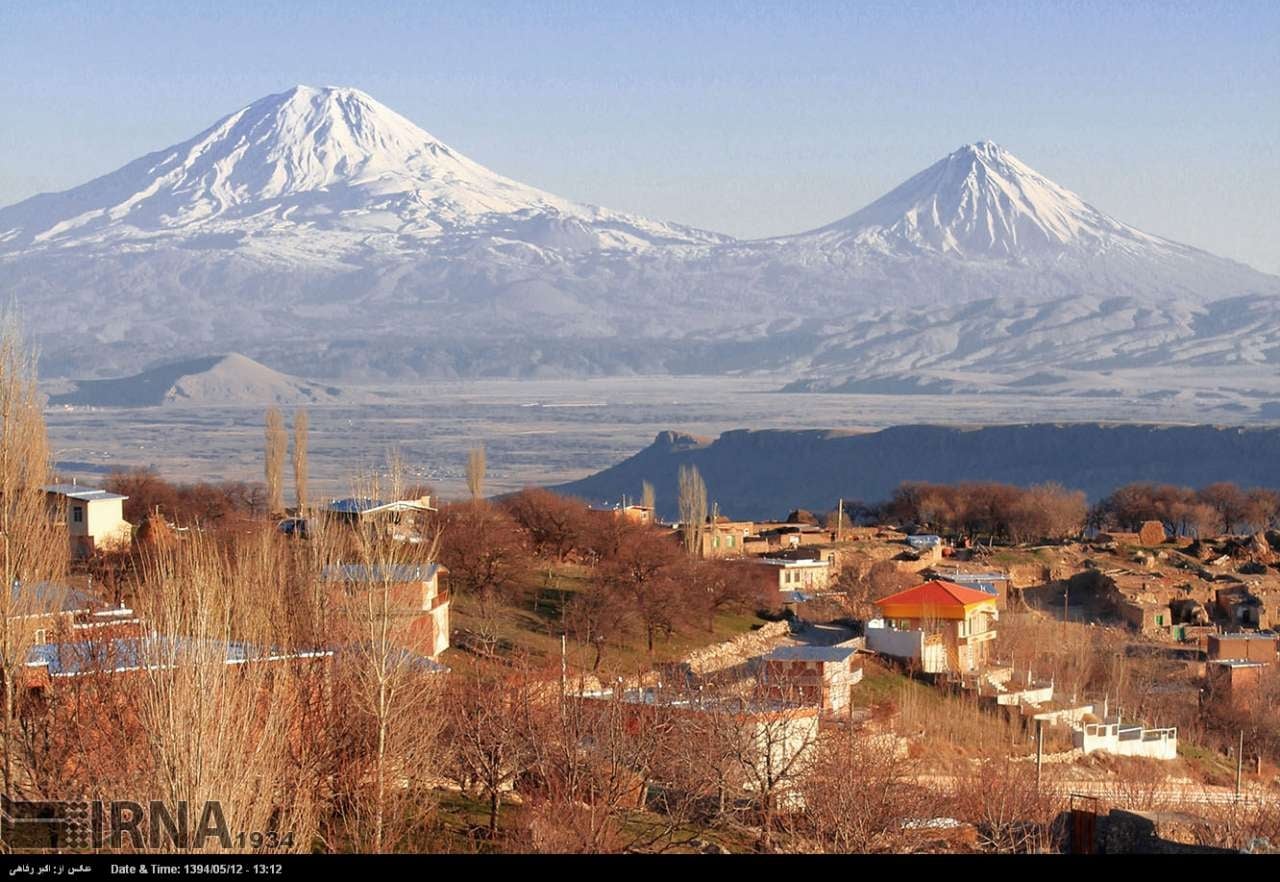
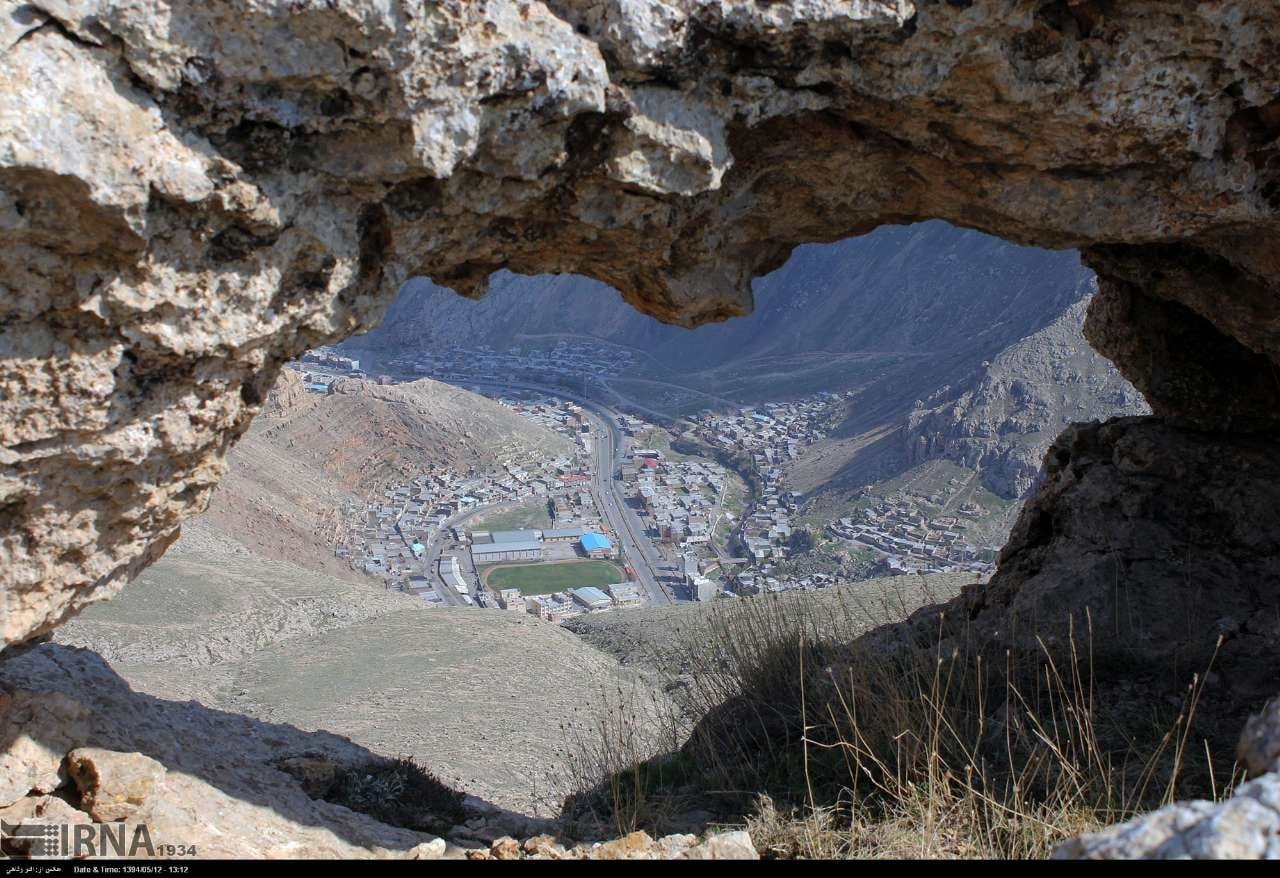
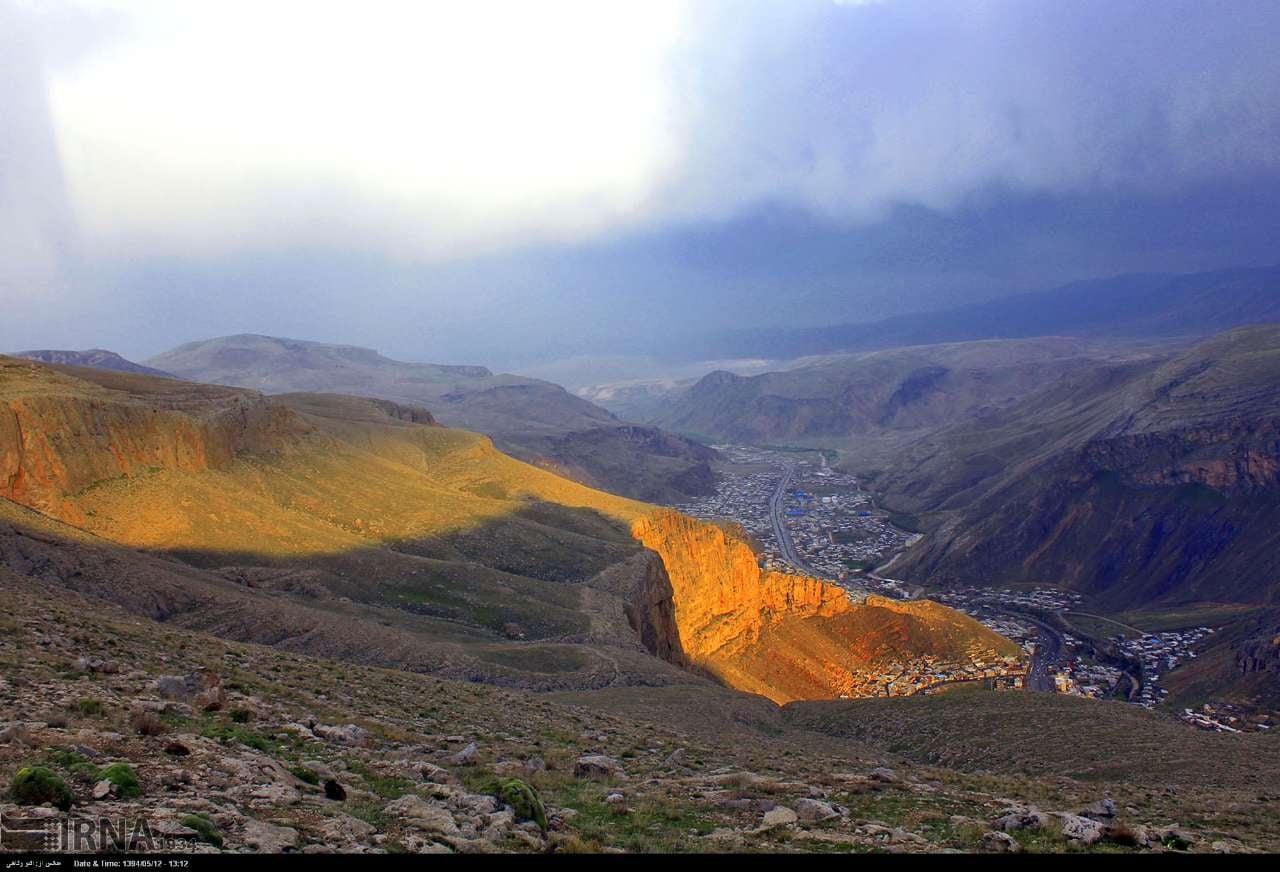
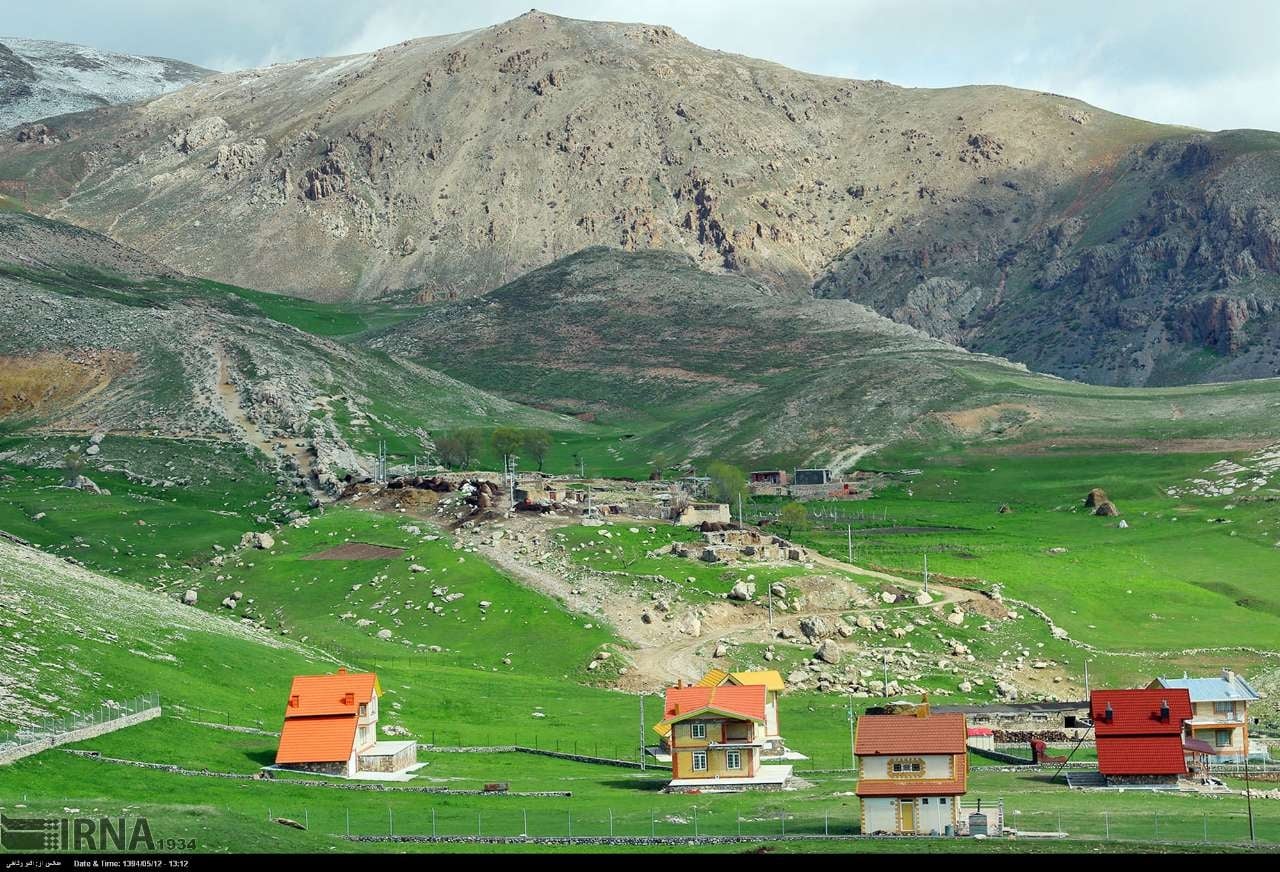
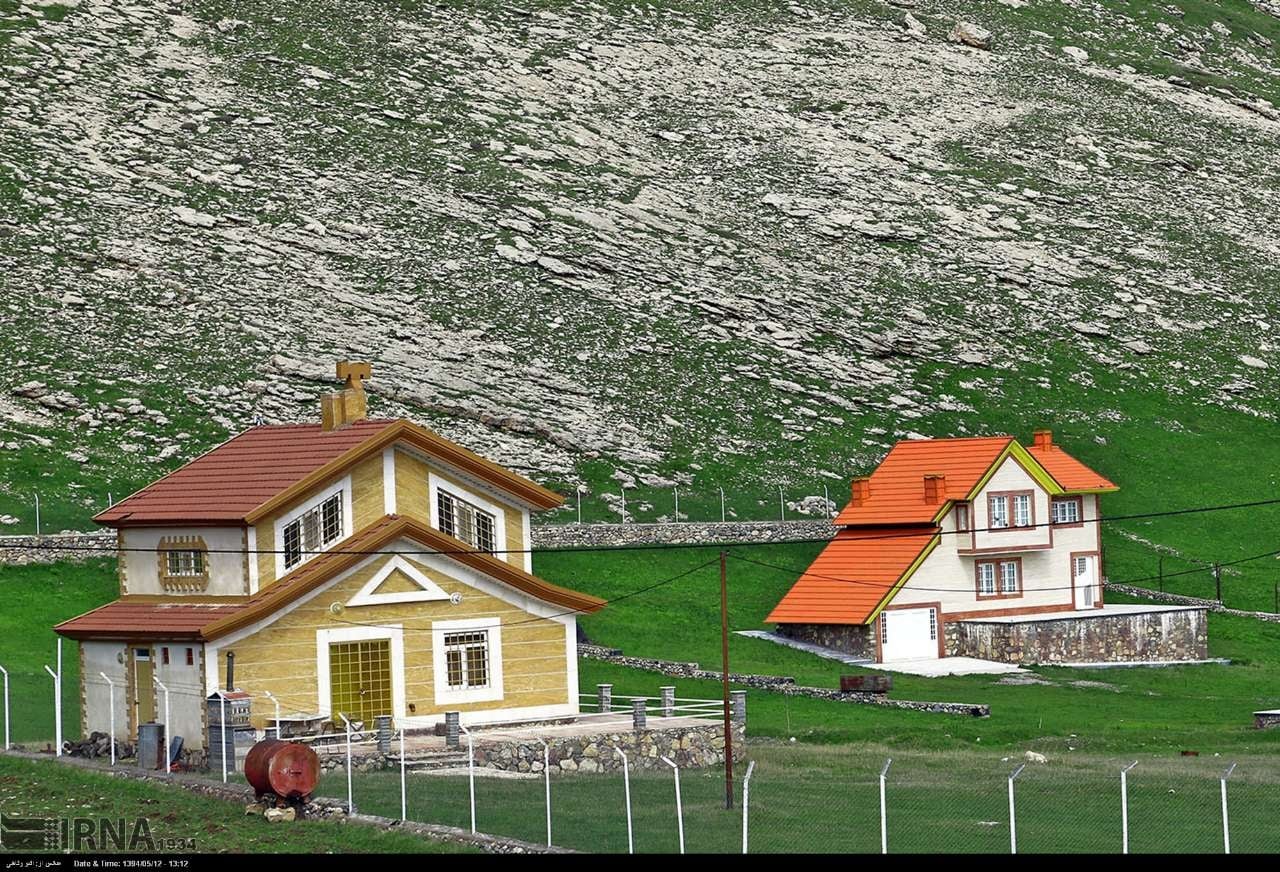
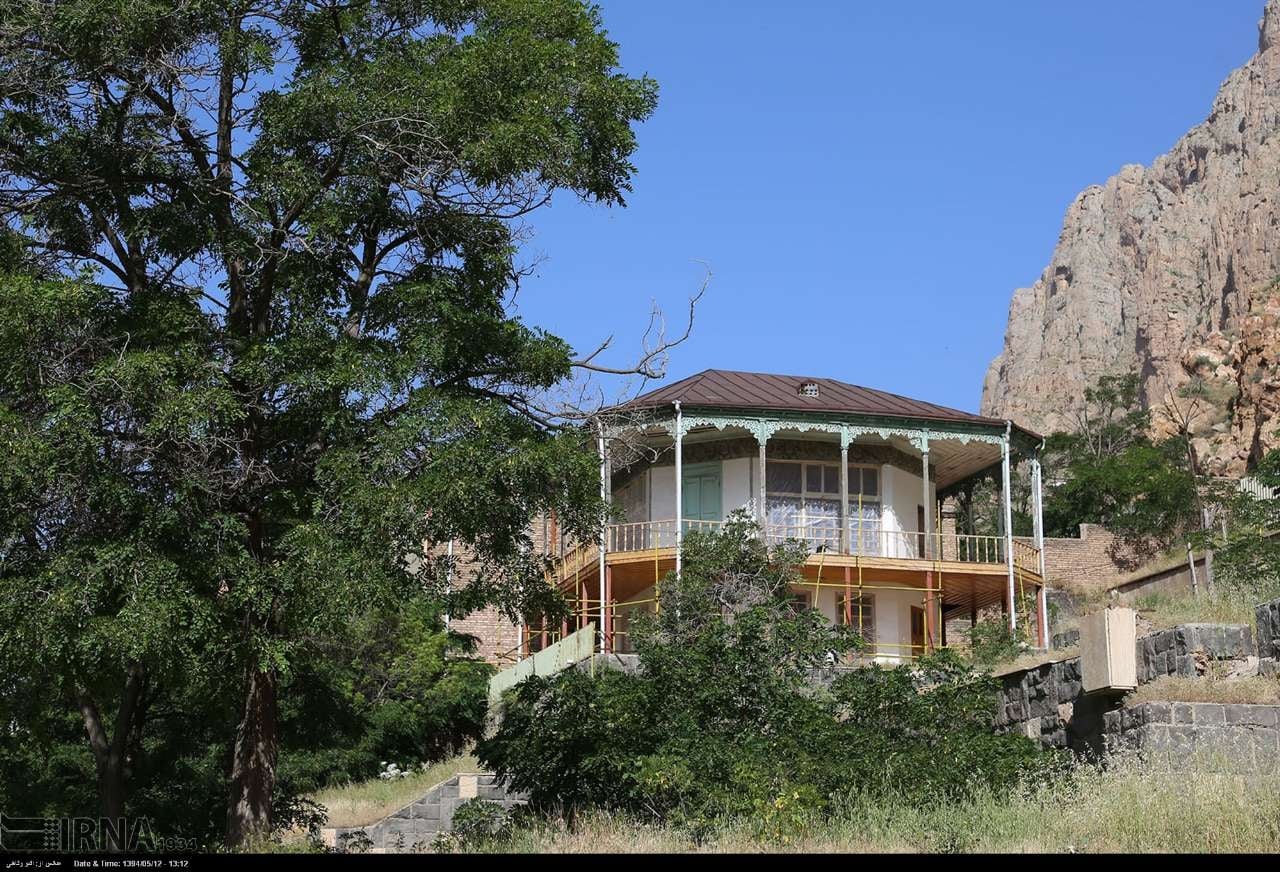
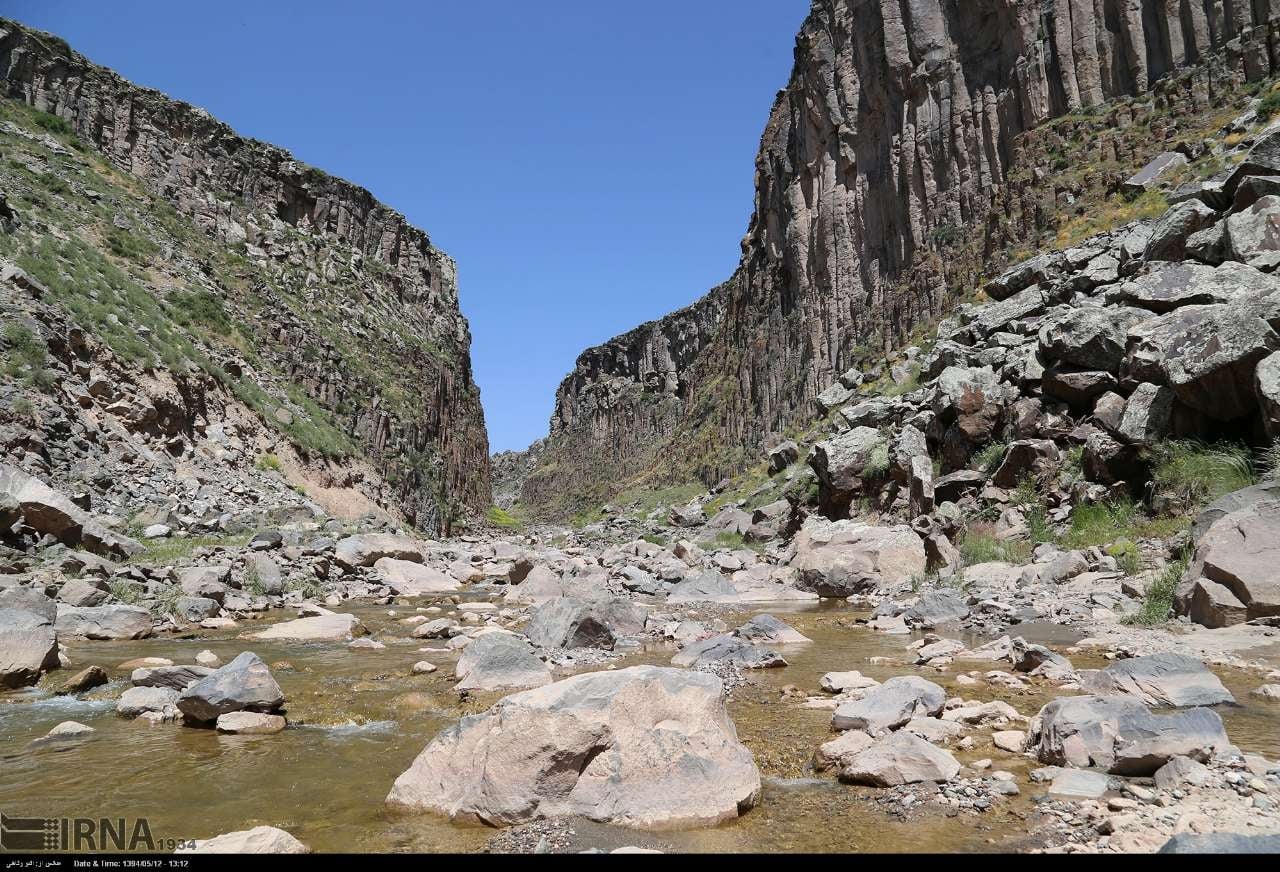
Tourist attractions in Maku Free Trade Zone (PHOTOS)

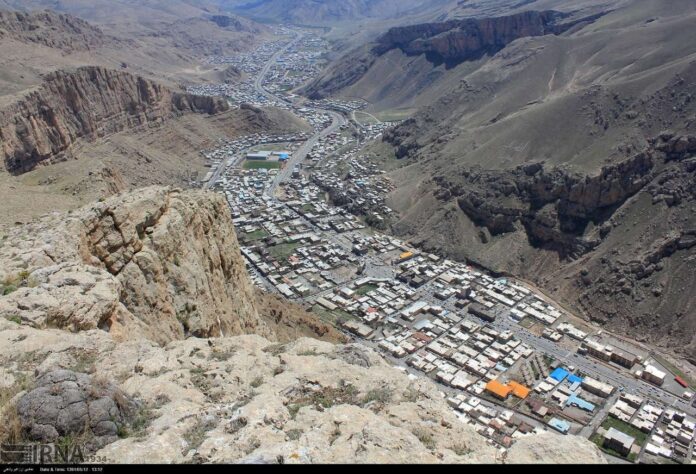
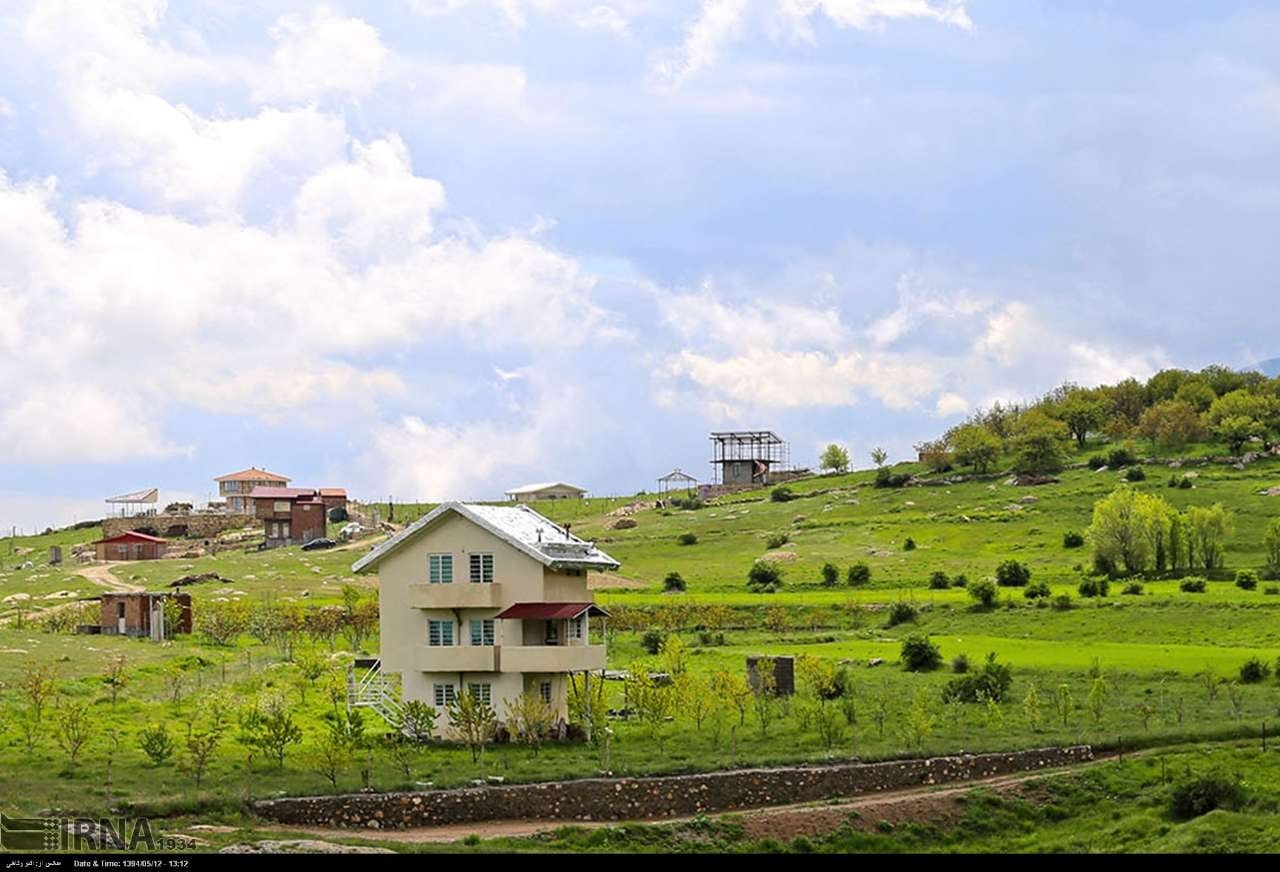
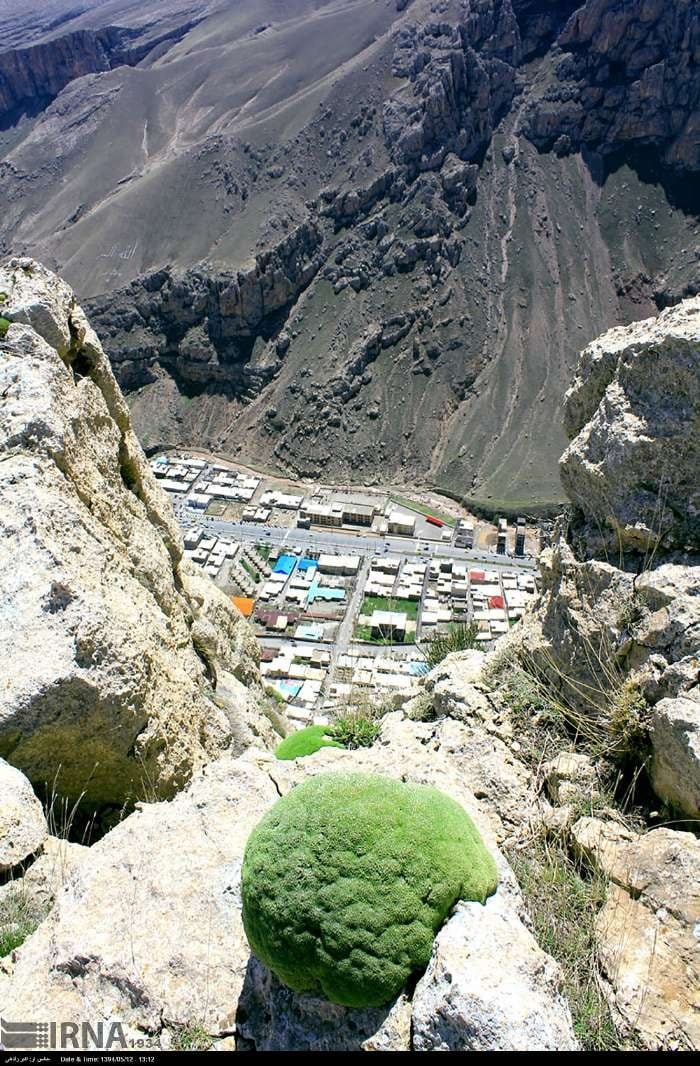
Maku Free Trade Zone which is 500,000 hectares in area is Iran’s largest and the world’s second largest free trade zone after Shanghai.

Among other things, over 300 registered historical sites, dozens of beautiful natural sites and a border market have turned the zone in northwestern Iran into an ideal tourist destination.

Snapshots of the zone posted online by the Islamic Republic News Agency:

Iran president urges peace in Mideast, Balkans

Rouhani-Serbia

Iranian President Rouhani has reaffirmed the Islamic Republic’s opposition to violence and extremism, calling for the restoration of peace in the Middle East and the Balkans.

“Different regions in the world, including the Middle East and the Balkans, should turn into regions of peace and calm,” Rouhani said in a meeting with Serbia’s Foreign Minister Ivica Dacic in Tehran on Tuesday.

He urged all countries to make efforts for a world devoid of violence and extremism, saying, “the Islamic Republic of Iran opposes extremism and violence anywhere.”

He said that ethnic strife and extremism hinder the establishment of peace and security.

Rouhani further referred to a recent nuclear agreement between Iran and six world powers and said, “These [nuclear] negotiations showed that other regional and international problems could be also resolved within the framework of logic at the negotiating table.”

[…]

The Iranian president also stressed the importance of Tehran-Belgrade ties in economic, scientific, cultural and tourism sectors.

Serbia’s willingness to boost Iran ties

Dacic, who is also Serbia’s first deputy prime minister, said his country is keen to improve ties with Iran in all fields, particularly in economic arena.

Serbia also calls for cooperation with Iran in the oil and gas sectors, he added.

Iran economic team due in Serbia

The Serbian foreign minister also held talks with Iran’s Foreign Minister Mohammad Javad Zarif about mutual ties as well as regional and international developments.

During the meeting, Zarif welcomed Serbia’s readiness to attend an Iran-Serbia Joint Economic Committee meeting in Tehran in the near future.

He said an economic delegation comprising representatives of Iran’s state-run and private sectors is planned to travel to Belgrade.

The Iranian minister also gave a positive assessment of close political consultations between the two countries’ officials at different levels.

Dacic, for his part, said Belgrade is interested in expansion of political, economic and parliamentary ties with Iran.

Enhanced Tehran-Belgrade ties

Dacic also held a separate meeting with Ali Akbar Velayati, a top adviser to Leader of the Islamic Revolution Ayatollah Seyyed Ali Khamenei.

Velayati said Iran and Serbia can improve relations through regular official exchanges and the two countries’ joint economic committee.

He said there are good prospects for Iran and Serbia to broaden their cooperation.

Level of trade relations with Italy above normal: Iran’s Zarif

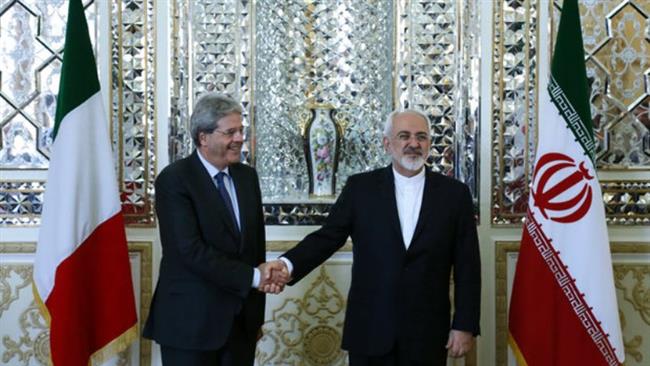
Zarif-Italy FM

Iran’s Foreign Minister Mohammad Javad Zarif says the level of Iran’s trade with Italy is “above normal” and the two countries are planning balanced and long-term bilateral economic relations.

Zarif made the remarks in a meeting Tuesday with his Italian counterpart Paolo Gentiloni, adding that Iran’s foreign policy is geared toward strengthening ties with neighboring and regional countries and joining efforts to settle crises and establish security and stability.

“Instability, insecurity, terrorism and extremism are against the interests of all regional countries,” Zarif further said.

Gentiloni, who arrived in Tehran along with the Italian minister of economic development and a group of high-ranking directors of Italian state-run and private companies, expressed Italy’s resolve to elevate the level of contacts between the two countries.

He also expressed hope that Iran’s recent nuclear agreement with P5+1, dubbed the Joint Comprehensive Plan of Action (JCPOA), would be a successful model in the settlement of disputed issues.

The two ministers also discussed issues such as parliamentary and judicial exchanges, cooperation in the fields of education, and combating narcotics trafficking and organized crime.

In another development, Minister of Economic Affairs and Finance Ali Tayyebnia met with Federica Guidi, the Italian minister for economic development, and stressed the necessity for doubling the current $1.5 billion volume of trade exchange between the two countries in the near future.

In economic cooperation, particularly in joint investments, there are good areas for developing bilateral relations, Tayyebnia added.

Guidi, for her part, expressed her country’s interest in developing trade and economic relations with Iran.

At the end of the meeting, a memorandum of cooperation was signed by the Italian Export Credit Agency (SACE), and the Organization for Investment, Economic and Technical Assistance of Iran (OIETAI) and Iran’s Central Bank.

US, Saudis increasing regional interference: Top Iran official

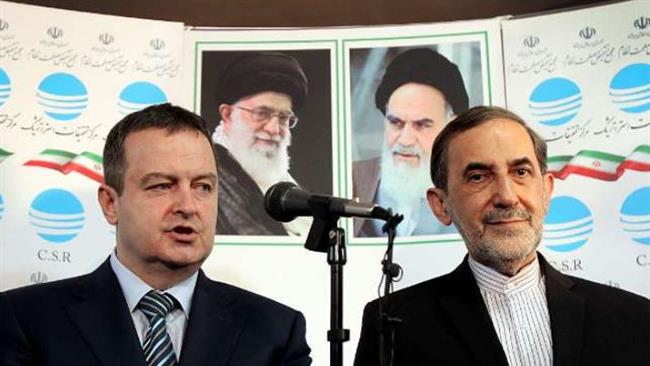
Velayati-Ivica Dacic

The United States and some “reactionary” countries in the Middle East such as Saudi Arabia are trying “to increase their interference” in regional affairs, a senior Iranian official said.

Ali Akbar Velayati, a top advisor to Leader of the Islamic Revolution Ayatollah Seyyed Ali Khamenei, made the remarks on the sidelines of a meeting with Serbia’s Foreign Minister Ivica Dacic in Tehran on Tuesday.

“The Islamic Republic of Iran still supports its regional allies such as the legal governments in Iraq and Syria, the Islamic resistance and the legal government in Lebanon, and the fighters for the Yemeni people,” he said.

“One of the very odd things the Americans do in the region is to bring a group of terrorists from various countries and train them in Syria’s neighboring countries,” he said, adding, “These terrorists do nothing except killing the oppressed people of Syria, Iraq and Yemen.”

He also told a Press TV correspondent “Iran is against any kind of foreign intervention in internal affairs of Syria, Iraq, Lebanon and Yemen,” adding that the US and its allies want to “impose their will” on the governments of these countries.

Hundreds of thousands of people have been killed in Syria and Iraq due to a deadly crisis created by foreign backed ISIL Takfiri militants in the past few years, while relentless Saudi air raids against Yemen have left thousands of people dead in the impoverished Arab country since late March.

Senior Iranian cleric writes letter to al-Azhar’s grand imam

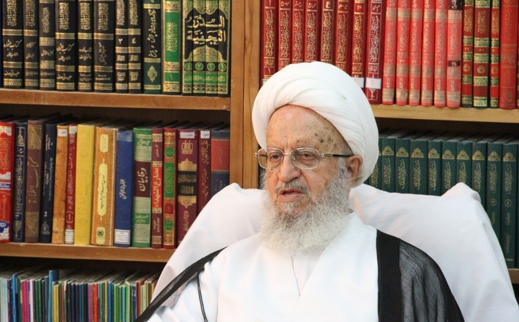
Makarem Shirazi

Senior Iranian cleric Ayatollah Nasser Makarem Shirazi has welcomed a call by the Grand Imam of the al-Azhar Mosque, Egypt’s top Muslim authority, for a unity meeting of leading Sunni and Shia scholars.

Ayatollah Makarem Shirazi has sent a letter to al-Azhar’s Sheikh Ahmed el-Tayeb, proposing a conference between top Shia and Sunni scholars “to review the most important obstacles in the way of Islamic unity” and “to set forth the most significant, necessary measures for reinforcing Islamic unity,” the Iranian cleric’s international affairs advisor Ayatollah Seyyed Mohammad Hosseini Ghazvini told reporters on Monday, without specifying the date the letter was sent.

The call by Tayeb had been aired on Egypt’s state TV on July 22 during the holy month of Ramadan.

Stressing the necessity of “coexistence and peace” between Shia and Sunni Muslims, Tayeb had urged Sunni scholars to issue a fatwa (religious decree) prohibiting the killing of Shia Muslims.

He had also called on Shia scholars to issue a similar fatwa banning the killing of Sunni Muslims.

Ayatollah Ghazvini said Ayatollah Makarem Shirazi had included principal issues in his letter and is awaiting Tayeb’s response.

Iran, Azerbaijan mull expansion of economic cooperation

Iran-Azerbaijan

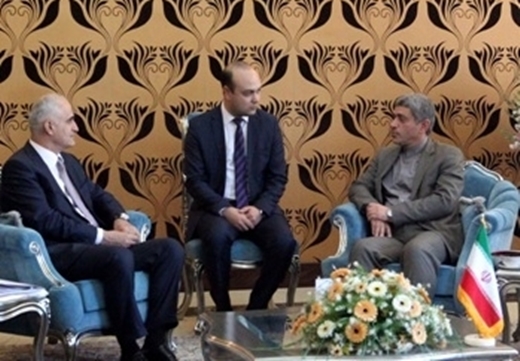
Visiting Azeri Minister of Economic Development Shahin Mostafayev conferred on Tuesday with Iran’s Minister of Economy Ali Tayyebnia on ways of expanding economic cooperation.

The two ministers called for expansion of cooperation in banking and insurance sectors as well as increasing trade and investment between the two nations.

Termination of sanctions after the conclusion of a nuclear deal between Iran and P5+1 has prepared the ground for expansion of economic cooperation between the two countries, Tayyebnia said.

Expansion of cultural relations between the two countries is beyond commercial ties between the two sides, he said.

To that end, expansion of banking and insurance cooperation should be put on the agenda, said the Iranian minister.

Establishment of a customhouse bridge between Iran and Azerbaijan over the Aras River to ease trade exchanges was on the agenda of the talks between the two sides, he said.

The Azeri minister, for his part, referred to his 30-member delegation comprising the state-run and private sectors, saying, it shows the extent of eagerness on the part of Azerbaijan to broaden the level of relations and cooperation with the Islamic Republic of Iran.

Congratulating the Islamic Republic of Iran for its significant triumph in nuclear talks, he said all countries in the region will benefit from such great achievement.