Saturday, January 3, 2026
Home Blog Page 4680

Leader asked me to share my concerns with no consideration: Zarif

Zarif-Iran-FM

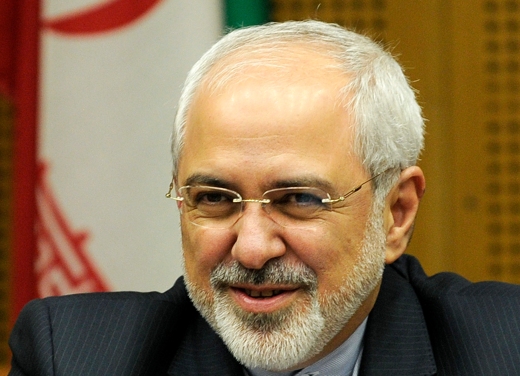
The release by the UN nuclear chief of a report on Iran’s nuclear program has once again put the nuclear case and the team led by Foreign Minister Mohammad Java Zarif under the spotlight.

On December 6, Vaghaye-e Etefaghiyeh published a wide-ranging interview with the top diplomat that covered the Iran nuclear deal, the country’s foreign policy and interactions between the foreign minister and the Supreme Leader.

The following is the translation of the interview conducted by the daily’s Saeed Seif: [The questions below are those of IFP and not the daily].


Will the Joint Comprehensive Plan of Action outlive the Obama presidency?

Zarif: US sanctions against Iran have been in place for 35 years. When American clout was at its peak in the 90s, these sanctions drew opposition from US allies.

In the 90s the US passed the Iran Sanctions Act introduced by Senator Alfonse D’Amato under which anyone who invested beyond a certain amount in Iran’s oil and gas industries would be subjected to sanctions. Total, Shell, ENI and a number of other oil giants would not abide by that law. Some European countries and American allies even threatened to file a complaint against the US with the World Trade Organization if Washington opted for transnational penalties

The question here is what enabled the Americans – over the last 10 years – to build an international consensus to impose sanctions on Iran?

A global anti-Iran consensus took shape and manifested itself in the resolutions of the UN Security Council. That was how the US lent international legitimacy to the sanctions at the Security Council. When those resolutions were being issued, the US Congress voted for another law under which sanctions would be imposed on any country caught selling oil products, including gasoline, to Iran. Even the closest friends of Iran stopped selling gasoline to us.

[…]

One should not forget the fact that the Joint Comprehensive Plan of Action changed the way the international community looked at Iran. Today, sanctions against Iran are not only not in line with UN Security Council resolutions or the international consensus, but run counter to a new Security Council resolution.

If the future president of the United States decides to take measures against JCPOA, s/he would need to build another international consensus and overhaul the atmosphere created in the post-JCPOA era. In other words, it would be back to the 90s for us when the international atmosphere [against Iran] was not charged.

The international consensus to slap sanctions on Iran over the past few years has been replaced with consensus to cooperate with Iran. In other words, it would not be plain sailing for hardliners pushing for sanctions against Iran.

Of course, one cannot offer guarantees about the behaviors of others down the line. What is certain though is that the nuts and bolts of centrifuges will be back in place even faster than the re-imposition of sanctions.

There is a principle in international relations that tells you not to base your conduct on trust in the other party. In international relations, no actor plans their course of action based on trust. We need to leave room for the likelihood of deal-breaking by the other side.

Of course, in nuclear talks we acted in a way that proved our hands wouldn’t be tied in case the other side fails to keep its end of the bargain. In the talks, we were pursuing a number of well-defined goals. We wanted to replace the Iranophobia atmosphere to be able to say who and what the real threats were.

Those who were opposed to JCPOA, that is to say Daesh and the Zionists, pose a real threat to the region. In other words, they are the ones who are cause for concern, not us. We shouldn’t allow those who helped create Daesh and Alqaeda cast Iran as a threat to regional interests. Also, we should not allow the Zionist regime which has nuclear weapons and commits all manner of human rights violation to identify Iran as a threat.


Is JCPOA an opportunity or a threat that might pave the way for infiltration?

Zarif: The Joint Comprehensive Plan of Action has created a new status for Iran in the region and in international equations. We need to make the most of these new conditions. The Joint Comprehensive Plan of Action is an opportunity for us; failure to act on the conditions that have emerged in the wake of the nuclear deal will either see that opportunity slip away or worse, will turn it into a threat.

If you put on your pessimistic glasses, you’d grade JCPOA 5 on a scale of 1-100; if you have your optimistic glasses on, you’d give it 95. Failure to tap into the conditions that have emerged in the wake of the deal will see that score plunge to 0. If we are at each other’s throats, we’d get nothing. But if we make plans and take the initiative, plenty of opportunities will lie ahead.


What is the difference between the foreign policy of the executive branch and that of the establishment?

Zarif: The Supreme Leader has reiterated that the Ministry of Foreign Affairs represents the entire establishment and is in charge of the foreign policy of the entire country. When Dr. Velayati was foreign minister, I first heard the Supreme Leader tell [Iran’s] ambassadors that in the Islamic Republic we don’t have a certain foreign policy for each government and that there is only one foreign policy and that is the foreign policy of the entire establishment.

Another important issue the Supreme Leader emphasizes is that the Foreign Ministry should not identify itself simply as a ministry, in light of the fact that it steers the foreign policy of the establishment and is the external half of the government. [In line with those comments] the Foreign Ministry acts as a facilitator for the presence overseas of other institutions. We also believe that our embassies overseas should facilitate the works of the private sector and investors.

What impact does difference of opinion with the leader have on implementation of policies? 

Whenever I hold ideas I find worth sharing with the Leader, I either do so personally, or talk to those who are close to the Leader. During the years I was not at the Foreign Ministry [a reference to years of the Ahmadinejad presidency] I did not have direct access to the Leader, I never openly criticized the policies. I would convey my concerns through individuals I had access to.

In those years, I did convey my concerns about the Security Council resolutions and other policies and developments. I remember I gave a detailed report to Dr. Velayati [the Supreme Leader’s advisor] on my concerns with regard to Resolution 1929. I have always tried to share my views without any special consideration.

The most important thing I know is that when an international affairs researcher enters the field of diplomacy, they have two opposing responsibilities. One is to analyze things. A researcher should convey things objectively. The other is when you implement the decisions, you are not at liberty to make interpretations, rather you have to implement to the best of your ability the things you are tasked with, even if they are diametrically opposed to the ideas you hold.

If your conscience is troubled, the most you can do is to resign. You cannot act against the orders. I believe in analyzing things one should not imitate others; neither should they allow their personal interpretations to get in the way of implementing orders.
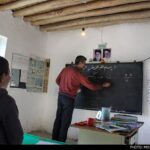
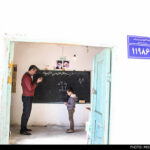
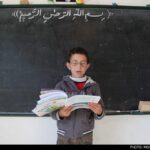
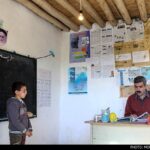
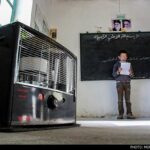
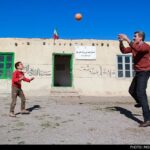
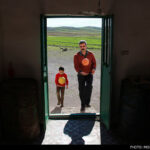
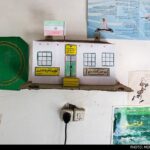
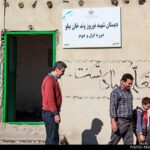
Single-student school in northwestern Iran (PHOTOS)

Single-student school0

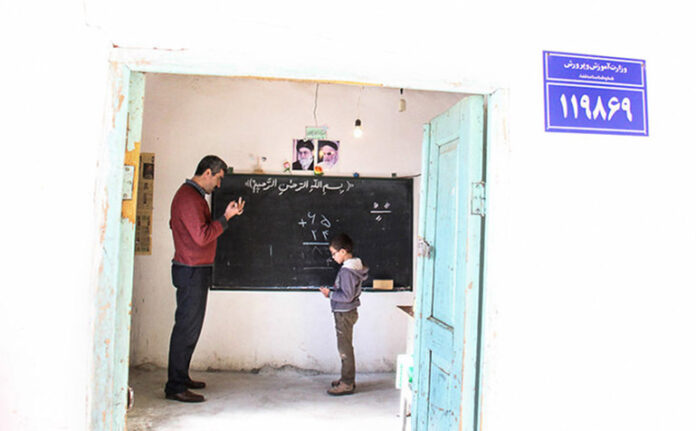
Ardebil Province in northwestern Iran is home to 11 single-student schools.

Martyr Norouzvand Primary School located in a rural area is one such school.

The teacher of this school, who is from Meshkin Shahr, travels to the village daily to teach the only student of the school.

The following images of the school have been released by ISNA News Agency:

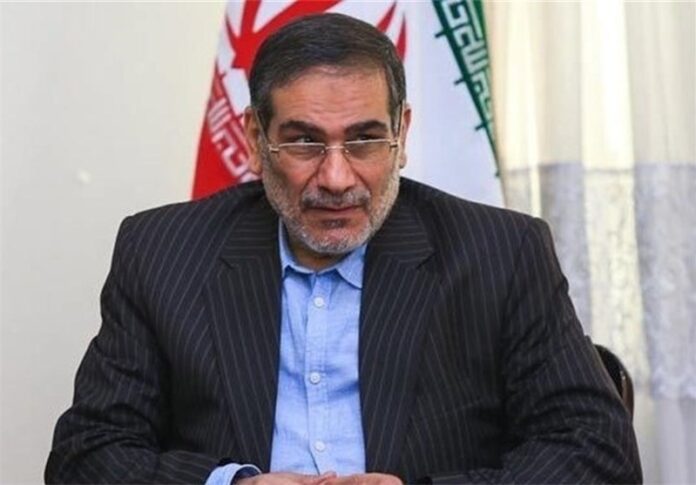
Parts of Amano’s Iran report false: Shamkhani

US Opposition to Iran’s IMF Loan Bid Breaching Right to Health Peremptory Norm

The secretary of Iran’s Supreme National Security Council (SNSC) has said some parts of a recent report by International Atomic Energy Agency (IAEA) Director General Yukiya Amano on Tehran’s nuclear program are “unacceptable and incorrect”.

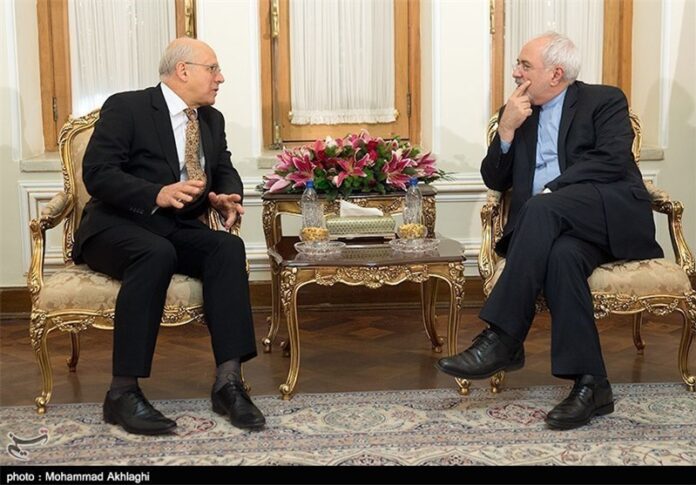
“Although the report is incomplete, unacceptable and false in some parts, a number of its provisions verify the non-diversion of the Islamic Republic’s peaceful nuclear program,” Ali Shamkhani said in a Monday meeting with Lebanese Minister of Finance Ali Hasan Khalil.

He added the report also explicitly indicates the baselessness of the claims and charges leveled against Iran over the past 11 years by certain countries.

Shamkhani further emphasized that with the release of this report, there remains no legal or technical reason not to close the case of past and present issues regarding Iran’s nuclear activities.

The report on the so-called PMD (possible military dimensions) in Iran’s nuclear program, which was released by Amano on Wednesday, confirmed that the agency has no credible indications of suspicious work in Tehran’s nuclear activities.

However, the report said, “The Agency’s overall assessment is that a range of activities relevant to the development of a nuclear explosive device were conducted in Iran prior to the end of 2003 as a coordinated effort, and some activities took place after 2003. The Agency also assesses that these activities did not advance beyond feasibility and scientific studies, and the acquisition of certain relevant technical competences and capabilities. The Agency has no credible indications of activities in Iran relevant to the development of a nuclear explosive device after 2009.”

The document will be the basis of one final report by the IAEA Board of Governors that is expected to close the case on the so-called PMD in Iran’s nuclear program once and for all.

[…]

Iran’s efforts to protect Asiatic cheetah have paid off

Ebtekar-Cheeta

The director of the Environment Protection Organization has said that Iran has successfully carried out the cheetah protection plan, citing the capture by camera traps of images of 18 cheetah cubs in wildlife habitats across the nation this year.

Masoumeh Ebtekar made the comment in a ceremony to mark International Cheetah Day (December 4) and added that cheetah is viewed as a national, regional and international symbol. Ettela’at newspaper on December 7 published a report on the ceremony and remarks by the environment chief and the United Nations resident coordinator in Iran. The following is the translation of part of that report:

Masoumeh Ebtekar said that Asiatic cheetah has become extinct in Asia, and only a small number of the fleet-footed big cats live in Iran’s wildlife habitats.

As for Delbar and Kooshki, two female and male cheetahs in captivity, she said that their living place is monitored by camera trapping, adding that Iran has consulted international feline experts to be able to prepare the ground for the two big cats [to live a natural life and produce offspring].

Ebtekar further said that with the stage set, the country can take important steps in helping cheetahs in captivity reproduce.

The study of cheetahs’ behavior, as well as their physiological and biological conditions helps us collect key scientific information which could be useful for experts and animal lovers all over the world, she added.

The environment chief blamed cheetah fatality rate on poaching, human-wildlife conflict and road accidents and said that the Environment Protection Organization has taken various measures to raise public awareness, especially in local communities and among villagers and livestock farmers, and help people appreciate the real value of these felines.

Ebtekar went on to say that she cannot give an exact figure about the population of cheetahs, adding that conducting a cheetah census is a difficult job. She said that imaging provided by camera traps shows that the cats are reproducing, citing the sighting of as many as 18 cubs in the wildlife habitat.

She also said that cheetahs are likely to produce more cubs in the habitats where they are exposed to lower risks, adding that stricter, preventive penalties are being imposed on offenders who harm or cause damage to the animal species. Ebtekar said that her organization has established good interaction with the Judiciary so that the latter can seriously deal with environmental offenders.
At the same ceremony, UNDP Resident Representative and United Nations Resident Coordinator in Iran Gary Lewis said that the UN has worked with Iran for the past 12 years on an Asiatic Cheetah protection plan, adding that camera traps have been installed in protected areas and the locals have been trained to help protect the [critically endangered] Iranian cheetah.

He praised the role rangers play in protecting the big cat’s wildlife habitat and said that we have managed to reverse the extinction of the Asiatic cheetah over the past years.

Lewis further said that the United Nations has dedicated around $2 million to the Cheetah protection project in ten years, adding that the world body will definitely forge ahead with its cooperation with the Environment Protection Organization in the future to help protect the Asiatic cheetah in Iran.

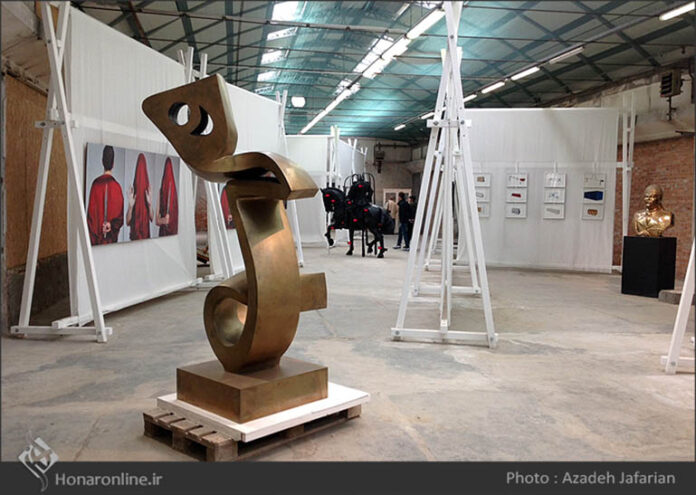
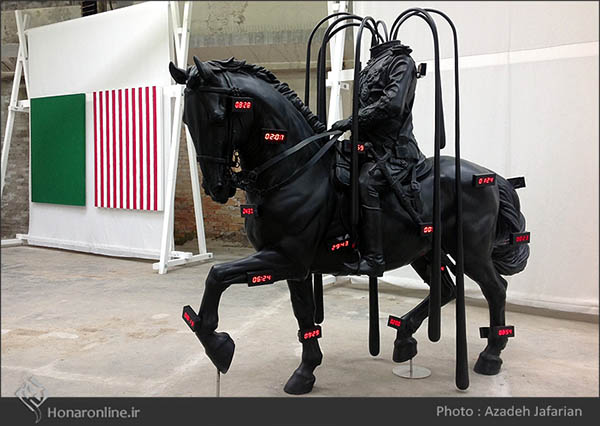
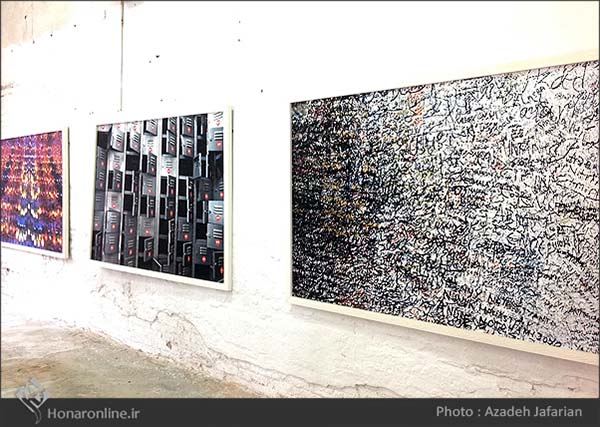
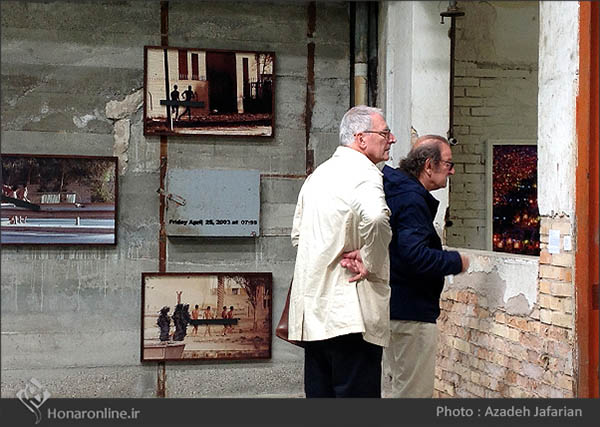
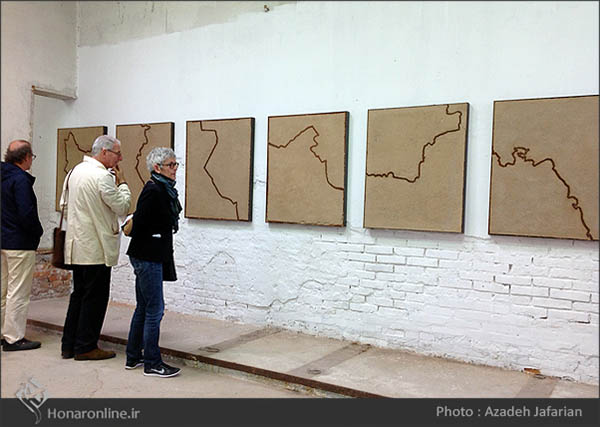
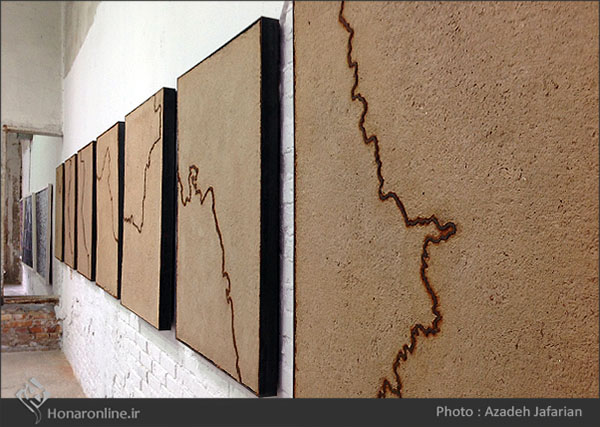
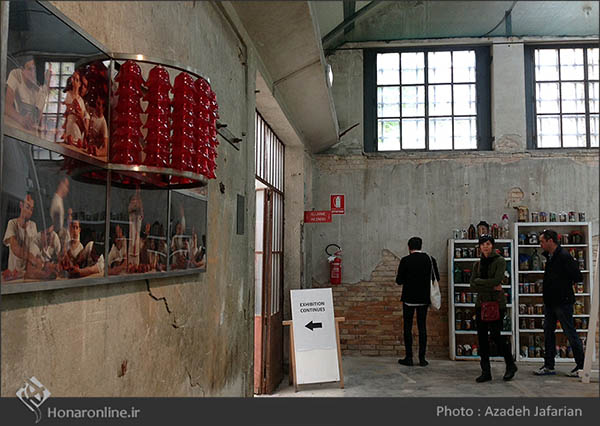
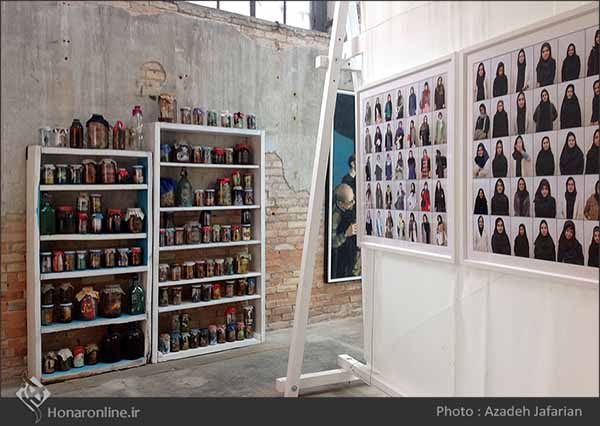
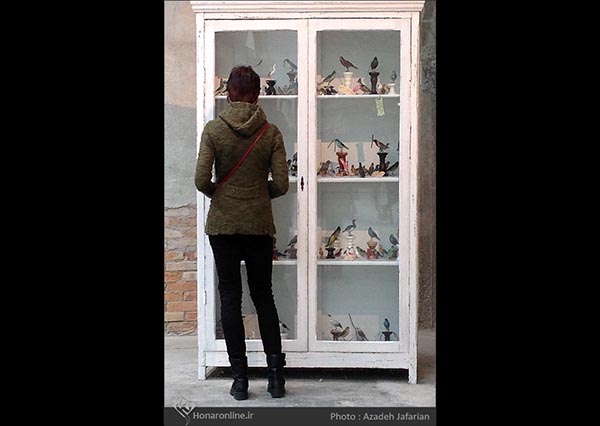
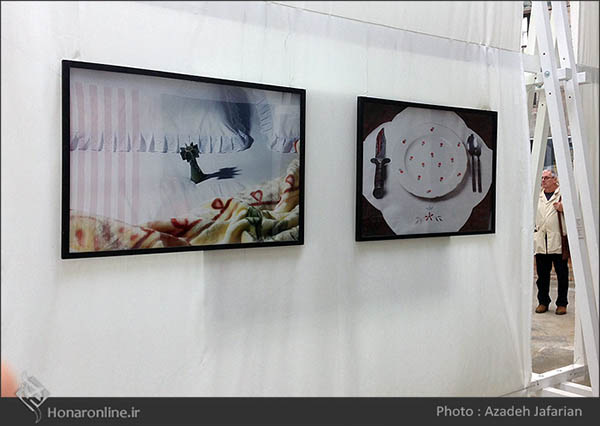
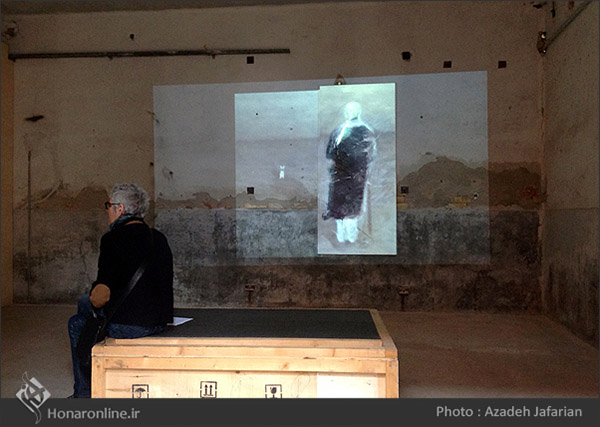
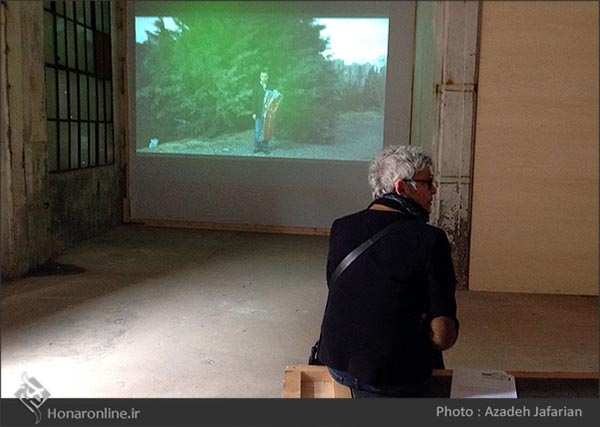
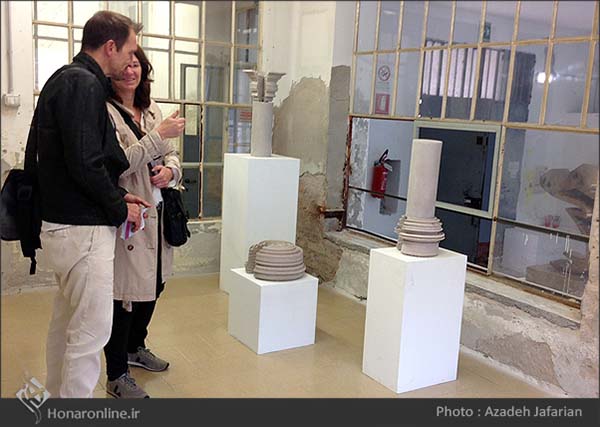
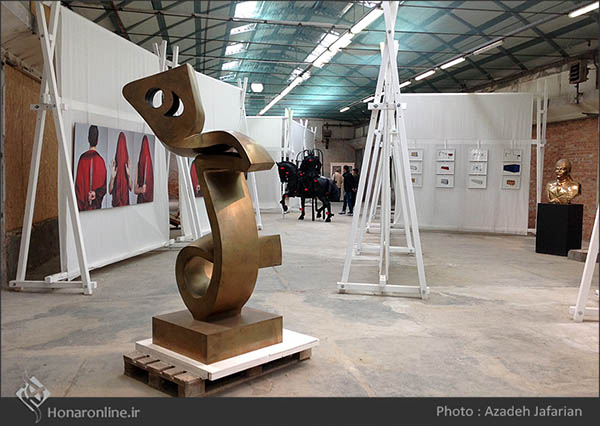
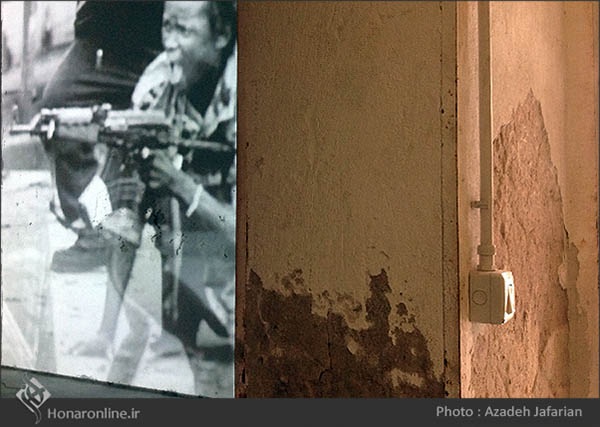
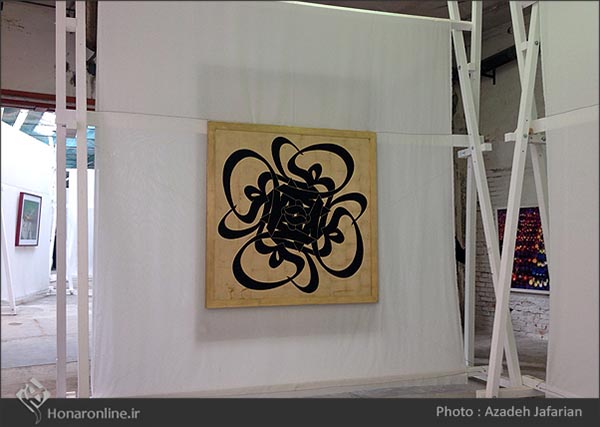
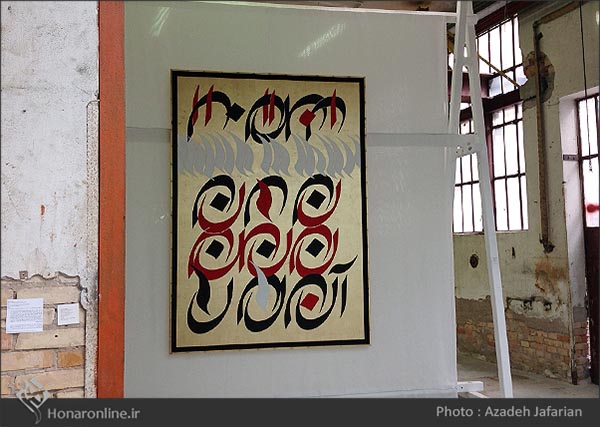
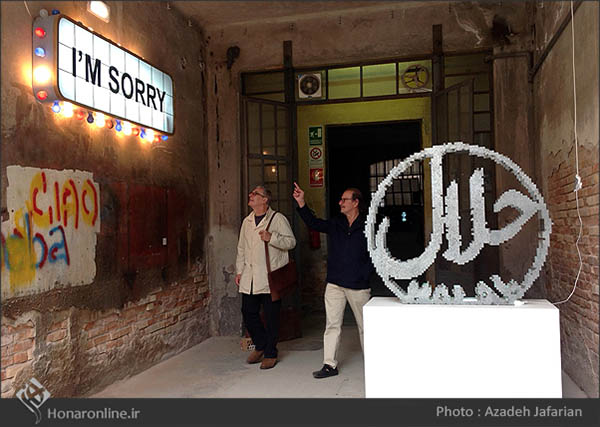
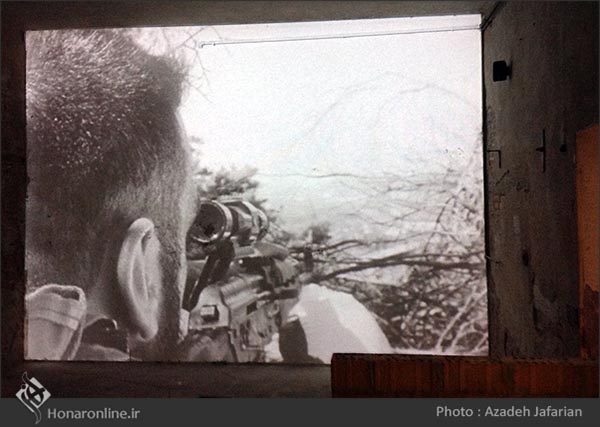
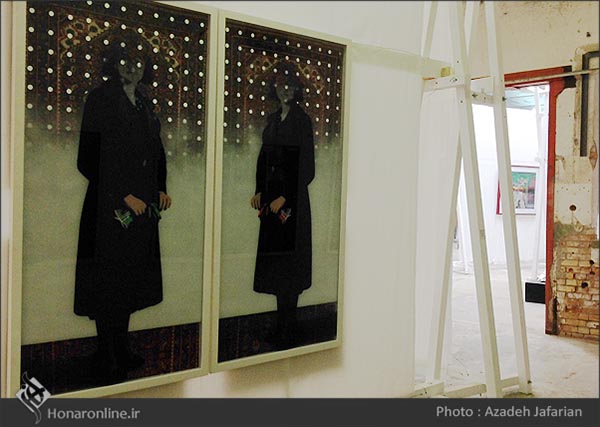
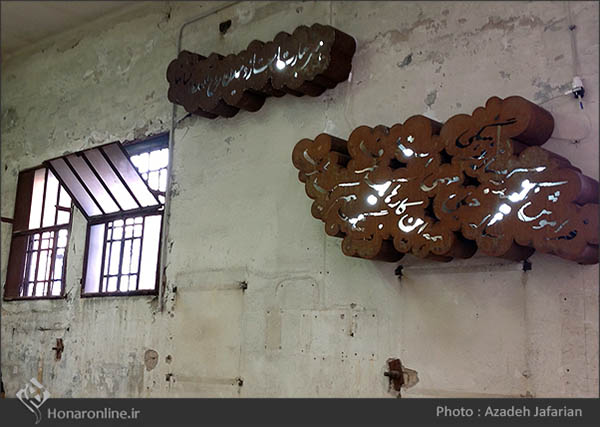
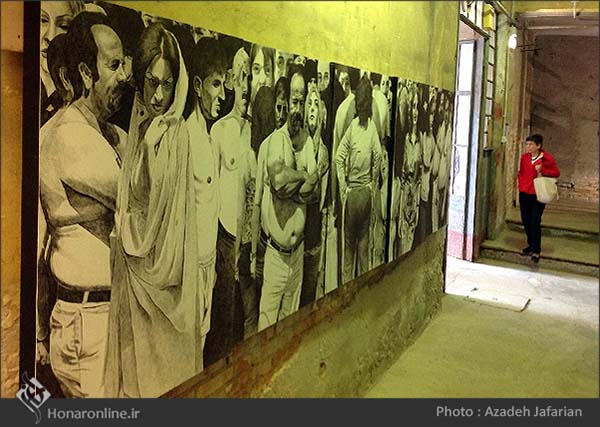
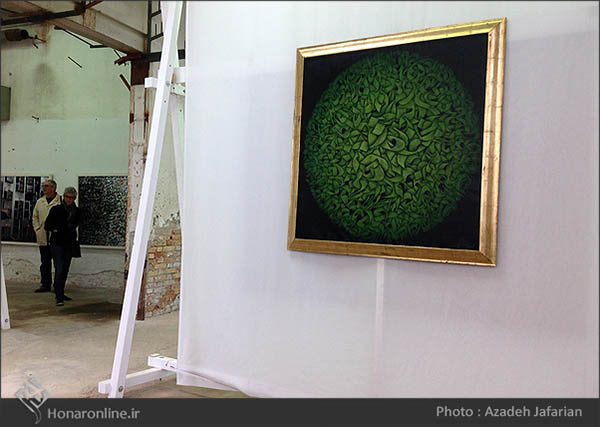
Presence of Iranian artists in Biennale in Venice (PHOTOS)

Biennale in Venice0

Venice hosted a 56th International Art Exhibition (May 9-November 22, 2015).

Iranian artists took part in the event which was held at the Giardini, the Arsenale and in various locations across the city of Venice, for a seventh time.

The following images of what the Iranians artists had to offer at the arts event have been released by Honaronline.ir:


Iran calls on Sweden to restore ranking of Iranian banks to prior level

81867914-70356235

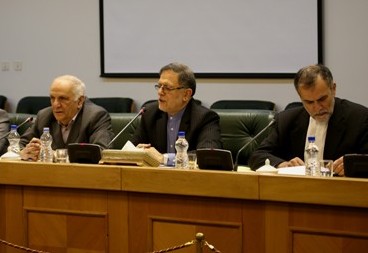
Governor of Central Bank of Iran (CBI) Valiollah Seif on Sunday called on Sweden to restore ranking of Iranian banks to prior levels before the sanctions.

Seif made the remarks in a meeting with a visiting Swedish delegation.

He said that restoration of ranking of Iranian banks to the prior level would help develop banking relations.

Referring to longstanding ties between Iran and Sweden, Seif said that Iran’s policy focuses on establishing proper economic relations with longstanding trade partners.
The governor of Central Bank of Iran added Iran is eager to revive trade ties with Sweden so that the trade between the two countries would return to the level it stood before the sanctions.

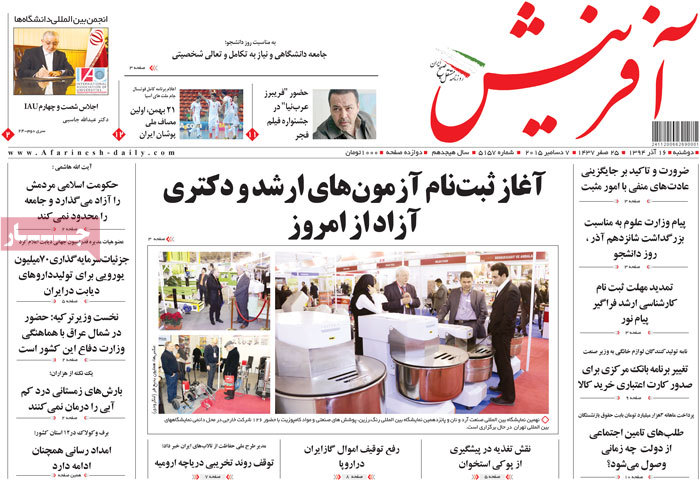
A look at Iranian newspaper front pages on Dec. 7

Iranian Newspapers Headlines

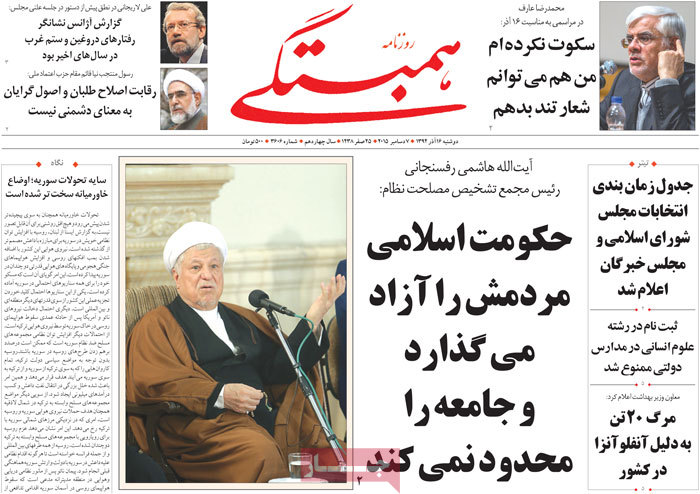
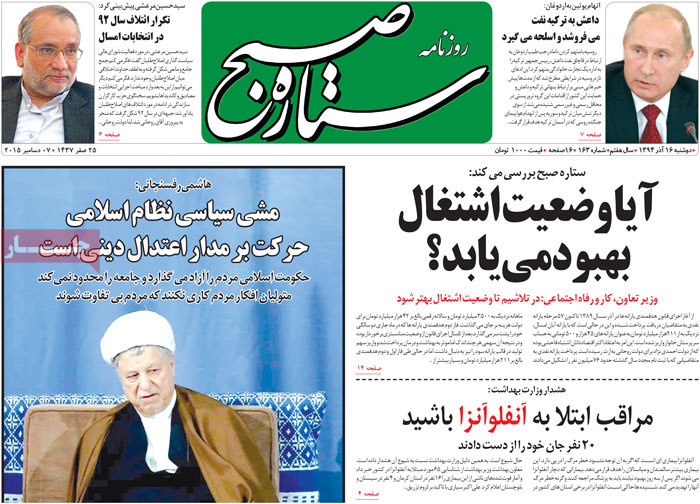
The comments of Ayatollah Hashemi Rafsanjani on freedoms in an Islamic establishment and elections dominated the front pages of reformist-leaning newspapers on Monday. Also on the covers of dailies were the comments of the parliament speaker and events preceding Student Day.


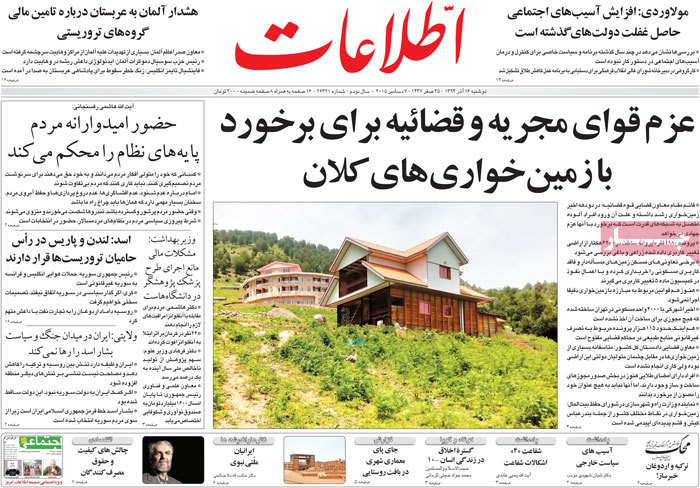
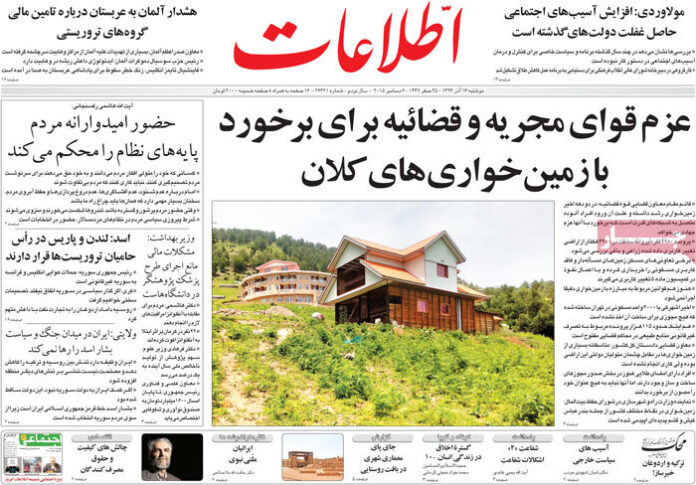
Ettela’at: The Executive and Judiciary are determined to counter large-scale land grab.

A senior judicial official has said that the last two decades have seen the number of land grab cases grow. The reason: Emergence of corrupt individuals. Countering these individuals who have links to corridors of power requires Jihad-style determination.


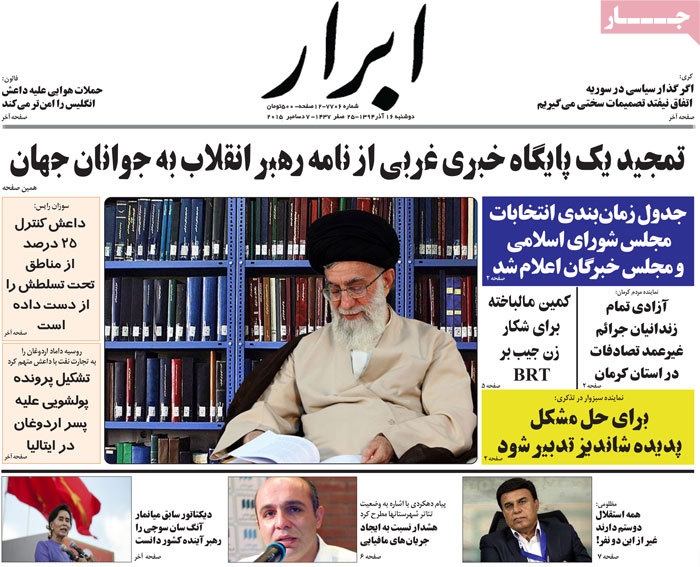
Abrar: A Western news website has praised the Leader for the letter he has recently written to Western youth.

Abrar: All prisoners behind bars for misdemeanor accidents in Kermanshah Province have been freed.


A look at Iranian newspaper front pages on Dec. 7


Afarinesh: An Islamic state awards freedom to its citizens and won’t limit them, said the chairman of the Expediency Council.


A look at Iranian newspaper front pages on Dec. 7


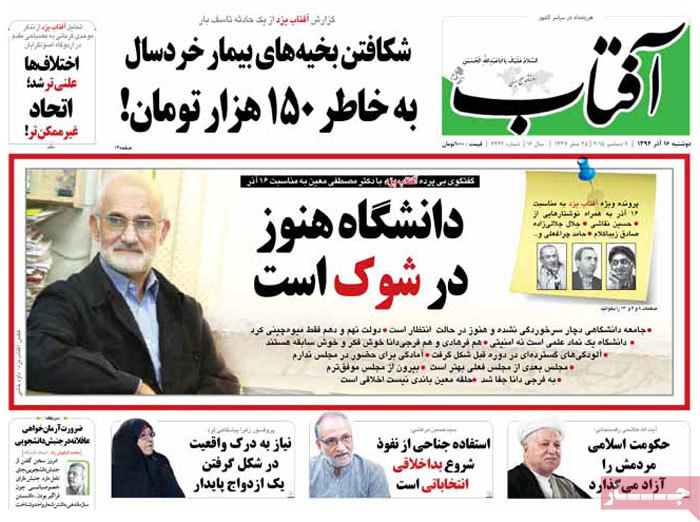
Aftab-e Yazd: Divisions in the ranks of principlists have become more public, making unity more unlikely, an analysis by the daily suggests.


A look at Iranian newspaper front pages on Dec. 7


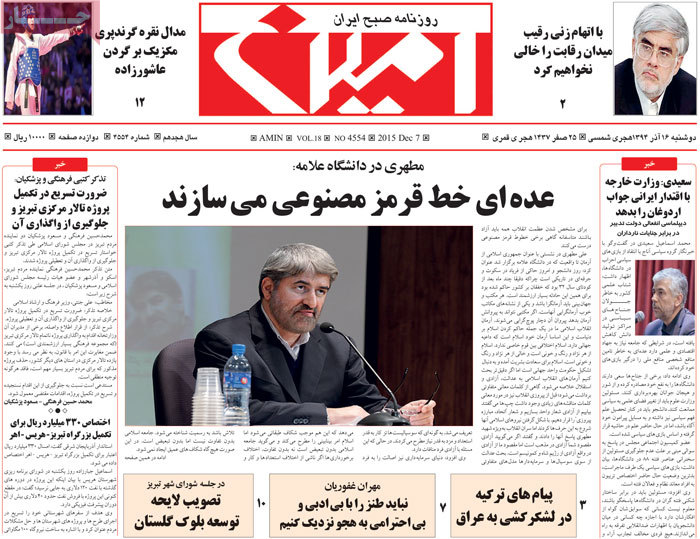
Amin: Some are fabricating red lines, said Tehran MP Ali Motahari.


A look at Iranian newspaper front pages on Dec. 7


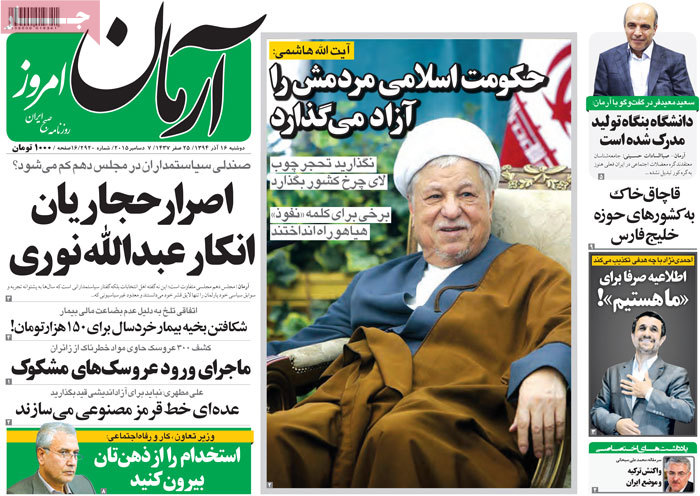
Arman-e Emrooz: The story of suspicious dolls

Some 300 dolls containing hazardous material have been seized from Iranian pilgrims returning home from Iraq where they took part in the Arba’een March.


A look at Iranian newspaper front pages on Dec. 7


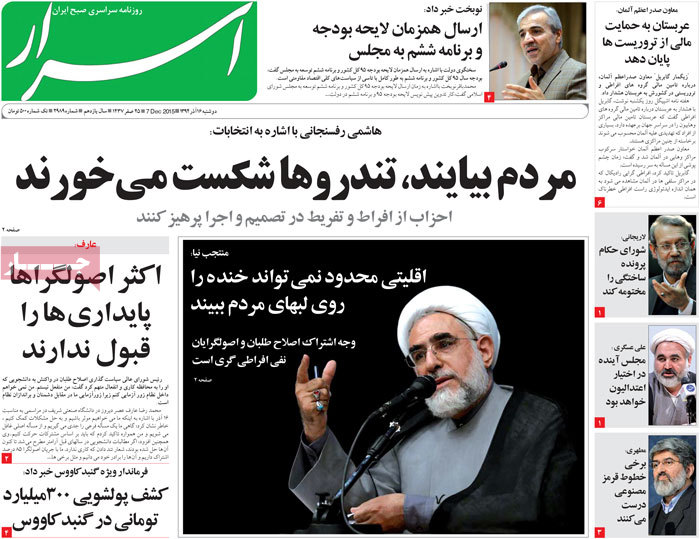
Asrar: [A massive] Public turnout would translate into defeat for hardliners, said Chairman of the Expediency Council Ayatollah Akbar Hashemi Rafsanjani.

He further advised parties against going to extremes in making decisions and implementing them.

Asrar: Most principlists do not approve of the Stability Front [a hardline faction of the principlists], said Mohammad Reza Aref, a reformist leader and former vice-president.


A look at Iranian newspaper front pages on Dec. 7


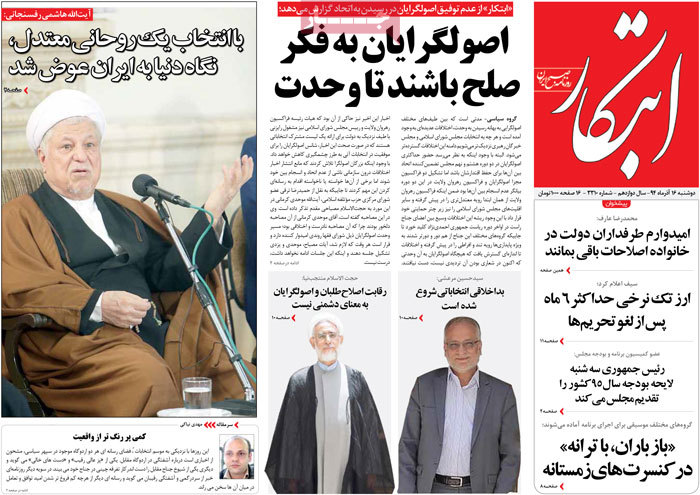
Ebtekar: Election of a moderate clergyman changed the way the world looks at Iran, said Ayatollah Akbar Hashemi Rafsanjani.

Ebtekar: President Rouhani is to present next year’s spending package to parliament on Tuesday.

Ebtekar: A single-rate foreign exchange system will be introduced six months after the termination of sanctions, said the governor of the Central Bank of Iran.


A look at Iranian newspaper front pages on Dec. 7


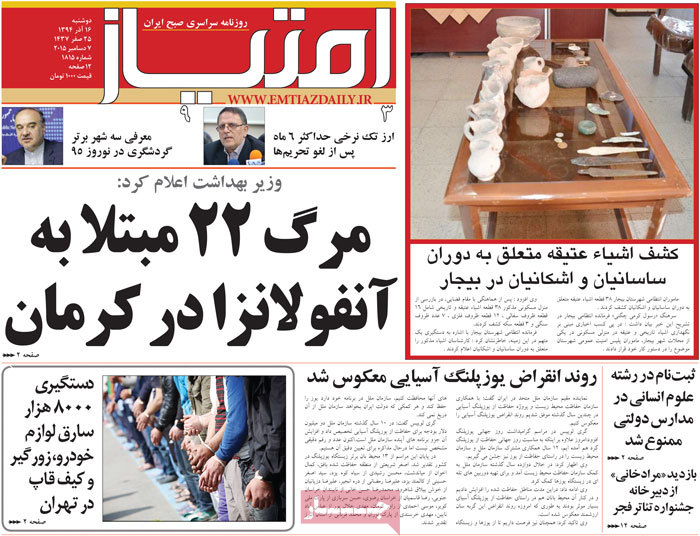
Emtiaz: Three top tourist towns will be named during the New Year holiday [March 2016], said the director of the Cultural Heritage, Tourism and Handicrafts Organization.

Emtiaz: Authorities have seized antiques dating back to the Sassanid and Parthian periods in Bijar.

Emtiaz: Police have arrested 8,000 car thieves, muggers and handbag snatchers in the capital.


A look at Iranian newspaper front pages on Dec. 7


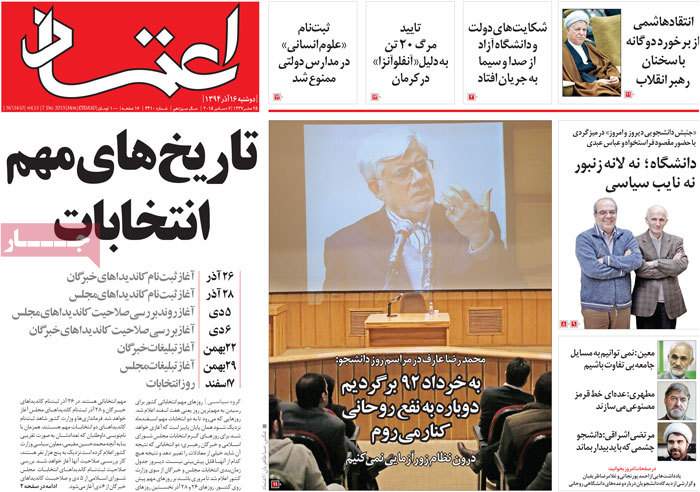
Etemad: Ayatollah Rafsanjani has slammed double standards in dealing with the comments of the Supreme Leader.


A look at Iranian newspaper front pages on Dec. 7


Hambastegi: Rivalry between reformists and principlists does not amount to enmity, said Rasoul Montajabnia, a senior reformist leader.


A look at Iranian newspaper front pages on Dec. 7


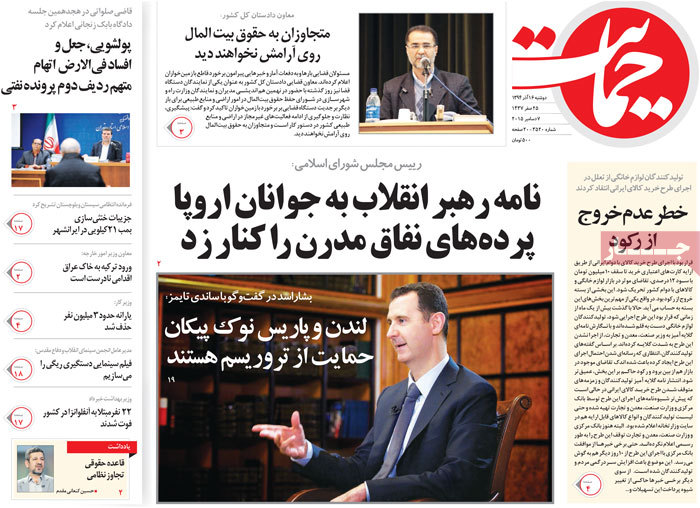
Hemayat: Those who encroach upon public funds will never have peace of mind, said a deputy attorney general.

Hemayat: The co-defendant in the so-called oil case [of which Babak Zanjani is the main defendant] has been charged with money laundering, forgery and corruption on Earth.


A look at Iranian newspaper front pages on Dec. 7


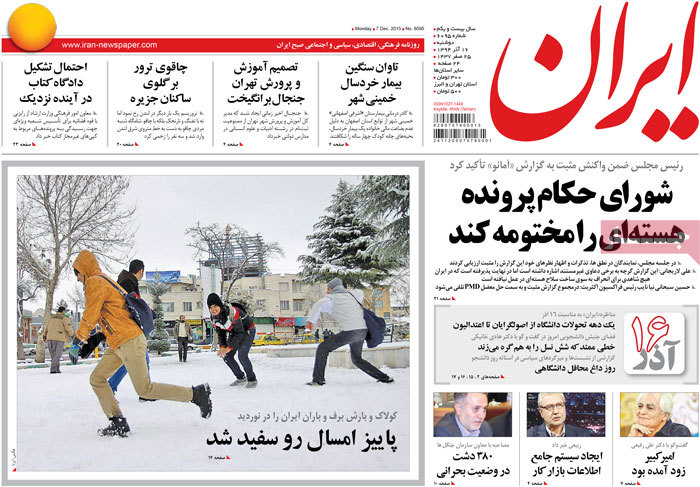
Iran: The parliament speaker has called on the Board of Governors of the International Atomic Energy Agency to declare Iran’s case closed.

The call came after a report by the UN nuclear chief said that there has been no diversion in Iran’s nuclear program.


A look at Iranian newspaper front pages on Dec. 7


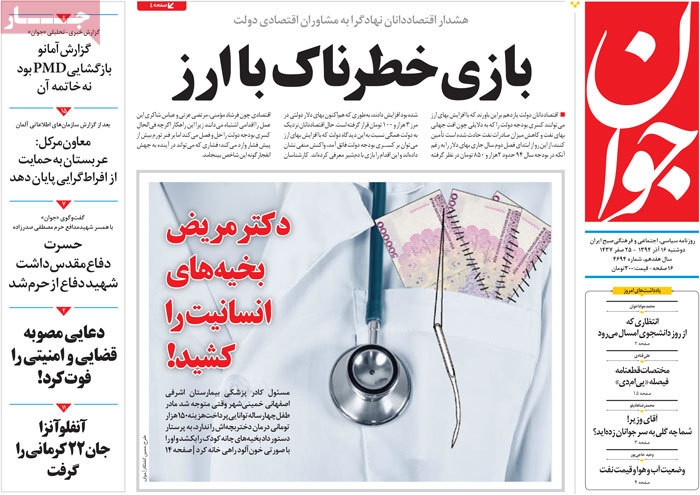
Javan: A sick doctor removes the sutures of humanity.

A doctor in a hospital in Khomeinishahr ordered the stitches he had just put in the chin of a four-year-old patient taken out when he found out his mother cannot afford the hospital fees.


A look at Iranian newspaper front pages on Dec. 7


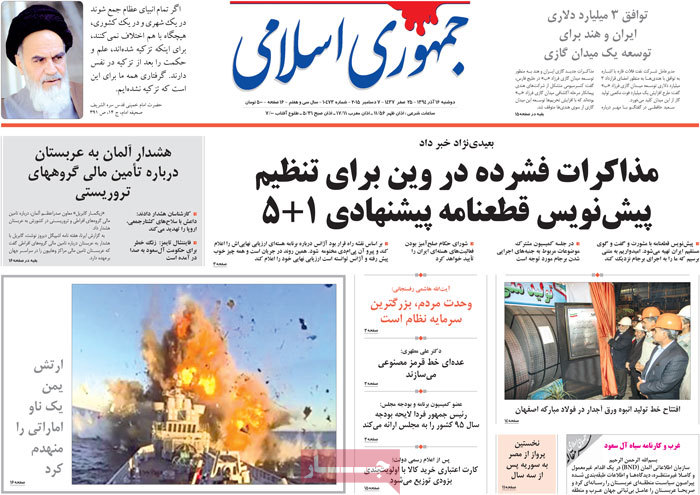
Jomhouri Islami: Iran and India have struck a $3 billion deal on development of a gas field.

Jomhouri Islami: Hamid Baeedinejad, a senior official with the Iranian Foreign Ministry, has said that intensive talks will be held in Vienna to draft a P5+1 resolution which is hoped to set the stage for the implementation of the Joint Comprehensive Plan of Action.


A look at Iranian newspaper front pages on Dec. 7


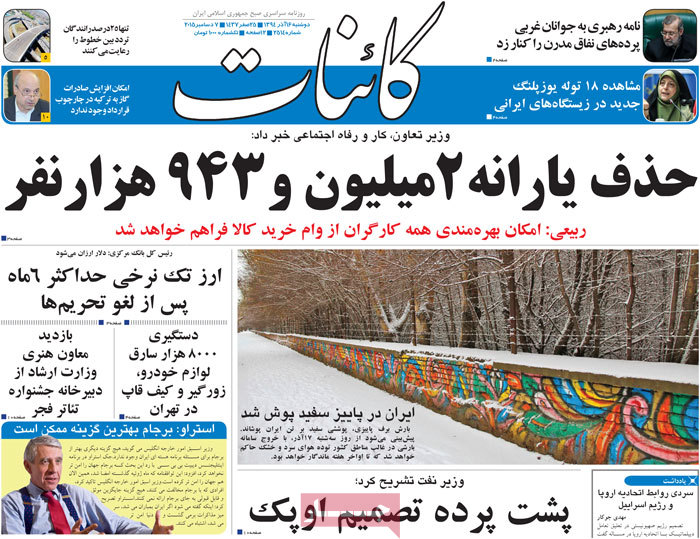
Kaenat: The minister of labor has said cash subsidies of 2.943 million Iranians have been cut off.

Kaenat: Former British Foreign Secretary Jack Straw has said that the Joint Comprehensive Plan of Action has been the best option.


A look at Iranian newspaper front pages on Dec. 7


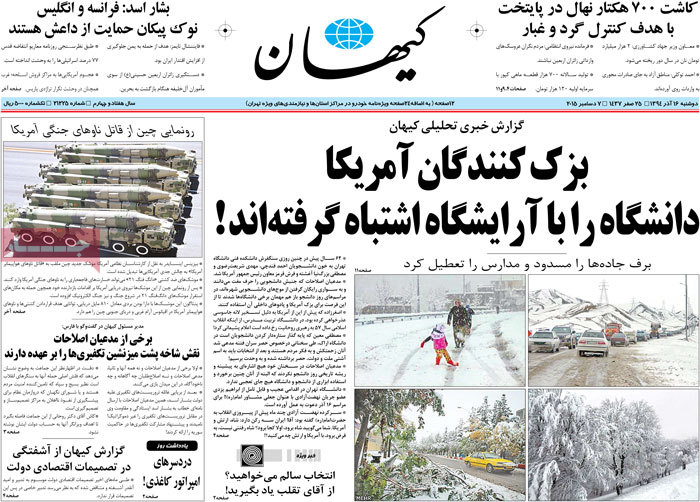
Kayhan: Heavy snowfall has closed roads and promoted officials to order schools closed in several provinces.


A look at Iranian newspaper front pages on Dec. 7


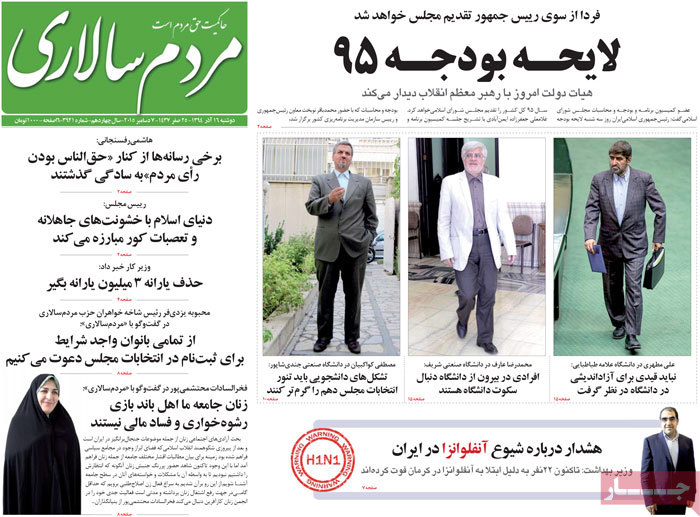
Mardomsalari: The parliament speaker has said that the world of Islam takes on senseless violence and blind prejudice.


A look at Iranian newspaper front pages on Dec. 7


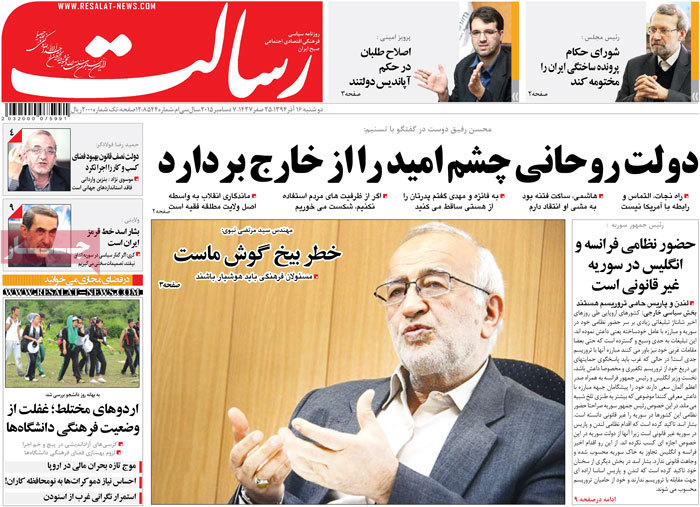
Resalat: Ali Akbar Velayati, an advisor to the Supreme Leader, has described President Assad as a red line for Iran.


A look at Iranian newspaper front pages on Dec. 7


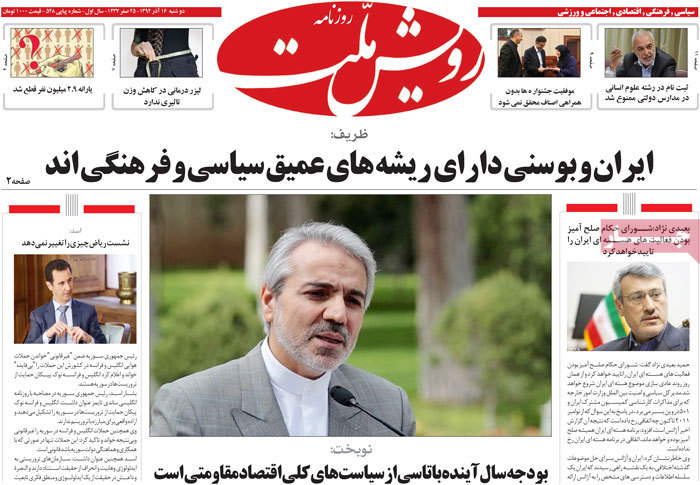
Rooyesh Mellat: Iran and Bosnia have deep political and cultural roots, Foreign Minister Zarif said.


A look at Iranian newspaper front pages on Dec. 7


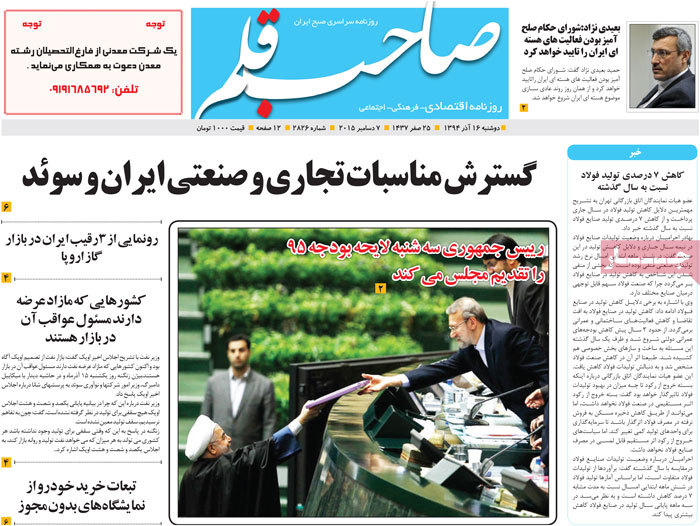
Saheb Ghalam: Commercial and industrial ties between Iran and Sweden will be boosted.


A look at Iranian newspaper front pages on Dec. 7


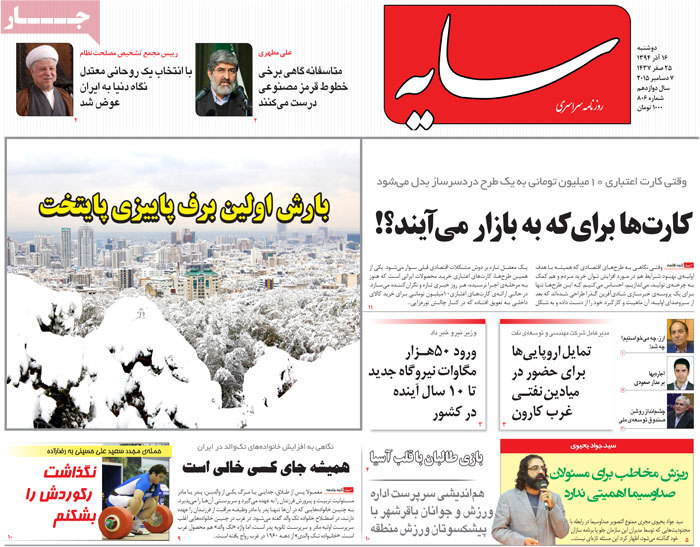
Sayeh: The capital has been blanketed by its first autumnal snow.

Sayeh: The Europeans are interested in taking part in oil projects on the western bank of the Karoon River.


A look at Iranian newspaper front pages on Dec. 7


Setareh Sobh: The Health Ministry has issued an influenza warning.

[More than] 20 have already lost their lives to the flu.


A look at Iranian newspaper front pages on Dec. 7


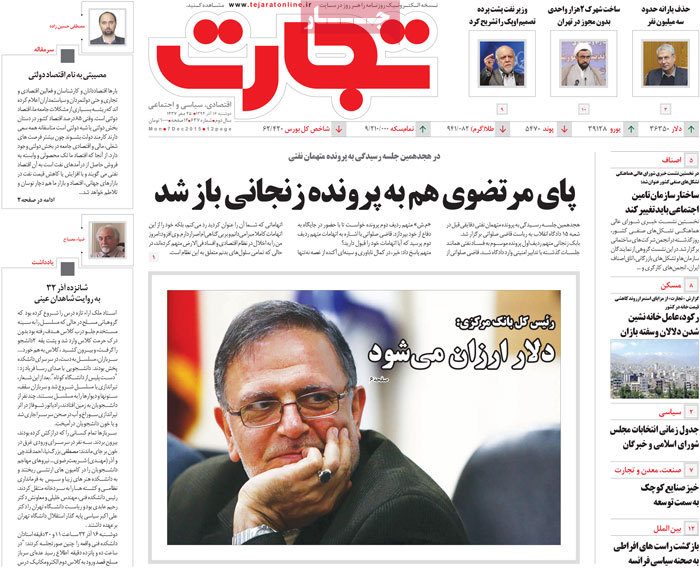
Tejarat: Saeed Mortazavi [a former director of the Social Security Organization on trial for corruption] has been implicated in the trial of Babak Zanjani [who is also on trial for corruption].


A look at Iranian newspaper front pages on Dec. 7


Vaghaye-e Etefaghiye: The office of the former president has said that Ahmadinejad has no plans for the upcoming elections.


A look at Iranian newspaper front pages on Dec. 7


Highlights of Ettela’at newspaper on Dec. 7

Ettelaat

 The Executive and Judiciary are determined to counter large-scale land grab.

A senior judicial official has said that the last two decades have seen the number of land grab cases grow. The reason: Emergence of corrupt individuals. Countering these individuals who have links to corridors of power requires Jihad-style determination.

 The vice-president for women and family affairs has blamed the negligence of the previous government for the spike in social harms.

Studies suggest over the past few years no plans or policies to curb social harms have been on the agenda.

 Germany has warned Saudi Arabia against financing terrorist groups.

The German vice-chancellor said many threats against Germany originate from Wahhabist hubs.

 A hopeful presence of the public [on the scene] will buttress the foundation of the establishment, said the chairman of the Expediency Council.

Ayatollah Akbar Hashemi Rafsanjani further said that those who view themselves as custodians of the public and thus entitled to deciding their destiny should not take any measure that might render people indifferent.

 The health minister has blamed financial problems for failure to implement the so-called researcher physician project in universities.

 Assad has said London and Paris top the list of terror sponsors.
The Syrian president said British and French airstrikes on Syria are illegal.

 Ali Akbar Velayati said Iran won’t leave Assad alone on political and war fronts.
The advisor to the Supreme Leader further said Iran has a duty to ease tensions between Russia and Turkey and that emergence of new tensions on top of those which already exist won’t serve anyone’s interest.
 

Iran, Bosnia Stress Closer Ties in Post-Sanctions Era

139409151817034716659584

Iranian Foreign Minister Mohammad Javad Zarif and Bosnia and Herzegovina’s new ambassador to Iran stressed the need for the expansion of bilateral relations in light of a lasting nuclear deal recently finalized between Tehran and six world powers.

The new Bosnian envoy, Kemal Muftić, met Foreign Minister Zarif in Tehran on Sunday to submit a copy of his credentials.

During the meeting, Zarif hoped that the “new developments” and upcoming termination of anti-Iran sanctions under the Joint Comprehensive Plan of Action (JCPOA) would help expand the political, economic, cultural and parliamentary relations between Tehran and Sarajevo.

For his part, Muftić expressed optimism that the two countries would take “new strides” in bilateral ties considering Iran’s progress and the new developments ushered in by the JCPOA.

Iran and Group 5+1 (Russia, China, the US, Britain, France and Germany) on July 14 reached a conclusion on the lasting nuclear agreement that would terminate all sanctions imposed on Tehran over its nuclear energy program after coming into force.

Iran, EU officials meet over Iran nuclear program

Araghchi

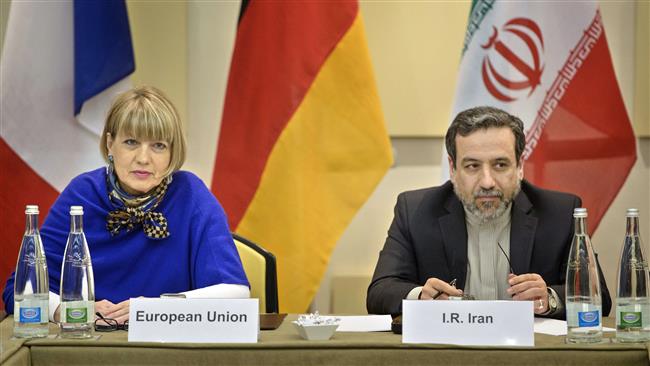
Senior Iranian officials have met with the European Union (EU)’s deputy foreign policy chief a day before a planned meeting with representatives from all P5+1 member states over the closure of all past and present issues regarding the Iranian nuclear program.

Majid Takht-e Ravanchi and Abbas Araghchi, Iranian deputy foreign ministers, met with the European Union’s political Director Helga Schmid, at Palais Coburg Hotel in the Austrian capital of Vienna on Sunday.

A joint commission comprising the Iranian officials and their counterparts from P5+1 group of countries – the United States, Britain, France, China, and Russia plus Germany – is to convene in the Austrian capital on Monday.

Iran and the world powers concluded a nuclear agreement, dubbed the Joint Comprehensive Plan of Action (JCPOA), in Vienna on July 14. Under the JCPOA, limits are put on Iran’s nuclear activities in exchange for, among other things, the removal of all nuclear-related economic and financial bans against the Islamic Republic.

On the same day, Iran and the International Atomic Energy Agency (IAEA) signed a roadmap for “the clarification of past and present issues” regarding Iran’s nuclear program.

P5+1 countries must now submit a resolution, as per Article 14 of the JCPOA, to the IAEA Board of Governors for the closure of the file of the so-called possible military dimensions regarding the Iranian nuclear program. The board’s approval of the resolution would seal the case.

The Monday meeting is set to discuss the draft of the resolution prepared by P5+1 countries.