Saturday, January 3, 2026
Home Blog Page 4679

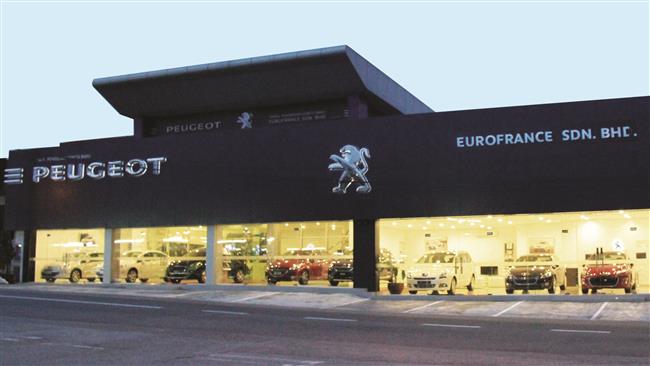
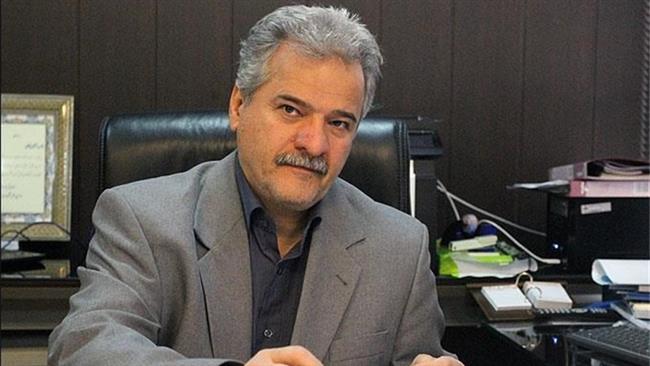
Three European carmakers to return to Iran soon

02400cc2-11d6-4446-a259-7b9dc961c830

Three automakers from Sweden, Germany and France will resume operations in Iran when a July nuclear accord goes into effect, Industry Minister Mohammad Reza Nematzadeh says.

Iran is also in talks with Italian and Japanese carmakers for cooperation but an agreement has yet to be reached, he told reporters on the sidelines of an Iran-Finland trade forum in Tehran Tuesday.

“We have signed MoUs with France, Germany and Sweden. We will also cooperate with Italy and Japan but we are still in early stages with these two countries,” Nematzadeh added.

The minister did not name the companies but France’s Peugeot, Germany’s Daimler and Sweden’s truck and bus producer Scania are said to be in pole position for resuming operations in Iran.

Last month, Iran Khodro Managing Director Hashem Yeke-Zare said his company and PSA Peugeot Citroen had agreed on a 50-50 venture worth €500 million for production of cars in Iran.

The French manufacturer faces a backlash from its abrupt pullout from Iran in 2012 amid calls for compensation. Yeke-Zare said the issue of reparations had been resolved without giving details.

Meanwhile, Daimler AG’s commercial vehicles division said it intended to open a representative office in Iran “as soon as possible” and was in talks with potential partners in Iran to resume production in the country.

In August, Yeke-Zare said his company and Daimler’s subsidiary Mercedes-Benz would sign a deal “soon” for production of luxury cars and commercial vehicles.

The German company reportedly intends to buy 30% of shares in the Iranian Diesel Engine Manufacturing (IDEM) in Tabriz to build diesel engines.

European automakers are in a race for fresh inroads into the country of 80 million people which is being promoted as the region’s biggest automotive market.

Last week, Swedish Minister for Enterprise and Innovation Mikael Damberg visited Tehran at the head of a delegation of leading Swedish traders.

Nematzadeh said the two sides agreed to jointly produce passenger buses in Iran.

Scania AB officials and Sweden’s biggest companies and banks, including telecommunications firm Ericsson AB, have said they wanted to invest in Iran when sanctions are lifted.

“If and when it takes off, Iran can be a significant market for Scania,” the company’s spokesman Hans-Aake Danielsson was quoted as saying in October.

Iran Army to stage anti-terrorism maneuver: Commander

43dea70a-12e4-48ad-9dd4-250ba3cf7e64

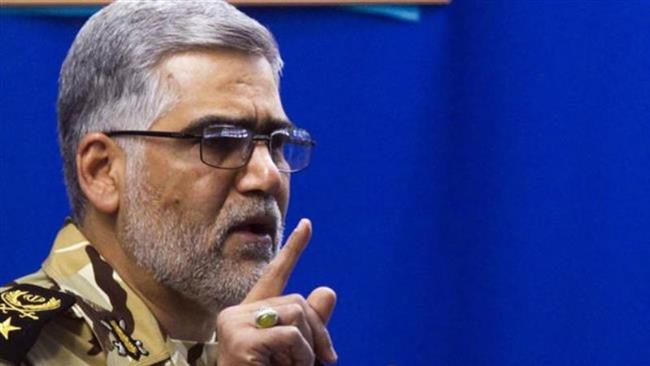
The Iranian Army’s Ground Forces will stage “anti-terrorism” military exercises outside Tehran in the coming days, the forces’ commander says.

“The Ground Forces’ anti-terrorism maneuver will be held in accordance with Daesh threats outside Tehran within the next few days,” Brigadier General Ahmad Reza Pourdastan told reporters on Tuesday.

He added that the Aviation Unit of the Ground Forces will also use helicopters during the drill.

“To defend our country, we will use every weapon, barring nuclear, chemical and microbiological weapons, and we know that upgrading our defense power is of great significance,” said Pourdastan.

“We will nip in the bud any threat meant to affect Iran and the Islamic Republic,” he added.

On November 15, Iran’s Intelligence Minister Mahmoud Alavi said the terrorist attacks in France and Lebanon are also an alert to the Islamic Republic, which should take action to exercise more vigilance.

[…]

Regional cooperation vital for peace in Afghanistan: Iran’s Zarif

Zarif-Press

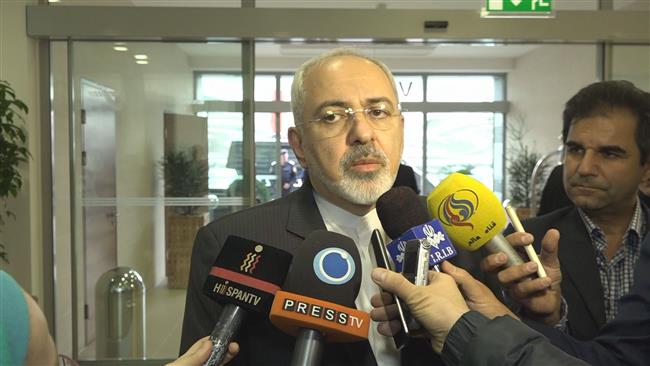
Iranian Foreign Minister Mohammad Javad Zarif on Tuesday stressed that peace in neighboring Afghanistan hinges on collaboration among regional states.

Zarif arrived in the Pakistani capital of Islamabad earlier in the day to attend the ongoing Western Asia session of “Heart of Asia-Istanbul Process” conference.

Speaking to reporters upon arrival, Zarif said the conference is “an initiative for international cooperation to reinforce security and stability” in the heart of Asia, Afghanistan in particular.

“Regional cooperation is necessary for the enhancement of peace in Afghanistan, and regional states should join hands to improve stability since the security in the region is interconnected,” the Iranian minister asserted.

“The negotiations that are underway here can help (the peace process),” he added.

At the regional level, Iran is responsible for the field of “training”, Zarif announced, noting that the country will confer with other countries in their fields of responsibility in a bid to make decisions on optimal cooperation and advancement of security and stability in the extremism-hit region.

He also said that the fight against drug trafficking is also on the agenda of talks among the countries attending the Heart of Asia conference.

Heart of Asia conference is part of the ‘Istanbul Process’, which provides a platform to discuss an agenda of regional cooperation with Afghanistan at its center.

‘Heart of Asia’ countries engage in result-oriented cooperation for a peaceful and stable Afghanistan and, by extension, a secure and prosperous region as a whole.

Fourteen member countries are supported by 16 other countries and 12 regional and international organizations. The member countries are Afghanistan, Azerbaijan, China, India, Iran, Kazakhstan, the Kyrgyz Republic, Pakistan, Russia, Saudi Arabia, Tajikistan, Turkey, Turkmenistan and the UAE.

The United States, Japan, Egypt, the United Kingdom, France and Germany are among the supporting countries, and the UN, NATO, SAARC, SCO and OIC are among the supporting organizations.

How can the PMD case affect JCPOA implementation?

Board of Governors

A former Iranian diplomat has said that the terrorism sponsored by ISIS is different from other acts of violence in the world since it involves citizens of dozens of countries, adding that collective efforts are needed to counter this kind of terrorism.

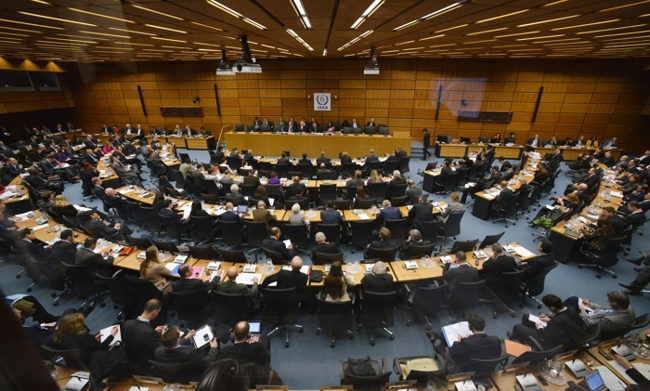
Sharq daily on December 8 published a piece by Ali Khorram, an expert in international affairs and a university professor, on the nuclear deal, the fate of the Possible Military Dimensions (PMD) case and how a political decision by the IAEA’s Board of Governors will affect the Iran nuclear deal. The following is the translation of the piece in its entirety:

The nuclear deal Iran and P5+1 inked in July is progressing on a meandering, fragile path against the backdrop of mistrust. Sometimes increasing political pressure is brought to bear on Iran so that a response is produced for the Possible Military Dimensions (PMD) case, and sometimes Iran threatens not to take the [required] steps toward honoring its commitments under the nuclear deal if the PMD case is not declared closed.

Sometimes Iran seeks to have the sanctions removed and sometimes P5+1 is concerned about whether Iran will continue to keep its end of the bargain as far as the Joint Comprehensive Plan of Action (JCPOA) goes. Such a climate has created concerns and uncertainty as to whether or not nuclear agreements between Iran and P5+1 will go smoothly till the very end.

Will what has been done to date be undone if pressures and threats to walk away from the deal become reality sometime before the full implementation of the Iran nuclear deal? What is reassuring is that the agreements under JCPOA will be fully implemented, because a safer world free of enmity, extremism and terrorism is the pressing need of [all nations on] the Earth, especially P5+1 and Iran.

All nations have properly realized that efforts to counter such phenomena [enmity, extremism and terrorism] are tough and overwhelming and come with a heavy price tag, and that it is all but impossible to curb or stop terrorism without the collective cooperation of world nations. That’s why world nations should avoid marginal differences and conflicts, and rush to the help of the inhabitants of the Earth in a coordinated move.

Sometime in the past 50 years, the Khmer Rouge drew a map of Cambodia made with the skulls of their executed countrymen, and at some other time more than 700,000 people were butchered in Rwanda to rid the Earth of Hutus. Tens of thousands of Muslims were executed or beheaded in former Yugoslavia so that the Yugoslav race can stay intact. The Israeli regime and Saddam committed similar crimes, but they all had national or local intentions.

In the past few years, however, a new school of extremism and terrorism has emerged whose members are from among the disillusioned and dispirited people from around the world who have been lured to the path [of terrorism] thanks to their ignorance and after being brainwashed by those who have capitalized on religion. Their weapon of choice is suicide bombing by which they kill a large number of innocent people who are simply in the wrong place at the wrong time.

The Taliban transformed into Alqaeda and Alqaeda – thanks to the help of its ideological and financial supporters – to ISIS which began to flex its muscle and conduct its deadly mission of killing innocent people and destroying places of cultural and historical value in the name of Islam.

Standing up to this devastating flood holds the key to establishing cooperation and coordination between all members of the international community to set aside marginal issues, deal with the common enemy of the Earth and save humans from blind prejudice and ignorance.

We need to remain hopeful because common sense suggests that we will not run in place as far as the Joint Comprehensive Plan of Action is concerned and that Iran and P5+1 will – for the sake of bigger objectives – avoid focusing on lesser issues and pave the bumpy road that lies ahead.

Once in the heat of nuclear talks, Secretary of State John Kerry said that the US is not fixated on Iran’s past nuclear activities and that what they did is in the past now and will have no effect whatsoever on the next agreements between Iran and P5+1 [“We’re not fixated on Iran specifically accounting for what they did at one point in time or another,” Kerry said. “We know what they did. We have no doubt. We have absolute knowledge with respect to the certain military activities they were engaged in.” (Reuters, June 16)].

When the director general of the International Atomic Energy Agency released his findings and the results of investigations with a mix of black and white [assessments] in his report ….

John Kerry welcomed and made comments on the release of the IAEA Iran report and the end of talks over the PMD case, with the US setting its sights on the future of cooperation between Iran and P5+1 over the nuclear agreements. Irrespective of authenticity or erroneousness of the findings of the IAEA chief, the destiny of the PMD case has been determined from a technical perspective and the case is waiting for the political decision of the IAEA’s Board of Governors.

Luckily, six countries which make up P5+1 are influential members of the Board of Governors which can control the policies and decisions of the Board and prevent extremist tendencies from [influencing its decision later this month]. The Israeli regime and other countries such as India, Pakistan, Brazil, Japan, Argentina, Canada, Australia and so forth are other members of the Board of Governors.

Israel has always resorted to Iranophobia trying to attribute what it has done toward development of nuclear weapons to Iran and condemn it as indecent. The United States seems to be – once again – at loggerheads with Israel, adopting a different stance from that of Tel Aviv’s. The two allies seem to have adopted two different policies on Iran’s nuclear program simply to serve their own national interests.

Iran has threatened to refuse to cooperate on the nuclear deal if the PMD case remains open in the Board of Governors. Supporting Israel’s [Iran] policy does not seem to be the dominant stance among those with a seat on the Board. P5+1 is well aware of the sensitivity of the case and has already announced that Iran’s past nuclear activities are not its concern and that the future of Iran’s cooperation and commitments carries weight for the group.

[For its part] Iran should ignore such obstructionism and try to advance its nuclear deal with P5+1. Perhaps no other time, but now – internationally – is riper for the nuclear deal with P5+1 to go ahead smoothly in a calm and positive atmosphere. Any change in the political structure of the region, the world and P5+1 is likely to change the conditions for P5+1 and Iran.

What kind of advice President Erdogan’s aides offer?

Nobakht-Iran

Comments by Turkish President Recep Tayyip Erdogan [that he has threatened his Iranian counterpart] are inaccurate and controversial, Iranian Government Spokesman Mohammad Bagher Nobakht told a press conference on Tuesday.

Mehr News Agency on December 8 published Nobakht’s remarks in the press conference and the following is the translation of part of his comments:


Nobakht further said that during a telephone conversation between the two presidents earlier this year, Erdogan complained about an article an Iranian publication had run about him and his family.

In response, President Rouhani said that in a democracy, the press can be critical of anyone, including officials, and that officials need to be more tolerant of the press.

That was all which was exchanged between the two presidents, Nobakht said, adding that the conversation has been recorded and there is no truth to claims that the Turkish president has threatened President Rouhani.

Allegations that the Iranian president was threated came despite the fact that Foreign Minister Zarif had earlier warned a more powerful official not to threaten an Iranian, Nobakht said, adding that there have been no threats.

The question is what kind of advice Mr. Erdogan’s aides offer to the Turkish president, the Iranian government spokesman said. “Turkey has problems with Iraq, Syria and Russia and wants to add Iran to the list of countries with which it has problem. This is a blame game bound to add to the problems of the Turkish government.”

“Iran is happy to see that the great nation of Turkey has embraced an Islamist party and its Muslim officials are active in administration of affairs. Emergence of such governments should result in better ties with neighboring countries and in the display of Islamic peace and friendship.”

Where are the advisors of the Turkish government leading this country? Nobakht asked. “Today Turkey stands accused of supporting Daesh. Given that Daesh is an abhorrent anti-Islamic entity, that is no small charge. The esteemed government of Turkey has a long way ahead and we expect Turkish government advisors to dish out better advice.

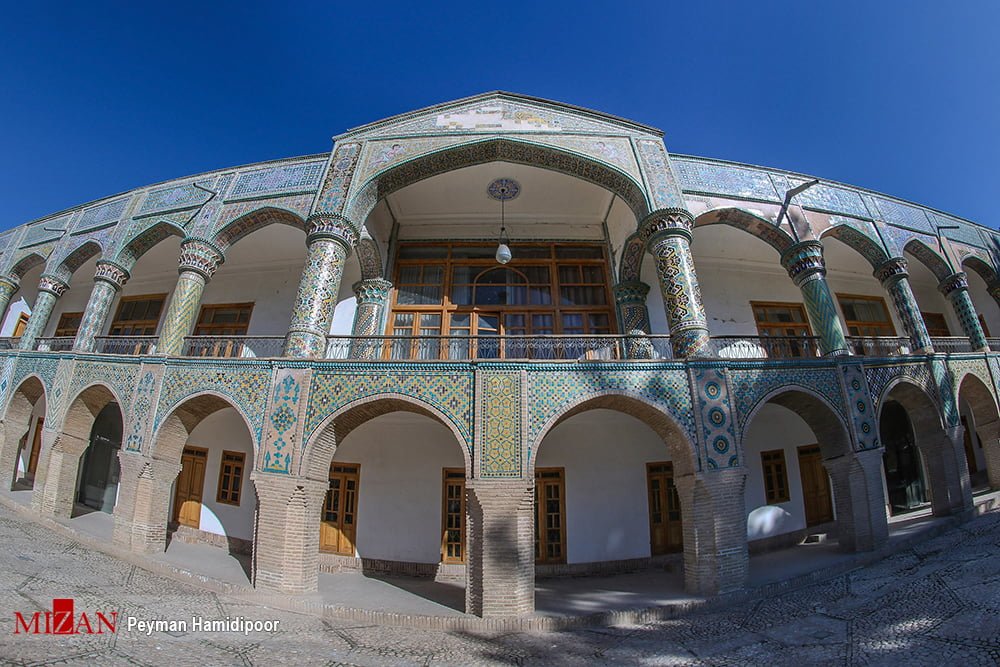
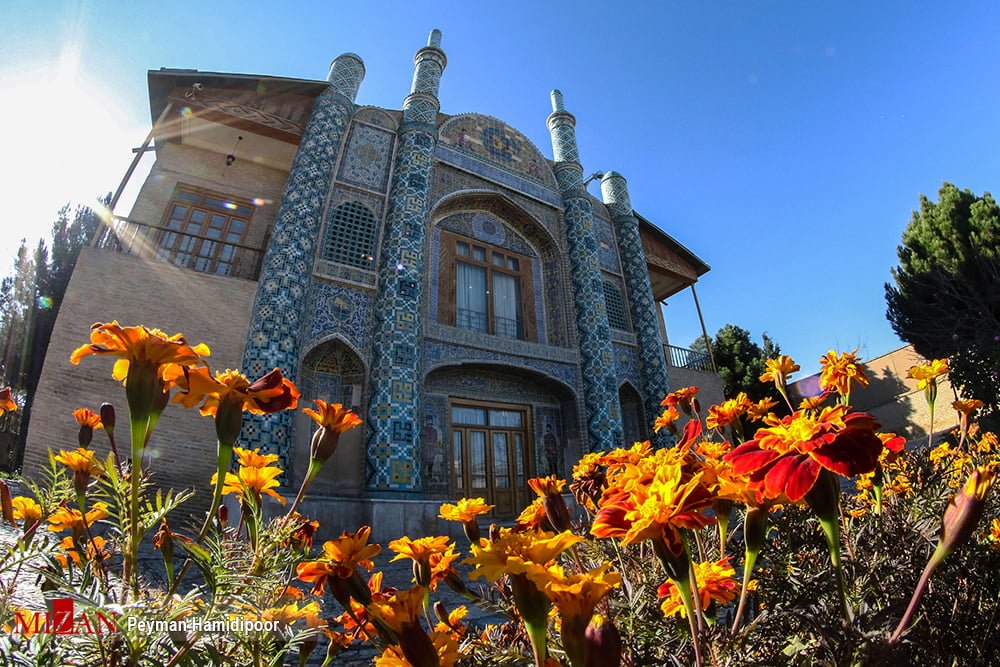
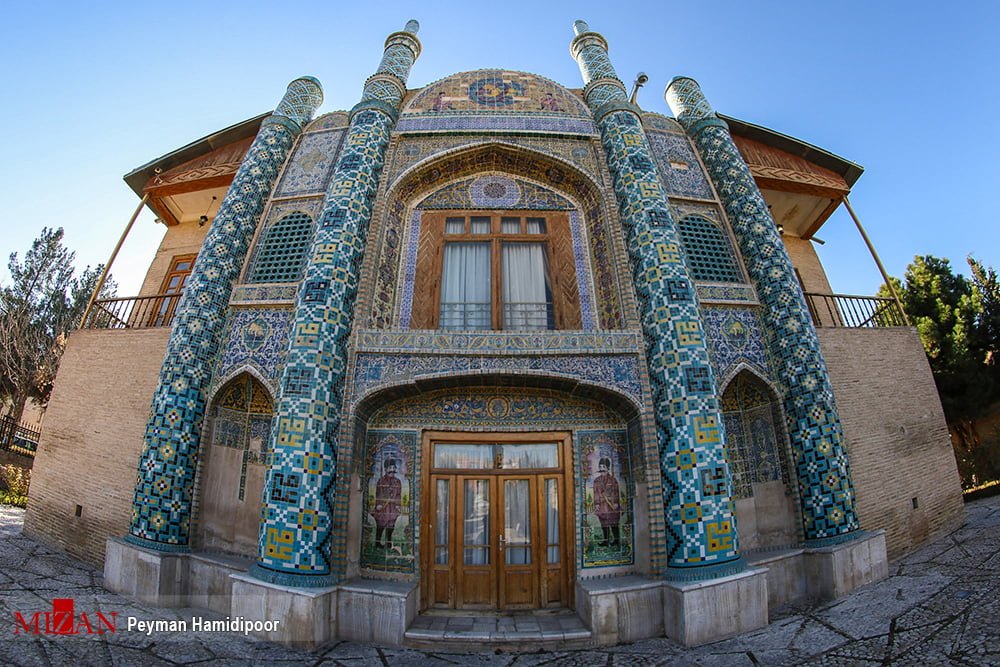
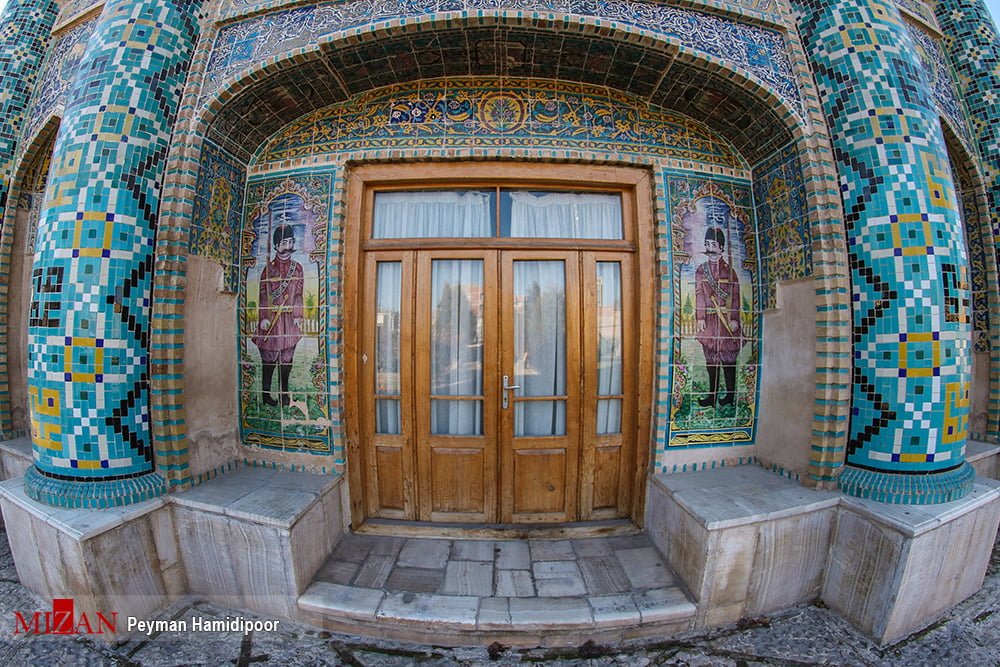
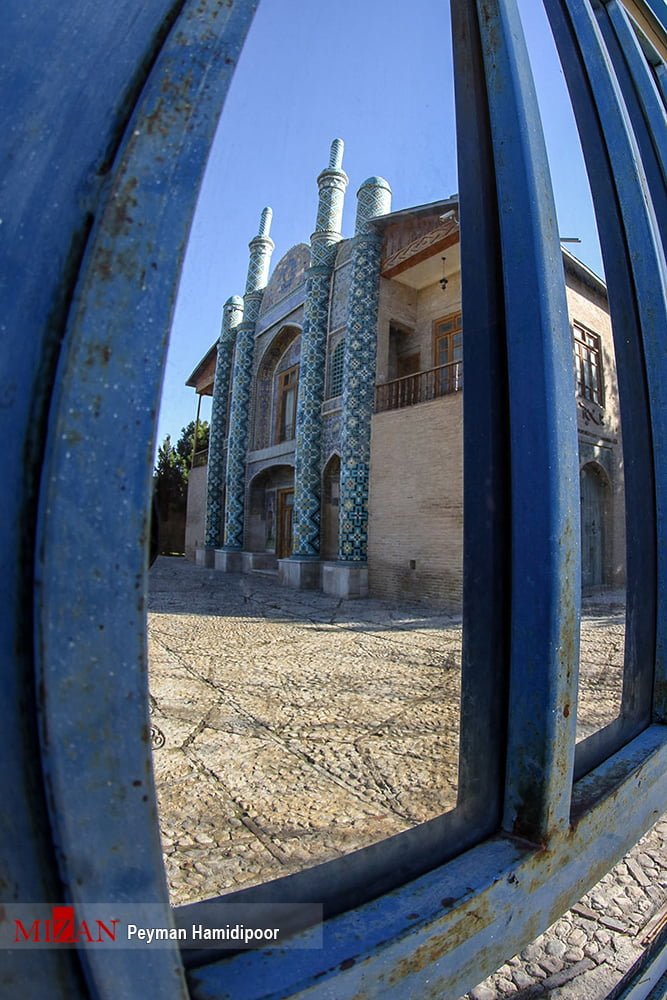
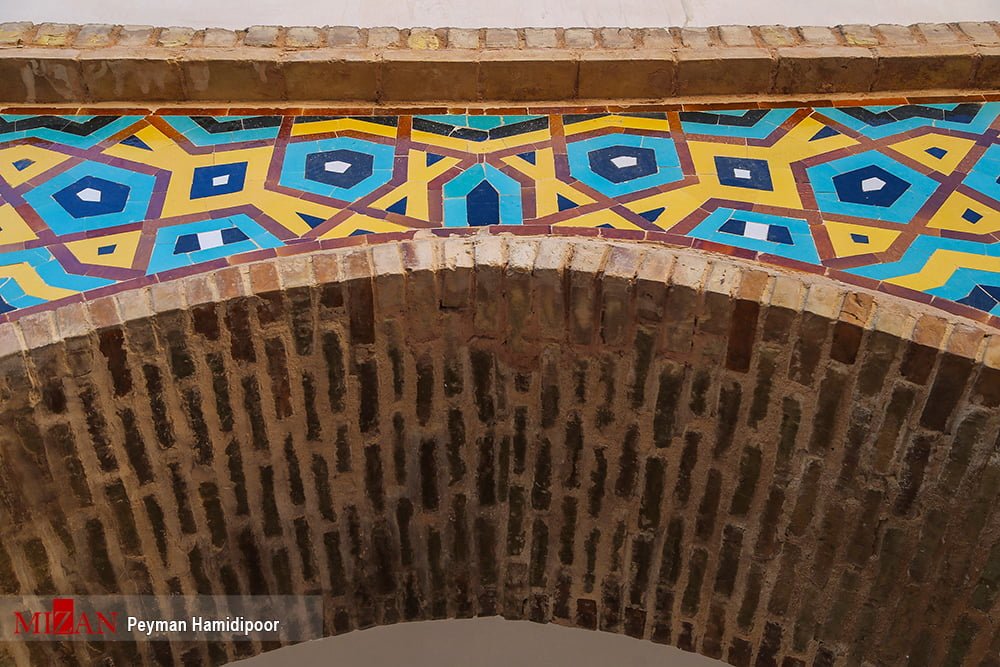
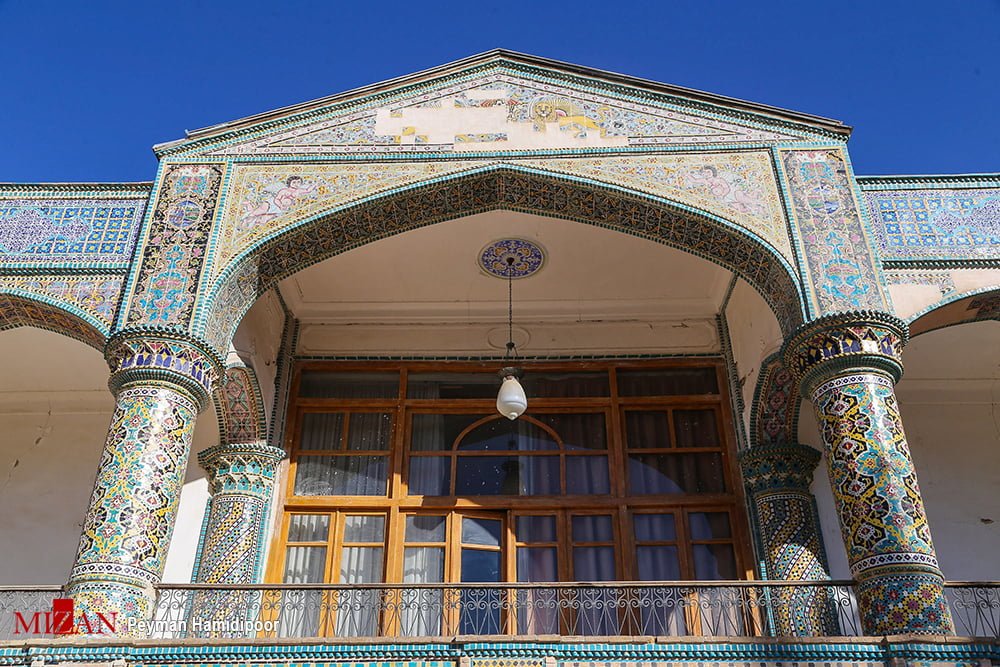
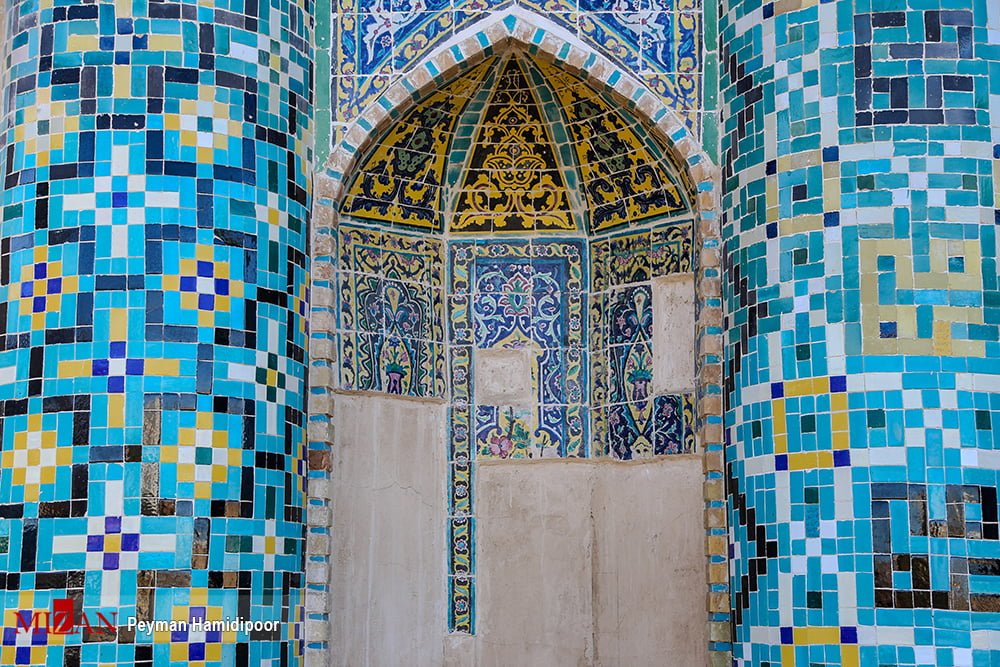
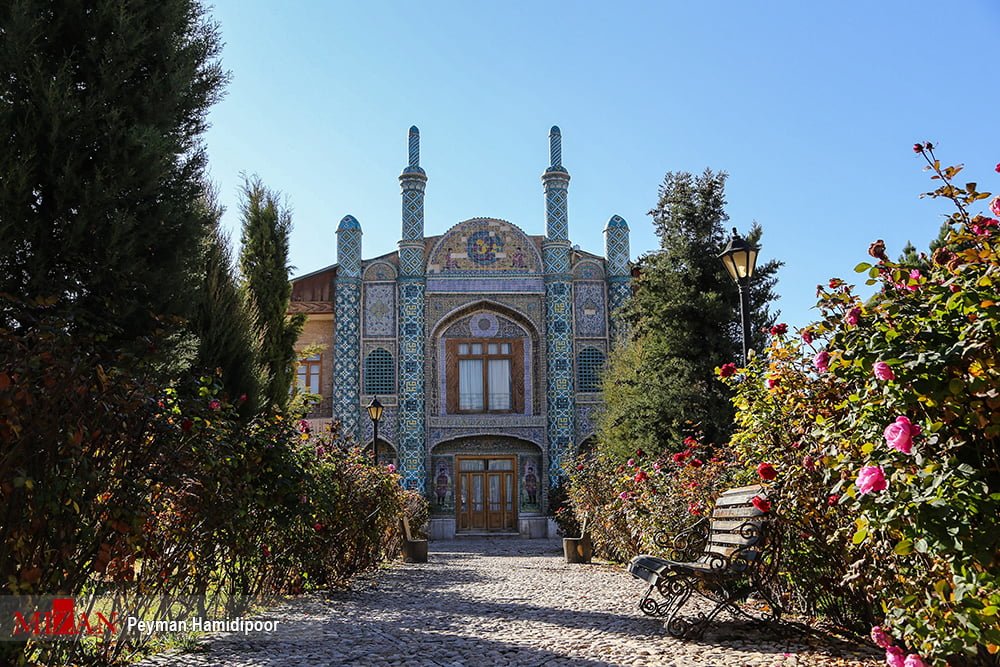
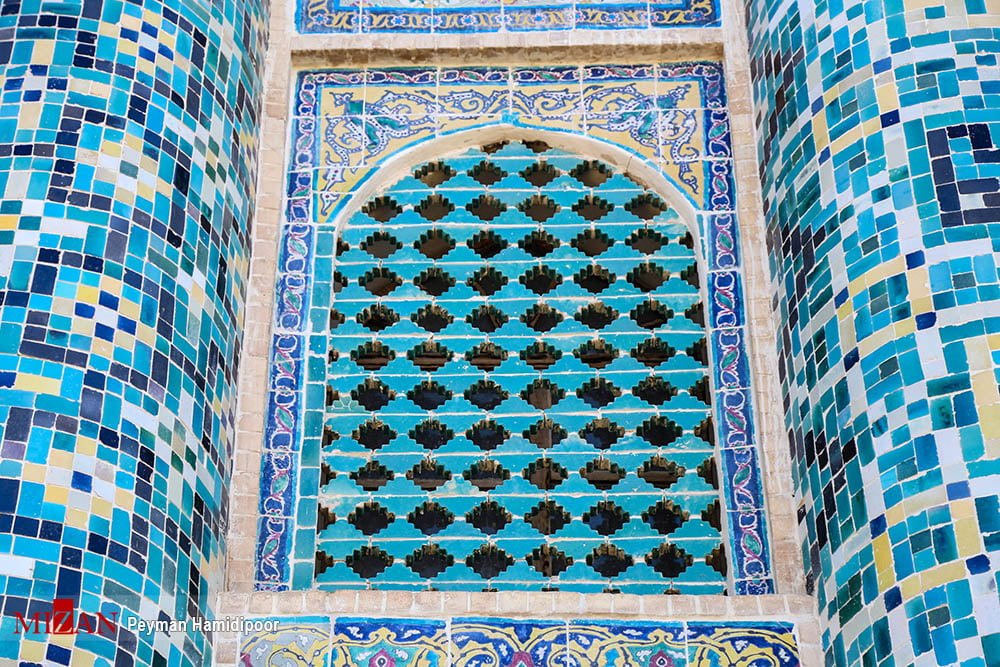
Mirror House of Mofakham; Wonderful Persian Mansion

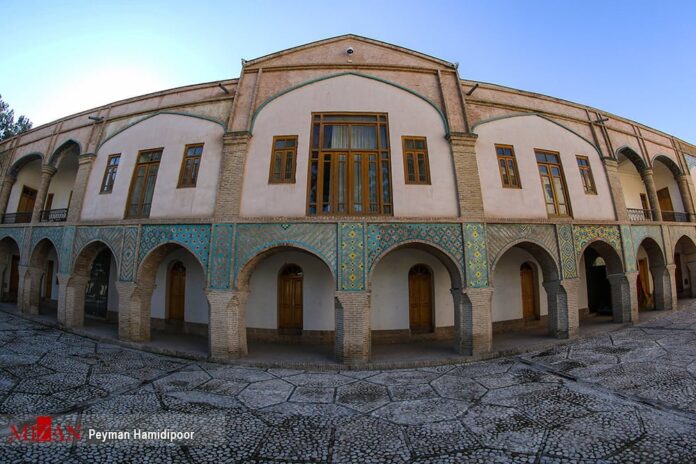
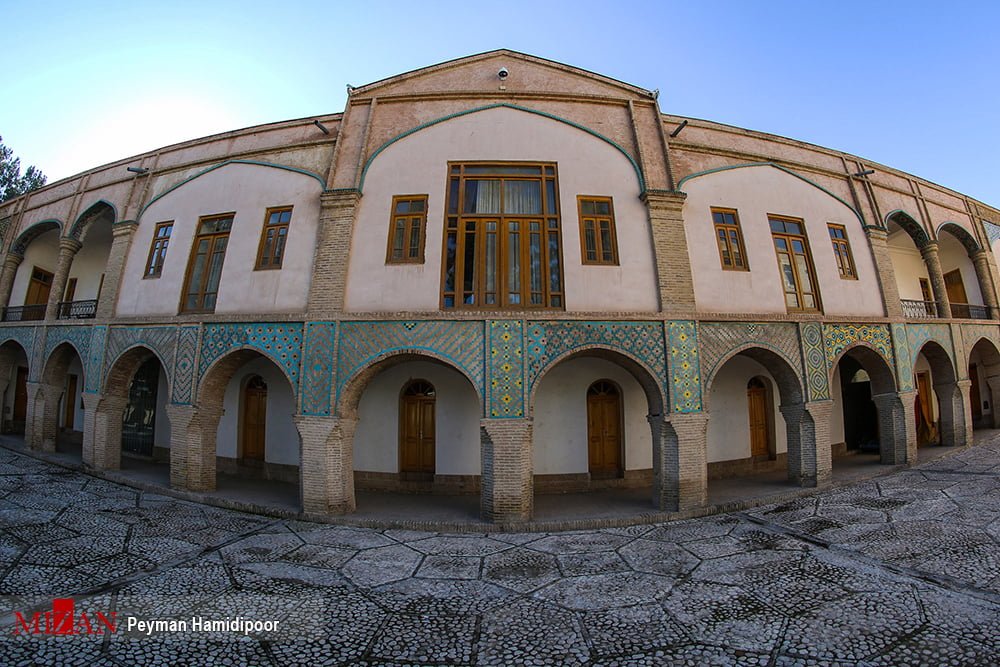
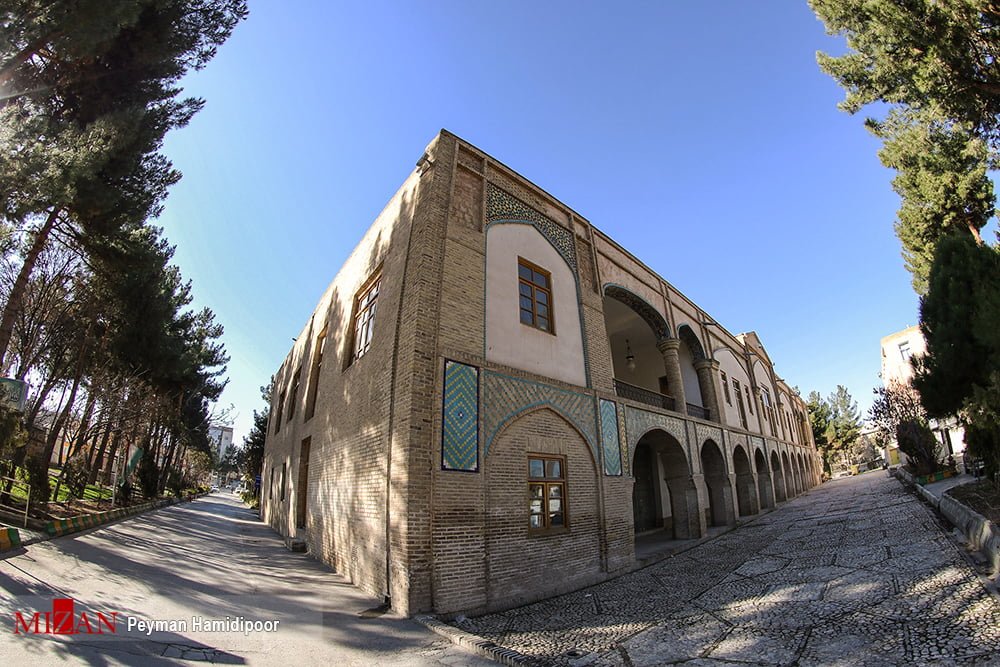
Mofakham Mirror House, Iran

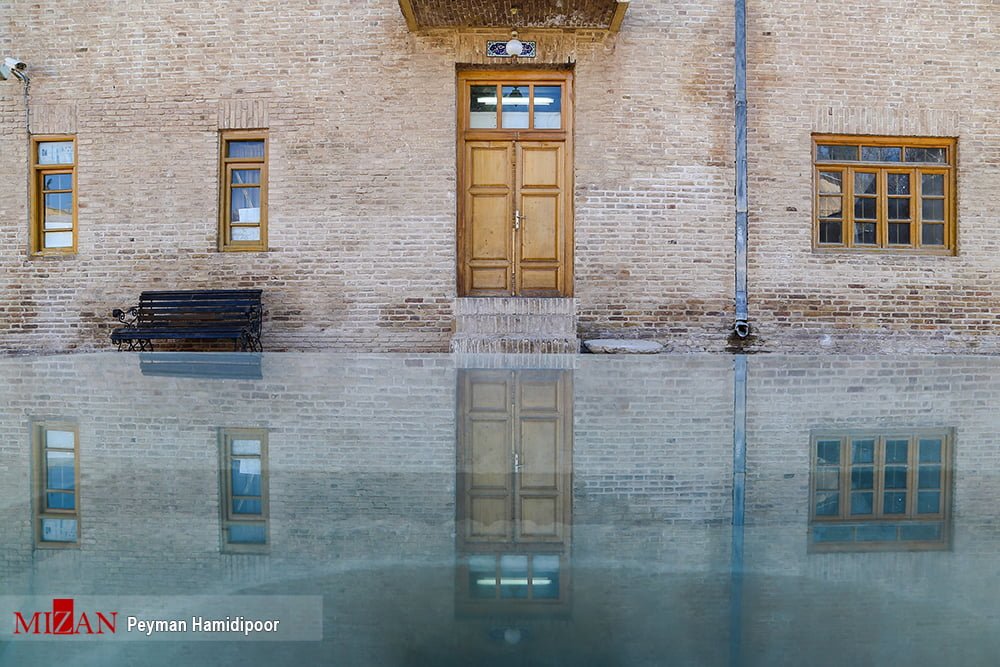
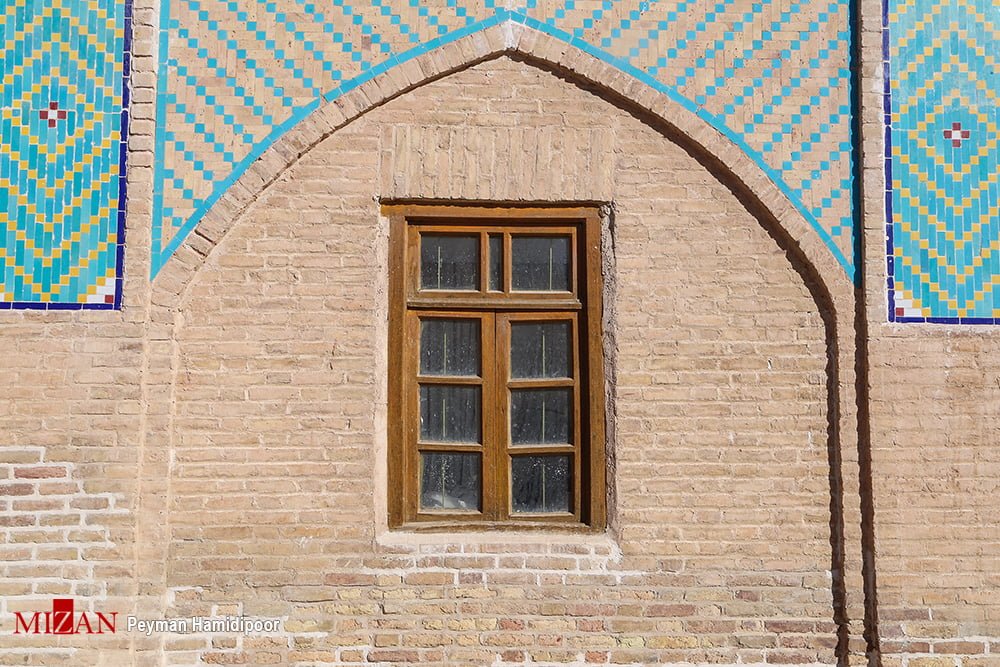
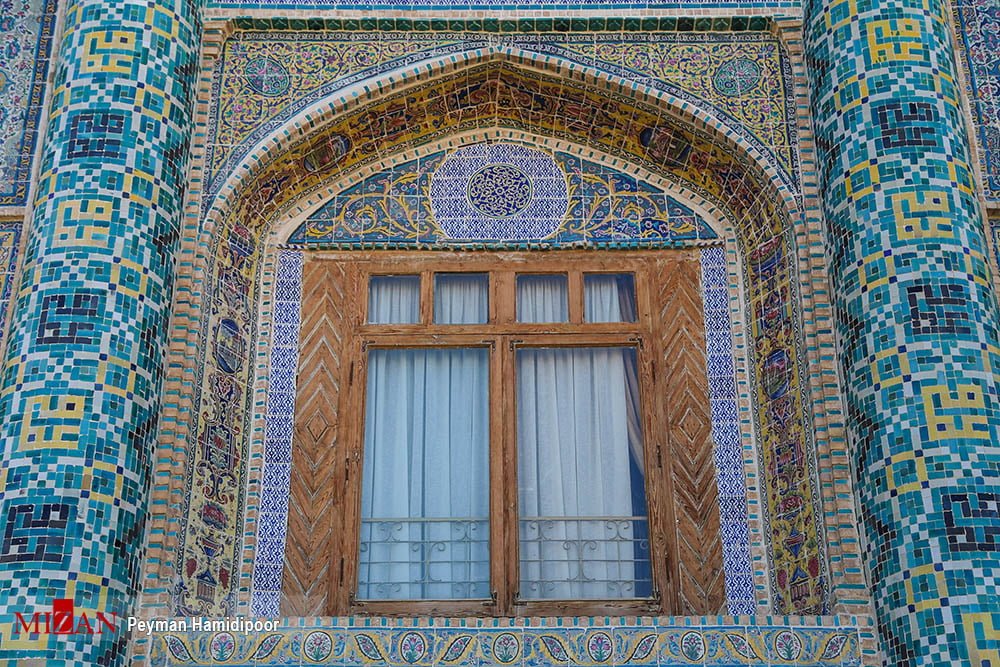
Mofakham Mirror House is a prominent Qajar-era monument to the north of Bojnourd in North Khorasan Province.

This monument along with a number of others including Kolah Farangi Mansion are part of a big garden complex known as Mofakham Complex.  

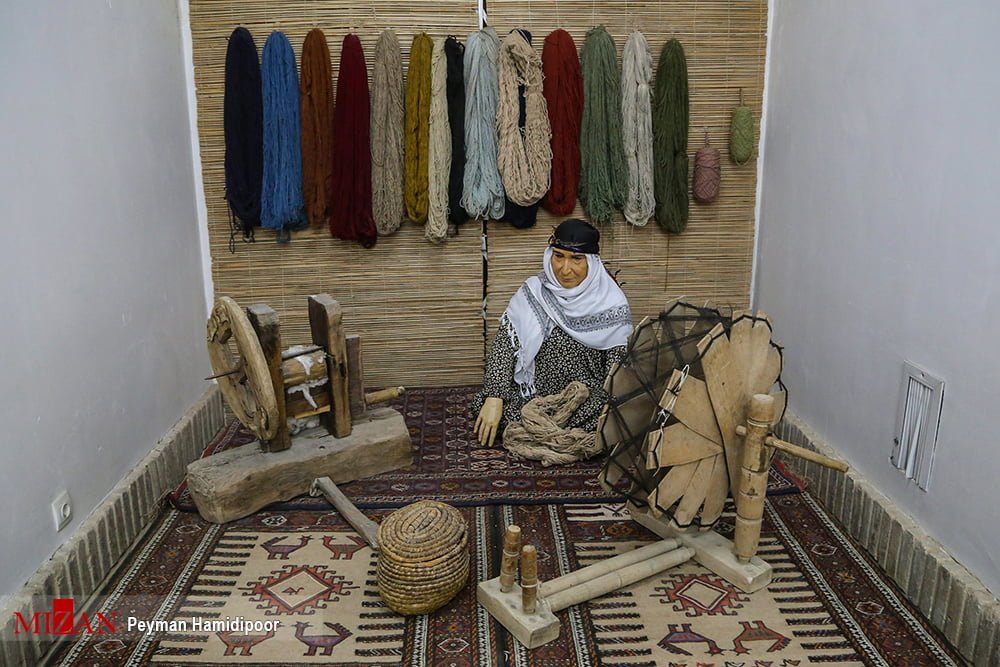
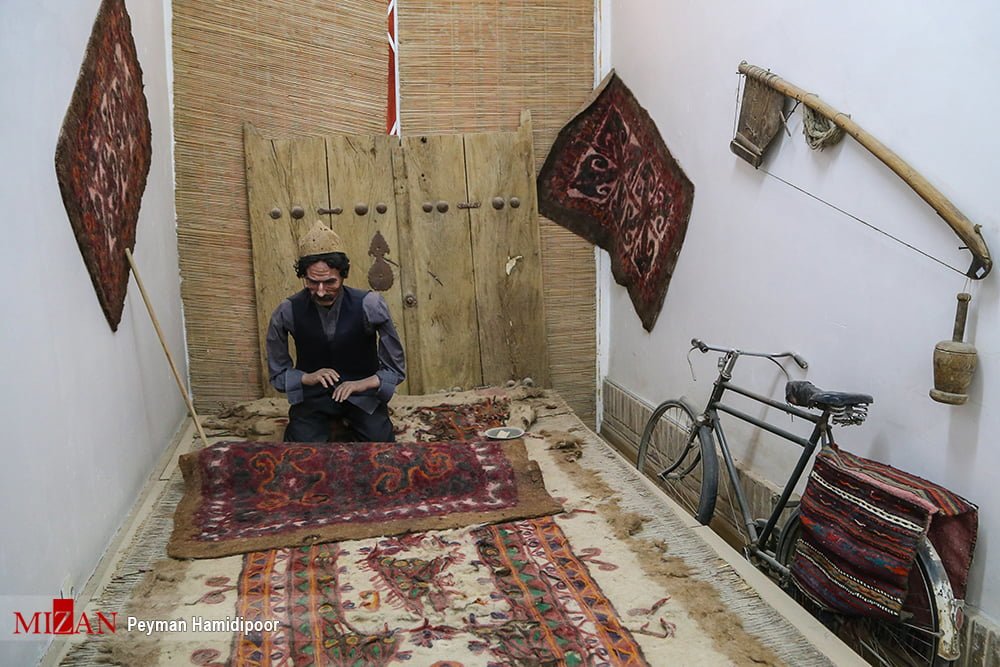
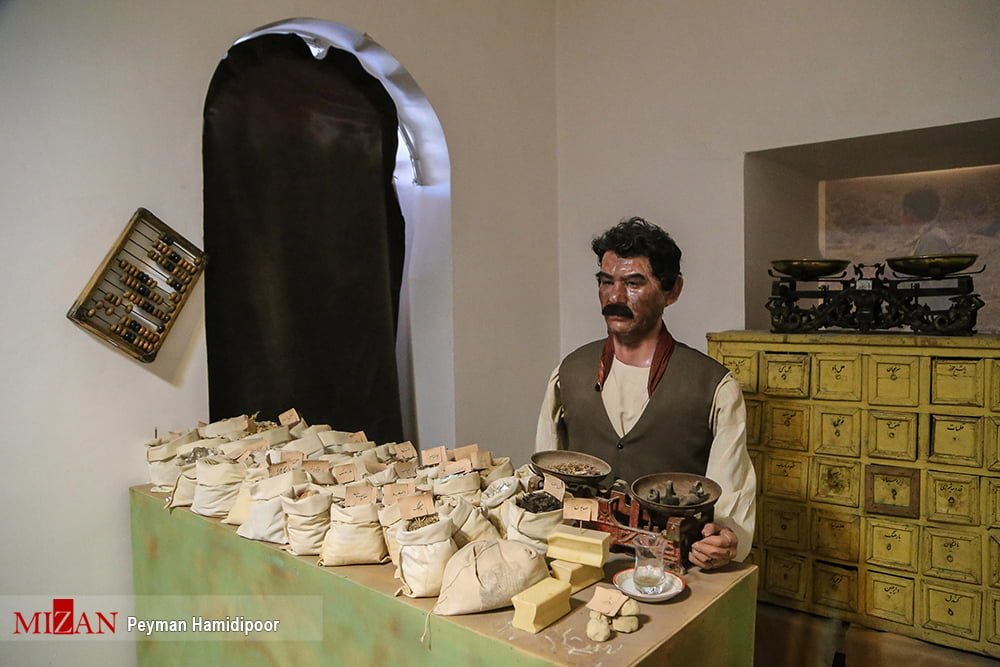
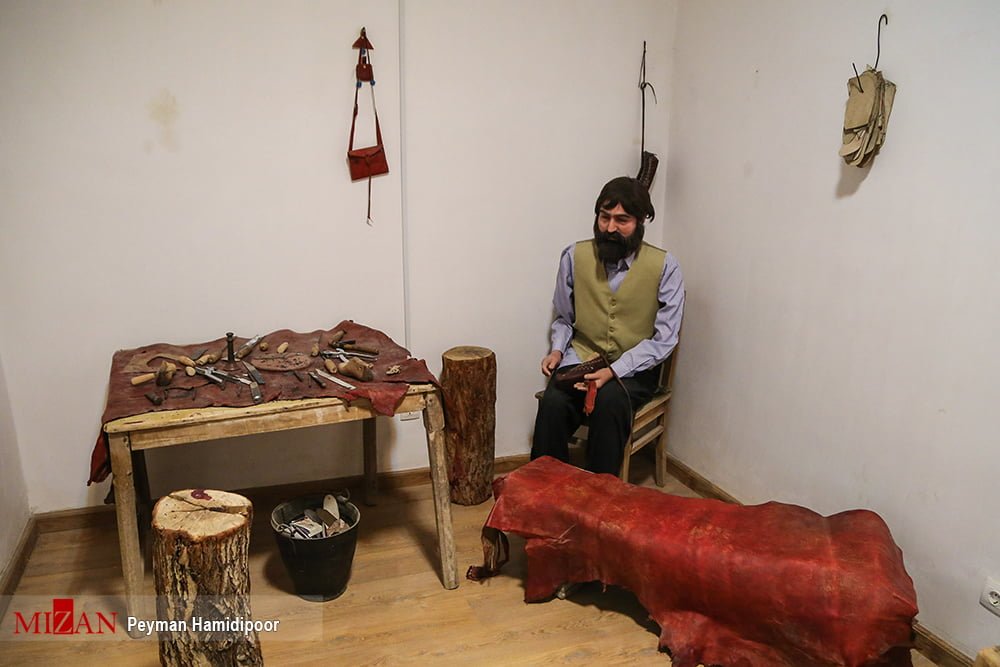
The following images of the Mirror House have been released by Mizan News Agency:


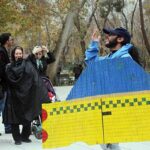
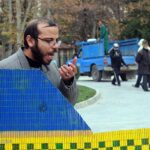
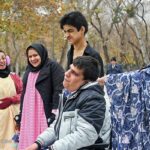
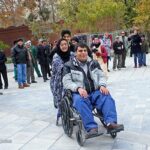
Street theater festival, painting expo for the disabled (PHOTOS)

festival-disabled00

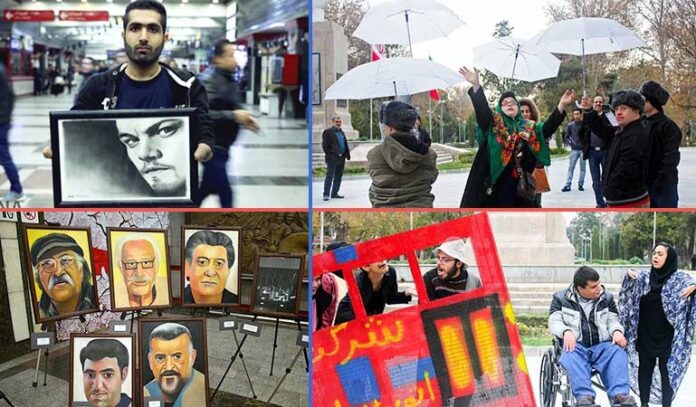
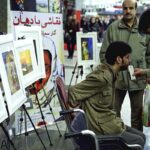
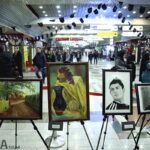
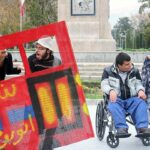
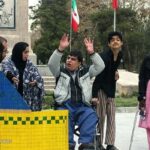
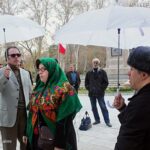
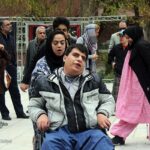
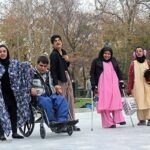
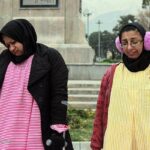
The State Welfare Organization organized a street theater festival for the disabled in cooperation with the Performing Arts Department of the Ministry of Culture and Islamic Guidance.

After initial assessment of the performance of different acting troupes, 15 troupes made up of actors with disabilities were chosen, before they performed in different locations across the capital.

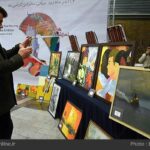
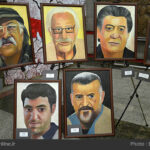
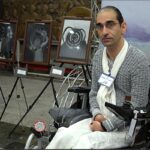
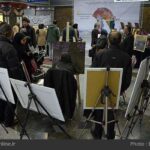
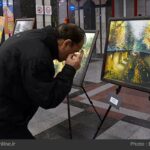
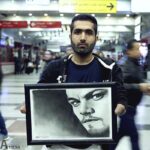
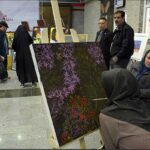
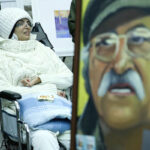
In another development, disabled painters put their works on display at an underground station in Tehran.

The following images of the paintings and the troupe performance have been released by different  news websites:


A look at Iranian newspaper front pages on Dec. 8

Iranian Newspapers Headlines

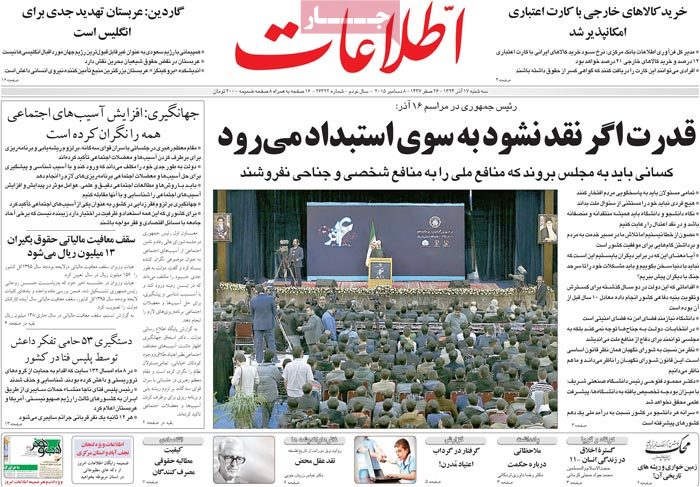
The comments of President Hassan Rouhani in a speech marking Student Day dominated the front pages of Iranian newspapers on Tuesday.


Ettela’at: If not critiqued, authority leads to tyranny, said the president in a speech to mark Student Day.

President Rouhani further said that those to whom personal and factional interests do not come at the expense of national interests should find their way to parliament.

Ettela’at: It is now possible to purchase foreign-made products with credit cards government is expected to issue.

An official with the Central Bank has said the interest rate for local products will stand at 12 percent; as for foreign-made products it will be as high as 21 percent.

Ettela’at: The Guardian: Saudi Arabia poses a serious threat to Britain.

And the Brookings Institution said Saudi Arabia is the biggest provider of human resources for Daesh.

Ettela’at: A rise in social harms has everyone worried, said the first vice-president.

Eshagh Jahangiri said in meetings with the heads of the three branches of government that the Supreme Leader has underlined planning and efforts to spot and eliminate the root causes of social harms.

Ettela’at: The tax exemption ceiling of civil servants will rise to 13,000,000 rials (a little more than $430).

Ettela’at: The cyber-police have arrested 53 Daesh sympathizers in the country.

In the first eight months of the year [started March 21, 2015], 132 websites which supported terrorists including Daesh have been identified and blocked.
 

A look at Iranian newspaper front pages on Dec. 8


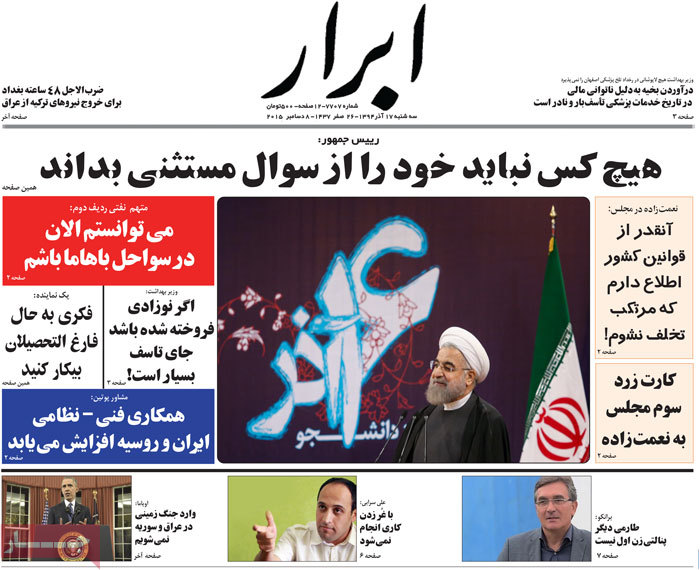
Abrar: MPs have issued a third yellow card to the minister of industries, mines and trade.

Mohammad Reza Nematzadeh, however, said he knows enough about the country’s rules and regulations not to commit any offenses.

Abrar: Baghdad has issued a 48-hour deadline for Turkish forces to leave Iraq’s territory.
 

A look at Iranian newspaper front pages on Dec. 8


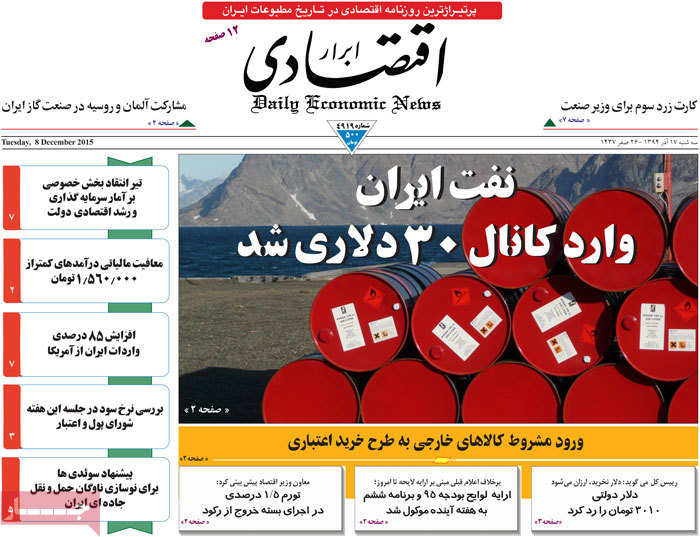
Abrar-e Eghtesadi: Germany and Russia are to contribute to development of Iran’s gas sector.

Abrar-e Eghtesadi:  Iran’s imports of American products are up 85 percent.
 

A look at Iranian newspaper front pages on Dec. 8


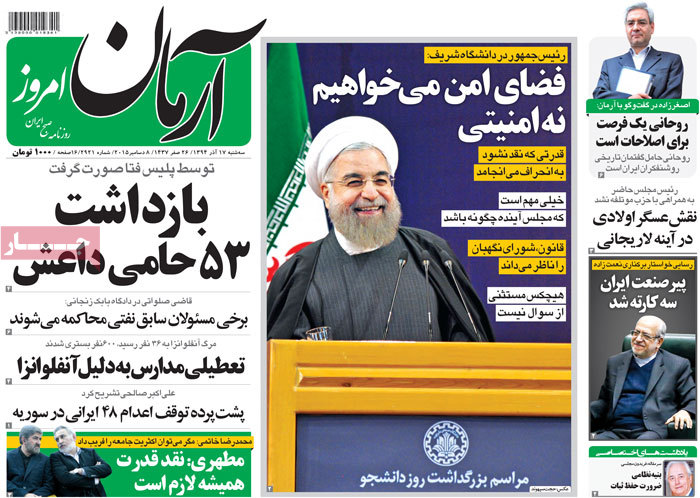
Arman-e Emrooz: In a speech to mark Student Day, President Rouhani said, “We need a safe environment, not a security-laden one.”

He further said when it comes to accountability no one is an exception.

Arman-e Emrooz: Influenza prompts school closures.

Thirty-six have so far died and more than 600 hospitalized as a result of the flu.
 

A look at Iranian newspaper front pages on Dec. 8


Asr-e Rasaneh: The cyber-police keep a watchful eye on Facebook and Instagram.
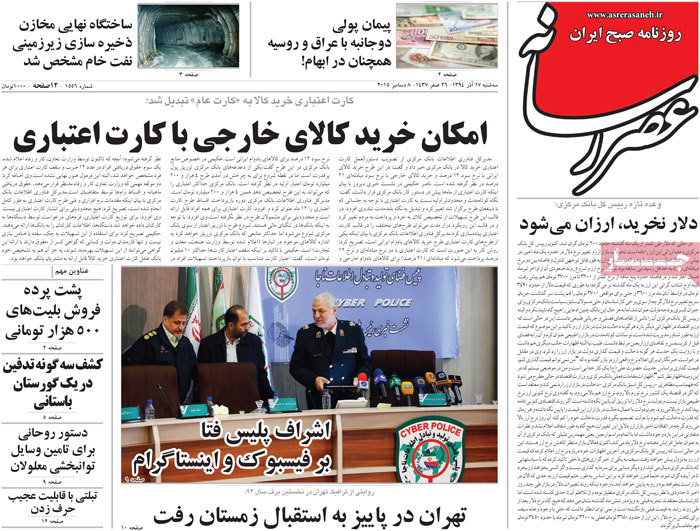
 

A look at Iranian newspaper front pages on Dec. 8


Asrar: The deputy foreign minister has said that talks have been held with P5+1 on how to remove the sanctions.

Asrar: The minister of science has said that those who disrupt speeches at universities will be seriously dealt with.

Asrar: Judge Salavati has said that a number of oil officials of the previous government will be put on trial.
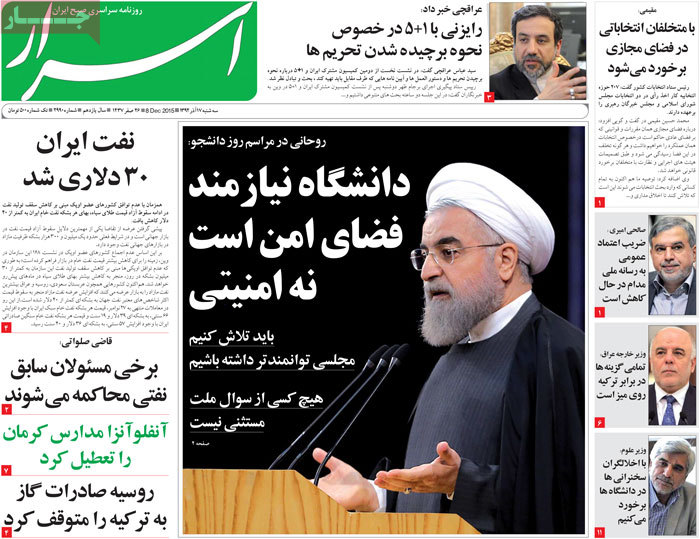
 

A look at Iranian newspaper front pages on Dec. 8


Bahar: Some individuals view everyone as a subversive element, said Tehran MP Ali Motahari in a speech to mark Student Day.

Faezeh Hashemi [daughter of the chairman of the Expediency Council] has said that Iranian society is after reforms.

And former Tehran Mayor Gholamhossein Karbaschi said some individuals reject dialogue with no reason.
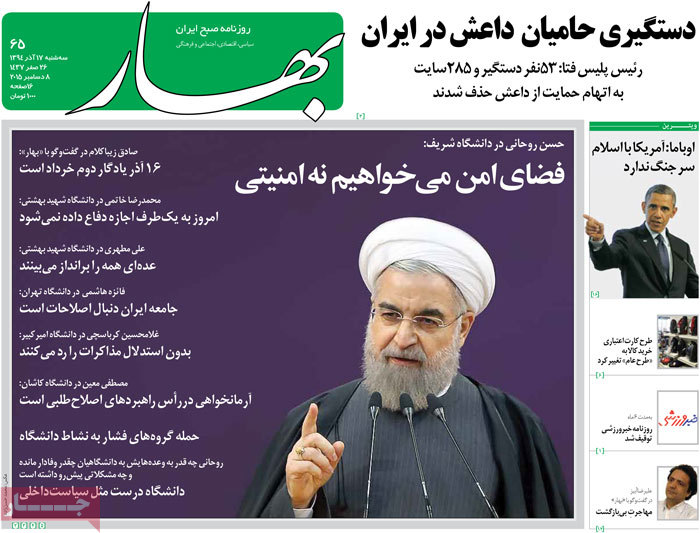
 

A look at Iranian newspaper front pages on Dec. 8


Ebtekar: The number of flu victims in the country is on the rise.

Yellow alert in Kerman has prompted the closure of schools.
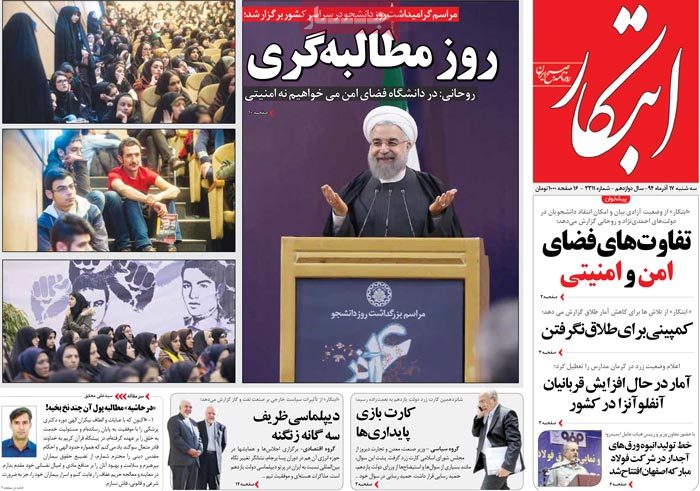
 

A look at Iranian newspaper front pages on Dec. 8


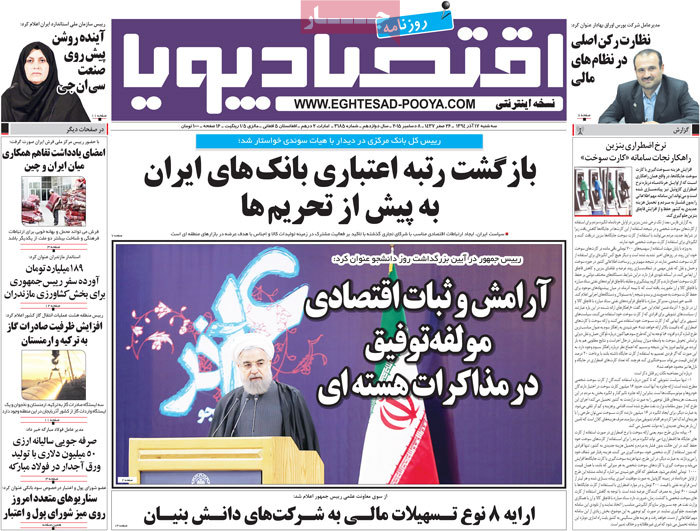
Eghtesad-e Pooya: The credit rating of Iranian banks returns to the pre-sanctions levels.

Eghtesad-e Pooya: The president has hailed economic stability as a factor in nailing down success in nuclear talks.
 

A look at Iranian newspaper front pages on Dec. 8


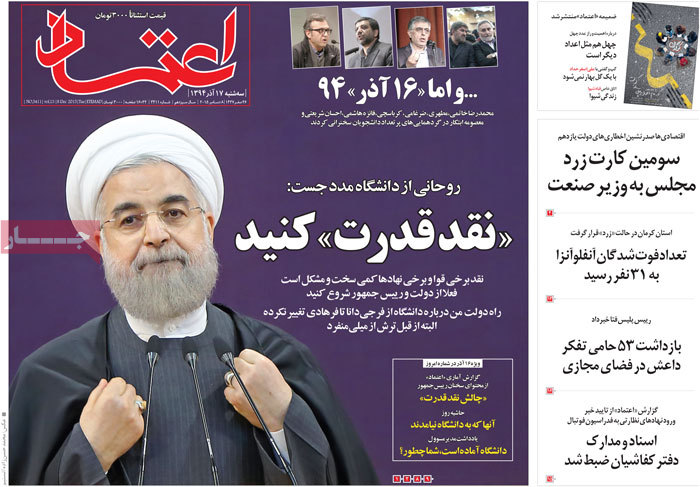
Etemad: President Rouhani has appealed to students to “critique authority”.

“Criticizing some institutions is a bit difficult, lead off with the Executive branch and the president,” Rouhani told students at a ceremony at Sharif University of Technology.
 

A look at Iranian newspaper front pages on Dec. 8


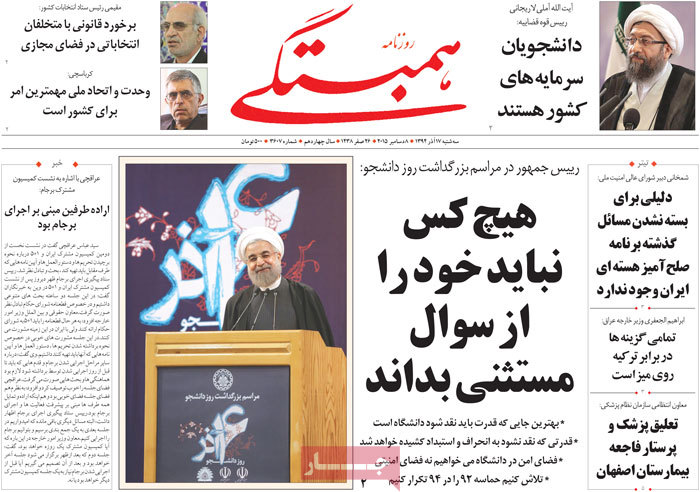
Hambastegi: There remains no reason for the case involving the past issues of Iran’s nuclear program to remain open, said the secretary of the Supreme National Security Council.
 

A look at Iranian newspaper front pages on Dec. 8


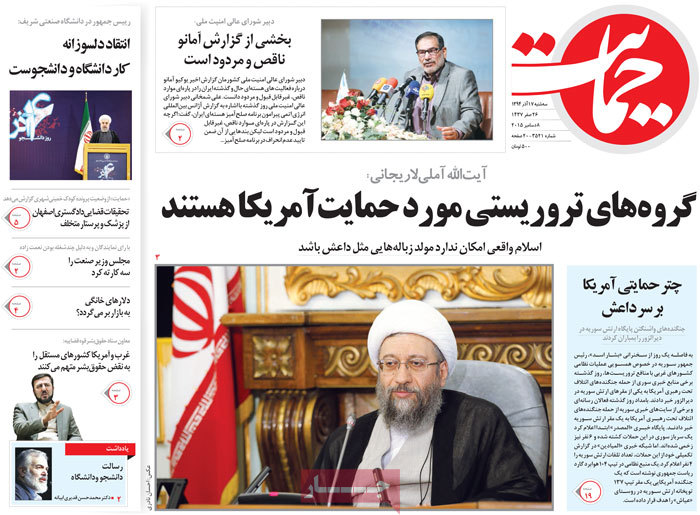
Hemayat: Terrorist groups are being supported by the US, said Judiciary Chief Ayatollah Sadegh Amoli Larijani.

It is impossible for genuine Islam to produce a piece of garbage like Daesh, the top judge said.
 

A look at Iranian newspaper front pages on Dec. 8


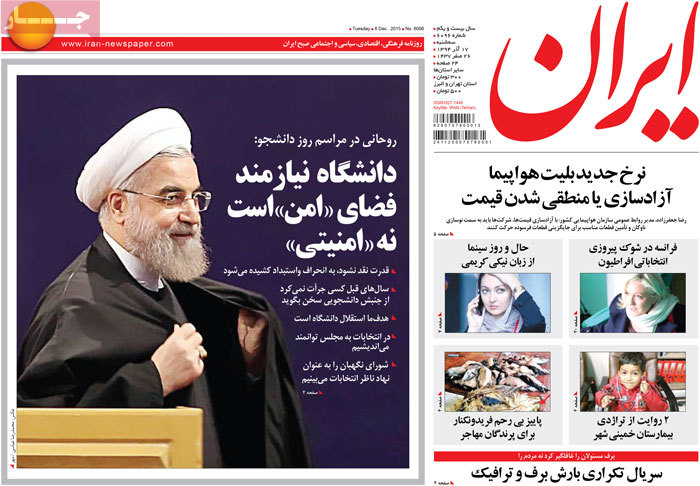
Iran: The electoral victory of hardliners has sent shockwaves through French society.
 

A look at Iranian newspaper front pages on Dec. 8


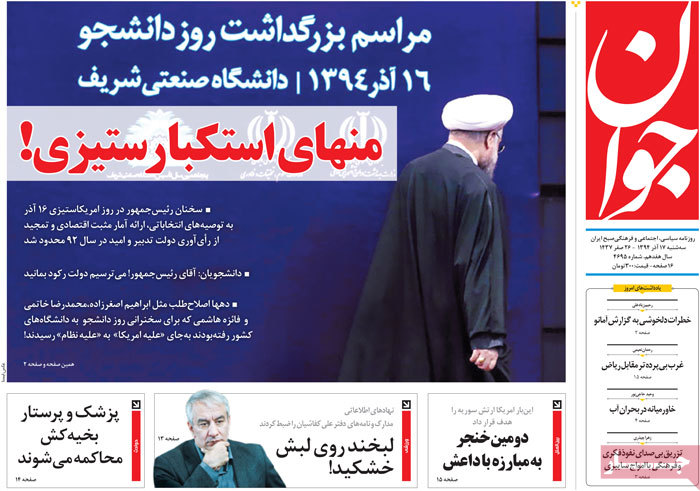
Javan: Intelligence officials have removed documents from the office of Ali Kafashian, the head of the Football Federation of Iran.

Javan: A doctor and a nurse involved in a “suture removal” scandal in Isfahan Province will be put on trial.

[When the doctor found out that the family of a four-year-old patient who needed stitches on his chin could not afford the medical fees, he ordered the nurse to take out the sutures.]
 

A look at Iranian newspaper front pages on Dec. 8


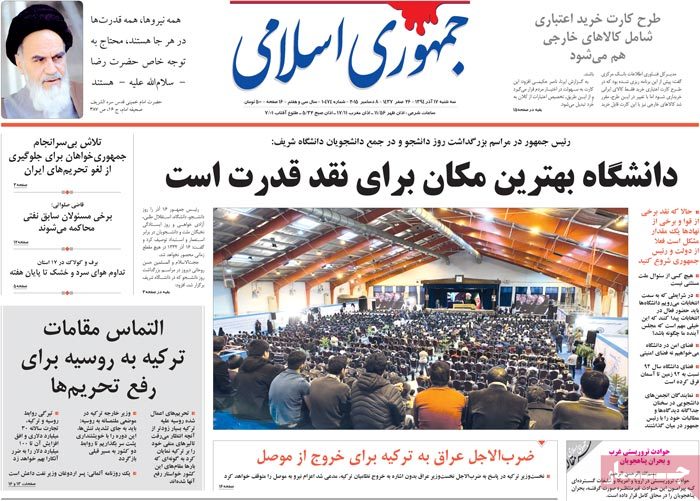
Jomhouri Islami: Turkish officials are begging Russia to lift its sanctions against their country.
 

A look at Iranian newspaper front pages on Dec. 8


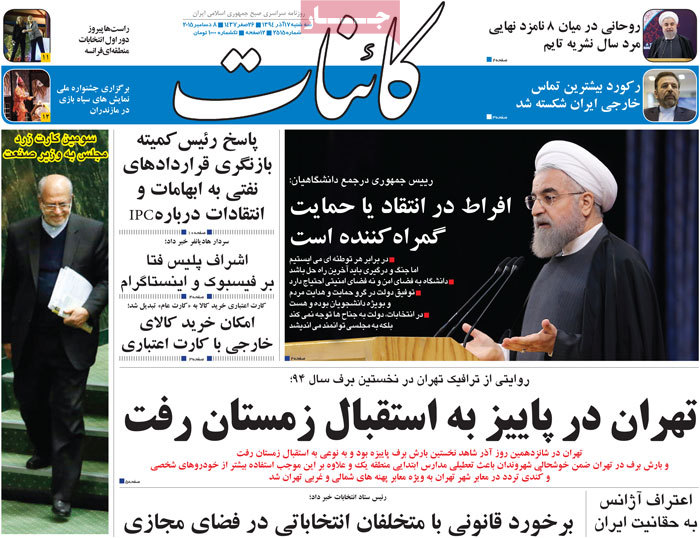
Kaenat: The head of the Electoral Commission has said that those who commit electoral offenses on the Internet will be dealt with.
 

A look at Iranian newspaper front pages on Dec. 8


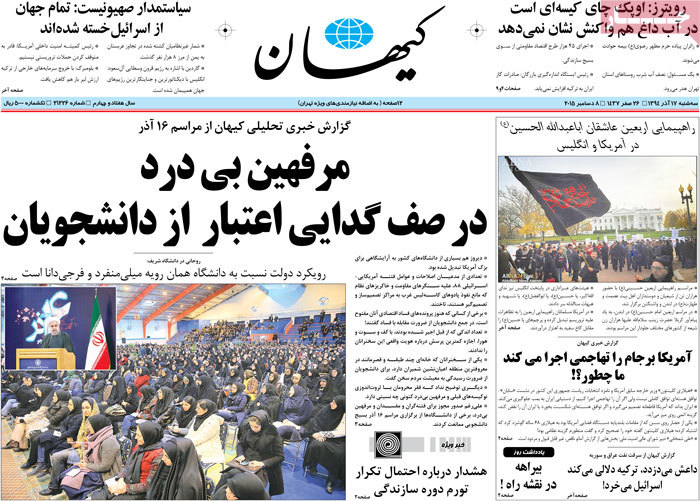
Kayhan: Daesh steals Iraqi and Syrian oil; Turkey acts as a middleman; and Israel purchases the stolen petroleum, says an analysis by the daily.
 

A look at Iranian newspaper front pages on Dec. 8


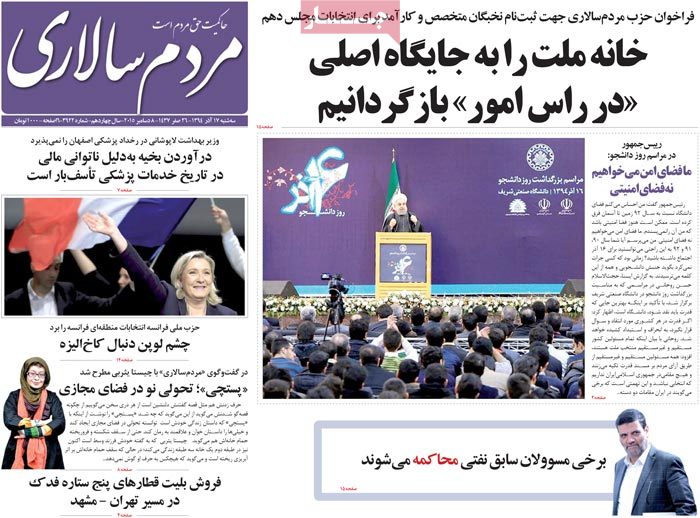
Mardomsalari: Removal of stitches simply because someone cannot afford the hospital bill is regrettable in the history of medical services.

The health minister has said that he won’t accept attempts to gloss over what happened at a hospital in Isfahan Province.
 

A look at Iranian newspaper front pages on Dec. 8


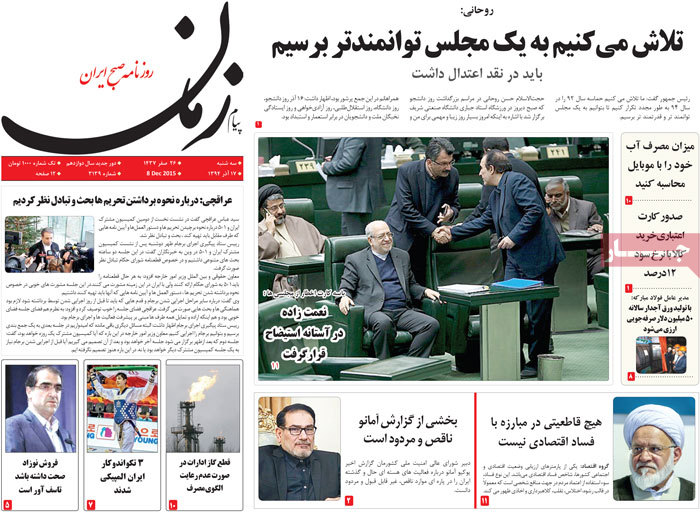
Payam-e Zaman: Iran’s taekwondo will have three representatives in the Olympics.
 

A look at Iranian newspaper front pages on Dec. 8


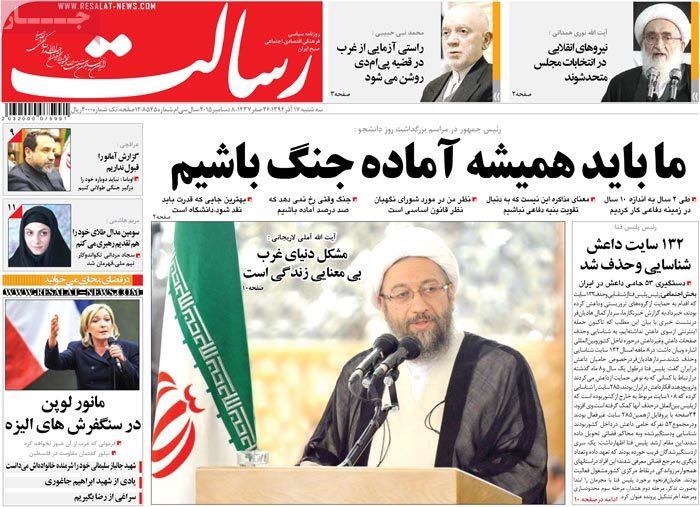
Resalat: We need to be ready for war at all times, said President Rouhani.

War won’t break out only when we are 100 percent ready, he further said.
 

A look at Iranian newspaper front pages on Dec. 8


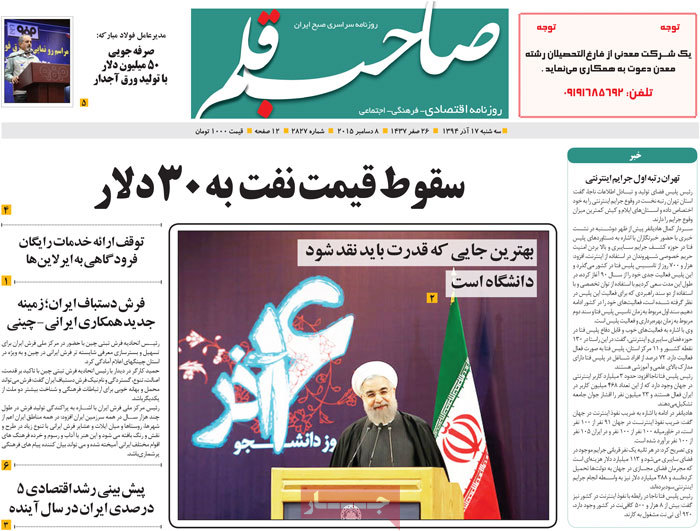
Saheb Ghalam: Iran’s hand-woven carpet provides a new platform for Iran-China cooperation.
 

A look at Iranian newspaper front pages on Dec. 8


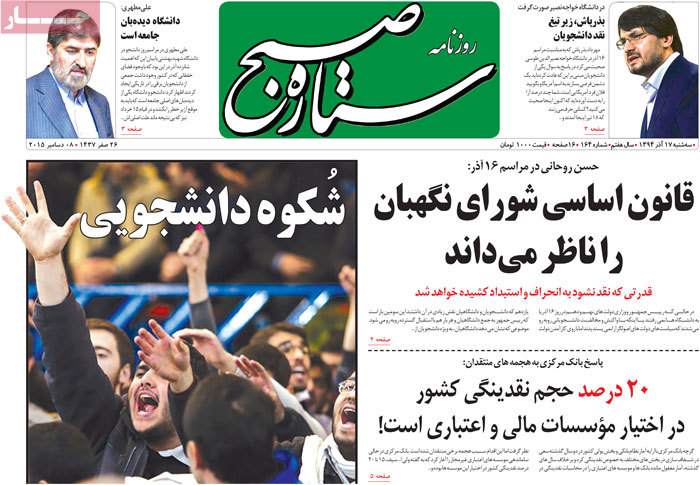
Setareh Sobh: Twenty percent of the country’s liquidity is in the hands of credit institutes, said the Central Bank.
 

A look at Iranian newspaper front pages on Dec. 8


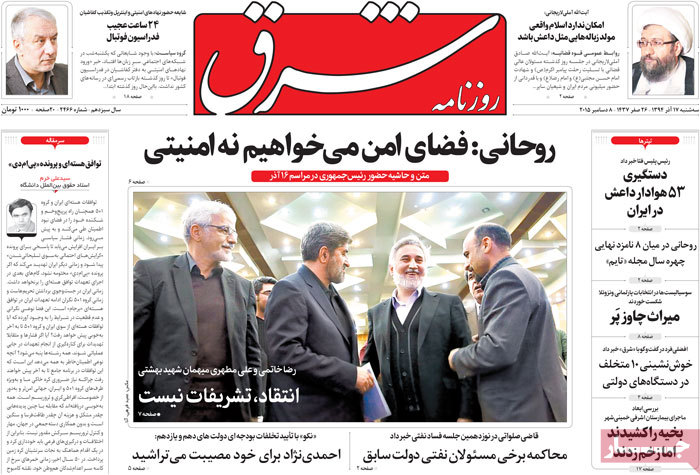
Sharq: President Rouhani and seven others are on Time Magazine’s eight-individual shortlist for man of the year.
 

A look at Iranian newspaper front pages on Dec. 8


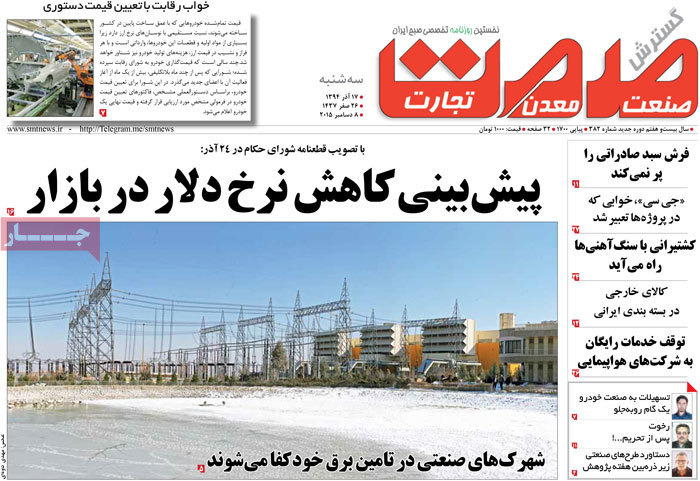
SMT: With an IAEA Board of Governors resolution around the corner, the value of the rial against the greenback is forecast to increase.
 

A look at Iranian newspaper front pages on Dec. 8


Sobh-e Eghtesad: The destroyers of the Iranian Navy are equipped with cruise missiles capable of hitting targets 339 km away.
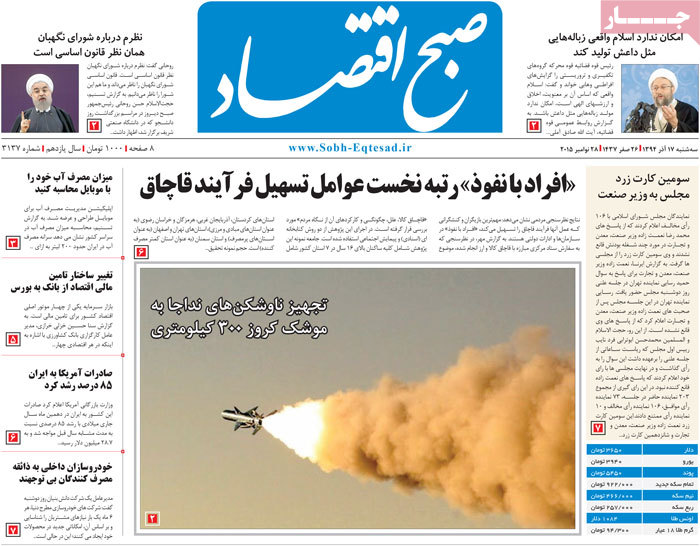
 

A look at Iranian newspaper front pages on Dec. 8


Vaghaye-e Etefaghiyeh: The defeat of populism

Allies of the late Venezuelan president have lost their majority in parliament for the first time in 16 years.

Vaghaye-e Etefaghiyeh: Forty MPs have signed a petition to impeach the education minister.
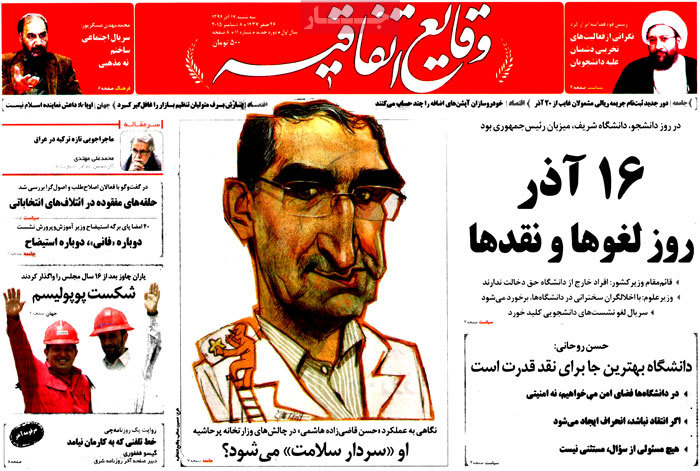
 

A look at Iranian newspaper front pages on Dec. 8


Iran, India mulling $4.5bn undersea gas pipeline

Alireza Kameli

Tehran and New Delhi are in talks to build an undersea gas pipeline as part of efforts to export natural gas to India.

The $4.5 billion pipeline will take natural gas from southern Iran via Oman Sea and Indian Ocean to Gujarat state in western India.

Managing Director of National Iranian Gas Export Company (NIGEC), Alireza Kameli said the pipeline will carry 31.5 million standard cubic meters gas per day.

“Negotiations are under serious consideration,” the Economic Times quoted him as saying on Monday.

The pipeline is planned to be built within two years following the necessary approvals and after a gas sale and purchase agreement (GSPA) is signed, the Iranian official reportedly said at the World Energy Policy Summit in New Delhi.

Kameli also said Iran has already been in talks with New Delhi-based South Asia Gas Enterprise Pvt Ltd (SAGE) for building the 1,400 kilometer pipeline.

According to the report by the Economic Times, SAGE will lay the 1,400-km pipeline bypassing the exclusive economic zone (EEZ) of Pakistan.

“SAGE will not be buying gas from Iran. It will lead an international consortium for building the pipeline,” SAGE Director Subhodh Kumar Jain said.

The company will next year conduct a FEED study and tie-up financing. “SBI Caps is advising us on the project,” he noted.

IAEA must close PMD case for Tehran to enforce JCPOA: Iran

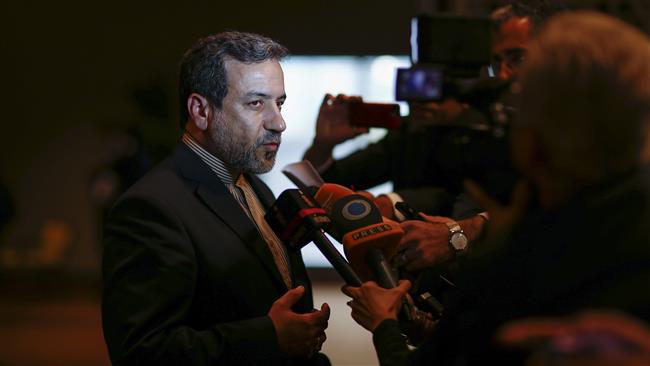
Seyyed Abbas Araghchi

A senior Iranian official says the UN nuclear agency must close the case of the so-called possible military dimensions (PMD) of Tehran’s nuclear program for Iran to implement a nuclear agreement with 5+1.

Iran’s Deputy Foreign Minister for Legal and International Affairs Abbas Araghchi told reporters that during a meeting of the joint commission between Iran and P5+1 in Vienna, Austria, on Monday, the sides reviewed issues pertaining to the implementation of the nuclear agreement, dubbed the Joint Comprehensive Plan of Action (JCPOA), before the implementation day.

“One of the major issues was a resolution which the [IAEA] Board of Governors should adopt and conclude the consideration of the so-called PMD issue. That was a major issue,” Araghchi said.

He added that representatives of Iran and P5+1 held “very good consultation” about the issue “in a positive atmosphere.”

The Iranian negotiator also strongly rejected some points in the latest IAEA report related to what it calls the development of a nuclear explosive device in the country’s nuclear activities before 2003.

However, the same IAEA assessment verified that these activities were not going beyond some studies and that Iran’s nuclear material had had no diversion, Araghchi pointed out.

He said Iran believes that the recent IAEA assessment by the agency’s Director General Yukiya Amano was “a strong document proving the peaceful nature of Iran’s nuclear program in the past 10 years.”

“We believe that based on this final assessment, the Board of Governors should close the so-called PMD issue and pave the way for a new era of cooperation between Iran and the agency” the Iranian official added.

In its latest report on Wednesday, the UN nuclear monitoring body said it has found no indications of the diversion of nuclear material for non-civilian objectives in Iran’s nuclear program.

The report also alleged that activities related to the development of a nuclear explosive device in Iran’s nuclear program “did not advance beyond feasibility and scientific studies, and the acquisition of certain relevant technical competences and capabilities.”

The IAEA’s Board of Governors is set to hold a meeting on December 15 to make a final decision on Iran’s nuclear case. Tehran says it will implement a nuclear agreement signed with six world powers in July once the file is completely closed.

Iran and P5+1managed to finalize the text of the JCPOA in the Austrian capital, Vienna, on July 14.