Friday, April 3, 2026
Home Blog Page 4488

Jazmourian Wetland Under Threat

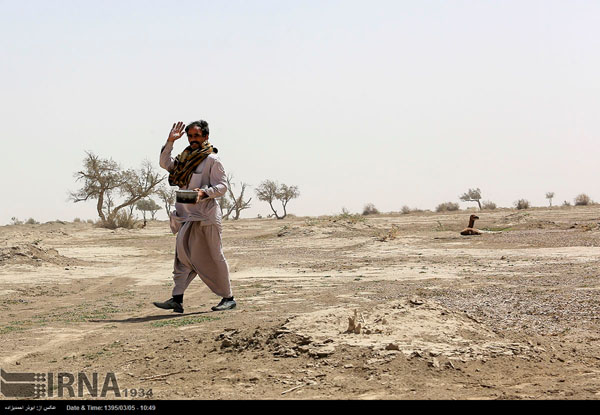
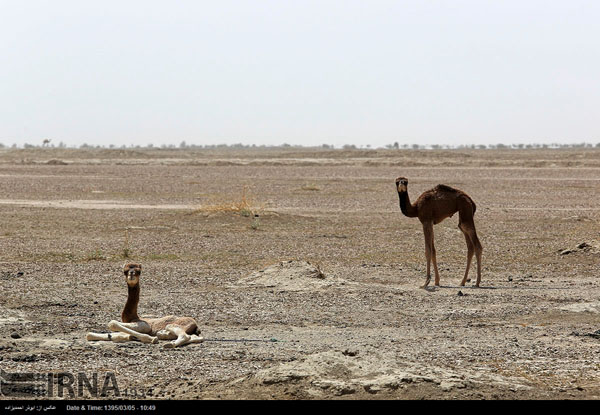
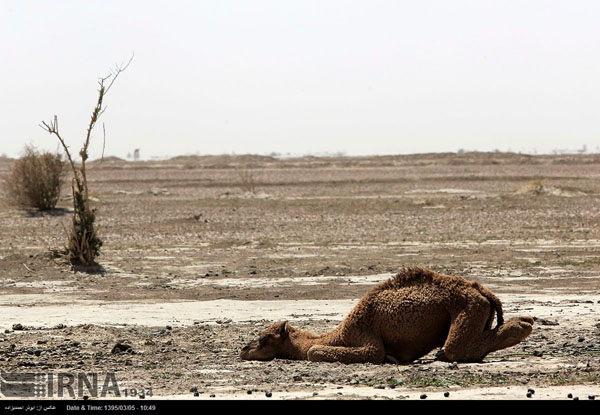
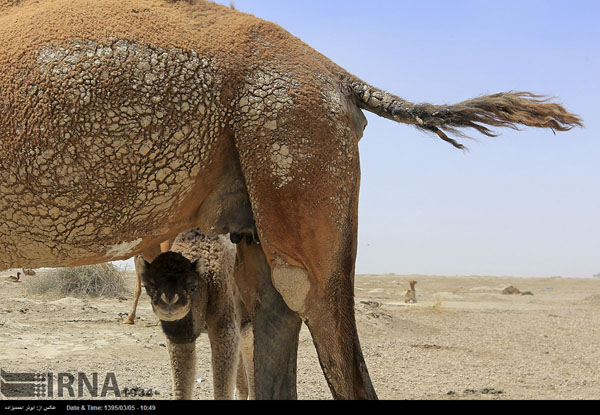
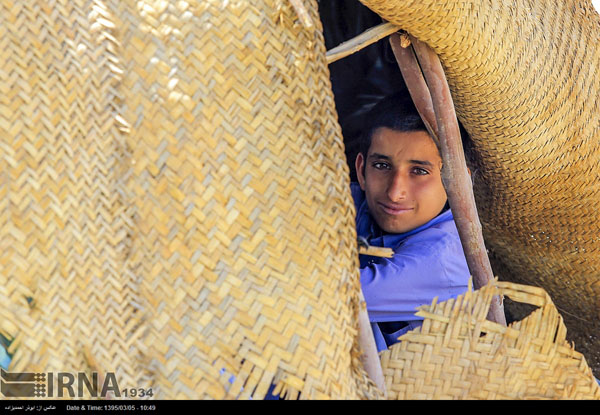
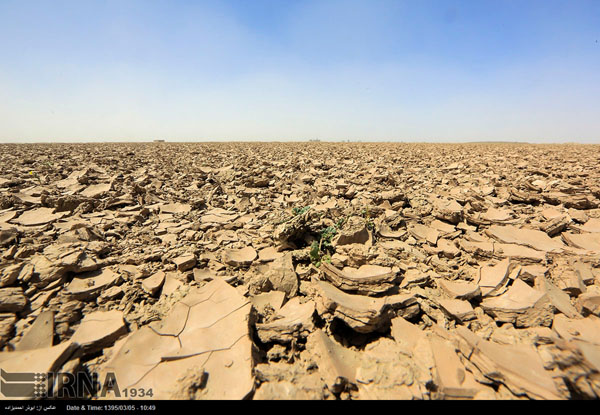
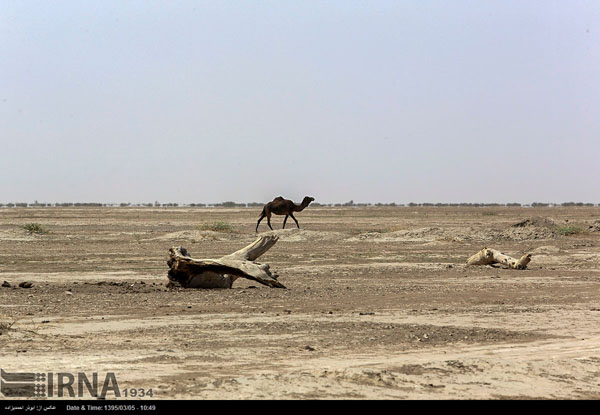
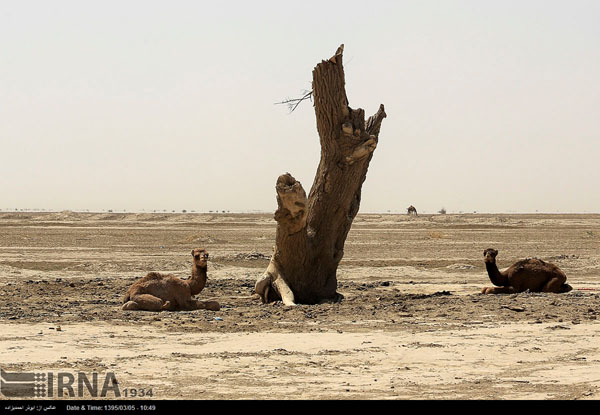
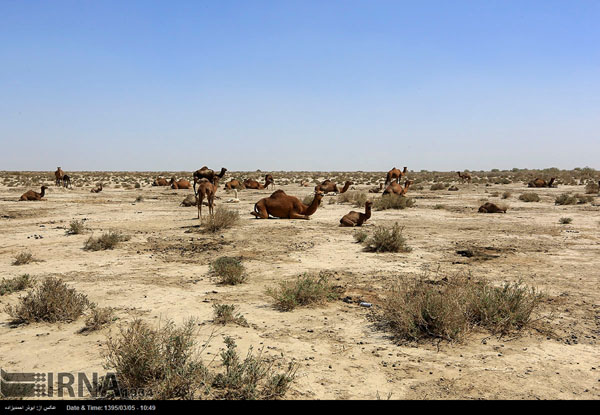
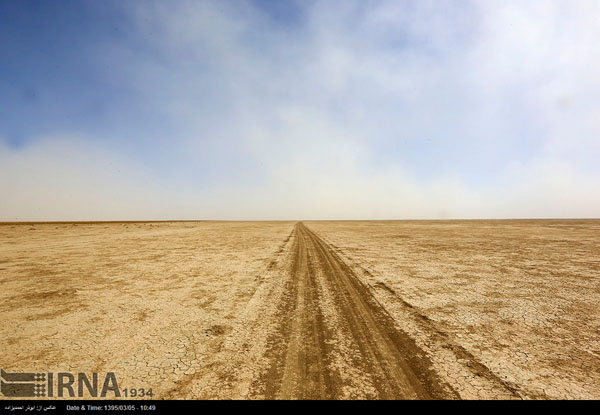
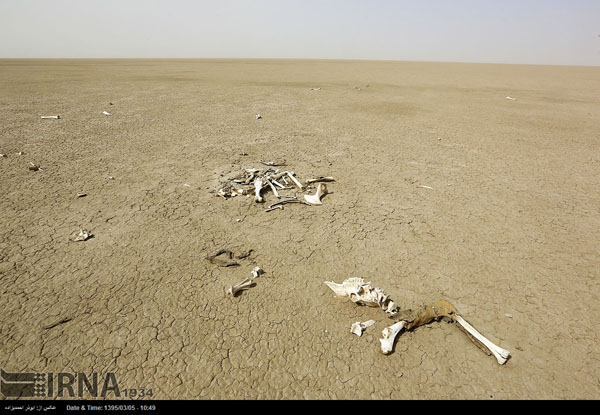
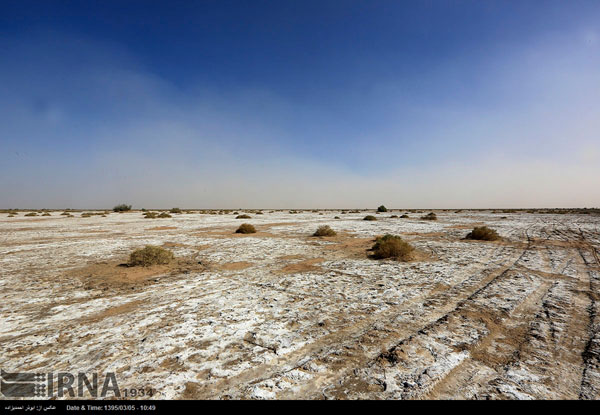
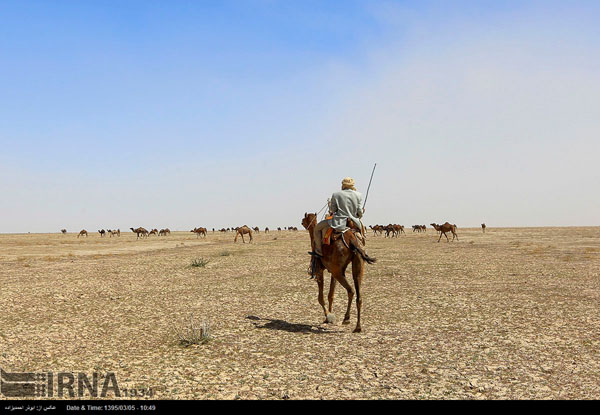
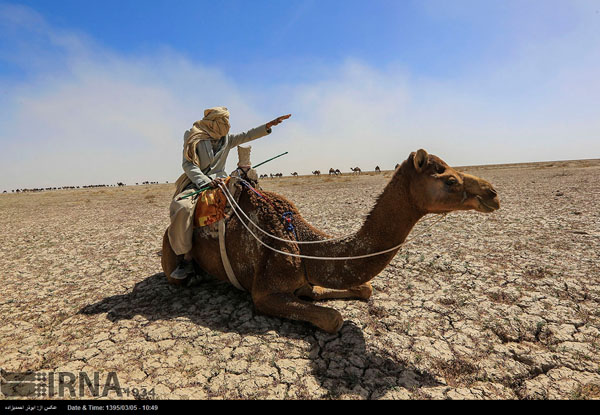
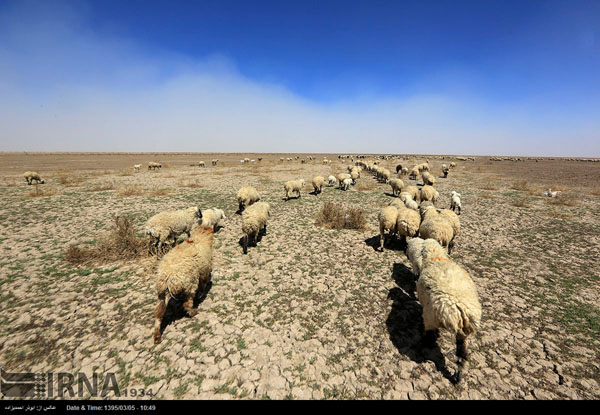
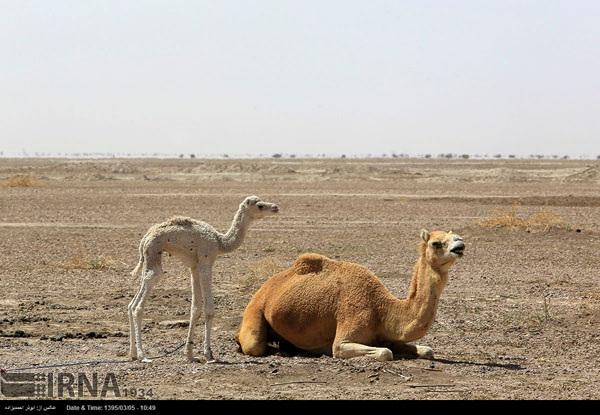
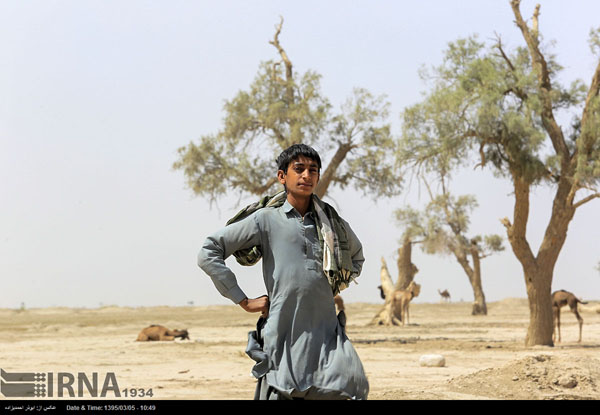
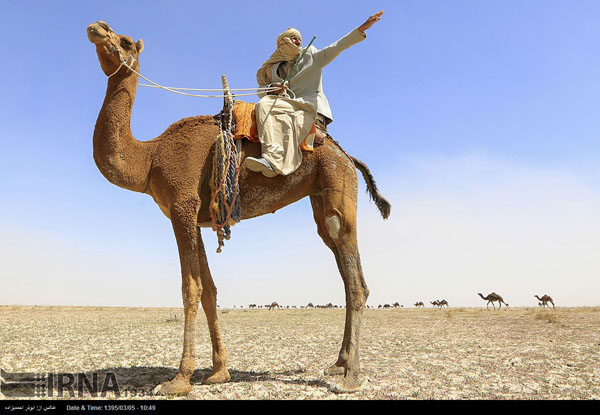
It is the sole major water source in Kerman Province, but has been grappling with complete desertification in recent years. Besides taking a toll on the livelihood of local communities that depend on the wetland, the drying up of Jazmourian has turned the lagoon into one of the 26 sources of dust storms in the province. The wetland is responsible for 25% of all the particulate matter in dust storms that originate in Iran, according to Massoumeh Ebtekar, the head of the Department of Environment.

Ebtekar wrote that “upgrading agricultural irrigation techniques and sealing illegal wells” are necessary to ensure the wetland’s water rights are upheld.
Stating that restoring Jazmourian “is a top government priority,” she said the ministries of energy and agriculture must join the effort to revive the wetland.

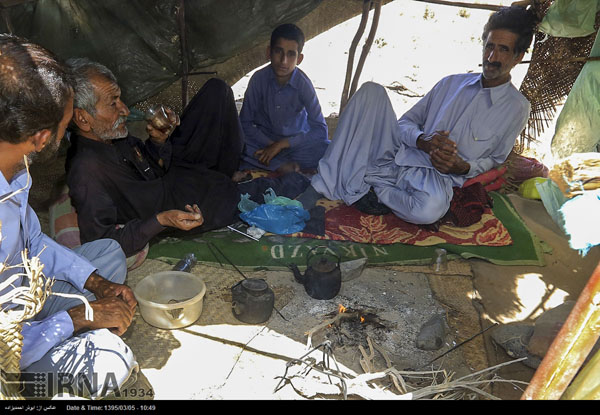
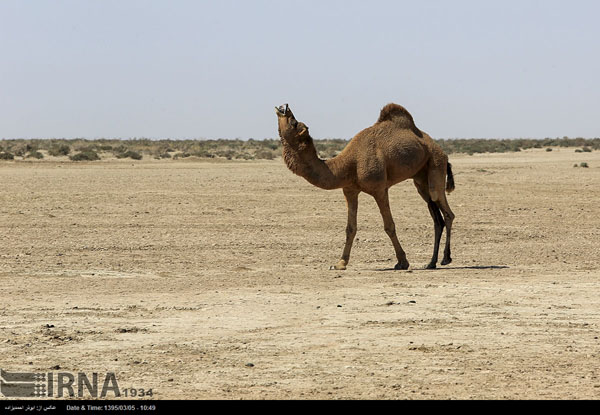
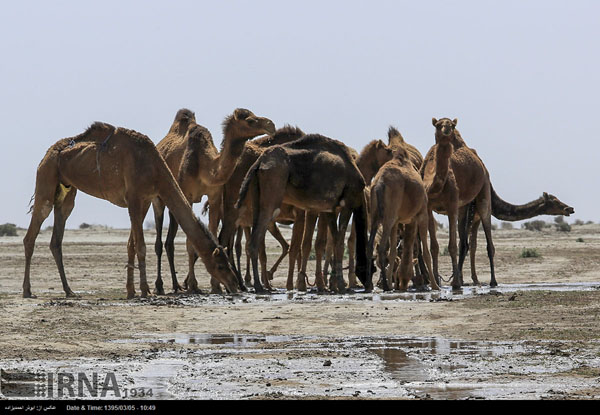
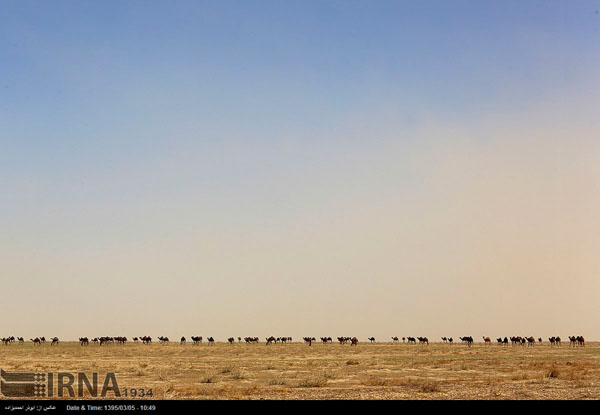
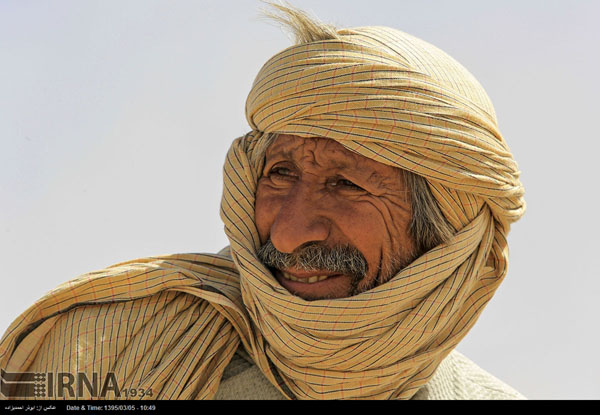
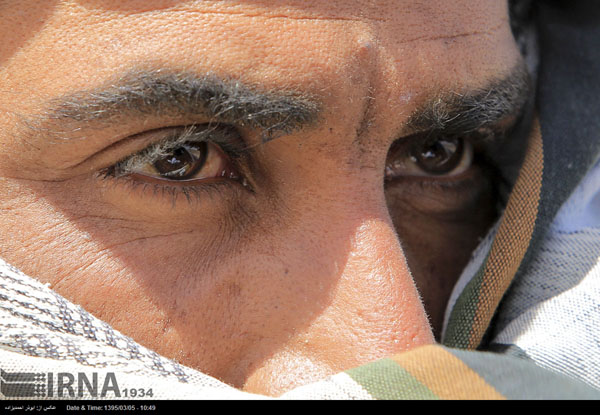
In local dialect ‘Jaz’ means ‘plants’ and ‘Mourian’ means ‘plenty’, thus its name means a land with plentiful flora. In its prime, the wetland hosted countless migratory birds and was home to numerous marine species. Today, in these photos from IRNA, it is clear to see the struggle faced by the local communities and the ecosystem itself.

Text a composite from Financial Tribune, IRNA and IFP. Images courtesy of IRNA.


Tayyebnia and Seif Positive about Growth Rates and Inflation

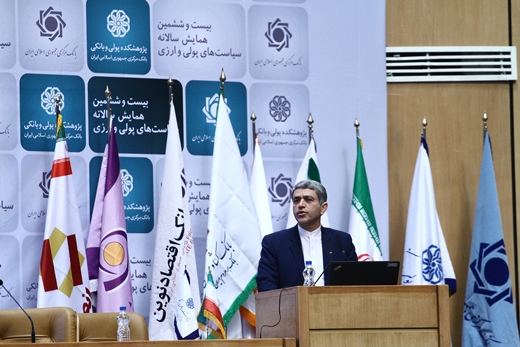
IFP: Economic Minister Ali Tayyebnia and Governor of the Central Bank of Iran Valiollah Seif both addressed the 26th Annual Conference on Monetary and Exchange Rate Policies, held in Tehran on May 24. Tayyebnia spoke about the problems and opportunities facing the economy as it emerges from sanctions, with a detailed look at the banking sector and SMEs, as well as warning against political interference derailing the economic recovery. Seif addressed the issue of inflation, announcing that the rate will soon be less than 10%, down from a 2013 high of over 40%.


Mohammad Affianian reports, for the Financial Tribune.


 As Iran is slowly moving closer to the single-digit inflation after years of hyperinflation havoc, policy and decision makers are focused on stimulating growth and creating jobs for the younger generation.

However, cautiousness about sustaining the hard-won success of taming inflation makes the economic team of President Hassan Rouhani think twice before embarking on any quantitative easing program.
Exploring such themes were the main points of debate at the opening day of the 26th Annual Conference on Monetary and Exchange Rate Policies in Tehran on Tuesday May 24.  It brought together senior bankers, officials and financial experts for one of the most important events of the year.
Other themes of the event included: “Integration of the financial system,” “Establishing effective corporate governance,” “Exploring ways to facilitate the principles of the ‘Resistance Economy,’” and “New methods of financing the economy,”
Minister of Economy Ali Tayyebnia said the two most urgent issues for the government are tackling the credit crunch and reducing government debt, estimated at 1 quadrillion Rials ($29bn) only to the banking system.
“The other priorities are overhauling the banking system and financing SMEs through loans,” he said.
Sounding an optimistic note for the economy in the current fiscal year that started in March, Tayyebnia said conditions are in place to achieve the oft-mentioned 5% GDP growth.
“This year marks the beginning of the end of the zero growth era, as the country is in a unique position to achieve decent growth and generate jobs,” he said.
Tayyebnia, a close aide and confidante of the president, elaborated on the unique position, saying that domestic manufacturing will certainly be helped by factors including the landmark nuclear deal signed in January between Iran and world powers; the positive macroeconomic outlook forecast by leading international institutions and local economists; and the strong momentum shared by key players in embracing Resistance Economy.
Resistance Economy is a series of tenets proposed by Leader Ayatollah Seyyed Ali Khamenei to curb reliance on oil export revenues, empowering domestic producers and diversifying non-oil exports. Since the guidelines released in February 2014, the Rouhani administration has come up with plans to help achieve these goals and make the economy resistant to and resilient against external shocks.

Serious Concerns

Tayyebnia sounded the alarm on some issues that he said could create serious challenges to economic growth and stability. In particular, he warned about “political polarization” which could put factional interest before national economic prosperity.
“I plead with all political factions not to take aim at the country’s economic and business climate to score political points and make electoral gains,” he said, warning of the potential divisiveness that could lead to acrimonious behaviour ahead of the next presidential election in 2017.
He also expressed concern about insidious attitudes to cast doubts on the positive economic landscape this year, saying it could derail efforts to finance businesses and achieve sustainable growth rates — two pressing needs of the struggling economy emerging from years of international sanctions and endemic mismanagement, not to mention rampant corruption.
He considered the high cost of borrowing money, the faltering conditions of local banks and their balance sheets, the flow of bank resources into unproductive sectors, and the high ratio of bad loans and toxic assets, which account for 42% of banks’ total resources, as the most pressing issues of the banking system and the economy at large.

Tackling Inflation

Governor of the Central Bank of Iran Valiollah Seif, the second keynote speaker at Tuesday’s event, announced that the country will tame inflation and reduce it to single digits by the end of summer.
Inflation has declined from 40.4% in October 2013 to 11.2% this April. The progress was largely due to the government decision to stop using resources of the CBI and other banks to fund development projects, he said.
“Our main objective is now to preserve the low inflation rate and keep it at that level,” Seif said, adding that CBI monetary policy is in line with greater economic needs. He reiterated the CBI’s commitment to and belief in prioritizing the financing of SMEs and upholding monetary discipline.
On the sharp decline in crude oil prices over the past two years, Seif expressed satisfaction that a damper had been put on the related difficulties, thanks to the lifting of the sanctions and the CBI’s monetary policies. Despite the problems emanating from cheap oil, “Signs of economic recovery became visible last winter and are expected to gather pace this year.”

Iran Working on New Transit Link to EU

Officials in Tehran said on Tuesday May 24 that the country is working on a plan to create a combined transit route that would pass through its territory, as well as several Central Asian countries, before reaching Europe.

Hassan Ashouri, the deputy for development affairs of the Islamic Republic of Iran Railways, has been quoted by media as saying that Iran’s proposed transit route that will start from the southern port city of Bandar Abbas has been specially designed to dodge Turkey to reach the West.

Ashouri said the route – that will involve rail and road links – will cross the Iranian border into Azerbaijan and go from there to Georgia, adding that an agreement between the three countries to that effect has already been reached.

In Georgia, it will connect with the country’s ports of Batumi and Poti, from where goods will be shipped to ports in Bulgaria and Romania and on to the rest of Europe.

Ashouri further said that a section of the project could extend to Moscow and on to Finland, adding that a basic agreement on the same front has already been signed between the railway authorities of Russia and Georgia.

He also emphasized that the transit route could even take goods from Mumbai for export to Europe without having to go through Turkey.

The official further added that the transportation period – once the project comes on stream – will decrease from 45 days to 23 days, given that it will bypass Turkey.

In February, Azerbaijan proposed the establishment of a rail link that would connect link the Iranian port of Bandar Abbas to Helsinki, Finland.  The project – called the North-South corridor from India to Helsinki – was raised by Taleh Ziyadov, the director-general of the Baku International Sea Trade Port, in a forum in Dubai, as reported by Azeri media.

Switzerland Ready to Assist Iran in Post-Sanctions Era

“Due to its (Iran’s) absence in financial markets, Tehran is lagging behind in finance and technology, especially when it comes to the country’s internal infrastructure,” Rossier told Sputnik on Tuesday May 24.

He said now that anti-Iran sanctions are lifted, Switzerland is prepared to assist Tehran in catching up with other countries.

“[Switzerland’s help] is mostly about technical and technological support to assist Iran in getting back to international financial markets,” the top diplomat explained.

Tehran and the Group 5+1 (Russia, China, the US, Britain, France and Germany) on July 14, 2015 finalized a comprehensive nuclear deal and started implementing it on January 16.

The agreement, known as the Joint Comprehensive Plan of Action (JCPOA), terminated all nuclear-related sanctions imposed on Iran.

Lavrov to Discuss Iran’s Full SCO Membership at Uzbekistan Meeting: Russian Official

“For instance, we will remind them about Iran’s application, and also the application from Afghanistan. If we strictly talk about chronology, Iran filed its first application in 2006,” Khaskovo said on Tuesday May 24, as cited by the Tass news agency.

He added, “…there is a common understanding that Iran is a real candidate for joining the SCO as an official full-fledged member. We do not see any obstacles, taking into account the fact that [anti-Tehran] sanctions are being lifted.”
“I know that our minister (Lavrov) will voice this, and this topic is under discussion. Our minister will propose this, and colleagues unofficially discussed it yesterday [during a working dinner],” Khaskovo further said.
The Council of Foreign Ministers of SCO member countries will meet in Tashkent. In 2016, Uzbekistan chairs the organization, and the full SCO summit will be held in Tashkent on June 23-24.

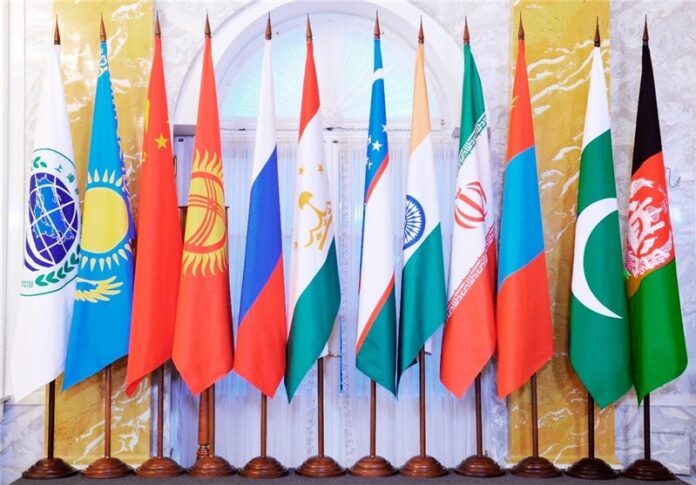
Kyrgyzstan, China, Russia, Kazakhstan, Uzbekistan and Tajikistan are the six permanent members of the SCO. Iran, India, Pakistan, Afghanistan, Belarus and Mongolia have observer status.

The SCO was formed in 2001 in Shanghai by the leaders of China, Kazakhstan, Kyrgyzstan, Russia, Tajikistan, and Uzbekistan to curb extremism in the region and enhance border security.

The intergovernmental organization seeks to strengthen mutual trust and good neighbourly ties between the member countries, contribute to regional stability and facilitate cooperation in different sectors, including political, trade, economic and energy issues.

Assembly of Experts Reassures Nation: Rouhani

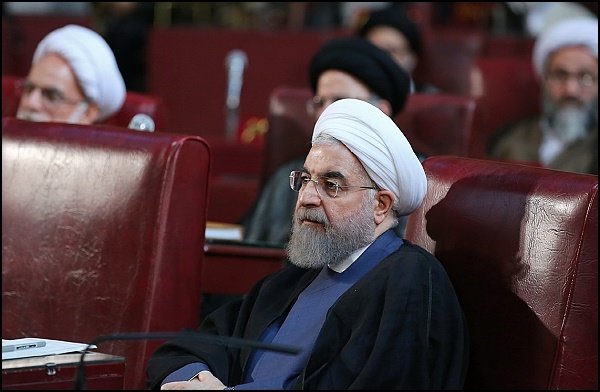
“This is an assembly for a difficult time for the nation, and it reassures Iranians,” said Rouhani after leaving the official inauguration session of the new round of the Assembly.

The fifth Assembly of Experts opened its new term on Tuesday May 24 in Tehran. Following the recitation of the Iranian Leader’s message to the new assembly, voting to elect the new chair of the 88-member assembly was held, and Ayatollah Ahmad Jannati was elected for a two-year term.

Rouhani, who held his seat in the Assembly in the February election, voiced his hope that Iranians feel safe about the future of their country after the new Assembly started its work.

“I wish long years of health for the Leader of the Islamic Revolution, obviating the need for a hard choice to be made by the Assembly,” said Rouhani, referring to the major goal of the body in appointing and supervising the Leader of the country, adding that it remained important that the job is done by jurisprudents who have been elected by the nation.

“The appointment of the Leader is the peak of religious democracy in Iran, as all the members of the Assembly of Experts are elected by the people, and all of them are qualified jurisprudents who have been vetted by the Guardian Council,” maintained the president.

Rouhani boasted that the appointment of the incumbent Leader of Iran on June 4, 1989, in a short time surprised the world for the precise mechanism in an immediate measure.

Voting for the 10th parliamentary and 5th Assembly of Experts elections was held on February 26 in all areas of Iran.

Indian Naval Fleet Docks at Iranian Port

The Indian naval fleet, comprising INS Ganga (F22), a Godavari-class guided-missile frigate, and INS Trikand (F51), a Talwar-class frigate of the Indian Navy, were officially received by the Iranian Navy in Bandar Abbas on Tuesday.

Speaking at the welcome ceremony for the Indian fleet, Commander of Iran’s First Naval Zone Admiral Amir Hossein Azad said its visit to Bandar Abbas and the naval zone will last for four days.

He further announced that the Indian fleet plans to hold a joint drill with the Iranian Navy during a visit to the First Naval Zone.

It comes two days after Indian Prime Minister Narendra Modi arrived in Iran for an official visit.

During his stay in Iran, Modi met with Leader of the Islamic Revolution Ayatollah Seyyed Ali Khamenei and President Hassan Rouhani, and attended a ceremony in which a trilateral agreement was signed by Iran, India and Afghanistan on the development of the southeastern Iranian port city of Chabahar.

‘A Gallery as Big as a City’ in Tehran

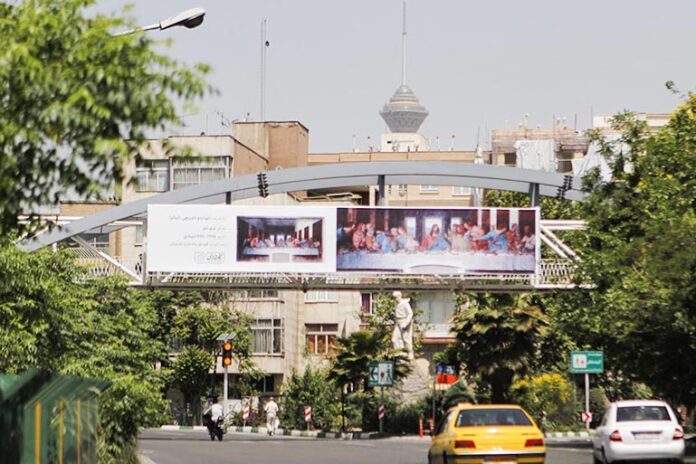
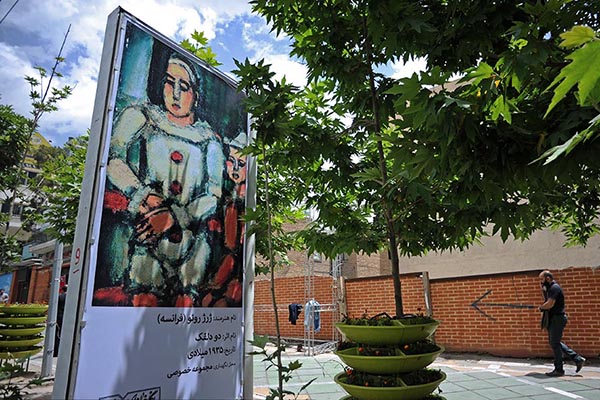
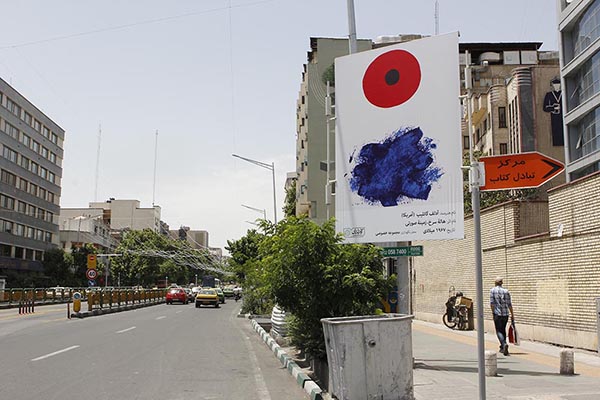
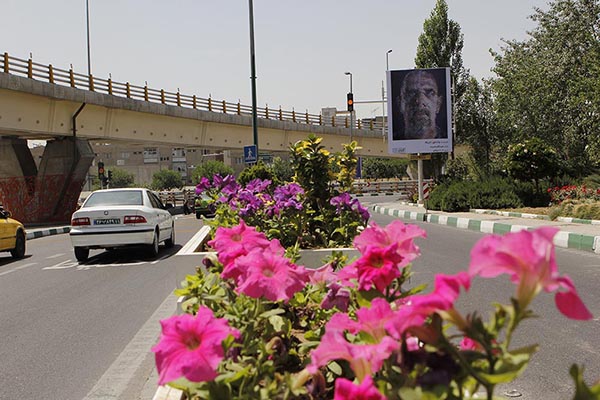
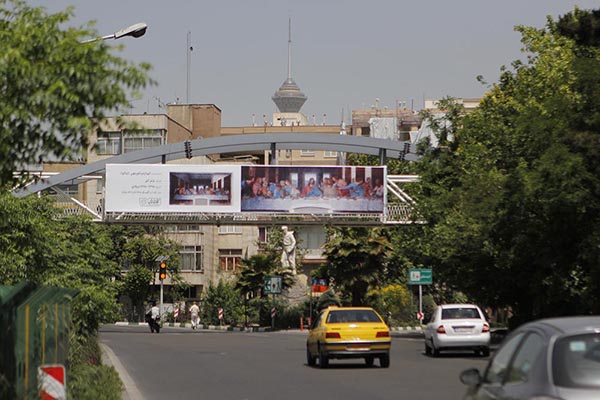
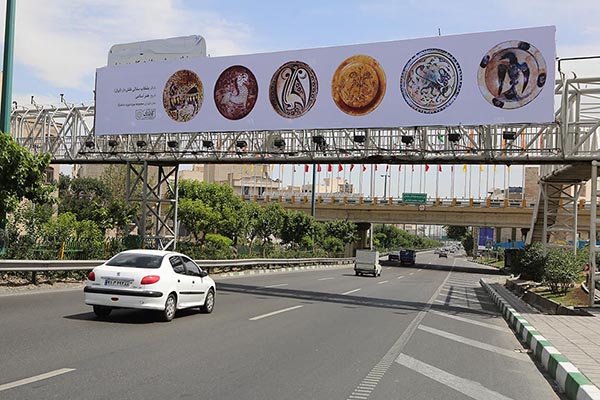
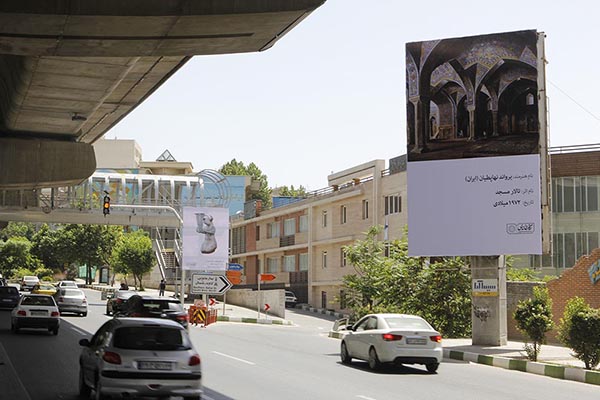
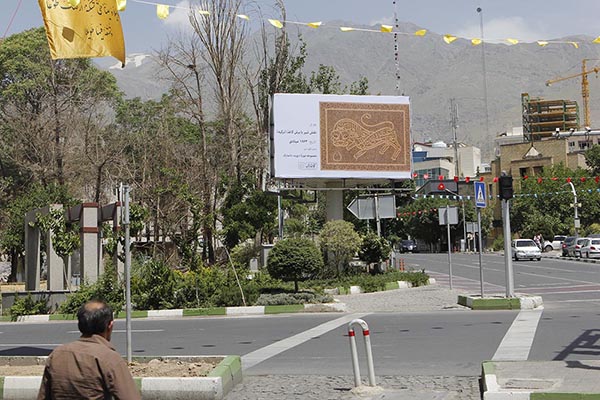
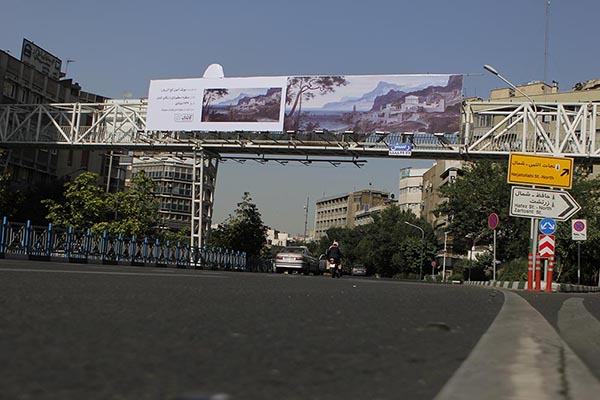
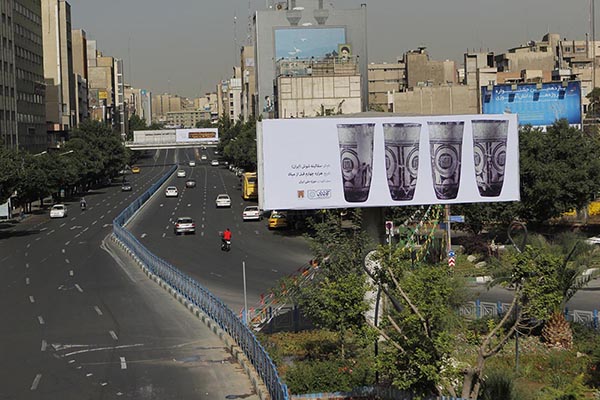
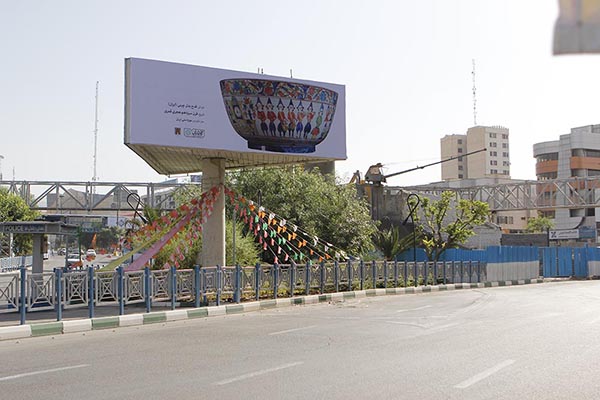
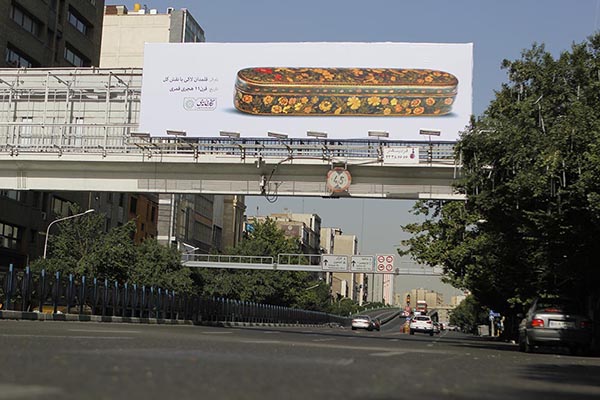
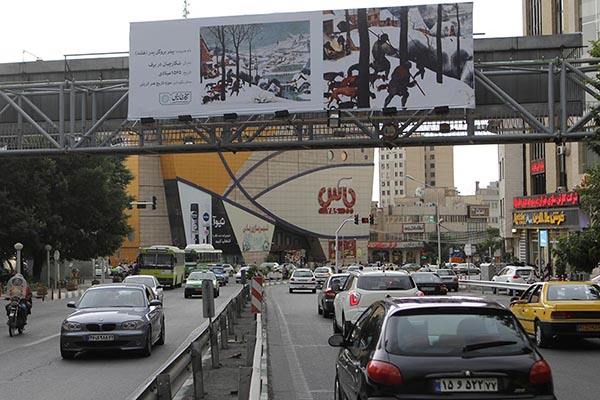
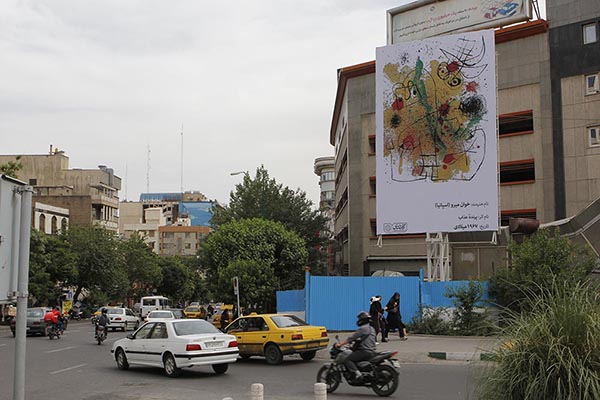
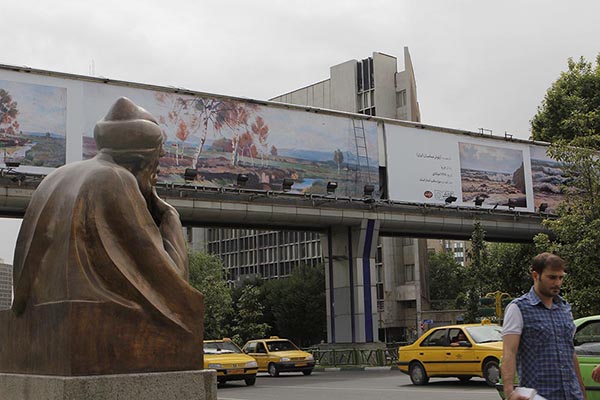
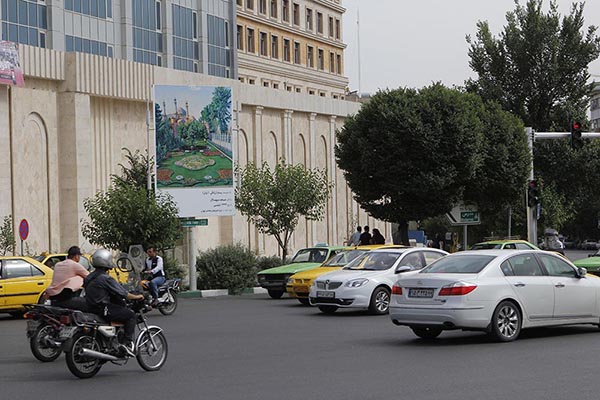
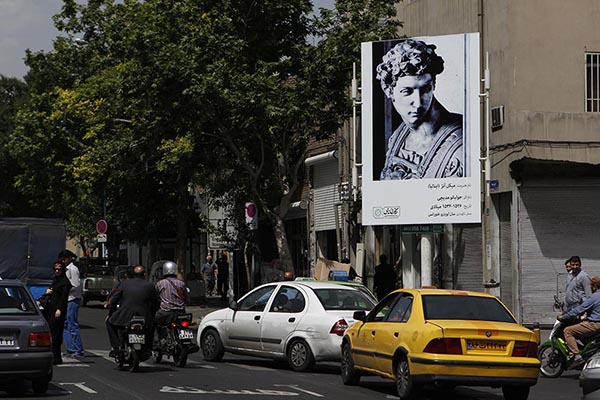
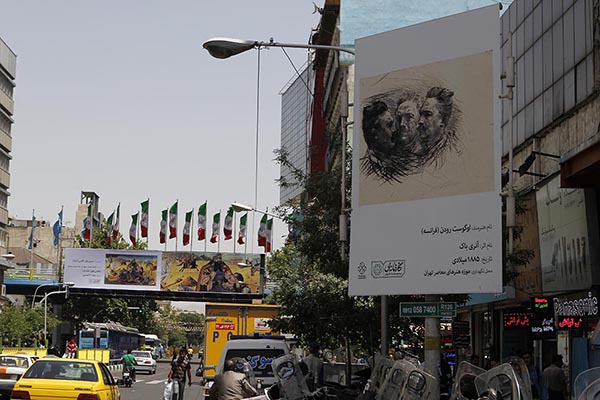
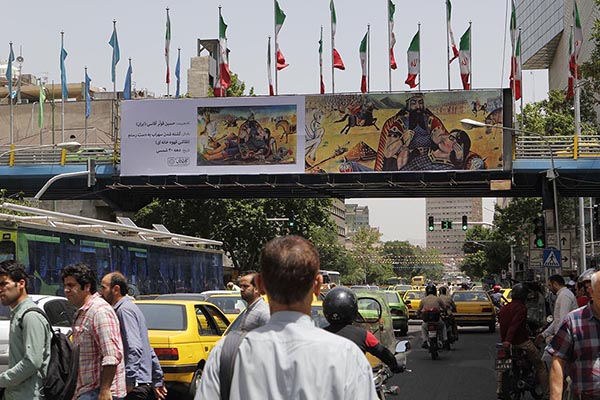
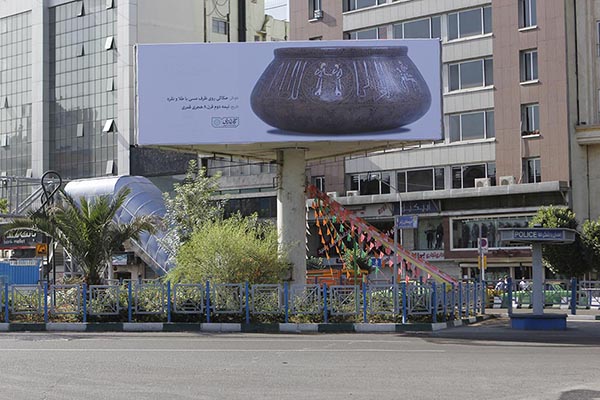
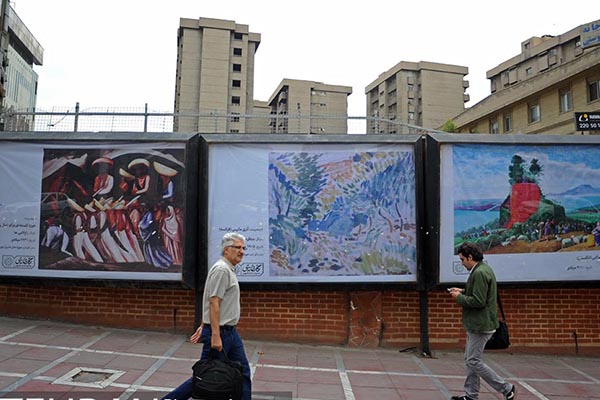
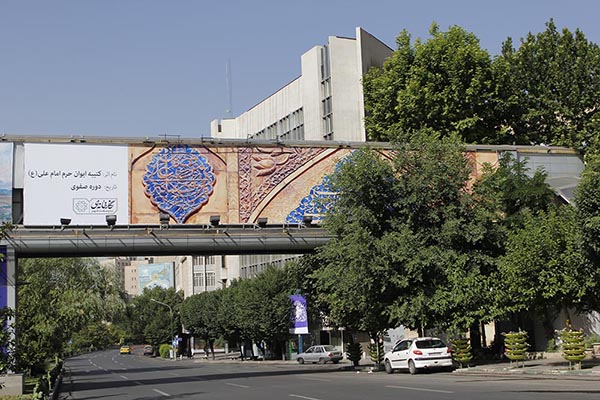
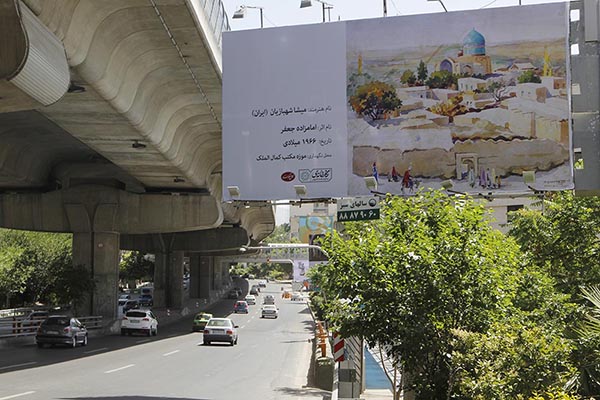
IFP: Reproductions of art classics, including Leonardo da Vinci’s The Last Supper, Michelangelo’s Tomb of Giuliano de’ Medici, Pieter Bruegel the Elder’s The Hunters in the Snow, and Adolph Gottlieb’s Red and Blue, José Clemente Orozco’s Zapatistas, and Georges Rouault’s Two Clowns,as well as various Iranian artworks and ancient relics have been pasted on advertising billboards throughout Tehran until the end of May as part of an annual cultural project called “A Gallery as Big as a City”, organised by the city’s municipality.

The project was first presented in the capital last year, receiving much popular acclaim. Here are some images from this year’s second edition, courtesy of Tehran Municipality.

Iran Launches Music Festival to Promote Environmental Conservation

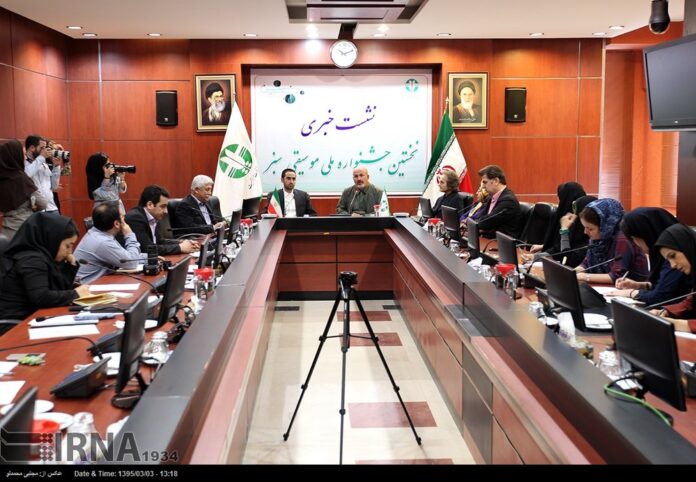
The secretary of the 1st National Green Music Festival, Mohsen Rohani, elaborated on the reasons behind launching such a festival during a press conference, which was held in Tehran on Monday.

The press conference was also attended by members of the policymaking panel of the festival including maestro Shahrdad Rohani, veteran musicians Ardeshir and Hana Kamkar.

Rohani announced that competitors in the six main sections must submit recordings of their music to the organizers of the festival by January 2017.

The categories are composed of classical music, regional music, orchestral and choral songs, children’s songs and lyrics, modern music, and traditional Iranian music.

In a brief speech, Shahrdad Rohani underlined the importance of solving environmental issues by the contribution of every citizen.

He also shared his experience of developing a sense of environmental protection by means of his composition “Butterfly” that he performed during his tour of Iran over the past eight months.

The festival is in line with the 5th International Green Film Festival that the Department of the Environment held from May 13 to 20 in Tehran and several other Iranian cities.

Winners of the 1st National Green Music Festival will be announced at Tehran’s Vahdat Hall on April 22, 2017, which is Earth Day.

The Great Wall of Gorgan

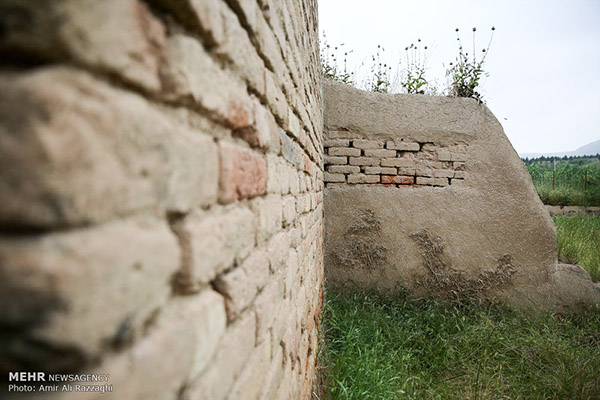
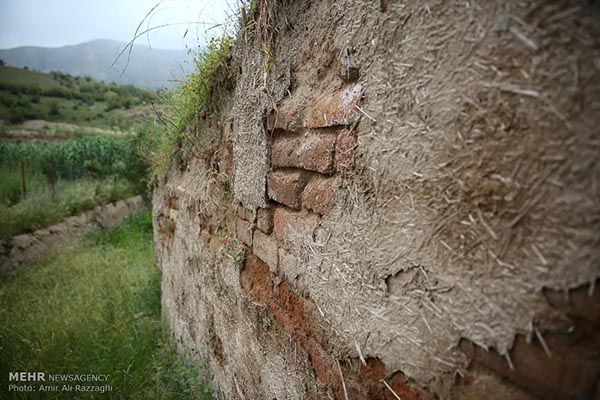
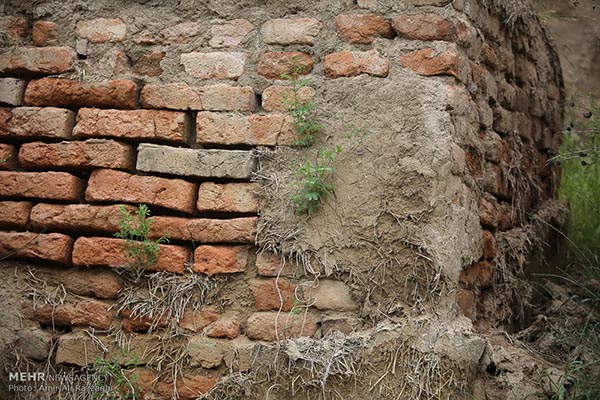
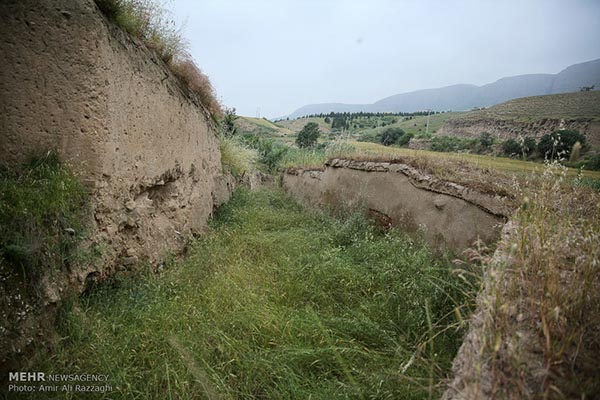
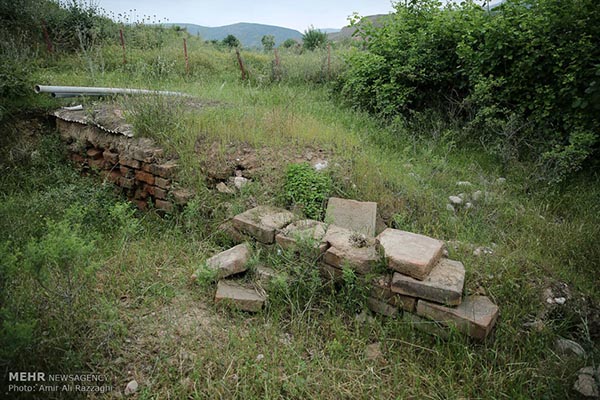
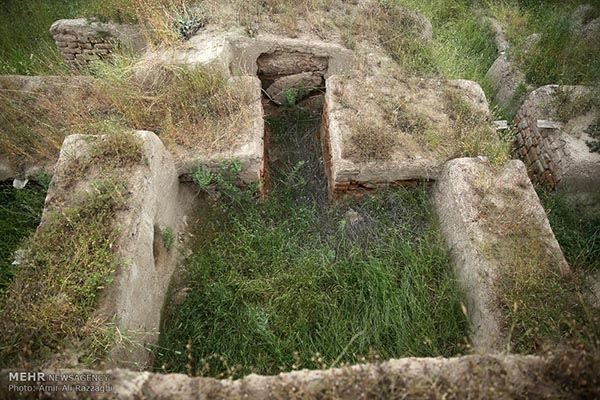
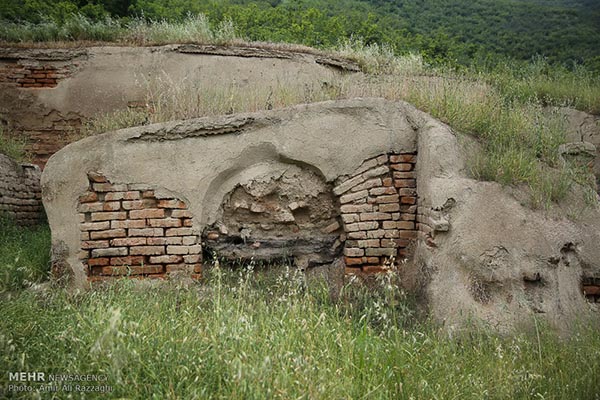
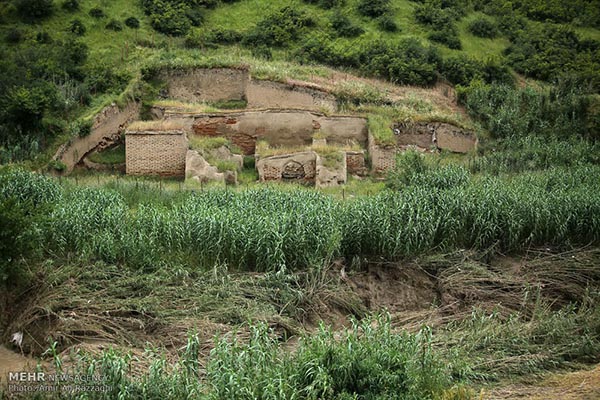
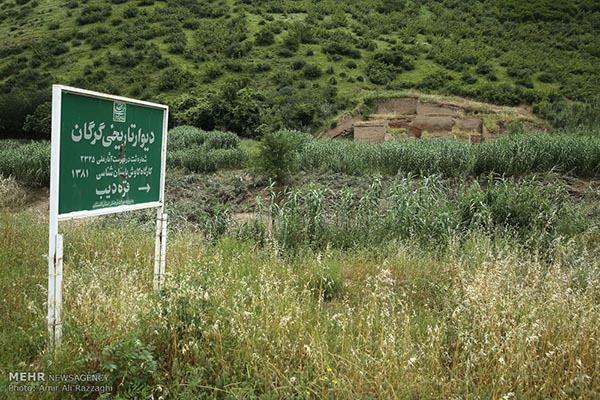
It stretches for nearly 200km, and contains more 30 fortresses. At its peak, the garrison for its defence is estimated to have been anywhere between 15,000-36,000 men. The exact provenance of the wall is unknown, but it most likely to date either from the Parthian empire or the Sassanid dynasty.

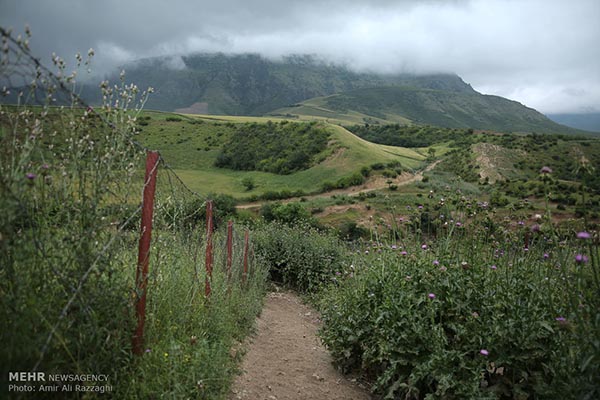
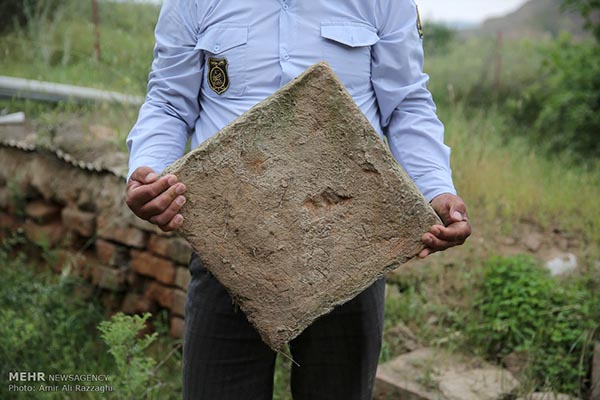
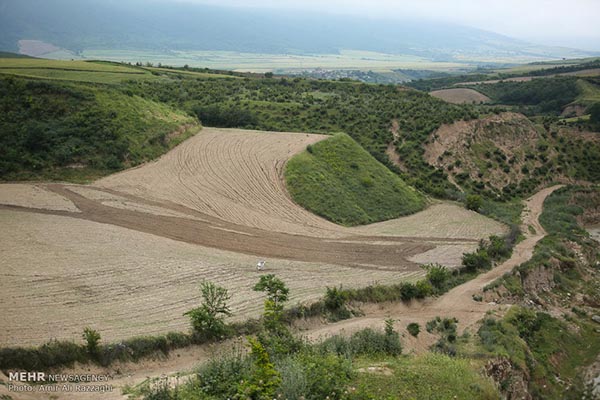
Remains of the wall can still be seen in many locations today, as shown by this photo series from Mehr.