Friday, April 3, 2026
Home Blog Page 4489

Iran’s Knowledge-Based Products Exports Hit $85m in Two Years

Iran Offers Int’l Leasing to Knowledge-Based Companies

There are 38 science parks and 167 growth centres in Iran, he said, adding that the statistics show that Iran possesses the required potential to enter various international arenas.

The Deputy Minister of Science said there are 2200 knowledge-based companies in Iran, adding that according to Scopus data, Iran stands first in the region and 6th in the world in terms of science.

He concluded by saying that the country is making efforts to provide knowledge-based companies with international standards to help them play more significant roles on the international stage.

46 Countries to Attend Iran Int’l Agriculture and Food Expo

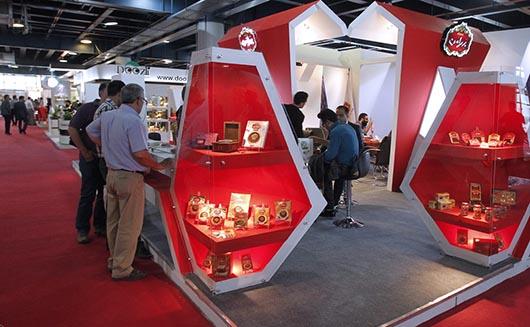
The 23rd Exhibition of Agriculture, Foodstuffs, Machinery and Related Industries, dubbed “IranAgroFood,” is scheduled for May 30-June 2. Hundreds of local companies and representatives from 46 foreign countries will be taking part in the event.

There will be 710 local and 746 foreign companies showing their latest goods and services in the exhibition.

The countries attending include Jordan, Spain, Australia, Slovakia, Austria, Ukraine, the UAE, South Africa, Indonesia, UK, Italy, Ireland, Germany, Brazil, Belarus, Belgium, Bulgaria, Pakistan, Portugal, Taiwan, Thailand, Turkmenistan, Turkey, Czech Republic, China, Denmark, Russia, Romania, Sri Lanka, Switzerland, Serbia, France, Finland, Kazakhstan, South Korea, Georgia, Lebanon, Poland, Lithuania, Malaysia, Hungary, Morocco, Holland, India and Greece.

The exhibition aims to show Iran’s capability and progress in agriculture and food to expand non-oil exports, increase job opportunities and boost the know-how of industry participants.

Iran’s Petropars in Investment Talks with Royal Dutch Shell: Official

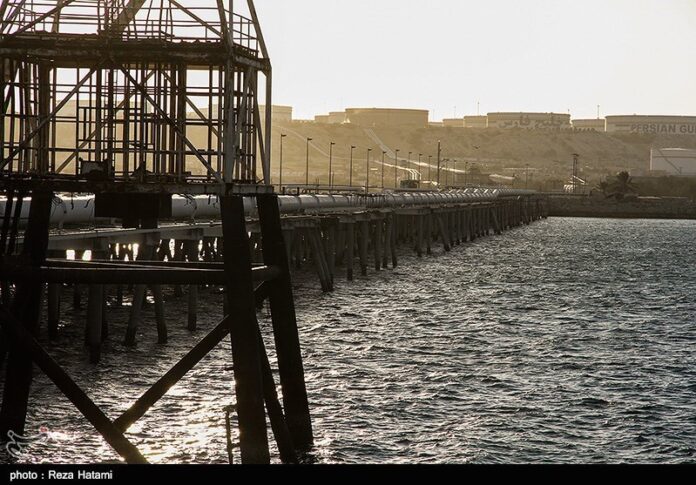
Mohammad Javad Shams, the Managing Director of Petropars, said the oil and gas company is holding negotiations with a number of foreign companies, including Shell, in an attempt to attract foreign investors and kick-start investment in the country’s domestic production.

“We have already signed a cooperation document with a German company and negotiations with another foreign company for development of the West Karoun oil field are underway,” the official further said, Shana reported on Monday.

Petropars was founded in 1998 to contribute to the development of Iran’s vast energy resources. It specializes as a developer of exploration, exploitation and production in upstream projects.

Gov’t Spokesman Congratulates Farhadi and Hosseini on Cannes Awards

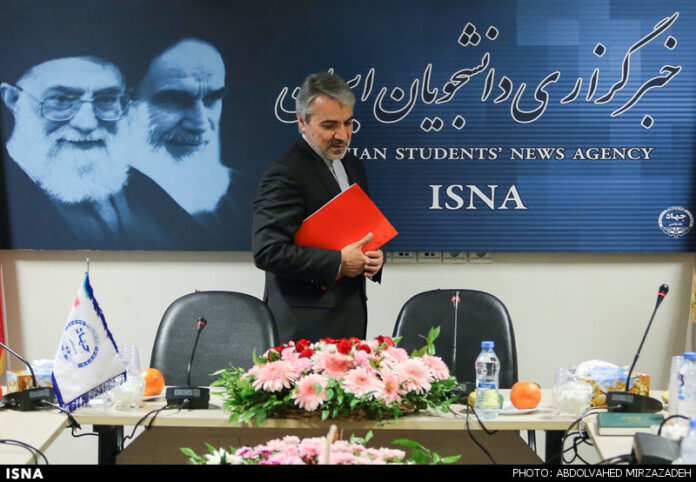
What follows is IFP’s translation of ISNA’s interview with Nobakht.

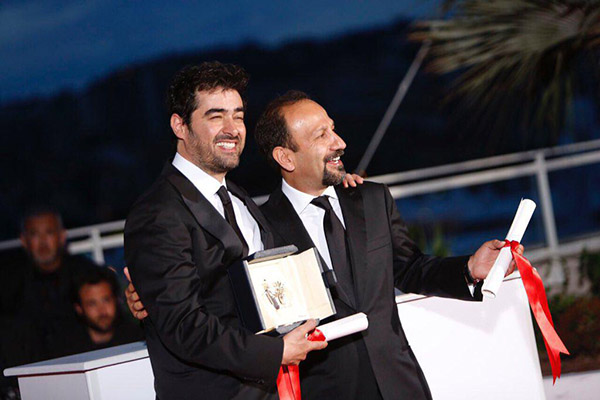
“This is a glorious occasion for Iranian artists worldwide that two Iranian artists, Mr. [Asghar] Farhadi and [Shahab] Hosseini, received this award, and made the country proud,” Nobakht said on Tuesday, May 24.

They deserve to be praised and appreciated, he went on to say.

He then referred to Hosseini’s remarks after receiving the award, and said, “Shahab Hosseini said the honour had come to him from the great nation of Iran, and dedicated his award to the entire Iranian nation. We congratulate him on the honour, and thank him for his words.”

“The government has always been a supporter of original Iranian and Islamic arts,” Nobakht stressed, expressing his hope that Iranian artists would continue to achieve great accomplishments in this field, making the Iranian nation even prouder.


Cannes Film Festival (5)


The Salesman received the Best Screenplay award during the 69th edition of the festival on Sunday May 22, and also brought the Iranian superstar Shahab Hosseini the prize for Best Actor.

Iranian actress Taraneh Alidousti was also present at the closing ceremony of the festival in the southern French city.

Premiered on Saturday, the movie (Forushande in Persian) portrays Ra’ana (Alidousti) and Emad (Hosseini), a couple who are acting in Death of a Salesman by Arthur Miller.

Syrian Terrorists Design “Cannonball of Hell”

Shemshadi’s remarks, which were covered by Asr-e Iran and translated by IFP, state that the creative weapon is known as the Cannonball of Hell and is used besides other advanced military equipment against Syrian army and popular forces.

“The balls of the handmade cannon are made of gas capsules and highly-explosive compressed materials.”

“They have a range of 2 kilometres and make a horrible sound. They can also cause severe damage when they explode.”

Terrorists have mainly used the Cannonball of Hell in residential areas in Damascus, Aleppo, and Homs; however, the weapons are also used in positions in other regions to hinder the other side’s operations and cripple their forces, Shemshadi noted.

“When we were returning from a battlefield in northern Syria two weeks ago, we saw one of these cannons and tens of balls ready to fire. However, one of the balls seemed to have exploded inside the cannon, rendering it useless.”

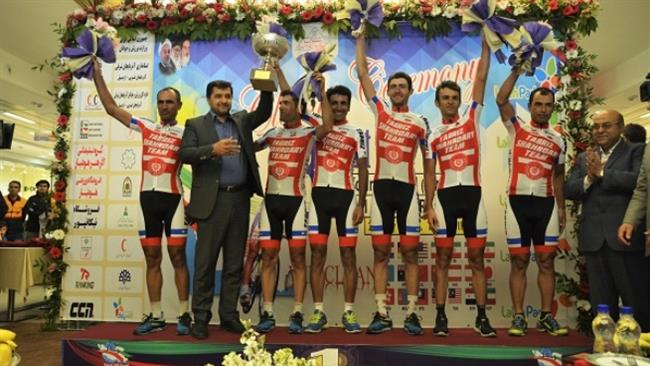
Shahrdari Tabriz Named Best Cycling Team in Asia

In the latest classification published by the UCI, which is the world governing body for sports cycling, the Tabriz-based outfit racked up 667 points to sit in the top position of the continental ranking ahead of Skydive Dubai Pro Cycling Team of the United Arab Emirates, with 349 points.

Iranian cycling club Pishgaman Kavir Yazd claimed the third place, having collected 333 points.

On May 18, professional road bicycle racers for Shahrdari Tabriz covered the entire six stages of the six-day 31st edition of Tour of Iran (Azarbaijan) and recorded an impressive team time of 72:20.07, having ridden the total length of 1,005 kilometres (624.4 miles).

They were followed by compatriots from Pishgaman Kavir Yazd Cycling Team, who clocked 72:35.38 to claim the second slot. Third-placed Kazakhstani UCI Continental cycling team Vino 4ever SKO ended its campaign in 72:47.38.

The 31st edition of Tour of Iran (Azarbaijan) kicked off on May 13, and wrapped up on May 18, 2016.

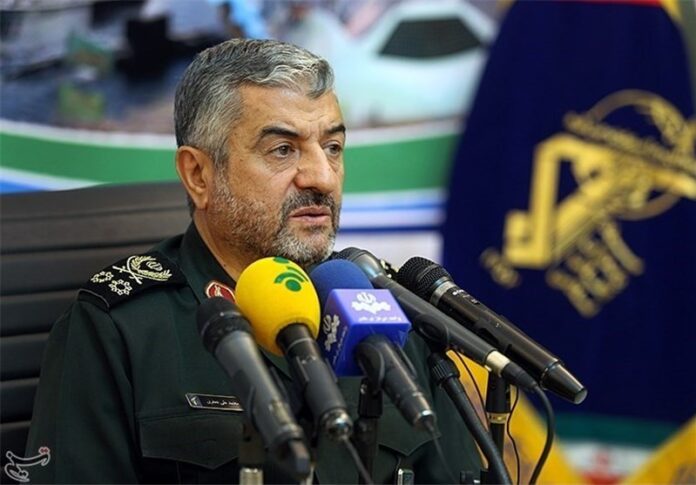
IRGC Commander Criticizes Islamic Organizations for Silence over Regional Crises

Major General Mohammad Ali Jafari, Commander of the Islamic Revolution Guards Corps (IRGC), said that “so-called Islamic organization have turned to US and Israel’s puppets, and do nothing in reaction to the ongoing regional crises in Yemen, Iraq, Syria, and Bahrain.”

Here’s IFP’s translation of his remarks, as reported by Sepah News.


In an address to a commencement ceremony for graduates of the Imam Hussein (AS) Military Academy in Tehran on Monday May 23, General Jafari slammed certain “reactionary” regimes in the Middle East for furthering the warmongering policies of Washington.

“These corrupt regimes’ lust for power has dragged them into such tragic catastrophes as the attack on the innocent and defenceless people of Yemen, the displacement of the Syrian people, the disruption of political and security systems in Iraq, the arming of Takfiri [extremist] groups, the suppression of helpless Bahrainis, and other situations,” he said in his address to the ceremony, which was also attended by the Leader of the Islamic Revolution, Ayatollah Seyyed Ali Khamenei.

“Unfortunately, despite these circumstances, the international Islamic bodies which should be the shelter of Muslim nations have flagrantly become a tool for supporting US and Israeli interests in the region,” Jafari added.

“The desperate political attempts by these so-called Islamic bodies at the regional level, and the American-Israeli statements issued by them against the unity of Muslim society [Ummah] cannot prevent the continued movement of revolution and Islamic Awakening in the region,” he continued.

“The real statements have been released by the Lebanese Resistance Movement, Hezbollah, the Intifada of oppressed Palestinians, the innocent Yemeni resistance, the unity of the Lebanese people, and the pleas made by the respectable people of Bahrain in the campaign against tyranny.”

“Today, young IRGC members are ready to […] play their revolutionary role in changing the alignment of global power,” Jafari said, expressing his hope that Muslims would soon wake up and realize their wishes and hopes.

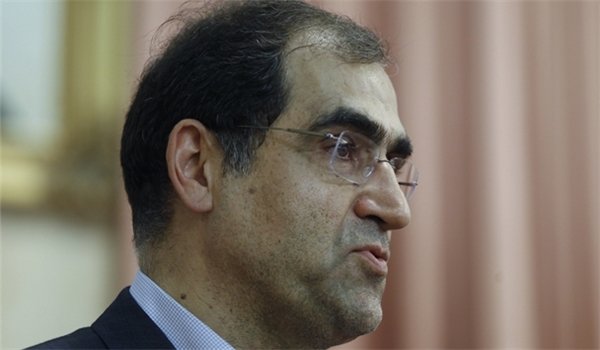
Iranian Minister Blames Israel for Health Situation in Palestine

“The medical and health conditions in the occupied Palestinian territories, especially in occupied Jerusalem, as well as in the occupied Syrian Golan Heights, are deteriorating as a result of the Zionist [Israeli] regime’s harmful actions,” Qazizadeh Hashemi said, addressing the 69th World Health Assembly meeting in Switzerland on Tuesday May 24.

He also emphasized the Non-Aligned Movement (NAM)’s concerns about health conditions in the Palestinian territories and the Golan Heights and Israel’s negligence and obstructionism in this regard.

Statistics for 2014 showed that the number of physicians per 1,000 population registered in the Physicians’ Union in the West Bank was 1.3 and in the Gaza Strip 2.2.

In addition, there were 2.1 nurses per 1,000 people in the West Bank and 4.1 nurses per 1,000 people in the Gaza Strip. There were 80 hospitals in Palestine in 2014: 50 hospitals in the West Bank and 30 in the Gaza Strip.

Also, 97% of drinking water in the Gaza Strip does not meet the World Health Organization (WHO) standards and is less than the minimum quantity recommended by the WHO (100 l/c/d).

Preparations Being Made for Foreign Companies to Open R&D Offices in Iran

Vahid Ahmadi, a Deputy Minister of Science, Research, and Technology, announced that Iran is trying to pave the way for other countries to increase their scientific and technological cooperation with Tehran to make use of the opportunities available after the nuclear deal [JCPOA]. What follows is IFP’s translation of an ISNA report on his remarks.

Addressing the Innovation Networking Forum in Tehran, Ahmadi hailed the opportunities resulting from the recent nuclear deal between Tehran and world powers, saying, “Given the international atmosphere created after the JCPOA, we hope that Iran will be able to have a presence in different international fields.”

“We need to create an atmosphere where we can both tap into domestic capacities and international potential,” he went on to say.

“Our most important challenge in the fields of science and technology is a lack of an active presence in international fields and networks,” Ahmadi said, pinning the blame on the anti-Iran sanctions.

“Currently, with the atmosphere [after the deal], the grounds have been prepared for further cooperation […] with different countries.”

After the deal, Iran is now able to increase its participation in regional and global technology development projects, he added.

“Major companies should be assured that they can open their Research and Development [R&D] offices in Iran’s Science and Technology Parks.”

“We have taken action in this regard, and the issue is being pursued through the Foreign Ministry so that other countries will be able to establish R&D offices in Iran,” he added.

Iran is trying to equip its knowledge-based companies with international standards so as to have a greater presence in international fields, he went on to say.

The Innovation Networking Forum is held as part of the 5th International Innovation and Technology Exhibition (INOTEX 2016), which started on May 22 in Tehran and will last until May 25.

More than 120 technological companies from more than 20 countries, as well as 60 Iranian firms have taken part in this event, presenting their latest technological achievements and innovations in such fields as Media Technology, Oil, Gas and Petrochemical Industries, Automation and Intelligent Systems, Biotechnology and Medical Equipment, Information and Communication Technology, Nanotechnology, Renewable and New Energies, and Aerospace.


India Highlights Cultural Bonds with Iran

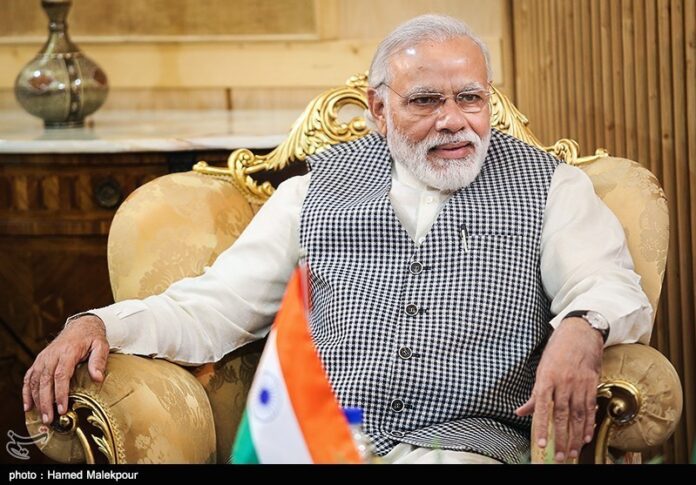
Addressing a conference entitled “India and Iran, Two Great Civilizations: Retrospect and Prospects”, held in Tehran on Monday May 23, Modi described the gathering as a response to individuals who spread radical thoughts in the two societies.

He also praised the age-old relations between Iran and India, saying the connection has enriched culture in both countries and also contributes to culturally balanced progress.

“India and Iran have always been partners and friends. Our historical ties may have seen their share of ups and downs. But, throughout our partnership, (the ties have) remained a source of boundless strength for both of us,” he said, according to The Indian Express.

“It is a classic example of exchange and travel of cultural ideas between two societies ­ a beautiful demonstration of how our two cultures and countries think alike. A true depiction of the wisdom of our ancient civilizations,” the Indian PM added.

Modi travelled to Iran for a two-day official visit, which included meetings with Leader of the Islamic Revolution Ayatollah Seyyed Ali Khamenei and President Hassan Rouhani, and signing a trilateral agreement with Iran and Afghanistan on development of southeastern Iranian port city of Chabahar.