Wednesday, April 8, 2026
Home Blog Page 4475

Recently Freed Greek Prisoner: 4 Iranian Diplomats Alive in Israeli Jail

4 Iranian Diplomats Alive in Israeli Jail

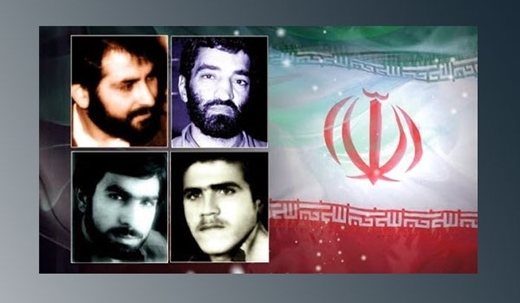
The then charge d’affaires of the Iranian Embassy in Beirut, Seyyed Mohsen Mousavi, military attaché Ahmad Motevaselian, embassy technician Taghi Rastegar Moghadam and IRNA journalist Kazzem Akhavan were kidnapped by the Lebanese mercenary army – also known as the Phalange forces – at gunpoint in Northern Lebanon in 1982 and were later handed over to the Israeli army.

“All the four Iranian diplomats kidnapped in Lebanon are currently in Israeli jails,” the Arabic-language al-Rai al-Youm quoted an unnamed former Greek prisoner who spent many years in Israeli jails as saying.

Al-Rai al-Youm also wrote that some other prisoners freed from Israel’s prisons also said that they had witnessed the Iranian diplomats in one of Israeli jails.

Al-Rai al-Youm‘s journalist, Yassin Jamil, said that according to an authentic security report, the former Greek prisoner had informed the Iranian embassy in Athens upon his release and return that the four abducted Iranian diplomats are being held in an Israeli jail.

Meanwhile, martyred Palestinian activist Ahmad Habibollah Abu Hesham, who himself was jailed in Israeli prisons for many years, also disclosed that Motevaselian and other abducted Iranian diplomats were in Israel’s Atlit prison.

The paper wrote that Abu Hesham, also known as the spiritual father of prisoners in Israeli jails, died on May 15, 2002 near the town of Kafar Manda from internal bleeding he suffered in an accident staged by Israel.

Israel has released contradictory reports on the issue, saying in a statement last year that the diplomats had never been handed over to Israel. Elsewhere, it claimed, in response to a request put forward by the Lebanese Hezbollah group, that the four are already dead.

In January 2009, the then Iranian foreign ministry spokesman said that Iran had received a report from Israel which said the kidnapped Iranian diplomats had not been transferred to Tel Aviv, and laid the blame on the Lebanese mercenary army affiliated with Israel.

In reaction to the report, the spokesman said at the time that the report “will not relieve the Zionist [Israeli] regime of its responsibility” for the health and safe repatriation of the diplomats.

On Saturday May 28, Iran reiterated that the four diplomats abducted in Lebanon in 1982 are still alive and imprisoned by Israel, including a former commander of the Islamic Revolution Guards Corps (IRGC) General Ahmad Motevaselian, who served as a military attaché.

“We want our dear brother Mr. Ahmad Motevaselian back from the Zionist regime, since this [kidnapping] incident happened in a region which was under the control of the Israeli regime’s affiliates,” Secretary of Iran’s Expediency Council (EC) and former IRGC top commander Mohsen Rezaei told FNA.

He underlined that Iran will not accept that Motevaselian is in any other place than Israel.

Rezaei also said that the freedom of the Iranian diplomats has always been a fixed issue raised in talks with officials of Lebanon’s Hezbollah resistance group.

His remarks came after Iranian Defense Minister Brigadier General Hossein Dehqan announced last Monday May 23 that Iran is in possession of corroborative evidence proving that its four diplomats abducted in Lebanon in 1982 are still alive and incarcerated in Israel.

“We claim on the basis of evidence that they are alive and incarcerated by the Zionist regime,” General Dehqan said in an interview with Defa Press.

He underlined that the Israelis are responsible for the health of the Iranian diplomats, adding that Tehran will pursue their fate legally and politically.
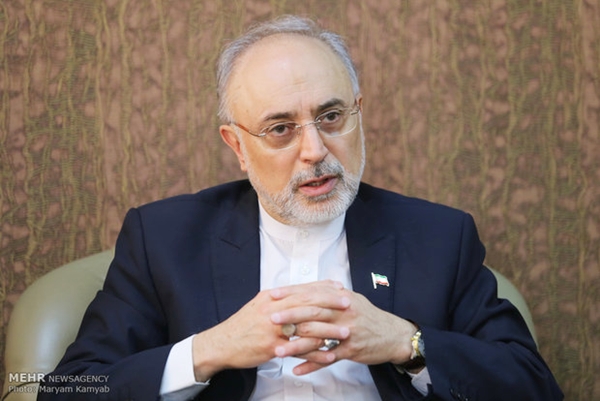
IRGC General: Western Civilization on the Wane

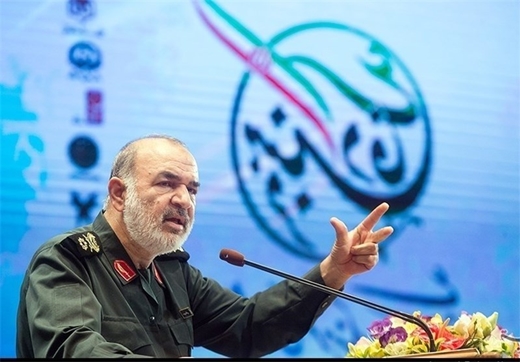
Brigadier General Hossein Salami

Addressing a cultural ceremony in Tehran on Monday May 30, Brigadier General Hossein Salami hammered Western civilization for relying on liberalism to plunder oppressed nations, wage devastating wars, develop stockpiles of nuclear weapons, displace innocent people, plan coups, promote dictatorship, and ruin the freedom of the people.

While Western civilization is on the wane, an Islamic civilization is rising with a message of freedom, justice, human dignity, restoration of values, true independence, respect for human beings, peace, friendship, calm, security and development for the globe, he stated.

Leader of the Islamic Revolution Ayatollah Seyyed Ali Khamenei has also on different occasions underlined the weaknesses of the Western civilization and the growing role of the Islamic civilization in the world.

“Today, Western civilization is revealing its contradictions. It is now Islam’s turn, and it is up to Muslims to mobilize their efforts and establish a new Islamic civilization,” the Leader said in an address in December on the occasion of the birth anniversary of the Prophet of Islam (PBUH).

“The world of Islam, like the Prophet, must unleash a new spirit and a fresh environment and set up a new Islamic civilization,” Ayatollah Khamenei added.

Iran’s Nuclear Abilities Not to Be Compared with Those of Advanced Countries

Salehi

Here’s IFP’s translation of two separate reports by Mehr on Salehi’s Monday May 30 remarks.

“It is a mistake to compare Iran with advanced countries [in terms of nuclear capabilities]. There is a difference […] between industrial and technological growth,” Salehi said in a meeting.

“Of course, we have yet to reach the level of commercialization in our nuclear industry; however, we are providing the raw materials for enrichment ourselves, and this costs us more than receiving them from other countries,” he went on to say.

“We have actually had progress in our nuclear industry without viewing it as a source of trade.”

“Human resources, willpower, and the customer’s orders are the three factors that have developed the country’s nuclear industry,” he said, adding that Tehran has managed to make huge progress in its nuclear industry within the past 40 years in spite of limitations.

French Surprised by Iran’s Nuclear Capabilities

“10 months ago, Iran sent a health group to France in order to purchase the required equipment for pharmaceutical production,” Salehi said at another event on Monday.

“The French side said they were ready to provide Iran with any type of equipment with one exception, and that was centrifuges.”

“The official who represented Iran in those talks told the French that ‘we want all the other equipment except for the centrifuge, because the AEOI has produced it domestically,’” Salehi said.

“The response surprised the French side and made them back off.”

Rouhani: All Iranians Equal in Civil Rights

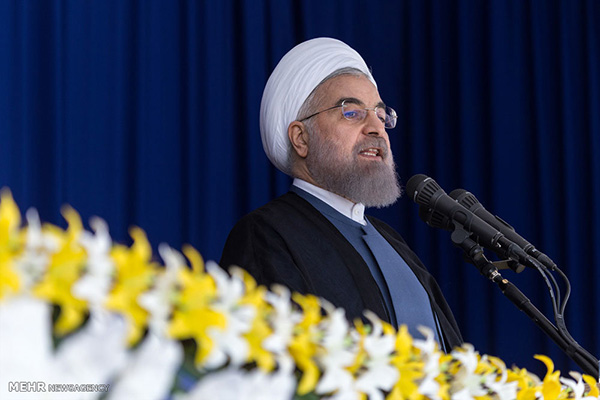
President Rouhani

Rouhani made the remarks addressing a gathering in the northwestern Iranian city on Tuesday May 31.

“No one is entitled to discriminate between different religious and ethnic groups,” said the President, stressing that the system of the Islamic Republic of Iran is based on merit. Opportunities in Iran will be available for anyone who is skilled and qualified, he added.

There should not be any difference between Kurds, Turks, Persians and Arab people in Islamic Iran, he stressed. “We are all Iranians and we are proud of it, and we are Muslims and proud of that too.”

Iranian Kurds enjoy a good level of security and standard of living, one which is much better than what Turkish, Syrian and Iraqi Kurds have, he said.

Salehi: Iran to Stop Sending Heavy Water to US

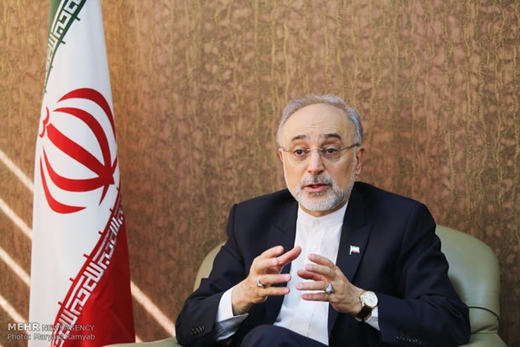
Ali Akbar Salehi

Speaking on the sidelines of a ceremony held to sign a cooperation agreement between the AEOI and the Research Institute of the Petroleum Industry on Monday May 29, Salehi said, “As promised, we provided the grounds for the production of stable isotopes, and we cooperated with the Russians to promote specific centrifuges to generate stable isotopes.”

The AEOI head pointed to an opportunity to design diversified centrifuges, saying, “We can also make use of the expertise and experience of others, and for now we are using the experience of the Russians.”

In response to another question on the outcome of negotiations with the Russians for the sale of surplus heavy water, Salehi said an Iranian delegation visited Russia last week to hold talks for the sale of 40 tons of excess heavy water to Moscow.

Citing progress in the negotiations, he said the talks are going well and a final contract is yet to be finalized.

“Russians have declared their readiness to buy 40 tons of heavy water, however because the negotiations are ongoing and not finalized, notification in advance is not appropriate,” Salehi noted.

Regarding the question about the delivery time of heavy water to the Americans, Salehi asserted, “Following the seizure of Iran’s assets, I asked my AEOI colleagues to refrain from delivering the heavy water consignments, because it was probable that the US would confiscate the shipment and make no payment.”

He stressed that the seizure of Iran’s assets added to the depth of Tehran’s longstanding distrust of the US.

Polish Civilization’s Historical Ties with Iran

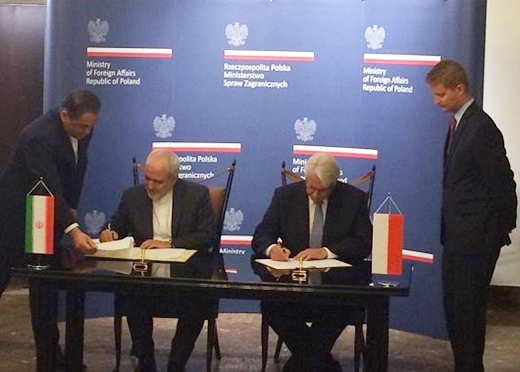
Mohamad Javad Zarif-Poland

Here’s IFP’s coverage of the Polish FM’s remarks, as reported from KhabarOnline.


Iran, apart from not being a country that creates global problems, also plays a significant role in settling international issues, Waszczykowski said in a press conference after signing a document with his Iranian counterpart Mohammad Javad Zarif in Warsaw on Sunday night, May 29.

Referring to the international agreement on Iran’s nuclear programme signed last July, whose implementation ended almost 10 years of international sanctions against Tehran, the Polish Foreign Minister said he was happy that after years of marginalisation, “The country [Iran] is returning as an important partner, an important player and as a country that will have an impact on positive solutions to the international situation.”

Before the press conference, both ministers signed an agreement on political consultation, which – according to Waszczykowski – could open “a new stage of political, as well as economic and cultural cooperation,” and will contribute to closer Polish-Iranian relations.

Both ministers also emphasized the existing historical ties between the two countries, such as the memory of Poles who took refuge in Iran during WWII.

Waszczykowski noted that the histories of Poland and Iran “met” at the turn of the 1970s and 1980s, “when our two countries opposed foreign domination,” and again in 1989, when Iran and Poland both embarked on the road to social and economic change.

The Polish FM went on to further highlight the roles Iran had played in helping the development of the Polish civilization.

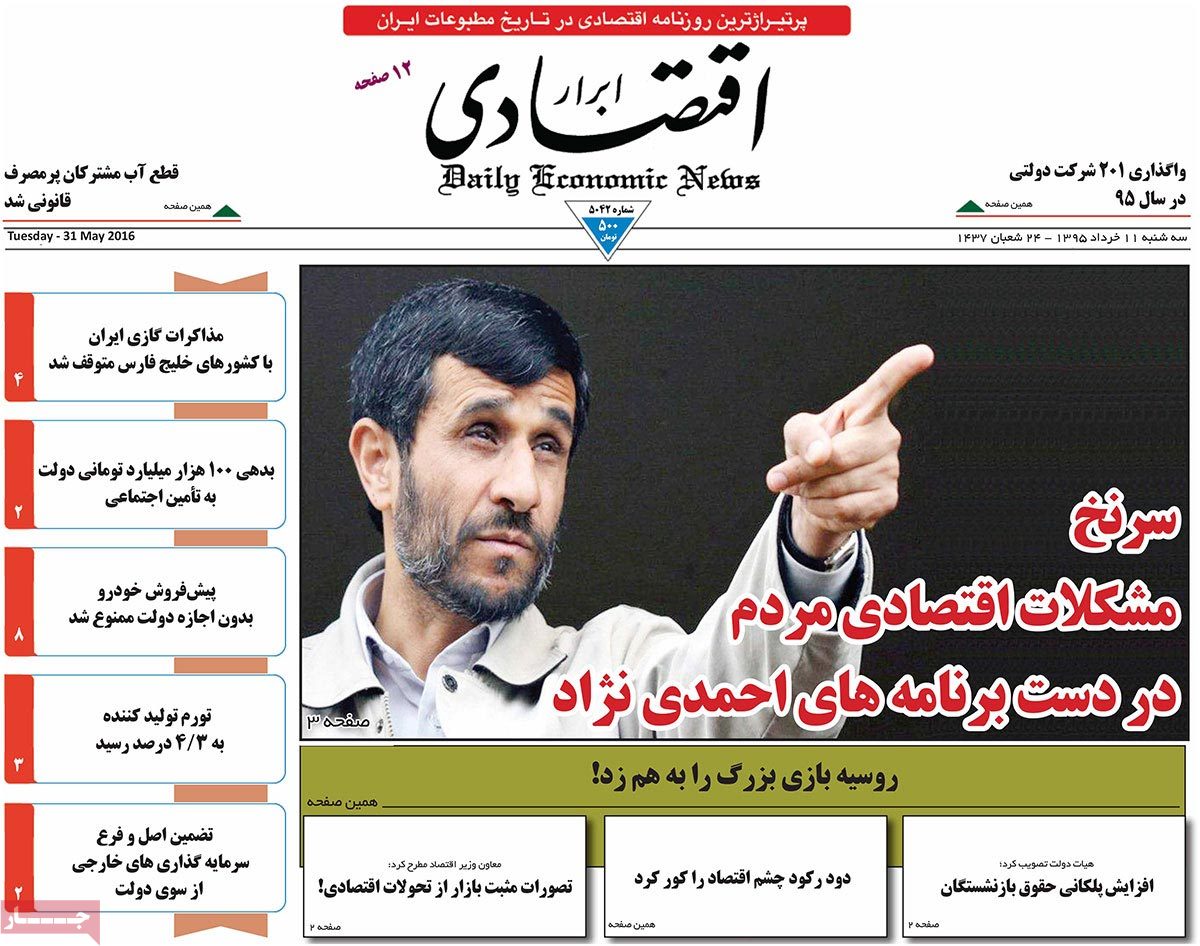
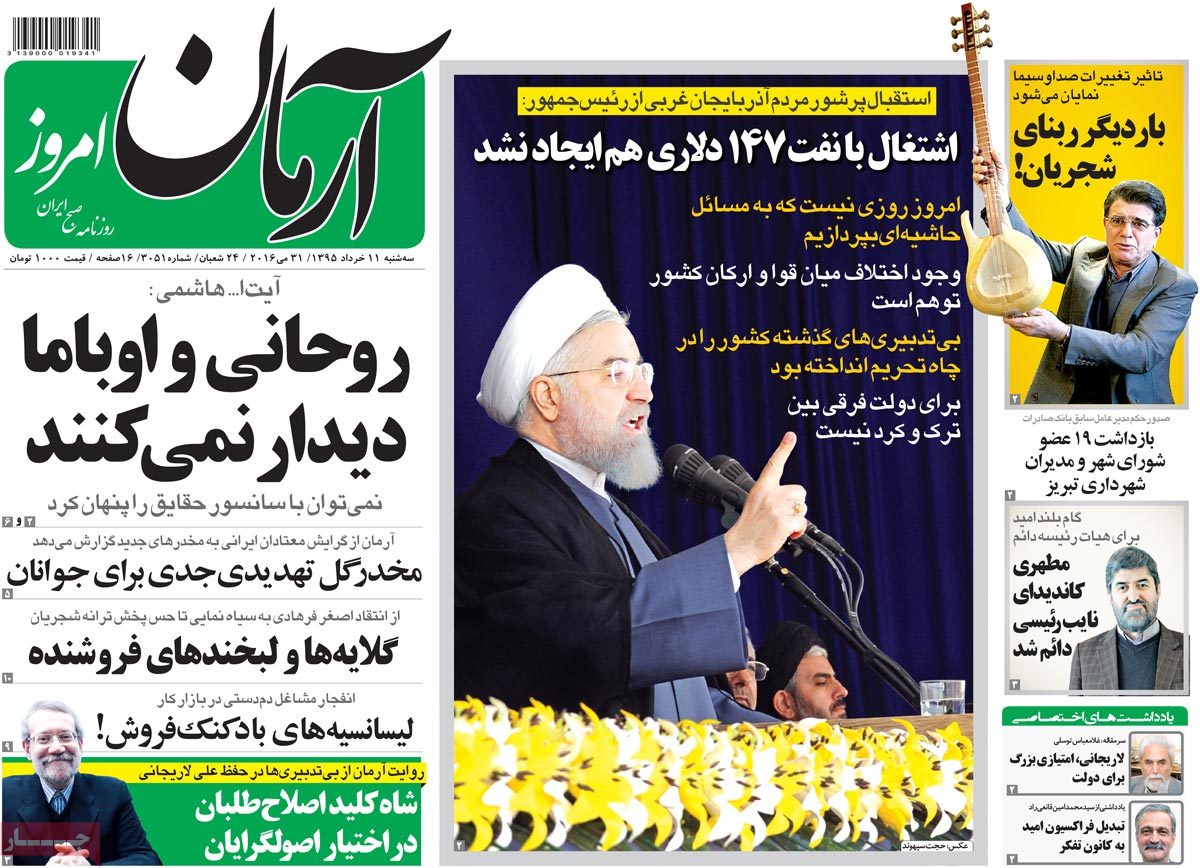
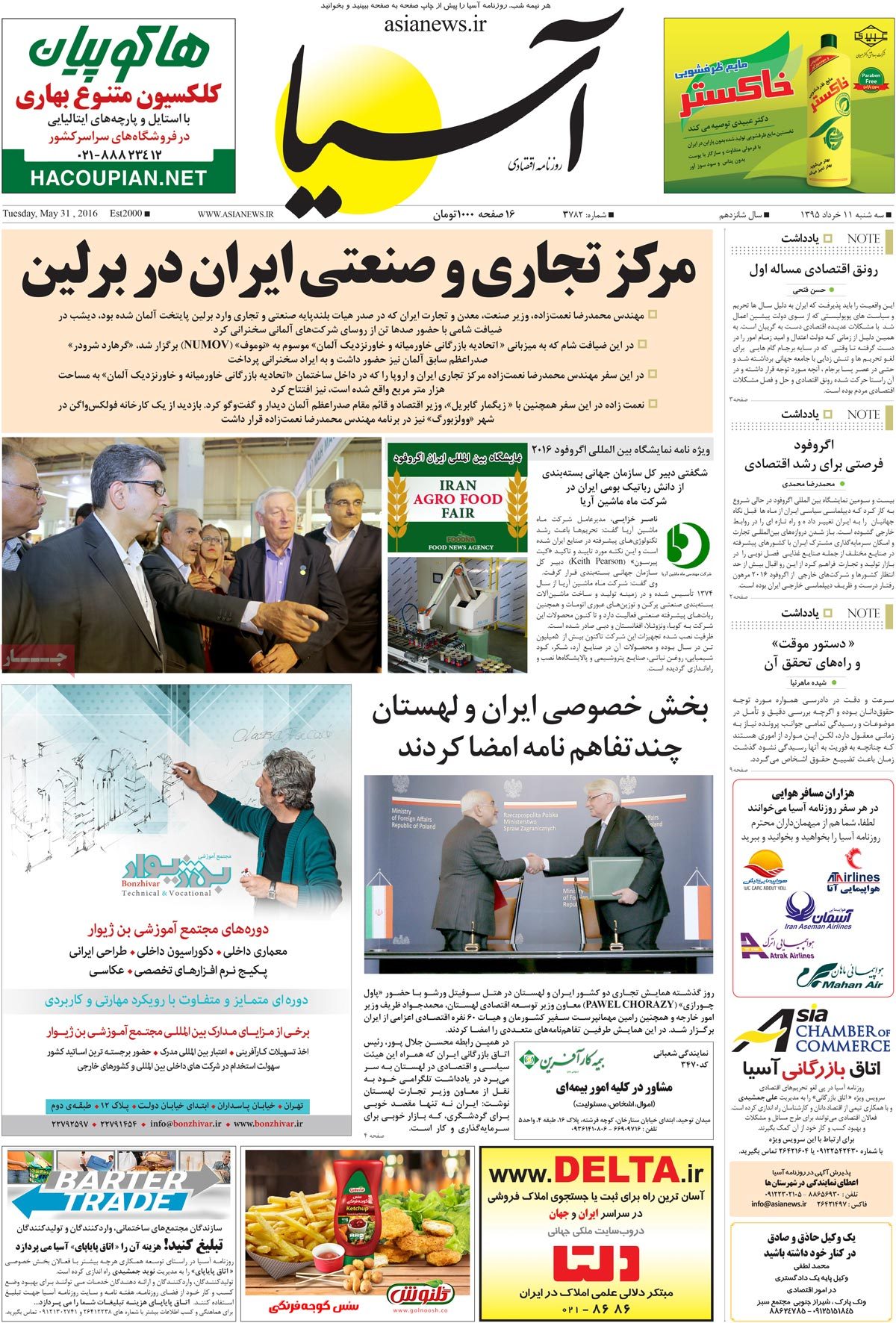
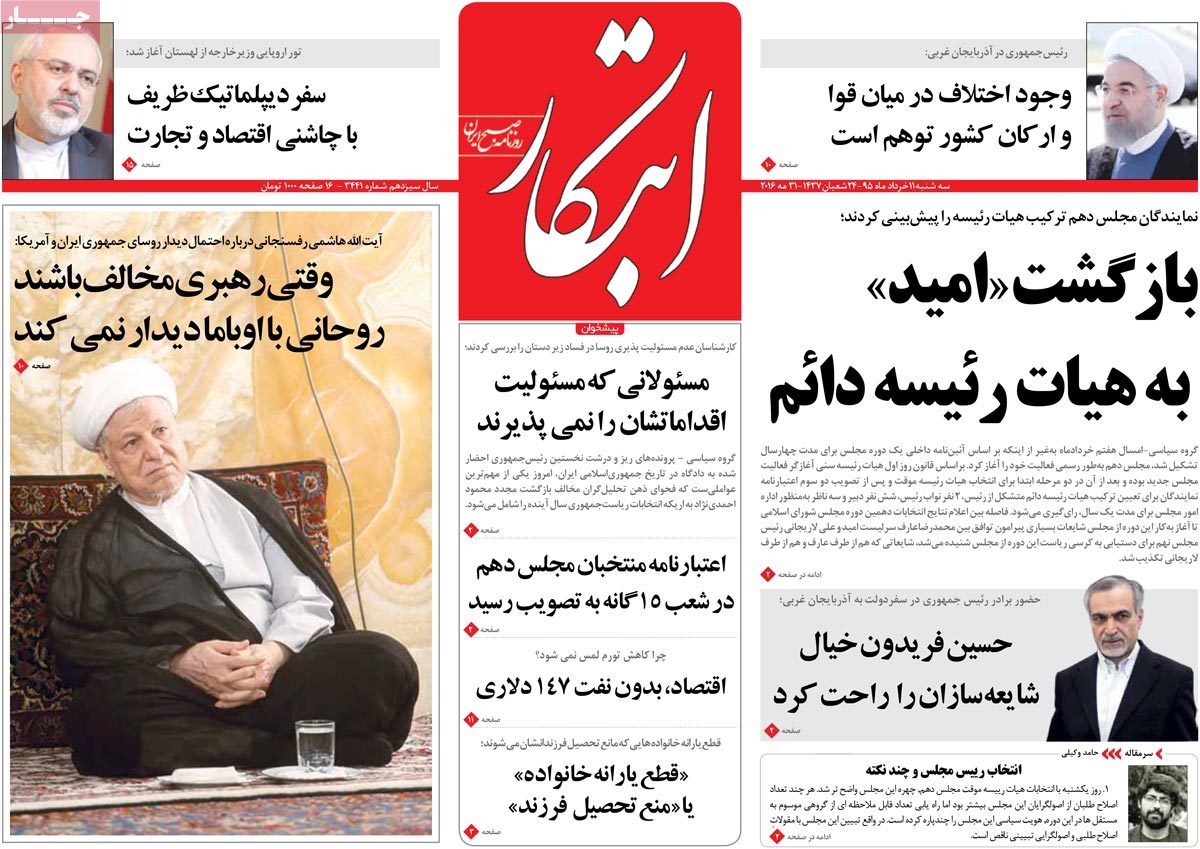
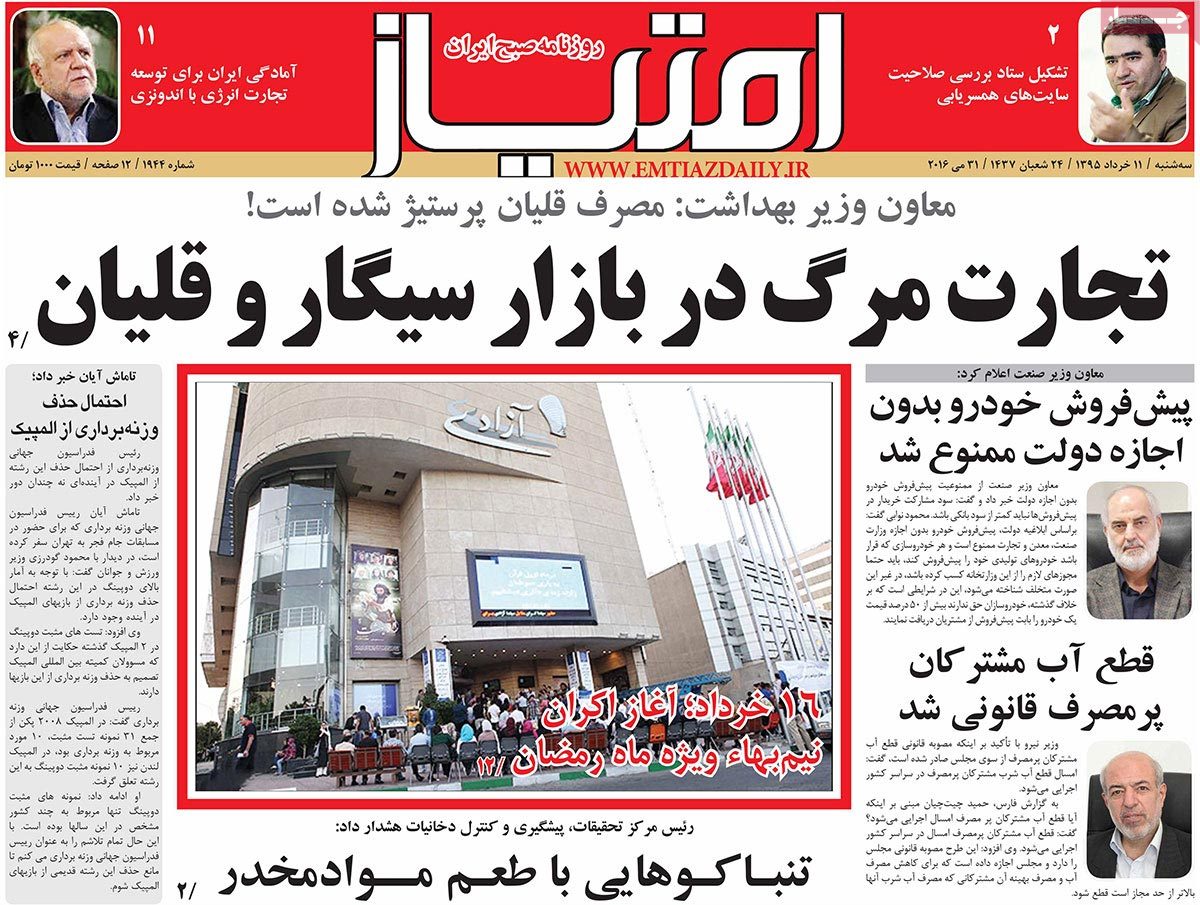
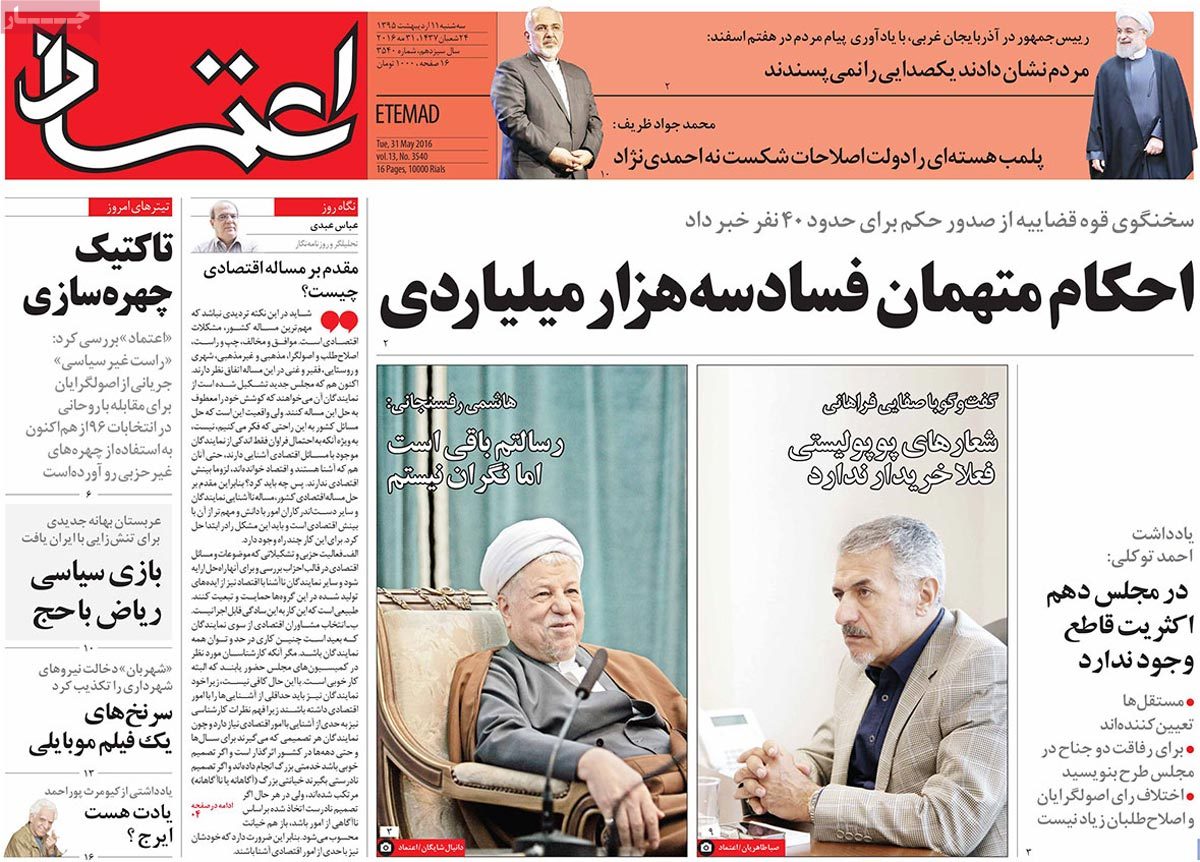
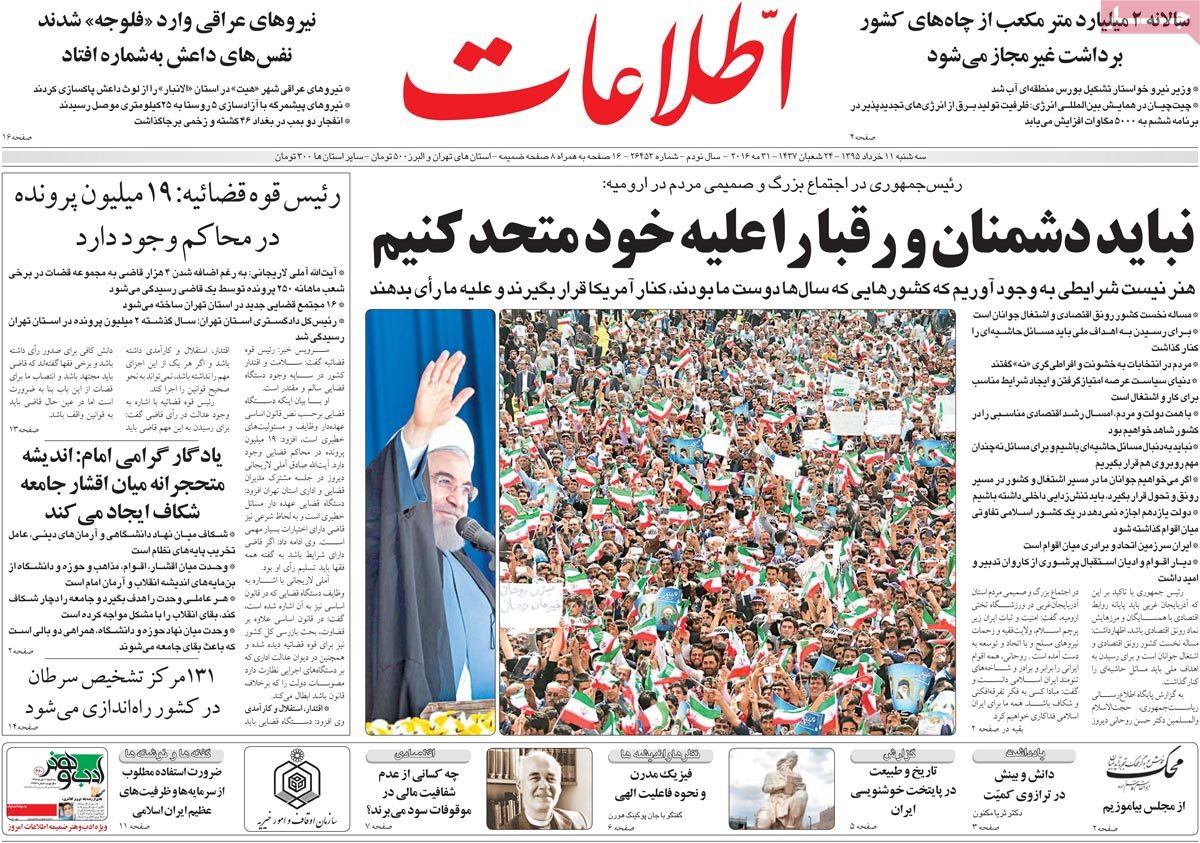
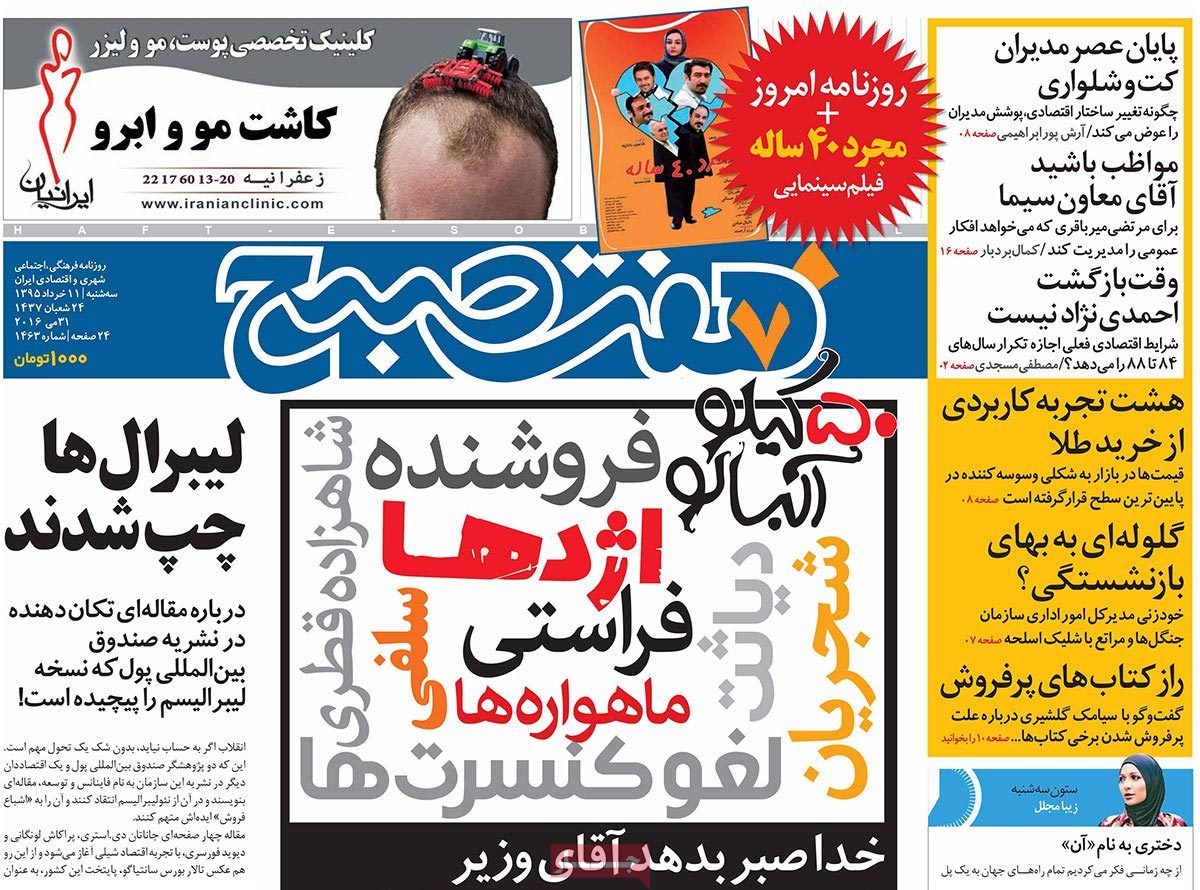
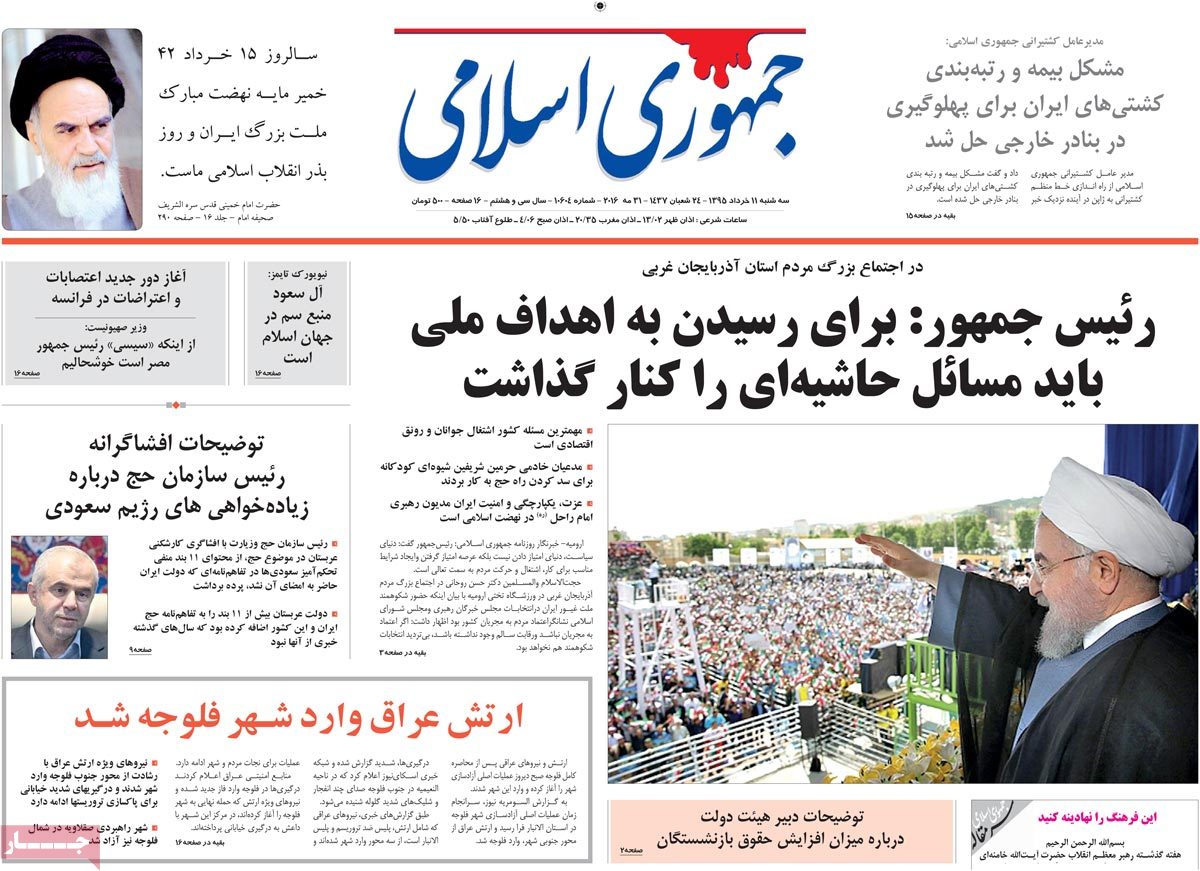
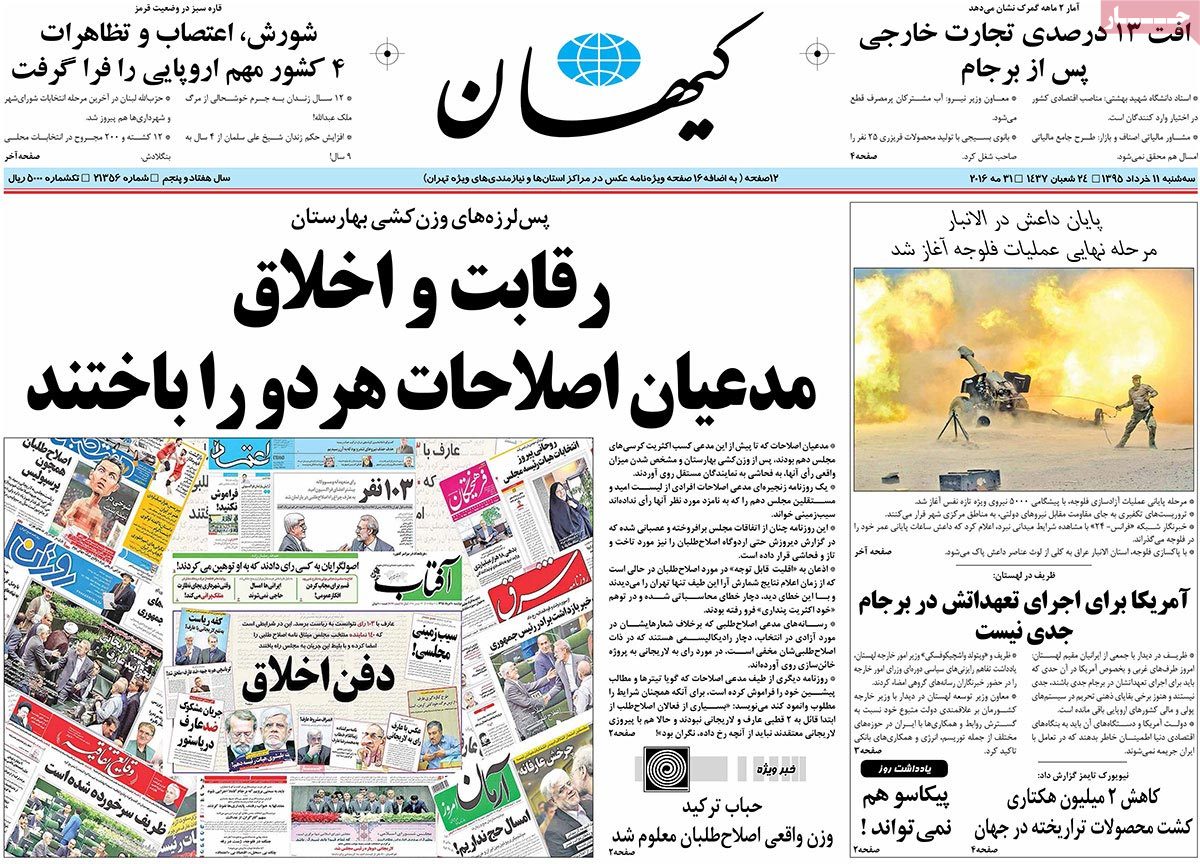
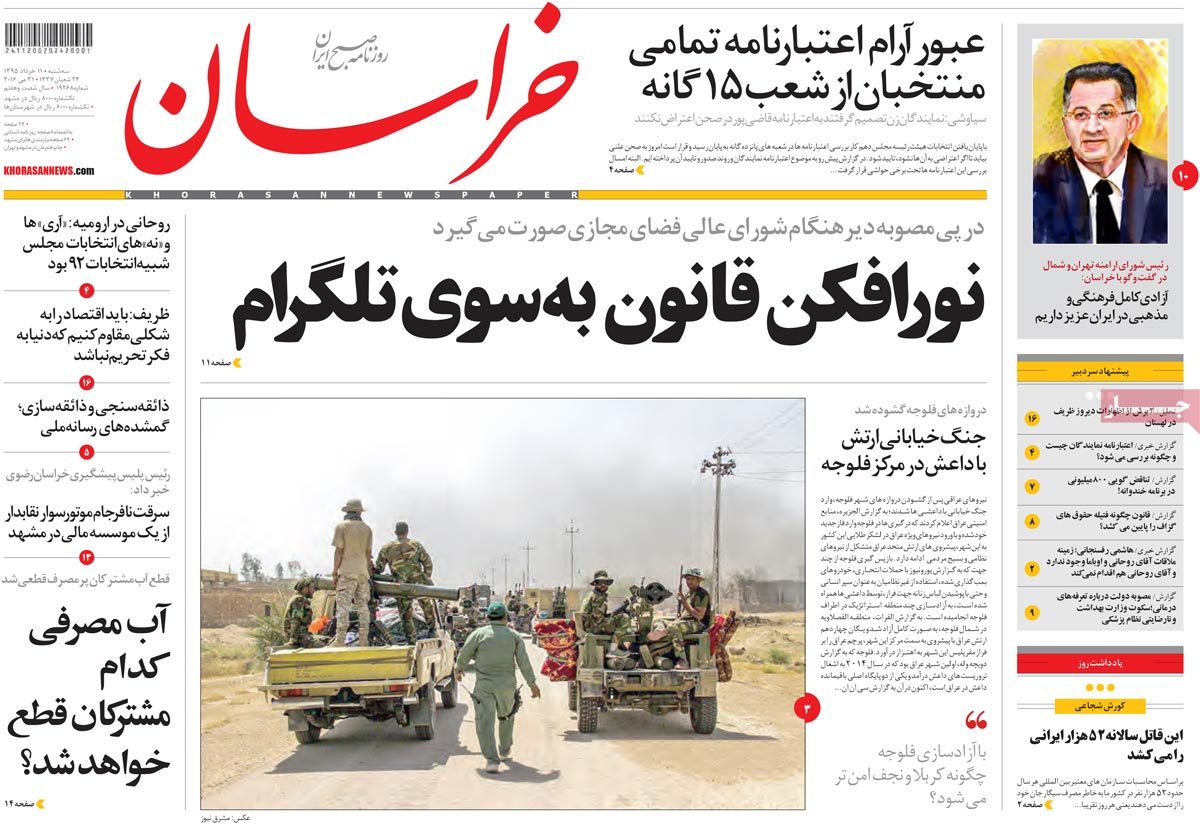
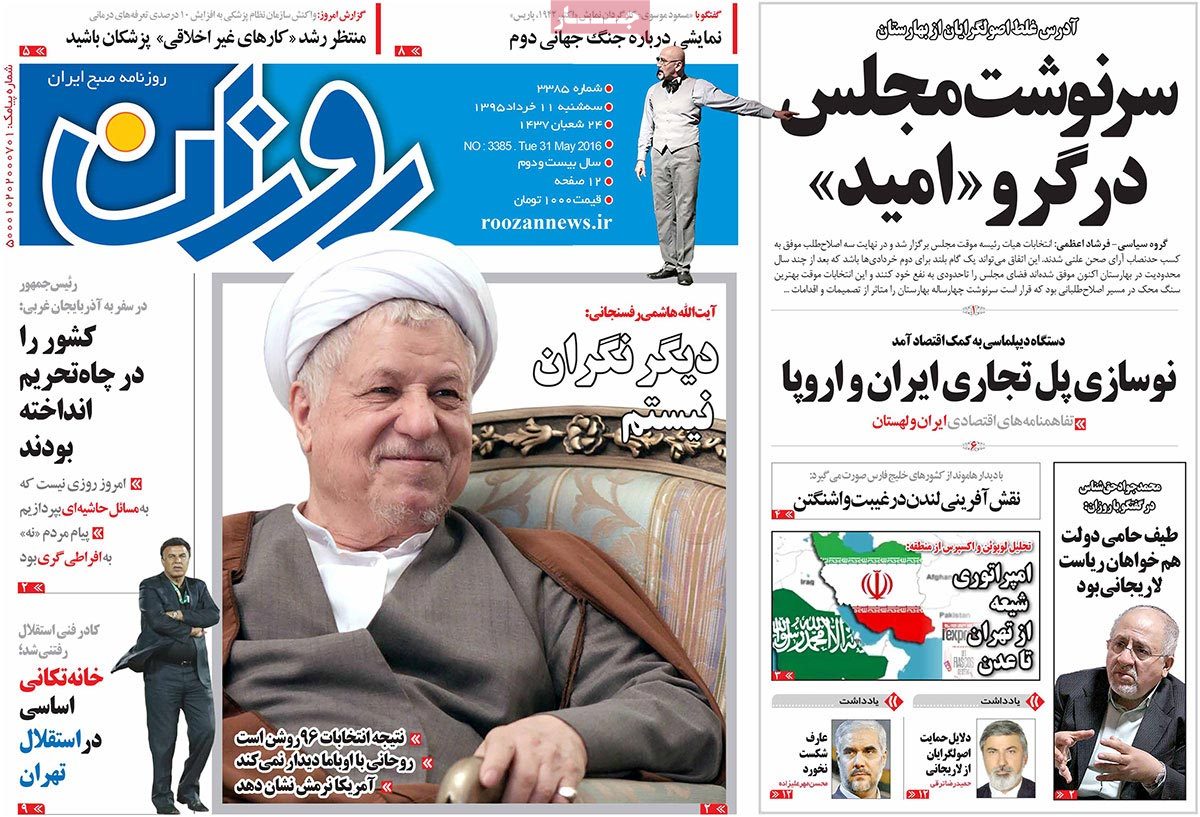
A Look at Iranian Newspaper Front Pages on May 31

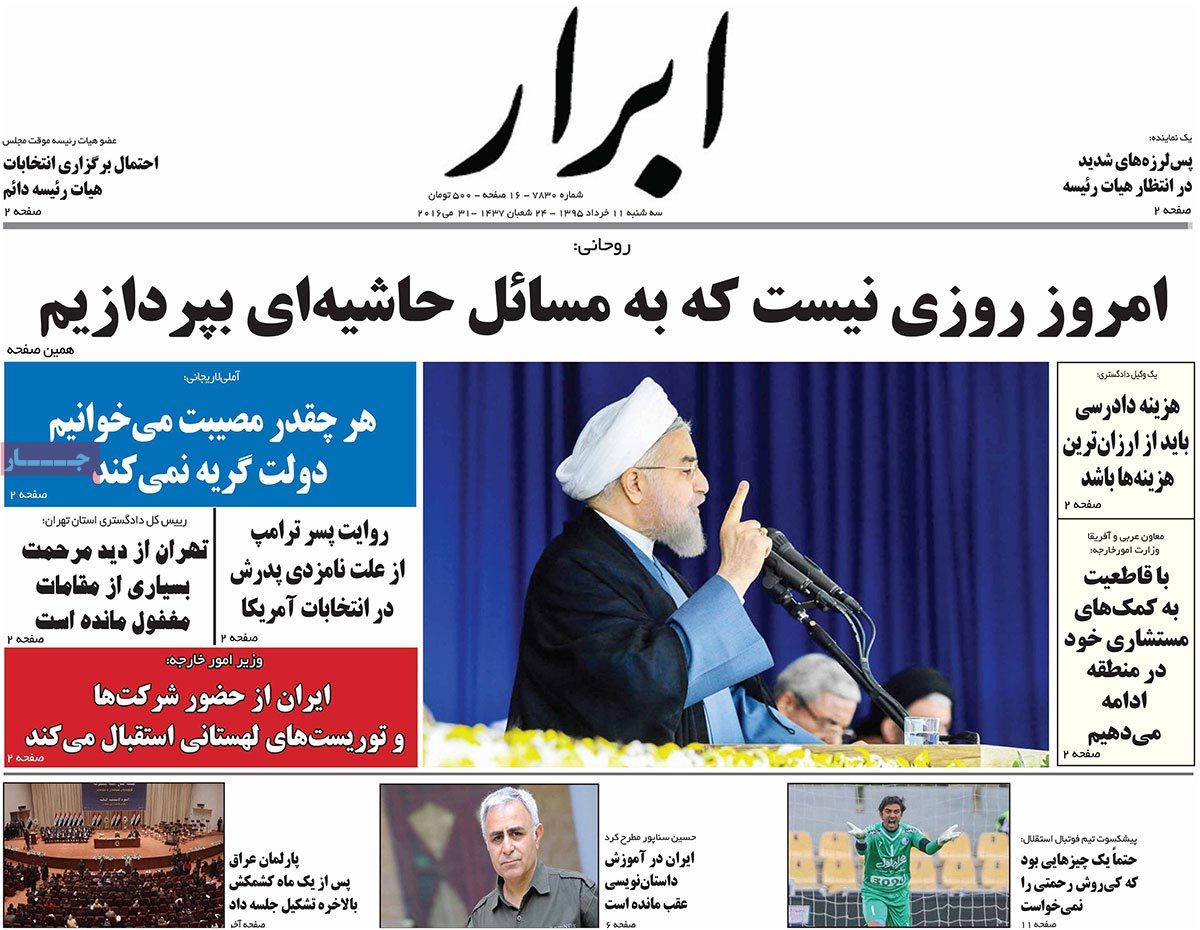
Iran Newspaper front pages

Iranian newspapers on Tuesday focused on the formation of the Iranian Parliament’s governing board, whose final elections were held today.

Foreign Minister Mohammad Javad Zarif’s European tour was another top story in Iranian papers.

Many newspapers also covered Ayatollah Akbar Hashemi Rafsanjani’s remarks on the possibility of a meeting between Iran’s President Hassan Rouhani and his US counterpart Barack Obama.


Abrar:

1- Iran Welcomes Presence of Polish Companies and Tourists in Iran: FM

2- Iran to Firmly Continue Its Middle East Advisory Assistance: Deputy FM


A Look at Iranian Newspaper Front Pages on May 31


Abrar-e Eqtesadi:

1- People’s Economic Problems Rooted in Ahmadinejad’s Plans


A Look at Iranian Newspaper Front Pages on May 31


Arman-e Emroz:

1- Obama and Rouhani Will Not Meet: Rafsanjani

2- Complaints and Smiles for [Asghar Farhadi’s] The Salesman

3- BA Holders Sell Balloons!

4- Larijani, a Great Advantage for Rouhani’s Administration

5- Shajarian’s Rabbana Once Again: IRIB Changes to Become Effective [Mohammad Reza Shajarian, a traditional Iranian music master, has been banned by the IRIB since the aftermath of the 2009 presidential elections]


A Look at Iranian Newspaper Front Pages on May 31


Asia:

1- Iran’s Trade and Industry Centre in Berlin

2- Iranian and Polish Private Sectors Sign Several MoUs


A Look at Iranian Newspaper Front Pages on May 31


Ebtekar:

1- Return of “Hope” to Permanent Governing Board of Parliament

2- If Leader Is Opposed [to it], Rouhani Will Not Meet Obama: Rafsanjani

3- Rouhani’s Brother, Hossein Fereydoun, Ended Rumours by Coming on President’s Provincial Visit

4- Zarif’s Diplomatic Visit Aimed at Boosting Economic and Trade Ties: Poland Is the 1st Leg


A Look at Iranian Newspaper Front Pages on May 31


Emtiaz:

1- “Trade of Death” in Cigarette and Hookah Market: Deputy Health Minister Says Smoking Hookah Has Become Prestigious!

2- Tobacco Flavoured with Narcotics: Official Warns

3- Iran Ready to Develop Energy Trade with Indonesia: Oil Minister


A Look at Iranian Newspaper Front Pages on May 31


Etemad:

1- No One Buys Populist Slogans Anymore, at Least for Now: Politician

2- No Faction Has Absolute Majority in 10th Parliament: Conservative Politician

3- Riyadh’s Political Game with Hajj Pilgrimage: Saudis Find New Pretext to Raise Tensions with Iran


A Look at Iranian Newspaper Front Pages on May 31


Ettela’at:

1- We Should Not Unite Enemies against Us: Rouhani

2- Iraqi Forces Enter Fallujah: ISIS on Verge of Collapse


A Look at Iranian Newspaper Front Pages on May 31


Haft-e Sobh:

1- Not a Good Time for Ahmadinejad’s Return


A Look at Iranian Newspaper Front Pages on May 31


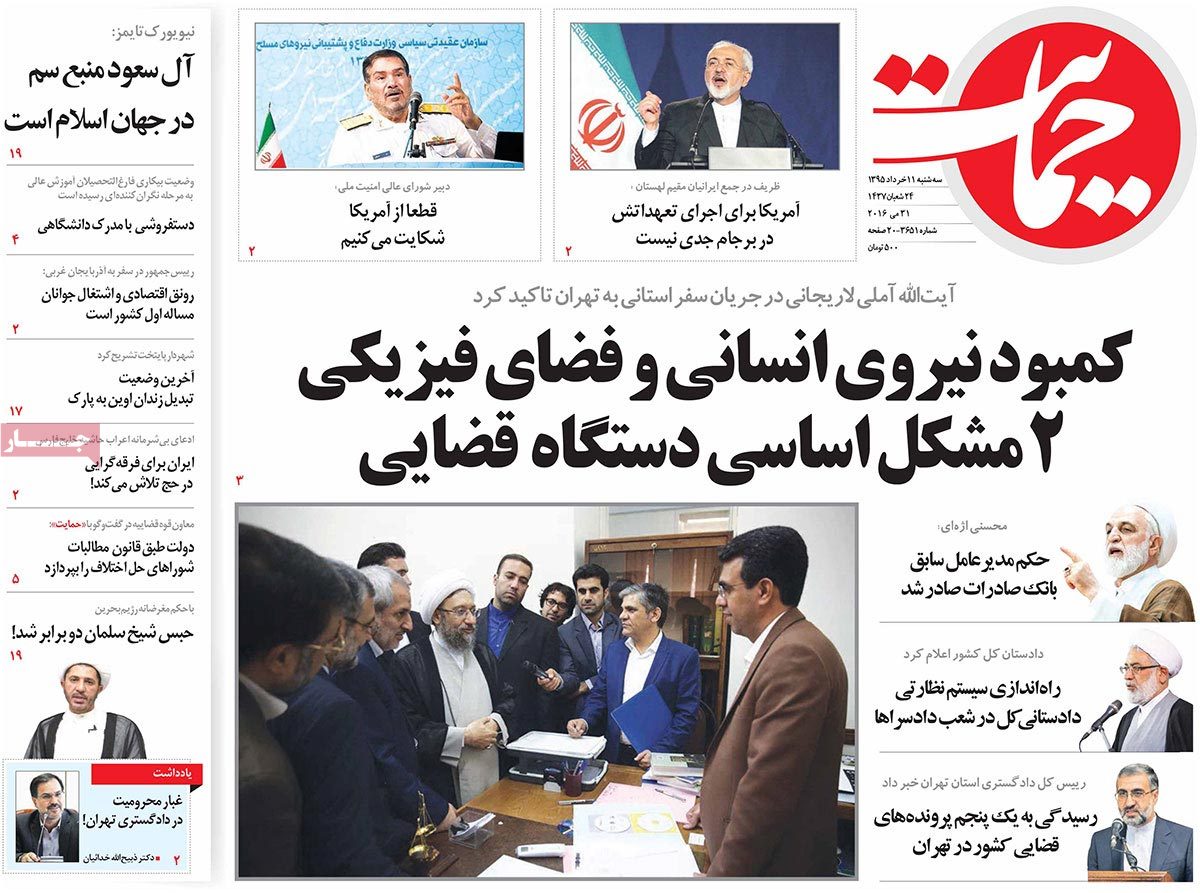
Hemayat:

1- Shamkhani: We’ll Definitely Sue US [over seizure of Iran’s assets]

2- Arabs Flagrantly Claim: Iran Looking for Sectarianism in Hajj Pilgrimage


A Look at Iranian Newspaper Front Pages on May 31


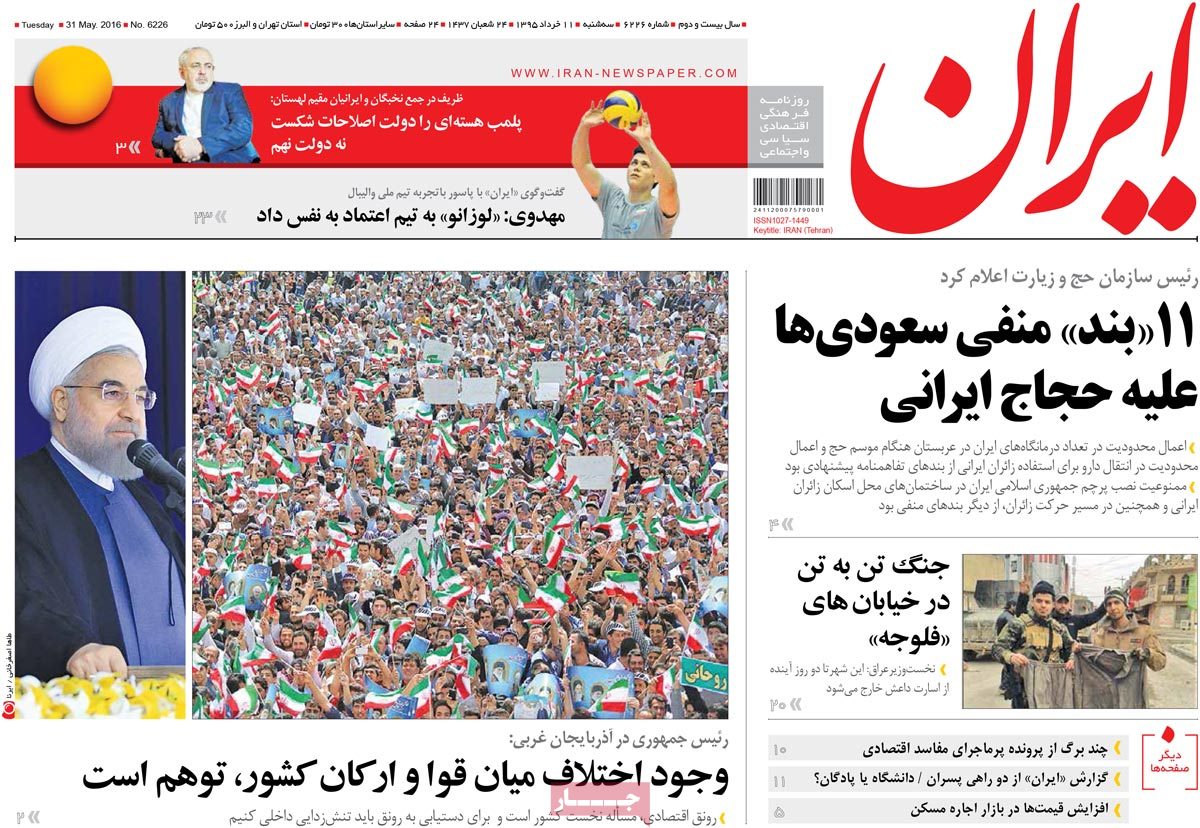
Iran:

1- 11 Negative Conditions Set by Saudis for Iranian Pilgrims

2- It’s an Illusion to Imagine Any Conflict between Iran’s Top Authorities: Rouhani

3- Fallujah to Be Liberated in Next 2 Days: Iraqi PM


A Look at Iranian Newspaper Front Pages on May 31


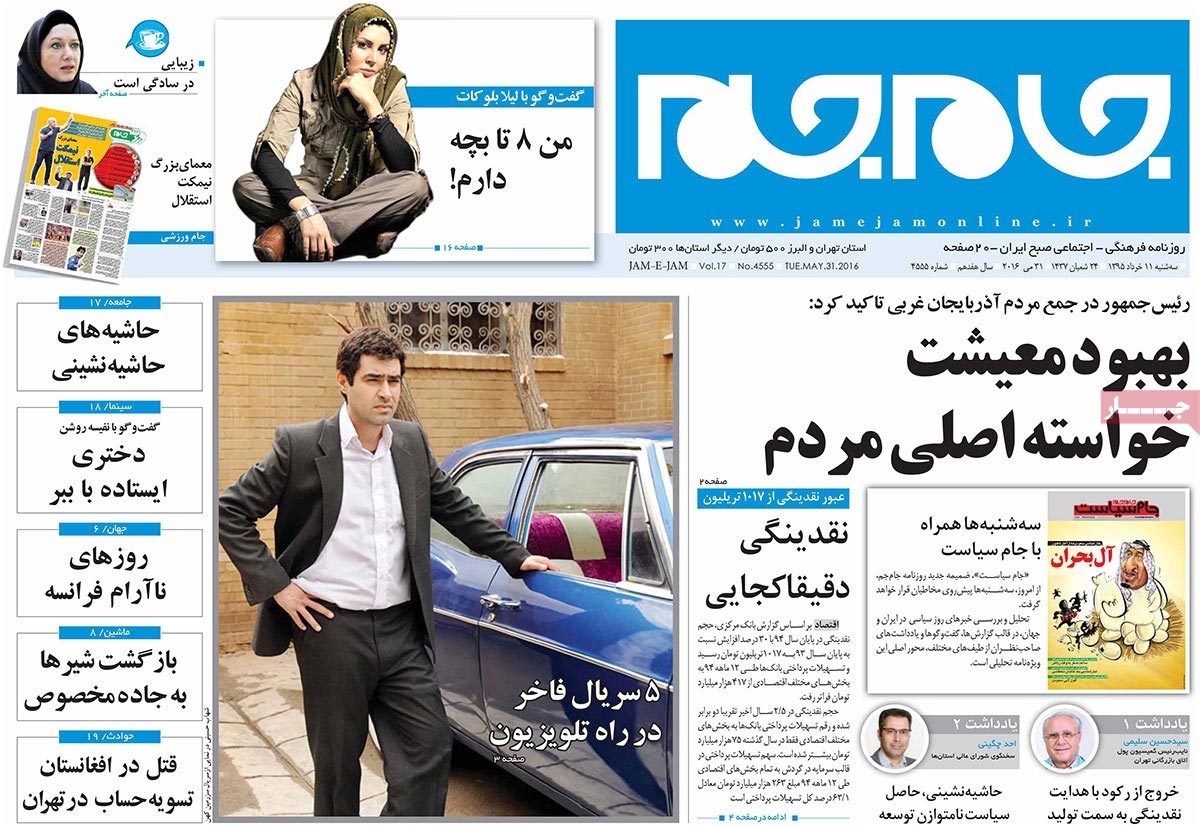
Jame Jam:

1- Murder in Afghanistan, Revenge in Tehran

2- Unrest in France


A Look at Iranian Newspaper Front Pages on May 31


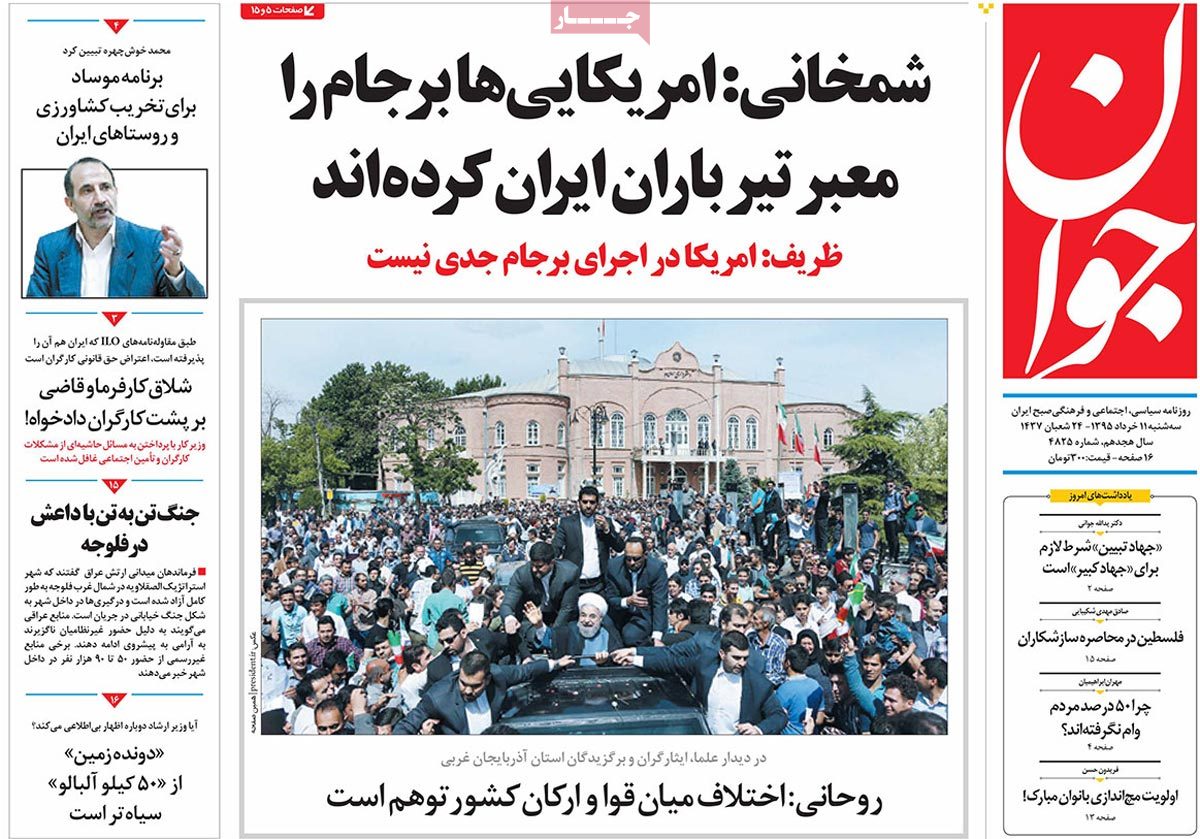
Javan:

1- Mossad Has Plans to Destroy Iran’s Agriculture and Villages

2- Lashes from Both Employer and Judge on the Backs of Justice-Seeking Workers

3- US Not Serious in JCPOA Implementation: Zarif

4- Palestine Surrounded by Compromisers


A Look at Iranian Newspaper Front Pages on May 31


Jomhouri Eslami:

1- Al Saud Source of Poison in Muslim World: New York Times

2- Israeli Minister: We’re Happy That Sisi Is Egypt’s President

3- Fresh Round of Strikes and Protests Begins in France


A Look at Iranian Newspaper Front Pages on May 31


Kayhan:

1- Reformists Lose both in Competition and Ethics

2- Riots, Strikes, and Protests Rage in 4 Major European States

3- Final Operation to Liberate Fallujah Begins: End of ISIS in al-Anbar

4- The Bubble Bursts: Reformists’ Real Weight Revealed


A Look at Iranian Newspaper Front Pages on May 31


Khorasan:

1- We Should Make Iran’s Economy So Resistant that World Can’t Consider Sanctions: Zarif

2- Cigarette Smoking Kills 52,000 Iranians per Year

3- We Have Full Cultural and Religious Freedom in Iran: Armenian Community Chief


A Look at Iranian Newspaper Front Pages on May 31


Roozan:

1- Shiite Empire, from Tehran to Aden: Le Point and L’Express

2- Even Pro-Gov’t MPs Favoured Larijani as Parliament Speaker: Politician


A Look at Iranian Newspaper Front Pages on May 31


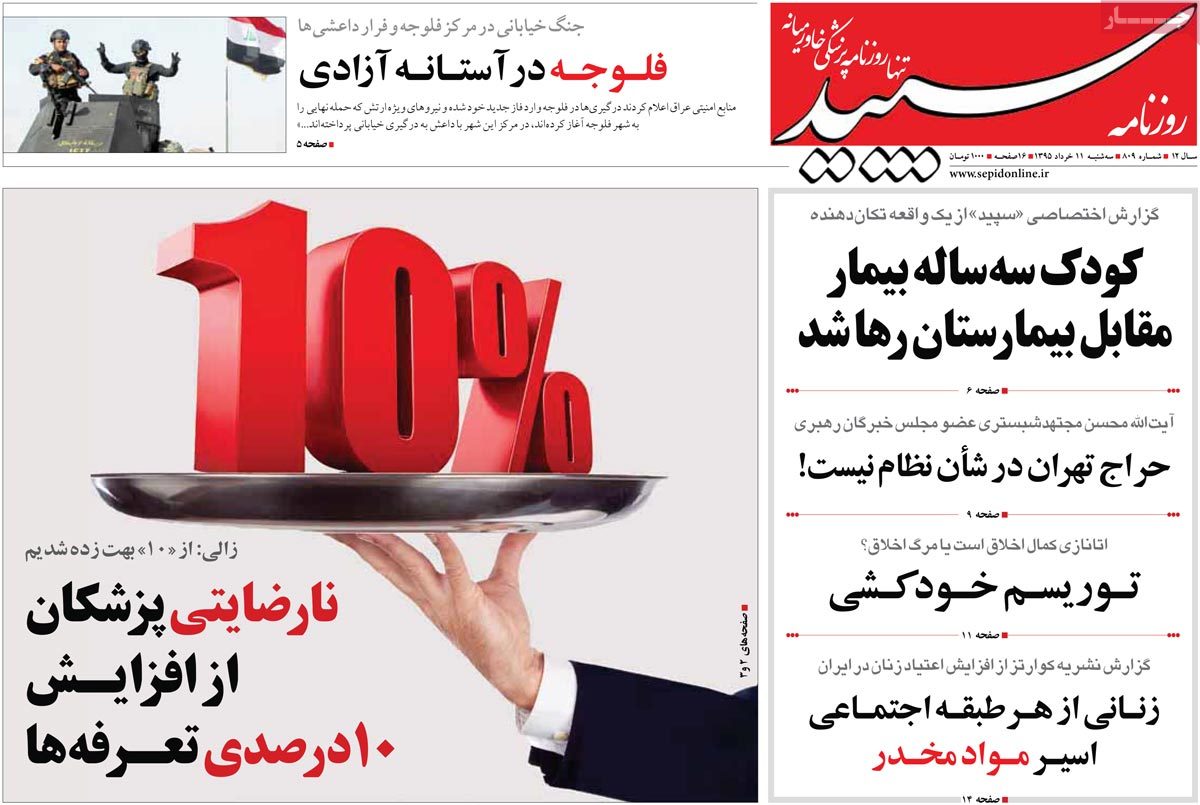
Sepid:

1- Tehran Auction beneath Dignity of Islamic Establishment: Member of Assembly of Experts

2- Suicide Tourism: Euthanasia Is Perfect Ethics or Death of Ethical Principles?

3- Fallujah on Verge of Liberation


A Look at Iranian Newspaper Front Pages on May 31


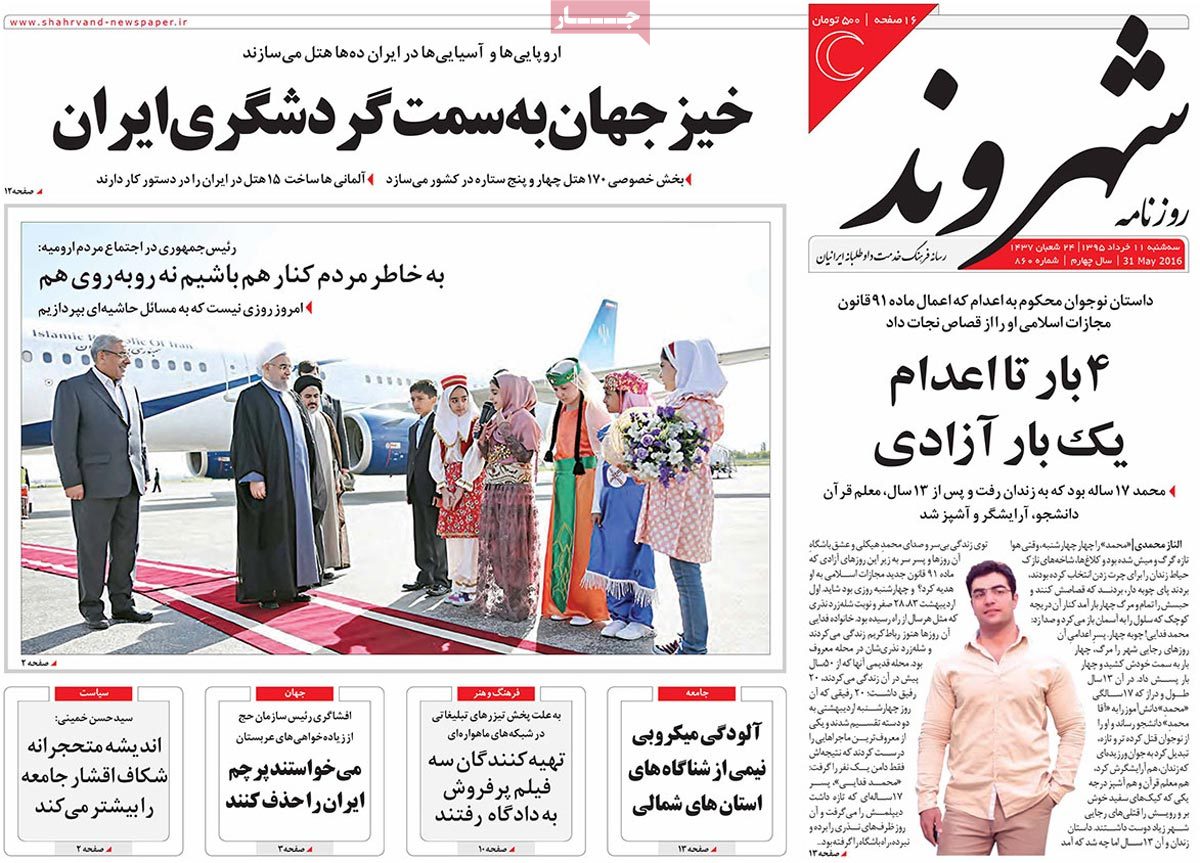
Shahrvand:

1- World Flocks to Iran’s Tourist Spots: Europeans and Asians to Build Tens of Hotels in Iran

2- For People’s Sake, Let’s Be Beside, Not against, Each Other: Rouhani

3- They Wanted to Remove Iranian Flag: Hajj Official Reveals Excessive Saudi Demands


A Look at Iranian Newspaper Front Pages on May 31


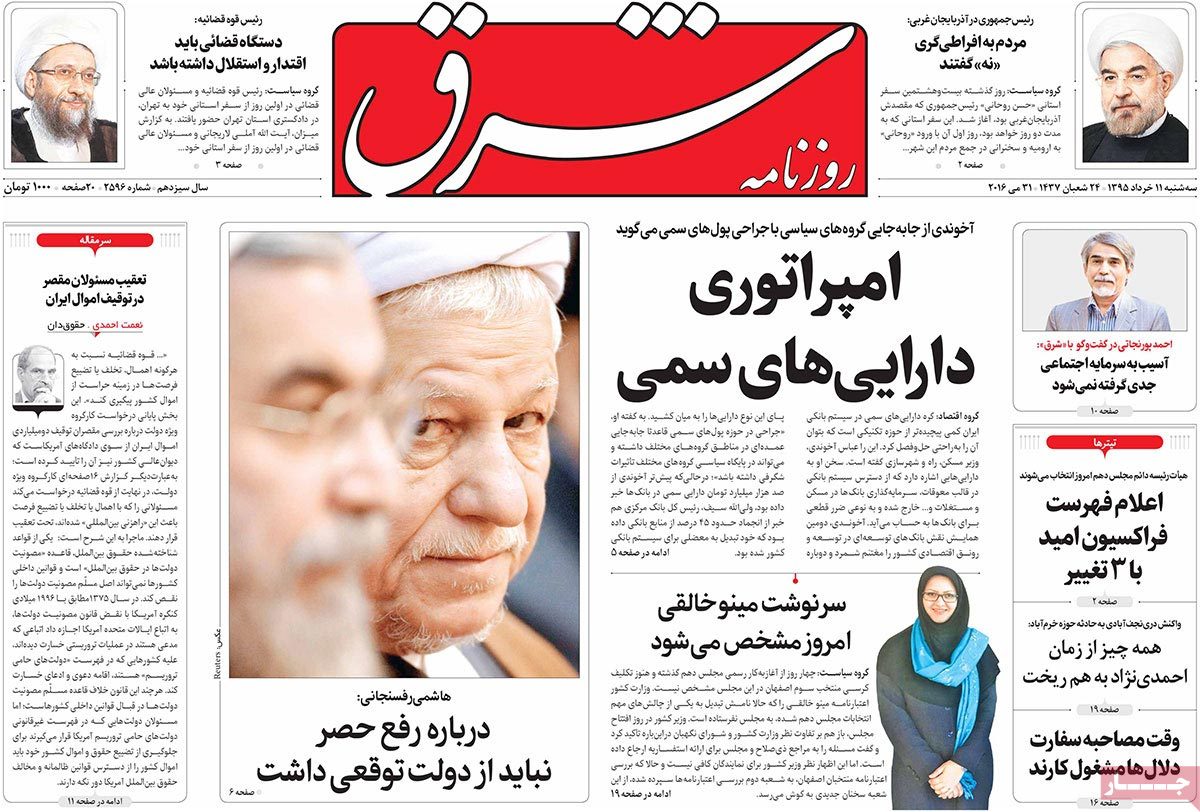
Shargh:

1- People Said No to Radicalism: Rouhani

2- Minoo Khaleghi’s Fate to Be Decided Today

3- On Issue of House Arrest [of opposition leaders Mir Hossein Mousavi and Mahdi Karroubi], No One Should Have Any Expectation of Gov’t: Rafsanjani


A Look at Iranian Newspaper Front Pages on May 31


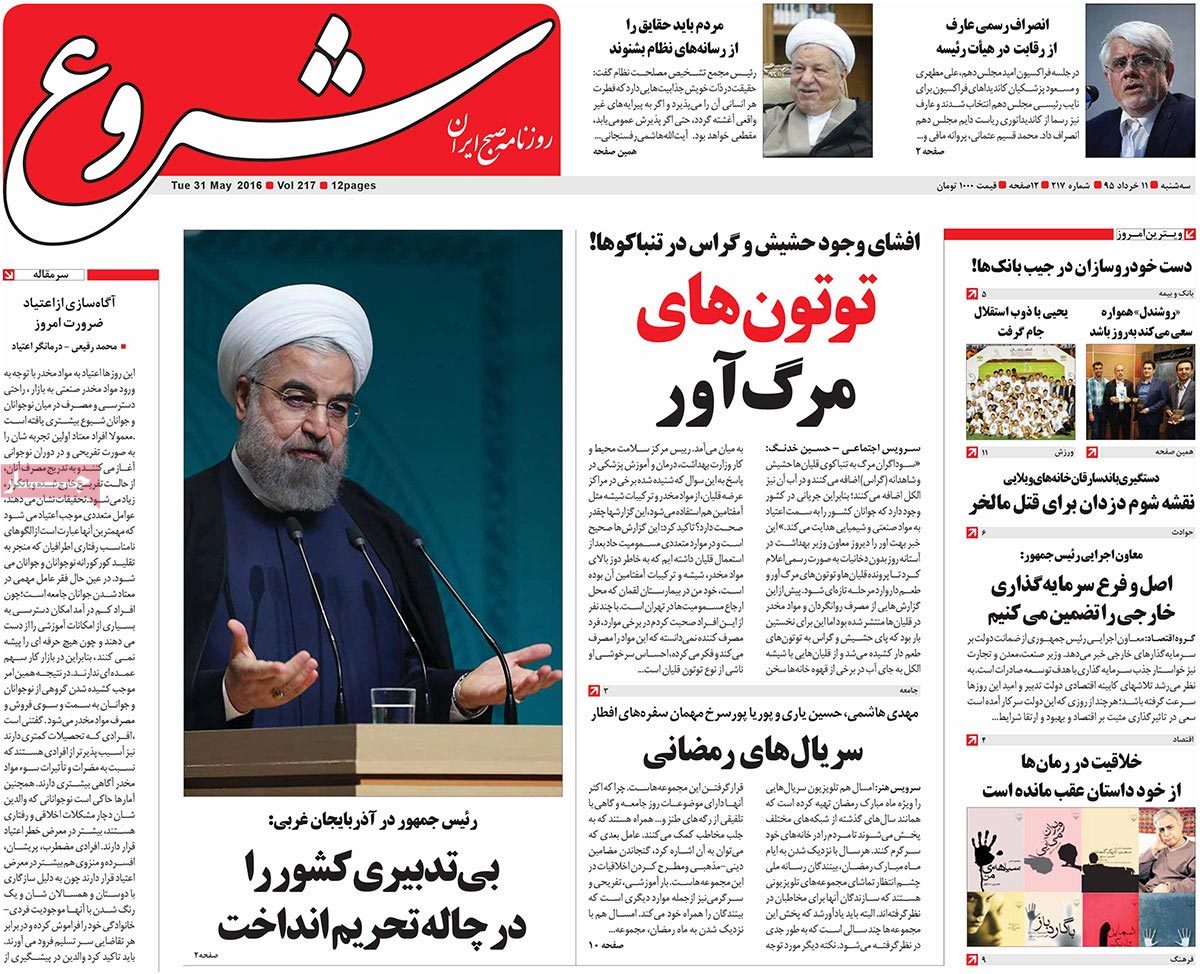
Shorou:

1- Fatal Tobacco: Hashish and Weed in Tobacco Sold in Iran

2- Imprudence Put Iran in Deep Pit of Sanctions: Rouhani


A Look at Iranian Newspaper Front Pages on May 31


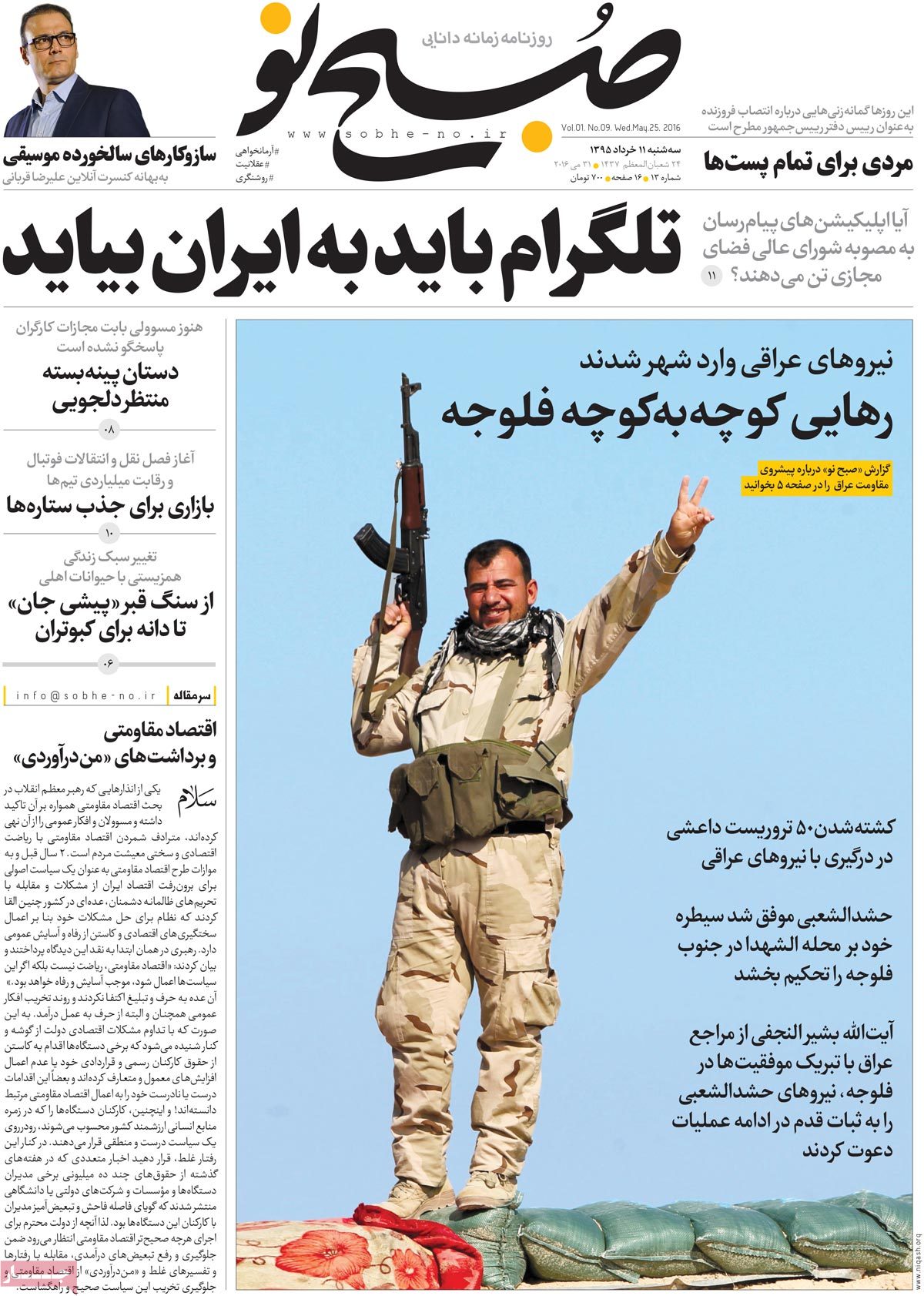
Sobh-e Now:

1- Telegram Should Come to Iran [Iran has urged Telegram to transfer the data of its Iranian users to the country]

2- Old Mechanisms in Iran’s Music: Alireza Ghorbani [Traditional Singer] to Hold Online Concert


A Look at Iranian Newspaper Front Pages on May 31


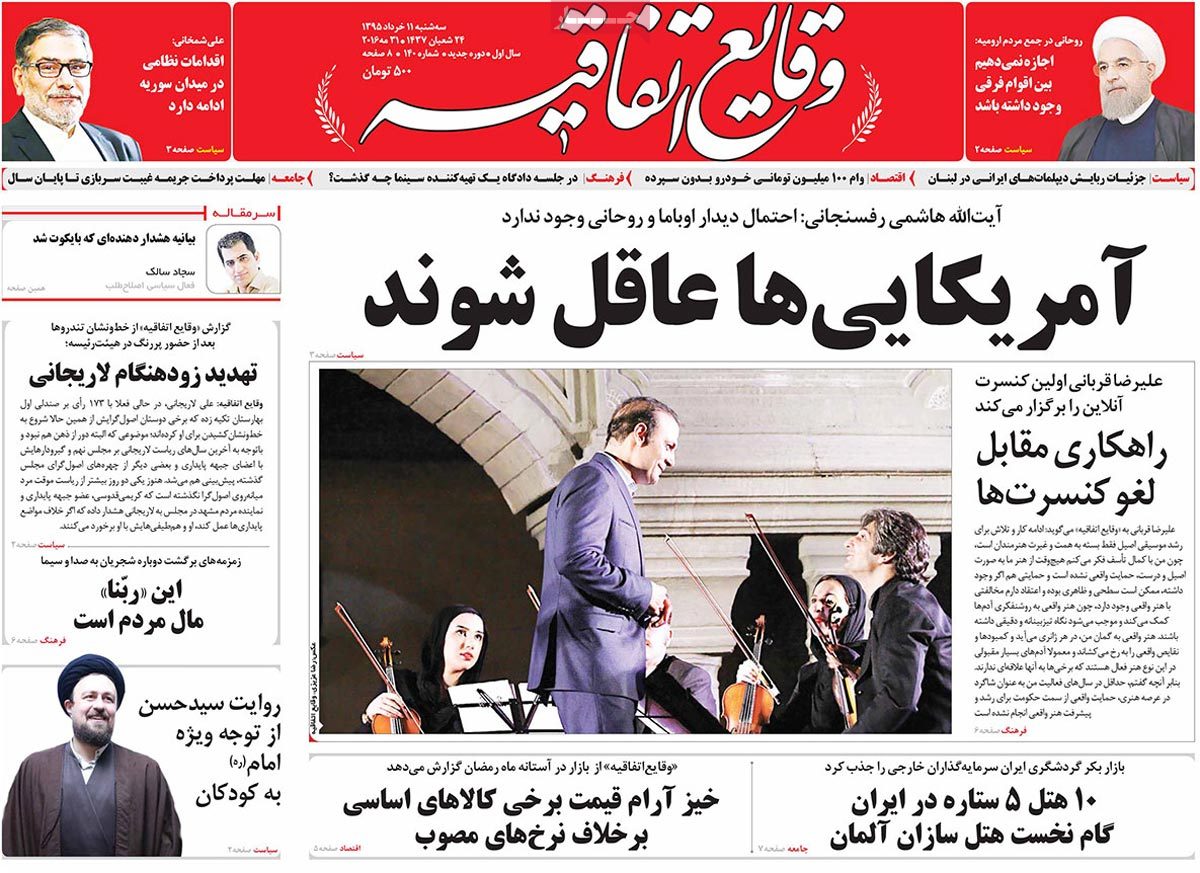
Vaghaye Ettefaghieh:

1- Rafsanjani Urges Americans to Act Wisely

2- Ghorbani to Hold 1st Online Concert as a Solution to Cancellation of Live Performances

3- Hard-Liners’ Early Threats against Larijani


A Look at Iranian Newspaper Front Pages on May 31


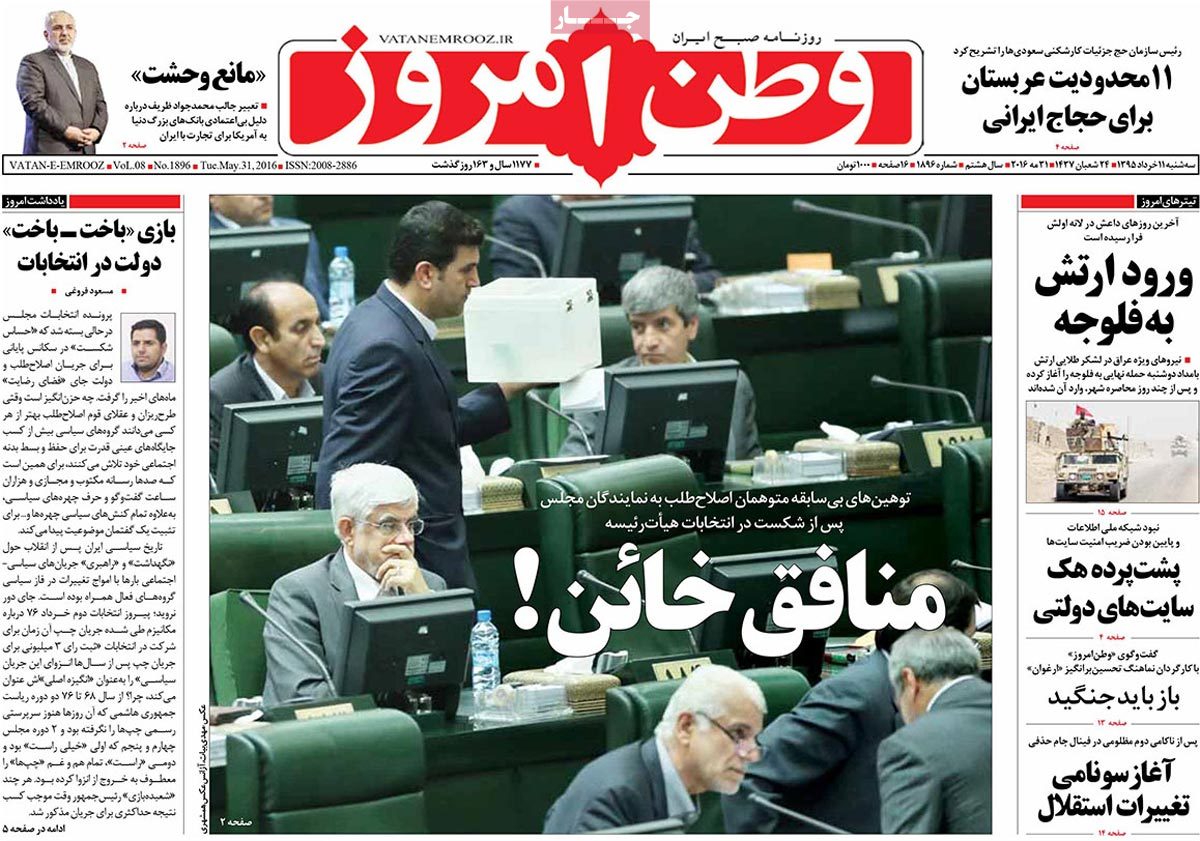
Vatan-e Emrooz:

1- Hypocrite Traitors! Reformists’ Unprecedented Insults to MPs after Losing Elections

2- Secrets behind Hacking of Government Websites

3- Government’s Lose-Lose Game in Elections


A Look at Iranian Newspaper Front Pages on May 31


Iran Makes Its Largest Investment to Date in Kurdish Regions

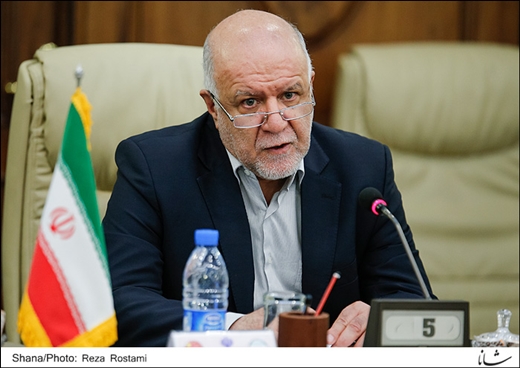
Bijan Namdar Zangeneh

The development of Kurdish regions was the message of Iranian President Hassan Rouhani’s visit to the north-western city of Mahabad in launching a petrochemical plant in the region, Iranian Minister of Petroleum Bijan Zangeneh told Shana on Tuesday May 31.

He said that the plant has been financed by state funds, and that it was an unprecedented move by the Iranian administration to fund an industrial unit of such magnitude.

The official said that the development of Mahabad petrochemical plant has been considered a major plan by the Iranian Ministry of Petroleum, ever since it envisaged the construction of the West Ethylene Pipeline project.

The West Ethylene Pipeline’s design and construction was put forth by the ministry in 2002, he added, saying that the project is aimed at developing petrochemical industries in Kurdish regions in western Iran.

Sanandaj Petrochemical Plant is operational and will be officially inaugurated within a few months, Zangeneh added. Mahabad and Sanandaj plants can process 330,000 tons of polyethylene and butane annually.
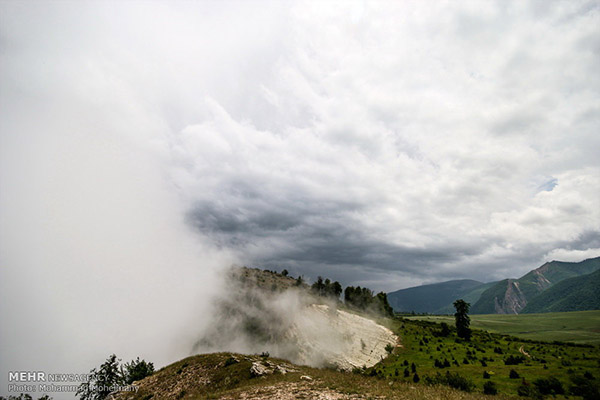
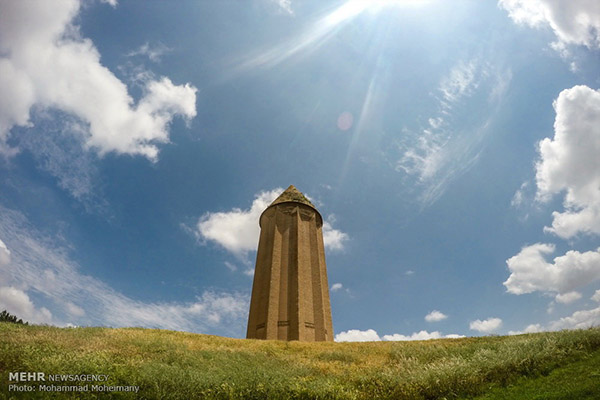
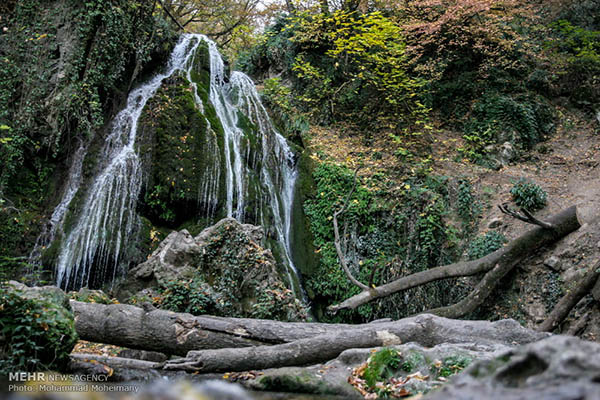
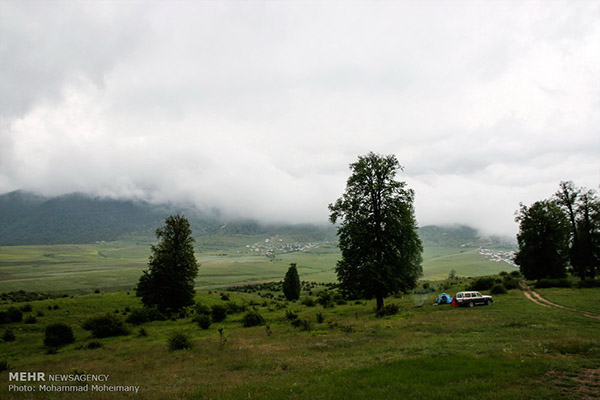
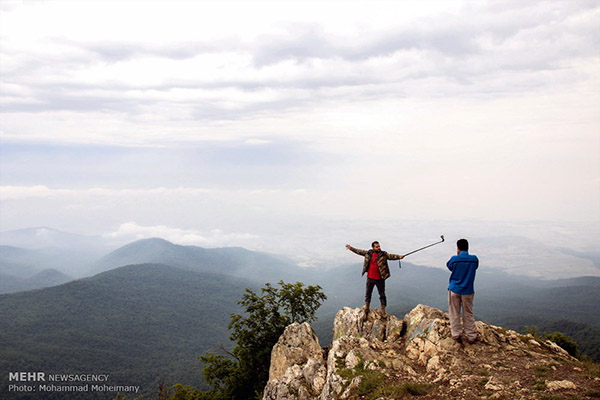
Green and Fertile Golestan Province

Golestan province_9878

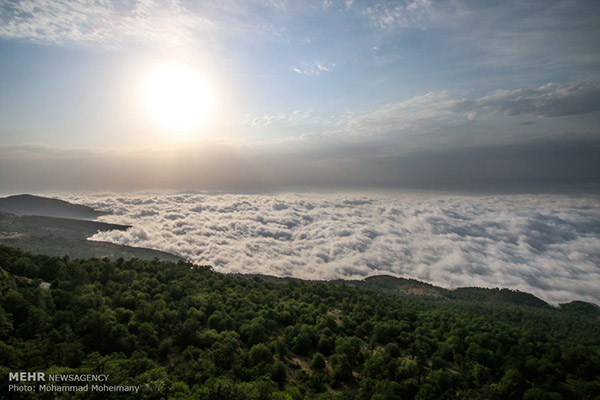
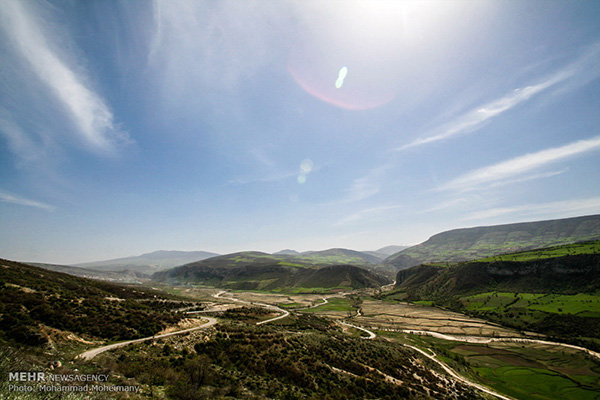
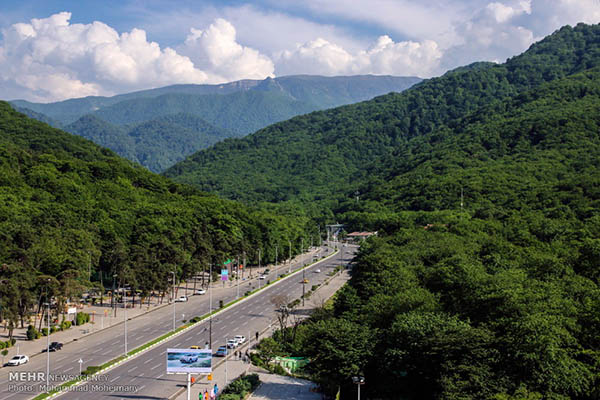
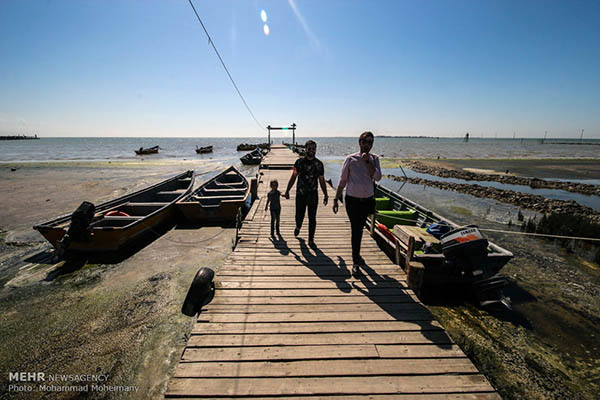
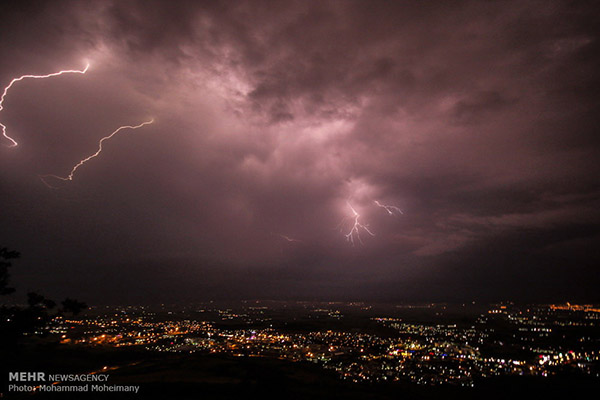
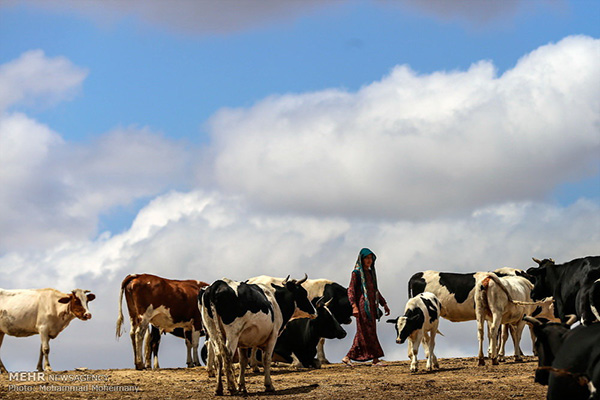
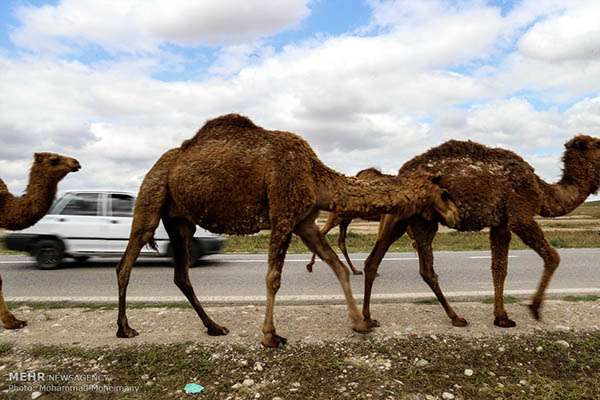
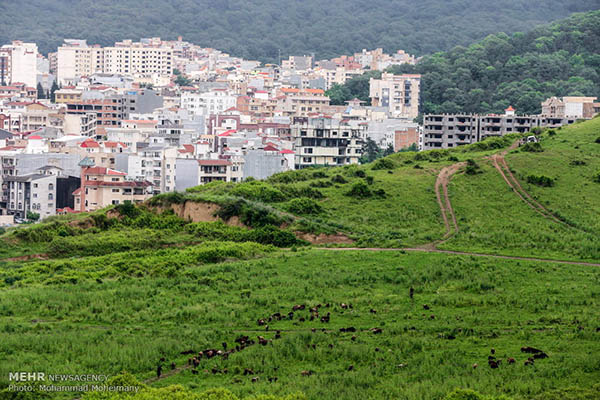
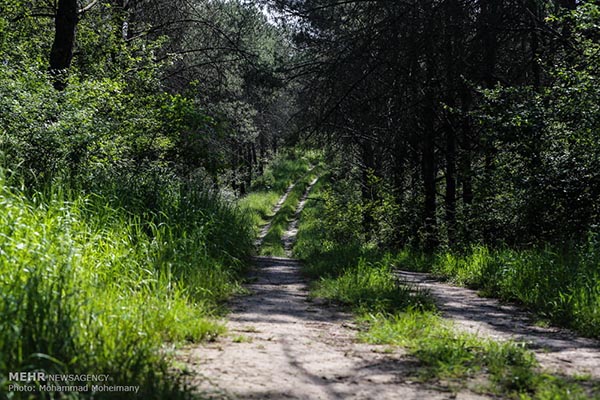
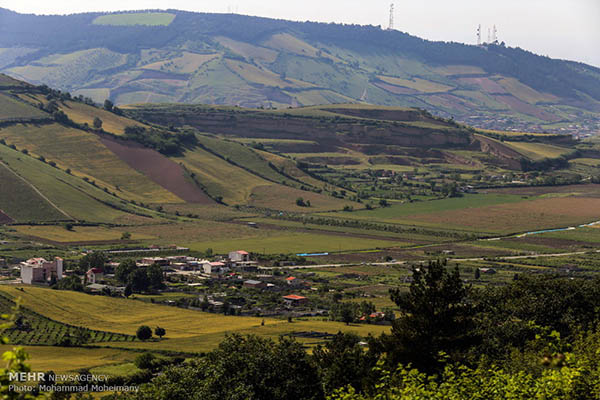
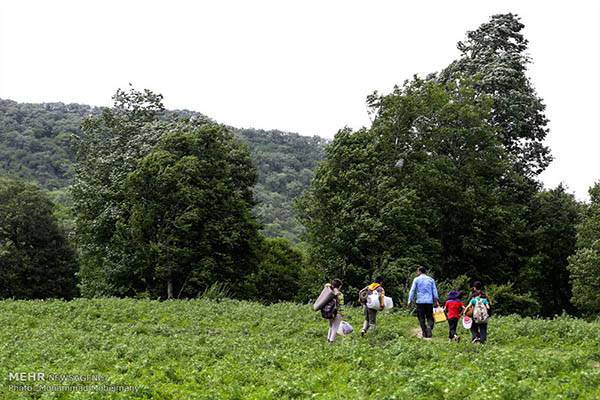
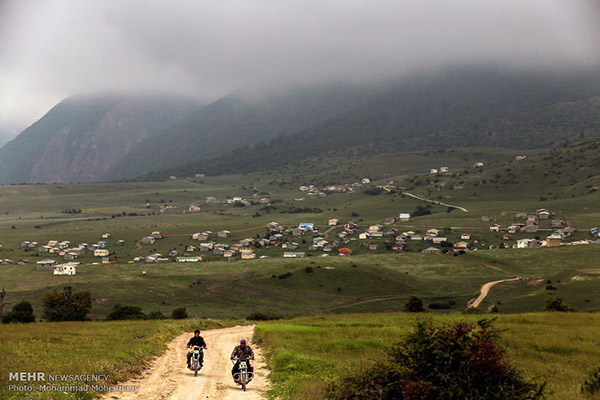
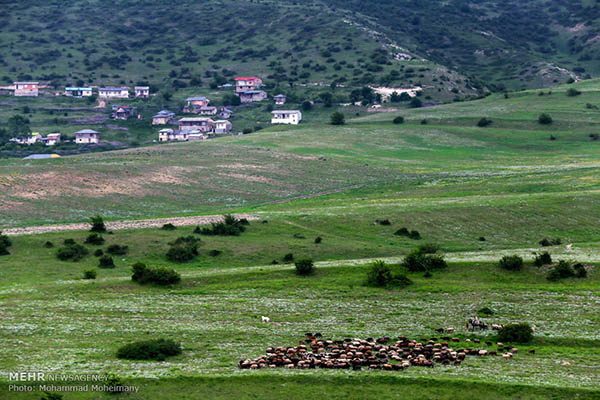
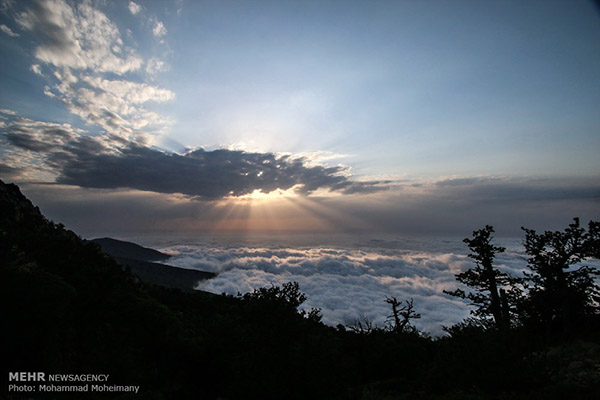
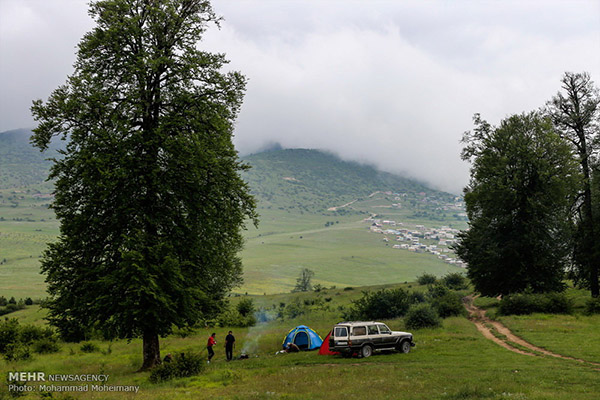
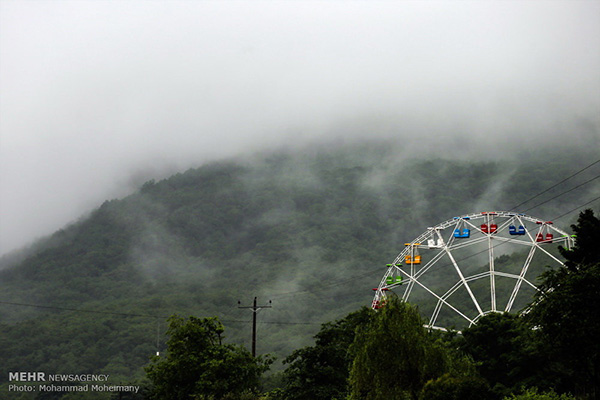
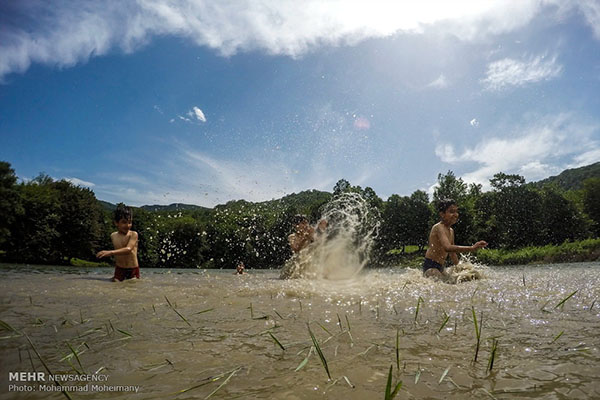
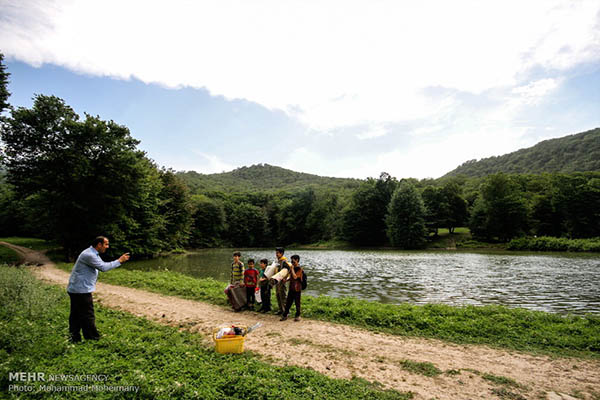
Golestan Province lies in the northeast of the country, and occupies a unique geographical location, where the Alborz Mountains reach down to the coast of the Caspian Sea. This interaction means the region sees a lot of rainfall, and has a mild, temperate climate for most of the year. Consequently, it is very green, and boasts of a wide variety of plant species, which give the province its name, Golestan, or the “Land of Flowers.” It is well known as being a retreat for nature lovers, as the home of the pristine woodlands of the Golestan National Park.

Here are a number of photos showing different aspects of the region, its nature, agriculture and people.


Images courtesy of Mehr. Text by IFP.

Zarif Again Calls for Dialogue among Persian Gulf States

Mohammad Javad Zarif-Corrspandents

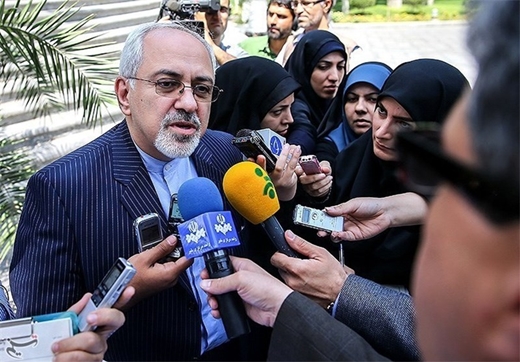
Speaking to reporters upon his arrival in Helsinki on Monday May 30, Zarif said the Helsinki Policy Forum, which is held on the initiative of the Finnish government, is in line with Iran’s proposals to hold regional dialogue, particularly among Persian Gulf states.

The top Iranian diplomat is expected to address the Helsinki Policy Forum on Tuesday.
He also said that he plans to hold talks with high-ranking Finnish officials, including President Sauli Niinisto and the Northern European country’s foreign minister.
Zarif is also expected to attend the Iran-Finland trade-economic forum.

Heading a delegation of 60 political and trade officials, Zarif left Tehran on Sunday to visit Poland, Finland, Sweden and Latvia.

In the first leg of his European tour, he visited Poland and held meetings with the country’s senior officials on issues of mutual interest.