Thursday, April 9, 2026
Home Blog Page 4462

Reunion with Caspian Seal in Nowshahr

SONY DSC
SONY DSC

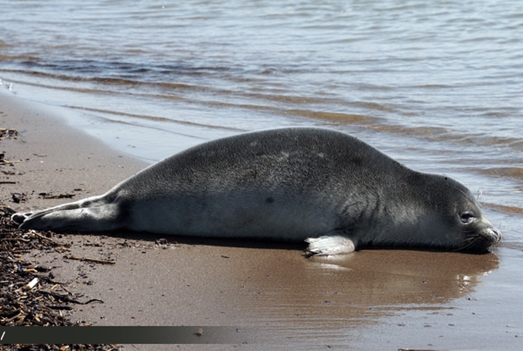
According to a report by ISNA, as translated by IFP, one of these seals was seen swimming and playing in the waters off Nowshahr, a city in northern Iran. Observed on Saturday, June 4, the small, playful seal is said to have lifted its head out of the water to breathe a couple of times.

Experts believe that overhunting poses a grave threat to these animals. The safe places where seals used to give birth to their babies have been destroyed in Russia and Turkmenistan. Seal meat is used in fox-breeding farms in Russia, and some Turkmen people believe that the fat under the seal’s skin is good for treating arthritis, which of course has no scientific basis.

The Caspian Sea littoral states are criticized for exploiting the Caspian environment, and thus, are being called upon to enhance their relations in order to save the Caspian seal.

Before the breakup of the Soviet Union, the number of seals in the landlocked sea stood at approximately 1 million; their ranks shrank to 100,000 by 2008, when the most recent statistics were released.

Russia allows as many as 10,000 seals to be hunted on a yearly basis. Iran, however, has initiated efforts to inform hunters of the importance of these seals. In Ashuradeh Island, Iranian officials even pay reward money for every single seal they receive alive.

Drones Are A Pillar of IRGC Navy Capabilities: Commander

Commander Rear Admiral Ali Fadavi

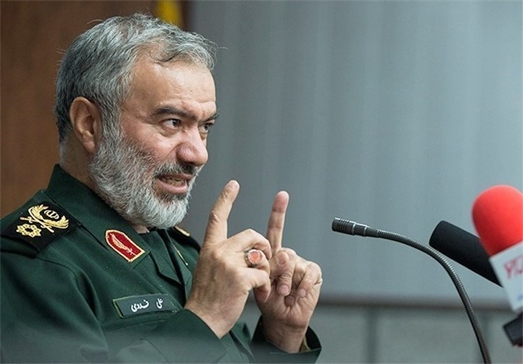
During a visit to the IRGC Navy’s drone command headquarters on Wednesday June 8, Rear Admiral Fadavi said the unmanned aerial vehicle (UAV) unit has become a pillar of the IRGC Navy’s combat and operational power.

Drones account for the fifth pillar of the Navy’s operational capabilities in addition to vessels, commandos, missiles and air-sea equipment, he added. As time goes by, the significant role of the pilotless aircraft becomes clearer in the world armies, he explained.

Iran is now in possession of a broad range of UAVs which can be used for both civilian and military purposes.

Experts at the IRGC Aerospace Force have already manufactured a home-grown version of the US RQ-170 stealth drone through reverse engineering.

The advanced American aircraft was captured in north-eastern Iran in December 2011.

Larijani Congratulates Syria’s First Female Parliamentary Speaker

Larijani01

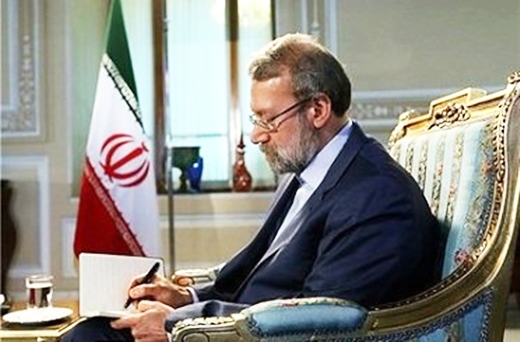
Ali Larijani issued a message congratulating the election of Hadiyeh al-Abbas as the first female speaker in history of the Arab country’s legislature, marking a historic event in the war-stricken country.

The full text of Larijani’s congratulatory message is as follows:

Dear Ms. Hadiyeh Khalaf Abbas,

Speaker of the People’s Assembly of Syria,

I deeply feel obliged to express my own as well as other Iranian MPs’ sincere congratulations on the occasion of your election as the Parliament Speaker of the People’s Assembly of the Syrian Arab Republic.

Hereby, I hope that in the course of your responsibility, friendly relations and parliamentary cooperation between the two brotherly countries of the Islamic Republic of Iran and the Syrian Arab Republic will be further extended at various regional and international levels.

Meanwhile, I would like to emphasize that Iran’s strategy is to develop close and comprehensive multilateral ties with the Syrian people and government in order to achieve stability, peace and security in the region.

Seizing the opportunity, I also ask the Almighty God for your heath and success as well as for destruction of terrorist-Takfiri groups and victory of the government and nation of the friend and brother country of Syrian Arab Republic.

Ali Larijani,

Speaker of the Parliament of the Islamic Republic of Iran

US Congressmen Respond to Iranian Foreign Ministry’s Letter

congressmen hemingway 20160204

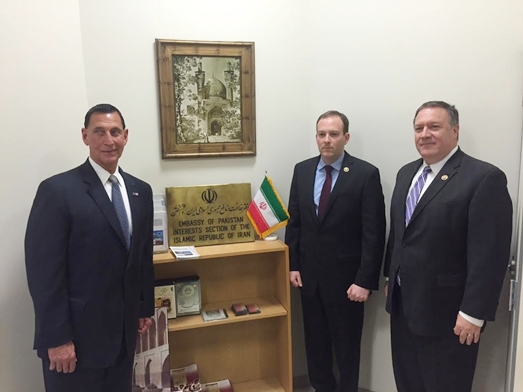
According to IFP’s coverage of a report by Fars, US Representatives Mike Pompeo, Lee Zeldin and Frank LoBiondo went to Iran’s Interest Section in the embassy of Pakistan in Washington back in February to call for visas to visit Iran, saying they wanted to investigate what was happening after the nuclear deal between Tehran and world powers.

The congressmen were looking to make a fact-finding trip to examine Iran’s nuclear program, the status of American hostages, and verify that Iran was holding free and fair elections.

In reply, Foreign Minister Zarif’s office released a letter on Tuesday June 7, in which the US Congressmen were reminded that Congress is not a global authority, and only the International Atomic Energy Agency (IAEA) is competent in terms of monitoring JCPOA [nuclear deal] implementation.

The letter also described their move as a “publicity stunt”, and stressed that their demand to visit Iran had been made in a “completely inappropriate way”.

In reaction to the letter, Pompeo, a Kansas Republican and member of the House Permanent Select Committee on Intelligence, wrote:

“This absurd letter from the Iranian Foreign Ministry is unsigned, months overdue, and refers to our request for visas to travel to Iran as a ‘publicity stunt.’ It is not responsive to our request, and is an attempt to distract from some of the Ayatollah’s far more dramatic ‘publicity stunts’ such as writing ‘Israel must be wiped out’ on ballistic missiles, plotting to blow up a restaurant in Washington, D.C., and kidnapping American sailors on the day of the State of the Union. Our request was never a publicity stunt. It was, and remains, a serious attempt to accomplish important tasks for the American people. I ask the government of Iran yet again, grant our request for a visa.”

LoBiondo, a New Jersey Republican and also a member of the House Permanent Select Committee on Intelligence, stated:

“It is deeply disappointing, though not surprising, Iran would respond to our legitimate request with insults and deflections. As predicted, in denying our visa request Iran reaffirms that President Obama’s ‘new era of openness and cooperation,’ as sold to the American people and the world, is a farce. Our resolve to ask critical questions and conduct the vigorous oversight required in dealing with Iran will continue despite this decision.”

Finally Zeldin, a New York Republican and member of the House Foreign Affairs Committee, wrote:

“While not surprised at this reaction from a Ministry-level entity within the Iranian government, like the JCPOA, this letter is an unsigned document that spits in the face of the freedom-loving world. This shameful response dodges almost all the inquiries of our letter, because they fear the consequences of honesty. The Iranians may have President Obama and Secretary Kerry wrapped around their fingers and toes, but January 2017 will be here soon enough. Iran is the world’s largest state sponsor of terrorism and this letter from [Iranian foreign minister Javad] Zarif’s office is a glaring reminder that they should be treated as such. It’s really too bad that they go so far out of their way to prevent a democracy from flourishing in their own country, because they know well that they would finally be replaced by leaders who want to empower their people rather than themselves and want to lead Iran to better days ahead instead of violently downhill. Inside of Iran are millions of great people who understand that while Obama and Kerry prop up the wrong regime, one opportunity after another is being missed to replace these Iranian thugs with true leaders and peaceful actors.”


To read the Foreign Ministry’s letter to the US Congressmen in full, click here.

Iranian, Russian, Syrian Defence Ministers to Meet in Tehran

2101749

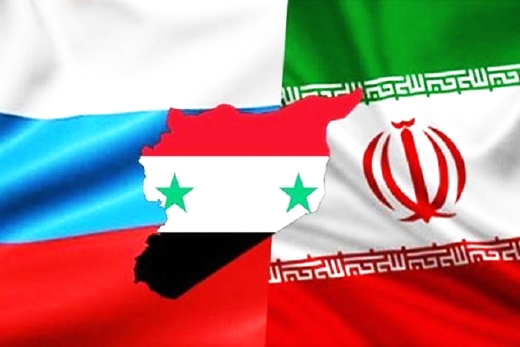
Iranian Defence Minister Brigadier General Hossein Dehqan has officially invited his Russian and Syrian counterparts, Sergey Kuzhugetovich Shoygu and Fahd Jasim al-Furayj, to visit Tehran for the trilateral meeting.

The three ministers are expected to discuss the latest developments in the region and weigh plans to reinforce the war on terrorism.

Iran and Russia, known as the main allies of Syria, have been looking for a solution to a crisis that has plagued the Arab country for more than five years.

Syria has been gripped by civil war since March 2011 with Takfiri terrorists, including the Daesh or ISIS terrorist group, currently controlling parts of it, mostly in the east.

The Syrian conflict has killed at least 260,000 people, according to the UN, and more than half of Syria’s pre-war population of 22.4 million has been internally displaced or fled abroad.

1000 Poets Object to Iran-Turkey’s Joint UNESCO Submission of Rumi’s Masnavi

1464686812014_000

Here’s IFP’s translation of a report by Tasnim on the statement:

National Library and Archives of Iran (NLAI) Director Seyyed Reza Salehi-Amiri met a Turkish cultural delegation led by the director of the Atatürk Culture Language and History High Commission, Derya Ors, in Tehran on Monday, May 30.

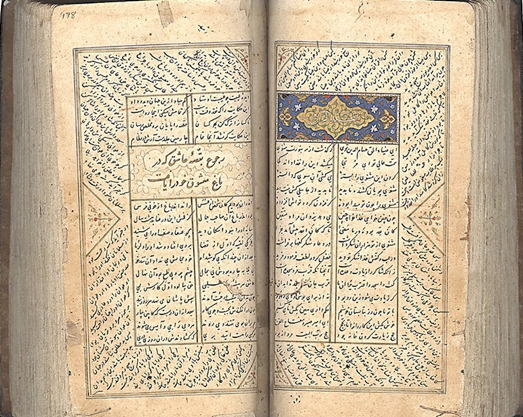
He later announced the two countries had reached an agreement to submit the Masnavi-ye Manavi, the masterpiece by Persian poet Mawlana Jalal ad-Din Rumi, to The United Nations Educational, Scientific, and Cultural Organization’s Memory of the World Register.

The move, however, provoked controversy among both Iranians and non-Iranians. Some believe that the joint registration would be a huge success for Turkey, who has been claiming [the nationality of] Rumi in recent years, without paying attention to Iran and Afghanistan as the original homelands of the famous poet.

In reaction to the joint submission, 1000 Persian-speaking poets in Iran and Afghanistan signed a statement, and urged Afghan cultural officials to increase their efforts in this regard to have the decision revised by Tehran and Ankara.

They want Afghanistan, Rumi’s birthplace, to be included in the submission as well.

Although Rumi is not restricted to a particular geographical boundary or nationality, he can help connect people to each other during a time when everyone is fanning the flames of war.

It seems that if Afghanistan takes effective measures, and if the objection of the poets is heard, a joint submission of the Masnavi by Iran, Afghanistan, and Turkey could strengthen the bonds between the three countries, which share strong cultural and civilizational backgrounds.

Some of the poets who signed the statement, however, are not very hopeful that their objection will be fruitful. For them, though, it is a kind of protest for certain officials to consider their cultural heritage more.

The statement reads:

“Dear UNESCO officials, cultural officials of the Islamic Republic of Iran, Republic of Turkey, and the Islamic Republic of Afghanistan,

We are proud that Mawlana Jalal ad-Din Balkhi, the great Persian-speaking poet, is one of the well-known poets in all parts of the world. We are also pleased that people from other countries are proud of him. From our point of view, the fact that a poet came from Balkh, lived in Konya, and influenced the spiritual heritage across the region can be a source of unity and sympathy.

These territories have had variable and changing borders, names, and capitals throughout history, so much so that it is problematic to use the name of a particular modern-day country to refer to those old names. It might even lead to misinterpretation. Therefore, we believe that it is not appropriate to monopolize and limit these great figures to present-day political borders; rather, it is appropriate to know them by their birthplace and attribute them to the country of their mother-tongue.

Although Rumi spent the lion’s share of his life in Konya and is buried there, his scientific and literary personality was formed thanks to his science-loving family, especially his father Baha-ul-Din, who emigrated there from Balkh. His mystical personality was also influenced by Shams-e Tabrizi. His works have been taught in schools across the entire region, particularly in Afghanistan and Iran, and great poets, researchers, and artists from both countries have played their part in preserving his heritage.

Therefore, it seems unfair to submit the Masnavi, the prominent work of the God of Balkh [Rumi], from Iran and Turkey (given the present-day borders) to UNESCO, ignoring the birthplace of Rumi, Afghanistan. The move could lead to the irritation of the people who have grown up with the great poet, and who consider him to be a chain linking their societies together.

We believe that Turkey and Iran should reconsider their decision in order to avoid futile disputes between regional countries, and should add Afghanistan to the countries of origin in a bid to boost unity among these three nations. We also demand that the government of Afghanistan play a greater role in these interactions and attributions.

A group of Persian-speaking poets, story-writers, researchers, artists, and literati.”

The list includes such renowned Iranian poets as Soheil Mahmoudi, Mohammad Ali Bahmani and Esmaeil Amini.

Iranian Government’s Reaction to Objections

Salehi-Amiri, who is also an advisor to President Hassan Rouhani, noted after his meeting with the Turkish delegation that Rumi is one of the cultural points shared by Iran and Turkey. However, many voiced their objections, saying, “Why should we share Rumi with Turkey? He’s ours! What does Turkey have to do with the Masnavi?”

Farhad Nazari, the director-general of the Office for Registration of Historical Works, told ISNA that the Masnavi is going to be registered as the most important mystical work in Persian, and the joint submission does not confirm Turkey’s claims about Rumi’s nationality.

Any criticism, objection, and sensitivity on the issue is valuable, he noted, adding, however, that “The registration of the Masnavi in cooperation with Turkey does not at all imply a confirmation of Turkey’s claim as to the Turkish nationality of Rumi.”

“It’s very simple. We proposed the book Masnavi [to be registered in UNESCO], and since the oldest and most complete version of Masnavi is in Konya, we jointly submitted it with Turkey. This was just because an important version of the book is in that country,” he went on to say.

“Even if the version had been in Oxford, Iran would have jointly submitted it with Britain,” he added.

Nazari also pointed to Estakhri’s Al-Masaalik Wa Al-Mamaalik, which was jointly submitted and registered by Iran and Germany to UNESCO’s Memory of the World Register because an ancient version of the book was kept in Germany.

“Does that mean Estakhri was a German author?” he asked.

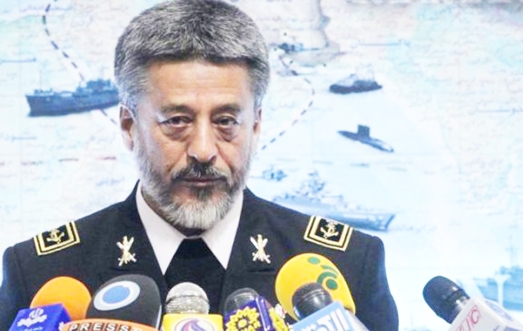
Iran Navy Protects 2,500 Vessels on High Seas: Sayyari

Irans-Navy-Commander-Rear-Admiral-Habibollah-Sayyari

Speaking at a local gathering in the southern province, Sayyari said that the presence of pirates in the region had led to a lack of security in the Gulf of Aden. “The Iranian Navy is safeguarding the country’s resources and interests on the high seas,” stressed the commander.

He added that presently the 41st flotilla, consisting of the Lavan logistical warship and the Shaheed Naqdi destroyer, had been dispatched to the Gulf of Aden to safeguard maritime routes used by cargo ships and tankers.

Sayyari stressed that currently the Iranian Navy has attained self-sufficiency in maintaining and repairing its own vessels, as well as constructing and modernizing its missile carriers, destroyers and other equipment.

He added the Iranian Navy would unveil its latest surface and sub-surface vessels by the end of the current Iranian calendar year (March 20, 2017).

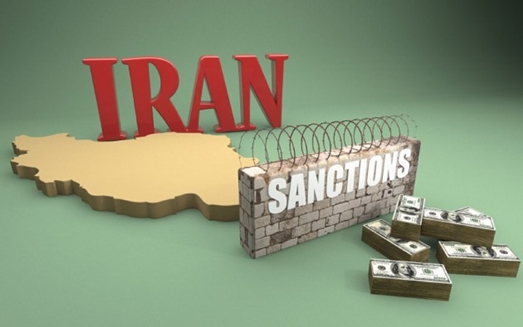
“Iran, Post-Sanctions” Seminar to Be Held in St. Petersburg

iran-sanctions-e1428735287267

The meeting is to open in the Russian metropolis on June 16 and Minister of Industries, Mines and Trade Mohammad Reza Nematzadeh will lead the Iranian delegation.

Over 10,000 people, including senior officials of several countries and managers of big industrial and trade organizations, as well as entrepreneurs from across the globe, are to participate in the three-day meeting.

A number expert meetings and workshops are also scheduled on the sidelines of the meeting.

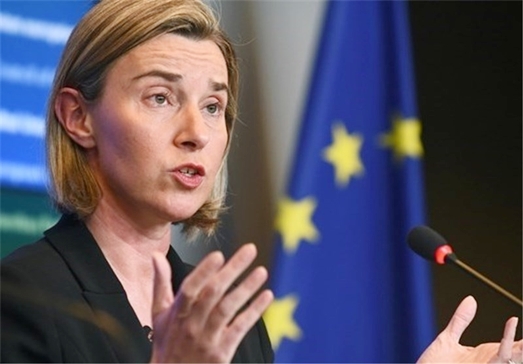
Iran-EU Disagreements Still in Place: Mogherini

Mogherini

“The deal does not imply that all our disagreements with Iran have disappeared overnight. Or that they will disappear anytime soon,” Mogherini said, addressing a crowd at the Global Forum of AJC (American Jewish Committee Global Forum) on Tuesday June 7.

“One year ago, we had no way to ensure that Iran would stay away from nuclear weapons. Today the international community and the International Atomic Energy Agency are monitoring Iran’s nuclear program very closely,” she added.

Mogherini also said that the EU will continue to monitor the full implementation of the deal, also known as the Joint Comprehensive Plan of Action (JCPOA).

Elsewhere in her remarks, the EU foreign policy chief referred to Iran’s growing influence in the region and said, “Yes, Iran is a player, in regional dynamics. This is true for both historic and geographical reasons, and you cannot change either of them. The real matter is what kind of influence Iran exerts. Iran can choose cooperation, or confrontation.”

She went on to say that Iran has an interest to choose cooperation.


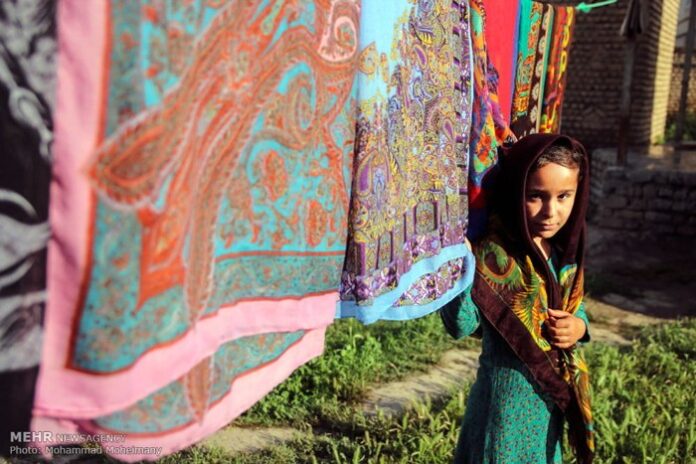
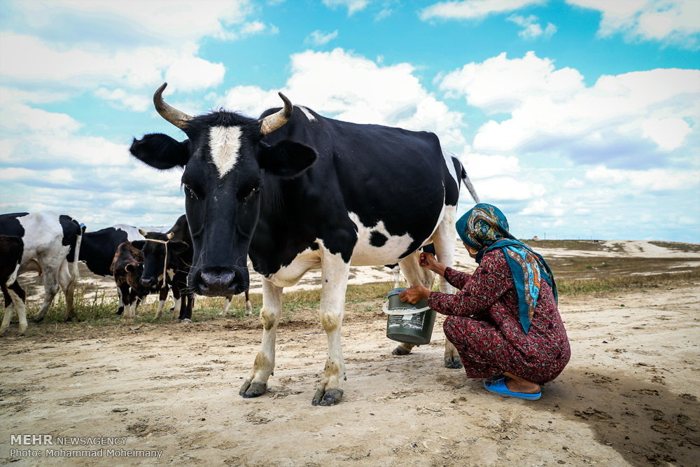
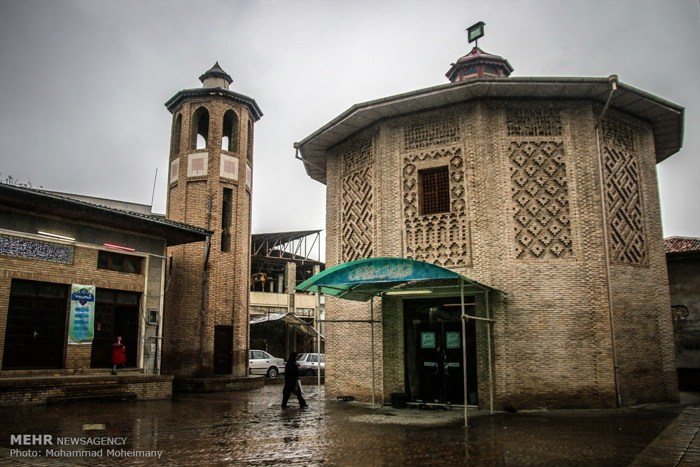
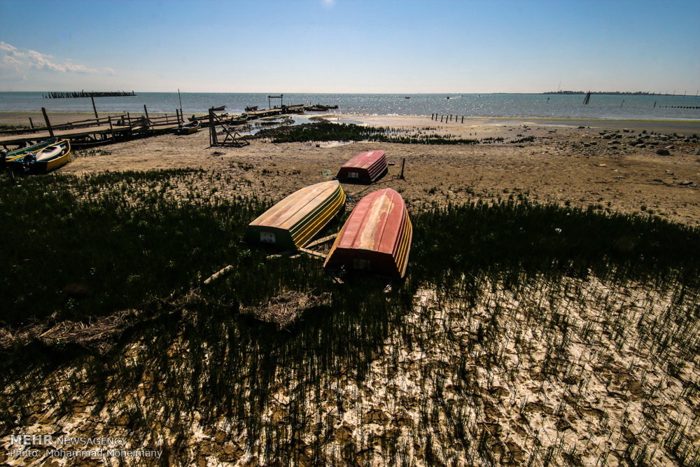
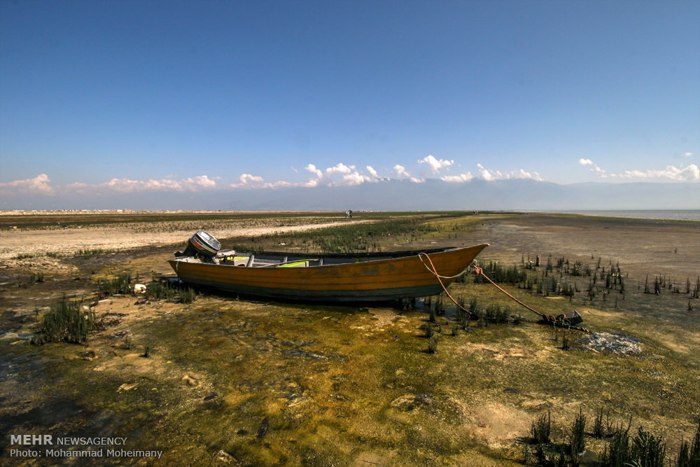
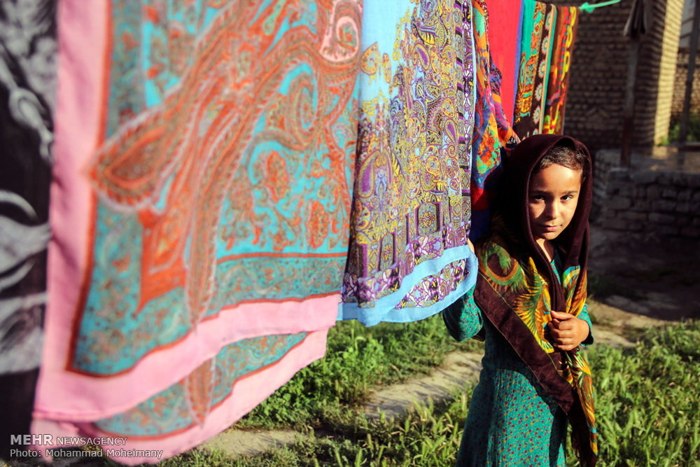
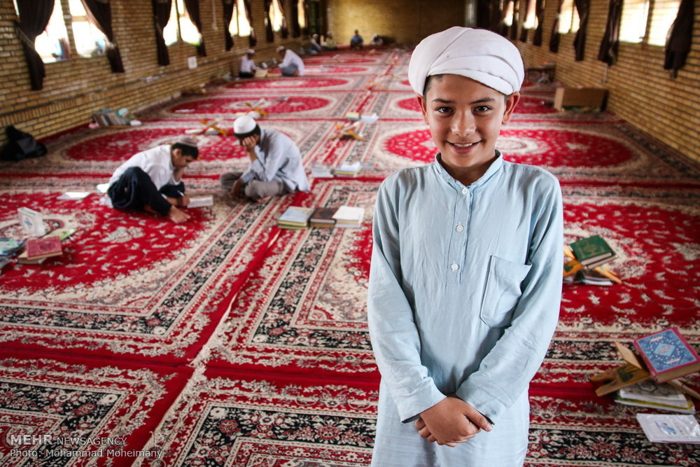
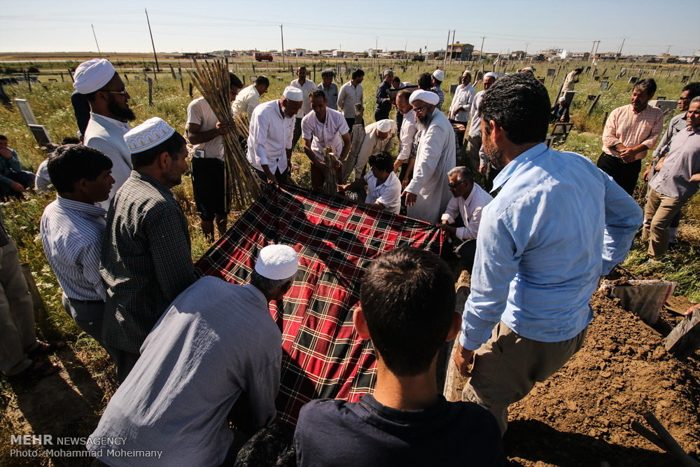
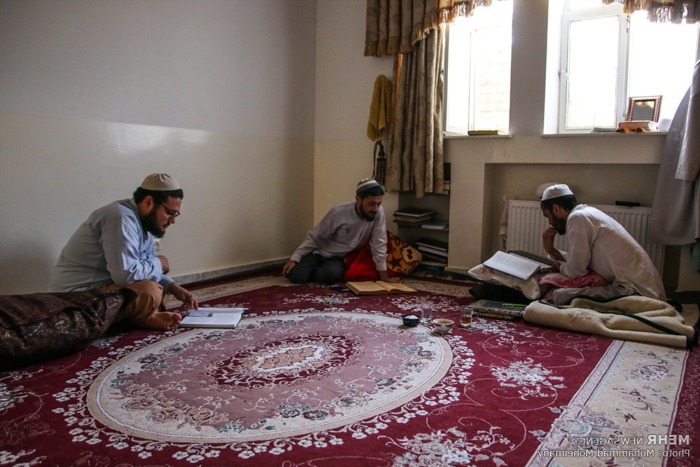
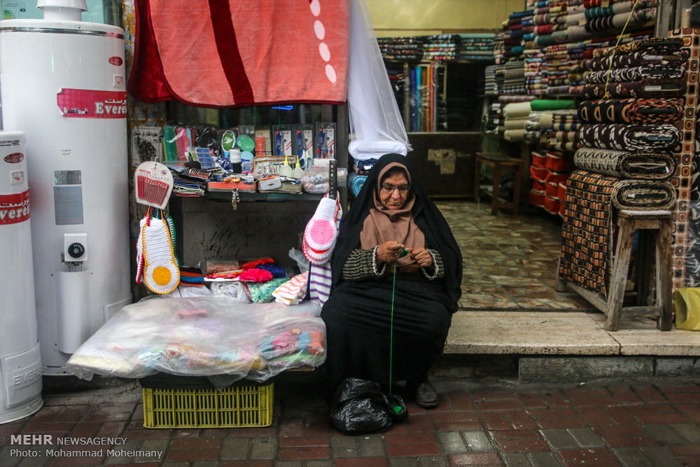
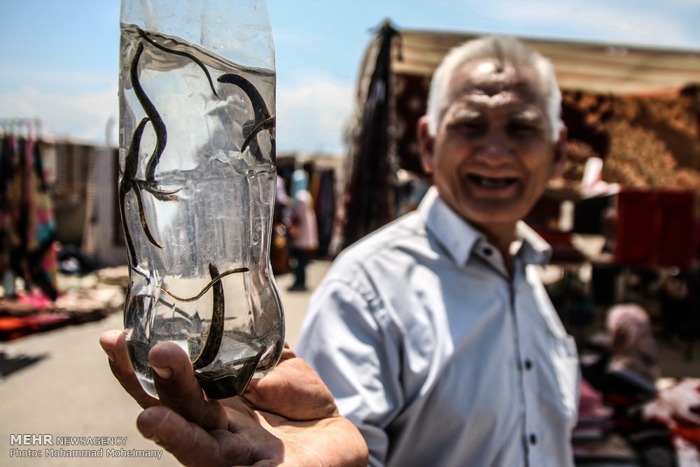
Scenes of Daily Life in Golestan

As part of an ongoing series, Mehr presents a look at the everyday lives of ordinary Iranians across the country. This week, the camera is turned to Golestan, a province in the northeast of the country, flanked by the Caspian Sea and the Alborz Mountains.