
The colourful Chador Shab is woven using cotton, wool, and silk strings, and is tied around women’s waist to avoid humidity or is used as a bedcover or handbag.
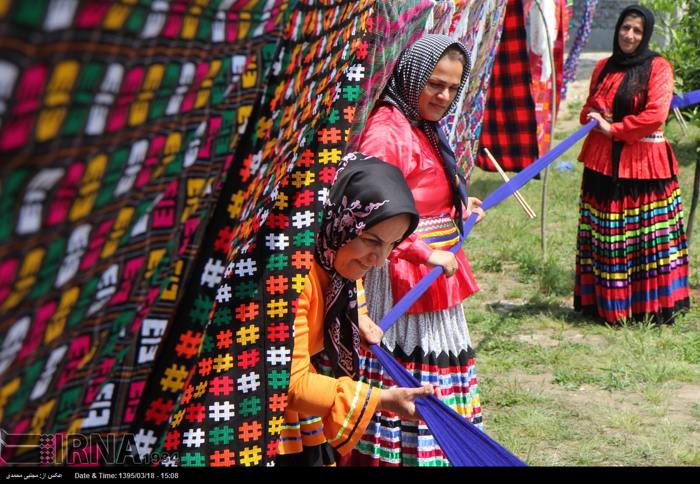
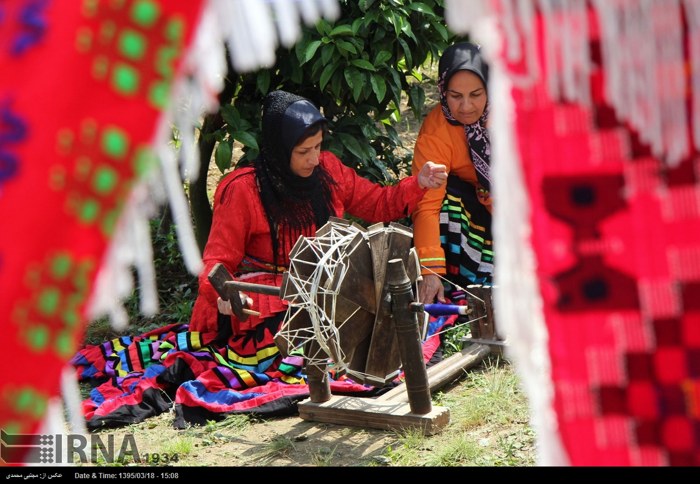
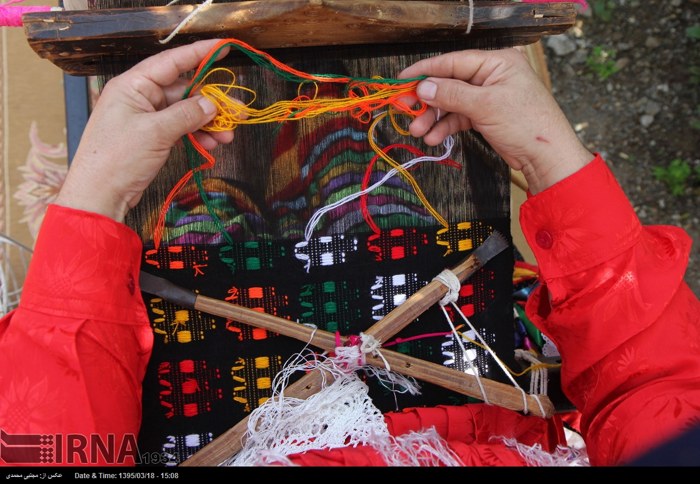


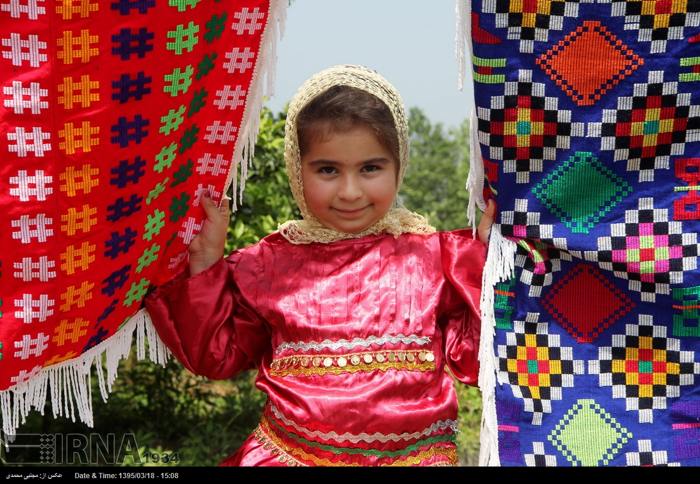
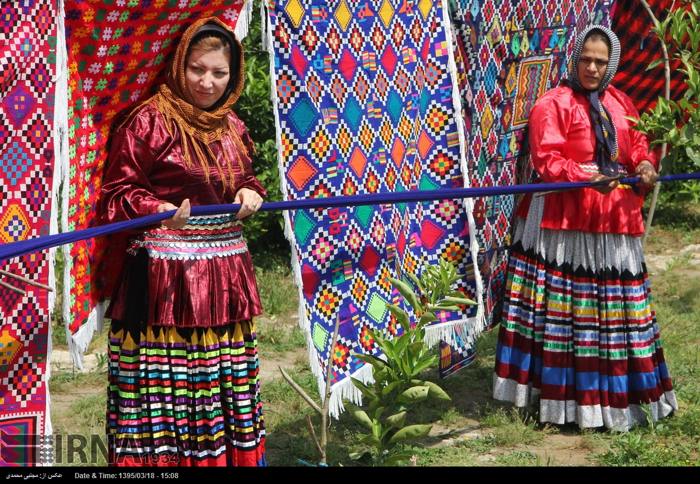

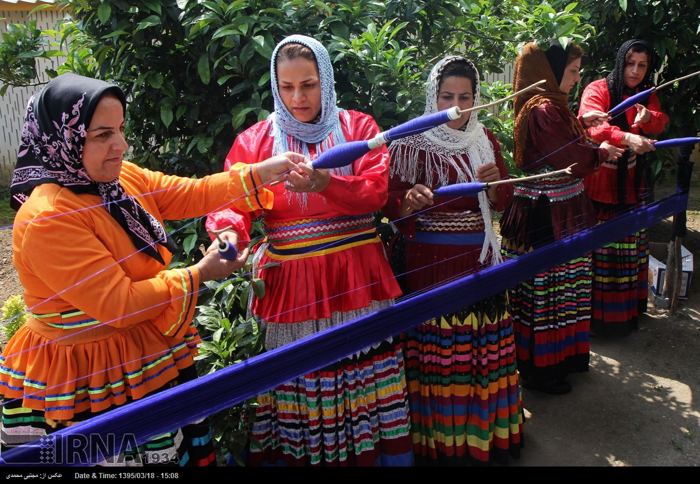
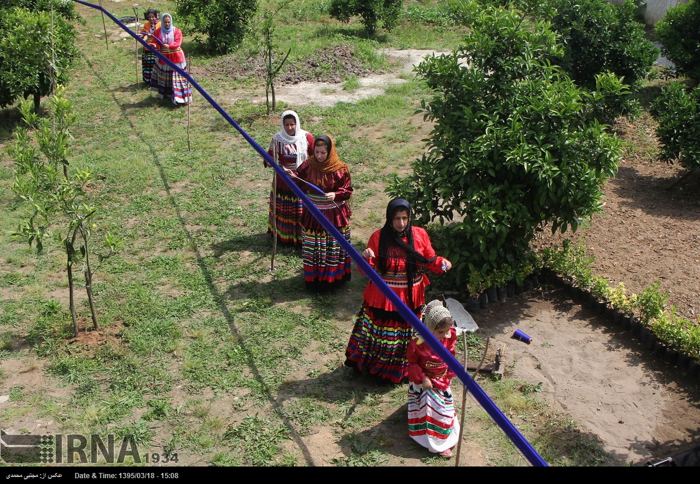
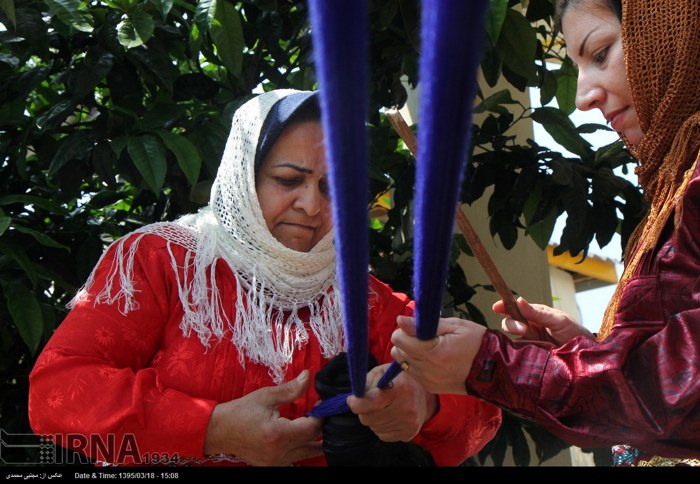
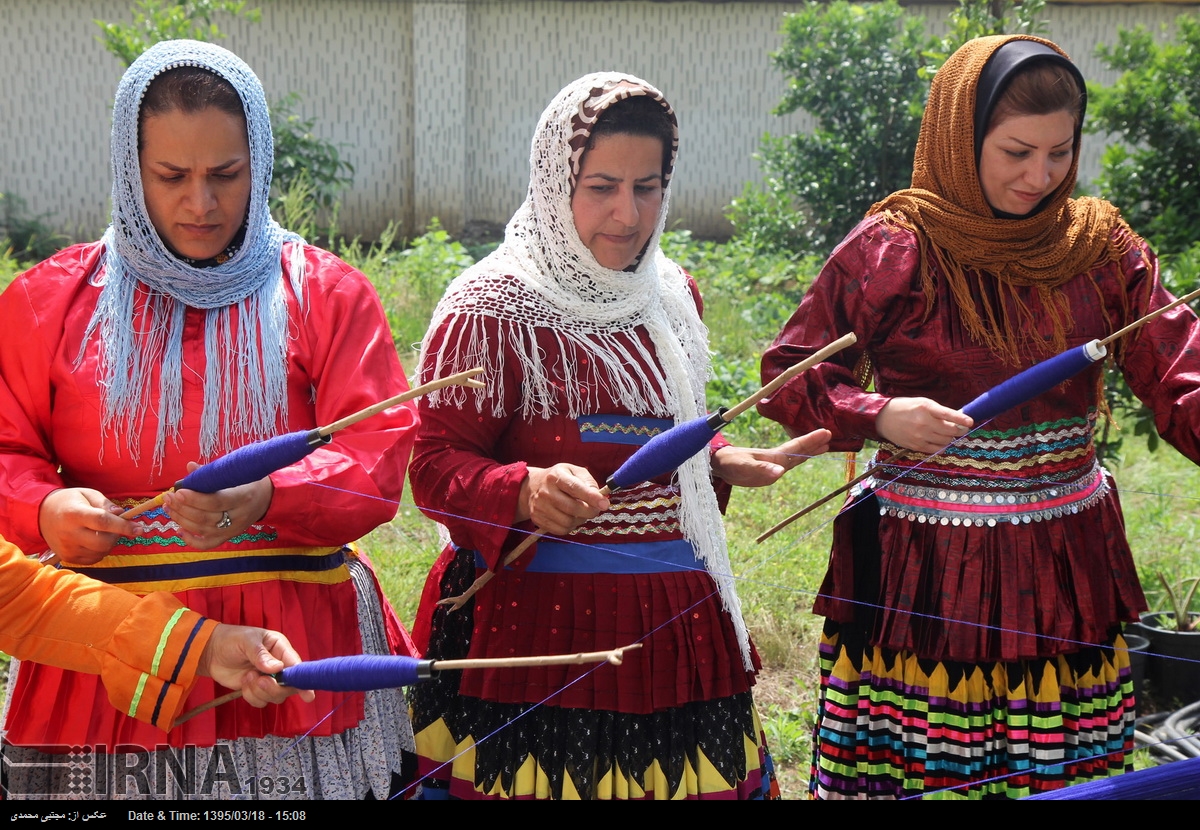
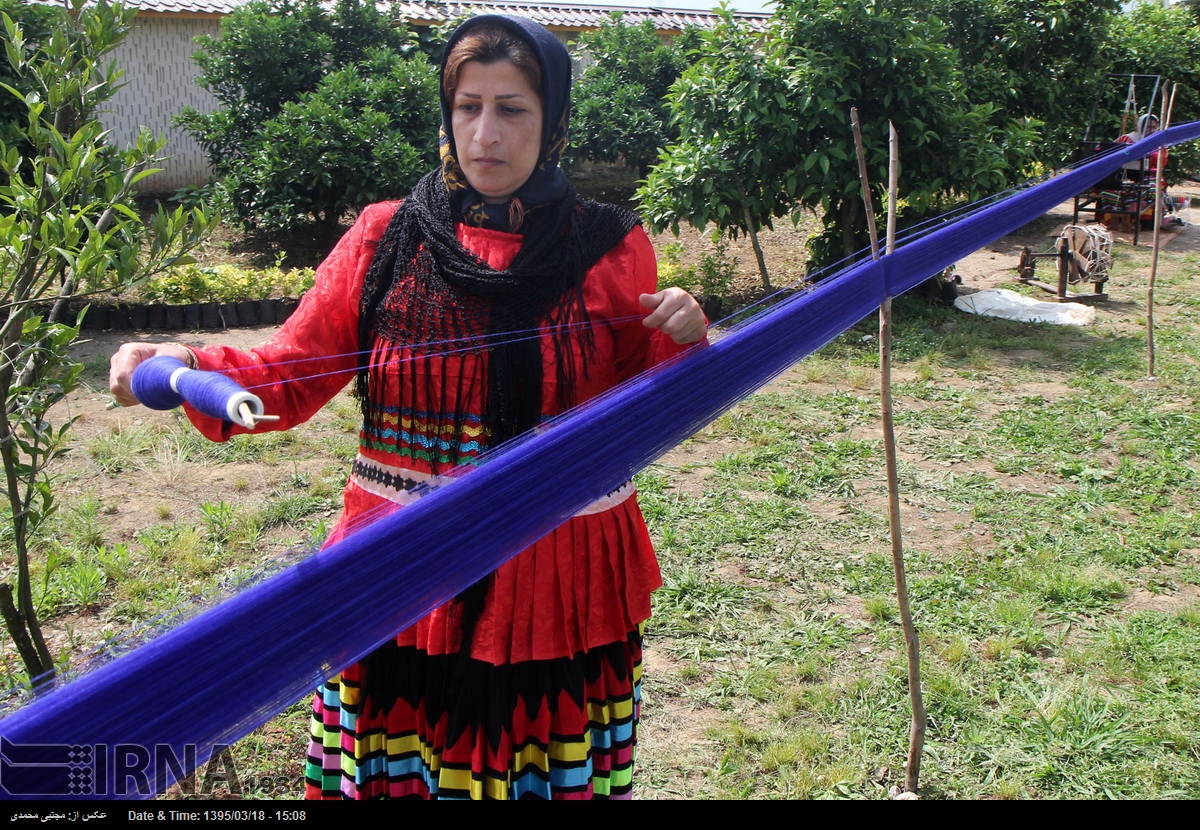
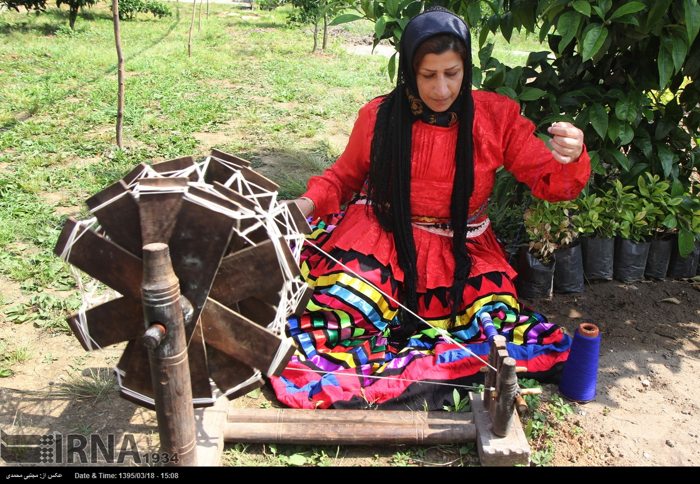
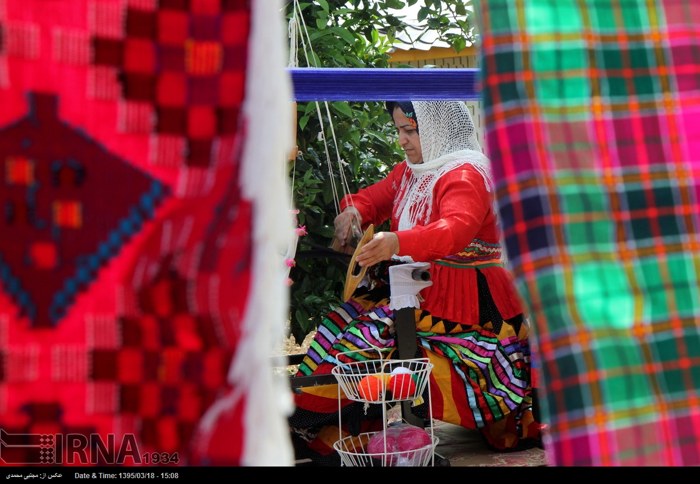
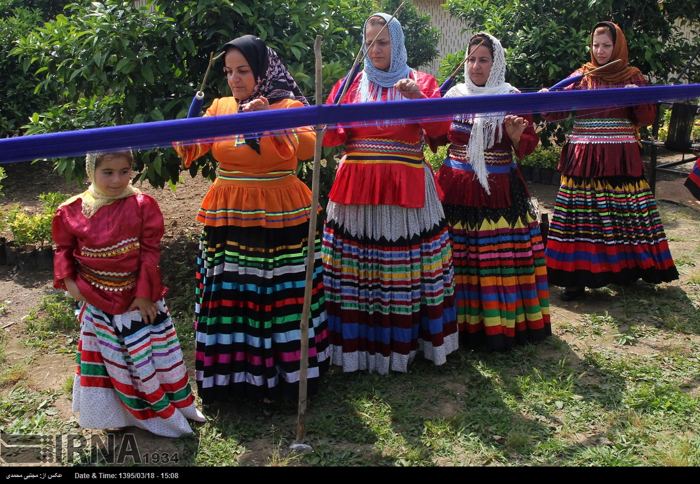
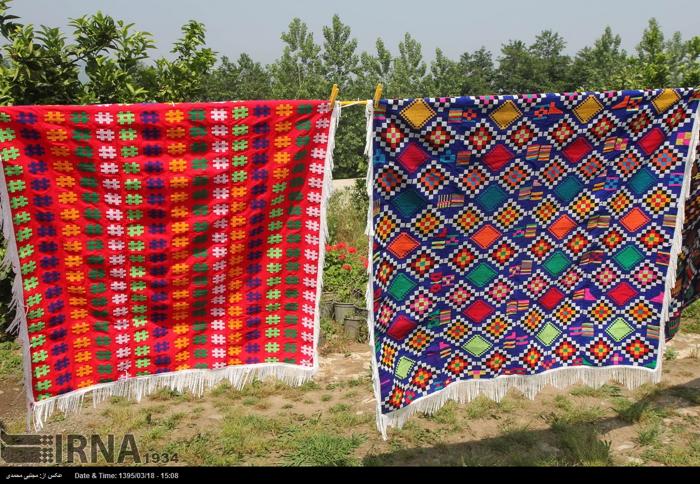
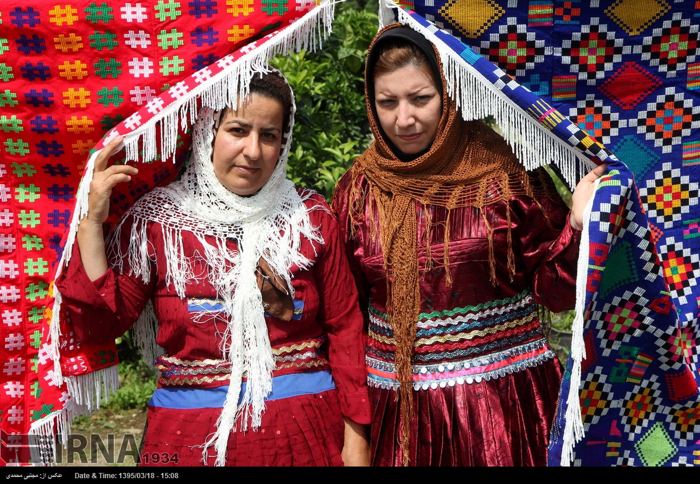
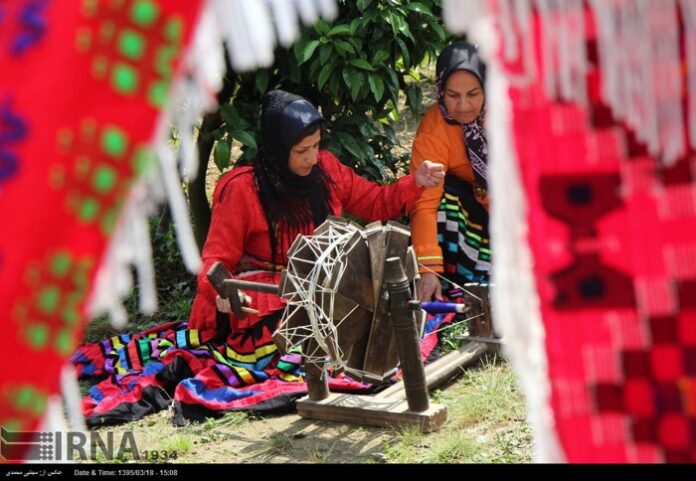
The colourful Chador Shab is woven using cotton, wool, and silk strings, and is tied around women’s waist to avoid humidity or is used as a bedcover or handbag.

Based on shipping data released by Reuters, Shell has fixed Suezmax tanker Delta Hellas to bring 130,000 tons of Iranian crude from Kharg Island on 8 July to continental Europe.
Trading sources have announced that the cargo would unload in Rotterdam.
Iran had earlier announced that Shell will have to clear its debts for previous purchases of oil for the new orders to be proceeded. In April, the country said debts that amounted to above $1.7 billion had been cleared.
The outstanding debt to Iran was a result of Iranian oil deliveries which Shell had been unable to pay for due to sanctions, Reuters reported on 7 March.
The Anglo-Dutch company resumed talks with Tehran on the debt after most Western sanctions were lifted in January. The payments were made over the next few weeks after the removal of the sanctions in euros as dollar transactions are still under US sanctions, the news agency added.
The company was involved in the development of Iran’s Soroush and Norouz oil fields in Persian Gulf waters. It was also planning to develop a gas liquefaction project called Persian LNG in Iran’s South Pars energy zone. However, it later cancelled its plans to that effect as a result of the sanctions.
Besides Total, European purchases of Iranian crude have gone to refineries in Spain, Greece and Italy since the sanctions were lifted.
Iran’s crude exports are now close to pre-sanctions levels of around 2.5 million barrels per day, Reuters emphasized.
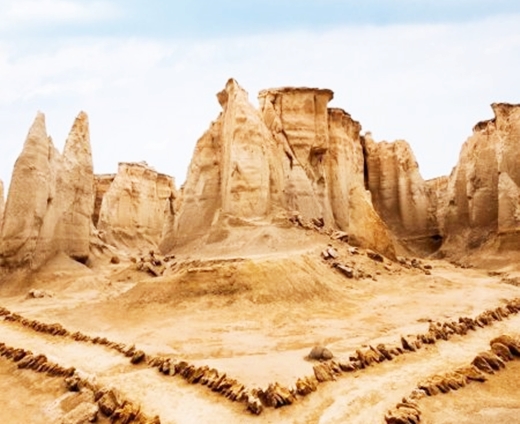
Qeshm Island is a key destination in southern Iran, which draws tourists in droves every year.
Blessed with unique geological formations that host a variety of flora and fauna, and sandy beaches kissed by the pristine waters of the Persian Gulf, the island is brimming with opportunities squandered due to a host of factors, according to travel bloggers who recently visited the southern Iranian island.
A number of bloggers travelled to Qeshm for four days and wrote their experiences on their personal blogs, Donyaye-safar.com reported. Some had impressed the judges at a travel blogging competition organized by Qeshm tourism authorities two months ago.
They all wrote about the island’s attractions, but they also wrote extensively about its shortcomings.
“The island is pushing for industrialization while at the same time trying to preserve its traditions,” wrote Muhammad Gaeini, who regularly travels there. “But the two clash—a clear example of unsustainable development in Qeshm,” he added. “Development or traditions – we can only choose one.”
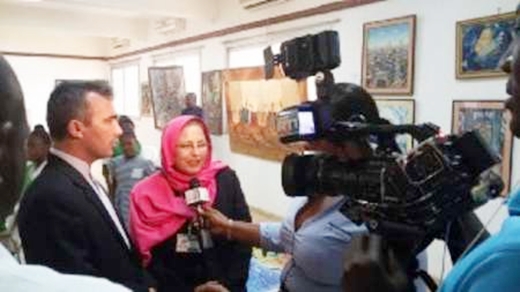
Headed by Susan Nikzat, founder of the institute, the private children’s mobile museum (Peace Ambassadors) started its work in the African country on Tuesday June 7 and will continue until June 20.
The mobile museum will also go to Ghana during the period.
Designed to entertain children, the museum is arranged an exhibition of dolls and puppets made by children of other countries using simple materials like spoons and forks. It uses a format of interaction and cooperation with children, like making dolls, to teach universal cultural signs with a focus on peace, justice, equality and Iranian cultural and artistic elements.
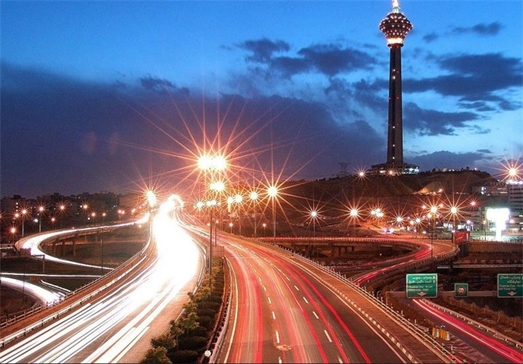
Tehran is prone to earthquakes, as it sits on a number of major fault lines, Seyyed Mohsen Tabatabei, the secretary of the IUESA, said at a meeting in Tehran on Tuesday June 7.
Stressing that proper pre-emptive measures need to be taken for minimizing natural hazards in the Iranian capital, he said, “One of the most serious weaknesses with respect to Tehran’s crisis management is its lack of a comprehensive renovation plan.”
Tabatabei further said that Japan’s experience could be used to help reduce the effect of any potential disasters in future.
Tehran is ranked 29th in the world by the population of its metropolitan area. There are plans to relocate Iran’s capital from Tehran to other major cities, as it is prone to earthquakes.
Iran is one of the most seismically active countries in the world, being crossed by several major fault lines that cover at least 90% of the country. As a result, earthquakes in Iran occur often and are destructive.
The deadliest quake in Iran’s modern history happened in June 1990. It destroyed the northern cities of Rudbar, Manjil and Lushan, along with hundreds of villages, killing an estimated 37,000 people.
Bam in the country’s southeastern province of Kerman witnessed a strong quake in December 2003 which killed 31,000 people.
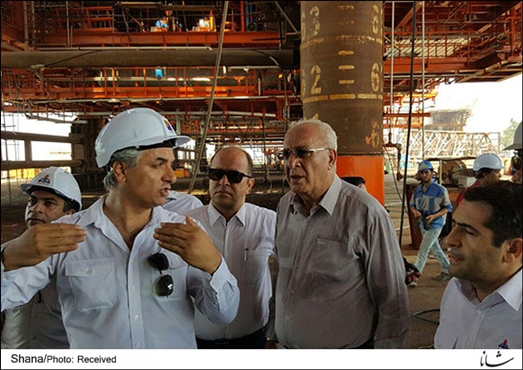
Managing Director of Pars Oil and Gas Company (POGC) Ali Akbar Shabanpour said the two phases will become productive once the last two platforms of the phases are installed at their designated spots over the offshore phases.
Iran Shipbuilding & Offshore Industries Complex Co (ISOICO) is constructing the two platforms at Khorramshahr yard in Bandar Abbas, south Iran.
“Once the two platforms are installed, production and recovery of gas will start from the phases,” Shabanpour said.
He said drilling operations are going on in Section B of the two phases according to schedule, and the two platforms will be installed over the phases before the end of the current year.
South Pars is part of a wider gas field that is shared with Qatar. The larger field covers an area of 9,700 square km, 3,700 square km of which are in Iran’s territorial waters (South Pars) in the Persian Gulf. The remaining 6,000 square km, referred to as the North Dome, are in Qatar’s territorial waters.
The Iranian gas field contains 14 trillion cubic meters of natural gas, about 8% of the world’s reserves, and more than 18 billion barrels of condensate resources.
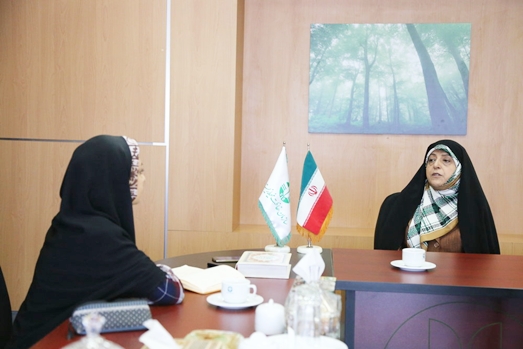
To mark such an important event, Iranian environmental officials named the week, which started on June 4, the National Week of Environment. Tehran Times conducted an interview with the chief of the Department of Environment, Masoumeh Ebtekar.
What follows is an outline of the department’s accomplishments, both at the national and international levels, over the past three years.
As echoed by different officials and environmentalists worldwide, environmental problems are not exclusive to one region or nation. Since we all share the same Earth, such problems can affect us all.
To get to grips with these problems, environment officials call for cooperation between different bodies in the country.
Ebtekar believes that the environment is a cross-sector issue, which includes promoting environmental standards among different branches of the government as well as in the private sector and NGOs.
“We have to deal with the issue from that perspective, taking the need for coordinating and bringing together different organizations and government sectors into consideration,” she said. “In that regard, we have to make use of the opportunities that we have in the cabinet. We provide regular reports on the state of the environment in cabinet sessions.”
Ebtekar added, “When I travel to the provinces, I have meetings with all these different sectors together, as well as setting up a cross-sector committee for each subject, bringing together all the different sectors involved.”
“We have a national committee for sustainable development, where again all these different ministries are members of that committee. They have certain targets and goals which they have to meet and indicators by which we can follow up the proper implementation of those targeted plans in each different ministry.”
Referring to the issue of air pollution, which involved 16 different sectors, she said, “For example, the Ministry of Petroleum is responsible for enhancing and improving the quality of fuel provided in the country, and the Ministry of Industry is responsible for the automotive industry and enhancing its standards, as well as the Ministry of Health, which is responsible in terms of oversight.”
She further explained that her department is responsible for monitoring air quality through holding sessions throughout the country, in addition to the cross-sector committee for air pollution both at the national level and then at the local/municipal level.
Every megacity has its own plan and committee and a cross-sector practice to make sure that this plan is properly implemented, and that the targets are achieved and that all necessary regulatory bodies are also involved in the whole process, she noted.
Ministries given scorecards on environmental performance
Mentioning the importance of cooperation between the ministries in tackling environmental challenges in Iran, the DoE chief described an innovative scheme by which each ministry is presented with a scorecard.
“Last year, we invited all different ministers to provide their report cards on what they’ve done for the environment in terms of their legal responsibilities and their activities to improve environmental management within the ministry,” she said. “So they provided their reports and we compiled all those reports in the form of scorecards, which are available for the public on the Department of Environment’s portal.”
“This way, we can bring together all these different sectors and ensure that they are playing their role and taking their responsibility seriously,” she stated, stressing, “Those performing better than others will be acknowledged this week on the occasion of the World Environment Day, June 5, and will be rewarded with the National Environment Award.”
International seminar on environmental law seems likely
“One of the important events last year was the outlining of the general policies of the environment by the Supreme Leader. These policies were applied not only to the executive branch but also to the legislature and judiciary,” she said.
“One of the joint activities that we had with the judiciary was a national seminar on environmental law, and in that seminar we spoke about the possibility of convening an international seminar on environmental law in Iran, and in the second United Nations Environment Assembly (UNEA-2) in Kenya we actually did have a proposal and a discussion with the World Commission on Environmental Law.”
“Our proposal was presented to convene an international seminar in Tehran on environmental law and we hope that we will be able to proceed on this issue; we think it’s very important,” she highlighted.
Ebtekar suggested that “exchange of information and experiences, illegal trafficking in wildlife and illegal poaching are important issues for us, and we look forward to be able to take a regional and international approach to this issue.”
Environmental cases can be brought to environmental court
There is a fully functional legal process for environmental legal cases, she said, adding that sometimes it’s been necessary to establish environmental courts which are specialized for the environment. The judiciary has done that in some of the provinces, but in other cases “it suffices that we have an environmental legal advisor at the court, and sometimes they refer some of the cases to experts on the environment and ask for consultations.”
Combating sand and dust storms
“We have been working with the United Nations for more than two years on the issue of regional and international cooperation in combating dust storms,” she said. “The first step was to see whether we could revive the regional fund, because we had the idea of establishing such a fund before, but it didn’t work out because some of the regional countries didn’t go along with the idea.”
Unfortunately, she said, once again some regional countries which are hotspots for dust storms, like Saudi Arabia, didn’t go along with the idea, “So we took the idea to a higher level and I wrote several letters to Ban Ki-moon, the secretary general of the United Nations, and Achim Steiner, the executive director of the United Nations Environment Program (UNEP) [asking for a solution].”
Last year, during the UN General Assembly Resolution on the issue of dust storms, Ban Ki-moon was requested to develop a report on the hotspots and the sources of dust storms, and that resolution led to the formulation of a global report on the condition of the dust storms, she explained.
After negotiations at UNEA-2, a resolution to develop local and regional cooperation and collaboration to combat the dust storms was approved and adopted in UNEA-2. It lays the groundwork for future collaboration between different countries which prioritize this issue, she added.
“We also had a technical workshop on the issue of dust storms in Kenya and we and the Minister of the Environment of Mongolia chaired the workshop together.”
Inquiring about the effectiveness of these measures, she said it depends on how much these international bodies will actually collaborate, in the form of both technical assistance and also in finding necessary coordination among these countries, as well as the necessary financial mechanisms.
12 international MOUs signed
Under the Rouhani administration, Ebtekar also said, “We have had lots of delegations at ministerial, deputy ministerial, and director general levels, with different countries such as Japan, Korea, Norway, Poland, Austria, Italy, and Finland, and about 12 MOUs have been signed.”
“We also contributed widely to the Paris Climate Change (COP21) convention, and Iran played an instrumental role in the climate change negotiations. These contributions were brought up by President Hollande and Minister Fabius and other French officials during president Rouhani’s visit to France.”
Many international corporations have come to Iran looking for opportunities for investment in green technology, which can help the country improve the condition of the environment, she said.
“One of our achievements was setting up a functional national environment fund which was initially established during President Khatami’s term but it wasn’t performed at all but now the fund is fully functional and operating in terms of working not only for investment in the national environment sector but also international ones,” she added, stating, “The fund also performs as an accelerator for green technologies investment. We are looking forward to working with not only the government sector but also the private sector which are interested in working with Iran to promote trade and environmental conditions.”
Environmental Impact Assessments limit environmentally detrimental projects
“We have a national Environmental Impact Assessment (EIA) law as part of our five-year development plan, and we have its necessary bylaws and guidelines,” she noted, “We do have challenges and it’s very natural for some sectors pushing to develop their projects, but on the other hand, according to this law they have to abide by the EIA. At least during this government, which is described as the environment government by President Rouhani, the EIA process has been taken very seriously. We are working with different sectors to ensure that the law is properly implemented, and we are now revising the processes.”
She added, “We’ve delegated some authorities to local and provincial offices in terms of smaller projects, and with larger projects we still complete the process at the national level. Right now, we have a proposal in the cabinet which will probably be adopted in the coming weeks to revise some of those procedures and also to ensure that the results of that report are properly implemented with a committee, which has the authority to regulate and control different aspects of that project.”
Environmental NGOs are official members of local planning committees
“We have seen a very significant improvement in terms of the role that NGOs are playing in decision-making processes and, according to the directive adopted by the government, NGOs are official members of local planning committees in the provinces. This means they have the right to vote to take part in the decision-making processes pertaining to environmental decisions at the local level,” she stressed.
“I think that this new atmosphere in the current administration is more open to societies and the President supports freedom of expression. The possibility to criticize the government is now available, and we all welcome different viewpoints from society and NGOs. For that reason I think that there is an opportunity to play an influential role,” she stated, “We have seen an increase in the number of NGOs active in environmental fields in Iran, and also an increase in their activities in different fields – both in decision-making and policy formation and also in terms of social mobilization training activities and educational activities. When I travel to the provinces, I have meetings with NGOs and they talk about their issues and challenges. I think there is a constructive dialogue now with these societies on environmental issues.”
Women play a key role in environment protection
Ebtekar also said, “We feel that women have a very important role in terms of improving the living conditions of their societies, particularly pertaining to environmental standards. They play an important role not only in educating and bringing up the future generation with a necessary awareness of environmental issues, but also in changing current lifestyles and practices.”
“One of our challenges now in Iran is the increasing threat and detrimental effects of climate change on our water resources. We are experiencing increasing temperatures and decreasing rainfall in many parts of the country… Currently, the water efficiency in the agriculture sector is very low, about 30%, and women can play a very important role. In places like Lake Urmia, we have started a campaign working with local women to establish micro-credit funds which help to empower these women and train them in environmental issues and in the production of local handicrafts. This gives them a means of support, and lessens some of the pressures that they have in the agricultural sector.”
There are now 18 local, women-based funds established in 18 different villages and they are very active, she said.
“These women have a lot of ambition to move forward, and we hope to be able to spread this practice to different villages around Urmia National Park, because Urmia Lake requires a change in agricultural practices and rural women must play an important role.
“We also have another project dealing with the training and empowerment of farmers in general, and a participatory method is being used to enable them to increase the efficiency of their agriculture but also to decrease the amount of water that is being consumed in the sector,” she explained.
Environmental issues high on the agenda
On whether environmental concerns, such as water shortages, could become a security threat, Ebtekar explained, “If we don’t address these issues properly they could eventually develop into a security issue, because water issues are always very sensitive. As we do have water shortages in Iran, we have to plan and manage water and take into consideration the economic, the health, and also security dimensions of water issues.”
Fortunately, she said, the current administration takes these issues seriously and the President sees them as national priorities. “We also have economic priorities and many other priorities in different sectors, but alongside them, President Rouhani has kept his perspective on environmental issues and has kept them high on his priority list. In certain recent years, unfortunately, you couldn’t see environmental issues as they were forgotten, and that was when many of those problems arose.”
New Parliament expected to be eco-friendly
Asked about the expectations of the Department of Environment from the new Parliament, she noted, “We’ve been working and negotiating with many of the representatives. The Parliament has a very important role in improving and enhancing current legislation on the environment.”
“Currently we have 10 bills in line waiting for adoption by the Parliament, sadly for about two years. The previous parliament didn’t have time for these bills, and unfortunately the EIA bill was not approved by parliament,” she regretted.
Soil, water, air, and animal right bills are expected to be passed by this parliament, she said.

“The total sales amounted to nearly IRR58bn ($1.7m), up from IRR28bn ($811,000) in the previous event,” said Pouya Mahmoudian, director general of the Handicrafts’ Export Office at Iran’s Cultural Heritage, Handicrafts and Tourism Organization.The final figure does not include the IRR10bn ($290,000) worth of handicrafts ordered by a Dutch trade delegation.
“Once obstacles blocking Iran’s reconnection to the international banking system are removed, we can add the extra $290,000 to the total sales figure,” she said. Mahmoudian hoped that sales will continue to grow in future exhibitions.
“We will begin making plans for the next year’s expo earlier and continue making policies for the benefit of the handicrafts industry,” the official said.
The 26th National Handicraft Exhibition was held on 25-30 May in Tehran’s Mosalla. Last year’s event broke a record when craftsmen sold IRR28bn ($811,000) worth of arts and crafts, surpassing the previous year’s IRR12bn ($347,000).
This year, about 567 stalls were rented out to artisans, organizations, unions and e-commerce websites that sell handicraft products, up from 400 last year. Also, 15 charity organizations were given free stalls to help them raise money.
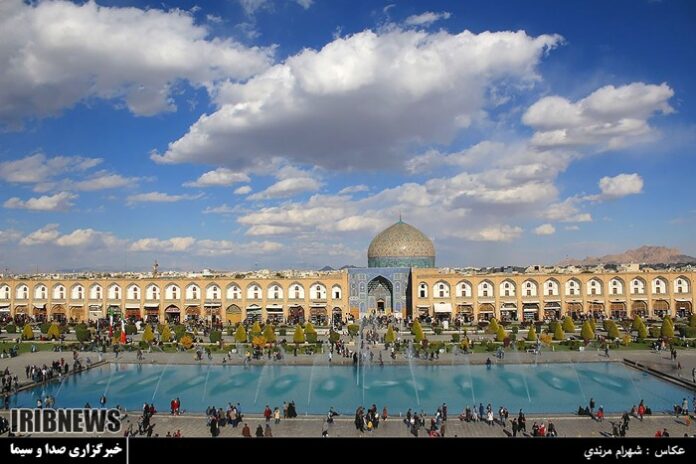
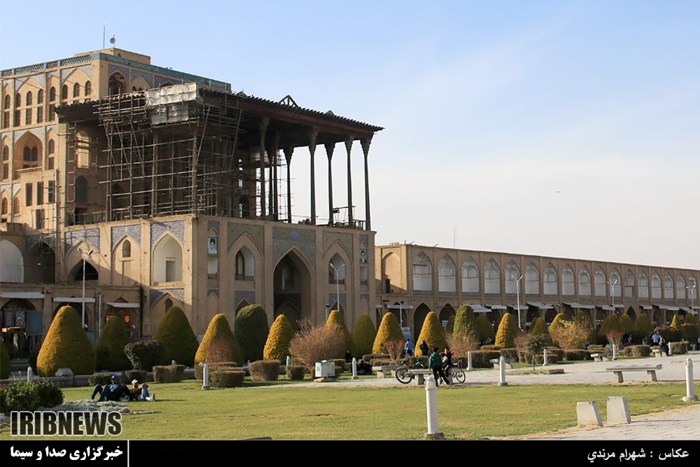
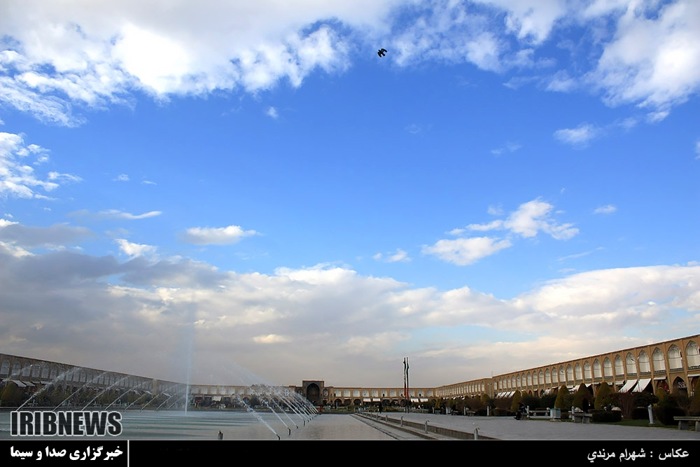
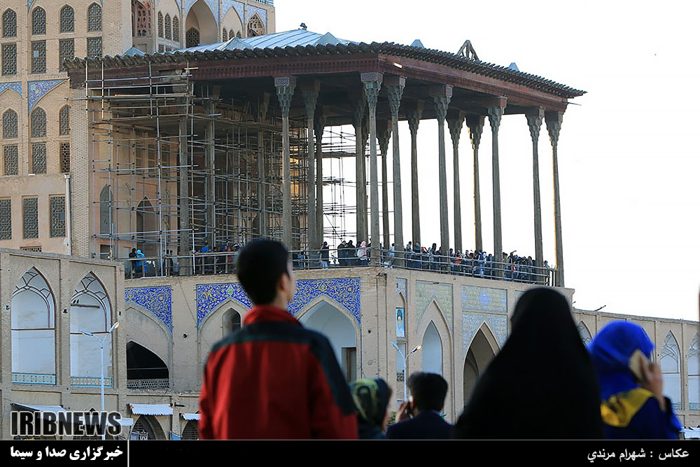
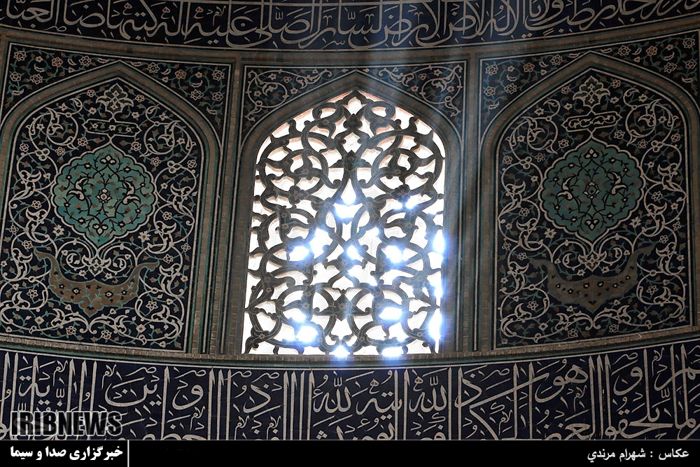
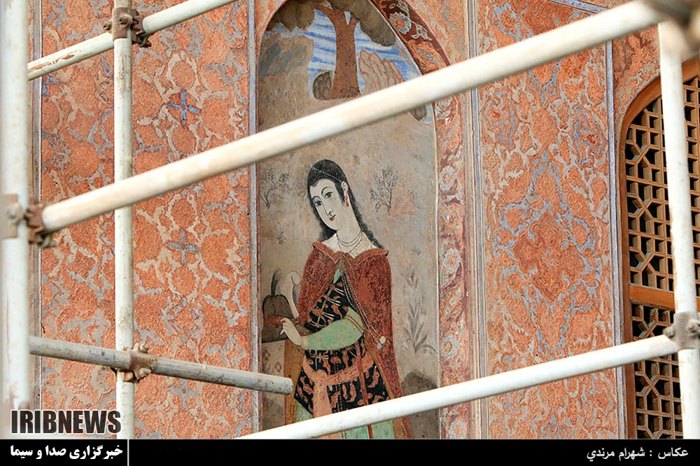
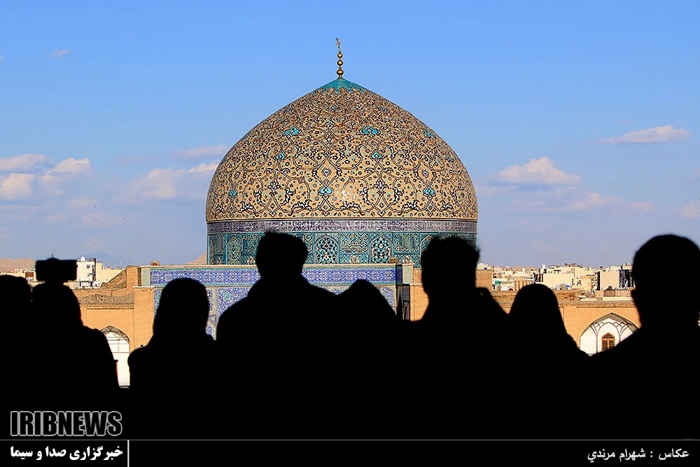
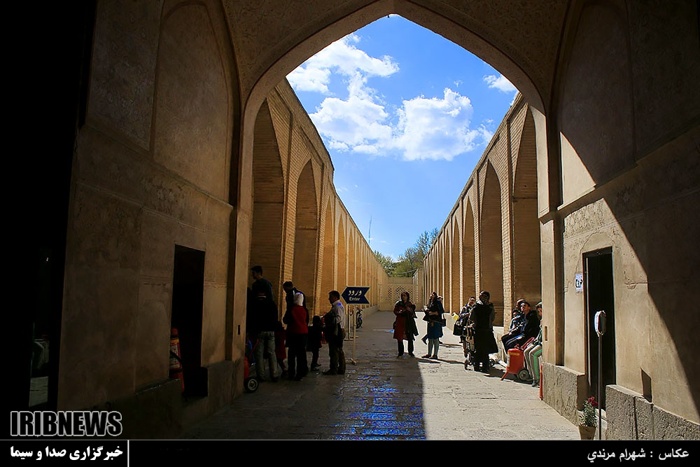
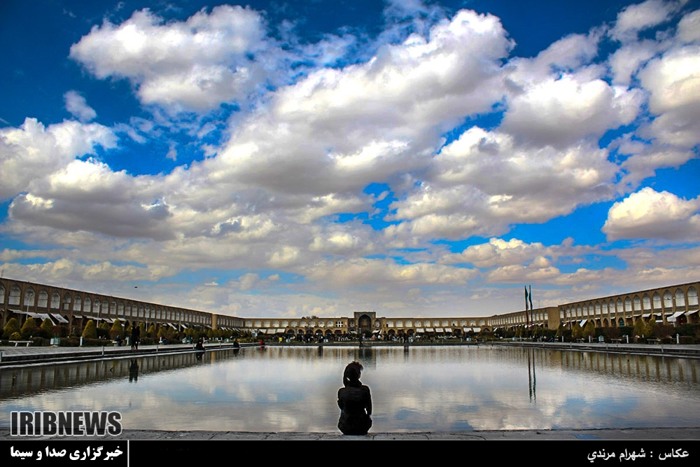
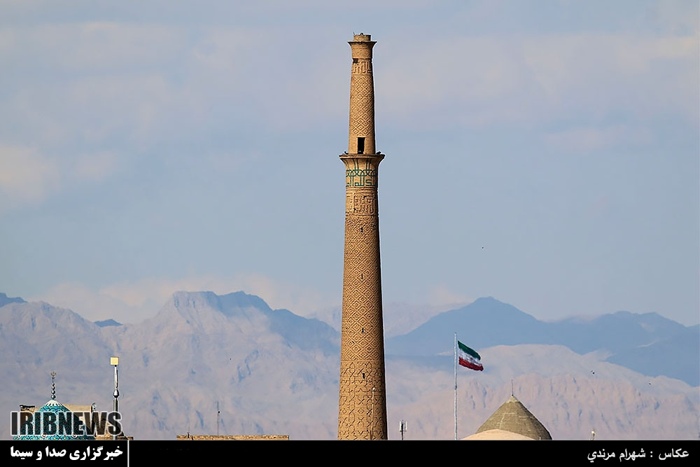
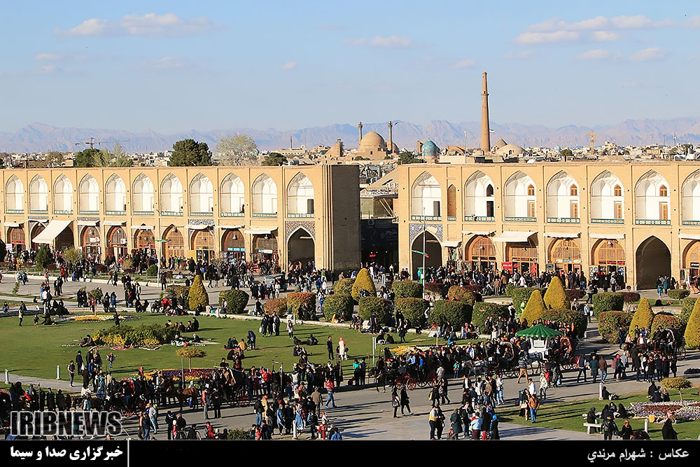
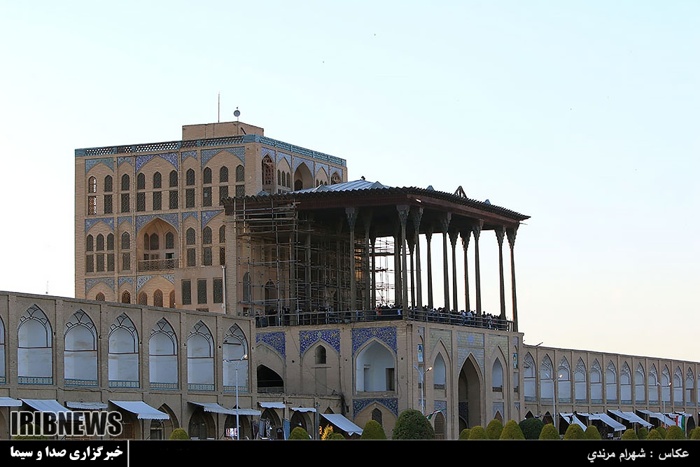
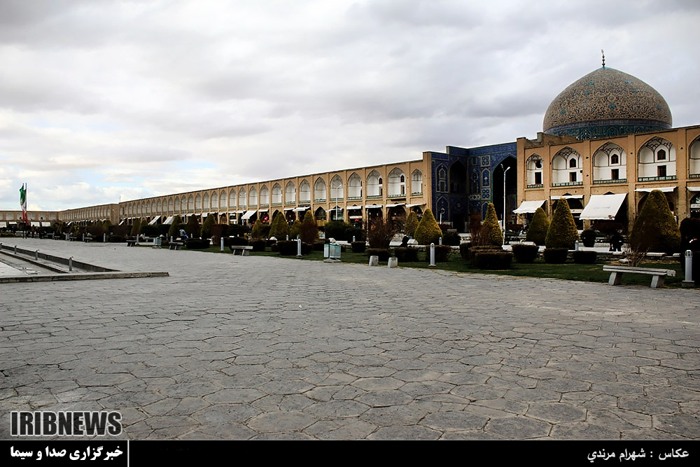
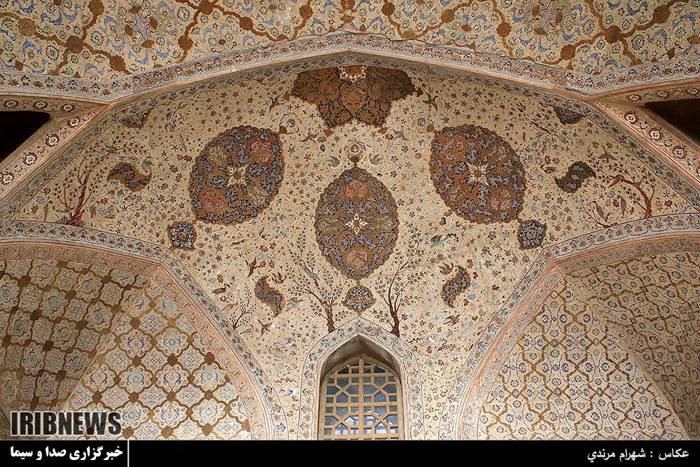
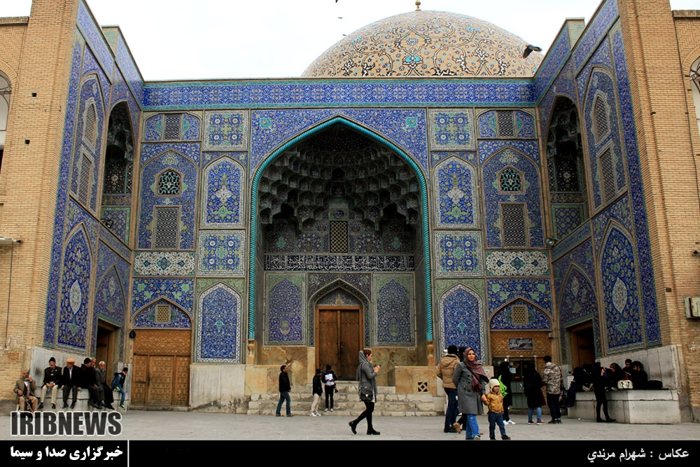
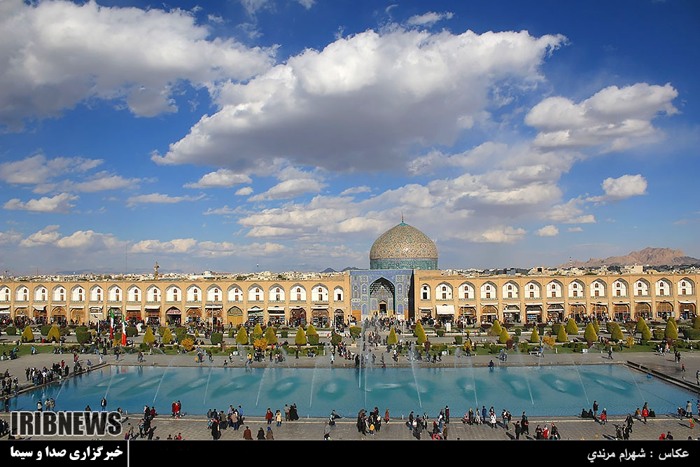
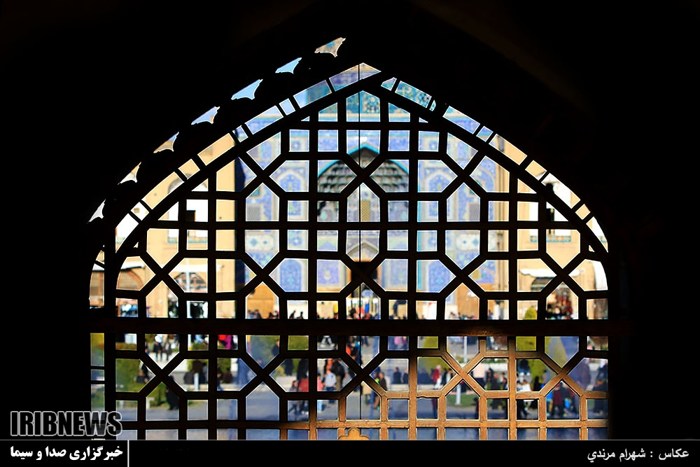
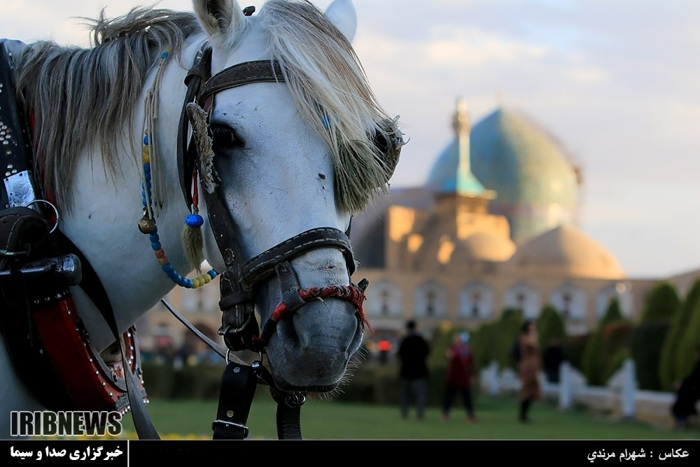
Naqsh-e Jahan Square, officially known as Imam Square, is situated in Iran’s central city of Isfahan. Constructed between 1598 and 1629, it is now an important historical attraction in Iran, and one of UNESCO’s World Heritage Sites.
The renowned square, which was originally a polo ground, contains plenty of historical monuments, mosques, and palaces around
What follows are photos of Naqsh-e Jahan Square:






“The E3/EU+3 have a clear obligation to implement the JCPOA (Joint Comprehensive Plan of Action) in good faith and in a constructive atmosphere, based on mutual respect, and to refrain from any action inconsistent with the letter, spirit and intent of the JCPOA that would undermine its successful implementation. Making statements are not enough,” Najafi said in an address to the IAEA’s Board of Governors on Wednesday.
“They should demonstrate their good faith in practice and action on the ground,” he added.
Tehran and the Group 5+1 (Russia, China, the US, Britain, France and Germany) on July 14, 2015 finalized the JCPOA and started implementing it on January 16. The deal terminated all nuclear-related sanctions against Tehran after coming into force.
The following is the full text of Najafi’s speech:
Mr. Chairman, Director General, Distinguished Colleagues,
At the outset, I would like to appreciate the Agency’s efforts regarding the monitoring and verification of the Joint Comprehensive Plan of Action (JCPOA) in the Islamic Republic of Iran.
Mr. Chairman,
Since the JCPOA Implementation Day, when all provisions of previous United Nations Security Council (UNSC) resolutions as well as the Boards’ resolutions on Iranian nuclear issue were terminated, Iran has continued to fully implement its share of the deal which was monitored and verified by the Agency.
As we have stated from the beginning of this process, reciprocal and full implementation of the commitments by E3/EU+3 is the essential foundation of the JCPOA and the crucial part of the agreement for its longevity. Comprehensive lifting of all UNSC sanctions and all unilateral or multilateral nuclear-related sanctions which were legally materialized must lead to further cooperation with Iran in all fields.
Although results of the JCPOA on cooperation with Iran have been progressed and new agreements in different fields particularly in economy and trade are being signed, the pace of their implementation is not adequate. The E3/EU+3 have a clear obligation to implement the JCPOA “in good faith and in a constructive atmosphere, based on mutual respect, and to refrain from any action inconsistent with the letter, spirit and intent of the JCPOA that would undermine its successful implementation”. Making statements are not enough. They should demonstrate their good faith in practice and action on the ground.
Mr. Chairman,
The JCPOA and the Board resolution GOV/2015/72 has requested the Director General “to provide written updates before each regular quarterly Board meeting”. We note the recent update provided by the Director General (GOV/2016/23) which demonstrates that the nuclear related measures were fully implemented by Iran. In our view this update still could be a shorter one and some unnecessary information could be avoided. In the meantime, my delegation once more would like to recall that in addition to the provisions of Comprehensive Safeguards Agreement and Article 5 of the Additional Protocol for protection of confidential information, the JCPOA clearly requests the Agency “to take every precaution to protect commercial, technological and industrial secrets as well as other confidential information coming to its knowledge”. In this regard, the efforts of the Safeguards Department of the Agency are appreciable. However, such efforts should be redoubled since we are approaching an important step in the implementation of the Additional Protocol regarding the initial declaration.
While we continue to fully implement our commitments, we carefully monitor the implementation of the obligations of the other parties under the JCPOA.
For the last speaker before me, as usual you heard an irrelevant statement. For the Zionist regime of Israel that has never acceded to any international treaties banning weapons of mass destruction and has never forgone the use and development of WMDs, including nuclear weapons, has never let any IAEA inspector to go into its unwarranted clandestine nuclear facilities, and sitting on tens of nuclear warheads, talking about proliferation concern is ridiculous.
Let this regime continue to cry wolf about the safeguarded peaceful nuclear programs of the other IAEA members. But certainly it can no more create a smokescreen for Israeli nuclear weapons program which is a real threat to regional and international peace and security.
Thank you Mr. Chairman
© All Content by IFP News ( Iran Front Page ) is licensed under a Creative Commons Attribution 4.0 International License.
