Monday, January 19, 2026
Home Blog Page 4450

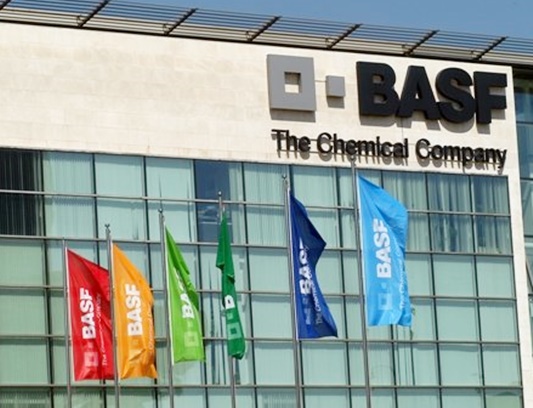
Germany’s BASF Reopens Bureau in Tehran

2107032

Although negotiations between the National Petrochemical Company (NPC) and BASF of Germany kicked off more than a year ago, no new agreement has been signed between the two sides yet, though the German company’s office has been reopened in the Iranian capital.

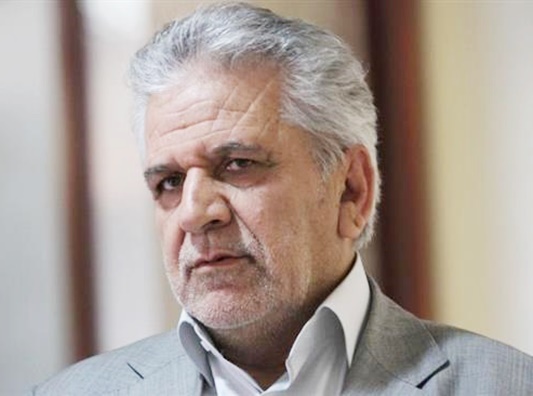
Commercial and Executive Director of Jam Polypropylene Company Kambiz Mirkarimi announced the news, stating, “The opening of the new office will accelerate and facilitate the talks with BASF SE over investment and exports of petchem products to Europe and Germany in particular.”

A few months ago, a €6bn Memorandum of Understanding (MoU) was sealed between the German firm and an Iranian petrochemical company for construction of a huge petrochemical complex. On the basis of the MoU, BASF will undertake construction of a petrochemical complex in development phase 2 of Assaluyeh.

The complex is planned to produce ethylene in its first production phase, and will later produce various grades of polyethylene.

Deputy Director of Iran’s Petrochemical Employers Association Parviz Sahafzadeh had recently noted that “On the basis of preliminary agreements, a portion of the products by Germany’s BASF will be consumed locally while the rest will be deployed abroad. Final negotiations on gas prices, formation of process and value chain units are still going on with BASF, and a final accord is expected to be inked with the German company in near future.”

Prehistoric Archaeological Discoveries in Shiraz

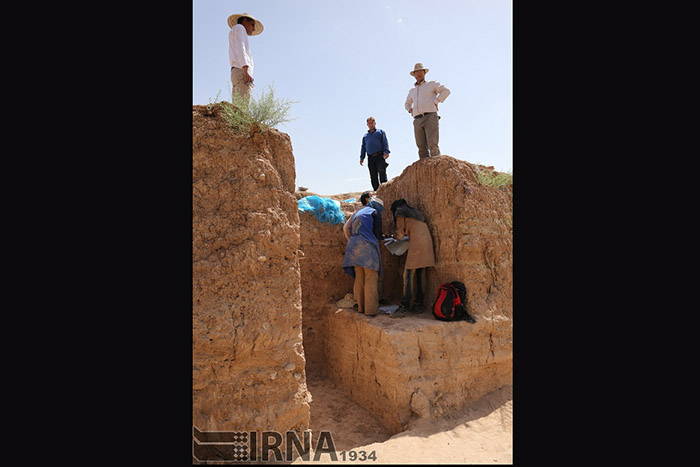
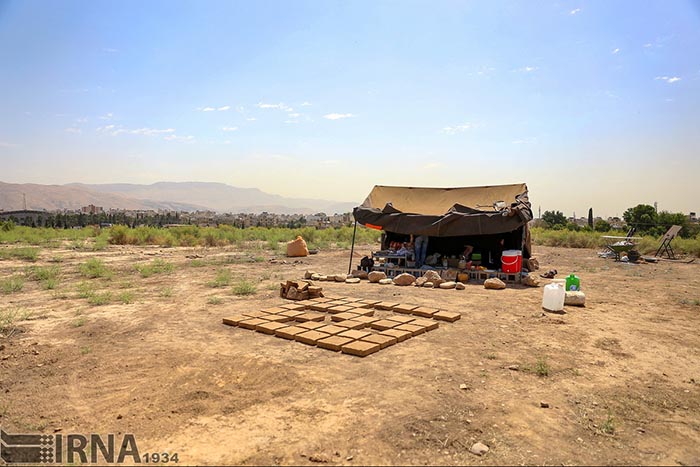
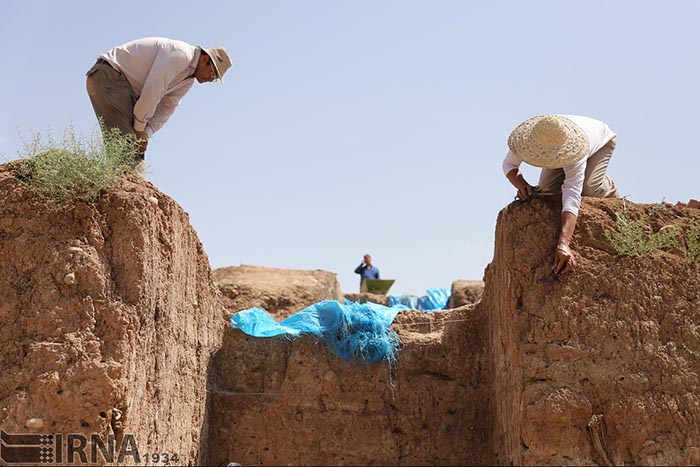
Postchi Hill-Shiraz

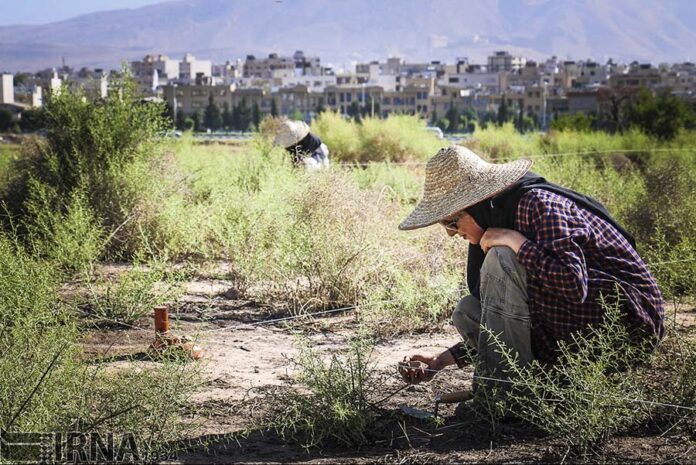
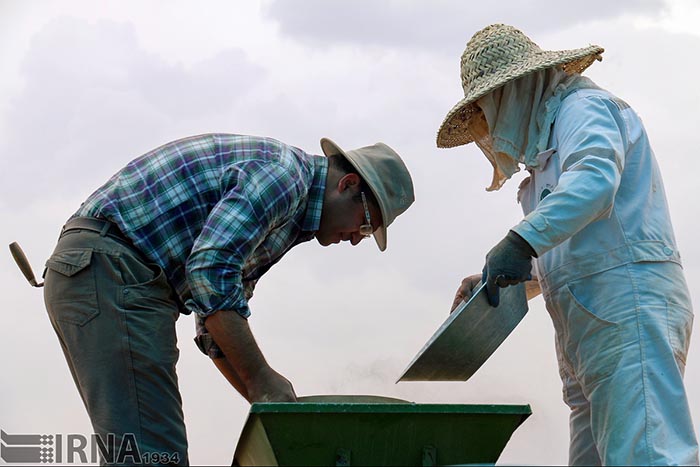
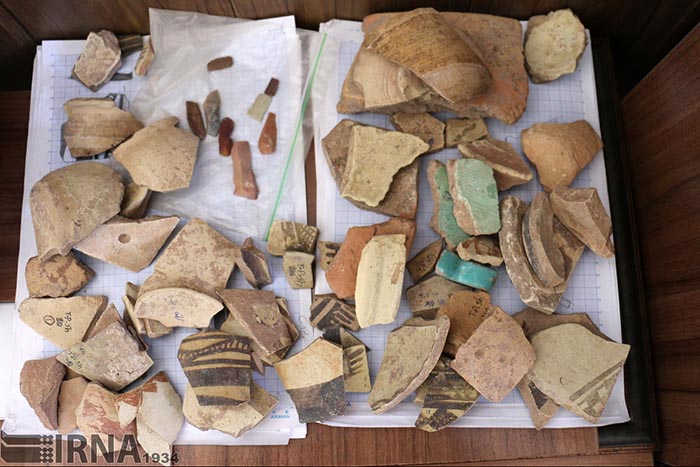
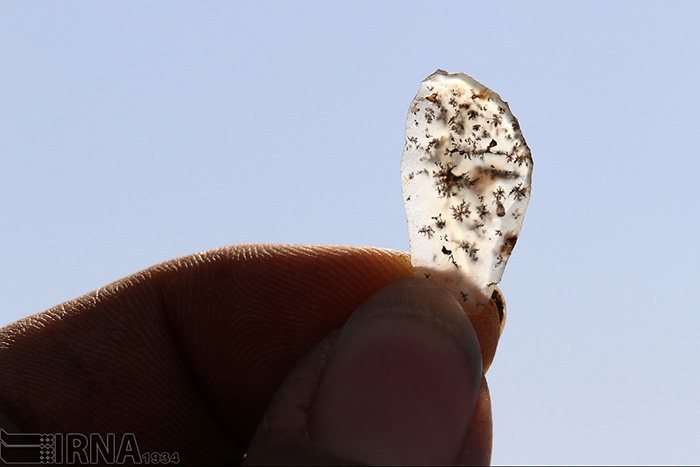
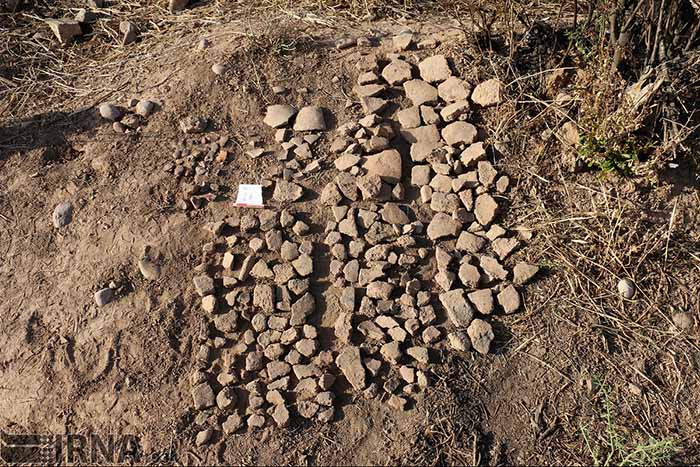
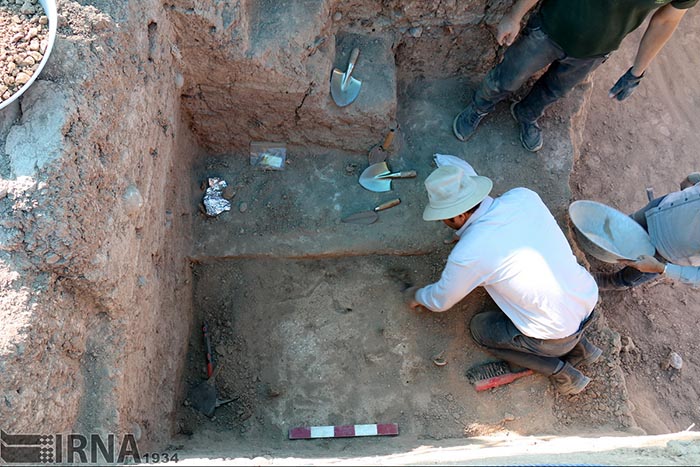
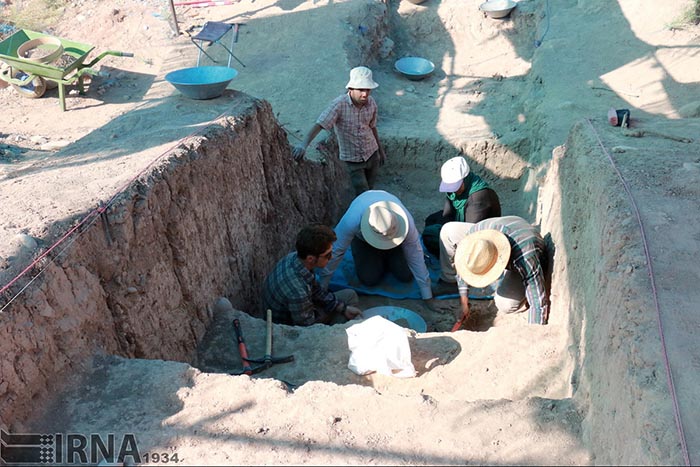
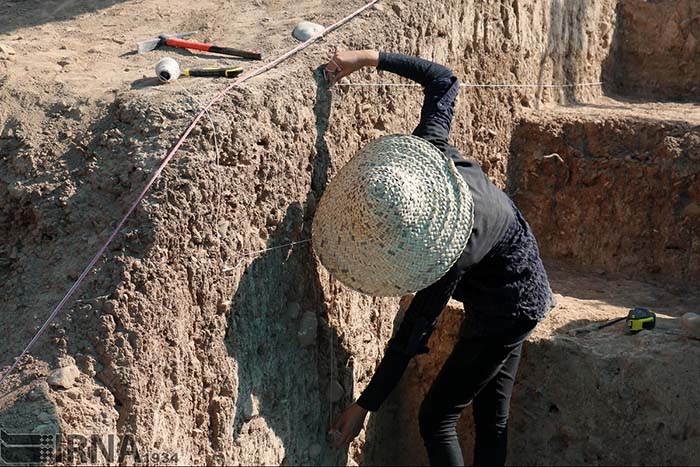
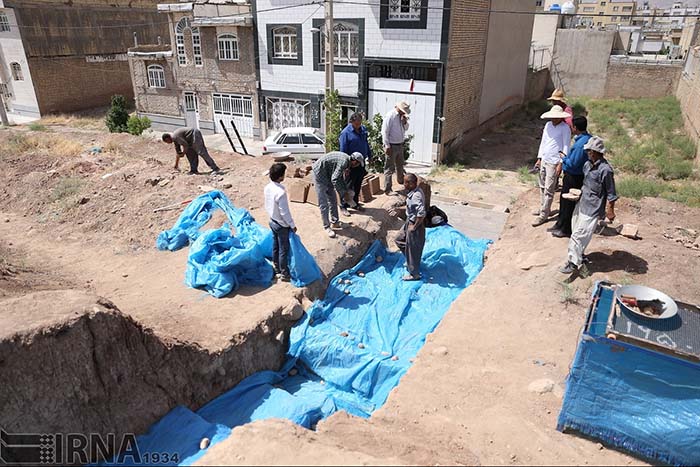
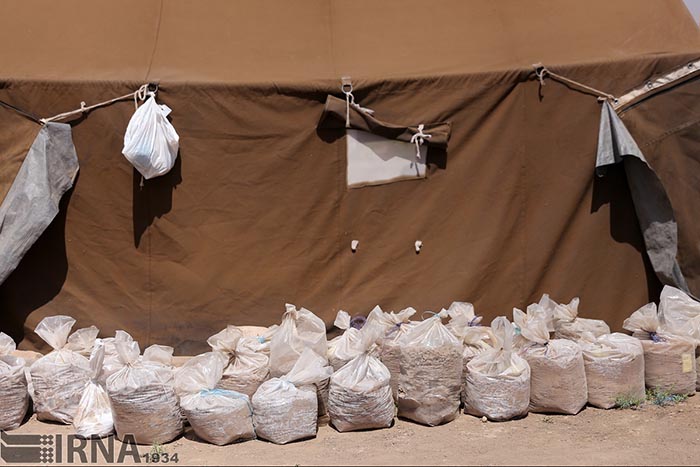
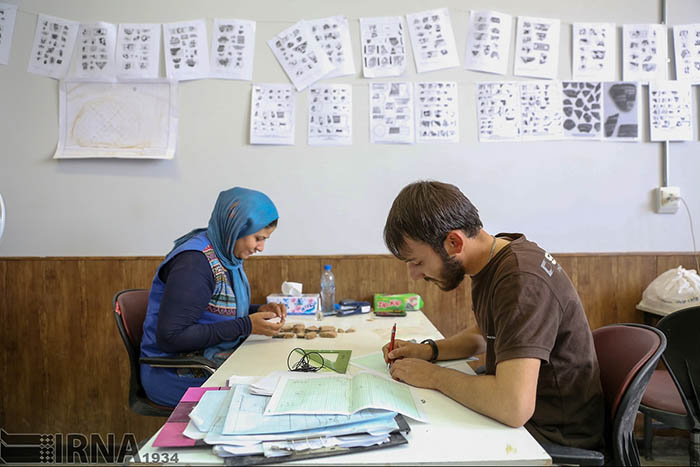
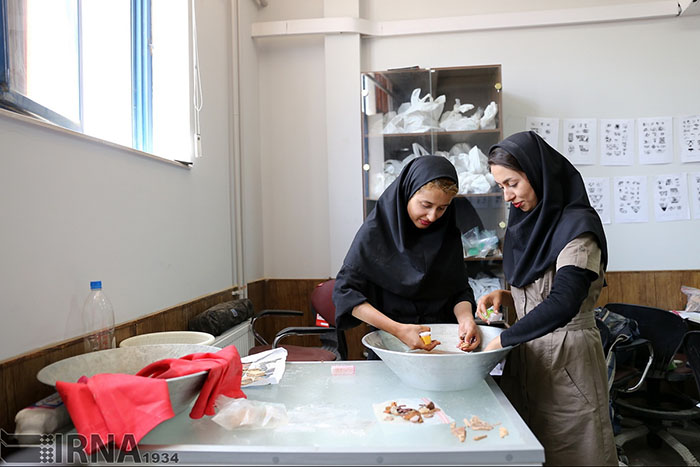
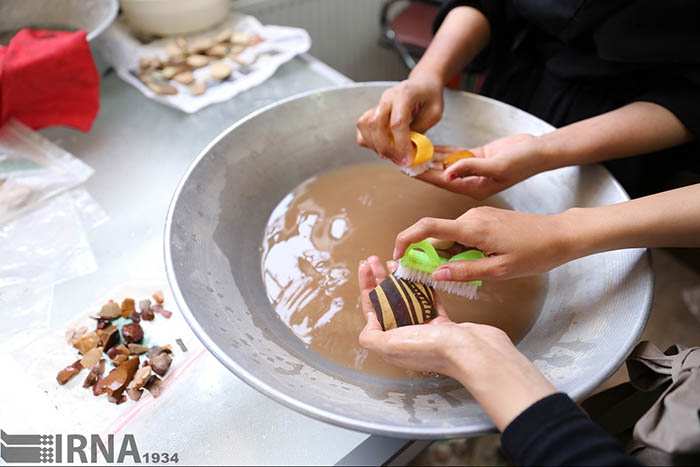
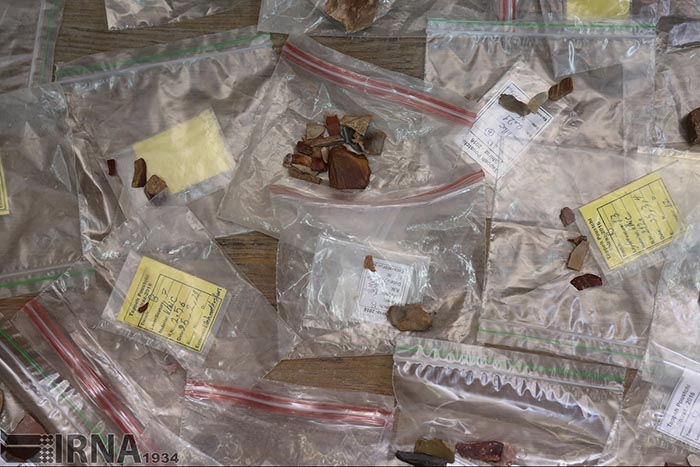
The archaeologists seen in these photos are exploring Postchi Hill in the southern city of Shiraz. New artefacts found in recent explorations of the area date back to the prehistoric era. The finds indicate that the city of Shiraz was inhabited some 6,500 years ago.

Iran to Boost Gasoline Refining Capacity

e5934c80-4777-4f6b-978b-73cae423c450

Abbas Kazemi, the managing director of the National Iranian Oil Refining and Distribution Company (NIORDC), has been quoted by the media as saying that the plan is also meant to improve the quality of fuel sold on the domestic market.

Kazemi said that the plan envisages increasing the country’s refining capacity to about 3.2 million barrels a day by 2020 from 1.85 million currently by building five plants.

The country also needs about $14bn in investment to upgrade units at five existing refineries to produce gasoline that burns more cleanly than the grades currently available in the country, he added.

One of the new refineries, the 360,000 barrel-a-day Persian Gulf Star, is scheduled to start operating by March, Kazemi has been quoted as saying by Bloomberg. The refinery will process condensate, the light oil found in gas deposits. Iran is seeking to use its condensate to make gasoline for transportation or naphtha for use in chemical plants.

The refineries to be upgraded are at Isfahan, Tabriz, Tehran, Bandar Abbas and Abadan, the report added. The government will pay for Abadan plant’s modernization and is seeking investors to fund the others, the official emphasized.

Private companies are developing the Siraf condensate refinery complex at the southern port of Assaluyeh. The planned complex of eight units, each with a capacity of 60,000 barrels a day, will process condensate from South Pars into naphtha, Bloomberg added.

Iran plans also to build three new refineries: the 300,000 barrel-a-day Bahmangenoo plant at the port of Jask, a 150,000 barrel-a-day facility at Anahita in western Kermanshah province, and the Pars refinery, which will process 120,000 barrels per day of condensate.

Iran FM and Norway PM Hold Broad Talks in Oslo

Zarif-FM

The top Iranian diplomat is in Norway to attend the 2016 edition of the Oslo Forum, an annual international conference of armed conflict mediators and peace process actors.
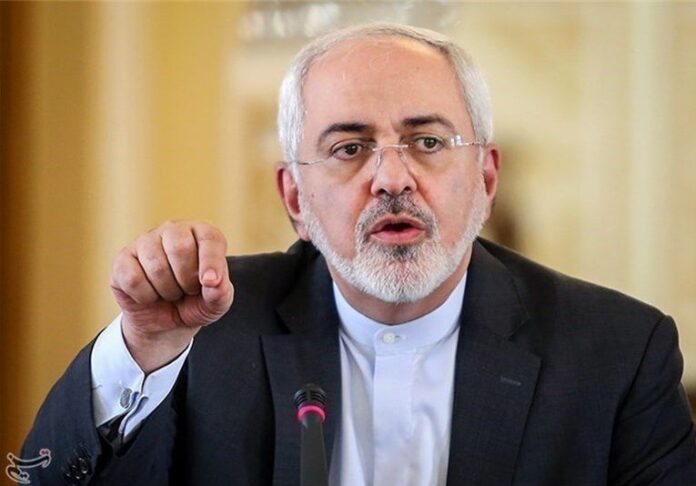
In a Monday June 13 meeting with Solberg, Zarif called for the enhancement of Tehran-Oslo relations in the fight against terrorism and extremism, cooperation on the regional issues and closer economic relations, from fishing to the steel production and energy industries.
On behalf of Iranian President Hassan Rouhani, Zarif also invited the Norwegian Prime Minister to pay a visit to Tehran.
For her part, Solberg said a lasting nuclear deal between Tehran and six world powers has prepared the ground for stronger political and economic interaction between Tehran and Oslo.
She also expressed the hope that consultations between the two countries would contribute to a political solution to the crisis in Syria and the delivery of humanitarian aids to the crisis-ridden parts of the Arab country.
Moreover, the two officials discussed the latest developments in Iraq and Afghanistan and the approaches to tackle terrorism, extremism and sectarianism.
During his stay in Oslo, Zarif is going to meet US Secretary of State John Kerry on the sidelines of the Oslo Forum to discuss Washington’s commitments under the Joint Comprehensive Plan of Action (JCPOA), the nuclear deal between Iran and the Group 5+1 (Russia, China, the US, Britain, France and Germany).

Iran Condemns Terrorist Bombing in Lebanese Capital

Jaberiansari

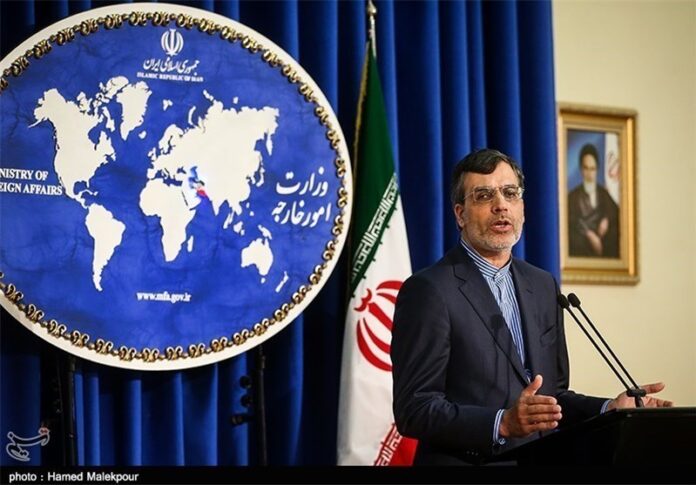
In a statement released on Tuesday morning, Jaberi Ansari denounced the terrorist blast, and said the Islamic Republic backs Lebanon’s stability and security as well as the Arab country’s efforts to counter terrorism.
He added that Iran calls on Lebanon’s political groups and religious leaders to exercise vigilance and thwart plots hatched by terrorist groups and their supporters for destabilizing and spreading insecurity in the Arab country.
A bomb exploded outside the headquarters of Lebanese Blom Bank in central Beirut on Sunday, causing damage but no fatalities, the interior minister said.
The Lebanese Red Cross said two people had suffered minor injuries in the blast, which took place around 8 p.m. in the Verdun area of Beirut, the National News Agency reported.

Javan’s Report on Orlando Attack: ISIS’s Dagger at a Time of Compromise

Orlando attacks

Here is IFP’s translation of excerpts from Javan’s report:

Shortly after a secret compromise between Riyadh and Washington, in which US leaders gave in to Saudis’ financial and political threats and exonerated the Al Saud family from playing a role in the 9/11 attacks, ISIS terrorists stabbed their “creators”, the US and Saudi Arabia, in the back.

After its attacks in Europe, now ISIS is active in the US as well. An armed man named Omar Mateen, who is believed by the FBI to an ISIS sympathizer, killed 50 people at a gay nightclub in Orlando and wounded at least 53.

This was the worst shooting incident in the past 30 years. The terrorist group, which launched two organized operations in the French capital of Paris and killed and wounded hundreds of people there, is now in the US.

The gunman was identified by US media as a US citizen of Afghan descent from Port St. Lucie, Florida. ISIS later claimed responsibility for the attack, according to media outlets affiliated with the terror group.

The terrorist attack came after CIA Director John Brennan announced that Saudi Arabia will be absolved of any responsibility for the 9/11 attacks based on 28 classified pages of a congressional report into the incident.

Controversy surrounding Saudi Arabia’s role in the 9/11 attacks surged in May, when the US Senate passed a bill that allowed the families of 9/11 victims to sue the Riyadh regime for the damage caused by the tragic event.

The New York Post claimed in a report last month that Saudi Arabia’s involvement was deliberately covered up at the highest levels of the American government.

The extent of the cover-up goes beyond hiding 28 pages of a congressional report on 9/11 which was released in 2002, the report noted.

Before Brennan’s remarks, the UN had also given in to Saudi threats, removing Riyadh’s name from a blacklist of child rights violators.

Iran’s Car Market to Be Dominated by the French Once Again

Saipa car maker

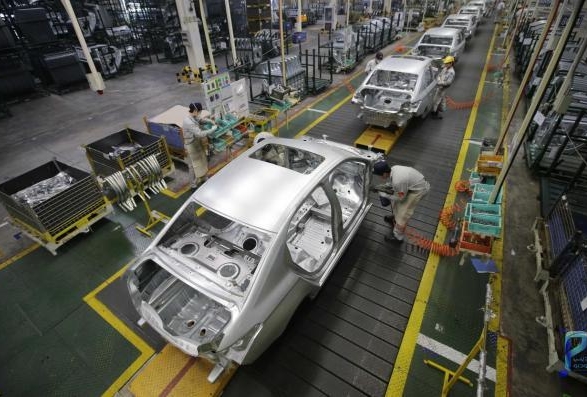
Saipa, one of the two leading auto-manufacturers in Iran, is finalizing its cooperation deal with the French corporation, PSA Peugeot Citroen. This will be the second time Iran’s market is being dominated by the French, while President Hassan Rouhani’s administration had promised to prevent foreign car-makers from monopolizing Iran’s market and underlined the need for transfer of technical knowledge in the post-JCPOA era.

According to a report by Fars, as translated by IFP, the Iranian car industry these days is busy negotiating and beginning a new round of cooperation with French car-makers. However, after the implementation of Joint Comprehensive Plan of Action, the nuclear deal between Tehran and world powers, government officials and Iranian auto-manufacturers repeatedly pointed to the huge number of foreign car-makers willing to make investment in Iran.

However, the only thing that has happened so far is the cooperation of Iranian car-maker with its former associate, the French.

During the time of anti-Iran sanctions, French auto-makers played a very effective role in implementing the policies of their country’s government, and showed the worst behaviour towards Iranian car-makers, who had been their partners for 23 years.

After the deal between Iran Khodro Company (IKCO) and France’s Peugeot, which was finalized last year, now it is the time for Saipa to prove its loyalty to the French. Saipa’s contract with Citroen, which is part of the PSA Peugeot Citroen Corporation, will be signed one of these days.

Iranian Deputy Trade Minister Mohsen Salehinia, who is also a member of IKCO’s board, recently announced the finalization of a deal between Saipa and Citroen, based on which Citroen will purchase half of Saipa Kashan Factory’s shares.

Earlier this month, Mahdi Jamali, the CEO of Saipa, had also noted that the contract will be signed within a few weeks.

Citroen is going to easily acquire 50% of the giant factory of Saipa Kashan, which is a brand new and up-to-date plant. Due to a lack of transparency and the secrecy of the contract, it is not clear yet how much money Citroen is going to invest in this cooperation.

IFP: Iranian car-makers are also in talks with several other countries including Germany, Japan, Italy, South Korea, India, Romania, and Russia, among others.

Iran’s automotive industry is the second largest industry of the country, after its oil and gas, accounting for 10% of the country’s Gross Domestic Product (GDP).

The industry is expected to grow significantly following the nuclear deal, whose implementation started on January 16, and has terminated all nuclear-related anti-Iran sanctions.

Sobatan Alpine Valleys in Northwestern Iran

Sobatan (20)

Its beauty and peace attract many local visitors and foreign tourists each year, as its cool climate offers an escape from the summer heat of the plains.

The region is also renowned for its livestock farming, producing some of Iran’s best quality meats and dairy products.

Theatre Performance Inspired by Albert Camus to Take the Stage in Tehran

16_State of Plague -230

An adaptation of a 1948 play entitled The State of Siege, by French-Algerian philosopher, author, and journalist Albert Camus (1913-1960), the play is in three acts presenting the arrival of plague, personified by a young opportunist, in Cadiz (port city in southwestern Spain) and the subsequent creation of a totalitarian regime through the manipulation of fear.
“I made changes to the script, but have kept the entire plot,” said Salehi, adding that the adapted version has less dialogue and “is more strongly focused on the acts and motions,” Mehr reported.
In addition to the play, Salehi is also studying another of Camus work The Plague (1947), a novel which narrates the same story, “in order to present a complete perspective of the events.”
“The idea came about when I was working on the biomechanical acting technique of Vsevolod Meyerhold (Russian theatre director, actor and producer) with my students. I decided to work on the play based on the mechanical technique, highlighting the motions in performance.”
He trained his students for several months and finally chose the best 14 from them, who perfectly understood physical movement, solfege (music pitch) and rhythm. The exact dates of the staging will be announced soon.

Iran Started Polypropylene Exports to Europe

194725_orig

Kambiz Mirkarimi, commercial and executive manager of JPC, said to Shana on Monday June 13 that the company’s customers have diversified in the post-sanctions era.

JPC has already kicked off exporting products to Germany, Portugal, Italy, Slovenia, Greece and Bulgaria, he added.

The official referred to the lower cost of shipping the products to Asian countries, as well as the banking problems, saying that Turkey and Asian markets are still more attractive for JPC in comparison to European markets.

German-based BASF petrochemical company has opened an office in Tehran and JPC is in talks with some other European and Japanese companies to resume cooperation, he added.

Mirkarimi said that since US citizens have become shareholders of some European suppliers of petrochemical equipment, JPC has faced problems in reviving cooperation with some European companies.