Thursday, December 25, 2025
Home Blog Page 445

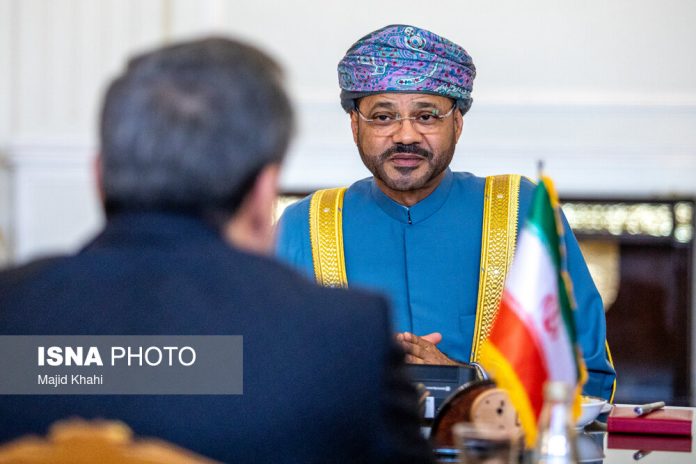
Omani top diplomat: Talks with Iran FM Araghchi ‘productive’

Badr al-Busaidi reaffirmed Oman’s commitment to fostering dialogue aimed at ensuring peace, stability, and prosperity in the region.

“Today in Muscat, I met with Mr. Araghchi. We held fruitful discussions on bilateral issues as well as regional developments,” al-Busaidi stated on his personal account on X social media.

He emphasized that Oman remains steadfast in its support for dialogue and initiatives that contribute to the well-being of the nations in the region.

The visit by Iran’s foreign minister follows a letter sent by the U.S. President to the Iranian officials about the possibility of talks between Washington and Tehran. It also underscores Oman’s enduring role as a mediator in regional affairs.

Araghchi arrived in the Omani capital on Sunday, heading a high-ranking delegation.

Iran strongly condemns US, UK air attacks on Yemen

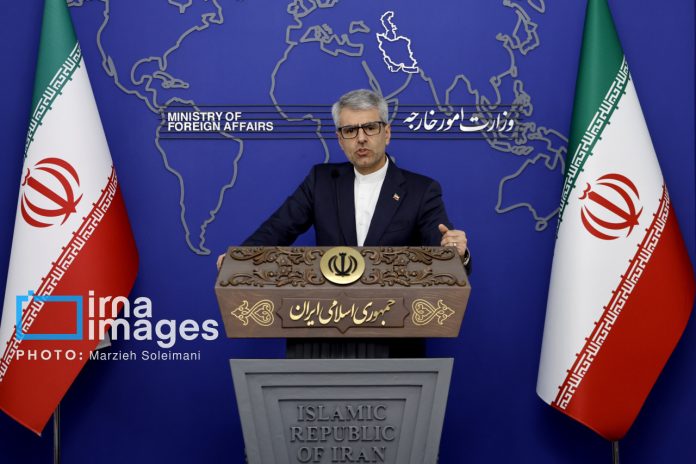
Esmail Baghaei

In a statement released on Sunday, Esmaeil Baqaei denounced the US and UK military aggression against Yemen as a clear violation of the UN Charter and the fundamental international law on the prohibition of use of force and on respect for the territorial integrity and national sovereignty of countries.

The Iranian spokesman reminded the United Nations and the UN Security Council of their responsibility to counter the violation of and threat to international peace and security.

He described the joint military aggression by the US and the UK against the people of Yemen as part of their constant support for the Israeli genocidal crimes against the oppressed people of Palestine and suppression of any solidarity and support for the legitimate rights of the Palestinian nation.

The root cause of insecurity in West Asia is the continuation of massacre and occupation in the occupied Palestine, which is in progress with the full support from the US, the UK and a number of other Western governments that have jeopardized the regional and international peace and security, he stated.

The Iranian spokesman reminded all governments as well as international and Islamic organizations of their legal and moral responsibility to counter genocide and ethnic cleansing in the occupied Palestine, which are carried out with various methods such as imposing starvation and famine on the oppressed Palestinians in the holy month of Ramadan.

US President Donald Trump on Saturday announced a series of large-scale strikes on Yemen after the Houthis threatened to resume raids on Israeli-linked ships in the Red Sea over Israel’s blockade on Gaza.

The US attacks, which began on Saturday and continued into the early hours of Sunday, on the Yemeni capital Sana’a, as well as on areas in Saada, Al Bayda and Radaa have killed 31 people and wounded 101, “most of whom were children and women”, health ministry spokesperson Anis Al-Asbahi posted on X.

Nowruz Joy Carnival brightens Tehran with festive parade

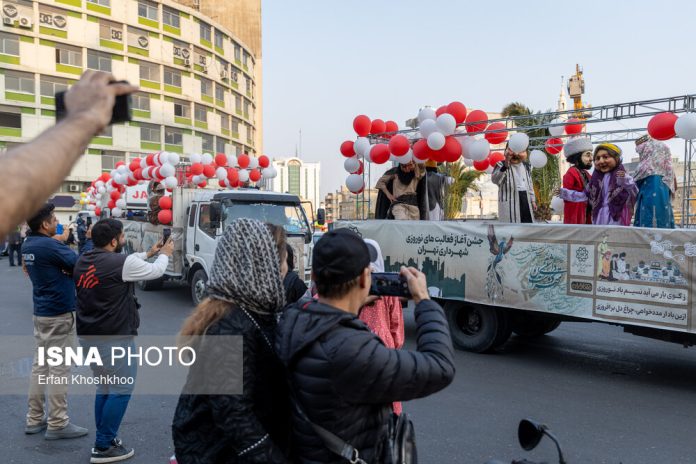
The Nowruz Joy Carnival, featuring festive Nowruz-themed displays and floats, made its way from Haft-e Tir Square to Laleh Park in Tehran, captivating onlookers and spreading the spirit of the season.

The parade showcased traditional symbols of renewal and rebirth.

Nowruz, celebrated by millions worldwide, marks the first day of the Persian calendar and symbolizes new beginnings.

More in pictures:

Iranian woman sets record by making 137 types of jam

Her achievement was announced during a New Year’s special program on Iran’s Channel 3.

Mrs. Mahmoudzadeh, a seasoned cook, has spent years perfecting her craft, experimenting with both traditional and unconventional ingredients.

Beyond common fruits like apples and carrots, she has crafted unique jams using black sesame, kiwi, peanuts, cranberries, olives, rhubarb, and green pumpkin.

Her creativity and dedication have not only showcased her culinary skills but also highlighted the diversity of Iranian cuisine.

The record has drawn widespread admiration, with many praising her innovation and passion for cooking.

IRGC chief warns of Iran’s firm response to threats

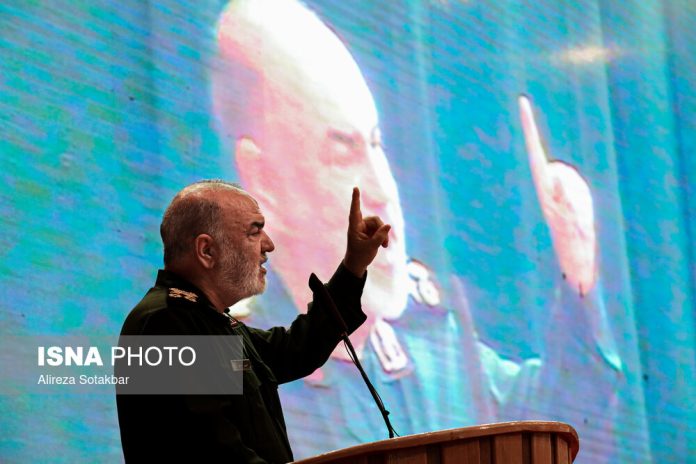
Hossein Salami

Major General Hossein Salami made the statement on Sunday after Washington accused Tehran of assisting Yemen’s Houthis (Ansarullah) in their recent anti-Israeli operations and called for a halt on Iran’s alleged support for the group.

“Iran will never be the initiator of war, but in the event of a threat, the response will be firm, decisive and conclusive,” Salami said.

“The president of the United States has once again attributed the operations carried out by the Yemen’s Ansarullah to Iran and has warned the Iranian people to stop their support for the resistance group.”

Stressing that the Yemenis are an independent and free nation in their land and pursue independent policies, the IRGC chief added, “Iran openly and clearly accepts responsibility for any actions it takes, when and where they occur.”

“We are not a nation that operates under the cloak of secrecy; rather, we are a legitimate and globally recognized entity. When we undertake any military action or lend our support, we will declare it openly and unequivocally.”

Earlier on Saturday, US President Donald Trump announced on X that he had ordered the United States military to launch “decisive and powerful military action” against the Yemeni fighters.

Yemen’s Armed Forces began striking strategic and sensitive Israeli sites in November 2023 after the regime launched a US-backed genocidal war on the Gaza Strip and ratcheted up its restrictions on the entry of direly needed food, medicine, and other key supplies into the coastal sliver.

The Yemeni strikes, alongside the targeting of Israeli-owned and -bound ships and vessels in the Red Sea and Arabian Sea, delivered a crushing blow to the regime’s economy.

In a ceremony commemorating the sacrifices of the martyrs of East Azerbaijan Province in its capital city of Tabriz on Saturday evening, the IRGC’s chief commander also warned that the Islamic Republic would give a “devastating” response to any threats.

Salami emphasized that the Iranian nation is fully determined to defend its interests, values, identity, and legitimacy.

“We will stand firmly against any threat, and if any threat is carried out, we will respond in the most severe manner— a decisive, crushing, and destructive response,” he stated.

“The enemy is repeating its past mistakes and fails to learn from the lessons of Gaza, Lebanon, Yemen, and Afghanistan. It continues on the same erroneous path, which will ultimately lead to its defeat,” he added.

Salami highlighted that the enemy “deceitfully” speaks of direct negotiations while simultaneously issuing threats.

“This clearly shows that they do not truly understand the Iranian nation, while the Iranian nation, in turn, deeply recognizes its enemy and will never be deceived by their superficial words,” he noted.

Salami further asserted that it was the United States that tore up the Joint Comprehensive Plan of Action (JCPOA) agreement and turned toward aggressive and violent measures such as pressure, sanctions, and threats.

Salami was referring to Trump’s decision in 2018 to unilaterally withdraw Washington from the JCPOA and impose a series of illegal sanctions on the Islamic Republic.

Highlighting the importance of learning from past experiences, he said, “if we do not learn from bitter experiences, we will be forced to repeat them.”

Last week, Trump claimed in an interview with Fox News that he had sent a letter to the Leader of the Islamic Revolution Ayatollah Seyyed Ali Khamenei, warning Iran to open talks on a nuclear deal or be handled militarily.

Ayatollah Khamenei has said Trump’s proposal for negotiations is “a deception” that is only meant to create the impression that Iran refuses to negotiate.

He added Iran negotiated with the US for several years in the past, but “this same person (Trump) threw off the table and tore apart the concluded, finalized, and signed negotiations.”

Road accidents: Third leading cause of death in Iran, costing $200k per fatality

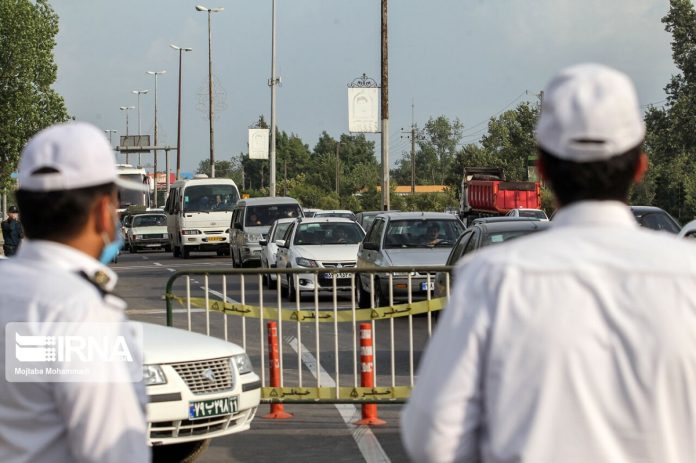
Iran Roads

Speaking at a press conference on Sunday, Dr. Mohammad Esmail Gheidari emphasized the significant economic and social impact of traffic-related fatalities, estimating that each death costs the nation approximately 200 thousand dollars.

Gheidari highlighted that road accidents predominantly affect the working-age population, exacerbating their societal and economic consequences.

He noted that while prevention is crucial in addressing diseases like cancer and heart conditions, it is even more critical in reducing traffic fatalities, which are largely preventable.

Iran records around 20,000 traffic-related deaths annually, a figure that spiked in 2021 after a temporary decline during the COVID-19 pandemic.

Gheidari attributed the majority of accidents to human error, stressing the need for improved driver behavior, road safety measures, and vehicle maintenance.

To combat the issue, the national campaign “No to Accidents” aims to reduce traffic fatalities by at least 8%. The campaign focuses on public education, stricter enforcement of traffic laws, and enhancing emergency response systems.

‘Putin lying to everyone’: Zelensky calls for ‘strong pressure’ on Russia

“Putin is lying to everyone about the situation on the ground,” Zelensky said in a post on X following a virtual summit of European leaders.

U.K. Prime Minister Keir Starmer convened the summit on March 15, bringing together 25 members of the “coalition of the willing” — Ukraine’s allies who have agreed to support future peacekeeping efforts. Along with European partners, the coalition now includes Australia, New Zealand, Canada, and Japan.

Following the talks, Starmer announced that the coalition’s peacekeeping efforts were ready to move into the “operational phase.”

Zelensky welcomed the coalition’s plans to send peacekeeping troops to Ukraine and urged world leaders to apply “strong pressure” to Moscow in order to secure a ceasefire deal.

“The world must understand that Russia is the only obstacle preventing peace,” he added.

Ukraine has agreed to accept a U.S. proposal for a 30-day interim ceasefire, provided Russia agrees to its terms.

Putin has stated that Russia was ready to agree to the ceasefire, but then demanded that Kyiv limit mobilization and training of troops during that period. He also demanded that the West halt all military aid to Ukraine as a condition of the ceasefire.

Some analysts say Putin’s conditions amount to Ukraine’s surrender.

Putin has also claimed that Russian troops have encircled Ukrainian soldiers fighting in Kursk Oblast, a report Kyiv has vehemently denied.

Zelensky directed his appeal beyond Europe and Western partners, calling on Latin American, Asian, and African nations to recognize that “Putin has been lying to the world” and to back strategies that advance “peace through strength.”

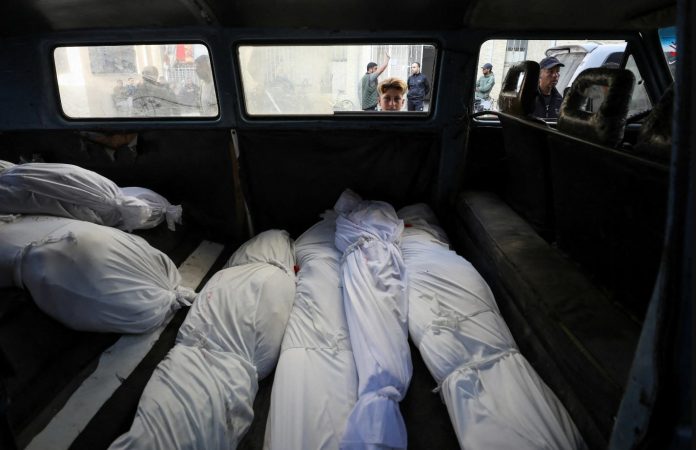
Israel kills over 150 Palestinians in Gaza since ceasefire: Report

Gaza War

“We have observed the occupation deliberately escalating its field crimes against civilians in recent weeks, targeting individuals collecting firewood or inspecting their homes, resulting in their deaths by Israeli army fire,” the office said in a statement.

The remarks came after an Israeli airstrike on Beit Lahia in northern Gaza, which killed nine Palestinians, including journalists and humanitarian aid workers.

Condemning the attack as a “heinous massacre”, the Gaza Media Office accused Israel of escalating its aggression amid reports of increased military directives from Israeli leadership.

The office rejected Israel’s justification, noting the targeted individuals were all civilians working in a shelter area, conducting media documentation for a charitable organization.

The International Court of Justice (ICJ) and the International Criminal Court (ICC) must take urgent action against Israeli war crimes, including those committed by Israeli Prime Minister Benjamin Netanyahu, the statement added.

The Palestinian Health Ministry confirmed that several injured victims were taken to the Indonesian Hospital in northern Gaza following the attack.

Eyewitnesses say the air raid targeted a relief team distributing temporary tents to residents displaced by Israeli bombings.

The Palestinian Journalists’ Protection Center also confirmed that three journalists were among those killed, stating they were documenting humanitarian relief efforts for those affected by Israel’s ongoing military campaign.

The attack is part of a series of Israeli ceasefire violations, despite the truce brokered by Egypt, Qatar, and the US.

The first phase of the ceasefire agreement, which lasted six weeks, ended in early March. However, Israel has refused to proceed with the second phase, which was expected to include further prisoner exchanges with Hamas.

Netanyahu has stalled negotiations, seeking to extend the initial exchange period without fulfilling military and humanitarian commitments under the agreement.

Hamas has reaffirmed its commitment to the ceasefire and urged mediators to enforce Israel’s compliance and push forward with negotiations.

Since October 2023, Israeli attacks have killed more than 48,500 Palestinians, most of them women and children, and left Gaza in ruins.

Iranian company develops affordable brain surgery navigation system

According to the Vice Presidency for Science, Technology, and Knowledge-Based Economy, Parsis Intelligent Surgical Systems, which has produced the Neuronavigation system at one-fourth the cost of its foreign counterparts, has been active in surgical navigation systems since 2006.

Neuronavigation utilizes advanced tracking technologies and imaging methods, such as CT, MRI, fMRI, and DTI, to provide real-time guidance during surgeries.

The innovation not only enhances surgical precision but also reduces the risk of tumor recurrence and the need for repeat surgeries.

Alireza Ahmadian, CEO of Parsis, highlighted the system’s technical parity with leading international brands like Brailab, Medtronic, and Stryker. He noted that the domestically-produced system offers a user-friendly interface and superior software performance in some cases.

The Neuronavigation system has been deployed in over 95 specialized hospitals across Iran, used by more than 190 surgeons in thousands of procedures.

It has also been exported to countries such as Ecuador, Russia, and Germany, generating significant foreign exchange savings for Iran.

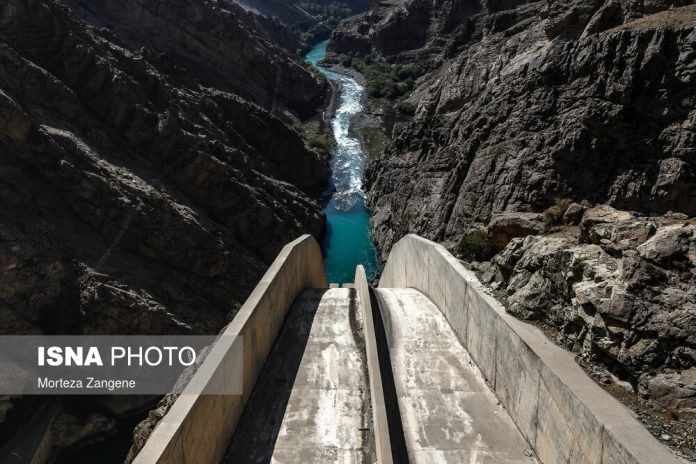
Tehran faces severe water crisis as reservoir levels plummet

According to official reports, the Karaj Dam, one of Tehran’s primary water sources, is currently at only 7% of its capacity.

Similarly, the Latyan Dam holds just 11% of its capacity, while the Mamloo and Lar Dams are at 12% and 1%, respectively.

These alarming figures highlight a worsening water shortage that experts have warned about for years. Poor management, prolonged drought, and insufficient rainfall have exacerbated the crisis, with national rainfall levels at just 82.9% of the annual average.

As Tehran braces for potential water rationing, officials are under pressure to balance immediate crisis management with long-term solutions.

Iran’s Energy Minister Abbas Aliabadi described the situation as “critical” during a visit to Isfahan to address water-related issues.

He emphasized the urgency of implementing vital water projects, including the controversial Koohrang Dam, to mitigate the crisis.

Aliabadi also announced plans to cut water allocations to industries, urging them to rely on non-conventional water sources instead.

The water shortage has sparked calls for equitable water distribution and stricter enforcement of water usage laws.