Saturday, January 17, 2026
Home Blog Page 4426

Oil Minister: New IPC Contracts Ready This Summer

Zangeneh-Oil-minister

The ministry is putting the finishing touches to the IPC, and a final draft of it is expected to be approved by the government by the end of this summer after some amendments, Zangeneh said on Monday June 27.

He added that the new model will allay the concerns of both domestic critics and foreign companies, Shana reported.

Zanganeh said that the contracts were amended to enable Iran to develop oil and gas fields either through a buy-back system or by other methods.

Iran cancelled an oil conference that was scheduled for February in London to unveil new terms for oil contracts. The London conference had been planned to be held on February 22-24, following the termination of anti-Tehran sanctions after Iran’s landmark nuclear agreement with world powers came into force on January 16.

The IPC is planned to replace Iran’s buyback oil deals. Under a buyback deal, the host government agrees to pay the contractor an agreed price for all volumes of hydrocarbons the contractor produces.

Under the IPC, however, the National Iranian Oil Company (NIOC) will set up joint ventures for crude oil and gas production with international companies, which will be paid with a share of the output.

Also, different stages of exploration, development and production will be offered to contractors as an integrated package, with the emphasis laid on enhanced and improved recovery.

The architects of the new contract say foreign companies can no longer escape their contractual obligations if sanctions are ever re-imposed on Iran. Critics, however, cite numerous shortcomings which plague the new formula.

More than 100 energy companies, including Britain’s BP, France’s Total, Italy’s Eni and Spain’s Repsol attended a conference in Tehran last November to hear about the IPC.

Landmines Still Taking a Toll in Border Areas

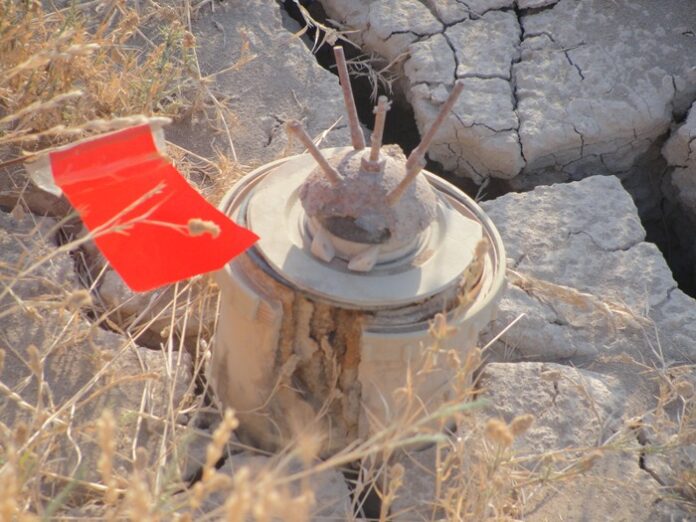
Land Mines

On Thursday June 23, another victim of a landmine lost his life. The young man was from Sumar, a small town in Qasr-e Shirin County, Kermanshah Province, said Moradali Tatar, governor of the county. “Unfortunately, decades after the 8-year Iran-Iraq war (1980-1988), the mines still target people living in the western borders,” IRNA quoted him as saying.

In addition to deaths and injuries, land mines cause serious annual loss to agriculture by killing livestock and causing damage to agricultural machinery.

Since the beginning of the current year in March, eight mine explosions killed 11 livestock and caused severe damage to two combine harvesters (machine that harvests grain crops) and three demining dozers. In the past year, 35 mine explosions in the county led to 6 deaths and 31 injuries. The dead and injured included military personnel, farmers, villagers and nomads, the official said.

“Although authorities celebrated the clearing of 700 hectares in the province in February 2013, the blasts continue to occur as people and livestock unknowingly step on the mines.”

“Currently, two demining companies affiliated to the Ministry of Defence and Armed Forces Logistics including 12 demining groups with 100 members are removing land mines from the area,” he added.

Mine sweeping and demarcation of mine fields are expensive and time-consuming procedures, requiring huge funding and sophisticated equipment, costing between $300 and $1000 to clear a single mine.

The number of landmine victims has never been officially released by Iran’s Mine Action Centre (IRMAC), but unofficial statistics point to one person being maimed or killed every day.

Apart from Kermanshah, four other provinces in western and southern Iran — West Azarbaijan, Kurdestan, Ilam and Khuzestan — are also infested with mines left over from the war.

Unprepared

The Iranian Institute of Medical Research for Handicapped Veterans, says over 92% of mine victims are unprepared and lack the basic education to avoid an encounter with a mine.

Government officials say that Iraq planted around 12-16 million landmines in Iran during the war over an area of over 4 million hectares. Khuzestan is reportedly the most mined area, followed by Kermanshah and Ilam.

The Iranian Army estimates that 1.5 million to 1.8 million hectares are still littered with Iraqi landmines, which have severely restricted agricultural production in the five provinces along the Iraqi border.

Foreign Nationals Can Obtain Visas in 5 Days

Travel to Iran

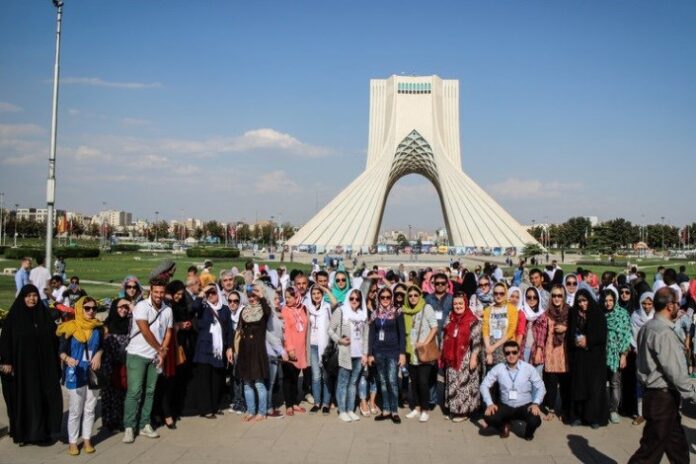
According to a report released by ISNA and translated by IFP, foreign nationals in Iran can obtain visas within only five days, according to the latest announcement from the Ministry of Foreign Affairs.

“Currently, issuance of Iranian visas takes only five days, which will be reduced to just 24 hours by the execution of electronic visas in the country”, Hassan Ghashghavi, the Deputy Foreign Minister for Consular Affairs, said at the first meeting of the National Coordinating Centre for Communications (NCC). He further noted that the electronic visa will be put into practice within a few months.

Despite such statements, however, some tourists expressed their dissatisfaction with the issuance of visas, saying that the paperwork and administrative bureaucracy hamper the process so much that certain Iranian consulates and embassies can only manage to issue visas within 10 working days.

Ghashghavi added that the easiest and quickest way to obtain a visa at the moment is through Iran’s international airports.

Funds Designated for Improving Public Transportation Quality

Transport

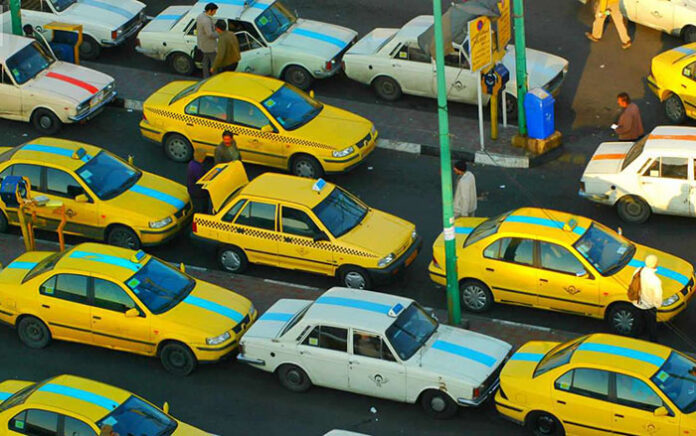
The government devised the plan based on recommendations by the Department of Environment in 2014. “We prepared and submitted a report of the measures taken to reduce air pollution and the short-term plan was created soon after,” said Saeed Motessadi, deputy for human environments at the DOE, ISNA reported.

The funds will be made available for applicants in the eight metropolises by a number of banks. As the largest metropolis, Tehran has received special attention in the scheme. Tabriz, Shiraz, Mashhad, Ahvaz, Karaj, Isfahan and Arak are the other cities on the scheme.

Furthermore, the plan instructs car manufacturers and the Ministry of Industry to offer vehicles at reduced prices to encourage people to do away with their clunkers in favour of newer cars with higher emission standards.

Failure to phase out dilapidated vehicles will be a traffic offence and violators penalized.
Low Emission Zones

In response to when the Low Emission Zones plan will be enacted, the official said that preparations have been made by the Interior Ministry and the scheme is expected to take effect from October 22.

The LEZ system means that vehicles with higher emissions cannot enter the zones. In some low emission areas, polluting vehicles have to pay a fee to enter the zones.

The scheme, which was ratified in August 2015 by the High Council for Coordination of Urban Traffic, was supposed to be launched in January but was suspended due to a lack of a single and central system for the technical inspection of cars.

The one-year plan involves numerous other strategies including restrictions for vehicle manufacturers and importers, encouraging measures for old car owners, the development of subway systems, phasing out dilapidated vehicles and improving the quality of fuel among others.

Iran’s air pollution is a decades-old issue which has steadily increased in recent years. The poor air quality stems from both natural and human causes. While cities like Ahvaz in the southern province of Khuzestan suffer from dust storms, metropolises like Tehran have been tackling pollution from cars and industries.

Iran’s most recent official statistics concludes that, on average, one person dies of pollution-related causes in Tehran every two hours. The overwhelming number of vehicles in the capital is responsible for 70-80% of the pollution.

Tehran Municipality to Enhance Disability Services

people with disabilities

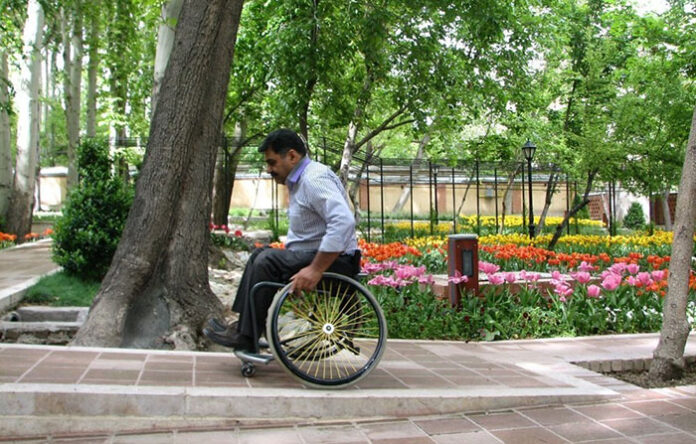
All parks in the capital will be equipped with wheelchairs for people with disabilities by the end of the current Iranian calendar year falling on March 20, 2017, Tehran’s mayor Mohammad Baqer Qalibaf said.

“Moreover, we are planning on designing parks in each district perfectly modified for the needs of people with disabilities,” Mehr quoted him as saying. “We have also installed 170 outdoor elevators in houses with people with disabilities.”

There is a council in Tehran’s Municipality called Disabled People’s Council which is particularly focused on these hardships and troubles, he noted.

There are special transportation services for the people with disabilities in Tehran, the mayor said, adding, “We are making an attempt to develop such a service as a taxi transport system by allocating a special dialling number for the people with disabilities.”

He further explained that for those students with intellectual disabilities who couldn’t afford to go to school on their own, there have been free-of-charge transportation services to take them to and from school for two years now.

Iran Licenses 2 Orbital Slots for Domestic Satellites

satellites

The Deputy Head of the Iranian Space Agency, Mohammad Homayoun Sadr, told Mehr that at the moment, the ITU has reinstated two orbital slots for Iran, located at 34 degrees east and 24.19 degrees. “These two slots are reserved for national telecommunication satellite and a radio and television broadcasting satellite,” he said, adding, “We can make use of the slots as soon as programs for constructing these satellites have begun.”

Sadr went on to add that Iran also holds the rights to a number of orbital positions, so that it will be able to make use of them one day. “The condition of being able to use an orbital position is having placed a satellite there,” he said.

According to Sadr, the ITU regulations no longer allows a country to permanently keep an orbital slot. “Once a satellite’s useful life ends, countries must start planning for the next satellite to take its place,” he said.

If countries do not intend to place a satellite in their orbital slot, the rights will be temporarily given to other countries under an MoU, he added. “Right now, we are underway in obtaining the right to make use of our orbital slots,” he said.

The International Telecommunication Union (ITU) headquartered in Geneva, Switzerland, is part of the United Nations system. The ITU has 193 Member States and almost 800 Sector Members and Associates and acts as a forum for governments and the private sector to coordinate technical and policy matters related to global telecommunications networks and services.

Americans Not Unhappy with Iran-Saudi Tension: Larijani

Ali Larijani

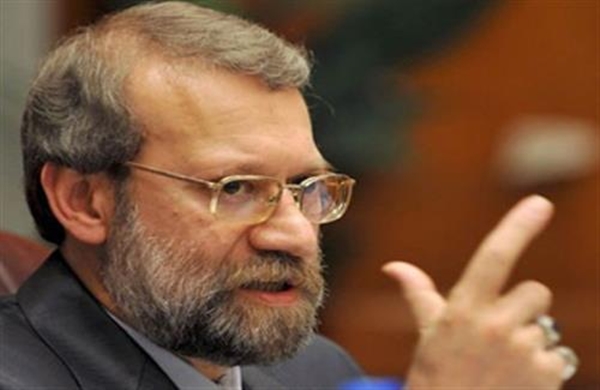
“Americans do not dislike the fire flaring up between Iran and Saudi Arabia, and want it to continue,” Larijani said in an address to a ceremony on Tuesday, June 28.

“Americans may express concern over the conflict between Iran and Saudi Arabia on the surface, but we don’t see any action taken by the US; […] their main objective is to put the Islamic Republic of Iran under pressure,” he noted.

“Westerns want to have a powerful military presence in the Middle East while implementing the nuclear deal with Iran,” Larijani said.

“On the other hand, they want to prevent Iran’s presence in the Middle East; therefore, they give guarantees to certain regional states, particularly Saudi Arabia, and sell huge amounts of weapons to some countries like Saudis,” he added.


Saudi Arabia Stirring Crisis in Region for Failure in Yemen

Larijani also rapped Riyadh for fomenting crisis and tension in the region, saying Riyadh has even contacted terrorist groups in Eastern Iran to cause insecurity in the country.

“Saudis don’t have any way but to stir crisis in the region for their failure in Yemen and hopelessness resulted from their diplomatic behavior,” he said.

“They have created crises for certain regional states and are pursuing disintegration of some other states,” he added.

Larijani revealed that Saudi officials had contacted some notorious terrorist groups in Eastern Iran to foment insecurity inside the country, adding that some anti-Revolution elements had also contacted the terrorist groups in Western Iran to work out ways to stir tension in the Islamic Republic, Fars reported.

Sanctions on Bank Melli in Hong Kong Lifted

Bank Melli Iran

Hong Kong Monetary Authority lifted restrictions on BMI in Honk Kong, Gholam Reza Panahi made the announcement on Tuesday, June 28.

The resumption of BMI Hong Kong Branch’s activities needs systematic changes that are being made, the official said.

Since 2008, the European Union (EU) imposed sanctions on different foreign branches of BMI on the pretext of Iran’s peaceful nuclear program.

Under the July agreement known as the Joint Comprehensive Plan of Action (JCPOA), anti-Iran sanctions were lifted on January 16, 2016.

Iran Condemns Suicide Attack in Lebanon

At least six civilians were killed and 19 others injured when four terrorists detonated their explosives in a crowded area in al-Qaa village, a few kilometers from Lebanon’s border with Syria.

Bahram Ghasemi- FM Spoksman
Iranian Foreign Ministry Spokesman Bahram Qassemi

In a statement on Tuesday, June 28, Qassemi condemned the attacks and expressed sympathy with the bereaved families of the victims and followers of the victims’ religions.

He also reaffirmed the Islamic Republic of Iran’s support for the nation, government, army, and Resistance movements of Lebanon in their fight against terrorism.

“The Islamic Republic of Iran once again underlines the necessity for vigilance and solidarity among regional governments and nations from different tribes and religions in the fight against terrorism,” Qassemi noted.

“[Iran] believes that the global community should be more serious in the fight against terrorism, its root causes, factors, elements, and supporters,” he went on to say.

Leader Appoints General Bagheri as New Chief of Staff of Iran’s Armed Forces

General Bagheri - Supreme Leader

In the decree, Ayatollah Khamenei hailed General Bagheri’s experiences during the eight-year Iraqi imposed war and after the war, and urged him to improve the country’s security and defence preparedness and capabilities.

“The capability to show timely and effective revolutionary responses to any level and type of threat to the Islamic Republic of Iran’s Establishment is expected [of the Armed Forces],” the Leader stressed.

The Leader also appreciated the efforts of the previous top officer Major General Hassan Firouzabadi, and appointed him as the top military advisor of Commander of Iran’s Armed Forces.