Sunday, April 12, 2026
Home Blog Page 4422

Over 2,500 Orphans Sponsored in Southern Iran

13920503000057_PhotoL

According to a report by Young Journalists Club, as translated by IFP, Imam Khomeini Relief Foundation registered sponsors for 2,520 orphans in Hormozgan.

“In the first quarter of this year, 2,320 philanthropists volunteered to support the orphans and needy children under the Mohsenin plan”, said Ali Allahyari, the head of the Foundation’s office in Hormozgan.

“Mohsenin plan only applies to those families whose parents [or guardians] are sick or incapable of work and are in desperate need.”

“Sponsors donated 13,710,252,000 rials [nearly $400,000] for orphans and needy children. […] The donation amount has increased 63% compared with the same period last year,” Allahyari went on to say.

“Since the beginning of holy Islamic month of Ramadan, more than 1,800 orphans and needy children have been introduced to new sponsors”.

Smart Phone Penetration in Iran Up 120%

aariananaya21

Here is IFP’s translation of a report by Young Journalist Club:

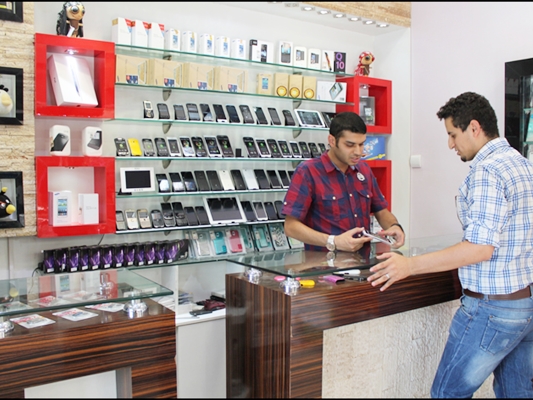
Official statistics suggest that internet penetration in Iran has reached 50% this year. 5,000 people used to have access to the Internet in 1997, but the figure rose to 700-800 in 2001 since dial-up internet technology made its way into the country. In this year, Iranians turned to blogging en masse to mark a sudden surge in Internet usage.

Since 2001, the number of Internet users has grown exponentially to the extent that today, there is a population of 42m users across the country.

Davood Zare’eian, an expert in the areas of communication and media, believes that a renaissance in Internet development is intertwined with the growth of social media.

“Following the release of third and fourth generations of smart phones, we experienced a boom in the growth of social media in the society, for which we urgently need a competent management strategy”, he underlined.

“Communications have inflicted widespread damages on Iranians because we have not been able to pass on the needed skills to our people. The only way out of this is to promote media literacy,” Communication Journal quoted him as saying.

“Developed countries should devote attention to three factors in order to make good use of communication technology: The necessary infrastructure for information technology, the rate of usage, and the extent of user’s acquaintance with the required skills,” he went on to say.

Stampede in Mecca Once Again Wounds Pilgrims

Iran Officially Declares Cancellation of This Year's Hajj Pilgrimage

Here’s IFP’s translation of a report by IRNA:

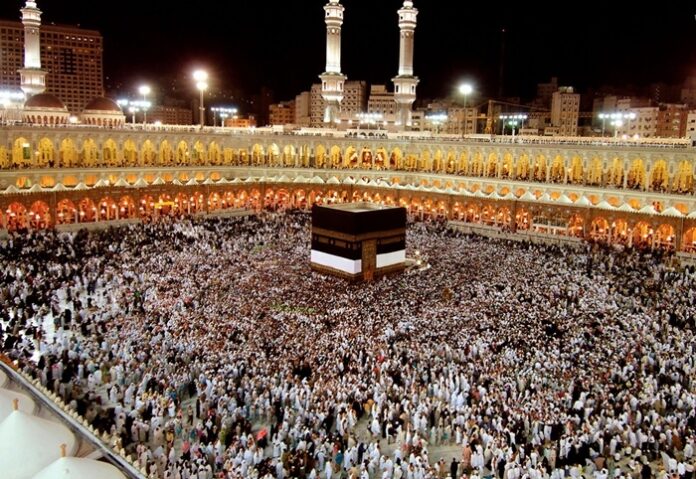
According to Saudi media, Mecca’s emergency department dispatched a team of rescue workers on an emergency call about a stampede in front of “Dar al-Tawhid” Hotel near Masjid al-Ḥarām [Grand Mosque], where 18 injured pilgrims received outpatient treatment.

Mecca’s Department of Health Affairs added that 4 hospitals have been put on high alert near Masjid al-Ḥarām and 8 rescue teams dispatched to the location.

The night before the accident was Laylat al-Qadr or the Night of Value [the night when the first verses of Holy Quran were revealed]; therefore, more than 750 Sunni pilgrims had gathered in Masjid al-Ḥarām to perform Tarawih prayer [extra prayers performed by Sunni Muslims at night in the Islamic month of Ramadan].

The accident is reminiscent of the deadly stampede in Mina on September 24, 2015, when a crush caused the deaths of thousands of Muslim people visiting the holy site. The pilgrims, including more than 460 Iranians, suffocated or crushed to death, which attest to the inefficiency and lack of foresight of the Saudi government.

Last year’s Hajj killed more than 2,000 pilgrims in the worst disaster to ever strike the annual ritual.

According to figures from foreign officials, at least 2,297 pilgrims died. Saudi Arabia issued a death toll of 769.

The Hajj and Umrah pilgrimages bring millions of Muslims to the holy places in Saudi Arabia every year.

Saudi authorities allege that they are unveiling new safety measures for this year’s Hajj in September.

Alleged Assir Loyalists Threaten to Down Iranian ‘Aid Planes’ for Hezbollah

636028753944967938

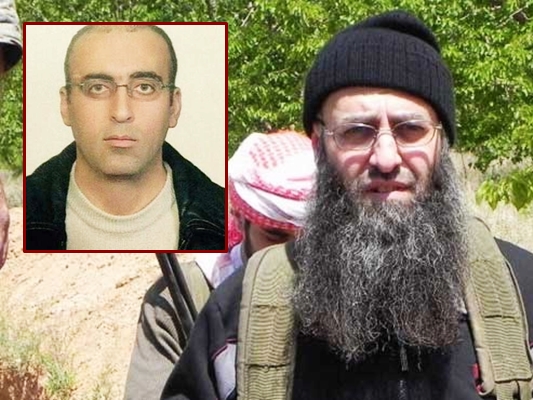
A group, introducing itself as the Sheikh Ahmad al-Assir Brigades, affirmed that its members will continue to work against Iran by “attacking the aid they give to Hezbollah which reach our country through the Rafik Hariri airport,” a man in military fatigues with his face covered said in the video posted to YouTube.

According to a report by Daily Star as covered by Alef news website, it was unclear if the alleged militants had access to anti-aircraft weapons, and from where they planned to carry out their attacks.

Hezbollah leader Sayyed Hassan Nasrallah clearly announced on Friday, June 24, that his party is receiving its money and arms from Iran. However, their aid deliveries are believed to be transferred by land through Syria, not via the airport.

In the video, two other men, also with their faces covered and holding weapons, stood on each side of the speaker, with a black flag with an Islamic quote in the background.

The speaker added that “every plane carrying these weapons is a target of ours.”

Leader Urges Firm Action on Unconventional Salaries

Leader

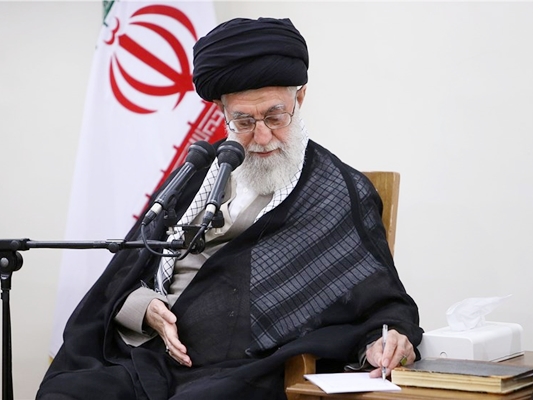
“All organizations have a duty to show sensitivity to unconventional payments and deal with the cases of violation [of the law] decisively,” Ayatollah Khamenei wrote in a message on Saturday, July 2, in response to a letter from First Vice-President Eshaq Jahangiri.

In a letter sent to the Leader on June 14, Jahangiri had asked for instructions to have all Iranian organizations and bodies cooperate with the administration in dealing with the problem of astronomical salaries.

Elsewhere in the message, Ayatollah Khamenei stressed that all bodies, even the Leader’s office itself, must observe the regulations passed by the administration and enforce them in their affiliate organizations.

Over the past weeks, cases of “astronomical salaries” earned by some senior managers have attracted a great deal of media attention and had a negative impact on public sentiment.

Ayatollah Khamenei had already called for firm action to halt payment of astronomical salaries and punish the wrongdoers.

In a meeting with President Hassan Rouhani and his administration’s officials on June 22, Ayatollah Khamenei touched on the issue of inflated salaries, and said, “The issue of astronomic salaries is, in fact, an infringement upon values, but everyone must know that this issue is one of exceptions and most organs’ directors are clean-handed people, but even this few number is still very inappropriate and must be dealt with.”

“This issue must not be a matter of time. It must be seriously pursued and the public must be kept abreast of its result,” the Leader stressed.

“According to the information I’ve received, most directors of organs have received reasonable pays and inflated salaries are related to a few number of managers, and even these few cases must be dealt with firmly,” Ayatollah Khamenei added.

West Has Already Launched Iran’s Landline, But Doesn’t Pick Up the Phone!

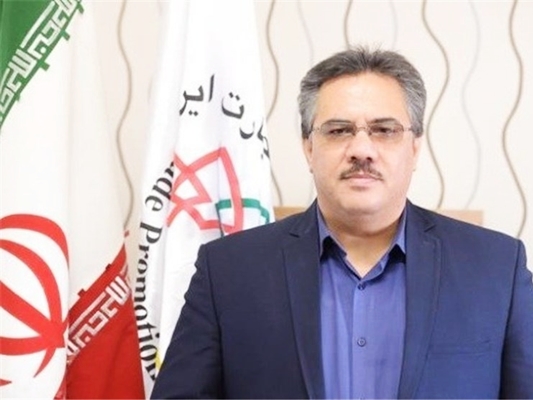
Mohammad Reza Modoudi

Here’s IFP’s translation of Tasnim’s interview with Mohammad Reza Modoudi, the Deputy Head of Iran’s Trade Promotion Organization:

“One of the most important impacts of JCPOA was that foreigners came to Iran in spite of years of anti-Iran accusations, and this proved false all the propaganda spread by Western media,” Modoudi noted.

“The reciprocal visits of trade delegations indicated that Iran is a capable country interested in peace and interaction. They found out that all anti-Iran charges were false. This is a great achievement of the Iranian nation and Establishment.”

However, he added, Westerns have yet to fully implement their obligations, and foreign banks are still cautious in their ties with Iran in spite of alleged positive signals [sent by the West] for cooperation with Iran.

“The reason for foreign banks’ caution is the fines they have paid in recent years for their ties with Iran,” he went on to say.

Modoudi provided an example and said, “Westerners have launched Iran’s landline phone, but they do not answer our calls.”

“In fact, we cannot say the landline is not established yet; we have managed to make our contacts, but they are not responding to our calls. It seems that time would solve such problems, and I am optimistic about it.”

Since the implementation of the nuclear deal, contracts have been signed with other countries in the form of Memoranda of Understanding (MoUs), and they are now mulling over Iran’s market and capability to make their decision, he added.


Copper Industry Has Flourished after JCPOA

Modoudi noted that the nuclear deal has been directly effective in copper industry, and boosted the export of Iran’s copper.

“Copper exports have soared, insofar as there was a 1,336% increase in Iran’s copper exports within the first three months of this year compared with the same period last year,” he said.

“We have also witnessed a 104% increase in export of steel products, which shows more than two-fold increase compared with the previous year,” he noted, adding that the export of other metals has also increased after the JCPOA implementation.

However, Modoudi noted, Iran needs more efficiency and more competitive products in industrial goods and private sector productions, because the country’s end-user price is high for a powerful presence in international markets.

Iranian People Mark Int’l Quds Day across the Country

Quds Day 484

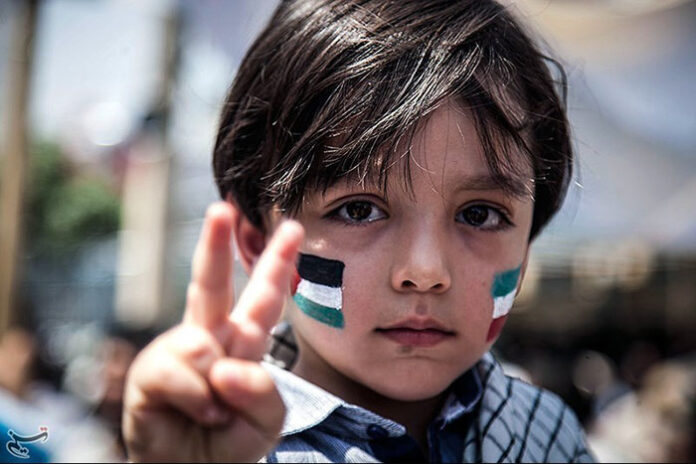
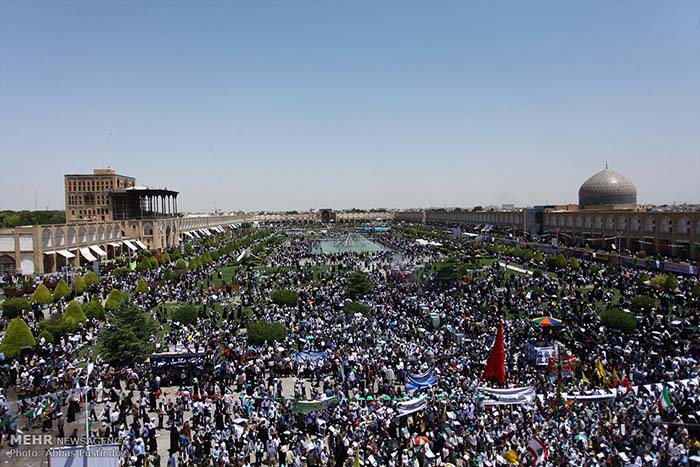
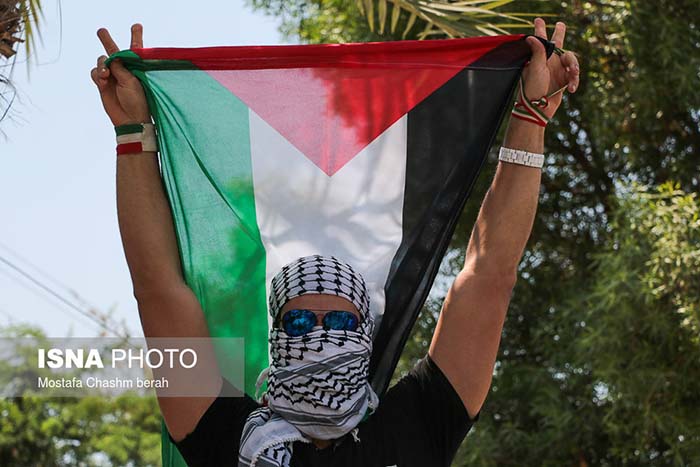
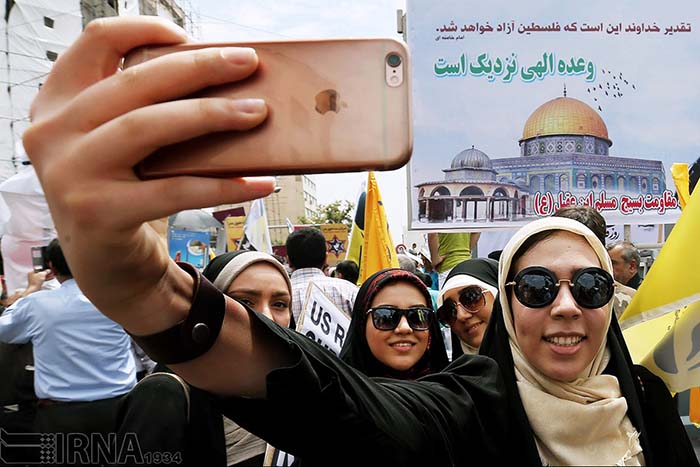
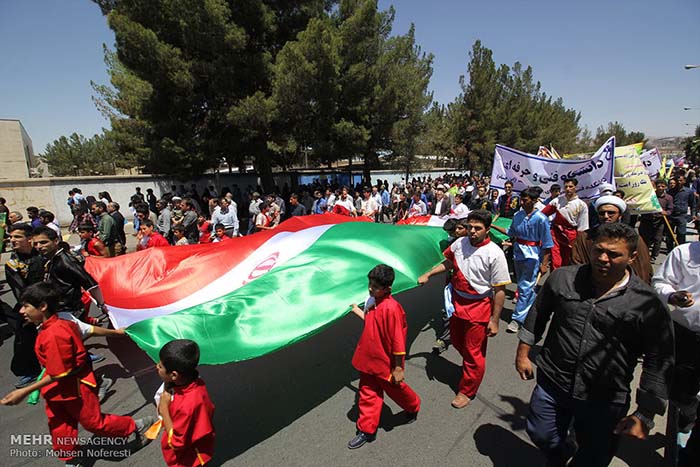
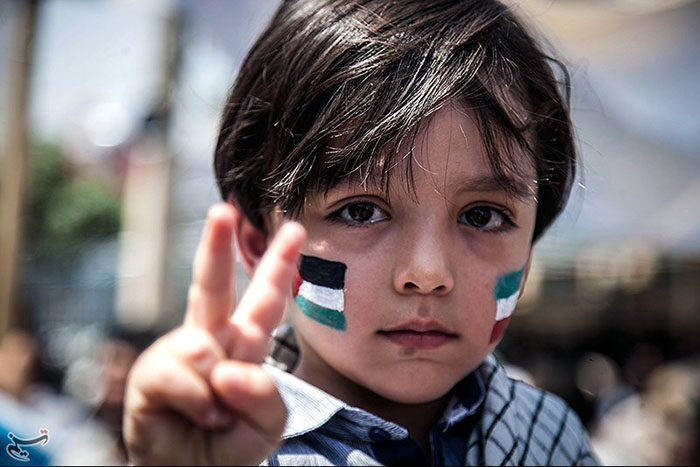
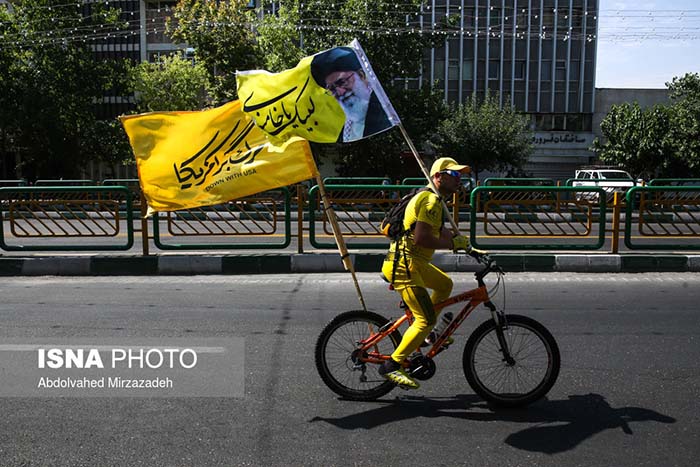
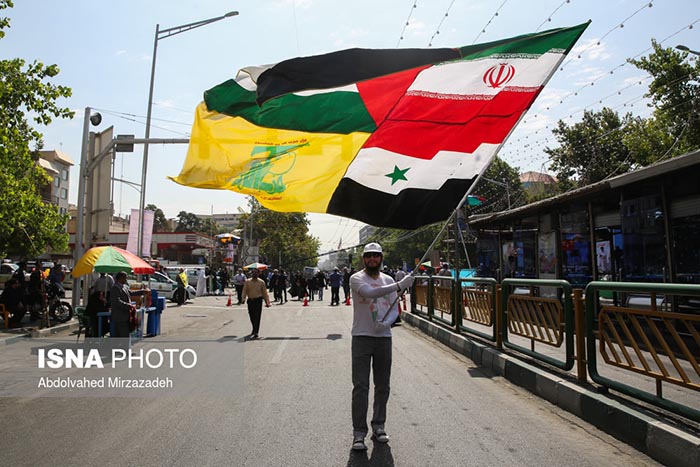
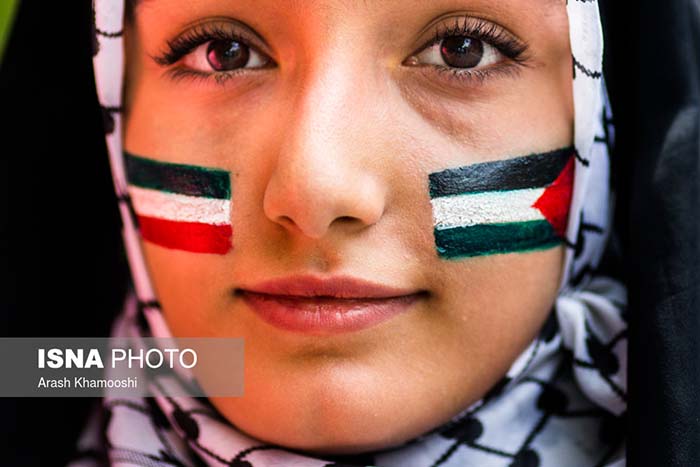
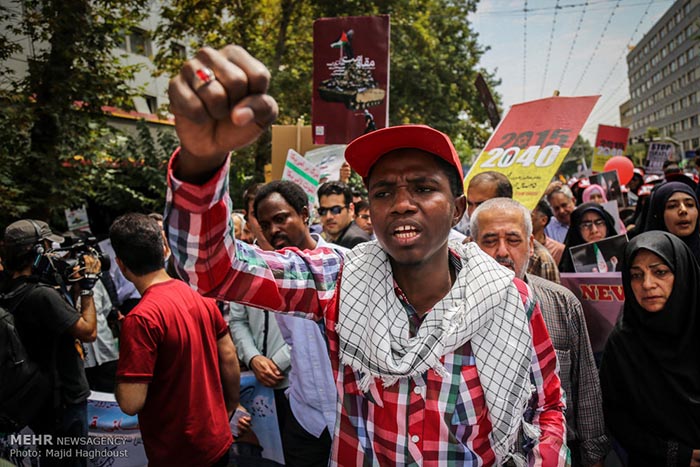
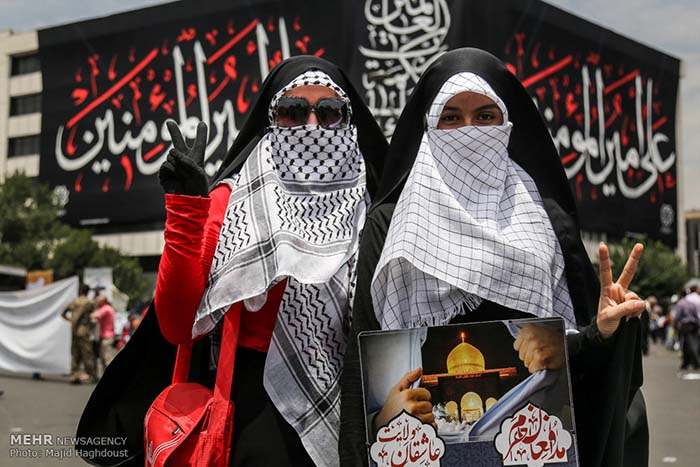
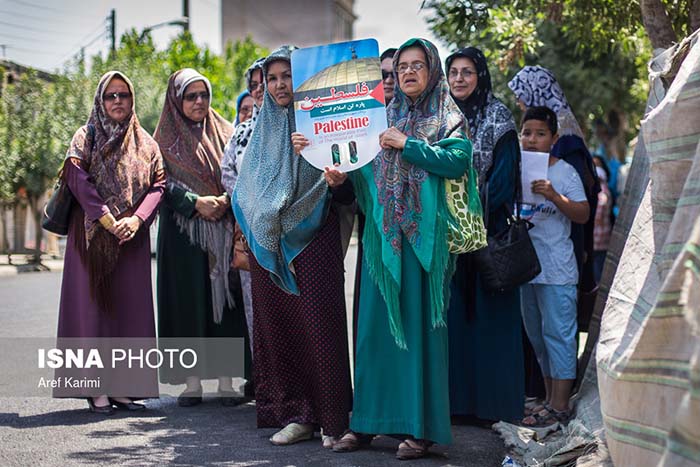
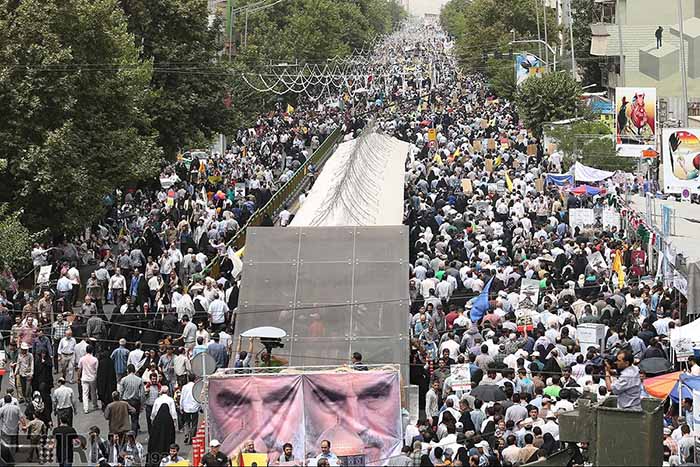
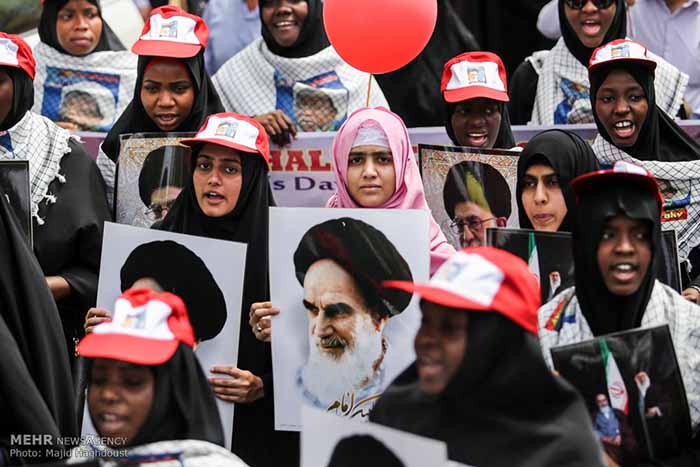
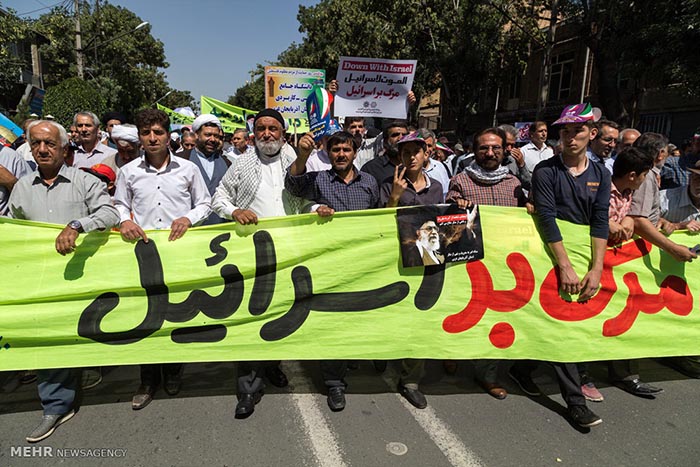
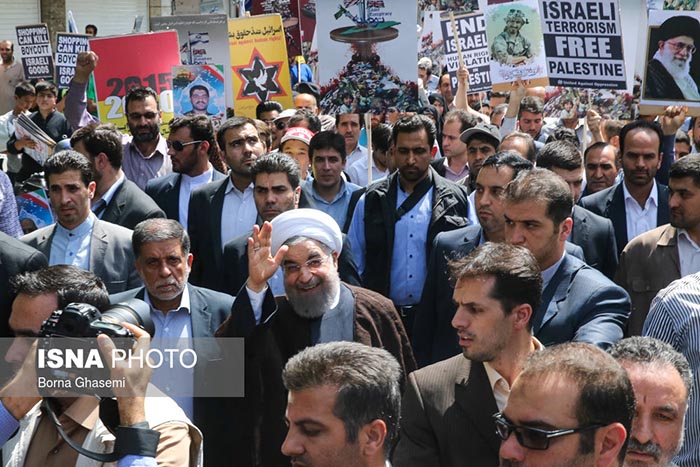
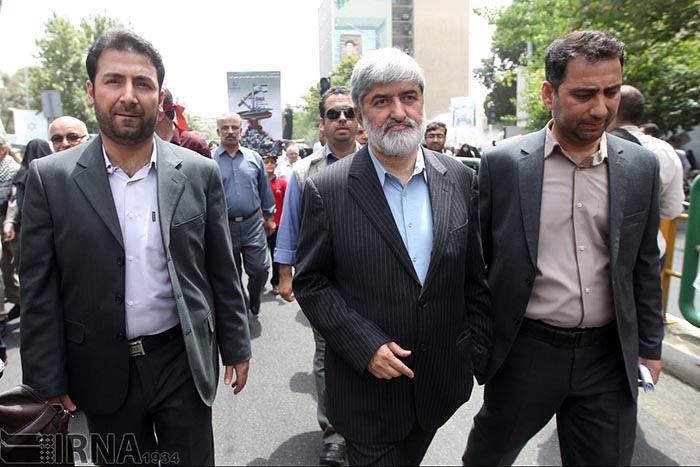
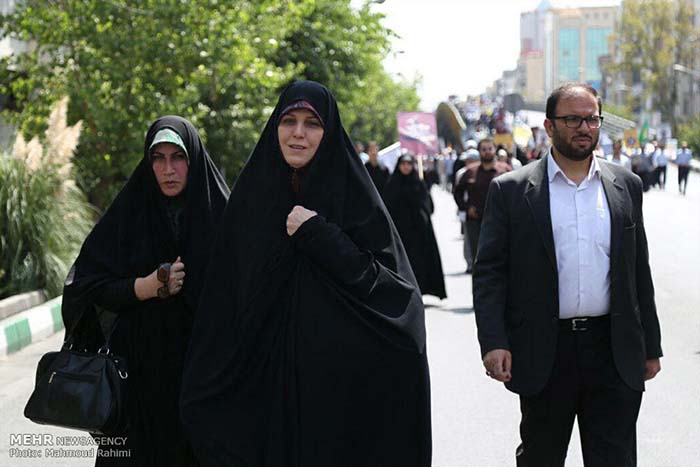
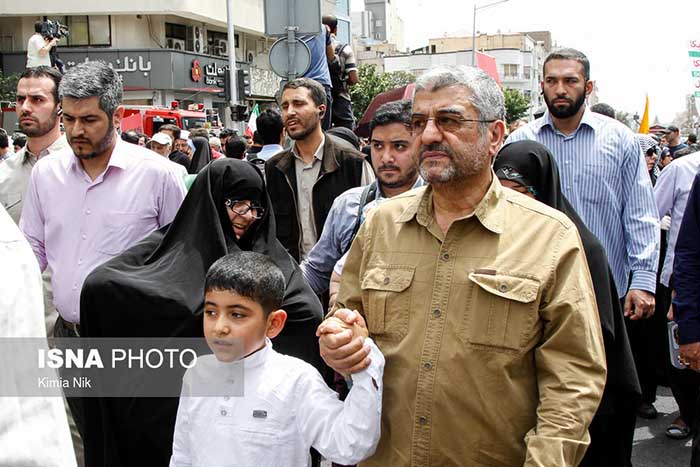
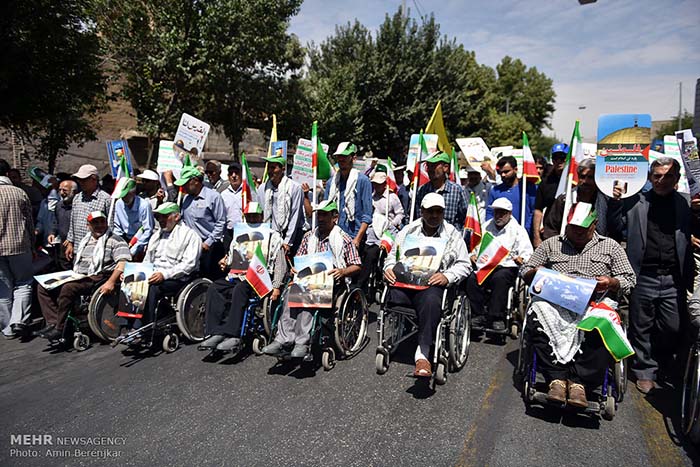
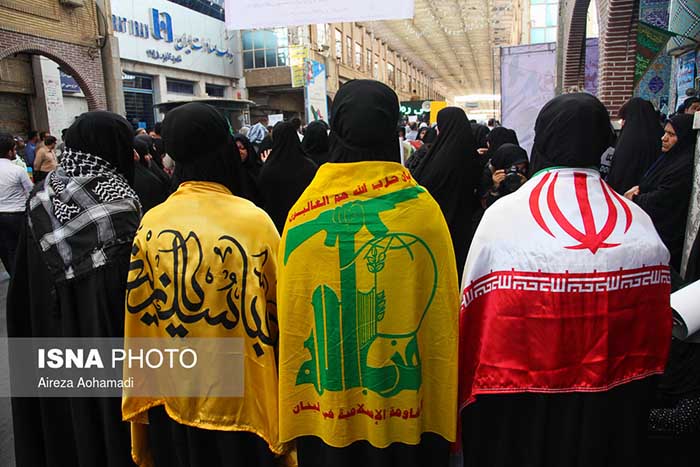
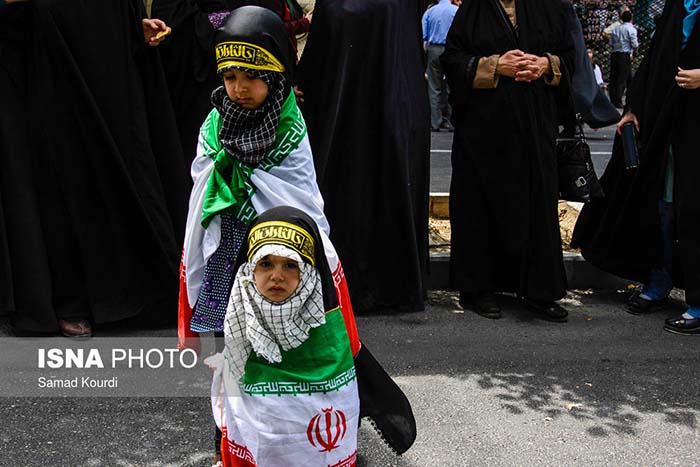
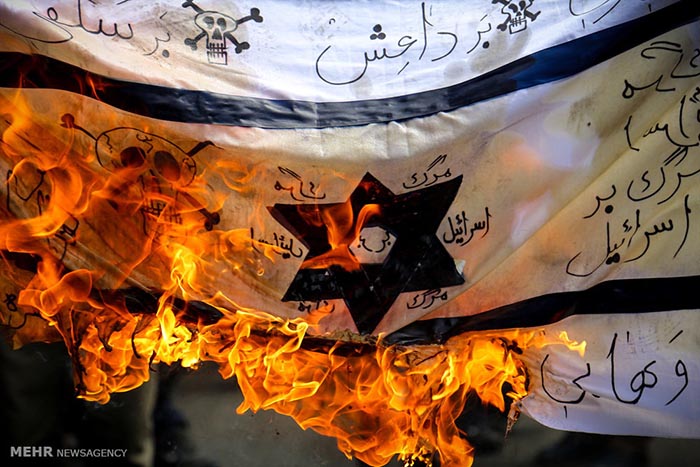
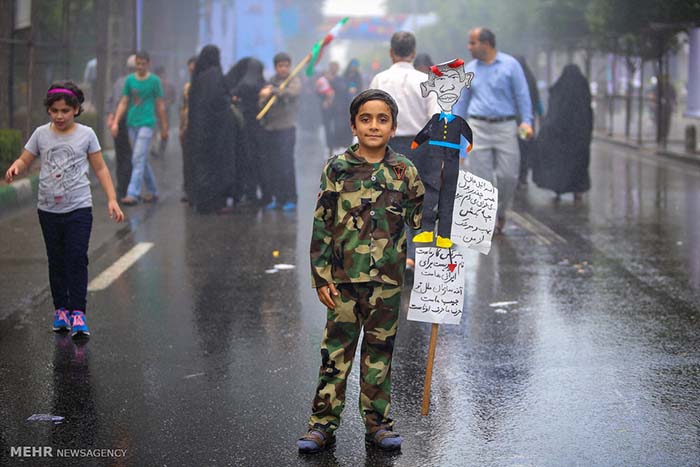
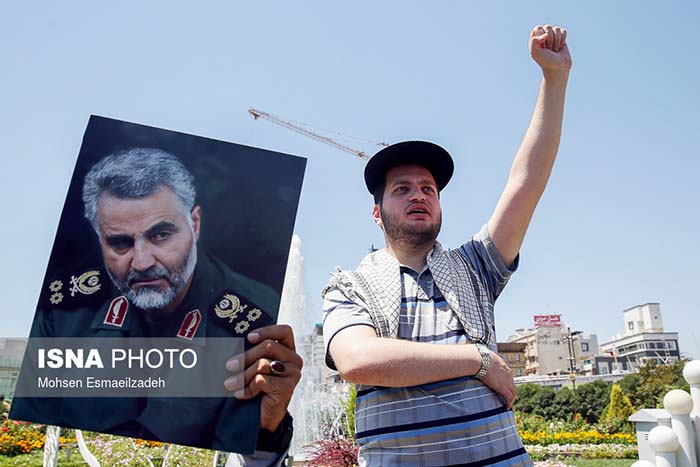
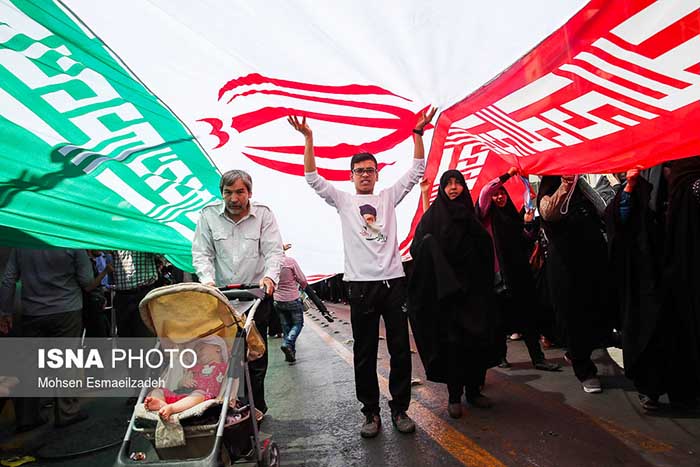
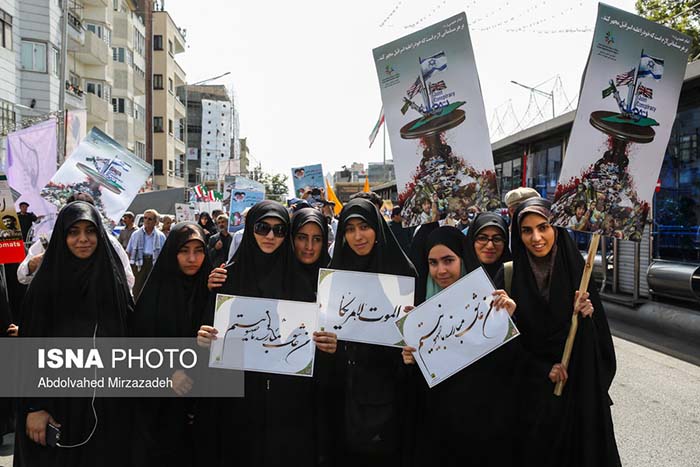
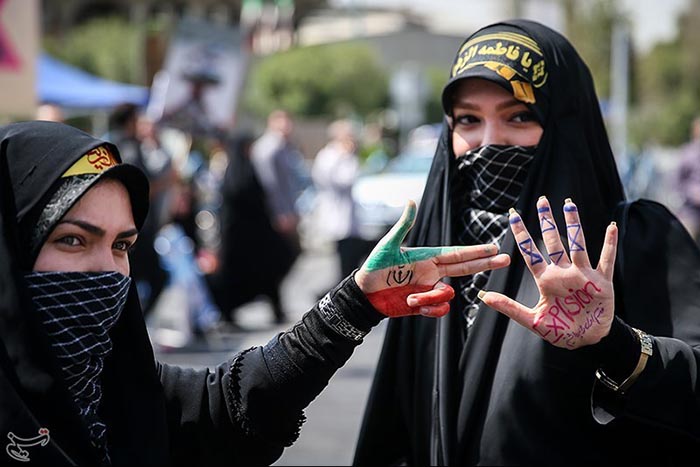
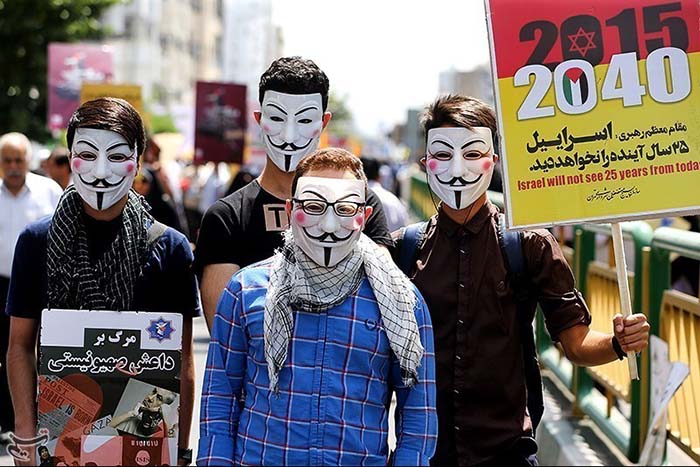
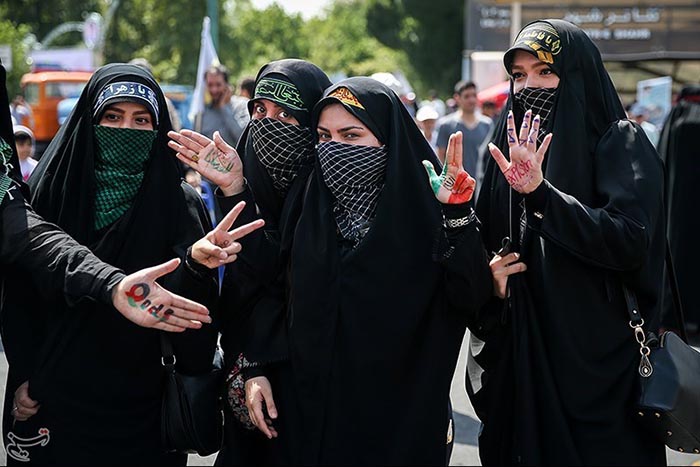
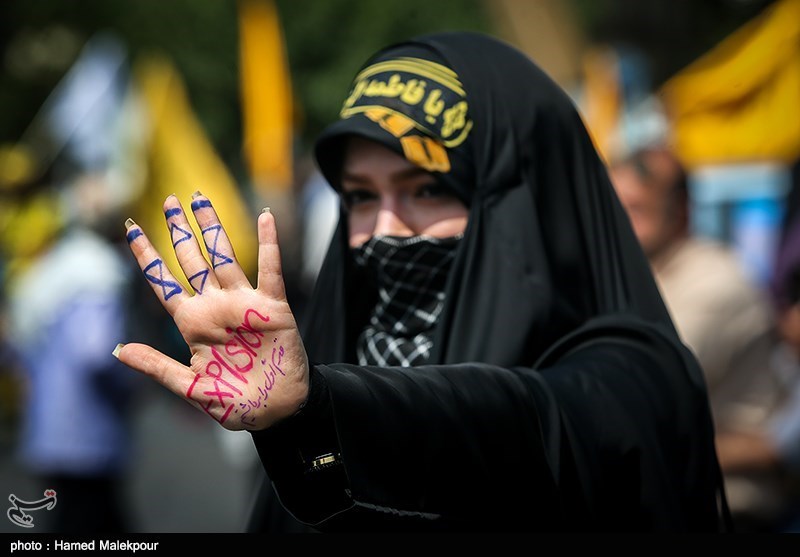
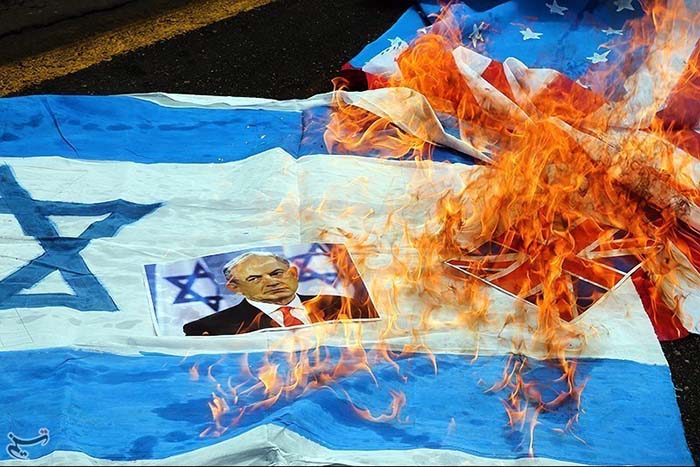
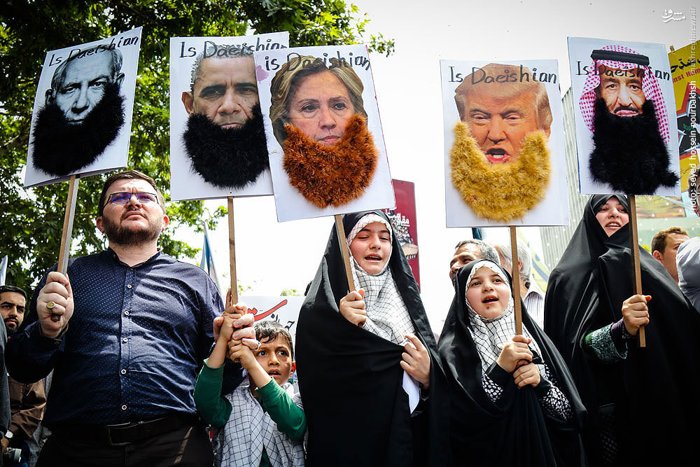
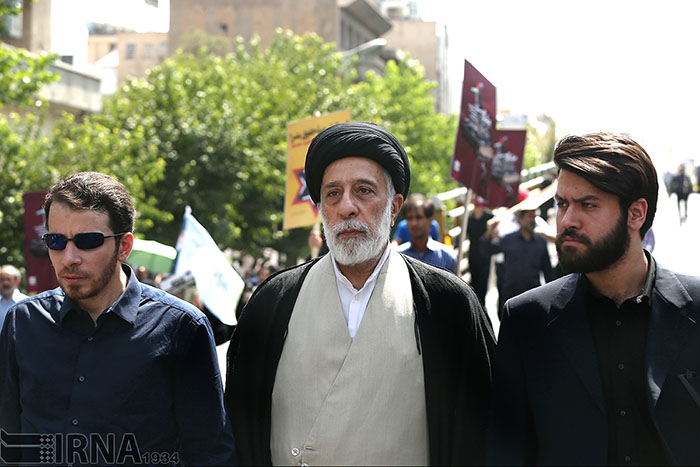
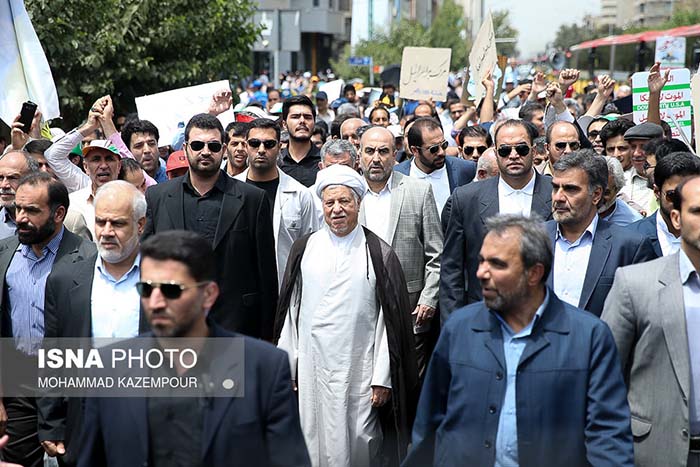
Millions of people in different Iranian cities and villages poured into streets on Friday, July 1, to mark the International Quds Day and express their support for Palestinian cause.

People from different social strata shouted slogans against Israel, and called for an end to the Israeli occupation of Palestinian territories.

Demonstrators also chanted slogans against the US, Saudi, and Bahraini governments.
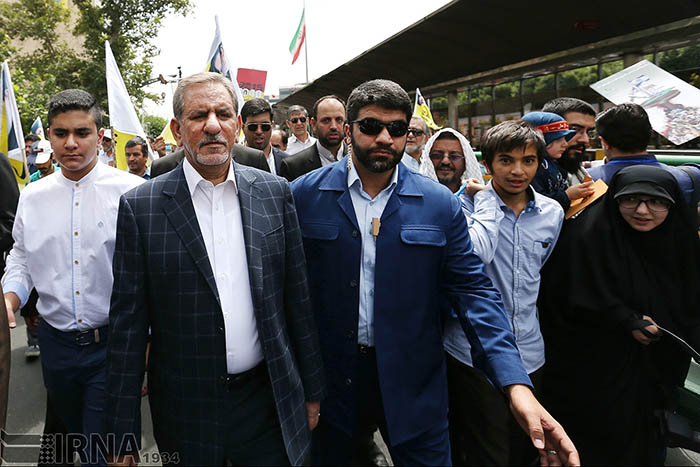
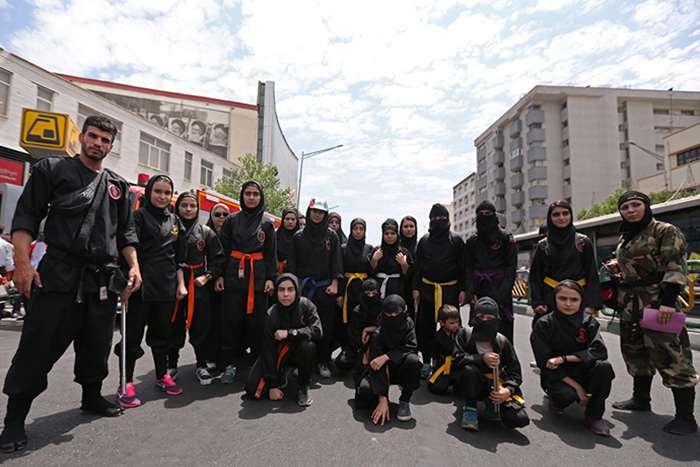
Photos of the nationwide rallies are collected by IFP from different Iranian media. One of YJC’s pictures show Iranian ninja girls attending the rallies.


What Saudi Arabia Did to Yemeni Lions

Yemeni Lions23

Covered in scratches and nothing but skin and bone, a once noble lion is trapped and lonely in the middle of a warzone.
Stuck behind bars, the lion at Ta’iz Zoo in war-torn Yemen roars pathetically from inside his cage, according to media reports covered by Al Alam News Network.

But in the middle of air raids and tank shells, one man and a small group of volunteers cross the front line every day to go and care for the animals of the zoo.

Bassam Al-Hakimi, 25, once owned an internet café that has been destroyed. He was an industrial engineering student before the conflict.

But now he is helping Chantal Jonkergouw and Victoria Johner y Cruz from the SOS Zoo and Bear Rescue Group – bringing funds from donors around the world to try to prevent the zoo’s 266 animals from starving to death.

Before donations started being raised, 12 lions and six leopards had already died of starvation.

Since February they have raised nearly $70,000 (£50,000) and Bassam, who works at Tamdeen Youth Foundation in Yemen, incredibly crosses the front line every day to help the animals.

“The zoo is about five kilometres (three miles) from the front line. About two months ago, the Saudi Air Force bombed a tank belonging to Houthi forces stationed near the zoo causing an explosion and flying debris which damaged the snake cage,” he said.

“A lot of my friends have been killed in the war. In the zoo there is no danger, but we have to cross the front line and are right in the middle of the two fighting forces. A friend of mine was killed walking next to me.”

Saudi Arabia and its allies launched military attacks on Yemen in March 2015 in an attempt to bring its ally, the former Yemeni President Mansour Hadi, back to power.

More than 10,000 people have been killed in the aggression since then.

Iran’s Civil Defence Organization Offers Help to Address Bioterrorism

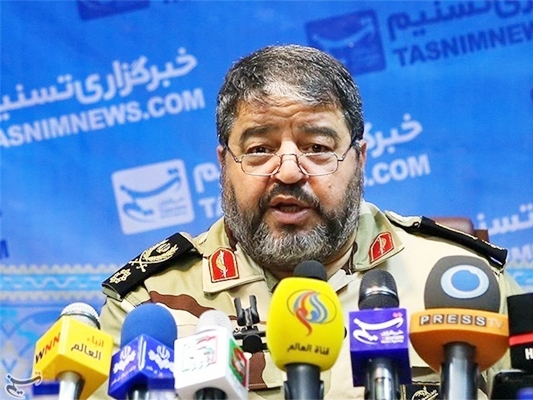
General Gholam Reza Jalali

Speaking to Tasnim, Brigadier General Gholam-Reza Jalali said it is the Intelligence Ministry’s responsibility to work on cases of bioterrorism, detect terrorist attacks, and handle other security issues.

Although the Ministry has not asked for help on the issue of bioterrorism so far, the Civil Defence Organization is fully prepared for cooperation in this regard, he said.

Jalali also explained that dealing with the medical aspects of bioterrorism comes within the purview of the Health Ministry, which, for example, would conduct laboratory tests on viral culture to determine if a virus in a suspicious case has been pathogenic.

His comments came after Secretary of Iran’s Supreme National Security Council (SNSC) Ali Shamkhani announced the establishment of a committee to study whether an Iranian individual who died recently at a young age has fallen victim to bioterrorism.

Speaking on the sidelines of a Thursday [June 30] memorial ceremony for Ali Dadman, a former minister’s son who died of cancer last week at the age of 36, Shamkhani said the SNSC has set up a committee to study different aspects surrounding the death.

There is speculation that Dadman developed severe cancer abruptly after returning from a foreign trip.

The issue of bioterrorist attacks against Iranian individuals has raised concerns over the past weeks.

Bioterrorism is terrorism involving the intentional release or dissemination of biological agents, such as bacteria, viruses, or toxins, to target people.

Iranian Navy Saves Oil Tanker from Pirates near Bab-el-Mandeb

139501231419536557491214

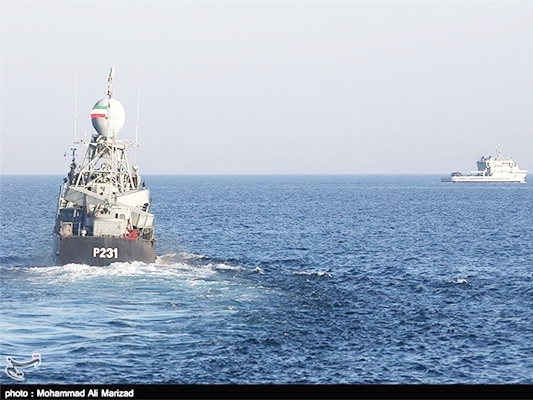
Early on Saturday, July 2, the Navy’s 41st flotilla of warships rushed to save the Iranian tanker when 115 armed pirates on board 12 boats, launched an attack on the vessel.

The pirates were forced to flee after they came under heavy fire from the homegrown destroyer of the Iranian Navy.

Three hours later, the pirates launched another attack on the oil tanker, which was again foiled by the flotilla.

The flotilla comprising Martyr Naqdi destroyer and Lavan logistic warship was deployed to international waters back on June 1.

In recent years, Iran’s naval forces have increased their presence in high seas to secure naval routes and protect merchant vessels and oil tankers against pirates.

In line with international efforts to combat piracy, the Iranian Navy has also been conducting anti-piracy patrols in the Gulf of Aden since November 2008 to safeguard the vessels involved in maritime trade, especially the ships and oil tankers owned or leased by Iran.