Monday, April 13, 2026
Home Blog Page 4405

Living Up to Some Preliminary Red Lines Was Impossible: Nuclear Negotiator

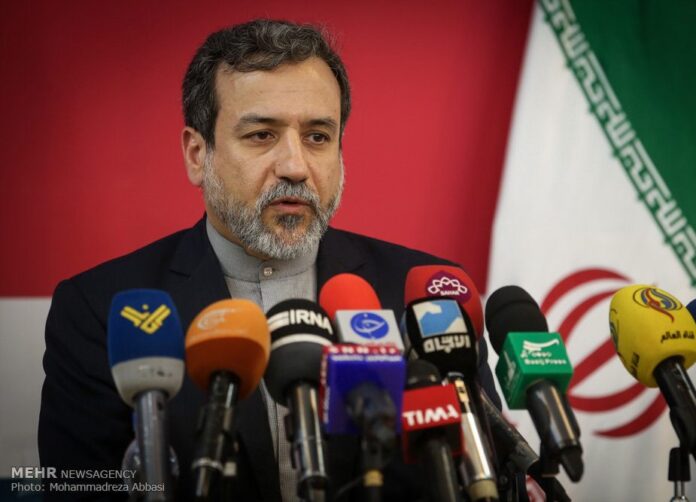
“Living up to some red lines outlined by the Leader of the Islamic Revolution was not possible, and we honestly informed the Leader of the issue,” Araqchi said in his press conference held in Tehran on Sunday, July 17.

“We cannot say we never crossed the red lines in any of the cases; we did cross them in two or three cases. For example, one of the red lines outlined for the negotiating team was that all sanctions imposed by the US Congress, the US President, the European Union, and the United Nations Security Council should be terminated. When we raised the issue with the American side, they said the sanctions imposed by the President can be removed, but the Congress cannot be convinced to lift the sanctions.”
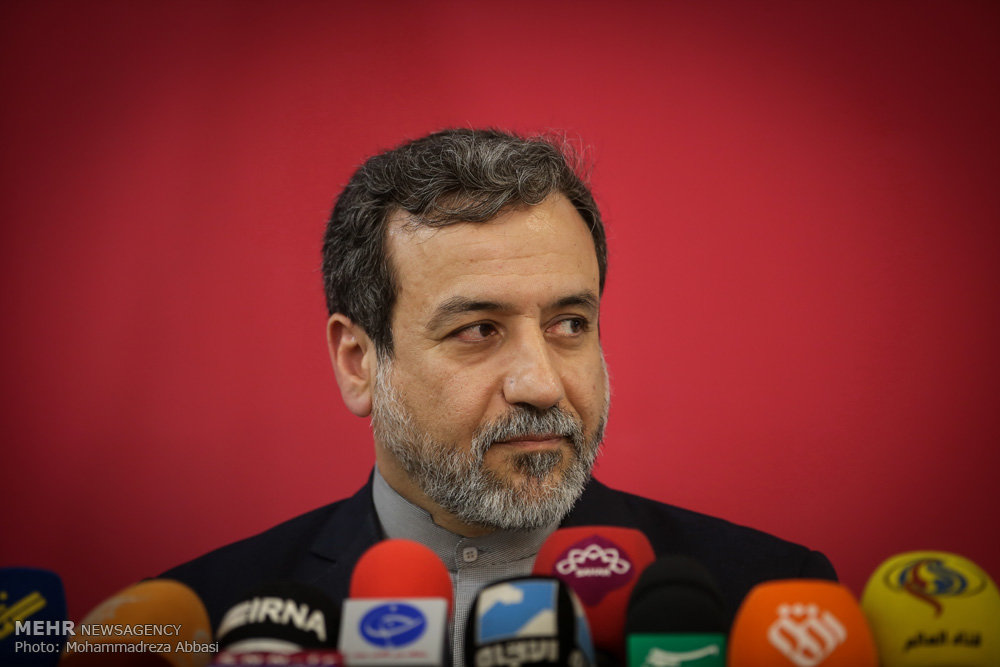
Abbas Araghchi“Then we said there would be no deal if that is the case. The next order was that the sanctions imposed by the President, the EU, and the UNSC should be removed, and those of the Congress should be stopped,” he said.

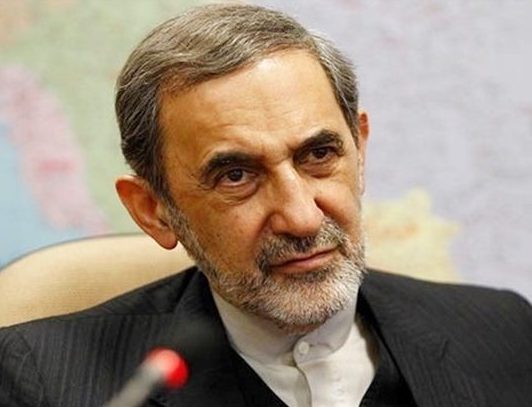
Referring to the recent remarks by Ali Akbar Velayati, the International Advisor to the Leader, who said the Leader’s 9 red lines have not been observed in the JCPOA, Araqchi stressed that all 9 conditions were met, or else the deal would not have been implemented.


Full Removal of Sanctions Takes Time

“The other side of the deal has implemented its JCPOA commitments on the paper; however, the banking ties and economic collaborations have not been fully realized,” Araqchi admitted.

“The full removal of anti-Iran sanctions will take time. There is a series of procedural problems. The other side’s mischief is part of the issue, which should be discussed case by case,” Araqchi said.

“It should be examined in the fields of finance, banking, and insurance, oil, gas, petrochemistry, transport, industry, trade, and energy. In trade, industry, and transport, we have almost returned to the previous conditions, and we have made very good progress in the field of energy.”
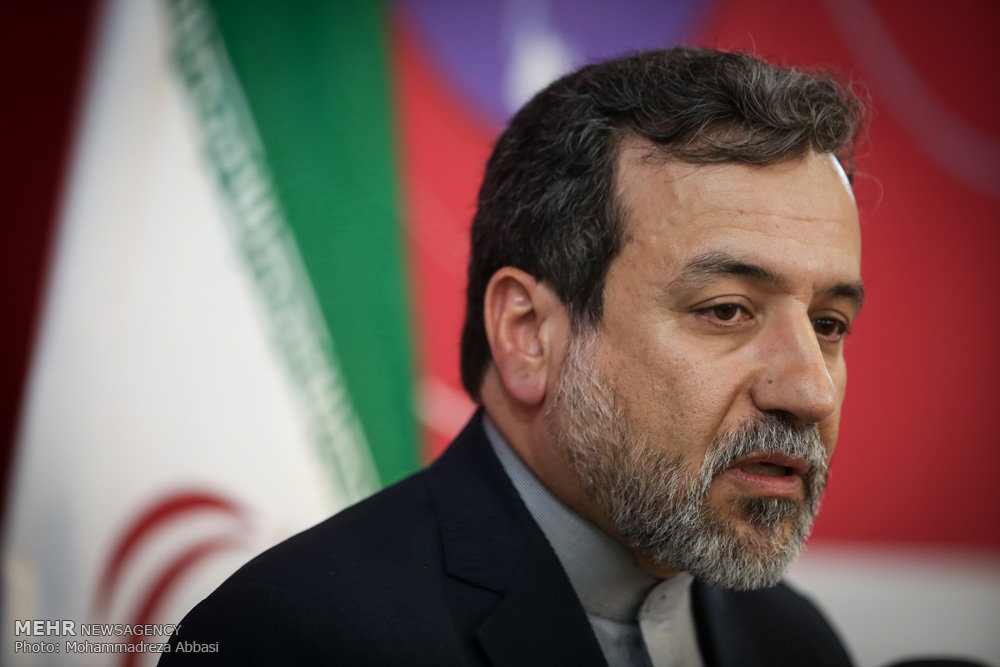
Seyyed Abbas Araghchi 1“In the field of energy, if it was not for JCPOA, Iran’s oil exports would have decreased to zero, while it is 1.5 barrels per day now,” he noted, adding that the country plans to boost its oil output to 2 million barrels per day in future.

Araqchi further referred to the existing problems in the field of banking and financial ties with other countries, and said, “In spite of good openings in the field, it is a fact that major international banks do not start their ties with Iran, and this is something outside the nuclear deal, which is being abused by Americans.”

Araqchi, however, noted that small banks have started their relations with Iran, and the speed of financial transactions has considerably increased compared with the past.


FATF Deal a Prerequisite for Iran’s Cooperation with Major Banks

The Iranian diplomat further referred to the country’s deal with the Financial Action Task Force (FATF), and emphasized that Tehran’s interaction with the FATF is a prerequisite for the cooperation of major banks with Iran.

Seyyed Abbas Araghchi“During the time of sanctions, the FATF was not that much important, but it appeared as an obstacle after the lifting of anti-Iran sanctions. They said they will not have banking cooperation with Iran and North Korea, and if Iran wants to have cooperation with major banks, changes and progress should be made in this field.”

He also pointed to the US prohibition of Iran’s access to its financial system, or the access to US dollar, and noted, “Even if Iran was allowed to use the U-Turn system as per the nuclear deal, we should not have used it, because that would enable them to seize our assets with every dollar used in that system. We should separate ourselves from dependency on dollar and move towards the outlined principles of Resistance Economy.”


US Gov’t Should Prevent Any Move That Leads to JCPOA Violation

“We consider the US [administration] as being responsible for and committed to implementing the nuclear deal. The US should prevent any move that would lead to JCPOA violation. We do not pay attention to the moves made by the US congress and the country’s internal mechanisms; therefore, if the US is committed to the sale of Boeing and Airbus planes to Iran, it should remain loyal to its obligations; otherwise, it has violated the JCPOA,” Araqchi noted.

“One of the moves made by the Congress against Iran was the law based on which the visa-free regime will not apply to those who have visited Iran in the past five years. In our view, this is the US violation of its commitments as per the JCPOA. Extensive discussions were held at the time, and the US administration stopped the section that was related to economic visas.”

However, he added, the White House has yet to stop the section that relates to tourist and scientific visas, and the ones for those residing there.

“This is one of our demands and we believe that the US Congress will abuse the atmosphere,” he added.
IRGC Navy at Forefront of Encounter with Enemies: Commander

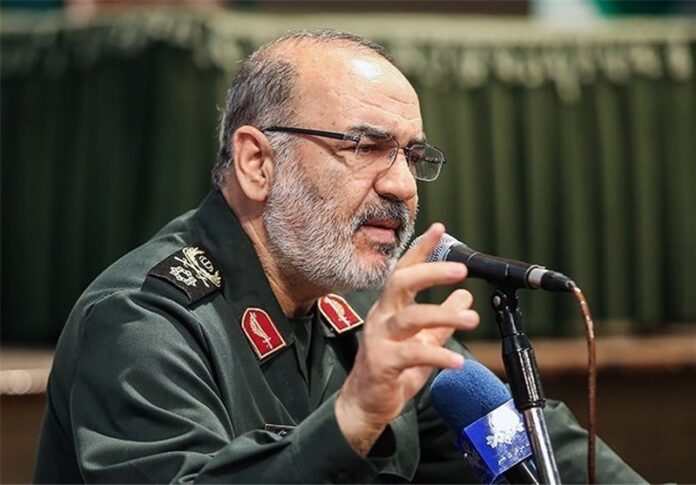
Brigadier General Hossein Salami

“The IRGC Navy makes up the edge in the global field of our confrontation with the enemy,” Brigadier General Hossein Salami said in a gathering of IRGC Navy commanders in the northeastern city of Mashhad.

Due to its presence in seas, the IRGC Navy is facing the arrogant powers head-on, the general noted, referring to the IRGC’s naval presence in the Persian Gulf, where the US has deployed forces.

Salami also lauded the IRGC’s capabilities, but underlined that progress should not stop at the current level.

Back in January, the IRGC Navy captured 10 US Navy sailors inside Iran’s territorial waters in the Persian Gulf, but released them a day later following an apology and after technical and operational investigations indicated that the intrusion into Iranian territorial waters was unintentional.

In December 2015, Leader of the Islamic Revolution Ayatollah Seyed Ali Khamenei underlined that security of the Persian Gulf region comes within the purview of the regional countries alone, and dismissed the US claim of seeking security in the region.

“The Persian Gulf security relates to the countries of the region which have common interests, and not to the US. So, security of the Persian Gulf region should be provided by the countries of this region itself,” the Leader said.

Bahrain Court Dissolves Main Opposition Group Al-Wefaq

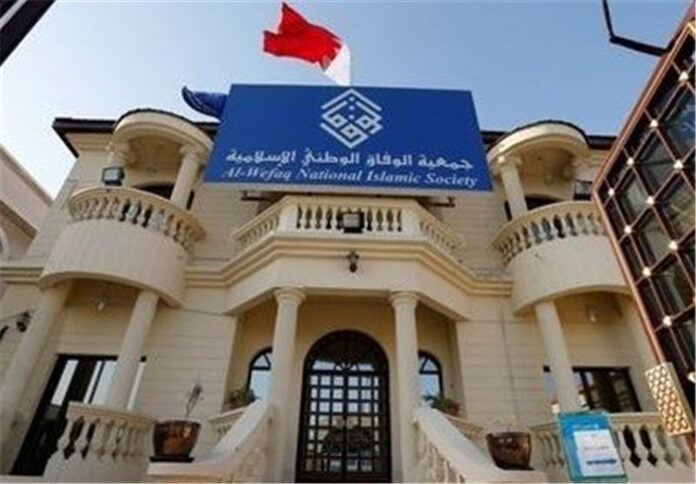
Al-Wefaq

The so-called administrative court in the capital, Manama, on Sunday ordered the dissolution of al-Wefaq and the seizure of its funds.

The Bahraini justice ministry had suspended the opposition group’s activities on June 14.

The latest move, part of a wide crackdown on political dissent in Bahrain, is certain to prompt more protests in the country, whose embattled regime has faced an uprising since 2011, Press TV reported.

Various human rights organizations had condemned the suspension, labeling it is part of a new crackdown on dissent.

Al-Wefaq’s secretary general, Sheikh Ali Salman, has been in prison since December 2014 on charges of attempting to overthrow the regime and collaborating with foreign powers, charges he has denied. A court sentenced him to four years in prison in June 2015.

The spiritual leader of the group, Sheikh Issa Qassim, has also been stripped of his Bahraini citizenship over similar accusations. On Saturday, the public prosecutor in Bahrain said the cleric will go on trial early next month on charges of “illegal fund collections and money laundering,” without providing an exact date.

Since February 2011, thousands of anti-regime protesters have held numerous demonstrations on an almost daily basis, calling for the Al Khalifah regime to relinquish power.

In March that year, troops from Saudi Arabia and the United Arab Emirates — themselves repressive Arab regimes — were deployed to the country to help in the crackdown on peaceful protests.

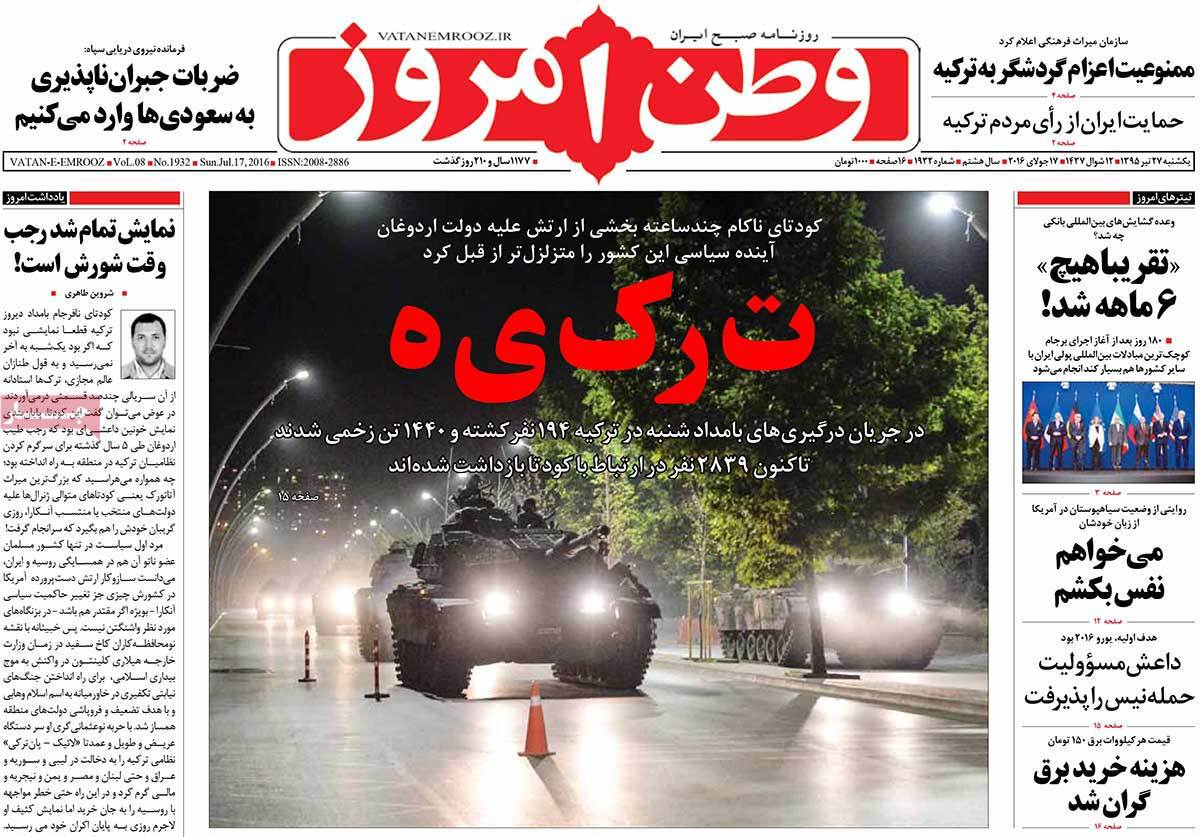
A Look at Iranian Newspaper Front Pages on July 17

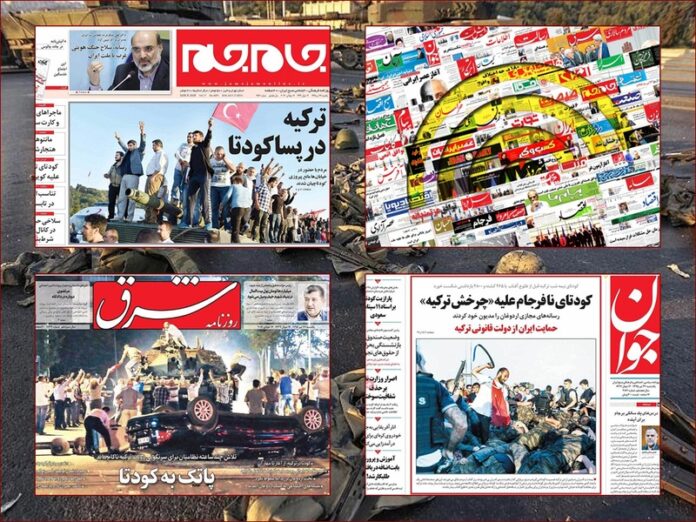
Iranian newspapers and Turkey coup

Iranian newspapers, most of which had not managed to cover the recent coup in Turkey in their Saturday issues as it had occurred in early hours of the day in Iran time, dedicated their front pages to the issue and covered the coup attempt in large scale. The way they covered the developments in Turkey will be reported in a separate story.

The Turkish coup as well as many other issues are highlighted in the following headlines:


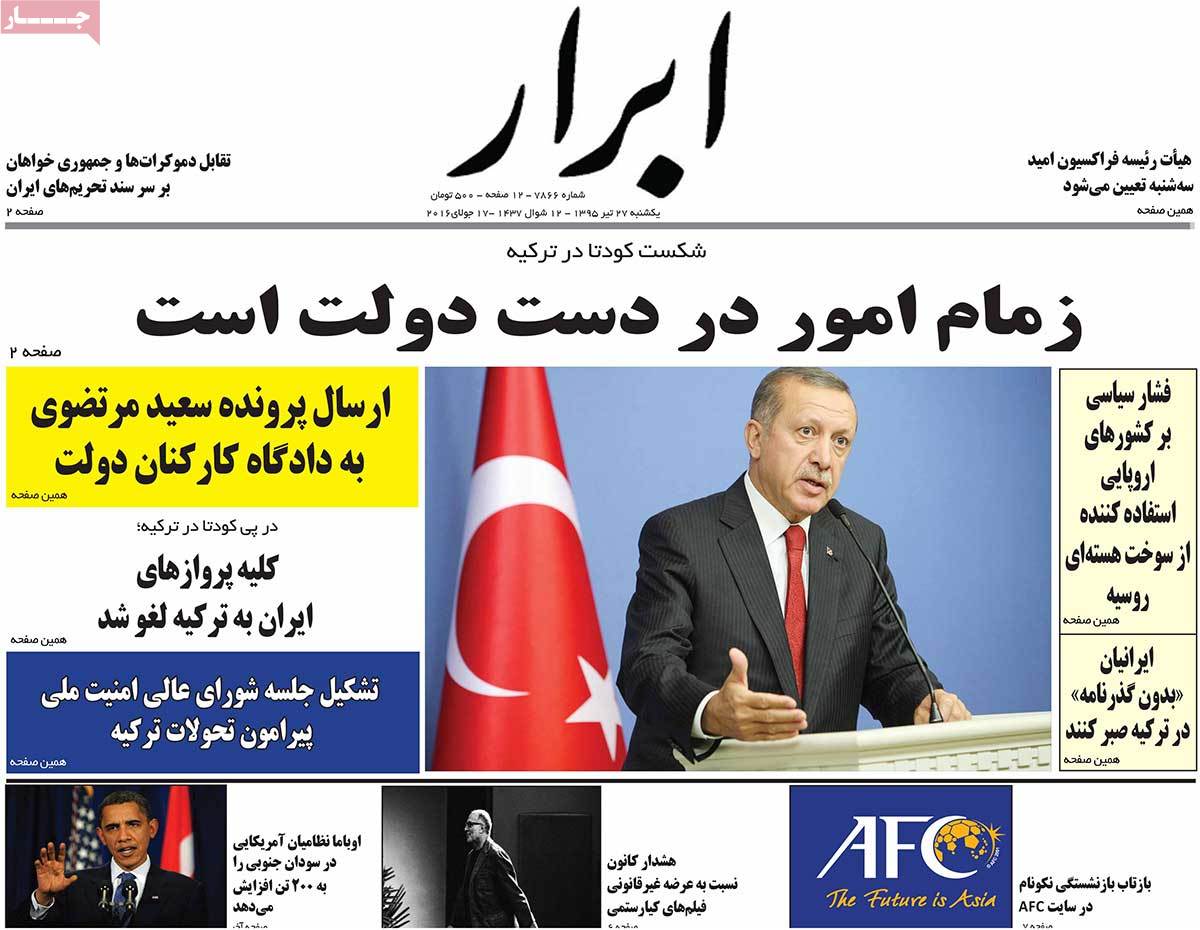
Abrar:

1- Government Is in Control of Turkey’s Affairs: Failure of Coup Attempt

2- Democrats in Conflict with Republicans over Iran Sanctions Document

3- Political Pressure on European Countries That Use Russia’s Nuclear Fuel

4- All Iranian Flights to Turkey Are Cancelled

5- Iran’s SNSC Holds Meeting on Turkey

A Look at Iranian Newspaper Front Pages on July 17


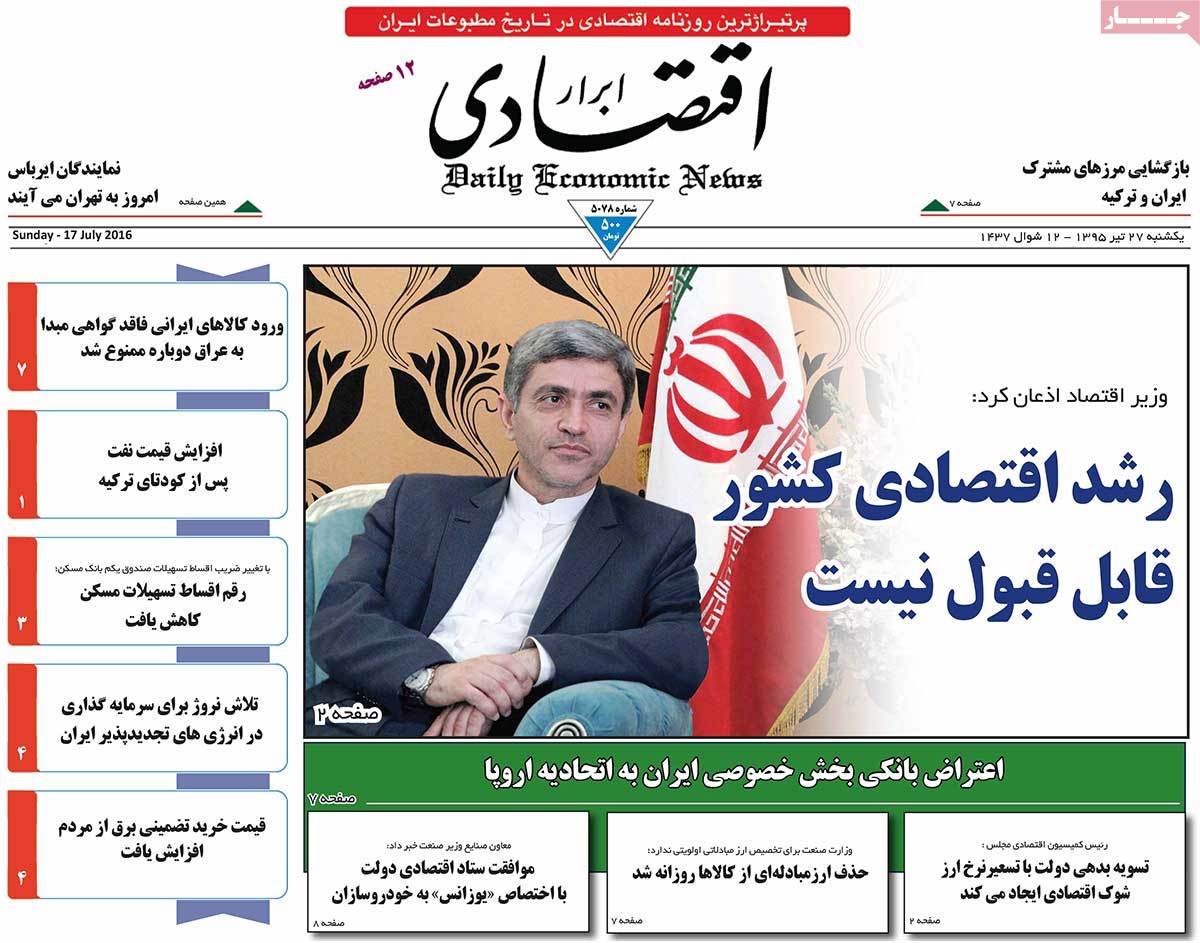
Abrar-e Eqtesadi:

1- Iran’s Economic Growth Isn’t Acceptable: Economy Minister

2- Iran-Turkey Borders Re-Opened

3- Airbus Representatives to Come to Iran Today

4- Norway Trying to Make Investment in Iran’s Renewable Energies

5- Iranian Private Sector’s Banking Protest at European Union

A Look at Iranian Newspaper Front Pages on July 17


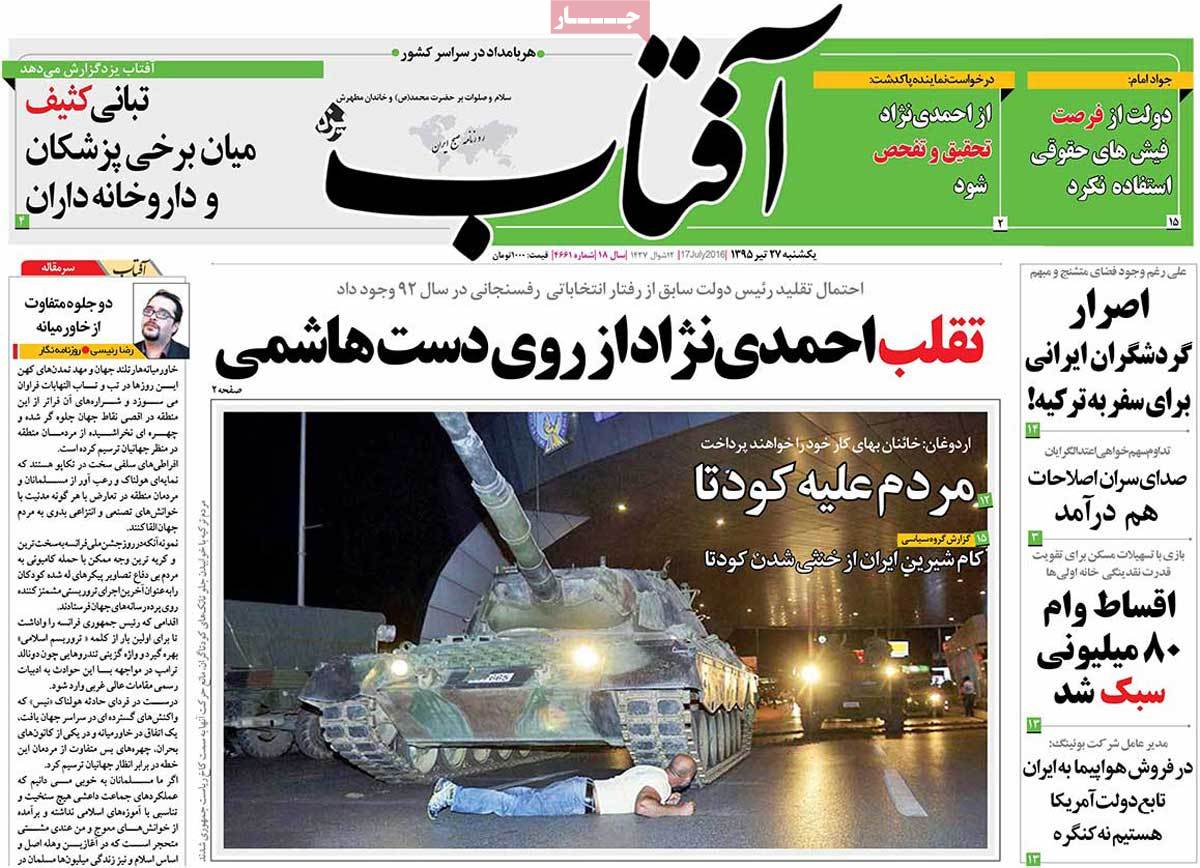
Aftab-e Yazd:

1- People against Coup d’état: Iran Satisfied with Failure of Coup in Turkey

2- Iranian Tourists Insist on Visiting Turkey in Spite of Tensions!

3- Boeing Chief: In Plane Sale to Iran, We Obey US Administration, Not the Congress

A Look at Iranian Newspaper Front Pages on July 17


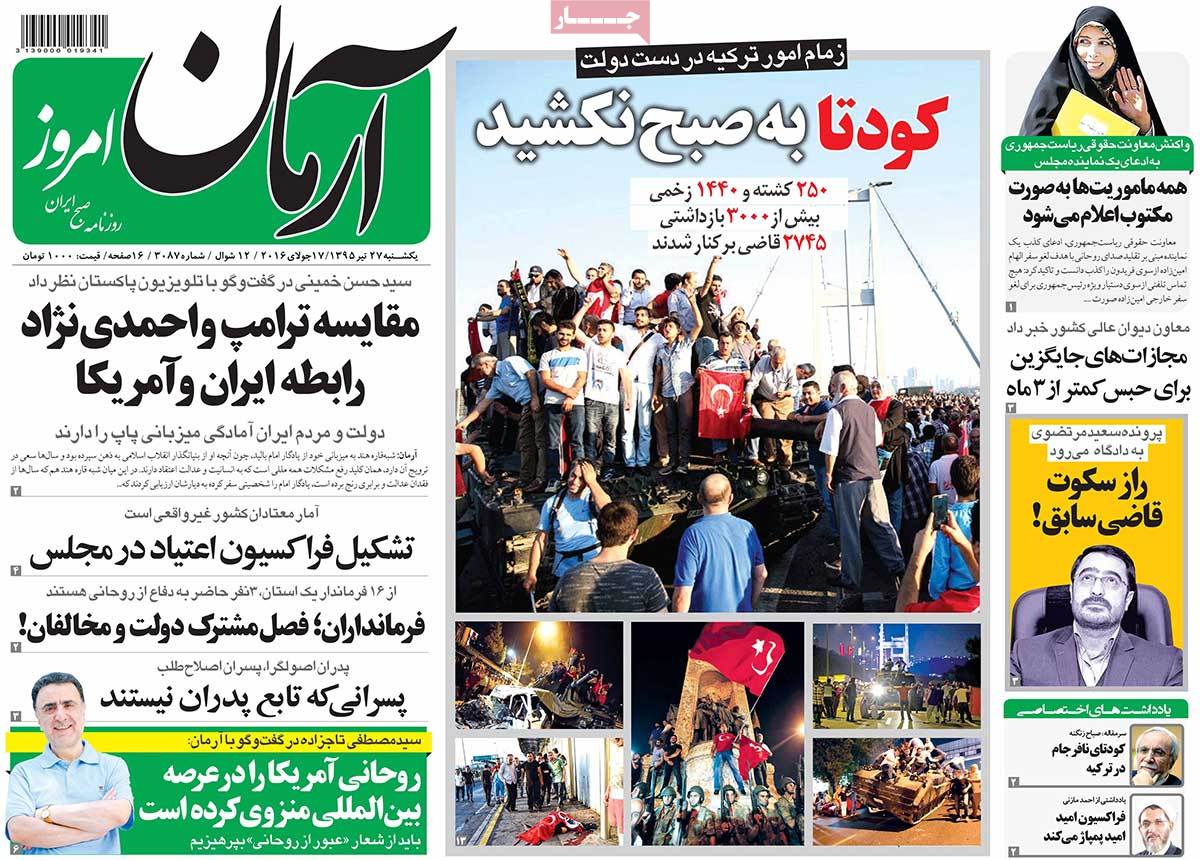
Arman-e Emrooz:

1- Turkey Coup Didn’t Last until Morning: 250 Killed, 1440 Wounded, over 3000 Arrested, 2745 Judges Dismissed

2- Addiction Commission to Be Formed in Iran’s Parliament

3- Rouhani Has Isolated the US in Int’l Community: Former MP

A Look at Iranian Newspaper Front Pages on July 17


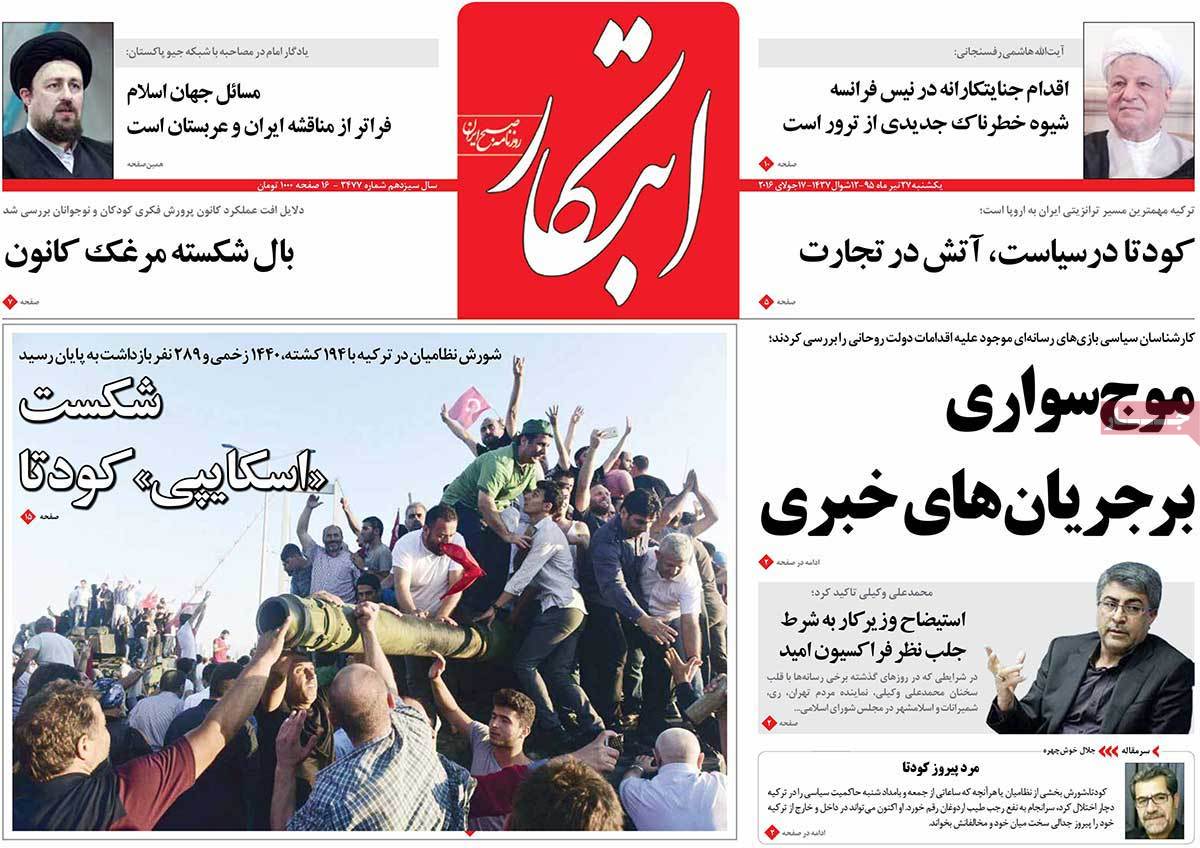
Ebtekar:

1- Coup in Politics, Fire on Business: Turkey Is Iran’s Most Important Route to Europe

2- Defeat of Coup Using ‘Skype’

3- Issues of Muslim World Are beyond Iran-Saudi Arabia Dispute: Imam Khomeini’s Grandson

4- Criminal Act in Nice, France, Is a New Dangerous Method of Terror: Rafsanjani

A Look at Iranian Newspaper Front Pages on July 17


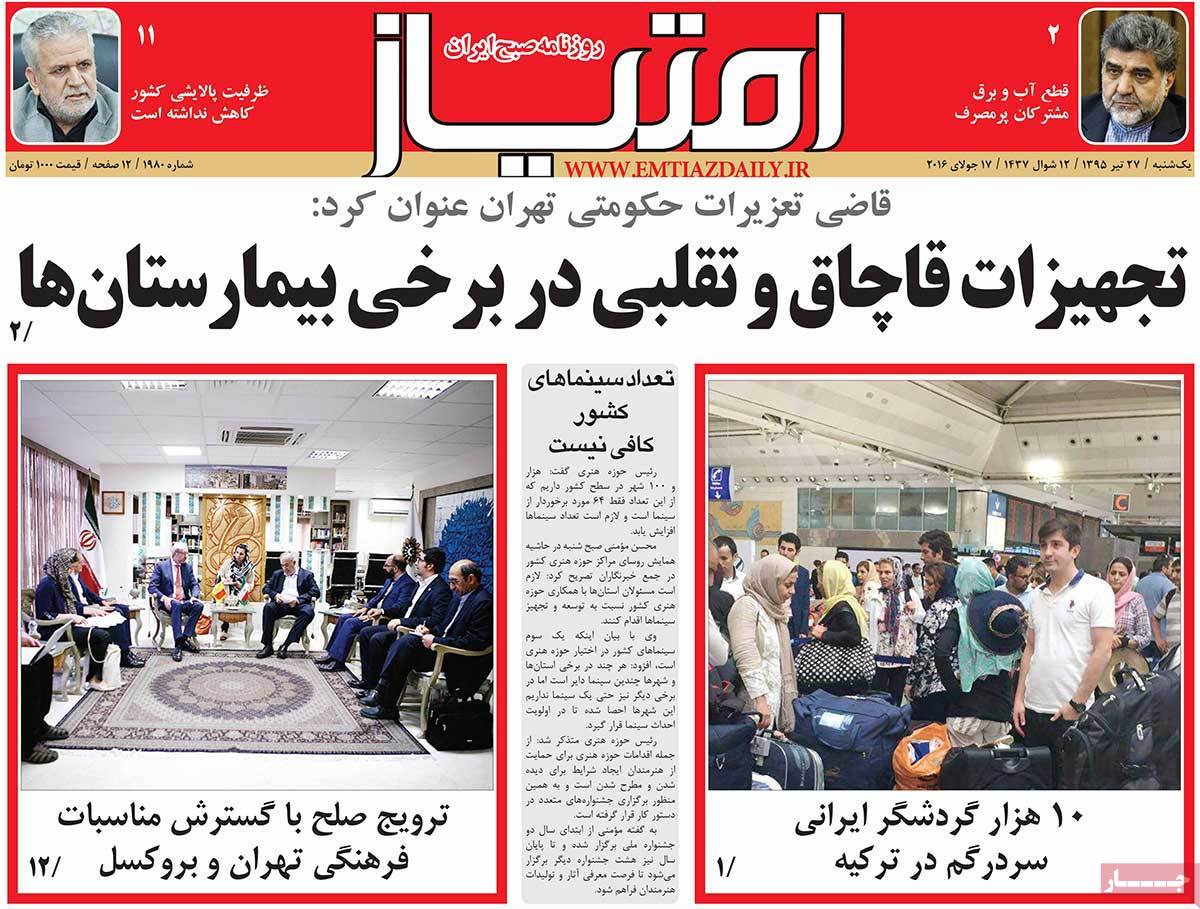
Emtiaz:

1- Promotion of Peace with Expansion of Cultural Ties between Tehran and Brussels

2- 10,000 Iranian Tourists Stranded in Turkey

3- Number of Cinemas in Iran Not Enough

A Look at Iranian Newspaper Front Pages on July 17


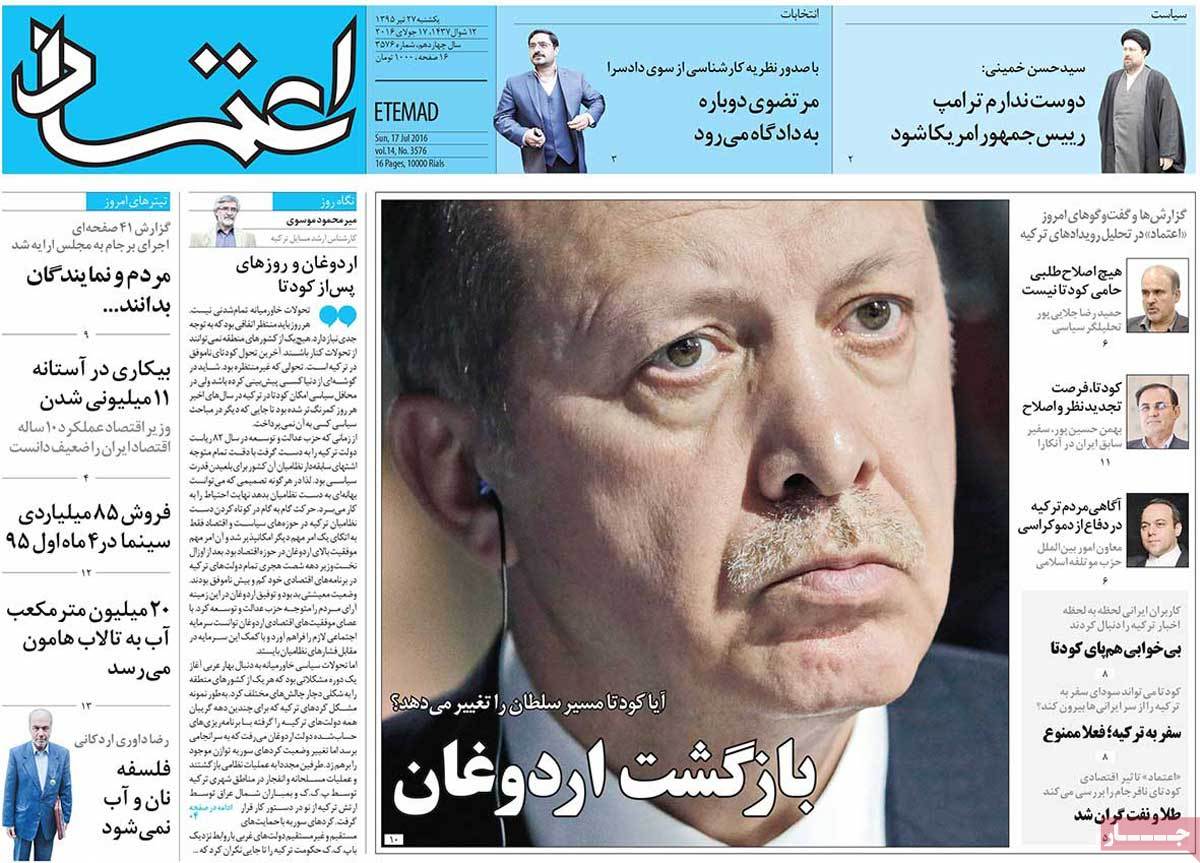
Etemad:

1- Return of Erdogan: Will the Coup Change the Sultan’s Path?

2- Imam Khomeini’s Grandson: I Don’t Like to See Trump’s Election as US President

3- Trips to Turkey Banned for Now

A Look at Iranian Newspaper Front Pages on July 17


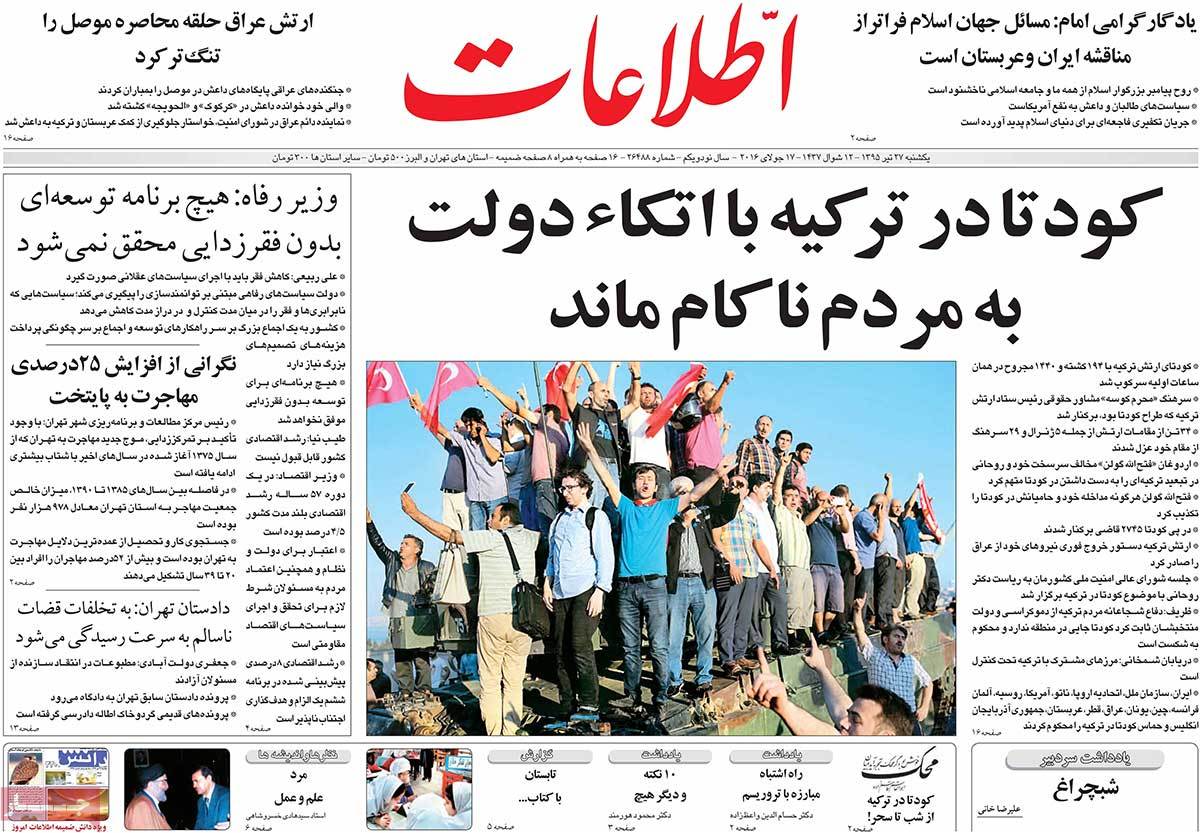
Ettela’at:

1- Coup in Turkey Failed Because of Government’s Reliance on People

2- Iraqi Army Tightens Siege on ISIS-Held Mosul

3- Concerns over 25% Increase in Migrations to Tehran

A Look at Iranian Newspaper Front Pages on July 17


Haft-e Sobh:

1- Joy of Outpacing BBC and Al Jazeera: Interview with IRIB Correspondent Who Reported Turkey Coup from Front Lines

2- May the Sultan Be Healthy! Erdogan Can Now Get Rid of His Opponents

A Look at Iranian Newspaper Front Pages on July 17


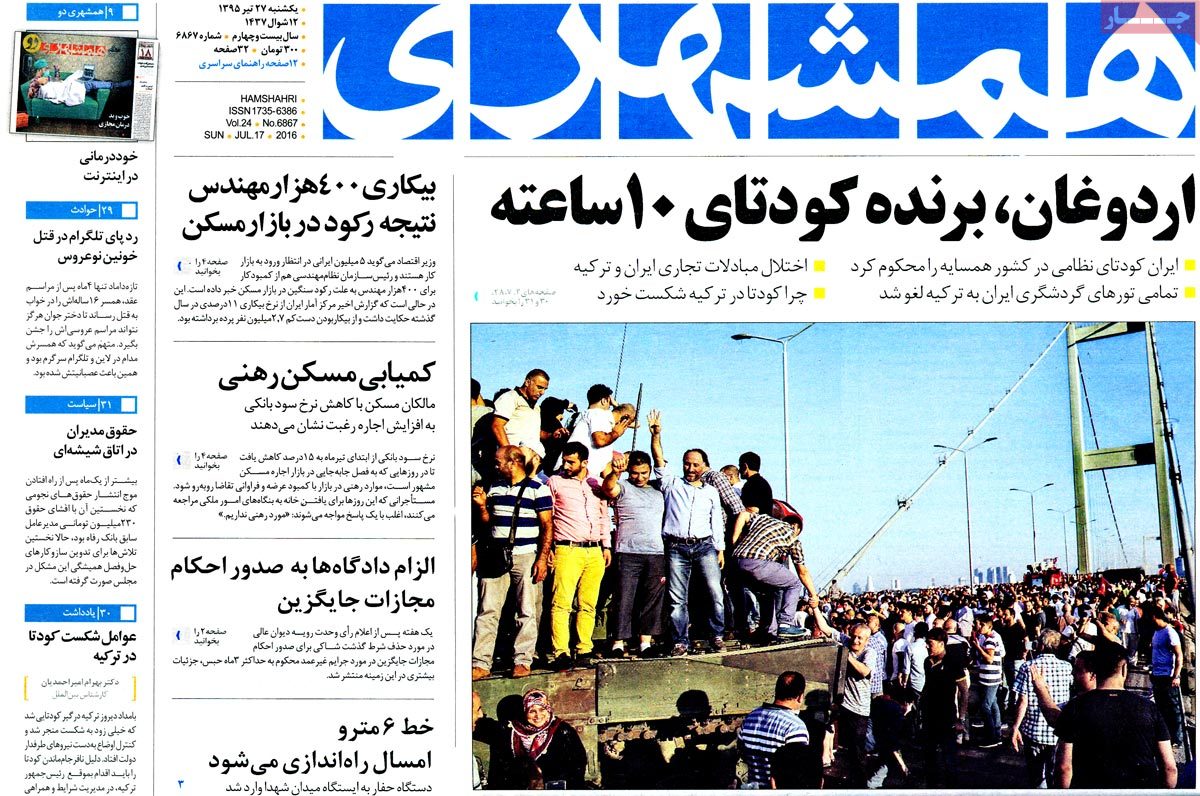
Hamshahri:

1- Erdogan, the Winner of 10-Hour Coup: Why the Coup Failed in Turkey?

2- All Iranian Tours to Turkey Are Cancelled

3- Iran-Turkey Trade Ties Disrupted

A Look at Iranian Newspaper Front Pages on July 17


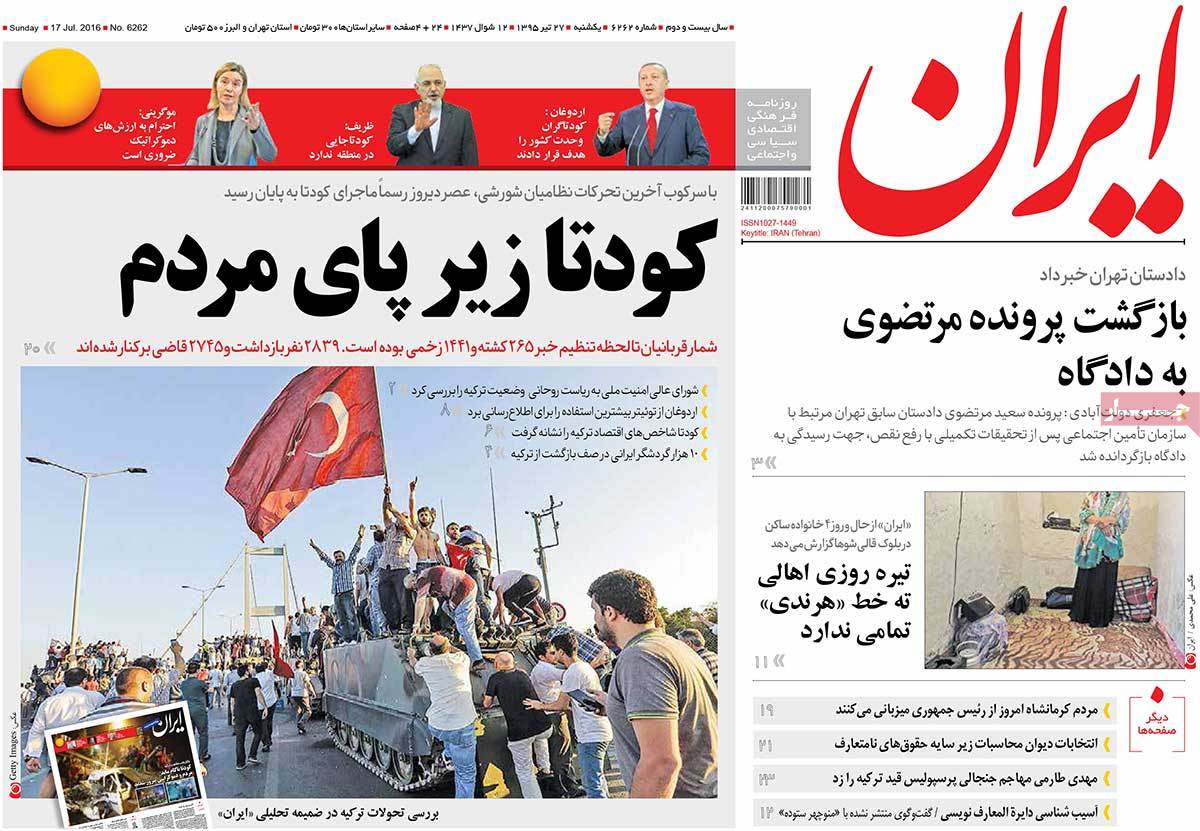
Iran:

1- Coup under People’s Feet: Rebel Troopers’ Latest Moves Were Foiled

2- Coups Have No Place in the Region: Zarif

3- Coup Plotters Targeted Turkey’s Unity: Erdogan

A Look at Iranian Newspaper Front Pages on July 17


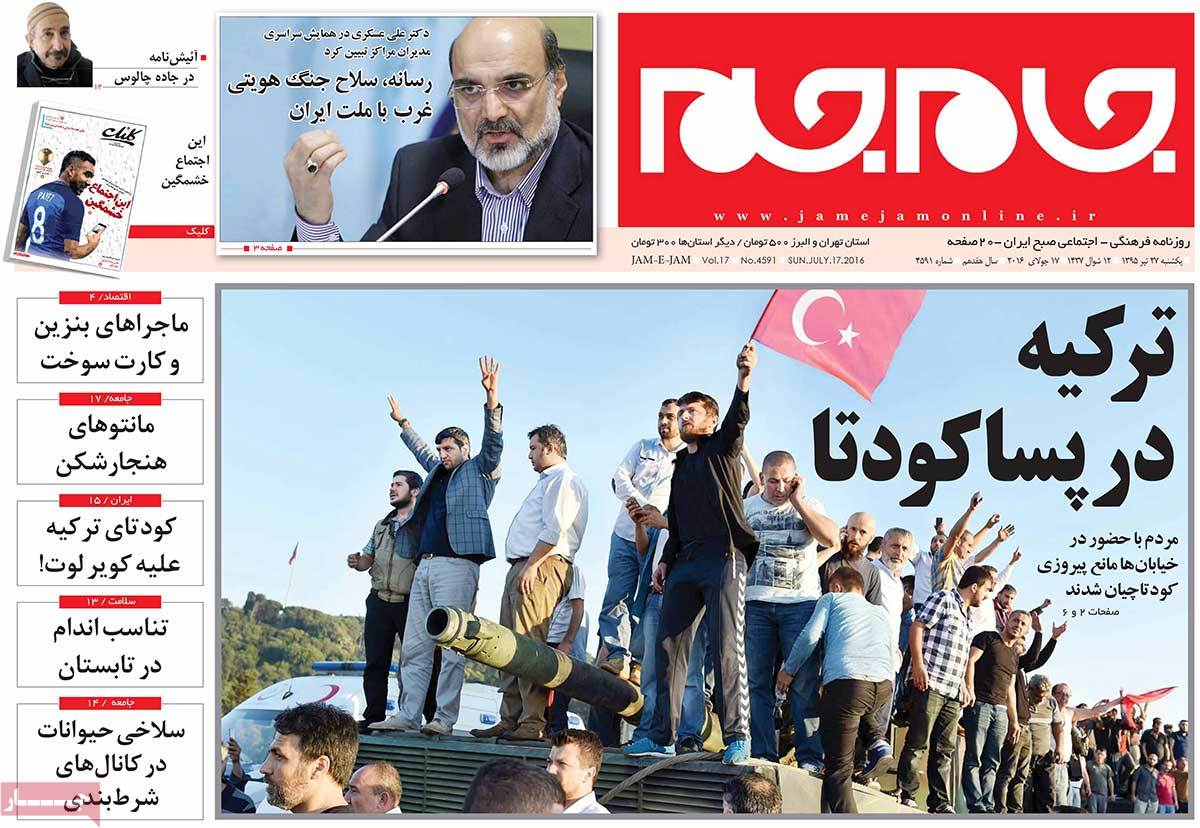
Jame Jam:

1- The Post-Coup Turkey: People Poured into Streets and Prevented Coup’s Success

2- Media, West’s Weapon in Identity War against Iran: IRIB Chief

3- Norm-Breaking Manteaux

4- Turkey’s Coup against Lut Desert!

A Look at Iranian Newspaper Front Pages on July 17


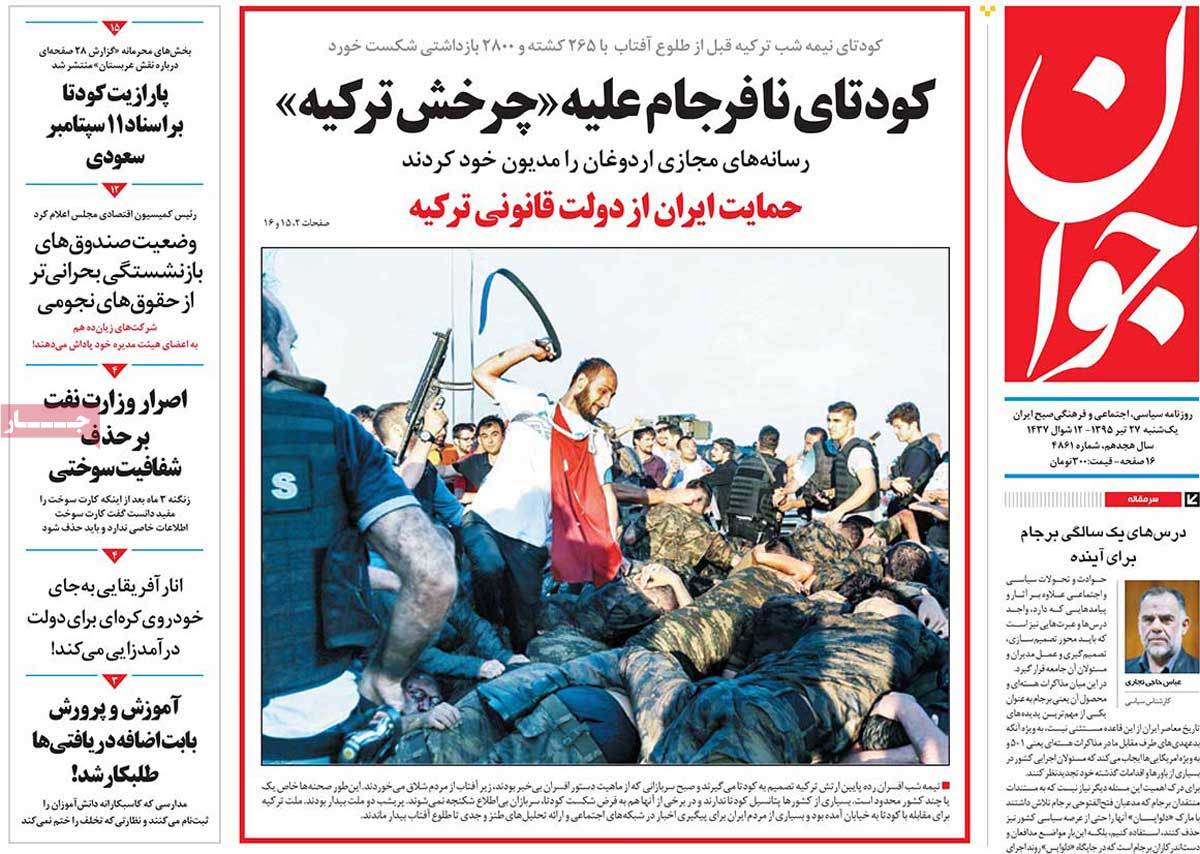
Javan:

1- Failed Coup against “Turkey’s Turnaround”: Online Media Make Erdogan Indebted to Themselves

2- Iran Supports Turkey’s Legal Government

3- Turkish Coup Distract Attentions from Saudi Arabia 9/11 Papers

A Look at Iranian Newspaper Front Pages on July 17


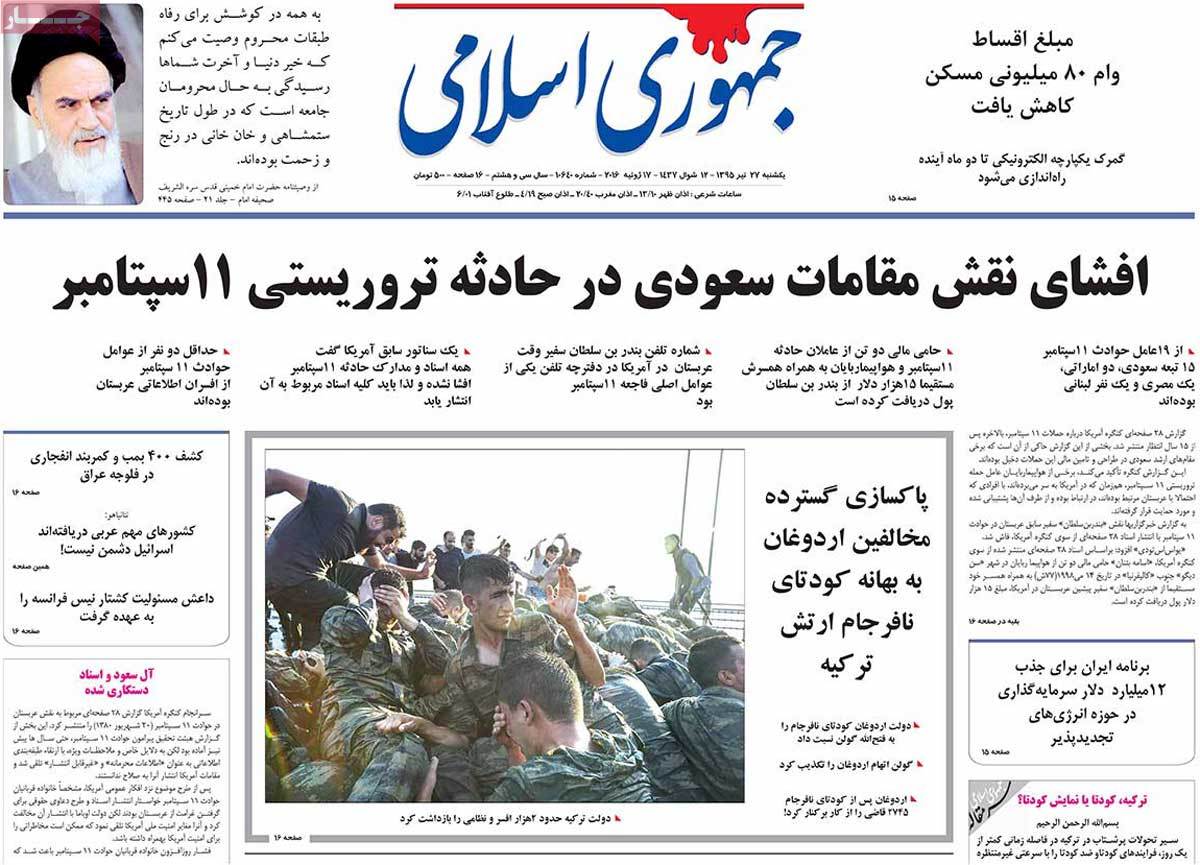
Jomhouri Eslami:

1- Role of Saudi Officials in 9/11 Terrorist Attack Revealed

2- Erdogan Purges Many of His Opponents on Pretext of Turkish Army’s Coup Attempt

3- Turkey: Coup or a Fake Show? [Editorial]

4- Bibi: Major Arab States Have Found that Israel Isn’t an Enemy!

A Look at Iranian Newspaper Front Pages on July 17


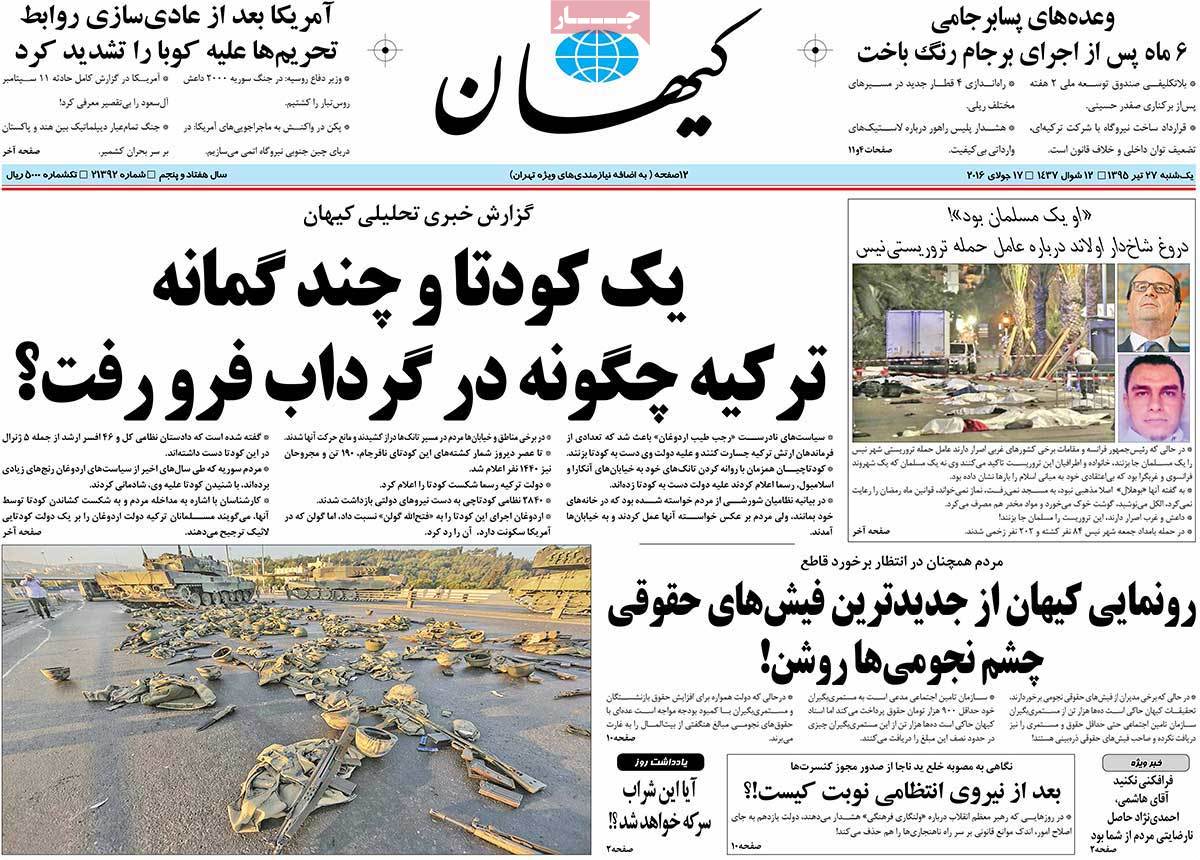
Kayhan:

1- One Coup and Several Speculations: How Turkey Sank in the Swamp?

2- Hollande’s Blatant Lie about Nice Attacker: He Was a Muslim!

3- Post-JCPOA Promises Broken 6 Months after Nuclear Deal Implementation

4- US Increases Sanctions against Cuba after Normalization of Ties

A Look at Iranian Newspaper Front Pages on July 17


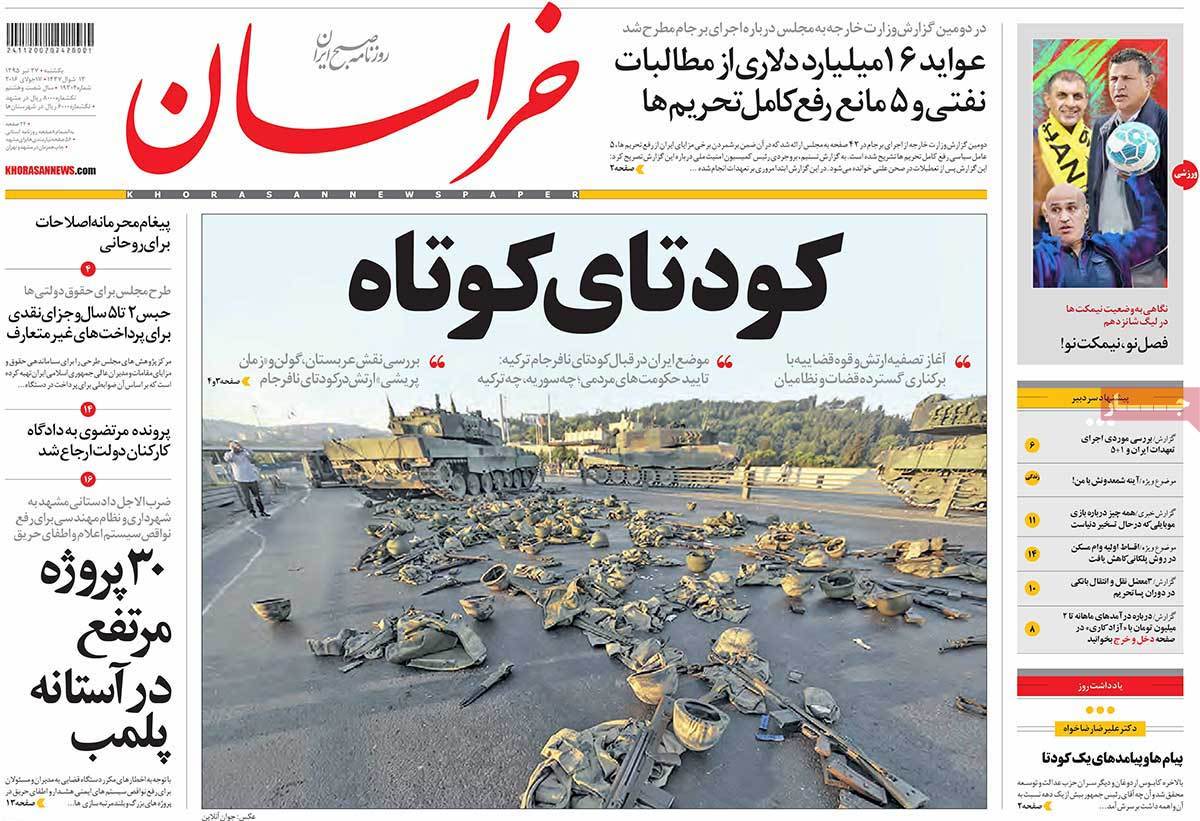
Khorasan:

1- Short Coup: ‘Refinement’ of Army and Judiciary by Dismissing Many Judges and Military Officers

2- Those Who Receive Unconventional Salaries to Be Imprisoned for 2-5 Years

3- $16bn Benefit of Oil Debts [for Iran] and 5 Barriers to Full Removal of Sanctions

4- Messages and Repercussions of a Coup [Editorial]

A Look at Iranian Newspaper Front Pages on July 17


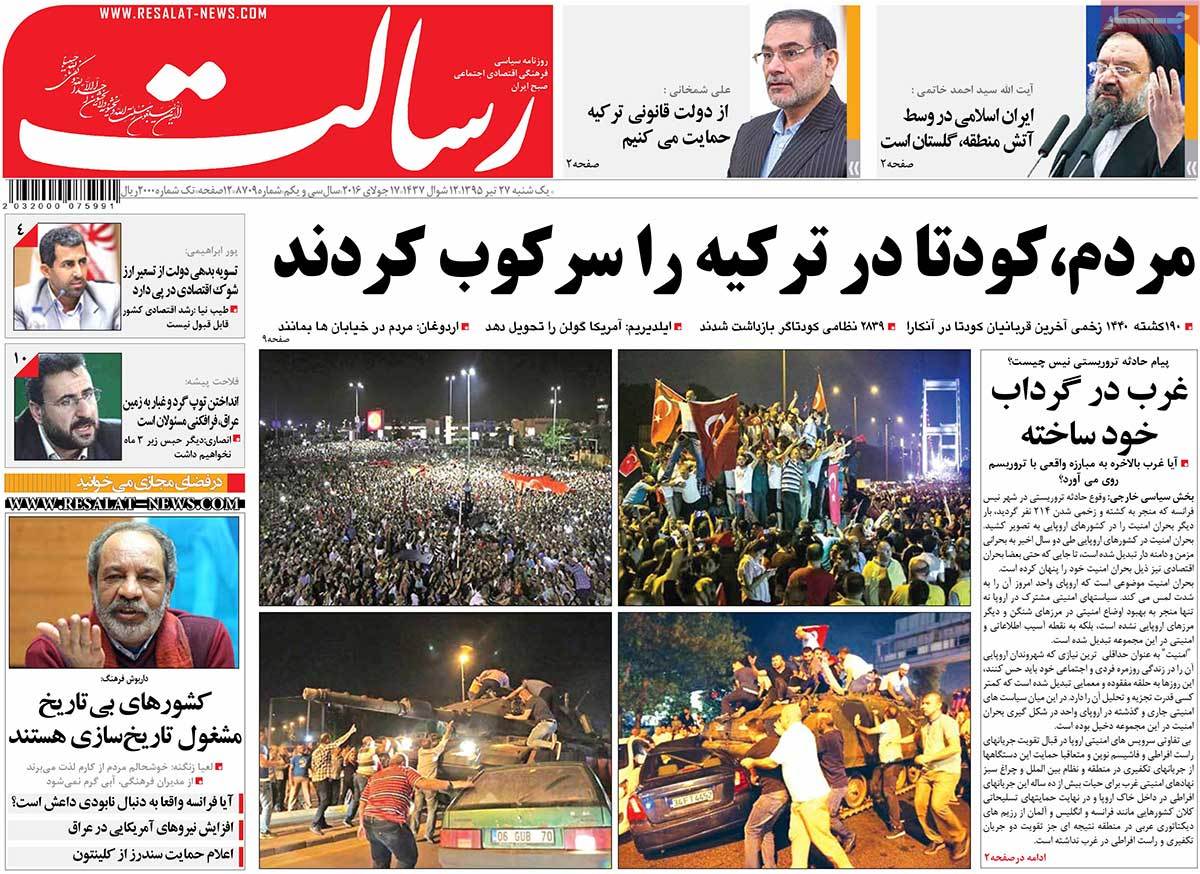
Resalat:

1- People Foil the Coup in Turkey: Turkish PM Urges US to Extradite Opposition Figure Gulen

2- Amid the Fire in Middle East, the Islamic Iran Is a Garden: Cleric

3- Countries without Any History Are Creating Histories for Themselves

A Look at Iranian Newspaper Front Pages on July 17


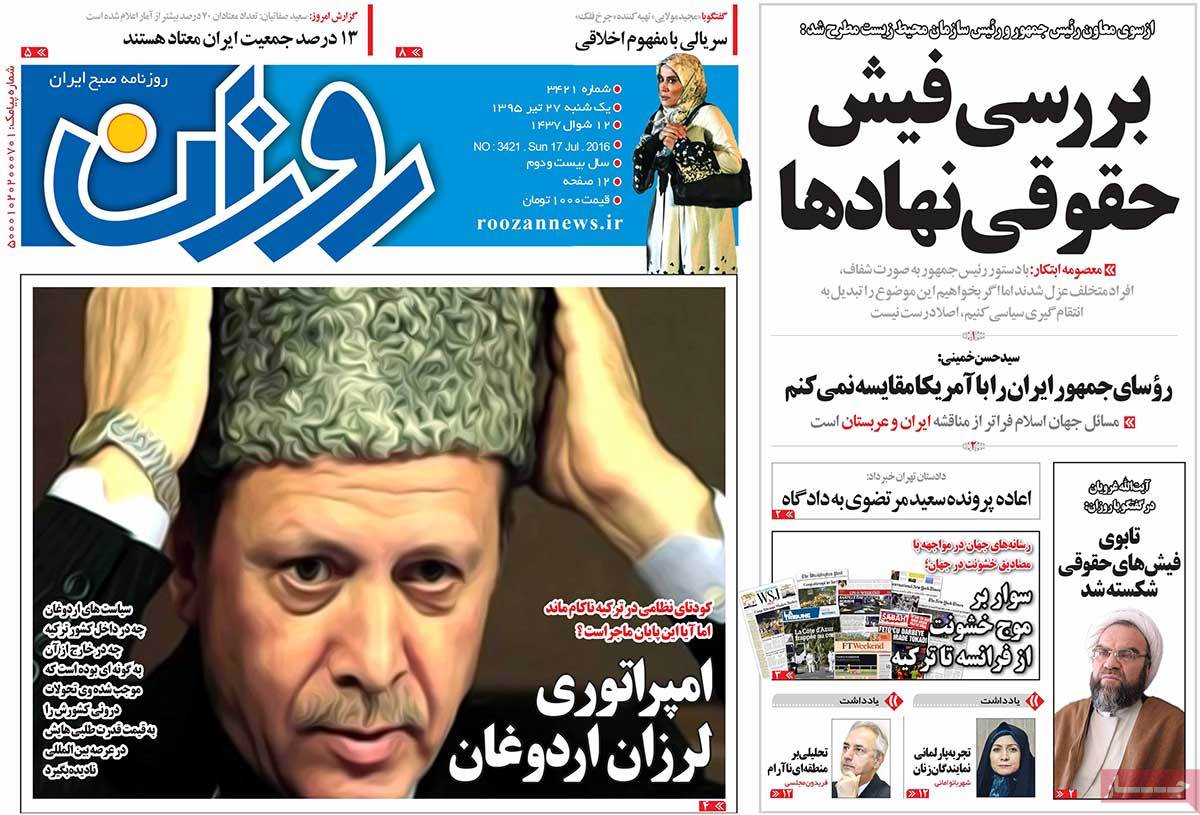
Roozan:

1- Shaky Empire of Erdogan

2- Turkey Foils the Coup, But Is This the End?

3- Moving forward on Waves of Violence, from France to Turkey

A Look at Iranian Newspaper Front Pages on July 17


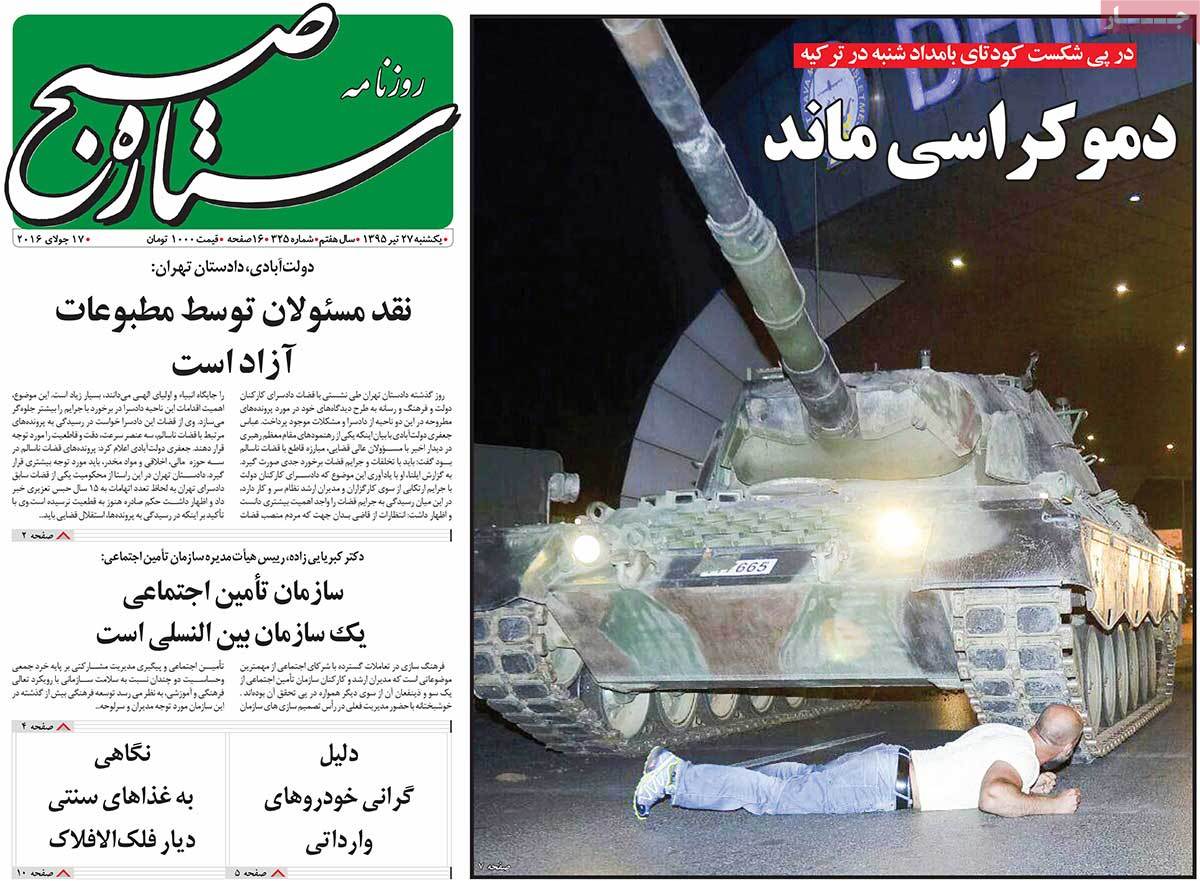
Setareh Sobh:

1- Democracy Remains in Place after Turkey Coup

2- The Press Are Free to Criticize the Gov’t: Prosecutor-General

A Look at Iranian Newspaper Front Pages on July 17


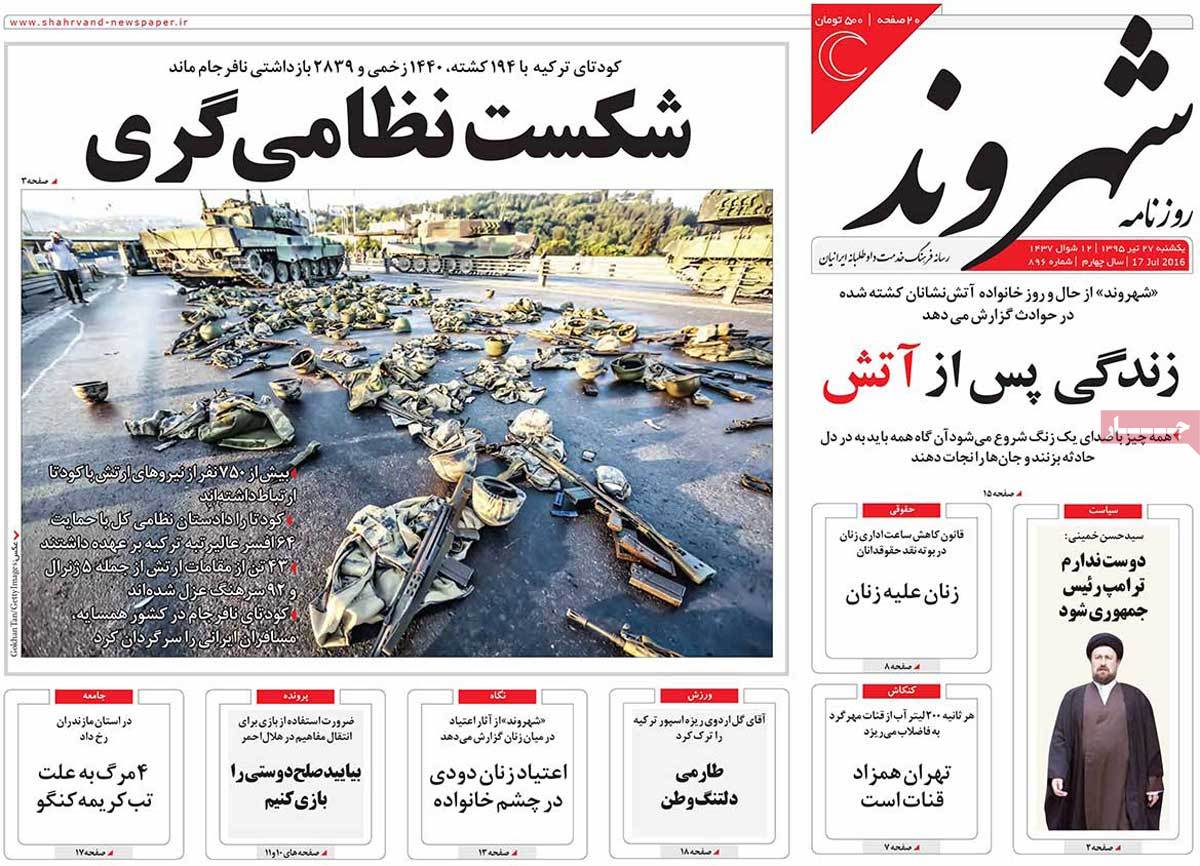
Shahrvand:

1- Defeat of Military Approach

2- 4 Killed by Crimean-Congo Hemorrhagic Fever (CCHF) in Iran’s Mazandaran

A Look at Iranian Newspaper Front Pages on July 17


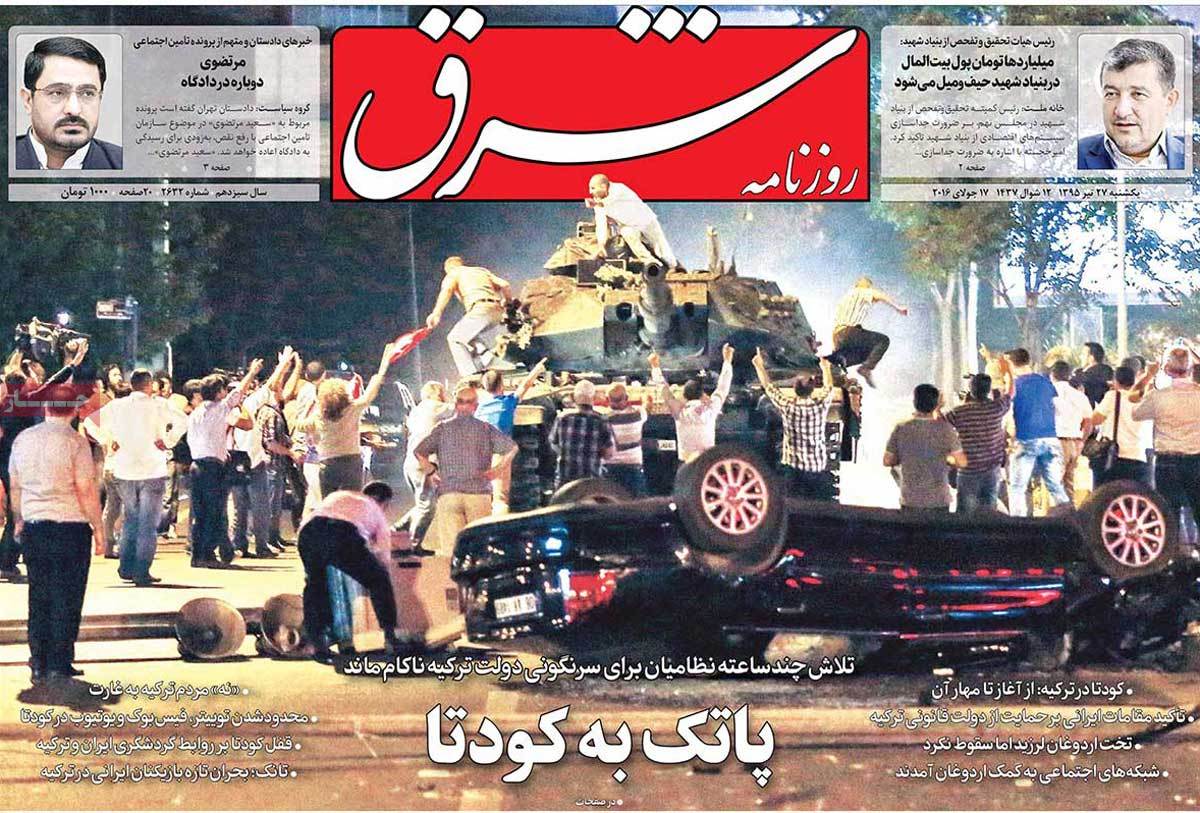
Shargh:

1- Counter-Attack on Coup: A Few Hours of Military Efforts to Oust Erdogan’s Gov’t Thwarted

2- Erdogan’s Throne Trembled, But Wasn’t Overthrown

3- People Said No to Plunder; Twitter, Facebook, and YouTube Restricted in Turkey

A Look at Iranian Newspaper Front Pages on July 17


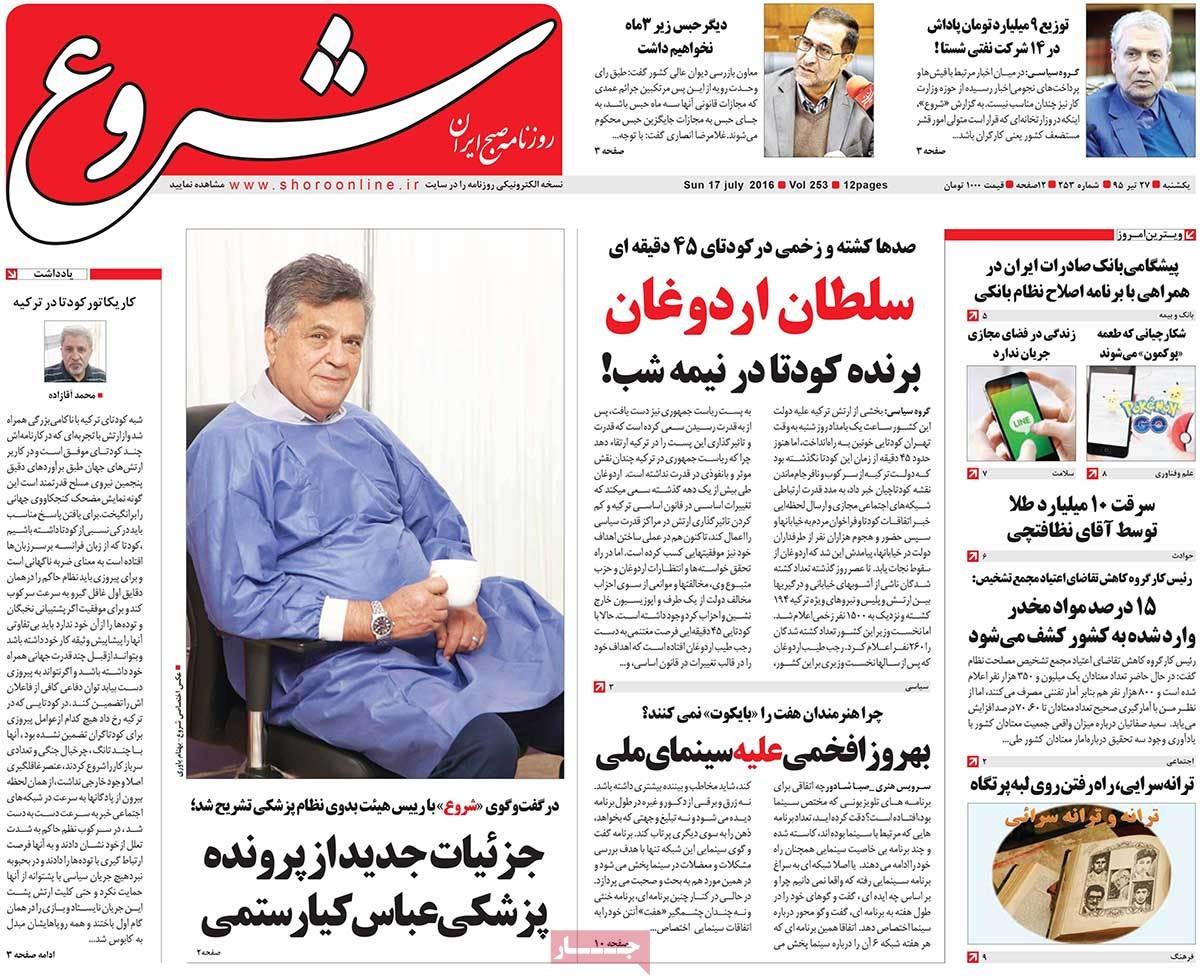
Shorou:

1- Sultan Erdogan: Winner of Coup in the Midnight! Hundreds Killed and Wounded in 45-Minute Coup

2- Caricature of Coup d’état in Turkey [Editorial]

3- No One in Iran Will Be Imprisoned Less than 3 Months

4- 15% of Illicit Drugs Smuggled into Iran Are Seized

A Look at Iranian Newspaper Front Pages on July 17


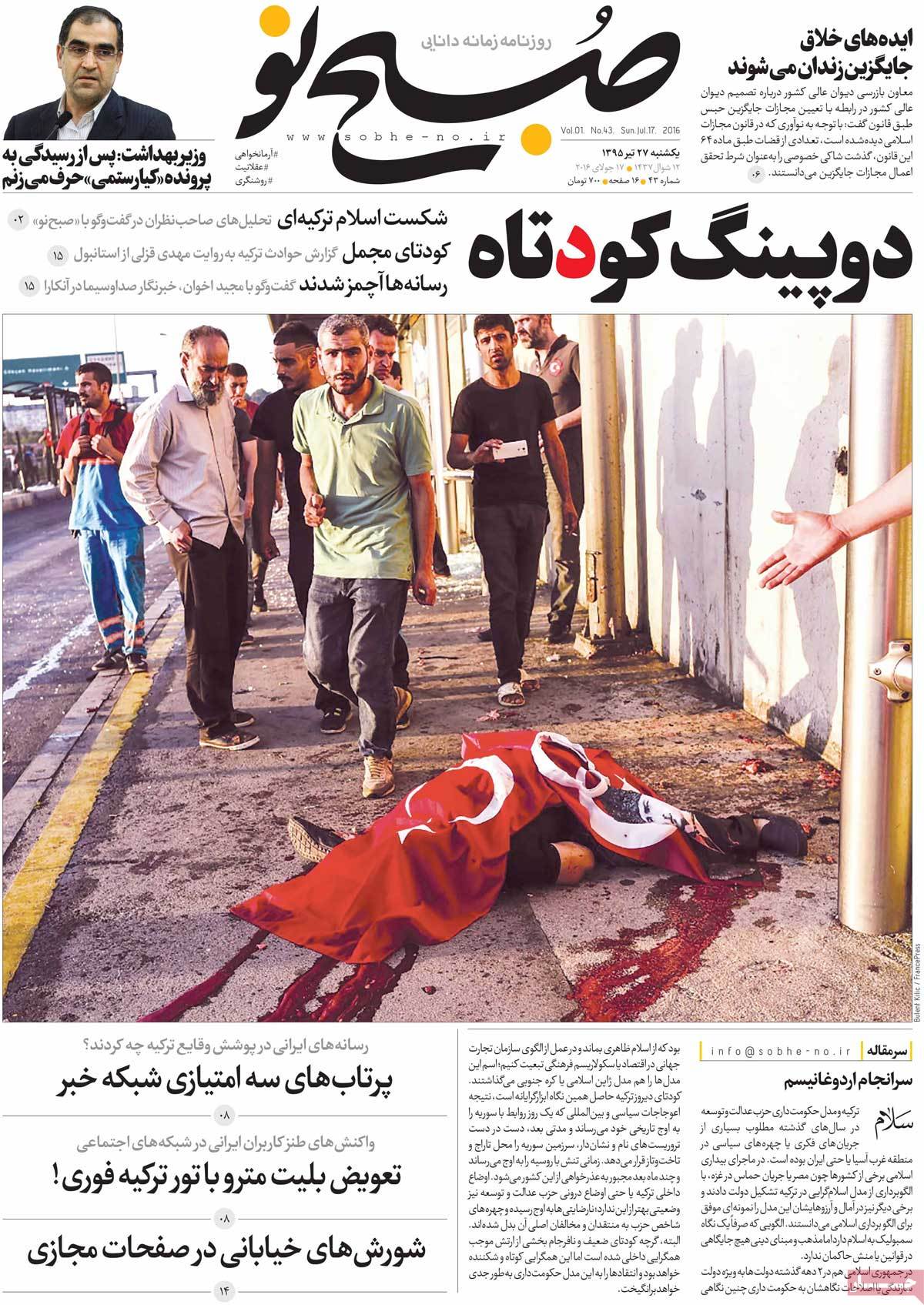
Sobh-e Now:

1- Short Doping of Coup: Defeat of Turkish Style of Islam

2- What Iranian Media Did in Coverage of Turkey Developments: IRINN’s Great Performance

A Look at Iranian Newspaper Front Pages on July 17


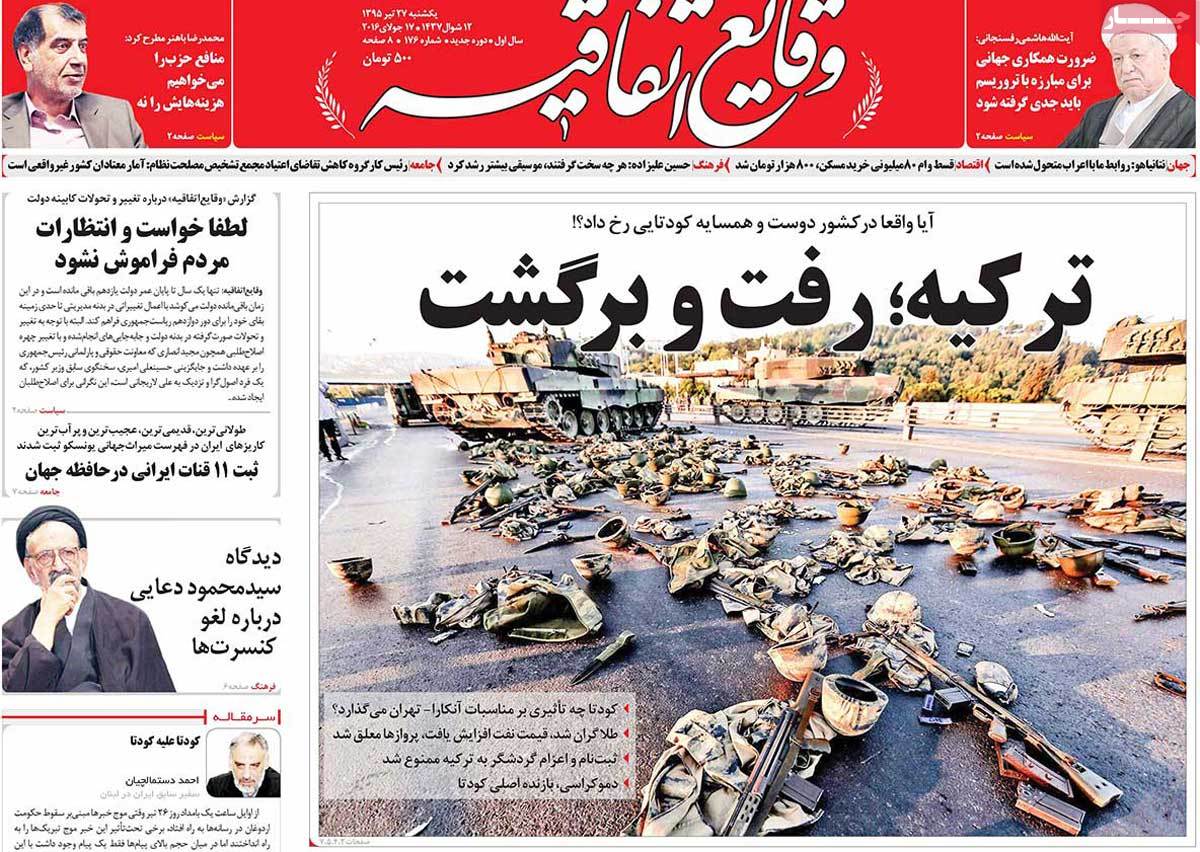
Vaghaye Ettefaghieh:

1- Turkey: Gone and Returned; Was It Really a Coup that Happened in Turkey?

2- Ayatollah Rafsanjani Underlines the Need for Paying Serious Attention to Global Fight against Terrorism

A Look at Iranian Newspaper Front Pages on July 17


Vatan-e Emrooz:

1- “T u r k e y”: Short Coup Attempt Destabilized Turkey’s Future More than Ever

2- The Show is Over Recep! It’s Time for a Rebellion [Editorial]

3- We’ll Cause Irreparable Harms to Saudi Arabia: IRGC Navy Commander

4- The “Almost Nothing” Deal Becomes 6 Months Old: What Happened to Promises for Openings in Banking Ties?

5- I Wanna Breath: Black People Talk about Their Problems in US

A Look at Iranian Newspaper Front Pages on July 17

Coup, Terrorism Two Sides of Same Coin: Iranian Diplomat

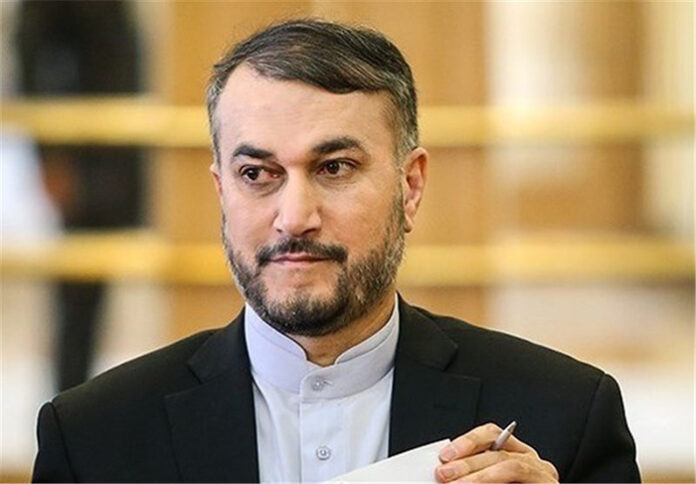
Hossein Amir Abdollahian

Coup and terrorism have both targeted security, stability and welfare in the region, Hossein Amir Abdollahian said on Sunday, in reaction to an abortive military coup in Turkey, launched by a faction in the Turkish armed forces.

He also noted that national support for the Turkish president as well as people’s backing for the governments of Syria and Iraq signify the major role of people in protecting their votes and shaping their own future.

Iran believes that “coups, terrorism and Zionism” are lethal to regional and international security and stability, he added.

Amir Abdollahian underlined that Tehran condemns the attempted coup against Turkish President Recep Tayyip Erdogan in the same way that it has been supporting Syria’s legitimate government against acts of terrorism and foreign attempts to overthrow the Damascus government.

Iran has voiced support for the democratically elected government of Turkey after the attempted military coup created chaos in the neighboring country.

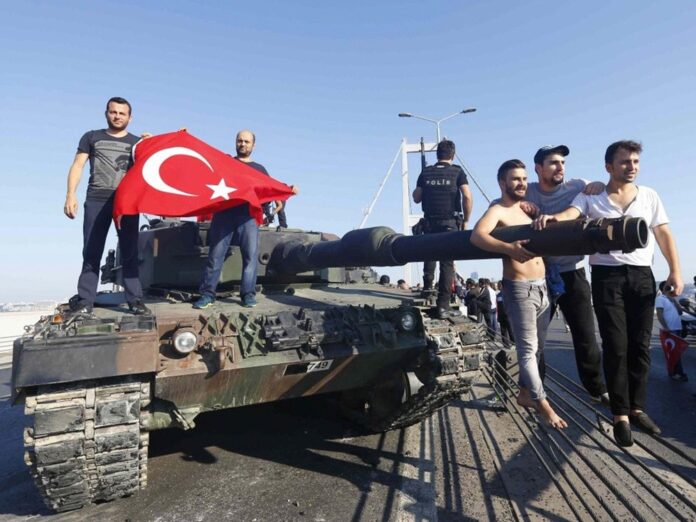
For several hours overnight on Friday, violence shook Turkey’s two main cities, as the armed faction which tried to seize power blocked a bridge in Istanbul and strafed the headquarters of Turkish intelligence and parliament in Ankara.

At least 265 people were killed. An official said 161 of them were mostly civilians and police officers, while the remaining 104 were coup supporters.

Turkish authorities rounded up nearly 3,000 suspected military plotters on Saturday and ordered thousands of judges detained after thwarting the coup.

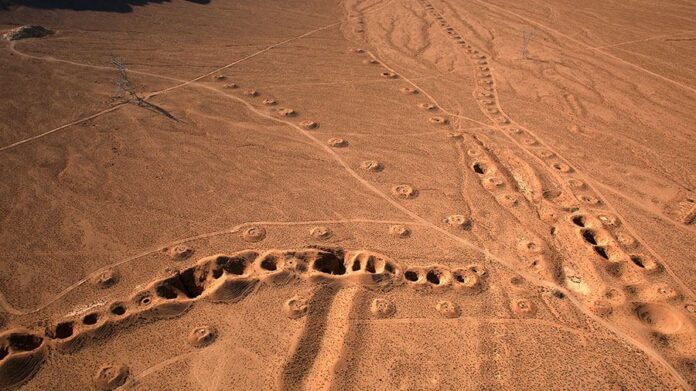
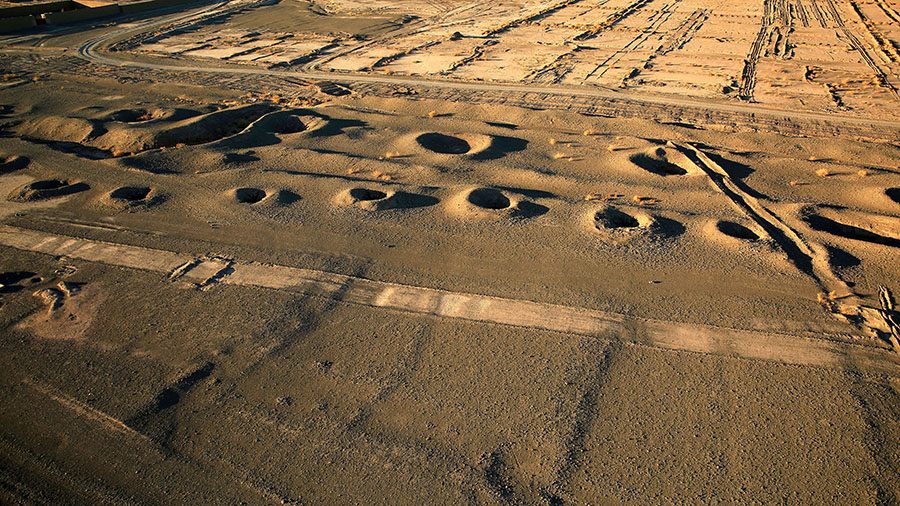
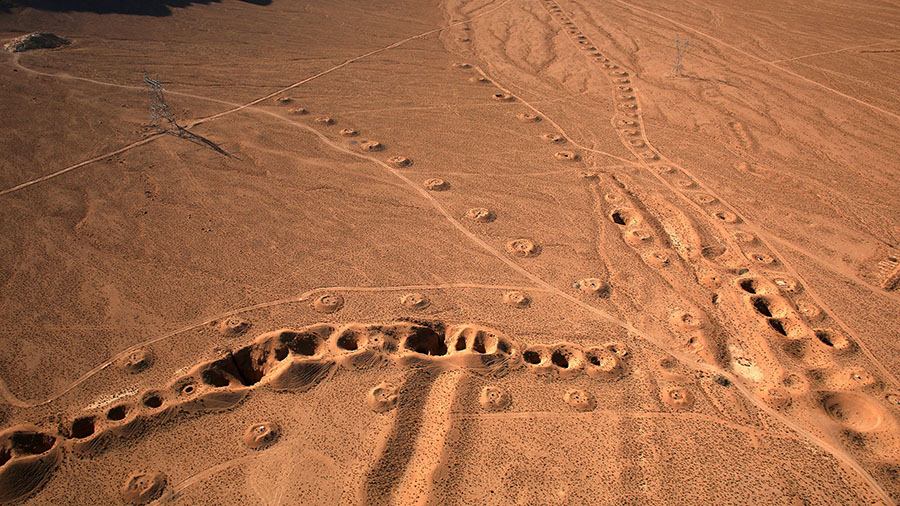
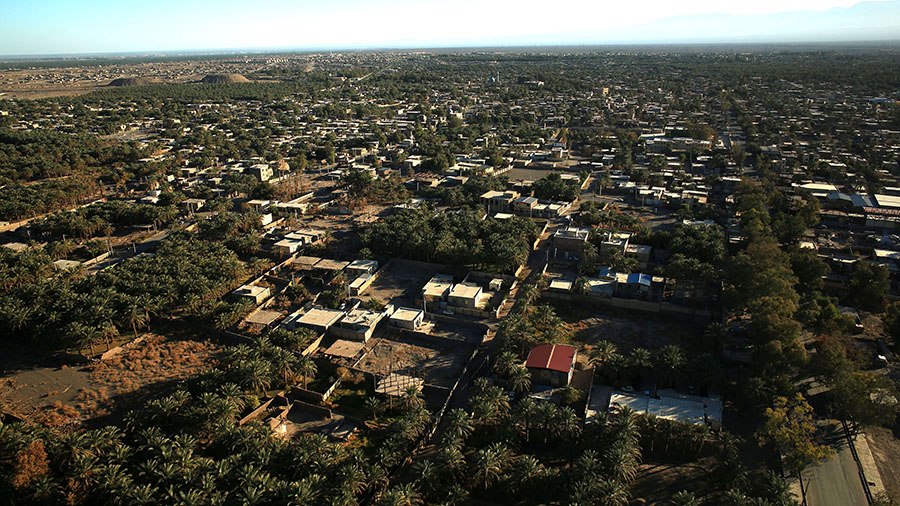
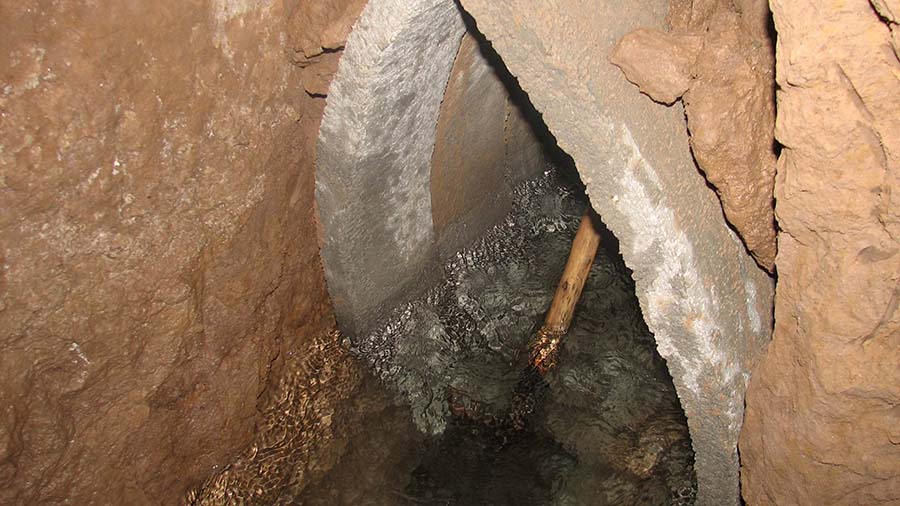
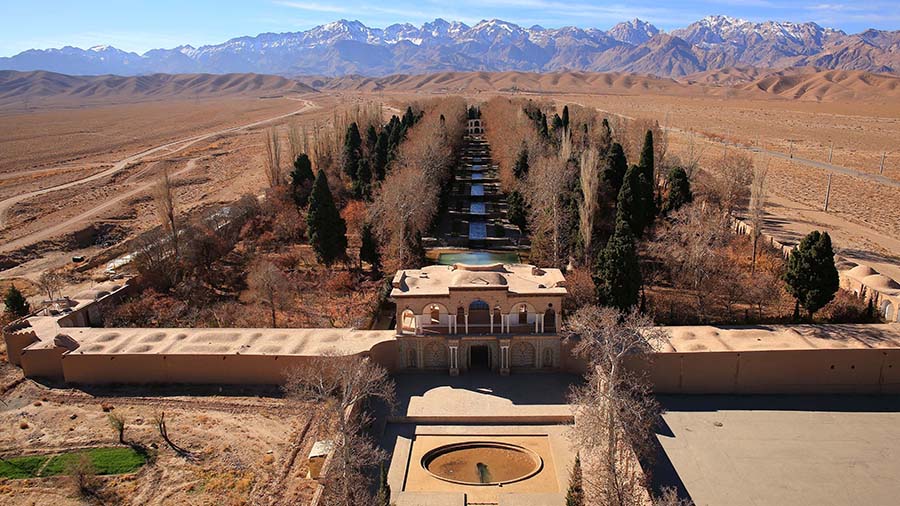
Persian Qanats: Iran’s Latest Inscription on World Heritage List

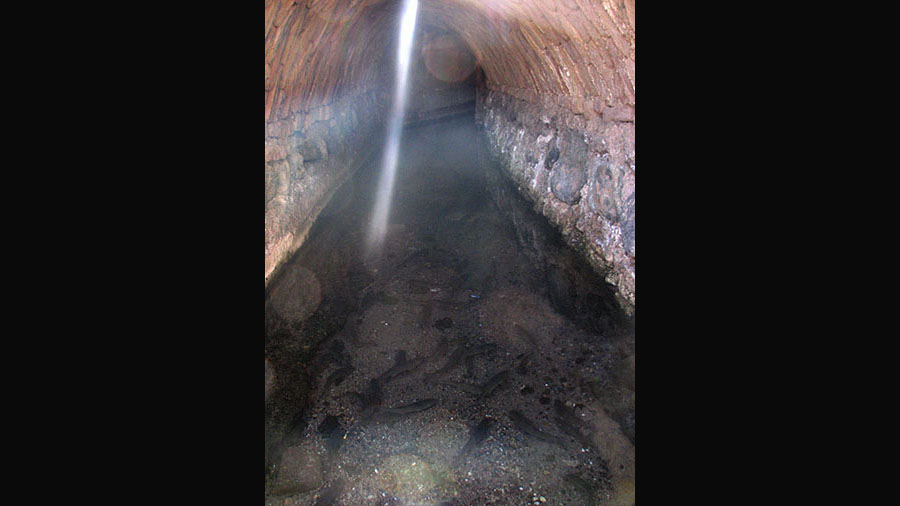
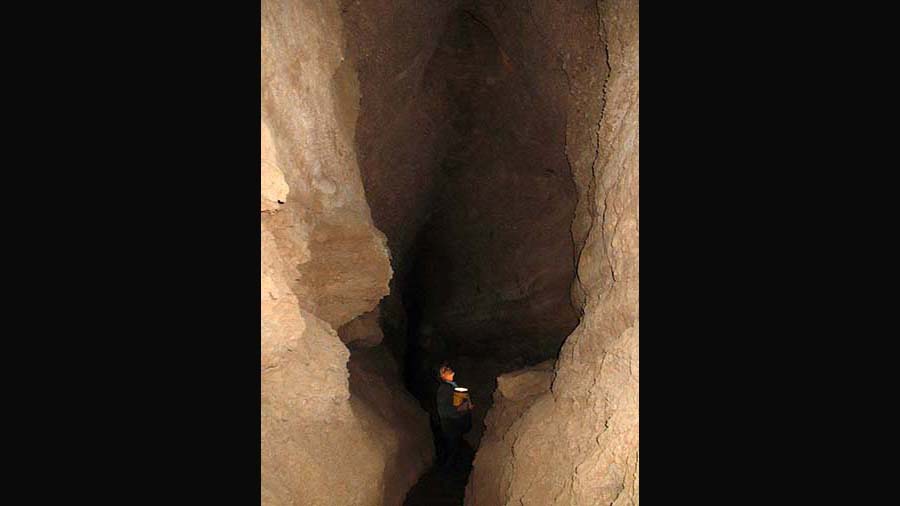
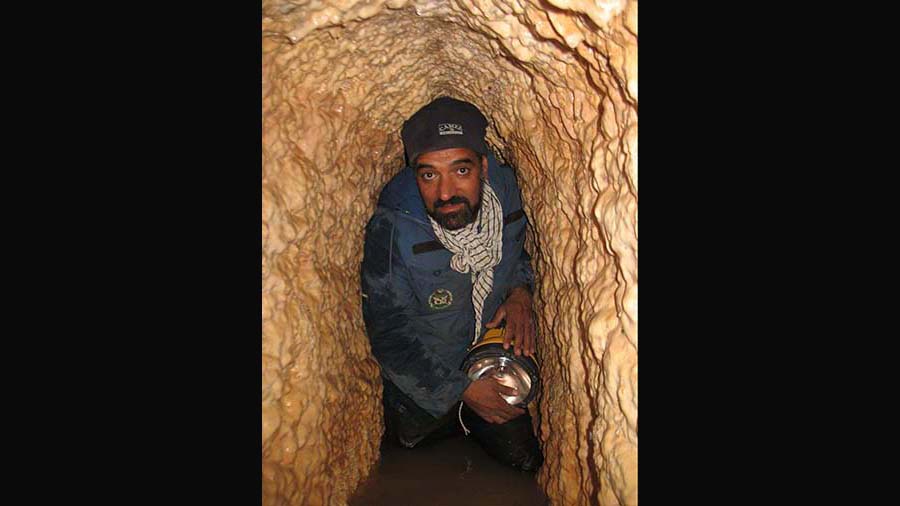
The World Heritage Committee of the United Nations Educational, Scientific, and Cultural Organization (UNESCO), in its 40th session since July 10 in Turkey, inscribed eleven Iranian qanats on the World Heritage List.


Iranian MPs Raise Possibility of Saudis’ Role in Turkey Coup

Turkey

According to a report by ICANA, as translated by IFP, Ali Asghar Yousefnejad and Akbar Ranjbarzadeh, who are both members of the Parliament’s Governing Board, condemned the Saturday military coup in Turkey.

“Coups are not acceptable in any government. Governments should be formed based on people’s votes,” Yousefnejad said, noting that the history has shown the futility of military coups.

“Although Turkey has an instable structure because of its government’s incapability, the coup should not have taken place, killing Turkish people and causing insecurity,” Ranjbarzadeh asserted.

As regards the role of foreign countries in the coup, Yousefnejad noted, “It is believed that other countries have had roles in the coup. Among these countries, Saudi Arabia is the most possible option, and Al Saud’s interference in Turkish coup is not unbelievable, because such a coup has definitely had foreign backers.”

Ranjbarzadeh also said that although Saudi Arabia does not have enough power to take decisions, it plays the role of an agile soldier hired by the US and Israel.

“If the peace and security of wherever in the Middle East is disturbed, the possibility of Saudi Arabia’s presence there is very high. Saudis are in service of Zionists [Israelis], and are pseudo-Muslims under the control of Washington and Tel Aviv,” he added.
“As Saudis caused disorders in the Middle Eastern countries including Syria, Yemen, Iraq, Lebanon, Palestine, and many more, and now they are trying to extend it to Turkey,” Ranjbarzadeh said.

In early Saturday, a military coup launched by a faction in the Turkish armed forces created chaos in the country.

For several hours, violence shook Turkey’s two main cities, as the armed faction which tried to seize power blocked a bridge in Istanbul and strafed the headquarters of Turkish intelligence and parliament in Ankara.

At least 265 people were killed. An official said 161 of them were mostly civilians and police officers, while the remaining 104 were coup supporters.
Turkish authorities have rounded up nearly 3,000 suspected military plotters and ordered thousands of judges detained after thwarting the coup against President Tayyip Erdogan.

Iran’s FM Briefs MPs on JCPOA Achievements and Regional Developments

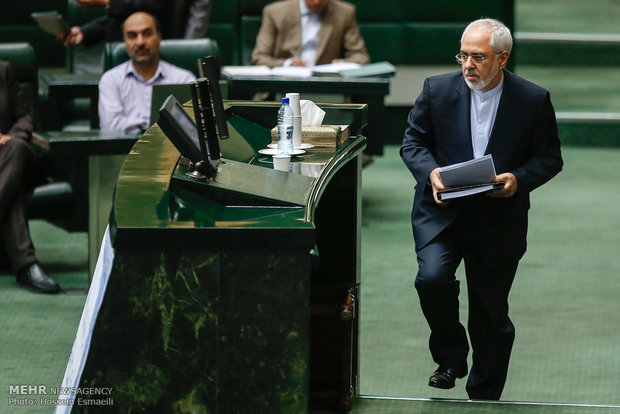
Mohammad Javad Zarif in Parliament

According to Mohammad Javad Jamali, a member of the Parliament’s National Security and Foreign Policy Commission, Zarif attended the Sunday morning session of the legislative body to brief parliamentarians on the developments in Turkey and the terrorists attack in Nice, France.

“Zarif offered his views on the openings made available by the nuclear agreement between Tehran and world powers [known as JCPOA],” Jamali noted, as reported by IRNA.

“As regards the military coup in Turkey, the Iranian Foreign Minister condemned the move and said Iran was the first country to denounce the military coup and to underline the position of Turkey’s legal and democratic government.”

“Zarif also condemned the terrorist attack in France and said such incidents were rooted in the discriminatory situation prevalent in the French society,” Jamali went on to say.

Which One Was Better for Iran: Turkish Coup’s Success or Failure?

turkey-coup

Here is IFP’s translation of excerpts from Khabar Online’s report:

It has been 19 years since the last time military Generals managed to change the power structure in Turkey through non-democratic ways. In the 1997 post-modern coup, the Turkish army ousted Necmettin Erbakan without any bloodshed. But many years have passed since that time, and the power of the country’s army has considerably decreased within these years.
In early hours of Saturday, July 16, a faction of military forces sought to end the rule of Turkish President Recep Tayyip Erdogan citing the leader’s drift away from the country’s long-held secularist values.

The military attempted to use helicopters and tanks to overthrow the Turkish leadership. At least 90 people were killed amid the military coup attempt in Turkey; however, the coup plotter were finally arrested, and the coup failed.

The 2016 coup in Turkey can be discussed by answering five simple questions:


1- Who did it?

Middle Generals of Turkish Army

2- Was Fethullah Gülen, the opposition figure, behind the coup?

No, it is impossible. He has never had close ties with Turkish army and troops. Anyone familiar with Turkish affairs knows that Gülen had little influence among the army.

3- Was it a fake coup?

There is not sufficient evidence on such a claim. The price paid for such an alleged show would be too much!

4- How will the coup influence the future of Turkey?

President Recep Tayyip Erdogan will become more powerful. He managed to take all his supporters to the streets just by a video call, and none of his critics supported the coup. All these will expand the scope of his influence over the country’s affairs.

5- Which one was more favourable to Iran: the coup or its failure?

Neither of them. It is undeniable that Erdogan in recent years has taken a hard line on Iran, has not adopted friendly policies towards Tehran, and has even provoked dissatisfactions and hostilities in the country. As a result, some people in Iran hail any kind of pressure on Erdogan and welcome any defeat suffered by the Turkish President. However, this does not seem a comprehensive view.

What is the alternative for Erdogan and his Islamist party? A brief review of the history indicates that Iran and Turkey have not had good ties under the rule of Turkish seculars and military generals.

Since Erdogan’s party, the Justice and Development Party (AKP), took power in Turkey, Tehran and Ankara have had their best relations in the past decades.

On the other hand, we have Fethullah Gülen as another alternative for Erdogan and the AKP. Gülen is deeply religious, anti-Shiite and anti-Iran, and his rule would definitely complicate bilateral ties more than ever.

However, even now that the coup has failed, Erdogan will have more confidence in pursuing his domestic and foreign policies. Therefore, any negotiation with the Turkish President, particularly on the cases where Tehran and Ankara have serious disagreements, would become much more difficult.

To sum up, it was best not to see any coup in Turkey. But now that the coup has taken place, it is good that it has failed, because the coup’s success would have exacerbated civil unrests in Turkey given Erdogan’s social support base. This could have worsen the Kurdish crisis in eastern Anadolu, and probably extend the insecurities beyond Iran’s western borders.

Moreover, now that the entire region is on the verge of explosion and all around Iranian borders are tensions and unrests, the addition of a new instability would have definitely worsened the crisis in the Middle East, increasing the possibility that Iran’s borders become insecure as well.

Iran Strongly Opposed to Coup Against Erdogan Government: Leader Aide

“The Islamic Republic of Iran is a state governed by religious democracy, i.e. a government based on popular vote within the framework of Islamic values and is naturally against any illegal move and act of bullying to change popular governments,” the Leader’s aide on international affairs, Ali Akbar Velayati, said in an interview with the Iranian Tasnim news agency on Saturday.

He added that governments have for years assumed office through popular vote and democratic channels in Turkey.

“If a few military personnel seek to crush underfoot the vote of the people under the influence of whatever factor or factors and overthrow the popular government of Erdogan, the Islamic Republic of Iran will naturally and according to the principles it believes in oppose this coup d’état or any other coups,” he pointed out.

The coup attempt, launched late on Friday, plunged Turkey into hours of chaos unseen in decades during which soldiers and tanks took to the streets and multiple explosions rang out throughout the night in Ankara and Istanbul.

It all began when a faction of the Turkish military declared that it had fully seized control of the country and that President Recep Tayyip Erdogan and Prime Minister Binali Yildirim were no more in charge.

A group calling itself the “Council for Peace in the Homeland” declared martial law and a curfew in the statement.

Erdogan and Yildirim appeared on television soon after the coup was launched, declaring an early end to the putsch.

The Turkish premier told reporters that 161 people were killed in the coup attempt against the government. He said 2,839 soldiers were now detained on suspicion of involvement in the putsch and added that the toll did not include the assailants.

Velayati added that the Turkish people are still supportive of their government and were the main reason behind the failure of the coup attempt.

“We hope that a day would come when the Turkish administration would also respect the opinion and vote of the Syrian people and leave it to the Syrian people to determine their government,” he said, adding that Syria’s President Bashar al-Assad has also been elected through the ballot box “and if the people had not supported him, he could not have withstood an international war for more than five years.”

Turkey has been among the main supporters of the militant groups operating in Syria, with reports saying that Ankara actively trains and arms the Takfiri terrorists there and facilitates their safe passage into the violence-wracked Arab country.

Syria has been gripped by foreign-sponsored militancy since March 2011.

UN Special Envoy for Syria Staffan de Mistura estimates that over 400,000 people have been killed in the Syrian conflict. The UN has stopped its official casualty count in the Middle Eastern state, citing its inability to verify the figures it receives from various sources.

Velayati said although there are “differences of opinion” between Tehran and Ankara on some issues, including on Syria, Turkey remains Iran’s “brother and neighbor” state.

“Regardless of some political differences, many commonalities bring Iran and Turkey together. These two countries with a common history, religion and border have existed side by side for centuries,” the senior Iranian official said.

He further warned that violent measures like coups hold countries back and said the fact that Erdogan, according to his own claims, seeks to revive Islamic values brings him closer to Iran.