Saturday, December 27, 2025
Home Blog Page 4169

Iran Air Receives First Brand New Plane Purchased from Airbus

Iran Air-Airbus a321

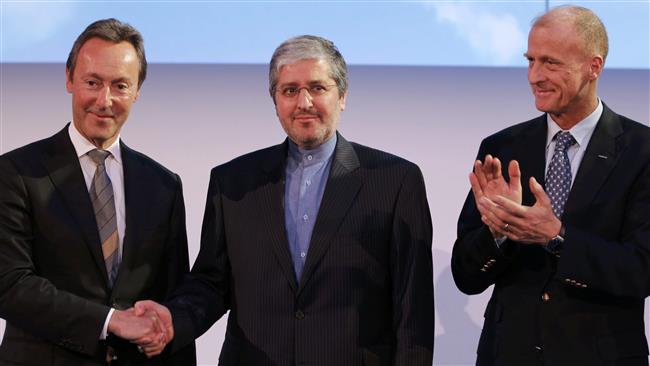
Iran Air Chairman Farhad Parvaresh took delivery of the new A321 in Colomiers near the French city of Toulouse on Wednesday.

The 189-seat plane, painted in Iran Air’s livery, is the first of 100 planes purchased under a December deal worth $18 billion.

“Today marks a great day for this company as well as the relation between Iran and the European Union,” Parvaresh said at a ceremony to take delivery of the plane.

Iran Air Chairman Farhad Parvaresh (C) stands between Airbus CEO Fabrice Bregier (L) and Airbus Group Chief Executive Tom Enders as Iran Air takes delivery of the first new Western jet following a landmark nuclear deal, Colomiers, France, January 11, 2017. (Photo by Reuters)

Parvaresh said that Iran Air hoped to receive “at least two more from Airbus” by the start of the Iranian new year in March, and a total of six A320 aircraft in 2017.

Iran signed the deal with Airbus to purchase planes after the US removed a ban on selling Iran passenger aircraft and spare parts following the nuclear agreement signed between Tehran and the P5+1 group of countries in July 2015.

Under the nuclear deal, dubbed the Joint Comprehensive Plan of Action (JCPOA), Iran undertook to put restrictions on its nuclear program in exchange for the removal of nuclear-related sanctions imposed against the country.

Iran’s flag carrier has also signed a similar deal with Boeing for 80 jetliners that will not be expected to arrive in the country until 2018. Iran Air is also expected to seal an order for 20 turboprops from Europe’s ATR.

3 Iranian Universities among Top 500 Green Universities

UI Green

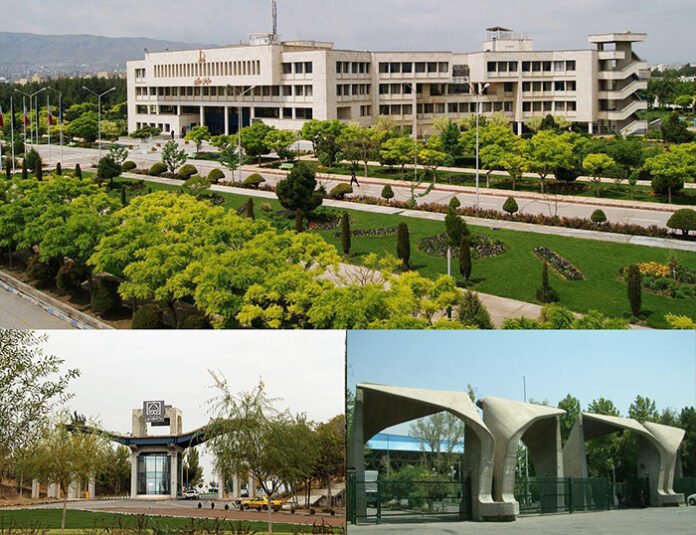
University of Zanjan with a score of 5,971 has ranked 75th; Ferdowsi University of Mashhad has scored 4,484 and ranked 238th; and University of Tehran gained 3,109 scores, standing at 431st place.

UI GreenUI GreenMetric World University Ranking presents a comprehensive perspective of the current environmental and sustainable development policies in various countries’ institutions to attract managers and policy makers’ attention to environmental and energy consuming issues.

UI GreenMetric uses 6 key indicators of environment and infrastructure, energy and climate change, waste management, water, transportation and education for ranking institutions.

Over 10,000 institutions are assessed by UI GreenMetric system annually.

Based on UI GreenMetric 2016 ranking, University of California Davis has the highest score and it is the greenest university in the world.

Cultural Revolution in Saudi Arabia: Will Saudis Finally Be Allowed to Go to Cinema?

Abdol Aziz Al Sheikh

According to a Farsi report by ISNA, 2017 seems to be a very revolutionary year for Saudi Arabia: the General Authority for Entertainment has prepared a long list of measures to be taken in all Saudi regions during the new year. This authority strives to accomplish several objectives within the framework of Vision 2030 in a compact way.

Ray al-Youm, the well-known independent Arab newspaper, has hailed the “important” program as the implications of changes won’t be limited to religious areas: according to local Saudi newspapers, some extremist officials who take an active part in Saudi Arabia’s administration have been enraged after learning that the plans include holding some concerts near Mecca, Jeddah province, Saudi Arabia.

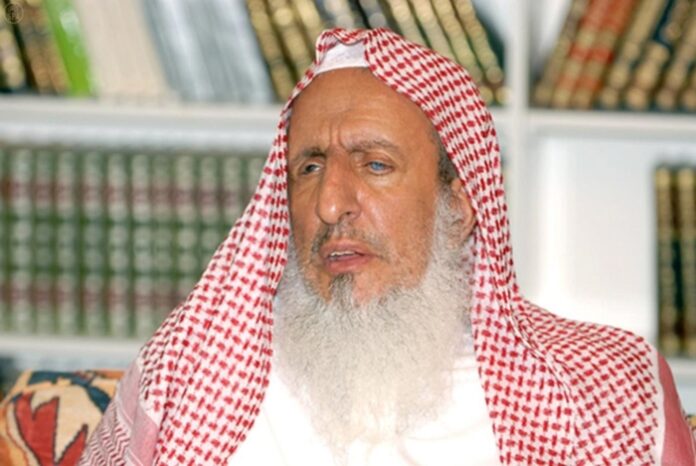
In his weekly program in Al-Majd TV Network, Abdul Aziz ibn Abdullah Al ash-Sheikh, the Grand Mufti (religious leader) of Saudi Arabia, recommended that the General Authority for Entertainment should evaluate the plan for establishing cinema and holding concert with tact and consideration. He emphasized the need to provide entertainment by taking into account the interests of Islamic society.

It is believed that the statements of Grand Mufti come from the prudential positions of the highest Saudi religious body that revises all affairs of this country. When he talks about evaluating the plan with tact and consideration, he shows in fact how people like him are discontent with the “revolutionary” changes the young administration of Saudi Arabia tries to impose on this extremist society.

This movement, which is described as “reformist” or “liberal”, gladly prepares the grounds for this implicit revolution, hoping to found a secular civil society. The changes begin with holding concerts and will continue until all bans on the currently forbidden plans are lifted in a country which has been under strict rules for 80 years.  The stringent regulations were made based on the doctrine of Muhammad ibn Abd al-Wahhab who had a key role in founding Saudi Arabia.

People who are aware of Saudi Arabia’s domestic affairs talk about the likelihood of a conflict between Saudi political and religious administrations over the social structure of the country. The new approach will form a “liberal” generation who will comply with the “entertainment” program in Vision 2030 and will come out of the shell of jurisprudence books’ doctrine, which led to formation of extremist groups such as ISIS.

During its “revolution” against the Council of Senior Scholars, the Saudi government will rely on some “moderate” clerics who are well accepted by the society and able to bring about its desired changes.

Iran Arrests MKO Terrorist Group’s Ringleader in Isfahan

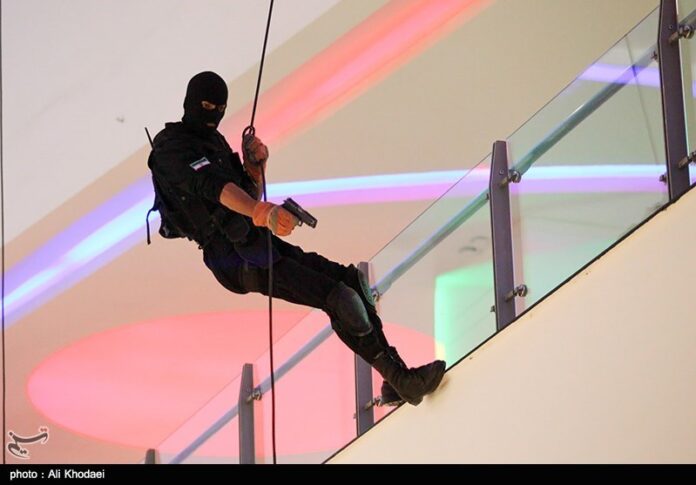
Iranian security

The arrested member of the terrorist organization had been identified by Iranian security forces before entering the country, IRIB reported.

The individual, arrested in Isfahan on Tuesday, had come to Iran for the purpose of “creating chaos and confusion” during the funeral of Ayatollah Akbar Hashemi Rafsanjani, a former president of Iran whose body was laid to rest in capital Tehran on Tuesday.

The captured person had recorded a lot of videos for the MKO-affiliated satellite channels, the report added.

The MKO – listed as a terrorist organization by much of the international community – fled Iran in 1986 for Iraq and was given a camp by former Iraqi dictator Saddam Hussein.

They fought on the side of Saddam during the Iraqi imposed war on Iran (1980-88). They were also involved in the bloody repression of Shiite Muslims in southern Iraq in 1991 and the massacre of Iraqi Kurds.

The notorious group is also responsible for killing thousands of Iranian civilians and officials after the victory of the Islamic revolution in 1979.

More than 17,000 Iranians, many of them civilians, have been killed at the hands of the MKO in different acts of terrorism including bombings in public places, and targeted killings.

Iranian Delegation to Visit Saudi Arabia in February for Hajj Talks

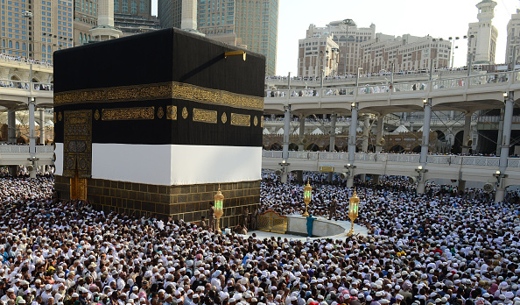
According to a report by IFP, Iran Leader’s Representative in Hajj and Pilgrimage Affairs Ali Qazi-Askar announced that Iran will send a delegation to Saudi Arabia on February 23 for bilateral talks on Iran’s attendance in Hajj pilgrimage.

Qazi-Askar had earlier on Monday noted that Iran has “officially received Saudi Arabia’s invitation to meet and hold bilateral talks on the Hajj.”

He added that the talks would focus on accommodation, transportation, safety, medical care, visas and banking.

In September 2015, a deadly human crush occurred during Hajj rituals in Mina, near Mecca. Days into the incident, Saudi Arabia published a death toll of 770 but refused to update it despite gradually surging fatality figures from individual countries whose nationals had been among the victims of the crush. Iran said about 4,700 people, including over 465 of its nationals, lost their lives in the incident.

Earlier that month, a massive construction crane had collapsed into Mecca’s Grand Mosque, killing more than 100 pilgrims, including 11 Iranians, and injuring over 200 others, among them 32 Iranian nationals.

Serious questions were raised about the competence of Saudi authorities to manage the Hajj rituals in the wake of the incidents, and, facing Saudi intransigence to cooperate and refusal to guarantee the safety of Iranian pilgrims, officials in the Islamic Republic subsequently decided to halt pilgrimages over security concerns.

Saudi Arabia unilaterally severed its diplomatic ties with Iran in January this year after protests in front of its diplomatic premises in Tehran and Mashhad against the execution by Riyadh of prominent Saudi Shia cleric Sheikh Nimr al-Nimr.

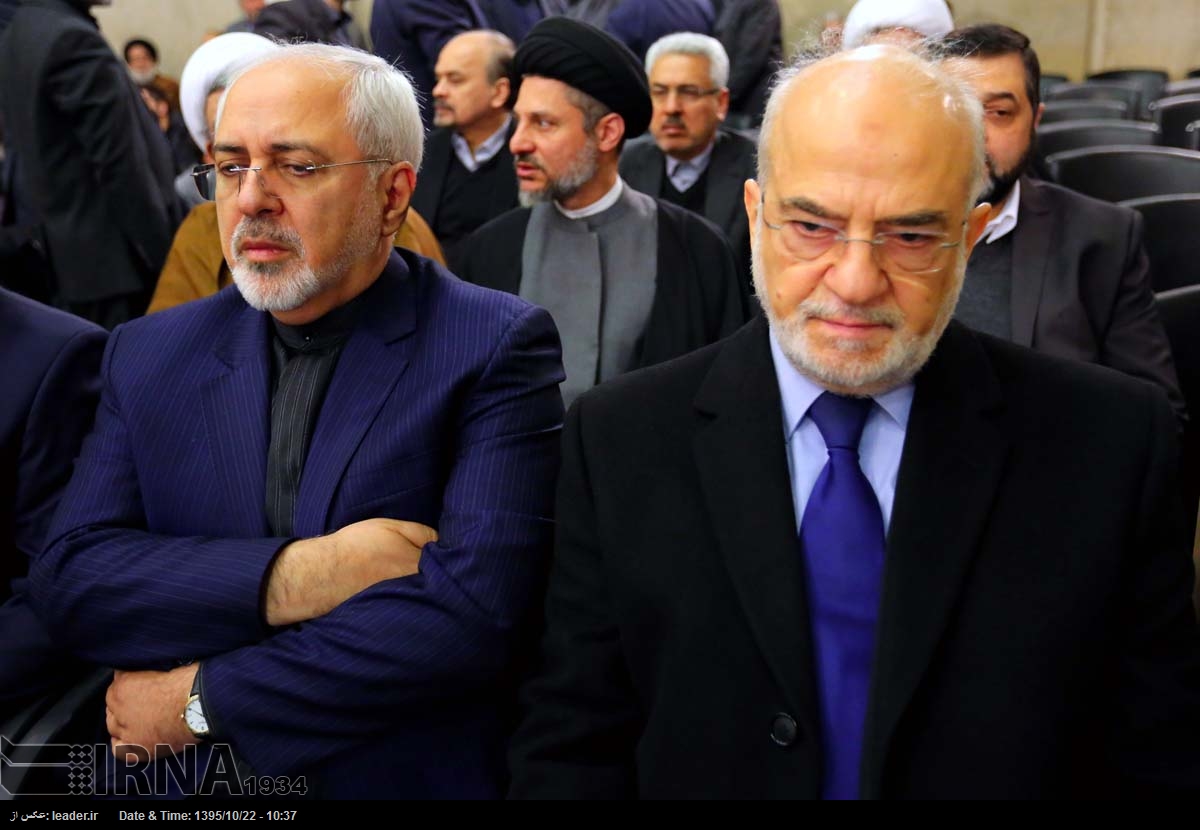
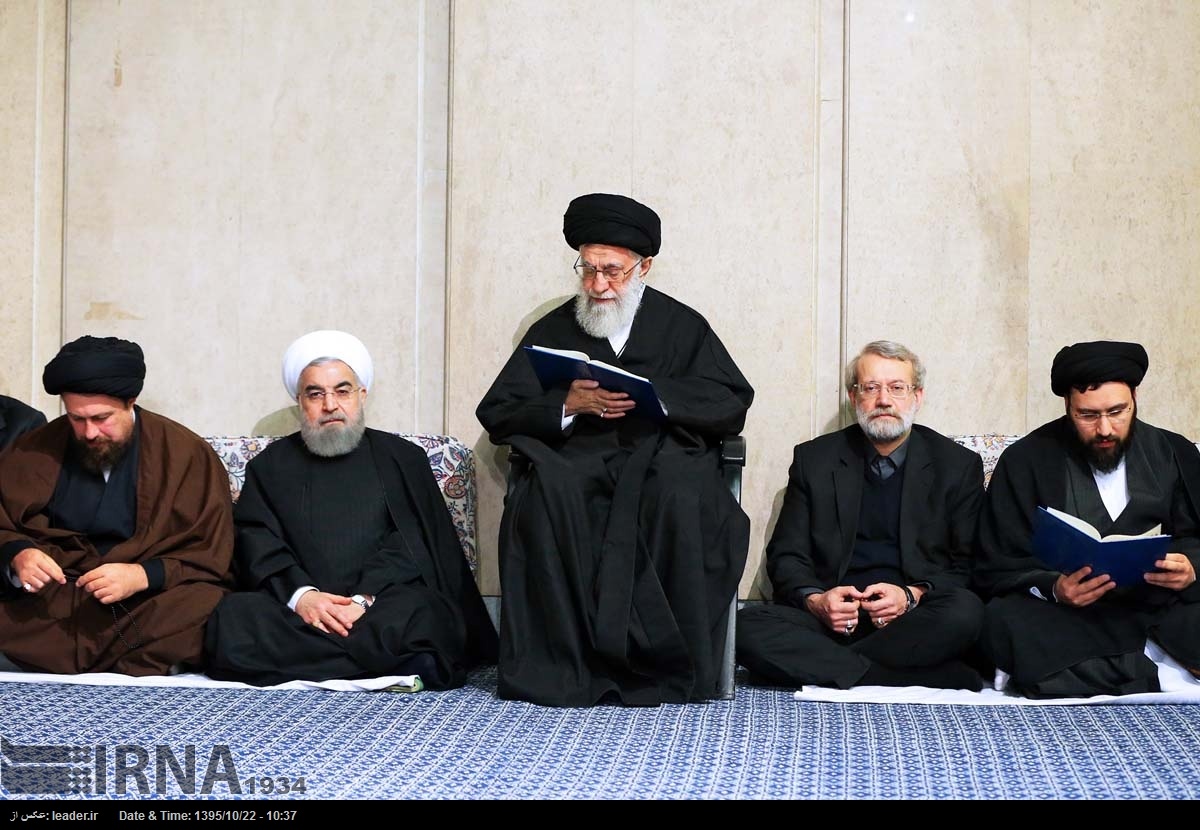
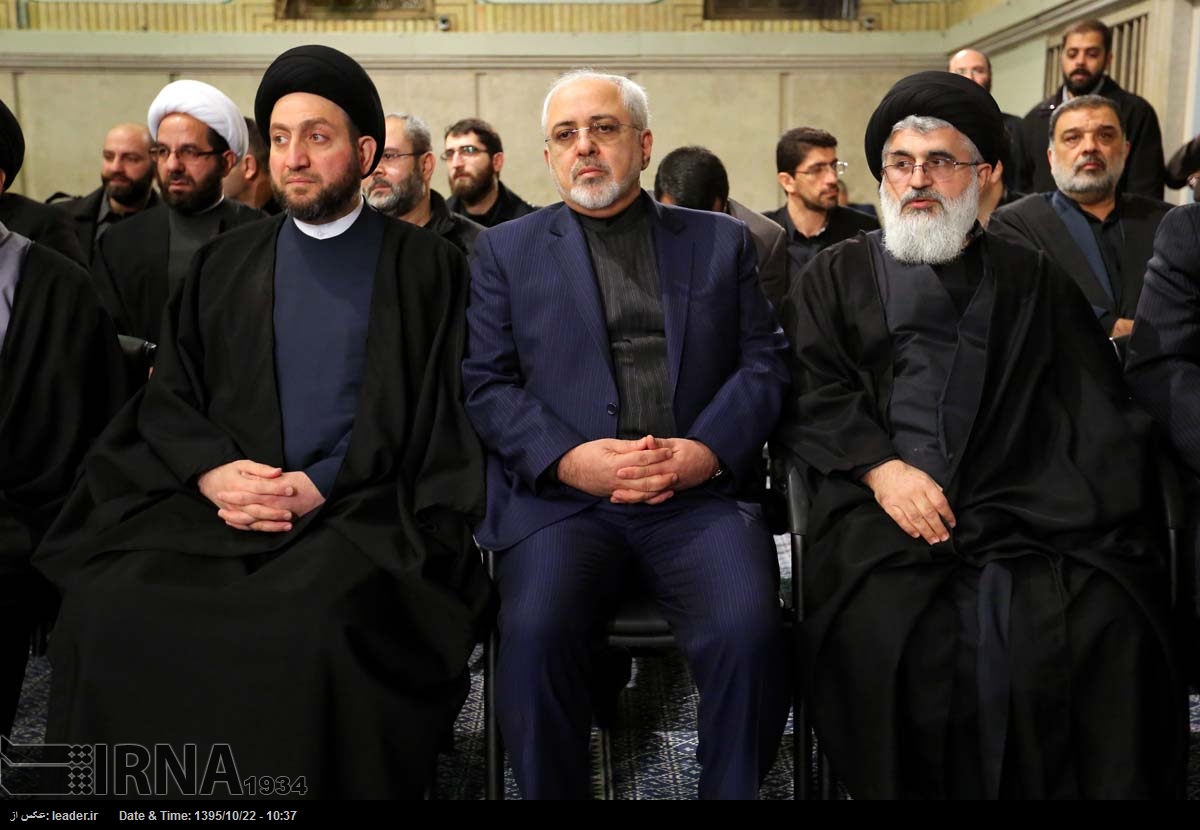
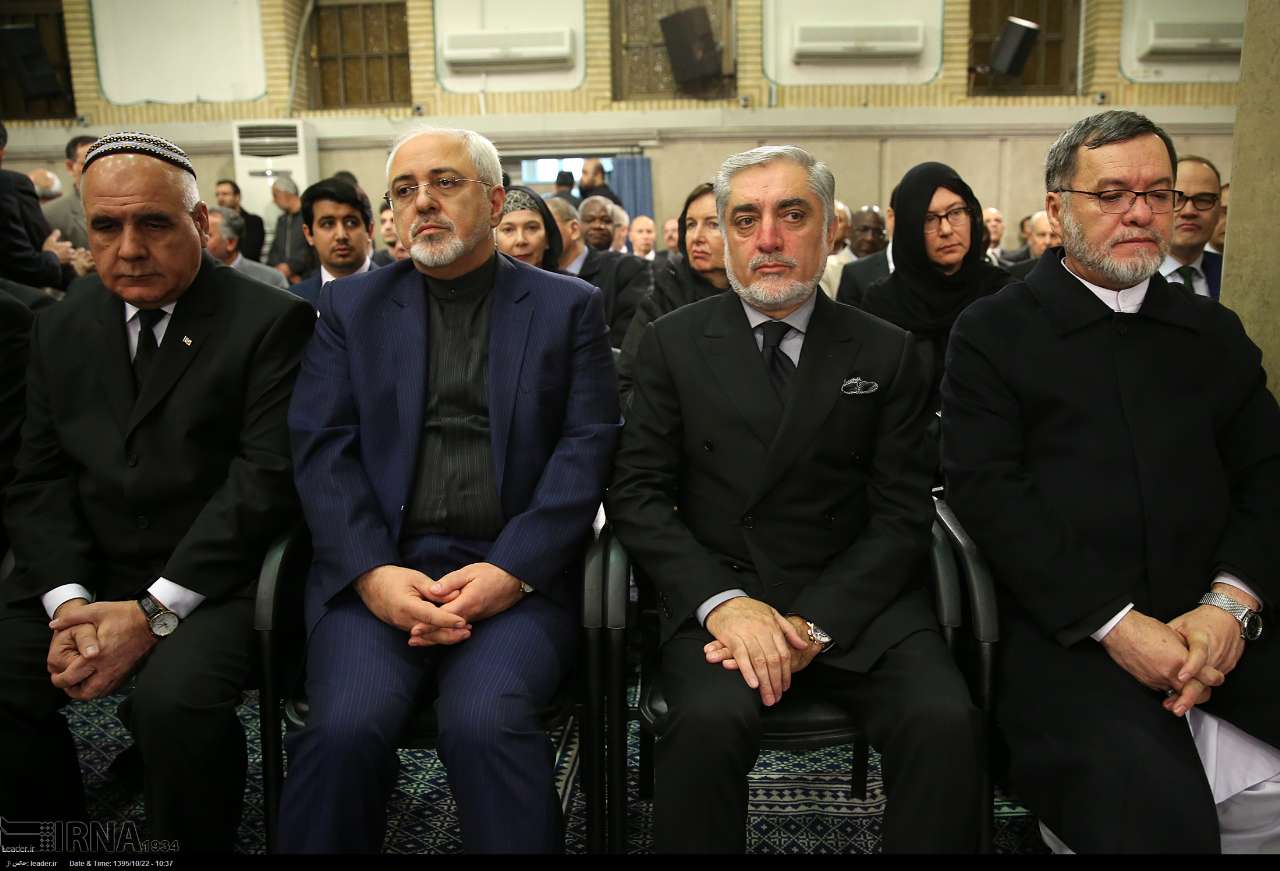
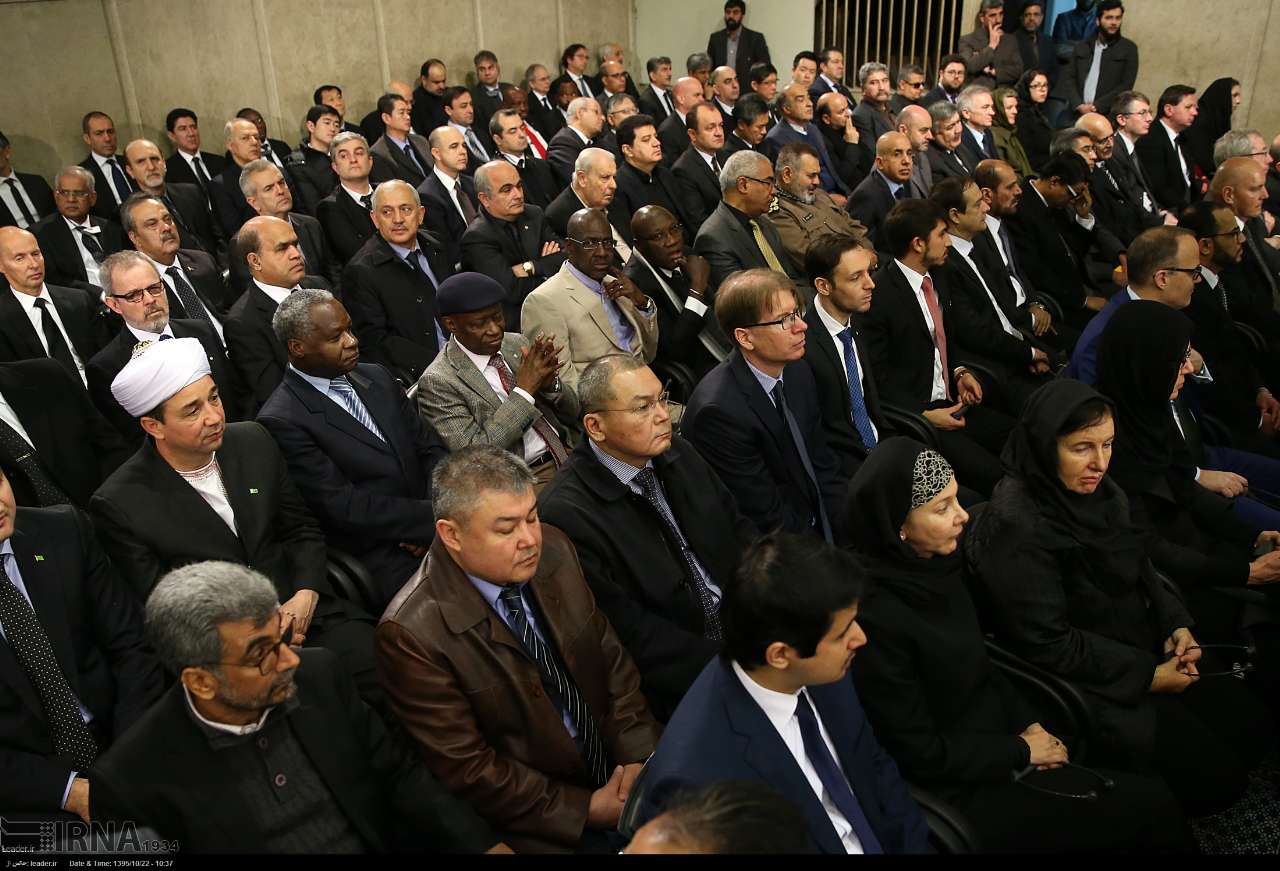
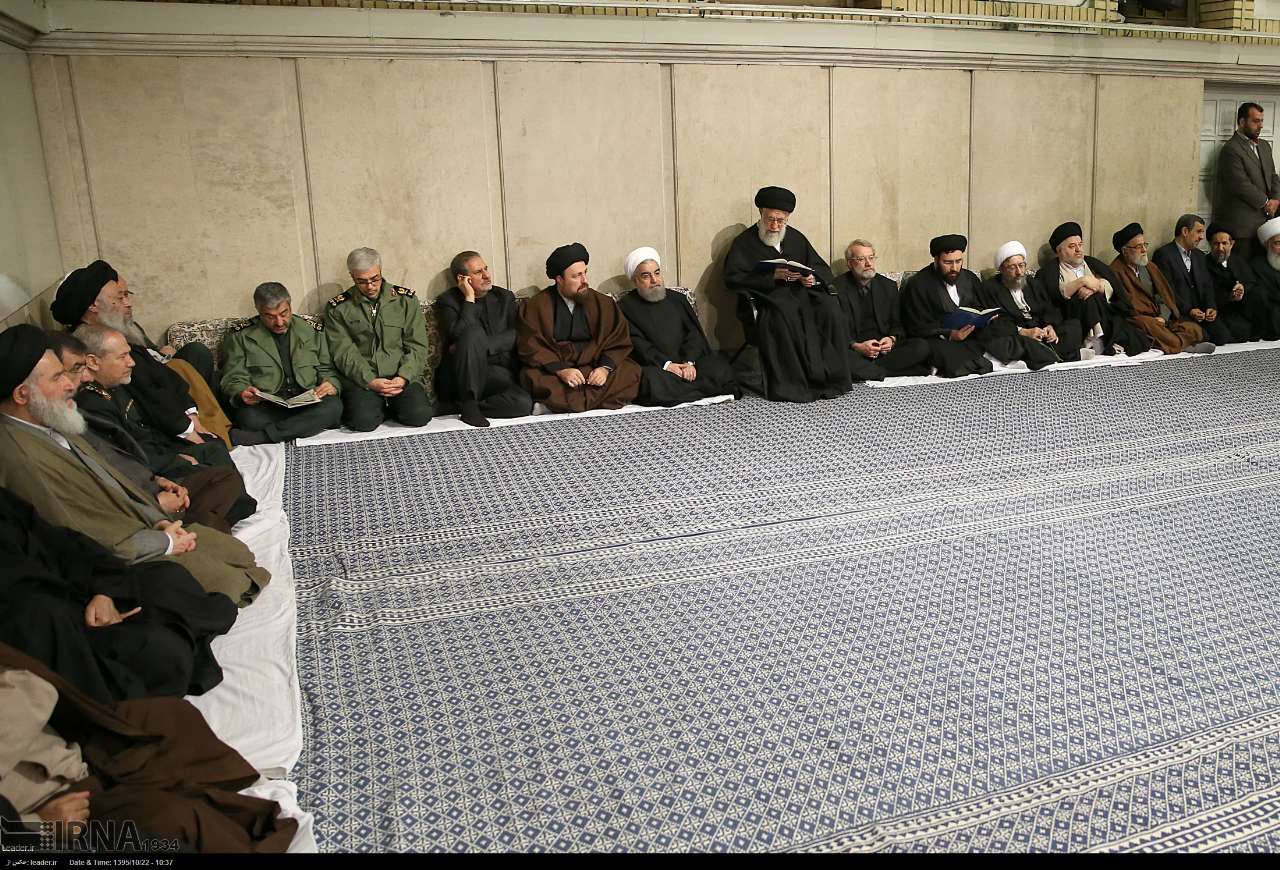
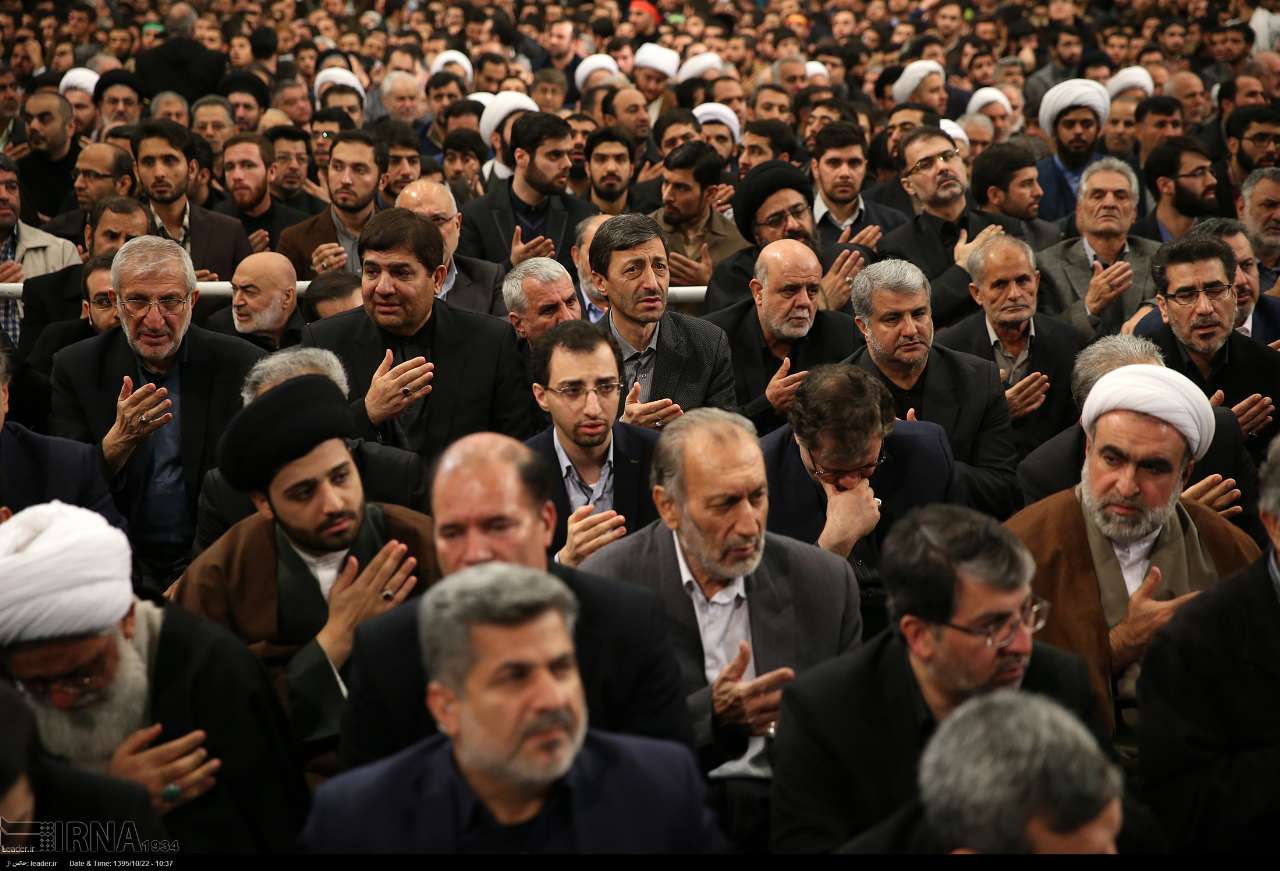
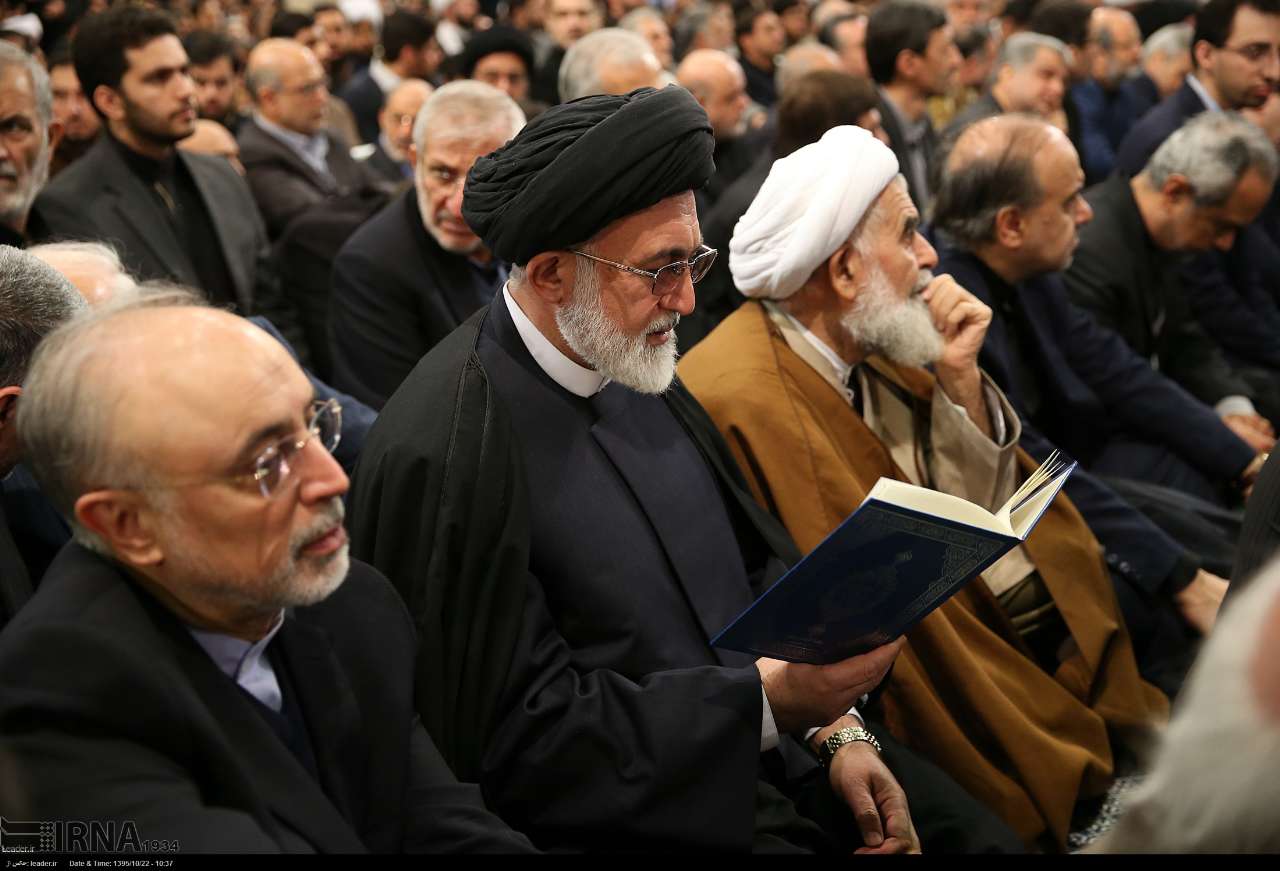
Iranian and Foreign Officials Attend Ayatollah Rafsanjani’s Memorial Service

Ayatollah Rafsanjani’s Memorial Service

According to a report by IFP, Ayatollah Hashemi Rafsanjani, the iconic figure on Iran’s political scene, who was hailed as the Leader’s “longtime companion, fellow fighter on the path of Islamic Revolution, and close colleague following the establishment of the Islamic Republic,” passed away on Sunday after suffering a heart attack.

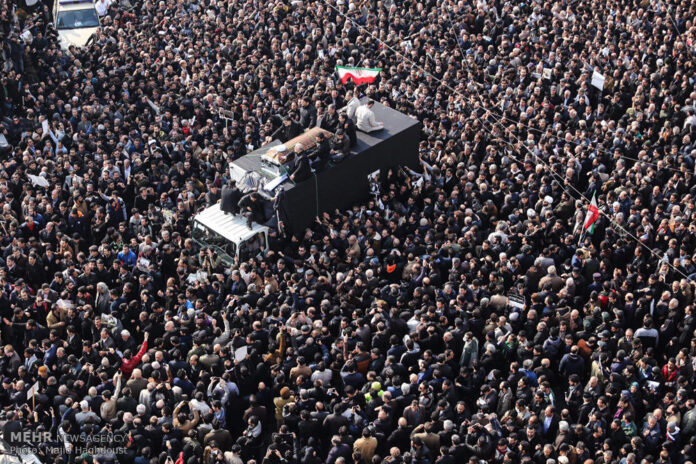
He was laid to rest at Imam Khomeini’s mausoleum in southern Tehran following a huge funeral procession attended by millions of Iranians on Tuesday.

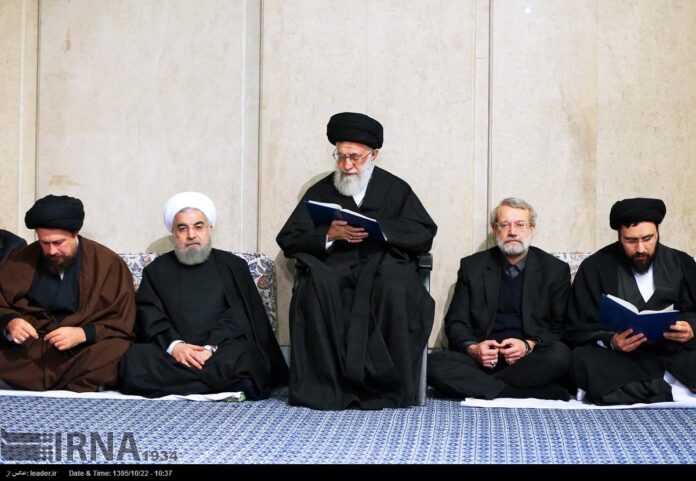
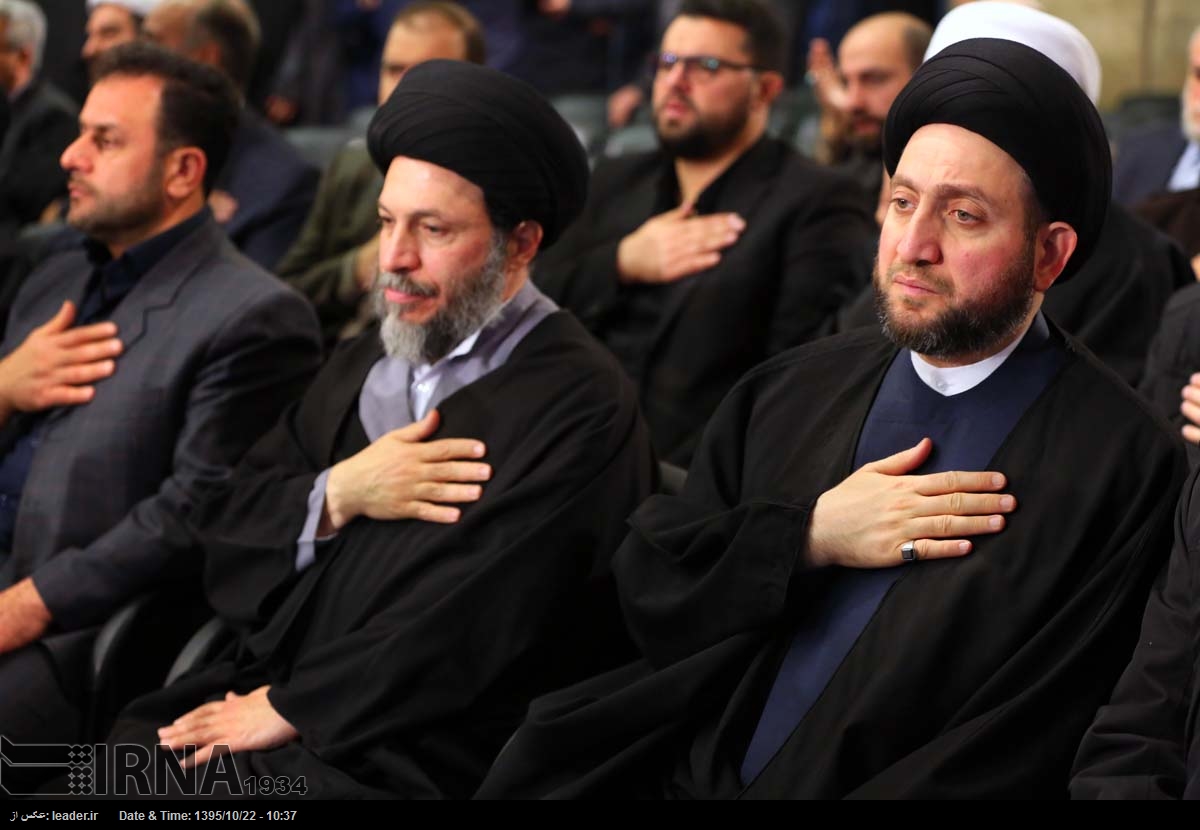
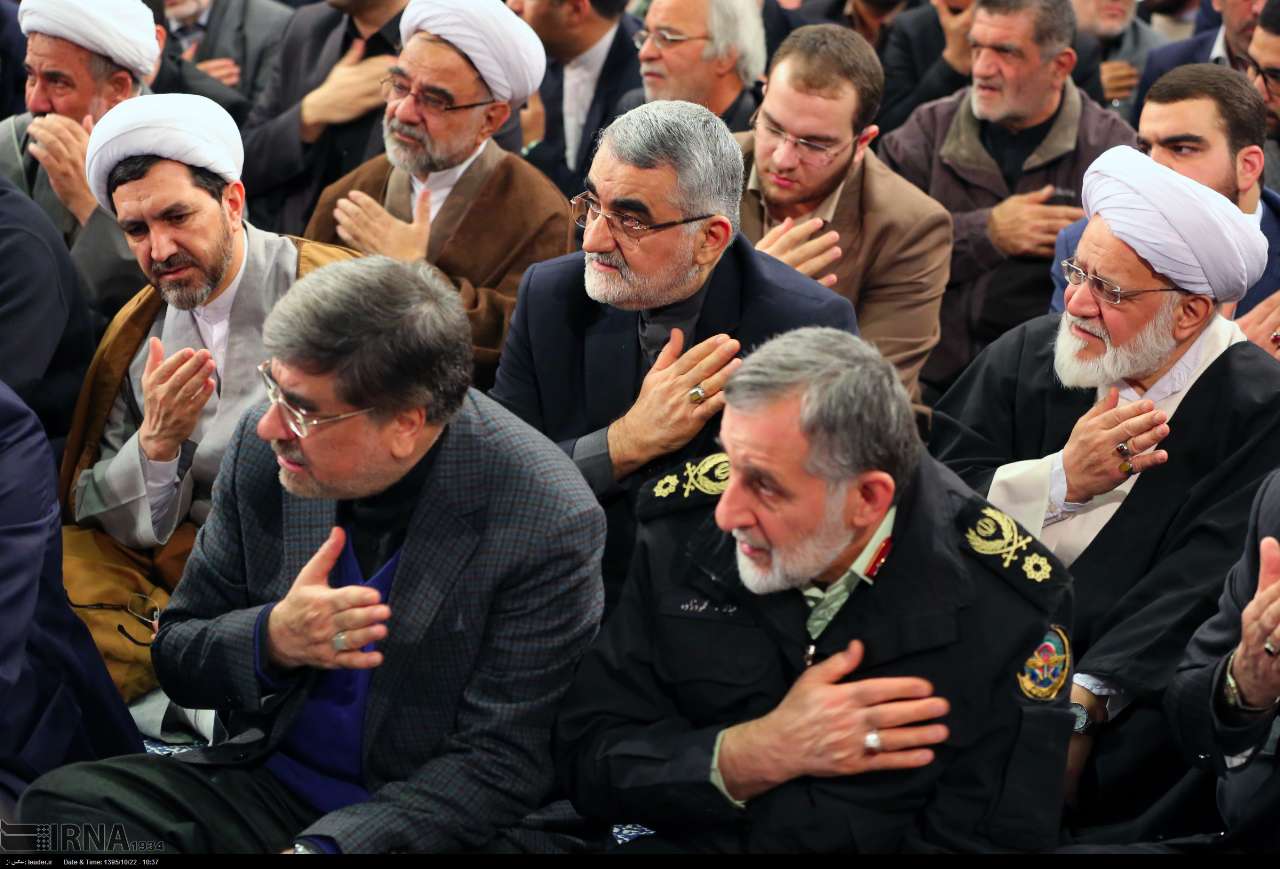
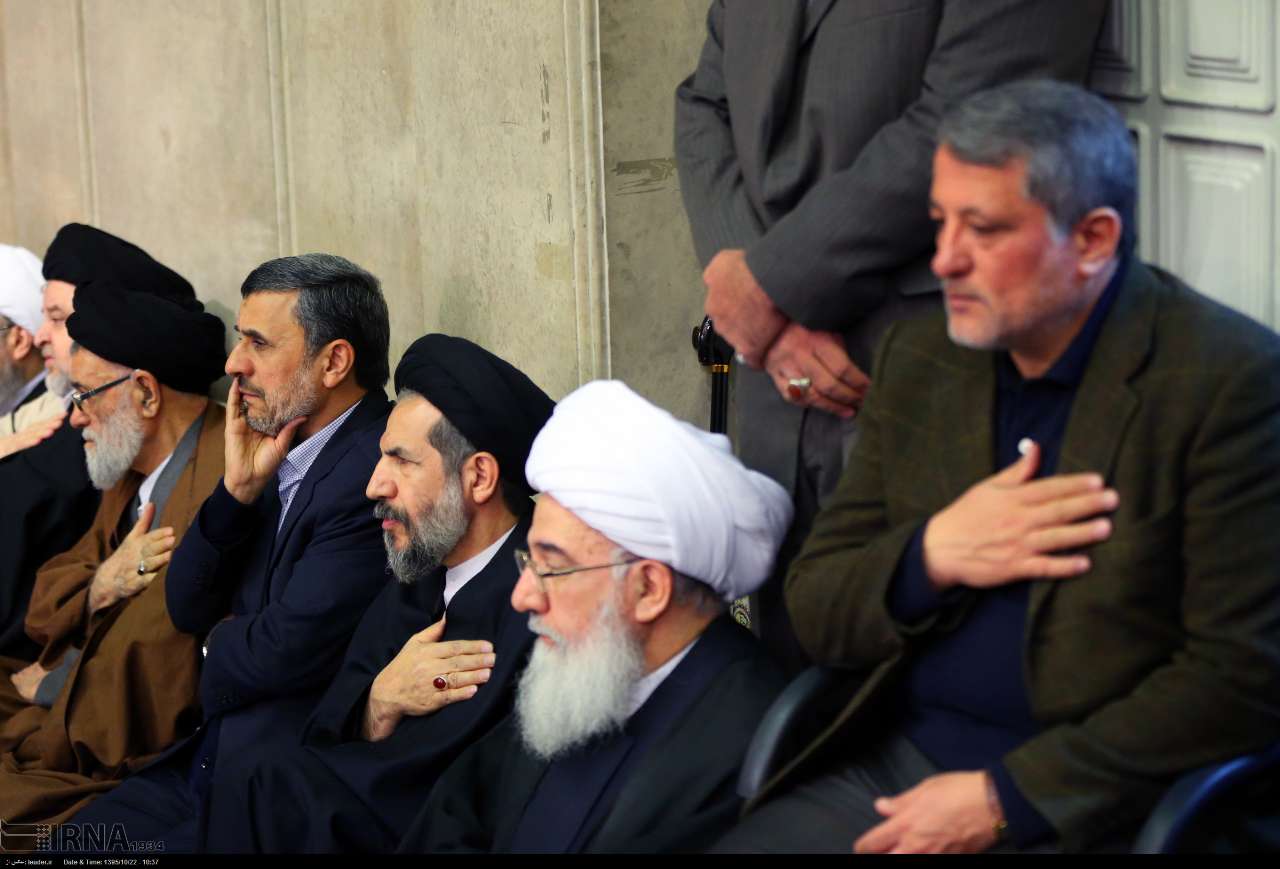
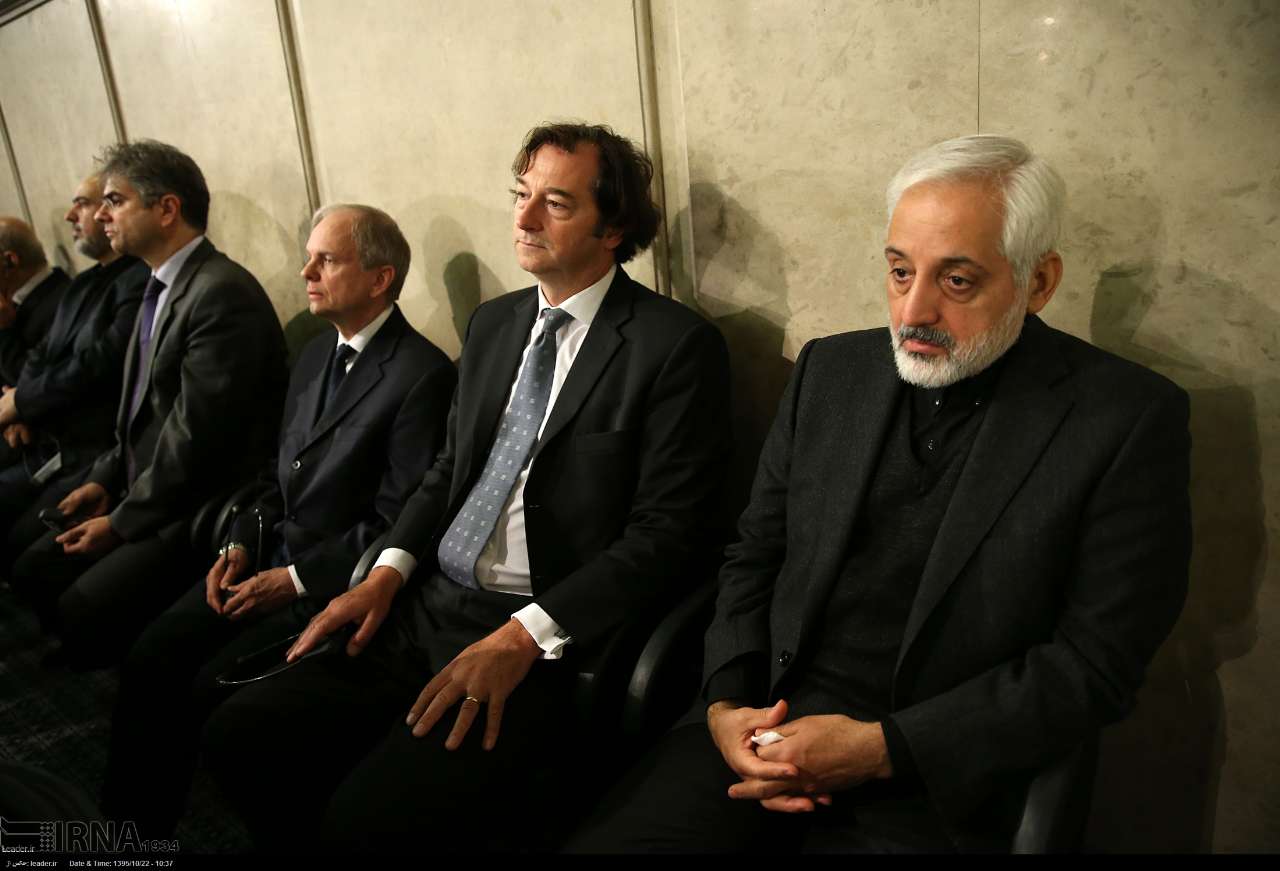
Iran’s Leader Ayatollah Khamenei on Wednesday hosted a memorial service for him at Imam Khomeini Hussainiya, which was attended by the bereaved family of the cleric, President Hassan Rouhani, Parliament Speaker Ali Larijani, Judiciary Chief Sadeq Amoli Larijani, and other government and military officials.

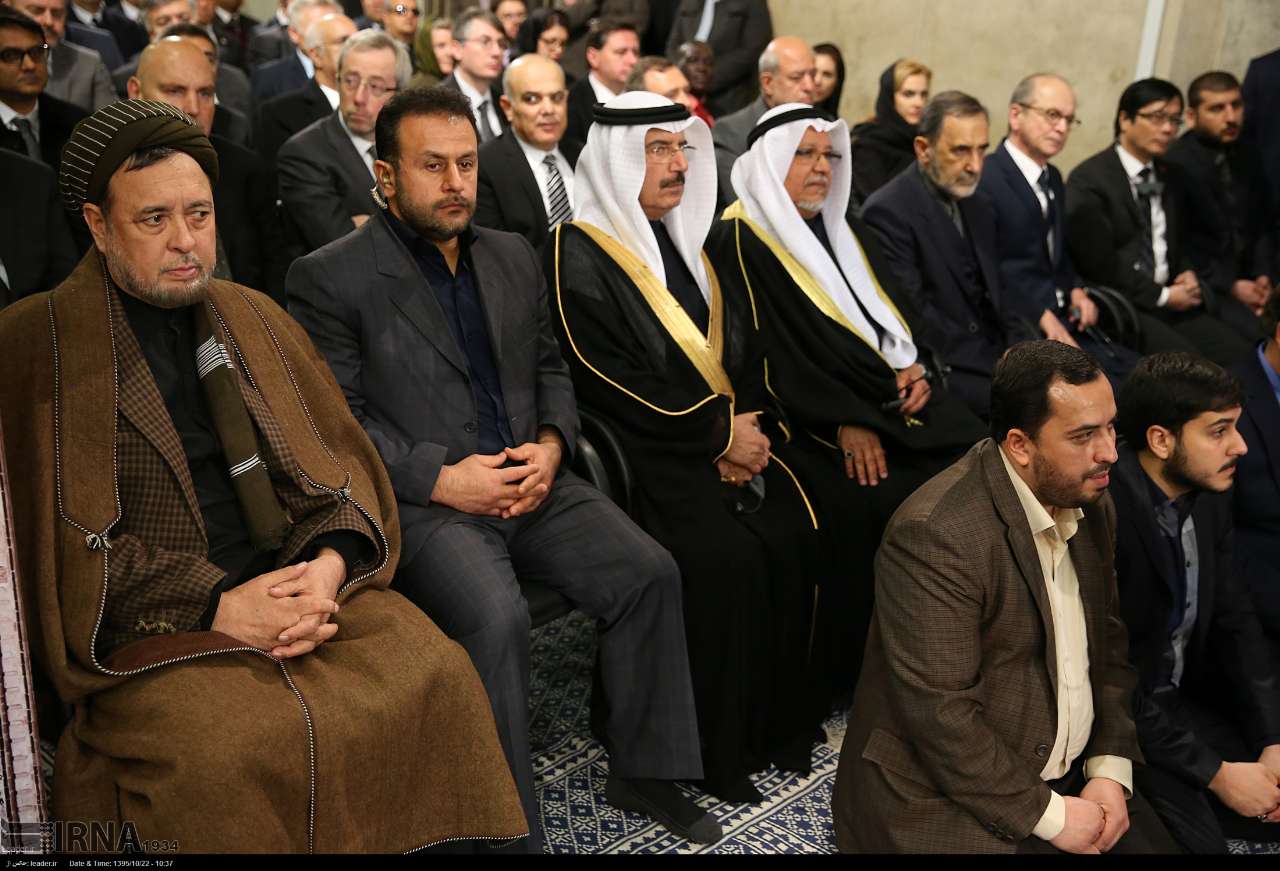
The event was also attended by Iraqi Foreign Minister Ibrahim al-Ja’afari, Afghanistan’s Chief Executive Abdullah Abdullah, leader of the Islamic Supreme Council of Iraq Ammar al-Hakim as well as a number of other foreign dignitaries.

No Trace Yet of Missing French Tourist in Iran

Gautier Leclerc-lut

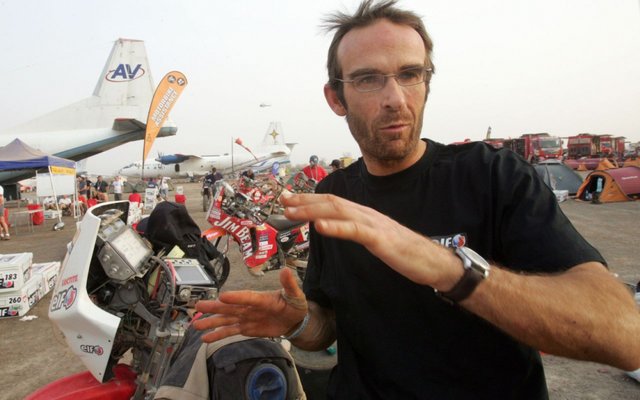
Gautier Leclerc, a French tourist and desert traveller, came to Iran on his motorbike on August 2, 2016. He set off on a journey through the desert in hot weather without satellite and logistical gear. He has been missing for five months.

This is what Mehrdad Qazvinian, a professional desert guide, says based on the information he has on the missing French national.

Qazvinian has carried out three search operations in Loot Desert so far to find the French national.

Here are excerpts of his Farsi interview with ISNA about the latest hunt for the missing man which has just ended.

Lut Desert“There were 13 of us in the latest search riding in four vehicles. We scoured some 600sq km of the Loot Desert, an area between Rigestan, Tabas and Naibandan. The search area covered all locations where, according to Leclerc’s travel map, it was likely to find a trace of him. But there was no sign of the Frenchman.”

He ruled out all possibilities raised by some French media and even the French government about the status of the missing tourist. “The man was last seen in the desert five months ago. Given the insufficient equipment he had with him, it’s pretty obvious what must have become of him.”

“This person is unlikely to have been seized by bandits. If he’d been captured by them, his family or a representative of the French government must have been contacted [by the bandits]. But this has not been the case.”

“We visited his last place of residence, which was a hotel in the town of Khor [Isfahan Province]. The hotel owner said the day when the Frenchman came to the hotel, he’d been worn out by the intense heat, so much so that his hands and feet were shaking,” Qazvinian went on to say.

According to the desert guide, the French national was last seen at a mine near the Rigestan region. Reports suggest he has not left Iran, and his motorcycle has not been found, either.

No Trace Yet of Missing French Tourist in Iran

The path the French tourist had chosen to cross the Loot Desert was “very complicated” and “strange”. To set foot on the path that the French tourist had picked, one needs to take logistical gear. However, the Frenchman had no such equipment. It was an uncalculated adventure, indeed.

The guide said it would be easier to spot a needle in a haystack than to find the tourist on a motorcycle in the Iranian desert.

“Although the man’s fate is clear to us, we will continue our search to trace him. Iran’s Ministry of Foreign Affairs is following up the issue as well, and his family back in France are also pursuing the matter.”

Gautier Leclerc was the grandson of Marshal Lecrec, who is credited with liberating Paris from the occupation of Nazis at the end of World War II.

According to the French daily Le Figaro, the French government had asked Gautier Leclerc’s family to remain tight-lipped on the issue. However, his family broke the silence in an interview with the very same newspaper a month ago.

“He intended to cross the central Iranian desert with his motorbike. The missing person is a sportsman, almost 50, a two-time participant in the Paris-Dakar Rally, who had also taken part in several desert competitions in Morocco.”

While the European media continued to put forward their speculations about the French national’s disappearance, the spokesperson for the Iranian Ministry of Foreign Affairs confirmed that the tourist had vanished in an Iranian desert area.

“The [French] national had travelled to Iran as a tourist to go on a tour of the desert. He didn’t return after starting his journey across the Loot Desert,” said Bahram Qassemi.

“Before embarking on his journey through desert regions, the tourist had been advised by both travel agencies and local authorities to stay away from certain areas. But he went to areas he had already reconnoitred, and then vanished without a trace,” the spokesperson added.

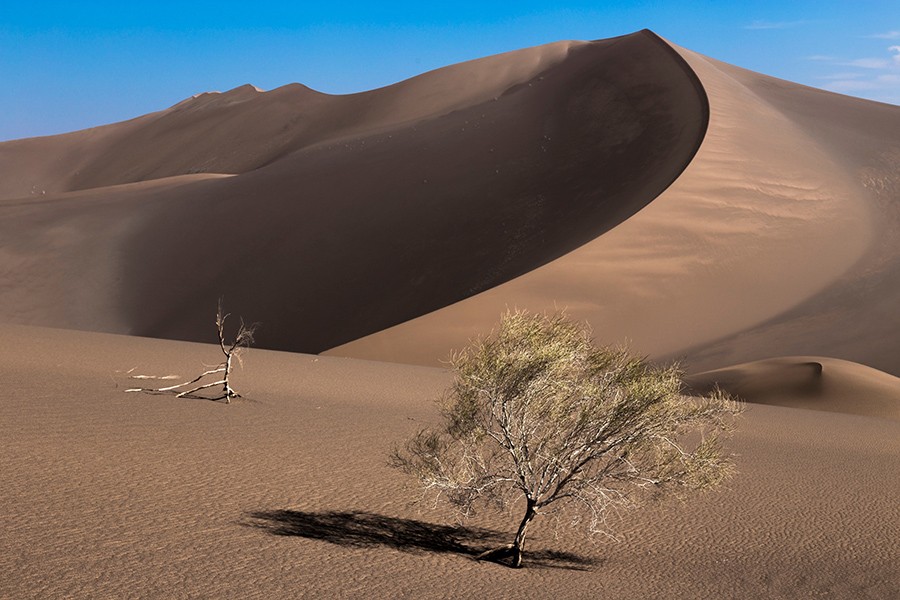
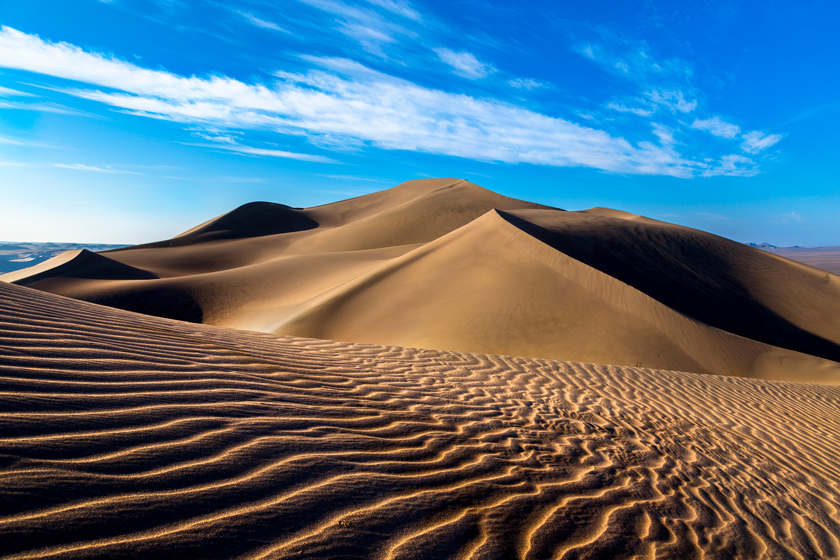
Lut Desert in Iran
Lut Desert: Sand dunes in
Rig-e Yallan

Around three weeks ago and before the third self-motivated search operation by a group of local desert guides was conducted, Qassemi had said, “Measures are underway to find the French national. The two governments are in contact, and the French tourist is likely to have been struck by a sandstorm or something in the Loot Desert.”

A few days after the comments, the French daily Quest France revealed the missing man’s identity. It wrote, “Gautier Leclerc, the grandson of Marshal Lecrec, went missing while riding a motorcycle in an Iranian desert.”

Iranian Newspapers on the Day after Ex-President Rafsanjani’s Burial

Death of Ayatollah Akbar Hashemi Rafsanjani, the Chairman of Iran’s Expediency Council, a former president and parliament speaker, and the country’s second-in-command during the eight-year war with Iraq in the 1980s, shocked Iran and the world on Sunday evening.

A pillar of Islamic Revolution and a key figure in establishment of Islamic Republic, Ayatollah Rafsanjani was widely known as a moderate figure and a companion of Imam Khomeini and Ayatollah Seyyed Ali Khamenei.

Newspapers on Monday widely covered his demise, with many of them focusing on Ayatollah Khamenei’s message of condolence.

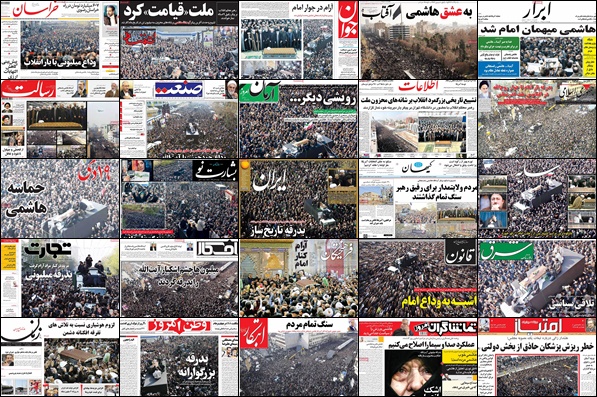
After the attendance of at least 2.5 million Iranians in the funeral service on Tuesday, newspapers on Wednesday continued to dedicate their headlines to the former president’s demise and the glorious funeral.

Here are the selected papers that highlighted Ayatollah Hashemi Rafsanjani’s funeral ceremony:

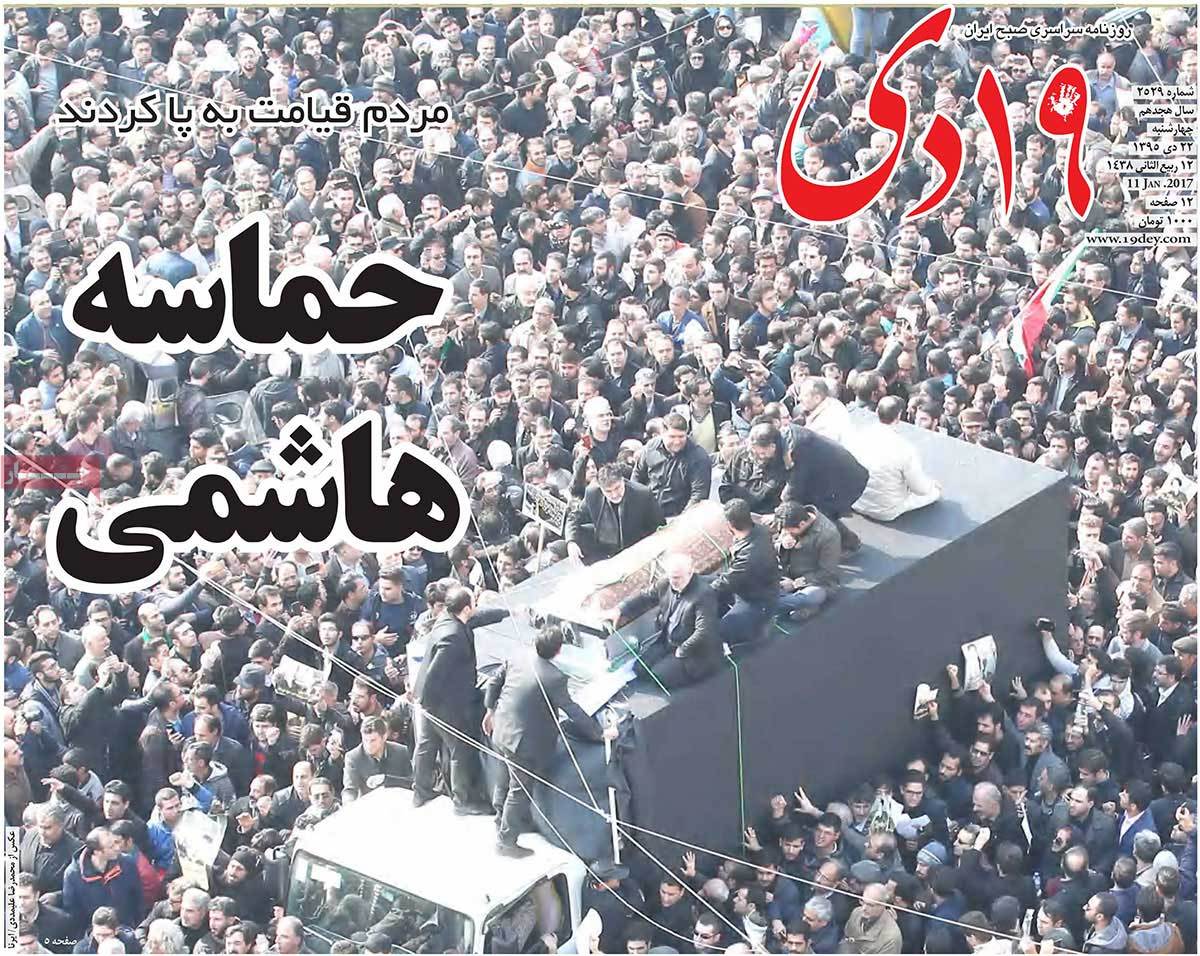
19 Dey:

1- Hashemi’s Epic
Iranian Newspapers on the Day after Ex-President Rafsanjani’s Burial


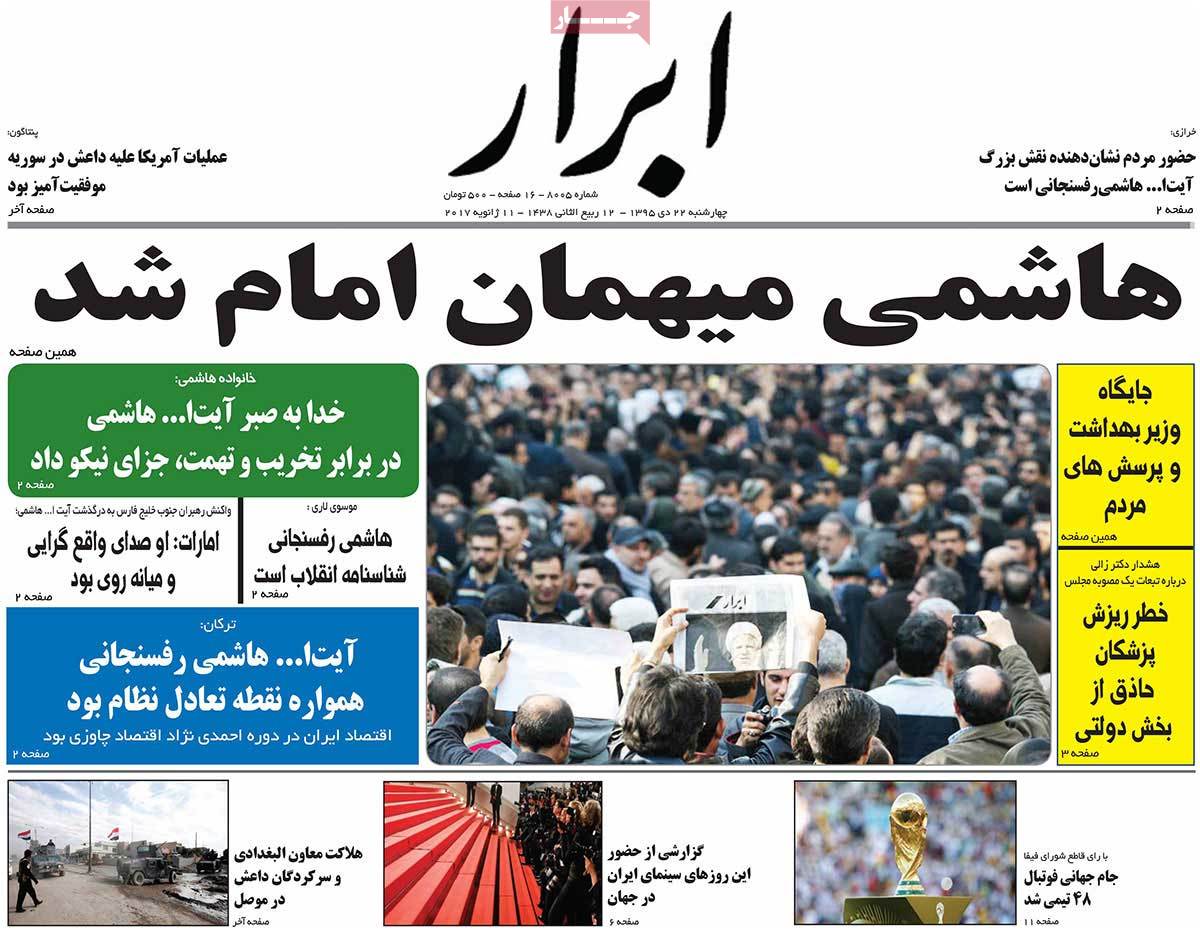
Abrar:

1- Hashemi Became a Guest of Imam Khomeini

2- Hashemi’s Family: God Granted Ayatollah Rafsanjani a Good Reward after All the Patience He Showed in Reaction to Attacks and Accusations
Iranian Newspapers on the Day after Ex-President Rafsanjani’s Burial


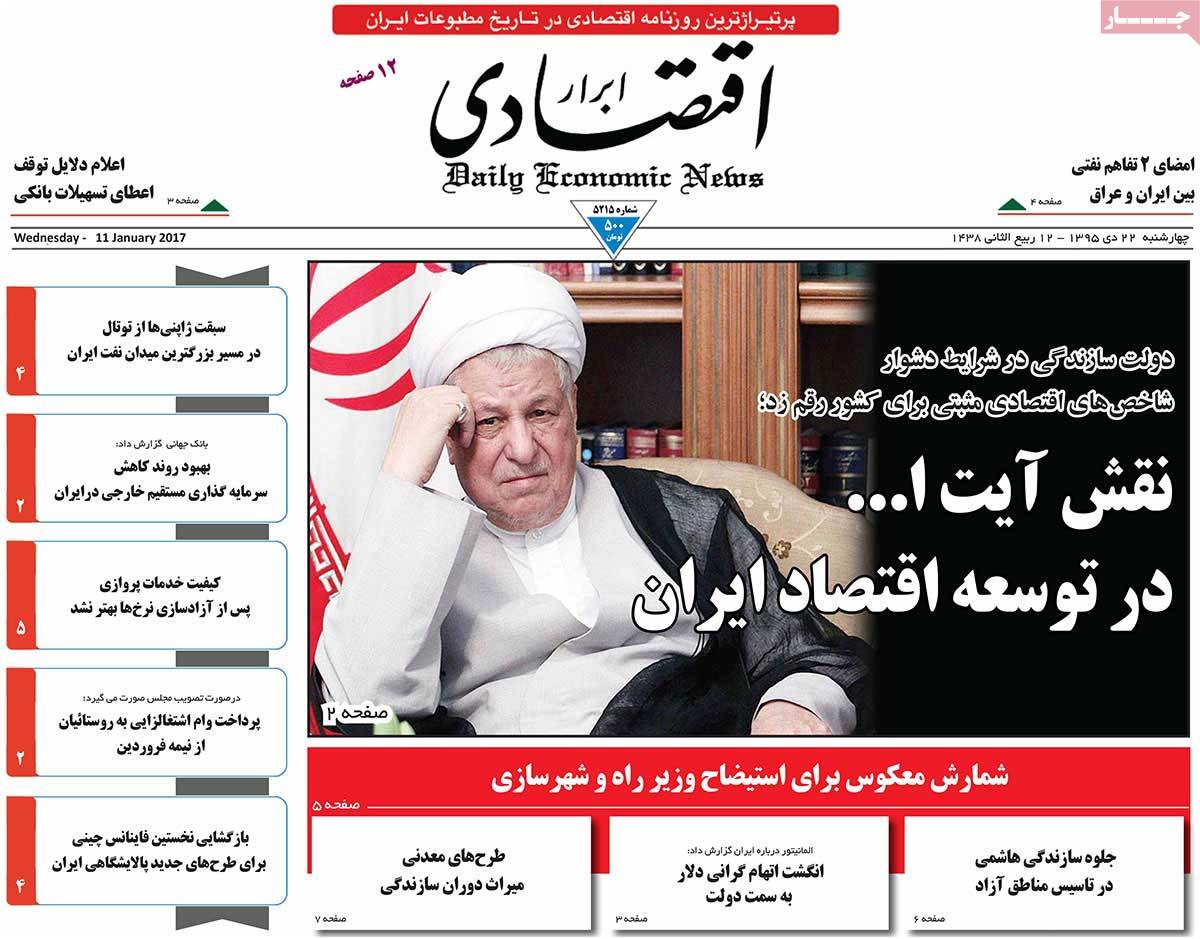
Abrar-e Eqtesadi:

1- Rafsanjani’s Government Achieved Positive Economic Indices for Iran under Difficult Conditions; Ayatollah’s Role in Development of Iran’s Economy
Iranian Newspapers on the Day after Ex-President Rafsanjani’s Burial


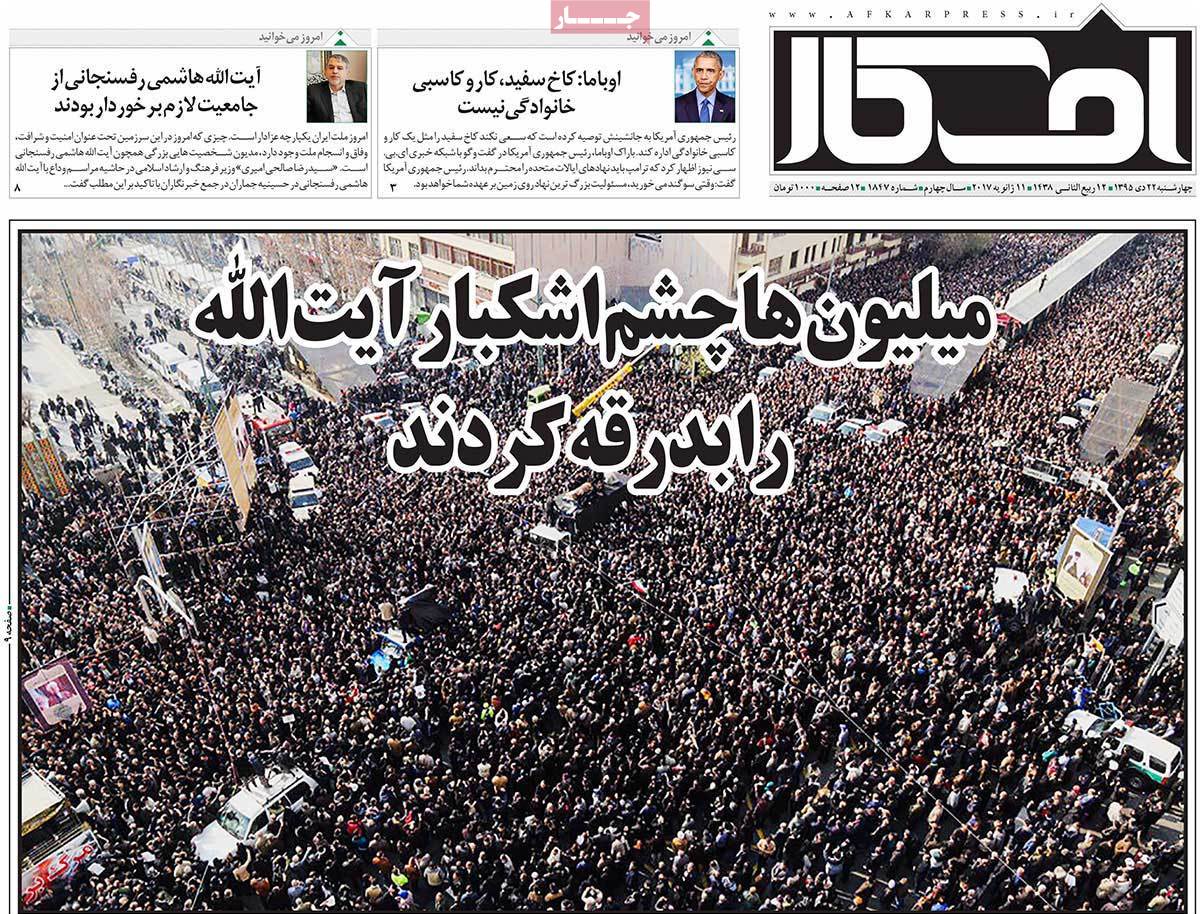
Afkar:

1- Millions of Teary Eyes Escort Ayatollah Hashemi
Iranian Newspapers on the Day after Ex-President Rafsanjani’s Burial


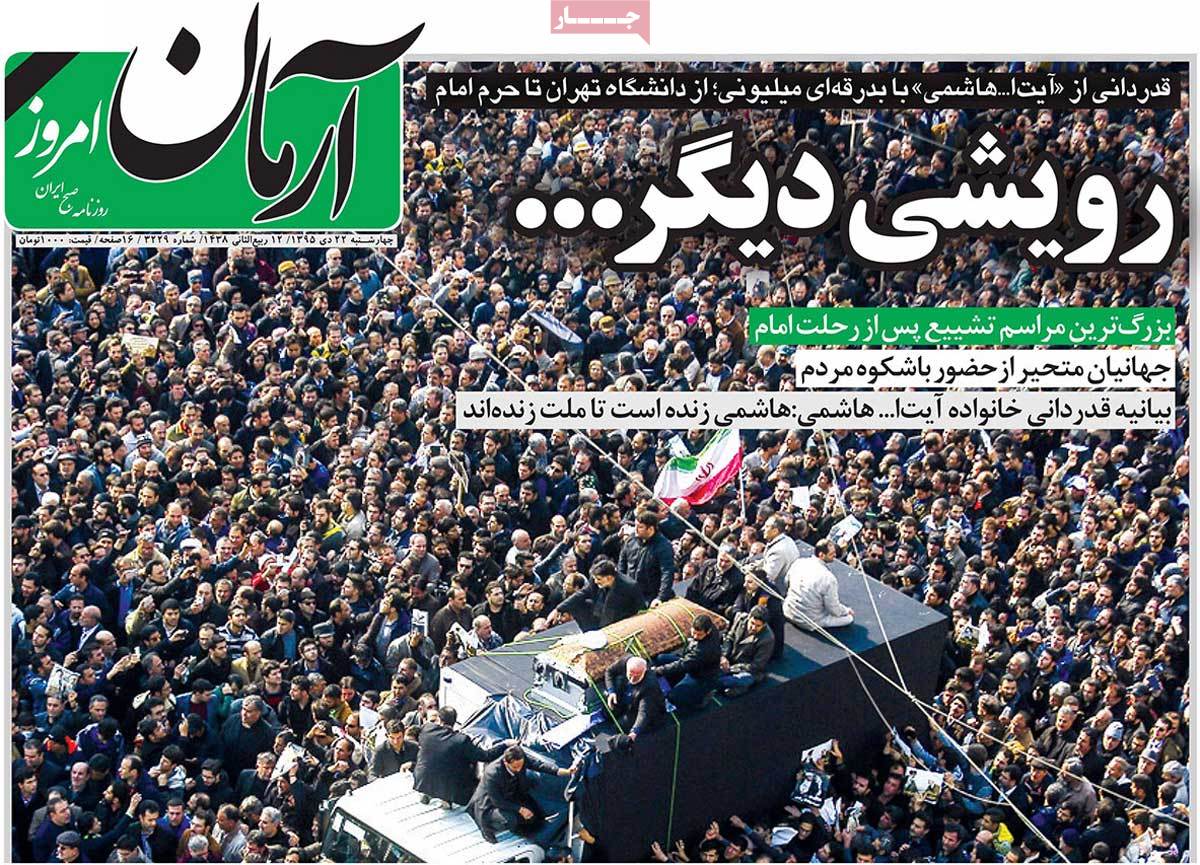
Arman-e Emrooz:

1- Another Uprising: Millions of People Appreciate Ayatollah Hashemi Rafsanjani’s Efforts from University of Tehran to Imam Khomeini Shrine

2- Biggest Funeral Ceremony after Imam Khomeini’s Death

3- World Amazed by People’s Glorious Attendance

4- Hashemi Will Remain Alive until Iranian Nation Is Alive: Family Statement
Iranian Newspapers on the Day after Ex-President Rafsanjani’s Burial


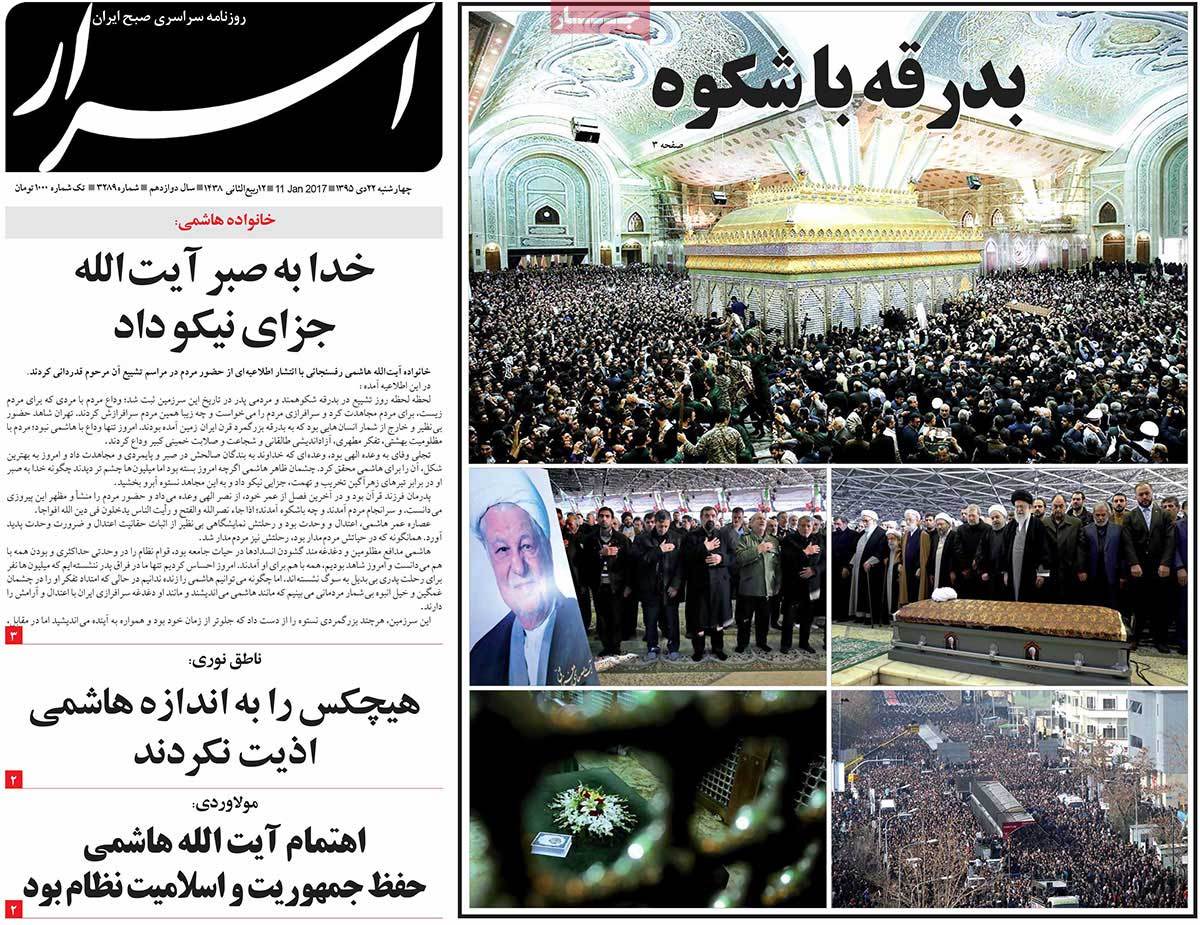
Asrar:

1- Glorious Farewell

2- VP for Women and Family Affairs: Ayatollah Rafsanjani Tried to Keep the Republican Nature of Iran and Islamic Nature of Establishment
Iranian Newspapers on the Day after Ex-President Rafsanjani’s Burial


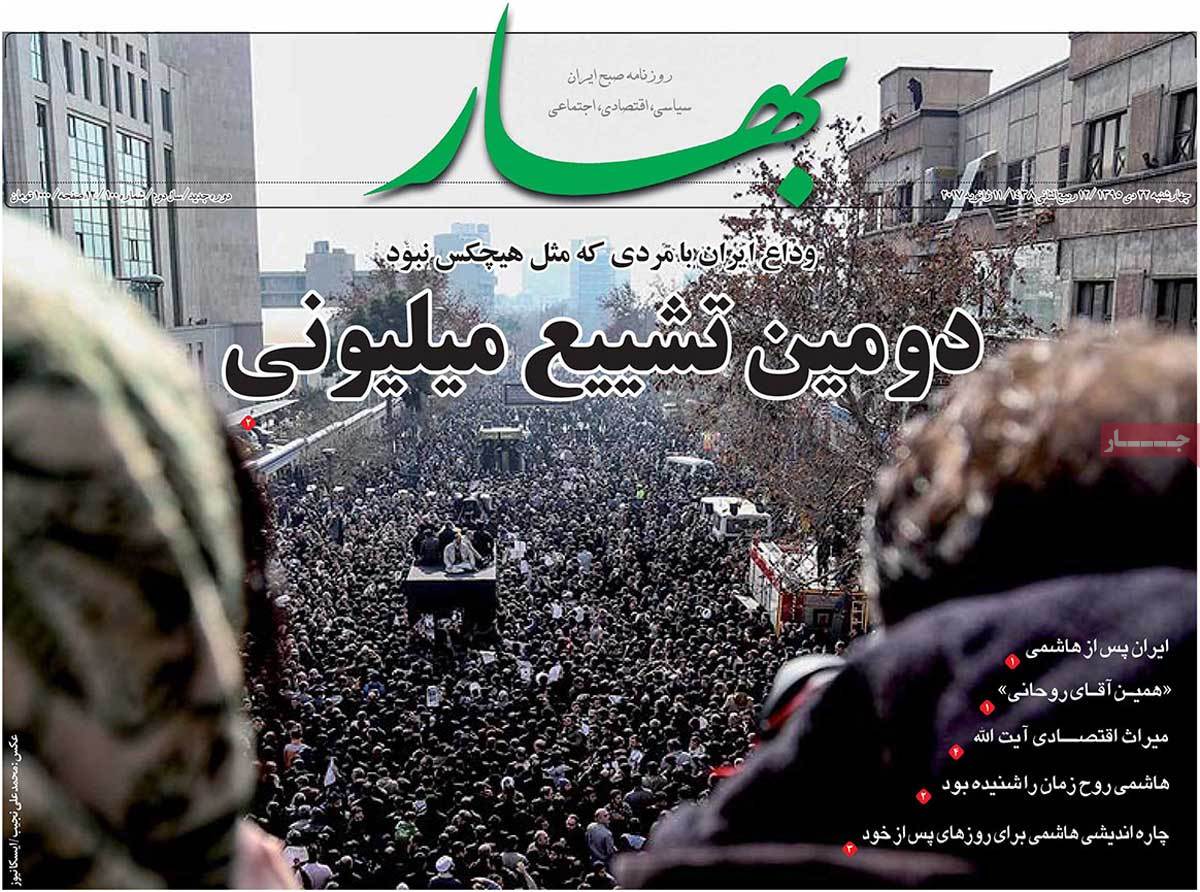
Bahar:

1- Iran Bids Farewell to a Man Who Was Like No One Else: Second Funeral Ceremony Attended by Millions of People
Iranian Newspapers on the Day after Ex-President Rafsanjani’s Burial


Besharat-e Now:

1- Millions of Iranians Escort Great Man of Moderation with Tearful Eyes

2- Blessed Life, Comfortable Death, Glorious Funeral
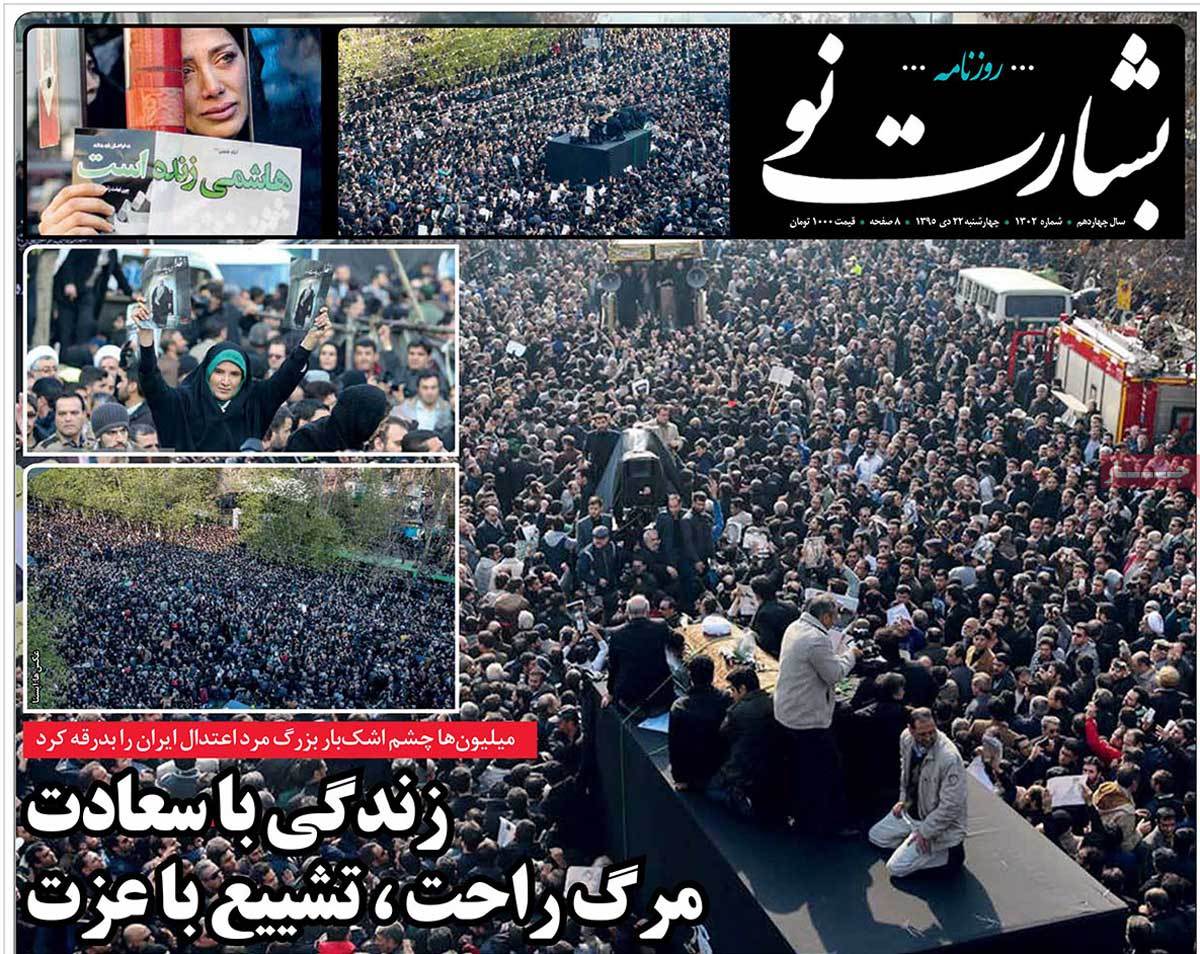
Iranian Newspapers on the Day after Ex-President Rafsanjani’s Burial


Ebtekar:

1- People Did Their Best for Ayatollah Rafsanjani; Millions of Iranians Escorted Ex-President’s Body Buried beside Imam Khomeini; Rafsanjani’s Funeral Reminded Everyone of Imam Khomeini’s Funeral Service
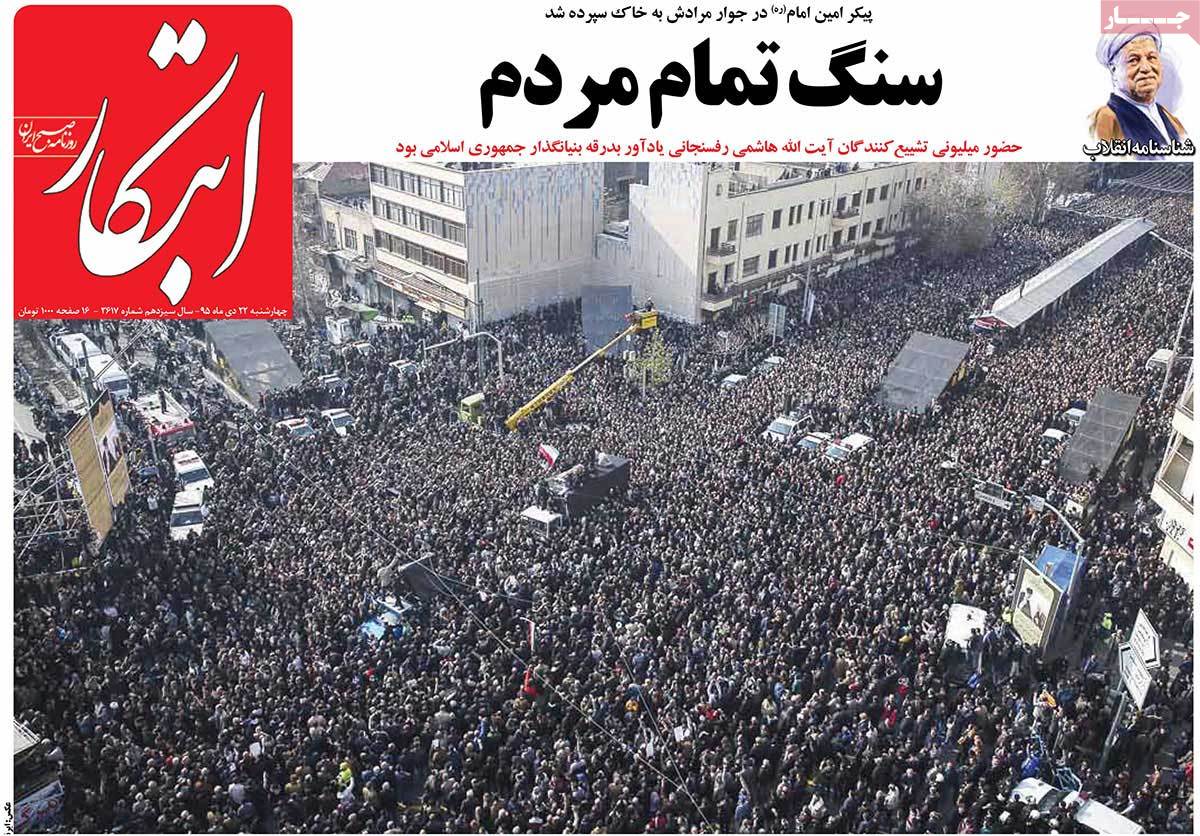
Iranian Newspapers on the Day after Ex-President Rafsanjani’s Burial


Emtiaz:

1- Iranian Men and Women Made History: Millions of People Attend Hashemi’s Farewell Ceremony
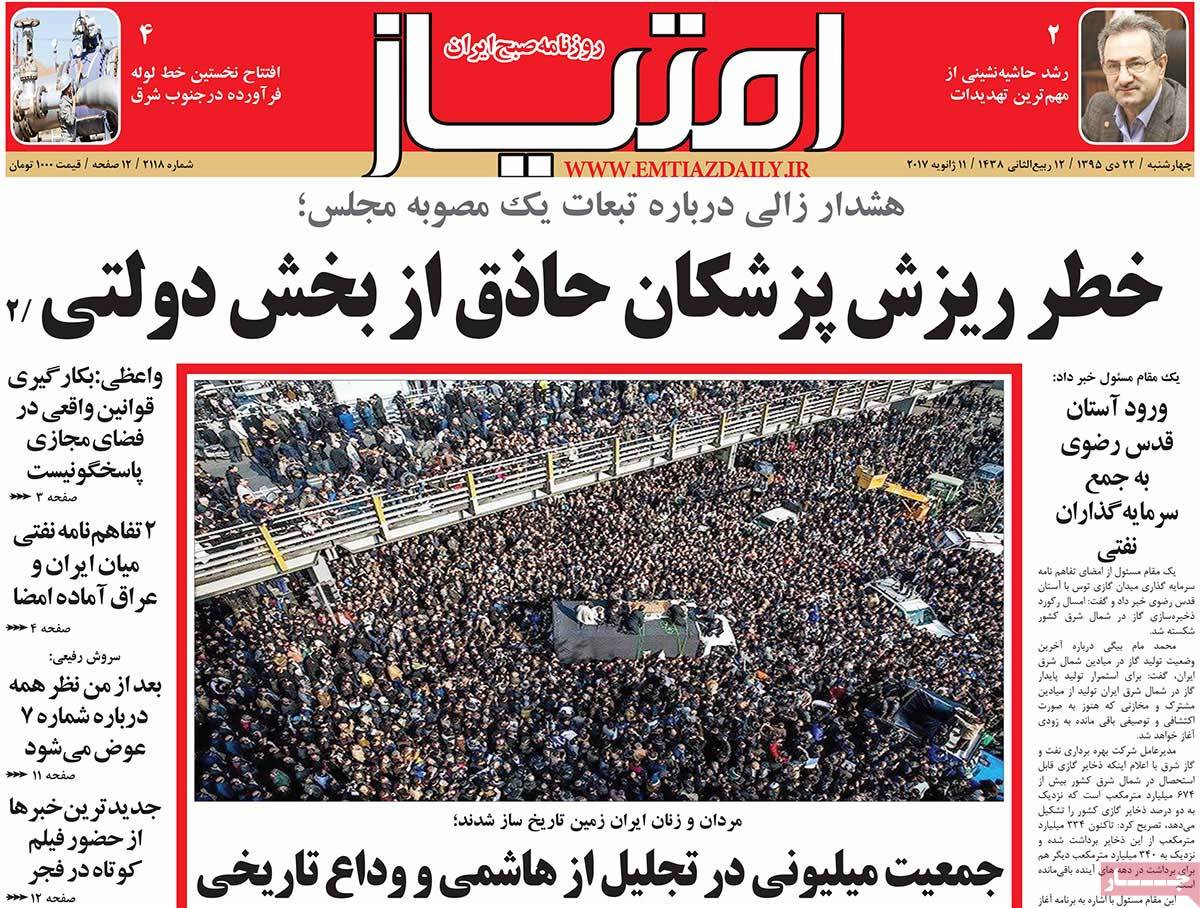
Iranian Newspapers on the Day after Ex-President Rafsanjani’s Burial


Etemad:

1- A Show of National Unity in Hashemi’s Funeral Attended by 3 Million Iranians
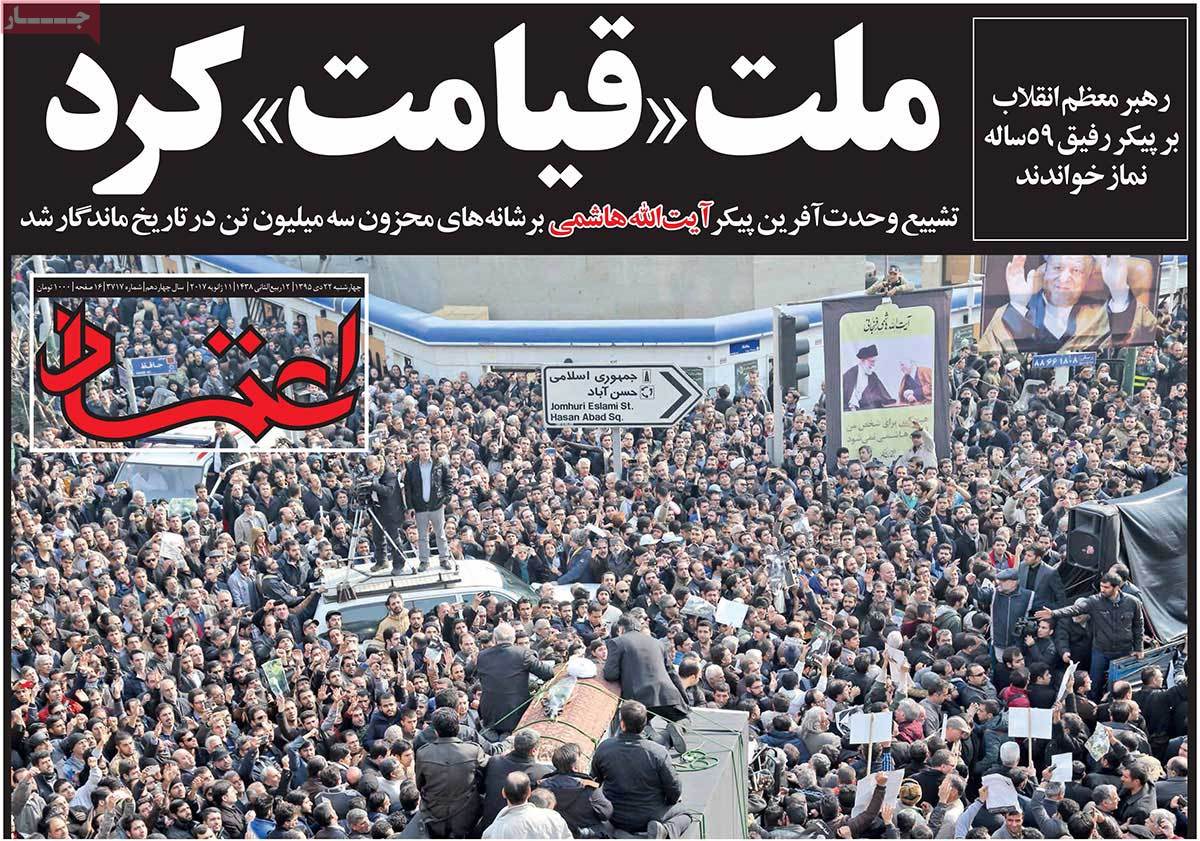
Iranian Newspapers on the Day after Ex-President Rafsanjani’s Burial


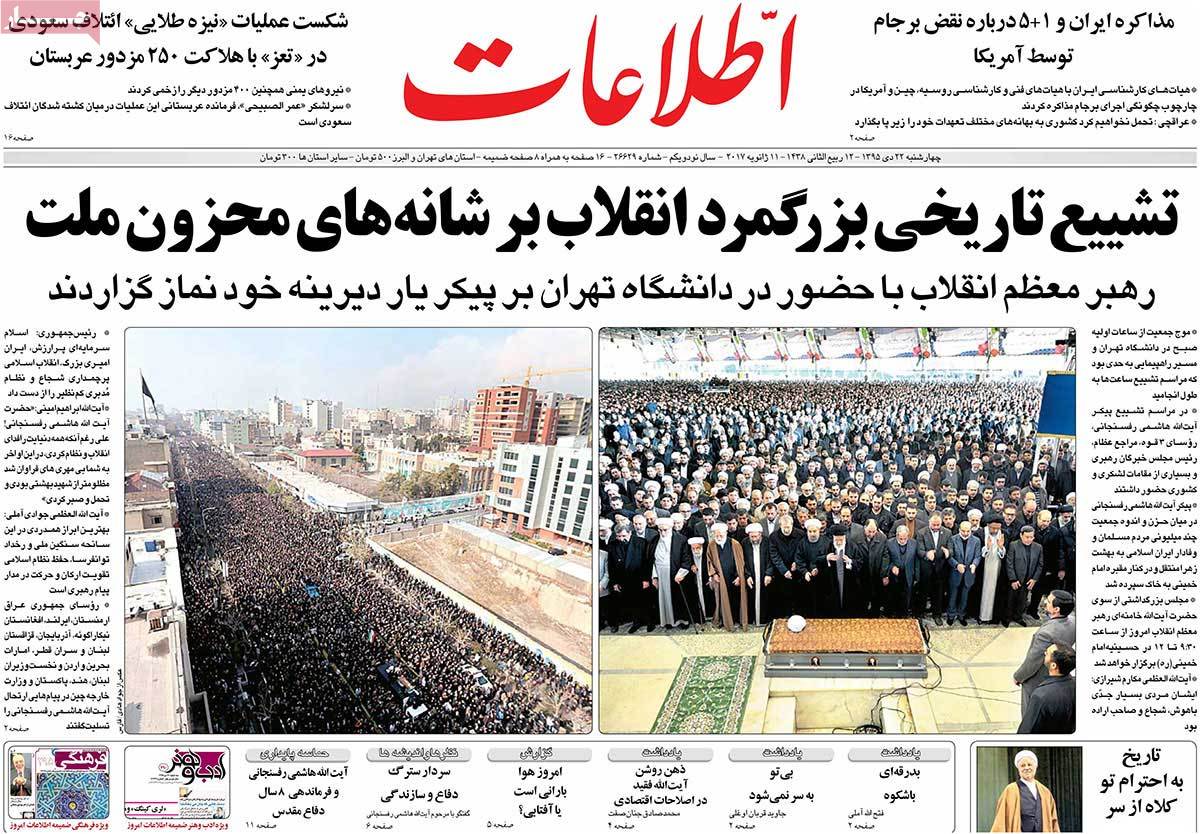
Ettela’at:

1- Historic Burial of the Body of Iran Revolution’s Great Man on Shoulders of Mournful People: Ayatollah Khamenei Leads Ritual Prayers for Deceased People at University of Tehran
Iranian Newspapers on the Day after Ex-President Rafsanjani’s Burial


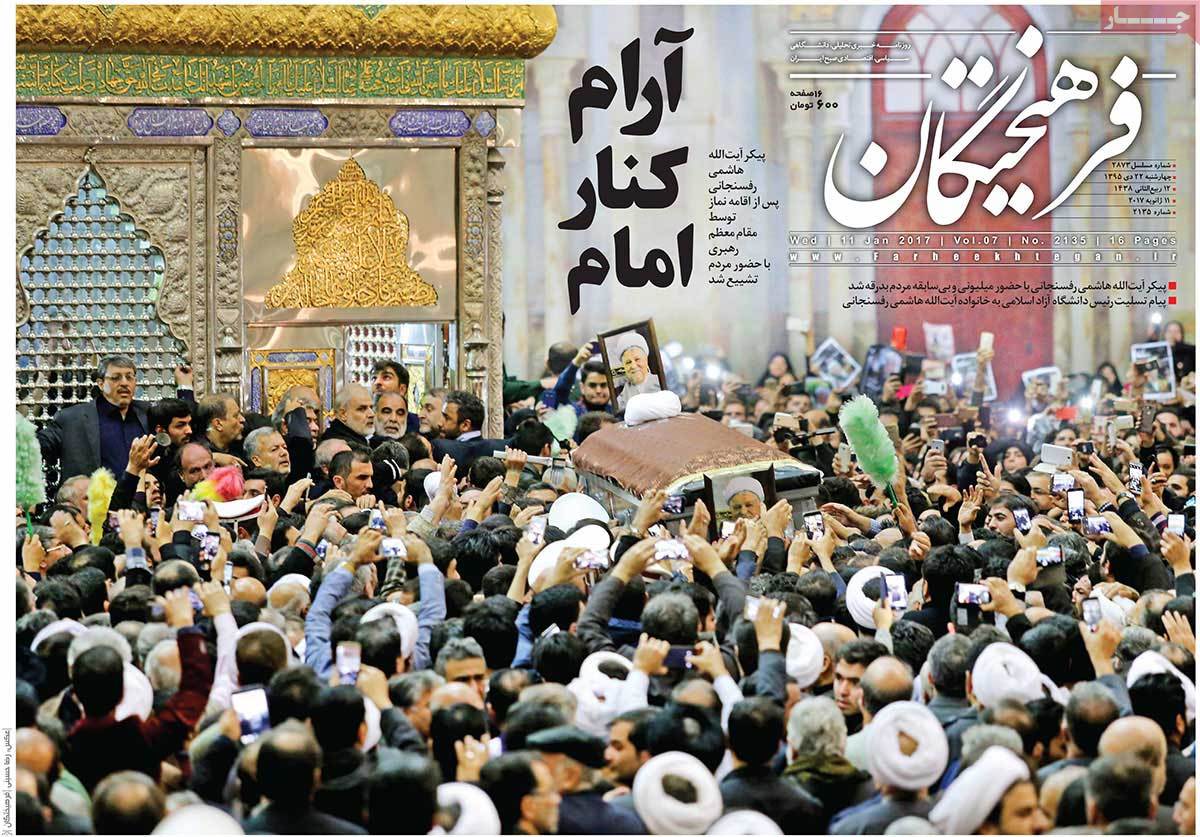
Farhikhtegan:

1- Resting beside Imam Khomeini’s Body
Iranian Newspapers on the Day after Ex-President Rafsanjani’s Burial


Forsat-e Emrooz:

1- Hashemi, the Commander of Post-War Economy; A Report on Ayatollah Rafsanjani’s Impact on Iran’s Economy

2- 55 Years of Struggle: Hashemi’s Infographic from Birth to Death

Iranian Newspapers on the Day after Ex-President Rafsanjani’s Burial


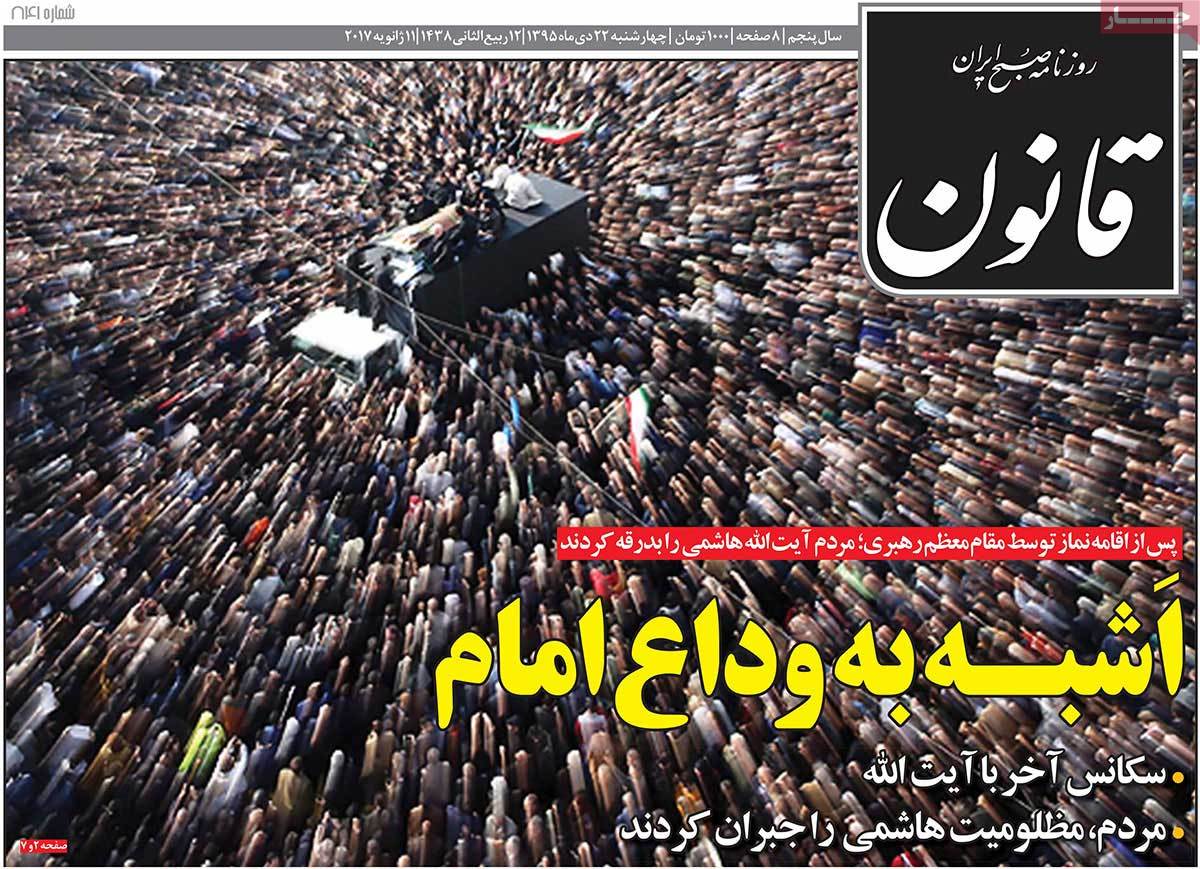
Ghanoon:

1- Most Similar to Imam Khomeini’s Funeral: People Compensated for Attacks against Rafsanjani during His Life
Iranian Newspapers on the Day after Ex-President Rafsanjani’s Burial


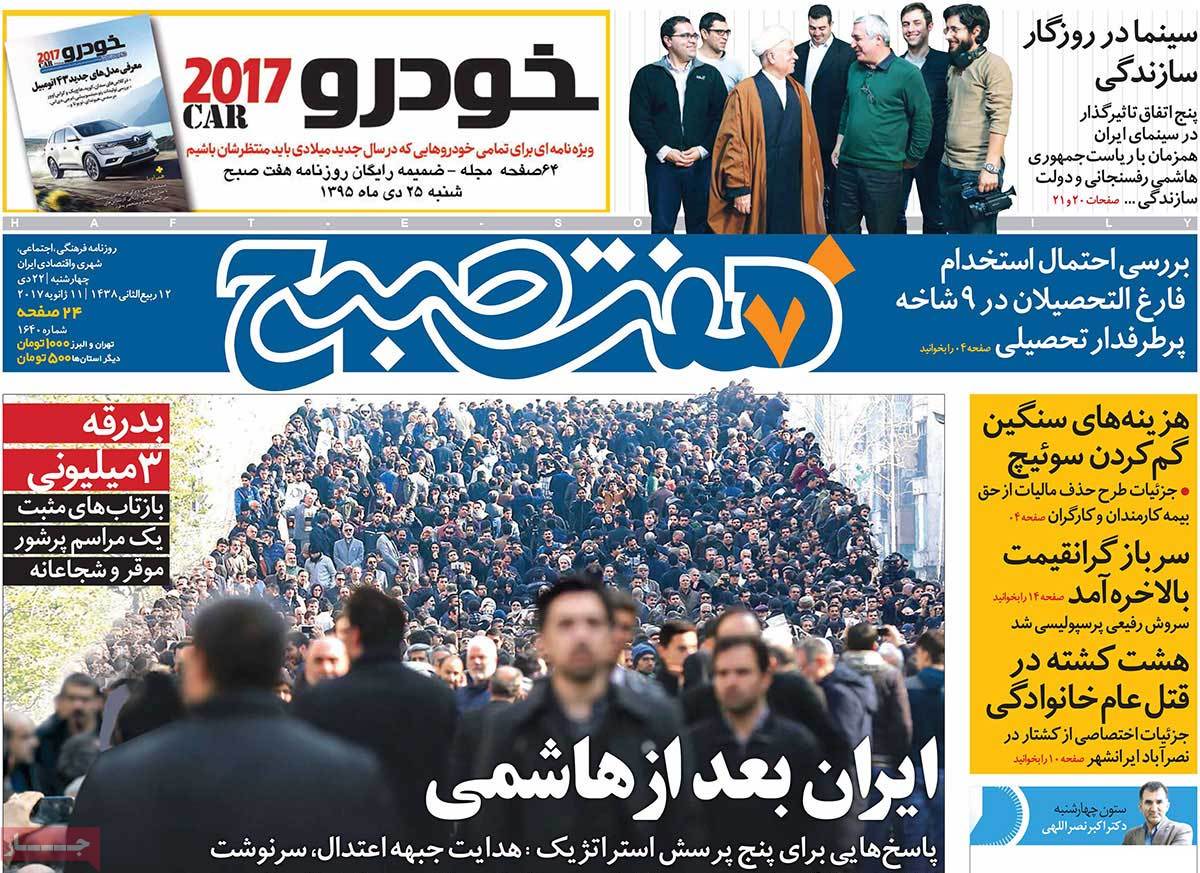
Haft-e Sobh:

1- Post-Hashemi Iran; Answers to Five Strategic Questions
Iranian Newspapers on the Day after Ex-President Rafsanjani’s Burial


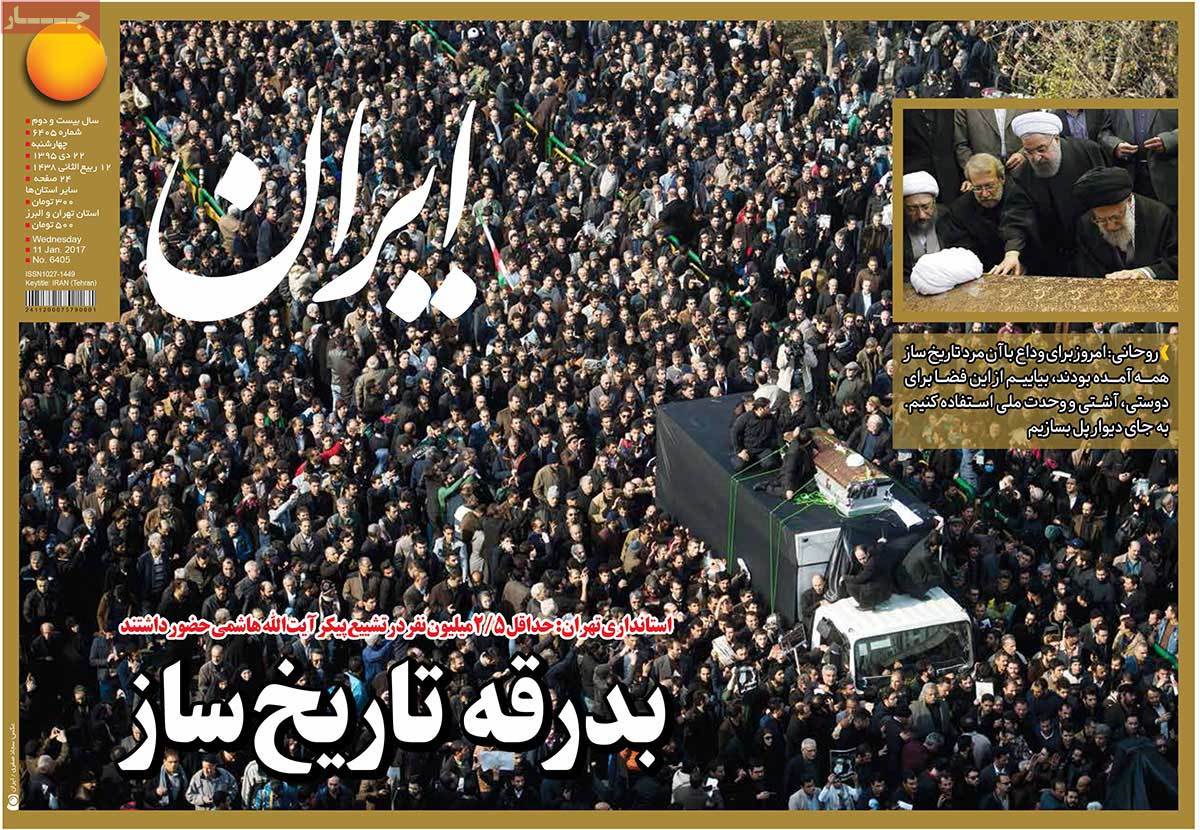
Iran:

1- Historic Farewell: Tehran’s Governor-General Says at Least 2.5 Million People Attended Ayatollah Hashemi’s Funeral

2- Rouhani: Today, Everyone Came to Say Goodbye to that History-Maker Man. Let’s Use This Atmosphere for Friendship, Reconciliation, and National Unity, and Build Bridge instead of Wall
Iranian Newspapers on the Day after Ex-President Rafsanjani’s Burial


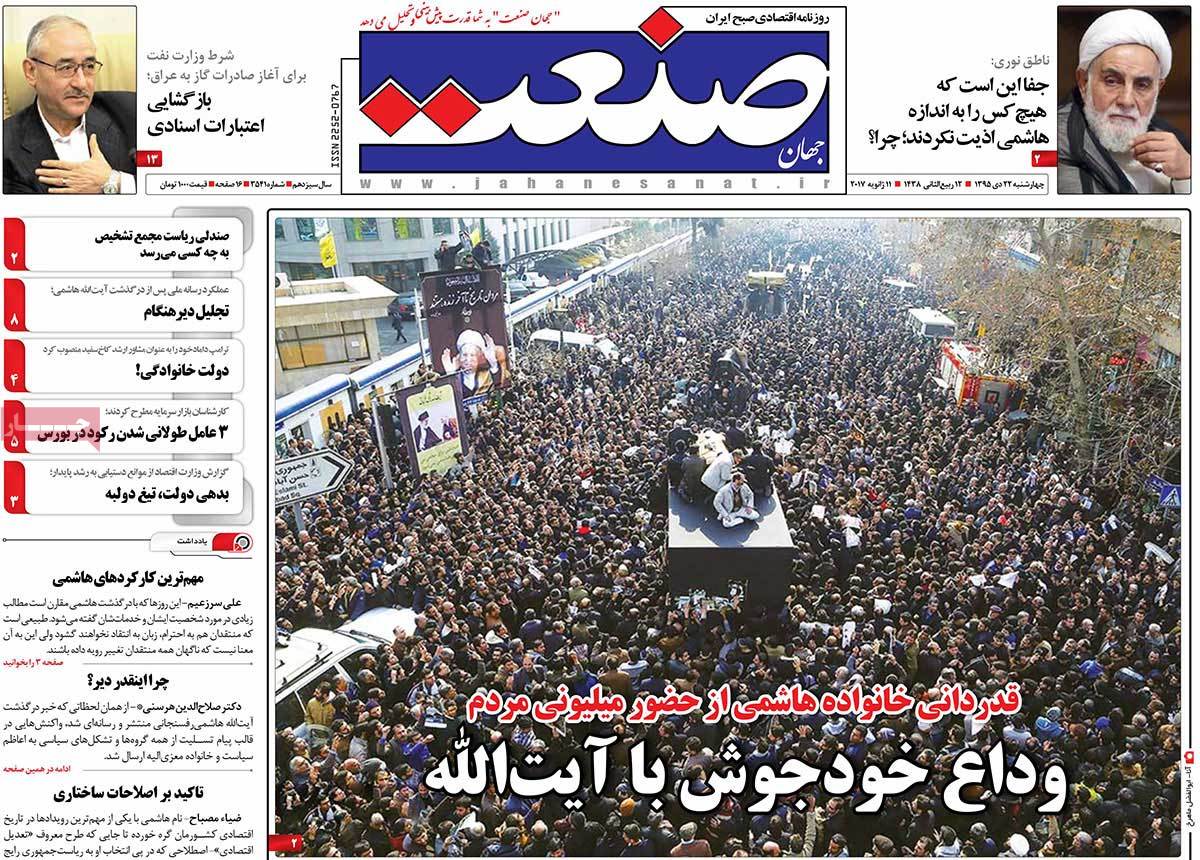
Jahan-e San’at:

1- Spontaneous Farewell to Ayatollah: Rafsanjani’s Family Appreciate People’s Presence in Millions

2- Senior Politician Nateq Noori: It’s Regrettable that No One Was Attacked as Much as Hashemi Rafsanjani; Why?
Iranian Newspapers on the Day after Ex-President Rafsanjani’s Burial


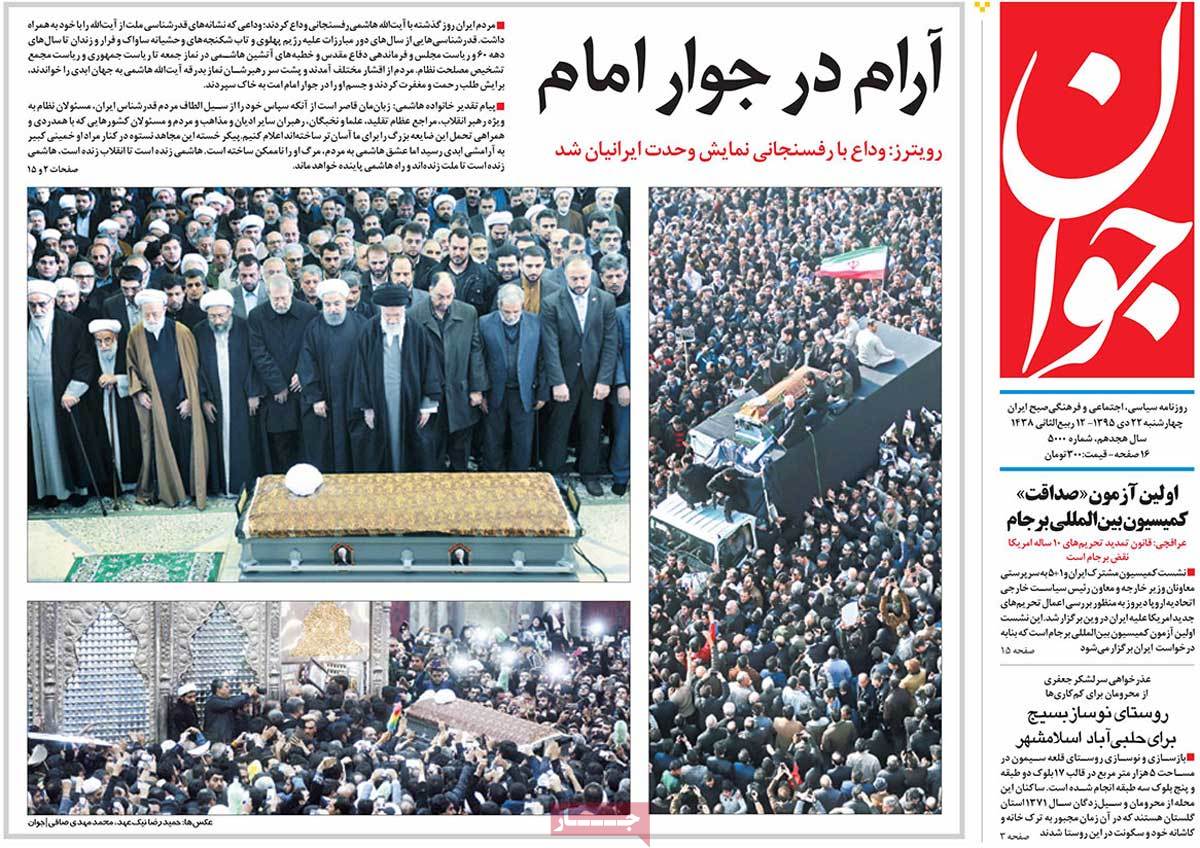
Javan:

1- Resting beside Imam Khomeini; Reuters: Farewell to Rafsanjani Turned to a Show of Solidarity among Iranians
Iranian Newspapers on the Day after Ex-President Rafsanjani’s Burial


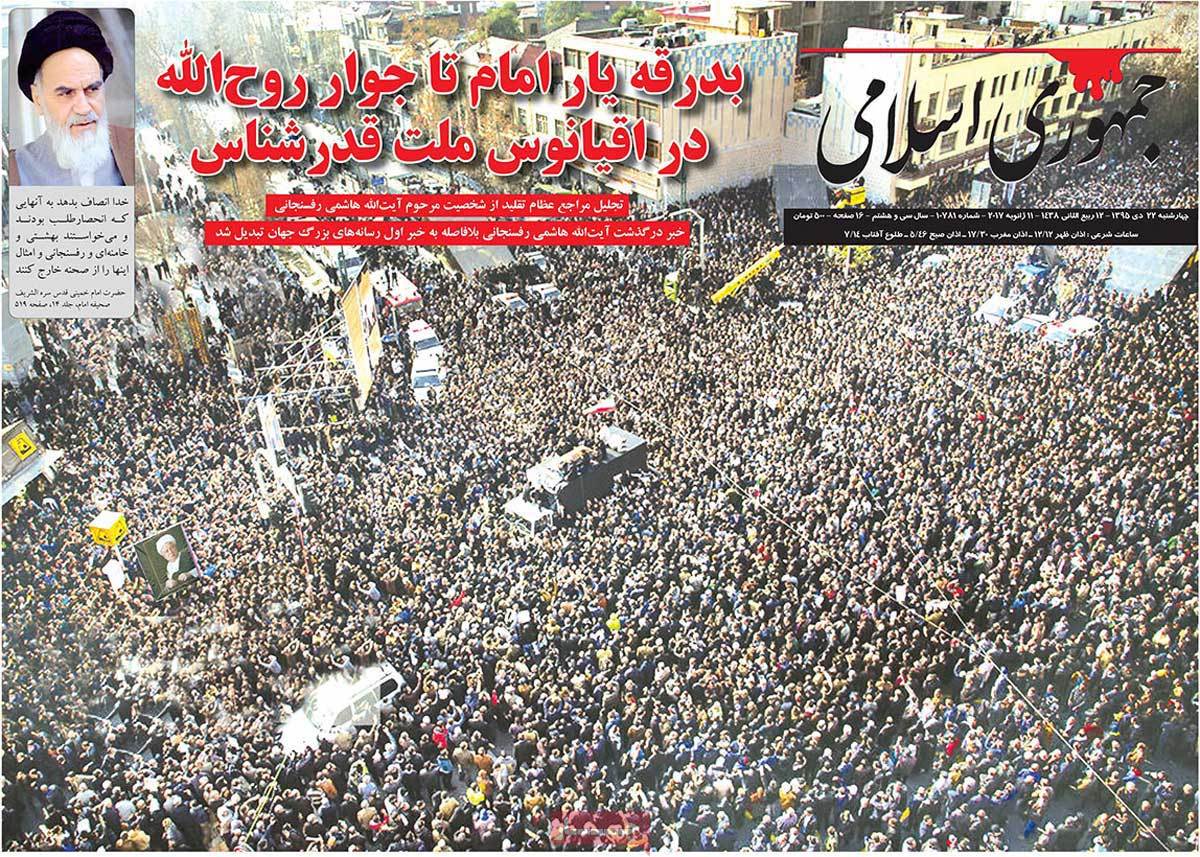
Jomhouri Eslami:

1- Imam’s Friend Escorted by Grateful Iranians to Mausoleum of the Founder of Islamic Republic

2- Top Clerics Praise Ayatollah Rafsanjani’s Character

3- Ayatollah Rafsanjani’s Death Immediately Became Top News in the World
Iranian Newspapers on the Day after Ex-President Rafsanjani’s Burial


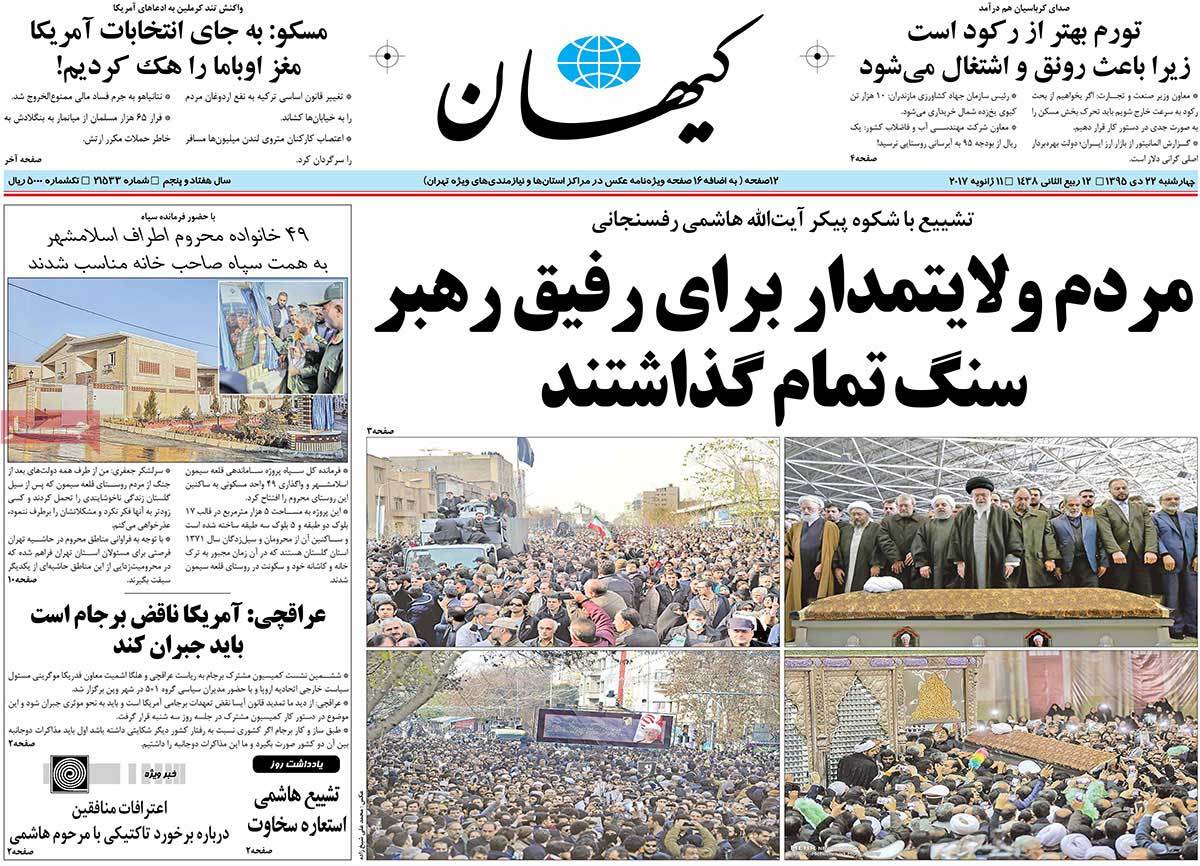
Kayhan:

1- Glorious Burial of Ayatollah Rafsanjani’s Body: People Devoted to Iran’s Leader Did Their Best for Ayatollah Khamenei’s Friend

2- Deputy FM Araqchi: US Has Violated JCPOA and Should Compensate

3- Kremlin’s Harsh Reaction to US Accusations; Moscow: We Hacked Obama’s Brain, Not the US Votes!
Iranian Newspapers on the Day after Ex-President Rafsanjani’s Burial


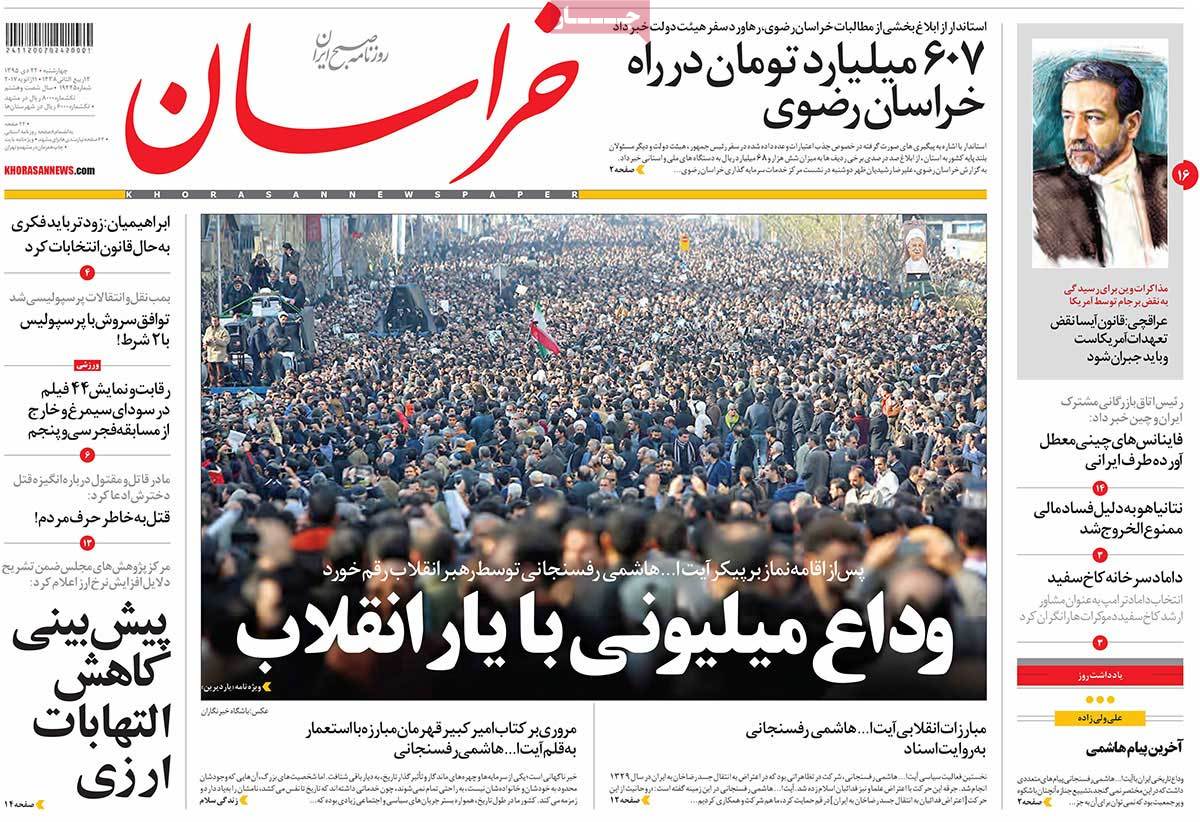
Khorasan:

1- Farewell to Imam’s Companion in Millions
Iranian Newspapers on the Day after Ex-President Rafsanjani’s Burial


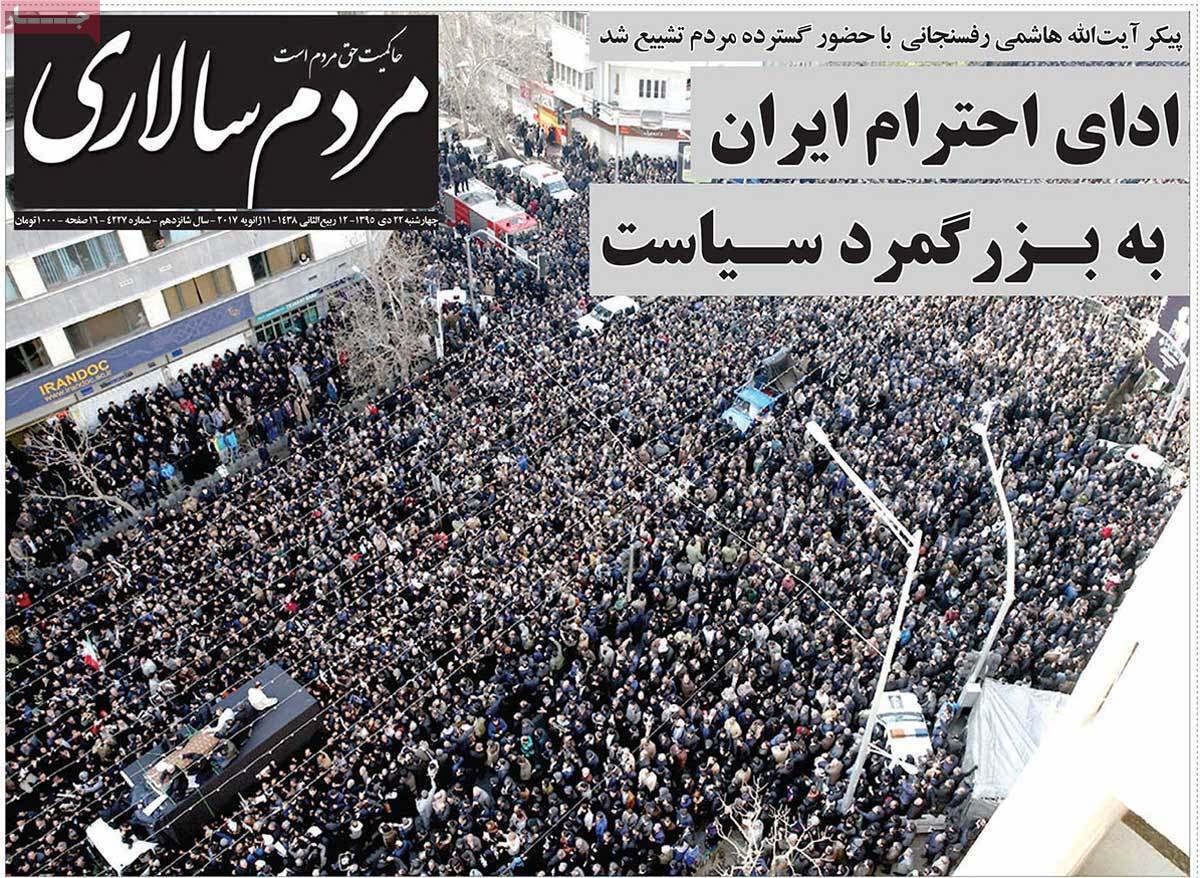
Mardom Salari:

1- Iran Shows Respect for Great Man of Politics
Iranian Newspapers on the Day after Ex-President Rafsanjani’s Burial


Nasl-e Farda:

1- Everyone Came: Artists and Celebrities Took Part in Rafsanjani’s Funeral; Iran Is So Quiet without Hashemi; We Owe Our Peace to Rafsanjani


Iranian Newspapers on the Day after Ex-President Rafsanjani’s Burial


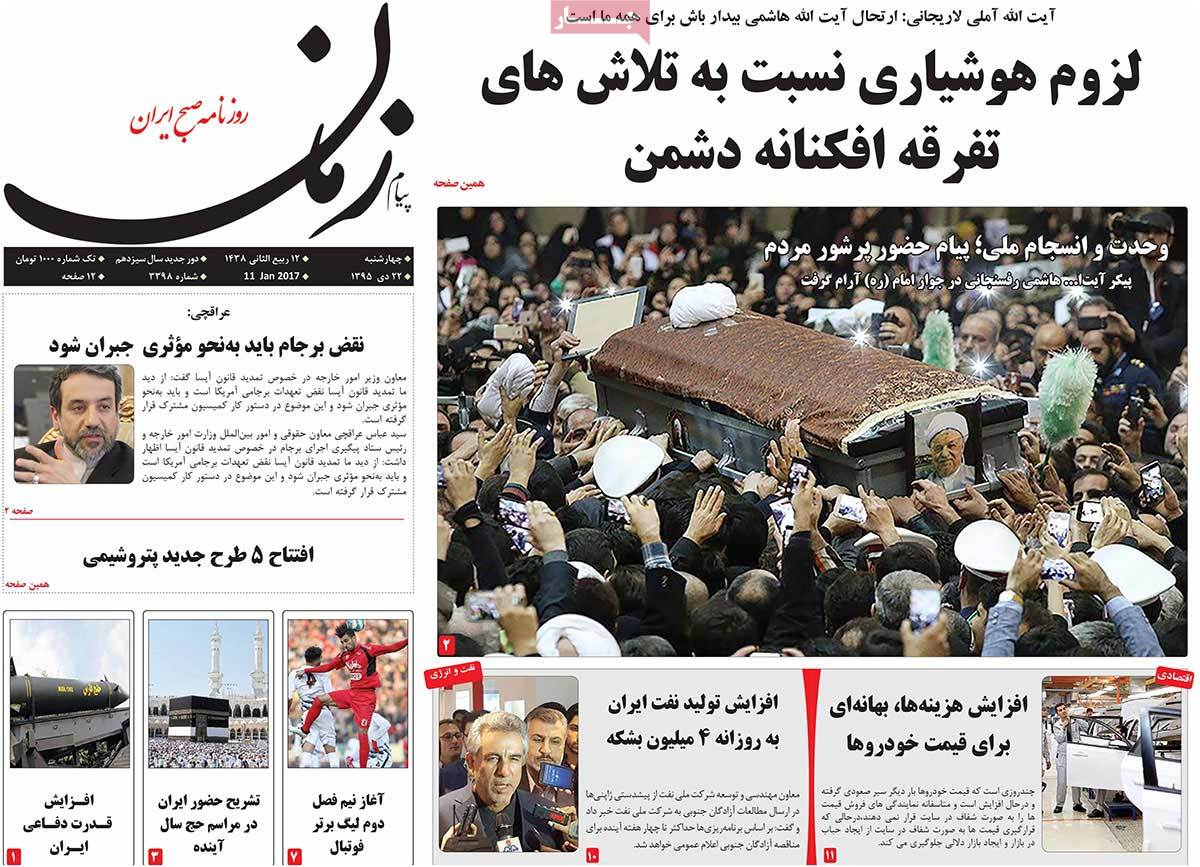
Payam-e Zaman:

1- National Unity and Solidarity: Message of People’s Passionate Attendance in Ayatollah Rafsanjani’s Funeral
Iranian Newspapers on the Day after Ex-President Rafsanjani’s Burial


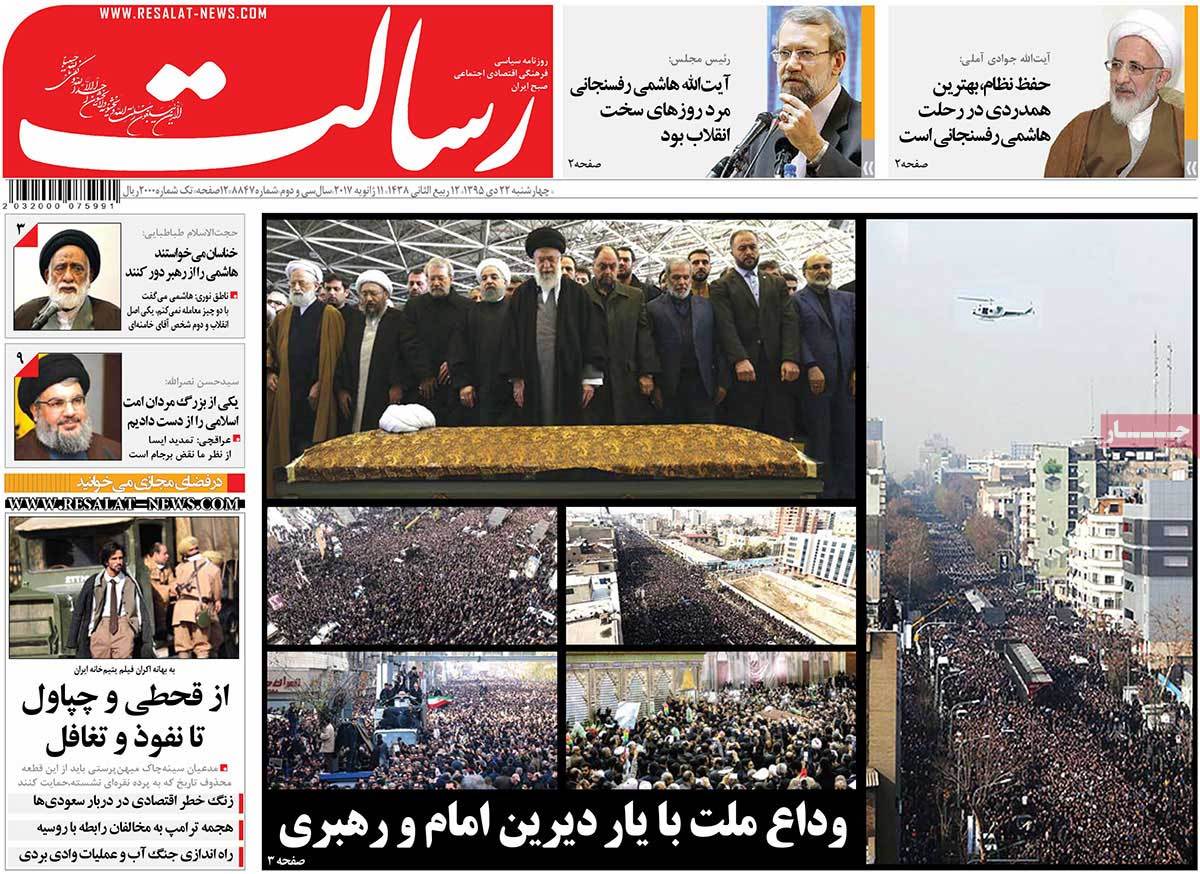
Resalat:

1- Nation’s Farewell to Old Friend of Imam Khomeini and Ayatollah Khamenei

2- We Lost One of the Great Men of Islam: Nasrallah

3- Ayatollah Rafsanjani Was a Man of Hard Days of Iran’s Revolution: Parliament Speaker

4- Protecting Iran’s Islamic Establishment Is Best Sympathy after Rafsanjani’s Death: Ayatollah Javadi Amoli
Iranian Newspapers on the Day after Ex-President Rafsanjani’s Burial


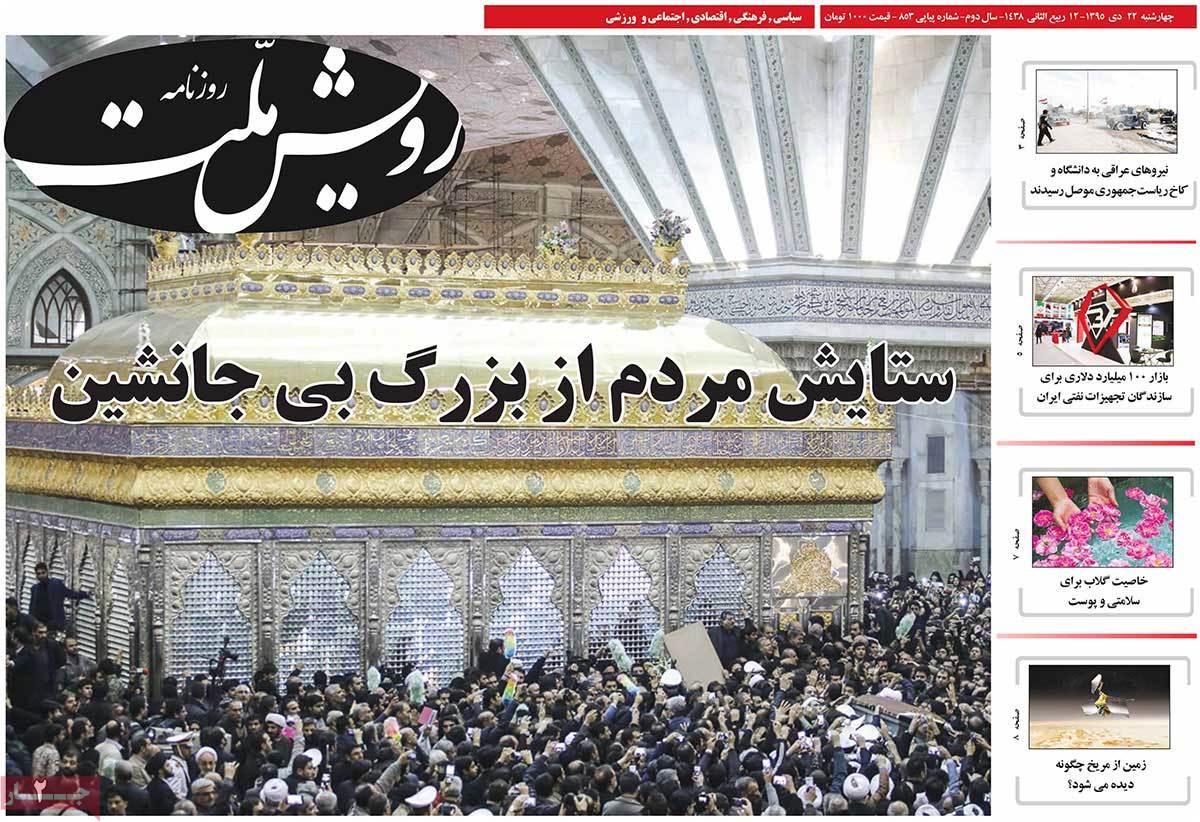
Rooyesh-e Mellat:

1- People Praise the Great Man with No Alternative
Iranian Newspapers on the Day after Ex-President Rafsanjani’s Burial


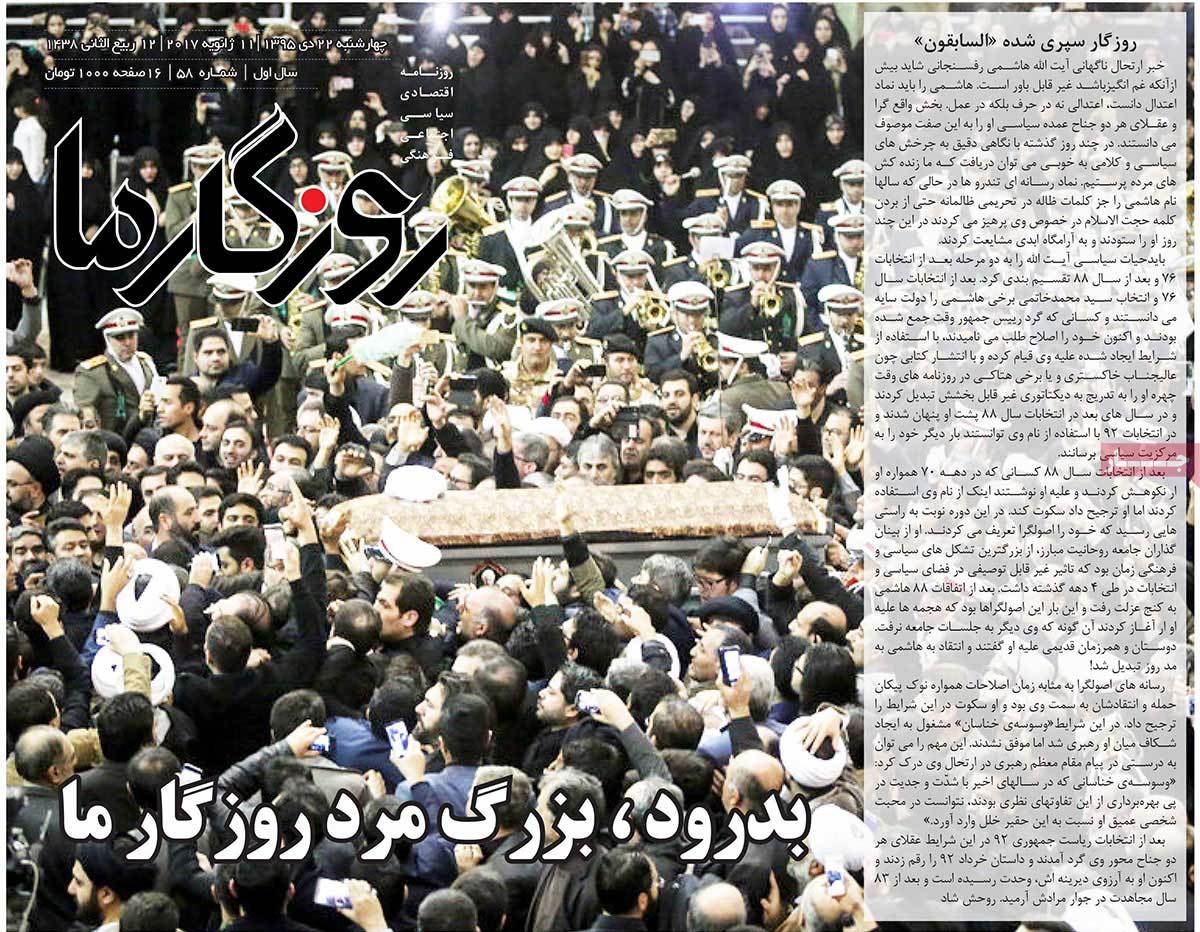
Roozegar-e Ma:

1- Adios the Great Man of Our Time
Iranian Newspapers on the Day after Ex-President Rafsanjani’s Burial


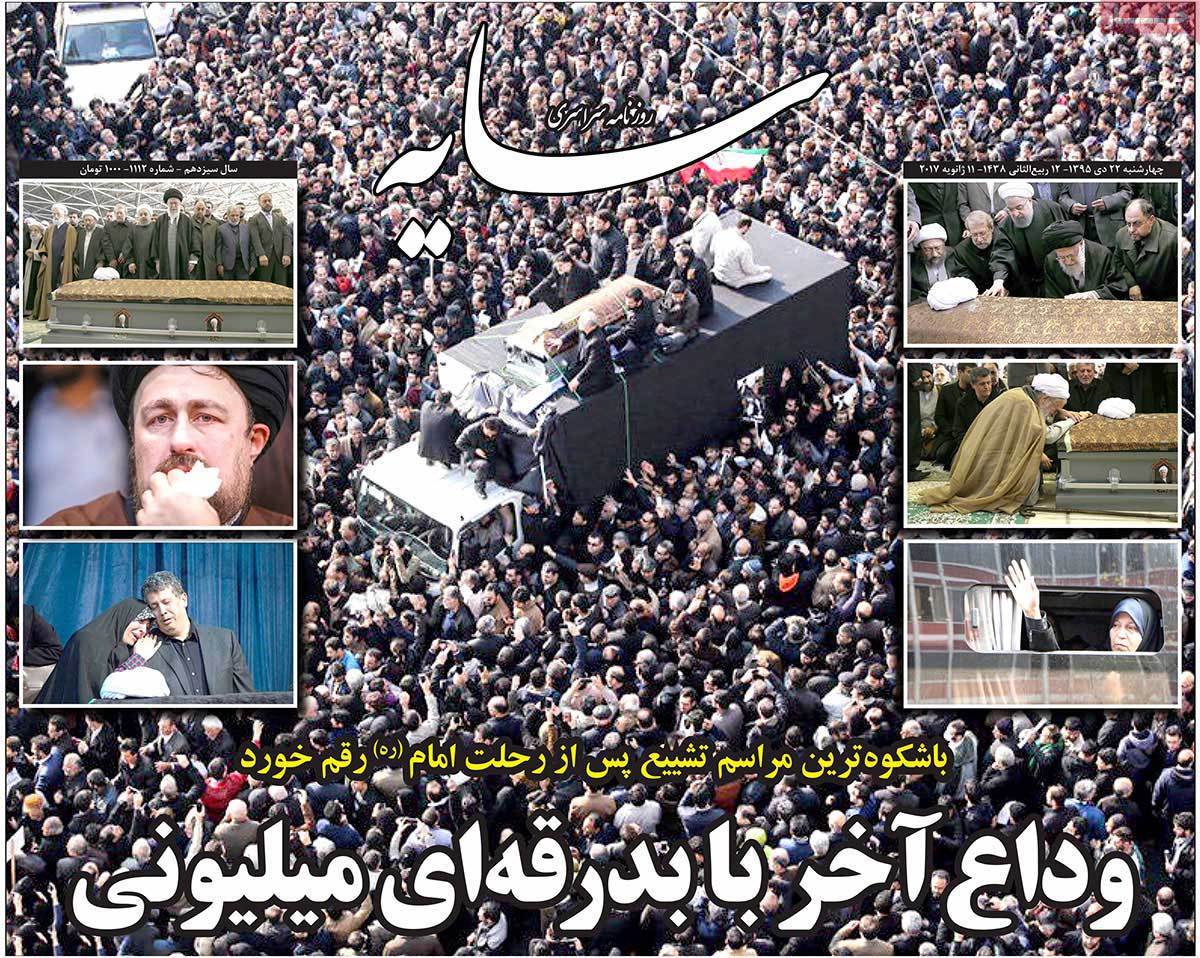
Sayeh:

1- Last Farewell Attended by Millions: Most Glorious Funeral Ceremony after Imam Khomeini’s Death
Iranian Newspapers on the Day after Ex-President Rafsanjani’s Burial


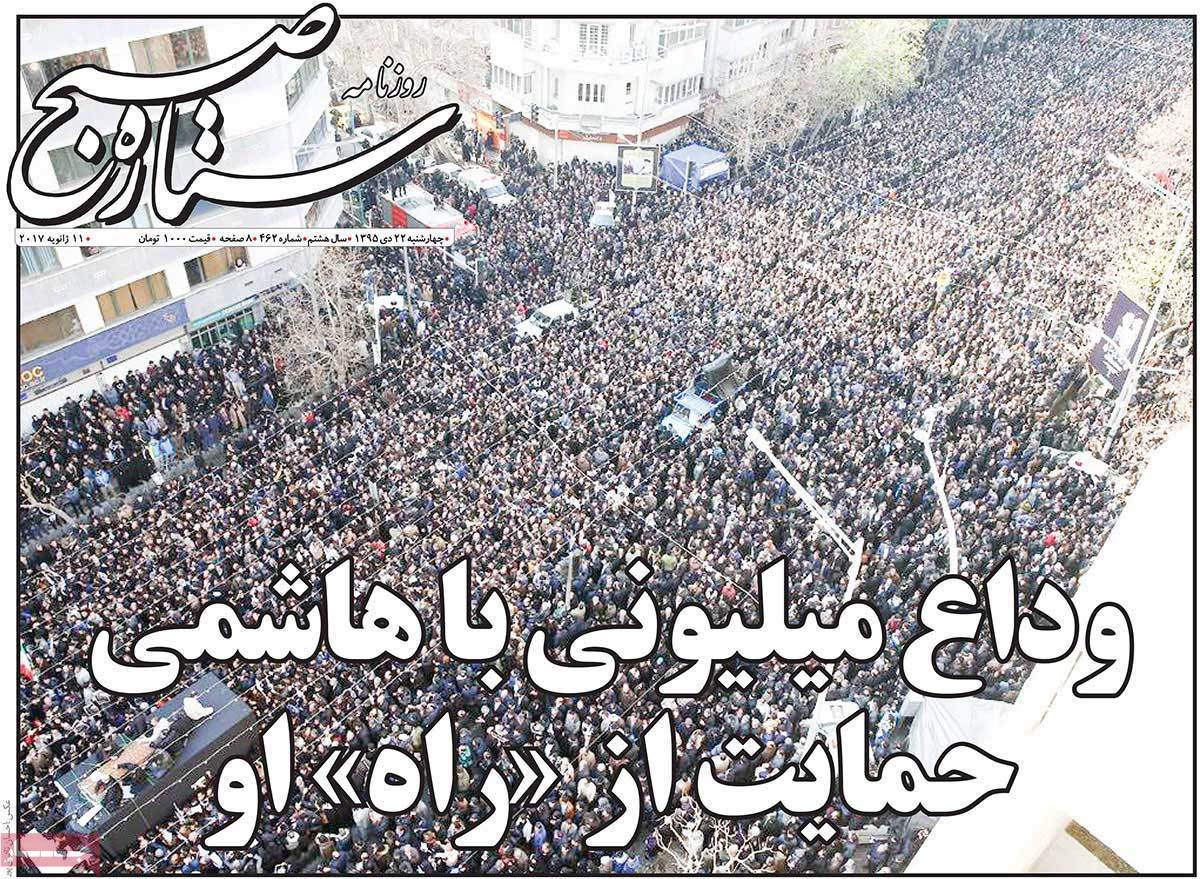
Setareh Sobh:

1- Millions of People Vow to Continue Hashemi Rafsanjani’s Path
Iranian Newspapers on the Day after Ex-President Rafsanjani’s Burial


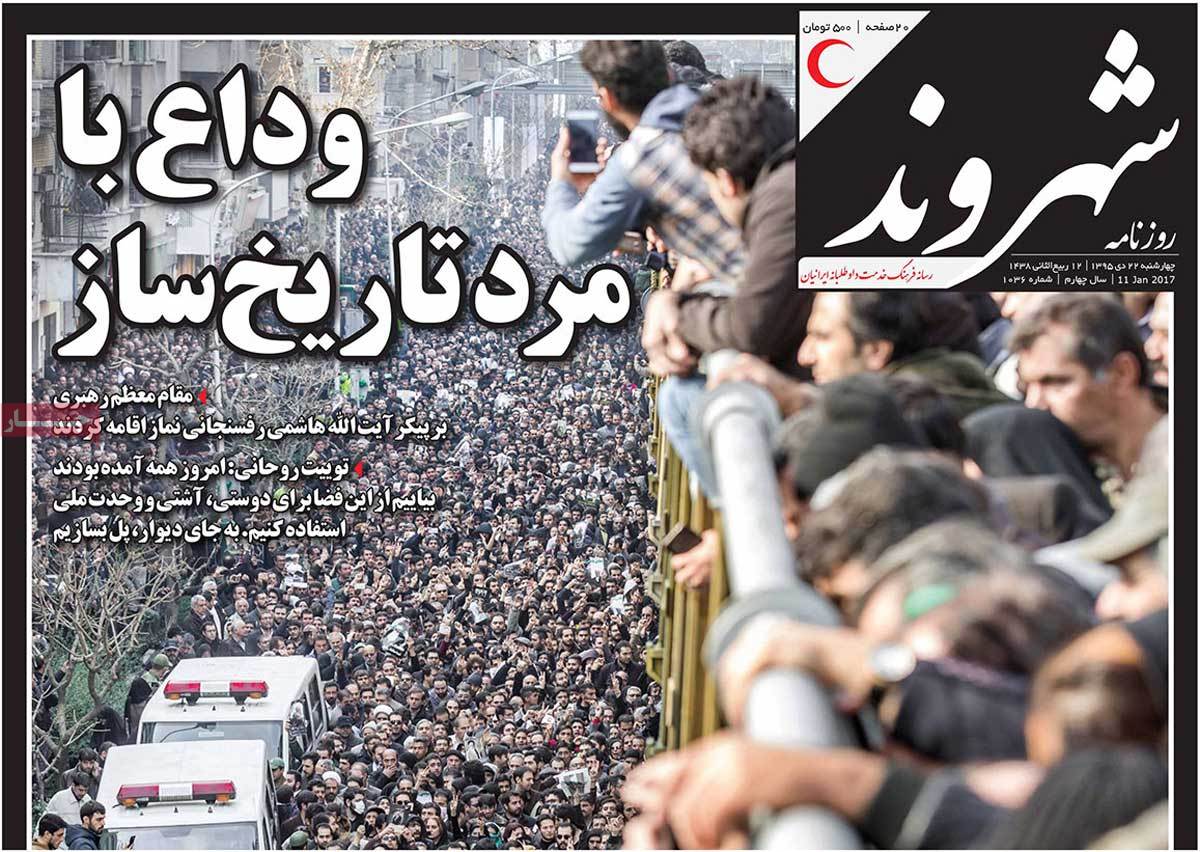
Shahrvand:

1- Farewell to History-Maker Man
Iranian Newspapers on the Day after Ex-President Rafsanjani’s Burial


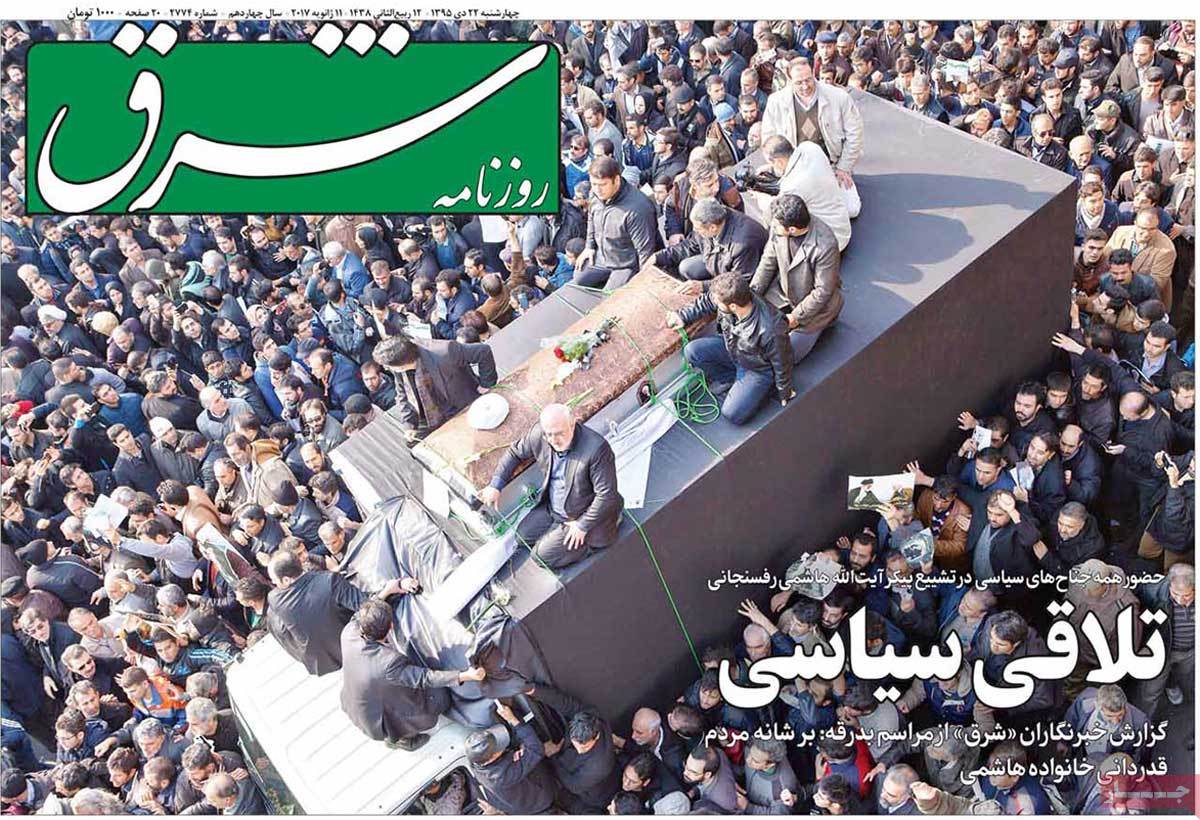
Shargh:

1- Political Intersection: All Political Factions Take Part in Funeral Ceremony of Ayatollah Hashemi Rafsanjani
Iranian Newspapers on the Day after Ex-President Rafsanjani’s Burial


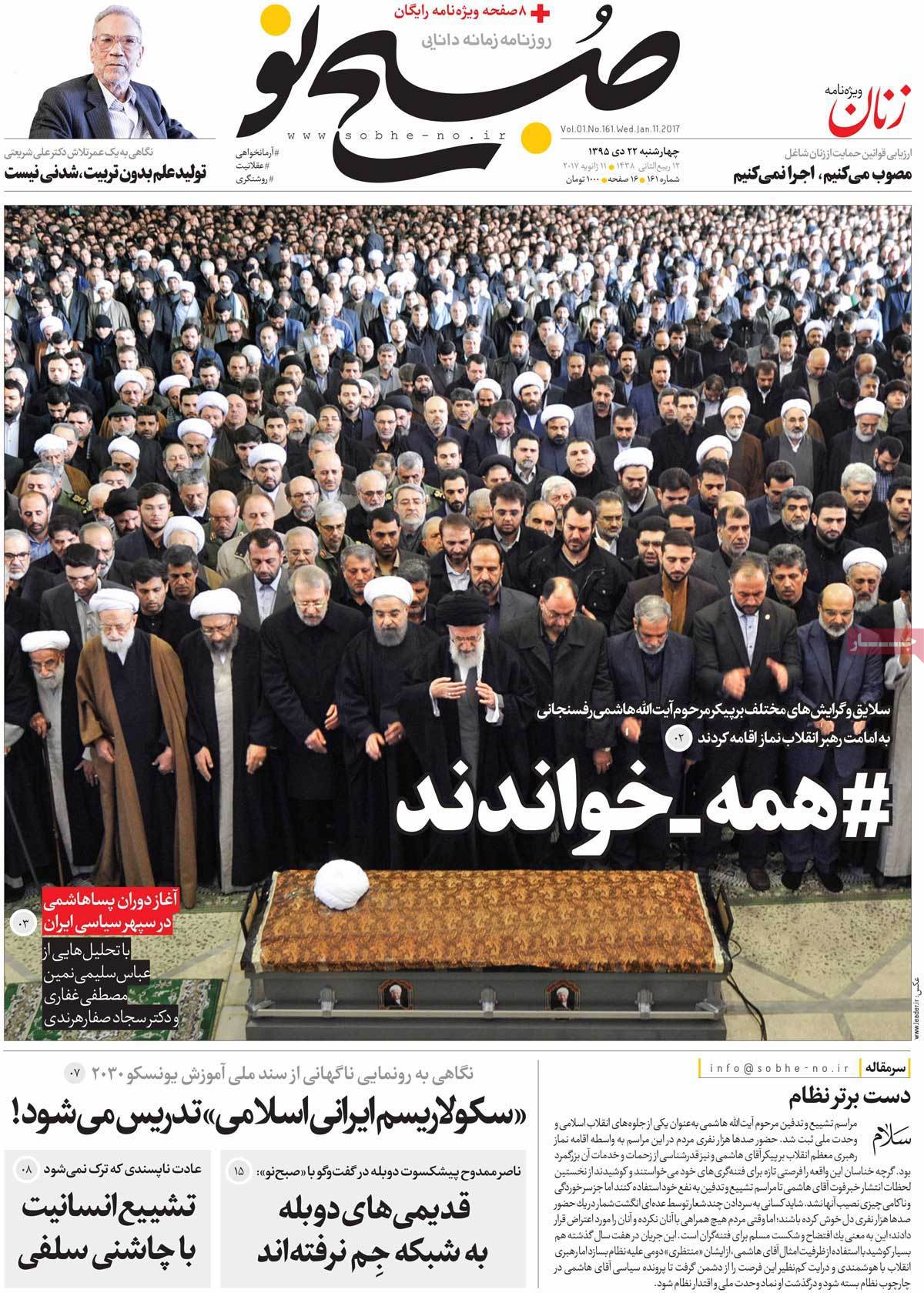
Sobh-e Now:

1- People with Various Tastes and Political Orientations Say Ritual Prayers over Dead Body of Ayatollah Rafsanajni
Iranian Newspapers on the Day after Ex-President Rafsanjani’s Burial


Tamashagaran:

1- Millions of People Escort Ayatollah’s Body: Restored Popularity

2- Politician: Saddam Left a Devastated Country after His Death, but Mr. Hashemi …

2- Senior Politician and Cleric: It’s Not Useful Anymore to Commemorate Hashemi

3- After Widespread Criticisms of IRIB during Rafsanjani’s Funeral Ceremony, IRIB Chief Vows to Improve Its Performance
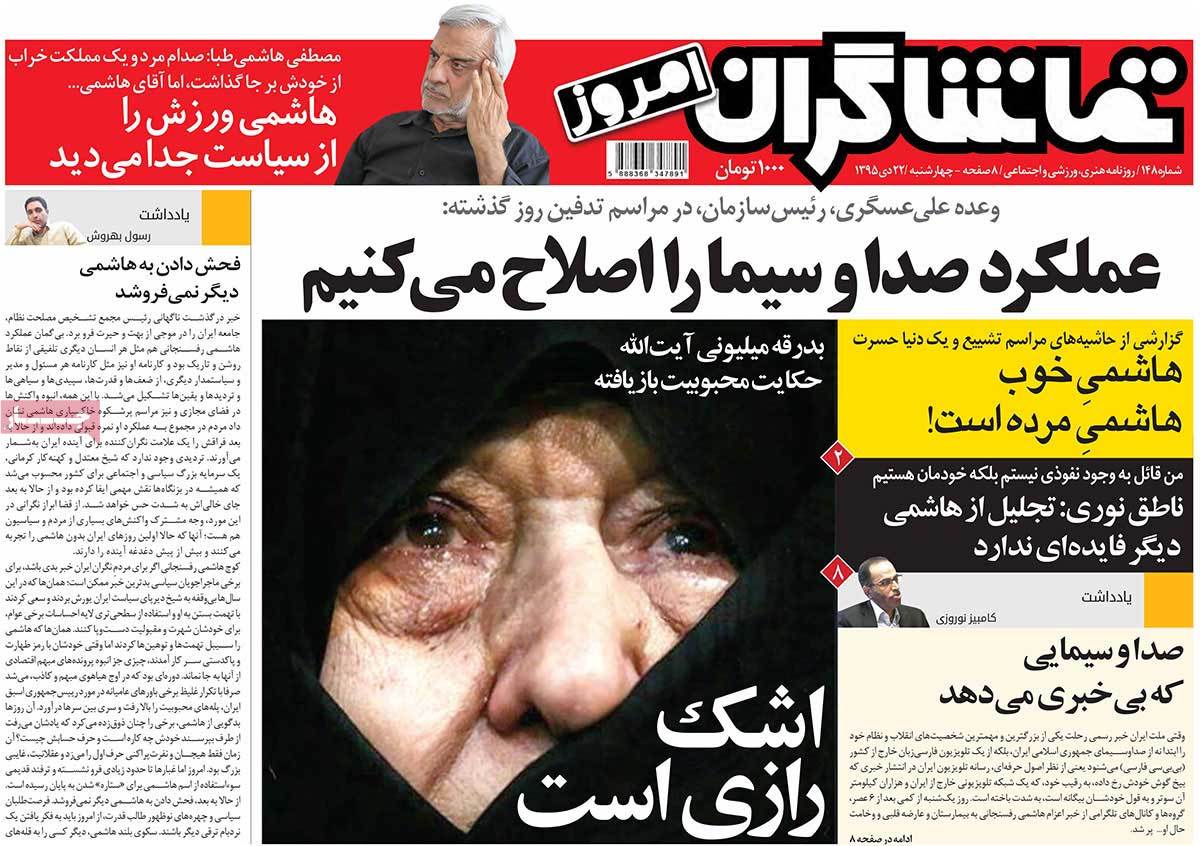
Iranian Newspapers on the Day after Ex-President Rafsanjani’s Burial


Tejarat:

1- Millions of People Escort Ayatollah Rafsanjani: Apprentice Laid to Rest beside His Master
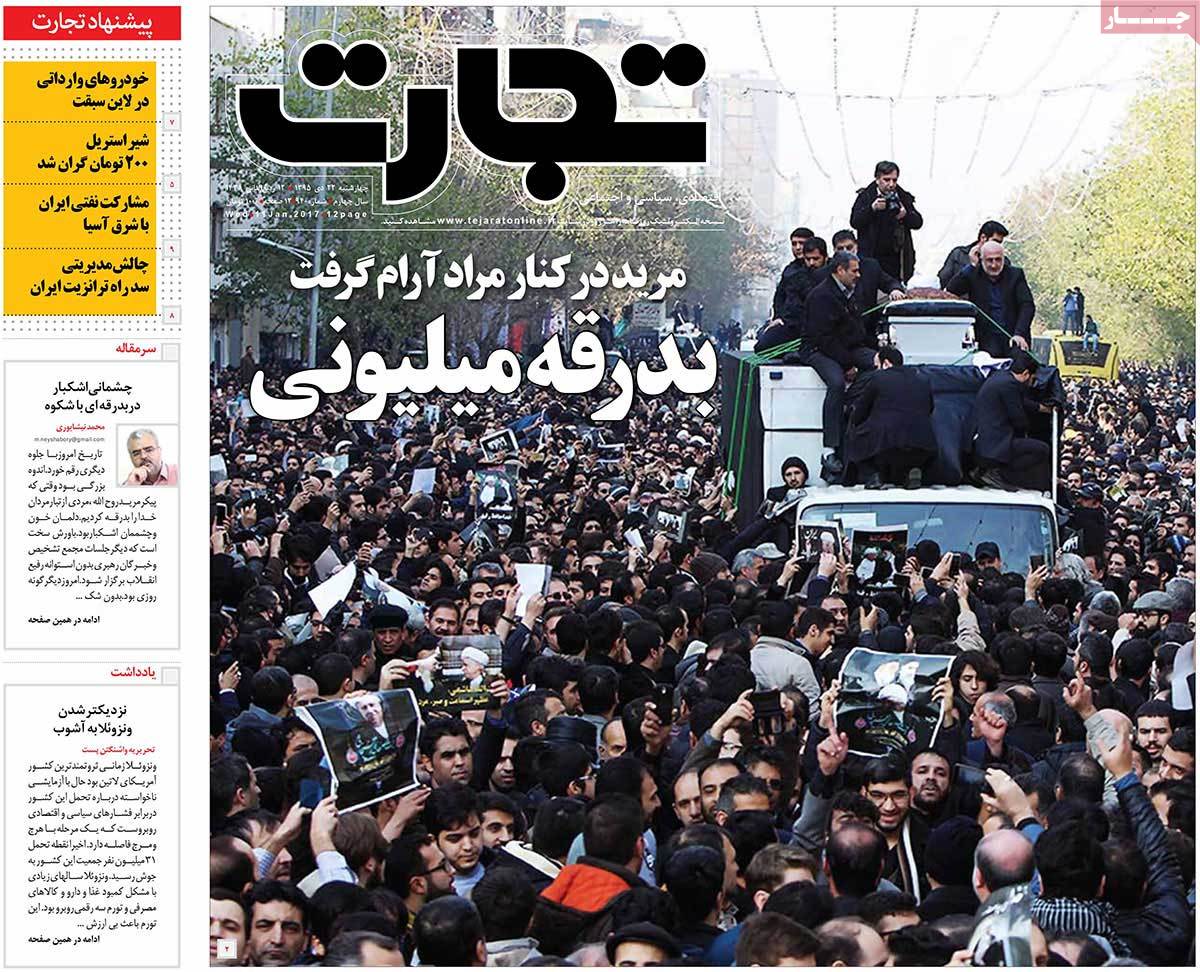
Iranian Newspapers on the Day after Ex-President Rafsanjani’s Burial


Vaghaye Ettefaghieh:

1- The Glory of a Unified Nation
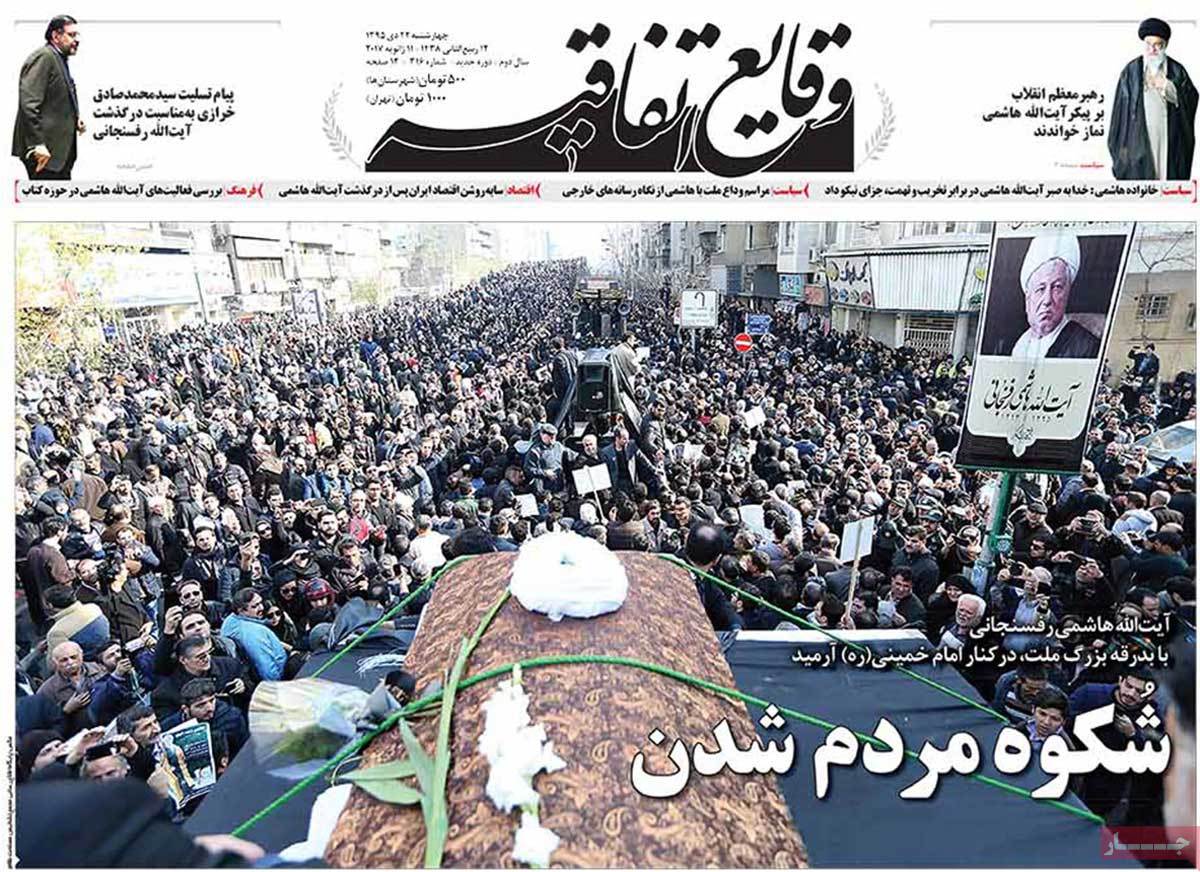
Iranian Newspapers on the Day after Ex-President Rafsanjani’s Burial


Vatan-e Emrooz:

1- Magnanimous Farewell: People Devoted to Hezbollah Attended Hashemi Rafsanjani’s Funeral Even Though They Were Critical of His Positions in Past Years
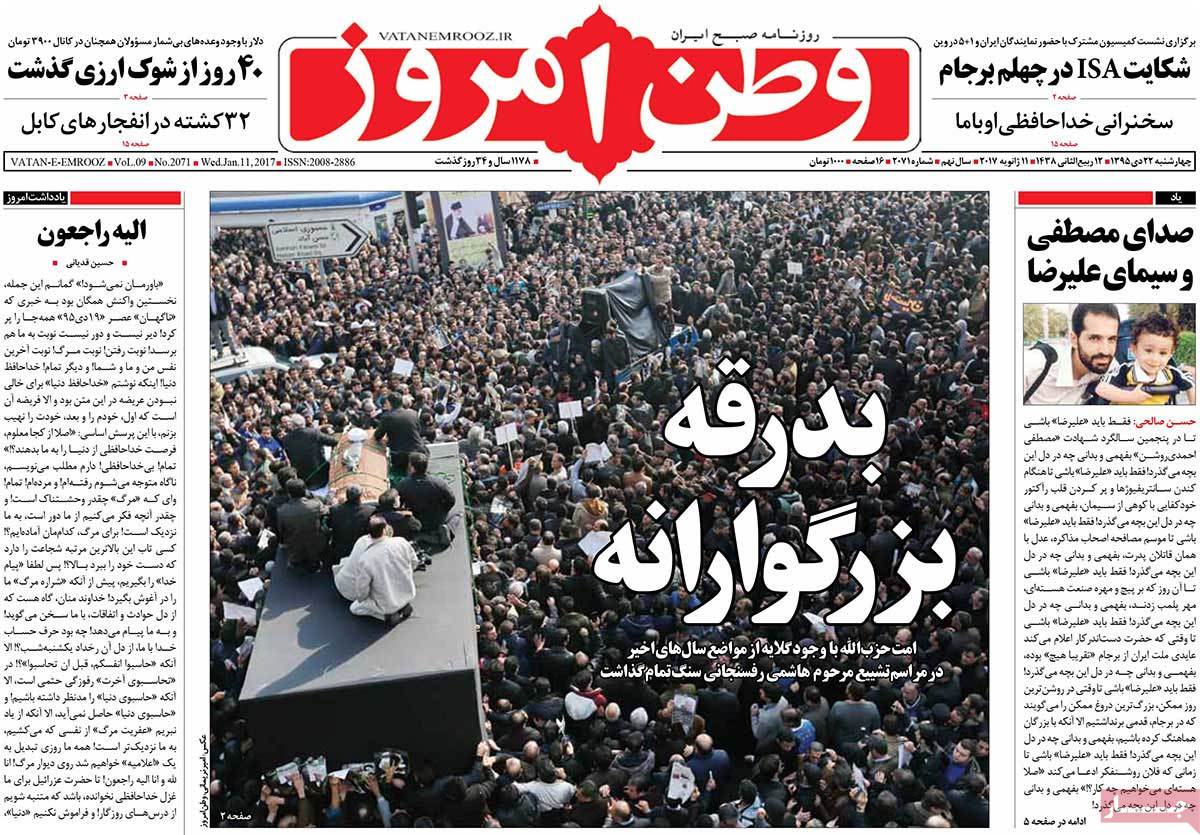

Iranian Newspapers on the Day after Ex-President Rafsanjani’s Burial

Iran’s President Calls for Reconciliation: Let’s Build Bridge instead of Wall

Rafsanjani’s Funeral

“Today, everyone came to say goodbye to that history-maker man. Let’s use this atmosphere for friendship, reconciliation, and national unity, and build bridge instead of wall,” Rouhani said in a post in his Twitter account.

According to a report by IFP, Ayatollah Hashemi Rafsanjani, who had passed away on Sunday after a heart attack, was laid to rest on Tuesday after a funeral attended by millions of Iranians.

His body was buried in the mausoleum of late founder of the Islamic Republic Imam Khomeini in southern Tehran.

On Tuesday morning, Leader of the Islamic Revolution Ayatollah Seyyed Ali Khamenei performed the ritual ‘prayer for the deceased’ (Salat al-Mayyit) in the funeral of Ayatollah Rafsanjani at the University of Tehran.

Negotiator Rejects WSJ’s Report on Iran’s Enriched Uranium

In comments on Tuesday, Iran’s Deputy Foreign Minister Abbas Araqchi rejected a report by The Wall Street Journal that Iran has agreed after discussions with the Group 5+1 (Russia, China, the US, Britain, France and Germany) to push its stockpile of enriched uranium far below the 300-kilogram cap fixed in a 2015 nuclear agreement.

The report claimed that Iran has agreed to a plan that would see the mothballed Natanz nuclear facility in central Iran cleaned out, with the enriched uranium flushed out of the pipes and degraded. It has also estimated the enriched uranium stuck in the pipes and machinery at the plant at 100 kilograms when the nuclear deal was reached in 2015.

The WSJ has also announced that after flushing out all the enriched uranium, Iran’s stockpile of the material would likely fall under 200 kilograms.

However, Araqchi made it clear on Tuesday that the enriched material flushed out of the pipes after the clean-up plan will be exempted from the 300-kg limit on the enriched uranium stockpile, stressing that as a result, Iran will be able to enrich more material.

He also underlined that the new measure passed by the JCPOA Joint Commission – a group tasked with monitoring commitments to the nuclear deal – was a result of months of expert talks, saying Iran’s Foreign Ministry will release a Persian translation of the decision on its website soon.

Representatives from Iran, the Group 5+1 (Russia, China, the US, Britain, France and Germany) and the European Union gathered in Vienna’s Palais Coburg hotel on Tuesday to address Iran’s complaint about a US congressional bill extending Iran Sanctions Act (ISA) for ten years.

According to reports, the parties in the Tuesday talks have also agreed to allow the export of natural uranium from Russia to Iran.