Saturday, April 4, 2026
Home Blog Page 4

Iran says Larijani’s warning to Trump on regional destabilization needs no interpretation

Speaking at a weekly press briefing on Monday, Foreign Ministry Spokesperson Esmaeil Baqaei was asked whether Larijani’s comments signaled a potential shift in Iran’s approach to regional stability in the event of renewed tensions.

Baqaei said it was not his role to explain the statements of the senior security official, adding that Larijani’s words were “sufficiently explicit” and had been well understood by those addressed.

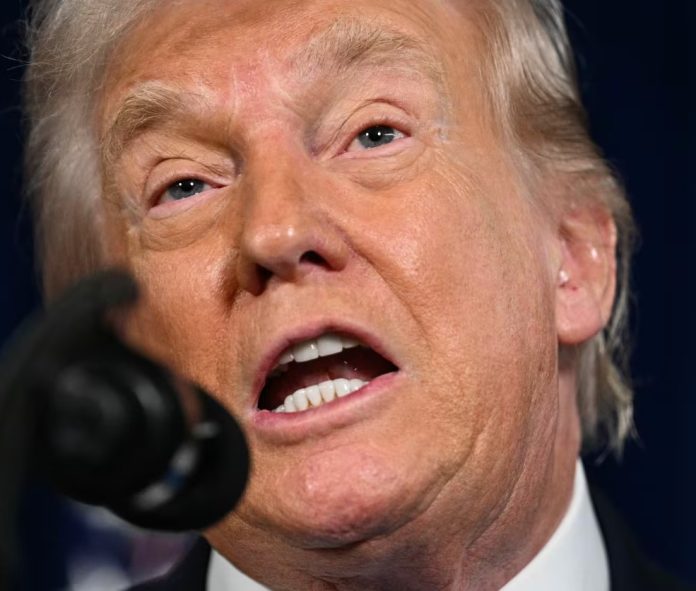
Larijani had earlier reacted to remarks by former US President Donald Trump and Israeli officials, warning that any American involvement in Iran’s domestic matters amid public protests in some cities would lead to widespread regional instability and harm US interests.

In a post on social media platform X, he said recent positions taken by Trump and Israeli officials had clarified the “real agenda” behind their statements.

Larijani stressed that Iran differentiates between legitimate economic protesters and destructive elements, while cautioning Washington against adventurism. He also urged the American public to recognize that Trump initiated the escalation and warned that US forces in the region could face consequences.
Six countries condemn US military actions in Venezuela

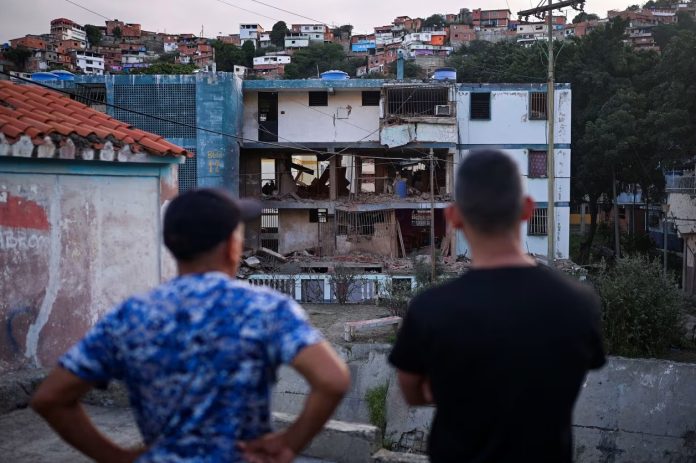
In the statement, Brazil, Chile, Colombia, Mexico, Uruguay, and Spain called for a solution to the crisis, free from “external interference,” saying the US actions contradicted the “fundamental principles of international law, in particular the rule against the of the use and threat of force, respect for sovereignty and territorial integrity of independent nations, established in the Charter of the United Nations.”

The group also expressed concern for any attempt at foreign “government control” in Venezuela, after President Donald Trump said the US will “run” Venezuela until a “safe, proper and judicious transition” can be ensured.

“We reaffirm that only an inclusive political process, led by Venezuelans themselves, can lead to a democratic, sustainable solution that respects human dignity,” the statement added.

The six countries called on the UN Secretary General and member states to help “de-escalate tensions and preserve regional peace” and condemned the “external appropriation of natural resources,” in a direct reference to Trump’s suggestion of taking control of Venezuela’s vast oil reserves and recruiting US companies to invest billions of dollars in revitalizing the country’s sanctioned oil industry.

Iran reformist front praises govt.’s approach to protests

The statement describes peaceful protest as a fundamental and undeniable civic right and praises the government for avoiding violence and seeking to hear protesters’ voices.

The Reformist Front said this approach is a positive, though insufficient, step toward rebuilding public trust.

The statement also strongly condemned any foreign interference, threats, or exploitation of protests by external governments or groups, stressing that such actions serve their own political interests rather than the Iranian people.

It warned that foreign involvement undermines the civilian nature of protests, increases violence, and leads to further securitization of the situation.

The Reformist Front emphasized that protests in Iran have entirely domestic roots and should be addressed through local, peaceful, and civic solutions.

The statement concluded with proposals that the group said could help move beyond the current situation.

Iran Judiciary: Saghar Etemadi is alive, condition stable

According to the Judiciary’s media center, Etemadi was injured during clashes near the governor’s office in Farsan County, Chaharmahal and Bakhtiari Province, and was transferred to hospital.

Officials said she is alive, her general condition is stable, and she has no life-threatening or acute medical problems.

The Judiciary stressed that claims circulated by opposition media about her death are incorrect.

Authorities added that further investigations into the incident are ongoing.

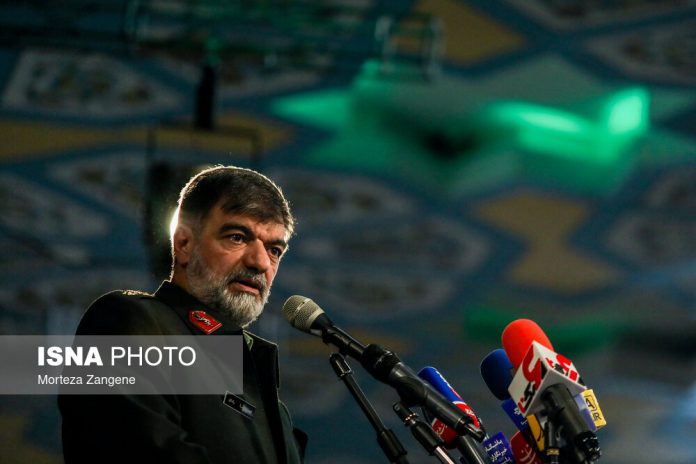
Iran’s police chief: Targeted arrests of protest instigators begin

Ahmad Reza Radan

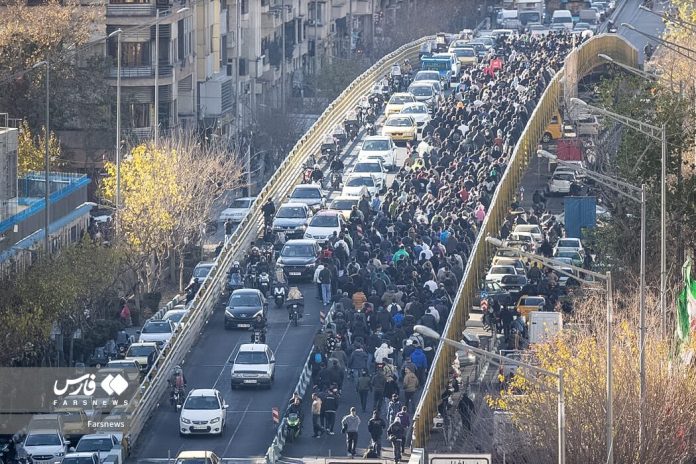
Speaking on state television, Radan said the initial protests were economic in nature, led by shopkeepers affected by currency fluctuations and economic instability.

He said these demands were legitimate, but the situation later shifted from peaceful economic demonstrations to violent street protests.

According to Radan, some groups and individuals took advantage of the situation and attempted to provoke unrest by encouraging people through social media and at street gatherings.

He said police have identified and arrested several protest leaders involved in incitement, both online and on the ground. Radan added that some of those detained have admitted to receiving money from abroad in exchange for their actions.

The police chief emphasized that maintaining public order remains a priority and that law enforcement will continue to deal firmly with those organizing or encouraging riots.

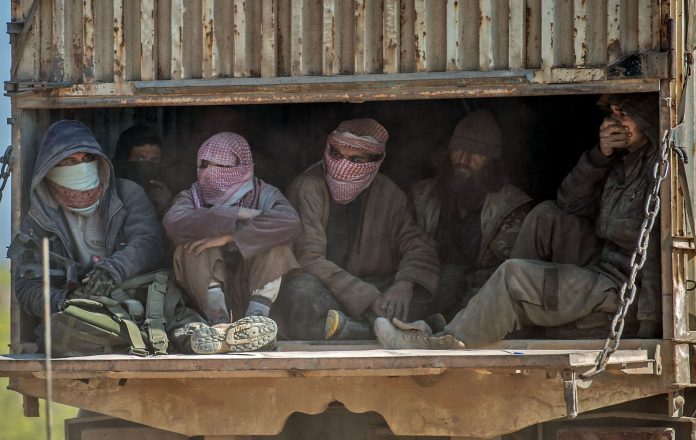
UK says conducted joint attack with France on Daesh site in Syria

Daesh

“Royal Air Force aircraft have completed successful strikes against Daesh in a joint operation with France,” the ministry said in a statement, using the Arabic acronym for IS.

“This facility had been occupied by Daesh, most likely to store weapons and explosives. The area around the facility is devoid of any civilian habitation,” the statement added.

The ministry noted there was no indication the bombing north of the ancient site of Palmyra had posed any risk to civilians.

IS was territorially defeated in Syria in 2019 but still maintains a presence, particularly in the country’s vast desert.

Palmyra, home to UNESCO-listed ancient ruins, was once controlled by the fighters.

Last month, Washington announced a lone IS gunman in Palmyra attacked American personnel, killing two US soldiers and a US civilian.

US forces said they struck dozens of IS targets in Syria in retaliation.


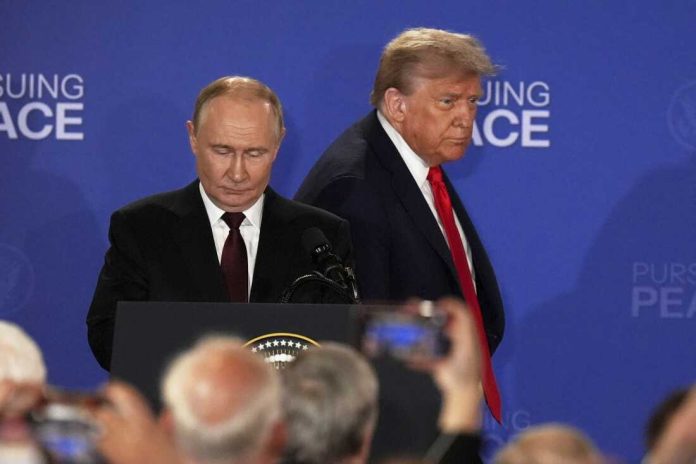
Trump claims Putin ‘killing too many people’

“I’m not thrilled with Putin. He’s killing too many people,” Trump told reporters during a news conference announcing Venezuelan President Nicolas Maduro’s capture.

Trump’s comments come as the U.S. president’s administration continues to hold talks with Ukrainian and Russian officials in an attempt to broker a peace deal in the nearly four-year-long full-scale war.

President Volodymyr Zelensky presented a framework for a revised 20-point peace plan, after a initial U.S.-backed 28-point plan was vehemently rejected by Kyiv as “capitulation.”

Despite Russia’s participation in peace talks, Moscow has repeatedly rejected a ceasefire, with Putin espousing maximalist demands to end the war.

In recent weeks, Moscow has recently been spreading disinformation in an apparent attempt to undermine the U.S.-led peace negotiations. Russia claimed that a Ukrainian drone attack targeted Russian President Vladimir Putin’s residence in late December. Both Ukraine and the U.S. Central Intelligence Agency denied that such an attempted attack had occurred.

“I think that we’re making progress, but that’s a war that should have never happened,” Trump told reporters.

Ukraine’s Foreign Intelligence Service has recently warned that Russia may be preparing “a large-scale provocation with human casualties” as part of its efforts to disrupt the U.S.-mediated peace talks.

The Foreign Intelligence Service said that it predicts with “high probability” that Russian special services may be planning armed provocation, expected to take place on the eve or on the day of Christmas according to the Julian calendar. The potential provocation may happen at a religious building or other sites of high symbolic significance, either in Russia or in the Russian-occupied territories of Ukraine, it added.


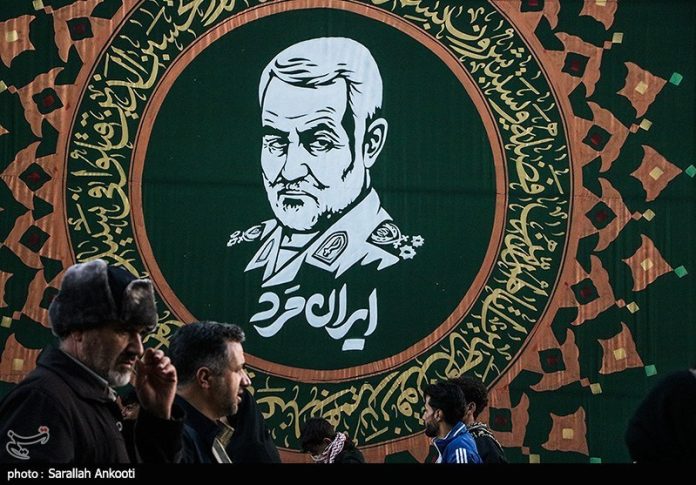
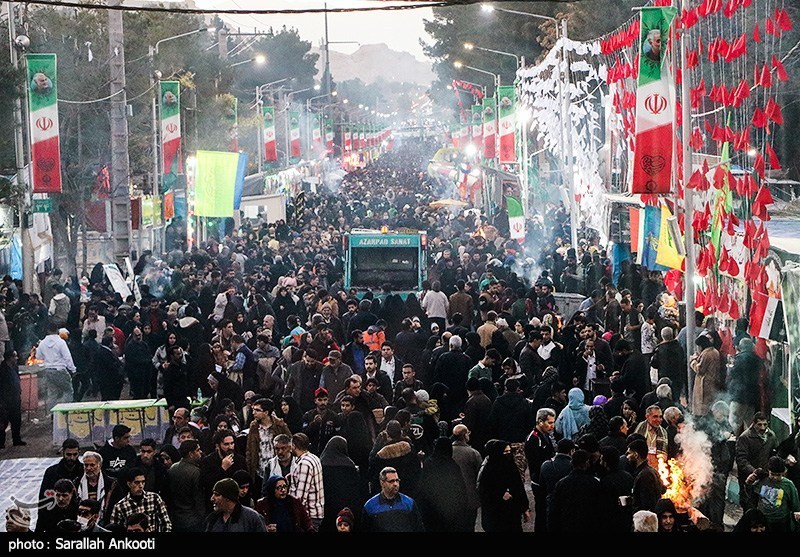
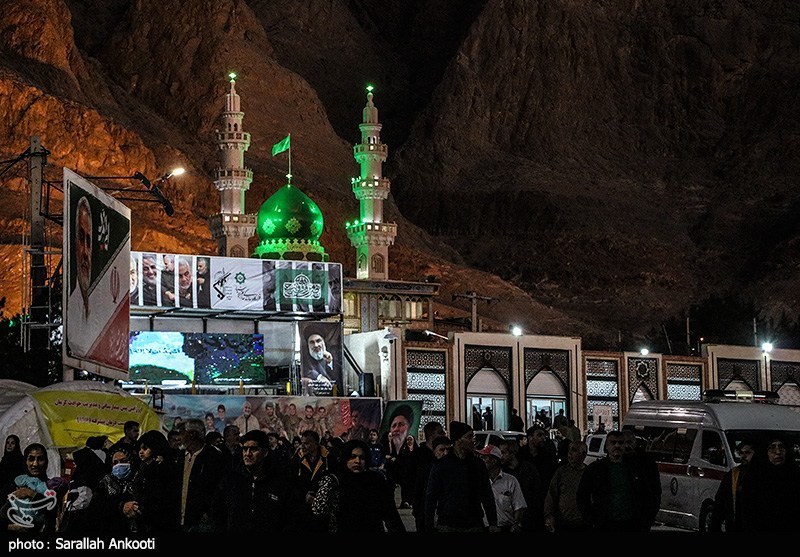
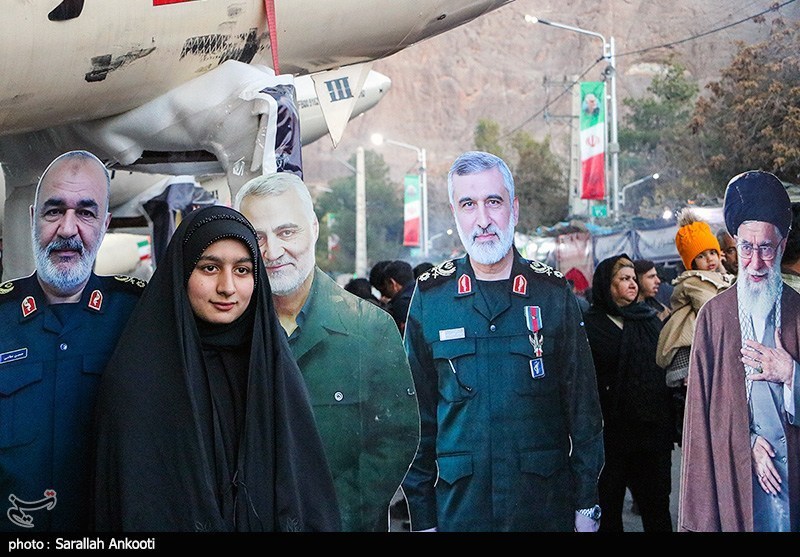
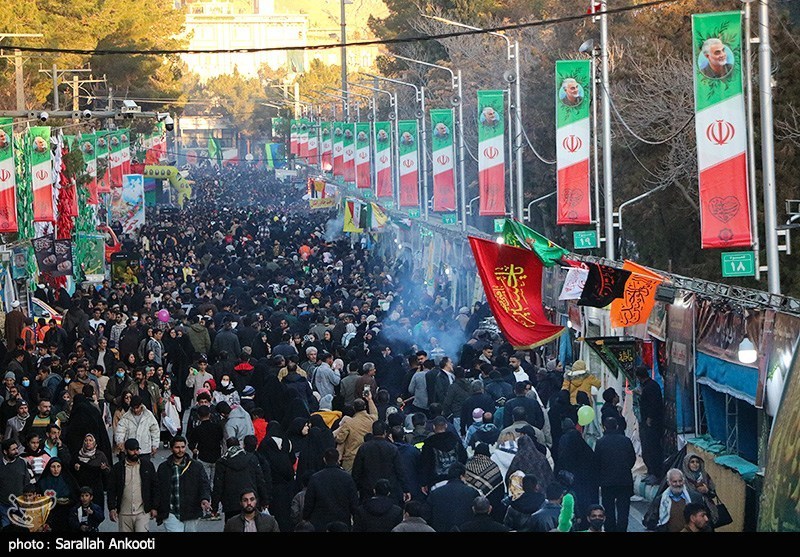
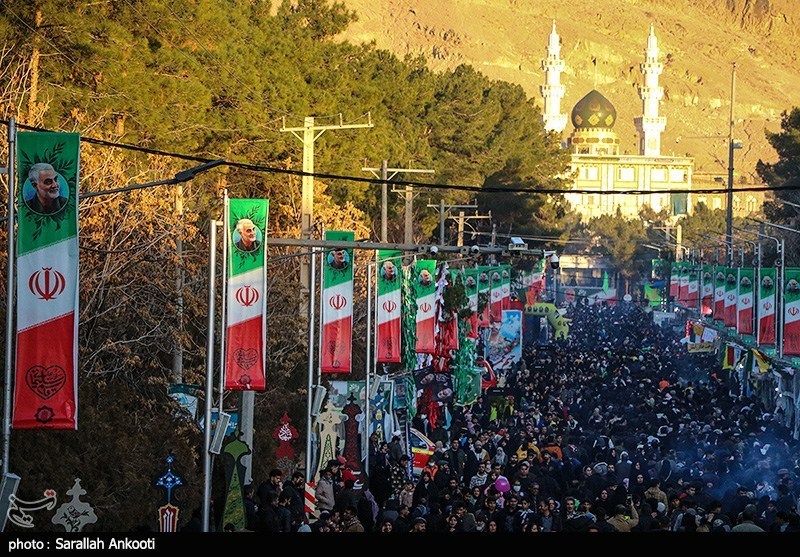
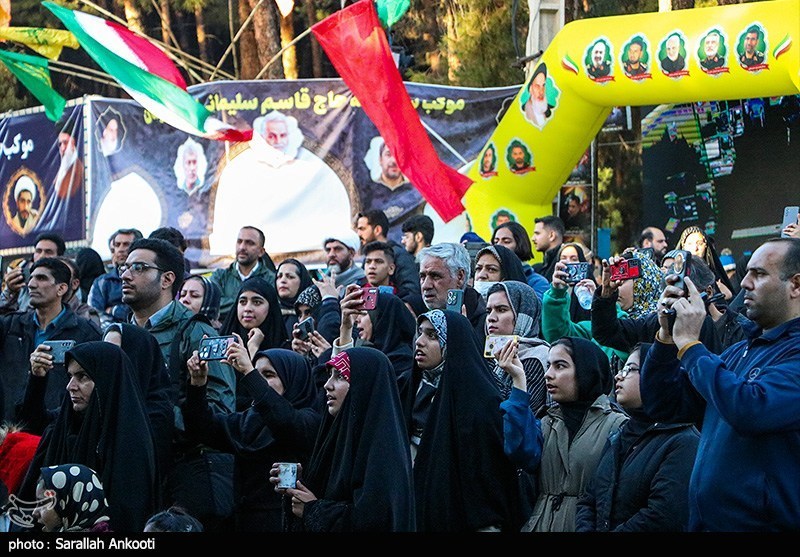
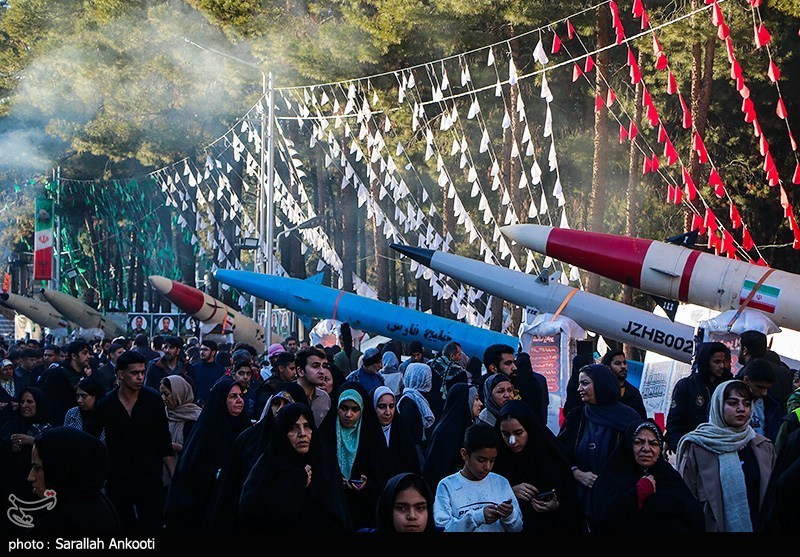
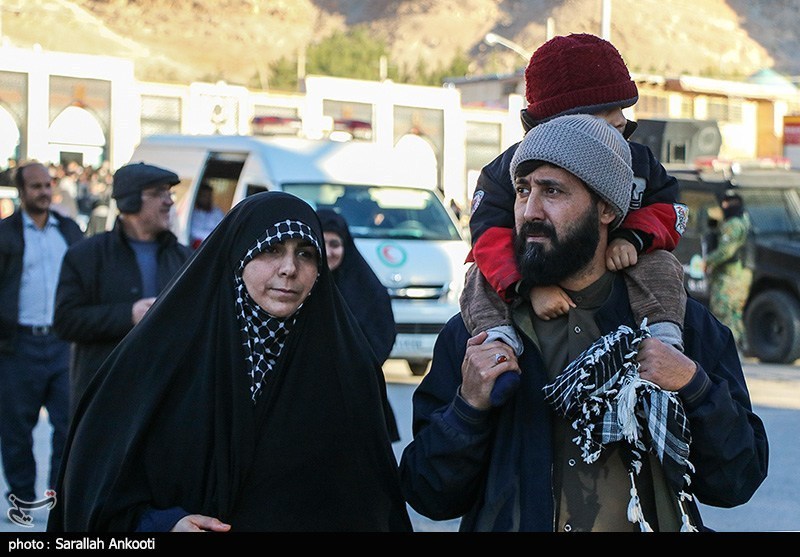
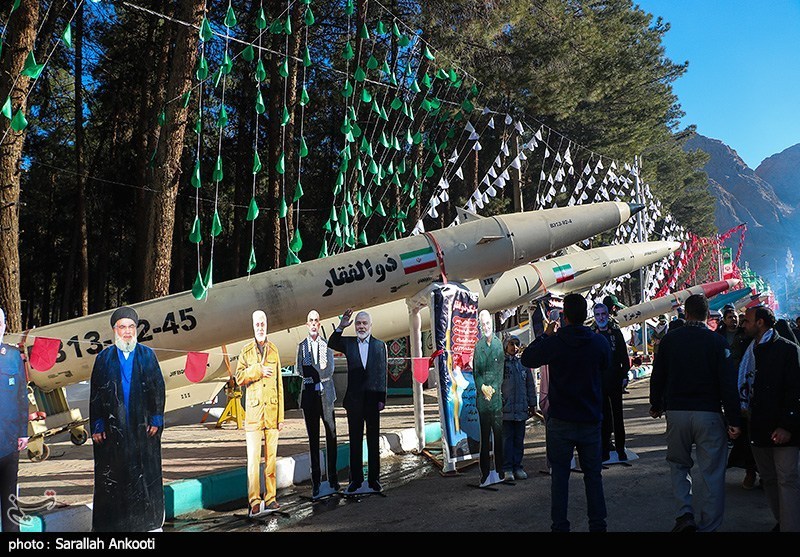
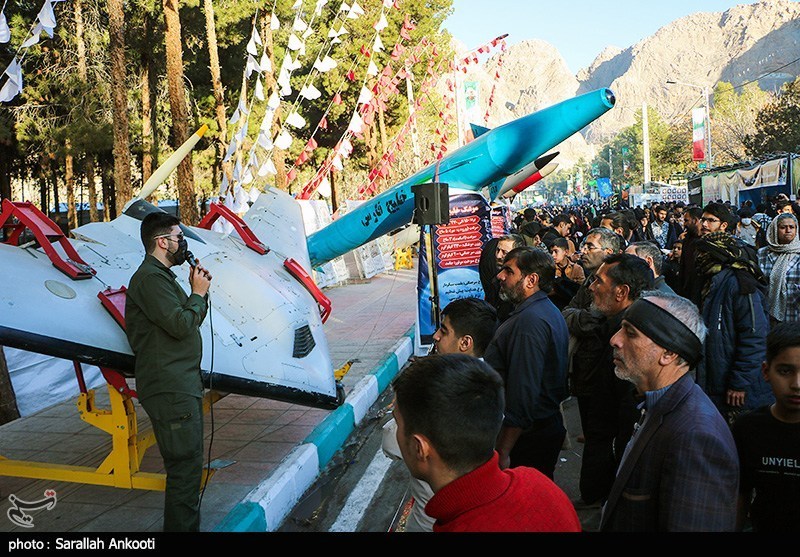
Thousands visit Kerman Martyrs’ Cemetery on anniversary of General Soleimani’s martyrdom

Visitors from across Iran have traveled to Kerman, in southern Iran, to pay tribute to the former commander of the Quds Force and other fallen comrades buried at the site.

The area surrounding Soleimani’s tomb has been filled with mourners offering prayers, laying flowers, and taking part in commemorative ceremonies held throughout the anniversary period.

General Soleimani, the commander of the IRGC’s Quds Force, was assassinated in a US strike on January 3, 2020, outside Baghdad airport.

More in pictures:

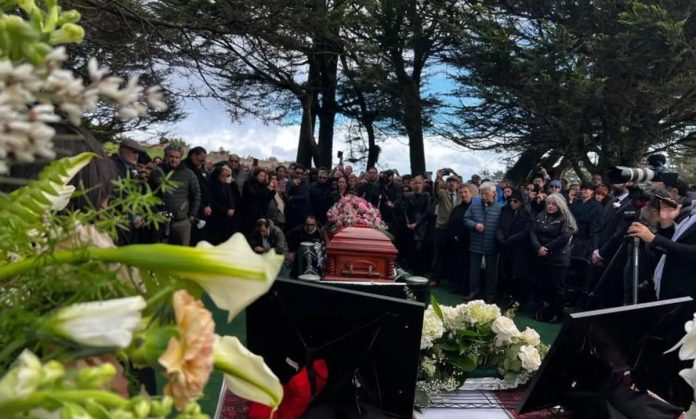
Funeral of renowned Iranian artist Bahram Beyzaie held in San Francisco

The ceremony was organized at the invitation of the Beyzaie family and Stanford University and was attended by his family members, students, colleagues, and admirers.

The event began with a spiritual chant performed by Mojdeh Shamsaie, actress and Beyzaie’s wife. This was followed by short speeches delivered by Abbas Milani on behalf of Stanford University’s Iranian Studies program, as well as by Beyzaie’s brother, who paid tribute to his life and legacy.

During the ceremony, Shamsaie also read an excerpt from Beyzaie’s renowned play Siavash-Khani, highlighting his lasting contribution to Iranian literature and theater.

The farewell concluded with the playing of “Golbang-e Kohan,” a musical composition by celebrated Iranian musician Hossein Alizadeh, a piece Beyzaie deeply admired.

Beyzaie, known for his profound love of knowledge, nature, and life, was laid to rest in a green and tranquil setting, far from his homeland.

He had lived abroad since 2011, teaching at Stanford University and staging several notable theatrical works.

Beyzaie passed away in the United States on Dec. 26, coinciding with his 87th birthday.

Iranian satellites Zafar, Paya and Kowsar clear early orbital testing milestones

The planned program to assess and stabilize the subsystems of all three spacecraft is moving forward on schedule.

Data from the orbital checks indicate that the satellites have now entered the stage of detailed performance assessment for their onboard subsystems, and their overall operational status has been described as satisfactory.

The Paya satellite has successfully completed evaluations of its power supply and distribution systems, thermal control, telemetry and telecommand links, navigation, stabilization, as well as attitude control and pointing mechanisms.

Testing of its imaging communications subsystem is currently in progress.
The Kowsar satellite has also cleared tests related to power generation and distribution, thermal regulation, telemetry and telecommand communications, navigation, and stabilization, and has moved on to trials of its attitude control and pointing systems.

For its part, the Zafar satellite has passed initial checks of its power systems, thermal management, navigation capabilities, and telemetry and telecommand communications, and is now undergoing further, more advanced testing of related subsystems.

In-orbit testing is a carefully structured, step-by-step process that extends over several weeks after launch, during which each subsystem’s performance is gradually examined under real space conditions.

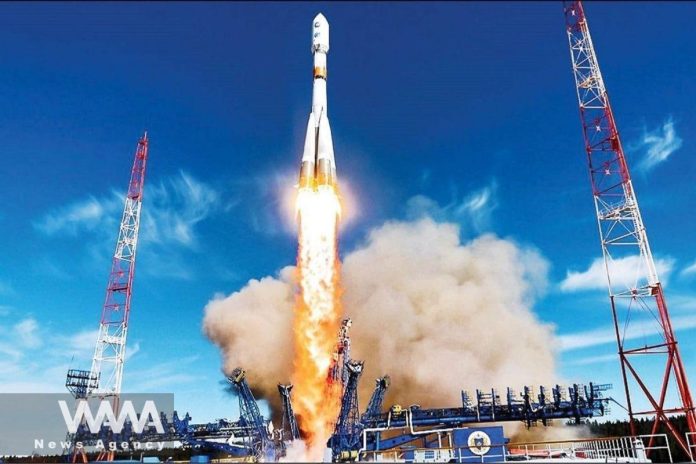
All three satellites were placed into orbit one week ago aboard a Soyuz launch vehicle from Russia’s Vostochny Cosmodrome. They are intended for a range of civilian applications, including agricultural and crop monitoring, water resource management, observation of natural hazards such as floods and droughts, as well as mapping and environmental surveillance.