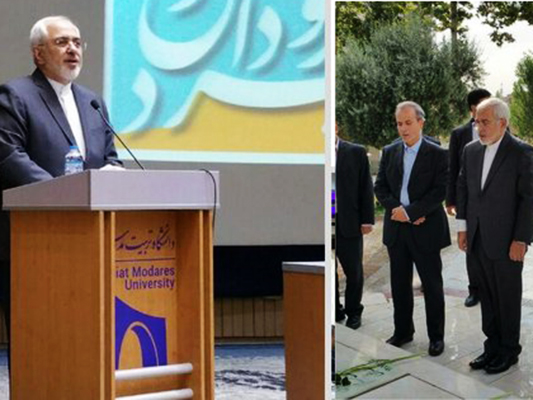
Speaking to a group of students and academics at the Taribiat Modares University in Tehran on Monday, Zarif elaborated on scientific diplomacy as well as the scientific and technological opportunities facing the country. The following are highlights of his remarks:
With the recent developments in the field of science and technology, the range of the audience has expanded in terms of number and complexity. On the other hand, thanks to science and technology, public opinion is no longer controlled by a specific part of the ruling elite. At the moment, the cyberspace is capable of creating different currents in the foreign policy domain, and that is why its vulnerability has increased as well.
One of the ways in which universities can help the foreign policy apparatus is by using the necessary tools to control the domain of science and knowledge. The reason is that the wealth of knowledge available online cannot be used promptly and efficiently. On the other hand, the massive amount of inconsistent information has practically turned into a problem in the way of decision-making by politicians. Moreover, the country needs science and technology when it comes to international relations. The establishment of consistent international relations to absorb foreign students and making use of Iranian universities’ achievements can be among areas of cooperation between the Foreign Ministry and universities in the country.
The lifting of bans on education for Iranian students in certain majors in foreign universities is one of the accomplishments of the nuclear deal signed by Iran and six major world powers known as the Joint Comprehensive Plan of Action (JCPOA).
At the moment, it is possible for Iran to be present in different international scientific arenas. Iran is currently capable of absorbing and exporting science, and the Islamic Republic’s activities in scientific arenas in foreign countries will help the country make its presence felt in the world.
The key duties of the Foreign Ministry in the fields of exports are firstly, the export of non-oil commodities; secondly, the export of technical and engineering services, and thirdly, the export of efficient manpower. Its duties on imports also include absorbing tourists, taking in foreign investment, and importing science and technology.





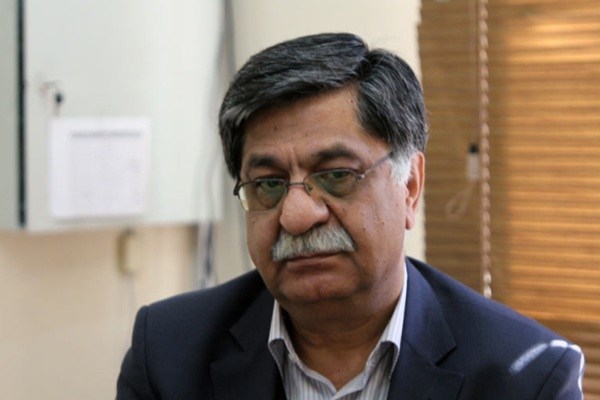 Mohammad-Mahdi Forqani, a senior university professor, says one of the rights of citizens is the right to Freedom of Information (FOI).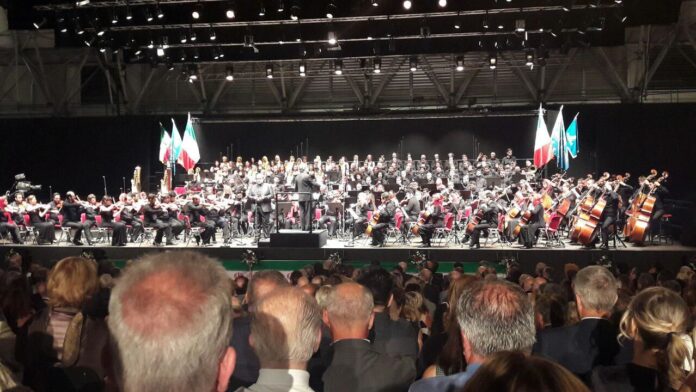
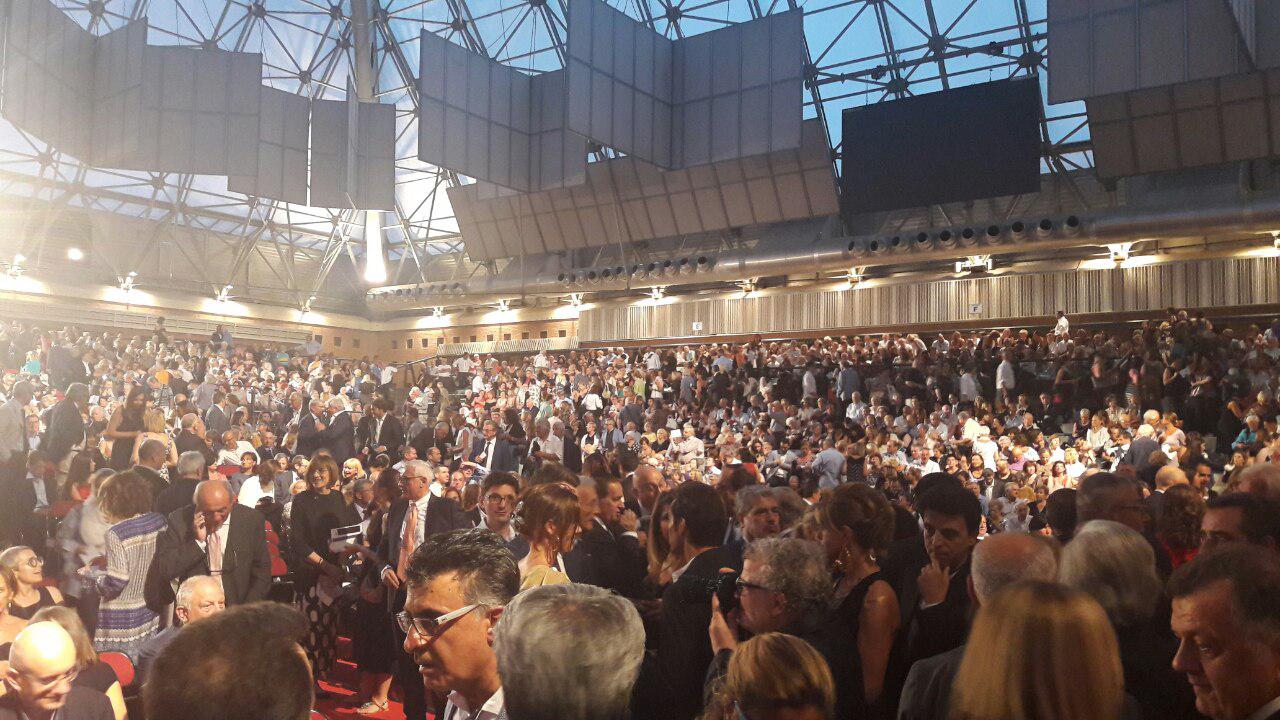 Titled ‘Roads to Friendship’, the event began by playing the national anthems of Iran and Italy. Then a repertoire of Italian composer Giuseppe Verdi’s pieces was performed at the concert.
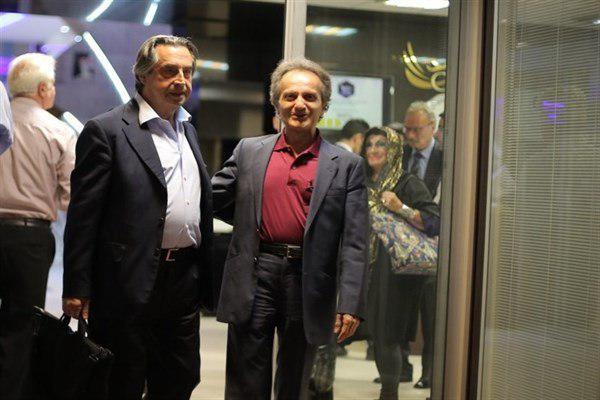 Earlier, the two orchestras performed at Tehran’s Vahdat Hall on 6 July. The event in Iran was attended by some leading diplomatic and cultural figures including Iranian Foreign Ministry Spokesperson Bahram Qassemi, Deputy Foreign Minister for European and American Affairs Majid Takht-Ravanchi, and Deputy Culture Minister Ali Moradkhani.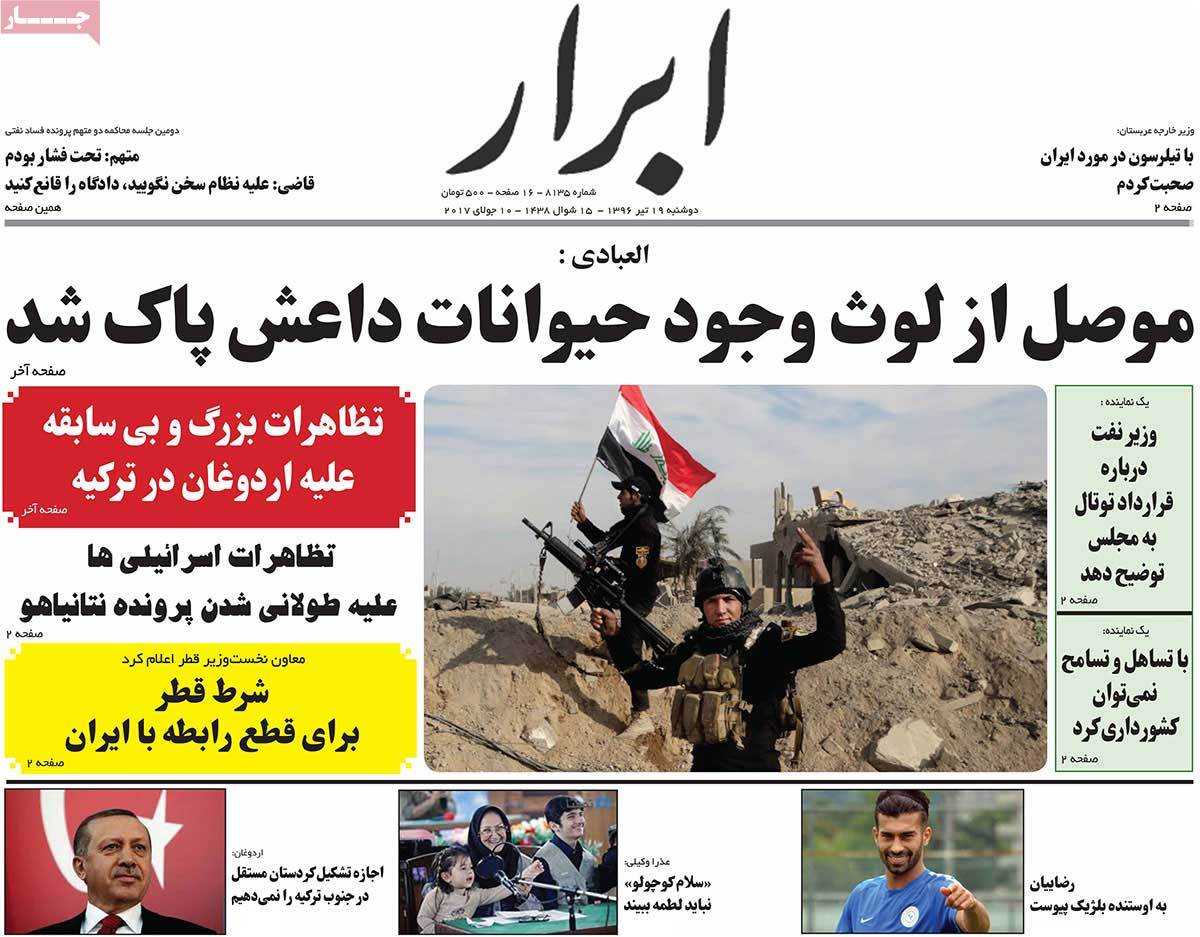
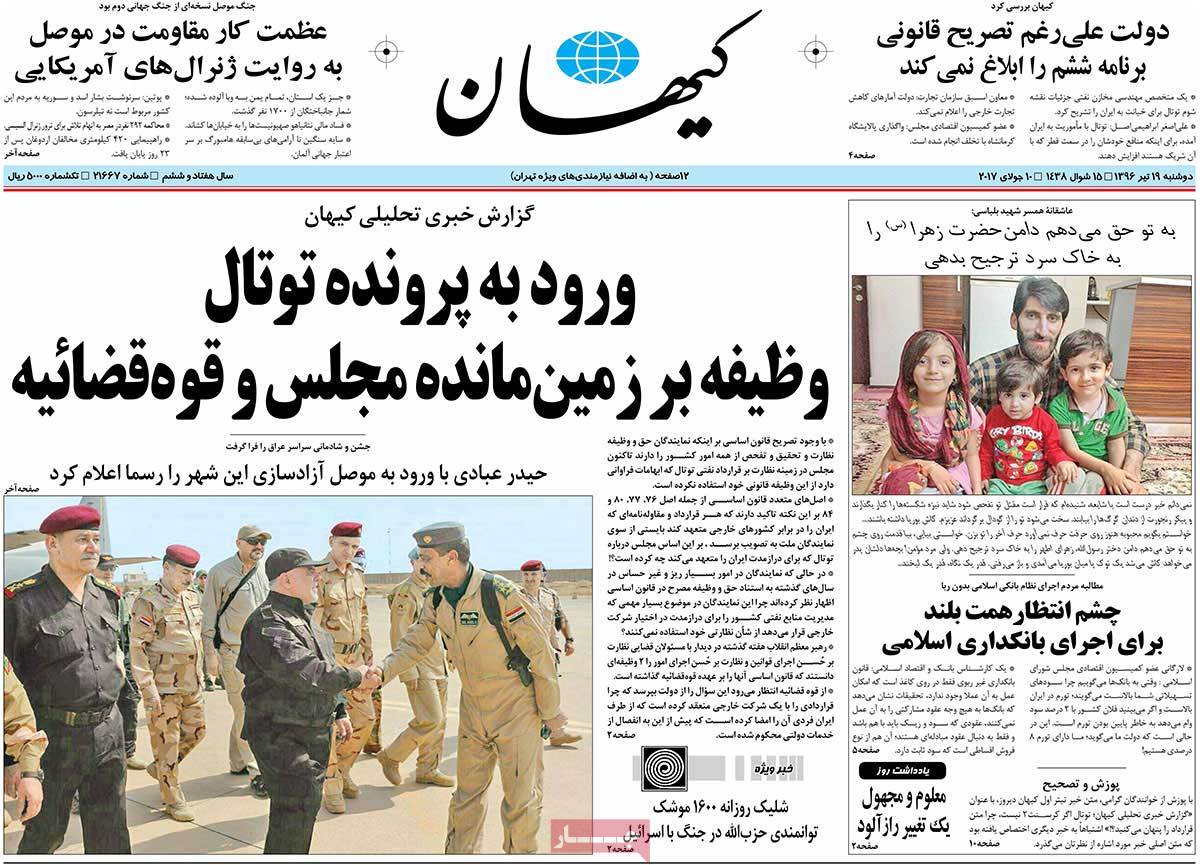
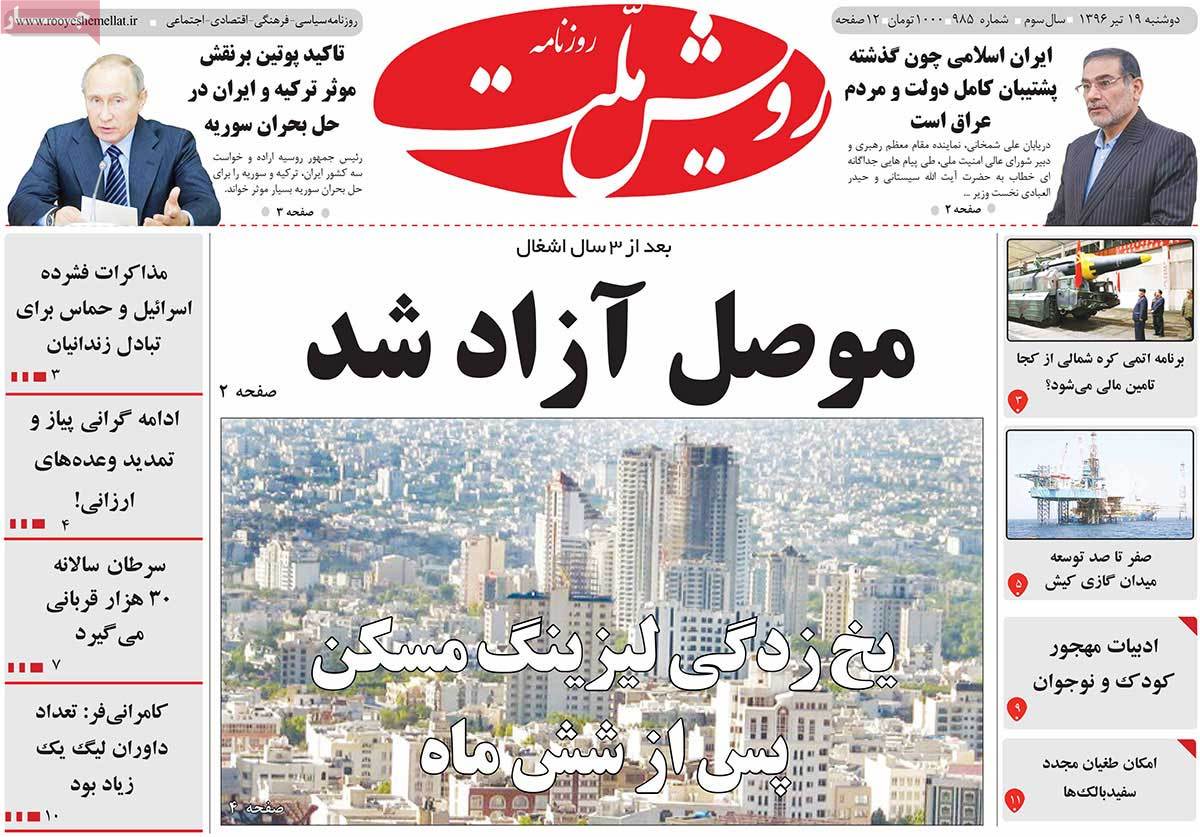

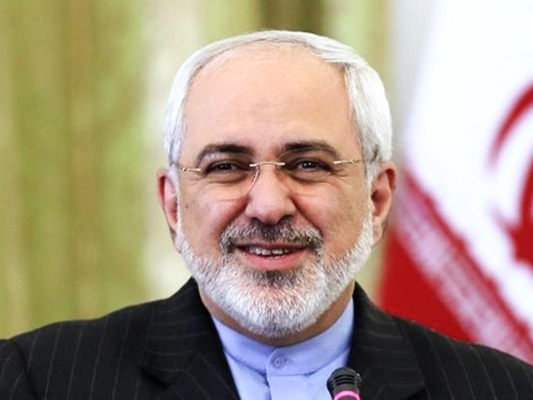 In a message on his Twitter account on Sunday, Iranian Foreign Minister
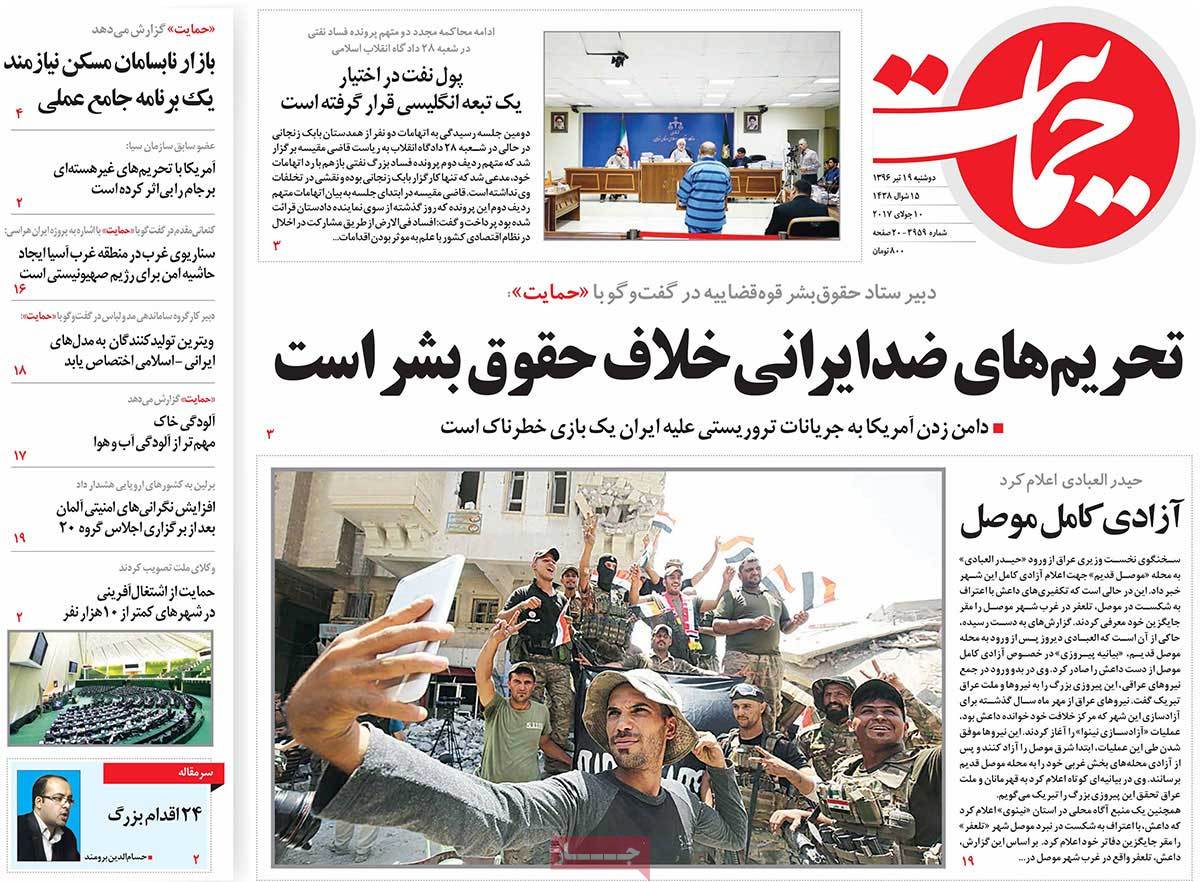
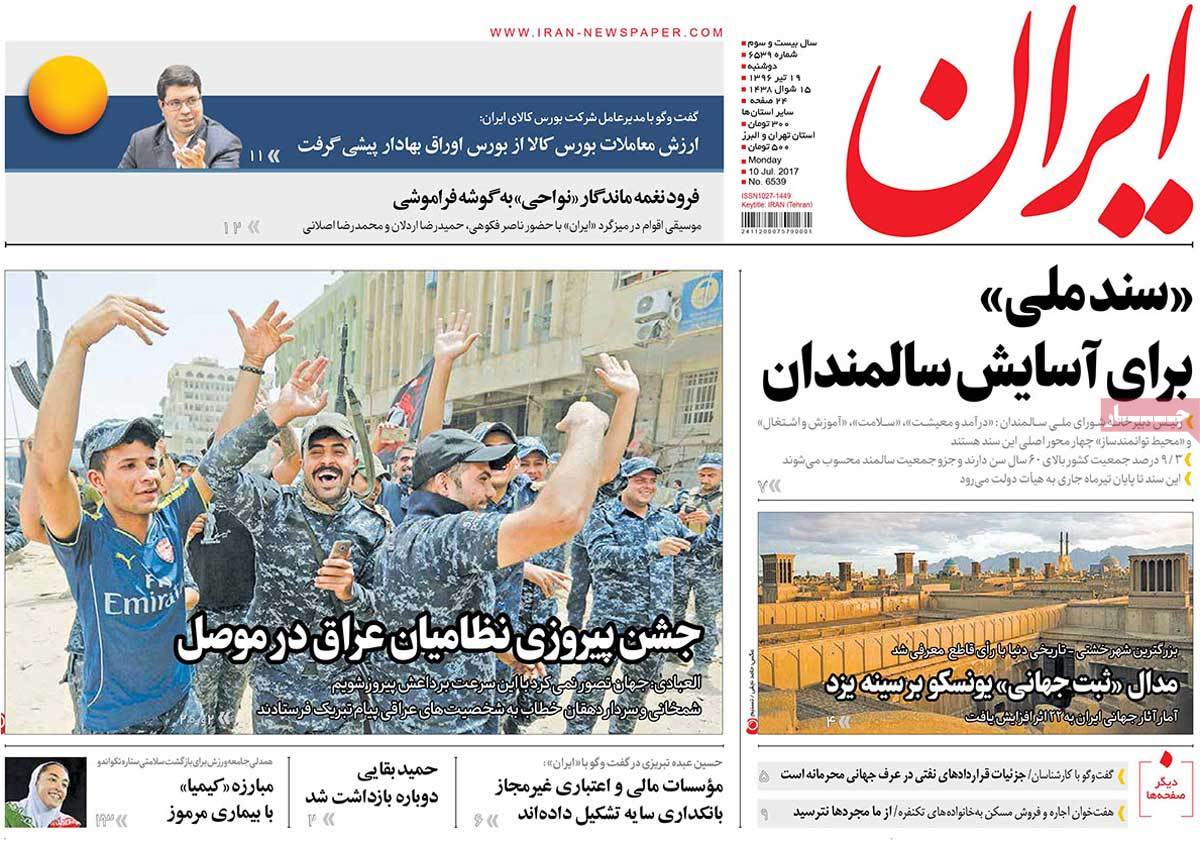
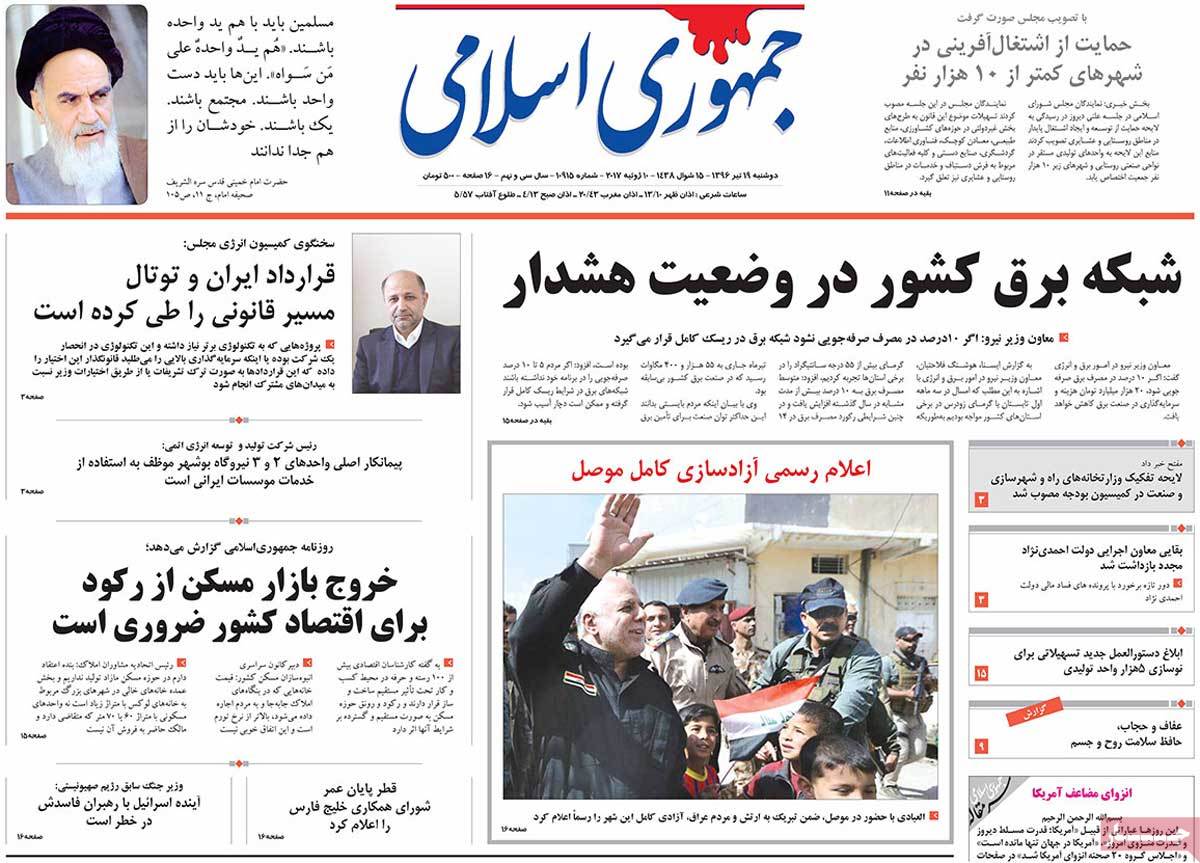
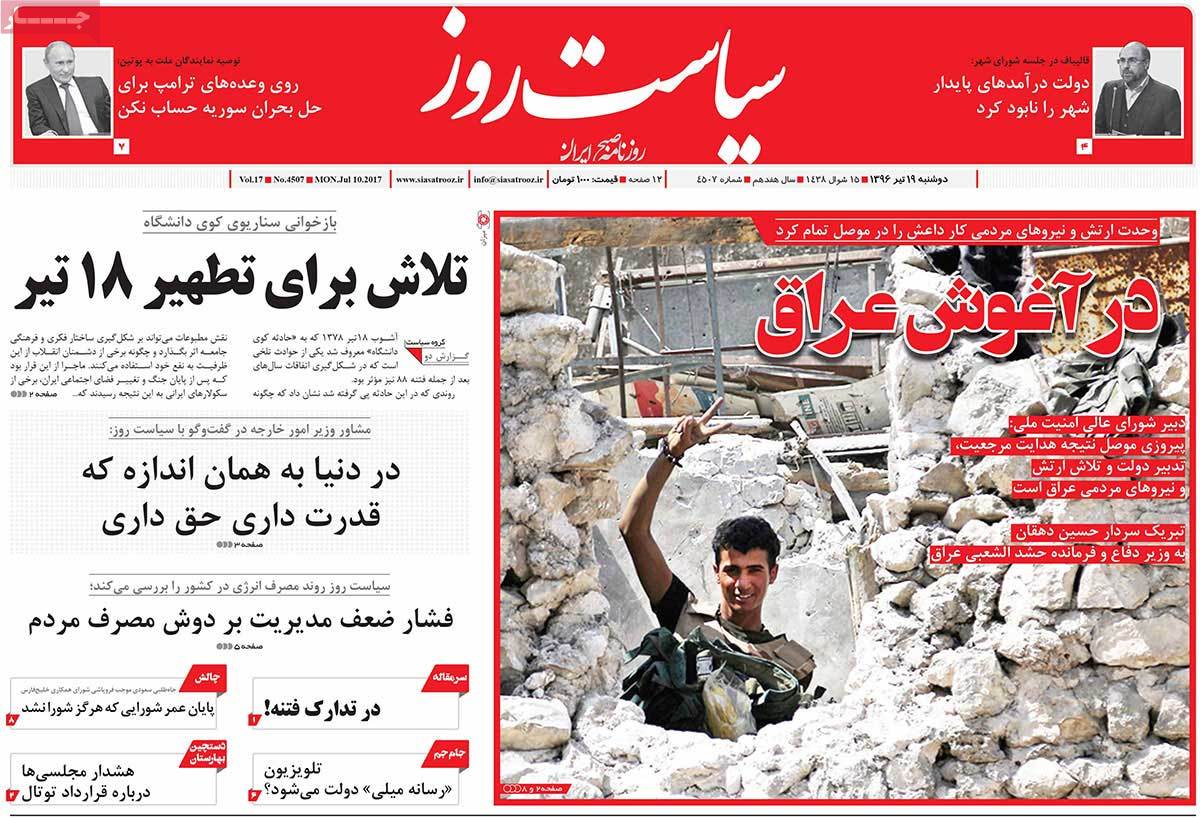
 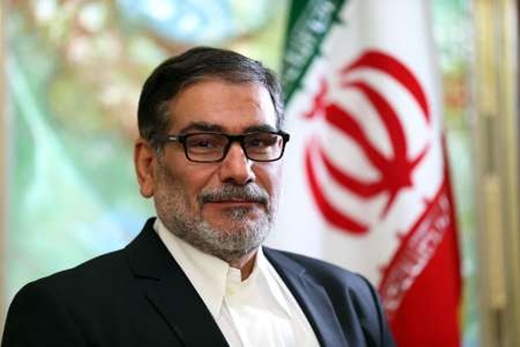 Shamkhani said the great victory in Mosul was achieved thanks to the leadership of top Shiite clerics, prudence of the Iraqi government and bravery of the country’s army and popular forces.
 In his message to Abadi, Iran’s Major General Baqeri described the liberation of Mosul as the manifestation of national unity and resistance, expressing confidence that close cooperation between the armed forces of Iran and