Friday, April 24, 2026
Home Blog Page 3982

Rouhani’s Gov’t Downplays Concerns on Total Deal

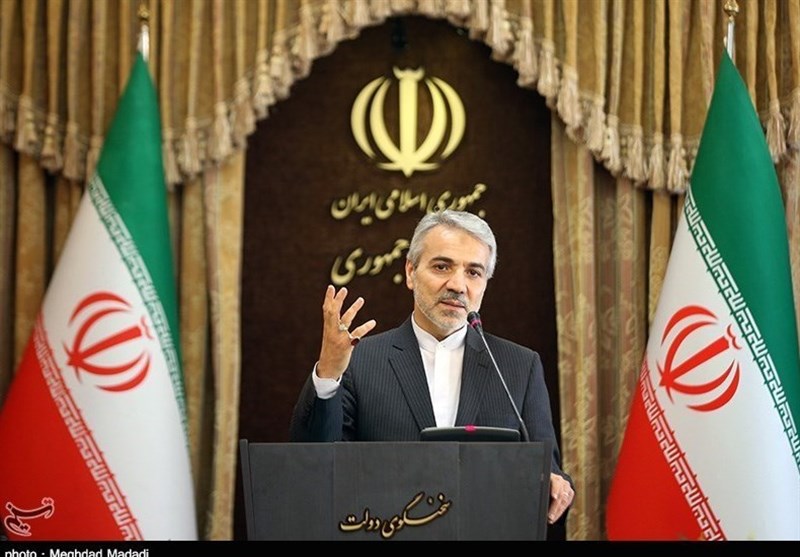
Speaking at a weekly press conference on Tuesday, Mohammad Baqer Nobakht assured the lawmakers that the recent multi-billion-dollar gas deal the Oil Ministry has signed with the French energy giant Total has gone through all legal processes.

The MPs can freely exercise their legal right to monitor and probe into various issues of the country, Nobakht noted, but stressed that there is nothing confidential when it comes to the contract on development of the South Pars gas field.
Rouhani's Gov't Downplays Concerns on Total Deal

The spokesperson then called on the lawmakers who had threatened to table a motion to suspend the gas agreement to keep in mind that the parliament itself has obliged the administration under the budget law to attract $65 billion in foreign investment.

“If I were in the shoes of the respected lawmakers, I would have submitted the documents and references (proving a breach of law) to the Judiciary instead of putting forward a triple-urgency motion,” Nobakht said.

His comments came after an expression of concern by some lawmakers about the damages the recent gas deal with Total would do to the “national interests.”
Rouhani's Gov't Downplays Concerns on Total Deal

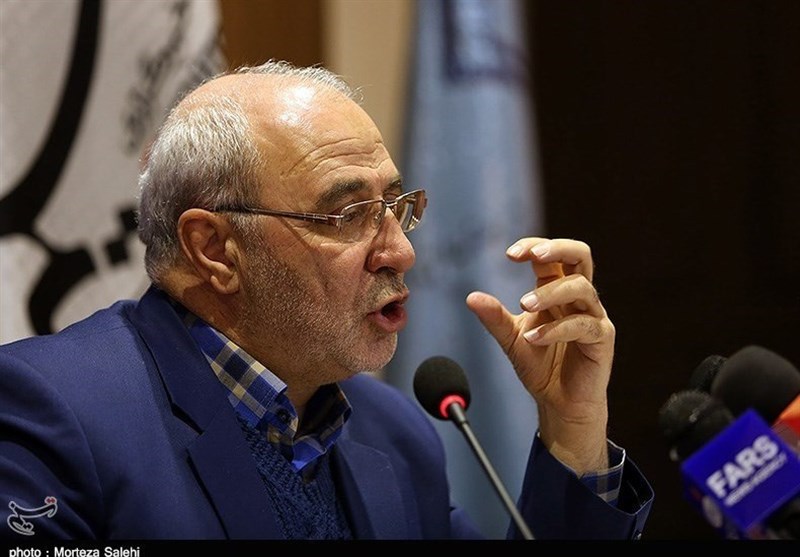
MP Hossein Ali Haji-Deligani, an opponent of the agreement, told Tasnim that the lawmakers are going to put forward a motion to temporarily suspend the gas deal, adding, “We believe that this agreement should be revised.”

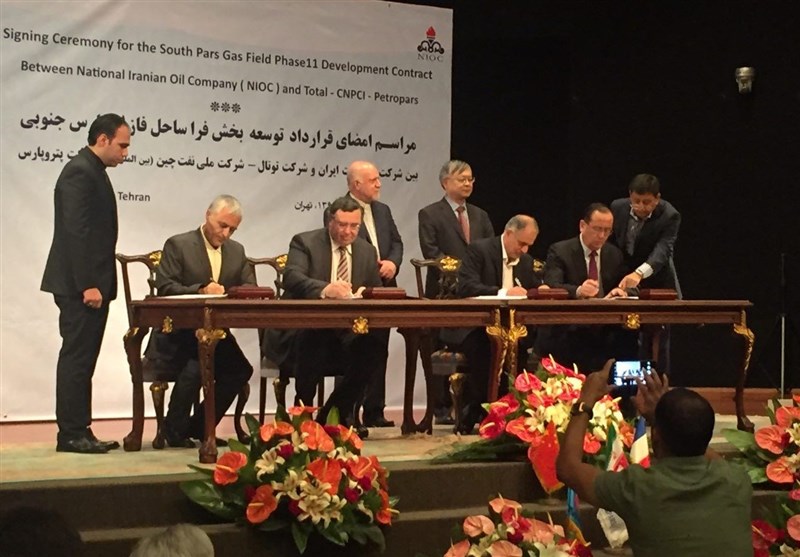
Last week, the Oil Ministry signed $5 billion contract with France’s Total and China’s National Petroleum Company (CNPC) on development of the 11th phase of South Pars gas field.

Total has a 50.1 percent share in the 20-year deal. The state-owned China National Petroleum Corp. has a 30 percent stake and Iran’s Petropars has 19.9 percent.
Rouhani's Gov't Downplays Concerns on Total Deal

The deal includes 30 wells and two production units.

Total had signed a draft agreement with the National Iranian Oil Company (NIOC) in November 2016, but announced in February 2017 that a final decision on the deal hinged on the new US administration renewing sanctions waivers on Iran.

The South Pars 11 project will have a production capacity of 1.8 billion cubic feet per day, or 370,000 barrels of oil equivalent per day.
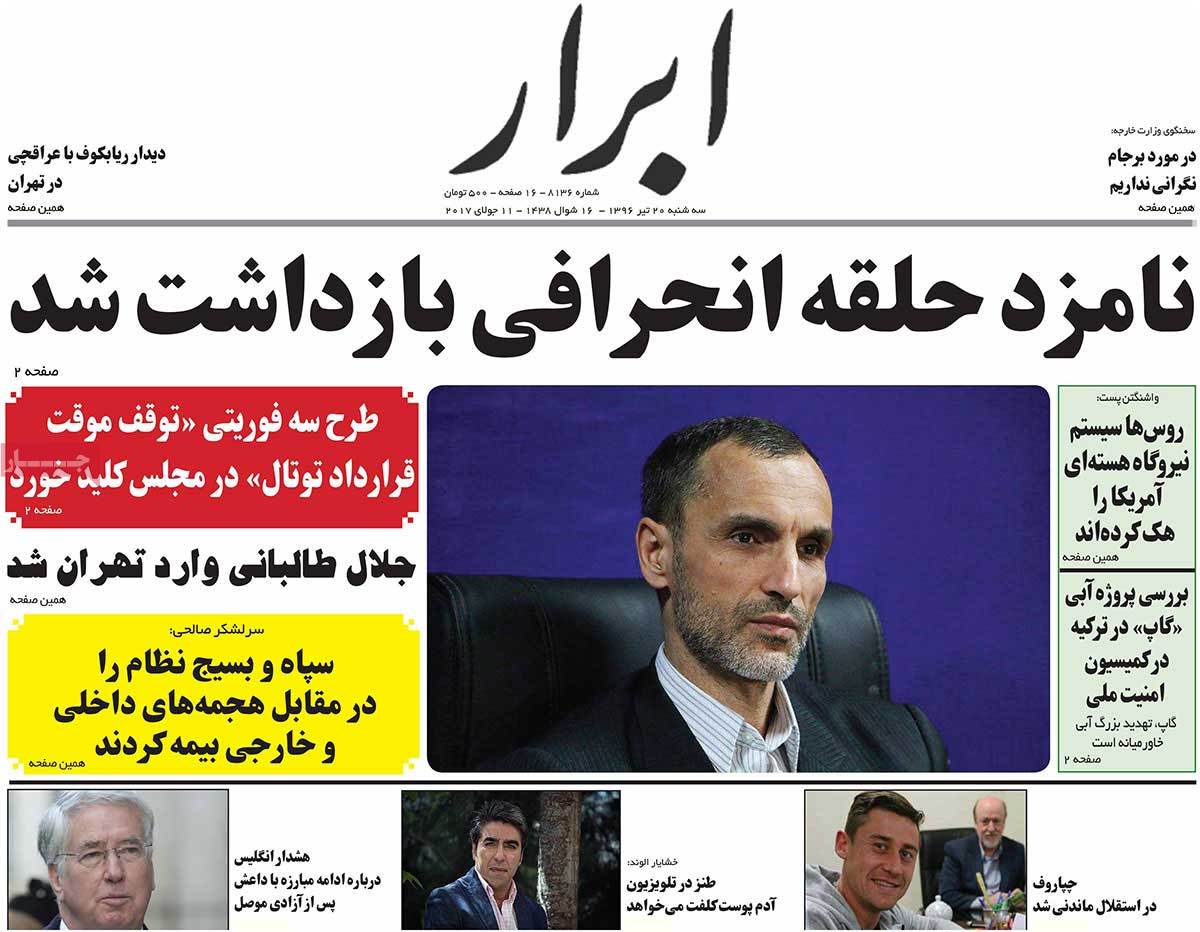
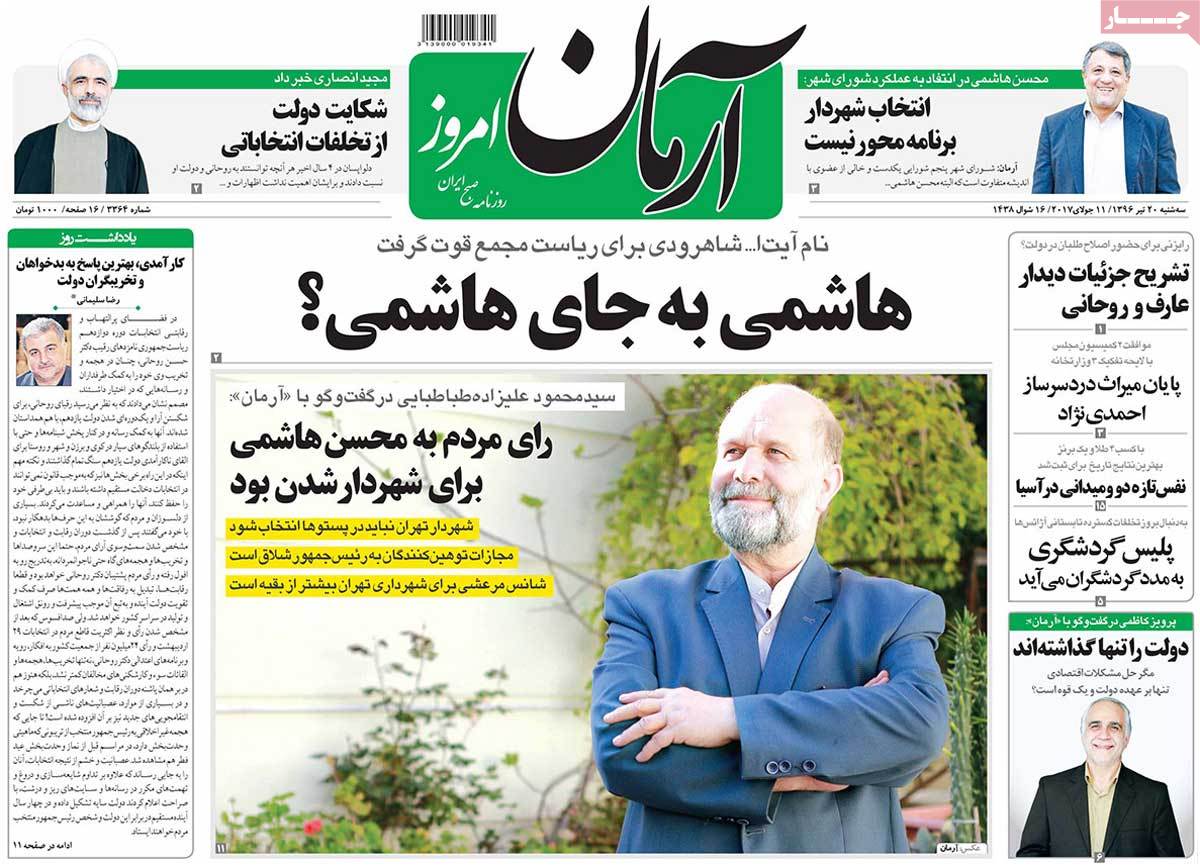
A Look at Iranian Newspaper Front Pages on July 11

The top story today was the remarks made by IRGC Quds Force Commander Major General Qassem Soleimani about the ISIS terrorists’ heinous atrocities in Iraq and Syria as well as the Islamic Republic’s role in the liberation of Mosul.

Newspaper also covered a triple-urgency motion prepared by a number of Parliaments to stop the implementation of the country’s huge gas deal with Total.

The full liberation of Iraq’s Mosul and the celebrations held in the Arab country also received great coverage today.

Former Iraqi President Jalal Talabani’s arrival in Tehran and the speculations raised about the next mayor of Tehran were among other top stories.

The above issues, as well as many more, are highlighted in the following headlines and top stories:


Abrar:

1- Parliament Working on Triple-Urgency Motion to Stop Deal with Total

2- Kurdistan’s Talabani Arrives in Tehran

A Look at Iranian Newspaper Front Pages on July 11


Aftab-e Yazd:

1- Raisi, Latest Candidate for Heading Expediency Council

A Look at Iranian Newspaper Front Pages on July 11


Arman-e Emrooz:

1- Hashemi to Replace Hashemi

  • Ayatollah Hashemi Shahroudi May Take Ayatollah Hashemi Rafsanjani’s Seat

2- Tourism Police to Help Tourists

3- People Voted for Mohsen Hashemi Rafsanjani to See Him Elected as Tehran Mayor

A Look at Iranian Newspaper Front Pages on July 11


Bahar:

1- Settling Problems of Iranian Students Abroad Achievement of JCPOA

2- Iran Constitution Needs to Be Updated Based on Current Circumstances: VP

A Look at Iranian Newspaper Front Pages on July 11


Donya-ye Eqtesad:

1- 100,000 People Hold Protest Rally against Erdogan

A Look at Iranian Newspaper Front Pages on July 11


Ebtekar:

1- Interior Minister: New Terrorism Unpredictable

2- First VP Calls on People to Reduce Power Consumption

3- Qatar Crisis May Lead to Collapse of Persian Gulf Cooperation Council

  • Opportunities, Threats of Arabs’ Tension for Iran

A Look at Iranian Newspaper Front Pages on July 11


Etemad:

1- Zarif to Visit New York

2- General Soleimani: Mosul Liberated Thanks to Ayatollah Sistani’s Fatwa

3- 200 Plains in Iran Suffering from Absolute Water Crisis

A Look at Iranian Newspaper Front Pages on July 11


Ettela’at:

1- 22 Int’l Firms Competing for Investment in Iran’s Biggest Oilfield

2- Zarif: Iran Relies on Its Own People for Its Security, Legitimacy

3- Al-Qaeda Takes 100 ISIS Terrorists in Syria as Hostage

4- Non-Oil Economic Growth Rate in Past Iranian Year Stands at 3.3%

A Look at Iranian Newspaper Front Pages on July 11


Hamshahri:

1- Diplomacy Should Be in Service of Economy

A Look at Iranian Newspaper Front Pages on July 11


Iran:

1- Government Files Lawsuit against Electoral Offences

2- First VP: Increase in Unnecessary Power Consumption Worrisome

3- Fingerprint of Trump’s Son in Russiagate

A Look at Iranian Newspaper Front Pages on July 11


Javan:

1- General’s Account of Mosul Liberation

  • Shiites, Sunnis, Iraqi Kurds Had Unity in Eradication of ISIS

2- 300,000 Yemenis Suffering from Cholera

3- Iran’s Food Security Threatened by 2030 Document

A Look at Iranian Newspaper Front Pages on July 11


Jomhouri Eslami:

1- German TV: Wahhabism Same as ISIS

2- RouhaniCare to Be Continued in Next Gov’t

A Look at Iranian Newspaper Front Pages on July 11


Kayhan:

1- Iran Parliament to Stop Implementation of Total Gas Deal

2- Anti-Erdogan Protesters Hold Huge Protest Rally in Istanbul

3- Big Celebration of ISIS Collapse in Iraq; US Once Again Humiliated

A Look at Iranian Newspaper Front Pages on July 11


Kelid:

1- Basij Commander: Ayatollah Khamenei Has Best Plans for Future of Iran Revolution

A Look at Iranian Newspaper Front Pages on July 11


Khorasan:

1- Iran Leader Allocates $1.5bn to Development of Irrigation in Khuzestan

2- Aref, Rouhani Hold Meeting on Next Cabinet

3- General Soleimani’s 4 Shocking Accounts of ISIS Atrocities in Iraq, Syria

A Look at Iranian Newspaper Front Pages on July 11


Mardom Salari:

1- Trump’s Son Engaged in Russiagate: Collusion with Kremlin Lawyer

2- Parliament Trying to Prevent Dust Storm

3- Iran Ready to React to Any Misguided US Step

A Look at Iranian Newspaper Front Pages on July 11


Shahrvand:

1- Official Says Worried about Iranian Society’s Middle Class

2- Iran Ready to Fight Common Diseases in Chad

A Look at Iranian Newspaper Front Pages on July 11


Shargh:

1- Senior Reformist: Rouhani Should Form Gov’t of National Reconciliation

2- Old Guerrilla in Tehran: Jalal Talabani Arrives in Iran

3- General Soleimani: Iran’s Defence Ministry Worked for 3 Shifts to Prove Iraq with Weapons

4- Velayati: Head of Expediency Council to Be Appointed Soon

A Look at Iranian Newspaper Front Pages on July 11


Tejarat:

1- I’ll Respect Majority Vote: Mohsen Hashemi Rafsanjani on Working as Mayor of Tehran

A Look at Iranian Newspaper Front Pages on July 11


Nuclear Sanctions Hurt Iranian People, Not Gov’t: Rouhani

“In spite of what the Western world would claim, the sanctions didn’t bite the government, they bit the people. When sanctions are imposed on [the sales of] our oil, and the country’s revenues dwindle [as a result], all government services [to the public] are affected,” President Rouhani said on Tuesday.

The Iranian president, who was speaking at a health conference in Tehran, said the “cruel” sanctions had even caused trouble in the procurement of medical equipment, medication, and pharmaceutical raw material.

He referred to his administration’s efforts to engage more deeply in negotiations with a group of world powers over the bans and said, “The first thing that had to be resolved was the issue of the sanctions.”

He said Iranian diplomacy, supported by the people, proved how it can succeed against the machinations of big world powers.

The Iranian nuclear program had been the subject of a global dispute for well over a decade, during much of which Iran engaged in negotiations to resolve the matter diplomatically. But it wasn’t until 2013, when President Rouhani took office, when negotiations between Iran and its latest interlocutors gained increased momentum. Foreign Minister Mohammad Javad Zarif, a veteran diplomat and once Iran’s ambassador to the United Nations, was tasked by President Rouhani to take up the nuclear file.

Nuclear Sanctions Hurt Iranian People, Not Gov't: Rouhani

Zarif and his team engaged in some 22 months of tough negotiations with representatives from six world powers and the European Union before they managed to reach a deal in July 2015, practically ending the long-running dispute.

Under the agreement, which took effect in January 2016, Iran put certain limits on its nuclear program in exchange for, among other things, the removal of all nuclear-related sanctions imposed on the Islamic Republic in what was hailed as a diplomatic feat.

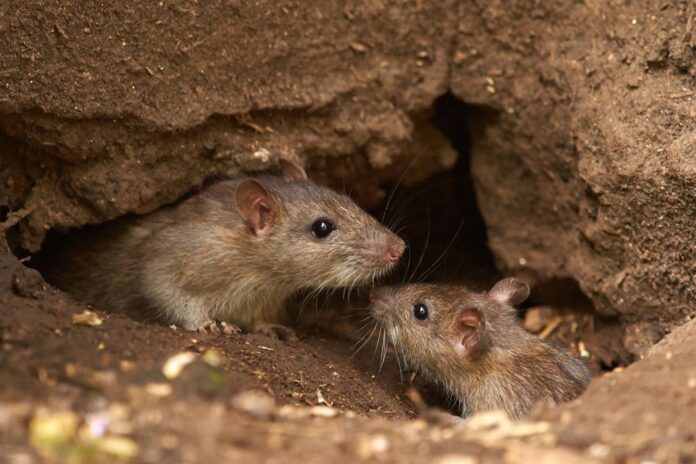
Iranian Researchers Produce Non-Toxic Rat Poison

It is quite worrisome to see a mouse at home or work. When searching for food or lodging, mice spread certain diseases which is quite dangerous to human’s health.

Particularly, when roaming about in places where food is kept or children play, the risk of them transmitting diseases to humans is higher. A natural habit of mice is gnawing at things, which means these rodents can damage houses, furniture and home appliances.

Mice can be gotten rid of employing a number of methods such as using mousetraps and rat poisons, which are the two most common ways to kill rodents.

Using toxic rodenticides, however, pollutes groundwater. They can also accidentally poison humans or kill pets. Thus, production of nontoxic rodenticides has always been of the utmost importance to the producers and consumers of such products.

According to a Farsi report by the Mehr News Agency, since three years ago, Iran Nanotechnology Initiative Council (INIC) has been involved in evaluating the quality of nano products by Iranian knowledge-based companies and confirming their nanoscale dimensions.

The INIC has confirmed the quality of a non-toxic rodenticide produced by a group of Iranian researchers.

The newly-produced non-toxic poison is now available on the Iranian market.

78 Judges Suspended in Iran Last Year: Judiciary

The Protection and Intelligence Centre of Iran’s Judiciary declared that 78 judges were suspended from their jobs from March 2016 to March 2017.

According to a Farsi report by the IRIB News Agency, the Centre stressed that the figure shows a 20-percent growth compared to that of a year earlier.

This Centre is responsible for implementing protection, security, intelligence and supervisory measures such as protecting national information, data, documents and equipment, fighting corruption and ensuring security.

It is duty-bound to maintain the independence of Iran’s judicial system and helping it remain healthy.

During the last Iranian year, 27,920 corruption reports and complaints were sent to the centre. The figure was 41 percent higher than that of a year earlier.

Iran Calls for Expansion of Media Ties with Azerbaijan

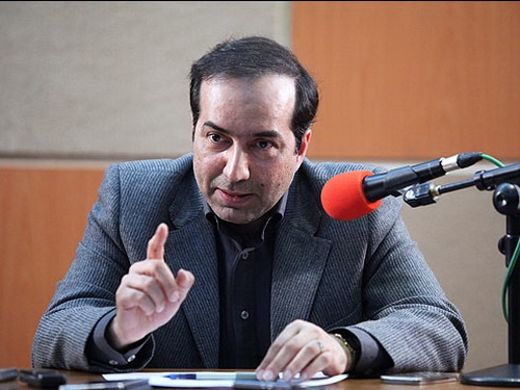
Dr. Hossein Entezami

“The two nations of Iran and Azerbaijan enjoy historical, cultural and religious commonalities. So, we should put more efforts into expanding our ties,” said Hossein Entezami, the Iranian Deputy Culture Minister for Press and Information Affairs.

He made the remarks during a Monday meeting with the Culture and Tourism Minister of Azerbaijan Abulfas Garayev in Baku, according to a Farsi report by IRNA.

Entezami said the Islamic Republic attaches great importance to expansion of tie with Azerbaijan and added his visit to Baku is aimed at exploring ways to expand the two sides’ media cooperation.

“Promotion of cooperation between the two sides’ media and the regular visits of their delegations can lead to the expansion of ties between Iranian and Azerbaijani nations in the fields of tourism and economy,” he noted.

For his part, the Azerbaijani minister referred to his latest visit to Iran, Azerbaijan Cultural Days held recently in Tehran, and Entezami’s visit to Azerbaijan as the main contributors to the expansion of ties between the two sides.

He also expressed his gratitude to Iran’s Ministry of Culture and Islamic Guidance for its contribution to holding Azerbaijan Cultural Day in Tehran.

Iran Calls for Expansion of Media Ties with Azerbaijan“Today, we held a meeting at the Ministry, where we discussed the results of my visit to Tehran and called on the concerned departments to promote bilateral cultural ties,” he said.
He described as constructive his latest visit to Iran and said a wrap-up report on his visit is set to be aired by the state-run TV of the Republic of Azerbaijan.

Garayev referred to the current cooperation between Iran and Azerbaijan within international organizations to preserve their common cultural heritage, and said the registration of the traditional bread of Lavash by UNESCO as the common cultural heritage of Iran and Azerbaijan is among the fruits of such cooperation.

He also pointed to the will of the two sides’ presidents for strengthening ties over the past years and said Iran and Azerbaijan should put more efforts into expanding their ties.

Entezami arrived in Baku on Monday at the head of an Iranian cultural delegation. He has already held talks with a number of leading media managers in Azerbaijan including AZERTAC.

ISIS Confirms Its Leader’s Death, Names New Caliph

Baghdadi

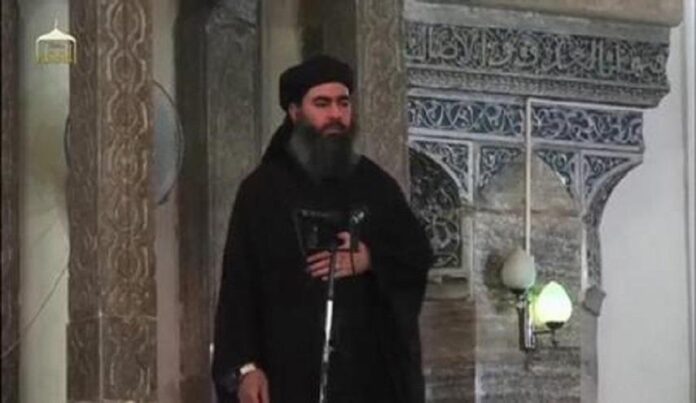
Iraq’s Al Sumaria TV channel has cited a source in the Iraqi province of Nineveh as saying the terrorists issued a brief statement in which they reported the death of their leader al-Baghdadi, as well as the name of the “new Caliph”.

Earlier on June 29, an Iranian official had confirmed the ISIS ringleader’s death. Representative of Iran’s Leader in IRGC Quds Force, Ali Shirazi, noted at the time that “this terrorist [al-Baghdadi] is definitely dead.”

It is said that the ISIS leader has been killed in a Russian airstrike on the Syrian city of Raqqa back in late May.

Al-Baghdadi appeared in the media for the first time in 2014 when he declared the creation of a caliphate in the Middle East. Since then, the media have reported several times about the death of the ISIS leader, though the information has never been confirmed.

Iraqi PM Officially Declares Victory over ISIS

Abadi made the remarks while delivering a formal statement aired by the state television on Monday.

“I announce from here the end and the failure and the collapse of the terrorist state of falsehood and terrorism, which the terrorist ISIS announced from Mosul,” he said, adding, “It was due to the Iraqi nation’s united front and sacrifice that we are now celebrating the victory over ISIS. This is the victory over darkness and terrorism.”

Asserting that the Iraqi nation is now more united than ever, the Iraqi premier noted, “I hereby pay homage to Grand Ayatollah Ali al-Sistani and his historic fatwa, calling on all Iraqi citizens to defend their country. I also pay tribute to all Iraqi fighters and soldiers, who played a role in this battle and the families of the martyrs.”

Abadi emphasized that the Iraqi soldiers were the sole force on the ground and there were no foreigners involved in liberation of Mosul.

“Now, we bear a heavy responsibility on our shoulders to purge the liberated areas from the last remnants of ISIS and return displaced people to their homes. Iraqis must be rightly proud of this achievement as it was planned and fully implemented by them,” Abadi pointed out.

The recapture of Mosul marks the biggest blow to the Takfiri extremist group since it declared its so-called caliphate three years ago.

Abadi arrived in Mosul a day earlier to congratulate Iraq’s military commanders following nearly nine months of incessant battle to take back the country’s second biggest city from ISIS terrorists.

Abadi’s statement came after Iraqi forces mopped up the last pockets of ISIS resistance in Mosul’s Old City, where the Takfiri terrorists were surrounded in a sliver of territory about 200 by 100 meters.

Lieutenant General Sami al-Aridhi of the elite Counter-Terrorism Service said on Monday that government troops were engaged in “heavy” fighting with the remnants of ISIS militants, but the battle was drawing to an end.

Iraqi PM Officially Declares Victory over ISIS

“They do not accept to surrender. But operations are in their final stages, and it is likely that (the fighting) will end today,” the senior commander highlighted.

Aridhi went on to say that his forces had information that there were between 3,000 and 4,000 civilians in the area still held by ISIS members in Mosul’s Old City.

The remarks came as the United Nations said 920,000 people fled their homes in Mosul amid fierce clashes between Iraqi government forces and ISIS terrorists there.

“It’s a relief to know that the military campaign in Mosul is ending. The fighting may be over, but the humanitarian crisis is not,” Lise Grande, the UN’s humanitarian coordinator in Iraq, said in a statement.

The Office of the United Nations High Commissioner for Refugees (UNHCR) said on Monday that it could take many months before civilians are able to return to their homes.

“It is likely that thousands of people may have to remain in displacement for months to come,” the UNHCR said in a statement.

The UN refugee agency noted, “Many have nothing to go back to due to extensive damage caused during the conflict, while key basic services such as water, electricity and other key infrastructure, including schools and hospitals, will need to be rebuilt or repaired.”

Additionally, twenty-eight aid groups working in Iraq have issued a statement, calling for international support for the reconstruction of Mosul and urged Iraqi authorities not to press civilians to return.

“Remaining insecurity; lack of basic services; explosive hazards contamination; and damage to homes, businesses and public infrastructure — including schools and hospitals — all continue to pose barriers to return,” the statement signed by groups like the Norwegian Refugee Council, Oxfam and Save the Children read.

Iraqi PM Officially Declares Victory over ISIS

It also expressed deep concerns for Iraqis trapped in Daesh-controlled areas in Iraq, namely Tal Afar, Hawijah district in the oil-rich northern province of Kirkuk and the troubled western province of Anbar.

“For the expected offensives in Hawijah, Tal Afar and western Anbar, where approximately 150,000 civilians are thought to still be trapped, it is vital that lessons are learnt from past offensives,” the aid groups said, demanding access to safety and assistance be prioritized.

Iraqi army soldiers and volunteer fighters from the Popular Mobilization Units have made sweeping gains against ISIS since launching the Mosul operation on October 17, 2016.

The Iraqi forces took control of eastern Mosul in January after 100 days of fighting, and launched the battle in the west on February 19.

An estimated 862,000 people have been displaced from Mosul ever since the battle to retake the city began eight months ago. A total of 195,000 civilians have also returned, mainly to the liberated areas of eastern Mosul.


‘Int’l Conference Should Be Held on Fight against ISIS’

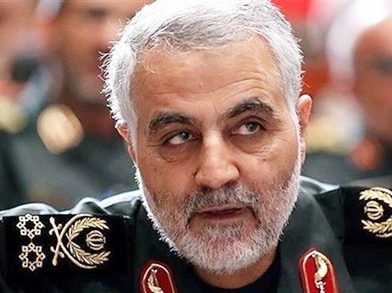
Soleimani

General Soleimani referred to a recent UN-sponsored conference held in Tehran on ways to tackle dust and sand storms, and said the organization of such conferences is very important as they help resolve people’s problems.

He at the same time noted that it is also crucial to hold international gatherings for exchanging views on the fight against ISIS.

“How is it that we hold emergency meetings to discuss the issue of airborne particulates, but we don’t hold conferences on fighting ISIS?” General Soleimani noted, speaking in a Monday ceremony commemorating Iranian martyrs.

The Iranian general said crimes committed by ISIS terrorists are so heinous that no media outlet can cover them.

ISIS militants delivered the coup the grace to thousands of innocent people in Tikrit or traded Izadi women, the general noted.

“The terrorists decapitated an infant in Aleppo. In Diyala, they took a baby from his mother by force, barbecued him like a lamb, and sent him back to his mother with some rice,” he noted.

They also carried out hundreds of suicide attacks, according to the general.

He further referred to the importance of diplomacy in settling international problems, but at the same time noted that it is not always useful.

“Diplomacy is good, but what diplomacy can be as effective as the blood of our martyrs?”

“Diplomacy is very good and we welcome it, but some issues cannot be resolved through diplomacy,” said the top commander.


Iran Played Role in Mosul Liberation

Elsewhere in his remarks, he said Iran takes pride in having contributed to the recapture of the Iraqi city of Mosul from terrorists.

Iran played a role in this victory by offering prompt support, not to mention the devoted troopers who were martyred to secure Mosul’s liberation, he noted.

The general said the Iranian Defence Ministry worked for “three shifts” per day to produce munitions for the Iraqi military.

“The Islamic Republic of Iran should offer all its resources to the Iraqi Armed Forces without expecting anything in return,” he quoted the Leader of the Islamic Revolution Ayatollah Seyyed Ali Khamenei as saying.

The commander said the city of Mosul was liberated thanks to the fatwas by top Shiite cleric Ayatollah Sistani, who supports not only Shiites, but every single Iraqi.

This cleric, said General Soleimani, encouraged the Iraqi youths as well as the Popular Mobilization Units to rise up against terrorists.

The general appreciated efforts by the Iraqi armed forces and Popular Mobilization Units in combating terrorists.

He said the Iraqi military is reliable today and can stand up to any aggression without any need for the help of foreign troops.

“Shiites, Sunnis and Kurds have come to the conclusion that they should assume the responsibility of running their country together,” the commander said.

He also appreciated Hezbollah’s assistance in Iraq and Syria and said many of the resistance movement’s members were martyred while fighting alongside Iraqi and Syrian troops against militants.

Iran Relies on Its People for Development, Security: Zarif

zarif

In a Monday speech at the Taribiat Modares University in Tehran, Zarif touched upon the fact that the Islamic Republic relies on its own capacities and resources for its development, security, and legitimacy, and is capable of increasing its power with reliance on domestic potentialities and resources.

Here are highlights of his remarks on the issue:

We live in a world littered with developments; a world where concepts and tools are not static. Back in the 19th century, they would speak of concepts such as the “absolute ruler.” There were rulers who had absolute sovereignty over people. But then came the transition period following the Cold War, and today the state of being a super power is no longer a determining factor in international relations, and governments are not the absolute determiners in international ties.

Rather, new non-state actors have emerged that used to be active in the economic domain, but now are operating in security and political fields. Some actors, like the Lebanese Hezbollah movement, have a positive performance, and some, like the ISIS, have a negative performance. Moreover, the diversity of tools of power used to be another determining factor in international relations. In other words, the quantity of munitions and military equipment was a yardstick against which to measure the power of a country. Later, economic power was added as another determining factor.

Nevertheless, today other parameters have been added to the requirements of power for a country. And all these factors together increase a country’s leverage. Therefore, growing influence and dwindling vulnerability are among the factors which determine a country’s power.

The regional powers have an outward look in order to gain legitimacy, security or both. At the moment, these countries are either supported by a foreign country or expect to receive such backing. The progress and security of these countries depends on foreign states. However, what makes Iran stand out from the rest in the region is that it, firstly, has people who highly value independence, and secondly, as the country has always been under threats by foreign states since the 1979 Islamic Revolution, it relies on domestic potential.

Iran relies on local resources for development, and looks to its own people for its legitimacy and security. So, Iran is capable of increasing its power with reliance on domestic potentialities and resources.

In transitional periods, usually they speak of the time when countries would emerge or be annihilated. In other words, some countries come into or go out of existence during specific periods of time, such as former Yugoslavia which is non-existent in today’s world. So a precise calculation of the time situation would determine the path on which a country is to move ahead. Therefore, countries such as Iraq under Saddam Hussein, Libya under Muammar Qaddafi, and the division of Sudan into northern and southern parts are a few examples in the current era. In fact those countries are no longer high-profile states because their leaders had gone to extremes in their policies.