Tuesday, December 30, 2025
Home Blog Page 385

Return of famed Iranian filmmaker Farhadi with movie on Daesh attacks in Paris 

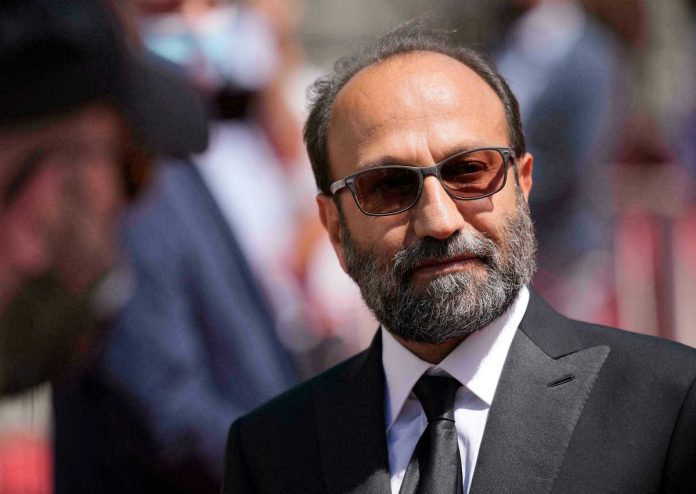
Asghar Farhadi

This will be Farhadi’s tenth film titled Parallel Tales and he will be so doing after four years of being away from film-making.

The November 2015 terrorist attacks in Paris killed 130 people and injured 500 others. Daesh terrorist claimed responsibility for those brutal attacks.

Now, Farhadi, who has two Oscars to his name, twelve years after making the French-language film The Past, is set to depict the narrative of these tragic events.

Filming of Parallel Tales, featuring renowned French actors such as Catherine Deneuve, Isabelle Huppert and Virginie Efira is scheduled for the fall. The film is expected to be released in the spring of 2026.

Parallel Tales is Farhadi’s first film since A Hero, which won the Grand Prize at the Cannes Festival in 2021.

Farhadi has previously won the Oscar for Best Foreign Language Film twice with A Separation (2011) and The Salesman, both produced in Iran.

Russia announces 3-day truce in Ukraine war

Russia Ukraine War

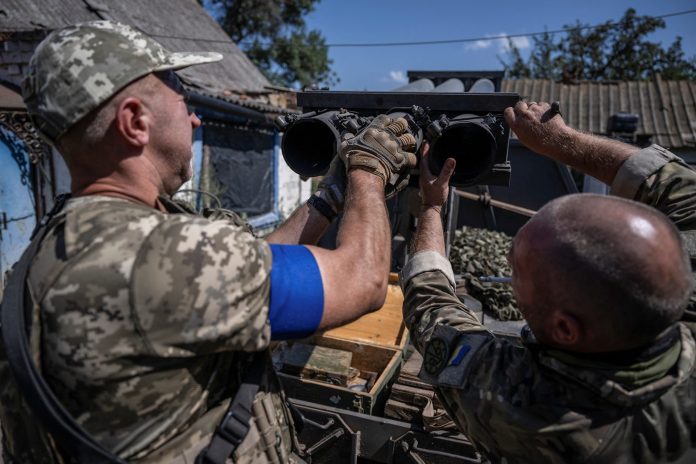
The ceasefire will be in effect from midnight on May 8 until midnight on May 11, according to the Kremlin’s statement.

“During this period, all military actions will cease. Russia believes that the Ukrainian side should follow this example,” the statement read.

The announcement comes as Moscow continues to reject Kyiv’s demand for a full and unconditional ceasefire as the first step toward a broader peace deal.

U.S. President Donald Trump has intensified his push for a ceasefire in Ukraine, urging Putin to “sit down and sign a deal.” U.S. officials have previously threatened to walk away from the peace efforts unless progress is reached soon.

The Kremlin claimed that Russia remains ready for “peace negotiations with Ukraine without preconditions” and expressed willingness for “constructive engagement” with international partners.

Russia celebrates the end of World War II in Europe on May 9, marking the occasion with pompous military parades. Most other European nations, including Ukraine, mark May 8 as Victory in Europe Day.

Andrii Kovalenko, an official at Ukraine’s National Security and Defense Council, questioned why Moscow does not instead declare a “full and comprehensive ceasefire.”

“Anything that is not a comprehensive ceasefire is Russian manipulation for informational and military purposes, an attempt to hide its intent to continue the war,” Kovalenko said after Putin’s announcement.

White House Press Secretary Karoline Leavitt reacted to Putin’s announcement, highlighting that Trump seeks a permanent ceasefire.

“I understand that Vladimir Putin offered a temporary ceasefire this morning. (President Trump) has made it clear he wants to see a permanent ceasefire first to stop the killing, stop the bloodshed. And while he remains optimistic he can strike a deal, he’s also being realistic as well,” Leavitt said.

“Both leaders need to come to the table to negotiate their way out. And I think that the president meeting with President Zelensky (on April 26) shows that he is exuding a lot of effort and time into this because he wants to be a peacemaker president, which he was in his first term. He intends to do that again,” she added.

The Victory Day ceasefire is the latest in a series of truce initiatives announced by Moscow, which it has itself repeatedly violated.

Earlier this month, Russia declared a ceasefire over the Easter holiday, though President Volodymyr Zelensky accused Moscow of nearly 3,000 violations between April 19 and April 21. Ukraine has also said that Russian forces repeatedly breached a partial truce on attacks against energy facilities brokered on March 25.

Russia has repeatedly proclaimed its supposed readiness for peace talks while simultaneously pushing for maximalist demands. Kyiv has dismissed these declarations as a propaganda stunt, noting that Russian forces have only intensified their attacks on Ukrainian cities and towns.

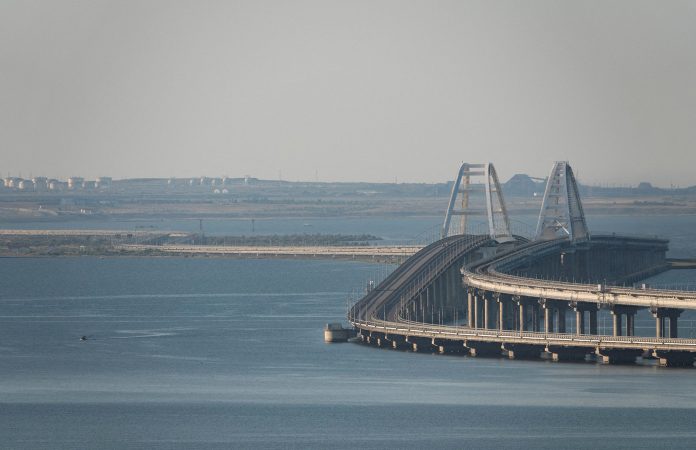
Russia demands  intl. recognition of Crimea, other Ukrainian regions’ annexation in any peace negotiations

Crimean Bridge

This demand, reinforced last week by Kremlin spokesperson Dmitry Peskov, underscores how Russia continues to push its maximalist demands despite the U.S. efforts to broker a peace deal.

Russia illegally declared the four Ukrainian oblasts as annexed in 2022 following widely condemned sham referenda, but it does not fully control the territories. Crimea, occupied by Russia since 2014, was also included in Moscow’s territorial claims.

The U.S. is reportedly considering a de jure recognition of Russia’s control over Crimea as part of a potential peace deal and de facto control over other occupied territories. At the same time, U.S. officials are said to have rejected a demand for Ukraine’s complete withdrawal from the other four regions.

Asked about Russia’s conditions to enter peace talks, Lavrov also named a ban on Ukraine’s entry into NATO, the country’s demilitarization, and changes to Ukraine’s legislation that would restore the position of the Russian language, culture, and religious organizations.

These conditions are effectively the same as the initial demands raised by Moscow at the start of its full-scale invasion of Ukraine.

Lavrov also stated that Ukraine’s ban on direct negotiations with Russian President Vladimir Putin must be lifted. Previously, the Kremlin said that Putin would be ready to enter talks with Kyiv without “any preconditions” once this restriction was removed, seemingly contradicting Lavrov’s later statements.

Ukraine has ruled out ceding its territory as part of any peace agreement, and both Kyiv and its allies have rejected demands for a reduction of the Ukrainian Armed Forces.

“All of Kyiv’s commitments must be legally guaranteed, have enforcement mechanisms, and be permanent,” Lavrov continued, adding that Russia also demands the lifting of Western sanctions, the abolition of international lawsuits and arrest warrants against Russian officials, and the return of frozen Russian assets.

Western governments have already begun using money linked to those assets to support Ukraine. In October 2024, the Group of Seven (G7) approved nearly $50 billion in loans for Kyiv, to be repaid using interest earned on frozen Russian funds.

Additionally, Lavrov said Moscow would demand “reliable security guarantees” from NATO, the European Union, and their member states against supposed future threats on Russia’s western borders.

Lavrov said Russia remains open to negotiations but claimed “the ball is not on our side,” accusing Kyiv of lacking “political will for peace.” He also added that the U.S. “has begun to better understand” Russia’s positions, hinting at the foreign policy shift brought about by U.S. President Donald Trump.

It has been more than 45 days since Ukraine accepted a U.S.-proposed 30-day ceasefire first introduced in March. Moscow rejected the plan, demanding a complete halt to Western military aid to Ukraine.

Despite claiming to support de-escalation, Russia has continued offensive operations along the front lines. Moscow has also intensified its attacks on civilian infrastructure, most recently killing 13 people in an attack on Kyiv on April 24.

Meanwhile, a separate partial ceasefire covering Ukraine’s energy infrastructure, brokered during talks in Saudi Arabia in late March, has also been repeatedly violated.

According to Ukraine’s Foreign Ministry, Russia has breached the energy truce more than 30 times since it came into effect on March 25, targeting critical power infrastructure across the country.

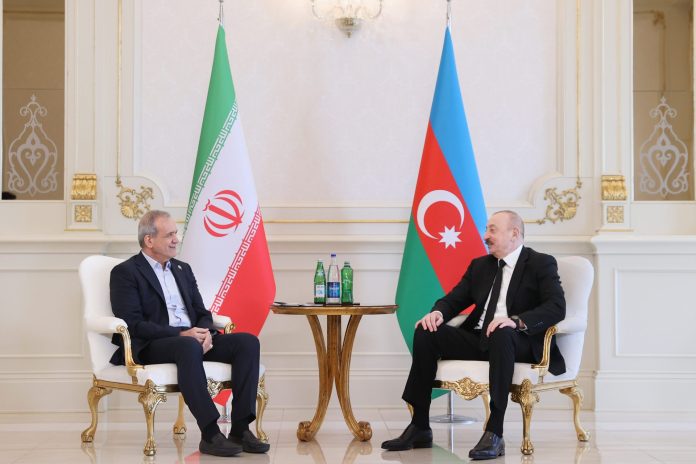
Iran’s president underlines Expansion of security cooperation with Azerbaijan Republic

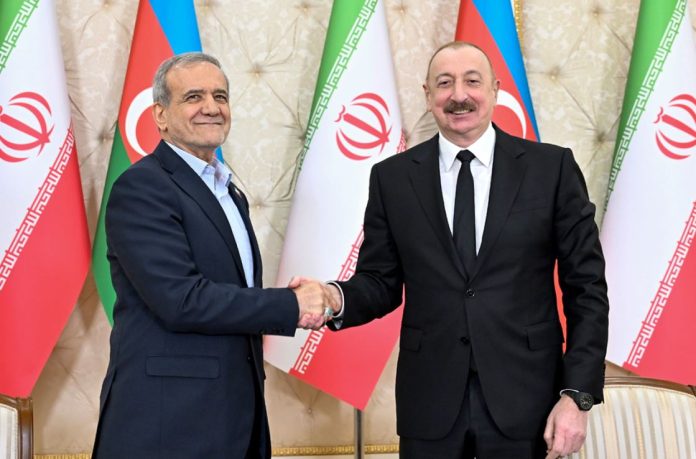
President Pezeshkian made these remarks during a joint press conference with Azerbaijani President Ilham Aliyev in Baku on Monday, stressing that all Islamic countries and neighbors should join hands, respect each other’s territorial integrity, and expand their relations.

Referring to the historical ties between Iran and Azerbaijan, he added: “In this region, we share many commonalities in religious, ideological, and political aspects. We cherish these commonalities, take pride in them, and strive to expand our relations based on them.”

The Iranian president assured that the agreements signed between the two countries would be implemented, adding that Iran is determined to fully execute its agreements with Azerbaijan, which will pave the way for a new and brighter future for Iran, Azerbaijan, and the Middle East region.

He also emphasized the expansion of financial and trade relations, improving transportation routes and corridors between the two countries, and strengthening cooperation in scientific, cultural, and security fields.

Azerbaijani President Ilham Aliyev, in turn, stated that the peoples of the two countries have long enjoyed fraternal relations, and the ties between their governments are firmly rooted in this foundation. He expressed confidence that this visit would further expand cooperation and bilateral relations.

Aliyev noted the signing of “very important” documents during the visit of the Iranian delegation to Baku, adding that the signing of these agreements in the presence of the two presidents reflects their efforts to deepen relations in all areas.

The Azerbaijani president stated the Republic of Azerbaijan and Iran support each other within international organizations, including the United Nations, the ECO, and the Organization of Islamic Cooperation.

He further added: “The cooperation between Azerbaijan and Iran spans all fields and is based on regional security.”

In conclusion, he emphasized that Azerbaijan attaches great importance to lasting peace, territorial integrity, the sovereignty of nations, and non-interference in internal affairs.

Iranian interior minister: Those accused of negligence in Bandar Abbas incident being questioned

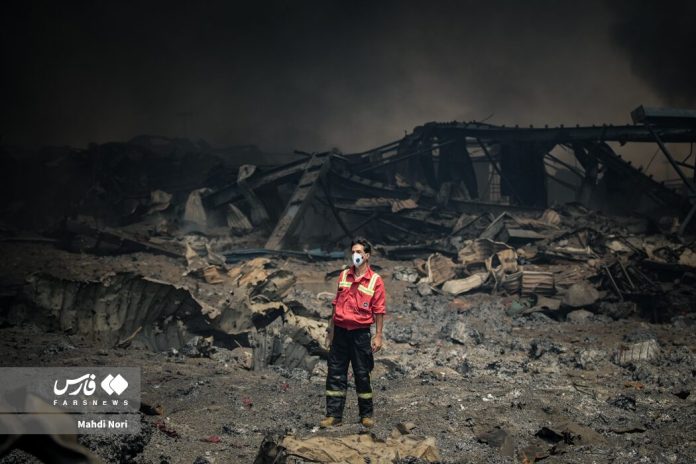
Speaking to the IRIB, Momeni added that so far, there have been 46 fatalities, and the number of unidentified bodies is nearly equal to the number of missing persons and corpses.

According to the interior minister, police forensic identification teams are working on the matter and the number of injured has decreased to 120.

Momeni underlined that a committee has been formed to investigate the causes of the Shahid Rajaee Port fire. He added that there were shortcomings in this incident, including failure to observe safety protocols, as well as lapses in passive defense measures, and some of those responsible for the negligence have been summoned for questioning.

He also underscored the need for a thorough analysis of why goods remained at the port and called for a report to be prepared for the government.

The interior minister noted that Russia had sent several planes, which, fortunately, have not been needed so far.

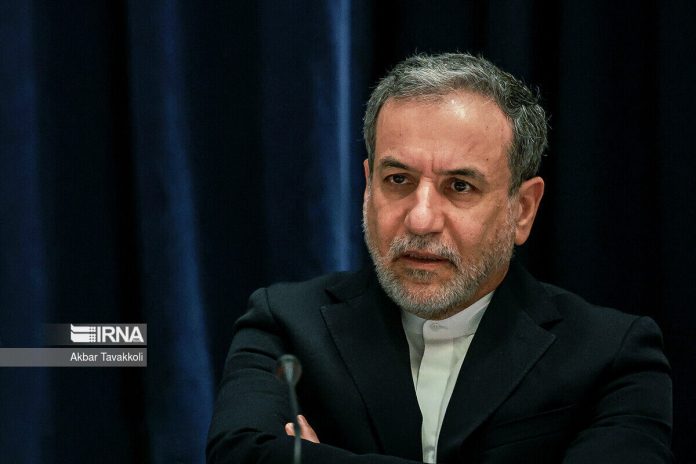
Iran FM warns of Israel plot to derail nuclear talks with US

Abbas Araghchi

Asserting Tehran’s resolve to foil the sinister external attempts at undermining its foreign policy, Araqchi warned that any military strike will trigger the country’s immediate reciprocal action.

In a post on his X account on Monday, Araqchi denounced the Israeli regime’s attempts to disrupt the negotiations over Iran’s peaceful nuclear program.

“Israel’s fantasy that it can dictate what Iran may or may not do is so detached from reality that it hardly merits a response,” he said.

“What is striking, however, is how brazenly Netanyahu is now dictating what President Trump can and cannot do in his diplomacy with Iran,” Araqchi added.

“Conveniently, Netanyahu’s Allies in the Failed Biden Team -who failed to reach a deal with Iran- are FALSELY casting our indirect negotiations with the Trump administration as another JCPOA,” he said.

“Let me be clear: Iran is strong and confident enough in its capabilities to thwart any attempt by malicious external actors to sabotage its foreign policy or dictate its course. We can only hope our US counterparts are equally steadfast,” the foreign minister stated.

“Many Iranians no longer believe the JCPOA is sufficient. They seek tangible dividends. Nothing Netanyahu’s Allies in the Failed Biden Team say or do will change this reality,” he stressed.

“There is no military option, and certainly no military solution. Any strike will be immediately reciprocated,” Araqchi warned.

Iranian President affirms support for Azerbaijan’s territorial integrity during Baku visit

President Pezeshkian, who arrived in the Azerbaijani capital at the head of 120-strong delegation, stated, “We believe Nagorno-Karabakh is an inseparable part of Azerbaijan’s territory and we respect this position.”

The region is disputed between the Republic of Azerbaijan and neighboring Armenia and has triggered conflicts between the two countries.

The Iranian president conveyed greetings from the Leader Ayatollah Seyyed Ali Khamenei and emphasized the fraternal ties between the two nations, calling them “not just neighbors but friends, brothers, and even relatives.”

The visit aims to strengthen bilateral relations following recent expert-level agreements.

President Pezeshkian expressed hope that the signed agreements would lead to broader cooperation, serving as regionala model for interaction.

President Aliyev welcomed the Iranian delegation, describing the visit as historically significant.

“During our private meeting, we discussed numerous issues and emphasized expanding relations across all sectors,” Aliyev said.

He expressed confidence that enhanced ties would benefit both nations.

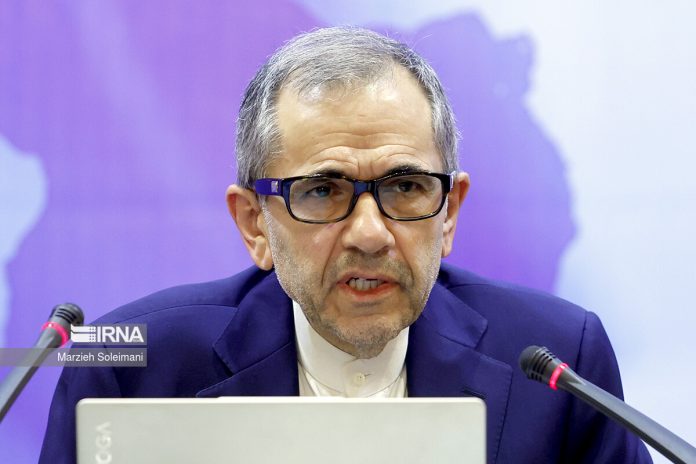
Iran’s Deputy FM: Zero enrichment ‘non-negotiable’

Majid Takht Ravanchi

Takht-Ravanchi was briefing the Parliament’s Committee on National Security and Foreign Policy on Sunday on the third round of indirect talks between Iran and the United States held in the Omani capital of Muscat a day earlier.

The third round of indirect talks between Tehran and Washington was led by Iranian Foreign Minister Abbas Araghchi and US President Donald Trump’s envoy Steve Witkoff. Earlier in the day, technical-level talks between Iranian and American experts also took place in Muscat.

Michael Anton, the State Department’s head of policy planning, led Washington’s expert-level delegation, while Iranian Deputy Foreign Ministers Kazem Gharibabadi and Takht-Ravanchi led Tehran’s team. The expert-level discussions focused on details of expectations and demands.

According to Ebrahim Rezaei, the parliamentary committee’s spokesman, Takht-Ravanchi said during the meeting that the negotiating team has never held discussions about its redlines, and the talks were restricted to the nuclear case.

Takht-Ravanchi explained that the Saturday talks in Muscat focused on building confidence about the peaceful nature of Iran’s nuclear program in return for the lifting of all sanctions.

During the session, Rezaei stated, it was emphasized that oil, petrochemical, gas, shipping, financial and banking sanctions must be lifted and that Iran’s resources and assets abroad must be released.

The participants also stressed the importance of lifting all trade, industrial, mining, transportation and insurance bans and terminating sanctions on institutions and individuals, he added.

He emphasized that Iran’s nuclear case in the UN Security Council and the International Atomic Energy Agency’s Board of Governors must be closed.

The Iranian lawmaker reiterated the Parliament’s support for any measure that would serve national interests, security and dignity, saying the talks must guarantee the country’s interests and security.

“Another issue emphasized in this meeting was that if the snapback mechanism is activated, we will activate our own levers, one of which is withdrawal from the NPT (Non-Proliferation Treaty),” Rezaei continued.

The so-called snapback mechanism allows for the return of the United Nations Security Council’s sanctions against Iran suspended under the 2015 nuclear deal, formally known as the Joint Comprehensive Plan of Action (JCPOA).

The lawmaker also quoted Takht-Ravanchi as saying that Iran insists on improving cooperation with China and Russia and has high-level relations with them.

The deputy foreign minister stressed the need to pass a strategic partnership treaty with Russia.

Russian President Vladimir Putin on Monday signed a law ratifying a comprehensive strategic partnership agreement with Iran for closer cooperation in trade, defense, energy, and regional infrastructure projects.

The pact, signed by Putin and Iranian President Masoud Pezeshkian, has a duration of twenty years and establishes the legal framework for long-term cooperation in various sectors, including defense, energy, industry, agriculture, finance, transportation, science, culture, and technology.

President Pezeshkian says Iran welcomes foreign investors, international traders

“We express our readiness for any form of cooperation with countries around the world in scientific, economic, political, and social fields,” Pezeshkian said while speaking at the inauguration ceremony of the 7th Export Capabilities Exhibition of the Islamic Republic of Iran (Iran Expo 2025) on Monday.

He stated that Iran provides a prime platform for foreign investment and tourism, adding, “Trade, investment, and international cooperation are the foundations of lasting stability.”

Minister of Industry, Mines and Trade Mohammad Atabak, who also gave a speech at the ceremony, stated, “We’re committed to win-win international partnerships and stand ready to share our capabilities.”

The seventh edition of Iran Expo, Iran’s largest and most significant export event for engaging with international markets, kicked off in Tehran on Monday morning with the participation of representatives from companies across over 100 countries.

More than 2,000 firms from around the world are in Tehran to engage in negotiations and establish trade interactions with Iran’s largest brands.

This came as Leader of the Islamic Revolution Ayatollah Seyyed Ali Khamenei designated the new Persian year of 1404 as the year of “investment in production” which indicates the need to focus on directing financial resources towards productive sectors.

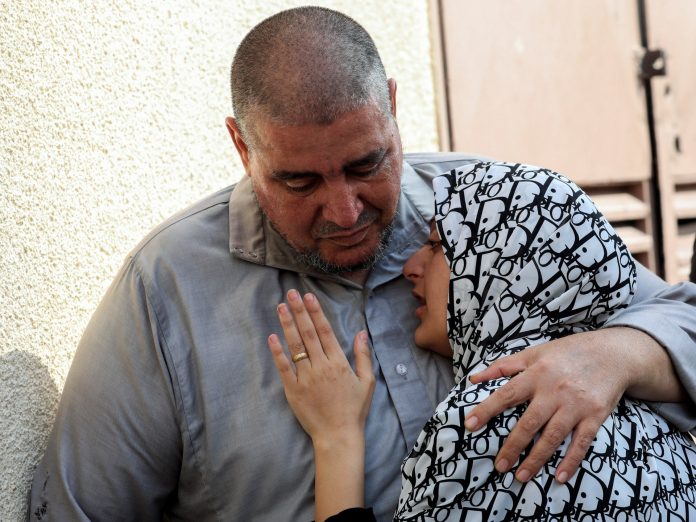
65% of Gaza war victims women, children, elderly: Report

Gaza War

In a statement, the Gaza-based Government Media Office confirmed that the Israeli forces have killed over 18,000 children and 12,400 women since Oct. 7, 2023, while wiping out 2,180 entire families.

It added that 5,070 other families now survive with only one remaining member.

Israeli strikes have also claimed 1,400 medical personnel, 212 journalists, and 750 aid workers.

The statement also said that “systematic attacks … have collapsed Gaza’s healthcare system and attempted to silence truth.”

The statement confirmed that facts on the ground, along with testimonies from Israeli pilots and military leaks, cited by rights organizations, admit to intentionally bombing civilian homes and neighborhoods.

“The facts leave no doubt that targeting civilians in Gaza is a systematic policy of the Israeli occupation within its plan to commit the crimes of genocide and ethnic cleansing,” the statement read.

The Israeli army resumed its assault on Gaza on March 18, shattering a Jan. 19 ceasefire and prisoner exchange agreement.

Israel has killed more than 52,200 Palestinians in the enclave since October 2023, most of them women and children.

The International Criminal Court issued arrest warrants last November for Israeli Prime Minister Benjamin Netanyahu and his former Defense Minister Yoav Gallant for war crimes and crimes against humanity in Gaza.

Israel also faces a genocide case at the International Court of Justice for its war on the enclave.