Thursday, December 25, 2025
Home Blog Page 3783

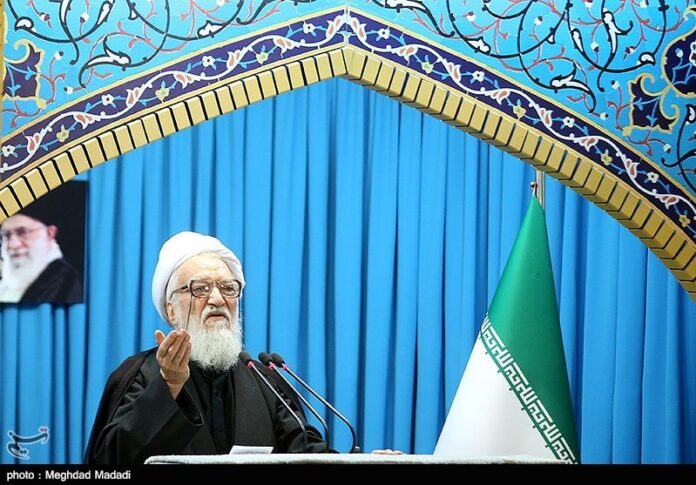
Defeat of ISIS Proof of Iran’s Regional Power: Cleric

Ayatollah Mohammad Ali Movahedi Kermani

Addressing Friday prayers worshippers in Tehran, Ayatollah Mohammad Ali Movahedi Kermani said the defeat of ISIS proved the “power of Islam, Iran and Hezbollah” to the US.

He also highlighted the role of Iraqi religious authorities in mobilizing efforts in the fight against ISIS.

The cleric further cautioned against the enemy’s future plots.

The recapture of the Syria town of Al-Bukamal from ISIS on November 19 marked an end to the terrorist group’s caliphate it had declared in 2014.

Leader of the Islamic Revolution Ayatollah Seyed Ali Khamenei has said the elimination of ISIS Takfiris was a service to all humanity and a blow to the creators and supporters of the terrorist group, including the US.

ISIS militants had made swift advances in northern and western Iraq over the summer of 2014, after capturing large areas of Syria.

Iran and the Lebanese Hezbollah movement stood by Syria in the war against ISIS.

Iran FM, Azerbaijan President Meet in Baku

zarif

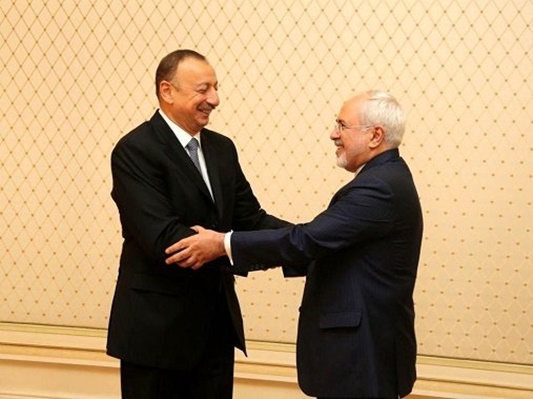
During the Friday meeting held in the Azerbaijani capital, Zarif and Aliyev conferred on bilateral relations between Tehran and Baku, and the tripartite cooperation between Iran, Turkey and Azerbaijan.

They also discussed joint fight against terrorism and extremism, railways, cooperation on Afghanistan, and the Astana talks on Syria.

The meeting was held on the sidelines of the international Heart of Asia Conference.

Zarif on Friday joined top foreign officials in Baku for the Heart of Asia Conference, which includes 14 participating and 17 supporting countries, as well as 12 international and regional organizations, such as the United Nations, the North Atlantic Treaty Organization (NATO), the Economic Cooperation Organization (ECO) and the Organization of Islamic Cooperation (OIC).

Speaking to reporters in Azerbaijan’s capital of Baku on Friday, Mohammad Javad Zarif said he has attended the Heart of Asia Conference as part of joint efforts to help ensure security and economic development in Afghanistan.

Iran maintains that any initiative for peace, stability and progress in Afghanistan and the battle against terrorism and narcotics in the country should be overseen by the Kabul government, he added.

Warning against the growing threat of the ISIS terrorist group in Afghanistan, Zarif expressed the hope that close international cooperation would help the Afghan government go through the current critical stage.

Iran’s Mannequin Robot among World’s Top 8 Contributions

An official from Sharif University says RoMa managed to be among the last eight final designs during the Conference that was held in the city of Tsukuba last week with the participation of 22 countries.

Acocrding to a Farsi report by ISNA, Ali Meqdari said that RoMa is the first robotic mannequin in Iran, which is designed and built by the professors and students of Sharif University.

“Attractive and different design, kinetic capabilities, movements of the neck, shoulders and elbows in the most similar way to humans, 360-degree body rotation, motion control, programming by Android app, ability to schedule different body movements at specific intervals, AI capabilities, customer identification, interaction with the client, and the ability to broadcast audio messages (welcoming and giving information about the clothes) are among the main features of RoMa,” said Meqdari.

Ali Meqdari, Minoo Alemi, Ehsan Safari, Ahmad Zibafar, Leila Farian, Ali Qorban Daeipour, Amin Reza Soltani and Alireza Taheri are members of Sharif University team who have managed to build this robot.


“Unprecedented Anti-Iran Tendencies Gain Momentum in White House”

trump

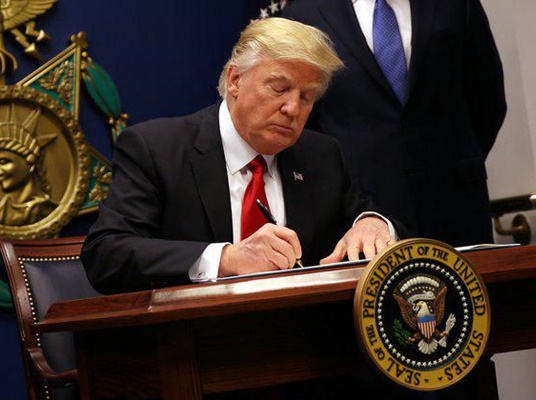
Here is the full text of his Farsi article published in the Shargh daily newspaper on Wednesday, November 29:

There have been a few unprecedented changes in the American decision-making system that have a direct or indirect impact on Iran-related decisions in Washington:

  1. Over the past few decades, in no US administration as much as the current one, so many high-ranking military officials have occupied key positions. General Mattis is the Pentagon Chief, General McMaster is US National Security Advisor and John Kelley is the White House Chief of Staff. In the past, these three key posts have often been occupied by non-military persons. General Alexander Haig was the White House Chief of Staff more than 40 years ago at the time of President Nixon. After that, non-military persons were always at the post. Joel Rayburn is a senior military officer at the US National Security Council. After Iran’s revolution, all these generals have had command posts in Iraq, Afghanistan, and Lebanon, and generally shared bitter experience regarding Iran. Two or three years ago during Obama administration, Colonel Joel Rayburn was isolated and engaged in academic work at Brown University. For the first time, I saw him at a seminar in which he was describing his experience in Iraq for the audience and was promoting Iranophobia. I had an answer for him and it turned to a one-on-one debate. Suddenly, with a quivering voice, he said, “Mr Mousavian! What do you know about the crisis in Iraq? I have been involved in the operation. My companions have been killed in front of my eye by the elements supported by your Quds Force, and I’ve seen them dying… .” I told him that my brother and three of my cousins were also martyred in Iraq war, a war that the United States was supporting Saddam. I told him that “your claims regarding the Quds Force has not been proved, but the Americans have confessed about my claim on the US support for Iraq’s aggression against Iran.” The chair of the session stopped the debate, and said “we must admit that the hostility of the United States and Iran has had many victims on both sides.” However, that angry colonel is responsible for Iran, Iraq, Syria and Lebanon issues at the NSC today, and his role in policies made against Iran is even greater than that of US State Department diplomats.
  2. The US State Department and its senior diplomats have been marginalized and isolated in an unprecedented way. Therefore, experienced diplomats have a “minimal” role and influence in the current US decision-making system.
  3. The combination of Trump’s daughter, Ivanka, and her husband, Jared Kushner, at the White House, and their key role in making decisions with no political and diplomatic experience, is an unprecedented phenomenon that has angered the generals at the White House and the Pentagon as well as the US diplomats, causing friction in the American decision-making system. It is also important to note that Kushner is from a famous Zionist American family, with whom Netanyahu has had a close family relationships since his studies in the US. For Netanyahu, Kushner is the shortest, fastest and most efficient way of influencing the White House decisions. Kushner’s special ties with Saudi Crown Prince Mohammed bin Salman were also organized in this way.
  4. The three developments mentioned have led to a strange confusion regarding the national security of America and the critical process of decision-making for foreign policies. This situation has created a golden opportunity for lobbies. Over the past few decades, Tel Aviv’s lobby in Washington has always had extraordinary influence over US decisions, but ultimately, Tel Aviv has followed Washington’s decisions. But the developments in the Trump administration have changed everything. This is an important point that may be difficult for many to accept.
  5. The Saudis and the other Arab allies of the United States have had an active and influential lobby in Washington for many years. However, in the past, the main objective of this lobby was to maintain a balance regarding Washington’s policies on the Arabs-Tel Aviv relationship, and boosting anti-Iranian policies was the secondary objective of the Arabs lobby. With the onset of the Iranian nuclear crisis, these two lobbies came together. During the Obama administration and with the change of US policies on Iran, the lobbies of Zionists and Takfiri Arabs united, but failed to change Obama’s policy on Iran. However, during the Trump administration and with taking this opportunity, the unified Tel Aviv-Riyadh-Abu Dhabi lobby has fully succeeded in imposing its demands on the decision-making system in Washington against Iran, and they are not facing serious obstacles. Two, three weeks ago, a group of former senior US Democrat and Republican officials travelled to Tel Aviv; people who held positions like Vice President, Secretary of Defence, Secretary of State, National Security Advisor and Ambassador in previous cabinets. They had extensive discussions with their former Israeli counterparts about Iran and the region. The whole efforts of the American team was to convince the other side about the policy of “carrot and stick” on Iran. But those in Tel Aviv have insisted on the policy of a “carrot-free stick” against Iran. This type of meeting between politicians on the two sides is not unprecedented, but what surprised the US side was the presence of Director General of the Saudi General Intelligence Directorate Turki al-Faisal at the meeting in Tel Aviv. Israelis had invited him to present the views of the Saudi Crown Prince in an extremely hostile speech against Iran, and to make it clear to Americans that Washington’s Arab allies are now on Tel Aviv’s side.
  6. In the past, the United States was carrying out military operations directly to the countries of the region, such as Afghanistan and Iraq. But Washington’s new strategy is that the military strike be carried out by its allies with the US supports. The US money must not be spent on wars. No American’s blood must be spilt and the multiplied costs of the supports have to be paid. We see this in the war against Yemen. Tel Aviv also tries not to enter the conflict directly. Therefore, Riyadh and its Arab allies must assume responsibility for any military action to benefit from US and Zionist supports. Meanwhile, the cost of these supports must be paid. So, the Muslim countries should pay for every war which is waged.
  7. Trump is an unprecedented phenomenon in the history of US presidents. A totally unpredictable person whose decision-making almost overwhelmingly confused both US parties. Senate Foreign Relations Committee Chairman Bob Corker said that Trump policies could put America at risk of pushing for World War III. Trump’s popularity rating is at the lowest level throughout the 70-years of presidential race. Senior Republican figures have come to this conclusion that Trump will lead them to their historic defeat in the upcoming US congressional elections and also the presidential elections. At the same time, it is important to note that until now, the majority of Trump’s decisions on domestic and foreign policy have been controversial, with the exception of the sanctions imposed on Iran! In such situation, the propaganda war, lobbying, and public diplomacy stirred up Washington’s anti-Iran policies and accelerated the process of decision-making against Iran in an unbelievable way. These seven developments besides what I described in my article entitled “The need to pay attention to the threat of the triangle,” in Donya-ye Eqtesad daily on November 8, have a special meaning. Hope the Islamic Republic’s decision-makers could manage the situation prudently.

Iran VP, Estonia President Discuss Promotion of Ties

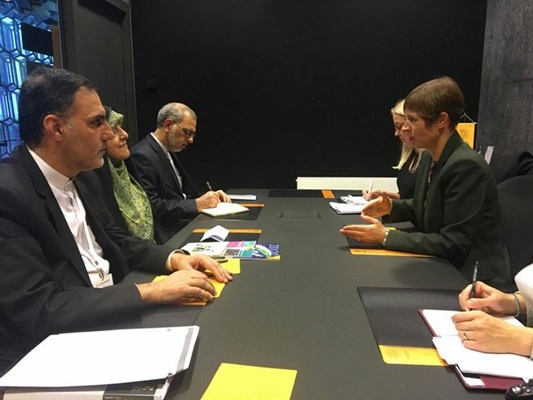
During the meeting, which was held on the sidelines of Women Political Leaders Summit in Iceland, Ebtekar touched upon diplomatic relations and business ties between Iran and Estonia, saying that the women and family affair is one of the most important issues in the development of ties.

According to a Farsi report by ISNA, Ebtekar added that spheres like IT, tourism, ecotourism and handicrafts are among other important areas for developing relations.

She also talked about the development of Iran’s interactions and trade after the nuclear deal.

In turn, Kaljulaid expressed her interest in developing cooperation with Iran in women affairs, pointing out that ICT today plays an important role in the development of the tourism industry and at the same time is considered as an appropriate field for economic empowerment of women.

Over 400 women political leaders from around the world met in Iceland on Wednesday for an annual summit aimed at promoting gender equality inside and outside of the political sphere.

The summit came amid the sexual misconduct scandal that has rocked the world of politics, as well as the entertainment and media industries.

“Iran Can Help Resolve Armenia-Azerbaijan Issues”

Iranian Foreign Minister Mohammad Javad Zarif heading a political-economic delegation paid a day-long visit to Armenia Tuesday to promote the country’s economic diplomacy.

Armenia is of significance to Iran as it has no common trade borders with countries around it other than Iran and Georgia. So, Armenia is very beneficial to Iran trade-wise.

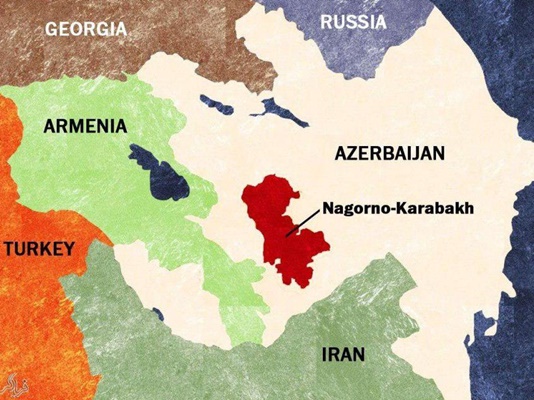
Among other issues discussed by Iran and Armenia in recent years is the issue of Karabakh and differences between Yerevan and Baku. To discuss that further, the Persian-language Khabar Online news agency has conducted an interview with former Iranian Ambassador to the Azerbaijan Republic Afshar Soleimani.

The full text of the interview conducted follows.


Explain to us the reason behind Dr. Zarif’s trip to Armenia.

Our foreign minister’s trip to Armenia came at the invitation of his opposite number Edward Nalbandian. Zarif made the trip leading a political-economic delegation. During the trip, Zarif not only met his Armenian counterpart, but sat down with the Armenian president as well. A joint economic meeting was also set up by the two countries.

Armenia, a Christian neighbour, is of significance to Iran in the South Caucasus. The foreign ministers of both countries make mutual trips to the other country on a regular basis to review the enhancement of relations and identify and remove obstacles to the promotion of reciprocal ties.

As Armenia has no territorial and political relations with the Azerbaijan Republic and Turkey, and it only has open borders with Iran and Georgia, Yerevan pays due regard to its relations with Iran, especially when the Islamic Republic meets a great part of Armenia’s needs for natural gas and food as well as industrial and petrochemical products.

How do you evaluate the strong and weak points of the two countries? In your opinion, can Iran’s diplomatic apparatus settle the differences between Baku and Yerevan?

The two countries have constructive cooperation with one another in international organizations and circles, and defend each other’s rights. Given that 20% of Azerbaijan Republic’s territory is occupied by Armenia, and with regard to the circumstances surrounding Tehran-Yerevan ties, Tehran-Baku relations have always been impacted by Tehran-Yerevan relations. So, the Iranian diplomacy apparatus should try its best to urge Armenia to pull out of the Azerbaijan Republic’s occupied territories in conformity with UN Security Council resolutions and play an effective role in settling the Karabakh issue.

Can we say that part of the trip is related to the European Union’s demand regarding the nuclear power plant in Armenia?

Given that the Metsamor nuclear power plant in Armenia is dangerous, and that waste material from aluminum and copper factories in the country go into the Aras River, the Iranian foreign minister should have held meetings with Armenian officials during his trip in line with the closure of the Metsamor atomic facility as demanded by the EU as well. Also, Zarif should have talked Armenian authorities into preventing waste material from pouring into the Aras River, which creates environmental problems and jeopardizes the people living around the river.

Our ambassador to Armenia has told ISNA that the extent of Tehran-Yerevan relations is not satisfying. What does that mean? Will it harm mutual ties?

Armenia is mostly influenced by Russia, and the Russians have established a military base in Armenia’s Gyumri, and the country’s energy is under Moscow’s sway. That is why the Russians did not allow Iran’s natural gas pipeline to be linked to Georgia via Armenia. Moreover, Armenia’s borders with its neighbours are controlled by Russian troops. So, Armenia’s foreign relations are affected by its ties with Russia. As a result, Iran should hold the necessary consultations with Russia for regional cooperation in the Caucasus and bilateral relations with the countries there.

It seems Zarif must have also discussed bilateral issues as well as key regional and international developments with Armenian officials during his trip, and must have informed Armenian authorities of the latest situation of the Iran nuclear deal and Washington’s breach of promises.

As an Armenian lobby exists in the US and France, the Iranian foreign minister must have considered talks on how to make the most of this lobby in line with Iran’s national interests.

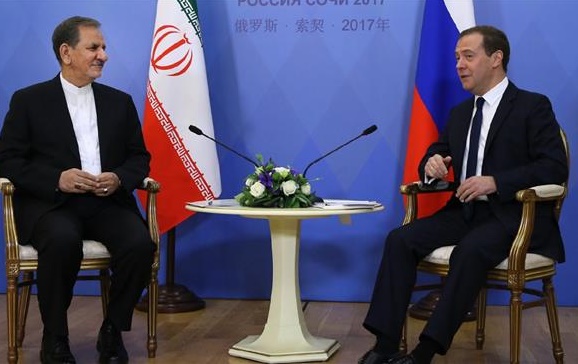
Iran First VP, Russia PM Discuss Regional Affairs in Sochi

During the meeting, which took place at Sochi Olympic Park on Thursday, the two senior officials called for the expansion of Tehran-Moscow cooperation in different areas, including in the energy and economic sectors.

The two sides also discussed their countries’ joint fight against terrorism, with Jahangiri praising it “as a successful model for the world.”

Iran and Russia have been assisting the Syrian military in its counter-terrorism operations. The Iranian military advisory support and Russian aerial backup have proved fatefully instrumental in Syria’s efforts to recapture militant-held areas and end the Daesh terror group’s territorial rule in the country.

Jahangiri added that Tehran-Moscow relations are witnessing progress in all areas, especially economy, politics and culture.

Bilateral economic ties have seen a boost over the past year and a half, he added, noting, “The countries’ economic capacities can enhance the current level of commercial bilateral trade.”

The Iranian official said since the conclusion in 2015 of the nuclear deal between Iran and world countries, including Russia, Tehran-Moscow banking ties have improved.

He expressed hope that they would be able to conduct bilateral trade in their respective currencies in the future, saying, “[Potential] approaches to this [prospect] are being examined by both countries.”

He emphasized the need for the development of mutual cooperation in various areas, including oil and gas production.

Iran welcomes presence and investment by great Russian oil companies on its soil, Jahangiri said, expressing Tehran’s readiness for joint investment with Russia both in those areas as well as the pharmaceutical industry.

Medvedev, for his part, said talks with Jahangiri “is a good opportunity for exchanging information on how Russian-Iranian cooperation develops on all trajectories, including to a great degree in economic issues,” Russia’s ITAR-TASS news agency said.

The prime minister also hailed “diversified” dialog between Russia and Iran.

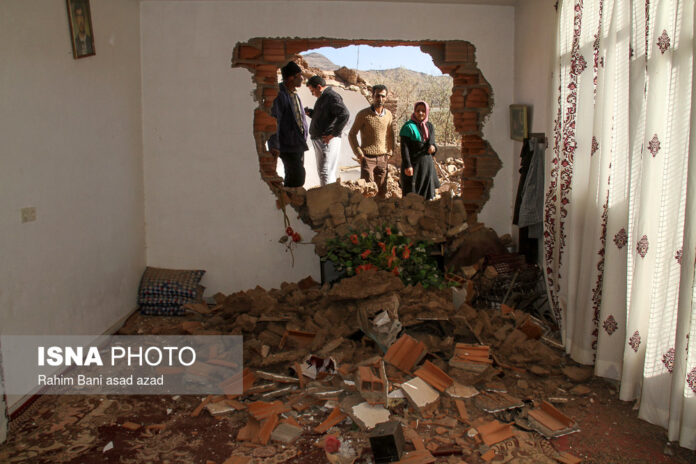
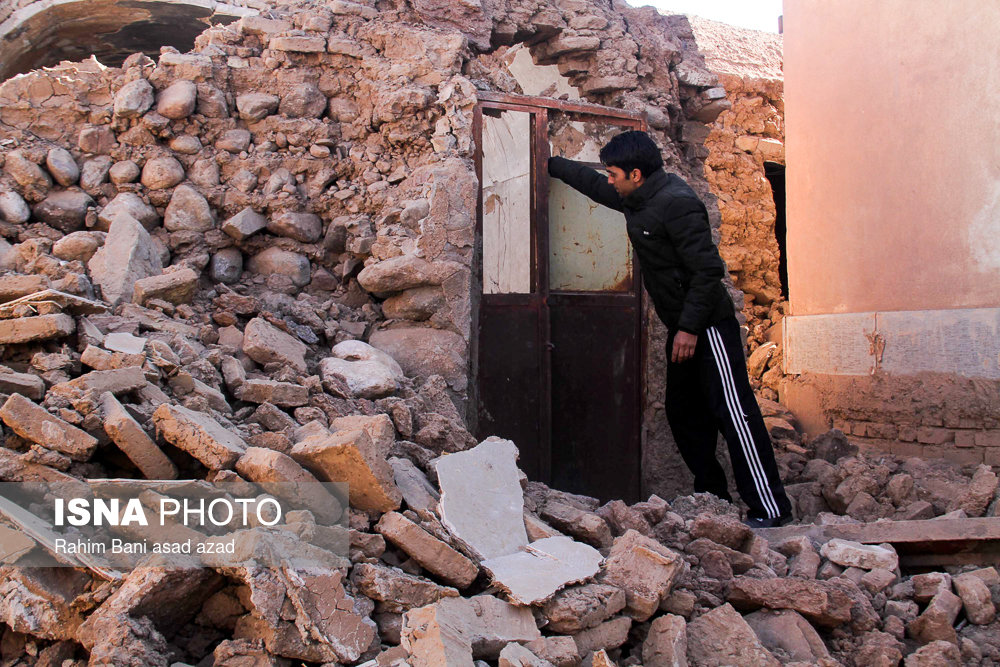
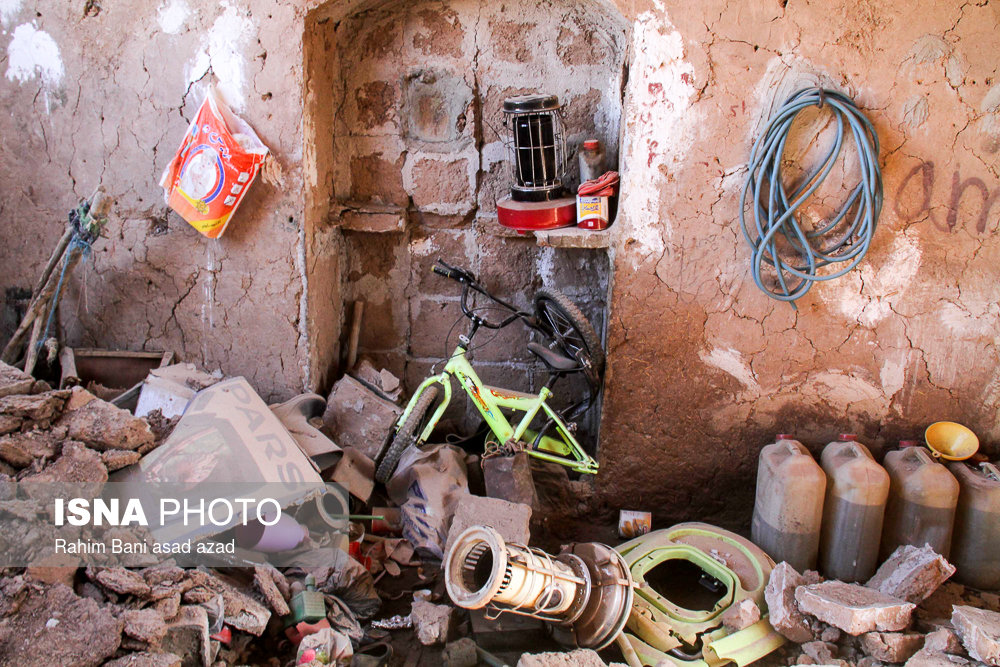
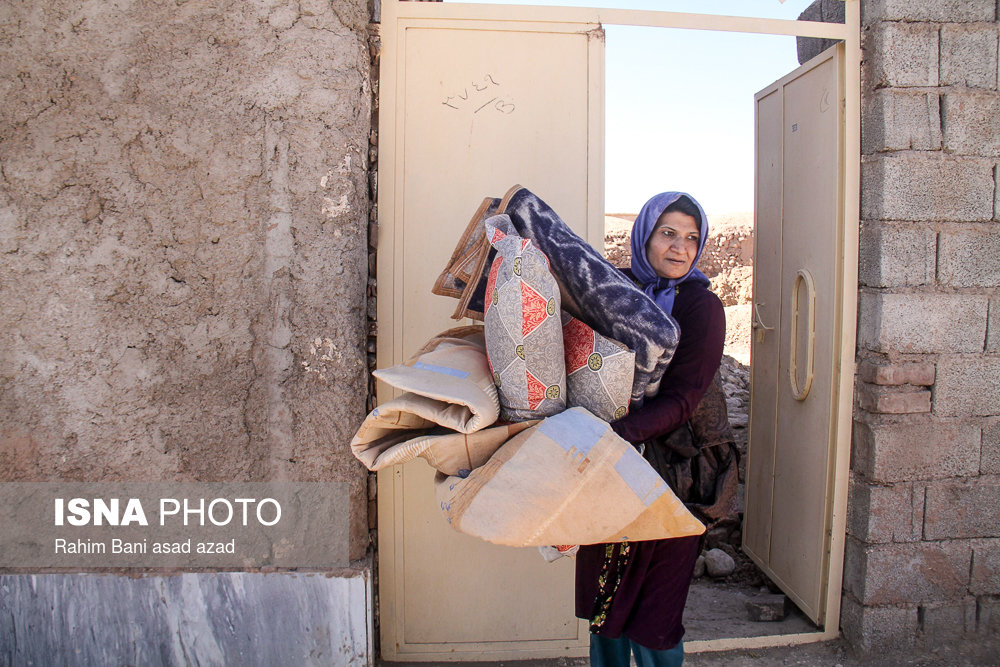
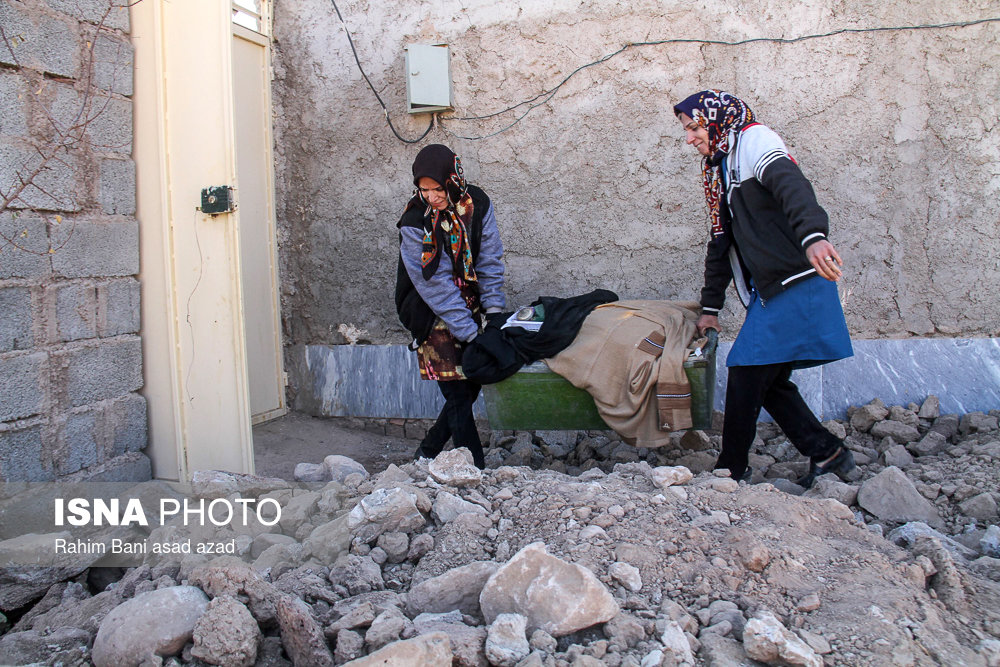
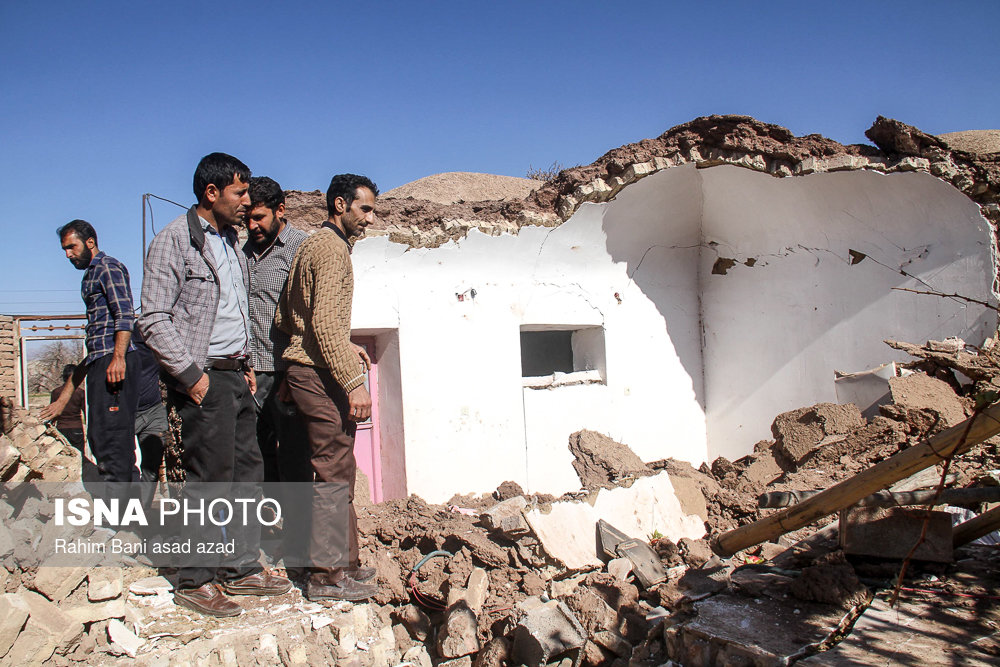
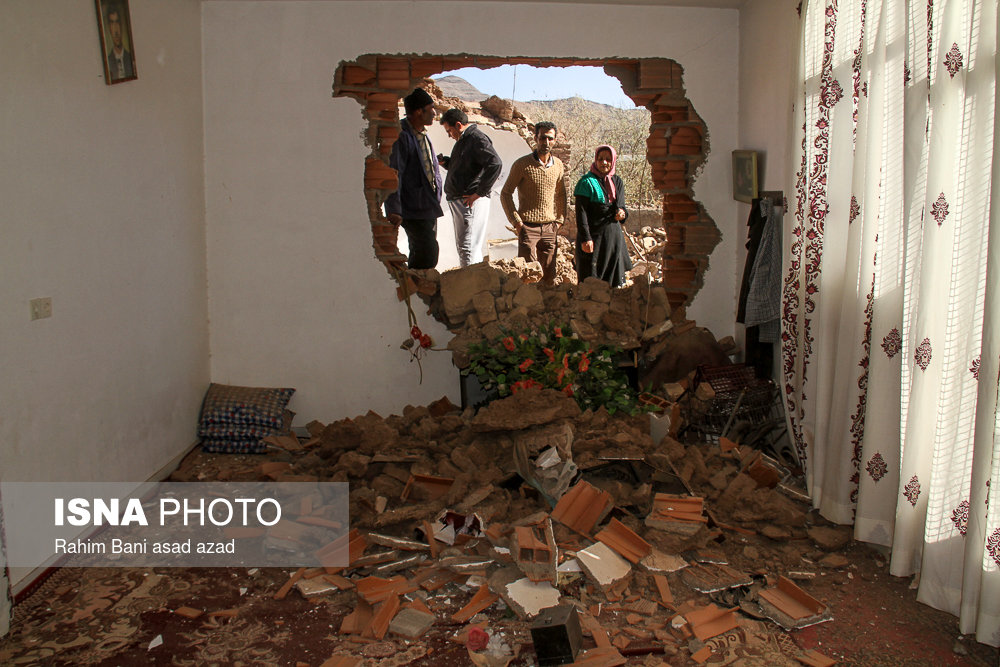
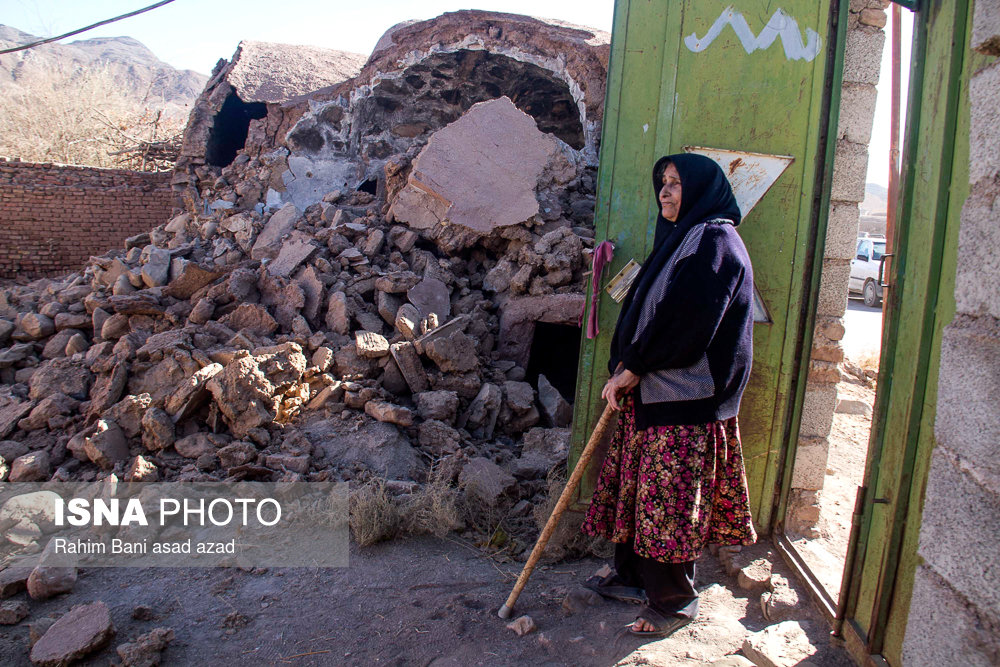
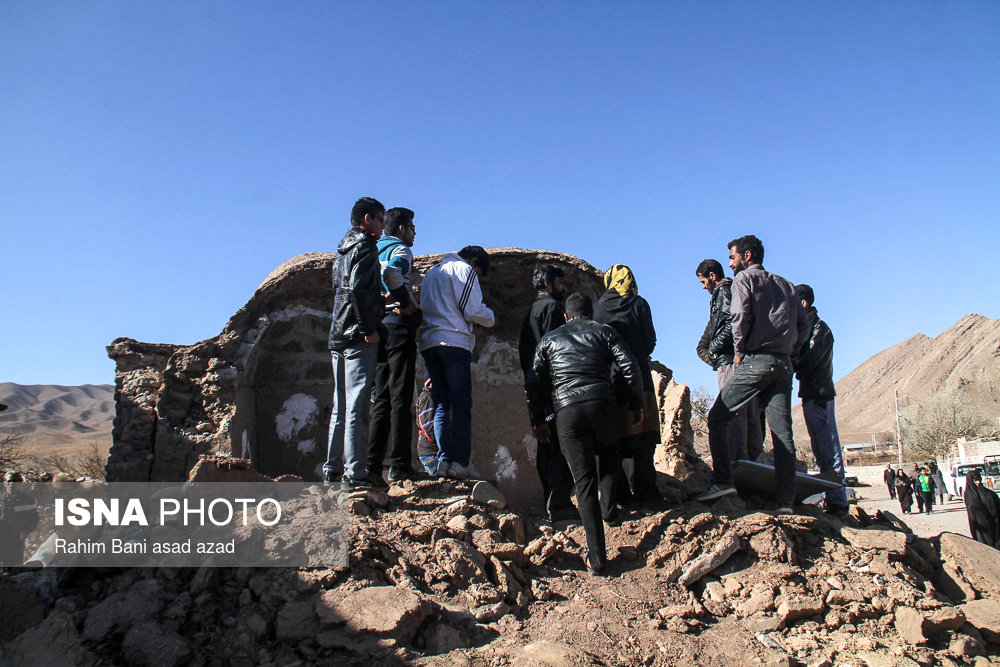
Massive Earthquake in Southeast Iran Wounds 51 People

The massive earthquake struck the cities and villages of Kerman province at 6:32 a.m. (0232 GMT) on Friday, which is a holiday in Iran and all schools, universities, and public offices are closed.

Emergency officials say at least 51 people have been wounded so far, but no fatalities was reported.

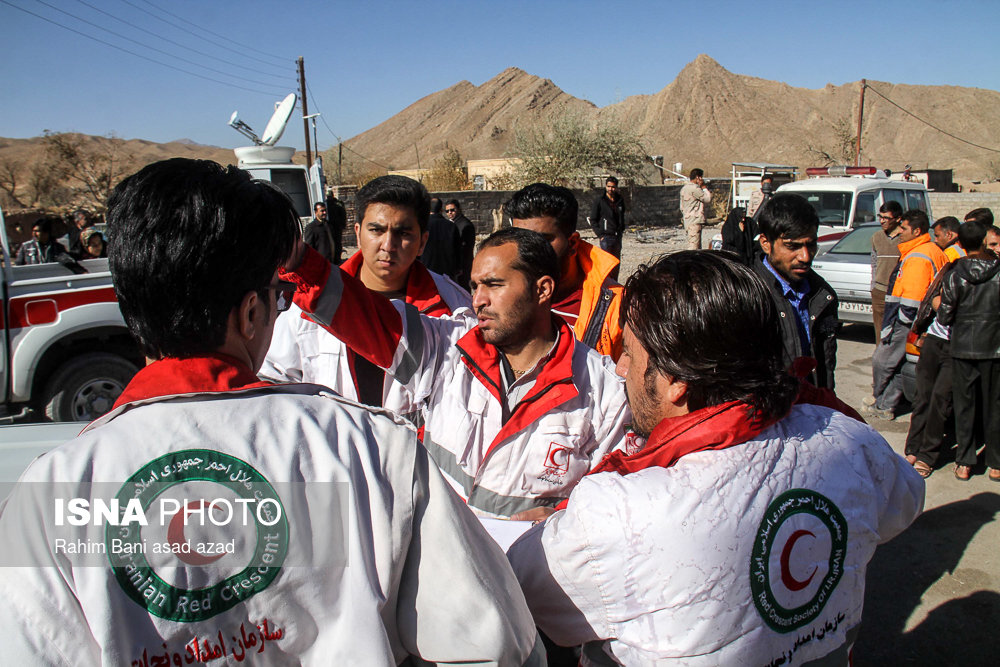
Shortly after the quake, Iranian President Hassan Rouhani ordered Interior Minister Abdolreza Rahmani Fazli to accelerate relief and rescue efforts.

Rescue workers, special teams with sniffer dogs and units of IRGC have been deployed in the quake-hit areas in Kerman province.

State TV said many residents rushed out of houses in Kerman city and nearby villages and towns, fearing more tremors after some 30 aftershocks following the quake.

“The quake destroyed some houses in eight villages but so far there has been no fatalities,” a local official told state TV.

The US Geological Survey said the quake, at first reported as magnitude 6.3, was centered 36 miles (58 km) northeast of Kerman city, with a population of more than 821,000. The quake was very shallow, at a depth of 6.2 miles (10 km), which would have amplified the shaking in the poor, sparsely populated area, Reuters reported.

“Assessment teams are surveying the earthquake-stricken areas and villages in Kerman province,” IRNA quoted local official Mohammadreza Mirsadeqi as saying.

The Tasnim news agency said the quake had caused heavy damage in Hajdak village and some villages hit by power and water cuts. Iran’s Red Crescent said emergency shelter, food and water had been sent to the quake-hit areas.

Criss-crossed by several major fault lines, Iran is one of the most earthquake-prone countries in the world. In 2003, a magnitude 6.6 quake in the Kerman province killed 31,000 people and flattened the ancient city of Bam.

Last month, a magnitude 7.3 earthquake struck villages and towns in Iran’s western Kermansheh province along the mountainous border with Iraq, killing 530 and injuring thousands of others.

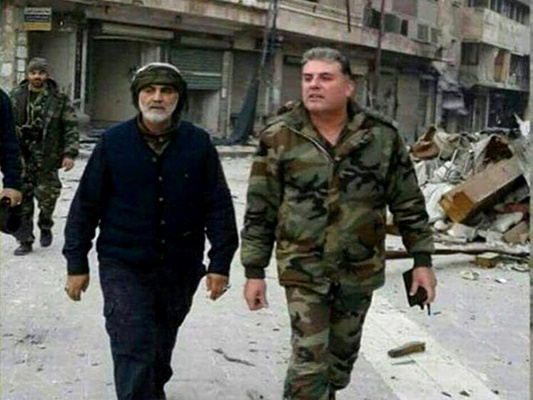
“Iran’s General Soleimani Declines CIA Chief’s Letter”

General Soleimani

Chief of Staff of Iran’s Leader Mohammad Mohammadi Golpayegani has revealed that just recently, while in Syria’s Bukamal town, Major General Soleimani received a letter from the CIA chief through one of his intermediaries in the region.

“Our commander refused to receive the letter saying we don’t have anything in common for talk,” he was quoted as saying by Fars News on Thursday.

Golpayegani praised Major General Soleimani’s move, saying people like him are the fruits of the Islamic Revolution.

The CIA has not yet commented on the report.


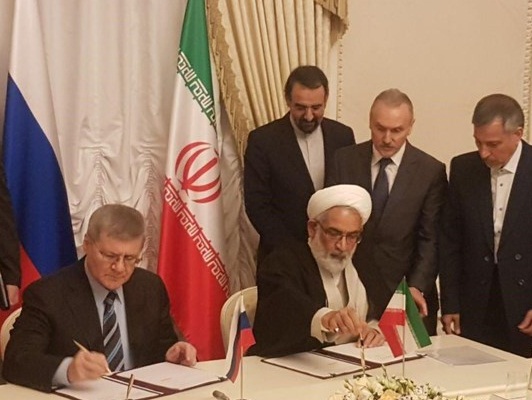
Iran, Russia Ink MoU to Expand Judiciary Cooperation

In a meeting on the sidelines of the 15th Session of Prosecutors General of the Shanghai Cooperation Organization (SCO) Member States in Russia, Iranian Prosecutor General Mohammad Jafar Montazeri and his Russian counterpart Yury Chaika explored avenues for enhanced judiciary cooperation between Tehran and Moscow.

They also discussed extradition of criminals and joint efforts in dealing with crimes connected with new technologies.

The two officials signed the cooperation agreement at the conclusion of the meeting.

Heading a high-ranking delegation, Montazeri has travelled to Russia’s St. Petersburg to join his counterparts from the SCO states.

The SCO is an intergovernmental international organization, established in June 2001 in Shanghai by Kazakhstan, China, Kyrgyzstan, Tajikistan, Russia and Uzbekistan.

At a summit in Uzbekistan in June 2016, the SCO leaders signed memorandums on the accession of India and Pakistan to the organization.

The organization seeks to strengthen mutual trust and good neighborly ties between the member countries, contribute to regional stability and facilitate cooperation in different sectors, including political, trade, economic and energy issues.