Thursday, January 1, 2026
Home Blog Page 347

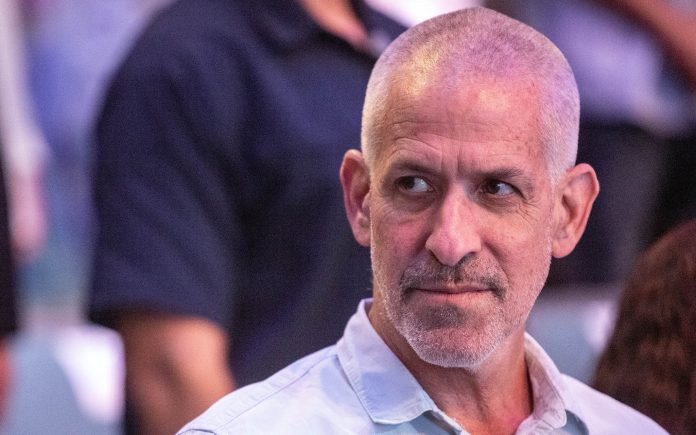
Israel Supreme Court rules decision to sack Shin Bet chief was illegal

In its ruling, the Supreme Court determined that the dismissal was done in violation of the law, and that Prime Minister Benjamin Netanyahu had a conflict of interest because of an investigation into the “Qatar-Gate” affair.

Netanyahu announced in March that he was sacking Shin Bet chief Ronen Bar, sparking protests nationwide. Critics argued that the government was undermining key state institutions and endangering the foundations of Israeli democracy.

Bar announced his resignation in April, saying he would step down on June 15, six weeks after Netanyahu tried to oust him.

The Supreme Court later suspended the government’s bid to sack Bar, who said Netanyahu had wanted to fire him for refusing requests that included spying on Israeli protesters and disrupting the prime minister’s corruption trial, accusations that Netanyahu rejected.

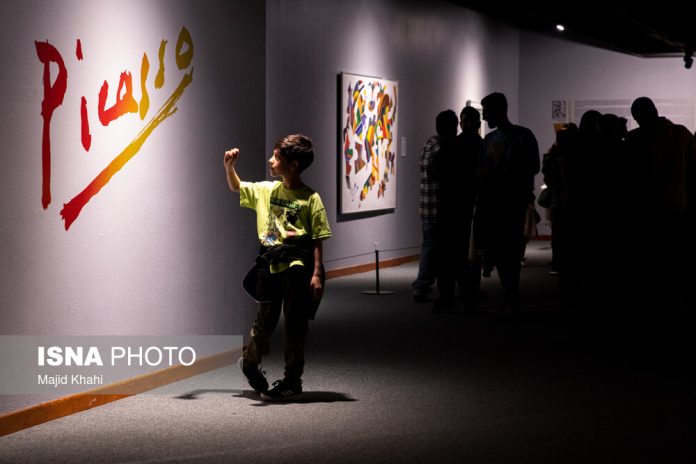
“Picasso in Tehran” Exhibition extended until June 2 amid public enthusiasm

Initially opened on March 11, 2025, the exhibition showcases 79 works by the Spanish master Pablo Picasso, including pieces from his renowned Tauromachia (Art of Bullfighting) series; and 26 aquatint prints considered valuable highlights of his printmaking career.

Key works such as The Painter and His Model, Baboon and Young, Weeping Woman (I, III, IV), and Open Window on the Rue Penthièvre are among the featured pieces from the museum’s permanent collection. The show also includes video works and graphic motion displays to contextualize Picasso’s influence.

In addition, nine selected works by prominent Iranian artists inspired by Picasso, including Bahram Dabiri, Bahman Mohasses, and Parvaneh Etemadi, are displayed alongside works by his contemporaries like Georges Braque, Robert Delaunay, Fernand Léger, and Joan Miró.

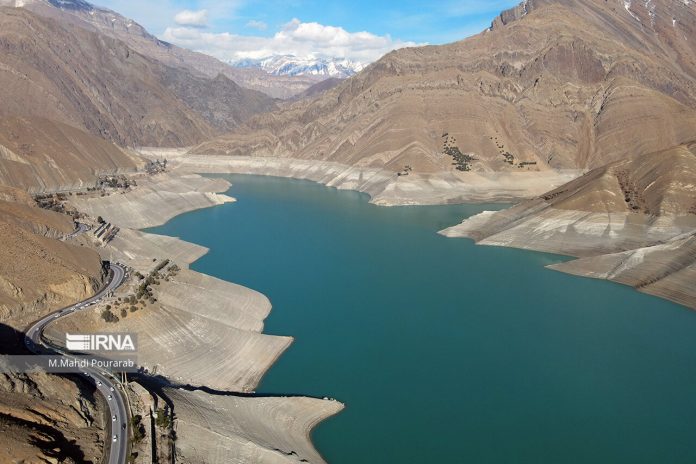
Iran faces severe water stress amid 40% decline in dam inflows

Firooz Ghasemzadeh, Director General of the Office of Water Information and Data, said on Wednesday the decline is due to drastically reduced rainfall and record-high temperatures.

“Rainfall this year has dropped by 38% relative to the long-term average, placing it 56th out of the past 57 years,” he noted.b

This persistent drought has led to a sharp drop in river and spring flows, as well as a significant reduction in groundwater recharge, he added. As a result, pressure on existing water reserves has increased considerably.

Currently, Iran’s dam reservoirs are filled to only 52% of their capacity, 22% lower than the same period last year, with no significant rainfall expected for the remainder of the water year.

Major dams in provinces such as Tehran, Isfahan, Razavi Khorasan, Qom, Hormozgan, Zanjan, Kerman, and Markazi are in critical condition.

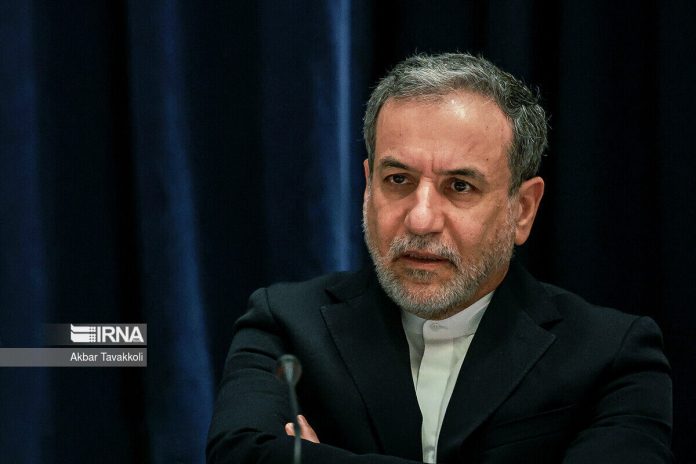
Iran warns Europe against triggering snapback sanctions mechanism

Abbas Araghchi

In an interview with Saudi-based Al-Sharq news outlet, Araghchi said the current situation surrounding the 2015 nuclear deal, known as the JCPOA, is not Iran’s fault.

He blamed the US for unilaterally withdrawing from the agreement and criticized European signatories for failing to mitigate the impact of the US exit.

“We continued to uphold our commitments,” Araghchi said, “but when Europe could not ensure Iran’s economic benefits, we had no choice but to reduce our obligations.”

He described the European threat to reactivate UN sanctions as “illogical” and “legally baseless,” warning that Europe would have to bear the responsibility for any fallout.

On regional ties, Araghchi noted improved relations between Tehran and Riyadh following the restoration of diplomatic ties.

“Our relationship with Saudi Arabia is progressing positively. There is ongoing political dialogue, shared views on regional and Islamic world issues, and growing cooperation,” he stated, while expressing hope for expanded economic collaboration.

EU, Arab diplomats come under Israeli fire in West Bank

The diplomats were undertaking an official mission on Wednesday to assess the humanitarian situation in Jenin as a wide-scale Israeli military assault there, which has caused deaths and displacement, enters its fourth month.

The Israeli army said its soldiers fired warning shots to move the delegation away because it had deviated from a previously agreed route and entered an area it was not authorised to be in. There were no injuries.

The commander of the Israeli Civil Administration in the West Bank ordered Israeli officers to speak with representatives of the delegation’s countries who “will soon hold personal conversations with the diplomats and update them on the findings of the initial investigation conducted on the matter”, the military said in a statement.

Videos on social media show delegation members giving media interviews when shots are heard ringing out close to the group and forcing it to run for cover.

Footage verified by Al Jazeera’s Sanad fact-checking agency also showed two Israeli soldiers standing nearby with their rifles pointing towards the diplomats.

About 20 diplomats were being briefed at the time about the situation in Jenin, an aid worker speaking on condition of anonymity told The Associated Press news agency. Witnesses said it was unclear where the shots came from and no one was injured.

The Palestinian Ministry of Foreign Affairs and Expatriates condemned in “the strongest possible terms the heinous crime committed by the Israeli occupation forces, which deliberately targeted by live fire an accredited diplomatic delegation”.

Other European and Arab governments added their own condemnations with calls for answers.

EU foreign policy chief Kaja Kallas has stated firing even warning shots was unacceptable. She had said a day earlier that the 27-nation bloc was reviewing its trade agreement with Israel due to the “catastrophic” situation in Gaza.

Jenin – along with Tulkarem and Nur Shams – has been the main focus of a large-scale Israeli military operation in the northern West Bank since January. Since then, Israeli forces have accelerated an already ongoing process of enforced mass displacement, home demolitions and mass arrests of Palestinians.

About 40,000 Palestinians remain displaced in the northern West Bank, according to the United Nations Office for the Coordination of Humanitarian Affairs.

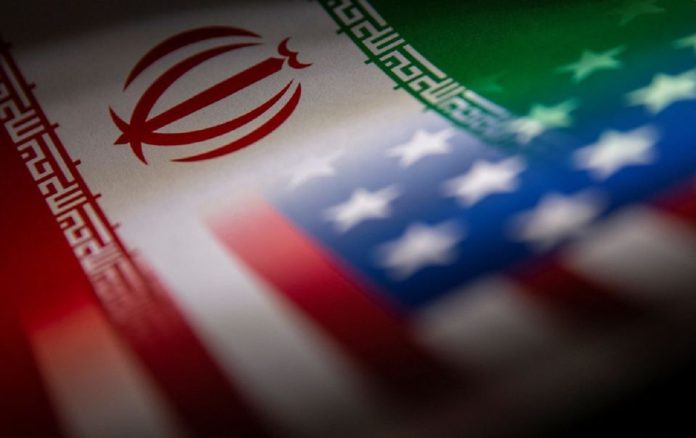
Fifth round of US-Iran negotiations to take place Friday: Oman

Iran US Flags

“The 5th round of Iran US talks will take place in Rome this Friday 23rd May,” Badr Albusaidi wrote on X.

Contradictory statements by US officials, including their demand for “zero enrichment” by Iran, has left the fate of negotiations in limbo.

Iran has held four rounds of indirect talks with the US on a replacement for the 2015 deal, officially known as the Joint Comprehensive Plan of Action (JCPOA), which have been generally described as positive by the two sides.

In 2018, Trump walked out of the landmark agreement between Iran and several other countries that gave it sanctions relief in return for confidence-building restrictions on its nuclear activities.

Iran now wants guarantees that the US will remove all the sanctions and won’t again unilaterally derail the new deal.

Former US nuclear negotiator: Halting Iran’s uranium enrichment impossible

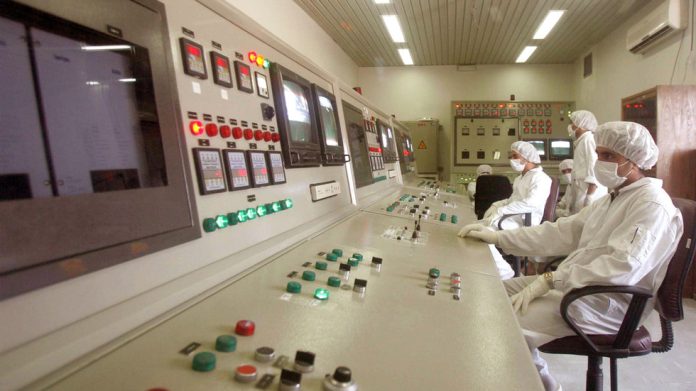
Iran nuclear program

Wendy Sherman, former U.S. Undersecretary for Political Affairs who led the U.S. negotiating team that reached the 2015 accord between Tehran and six world powers, said it was impossible to convince Tehran to “dismantle its nuclear programme and give up their enrichment even though that would be ideal”.

“So that means they will come to an impasse, and that we will face the potential for war, which I don’t think, quite frankly, President Donald Trump looks forward to because he has campaigned as a peace president,” she added.

Contradictory statements by US officials, including their demand for “zero enrichment” by Iran, has left the fate of negotiations in limbo.

Iran has held four rounds of indirect talks with the US on a replacement for the 2015 deal, officially known as the Joint Comprehensive Plan of Action (JCPOA), which have been generally described as positive by the two sides.

In 2018, Trump walked out of the landmark agreement between Iran and several other countries that gave it sanctions relief in return for confidence-building restrictions on its nuclear activities.

Iran now wants guarantees that the US will remove all the sanctions and won’t again unilaterally derail the new deal.

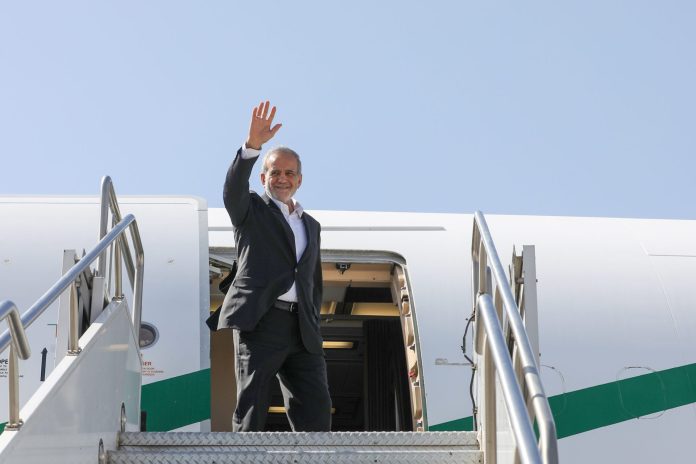
Iranian president to visit Oman for high-level talks, strategic agreements

Masoud Pezeshkian

That’s according to the deputy for political affairs at the president’s office.

During the two-day visit, Pezeshkian will hold official meetings with Omani leaders and oversee the signing of several key bilateral agreements. They include four major documents covering a preferential trade agreement, mutual investment protection, customs cooperation, and a comprehensive roadmap for future relations.

In addition to the diplomatic engagements, two significant events are planned that include a joint business forum aimed at boosting economic ties and a gathering with members of the Iranian expatriate community in Oman.

Iranian officials say the growing relationship between Tehran and Muscat serves as a model for regional cooperation.

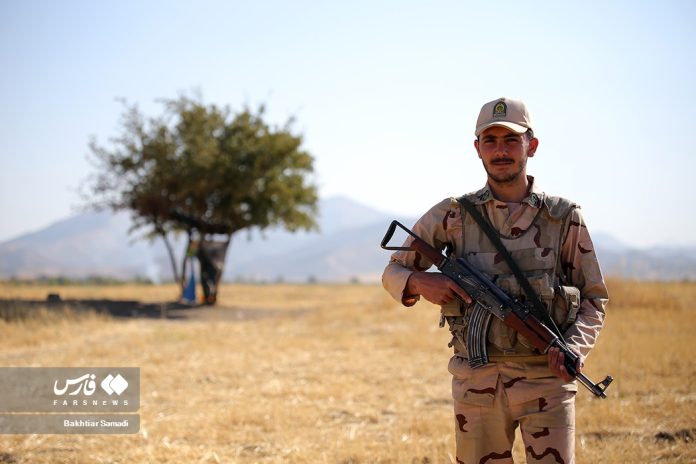
Top Iranian general: Eastern border sealing progressing rapidly

Iranian Border Guards

Bagheri made the announcement while inspecting the latest measures for securing and sealing the eastern borders. “The project is being implemented using scientific principles and successful past experiences, and remains one of the top priorities of the Armed Forces,” Bagheri said.

He also praised the Islamic Revolutiona Guard Corps (IRGC) Ground Forces for using indigenous engineering capabilities to play a key role in completing the southeastern border sealing initiative.

According to the chief of staff of the Iranian armed forces, the project is aimed at enhancing border security, countering terrorist group activities, preventing illegal immigration, and combating drug trafficking. Iran has been grappling with such challenges over the past decades.

The country is now facing an influx of illegal immigrants from neighboring Afghanistan, which has put a huge strain on Iran’s economy.

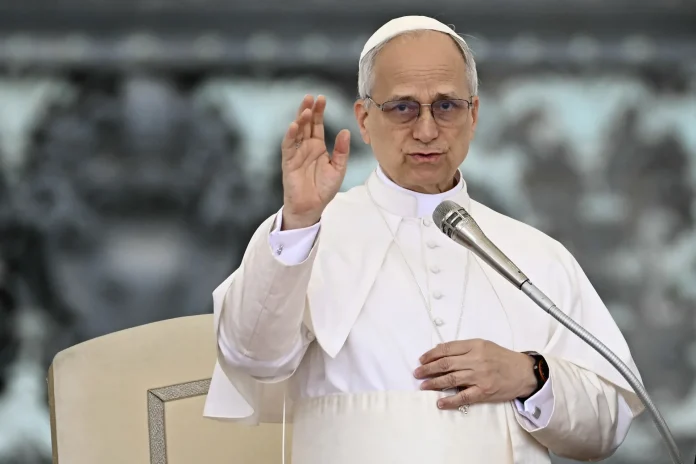
Pope appeals for Israel to allow humanitarian aid in Gaza

Pope

“I renew my fervent appeal to allow for the entry of fair humanitarian help and to bring to an end the hostilities, the devastating price of which is paid by children, the elderly and the sick,” the new pope said during his first weekly general audience in St. Peter’s Square.

Leo, the former Cardinal Robert Prevost, was elected the leader of the Catholic Church on May 8 to succeed the late Pope Francis. He has mentioned the situation in Gaza several times in the first weeks of his papacy.

The appeal came at the end of the pope’s audience, when he added a few words to his prepared text.

In his first Sunday message on May 11, the new pope called for an immediate ceasefire in Gaza and for the release of all Israeli hostages held by Hamas.

Francis, who died on April 21, had been ramping up criticism of Israel’s military campaign in Gaza in the months before his death.

He called the situation in the enclave “very serious and shameful” in January, two months after suggesting the international community should study whether there had been a genocide of the Palestinian people.

Reflecting a chill in Vatican-Israel relations after Francis’ criticisms, Israel did not send a high-level official to attend the late pope’s funeral, but only its Vatican ambassador.

In a sign of possible hopes for a reset of relations with the new pope, Israeli President Isaac Herzog attended Leo’s inaugural Mass in St. Peter’s Square on Sunday.

A delegation of 13 Jewish officials also took part in the Mass, including Rome’s chief rabbi and the vice president of the Italian Union of Jewish Communities.

The pope, born in Chicago and the first U.S. pontiff, spoke in fluent Italian for most of the audience but also addressed pilgrims in English and Spanish.

It was the first weekly papal audience in more than three months. Francis held his last weekly audience on February 12, two days before beginning a five-week hospital stay.