Sunday, April 12, 2026
Home Blog Page 3449

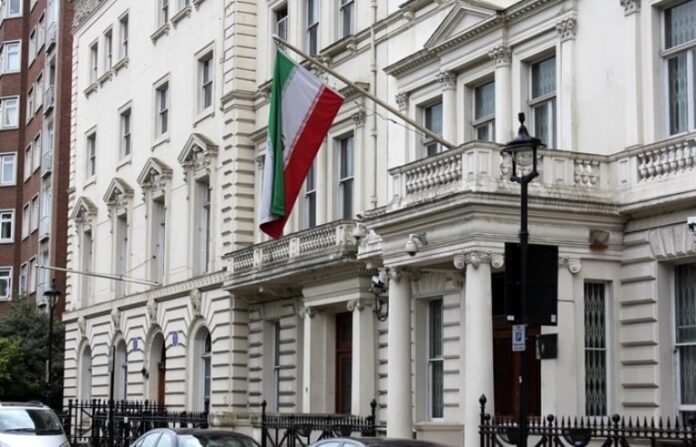
Iran Ready to Help Journalists Leave Saudi-Funded UK-Based Channel

After The Guardian revealed the anti-Iran London-based TV channel Iran International is funded by Saudi Arabia, some employees have contacted the Iranian embassy in London and expressed concern about the legal consequences they face in case of terminating their contracts, Iranian ambassador Hamid Baeidinejad said in a tweet.

He said the embassy has hired experienced lawyers to assist these people and provide them with legal advice.

Baeidinejad’s comments come as the journalists work for TV channels that try to overthrow the Iranian Establishment.

The Guardian revealed Iran International TV station is being funded through a secretive offshore entity and a company whose director is a Saudi Arabian businessman with close links to Saudi Crown Prince Mohammed bin Salman.

Earlier, Iran’s ambassador to London filed a lawsuit at the UK’s communications regulator Ofcom after the news channel aired an interview with a spokesman of a separatist and extremist group that was behind the deadly terrorist attack in the southern Iranian city of Ahvaz.

Iran Legislation Watchdog Rejects CFT Bill, Returns It to Parliament

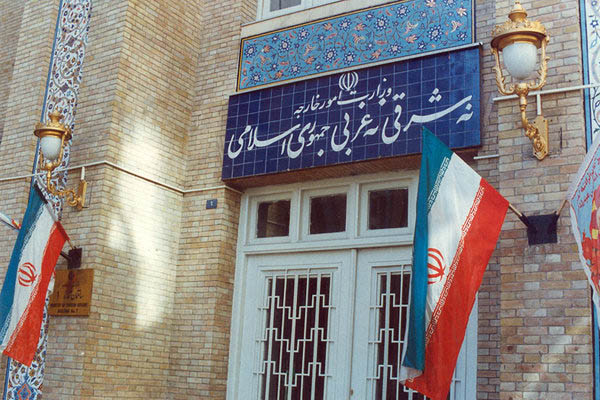
Foreign Ministry Condemns FATF’s Blacklisting of Iran

Guardian Council Spokesman Abbasali Kadkhodaei said in a Sunday tweet that the CFT bill, one of the four bills proposed by President Hassan Rouhani’s government to get Iran out of FATF blacklist, had flaws and ambiguities including violation of religious rules (Sharia) and the Constitution.

The Guardian Council has sent the bill back to the Parliament, asking it to make the revisions and submit it again.

Iranian lawmakers had passed the bill on October 7, 2018, with 143 votes in favour, 120 against and 5 abstentions.

The Guardian Council’s rejection of the CFT bill comes as the Financial Action Task Force (FATF), an international group that sets standards on fighting money laundering and financing of terrorism, announced on October 19 it once again extends the deadline for Iran to complete reforms to meet conditions for getting out of the body’s black list.

However, the FATF said it was disappointed with Tehran’s failure to implement a big part of the action plan.

The statement said Iran is expected to quickly take steps to make reforms to enhance the way it counters money laundering and financing of terrorism.

FATF had previously given Tehran until October to bring its laws against money-laundering and funding of terrorism up to its guidelines.

Back in June, 2018, members of the Iranian parliament discussed the CFT accession bill, which is one of the four bills proposed by the government on Iran’s adopting the standards of the Financial Action Task Force (FTAF), but shelved it for two months.

The Parliament earlier approved a bill on the country’s accession to the United Nations Convention against Transnational Organized Crime, also known as Palermo Convention, but the bill was rejected by the Guardian Council. Then the Parliament insisted on its decision, and the case was referred to the Expediency Council to make the final decision.

The same thing happened to an amendment to the anti-money laundering law of the Islamic Republic, which was proposed by the government, approved by the Parliament, but rejected by the Guardian Council. This one also needs the Expediency Council’s approval.

Meanwhile, the fourth bill, which was an amendment to the country’s law against financing terrorism, was approved by the Parliament and the Guardian Council, and signed into law by President Rouhani.

Iran’s accession to FATF has been the subject of heated debates in recent months.

Opponents believe FATF would limit Iran’s ability to support allies in the region, some of whom recognized as terrorist entities by the US and some of its allies.

This is while proponents of Iran joining FATF fear Iran’s inclusion on the body’s blacklist could make it impossible to salvage the 2015 nuclear deal following the US withdrawal.

European countries have in recent weeks been working to create a special mechanism to facilitate trade with Iran, ignoring US calls to hamper economic relations with Tehran.

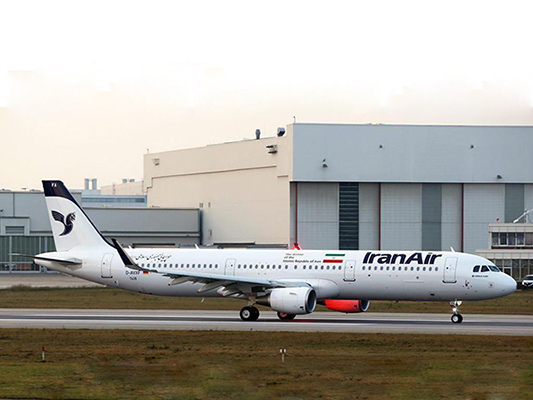
Tehran Slams Ankara for Refusing to Refuel Iranian Aircraft

Airbus

Maqsoud Asadi Samani, an official with the organisation, says there is a good relationship between the governments of Iran and Turkey, and Ankara has stated that it does not abide by US sanctions against Iran.

However, he said, a Turkish company which supplies Iranian planes with fuel has unfortunately stated in an e-mail, without providing any explanation, that it will not be able to deliver fuel to Iranian airline companies as of November.

Asadi Samani stressed that for sure this will create problems for Iranian airlines, and in the meantime it is not in the interest of the two countries’ ties.

“We expect the problem be resolved through the ongoing efforts. We certainly expect that, given the added value of the establishment of flights between the two countries, the problem that the Turkish fueling company has created will be resolved as soon as possible.”

Certainly, the decision of the Turkish company is against the agreements between Tehran and Ankara. The Islamic Republic hopes the Turkish government would solve this problem, he added.

According to the bilateral agreement between Iran and Turkey, there are 200 flights per day between the two countries of which 100 are carried out by Iranian companies and 100 by Turkish ones.

Fars News Agency quoted Samani as saying that the number slightly increases or decreases in some weeks with respect to the travel season, but 2.5 million Iranians travel to Turkey annually.

Earlier, some foreign media had reported that the refraining of the Turkish company is a result of US sanctions against Iran.

This comes as the US Secretary of State Mike Pompeo said on Friday that Washington has agreed to temporarily allow eight countries to continue buying Iranian oil after it reimposes crippling sanctions on Tehran on November 5. Turkey is one of these eight countries.

Reuters reported on Friday that some Iranian airliners were refused fuel in Turkey’s Istanbul airports and had to cancel at least one flight, while other carriers had to cut the number of passengers on board in order to fly on less fuel.

However, some informed sources in the airline industry believe that with the official launch of the new Istanbul airport in Turkey, most companies are preparing to move to this new and major airport within the next three months and leave the Ataturk airport.

Turkey’s Petrol Ofisi, a subsidiary of Vitol Investment Partnership Ltd., is also one of the companies that will prepare itself for this relocation. Sources say the company is providing services and fuel to an Iranian airline that has a high debt to it and has also received warnings in this regard. Therefore, this is not apparently related to US anti-Iran sanctions.

Iran’s Mahan Air, ATA, Qeshm, Iran Air, Taban, Zagros, Meraj, Caspian, Iran Air Tour, and Aseman Airlines all operate flights between Tehran and Istanbul.

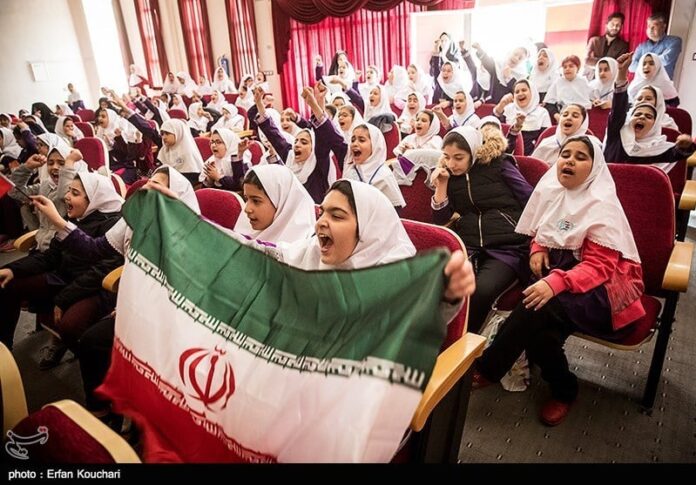
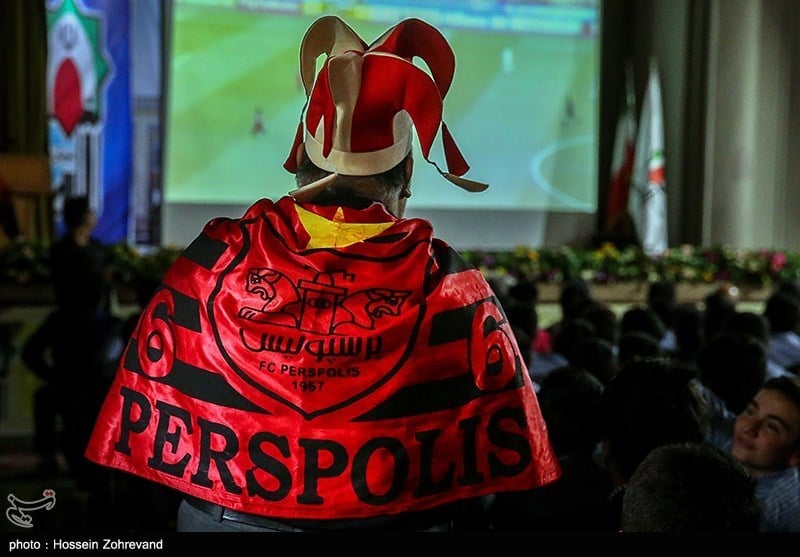
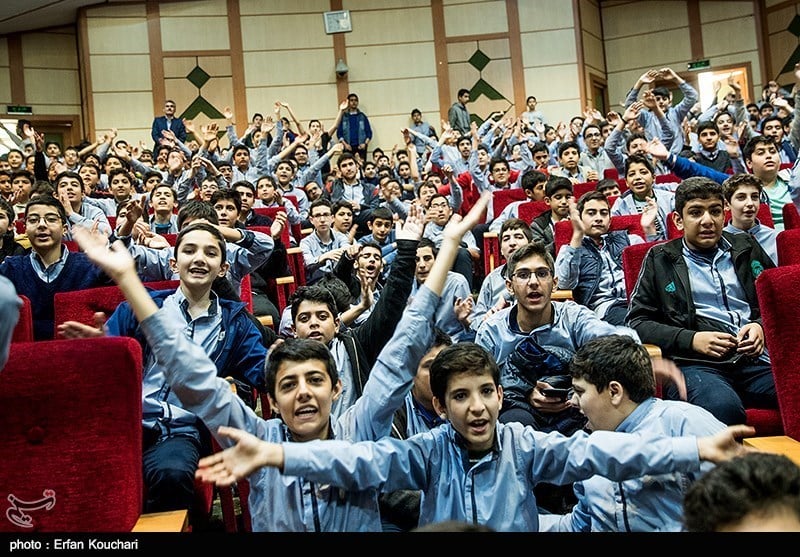
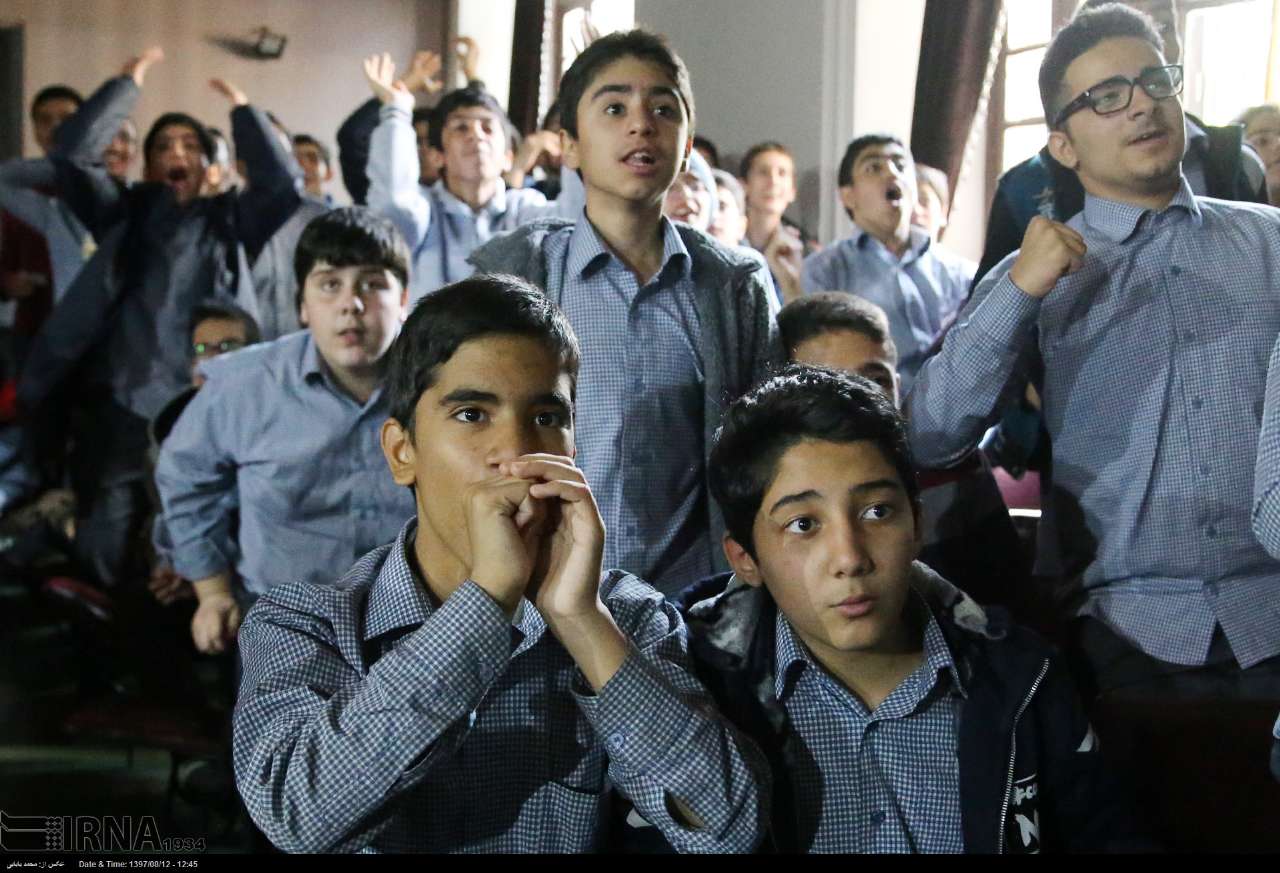
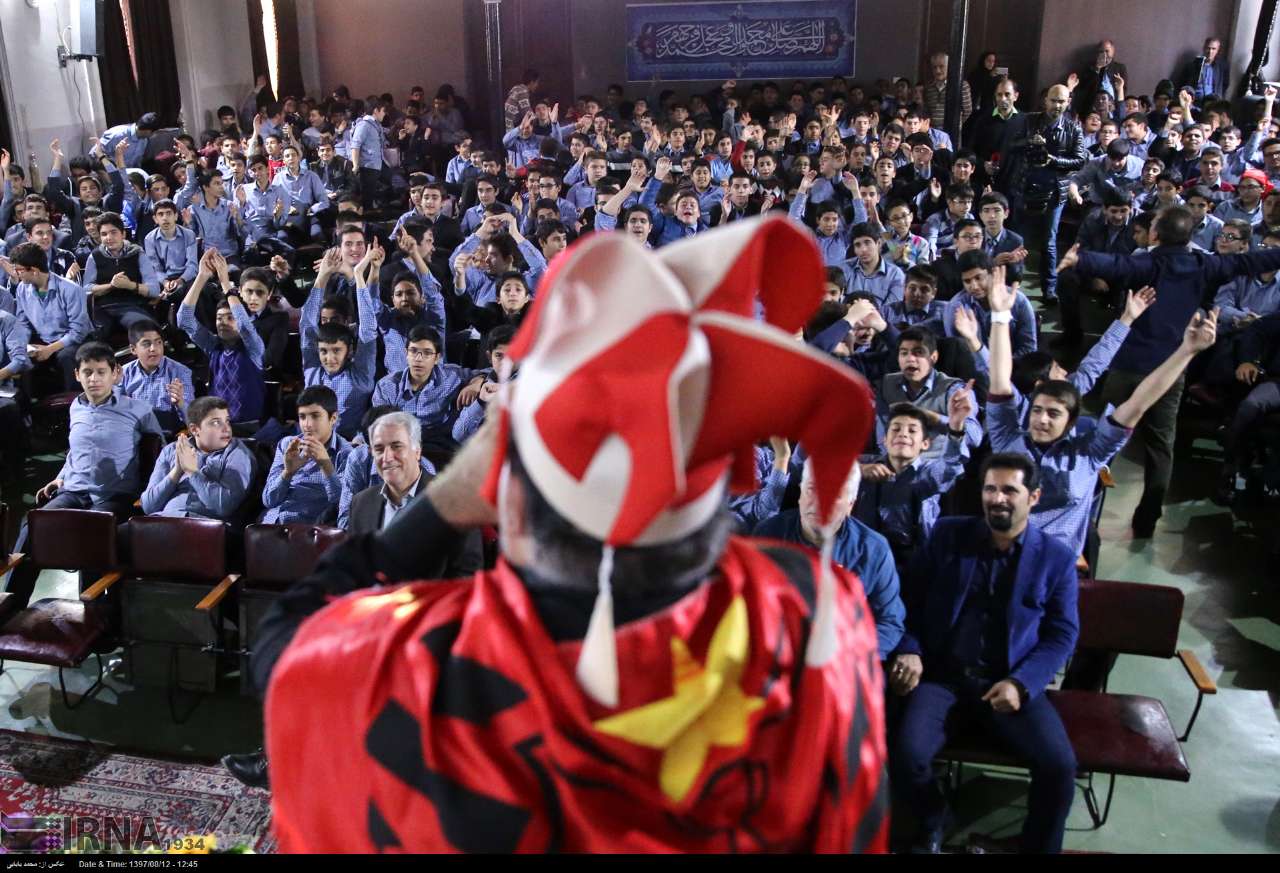
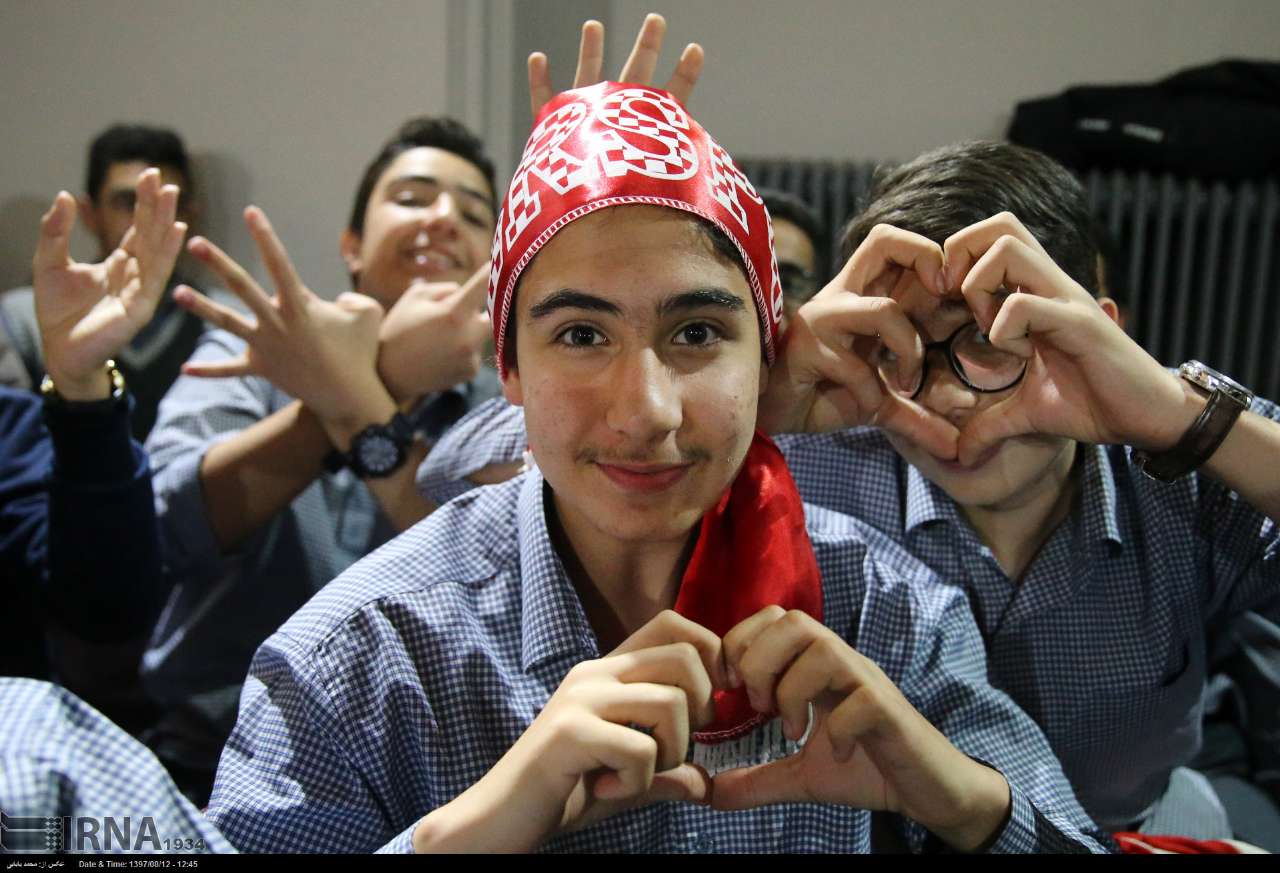
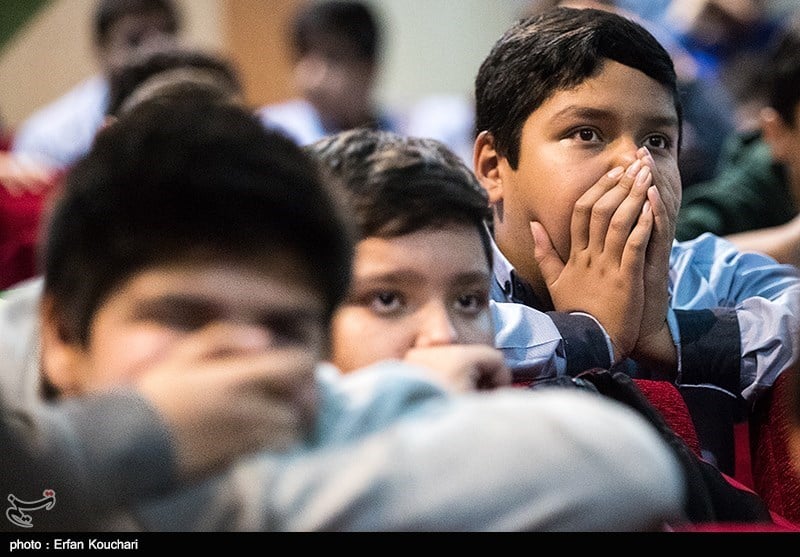
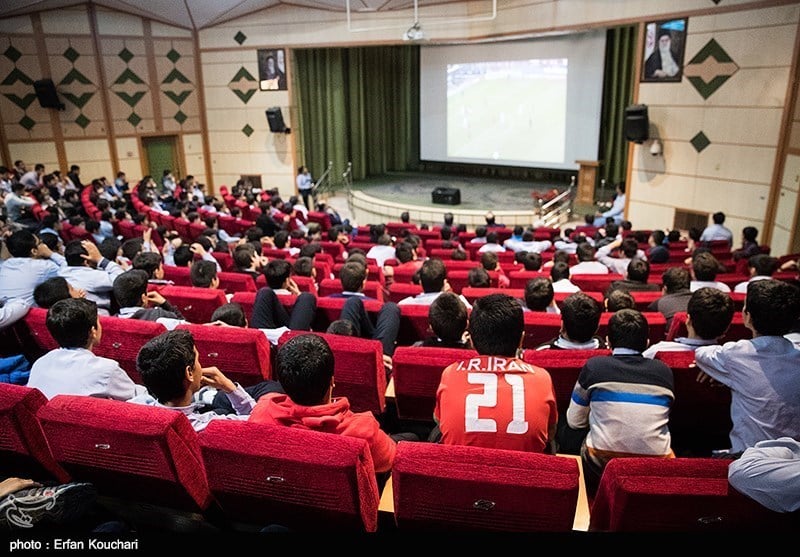
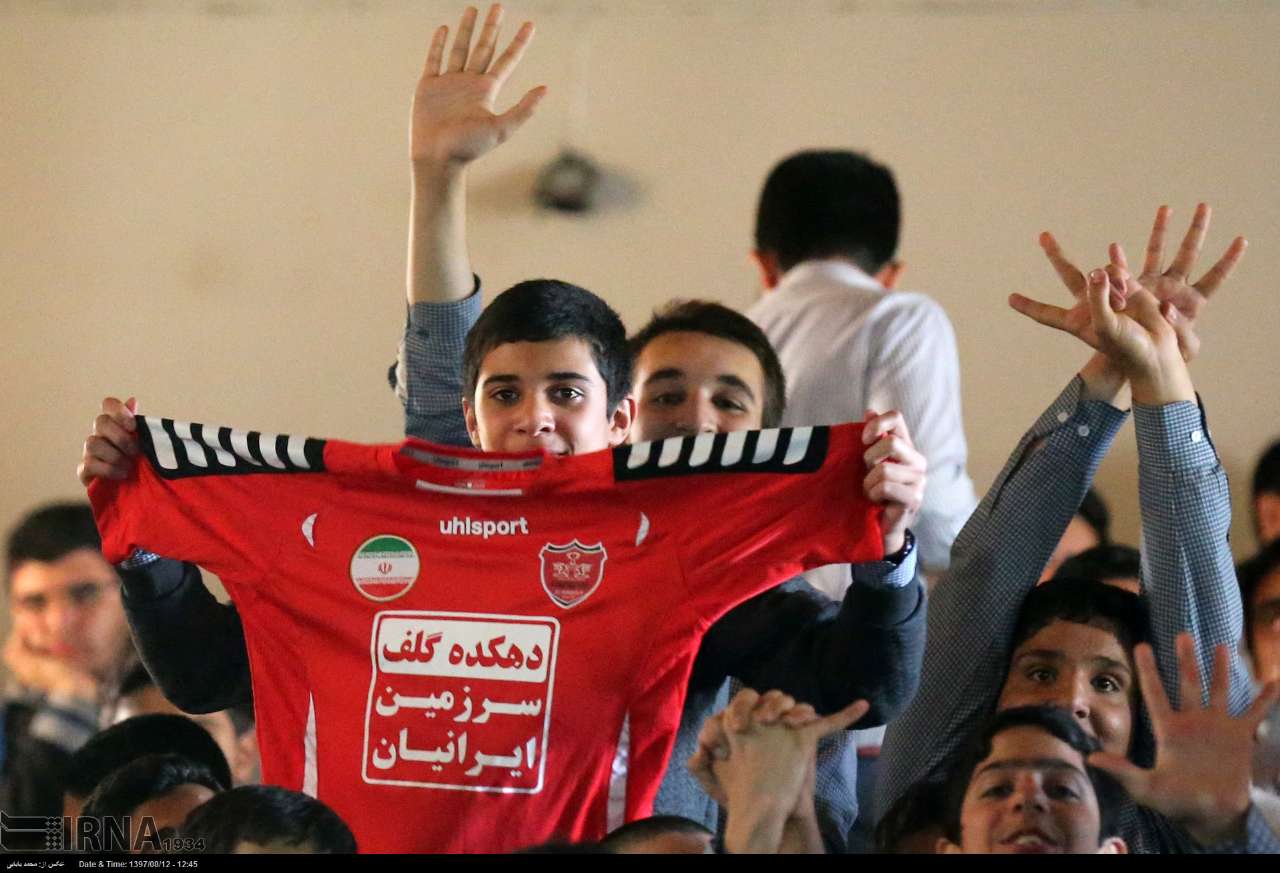
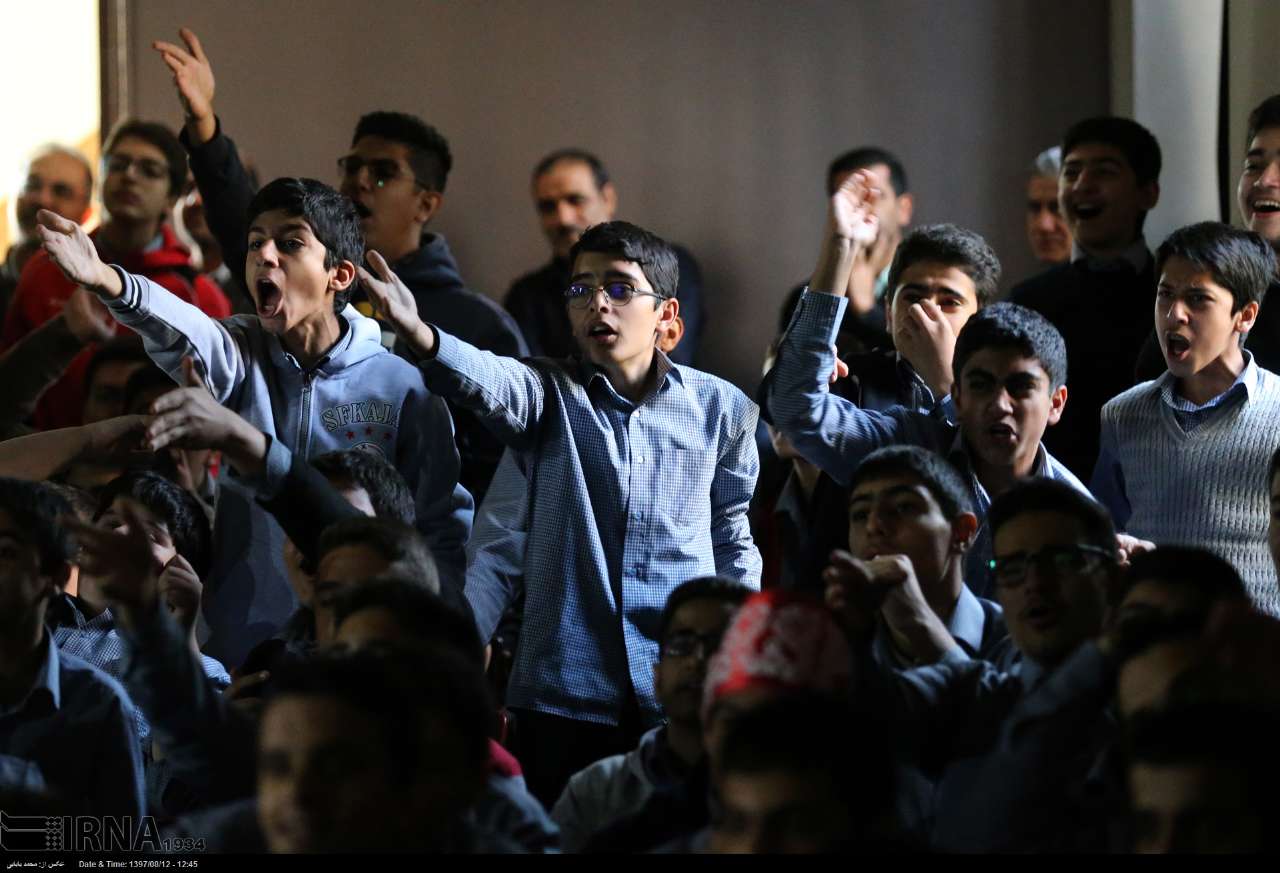
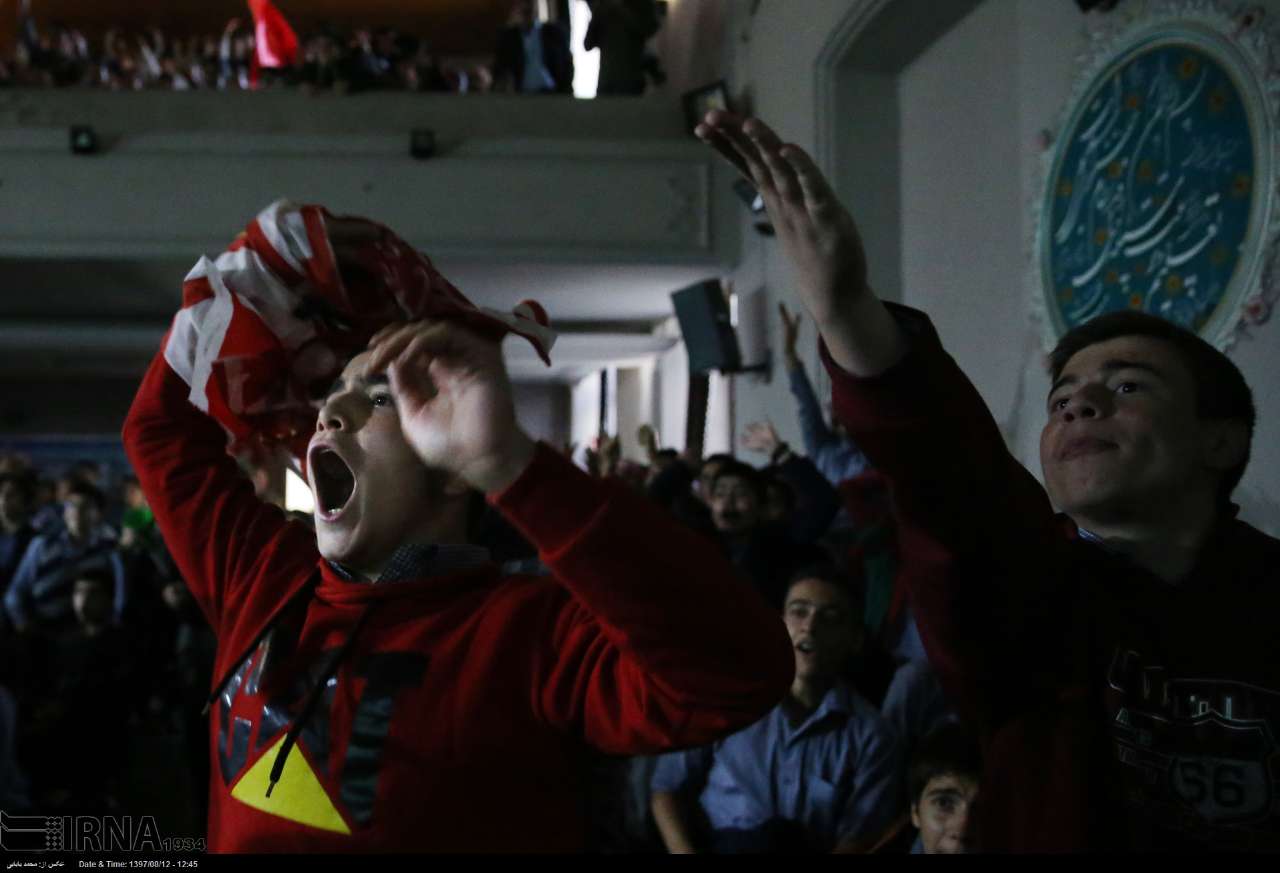
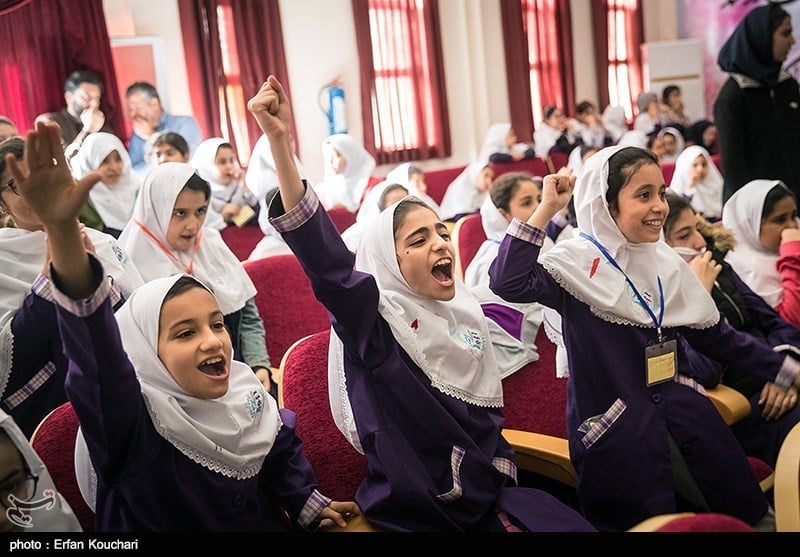
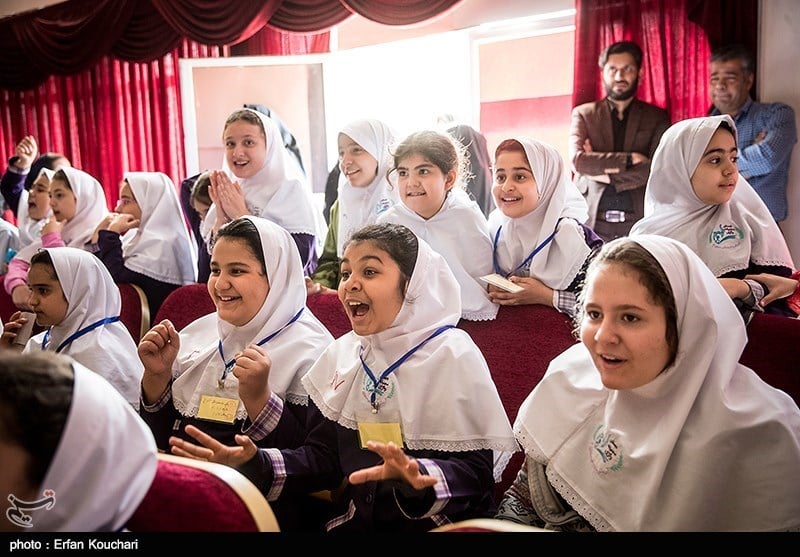
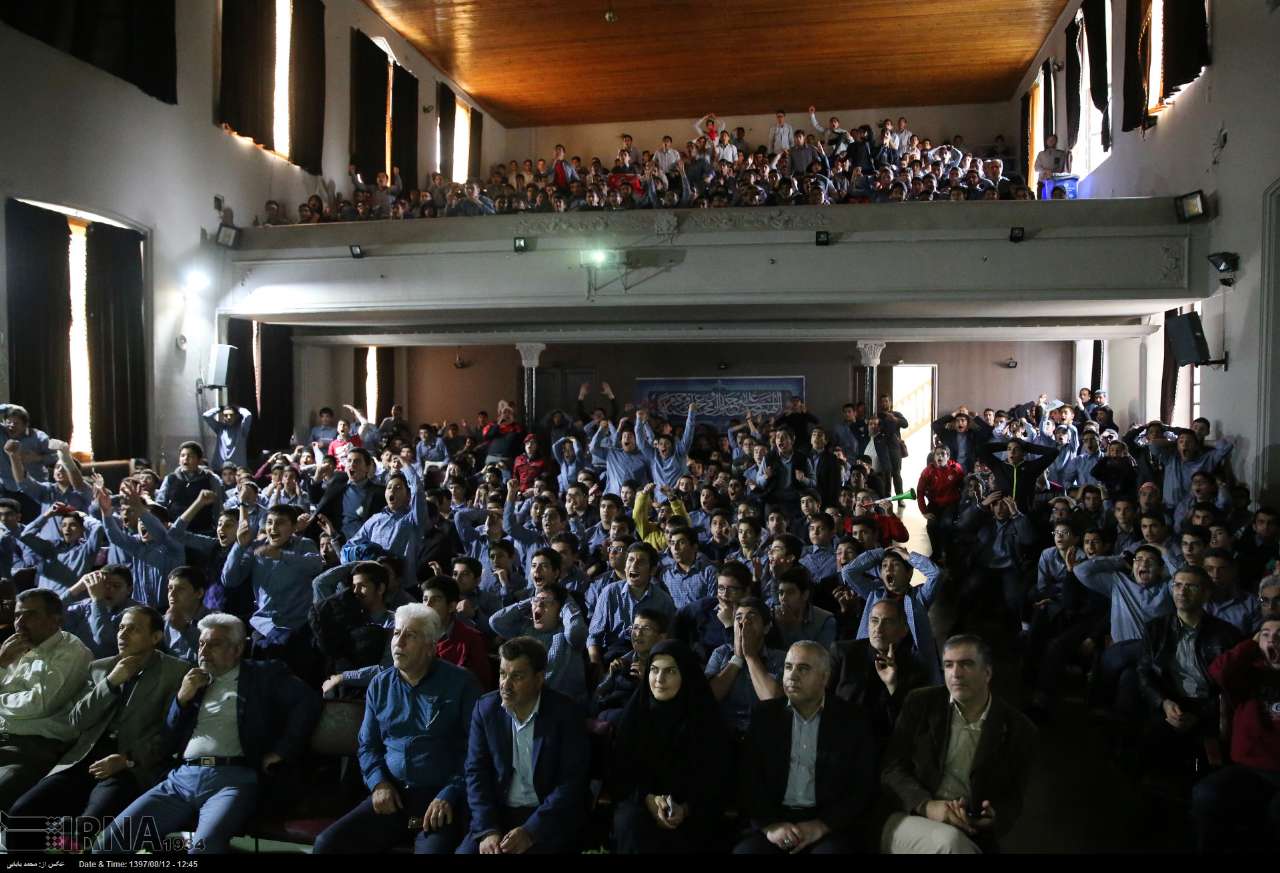
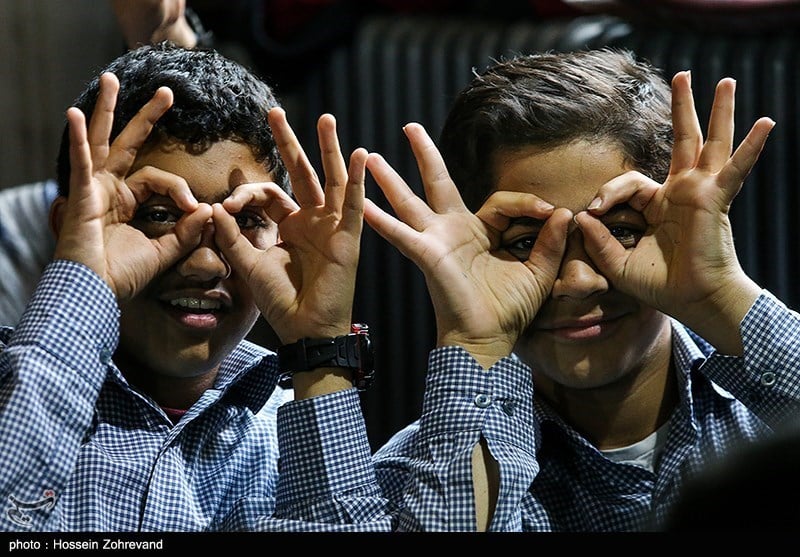
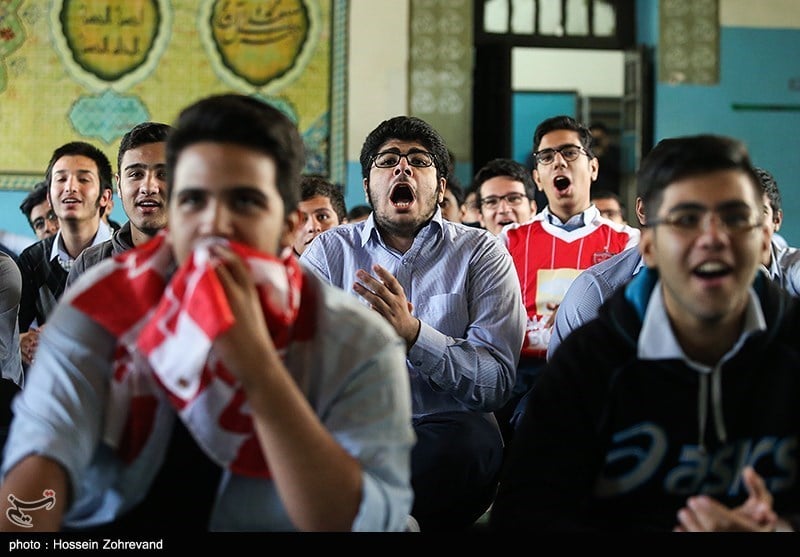
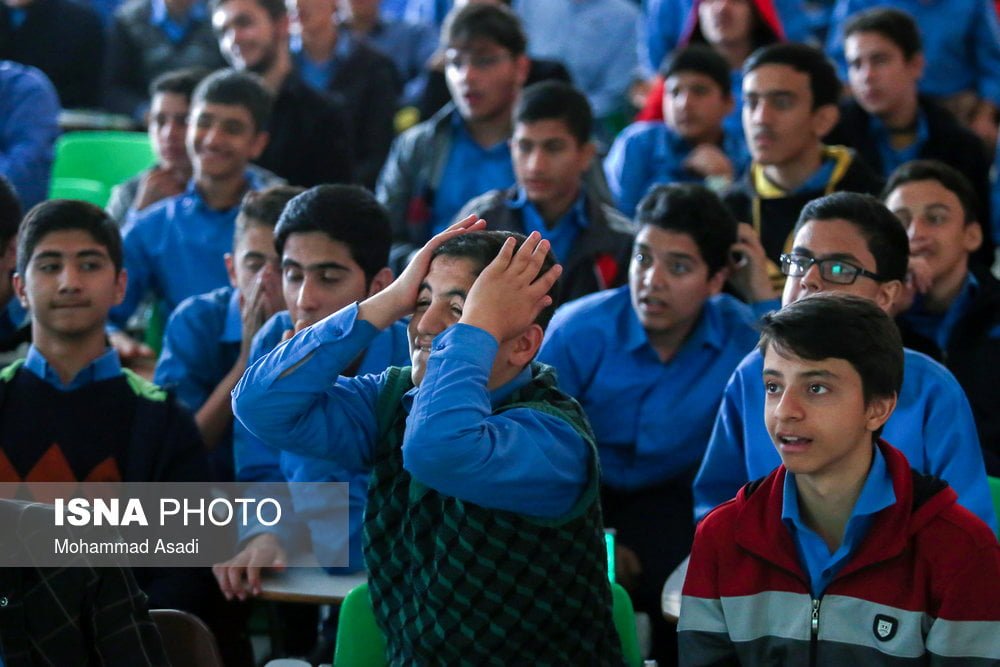
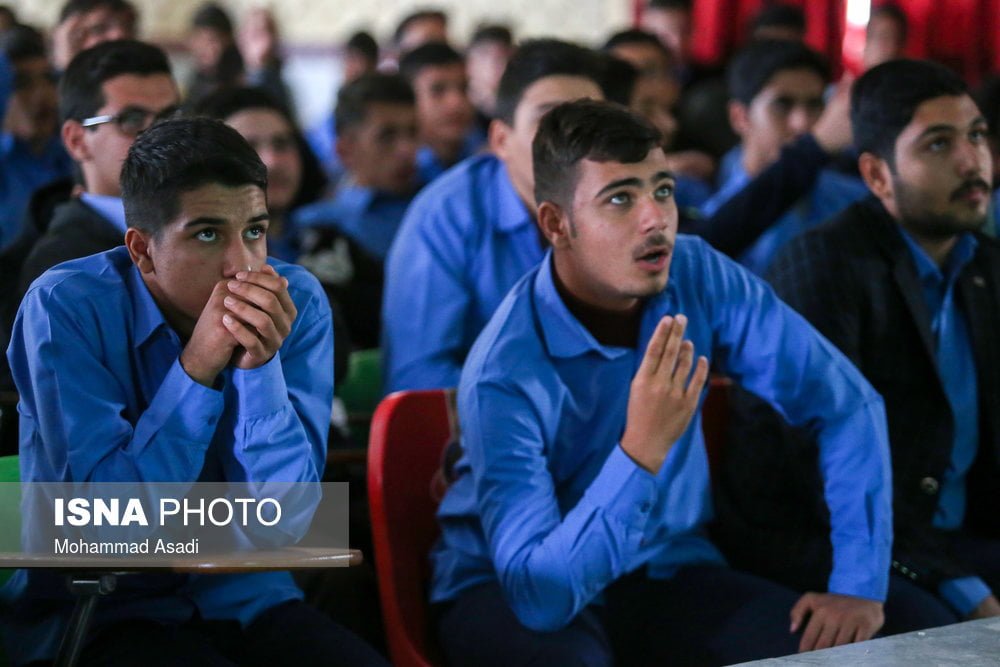
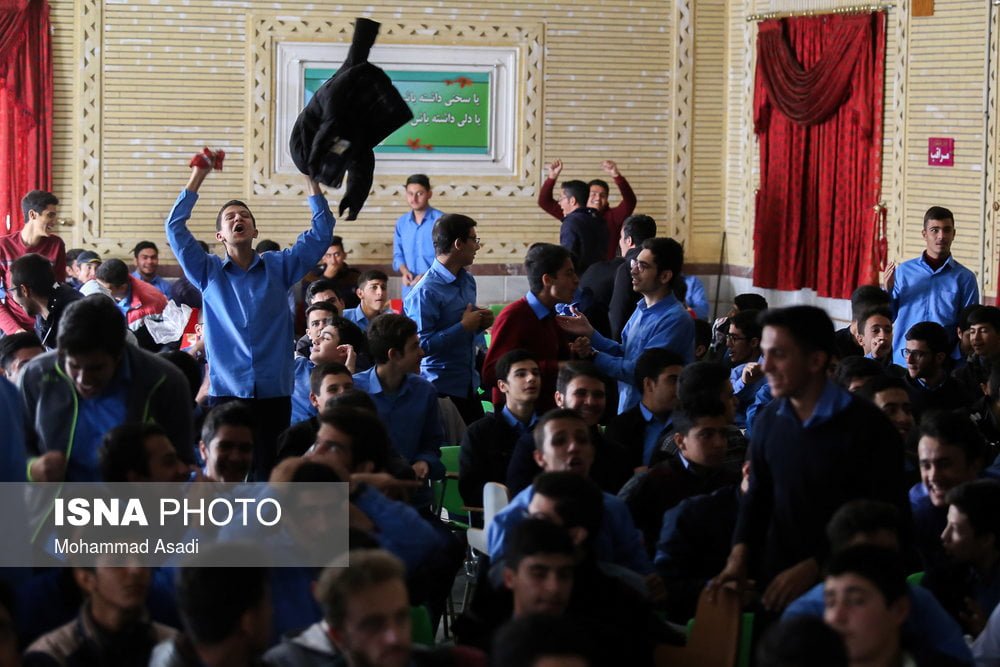
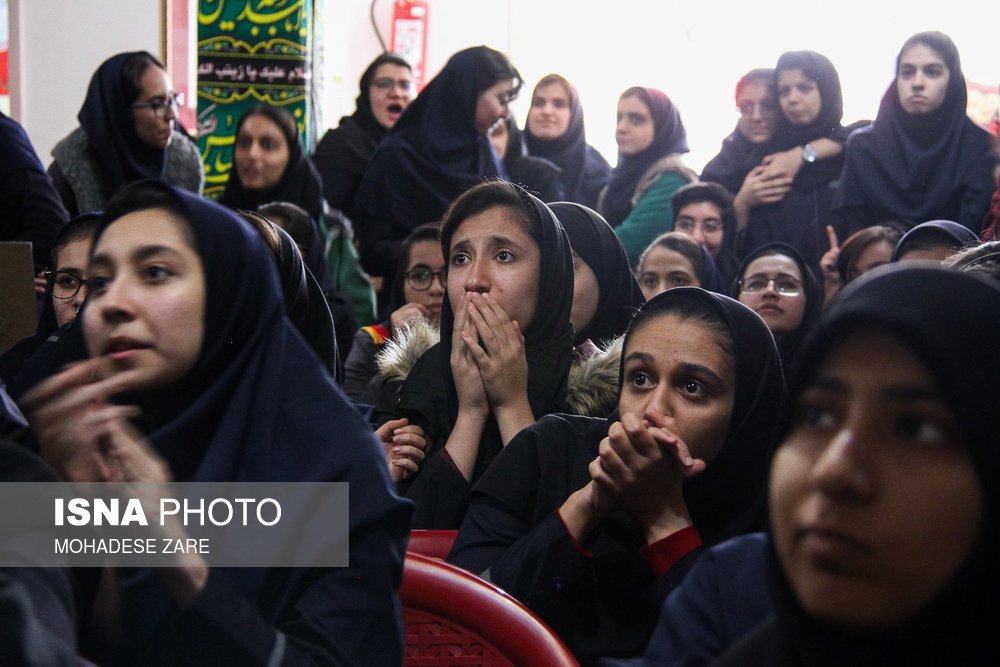
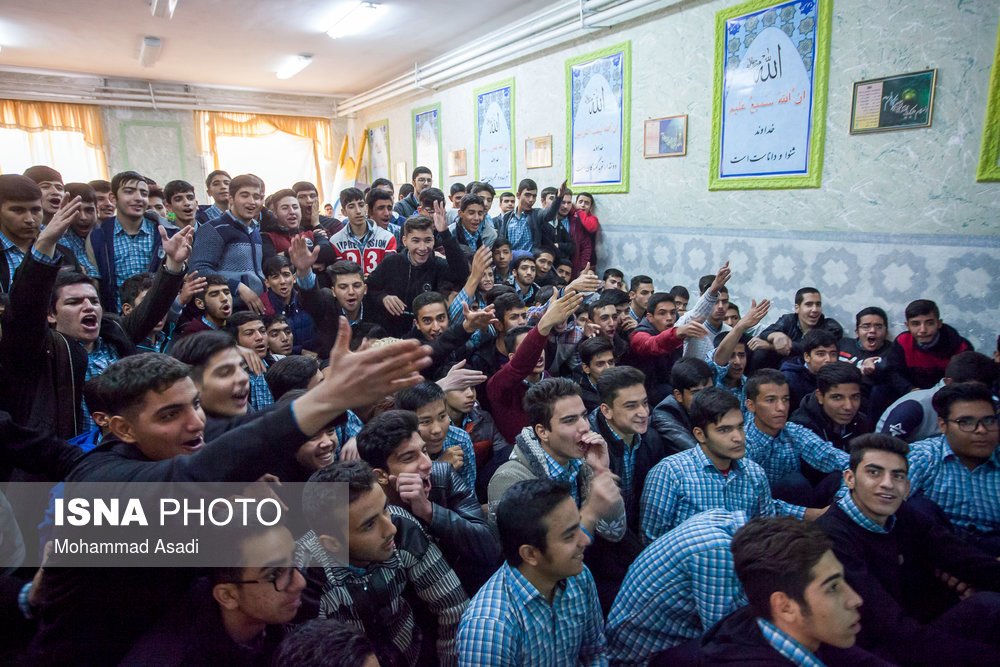
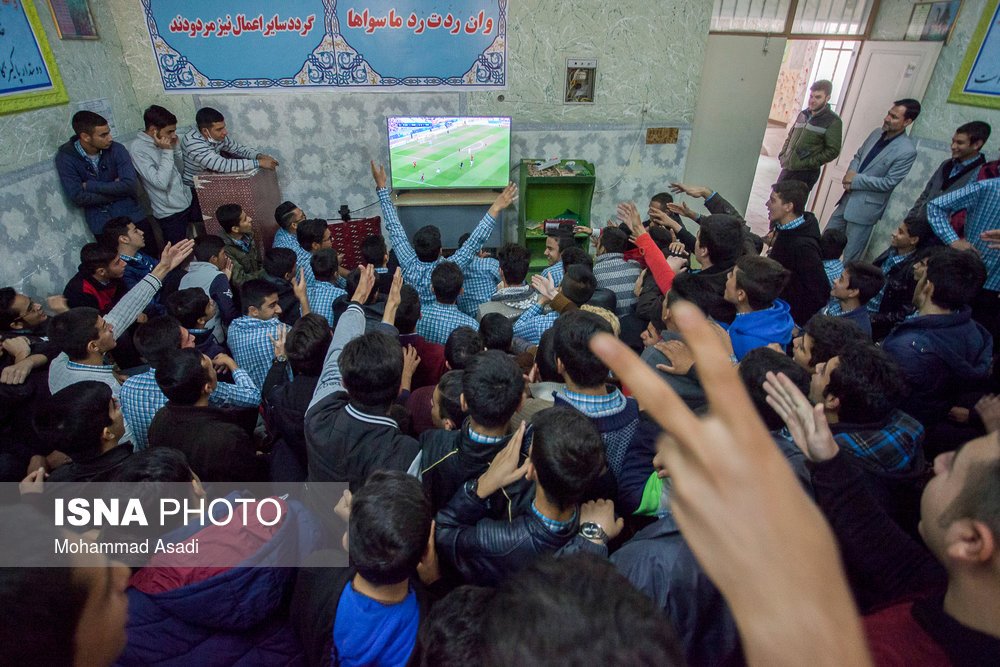
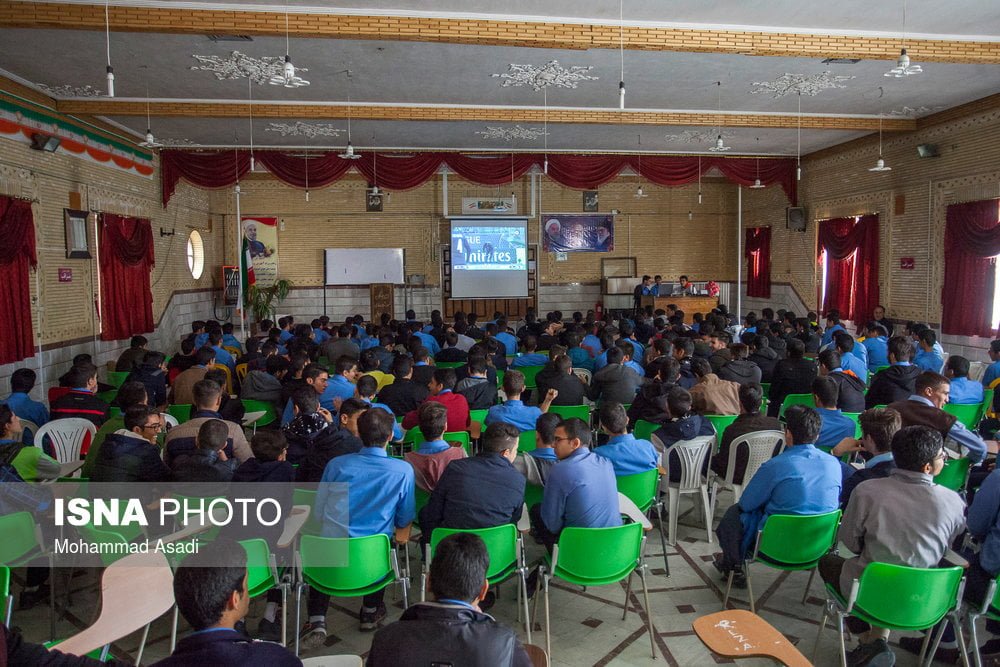
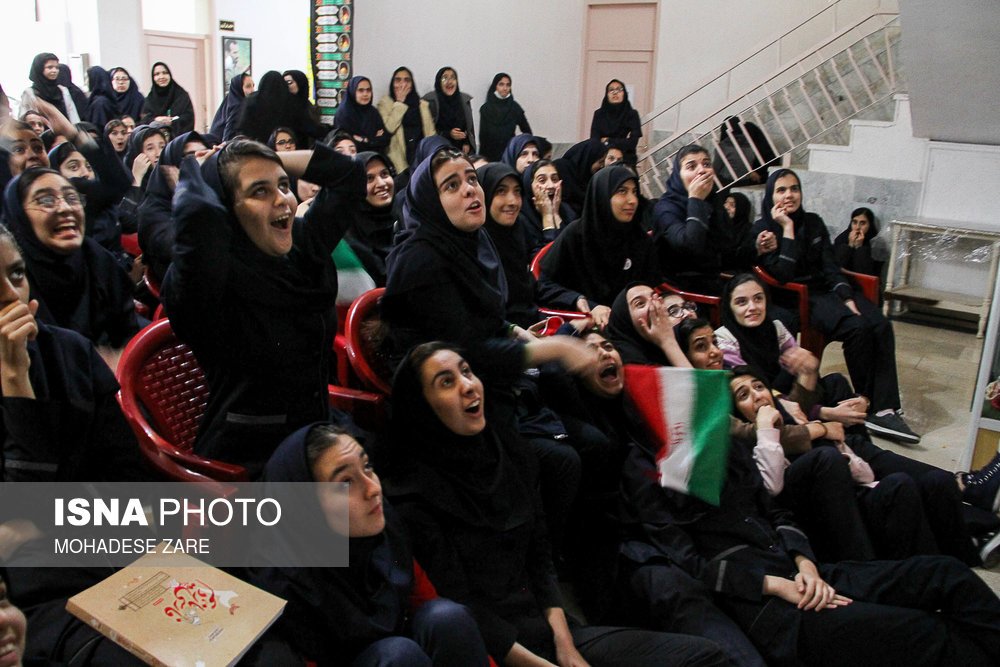
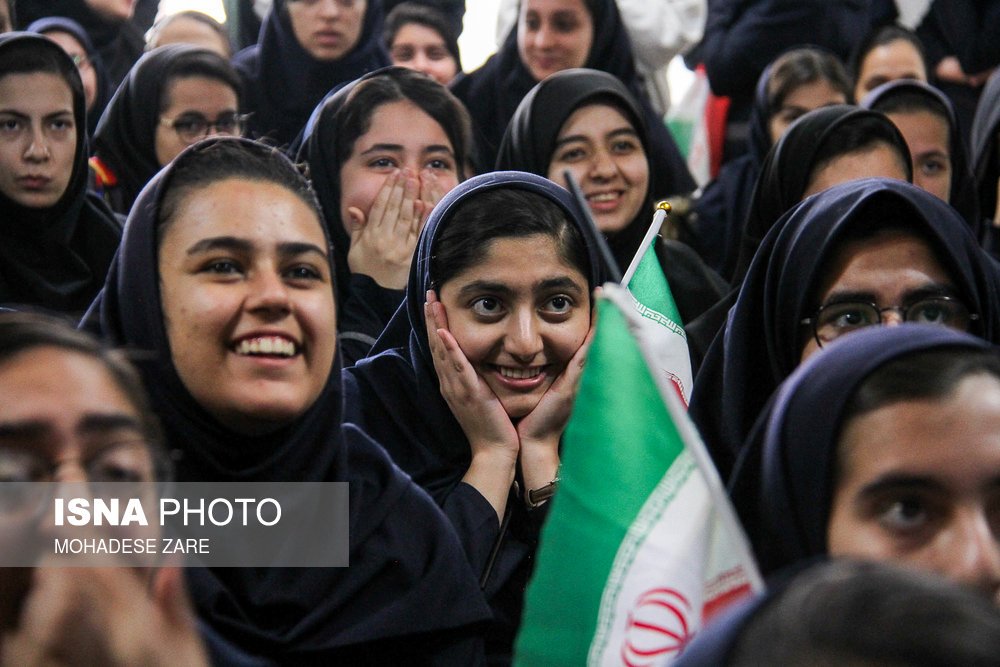
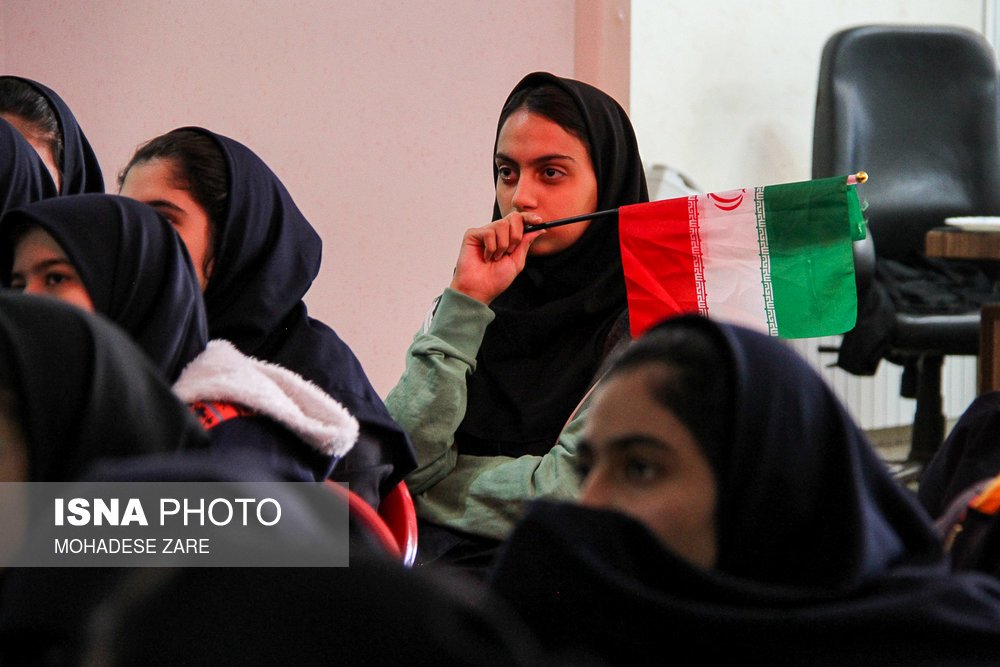
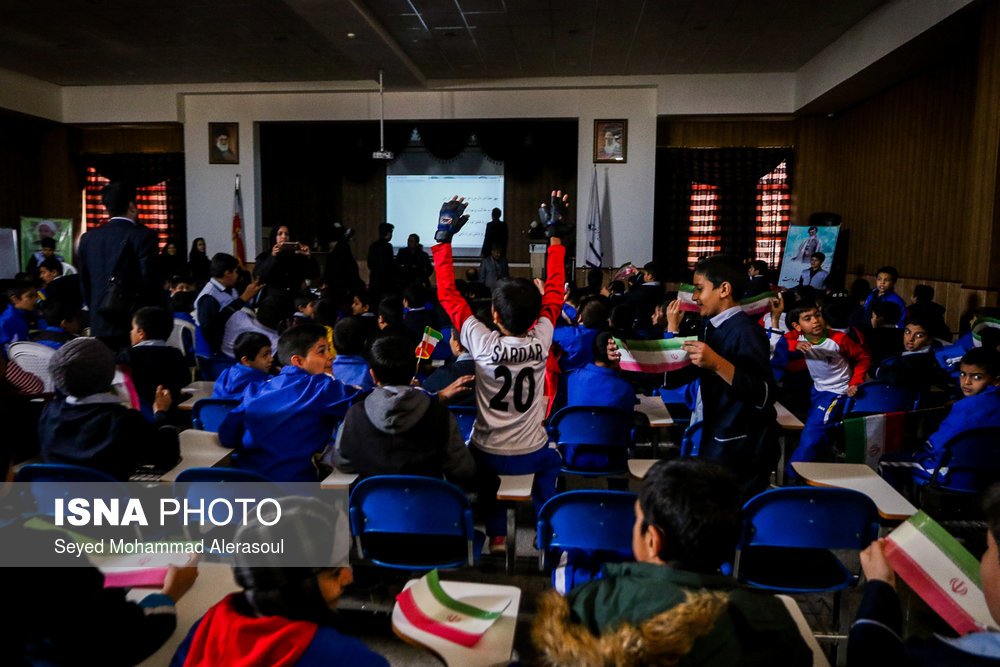
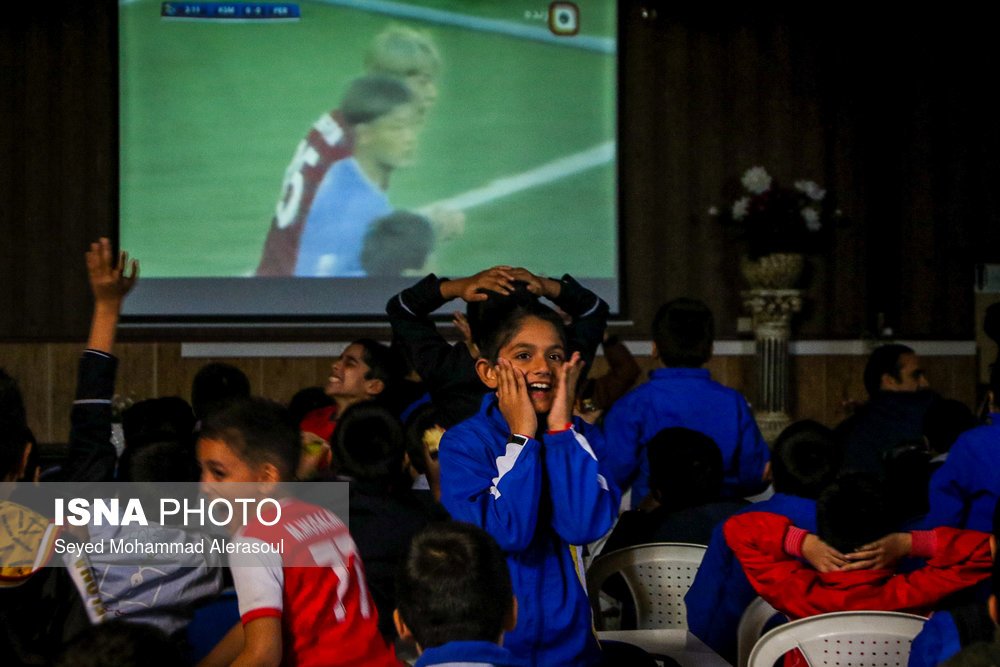
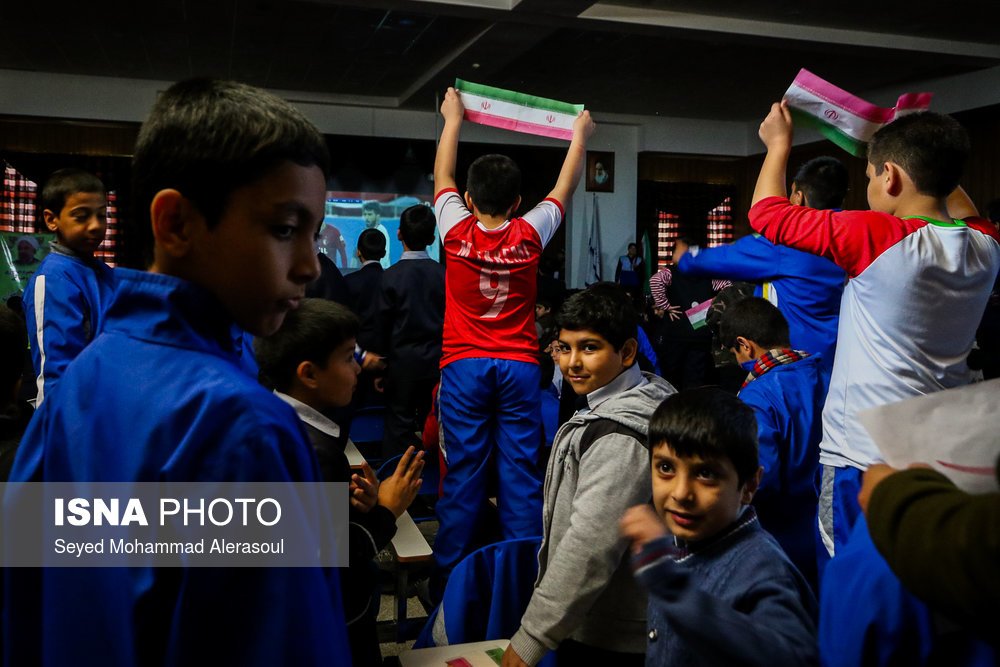
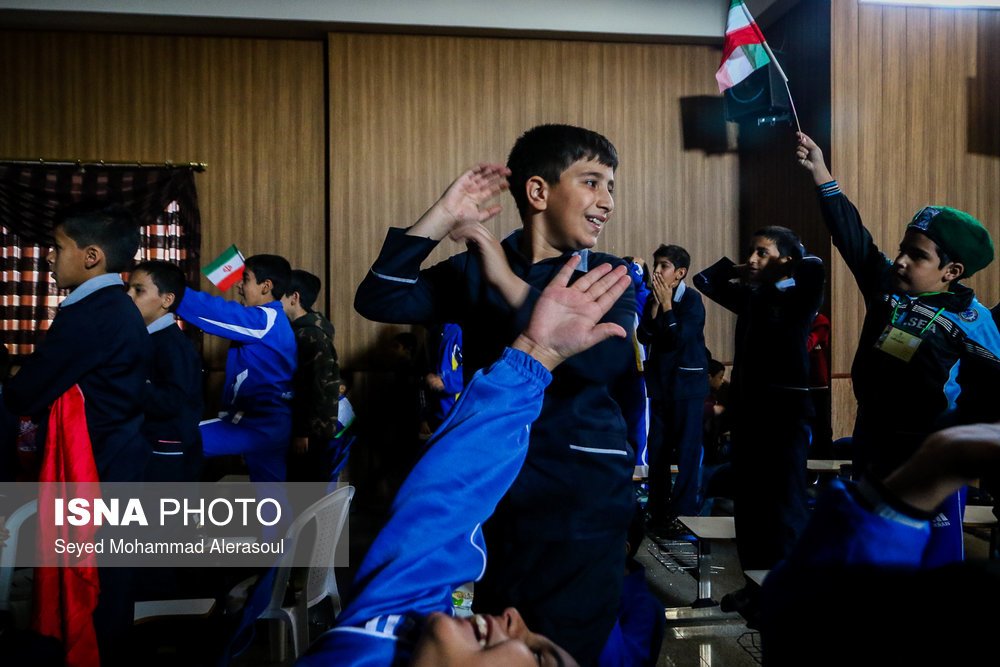
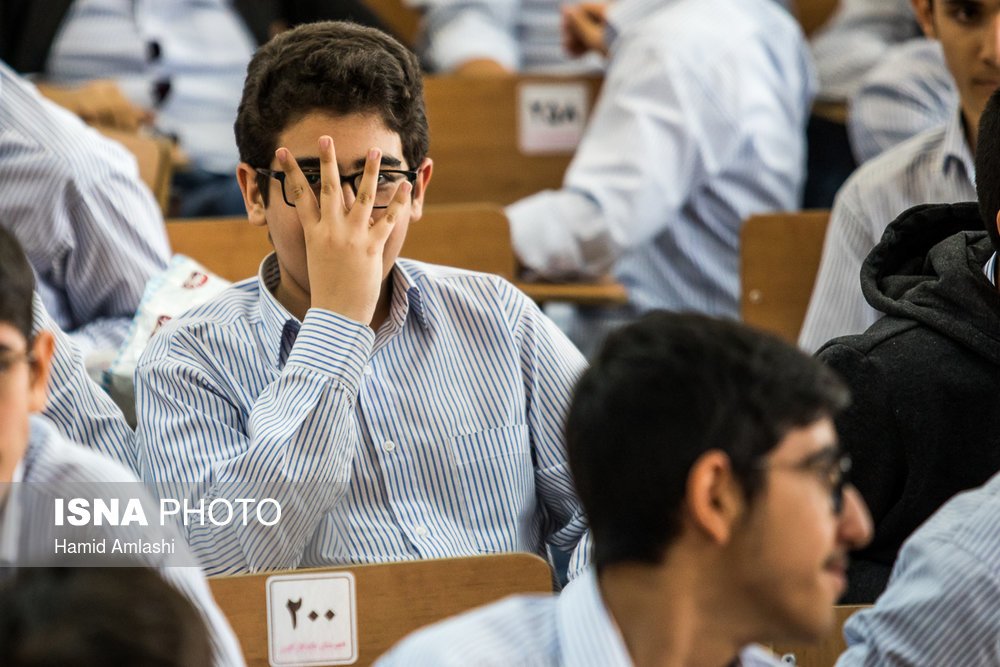
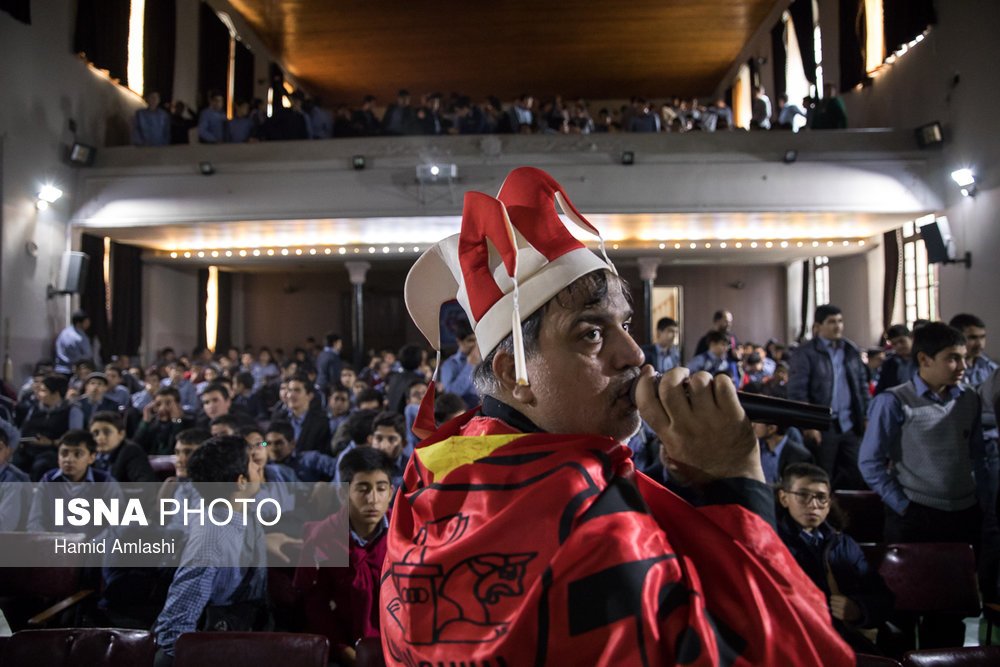
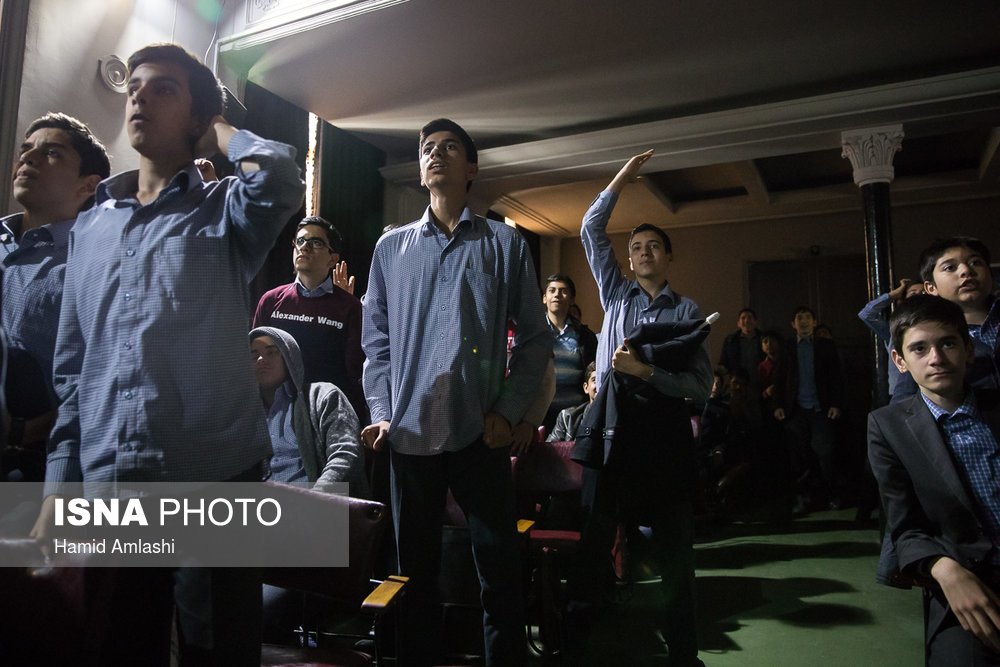
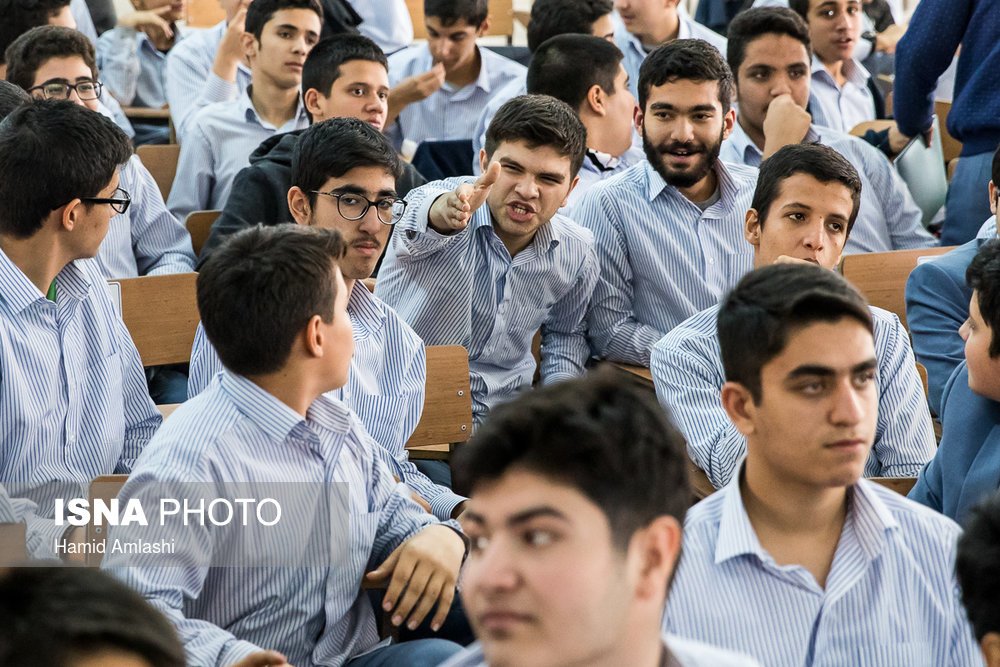
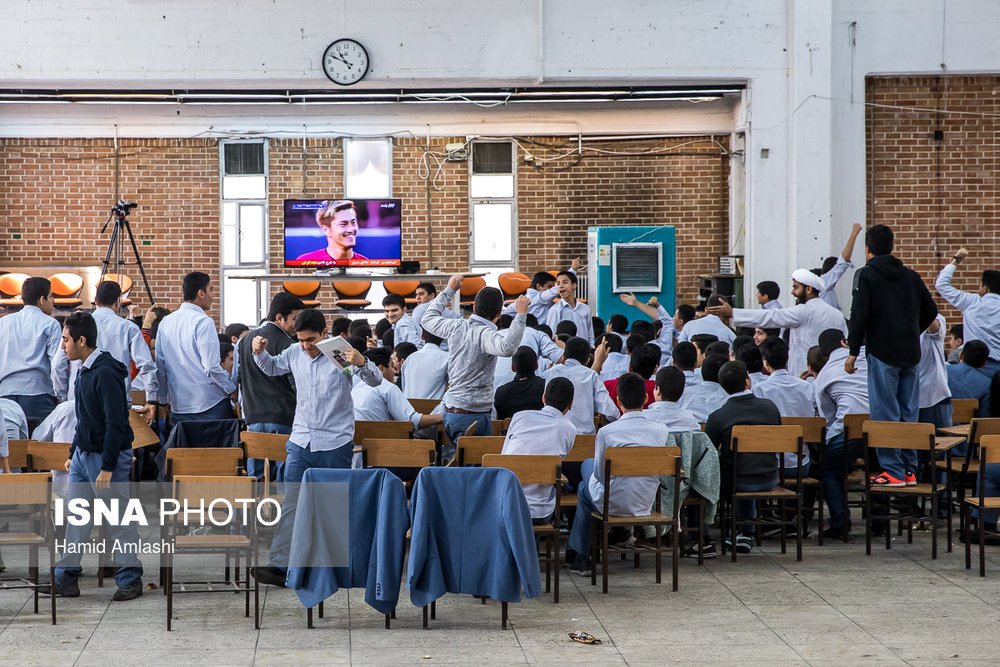
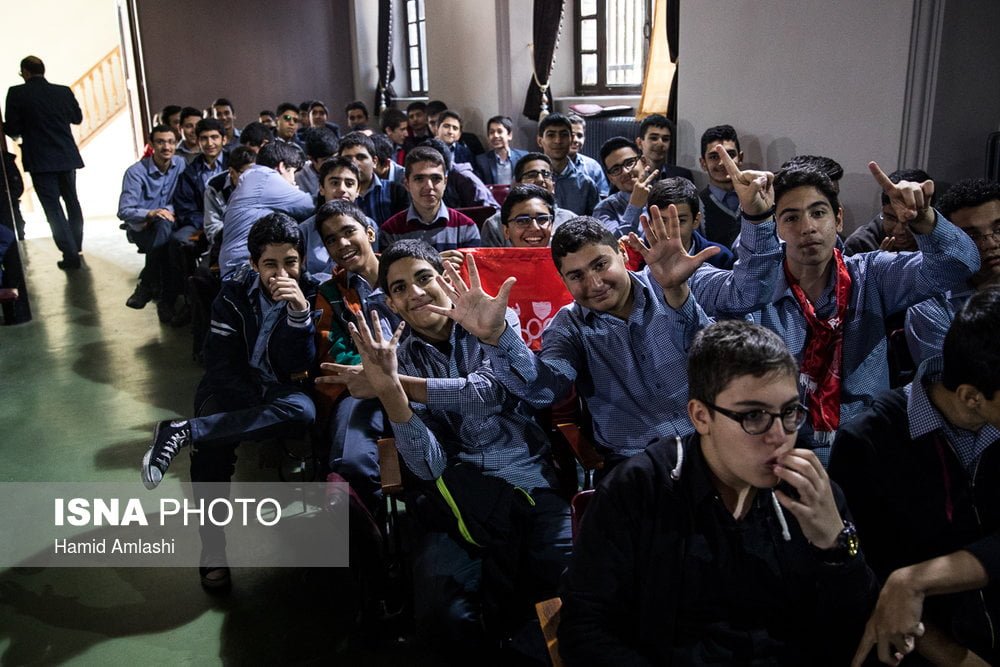
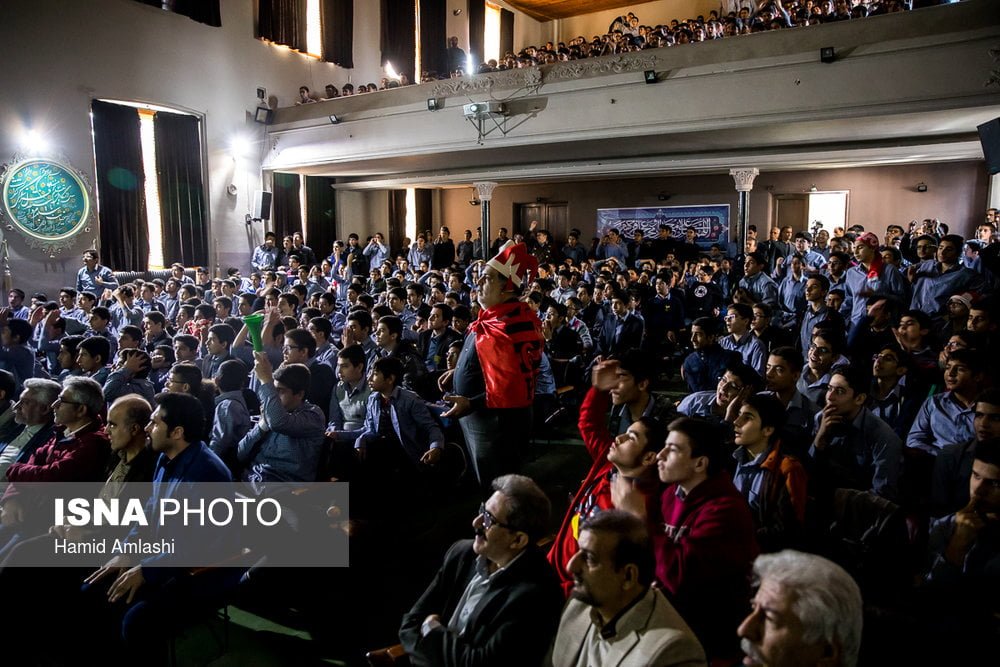
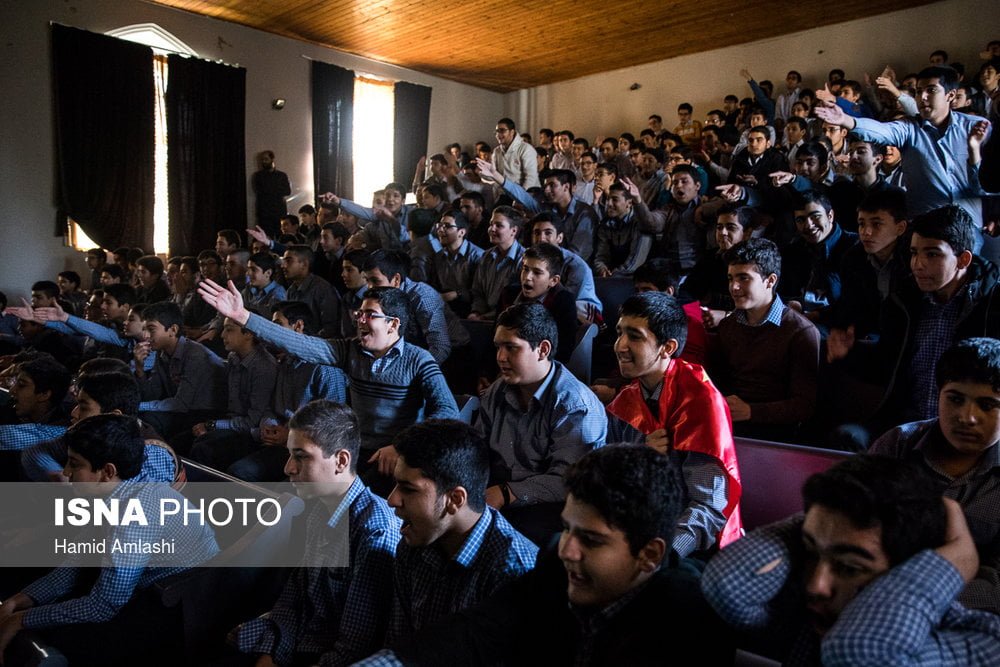
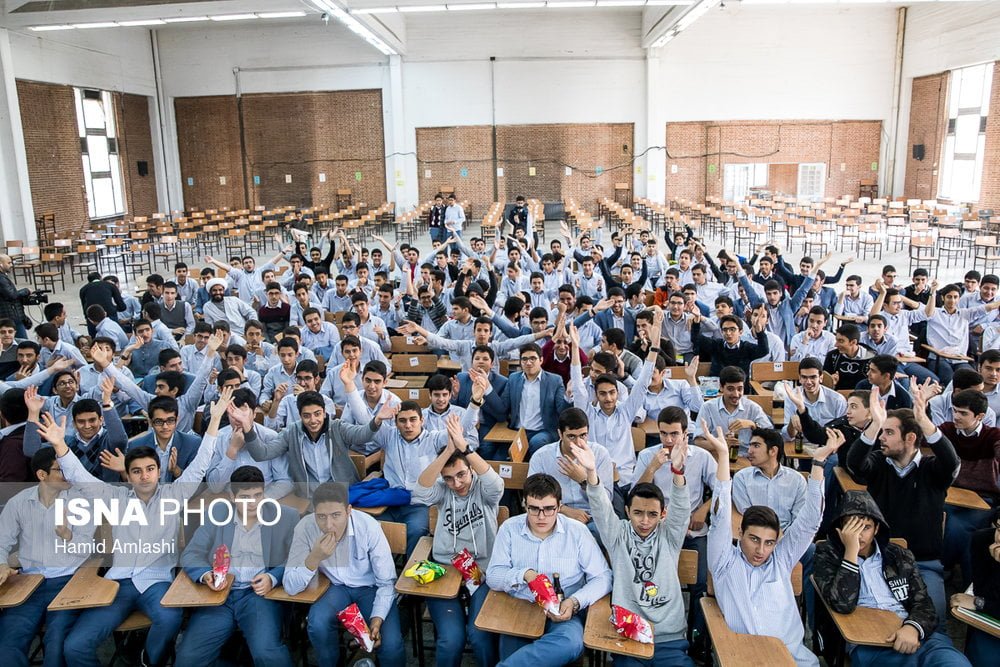
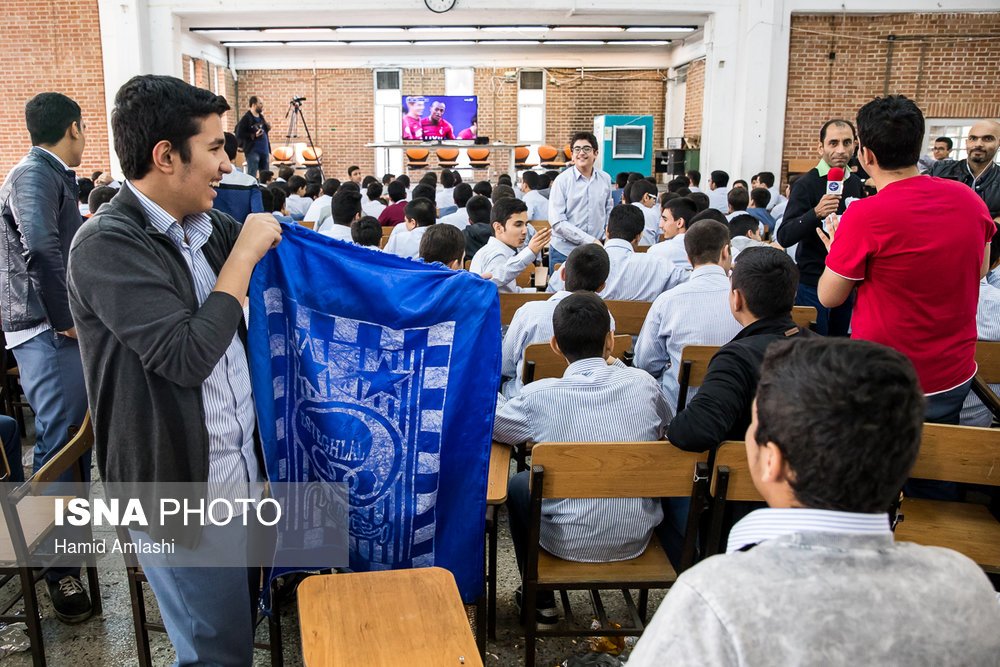
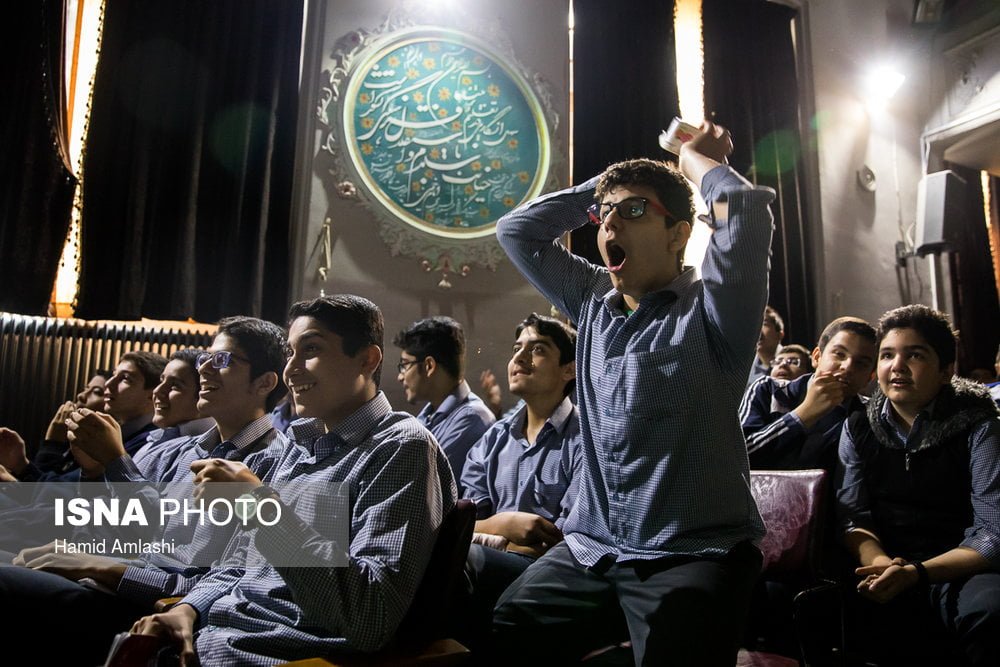
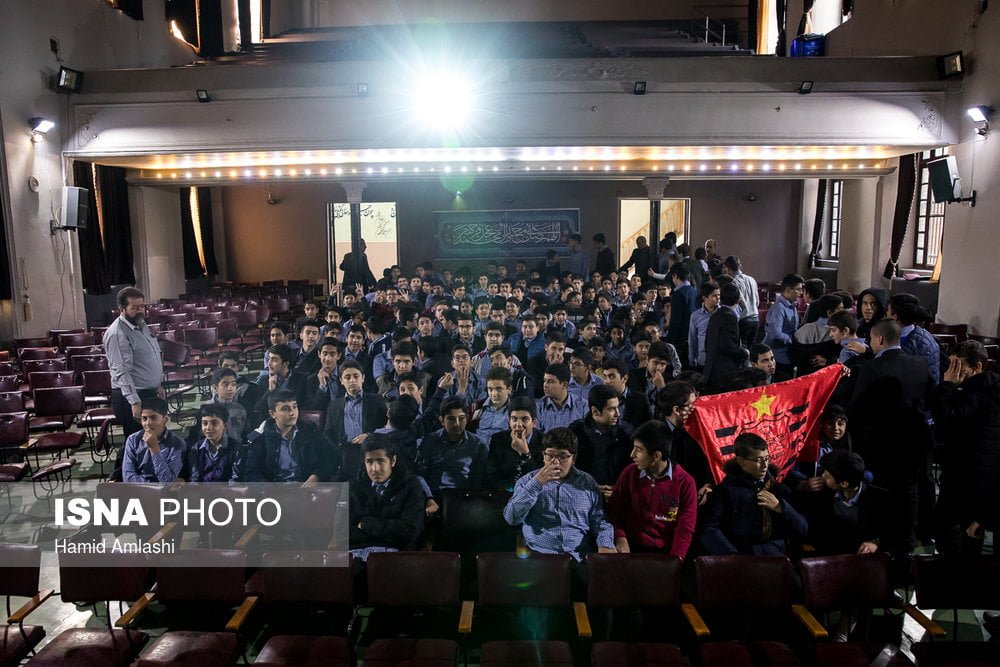
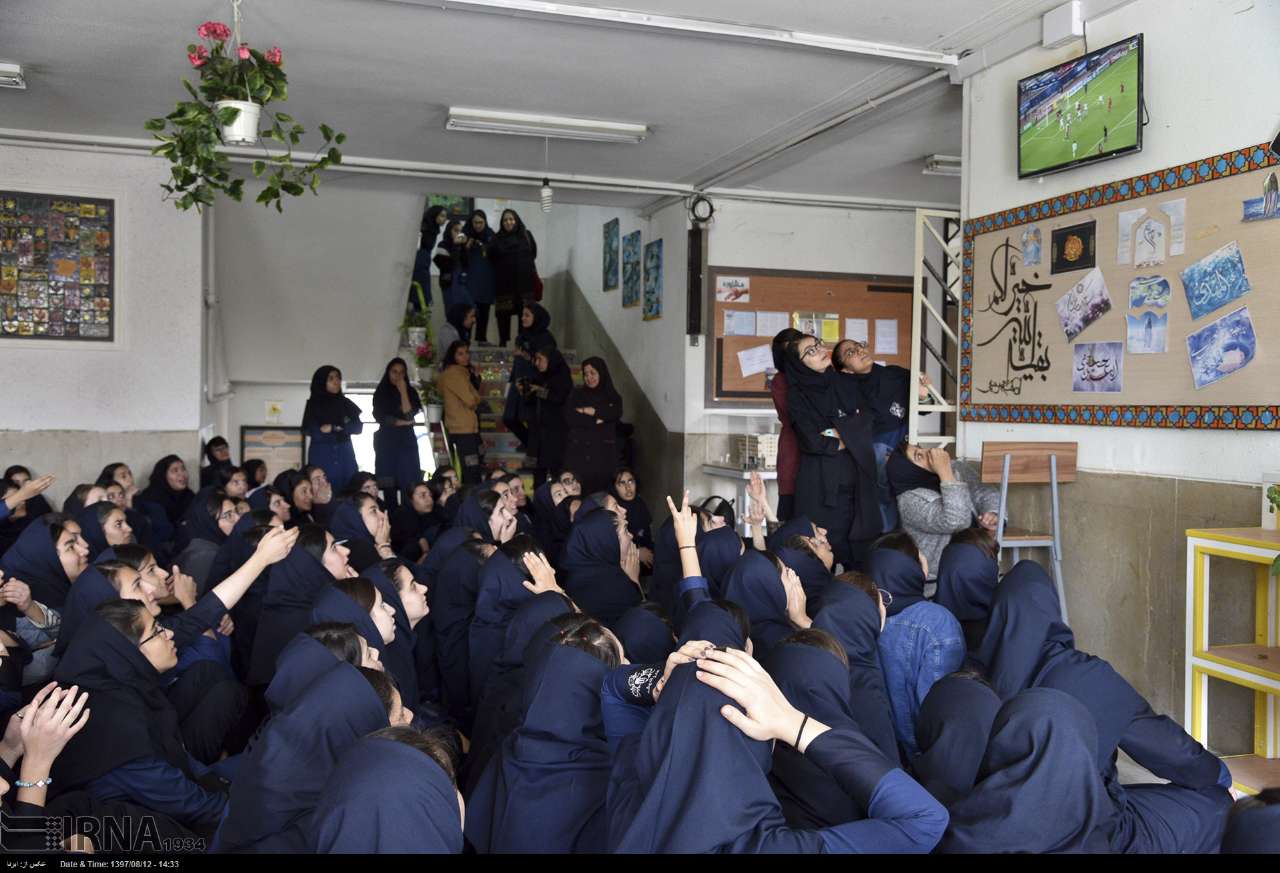
Iranian Students Enjoy Watching ACL Final Together at Schools

The students were given the chance after Iran’s Education Ministry called on all schools across the country to broadcast live the match, which was held at 9:30 am when the students had to be at school.

The Ministry made the decision in reaction to numerous calls by schoolchildren across the country to shut down the schools on Saturday morning. In a directive, the Ministry said since it’s not possible to close the schools on November 3, all schools are asked to broadcast live the final match of the AFC Champions League for their students.

The match ended with a 2-0 victory for the Japanese side, and thus did not have a happy ending for the Iranian students.

However, all Persepolis fans are hopeful that the Reds would show a brilliant performance next Saturday at Azadi Stadium in Tehran, where over 85,000 spectators are going to support them.

What follows are photos of Iranian students watching the football match at schools across the country:

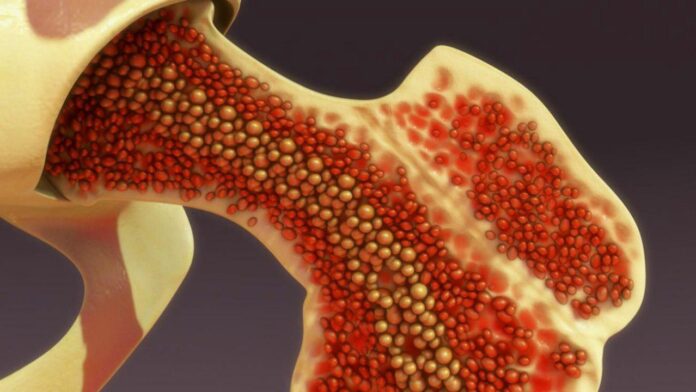
Bone Marrow Transplant: A Major Life-Saving Surgery

Bone marrow is the main place where blood cells are produced, and, hence, is regarded as one of the key parts of human body.

Bone marrow transplant is an operation where the bone marrow of the patient is replaced by healthy bone marrow, so that the patient will be able to receive high doses of chemotherapy or radiotherapy drugs. The transplant is done using different methods, and has side effects as well. The rate of success for bone marrow transplant depends on the kind of disease, the age of the patient, the type of transplant operation and the stage of the disease.

The first bone marrow transplant surgery was successfully performed in 1986. Ever since, the bone marrow transplant operation has been used for the treatment of several diseases, including aplastic anaemia (disability to produce new tissues), blood cancer, bone marrow cancer, immune system disorders, lymphoid tissues tumours such as Hodgkin’s lymphoma, and some hard tumours such as the ones associated with breast and ovarian cancers.

For a more detailed review of Iran’s achievments in various fields of science and technology, check the book “Science and Technology in Iran: A Brief Review”, released by the Science and Technology Department of the Iranian President’s Office.

For the bone marrow transplant operation, the donor must match the receiver. Generally, brothers and sisters of the person who needs to receive bone marrow match. In the recent decade, many countries have established bone marrow banks, so that it would be possible to find matches for patients who cannot receive bone marrow from relatives. The most common types of bone marrow transplant include:

  1. Autologous: In this type of operation, the patient receives bone marrow from his or her own body. In this method, the bone marrow is extracted from the patient and exposed to anti-cancer drugs, so that its malignant tissues are killed. Then the final product is frozen and preserved.
  2. Syngeneic: In this method, the patient receives bone marrow from another member of a similar twin. Here, all bone marrow tissues in the patient’s body are killed using a large amount of anti-cancer drugs with or without radiotherapy. Then, healthy bone marrow is extracted from the organ of a similar twin whose tissues are very similar to those of the patient’s body.
  3. Allogeneic: the patient receives bone marrow from a person other than himself/herself or similar twin (such as brother, sister or either parent, or somebody who is not related to the patient at all). The donor’s tissues should closely match those of the patient.

After the provision of bone marrow through one of the above-mentioned methods, the patient is given large amounts of chemotherapy drugs with or without radiotherapy, so that his/her remaining bone marrow is destroyed. In the last stage, healthy bone marrow is heated and injected into the patient’s vein with a syringe to replace the destroyed bone marrow.

After bone marrow enters the blood current, the transplanted tissues are directed toward the location of the bone marrow and begin producing new white and red blood cells as well as platelets.

The side effects of bone marrow transplant and stem cell transplant operations are infection, bleeding, nausea, vomiting, fatigue, anorexia, mouth ulcers, hail falling and skin reactions.

A successful operation can be performed on a person who is in good condition both physically and mentally because this surgery has complex stages which the patient should be able to pass through.

[vc_hoverbox image=”124682″ primary_title=”” hover_title=”“Science and Technology in Iran: A Brief Review“”]For a brief review of Iran’s achievments in various fields of science and technology, check the book “Science and Technology in Iran: A Brief Review”[/vc_hoverbox]

Iran Condemns New US Sanctions, Hails Europe’s Support

Iran Appoints Female Ambassador to Denmark

In its Saturday statement, the Iranian Foreign Ministry added that the administration of US President Donald Trump poses a threat to humanity and the whole world, and committed and responsible governments in the world should join hands to tackle the threats posed by this regime.

What follows is the full text of the statement released on Saturday, November 3, 2018:

Continuing its breaches of the law and blatant bullying, the [US President Donald] Trump regime yesterday announced the end of the so-called six-month grace period for the full implementation of the sanctions this regime re-imposed on our country on May 8 after illegally withdrawing from the JCPOA (the Iran nuclear deal also known as the Joint Comprehensive Plan of Action).

Although the move will, objectively and practically, have few negative consequences for Iran’s economy compared with the past six months, it is regarded as a major political and moral scandal for the ruling US regime.

This move alone amounts to a violation of the JCPOA, breach of the UN Security Council resolution [2231], violation of the ruling of the International Court of Justice (ICC), direct opposite to the clear will of an overwhelming majority of world countries, and disregard for human, legal and moral principles.

The move also once again showed to all members of the international community, especially the countries which are “allies” and “partners” of the United States, that this government not only does not care about international regulations and norms, but also punishes other law-abiding countries for remaining committed to international commitments and regulations, and these countries include countries that are friends and allies of the US, countries whose companies and banks happen to be affected by the recent sanctions.

The US also showed that even a major and powerful military and economic power may lack political independence and yield to some foreign regimes’ demands in adopting and implementing its foreign policy.

It is not clear what is going on in the United States’ foreign policy arena as the statesmen of this country learn no lessons from the inappropriate experiences of their predecessors and it seems that every single president of this country must repeat all the previous wrong policies to achieve the same unpleasant results and experience the inefficiency of wrong approaches first-hand.

In his speech on Friday, the secretary of state of the Trump regime spoke of “maximum pressure” on Iran and at the same time expressed pleasure over the effectiveness of these pressures on Iran’s economy and the lives of Iranian people. Using the most unprofessional and most childish words, he tried to create the impression that those pressures are not directed towards Iranian people.

He seems to be unaware of the fact that every one of former US presidents, too, pursued the policy of pressuring Iran and patient and resistant Iranian people, even to extents more severe than what he calls “maximum pressure.”

Over the past four decades, the predecessors of Mr Trump have pulled no punches with regards to imposing pressure and showing inhumane behaviour towards Iran and Iranians, and hence, no tool for exerting further pressure is left for Mr Trump and his associates today.

Various presidents of the US have numerous anti-Iran moves in their track record, from launching direct military attacks on a passenger plane and oil rigs of Iran to lending full support to the most despicable enemies of Iran, including Saddam Hussein, the hypocrites and other terrorist, secessionist and racist groups, from the so-called “crippling” sanctions to the assassination of nuclear scientists.

Although these pressures and animosities have, so far, inflicted much suffering on innocent people, children, patients and the vulnerable strata of Iran, they have failed to sap the will of these people to continue the path to independence and resistance to foreign pressure.

The Islamic Republic of Iran condemns the imposition of illegal sanctions by the US while welcoming a joint statement issued by Ms [Federica] Mogherini and foreign ministers and finance ministers of the three European countries as well as the statements released and positions adopted by the governments of Russia and China vis-à-vis the United States’ illegal move, and their commitment to maintaining financial channels with Iran and ensuring the continuation of Iran’s oil and gas exports, and regards these statements as a proper step on the right path.

The progress made in executing the political commitments of these countries to ensure Iran’s economic interests has been welcomed by the Islamic Republic of Iran.

Indubitably, the continuation of the existence of the JCPOA is contingent upon these measures going into force and being successful. When it comes to interaction and cooperation with other governments, Iran, as a strong and responsible player on the regional and international stage today, believes in multilateralism based on the principle of mutual respect and seeks a better future for the people of Iran, the West Asia region and the whole world.

Iran strongly believes that in cooperation with friendly countries and with reliance on its domestic potential and international potentialities, it will be able to weather this challenge wisely and prudently and will not allow the Trump regime, which has stripped the US foreign policy of any principles, to achieve its illegitimate objectives.

The Islamic Republic of Iran once again draws everybody’s attention to the dangers posed by this law-defying regime to humanity, the future generations of humans and human life on earth, and believes committed and responsible governments in the world should join hands to tackle the threats posed by this regime.

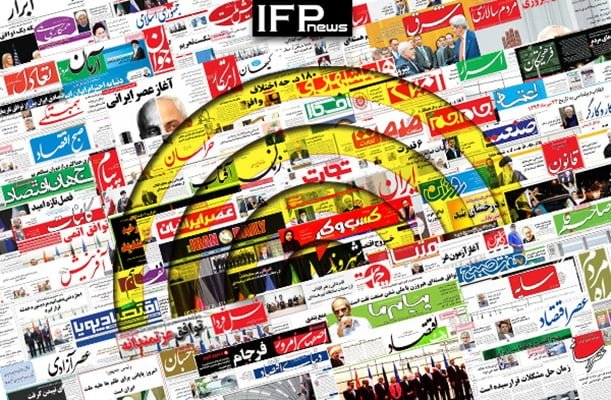
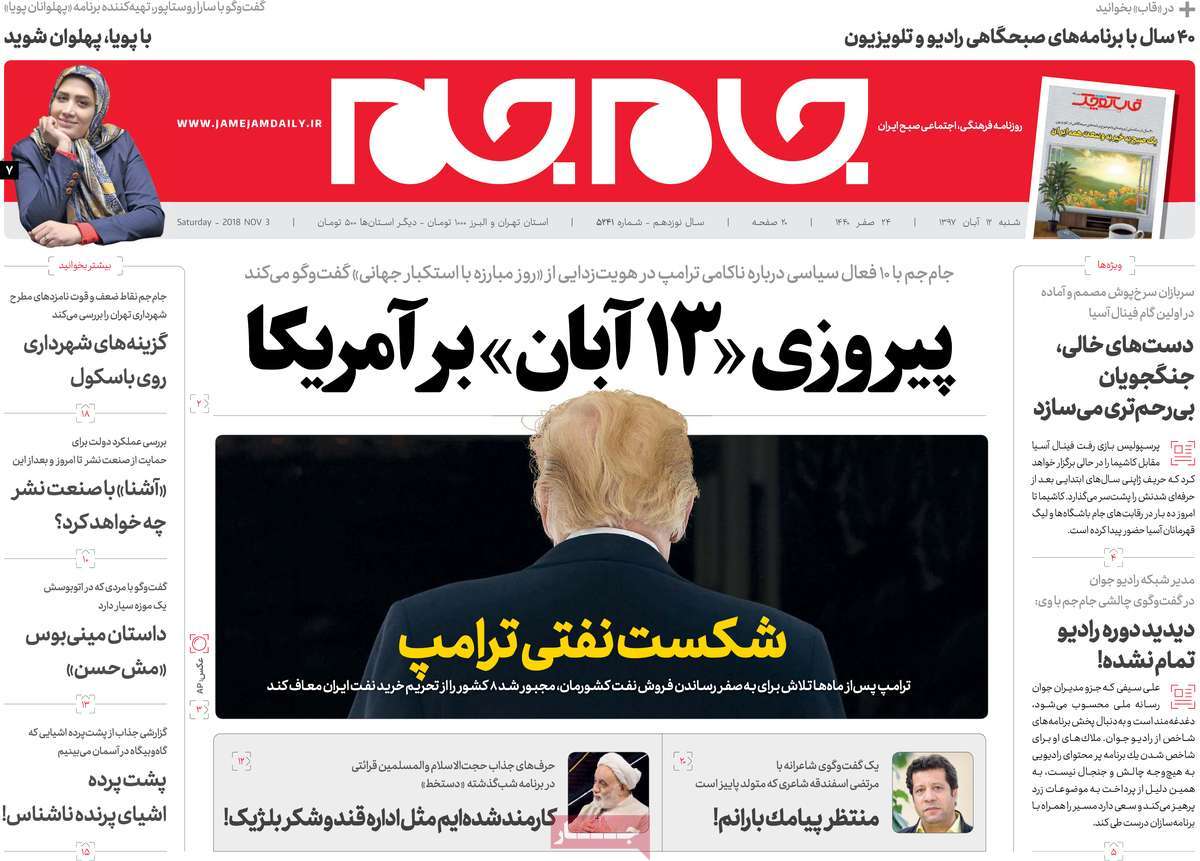
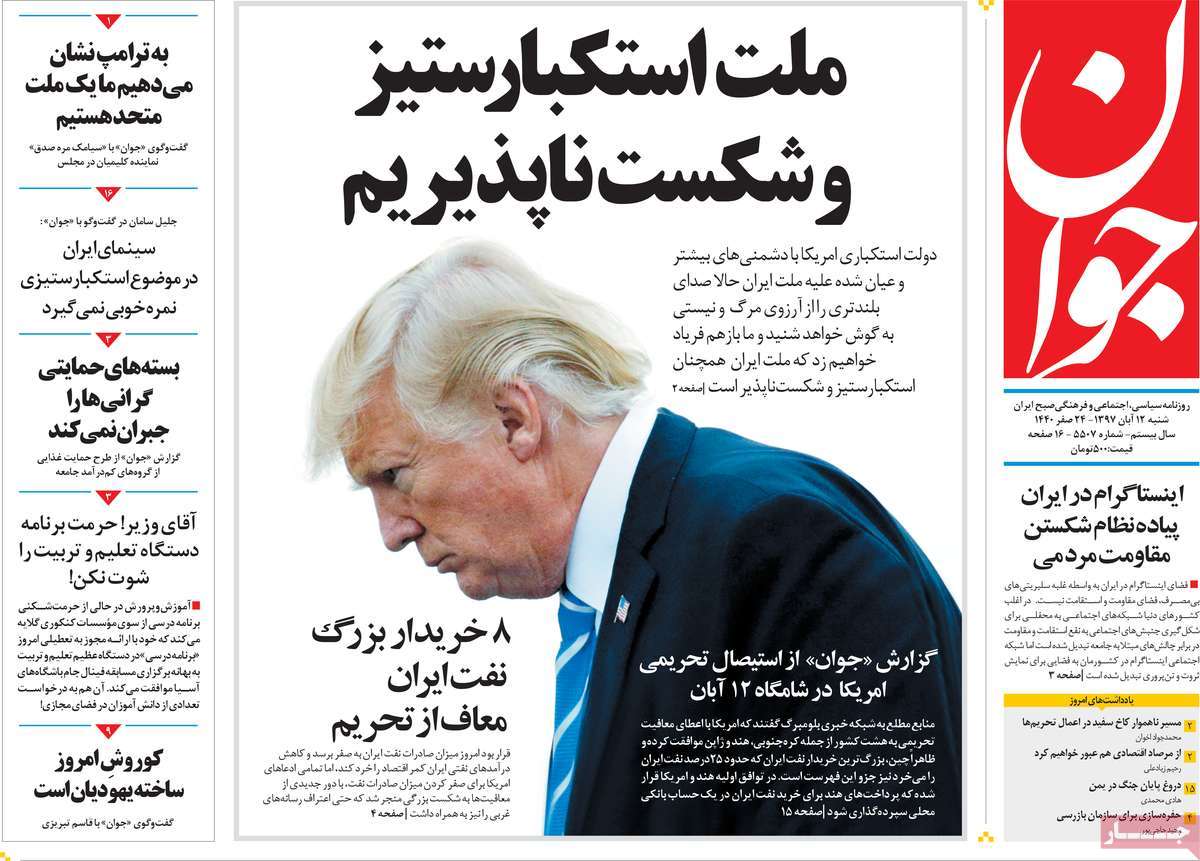
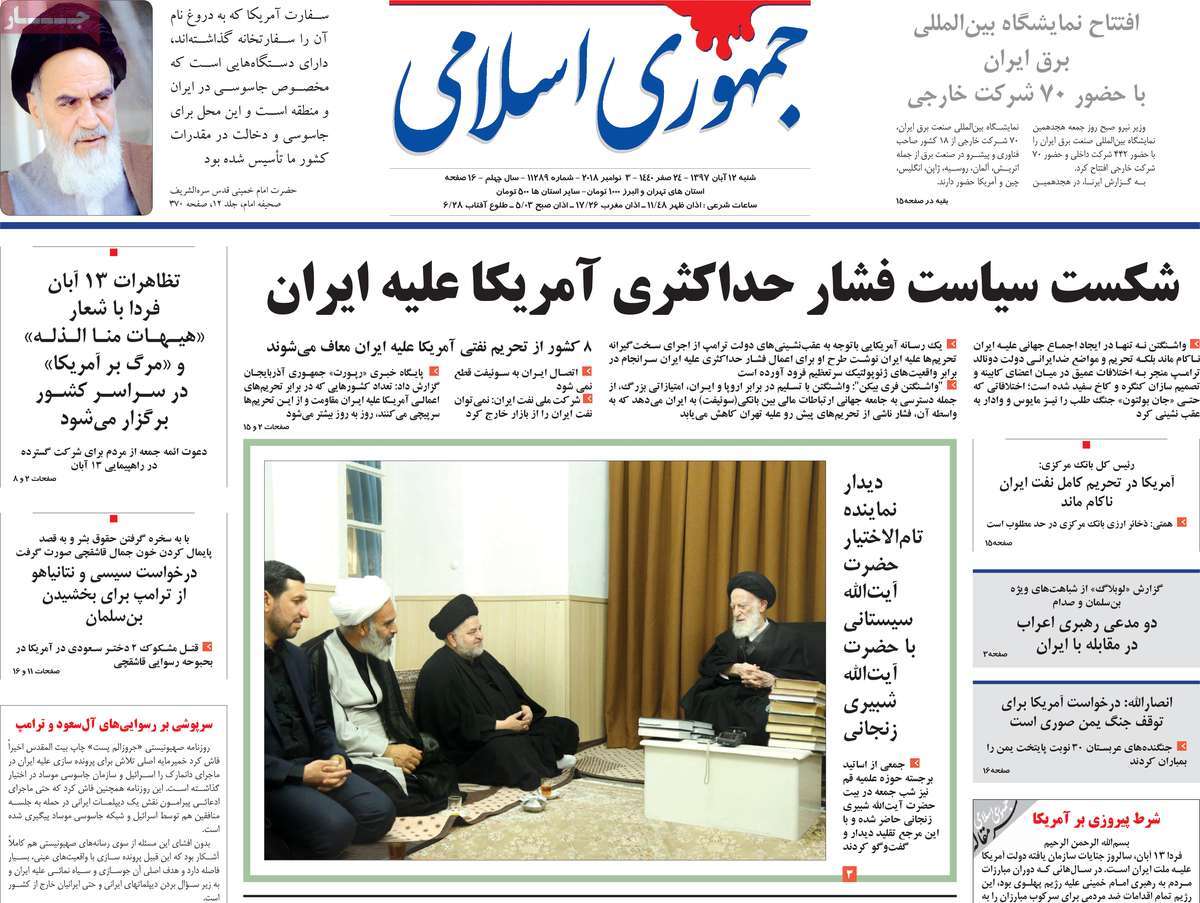
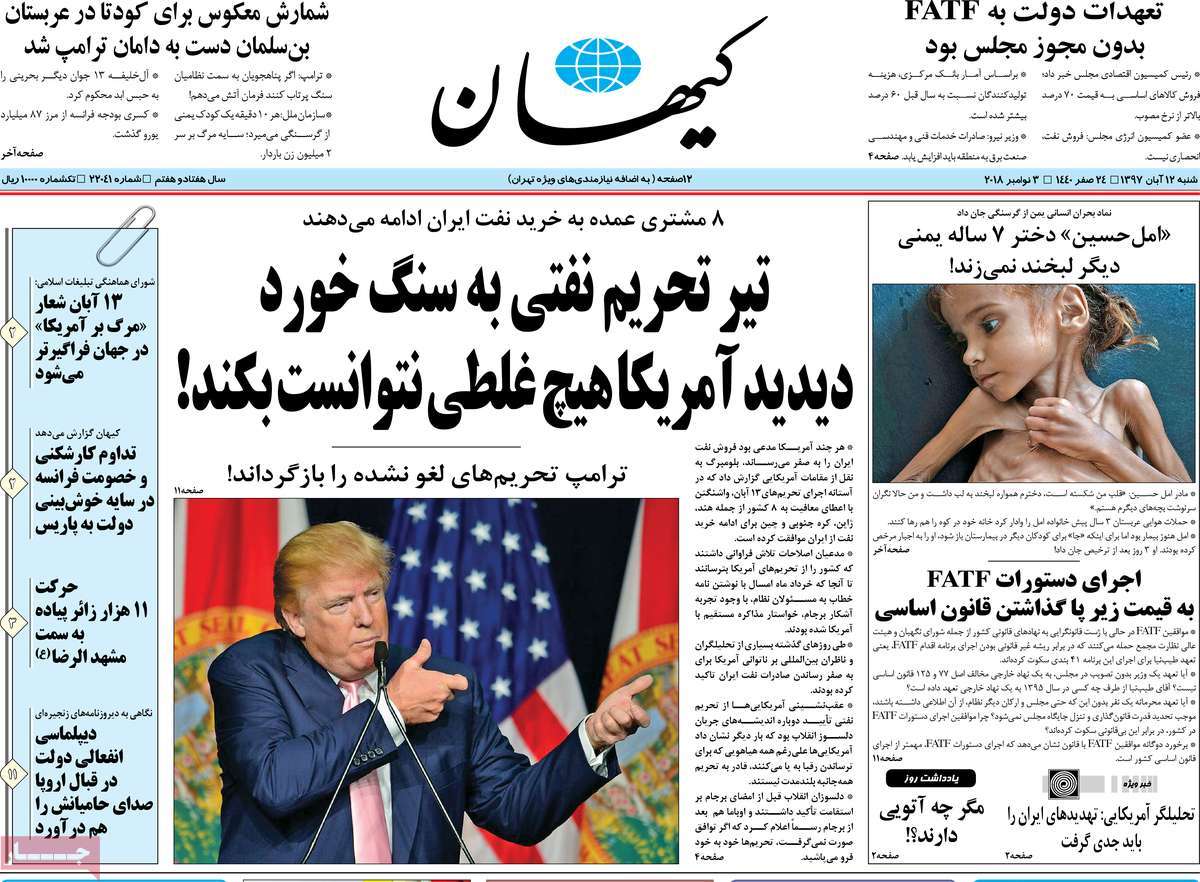
A Look at Iranian Newspaper Front Pages on November 3

A Look at Iranian Newspaper Front Pages on November 19

The top story in all papers today was the re-imposition of US sanctions on Iran, which will take effect on Monday, November 5.

Several papers covered a joint statement by the European Union, France, the UK, and Germany, in which they condemned the new US sanctions and vowed to protect European companies doing business with Tehran.

Donald Trump’s decision to grant waivers to eight customers of Iran’s crude oil also received great coverage, as they account for a lion’s share of Iran’s crude exports, and that will make the oil sanctions irrelevant.

The above issues, as well as many more, are highlighted in the following headlines and top stories:


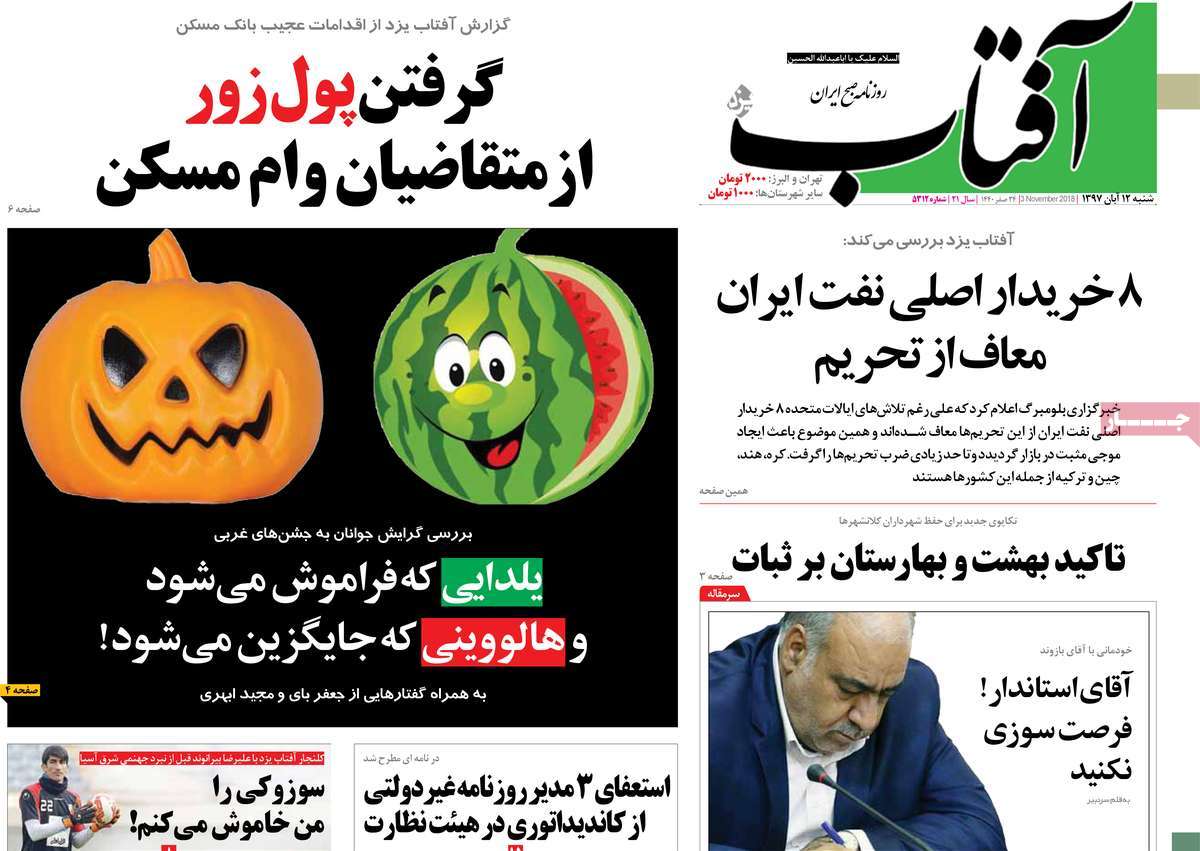
Aftab-e Yazd:

1- When Yalda Night Is Forgotten, Replaced by Halloween!

  • A Review of Young People’s Inclination towards Western Parties

A Look at Iranian Newspaper Front Pages on November 3


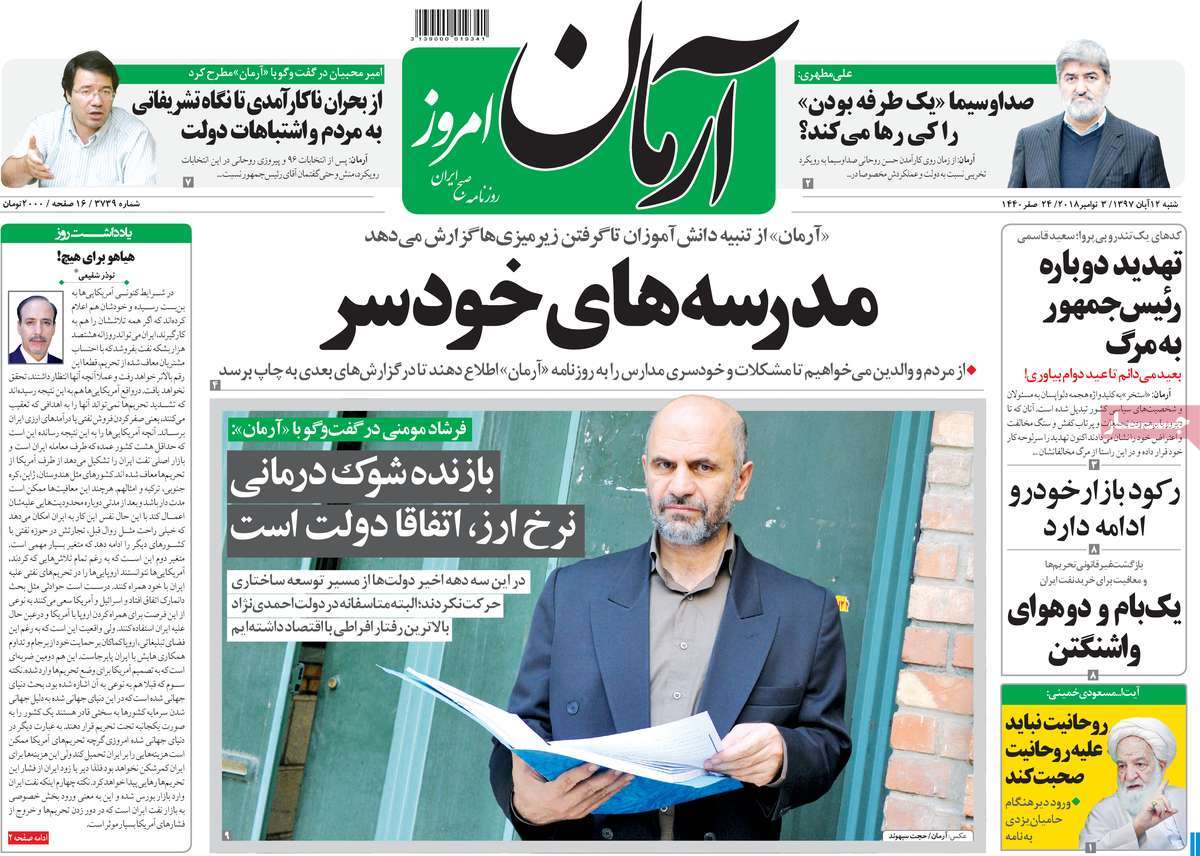
Arman-e Emrooz:

1- Washington’s Double-Standard Policies

  • Illegal Re-imposition of Sanctions While Giving Waivers for Iran Oil

2- Rouhani Once Again Threatened to Death

  • Hardliner Says He Won’t See Persian New Year!

A Look at Iranian Newspaper Front Pages on November 3


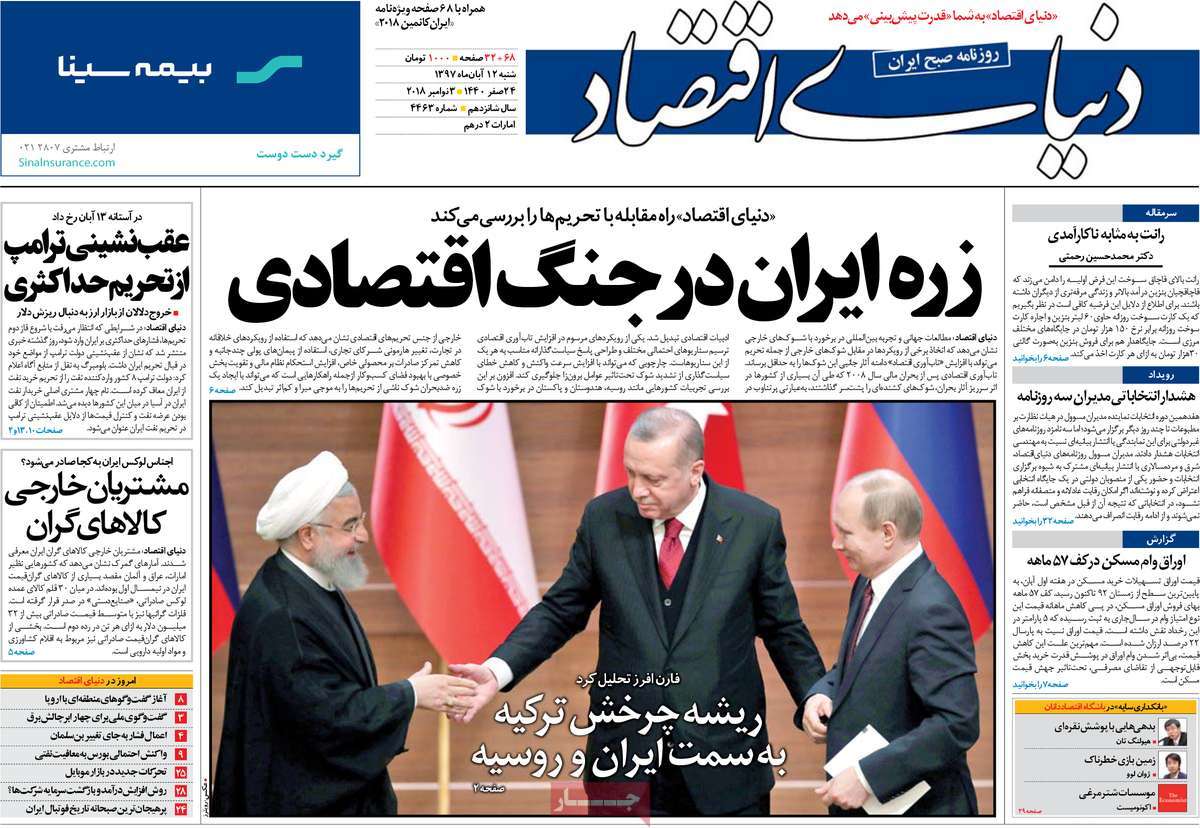
Donya-ye Eqtesad:

1- Foreign Affairs: Root Causes of Turkey’s Inclination towards Iran, Syria

2- Trump Backs Off from Maximum Sanctions

A Look at Iranian Newspaper Front Pages on November 3


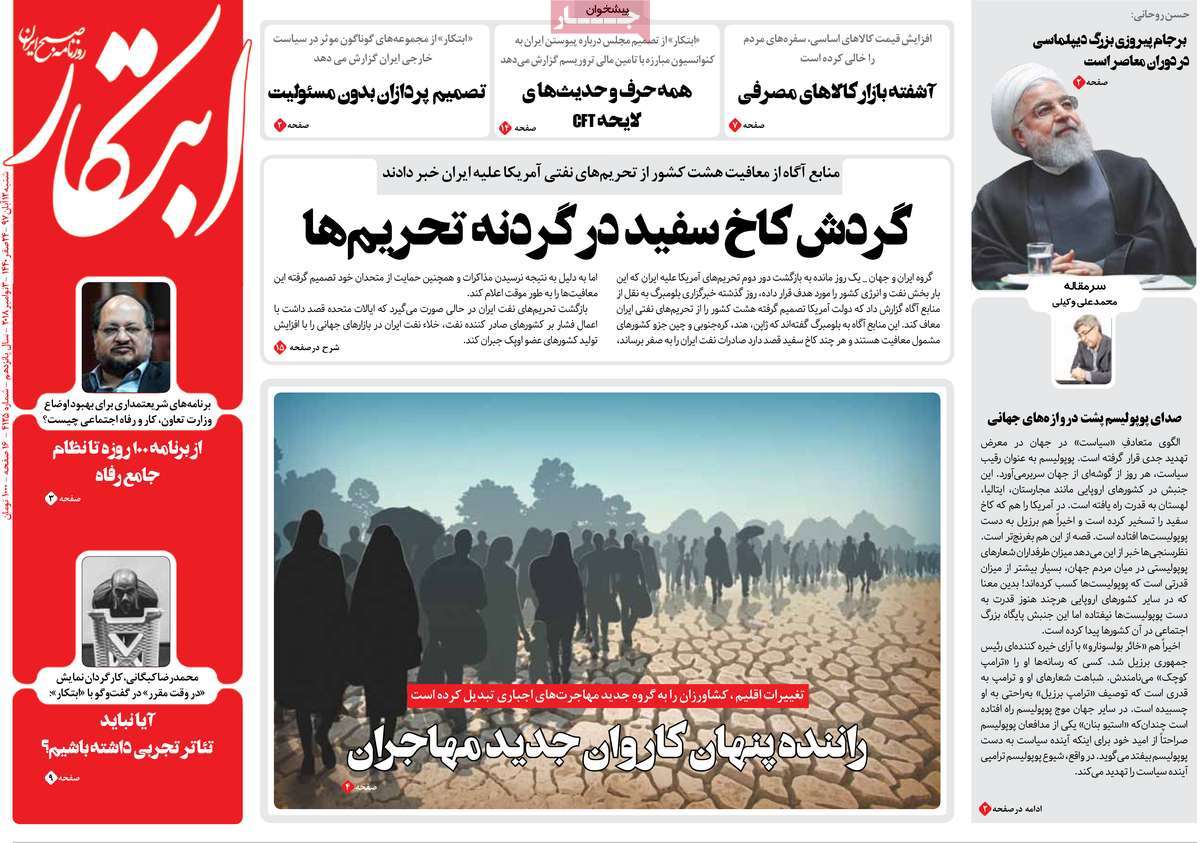
Ebtekar:

1- Rouhani: JCPOA Great Victory of Diplomacy in Modern Era

A Look at Iranian Newspaper Front Pages on November 3


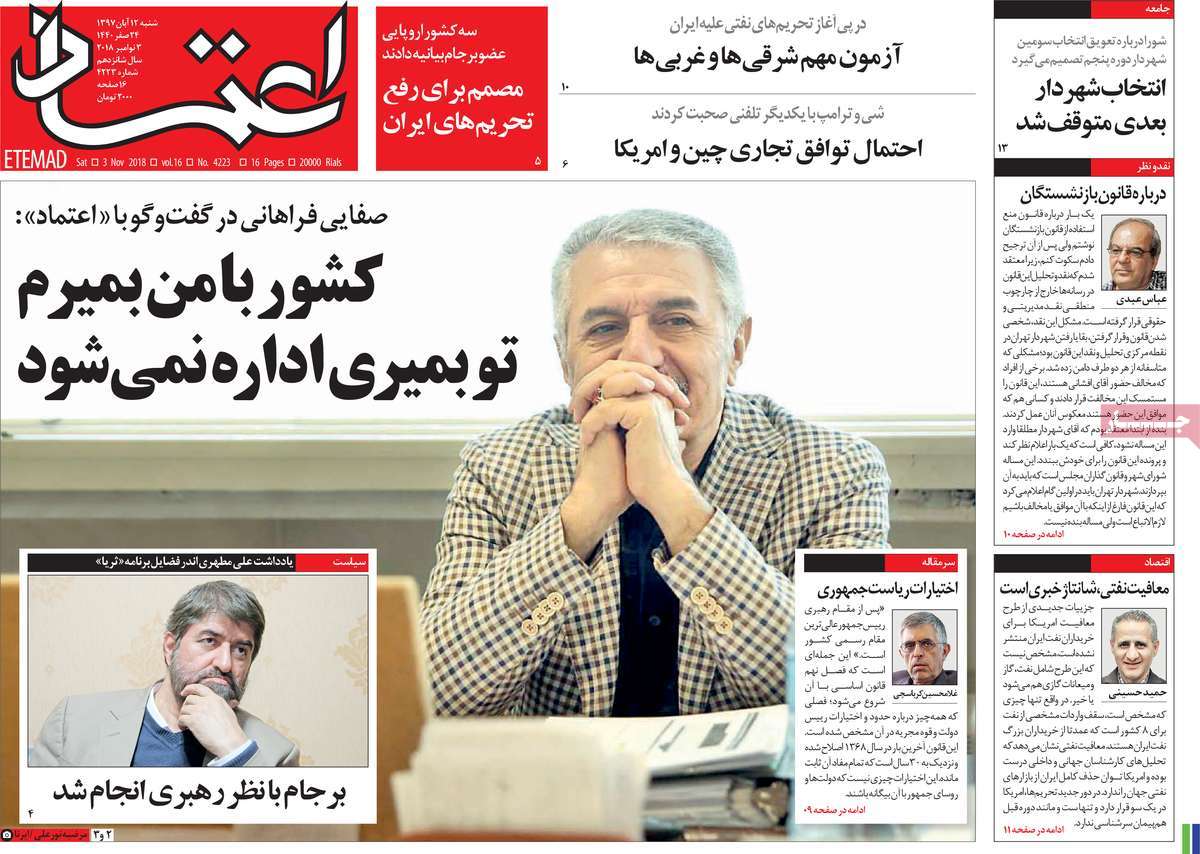
Etemad:

1- Big Test for East and West amid Beginning of Iran Oil Sanctions

2- E3 Release Statement, Say Determined to Remove Iran Sanctions

3- China, US May Reach Trade Deal: Xi, Trump Hold Phone Conversation

4- JCPOA Signed with Ayatollah Khamenei’s Consent: Iran Vice-Speaker

A Look at Iranian Newspaper Front Pages on November 3


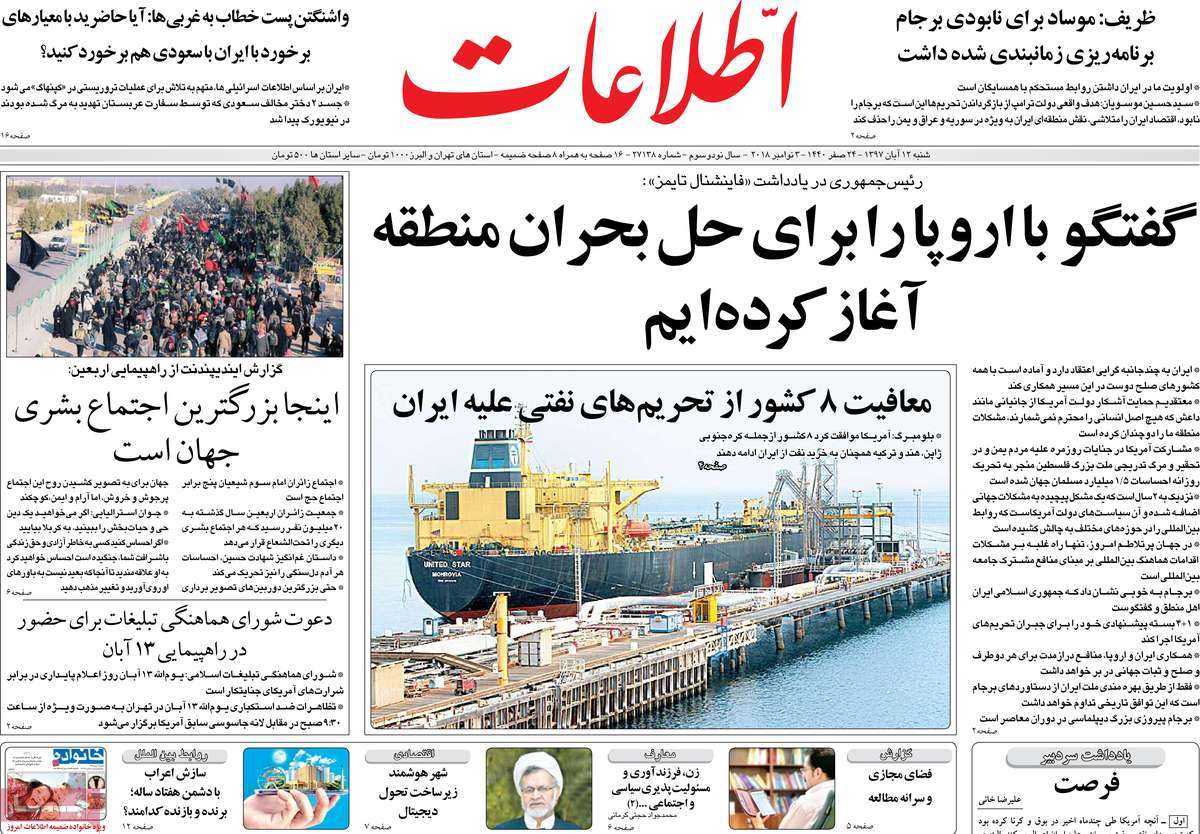
Ettela’at:

1- Zarif: Mossad Had Scheduled Plan to Kill JCPOA

2- Washington Post to Westerners: Would You Take Same Action against Saudis with Standards of Dealing with Iran?

A Look at Iranian Newspaper Front Pages on November 3


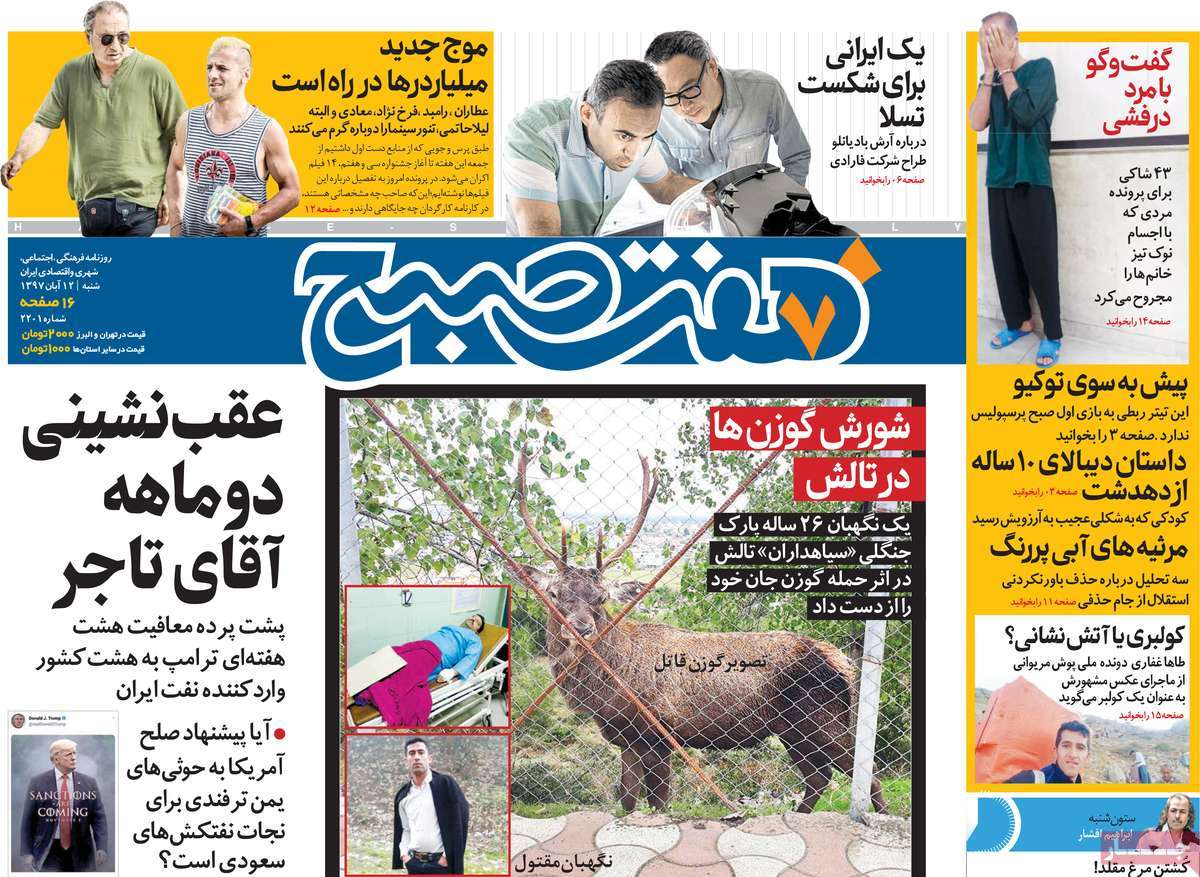
Haft-e Sobh:

1- Rise of the Deer in Iran’s Talesh: Deer Attack in Northern Iran Kills 26-Year-Old Ranger

2- Mr Businessman Backs Off, Gives Two-Month Waivers to Eight Importers of Iran Oil

A Look at Iranian Newspaper Front Pages on November 3


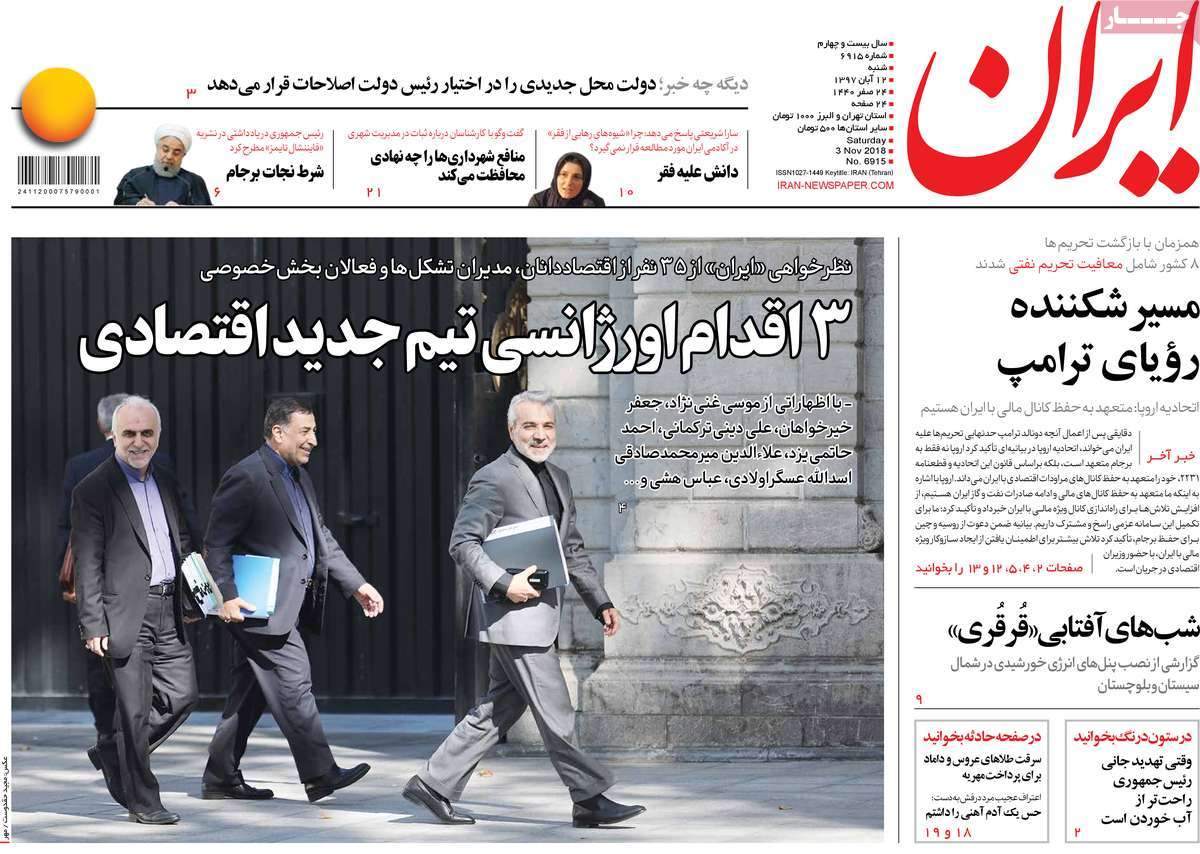
Iran:

1- Trump’s Dream Difficult to Come True

2- Three Emergency Measures by New Economic Team

A Look at Iranian Newspaper Front Pages on November 3


Jame Jam:

1- Victory of Nov. 4 over US

  • 10 Analysts Discuss Trump’s Failure to Destroy Identity of Anti-Arrogance Day

2- Trump’s Oil Defeat: Trump Finally Forced to Give Waivers to Eight Imp

A Look at Iranian Newspaper Front Pages on November 3


Javan:

1- We Don’t Accept Hegemony; We’re Invincible

2- Jewish MP: We’ll Show to Trump We’re a United Nation

A Look at Iranian Newspaper Front Pages on November 3


Jomhouri Eslami:

1- Failure of US’ Policy of Exerting Maximum Pressure on Iran

2- Iran Int’l Electricity Exhibition Opened with 70 Foreign Firms in Attendance

3- Sisi, Netanyahu Urge that Bin Salman Is Forgiven after Killing Khashoggi

  • Mockery of Human Rights

A Look at Iranian Newspaper Front Pages on November 3


Kayhan:

1- US’ Oil Sanctions Fail: You Saw US Can’t Do a Damn Thing!

2- Countdown Begins for Coup in Saudi Arabia: Bin Salman Ask for Trump’s Help

3- Trump Reinstates Sanctions that Had Not Been Removed in First Place!

A Look at Iranian Newspaper Front Pages on November 3


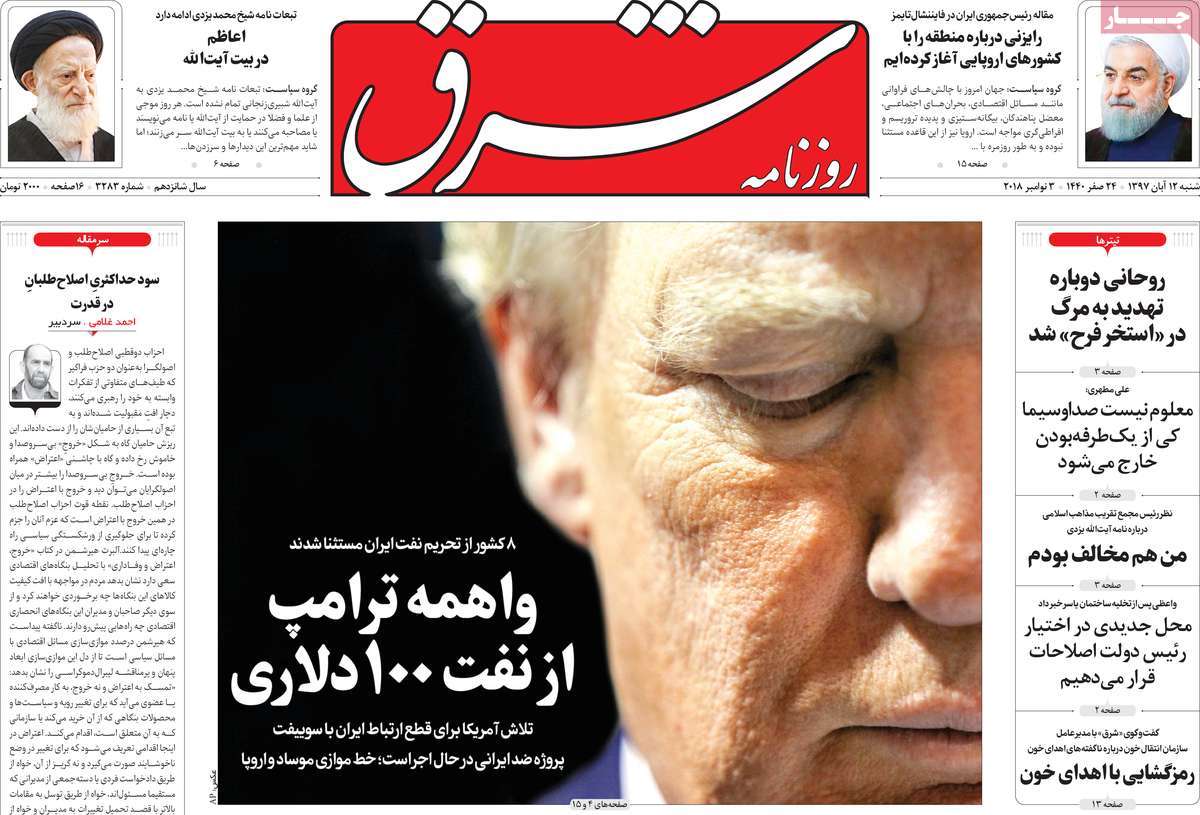
Shargh:

1- Trump Afraid of Oil Price of $100

2- Iran President in FT Op-ed: We’ve Started Talks with Europe over Mideast

A Look at Iranian Newspaper Front Pages on November 3


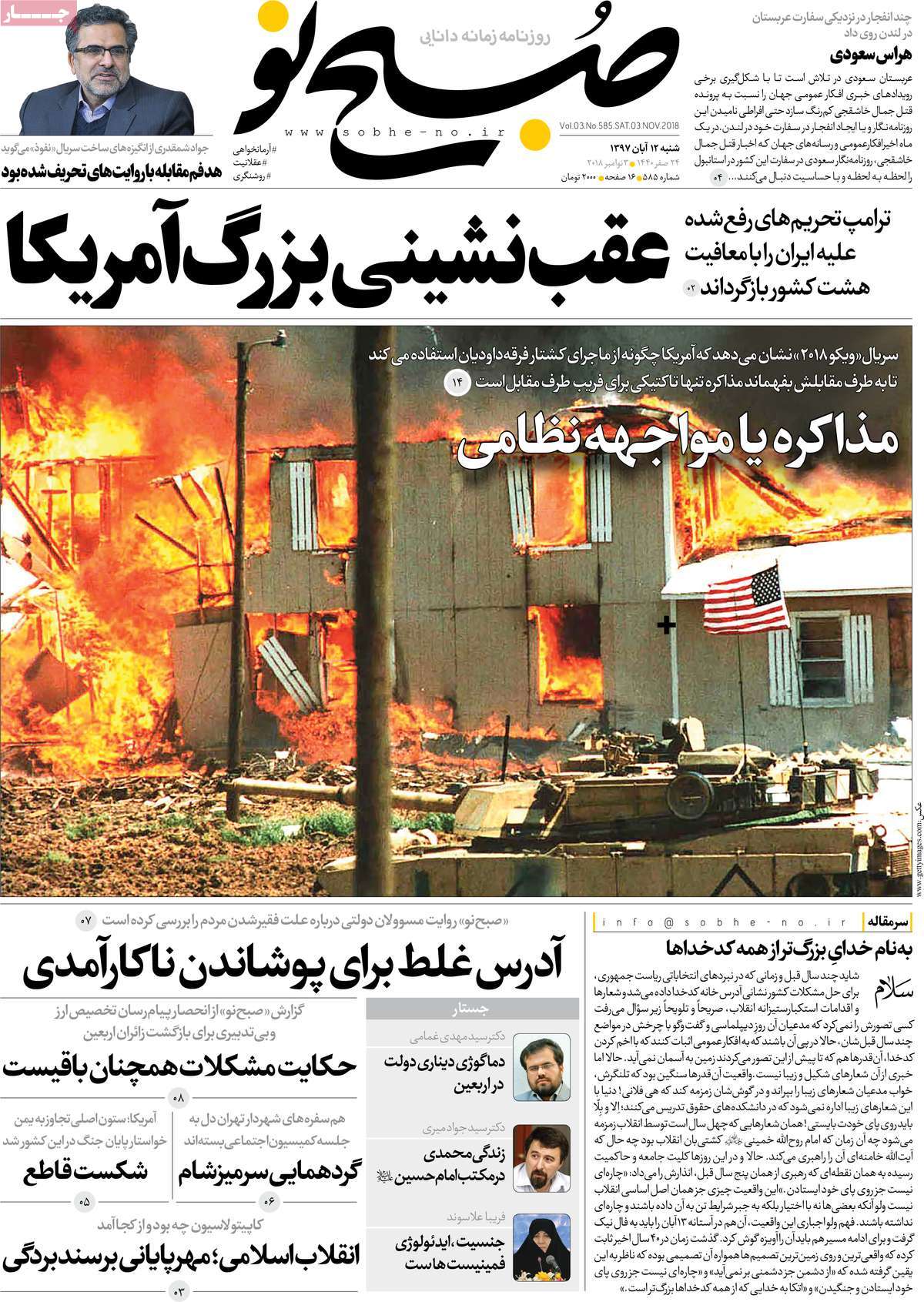
Sobh-e Now:

1- US’ Huge Withdrawal

2- Negotiation or Military Conflict

  • Waco TV Series Shows How US Tries to Make Others Realize Negotiation Is Tactic to Deceive Others

A Look at Iranian Newspaper Front Pages on November 3

Liberal Democracy Losing Its Face under Trump: Iran Leader

Ayatollah Khamenei said on Saturday the US is now weaker and more disgraced than 40 years ago if we look at it from a broader point of view.

According to the Leader, the US and its liberal democracy have lost the rest of their face under the incumbent president Trump.

He made the remarks in a meeting with a large group of students on the eve of November 4, the National Day of Fight against Global Arrogance

The US is currently on the decline, with a big number of respected US politicians believing the country’s soft power has been weakened in recent years, he said.

“The current US is much weaker than 40 years ago. Their hard power, including the economic and military power, is also on the decline,” he said.

“The US military is in chaos and that’s why they use organizations like Black Water to advance their military agenda. The US also has a $15 trillion dept and a $800 billion budget deficit,” he said.

Ayatollah Khamenei said the trend was visible during Barack Obama’s presidency and has become increasingly clear during the tenure of his successor, Donald Trump.

“[Trump’s] decisions are being opposed across the world. Not only people but governments voice opposition.”

US Efforts to Retake Iran Defeated for 40 Years

Ayatollah Khamenei said the US has in the past 40 years been defeated by the Islamic Republic, failing to achieve its objective of regaining the control it had during the rule of the despotic Shah regime in Iran.

He said the US has spared no chance to take Iran back during the past four decades.
“The challenge between Iran and the US has been going on for 40 years and the enemy [the US] has made various moves, from waging military and economic war to media war,” he said.

The Leader said the US has made every effort to regain its control over Iran to no avail.
“There is an important truth here and this is the fact that in this 40-year challenge, the US has been the loser and the Islamic Republic has been the winner,” he added.

“The reason why the US has been defeated is that Washington has started the attack but it has failed to reach objectives,” he said.

November 4 marks the seizure of US embassy in Tehran by Iranian students in 1979, less than a year after the victory of the Islamic Revolution that toppled the US-backed Pahlavi monarchy.

Every year, the Iranian nation, particularly the students, hold rallies across the country to mark the day.

In the capital city of Tehran, the rallies to mark the anniversary of the landmark day are held at the venue of the former US embassy.

Region Hates US

The Leader said another evidence demonstrating the US failure is the rise of pro-independence sentiments among the youth in Iran and other countries.

“Our youths, even those who may not even be so religious, are sensitive about the foreigners’ control. This [pro-independence] sentiment gradually influenced youth in other countries, particularly our neighbouring countries,” he said.

The Leader said these feelings are behind the increasing anti-US sentiments in the region.

Ayatollah Khamenei said the US accuses Iran of orchestrating anti-US moves in the region, ignoring that fact that the anti-US sentiments fuel such moves.

“People of Iraq, Syria, Lebanon, and Pakistan hate you. What does it have to do with us?”

“Why Americans do not understand the nations’ hatred of themselves? You did mischief, sought hegemony and you deserve hatred,” he said.

No Compromise

Contrary to the US, Ayatollah Khamanei said the Islamic Republic of Iran has in the past 40 years been constantly making progress.

The Leader said the US imposed severe sanctions on Iran to stop the country from making progress, but such pressures have pushed Iran towards standing on its own feet and boost domestic production.

“We witness a serious move towards political and industrial independence in the country,” he said.

The Leader said Iran is determined to keep up resistance against the US and it won’t compromise with Washington.

“Those [inside Iran] who are inclined towards compromise are devising useless plans,” he said.

The speech was made on the eve of the return of US sanctions that had been suspended under the 2015 nuclear accord.

Washington withdrew from the nuclear deal early May and since then it has been working to hamper Iran’s trade with Asia and Europe and cut down to zero global purchase of Iranian oil. However, after defiance by Iran’s oil clients, the US was forced to give waivers to eight of them including Japan, South Korea, China, India, Iraq, and Turkey.

Iran to Export Stem Cell Products to Oman, Qatar, Syria

Iranian firms have plans for exporting stem cell-based products to Syria, Oman and Qatar, said Dr Soleimani, the CEO of a knowledge-based firm called SinaCell.

According to Soleimani, the knowledge-based companies’ products have competitive advantage in the global market, as their price is quite cheaper than their US and European counterparts.

Bone marrow, umbilical cord, amniotic membrane, foreskin and adipose tissue are used make these products.

The companies’ activities are carried out in the two fields of stem cell therapy and tissue engineering. In the field of stem cell therapy, the mesenchymal stem cells are extracted from the umbilical cord and this product has therapeutic benefits for MS (Multiple Sclerosis) and ALS (Amyotrophic lateral sclerosis) patients. Both diseases result from problems in the body’s nervous systems.

For a more detailed review of Iran’s achievments in various fields of science and technology, check the book “Science and Technology in Iran: A Brief Review”, released by the Science and Technology Department of the Iranian President’s Office.

Among the stem cell-based companies, one can refer to the wound dressing Amniosin and Cell-Amniosin, which are produced from amniotic membrane.

Cell-Amniosin wound dressings are used for incurable wounds caused by severe burns, diabetic foot ulcer, bedsore and venous ulcer. This product helps to heal these wounds faster.

Amniosin wound dressing is acellular (without cell) amniotic membrane that is useable for treatment of ocular diseases such as chemical burns and pterygium.

In the field of tissue engineering, there are also two other products, one of which is Sinaderm.

Iran to Export Stem Cell Products to Oman, Qatar, SyriaAccording to Soleimani, Sinaderm is a wound dressing for curing very deep wounds that are not treated without skin graft. The product is composed of two components, a biodegradable substrate and stem cells extracted form baby foreskin.

A product is also being developed for treatment of cartilage defects. This product contains two components, a biodegradable hydrogel and mesenchymal stem cells.

The high-tech product will be used to help treat people who are suffering from osteoarthritis or have lost their cartilage in trauma.

Animal tests have been conducted on the high-tech product and further studies are being conducted on its effect on human.

Iran’s Kish Island Joins World Tourism Organisation

Deputy Director of the Kish Free Zone Organisation, Alireza Qaedian, said this is the first time that an Iranian commercial-industrial free zone is joining the World Tourism Organisation.

“During the 109th meeting of the Executive Council of the World Tourism Organisation held in Bahrain on Wednesday, the participants unanimously decided to accept the Kish Free Zone Organisation as its new member,” he was quoted as saying in a report by ISNA.

Kish Island is one of the most attractive tourism sites in the Persian Gulf in southern Iran, and a pioneer in tourism industry in the country. It is also among the top tourist destinations for planning and investment.

It is part of the Bandar Lengeh County in Hormozgan Province of Iran. Owing to its free trade zone status, the island is touted as a paradise for tourists, with numerous malls, shopping centres, tourist attractions, beaches, and resort hotels as well as a wonderful climate.

With about 26,000 residents, the island attracts nearly 1 million visitors each year.