Friday, January 2, 2026
Home Blog Page 342

Iran’s Shabanpour wins U18 tennis world tour title

According to the Iranian Tennis Federation, the tournament concluded with the singles finals on the clay courts of the 22 Bahman Sports Complex.

In the girls’ final, Shabanpour defeated fellow Iranian Ainaz Davari in straight sets, 6-2, 6-3, to secure the title. Davari finished as runner-up, while Hana Soltani and Sarina Davari shared third place.

In the boys’ singles, Mehdi Abedini took second place after losing 0-6, 4-6 to a Russian opponent. Makan Vosoughi Motlagh and a Turkish player shared third place.

Earlier in the doubles competition, the Russian boys’ team dominated the final, defeating Iran’s Pouria Paryab and Danial Moshtaghi Fard 6-1, 6-0 to win the title. In the girls’ doubles, the Russian team was awarded the championship following the withdrawal of the Iranian pair Shabanpour and Soltani.

The U18 J30 event ran from May 17 to May 25 and featured young athletes from Iran, Turkey, Russia, and Canada. The tournament was officiated by white-badge referee Hassan Lachinani and directed by Leila Koklani.

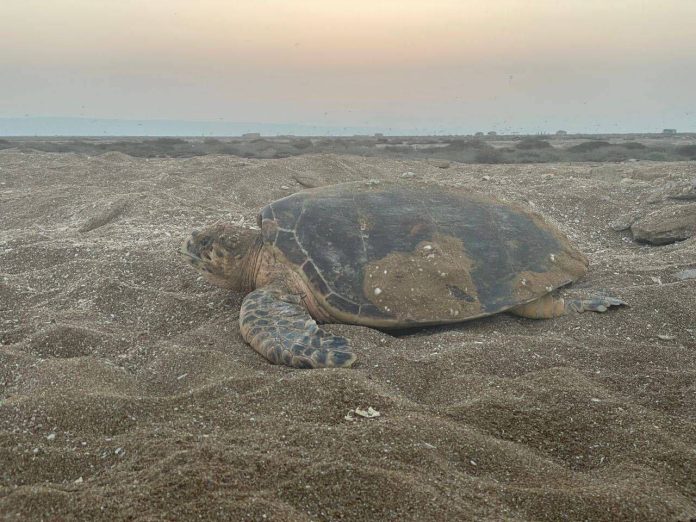
Endangered hawksbill turtles return to Iran’s Bushehr shores to nest

Abdolrahman Moradzadeh, director general of the department, said in a statement on World Turtle Day on May 23 that Bushehr plays a vital role in the protection of endangered marine turtles.

The coastal areas of Nayband, Nakhilo, Om-al-Gorm, and parts of Deyr, Kharg, Khargo, and Bushehr are among the country’s most important nesting grounds.

The hawksbill turtle is listed as “Critically Endangered” on the IUCN Red List. Each spring, female turtles return to these shores to lay eggs in the warm sands.

Continuous efforts by park rangers, environmental experts, and local communities have helped create safe nesting sites.

Monitoring includes identifying nests, patrolling beaches, educating local populations, and controlling threats such as artificial lighting, vehicle traffic, and plastic pollution.

This year, under the National Action Plan for Marine Turtle Conservation, intensified efforts are underway across known habitats.

Nesting is expected to continue through late July, when hatchlings will emerge and make their way to sea.

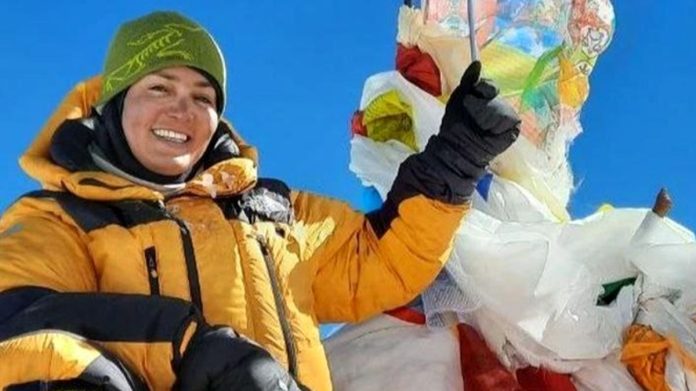
Iran’s Afsaneh Hessamifard one step away from mountaineering history

With just one summit remaining, she stands on the verge of making history as the first Iranian woman to conquer all 14 of these formidable mountains.

Dr. Hessamifard, a physician and accomplished mountaineer, reached the summit on Saturday, bringing her one step closer to joining the elite club of “8,000ers” – a term reserved for climbers who have scaled all 14 of the highest peaks on Earth.

Her climbing record includes Everest, K2, Lhotse, Broad Peak, Annapurna, Nanga Parbat, Gasherbrum I and II, Makalu, Manaslu, Shishapangma, Dhaulagiri, and now Kangchenjunga. Only Mount Cho Oyu (8,188 meters) remains.

In Iran, only one climber – Azim Gheichisaz – has previously completed all 14 summits, doing so in the men’s category.

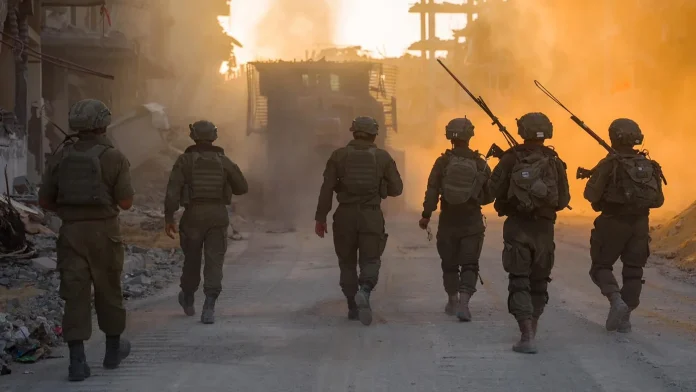
Israeli soldiers ‘systematically using Palestinians as human shields in Gaza’

Israeli Army

Seven Palestinians spoke to AP about being used as human shields in both Gaza and the occupied West Bank, in a report published on Saturday. Two Israeli military officers also confirmed the practice.

“They beat me and told me: ‘You have no other option; do this or we’ll kill you,’” Ayman Abu Hamadan, 36, told AP.

Abu Hamdan said he was held by Israeli forces in northern Gaza for two and a half weeks last summer. He added he was forced for 17 days to inspect homes and holes in tunnels as Israeli troops stood behind him.

An Israeli officer stated there were times when close to every single platoon had used a Palestinian to clear locations before Israeli forces went in.

One Israeli sergeant said that his unit attempted to push back on using Palestinian human shields in mid-2024, but were told that they had no choice in the matter.

The sergeant told AP that his unit used two Palestinians, including a 16-year-old, for a number of days.

Israel’s military told AP that it strictly prohibited the use of civilians as human shields. It said it was investigating a number of cases of alleged Palestinian involvement in missions, but would not elaborate further.

There have been multiple reports of Israeli use of Palestinians civilians as human shields since the war began in October 2023.

A senior Israeli military officer told Haaretz last month that human shields were being used “at least six times a day”.

According to the article, Israeli soldiers routinely force Palestinian civilians to enter Gaza homes ahead of military operations to ensure that no explosives or combatants are there.

This procedure is known with the codename “mosquito protocol”, which the officer first came across in December 2023, two months after Israel launched its devastating onslaught on Gaza.

The Israeli army normally uses dogs for these missions, the officer wrote, and there had not been a shortage of dogs at the time the use of Palestinian human shields first became known to the officer.

The use of civilians as human shields is strictly prohibited under international humanitarian law and constitutes a war crime under the Rome Statute of the International Criminal Court.

The Israeli army last month launched six investigations into widely reported allegations that its soldiers use Palestinians as human shields.

In February, Israeli website HaMakom revealed that Israeli troops strapped explosives around the neck of a Palestinian man in his 80s and forced him to be a human shield, before killing him and his wife.

An Israeli soldier told HaMakom that after explosives were placed around the Palestinian man’s neck, he was told “that if he does something wrong or not the way we want, the person behind him will pull the rope and his head will detach from the body”.

“That’s how he walked around with us for eight hours, even though he’s an 80-year-old man and even though he couldn’t run away from us. And that’s knowing that there’s a soldier behind him who can pull the rope at any second – and he’s done,” the soldier added.

According to HaMakom, after the elderly Palestinian was forced to enter homes and tunnels allegedly used by Hamas, the soldiers ordered him and his wife to leave the area for al-Mawasi, a small area that at the time was just one kilometre wide and was being used to house hundreds of thousands of displaced Palestinians.

However, HaMakom said that no other battalions were informed that the couple would be making their way south and within 100 metres of being allowed to leave they were both shot dead.

“They died like that, in the street,” another soldier told HaMakom.

In August, Haaretz reported that the Israeli army had repeatedly used innocent Palestinians to enter homes and tunnels in its war on Gaza.

Nearly a year earlier, in December 2023, Middle East Eye received numerous testimonies from Palestinians that Israeli forces strapped explosives on civilians before forcing them into areas believed to be used by Hamas.

Later that month, medical staff at the Shifa Hospital told MEE that Israeli soldiers used them as human shields when inspecting the hospital’s grounds.

“When they stormed the ground stores, they used us [doctors] as human shields to enter and search them. They found the technical maintenance employees there and interrogated them, before they detained them,” a doctor told MEE.

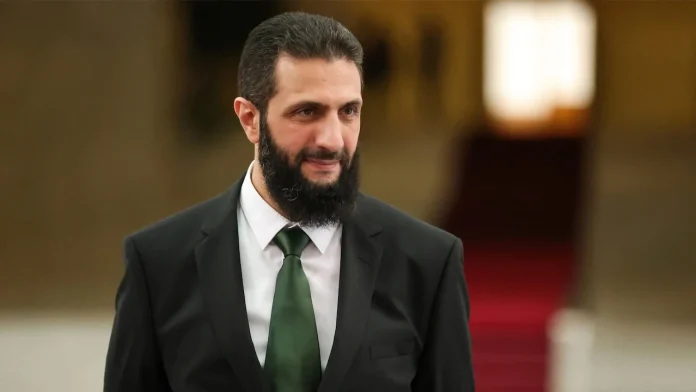
Syrian president meets US special envoy to Damascus

Alongside al-Sharaa, Syrian Foreign Minister Asaad al-Shaibani also met with Barrack on the sidelines of high-level Syrian delegation’s visit to Türkiye, according to Syria’s official news agency SANA.

“Today, I met with Syrian President Ahmed al-Sharaa and Foreign Minister Assad al-Shaibani in Istanbul to implement President [Donald] Trump’s bold decision to provide a path for peace and prosperity in Syria,” Barrack wrote on X.

He went on to say that “President al-Sharaa praised America’s fast action on lifting sanctions, welcoming Secretary Rubio’s landmark announcement yesterday waiving Caesar Act sanctions for 180 days and the U.S. Treasury Department’s announcement of General License 25 and other sanctions relief measures.”

The US envoy reiterated the US support for the “Syrian people after so many years of conflict and violence and reiterated Secretary Rubio’s position that if we had not acted so promptly and deliberately to remove sanctions our partners in the region would not be able to provide donor dollars, supplies, and energy to relieve the plight and trauma of the traumatized Syrian population.”

President Trump’s goal “is to enable the new government to create the conditions for the Syrian people to not only survive but thrive,” he added.

Barrack stressed the cessation of sanctions against Syria “will preserve the integrity of our primary objective – the enduring defeat of ISIS – and will give the people of Syria a chance for a better future.”

“I also commended President al-Sharaa on taking meaningful steps towards enacting President Trump’s points on foreign terrorist fighters, counter-ISIS measures, relations with Israel, and camps and detention centers in NE Syria,” he continued.

Both sides affirmed “commitment to continuing these important conversations and to working together to develop private sector investment in Syria to rebuild the economy, including through investment by regional and global partners such as Türkiye, the Gulf, Europe, and the United States.”

The meeting was “historic, putting the issue of sanctions – as President Trump has indicated – far behind us, and resulting in joint commitment of both our countries to drive forward, quickly, with investment, development, and worldwide branding of a new, welcoming Syria without sanctions,” he concluded.

On Friday, Barrack announced he has assumed the role of special envoy to Syria, as the Trump administration continues to work on lifting sanctions on Damascus.

Last week, Trump announced at an investment forum in Saudi Arabia that he would lift the “brutal and crippling” sanctions on Syria at the request of Turkish President Recep Tayyip Erdogan and Saudi Crown Prince Mohammed bin Salman. A day later, Trump held a historic meeting with Syrian President Ahmed al-Sharaa in Riyadh — the first between US and Syrian leaders in 25 years.

US Secretary of State Marco Rubio stated Tuesday that Washington supports efforts to help the new Syrian government succeed, warning that failure could lead to further war and regional instability.​​​​​​​

“We want to help that government succeed because the alternative is full-scale civil war and chaos, which would, of course, destabilize the entire region,” Rubio told a Senate committee.

Gaza doctor grieves her nine children killed in Israeli attack

Dr Alaa al-Najjar, a paediatric specialist at al-Tahrir hospital within the Nasser Medical Complex, was treating victims of ongoing Israeli attacks across the strip on Friday when she was shocked to find her own children and husband brought into the hospital.

The children – the eldest aged 13 and the youngest just six months – were severely burned in the bombing.

Shortly before the strike, Najjar had left for work with her husband, Dr Hamdi al-Najjar, who then returned home.

Not long after, an Israeli bombardment struck their house in the Qizan al-Najjar area in southern Khan Younis, killing nine of their 10 children and wounding the 10th.

Najjar’s husband, who sustained serious injuries, remains in intensive care.

Footage released by the Palestinian Civil Defence showed rescue crews pulling the children’s bodies from the rubble as flames still engulfed the family’s home.

Hampered by a lack of proper equipment and the vast scale of destruction, civil defence workers could be heard calling into the rubble, desperately searching for signs of life.

Civil defence teams reported that seven bodies were recovered and transferred to Nasser hospital, where their mother works.

Two others, including the six-month-old baby, remain trapped under the rubble.

The children were identified as Yahya, Rakan, Ruslan, Jubran, Eve, Revan, Sayden, Luqman and Sidra.

Ali al-Najjar rushed to the site as soon as he heard his brother’s home had been hit.

“Someone called us and said the house had been bombed. I rushed there even before the civil defence arrived,” he told Middle East Eye.

When he reached the scene, he found his brother, Dr Hamdi al-Najjar, lying motionless on the ground, with his son beside him. The home was engulfed in flames.

“The children were completely charred,” he continued, adding, “I carried my nephew Adam and my injured cousin and rushed them to the hospital.”

Moments later, he returned to the burning home—only to see his sister-in-law, the children’s mother, arrive in horror.

“She had run on foot from the hospital to the house.”

“Four of her children were pulled out, charred, right in front of her eyes,” he stated.

Ali described the ongoing agony of not knowing the fate of two missing children. “Seven children were pulled from under the rubble, and two—Yahya, 13, and Sidra, just six months old—are still missing. We cannot find them.”

He said civil defence teams resumed the search the next morning but found nothing.

“Their mother cannot even identify the bodies, the children are so badly burned she cannot tell who is who.”

Ali questioned the reason behind the strike.

“I don’t know why they were targeted. Why would they target my brother? There’s no reason, unless it was because his wife is a doctor.”

Najjar insisted on returning to work shortly after giving birth to her youngest child six months ago, determined to treat child victims amid relentless attacks and a dire shortage of medical staff.

In a testimony given to Middle East Eye, Dr Yousef Abu al-Rish, undersecretary of the Palestinian health ministry, said: “I learned that our colleague, Dr Alaa al-Najjar, was standing in front of the surgery room, waiting for any news about her son – the only surviving child out of 10. I rushed there, sensing I was about to witness a unique example of humanity: a doctor who left her own children behind in Gaza, a place where even attempting to describe the suffering only deepens the anguish.”

“She left them to fulfil her duty to all the sick children who have nowhere else to turn but Nasser hospital, a place choking with the cries of innocent souls,” he added.

“There were men and women lined up, their faces clouded with confusion. I scanned the anxious faces and immediately recognised the most devastated expression. I began searching for words to comfort her, but she pointed to another woman.”

“Calm, patient and filled with faith – that was Dr Alaa al-Najjar. The last thing I expected was that this steadfast woman was the one who lost her children,” he continued.

According to the Palestine Red Crescent Society, at least 1,400 healthcare professionals have been killed in Israeli attacks since 7 October 2023.

“This is the reality our medical staff in Gaza endure. Words fall short in describing the pain,” Dr Munir al-Bursh, director general of the Palestinian ministry of health, said in a post on X, commenting on the attack.

“In Gaza, it is not only healthcare workers who are targeted. Israel’s aggression goes further, wiping out entire families.”

In addition, at least 111 civil defence workers have also been killed.

On Thursday, the health ministry reported that at least 53,822 Palestinians – including 16,503 children – have been killed in ongoing Israeli attacks across the blockaded Strip.

Among the children killed, 916 were under one year old; 4,365 were aged one to five; 6,101 were between six and 12; and 5,124 were aged 13 to 17.

According to the health ministry and the civil defence, thousands more remain missing and are presumed dead beneath the rubble.


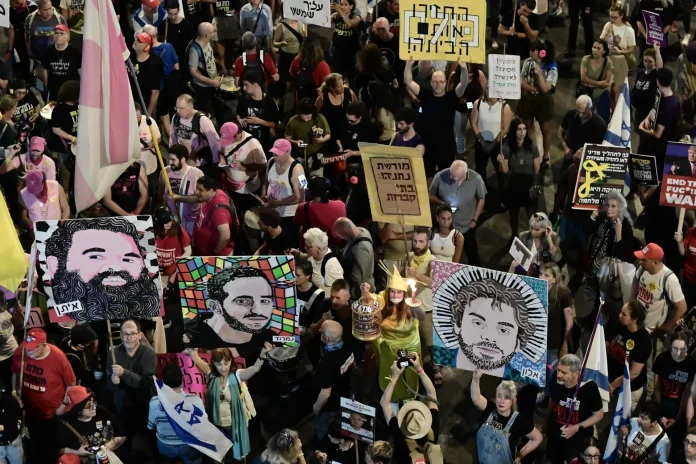
Israeli captive families slam prime minister over war in Gaza

On Saturday, demonstrators took to the streets in Tel Aviv, Shar HaNegev Junction, Kiryat Gat, and Jerusalem, with members of the Hostages and Missing Families Forum accusing the Israeli government of prioritising its war over securing the return of their relatives.
“We demand that the decision-makers return to the negotiating table and not leave it until an agreement is reached that will bring them all back,” the group announced in a statement on Saturday.
Among those speaking at a rally in Tel Aviv on Saturday was Einav Zangauker, the mother of captive Matan Zangauker, who directly addressed Netanyahu, “Tell me, Mr Prime Minister: How do you go to sleep at night and wake up in the morning. How do you look in the mirror knowing that you’re abandoning 58 hostages?”
The mounting anger among families has only deepened in recent days following Netanyahu’s nomination of Major General David Zini as the next head of the Shin Bet, Israel’s domestic intelligence agency.
Zini has reportedly voiced opposition to any deal to bring an end to Israel’s war on the besieged enclave, telling colleagues during Israeli military meetings: “I oppose hostage deals. This is a forever war”, according to Israel’s Channel 12.
“The families of the kidnapped are outraged by the words of Major General Zini. If the publication is true, these are shocking and condemnable words coming from someone who will be the one to decide the fate of the kidnapped men and women,” the forum said in a statement on Friday.
“Appointing a Shin Bet chief who puts Netanyahu’s war before the abduction of the kidnapped is tantamount to committing a crime and doing injustice to the entire people of Israel,” the group added.
Netanyahu’s decision to appoint Zini came just one day after Israel’s Supreme Court found his attempt to fire outgoing Shin Bet chief Ronen Bar to be “unlawful”, citing a conflict of interest tied to Netanyahu’s ongoing corruption trial.
Despite the court ruling that Netanyahu could not appoint a replacement, he proceeded with the appointment of Zini anyway.
The attorney general later warned that the prime minister had defied legal guidance and tainted the appointment process.
The criticism comes as Netanyahu still faces an international arrest warrant request from the International Criminal Court over war crimes committed during the Gaza war.

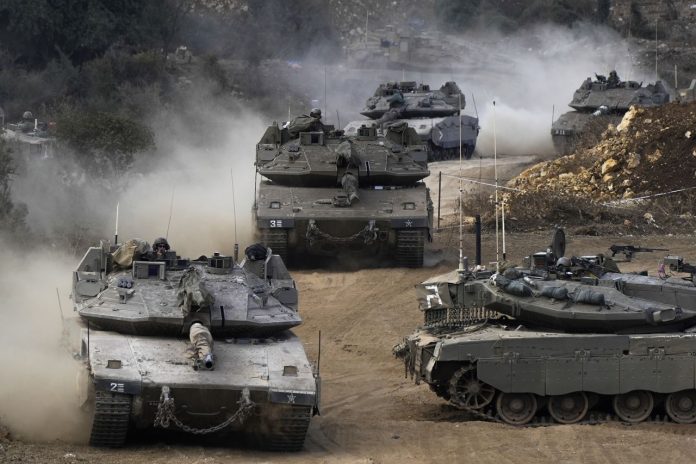
Israel’s army deploys regular infantry, armored brigades to Gaza: Report

Israel Army

The army has deployed nine of its regular infantry and armored brigades into the Strip in the last 24 hours, Israel’s public broadcaster KAN reported, citing unnamed military sources.

The broadcaster claimed that the move is “part of expanding ground maneuvers in the Strip,” without providing information on the number of soldiers involved.

On May 4, Israel’s Security Cabinet approved the “Chariots of Gideon” operation to expand the genocide in Gaza. The government later began implementing it by calling up tens of thousands of reservists.

On May 18, the army launched the plan with a ground assault from several directions.

According to KAN, the operation is expected to last months and includes “the full evacuation of Gaza’s population from combat zones, including northern Gaza, to areas in the south.” The army is expected to “remain” in any area it “occupies.”

During the last week, the army announced the deployment of Divisions 98 and 162 into Gaza as part of its military buildup, joining three other divisions that are already present — 252, 143, and 36.

According to the same military sources cited by KAN, current combat operations are “concentrated in two main areas: northern Gaza and the Khan Younis area to the south.”

The sources added that “the army warned residents of these areas about a week ago to evacuate, ahead of planned intensive aerial bombardments.”

According to the International Organization for Migration (IOM) on Friday, over 172,000 people have been displaced in Gaza in the past week due to intense Israeli attacks and the siege.

Residents report that the displaced are not spared from Israeli fire, as they are often targeted during displacement and in areas to which they flee, resulting in large numbers of casualties.

Rejecting international calls for a ceasefire, the army has pursued a brutal offensive against Gaza since October 2023, killing more than 53,900 Palestinians, most of them women and children.

Last November, the International Criminal Court issued arrest warrants for Israeli Prime Minister Benjamin Netanyahu and former Defense Minister Yoav Gallant for war crimes and crimes against humanity committed in Gaza. ​​​​​​​

Israel also faces a genocide case at the International Court of Justice for its war on the enclave.

Iranian filmmaker Jafar Panahi’s It Was Just an Accident Wins Palme d’Or at Cannes

The announcement was made on Saturday.

The festival’s second-highest honor, the Grand Prix, went to Emotional Value, a poignant family drama by Norwegian filmmaker Joachim Trier.

Renate Reinsve and Elle Fanning star in the movie, which received widespread critical acclaim for its sensitive portrayal of a family quietly falling apart.

Another standout among critics was Sirat, a techno-infused road movie by Oliver Laxe. The story follows a father and son who join a band of nomadic ravers in the Moroccan desert.

Sirat shared the Jury Prize with The Sound of Falling, a multi-generational German drama by Masha Shilinsky about four generations of women growing up on a remote farm.

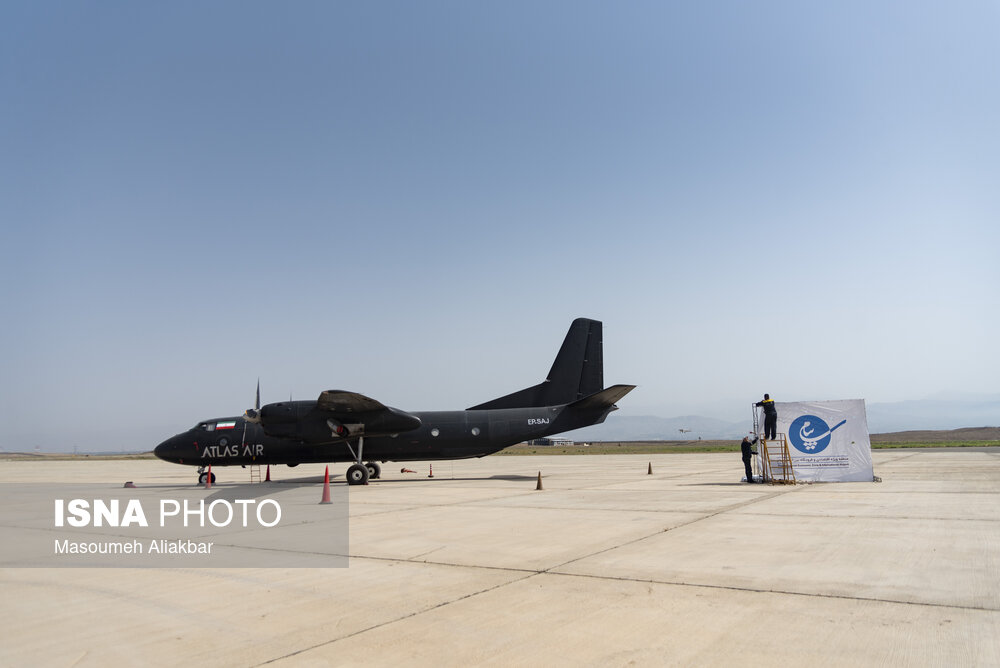
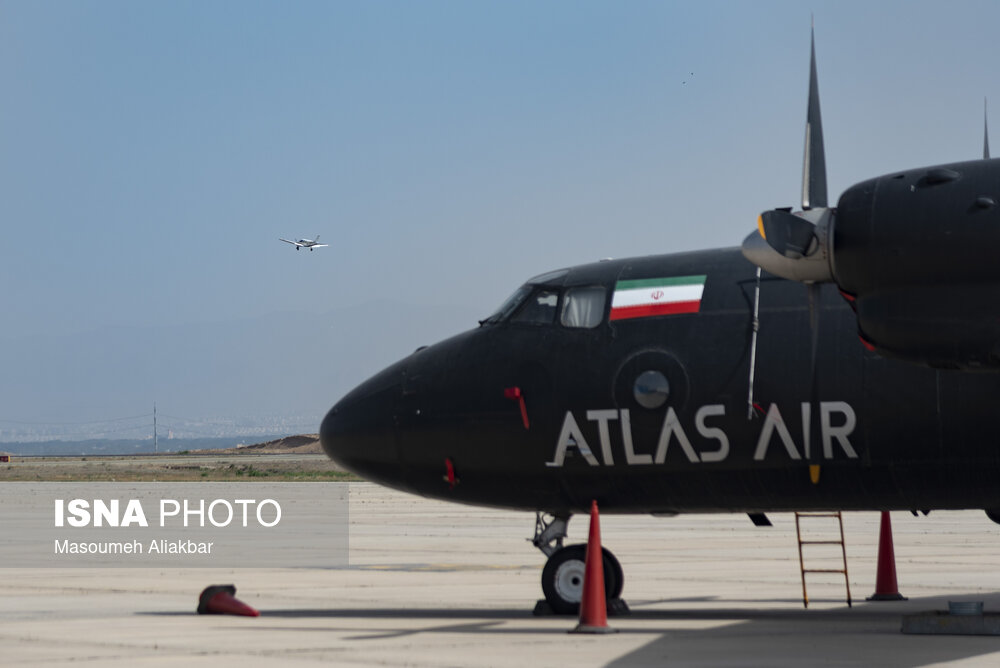
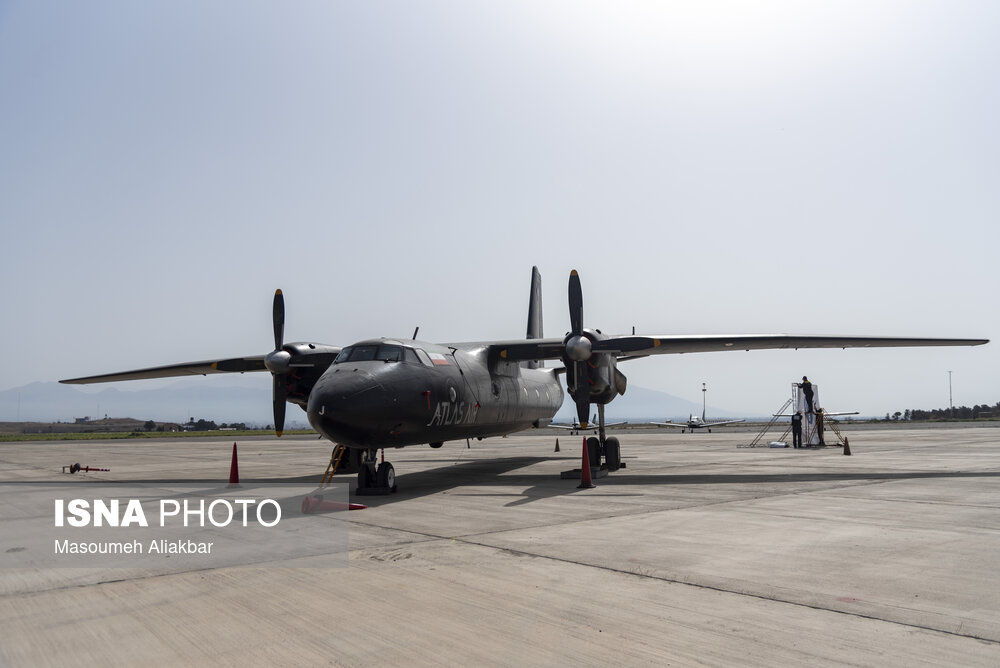
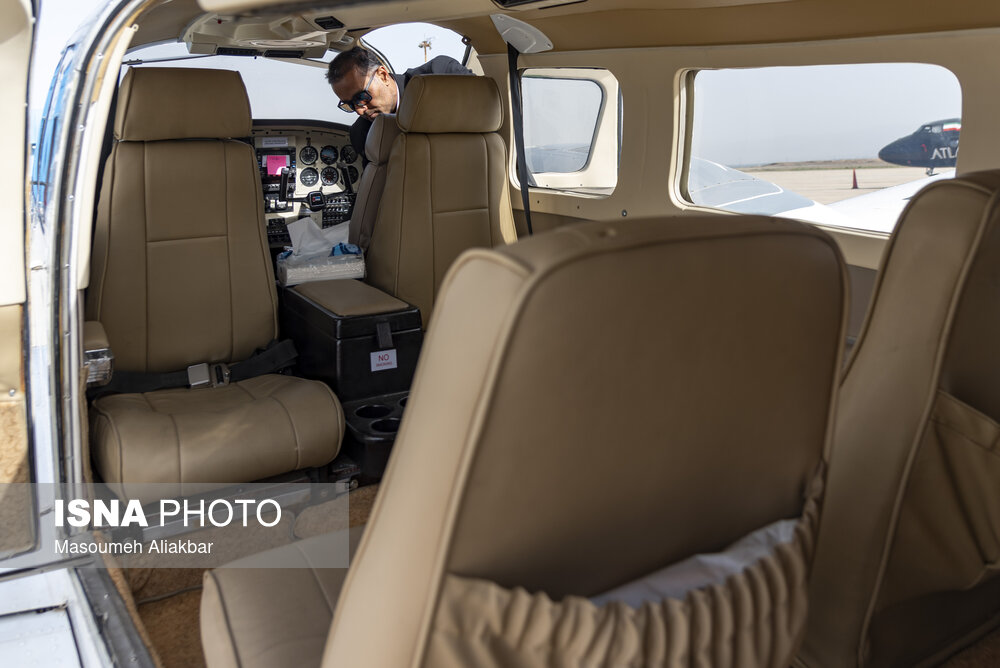
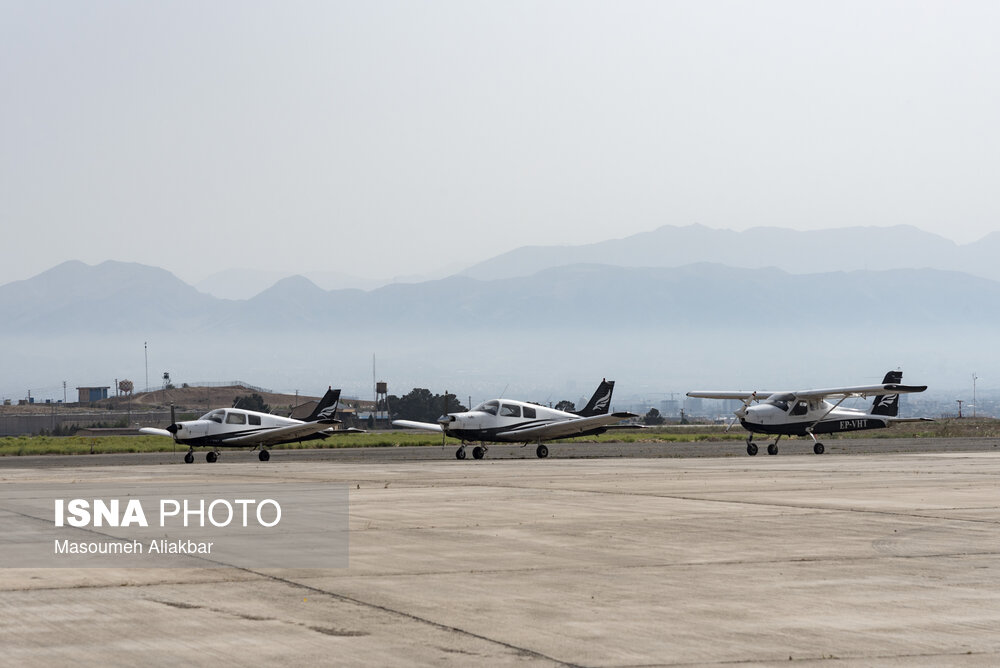
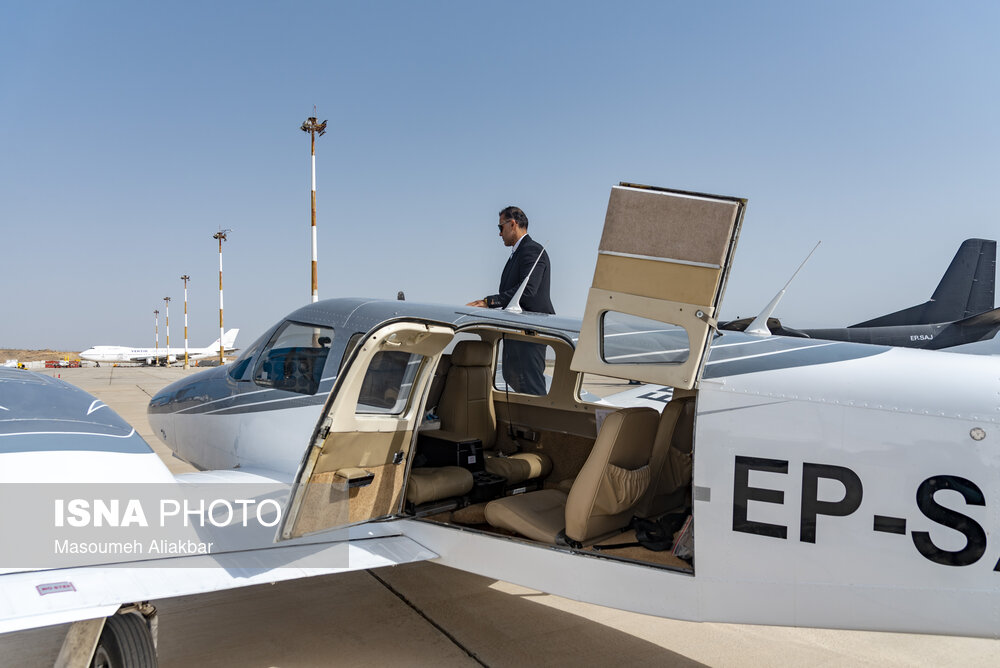
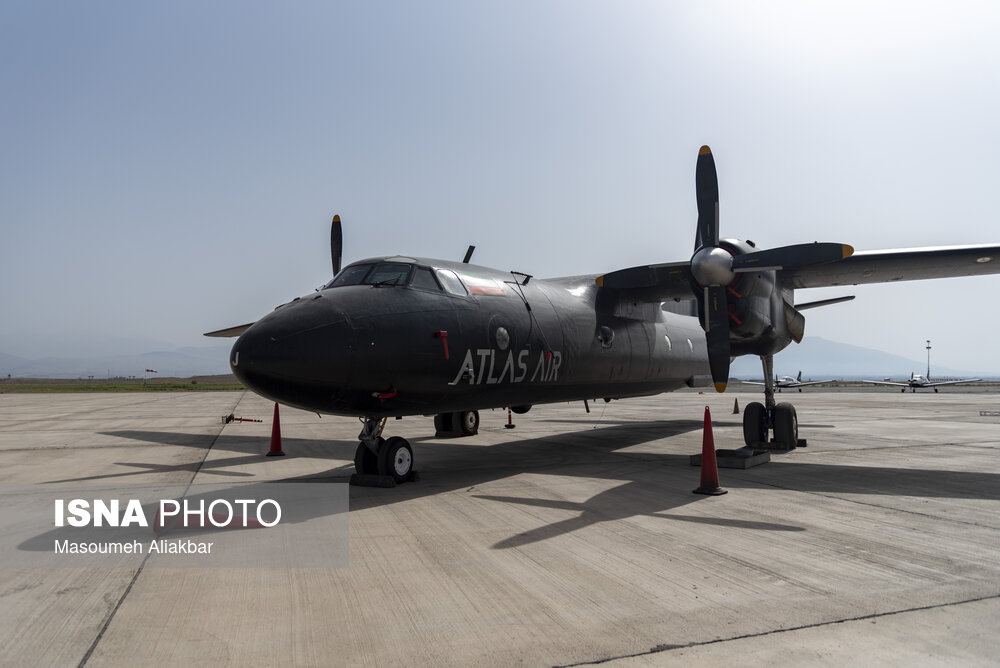
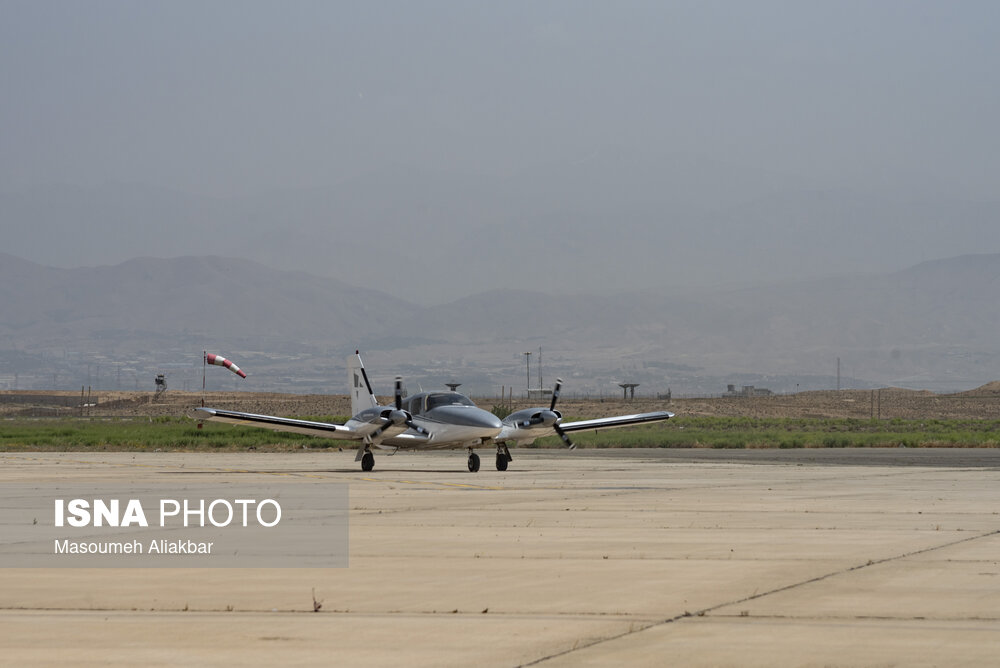
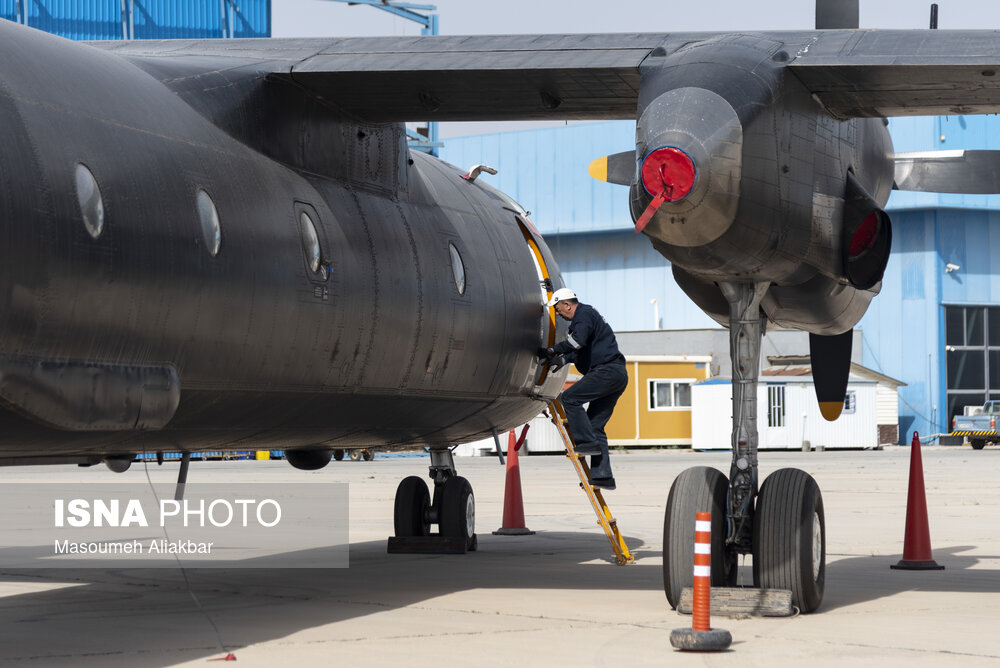
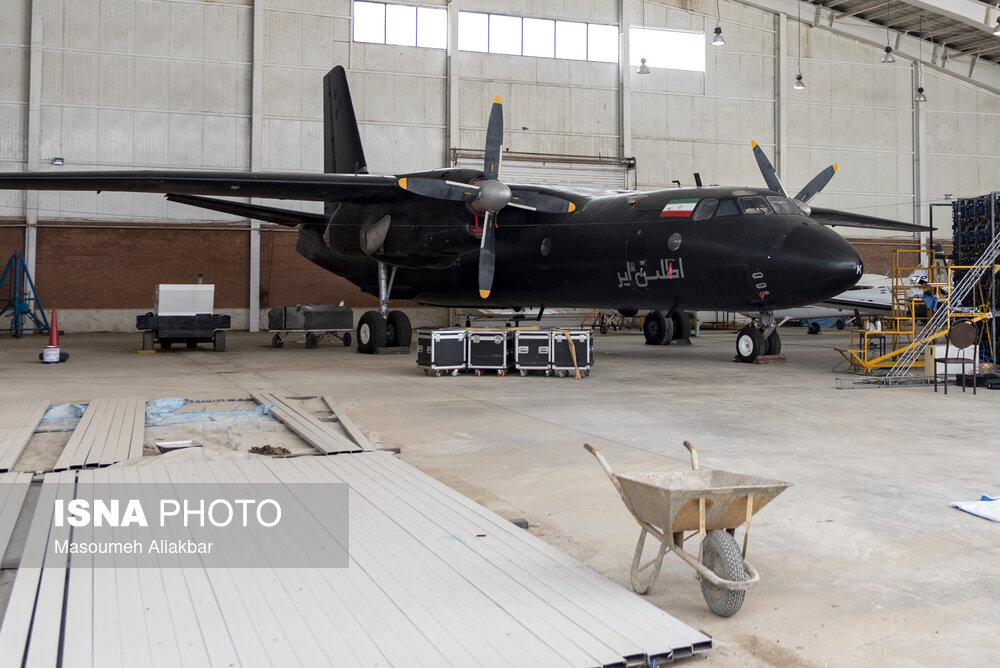
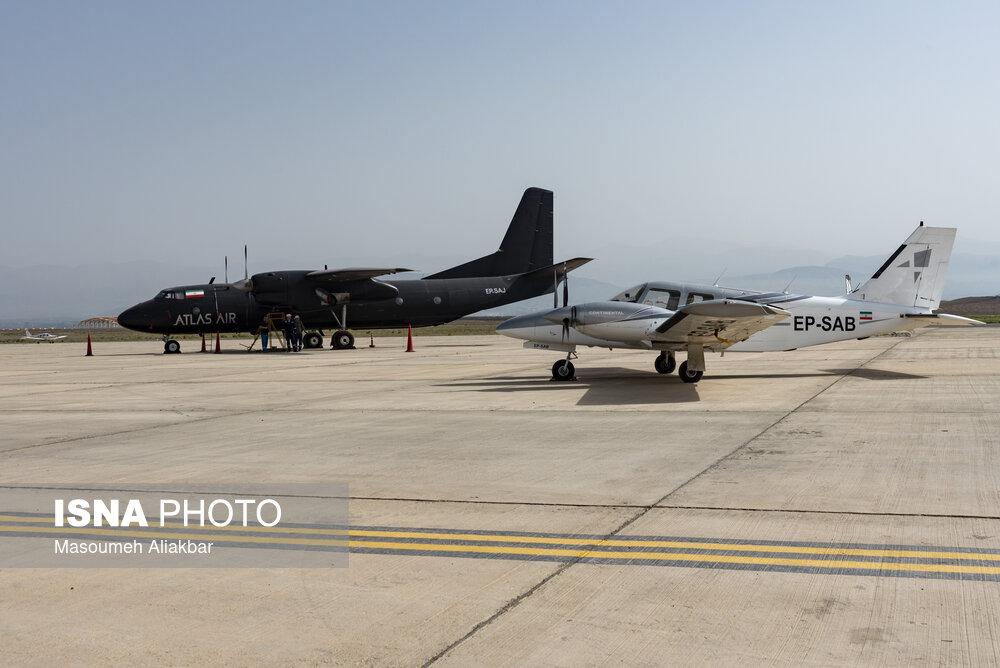
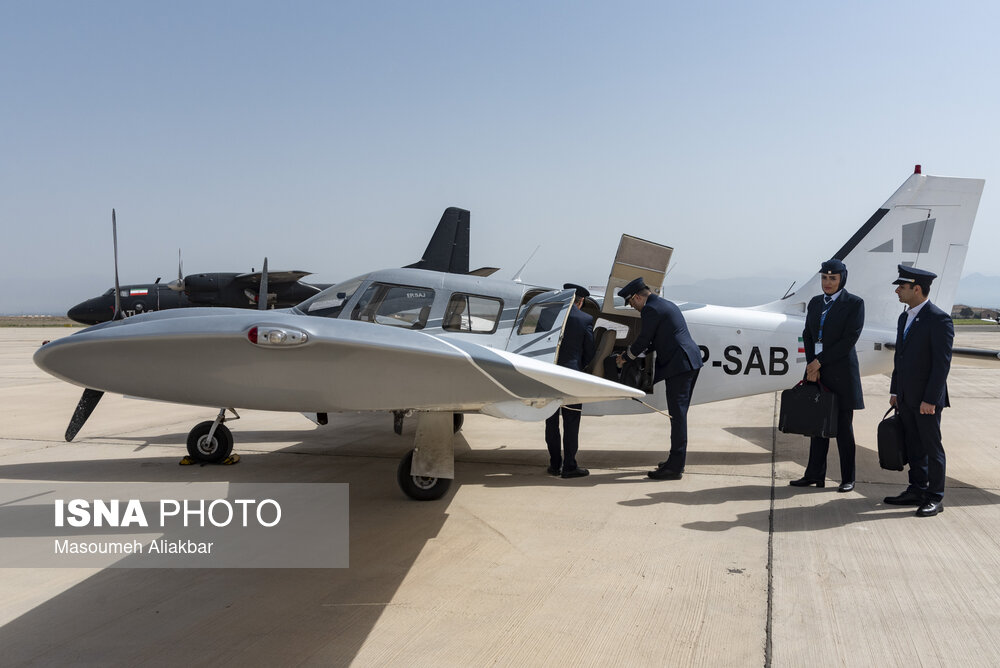
Iran has 1st air taxi service

President Masoud Pezeshkian inaugurated the air tax service  inaugurated via video conference at Payam International Airport in Karaj, in western Tehran
The service initially connects Karaj and Qazvin.

More in pictures: