Friday, January 2, 2026
Home Blog Page 343

Former Iranian diplomat: Chances of nuclear negotiation failure low

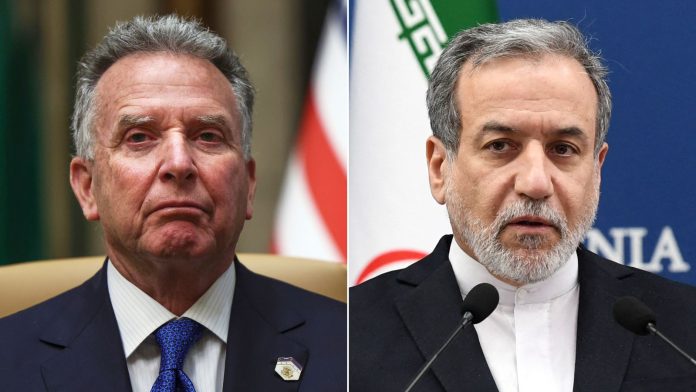
Araghchi Witkoff

Talking to Entekhab news outlet, Tajik maintained that both Tehran and Washington have a vested interest in reaching a negotiated agreement, as diplomacy ultimately bears lower costs for both sides.

He however underlined that achieving such an agreement requires strong political will, something that, according to Tajik, appears uncertain on the American side, particularly with Donald Trump being at the White House.

Tajik warned that contradictory statements from US officials complicate the process, but said Iran’s negotiating team could succeed if it manages to steer the talks in a direction that increases Washington’s willingness to compromise.

He stressed while failure is not impossible, the overall probability remains low.

Tajik also referred to the symbolic importance of uranium enrichment to Iranians, describing it as a national achievement that has become a sticking point between Iran and the West.

Speaking about Trump’s approach, Tajik said the US president has adopted a strategy of hybrid psychological campaign, mixing aggressive rhetoric with softer tones.  The He underscored that any breakthrough in the talks with the US will depend on both parties recognizing mutual legal rights under the NPT and the 2015 Iran nuclear deal, JCPOA.

Nuclear chief: Iran chooses its path based on national interests

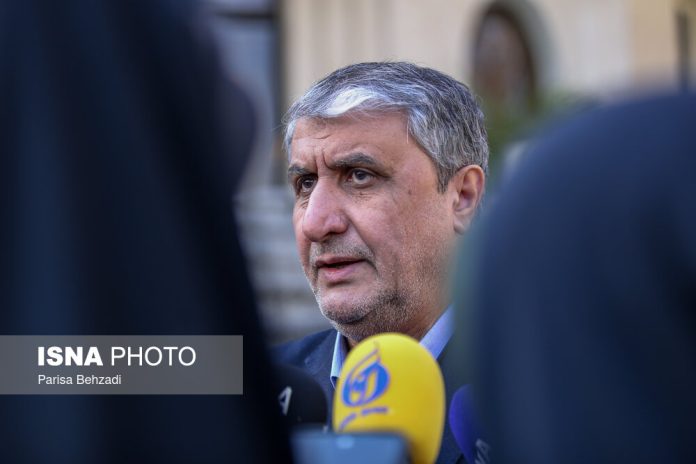
Mohammad Eslami

The AEOI chief was speaking at a ceremony honoring late foreign minister Hossein Amirabdollahian and other martyrs of public service.

Eslami praised Amirabdollahian’s integrity and patience, saying his words and actions matched.

“His resilience and consistent diplomacy were vital during times of intense regional pressure,” the AEOI chief noted.

Eslami spoke about the former foreign minister’s ability to bridge the gap between field operations, diplomacy, and media to effectively convey the Iranian nation’s message, adding that Amirabdollahian’s achievements cannot be denied, despite efforts by some to play down his contributions.

In other remarks, he reaffirmed Iran’s independent approach and said internal economic issues have overshadowed the public’s recognition of Iran’s global scientific and technological achievements.

He said, “Despite sanctions and disruptions, Iran has attained a high status in nuclear technology, which is on par with nations that have invested millions”.

Eslami added that the path is irreversible.

Aramco considers asset sales to free up funds: Reuters

Aramco is the world’s largest oil-producing company and the main source of Saudi state revenue. The firm will slash dividend payouts by nearly a third this year as lower oil prices hit its income.
The company has asked investment bankers to pitch ideas for how to raise funds from its assets, the people said.
They declined to say which assets could be sold or name the banks involved.

Aramco is looking to improve efficiency and cut costs, according to two other people with knowledge of the matter, and an option under consideration would be asset sales, one of them stated. The four sources declined to be named because they are not authorised to speak to media.
Aramco is the engine of the Saudi economy and its sprawling business includes units for aviation, construction and sports. It has retained majority stakes during previous asset sales such as its deals around its pipeline infrastructure.
The Saudi government is putting pressure on its industries to improve profitability amid low crude prices and as it spends its hydrocarbon wealth on new sectors to cut reliance on oil.
The kingdom faces a widening budget deficit with the International Monetary Fund saying Riyadh needs a price of oil of over $90 per barrel to balance its books compared to prices of around $60 per barrel in recent weeks.
Aramco has in recent years made a push to grow its global footprint, including investing in Chinese refineries, Chilean fuel retailer Esmax and U.S.-headquartered LNG firm MidOcean.
The Saudi company announced last week it signed 34 preliminary deals potentially worth up to $90 billion with U.S. firms following President Donald Trump’s visit to the kingdom.

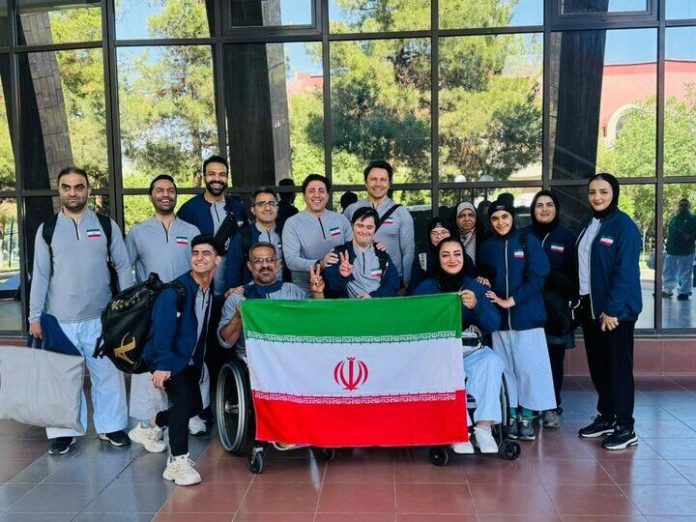
Iran’s para-karate team wins 4th Asian championship title

Iran topped the medal table with a total of seven medals: two gold, three silver, and two bronze.

Kazakhstan finished second with two gold, one silver, and four bronze medals, while Saudi Arabia secured third place with one gold, two silver, and four bronze medals.

The Iranian men’s team also earned a bronze medal in the team kata event, whereas the women’s team narrowly missed out on a podium finish.

The Iranian medalists include Masoumeh Iji, who won gold in the intellectual disability K21 category, and Farzad Safari, who took gold in the syndrome K22 category. Silver medals were won by Negar Farahani (Down syndrome K22), Leila Chalian (wheelchair K30), and Hafez Hafezi Kia (intellectual disability K21). Bronze medals went to Mohammad Jafari Faheem (wheelchair K30) and Rahim Golmohammadi (blind K10).
Ehsan Delbandi finished seventh in his category.

This victory marks Iran’s second consecutive championship in Asian para-karate.

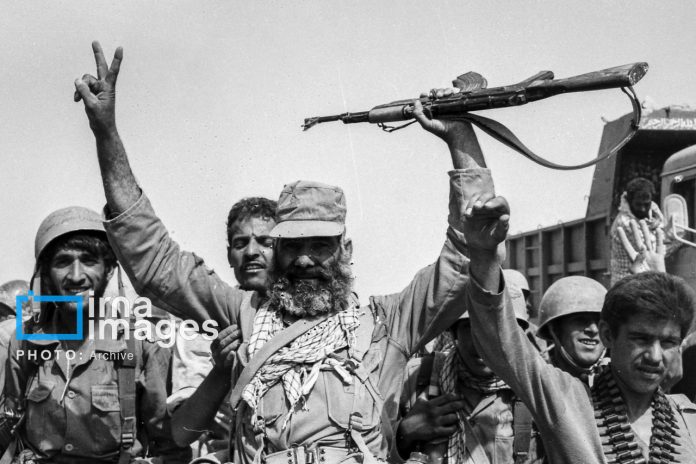
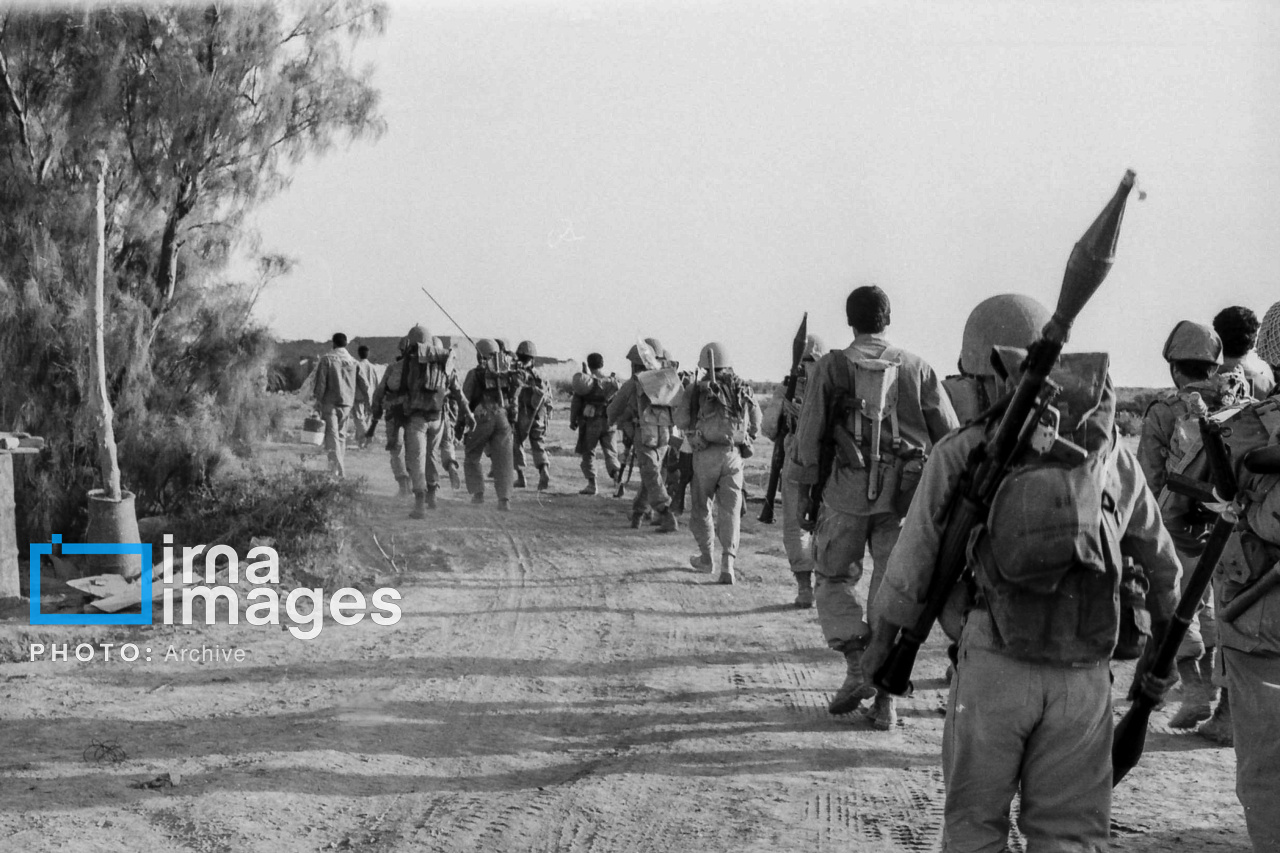
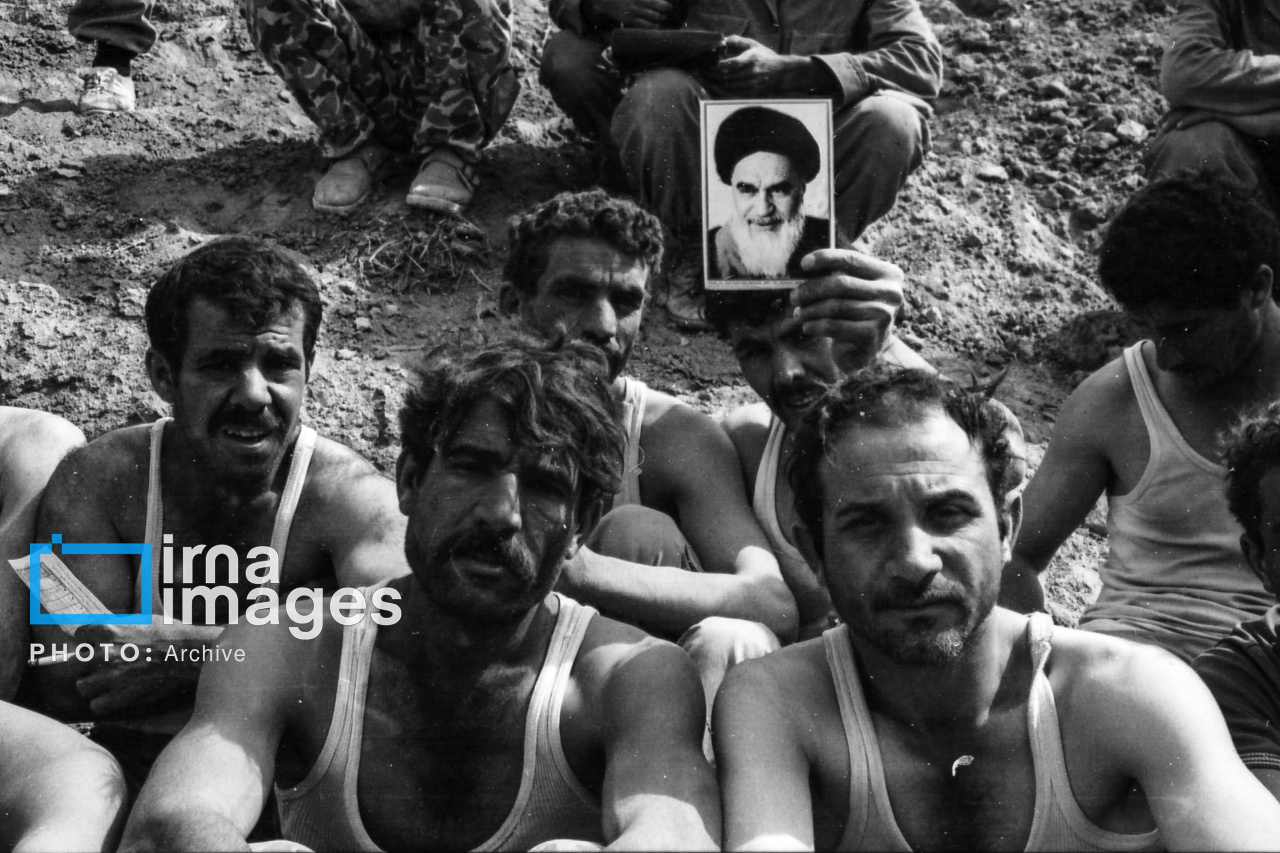
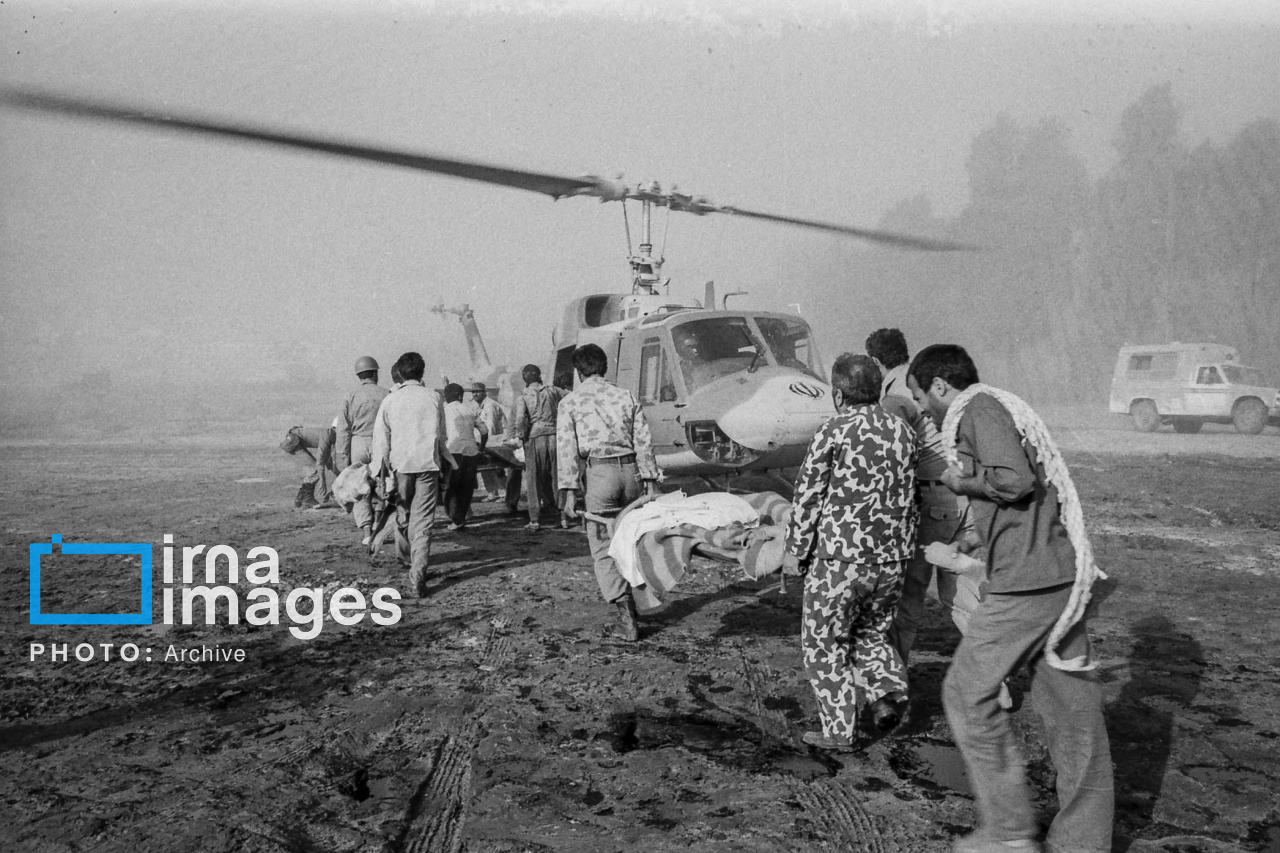
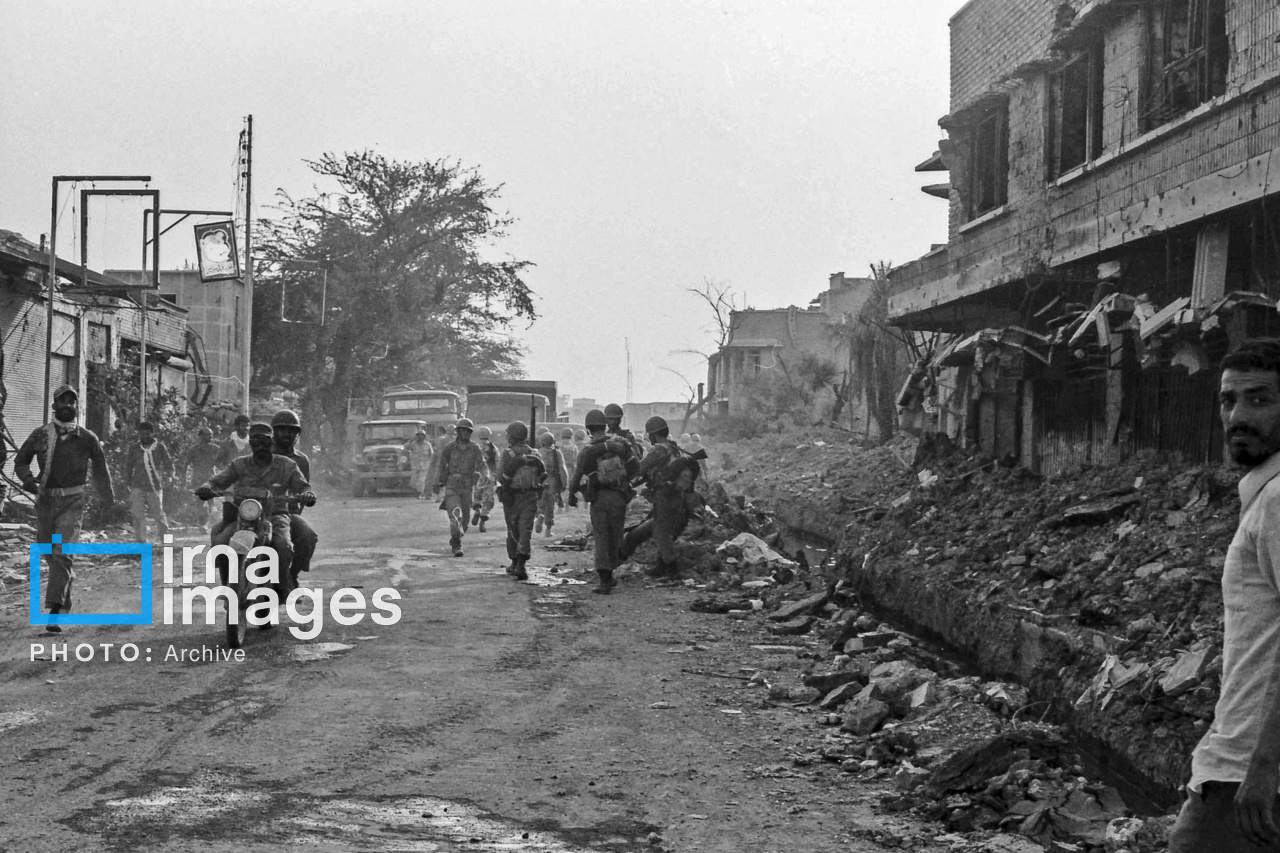
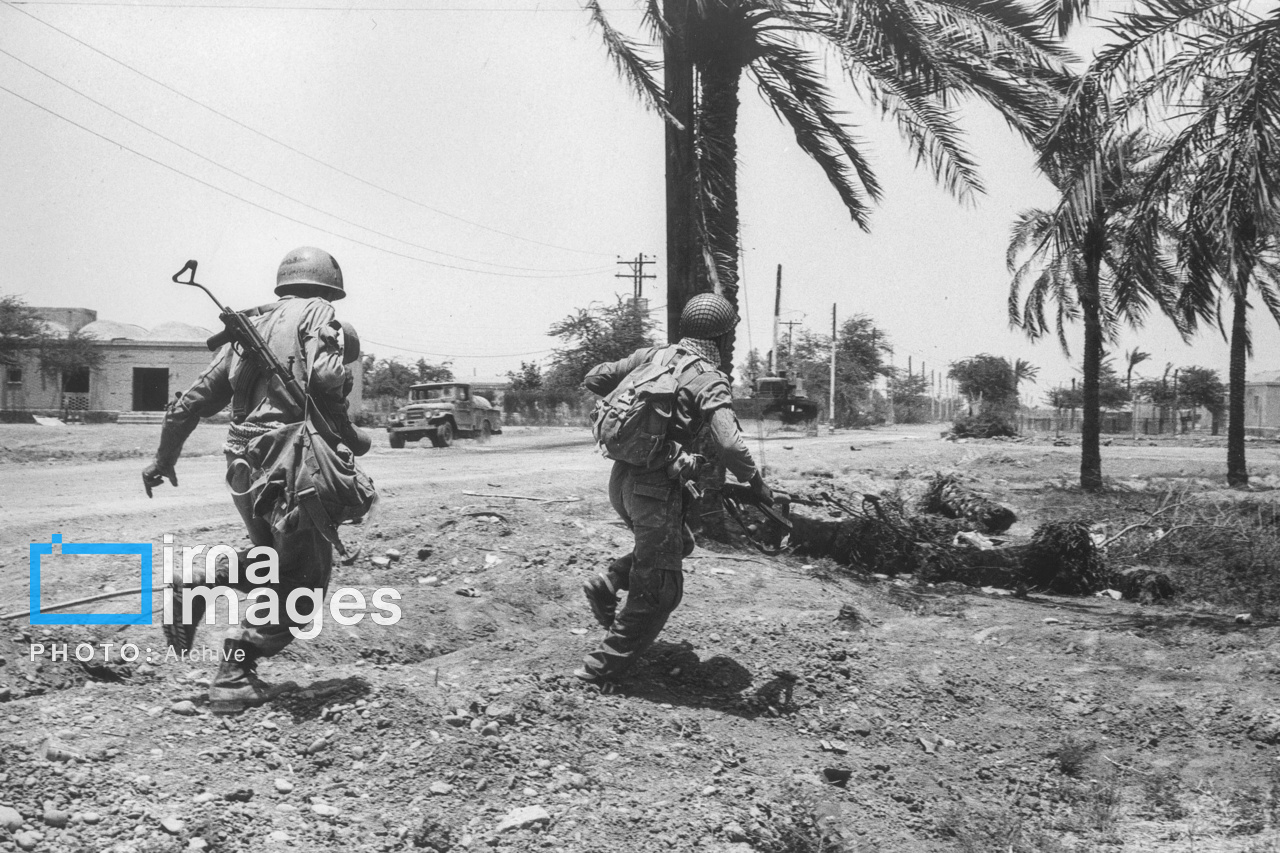
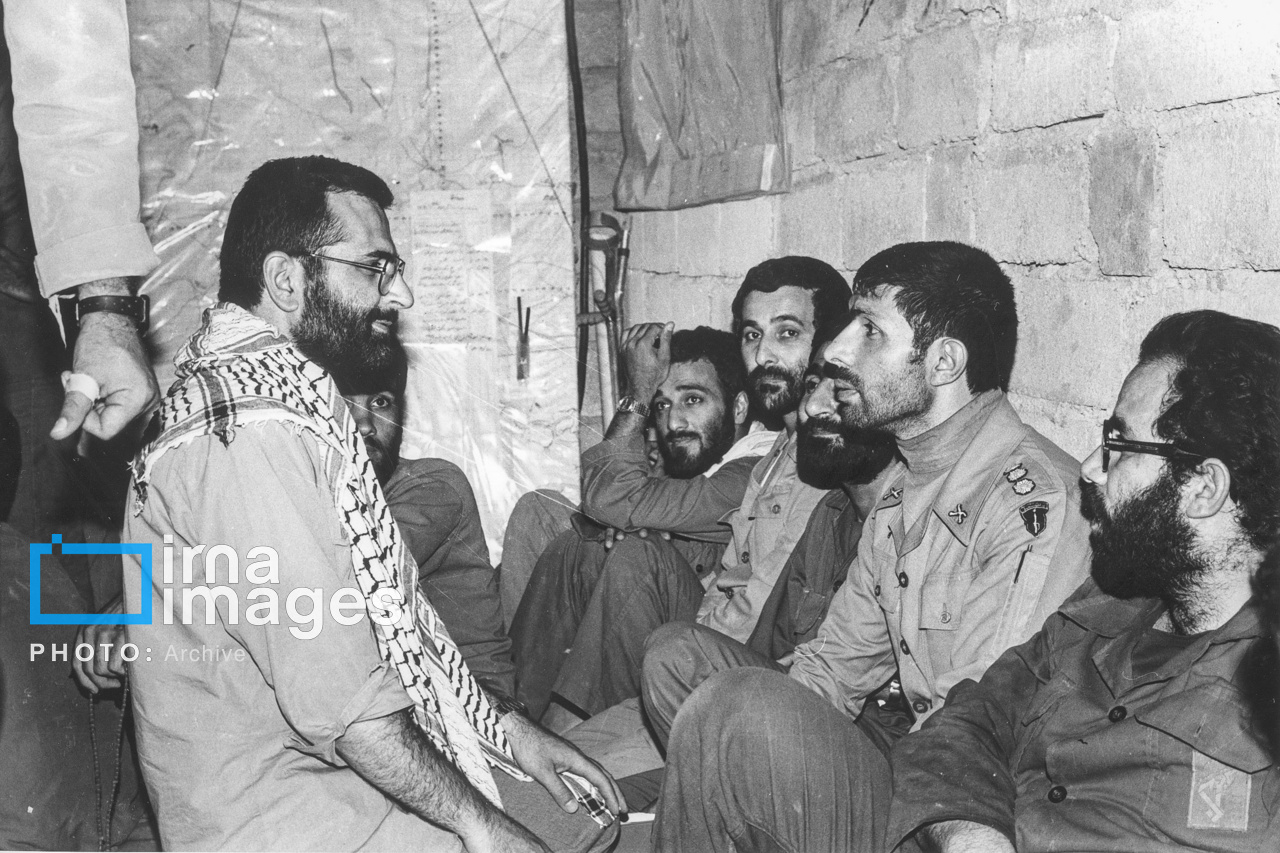
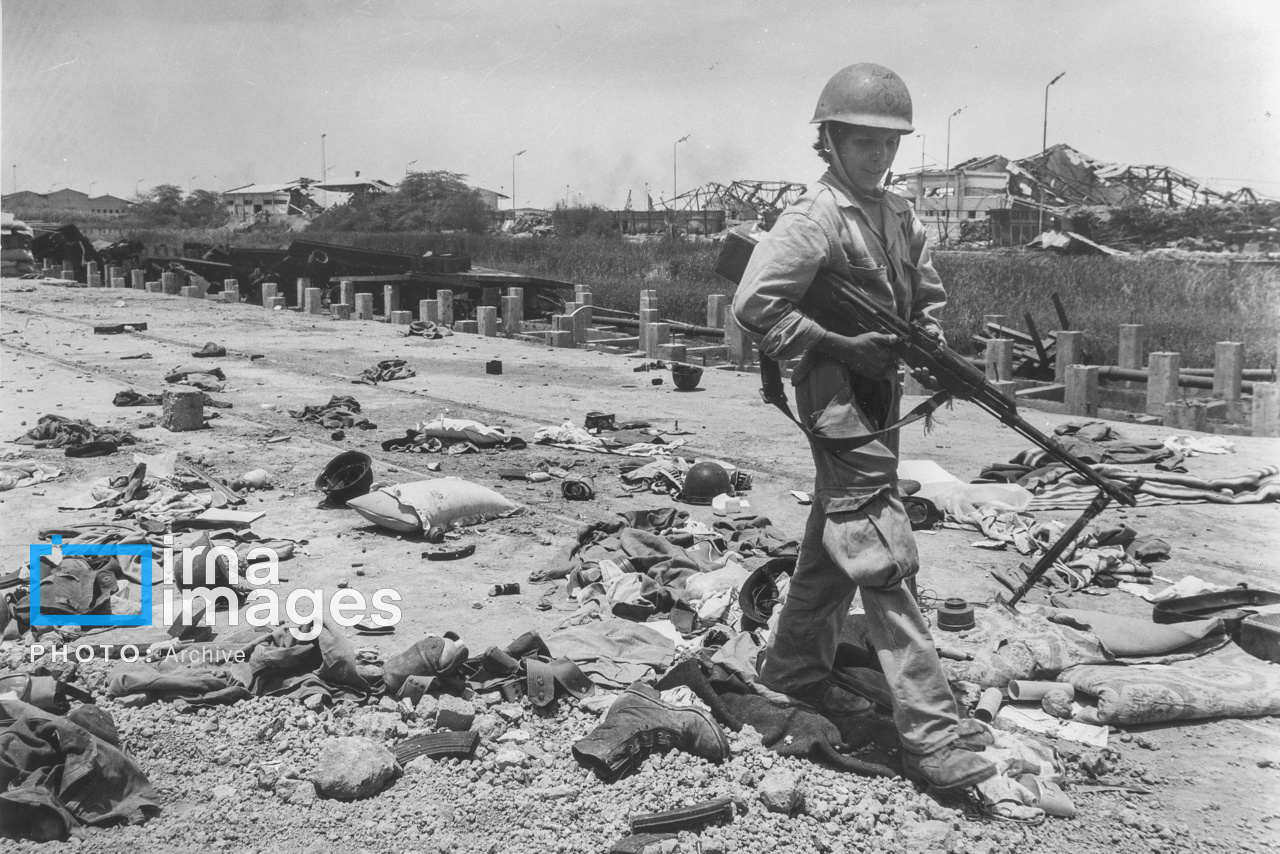
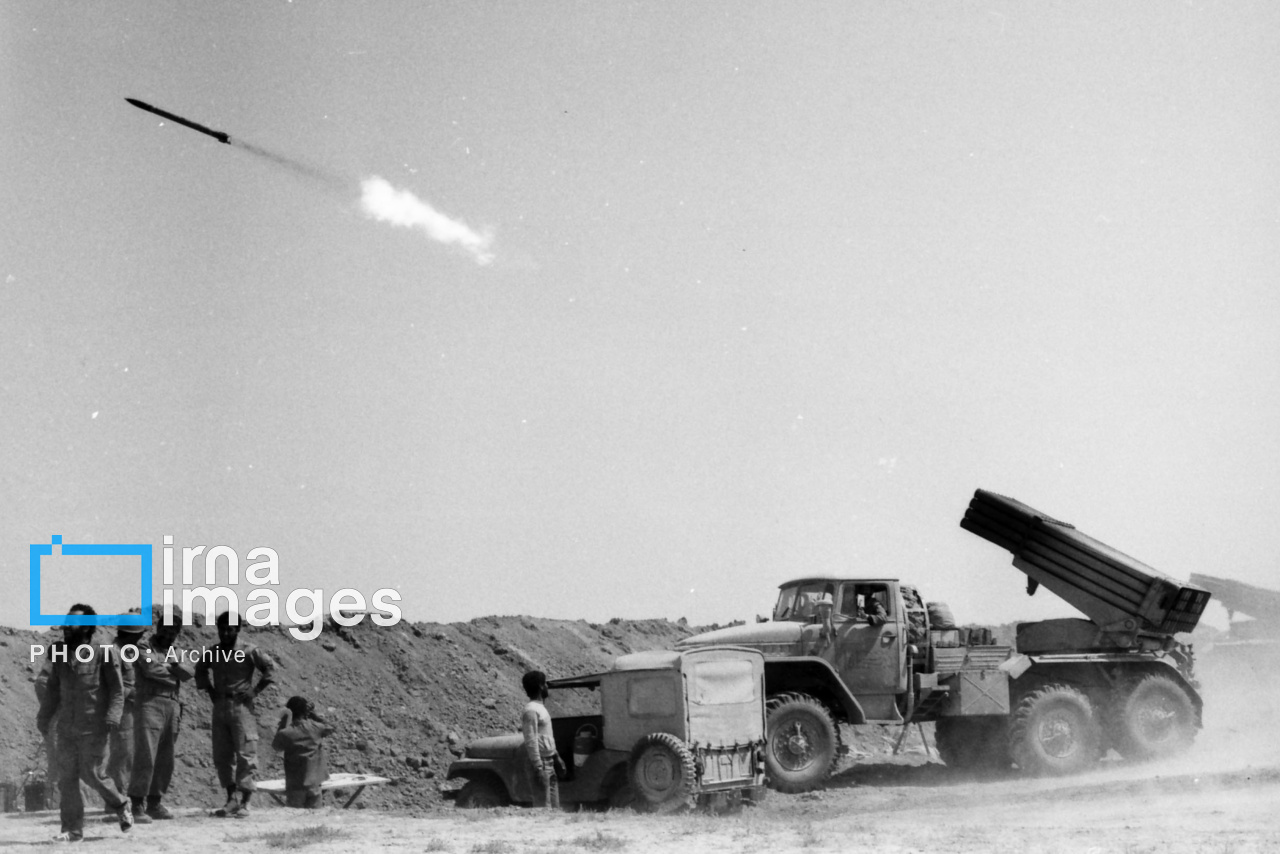
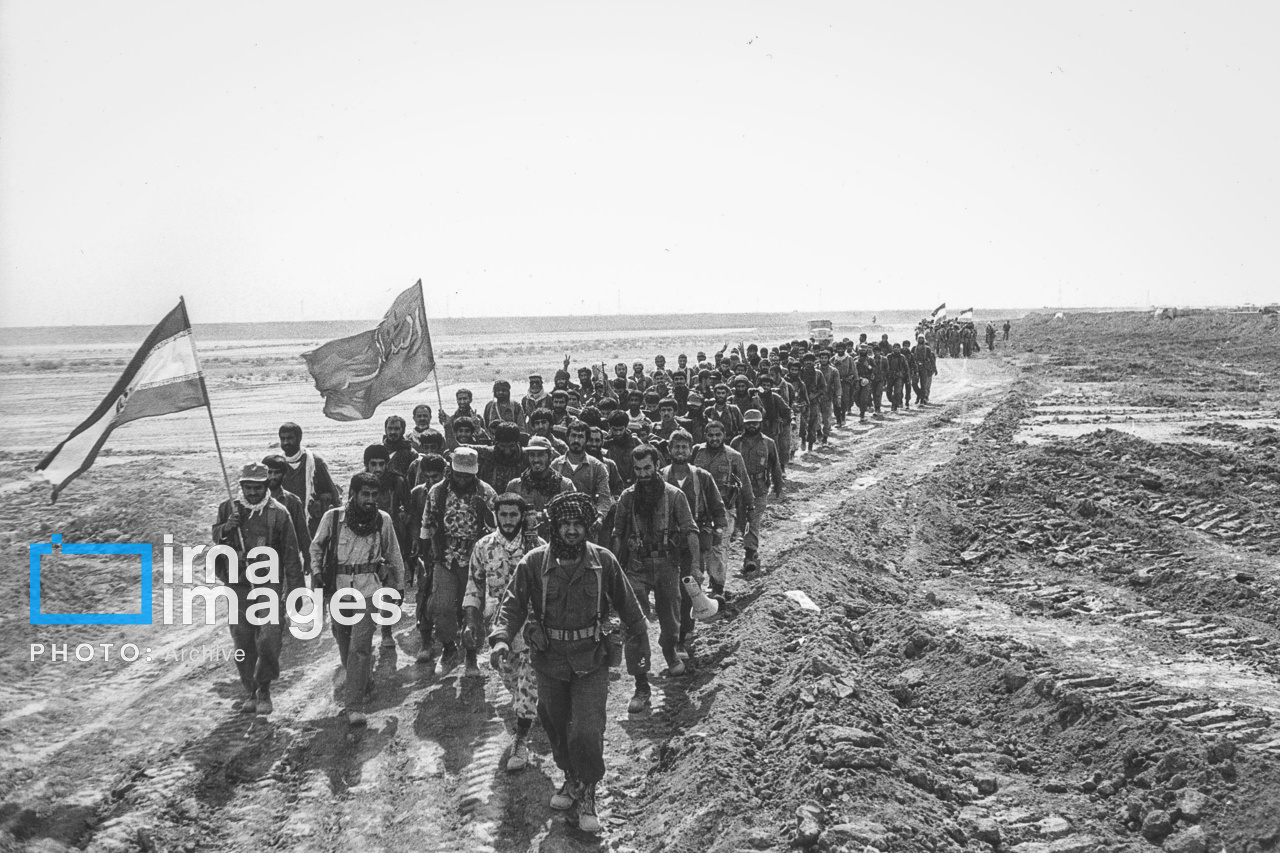
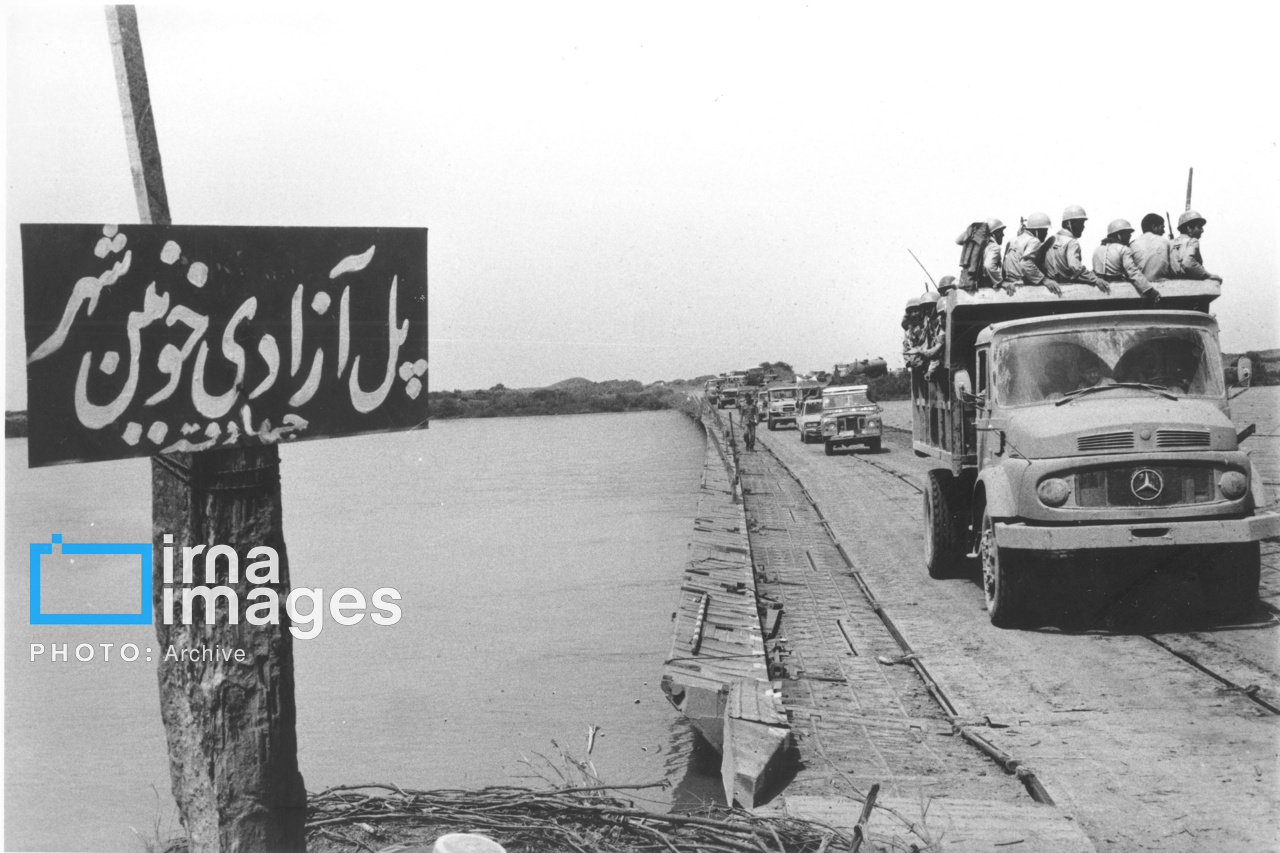
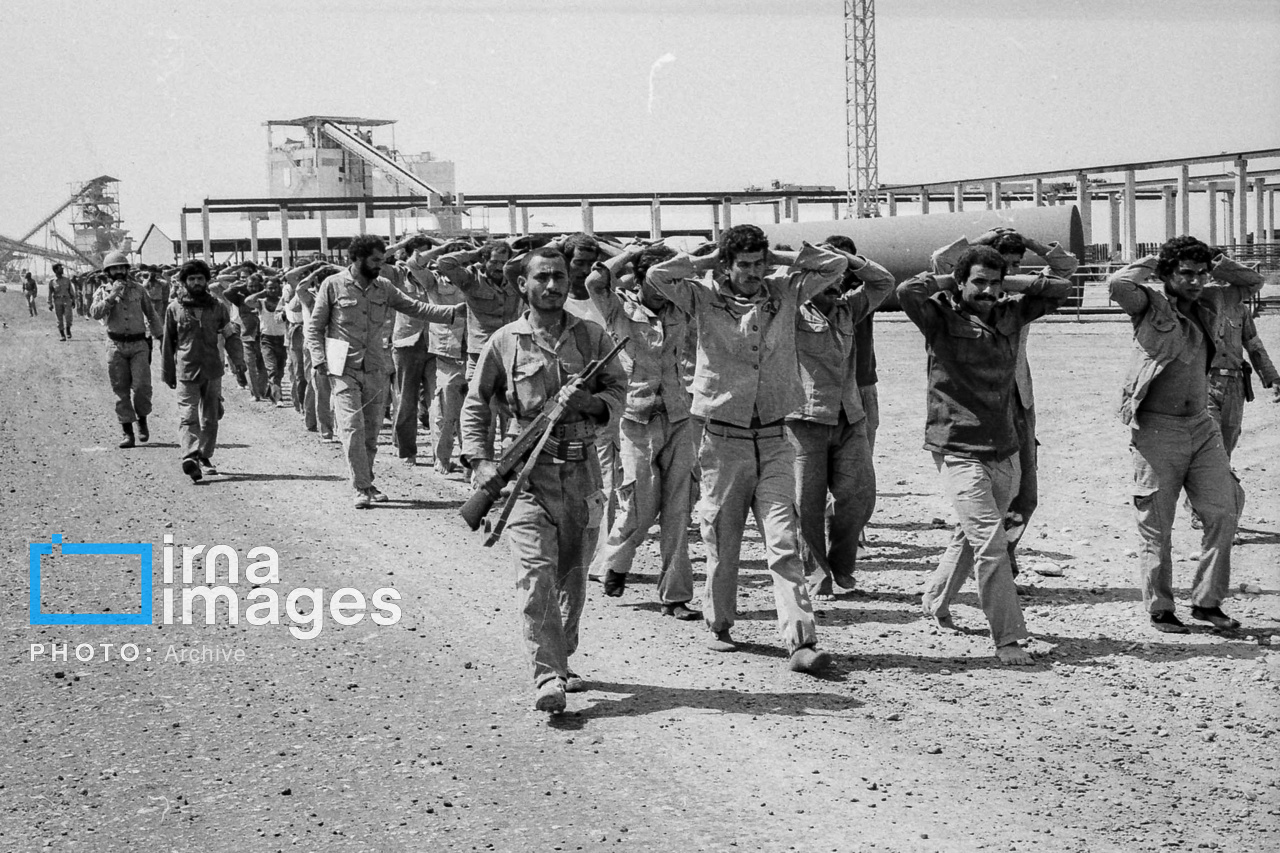
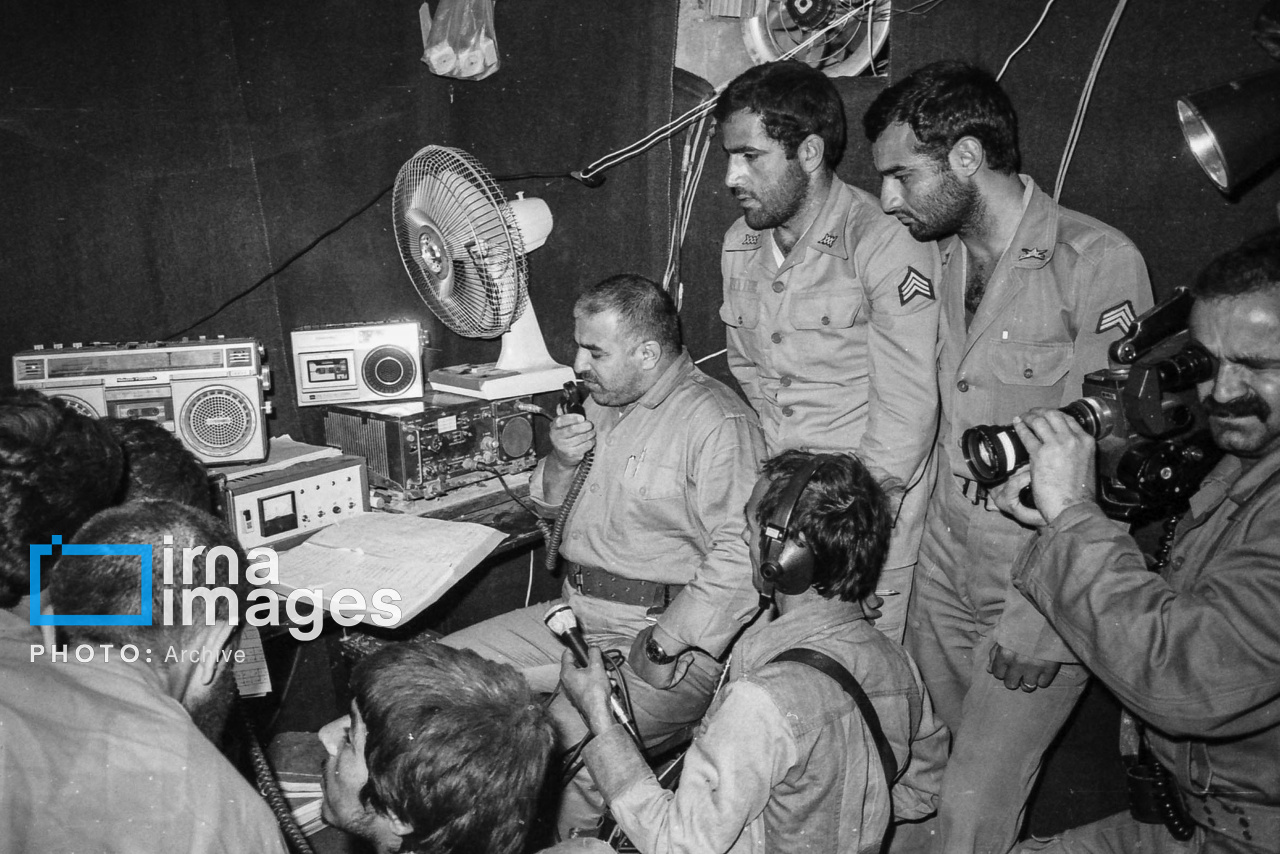
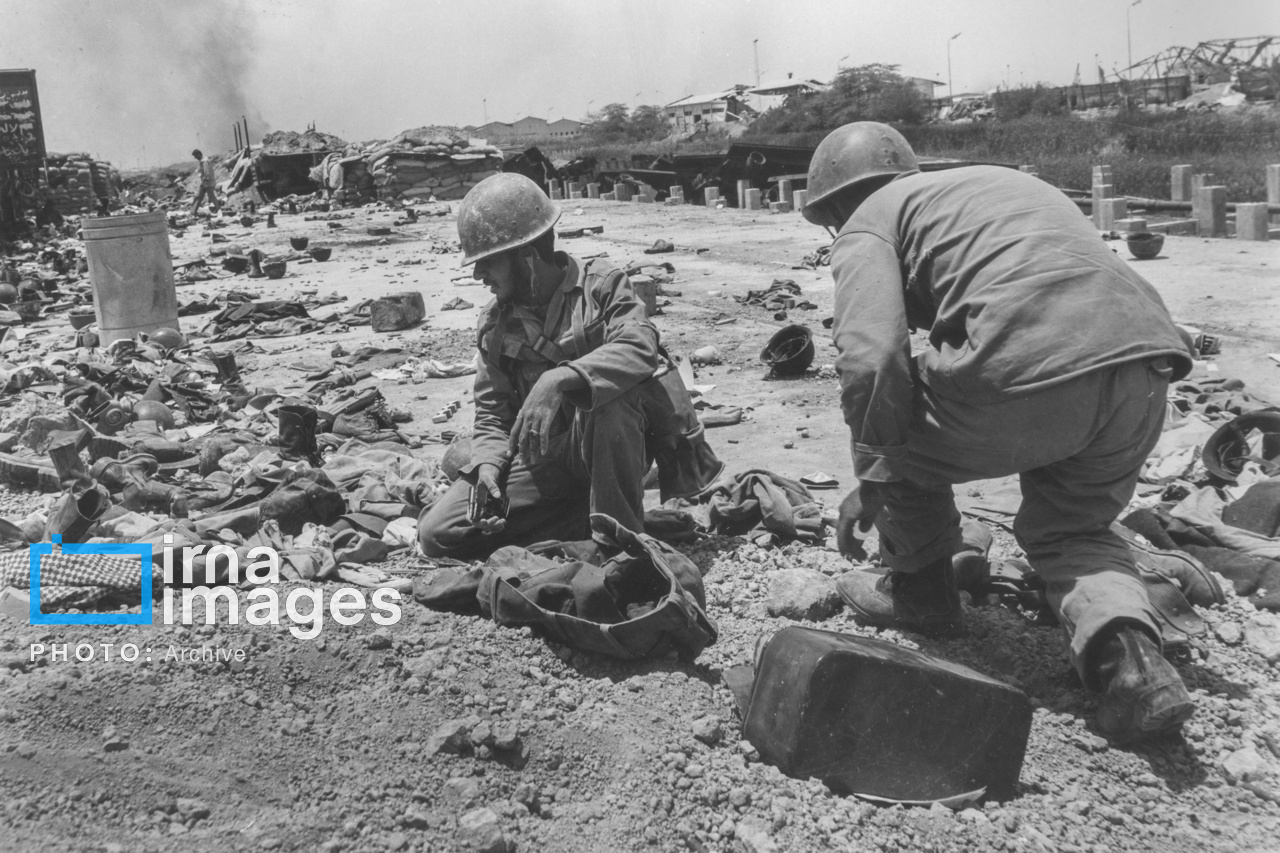
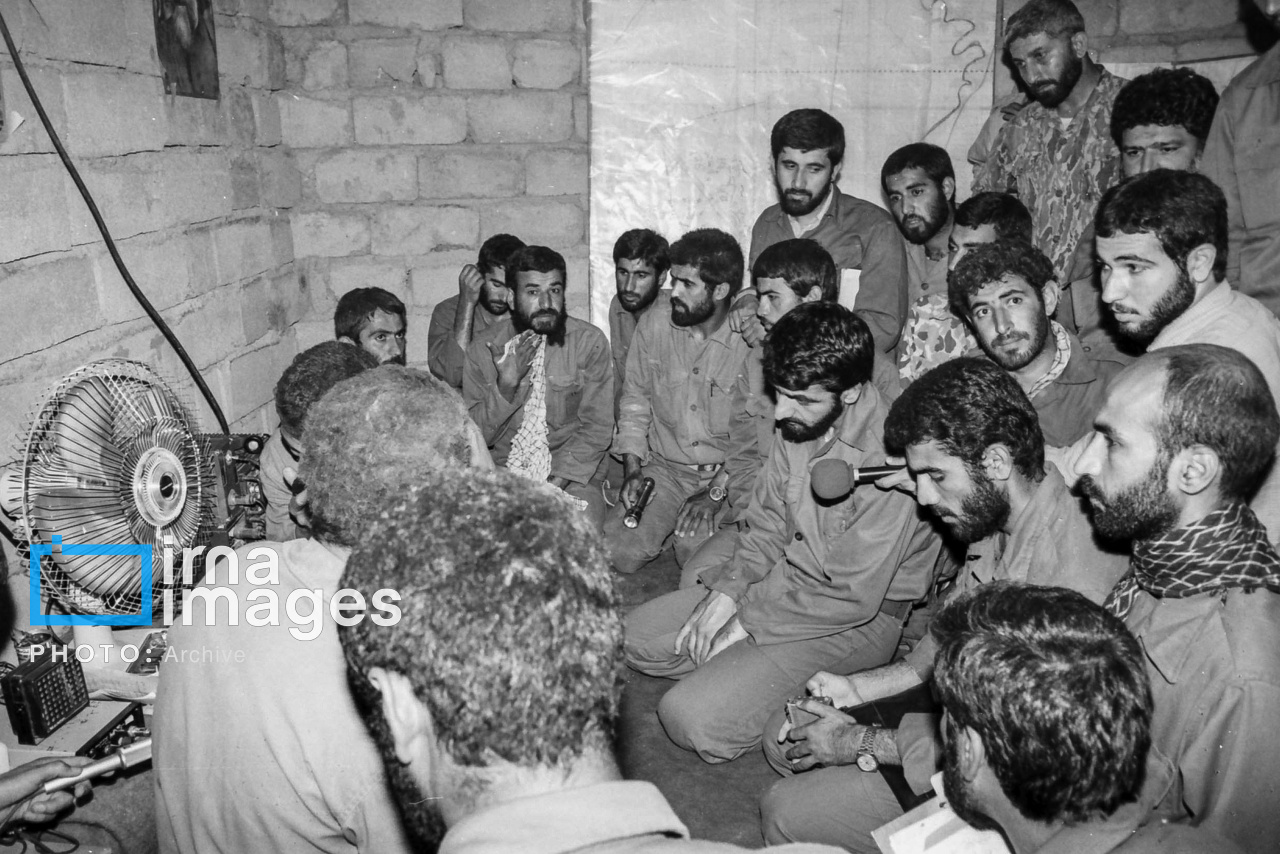
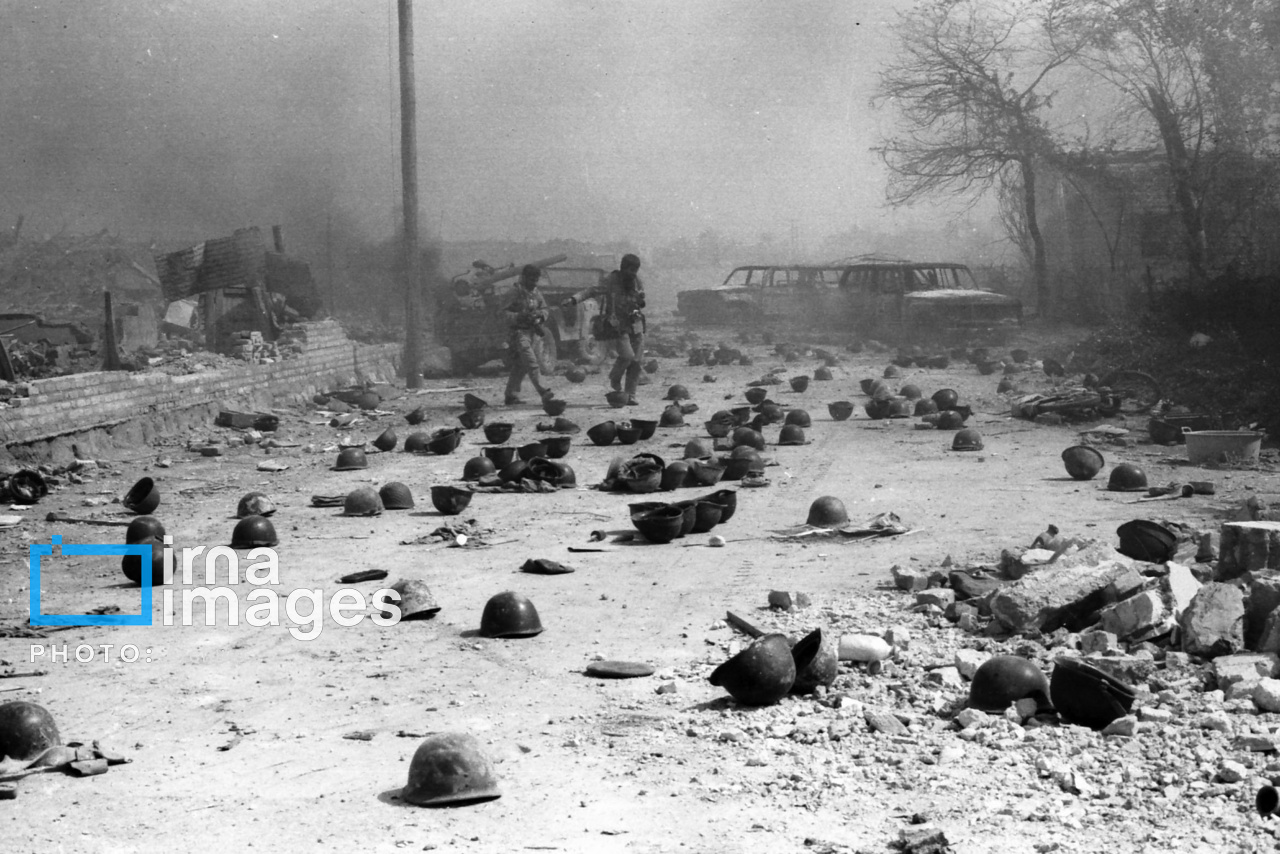
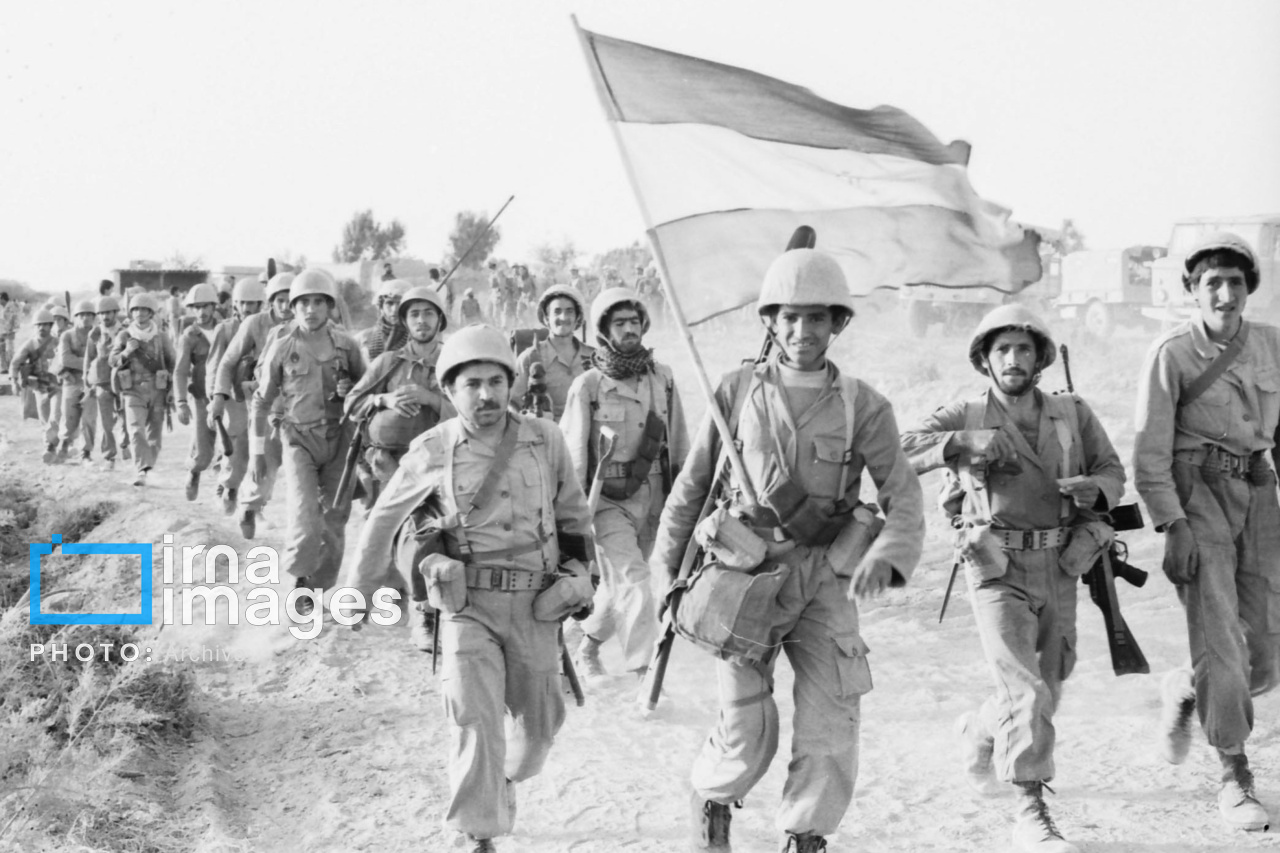
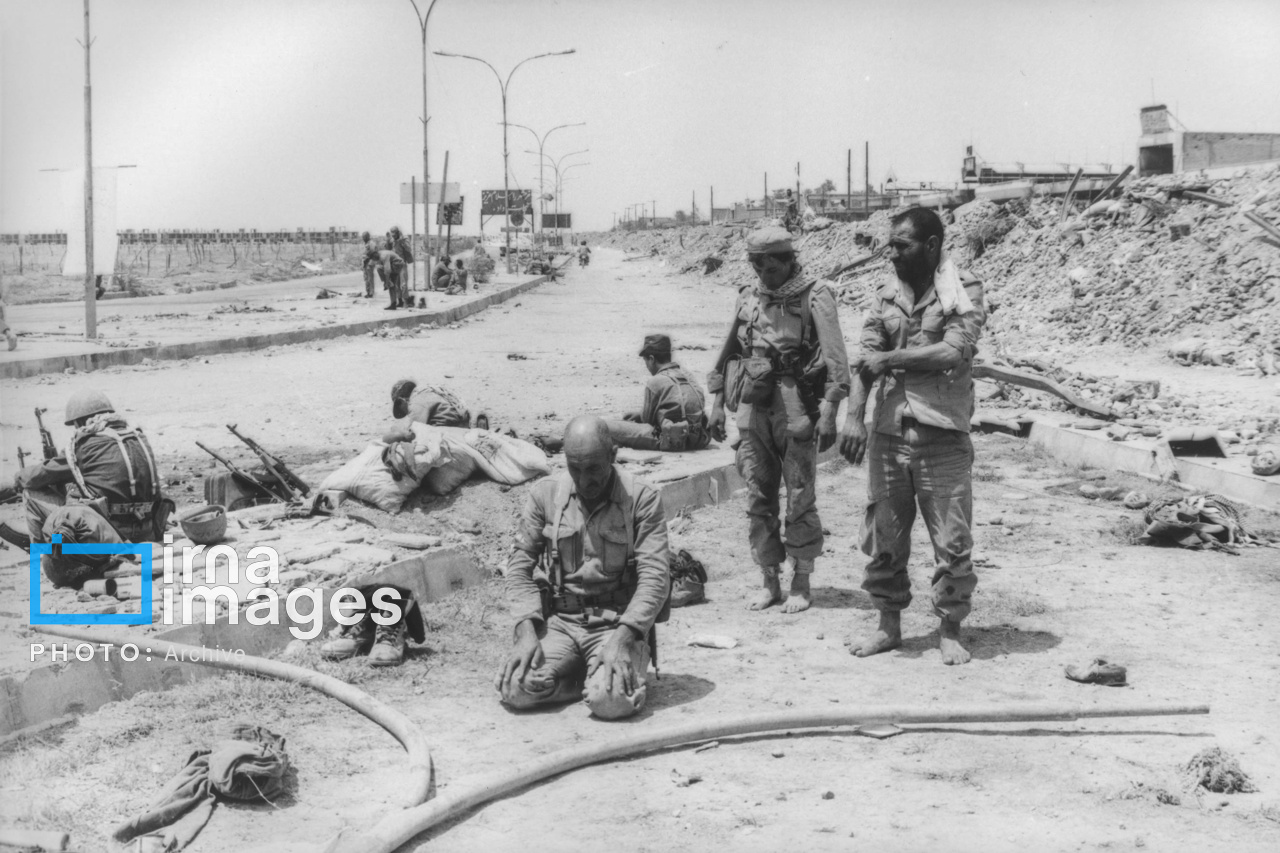
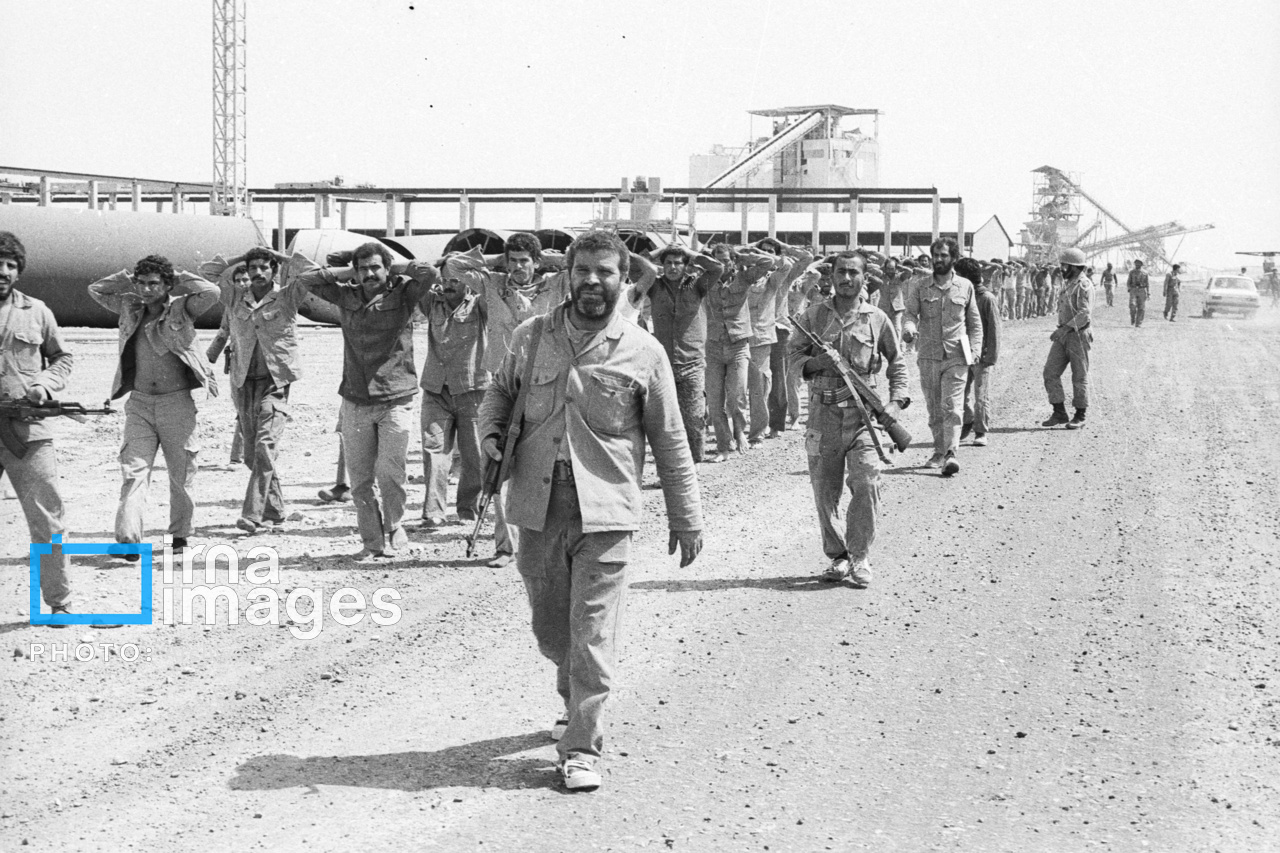
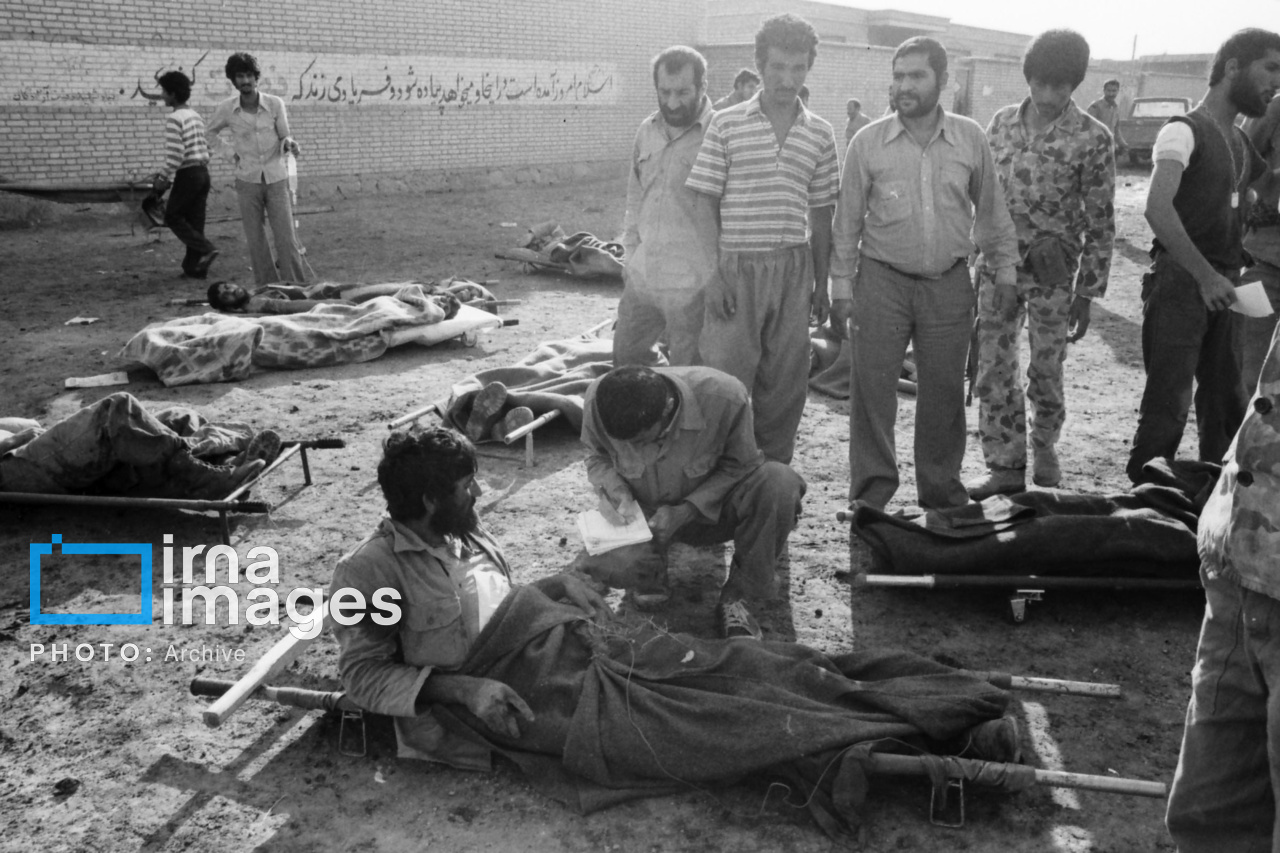
Iran marks Khorramshahr liberation anniversary

The city was recaptured from Iraqi forces during Operation Beit al-Moqaddas through the joint efforts of Iran’s Army and Islamic Revolution Guards Corps (IRGC).

The liberation was seen as a turning point in the eight-year conflict, drawing international attention and weakening Iraq’s position in political negotiations.

In recognition of the event’s significance, Iran’s Supreme Council of the Cultural Revolution designated 3 Khordad as the National Day of Resistance, Self-Sacrifice, and Victory, officially recorded in the national calendar.

More in pictures:

Beirut launches process to disarm Palestinian factions in Lebanon’s refugee camps

The Lebanese-Palestinian Dialogue Committee, a government body serving as interlocutor between Palestinian refugees and officials, met on Friday with Lebanese Prime Minister Nawaf Salam in attendance.

The group said that “participants agreed to launch a process for the disarmament of weapons according to a specific timetable”.

It added that it also aimed to take steps to “enhance the economic and social rights of Palestinian refugees”.

A Lebanese government source told the news agency AFP that disarmament in the country’s 12 official camps for Palestinian refugees, which host multiple Palestinian factions, including Fatah, its rivals Hamas and Palestinian Islamic Jihad, and a range of other groups, could begin in mid-June.

Under a decades-old agreement, Lebanese authorities do not control the camps, where security is managed by Palestinian factions.

The meeting comes as the Lebanese government faces increasing international pressure to remove weapons from the Iran-aligned Lebanese armed group Hezbollah, which fought a war with Israel last year.

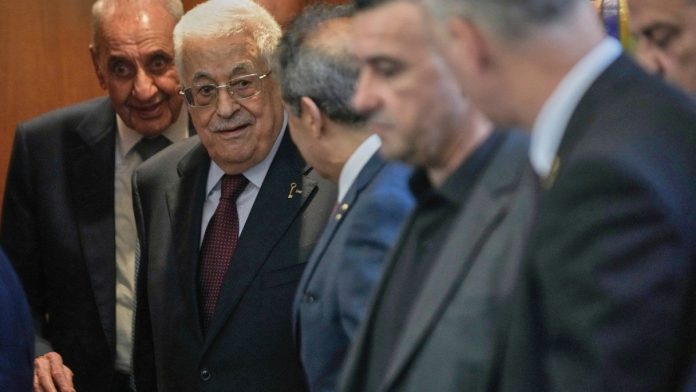
Earlier this week, Palestinian President Mahmoud Abbas – leader of the Palestine Liberation Organization, dominated by his Fatah party, visited Lebanon and said in a speech that the weapons in the camps “hurt Lebanon and the Palestinian cause”.

During Abbas’s visit, he and Lebanese President Joseph Aoun announced an agreement that Palestinian factions would not use Lebanon as a launchpad for any attacks against Israel, and that weapons would be consolidated under the authority of the Lebanese government.

Israeli actions in Gaza amount to ‘ethnic cleansing, genocide’: Council of Europe rapporteur

Gaza War

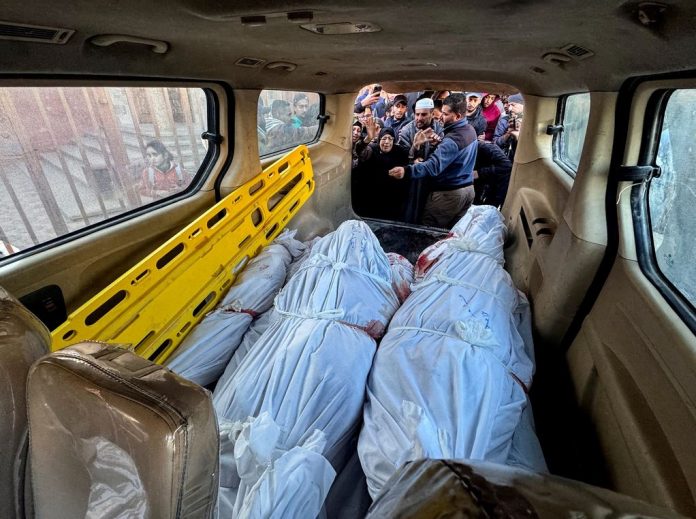
Saskia Kluit of the Netherlands, who serves as the Parliamentary Assembly’s rapporteur on “the absolute and urgent need to end the humanitarian crisis for women, children and the hostages in Gaza,” issued a strongly worded statement, condemning Israel’s actions in the Palestinian enclave.

“The massacre underway in Gaza is manmade and an enormous tragedy for our shared humanity as we allow it to unfold unhindered before our eyes,” Kluit said.

Since March 2, Gaza has faced a full blockade of essential humanitarian supplies, compounded by the resumption of large-scale military attacks by Israeli forces.

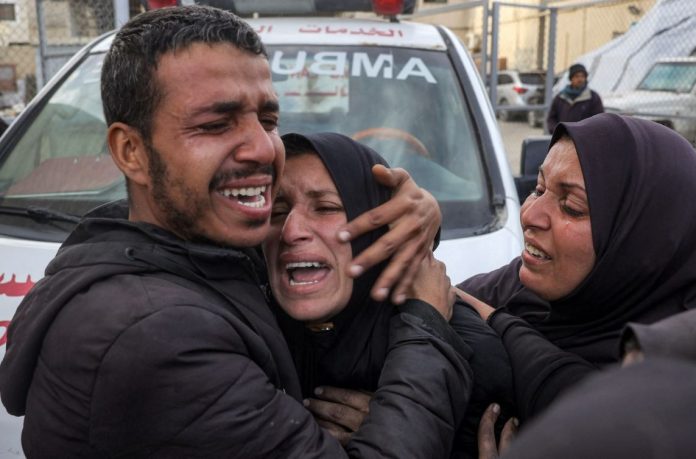
Kluit warned that the situation on the ground has “deteriorated beyond imagination,” with children bearing the brunt of what she described as “systematic violence.”

“Without food, clean water, medical care and safe shelter, their right to life is being denied,” she continued, adding, “The very few goods being allowed in by the Israeli government are not sufficient to feed the population and they are not reaching the most vulnerable. Children are dying of starvation.”

She accused the Israeli government of violating international humanitarian law, which mandates the delivery of aid “unconditionally, unhindered and in sufficient quantities to sustain the health of a population.”

The rapporteur also highlighted the deteriorating living conditions in Gaza, where the civilian population is confined to an “ever-shrinking space, with no escape and no respite from bombings and attacks.”

The so-called safety zones, she said, “offer no safety at all.”

“All this – combined with the declarations on the Gazans by members of the Israeli government – makes it very hard to ignore that these acts point in the direction of ethnic cleansing and genocide,” she said.

Kluit urged Israel to immediately halt its military operations in Gaza and comply fully with international law. She also called for unrestricted access for humanitarian organizations, including UNRWA, and demanded that the supply of essential goods be urgently restored.

“Plans to remove the population of Gaza from the territory, which would deny the right of Gazan children to a future life in their homeland, must immediately be denounced and withdrawn,” she added.

In her closing remarks, Kluit called on the international community, and particularly the member states of the Council of Europe, to act.

“The international community must now fulfil its duty in speaking the truth and follow its legal obligations under the conventions of Geneva, including the genocide convention. I urge the member states of the Council of Europe to do everything in their power to ensure the ceasefire is restored and international law is respected,” she said. “The people of Gaza are human beings and must be protected as such. The collective punishment and the dehumanization of Palestinians must stop now.”

Rejecting international calls for a ceasefire, the Israeli army has pursued a brutal offensive against Gaza since October 2023, killing nearly 53,800 Palestinians, most of them women and children.​​​​​​​

Russia, Ukraine exchange 307 captives each

There has been no corresponding announcement from Ukraine’s side so far.

An agreement on a 1,000-for-1,000 prisoner exchange was said to be the only tangible result of the Russia-Ukraine peace talks in Istanbul on May 16 — the first such negotiations since 2022.

The two parties swapped 390 prisoners each in the initial phase on May 23, with the process set to continue until May 25.

The Ukrainian and Russian governments confirmed they had received the lists of prisoners of war (POWs) to be exchanged on May 22.

Israel allows only ‘teaspoon of aid’ into Gaza amid ‘atrocious levels of death and destruction’: UN head

Gaza War

“Palestinians in Gaza are enduring what may be the cruelest phase of this cruel conflict,” Guterres said during a news conference at the UN headquarters in New York.

Criticizing Israel’s prolonged blockade of humanitarian assistance, Guterres stated: “For nearly 80 days, Israel blocked the entry of life-saving international aid. Finally, a trickle of aid has crossed over.”

He added that although “almost 400 trucks were cleared for entry to Gaza through the Kareem Shalom crossing,” only a fraction of that assistance has reached those in need.

“Supplies from only 115 trucks have been able to be collected,” he continued.

“In any case, all the aid authorized until now amounts to a teaspoon of aid when a flood of assistance is required.”

Describing the obstacles on the ground, Guterres said: “The needs are massive and the obstacles are staggering. Strict quotas are being imposed on the goods we distribute – along with unnecessary delay procedures.”

He further pointed to Israel restricting vital supplies, “including fuel, shelter, cooking gas, and water purification supplies.”

Guterres also reiterated the UN’s request for operational safety, and said: “We continue to request for safety and security mitigation measures to be in place for our convoys.”

“Meanwhile, the Israeli military offensive is intensifying with atrocious levels of death and destruction,” he added.

Warning of the scale of displacement, Guterres stated: “Today, 80% of Gaza has been either designated an Israeli-militarized zone or an area where people have been ordered to leave. In other words, four-fifths of the territory of Gaza is a no-go zone for the people of Gaza.”

He reaffirmed UN’s position against any alternative aid delivery mechanism for Gaza, and stressed that the “United Nations has been clear: We will not take part in any scheme that fails to respect international law and the humanitarian principles of humanity, impartiality, independence and neutrality.”

Trump admin. lifts first sanctions on Syria

On Friday, the US Department of the Treasury announced sweeping relief to an array of individuals and entities, which it said will “enable new investment and private sector activity consistent with [Trump’s] America First strategy”.

The US State Department, meanwhile, concurrently issued a waiver to a 2019 law, the Caesar Syria Civilian Protection Act, that would “enable our foreign partners, allies, and the region to further unlock Syria’s potential”.

In a statement, Secretary of State Marco Rubio said the waiver would “facilitate the provision of electricity, energy, water and sanitation, and enable a more effective humanitarian response across Syria.”

The authorisation covers new investment in Syria, provision of financial services, and transactions involving Syrian petroleum products.

“Today’s actions represent the first step on delivering on the president’s vision of a new relationship between Syria and the United States,” Rubio said on Friday.
Trump surprised the international community when, on May 13, he pledged to remove sanctions placed on Syria during the leadership of its now-ousted leader, President Bashar al-Assad.

Friday’s announcements mark an initial step towards that goal, as Syria recovers from abuses under al-Assad’s government and 13 years of war.

“As President Trump promised, the Treasury Department and the State Department are implementing authorizations to encourage new investment into Syria,” Treasury Secretary Scott Bessent said in a statement.

“Syria must also continue to work towards becoming a stable country that is at peace, and today’s actions will hopefully put the country on a path to a bright, prosperous, and stable future”.

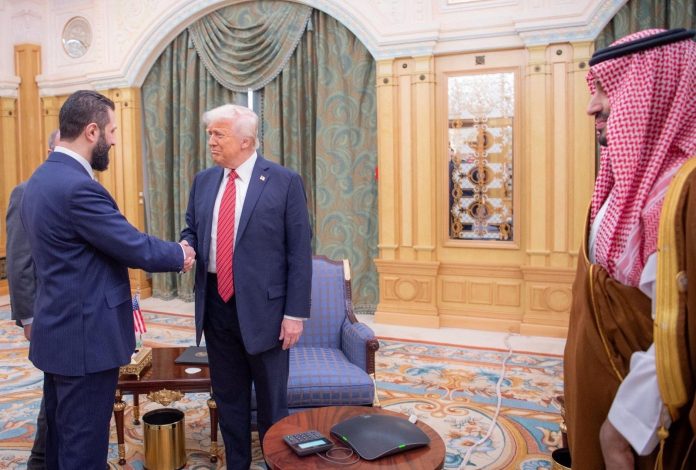
Trump first unveiled his plans for sanctions relief during a tour of the Middle East in mid-May. He said lifting US sanctions would give Syria “a chance at greatness”, since the restrictions left the war-torn country economically isolated.

“It’s their time to shine. We’re taking them all off,” he said from Riyadh.

Shortly after, Trump met and shook hands with Syrian leader Ahmed al-Sharaa, who had only recently been removed from the US’s “Specially Designated Global Terrorist” list.

Calls for sanctions relief had grown following the fall of al-Assad’s government last December. As head of the Hayat Tahrir al-Sham (HTS) group, al-Sharaa spearheaded the offensive that led to al-Assad fleeing the country, bringing the civil war to an end.

The war, which first broke out in 2011, had left Syria’s economy in tatters.

As many as 656,493 people were killed during the conflict, according to the Syrian Observatory for Human Rights, and a 2020 report from the United Nations estimated that the country suffered total economic losses of about $442.2bn in the first eight years of the war alone.

Sanctions have further dampened Syria’s economic outlook, making it difficult for countries with ties to the US to conduct business there.

Since taking power in December, Syria’s interim government has argued the ongoing sanctions, largely imposed during al-Assad’s rule, would slow development and cause further instability.

Trump’s announcement earlier this month buoyed hope for many Syrians of a new path forward, although the extent of the relief had remained unclear.

Earlier this week, the European Union also announced it had lifted sanctions against Syria.

Friday’s sanctions relief in the US applies to the “the Government of Syria … as in existence on or after May 13, 2025”, according to the Treasury Department.

The reprieve also applies to several previously sanctioned transportation, banking, tourism and fossil fuel entities.

Transactions related to Russia, Iran and North Korea remain under US sanctions.

One of the biggest hurdles, however, is the Caesar Syria Civilian Protection Act, a law that was passed in 2019, during Trump’s first term.

It included broad sanctions that targeted al-Assad’s government and its allies and supporters for atrocities committed against civilians.

The act was named after a former Syrian military photographer and whistleblower who smuggled out of the country a cache of images showing torture and mass killing at detention centres run by al-Assad’s security forces.

But since the law was passed by Congress, it will likely take an act of Congress to completely lift its restrictions.

The president, however, can issue temporary waivers to the law, which is what the Trump administration did on Friday.