Friday, December 19, 2025
Home Blog Page 3294

Japan to Assist Iran with Afforestation Efforts

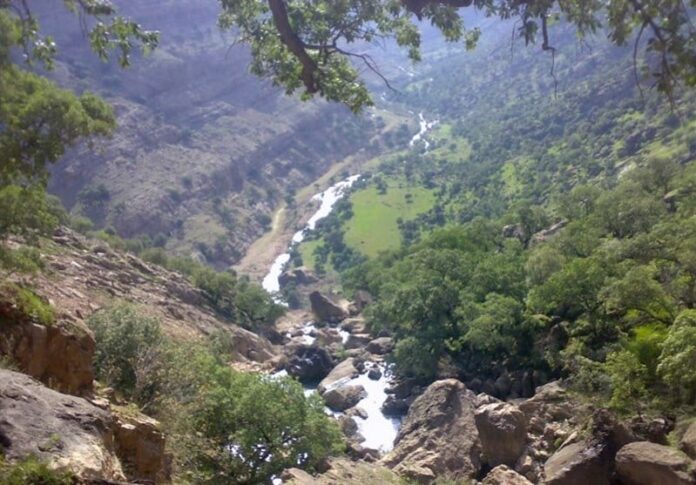
An official at the Forests, Range and Watershed Management Organization of Iran in the southwestern province of Khuzestan told Tasnim that under an agreement signed between the Iranian organization and JICA, the Japanese agency has embarked on the afforestation project on the banks of Karun.

The joint project to create forests and protect rangelands in areas  adjacent to Karun would be carried out in forestlands covering an area of 16,000 hectares in Dehdez county near the city of Izeh, the official noted.

He said Japanese experts had already carried out a major afforestation project in the neighboring province of Chaharmahal and Bakhtiari for 5 years, noting that JICA has now come to Khuzestan to share its know-how and put the outcome of its research into practice.

In August 2017, JICA signed a contract with Iran to provide water management strategies at Karun.

Under the deal, signed in Tehran, the Japanese government would help Iran carry out land use plans and water management practices to protect and improve the quality of water in Karun and increase the flow rate of the river.

The heavy discharge of the river, which flows through seven western provinces, has diminished in recent years due to natural causes, soil erosion, vegetation destruction, deforestation, land degradation and overgrazing of grasslands.

Japanese researchers have previously provided aid to Iran in saving the endangered Lake Oroumiyeh in northwest of the country.

Iranian, Russian Navies to Conduct Joint Military Excercise

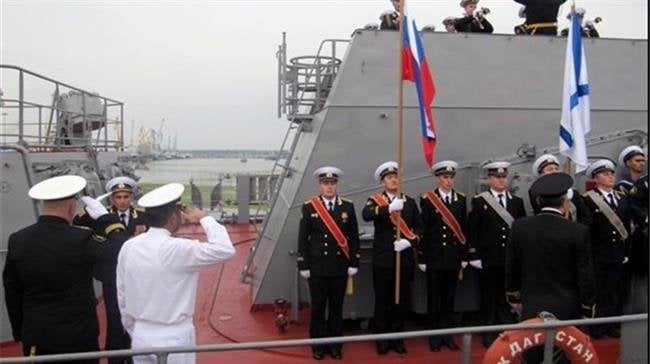
“Relief and rescue, tactical, and anti-piracy exercises between Iranian and Russian naval forces are being planned and will be carried out in the near future,” Rear-Admiral Hossein Khanzadi said on Sunday.

“Joint drills with Russia will surely take us to a new level of cooperation in strategic, tactical, and operational areas at sea,” he added.

Iran and Russia have held several naval drills in the Caspian Sea. Khanzadi said cooperation among the naval forces of the Caspian states has “tremendously deepened” in recent years.

According to the commander, relations have now assumed a traditional format, where regional states enjoy good mutual understanding.

Khanzadi asserted that the presence of foreign forces in the waters is ruled out and will certainly be confronted. “The Caspian is the sea of peace and friendship, and all its littoral countries follow this approach.”

Last time the Iranian and Russian navies held joint drills in the world’s largest enclosed inland body of water was in July 2017.

A Russian naval fleet berthed in Iran’s Bandar Anzali for the purpose, becoming the fifth Russian flotilla to make the port call in 10 years.

In March 2018, a flotilla of Iranian warships, comprising the domestically-manufactured destroyer Damavand and the missile-launching frigate Derafsh, sailed to the Russian port of Makhachkala.

The Iranian navy has celebrated significant advances over the past years and expanded its global operating range.

On December 1, the country inaugurated Sahand, its most advanced-yet military vessel with radar-evasion properties and the capability to take on long-term voyages without resupply.

On Friday, the navy said it is to dispatch a flotilla, including Sahand, to the Atlantic Ocean on a five-month mission.

The fleet will depart for the waters early next year on the Iranian calendar, which begins on March 21, Rear-Admiral Touraj Hassani-Moqaddam, the navy’s deputy commander told IRNA.

CBI Offers to Lop Four Zeroes Off National Currency

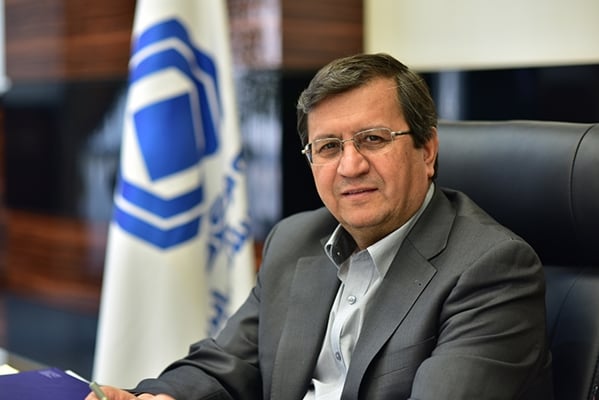
“The bill to cut four zeroes off the national currency has been submitted to the government by the Central Bank and I hope it will be [approved] soon,” said Abdolnaser Hemmati, speaking in a meeting with the government officials.

The government had announced in 2016 it is planning to cut four zeroes off the currency, but monetary reconversion was postponed, likely because the financial system was not ready.

The announcement confirmed rumours that the government is preparing to remove the zeroes, triggered after a new banknote was unveiled by Iran’s CBI last week.

Taliban Contacted Iran to Promote Peace: Spokesman

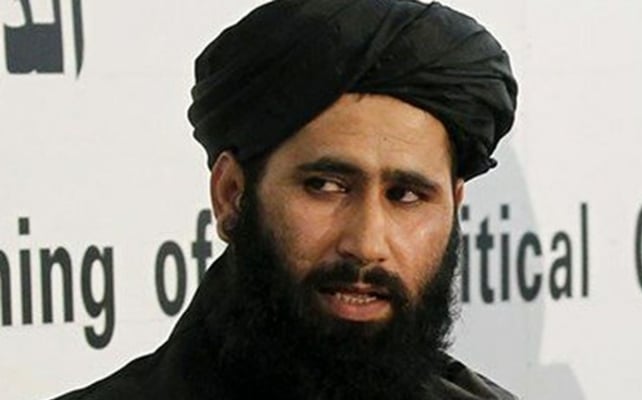
Speaking in an interview with ILNA published on Sunday, Zabiullah Mujahid said the Taliban talks with Iran are part of political consultations between the group and governments in the region.

“The Islamic Republic is Afghanistan’s powerful neighbour, so we should share our view on the future of our country with Tehran so we can move to strengthen friendship, peace and calm among the two sides,” he pointed out.

Last week, Secretary for Supreme National Security Council Ali Shamkhani revealed that Iran has engaged in talks with the Afghan Taliban under the Afghan government’s guidance.

Last Sunday, the Taliban representatives engaged in talks with Deputy Foreign Minister for Political Affairs Abbas Araqchi in Tehran.

The developments came following talks last week between the US and Taliban officials in the United Arab Emirates.

The Taliban announced they have also held meetings with officials from the UAE, Pakistan and Saudi Arabia.

US Withdrawal; Key to Afghan Peace

The spokesman said the Taliban believes the withdrawal of the US from Afghanistan is the main condition for the return of peace to the war-torn country.

He said the peace process in Afghanistan would not move forward until the US is present in Afghanistan, as the country is part of the problem and not the solution in Afghanistan.

Mujahid said the US created conflict in Afghanistan by occupying the country, likening the US war to the Iraqi invasion of Iran in 1980s.

The spokesman said the Taliban does not pin much hope to reaching an agreement with the US, as Washington has showed it cannot be trusted with keeping its words, pointing to the US withdrawal from the 2015 nuclear accord.

Late last year, the US administration ordered the US military to start withdrawing roughly 7,000 troops from Afghanistan in the coming months, an abrupt shift in the 17-year-old US policy towards Afghanistan.

Taliban No Threat to Iran

Asked if the Taliban would decide to target Iran’s security, Mujahid said the group believes security of neighbouring countries are its own security.

“We see Iran as Afghan’s second home and assure the Iranian nation and government that no measures will be taken against them,” he underlined.

“This is our policy towards all neighbours of Afghanistan, not only Iran,” he noted.

The Taliban spokesman said Afghans still remember Iran’s assistance during the Soviet invasion of Afghanistan in 1980s, when Tehran hosted thousands of Afghan refugees.

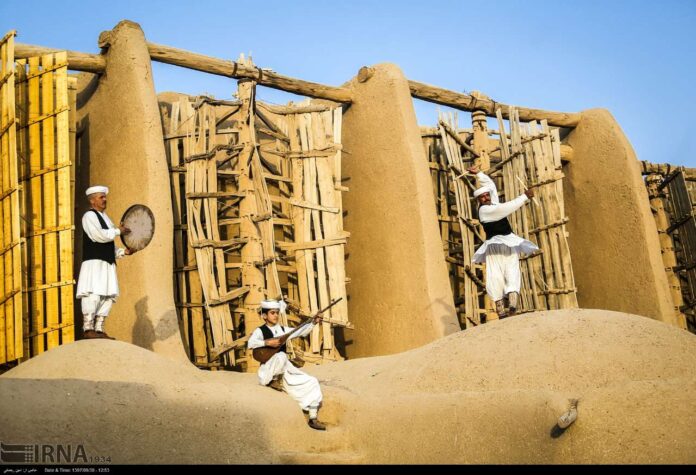
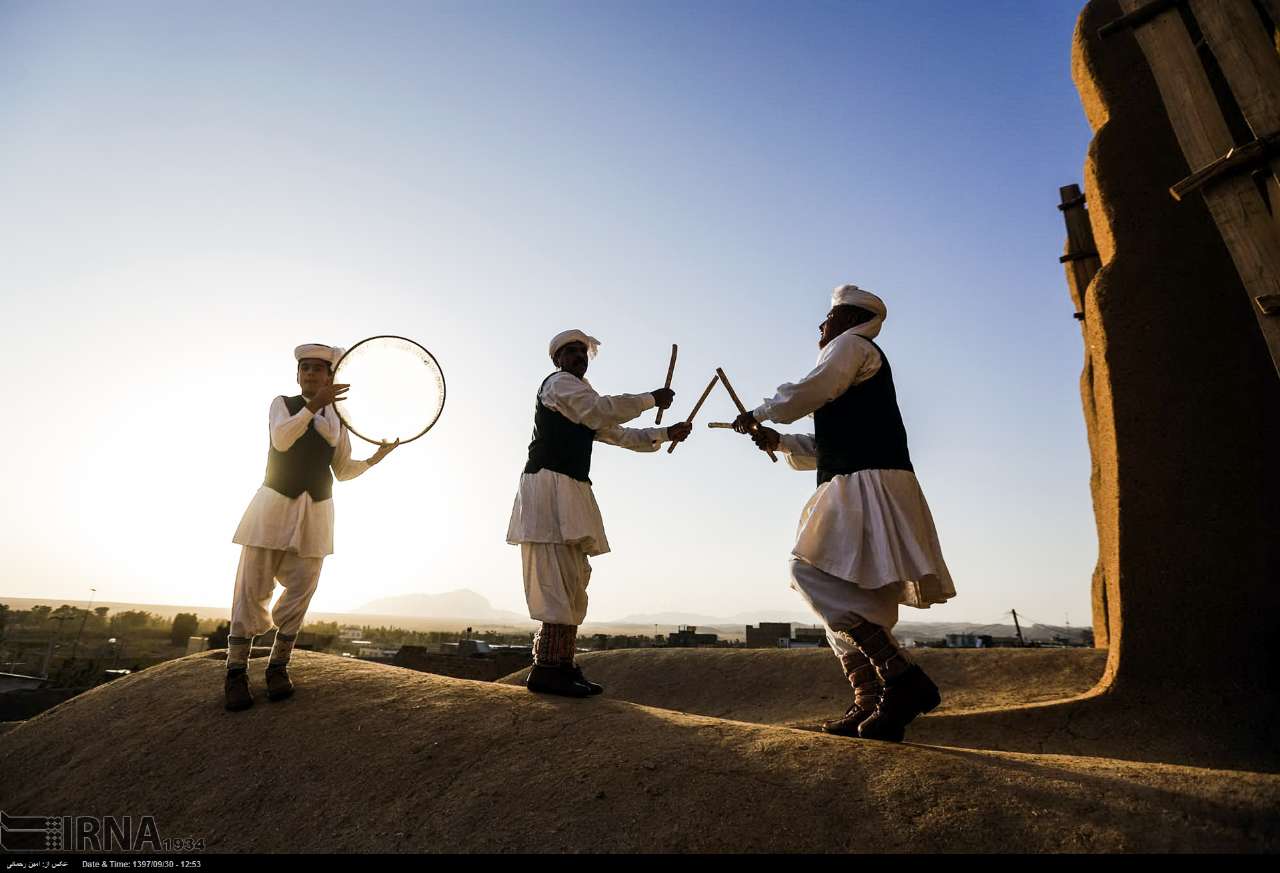
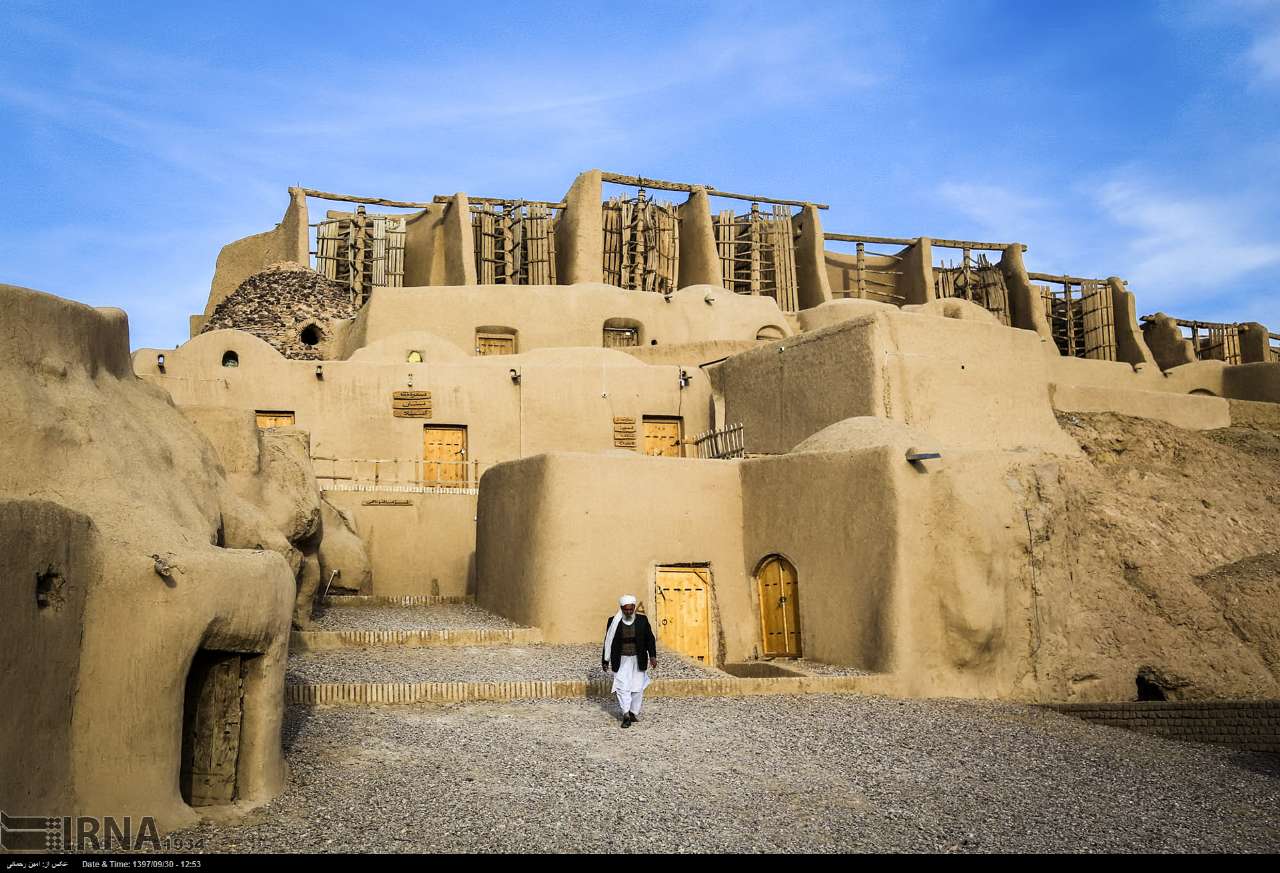
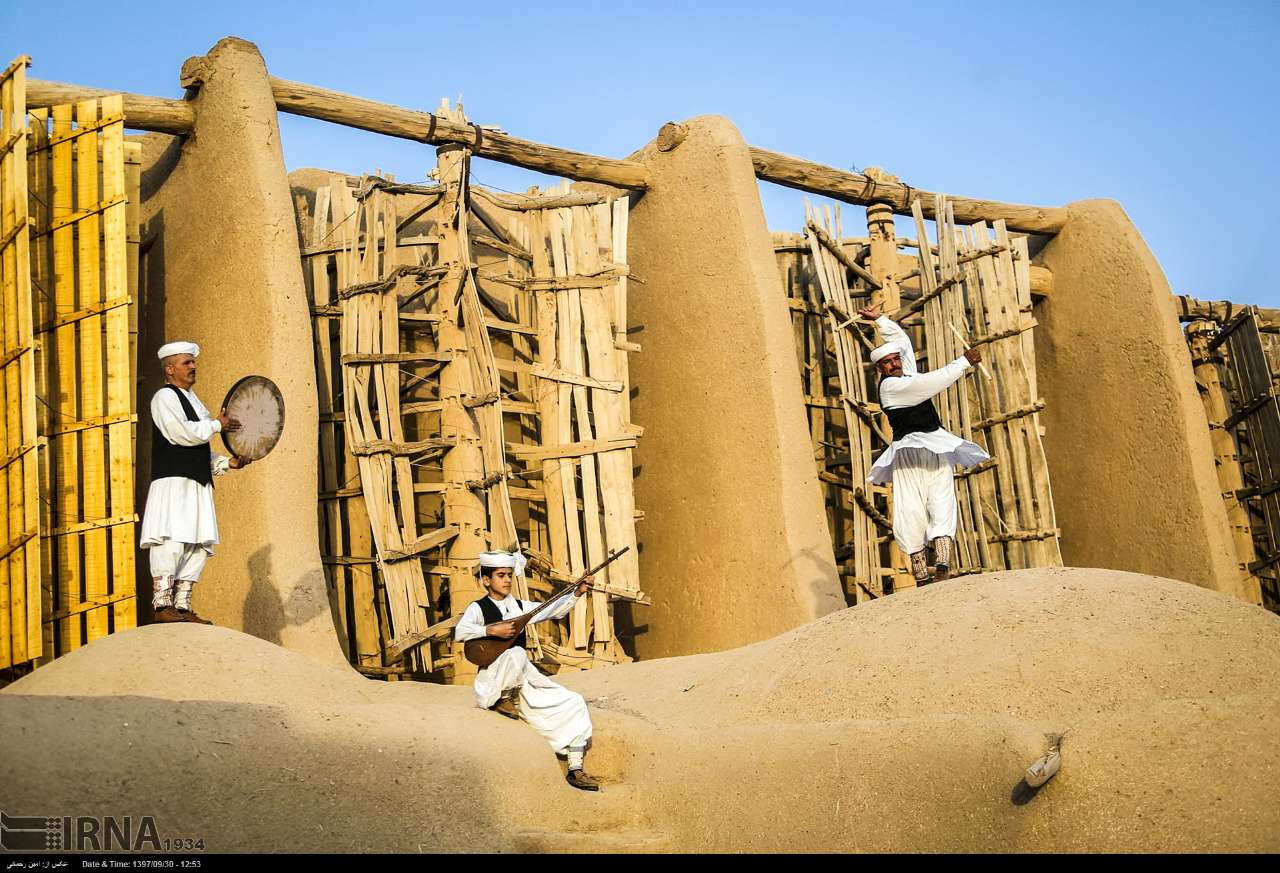
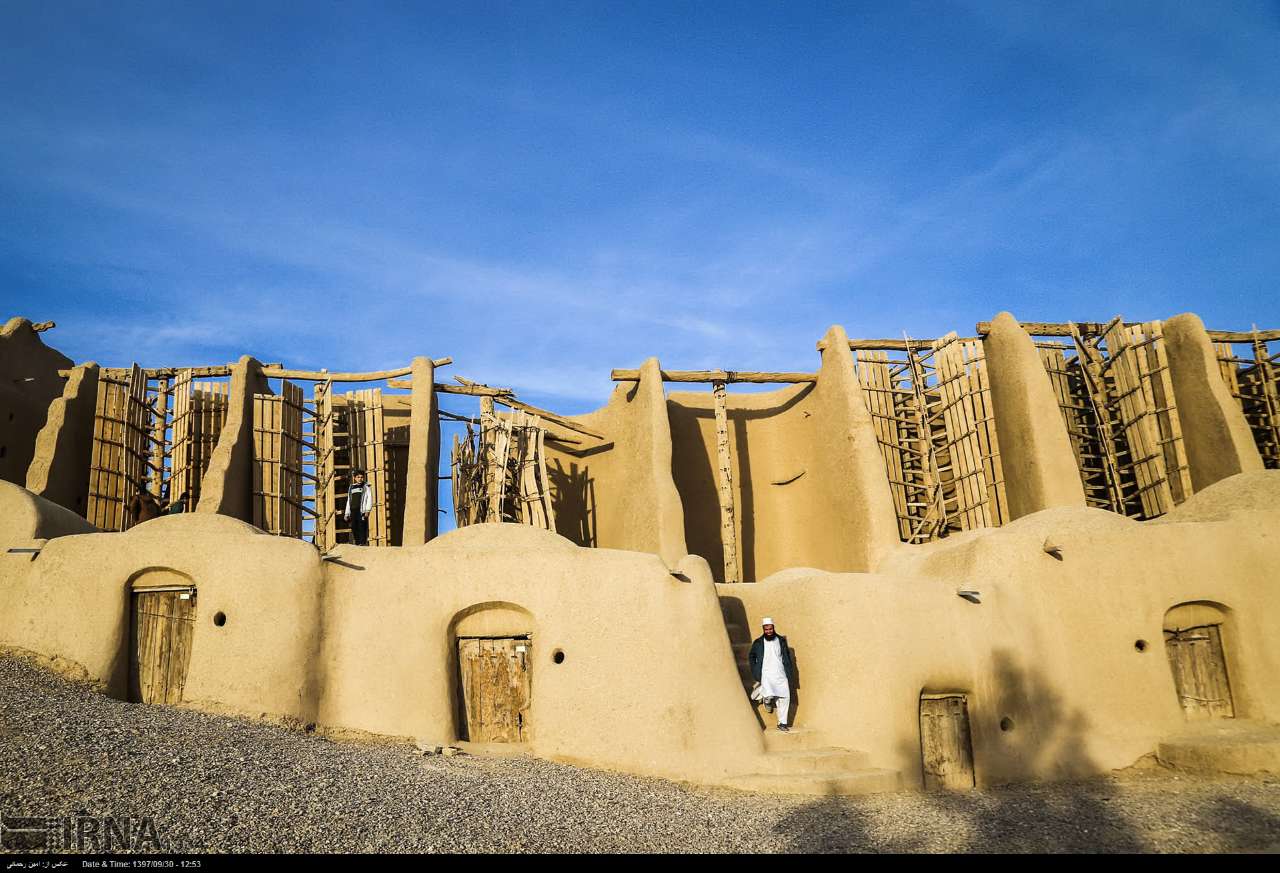
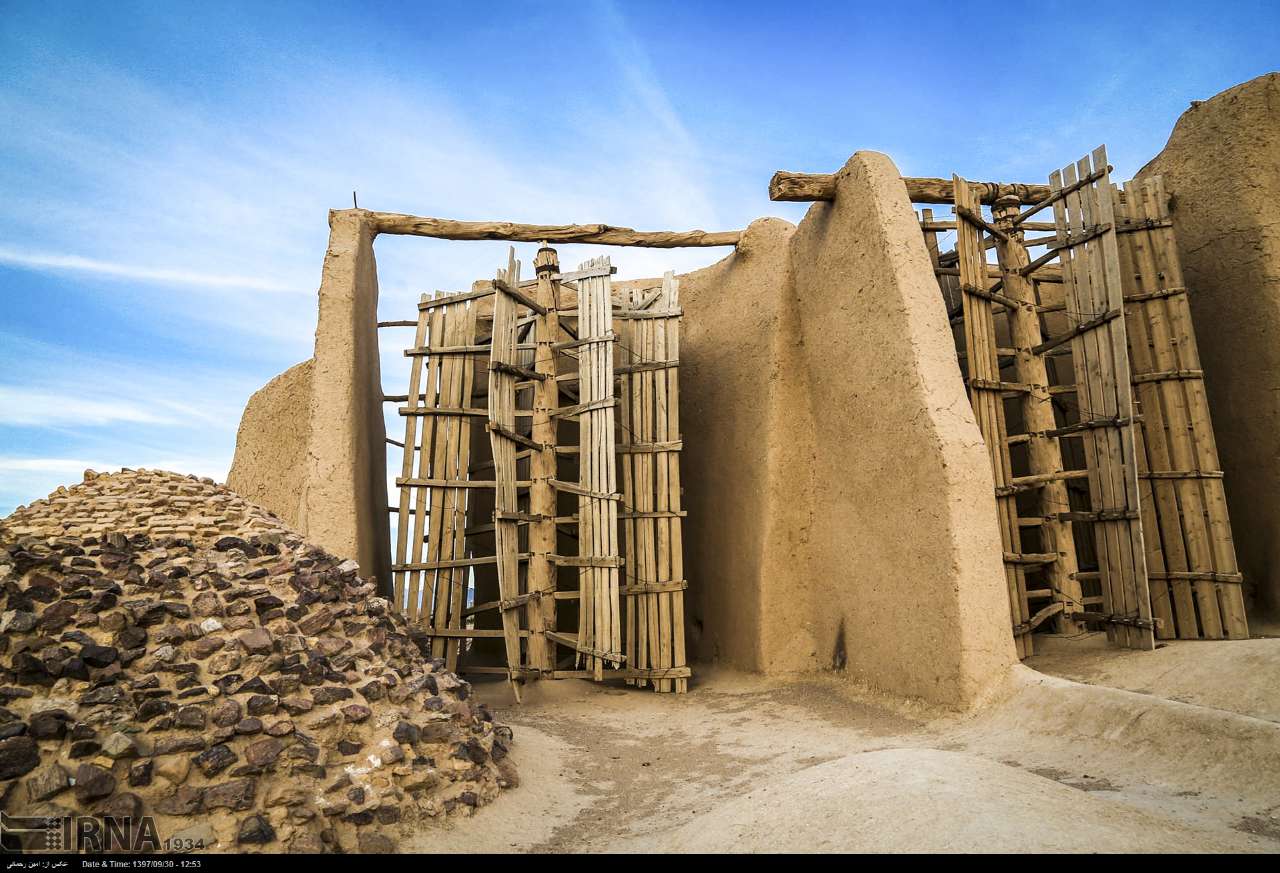
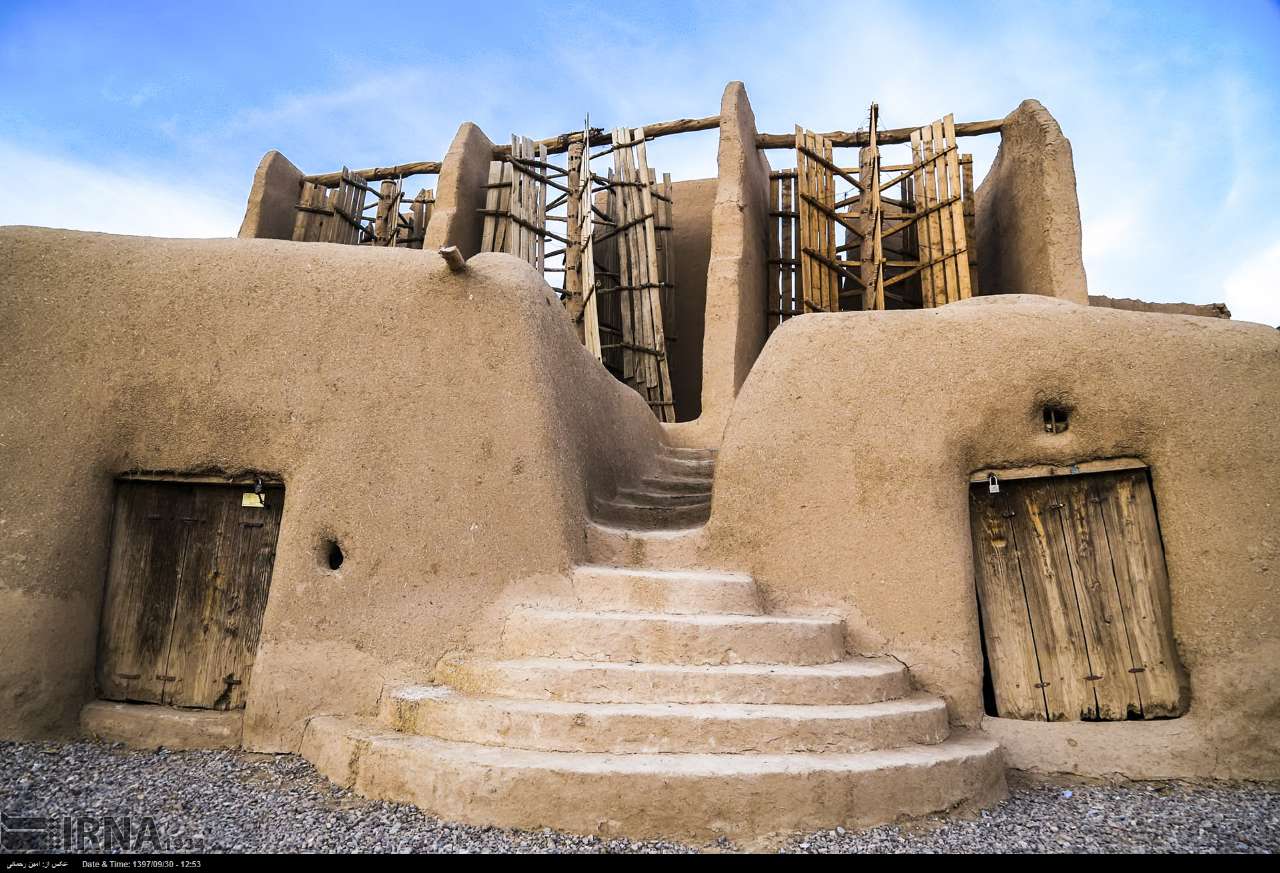
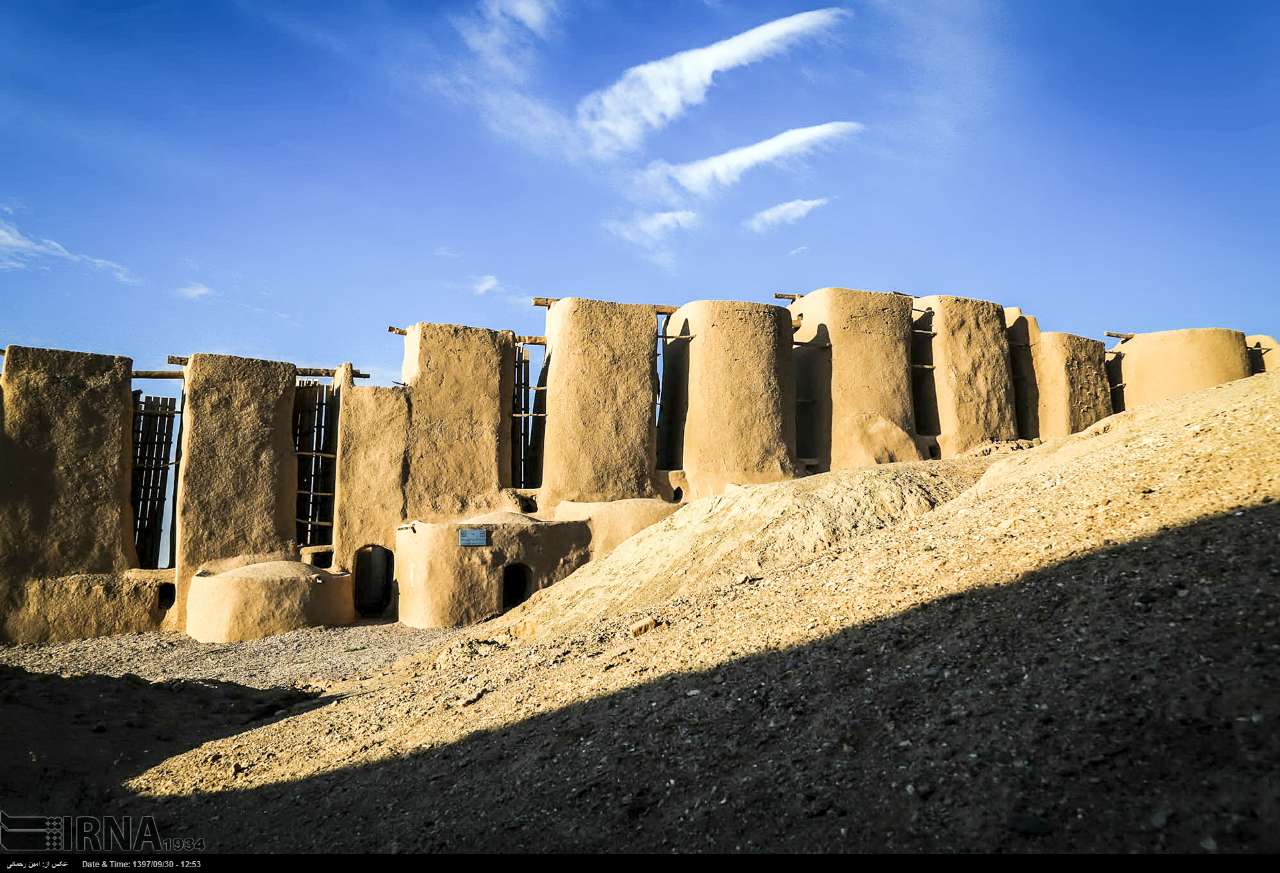
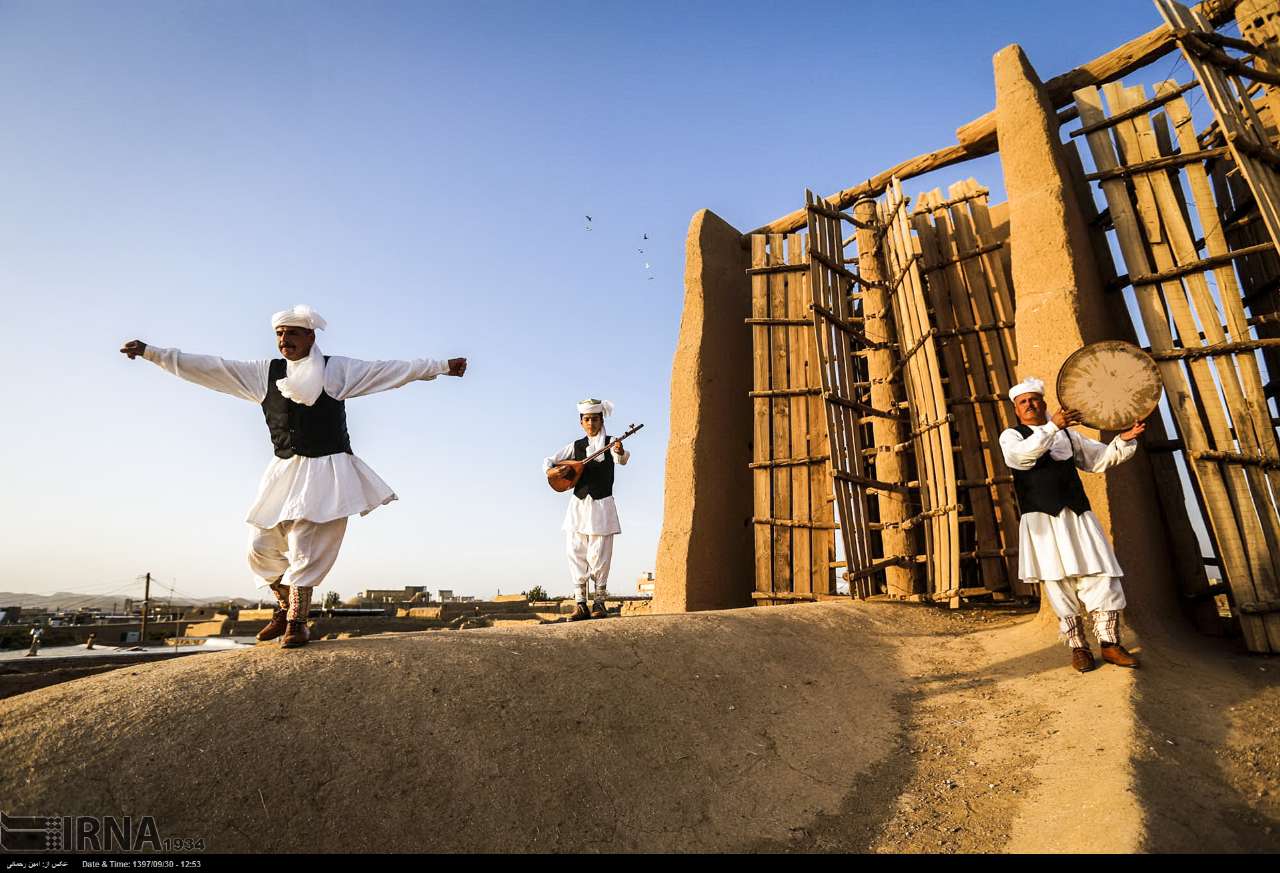
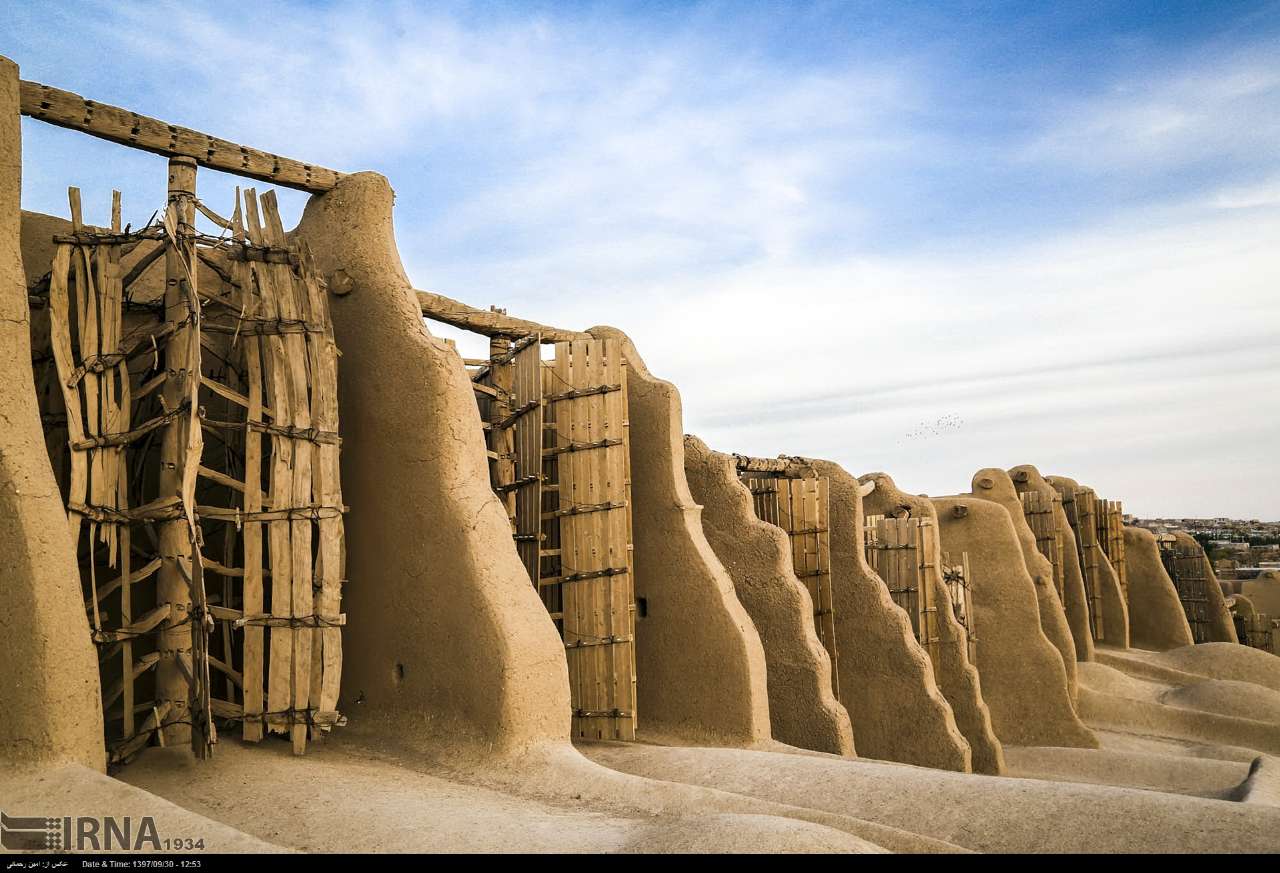
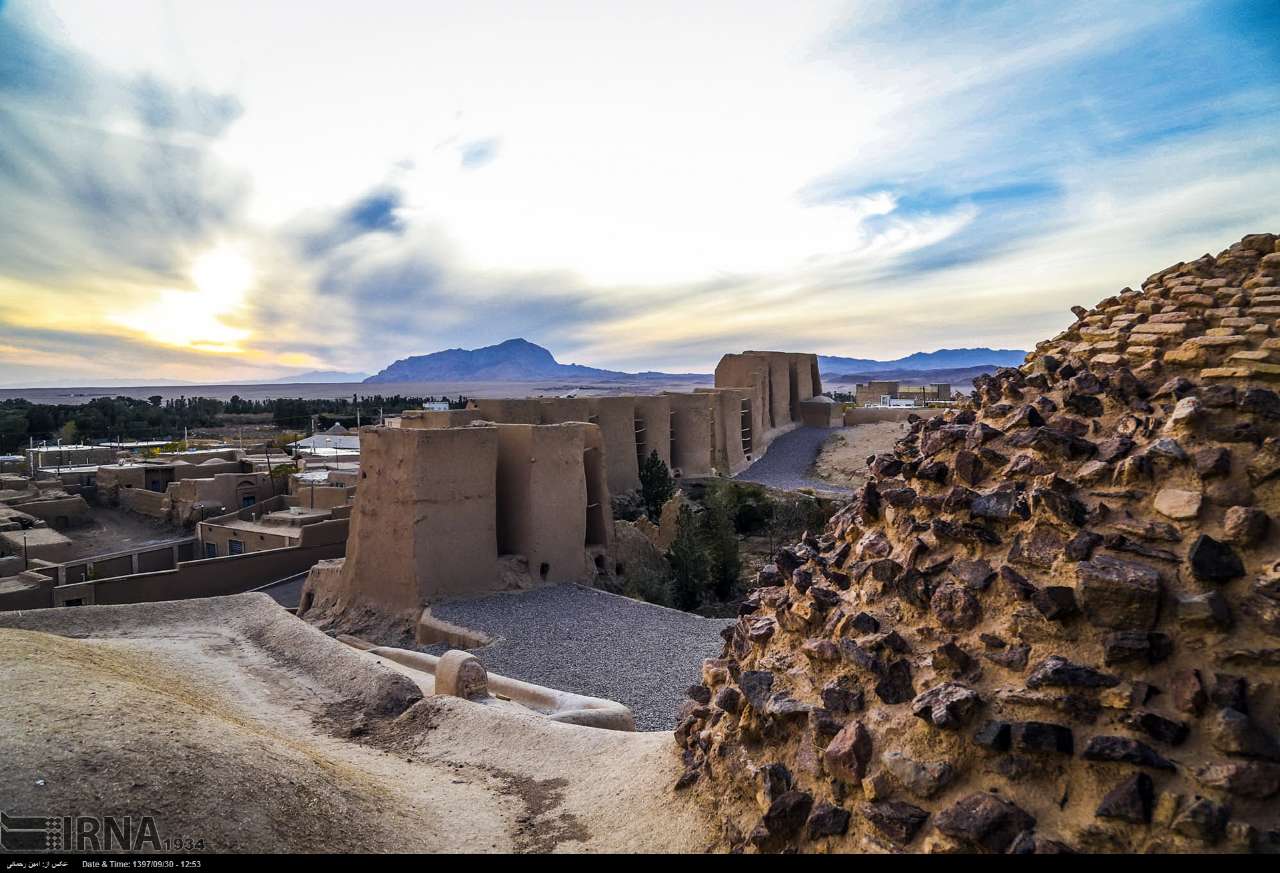
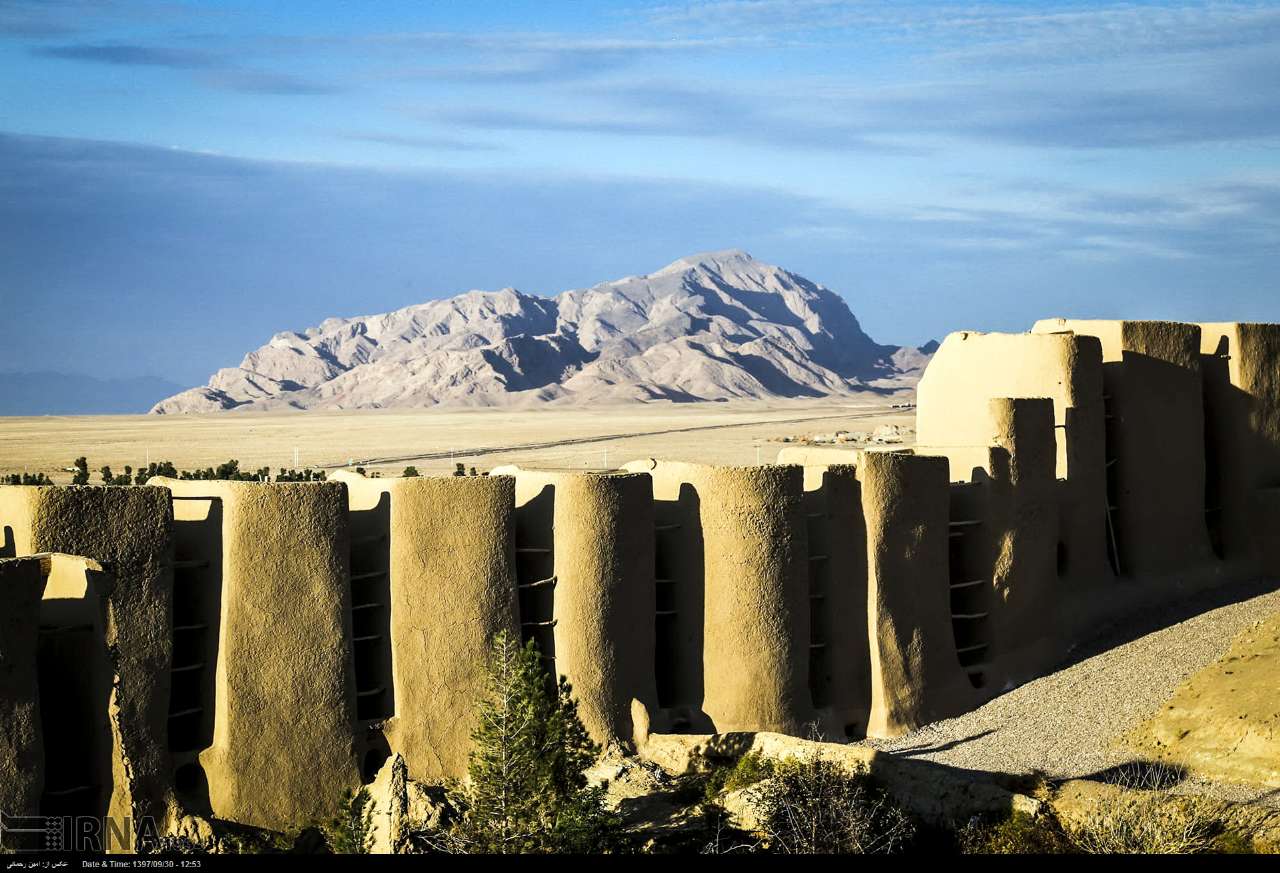
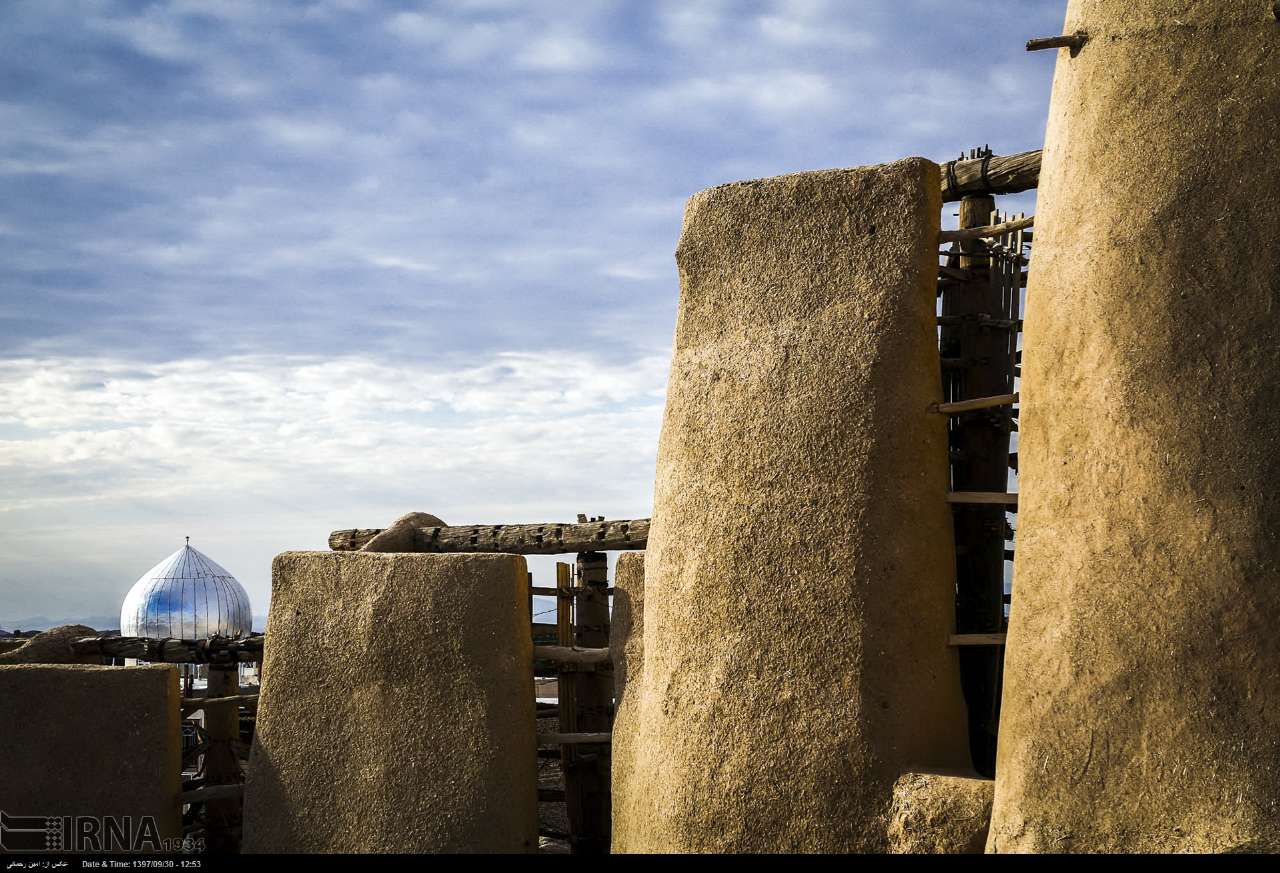
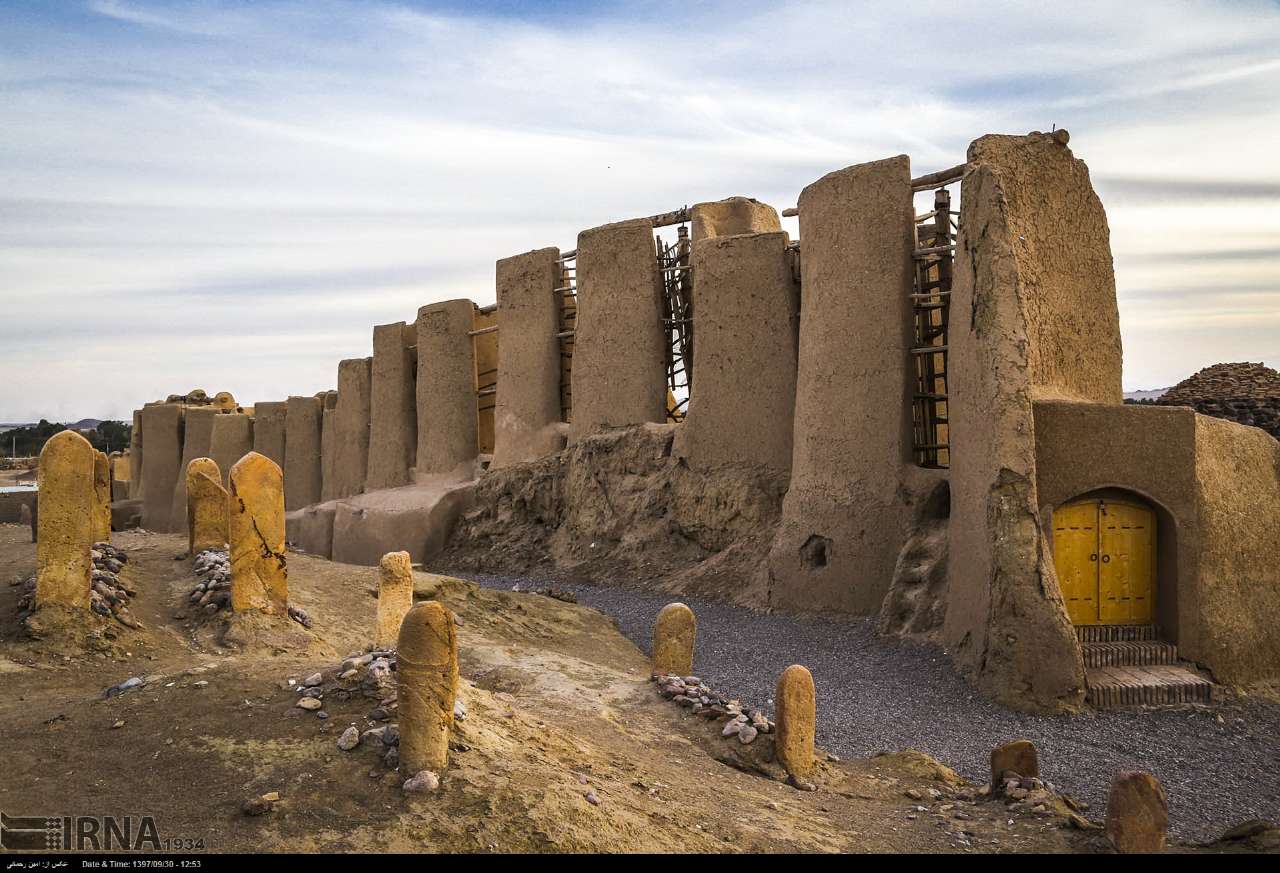
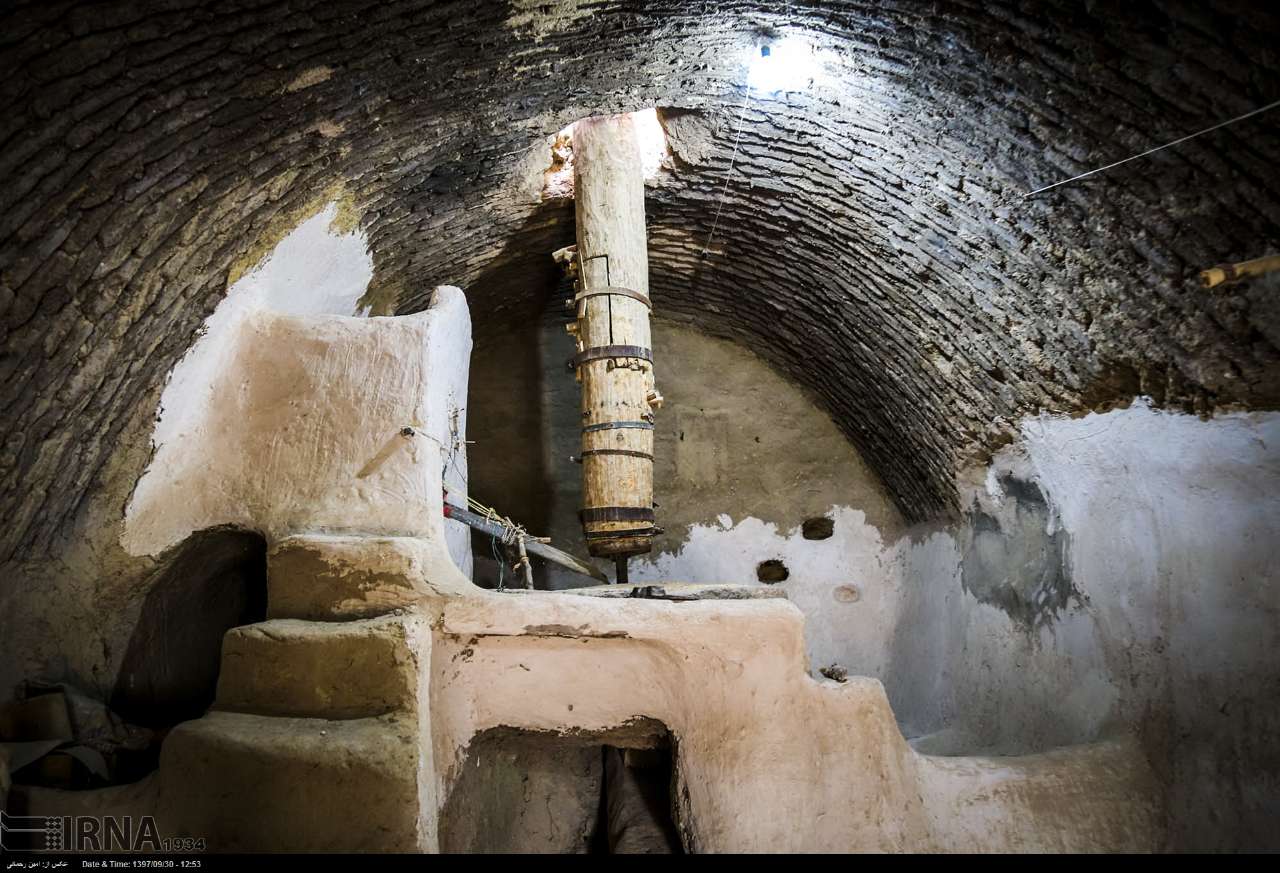
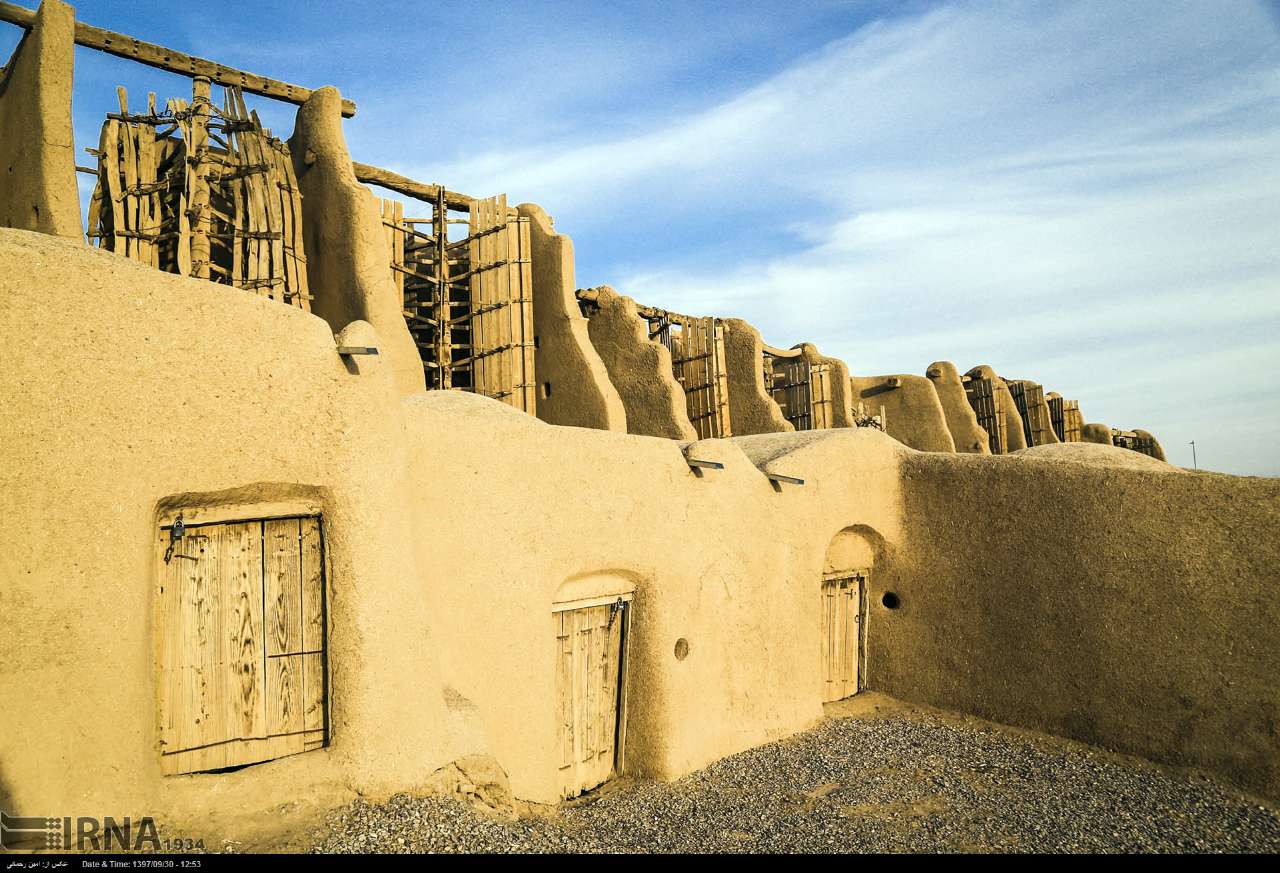
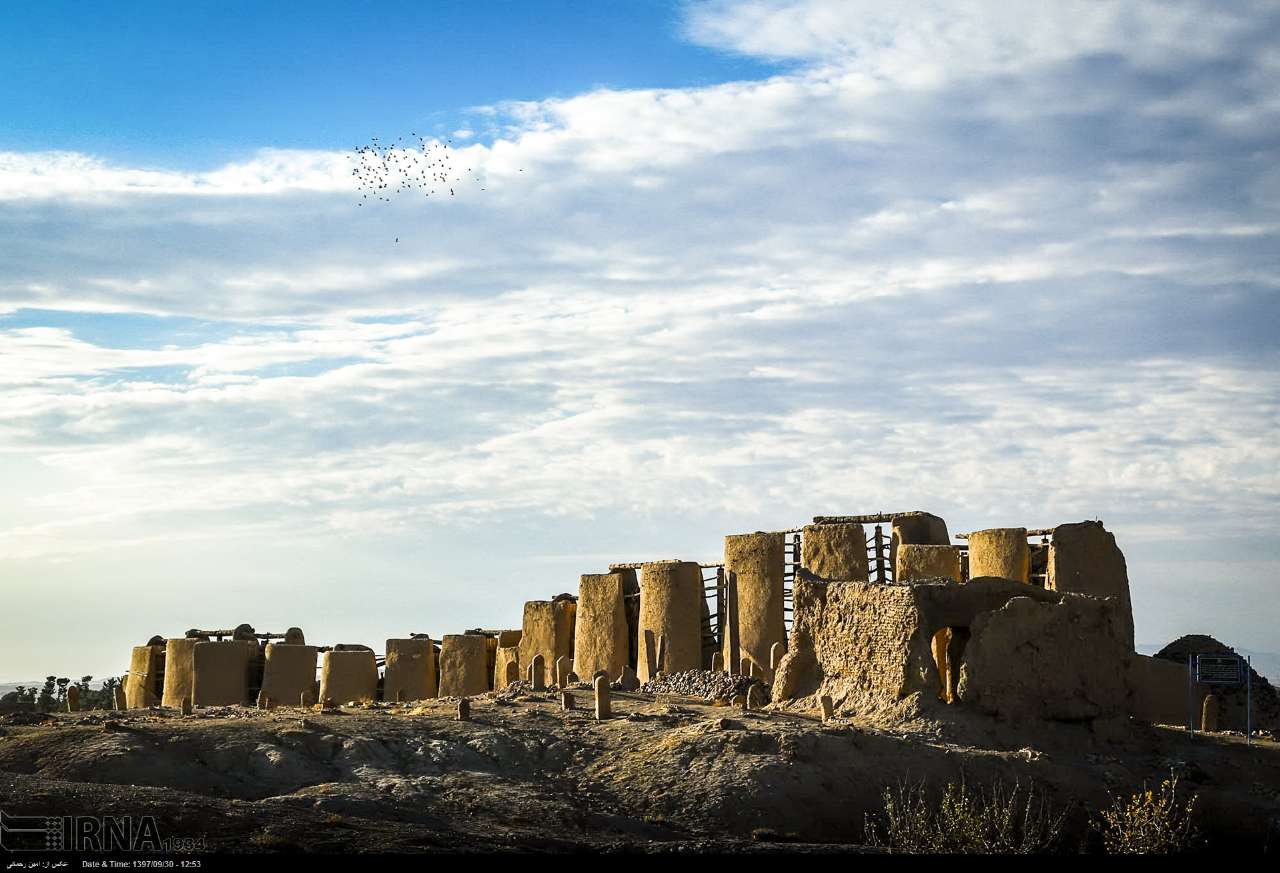
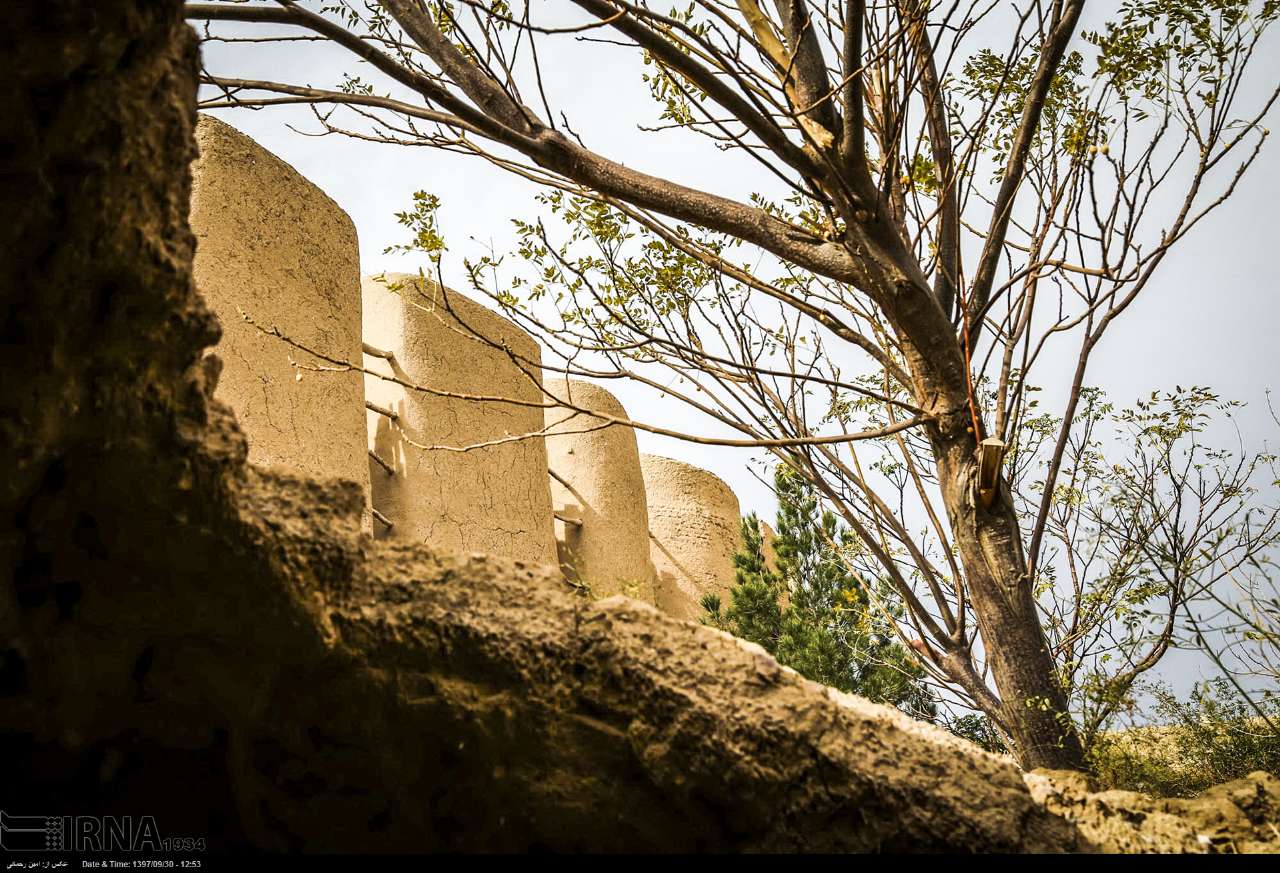
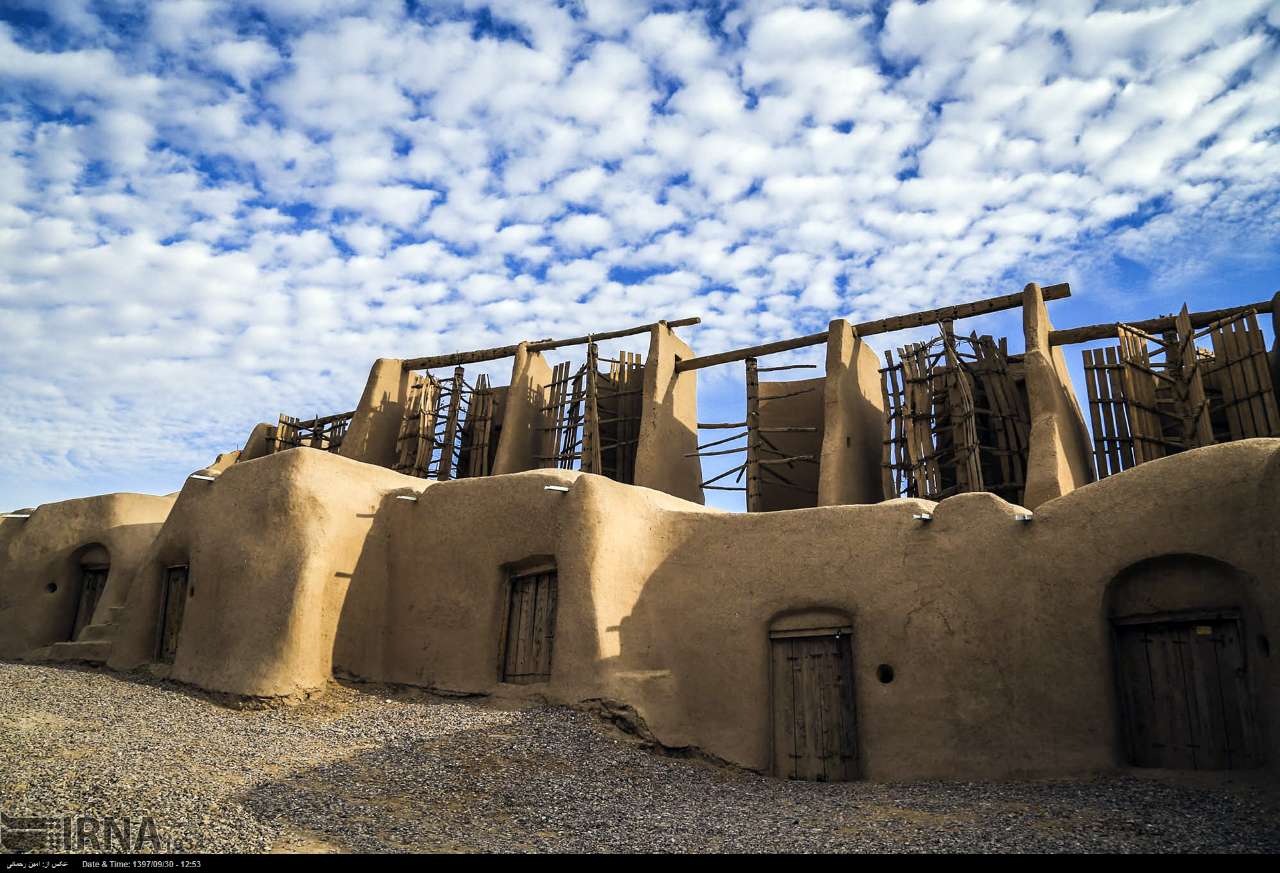
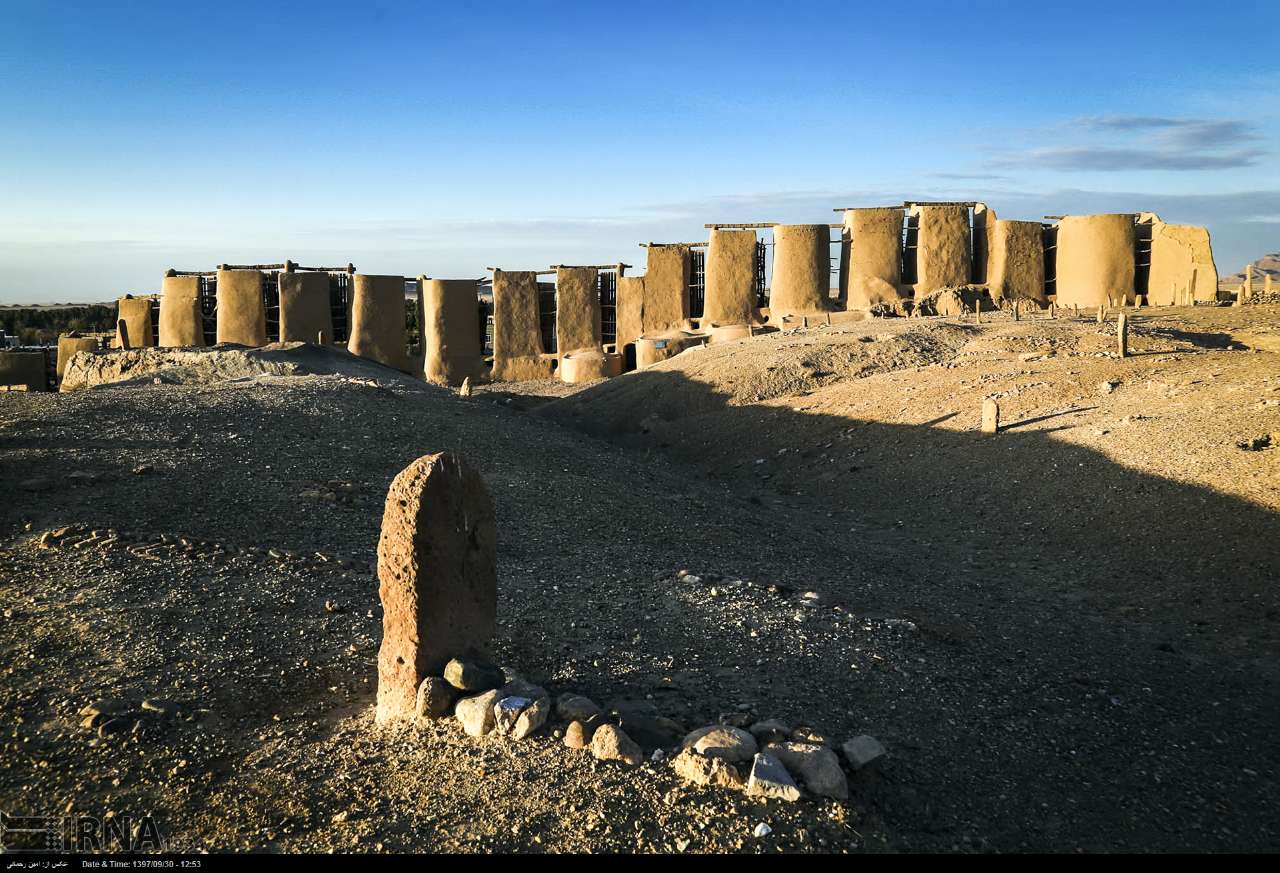
Windmills of Nashtifan; Combination of Iranian Art & Technology

Nashtifan Windmills of Iran; Commination of Art & Technology

These windmills have been serving the people through ages by combining art and technology. They are called Nashtifan after the wind of 120 days in the region. These mills first emerged in Iran in the 7th century AD. Since this area was exposed to “severe storms”, they are called Nashtifan. The remnants of these windmills in Khaf are in the list of places that are going to be registered by the UNESCO.

What follows are the photos Nashtifan windmills retrieved from IRNA:

Iran Bans Advertisement of Foreign Goods

23 Iranian Lawmakers Test Positive for Coronavirus

The new law was approved during the process to make reforms to the article 104 of the Constitution on the urgency to have an extensive use and promotion of domestic productions and services to meet the national demands.

“According to the law, any TV and radio channel, newspaper and all kinds of printed and visual media carrying advertisements of foreign products similar to those produced inside the country will be subject to penalty,” a report by Tasnim News Agency said.

Meanwhile, all governmental organisations and their affiliates are obliged to use and buy domestic products.

Iran’s Ministry of Industry, Mine and Trade is also required to issue annually a comprehensive list of Iranian products. Carrying advertisements by the mentioned media for such goods are deemed legal.

The decision is made while Iran has once again come under the unilateral sanctions by the US after the White House decided to pull out of the Iran nuclear deal in May 2018. US President Donald Trump re-imposed his country’s sanctions on Iran back in November.

The first phase of US sanctions included a universal ban on Iran’s access to the US dollar, as well as prohibitions against the country’s trade in gold and other precious metals, among other restrictions. The second wave was aimed to bring Iran’s oil exports to zero as claimed by US officials.

The Leader of the Islamic Revolution Ayatollah Seyyed Ali Khamenei has ordered officials and institutions in charge to prepare to build up the country’s enrichment capacity in case the nuclear deal falls apart after the US unilaterally scrapped it.

Iran and the remaining signatories of the Iran nuclear deal are involved in efforts to preserve the nuclear accord following the US withdrawal.

Iran Warns Europe Time for Saving JCPOA Coming to End

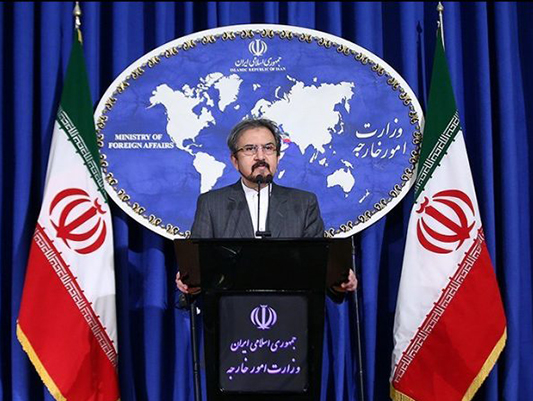
Bahram Qassemi

“Europeans as the main blamable party should think about consequences of this decision, as Iran has so far fulfiled all its JCPOA pledges, but its patience has its own limits,” Bahram Qassemi said in an interview with IRIB News Agency.

The spokesman said Iran believes the US has taken captive the EU and European signatories to the 2015 nuclear deal, and it is up to the European governments to take vital decisions in favour of their independence.

“Time for the EU to take a strategic decision to choose its path is coming,” Qassemi said.

The EU was expected to finalise the Special Purpose Vehicle, a mechanism to facilitate Iran’s foreign trade amid harsh US sanctions, by the end of 2018.

Iranian officials, who for months have been lamenting about Europe’s delay in fulfiling commitments, have been outspoken in criticising Europe in recent days.

Talks between the Islamic Republic and the EU on preparing SPV are still ongoing.

France Stops Oil Imports from Iran

The latest figures released on the European Commission’s website indicate that Iran’s oil exports to the EU in the first nine months of 2018 rose 12% year-on-year.

The European Union imported 11.133 million tonnes of oil from Iran between January and September 2017. The figure increased to 12.558 million in the same period in 2018.

According to a report by Entekhab, Greece, Spain, France and Italy were the main importers of European oil in the first nine months of 2018.

In recent months, France has reduced imports of Iranian oil, while routinely it imports 300,000 to 800,000 tonnes of oil from Iran monthly.

This figure has dropped to 40,000 tonnes in August, and France has not imported any oil from Iran in September.

In the first nine months of 2018, Turkey has imported 6.451 million tonnes of oil from Iran, according to the report.

Turkey’s oil imports from Iran has dropped by 33% in comparison to the same period last year. In the first nine months of 2017, Turkey had imported 9.621 million tonnes of oil from the Islamic Republic.

The United States introduced new sanctions on Iran’s energy sector on 5 November, with a stated goal to cut the Islamic Republic’s oil exports to zero.

However, Amir Hossein Zamani-Nia, Iran’s deputy minister of petroleum for international affairs and commerce says the number of potential buyers of Iranian oil has increased despite US threats of sanctions.

He stressed that regardless of US pressure, the number of potential buyers of Iran’s oil has increased due to the competitive nature of the market and growing cupidity for more profitability.

Back in May 2018, US President announced the decision to withdraw from the 2015 Joint Comprehensive Plan of Action which saw anti-Iran sanctions lifted in exchange for Tehran maintaining the peaceful nature of its nuclear programme.

Trump also decided to reinstate all sanctions and impose a new set of restrictions on Tehran’s energy, shipping, financial and other sectors, and pledging to cut the country’s oil exports to zero.

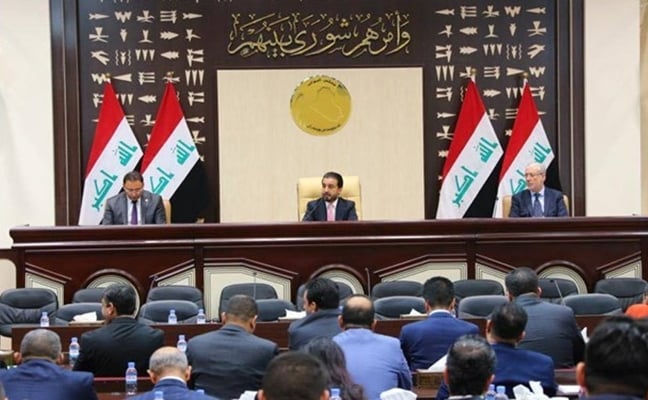
Iraq Parliament to Discusses Foreign Forces Ouster

The draft plan has already been prepared and handed over to the Security and Defence Commission of the parliament, said an Iraqi lawmaker.

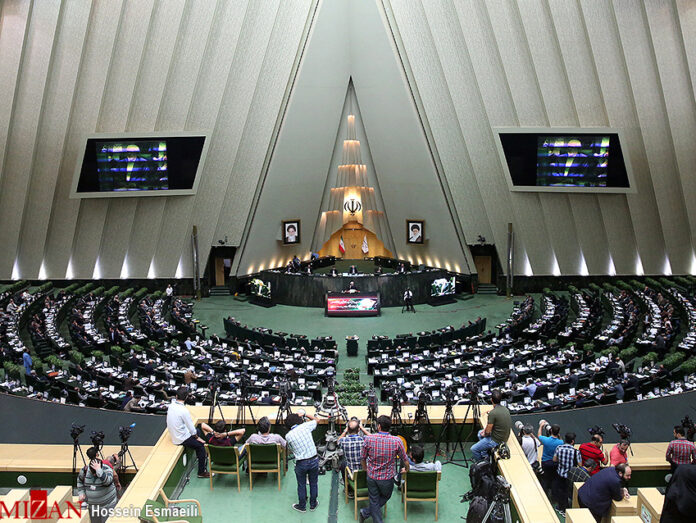
“With the increasing number of foreign forces in Iraq particularly after the US decision to relocate its forces from Syria to the western and northern parts of Iraq and establish further bases there, more and more parliamentarian fractions are inclined towards urging the government to ouster foreign forces including those of the US from our country,” Mohammed al-Baldawi was quoted as saying in a report by Fars news agency.

The lawmaker then underlined that Iraq can’t put up further with the regional and global policies of the US President Donald Trump.

He referred to the resignation of the US Secretary of Defense, James Mattis along with other dramatic changes in the US politics as a sign of further confusion of the US officials in dealing with the regional issues.

Trump made a surprise visit to Iraq and met US military forces there back in December. During his stay in Iraq, he did not hold talks with the Iraqi officials. The move sparked outrage among Iraqi officials and people. This has contributed to the Iraqi lawmakers’ determination to approve the plan to put an end to the US military presence in their country.

Most of the US forces left Iraq back in 2011, but thousands of them still remain in the Arab country. According to the latest figures by the Pentagon, 5200 US forces were present in Iraq till December 2017. They are assigned with what is described by the US as providing logistic support for the Iraqi forces in their fight against terrorism.

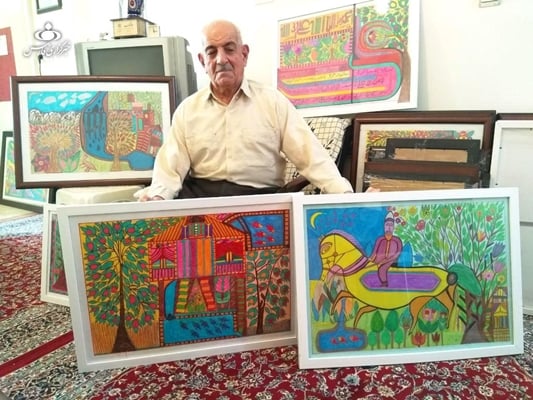
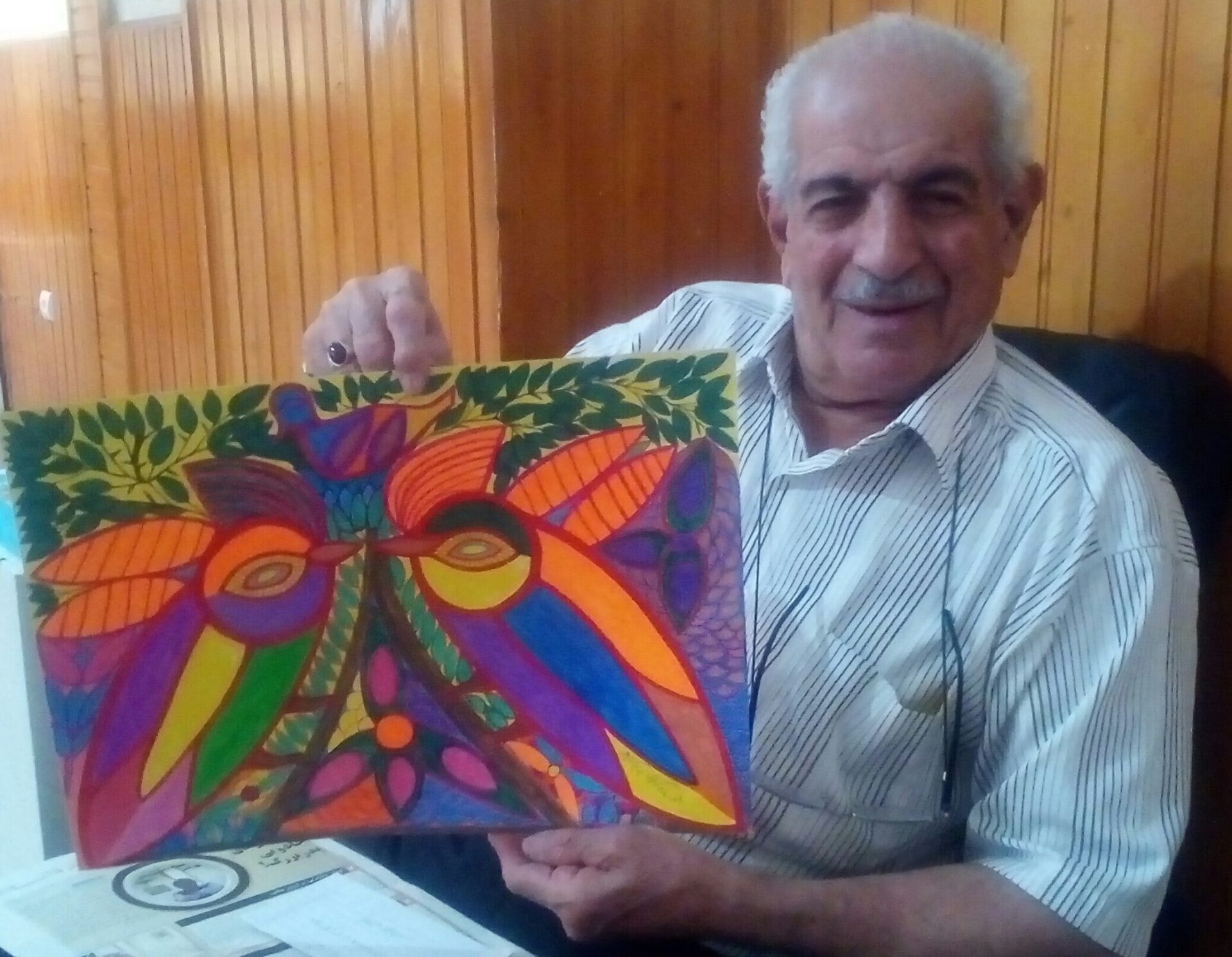
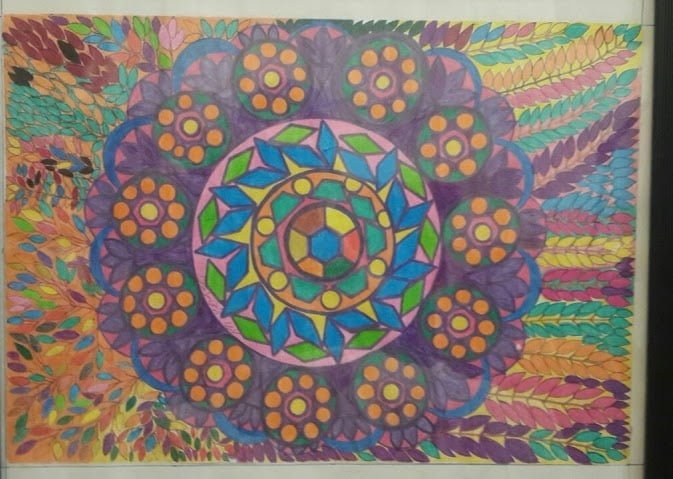
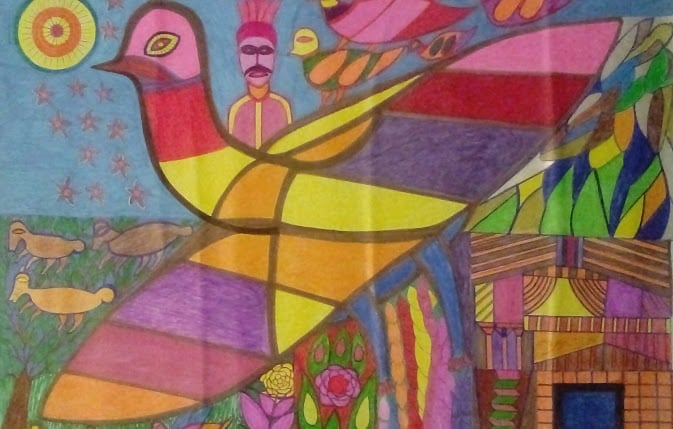
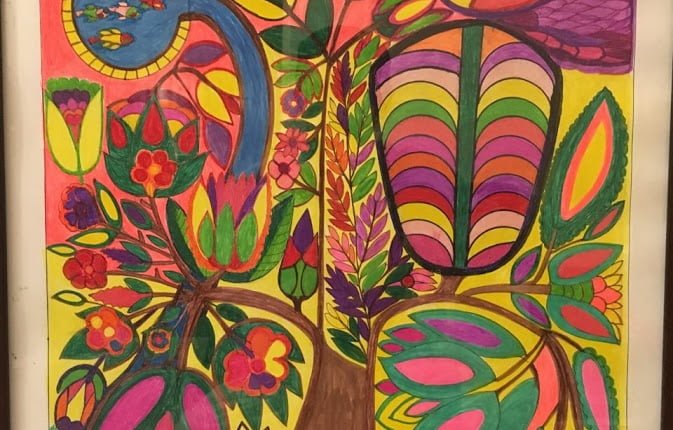
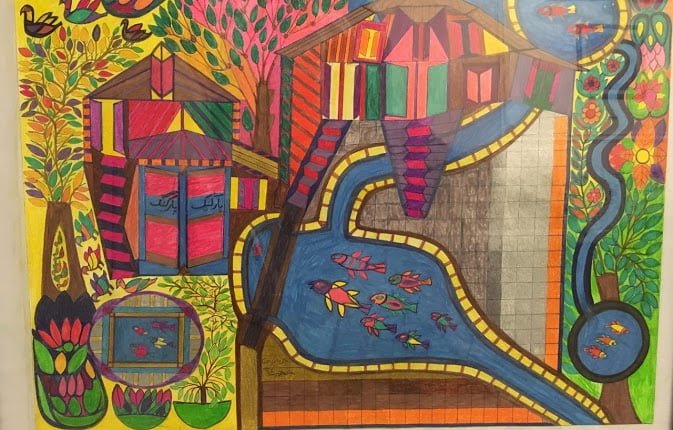
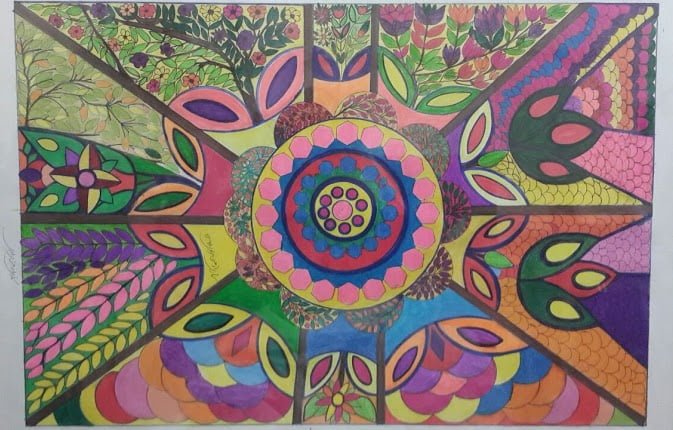
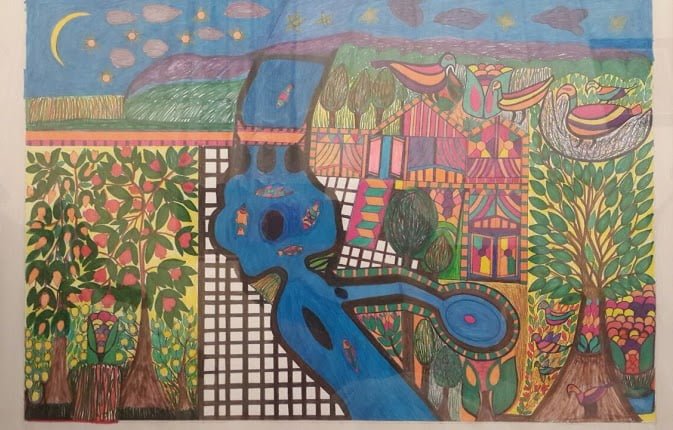
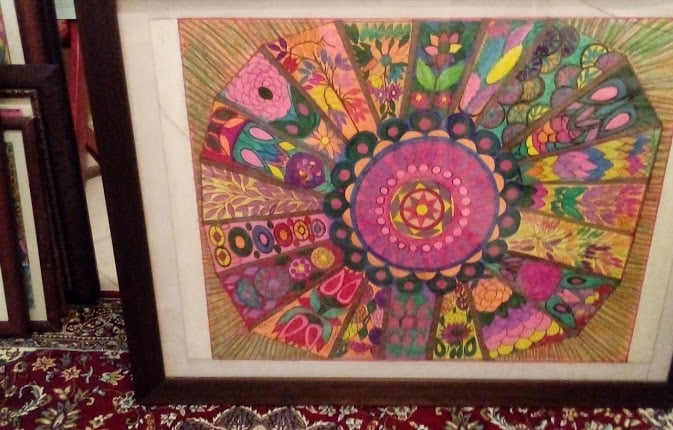
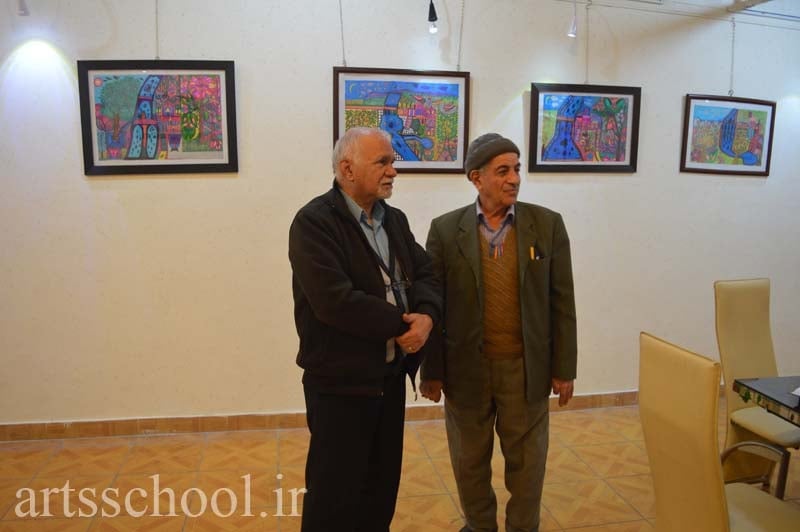
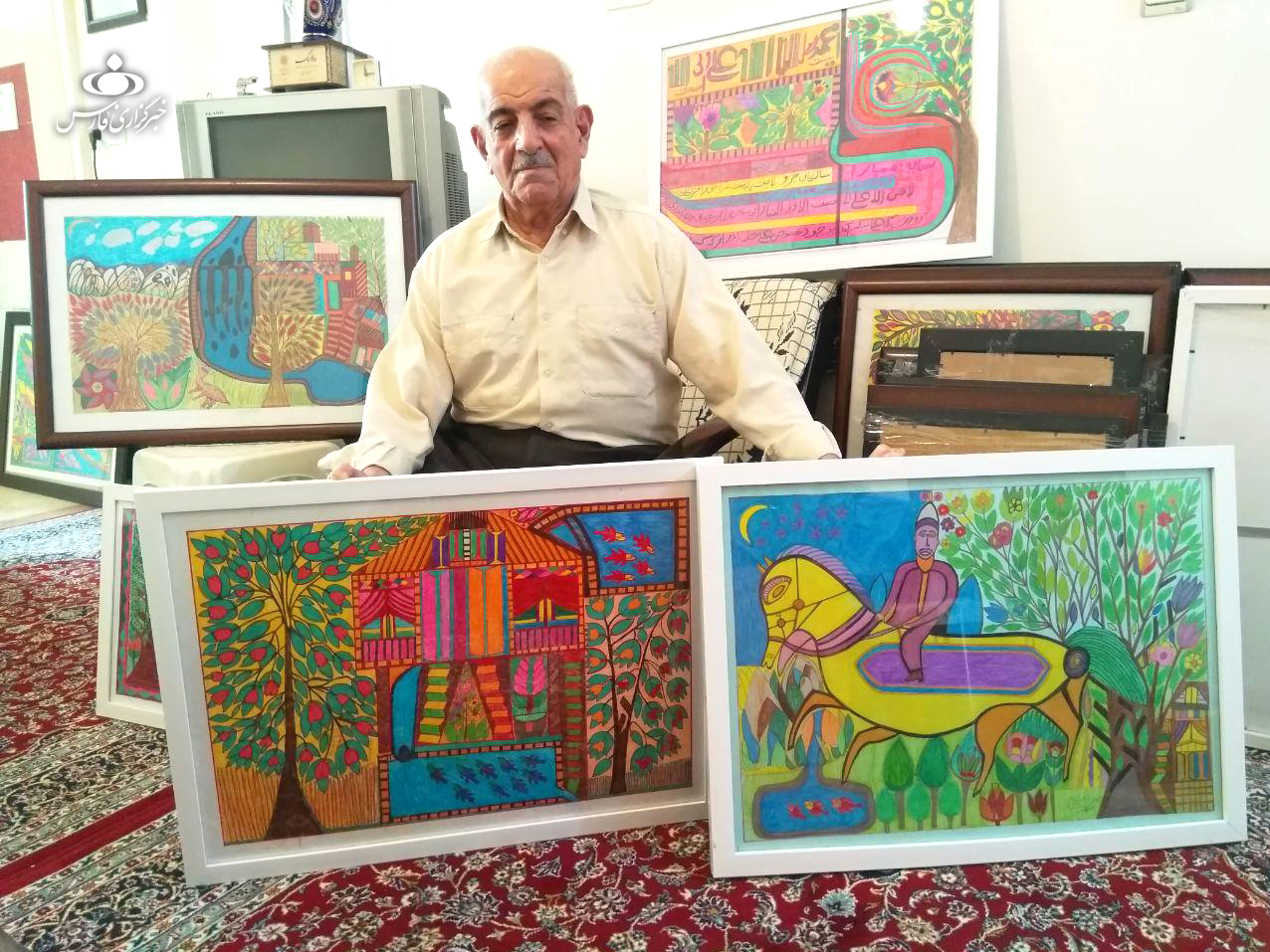
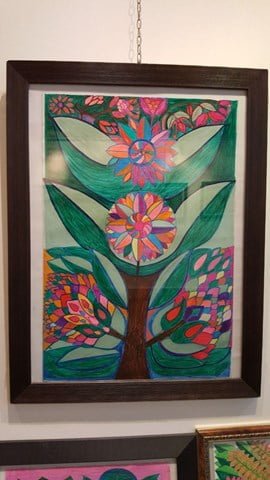
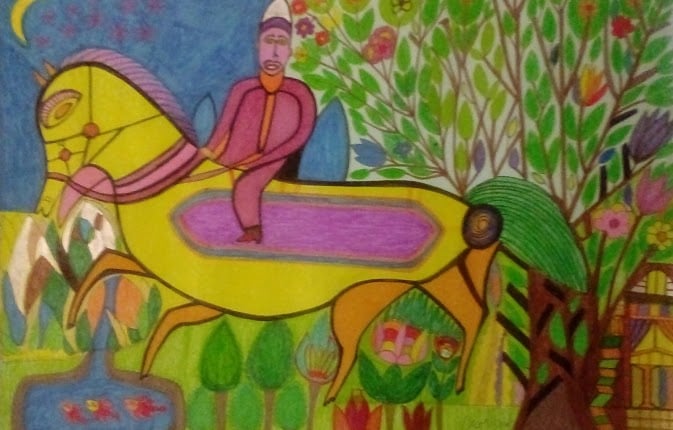
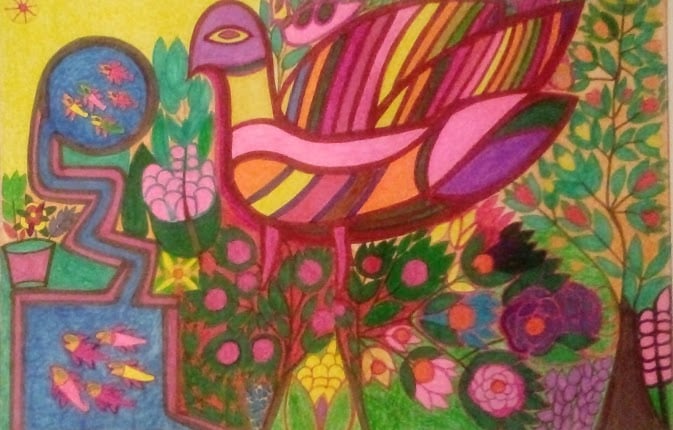
Iranian Man Turns into Painter in his Eighties

Every day, the fans of this Iranian octogenarian artist in different countries are waiting for his new works every day.

When he was 2 years old, he lost his mother, and her father died later to make him a homeless orphan.  He started working at the age of 6 and at the same time began his self-studies. Then, he began his job at a bakery. However, the strangest thing in his life happened at the age of 80 which suddenly took him to the galleries.

Moradi is not educated enough and has learned reading, writing, smithery, painting, etc. on his own.
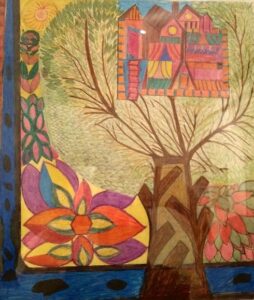
Iranian Man Turns into Painter in his Eighties“In my eighties, I feel like a young man. Every person lives with his wishes and will. Therefore, having problems in life is meaningless. This is what I say; a man who has always lived in poverty and loneliness,” he says.

What follows is part of his interview with Fars News Agency:

Once, I took the sheep for grazing and I found a piece of paper on which there were some sentences in English.  At that moment, a young woman who was accompanied by a girl asked me, “Can you read?”

I did not know what to say. I said no. Then she asked me “Do you want to learn reading and writing?”

I said “Yes.” She took me to her home and gave me a notebook and a pencil and I began to write. I kept practicing secretly as I did not want anybody to know about this.

Finally, the man I was working for as a shepherd torn up my notebook. I escaped from there and started working in the market. As I grew older, I worked at a cafe and then I came to work at a bakery. In that bakery, I became friends with a student who taught me math.

Iranian Man Turns into Painter in his EightiesAt that time, I had a book in my pocket, and I asked the meaning of words on bus, in taxis, etc. I kept doing this till I learned reading and writing. Gradually, I learned poetry and literature and became a representative of the bakery workers. I was the representative of more than 4000 workers.  There was a lot of opposition to the workers’ insurance, but I did not miss a moment and finally I could provide them with insurance. I launched workers’ protests until SAVAK arrested me. After a few weeks, they released us, but I did not keep quiet. I kept protesting till the officials were forced to provide insurance for the workers.
After that I decided to learn smithery. I made my decision and became a blacksmith.

When my wife died, I felt very isolated. Then, I had an accident and had my pelvis broken. I was hospitalised for about a year. My blood sugar rose too much, and they could not perfom an operation on my pelvis.

I did not want to be in that situation anymore. For the first time in my life I felt down. I asked God to help me. The other night I dreamt of Hazrat Fatima (SA). That was a miracle. The next day, my blood sugar dropped down and I asked my doctor to perform a surgery on my pelvis.  He agreed and after 2 months, I could walk.

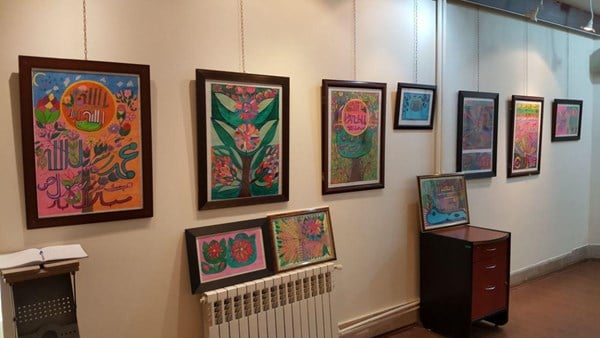
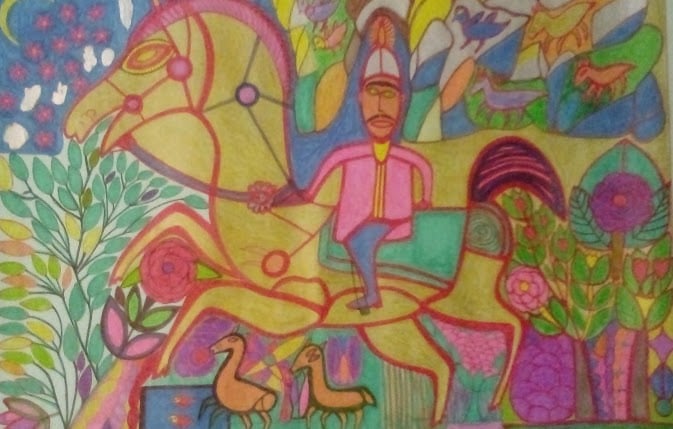
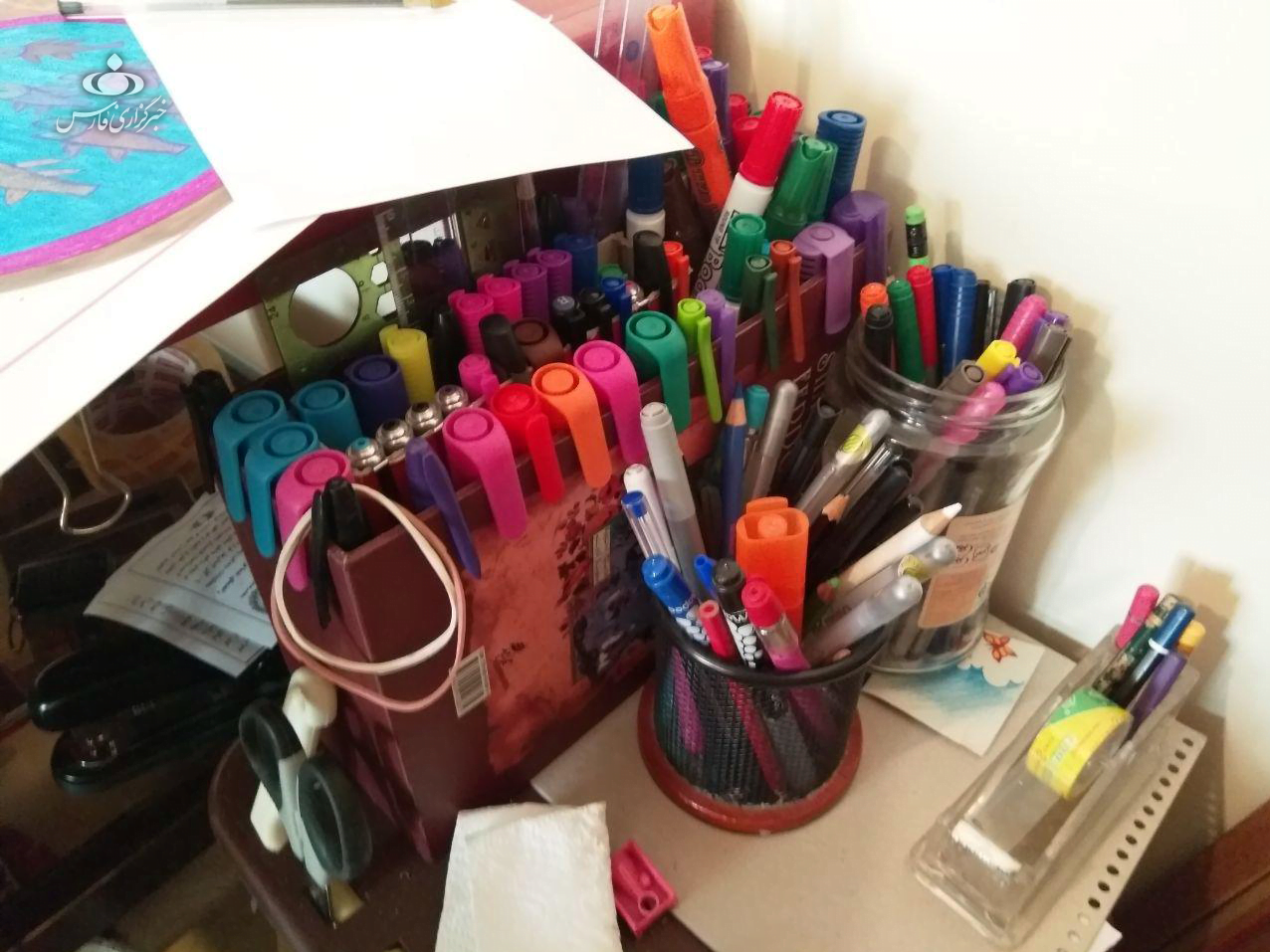
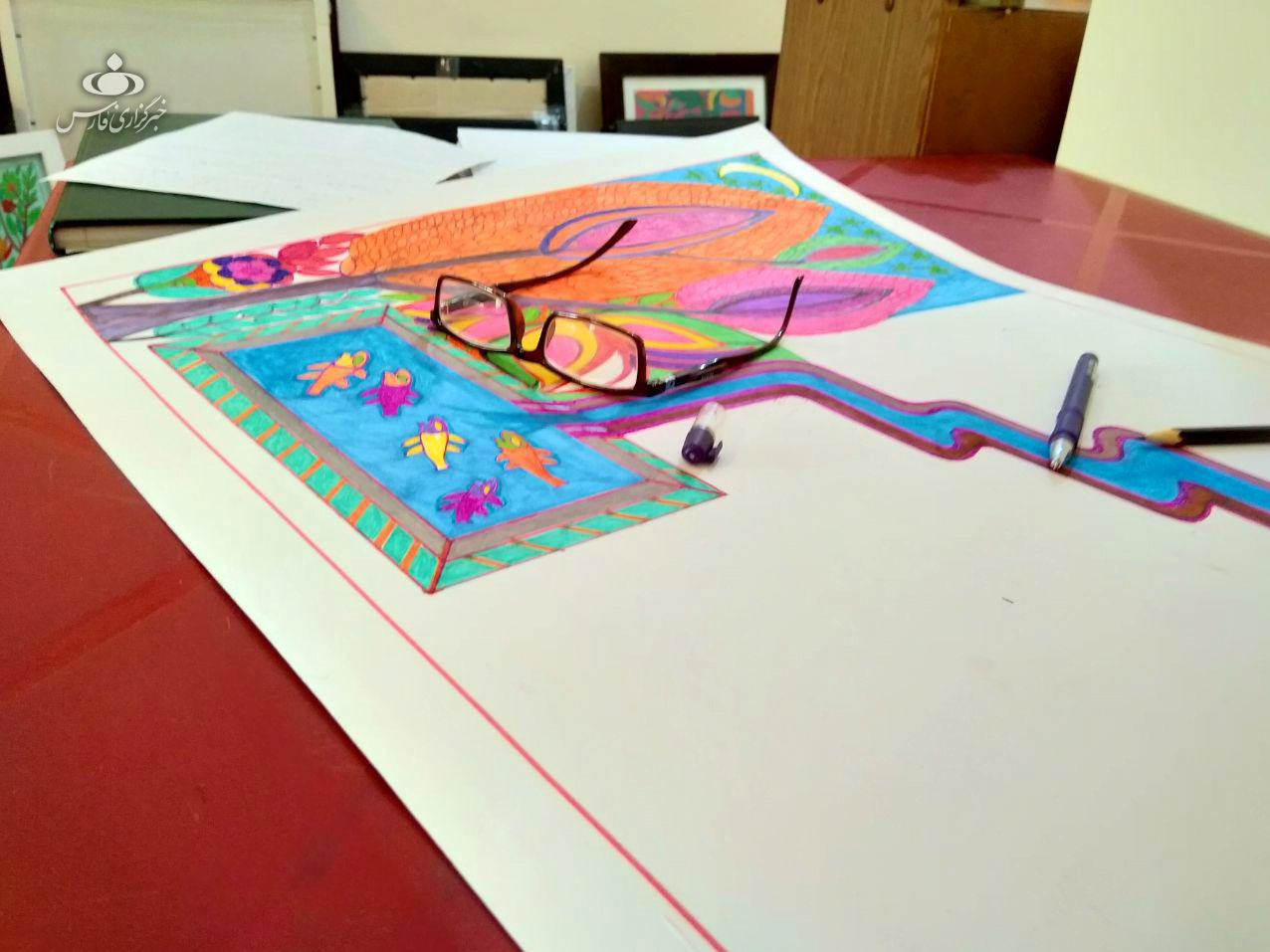
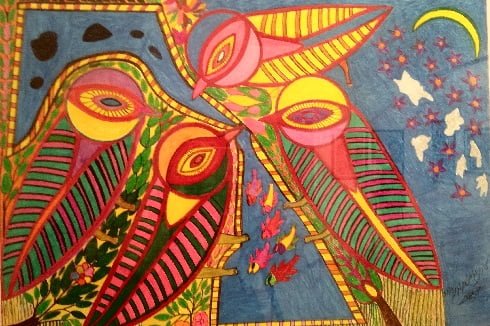
After that dream, I began to paint spontaneously. The topic of my paintings is Ahl-ul-Bayt (AS). Almost every month they put on show my works in a gallery. Some of my friends at the exhibitions took my works to different countries. All my paintings are images that come to my mind all at once.