Friday, December 19, 2025
Home Blog Page 3293

A Look at Iranian Newspaper Front Pages on January 7

A Look at Iranian Newspaper Front Pages on November 19

Several papers today covered the story of Iran’s criticism of EU’s inaction in implementing SPV which is a special mechanism to do business with Iran.

Iran’s Central Bank’s proposal to remove four zeros from Iranian national currency is another important issue highlighted by the Iranian dailies.

Yellow vest protests in France and the demonstrations across the European country is another topic discussed by dailies.

The above issues, as well as many more, are highlighted in the following headlines and top stories:


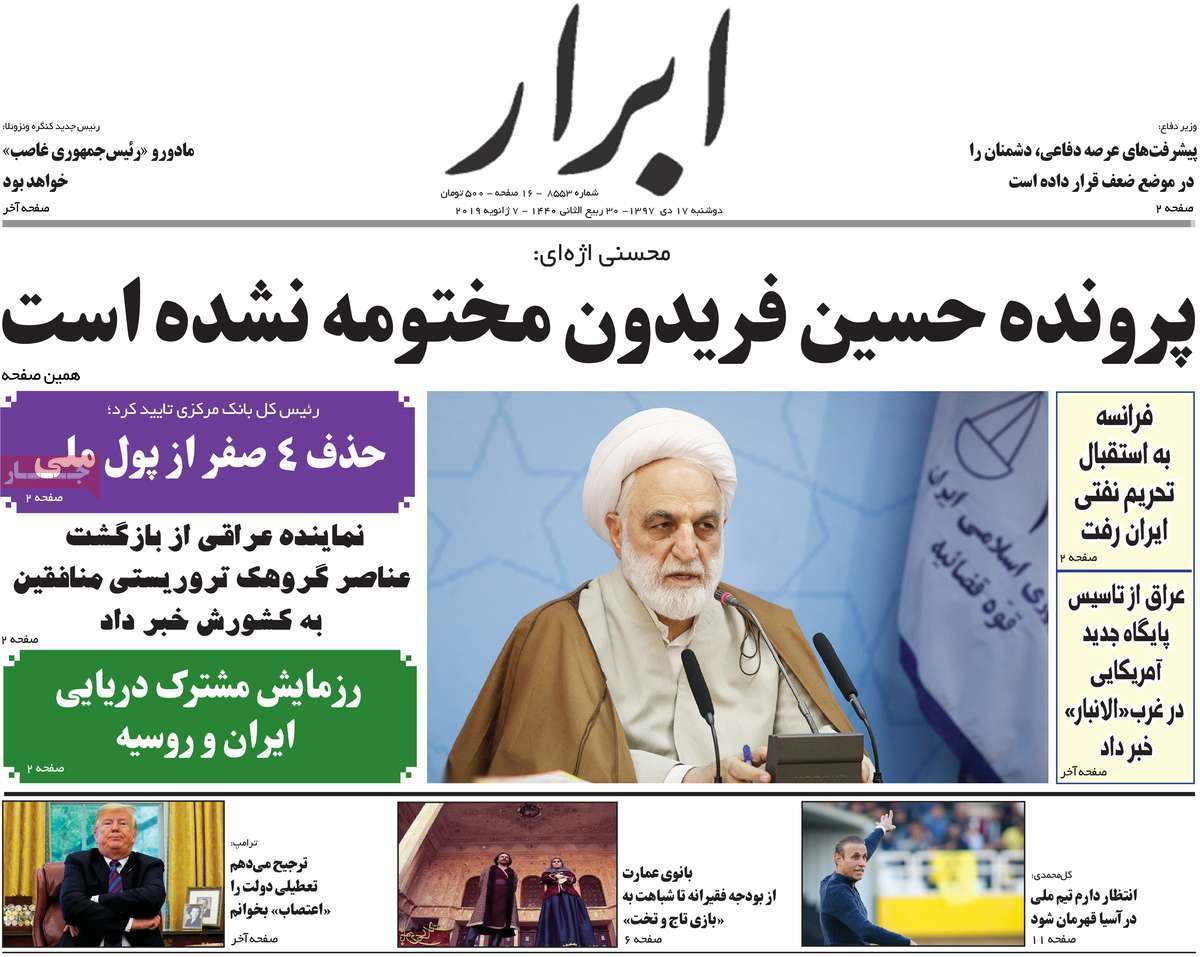
Abrar:

1- France Welcomes Iran Oil Embargo

2- Iran, Russia Hold Joint Naval Maneuver

3- Four Zeroes to Be Lopped Off from Iranian Currency: CBI

A Look at Iranian Newspaper Front Pages on January 7


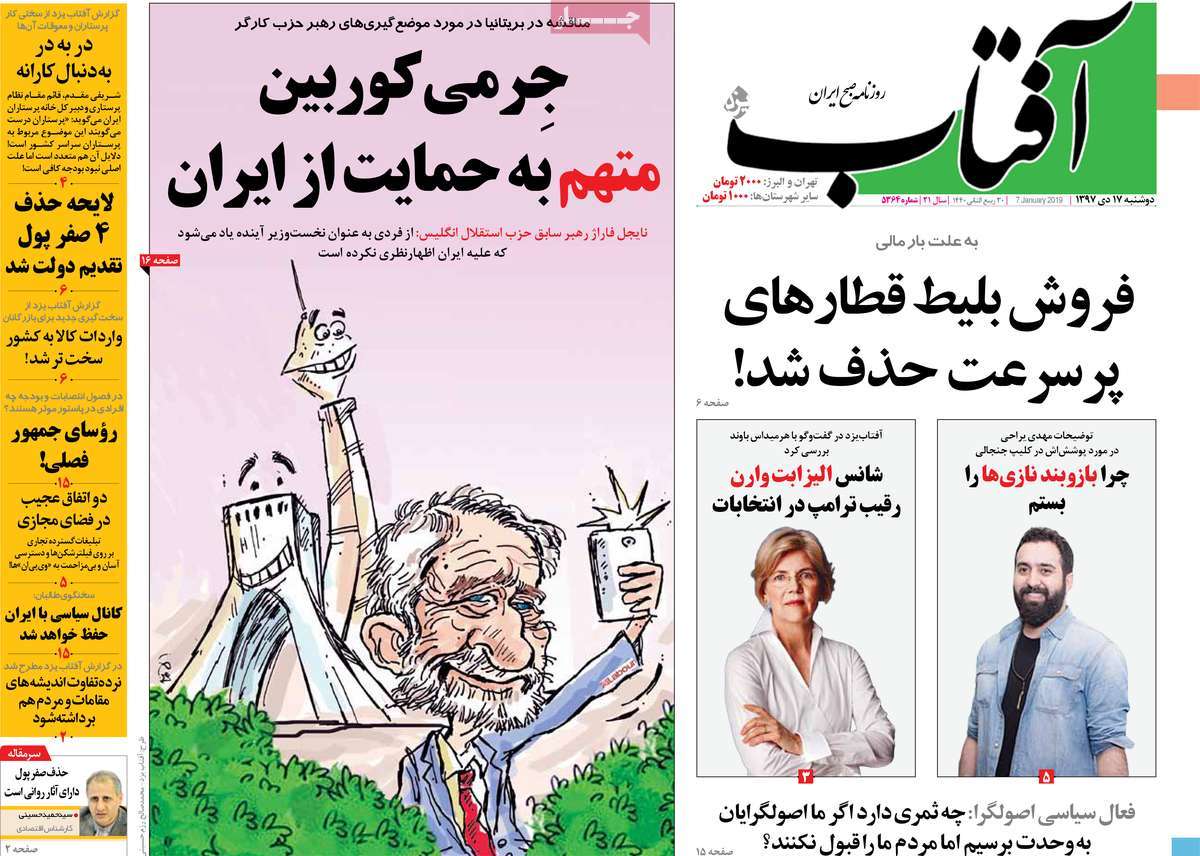
Aftab-e Yazd:

1- Jeremy Corbin Accused of Supporting Iran

2- Looking into Elizabeth Warren’s Chance against Donald Trump in Upcoming Election

A Look at Iranian Newspaper Front Pages on January 7


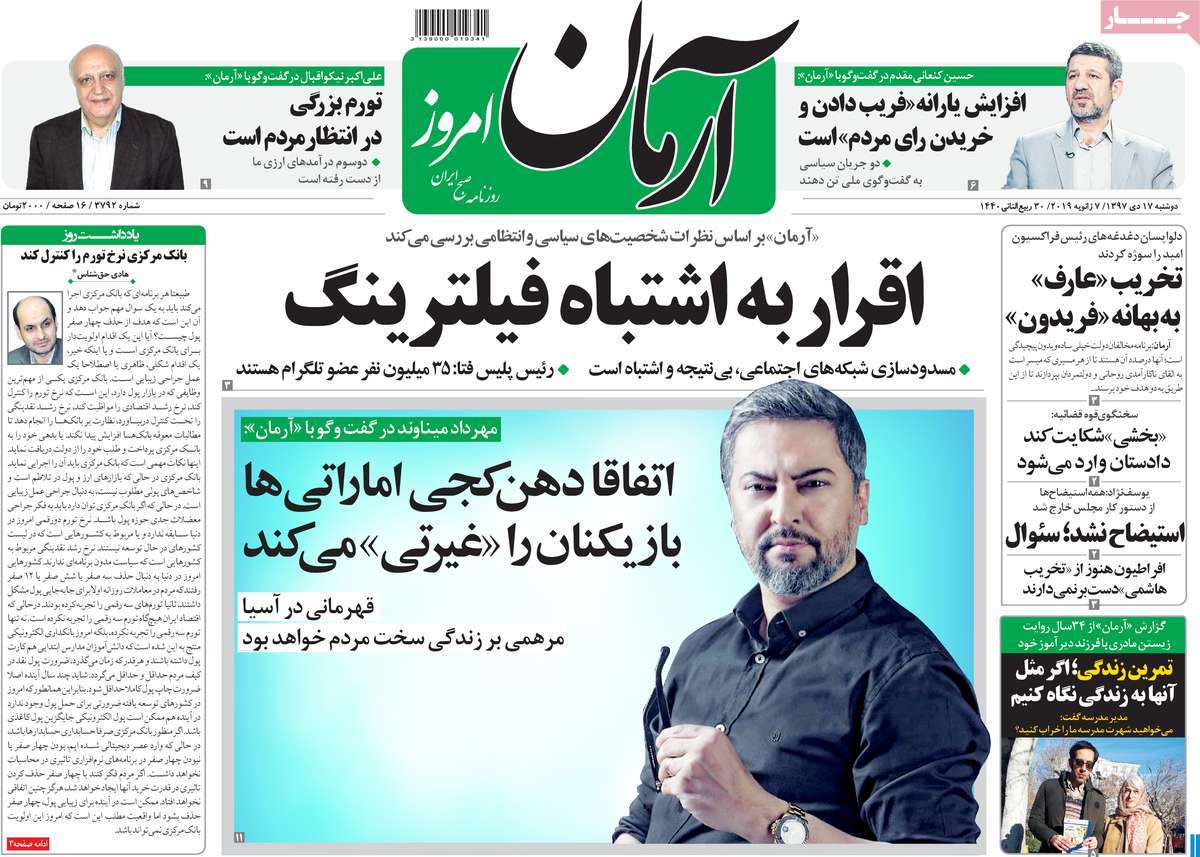
Arman-e Emrouz:

1- Filtering; Wrong Decision

2- ‘Blocking Social Networks Futile, Wrong’

A Look at Iranian Newspaper Front Pages on January 7


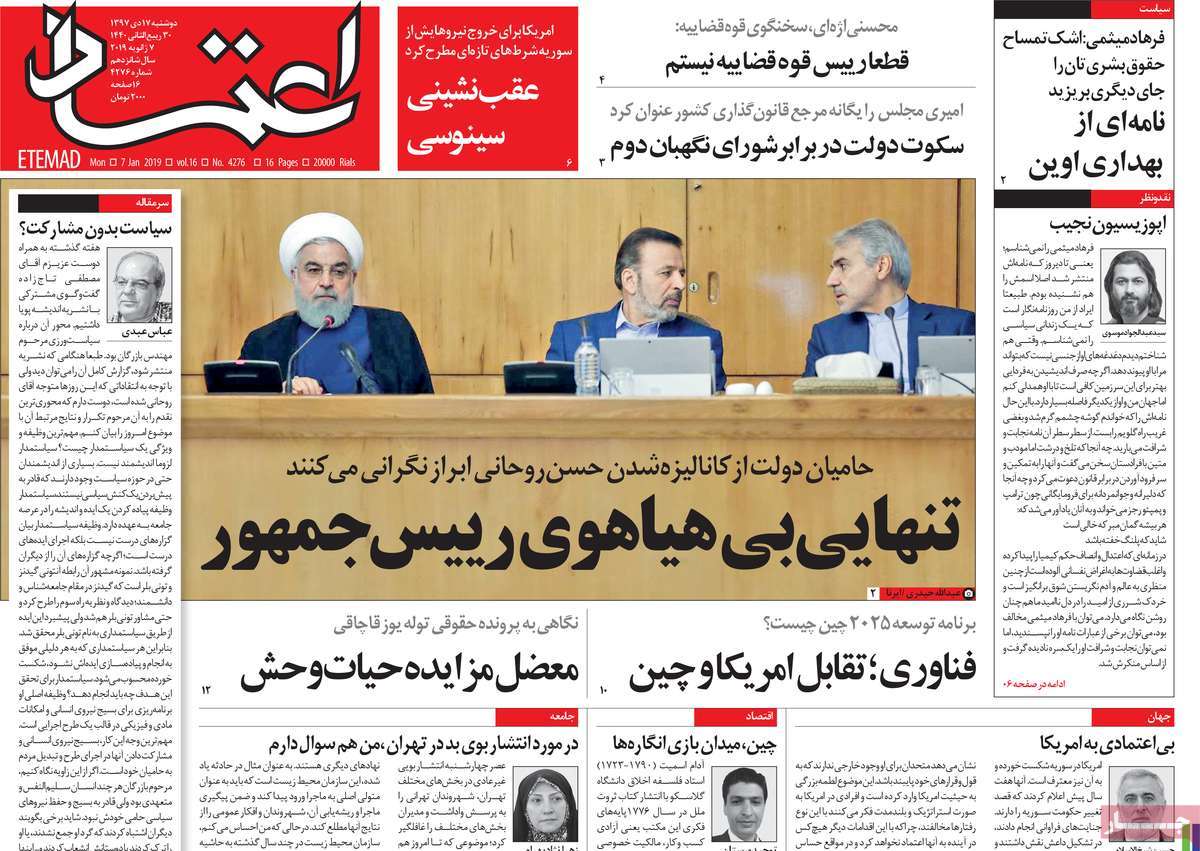
E’temad:

1- Loneliness of President

2- Government Supporters Express Concern about Hassan Rouhani’s Canalisation

3- United States Makes New Demands for Pullout of its Troops from Syria

A Look at Iranian Newspaper Front Pages on January 7


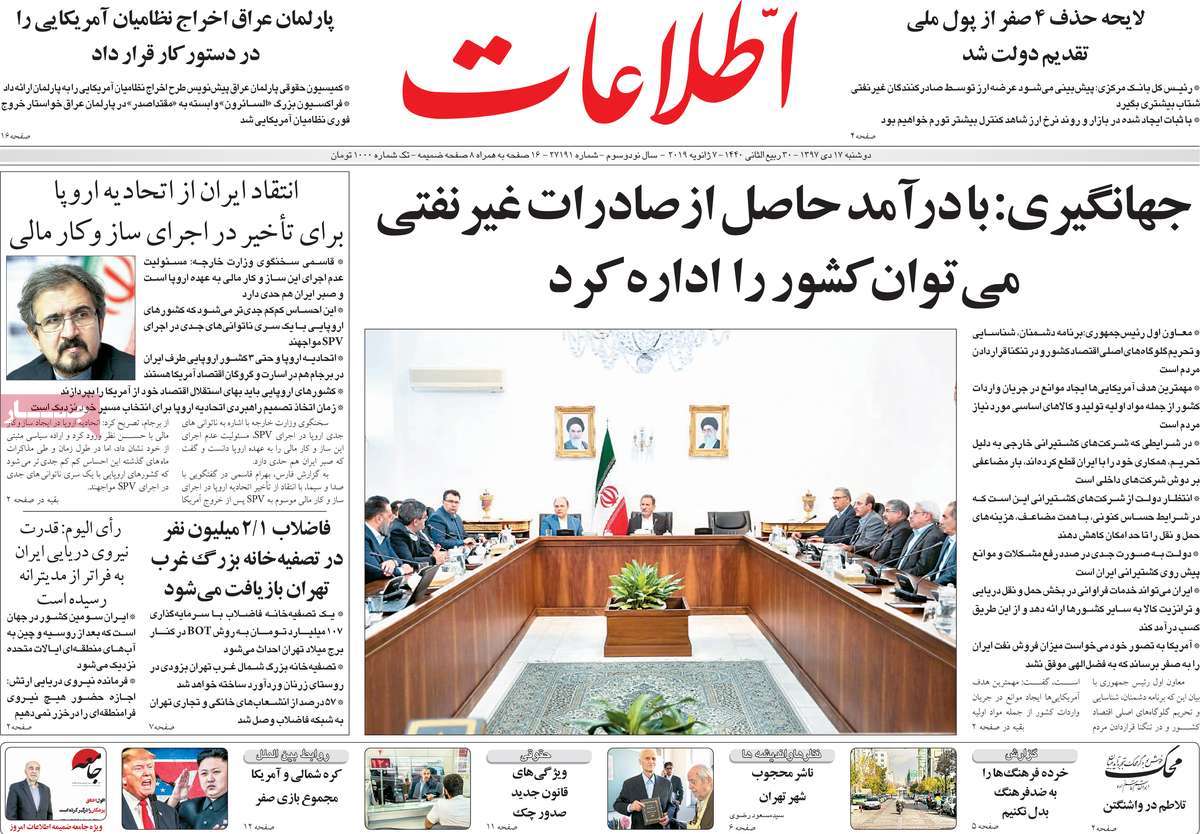
Ettela’at:

1- Revenues of Non-oil Exports Can Meet country’s Needs: Iran First VP

2- Iraqi Parliament Puts Expulsion of US Troops on Agenda

3- Iran criticises EU for Delays in Implementation of Financial Mechanism

A Look at Iranian Newspaper Front Pages on January 7


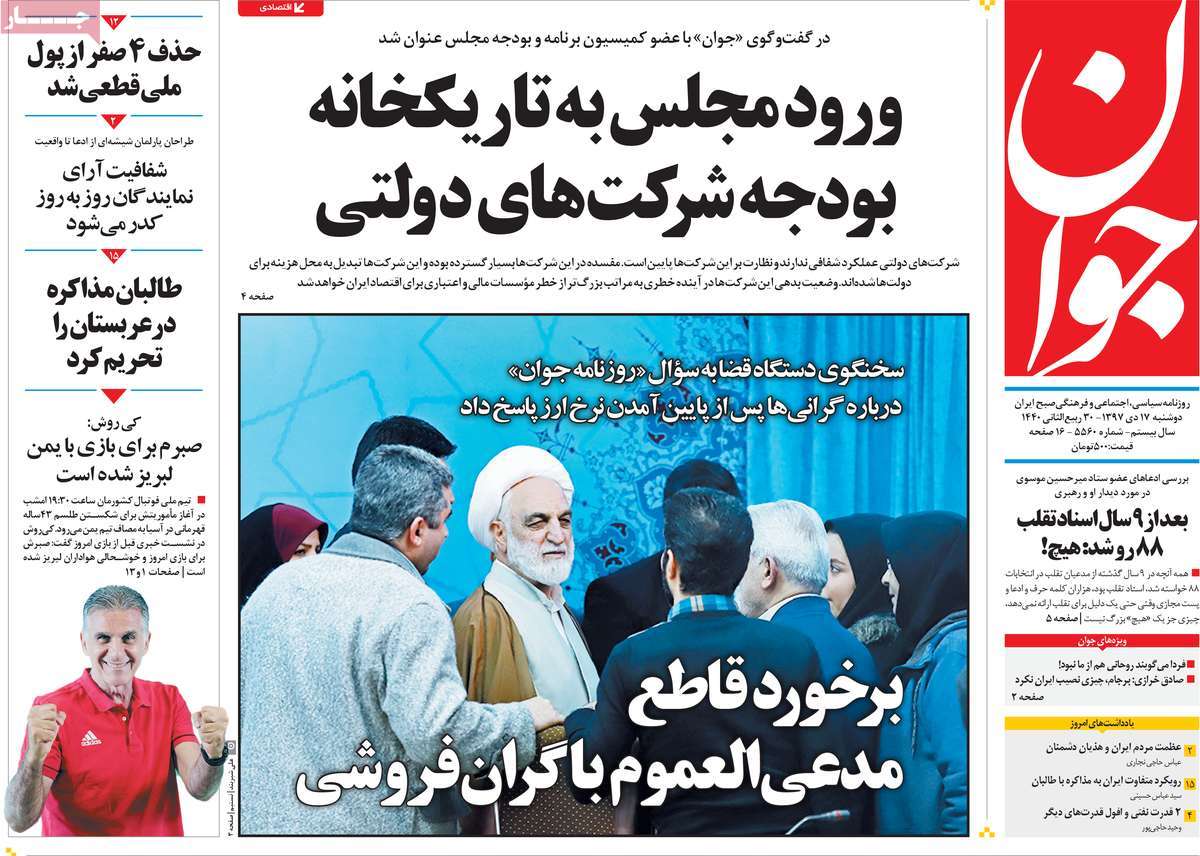
Javan:

1- Taliban Boycotts Negotiations in Saudi Arabia

2- I’m Eagerly Waiting to Play against Yemen: Iran Team Melli Manager

A Look at Iranian Newspaper Front Pages on January 7


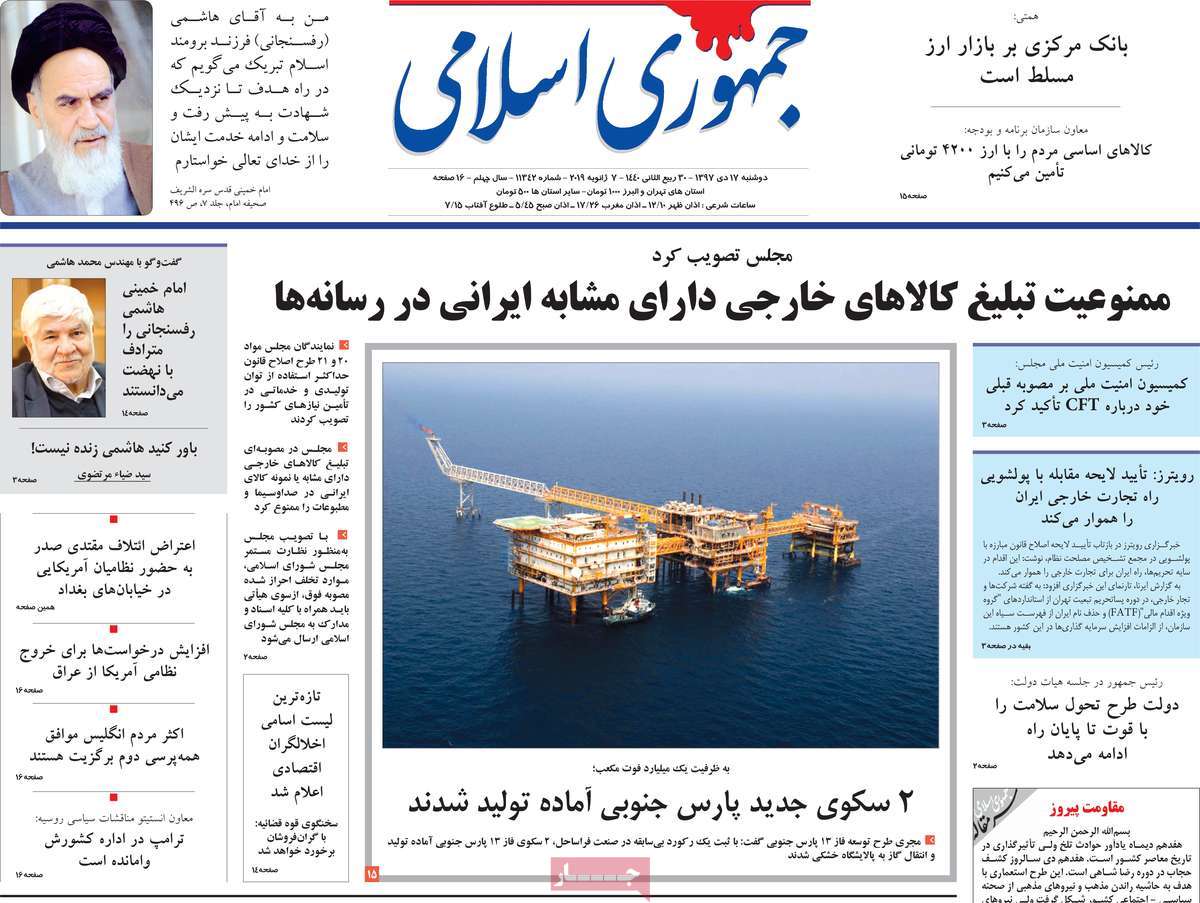
Jomhouri Eslami:

1- Foreign Goods Promotion Banned in Iranian Media

2- Two New South Pars Rigs Ready to Use

A Look at Iranian Newspaper Front Pages on January 7


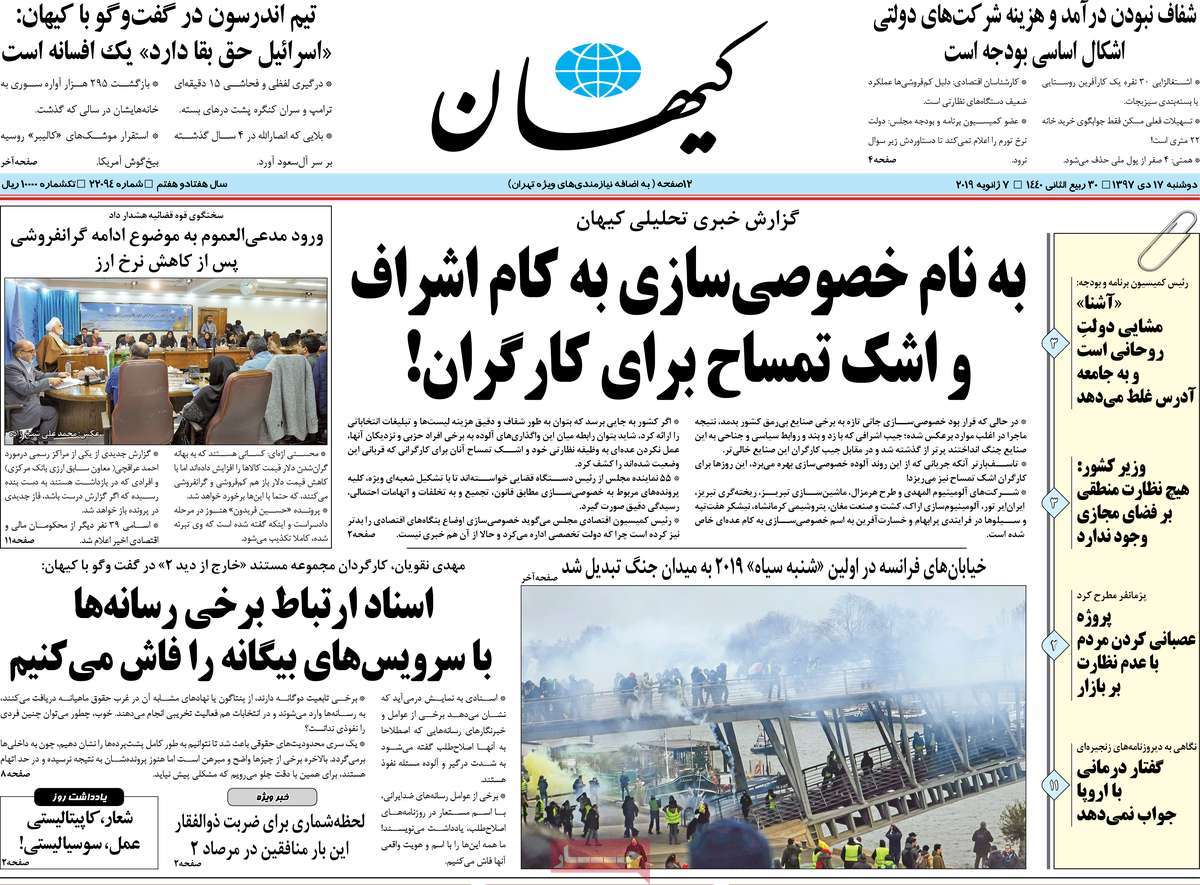
Kayhan:

1- ‘Israel’s Right to Survive a Myth’

2- France Streets Turn into Battlefield in First “Black Saturday” of 2019

A Look at Iranian Newspaper Front Pages on January 7


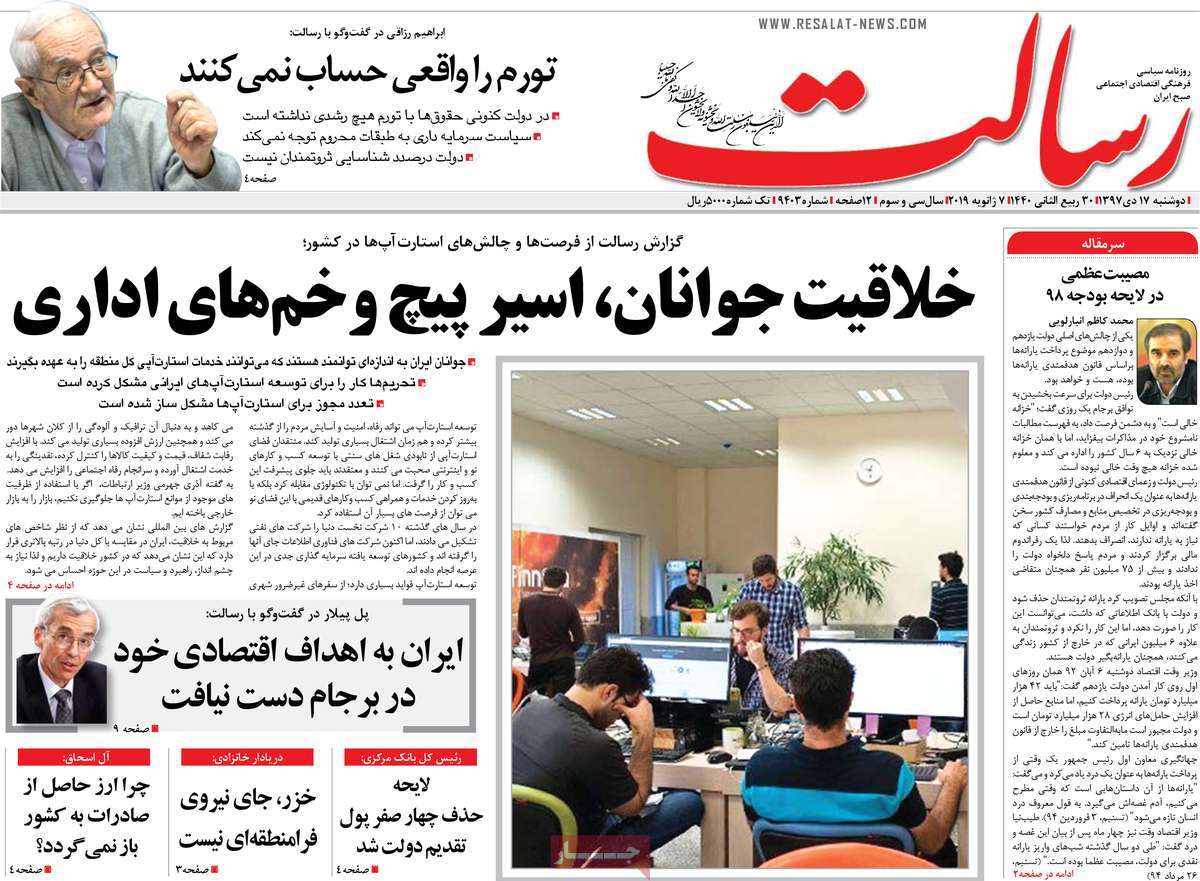
Resalat:

1- Iran Does Not Achieve Its Economic Goals in JCPOA: Expert

A Look at Iranian Newspaper Front Pages on January 7


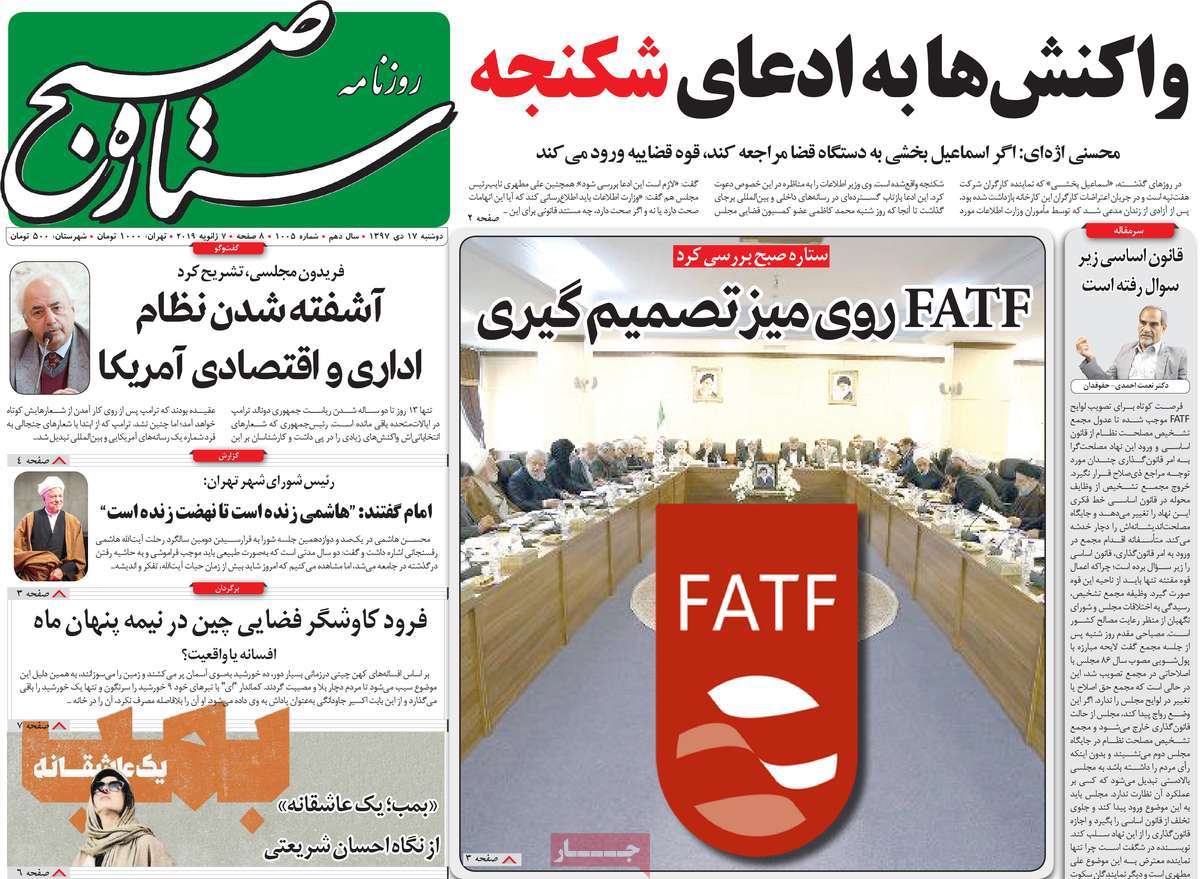
Setareh-e Sobh:

1- FATF on Decision Table

2- Turmoil in US Administrative, Economic System

A Look at Iranian Newspaper Front Pages on January 7


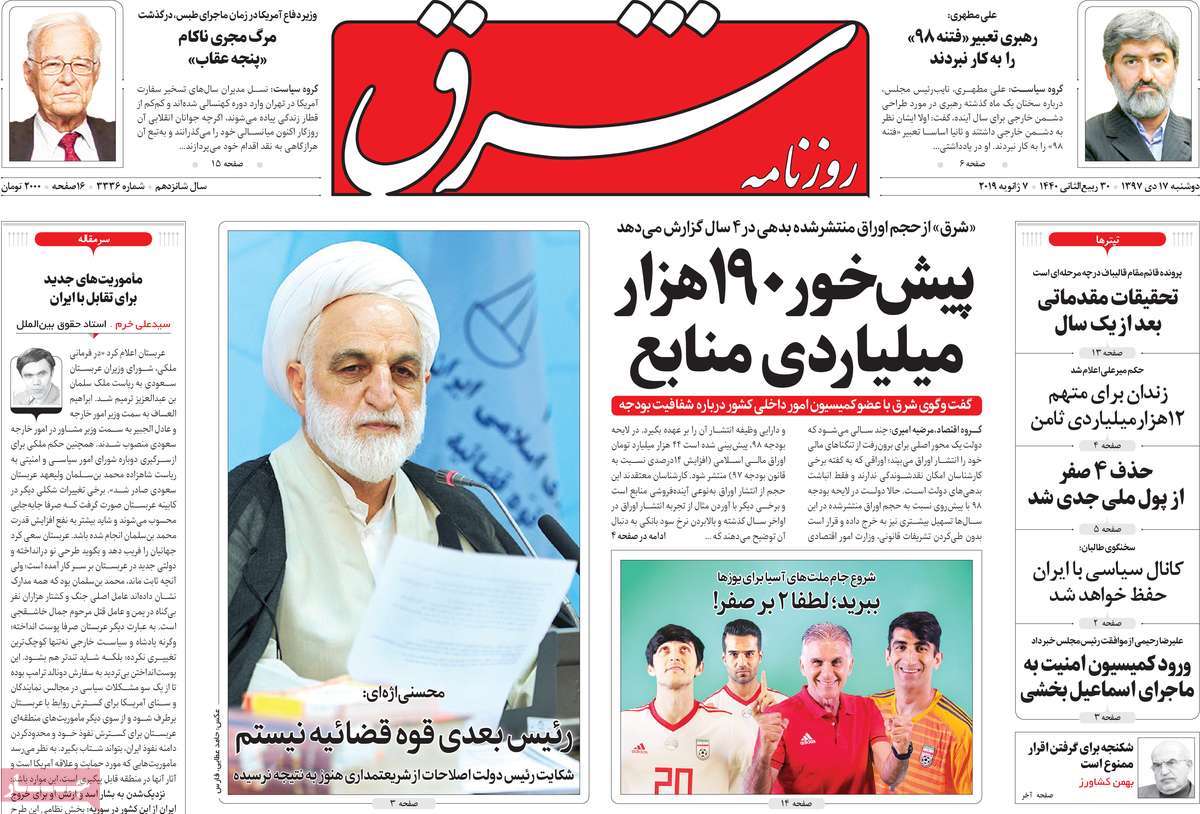
Shargh:

1- Political Channel with Iran Will Be Preserved: Taliban

2- Removal of Four Zeros from National Currency

A Look at Iranian Newspaper Front Pages on January 7


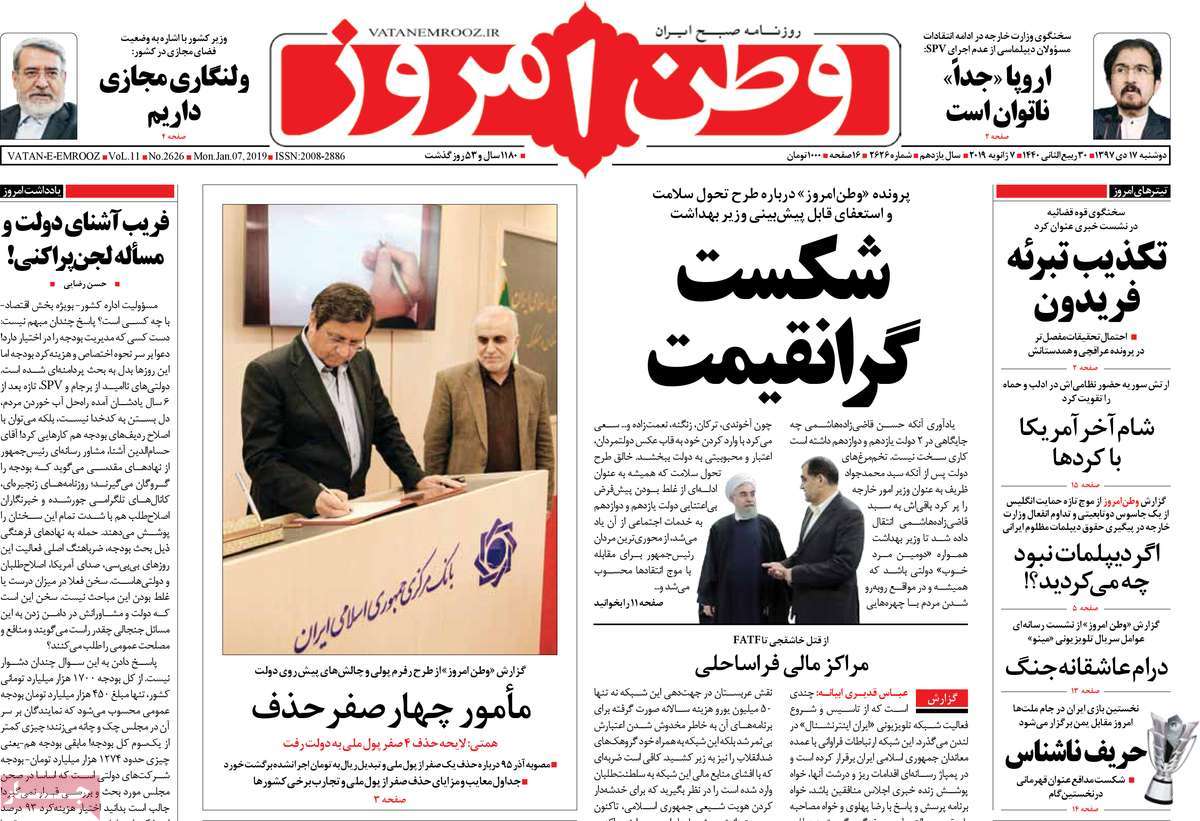
Vatan-e Emrouz:

1- Europeans Face Serious Disabilities in Implementing SPV: Iran Spokesman

2- US’s Last Supper with Kurds

3- Syrian Army Strengthens Military Presence in Idlib, Hama

A Look at Iranian Newspaper Front Pages on January 7

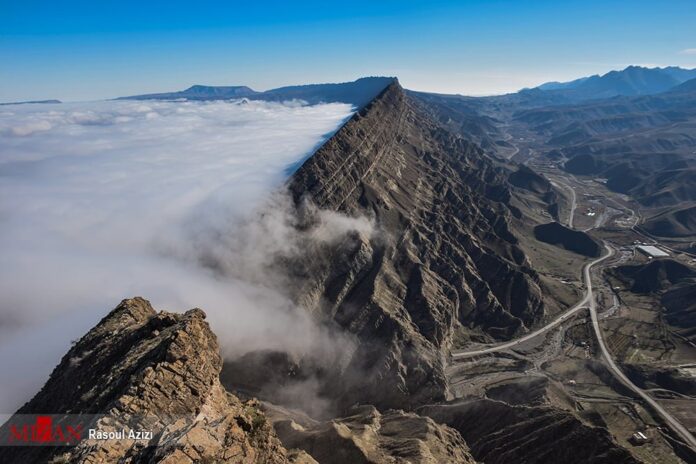
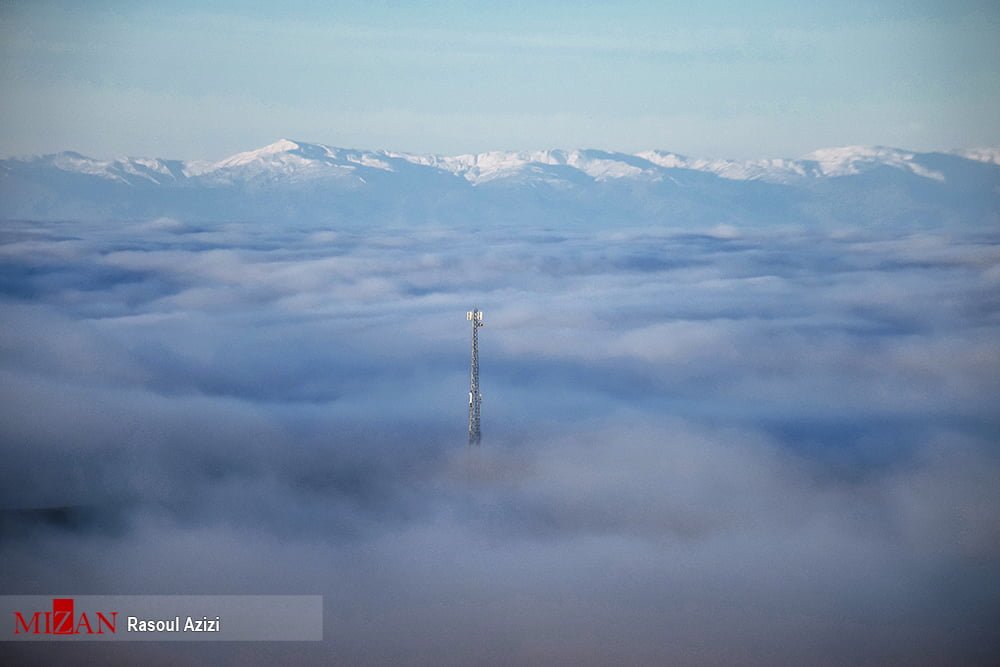
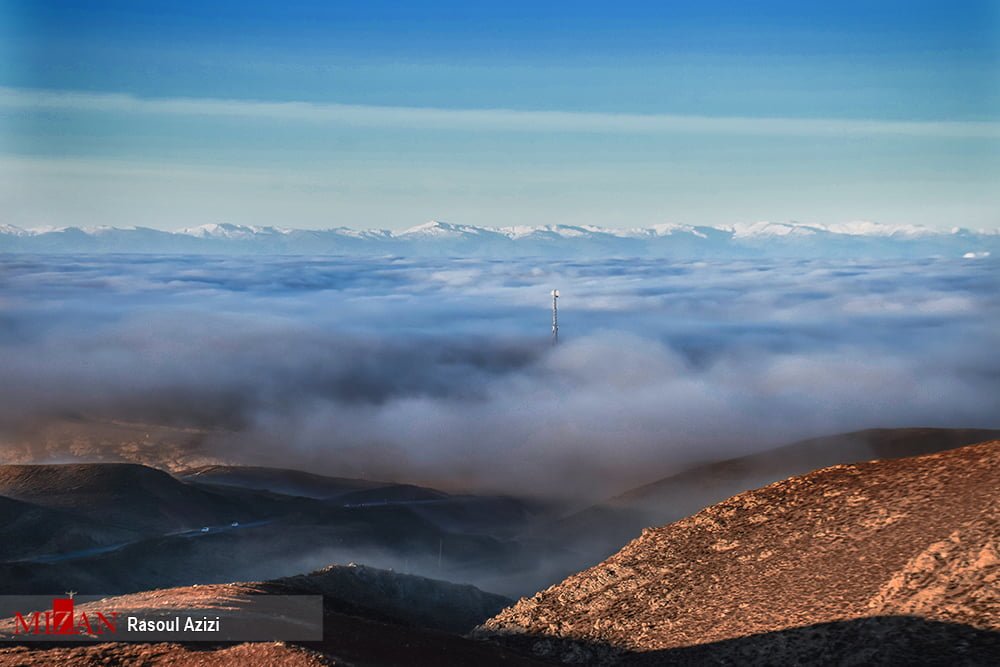
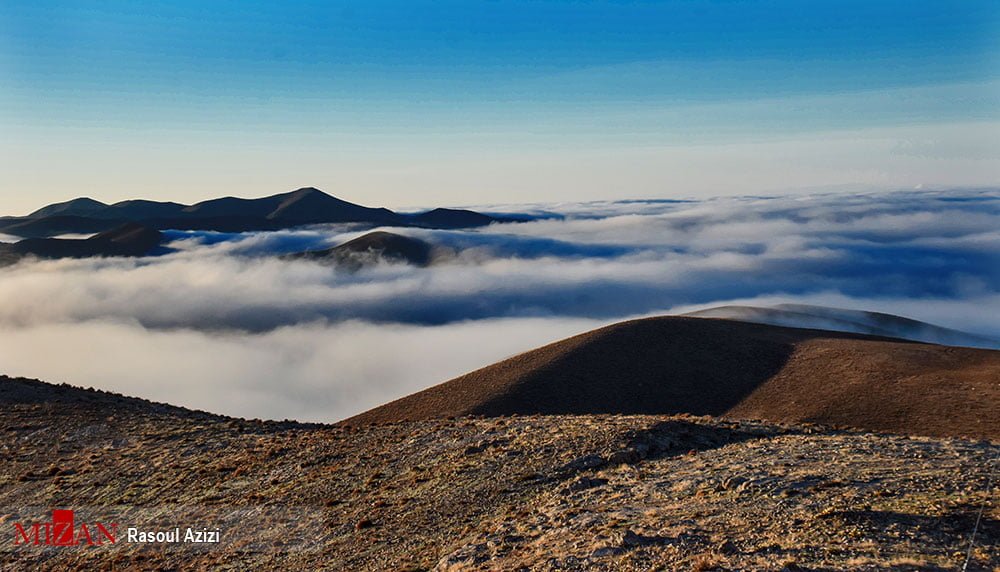
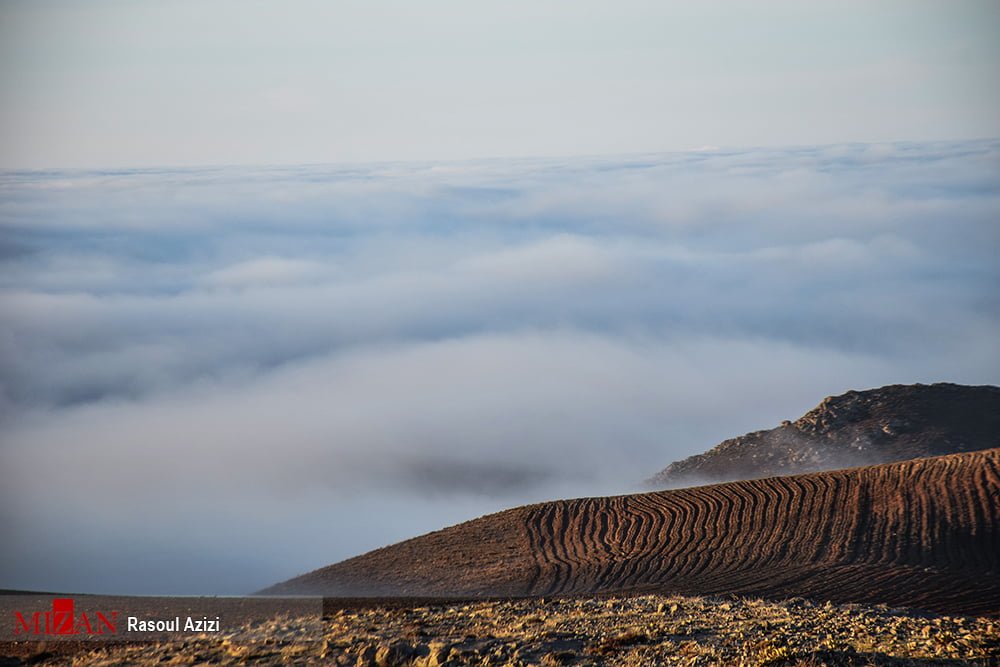
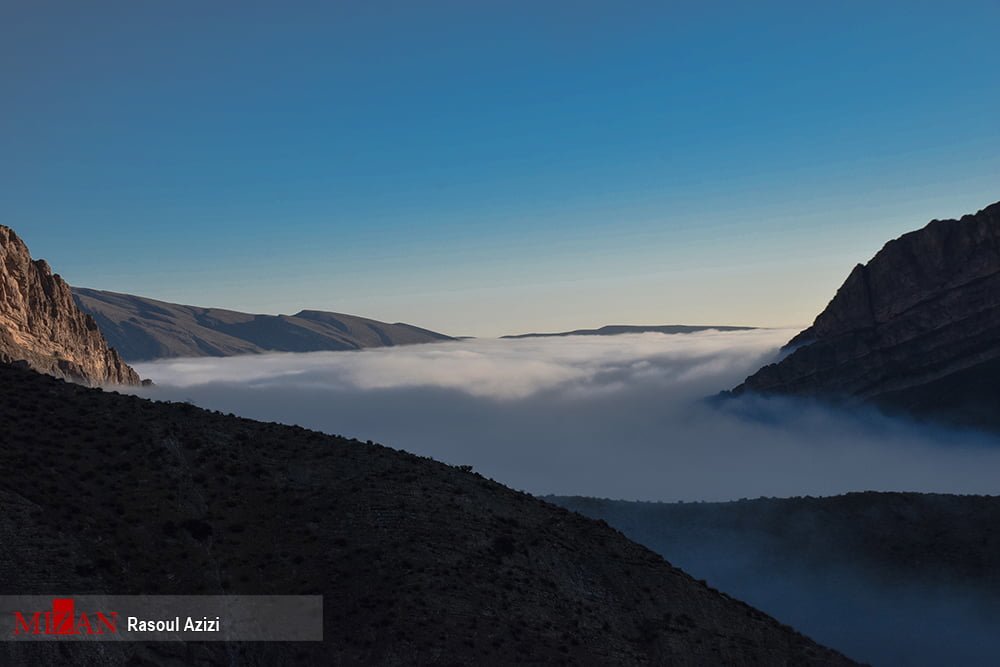
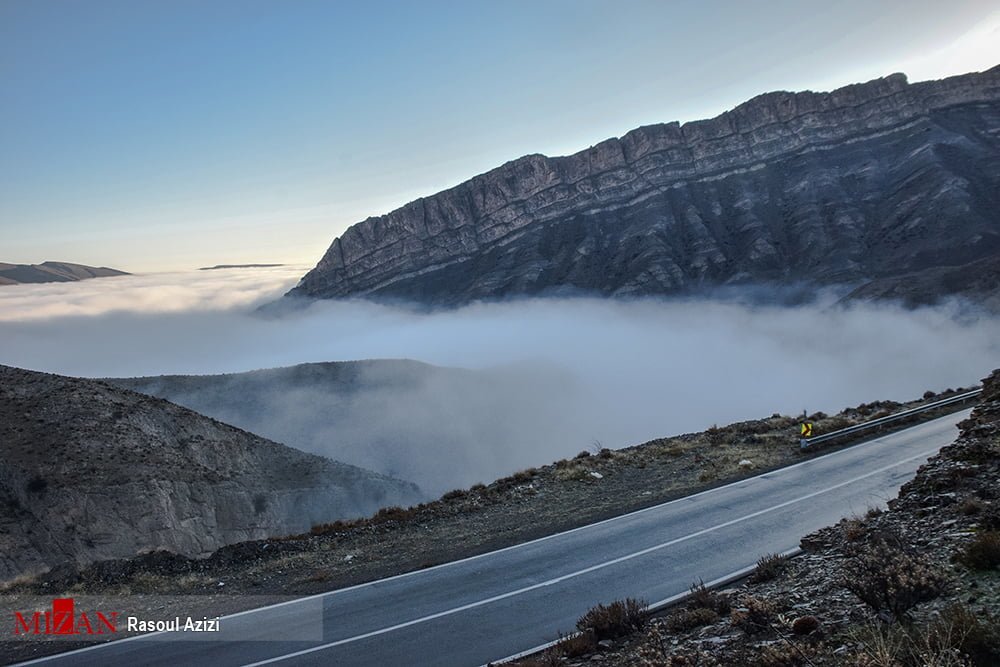
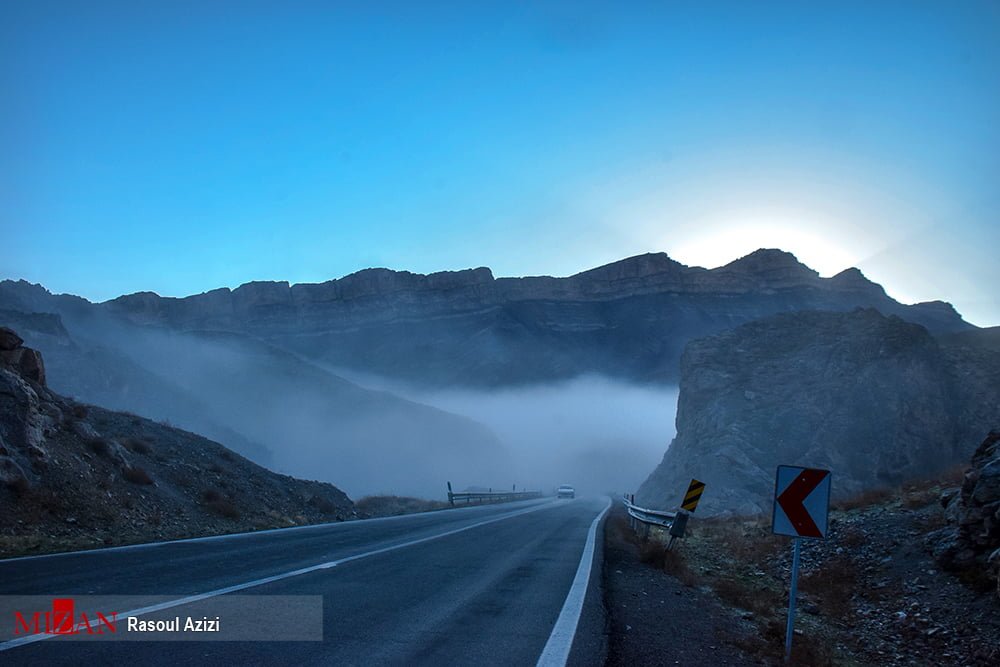
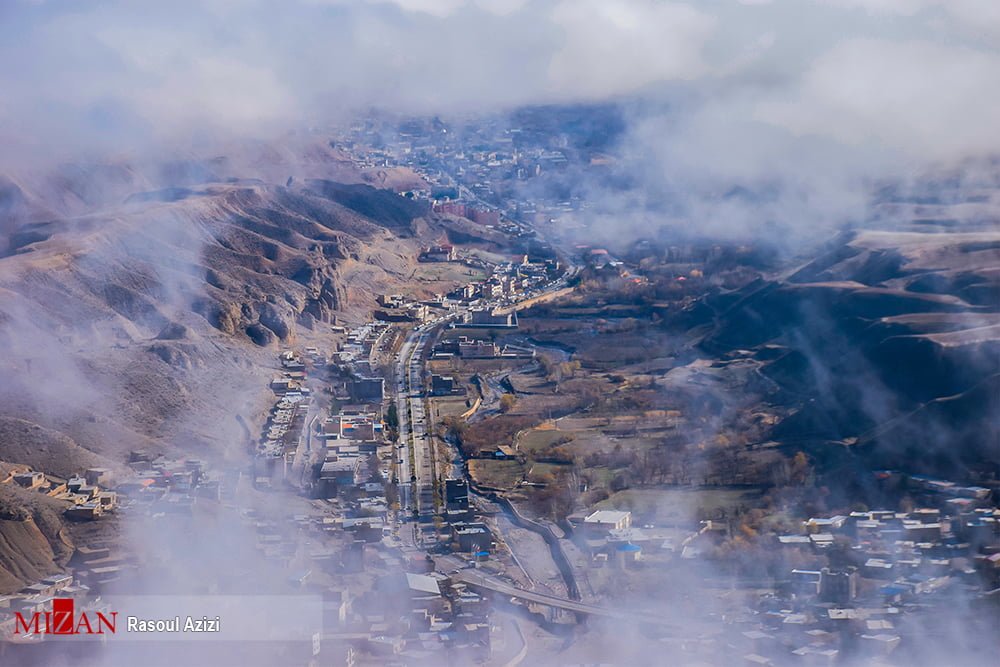
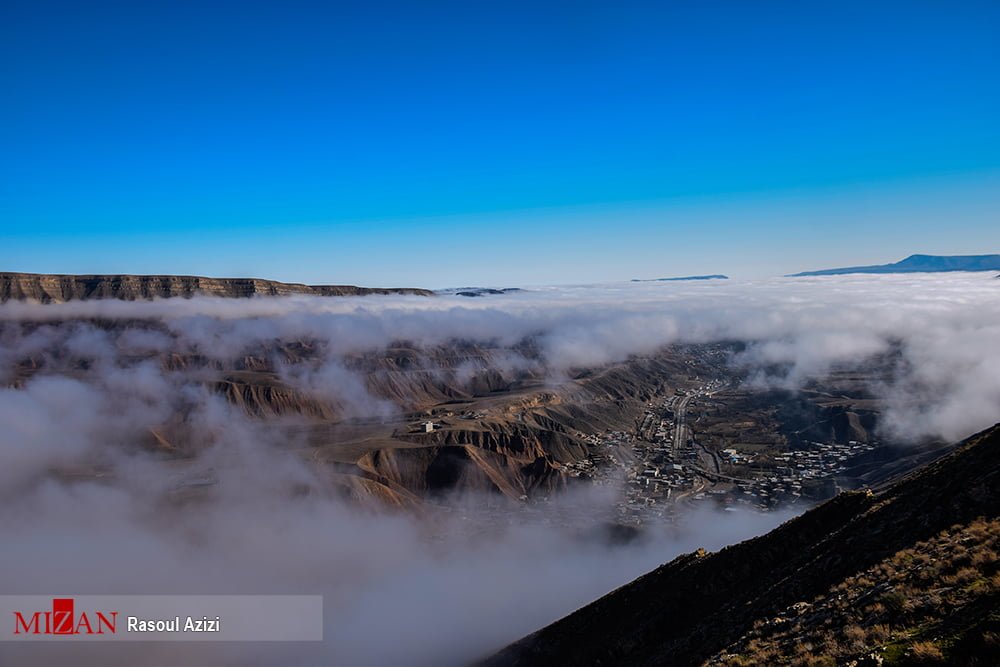
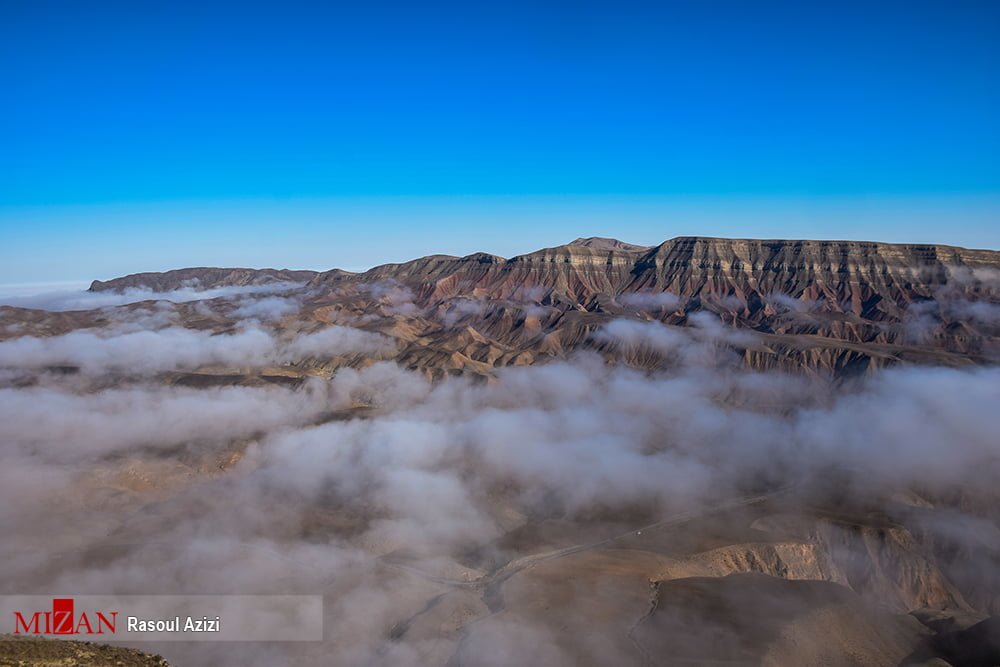
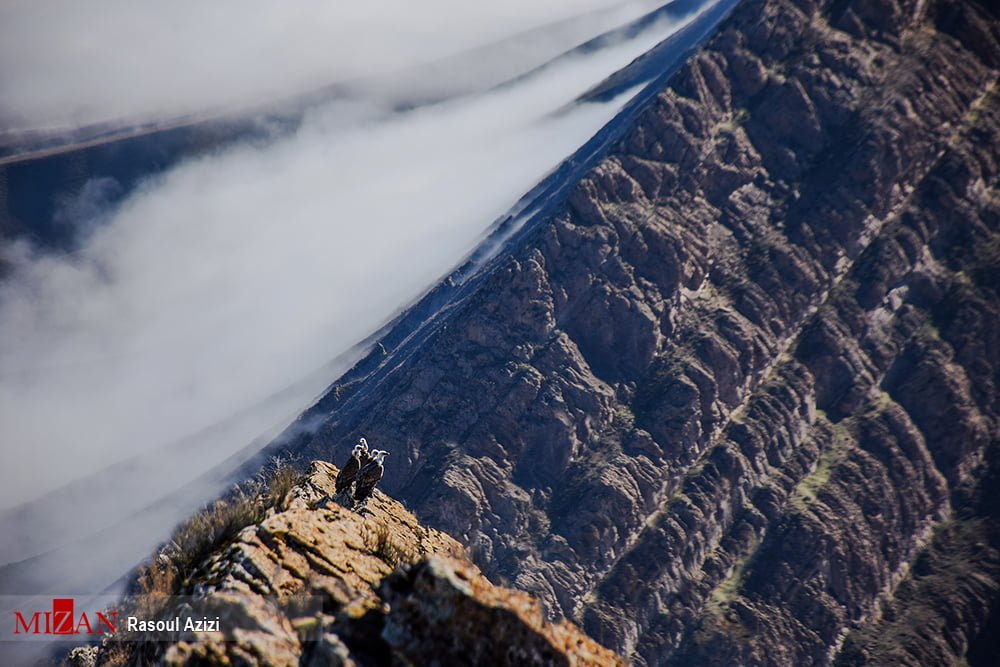
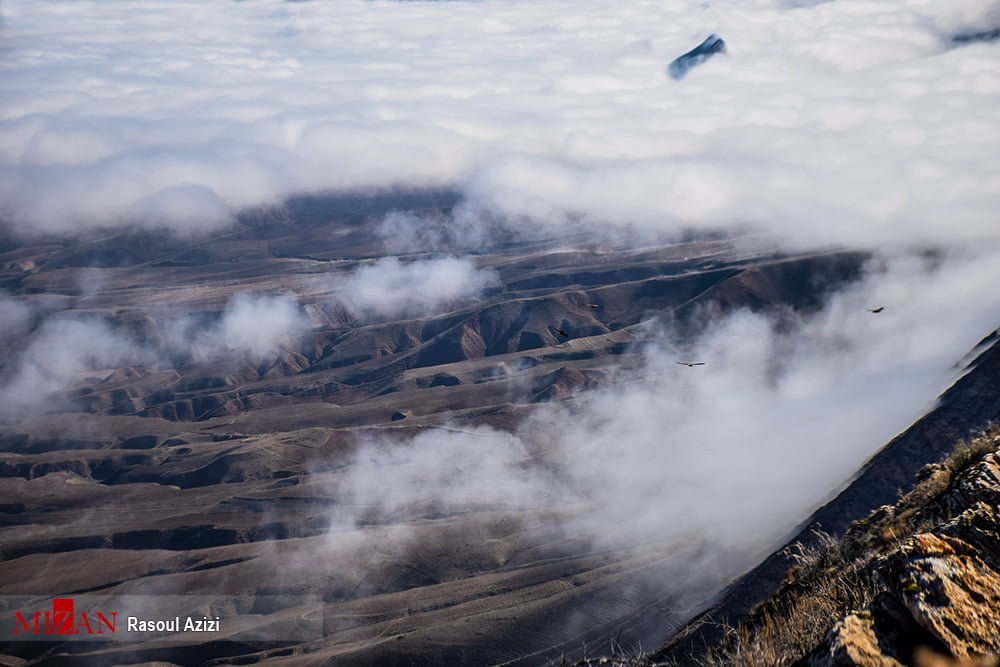
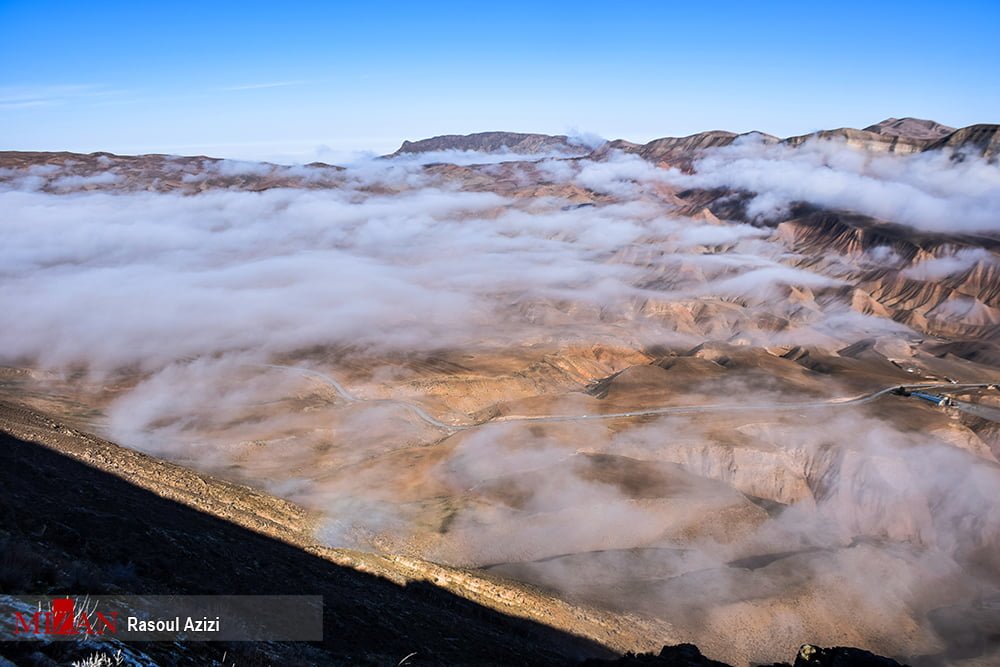
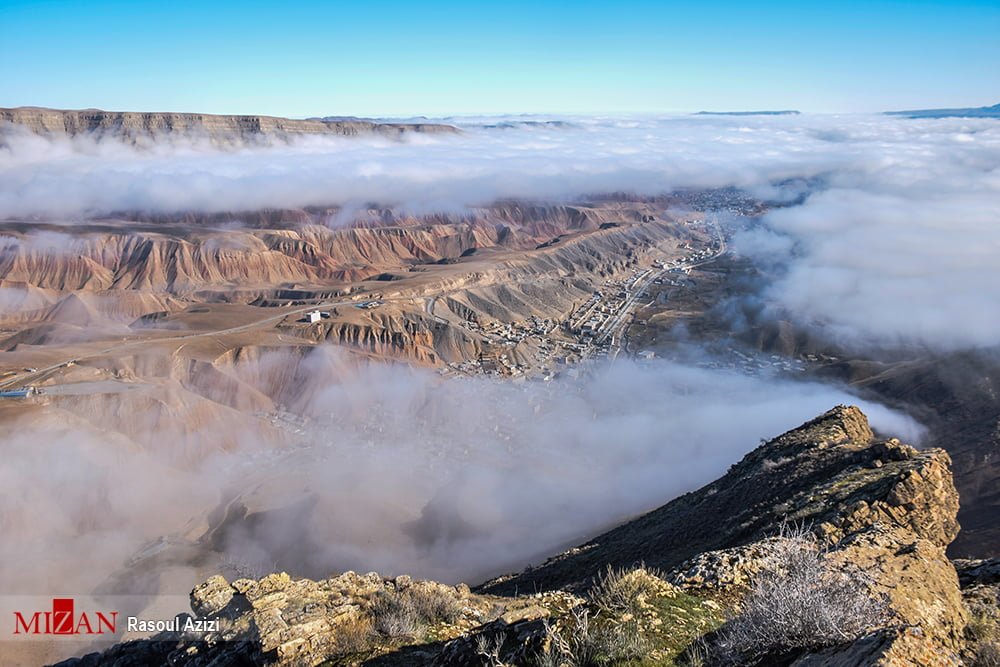
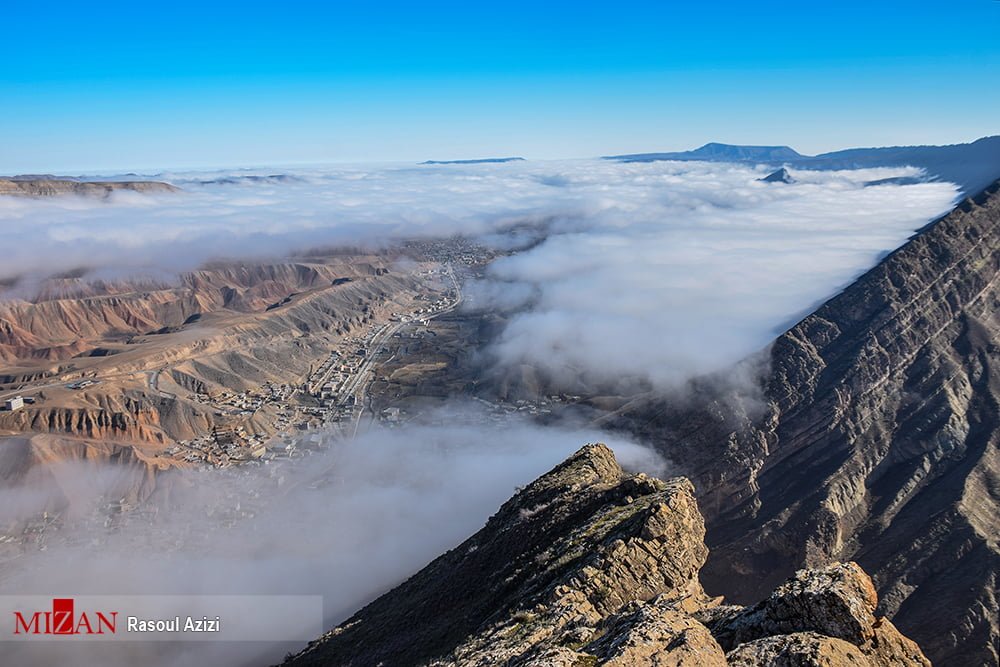
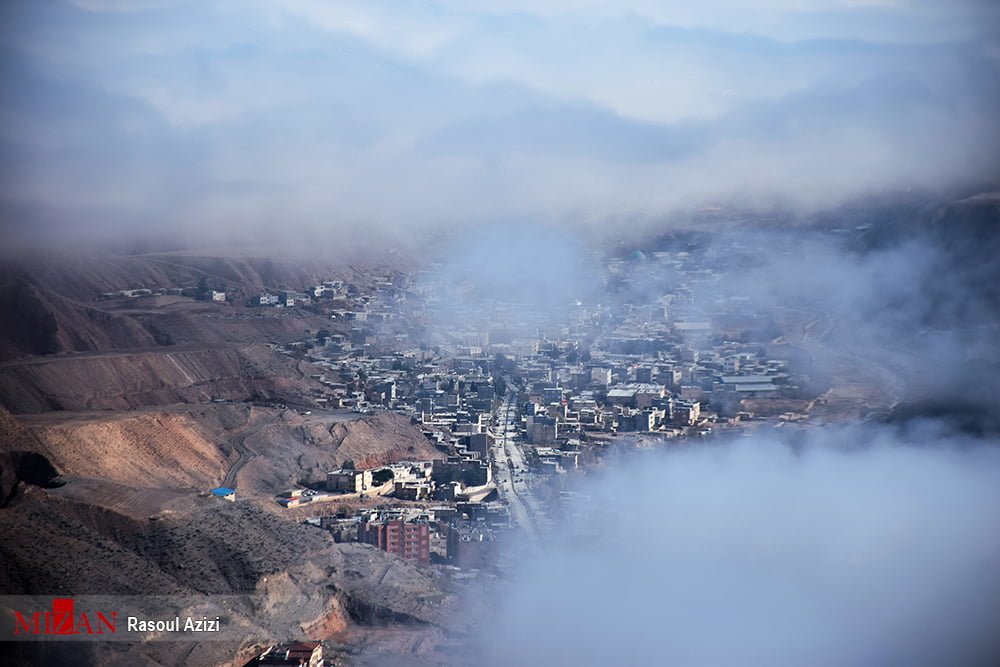
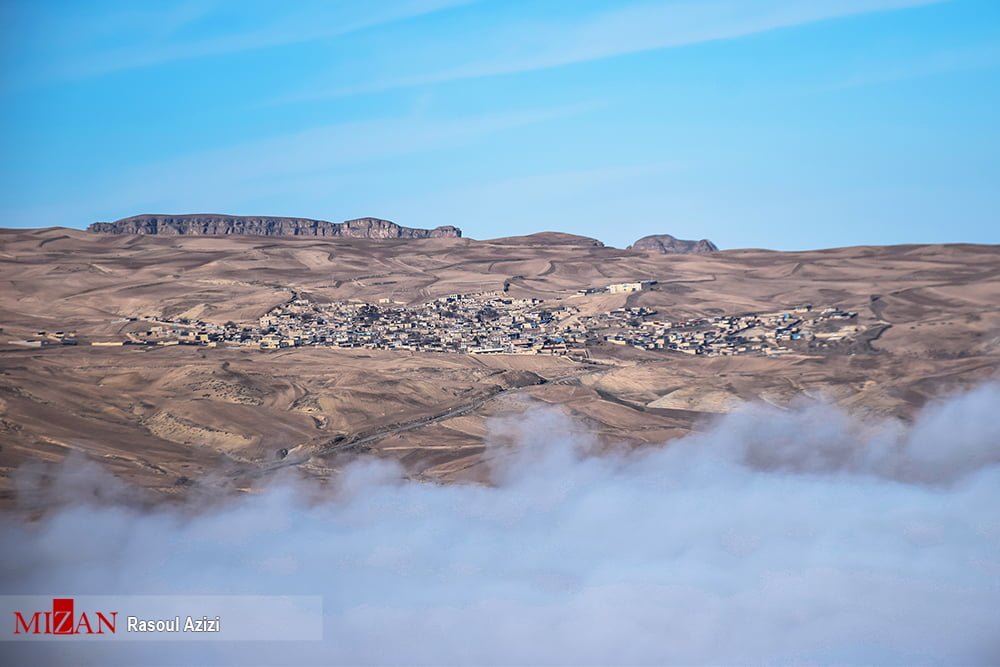
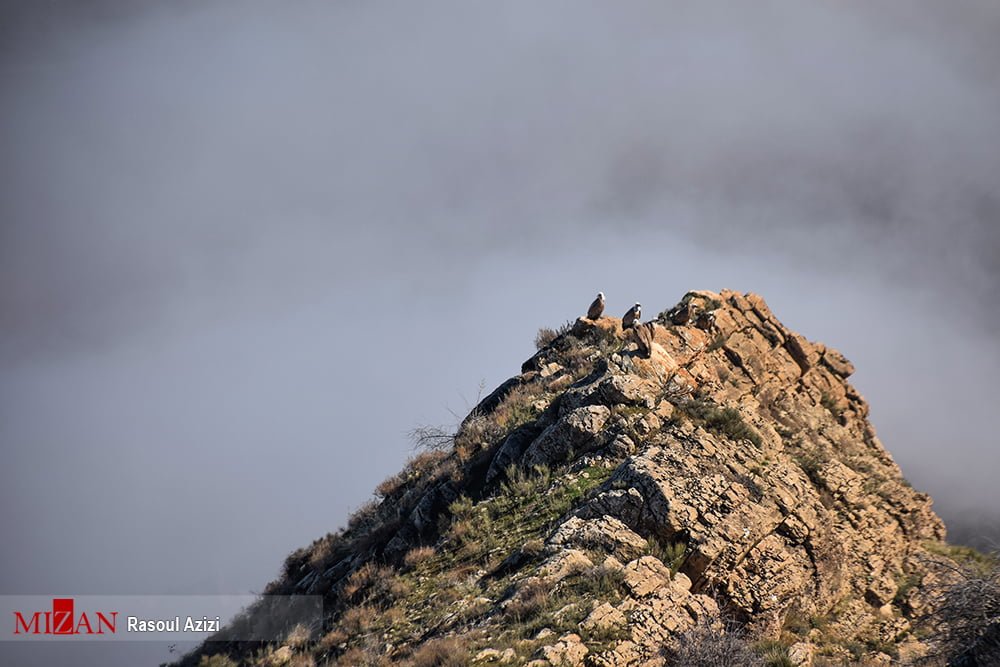
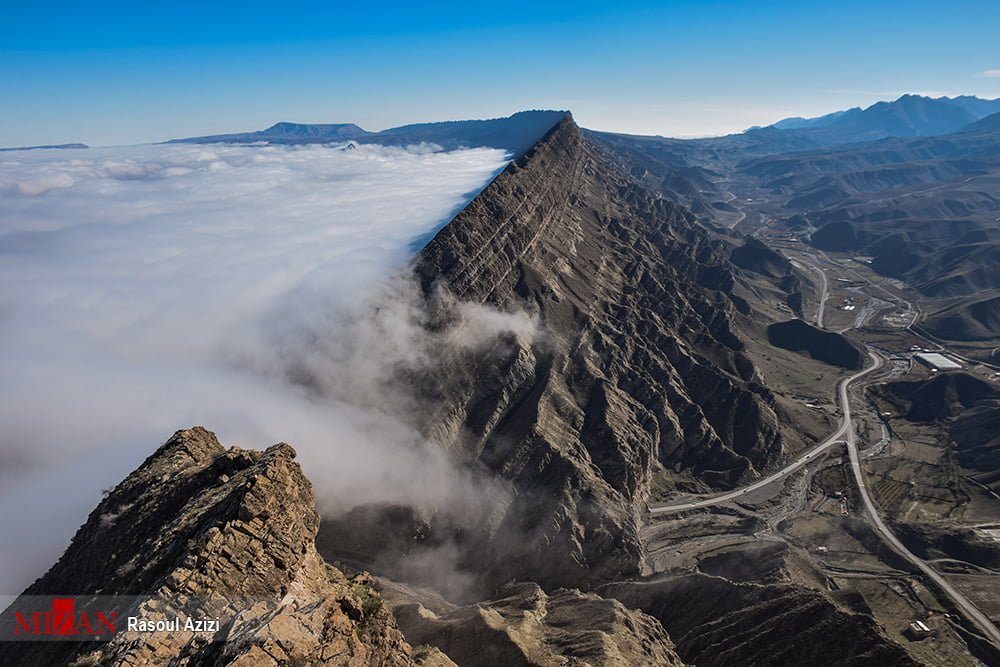
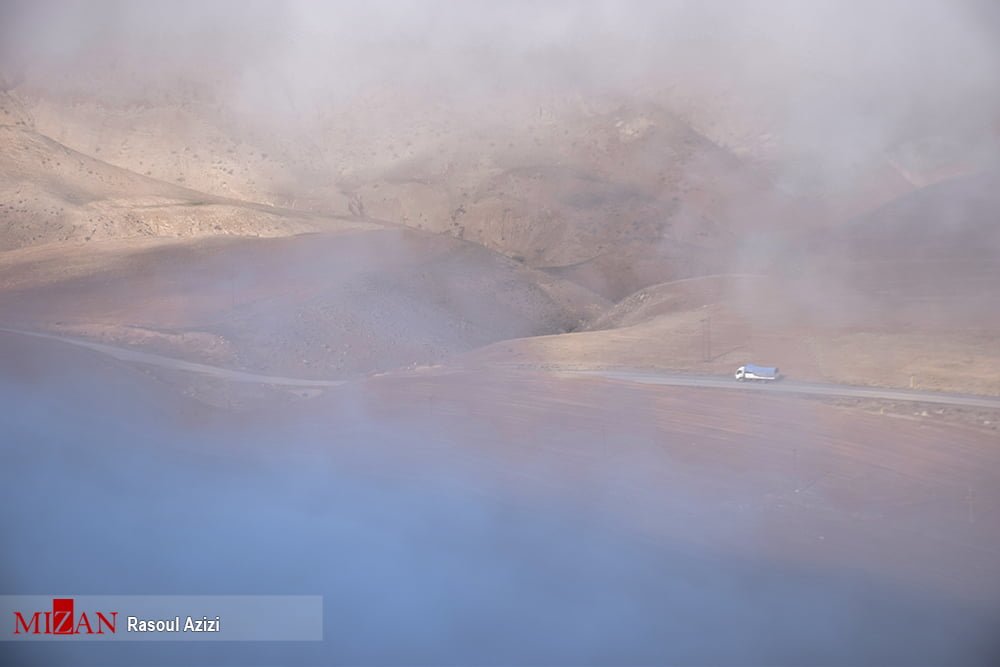
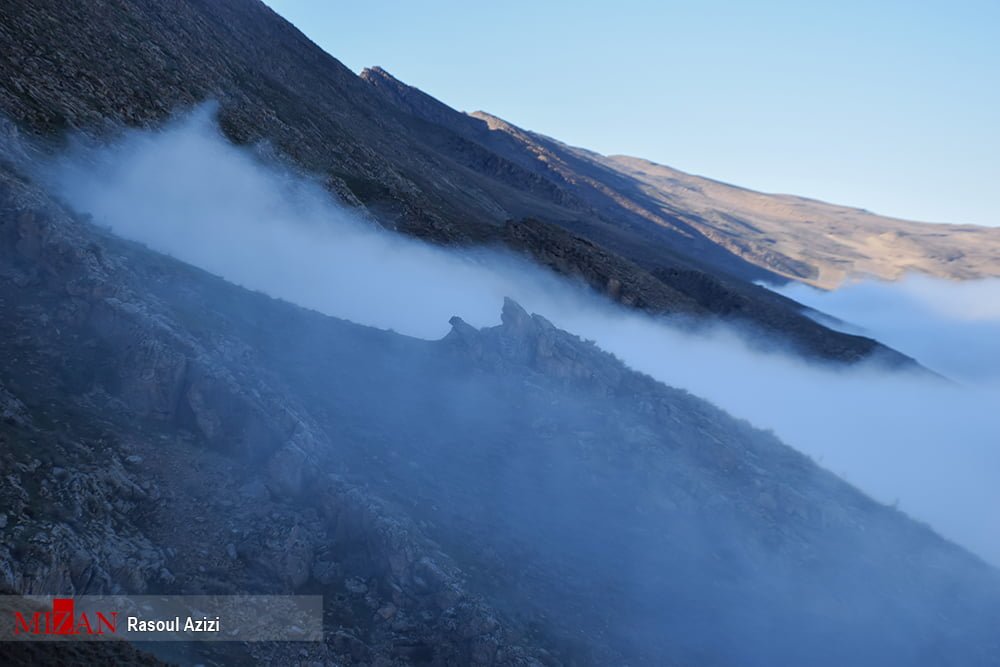
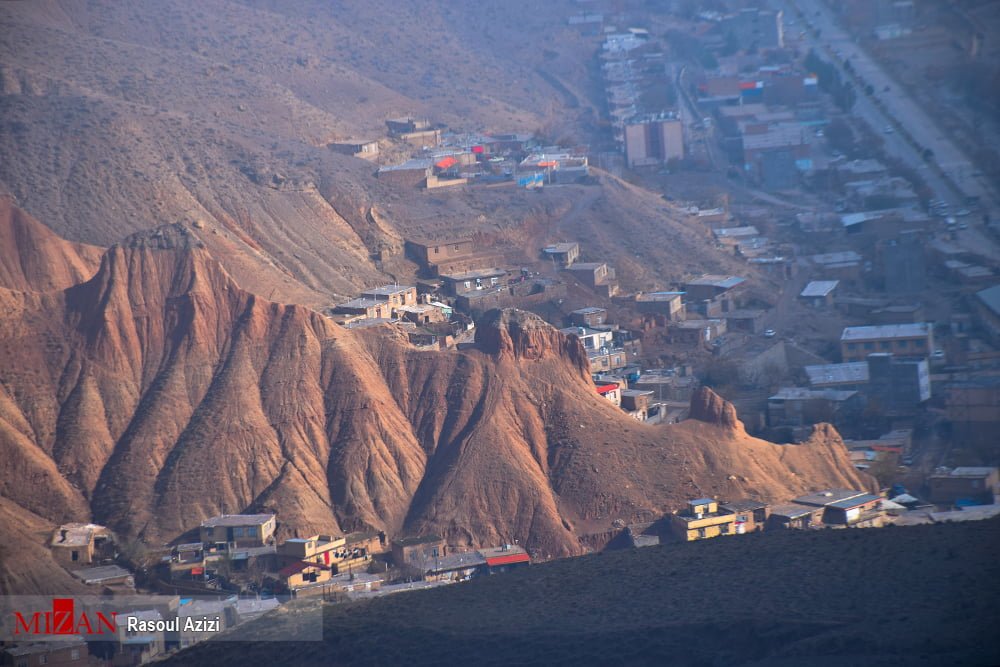
Iran’s Kalat-e Naderi Heights Shrouded in Fog

Hezar Masjed Mountains are a group of mountains located in this area. In the First Days of Winter, the fogging at the heights of these mountains has created a very beautiful perspective.

What follows are the photos of these mountains retrieved from mizanonline:

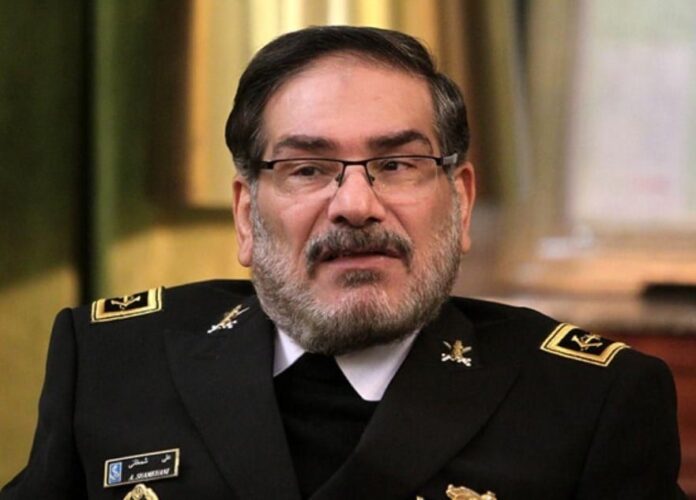
US Officials Say Washington Seeking to Hold Talks with Iran: Shamkhani

Iran Calls US Ruling Elite 'Inefficient, Source of Threat'

Rear Admiral Ali Shamkhani said it is clear that Iran will not negotiate with the United States because the US is unreliable, and negotiations with them do not make sense.

Shamkhani made the remarks at an international conference on defense and security in Tehran.

“Americans spend $ 7 trillion to overthrow the legal government of a country, and on the other hand, they call our help to the countries of the region a waste of national capital and intervention in the internal affairs of the countries,” he highlighted.

Shamkhani underscored that Iran is seriously against the disintegration of countries and supports maintaining the security of the region and the serious struggle against any kind of terrorism through cooperation and interaction.

The Iranian top official further noted that the US decision to withdraw military troops from Syria and Afghanistan is a proof of total failure of Washington’s policies in the region.

Shamkhani stressed the US sudden pullout was out of constraint rather than choice maintaining that 17 years of US intervention in Afghanistan only brought more insecurity and instability. He said a similar situation exists in Syria where Washington is paralysed as to what role it can play considering the bitter realities on the ground.

He underlined that the US is the actual instigator of religious conflicts in the region and the emergence of ISIS terrorist group. He accentuated that all foreign de-stabilisers have no choice but to leave the entire region in near future.

Withdrawal of US from Syria Not Making So Much Difference: Ex-Iranian DM

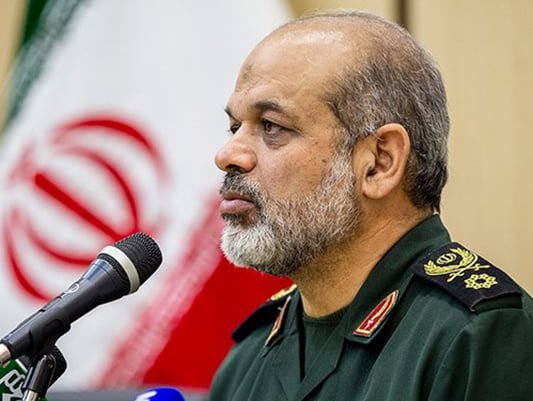
General Ahmad Vahidi

He added that the US forces’ withdrawal from Syria does not make any difference because they have already been defeated.

Speaking in Tehran on Monday at a defense and security conference in West Asia, the Iranian general noted the world is tired of its prevailing order and its power geometry is very weak.

This is evident in the performance of European countries and recent protests in France, he went on to say.

Vahidi further pointed out the European countries are tired of having to execute US orders stressing that the orders formed in other regions have somewhat stabilised, but in Western Asia, the developments are complex and sensitive.

“This region is wounded and bloody by the crises imposed on it, but nevertheless our region is moving towards a better future,” he maintained.

The former Iranian defense minister added that today security issues in Syria are moving towards political issues. And in Iraq, the post-ISIS government is positioned and working.

“There is at least an agreement on paper in Yemen, and all this indicates the movement of the region towards a better future.”

Underlining that the Zionist regime wants to create tension in the region to survive, he stressed that the flow of Takfiri-based terrorism, which is based on interference in the region, is among the challenges of the West Asia.

“Today, there is a strong tendency towards resistance in the region, and the US has failed to implement any of its policies here,” noted Vahidi.

Tehran Slams Trump’s Anti-Iran Remarks

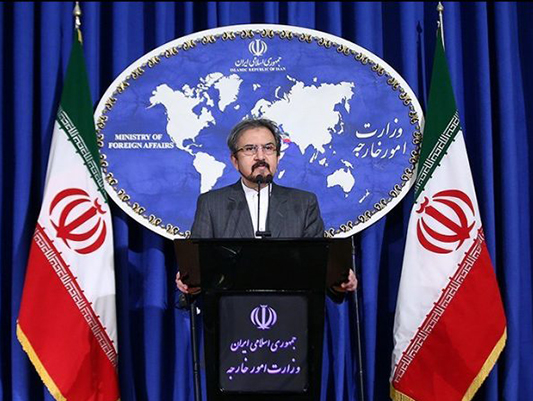
Bahram Qassemi

Iran’s foreign ministry spokesman Bahram Qassemi says US President Donald Trump as always, without learning a lesson from the developments of the recent decades and without revising the policies of his ill-advised predecessors towards this region and Iran has once again made irrational and hate-inspired statements against the people of this ancient land.

Qassemi said these are just the restatement of the same ambitiousness and avariciousness of the medieval and obsolete powers.

He also stressed that the dreams and hostile actions of the United States against the people of Iran have not been effective, and despite all their hate-inspired attempts such moves against Iran will remain futile.

“Donald Trump is just simply stating his false and void wishes which do not correspond any existing facts. He knows that the Islamic Republic of Iran has been familiar with the US sanctions policies and pressures for decades,” added Iran’s spokesperson.

He further mentioned that Trump must know the Iranian nation will never bow to oppressive US pressures, especially to the rulers who choose sanctions instead of respect and pick [building] wall instead of bridge.

Iranians have learned in their dramatic, but gratified history how to resist the overwhelming adversaries and bullies. They know how to defeat anti-Iran enemies and crush them, noted Qassemi.

On Sunday, Trump said Iran is in dire conditions due to US sanctions. He claimed Iran was withdrawing its forces from everywhere. He also stated that the Islamic Republic is not doing well and the country wants to hold talks with America.

The Iranian economy, Trump said, has been badly hit due to these sanctions. “They (Iran) are not doing well. They want to talk (with US),” Trump told reporters at the White House.

Syrian Kurds Stress Need for Agreement with Damascus

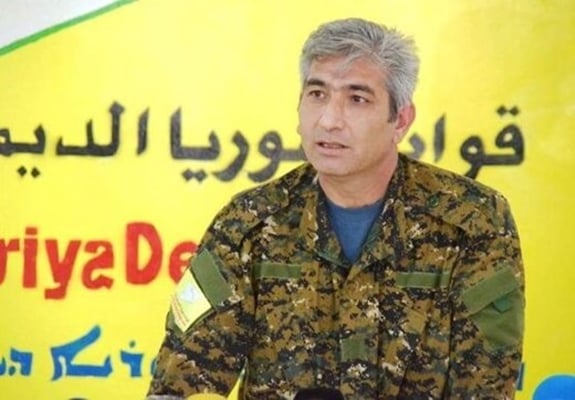
Redur Khalil, a commander in the Kurdish-led Syrian Democratic Forces alliance, told AFP that Kurdish authorities and Damascus were bound to reach a deal.

“Reaching a solution between the autonomous administration and the Syrian government is inevitable because our areas are part of Syria,” said Khalil.

“Talks are ongoing with the government to reach a final formulation for administering the city of Manbij,” Khalil noted, adding that negotiations had shown “positive signs”.

If that leads to a solution that “protects the rights” of Manbij residents, a similar deal could be applied to rest of the areas east of the Euphrates river, he underscored.

The deployment of Syrian army forces along the Turkish border could not be ruled out, but this will require specific arrangements on how to control these areas. he underlined.

“We still have some differences with the central government, which need negotiations with international support,” Khalil said, adding that Russia could play an important role as a guarantor state.

“The tasks of these forces could change, but we will not withdraw from our territory,” Khalil said, stressing that Kurdish fighters should be part of the Syrian army. Or another structure should be created for them that fits their status.

He also urged for a new constitution that would guarantee the rights of all citizens including the Kurds.

“We have common grounds with Damascus, including the unity and sovereignty of Syria over all its borders and the Syrian people’s ownership of the natural resources of this country. We also agree on the fight against extremist political ideas,” concluded Khalil.

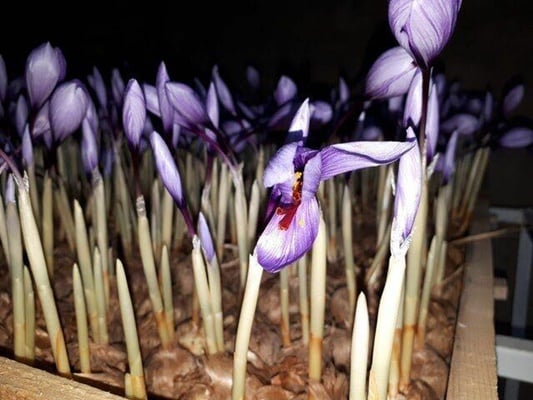
Iranian Youth Cultivates Saffron in Mars-like Conditions

In an interview with ISNA Ali Golabi said he has always been concerned about the creation of a new job for the unemployed.

“Since late last year, I was looking for running a greenhouse with a hydroponic method (soilless), and after doing the research, I decided to use the opportunities available. Therefore, I began to cultivate saffron at a corner of my house.

According to him, he has brought the bulbs of the saffron from the city of Mashhad to grow them in his three-metre handmade containers at the corner of his yard.

The quality of the product is perfect, and the reason is that the plants are away from direct sunlight. In this new method, moisture is collected from the lower and upper parts, and saffron is cultivated in 5 months. It is expected that he would harvest more than 100 grams of saffron at his first attempt.

Soilless culture began centuries ago, when in ancient times, Egyptian, Chinese and Indian farmers used a manure in water to cultivate cucumber, watermelon and other vegetables on the sandy riverbeds. There are now many farms that cultivate different plants through soilless culture. Soilless culture is a type of cultivation in which soil is not used as a bed.

New Books Developed for Visually Challenged Children

Imagine you are going to illustrate a book that you have read.

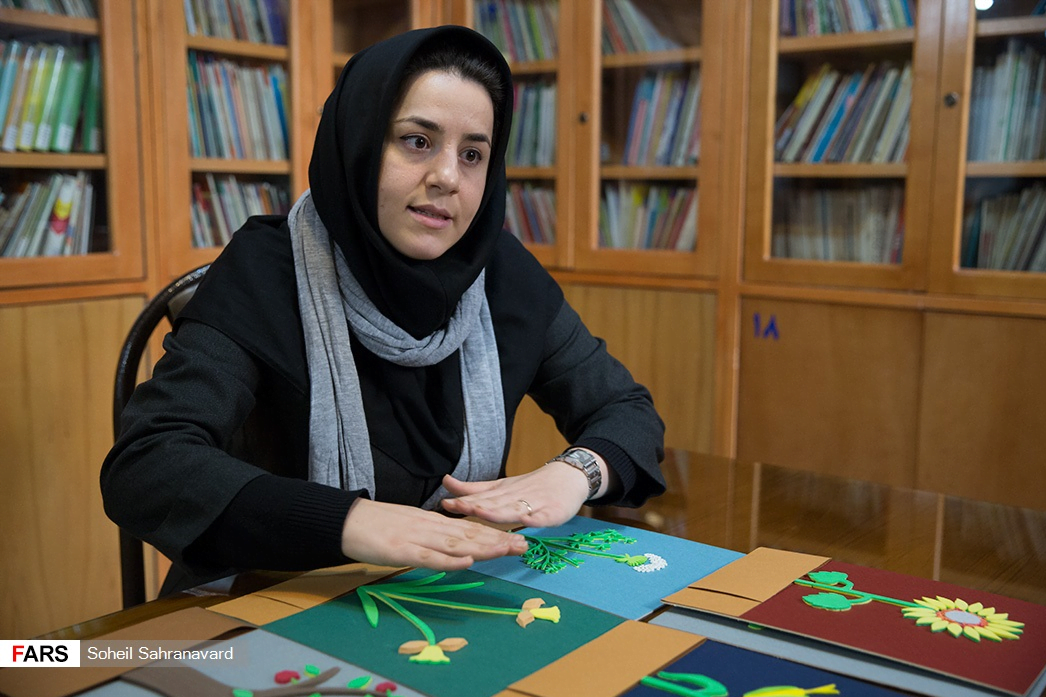
Sima Shahrokhi, a senior expert in graphic design, has, through his efforts over the past 14 years, proven that children who are unable to see can create illustrations for their own books and get a deeper understanding or the world around them if trained.

This 35-year-old artist’s creative ideas in teaching the blind how to illustrate books show that if virtually challenged children’s sense of touch and manual skills are improved, they will get a better understanding the world around them and, as a result, will have a greater self-confidence in order to make their presence felt in this unknown world.

On the 210th anniversary of the invention of the braille system, Fars News Agency has conducted an interview with Sima Shahrokhi. The highlights of the interview follow.
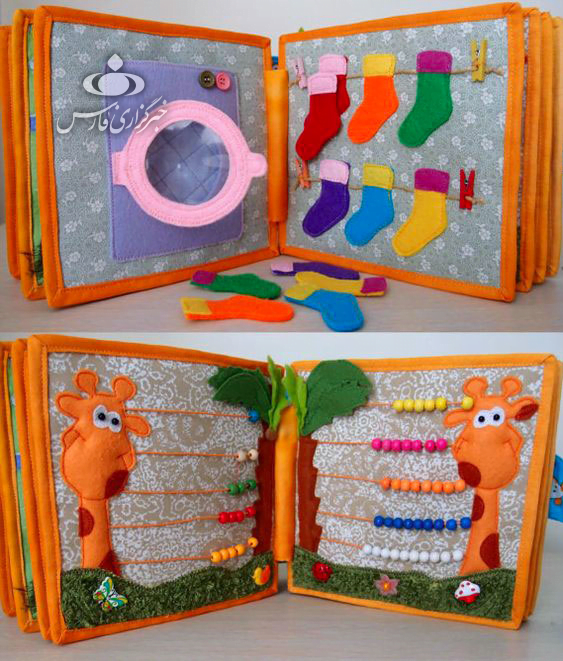
New Books Developed for Visually Challenged ChildrenIt All Began with A Few Cloth Books

I noticed a few cloth books in an exhibition marking the centennial of Hans Christian Andersen’s birth. I asked about them and found out that members of a special group of the Children’s Book Council had created those books. That was how I got familiar with those people. They made up a special group handling the affairs of children with special needs such as the visually challenged, the hearing impaired, the mentally handicapped, etc. Given my field of study, I entered the independent group tasked with attending to blind children and I began contributing to the creation of books.

After some time, I arrived at the conclusion that it would be wrong for me to sit at the council and make books with dotted images for visually challenged children because a touch book should not be only a book with raised pictures. I felt there is something missing here. So, I went to a school for the visually challenged and began to test my ideas and books with the help of those children.
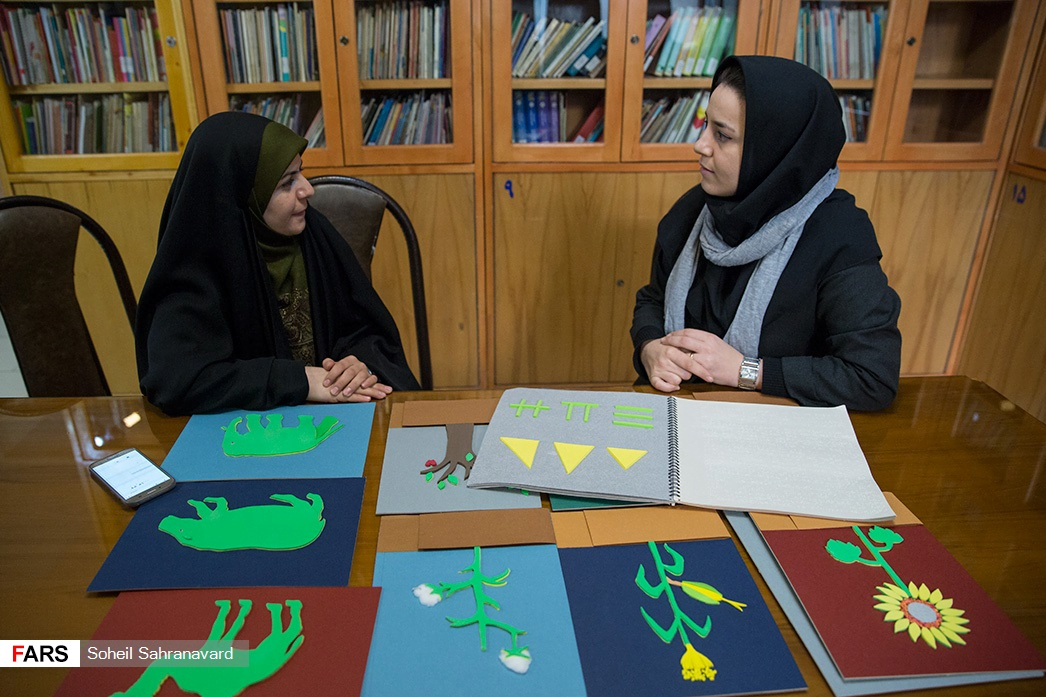
New Books Developed for Visually Challenged ChildrenI Began to Discover Things Side by Side with Children

When I started work, I found out that blind children were very keen on illustrating their books themselves. In fact, doing the illustration job from A-Z helped them to get experienced in that field and get to know other books as well. Therefore, I began to create books with the cooperation of visually challenged children.

Shoemakers’ Market: The World of My Discoveries

It would be interesting to know that I found a good alternative for cardboard during my work. I used a specific type of cloth called “Joorabgir” used in shoemaking industry. Joorabgir never gets torn. It is, in fact, something between cardboard and cloth, and has the properties of both.

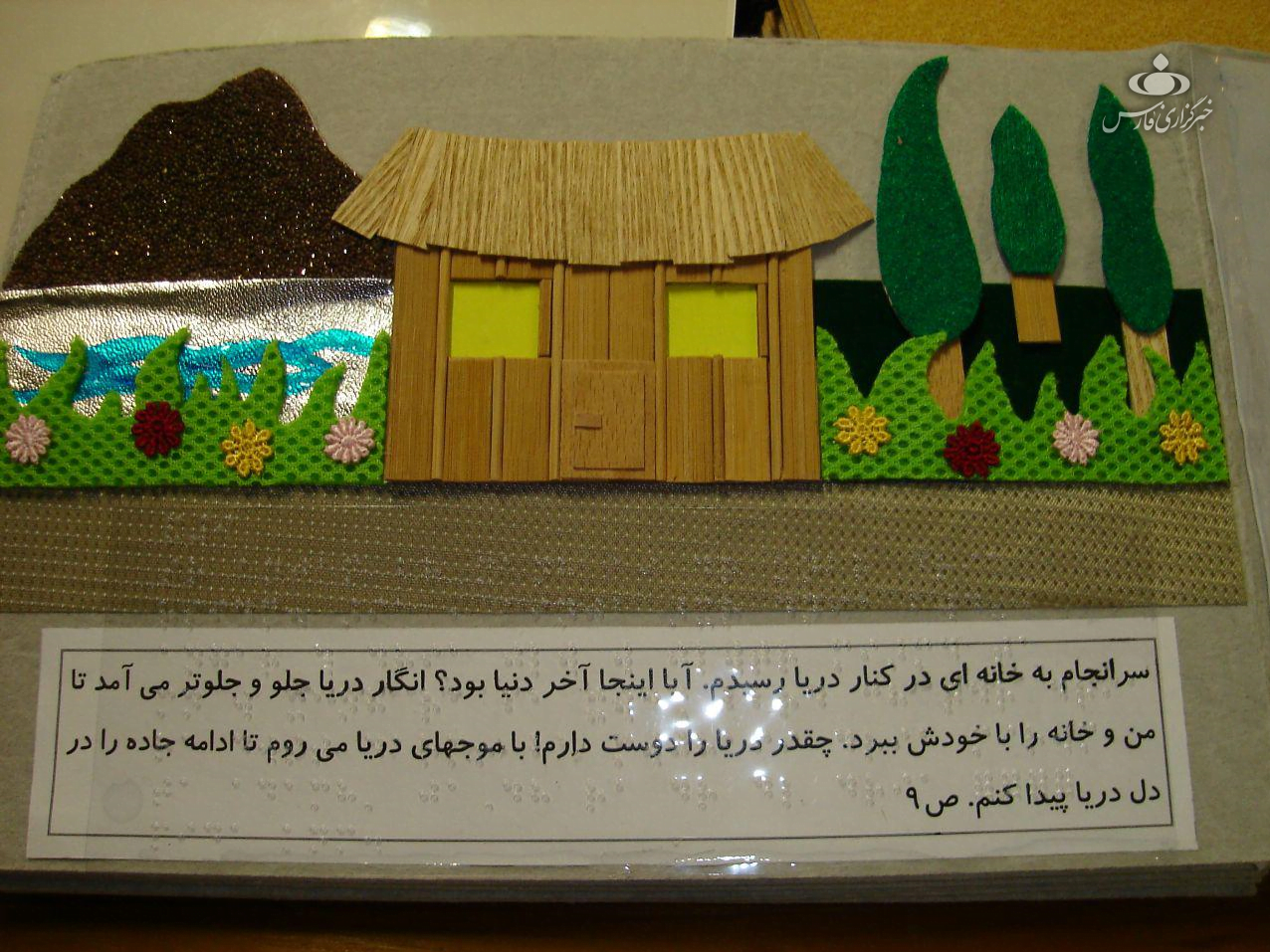
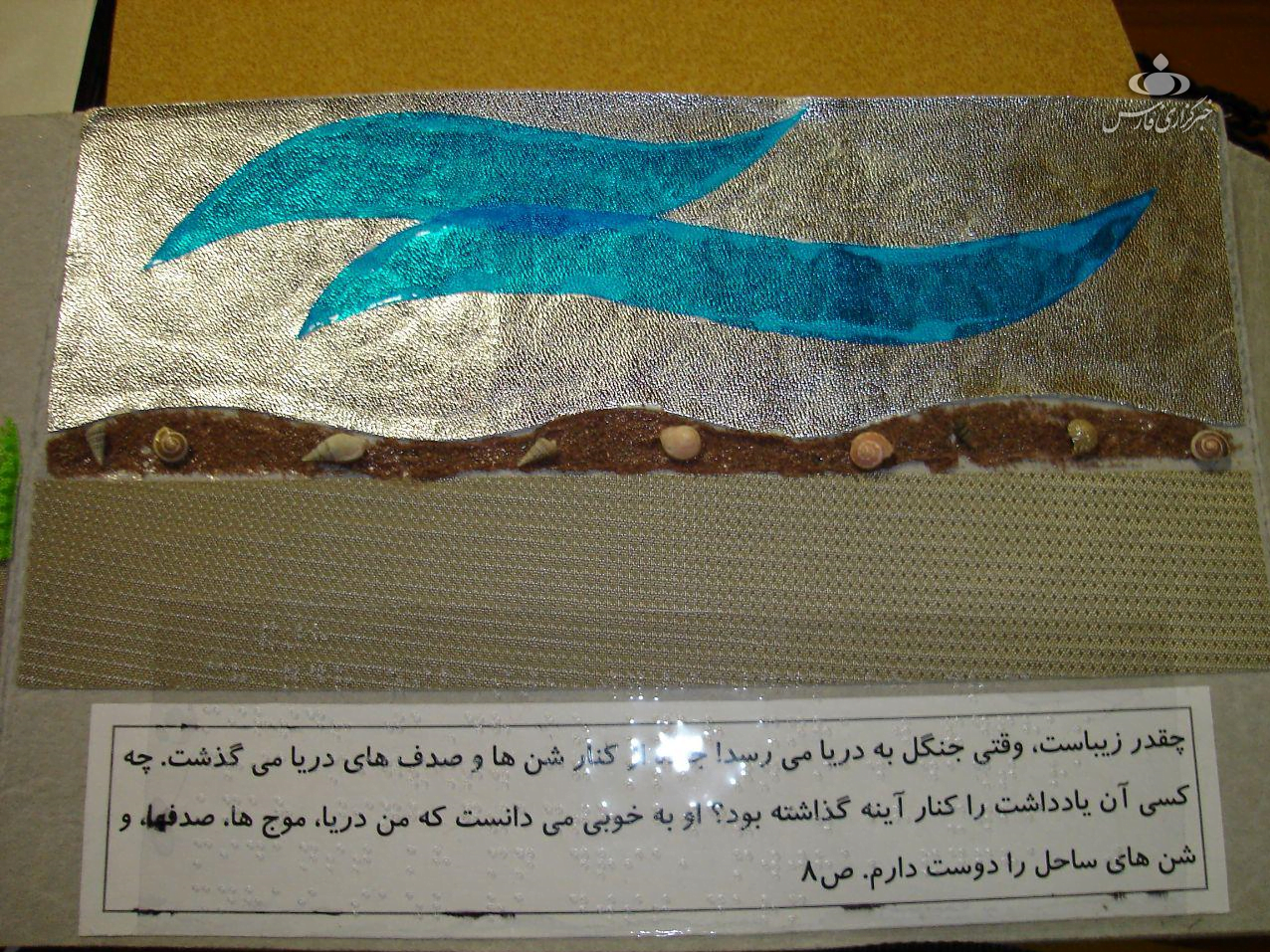
“I got everything needed for illustrating books for visually challenged children from the shoemakers’ market at my own cost. Unlike ordinary clothes which do not have a good texture, the cloth and equipment used in shoemaking have a variety of raised textures and materials which give you a sense of “grass” when touched,” said Shahrokhi.

“Or there are some kinds of cloth in the shoemaking industry that give humans a feeling of “coldness” when touched. It feels as if you are putting your hands in water,” Shahrokhi added.

“I visited the shoemakers’ market several times and searched for and touched different types of cloth and fabrics, and learned a few points and used them in my books, which helped visually challenged children to discover new feelings,” Shahrokhi further said.

When Blind Children Become Book Illustrators

It is interesting to know that children themselves gave me ideas by touching different materials.

“Ma’am! This is very similar to such-and-such stuff,” they said.

It was very interesting for me and I noted it down. So, I chose the material upon agreement by the children. I believe we should allow children themselves to illustrate concepts.
New Books Developed for Visually Challenged Children

New Books Developed for Visually Challenged ChildrenWhen a Danish Lady Instructor Got Surprised!

“The Road” was one of the books I had created using different materials and fabrics. The book recounts the story of a small car which hits the road and embarks on a journey and passes through different settings such as mountains, forests, seaside, deserts, etc. I used a specific material and fabric to create each one of these atmospheres. Some time ago, I met a Danish lady who had come to Iran to visit the Children’s Book Council. She worked in a school for the visually challenged. When she learned about my method, she got surprised because the books they made for blind children were printed and contained raised images using the braille system.

I gave her a copy of the book “The Road” as a gift. Later she wrote to me in her email that “I hadn’t seen so many different textures and materials in my whole life and, so far, no one has ever used so many different types of materials. My students enjoyed the book very much. I congratulate you. This is a very successful method.”
New Books Developed for Visually Challenged Children

New Books Developed for Visually Challenged ChildrenWhen A Blind Child Becomes a Tourist Due to A Book

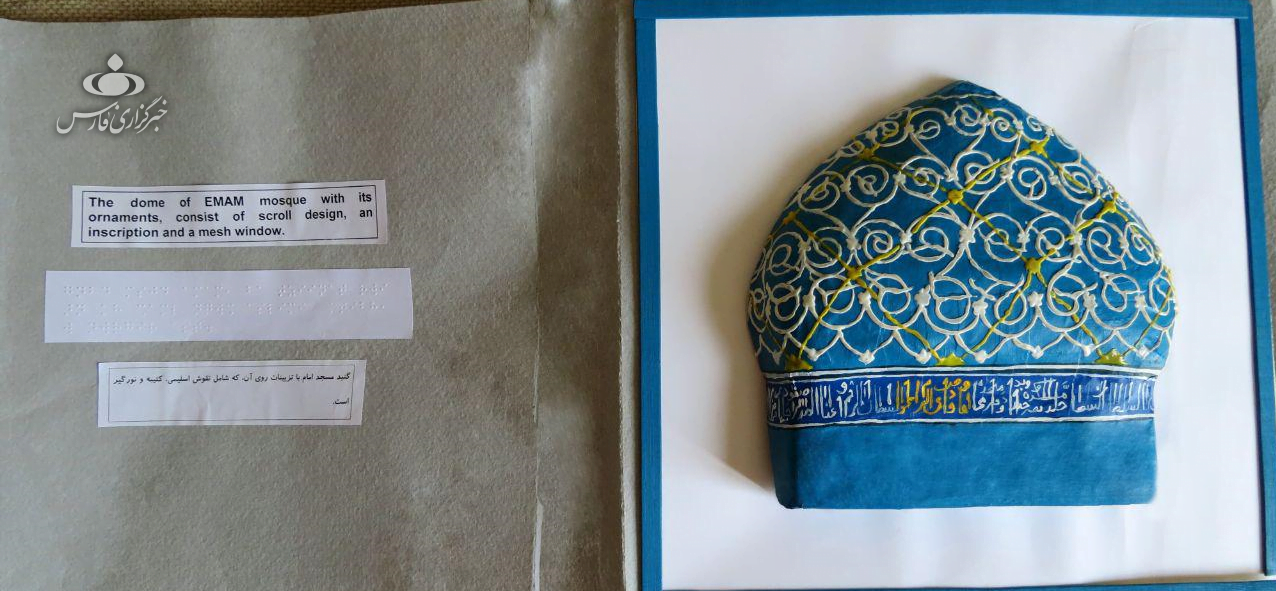
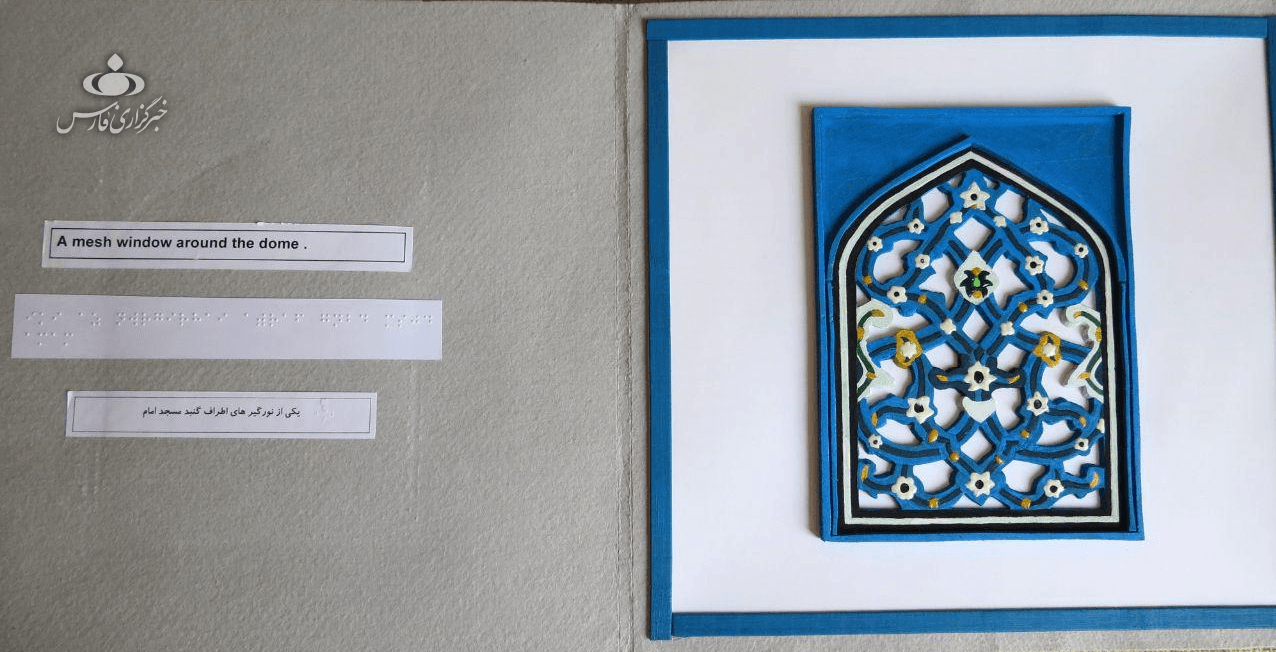
One of the most creative books by Sima Shahrokhi is the book “My Father and I’s Trip.” It is the story of a visually challenged boy who goes to Isfahan with his father, but cannot have an understanding of all the beauty and grandeur of the ancient monuments there.

In order to explain the concept of the seven-colour tile, Shahrokhi has put two rails on one page and separate the two parts of the hand-made tile in such a way that they move on these two rails. When the blind child attaches these two parts together, a whole tile will be formed.

It is in fact the first book which introduces one of Iran’s historical monuments using the touch method. The book was displayed in exhibitions for children with special needs and was welcomed by the International Board on Books for Young People (IBBY).

Shahrokhi has also created the first touch copy of the “Book of Kings” written by renowned Iranian poet Ferdowsi.

New Books Developed for Visually Challenged Children

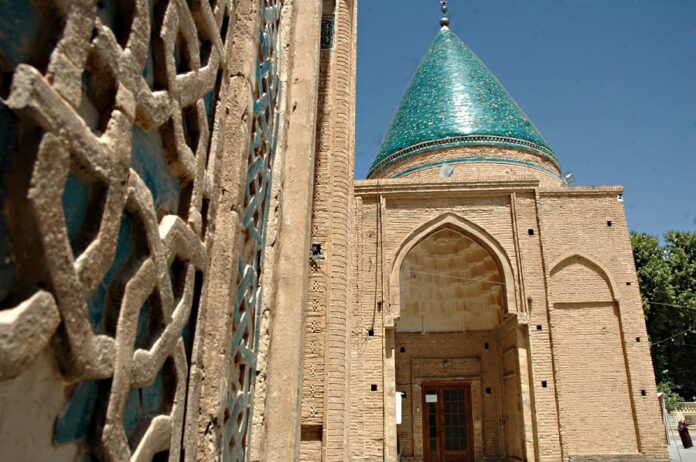
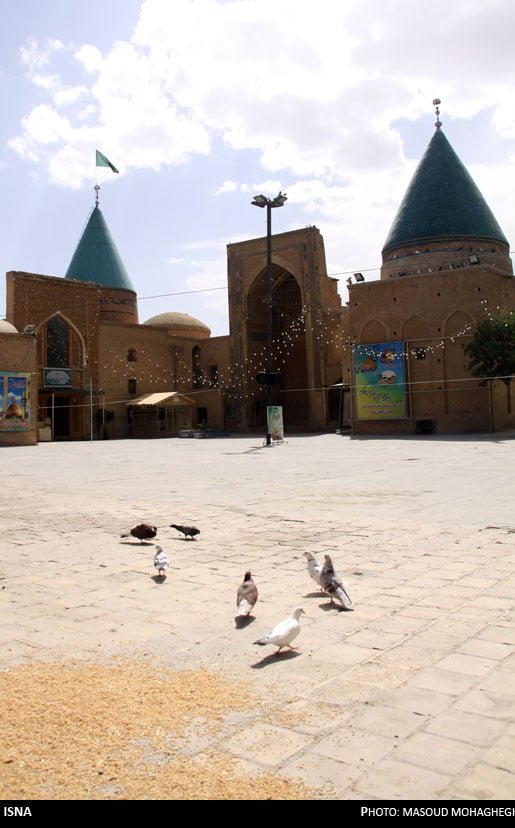
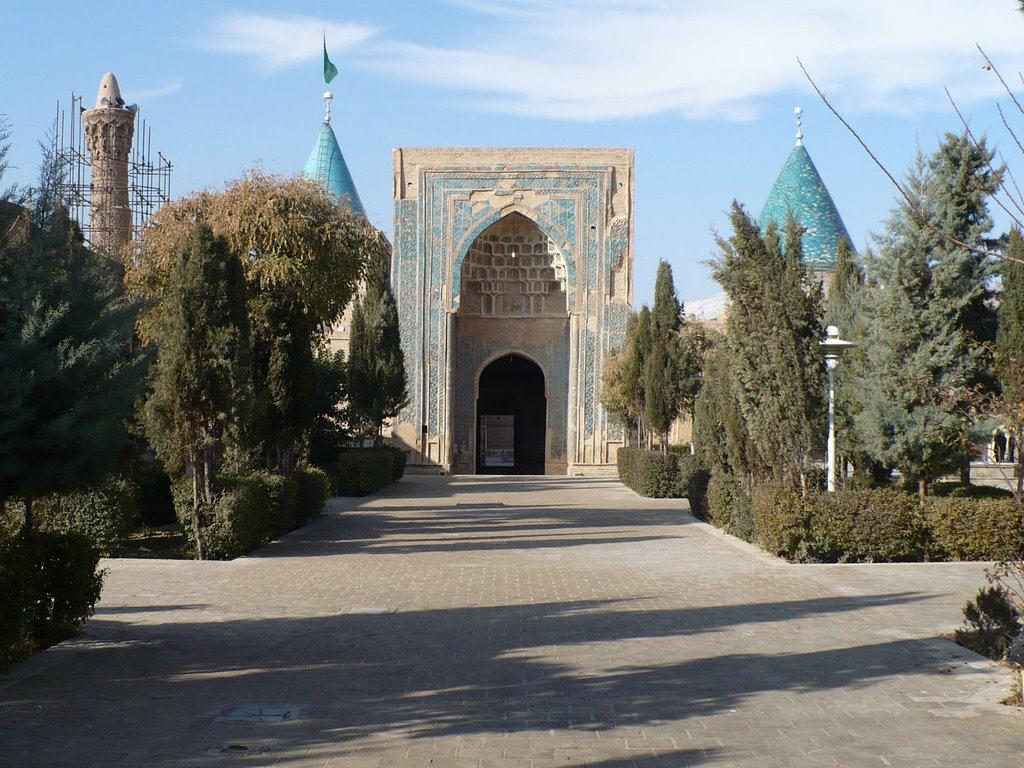
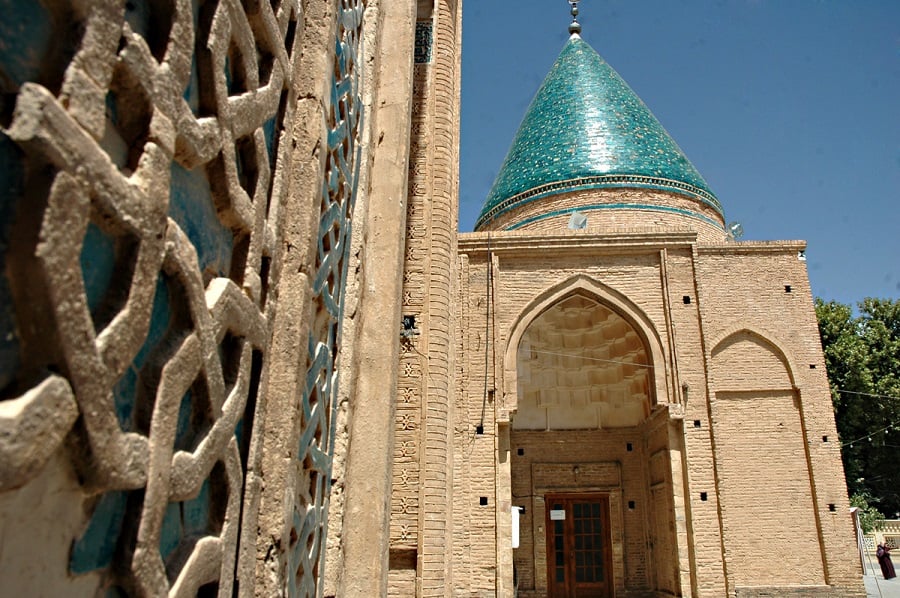
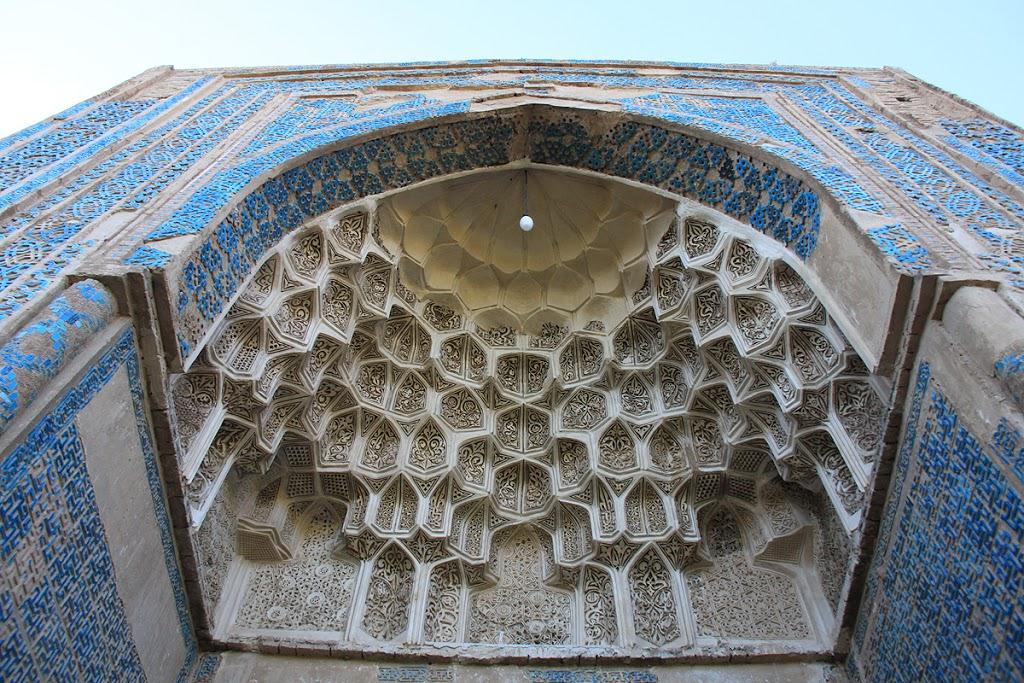
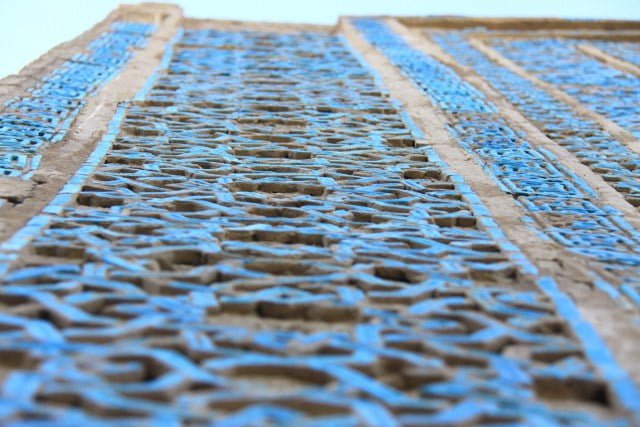
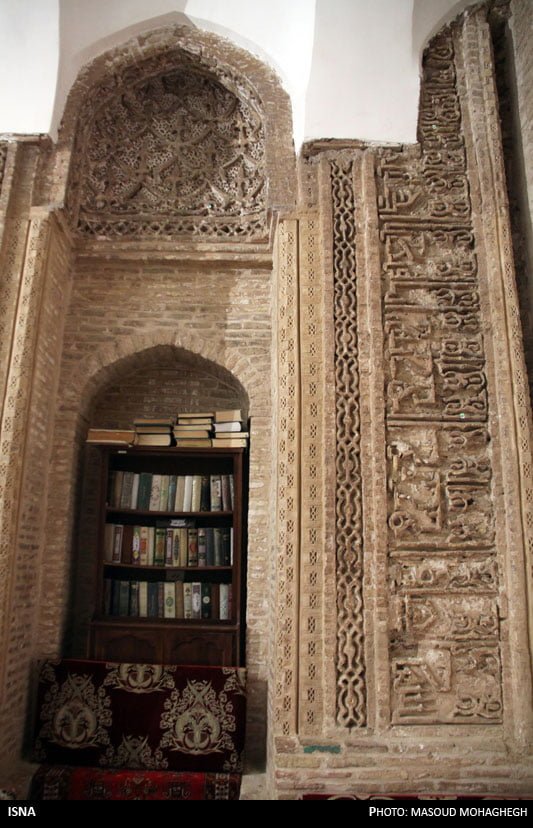
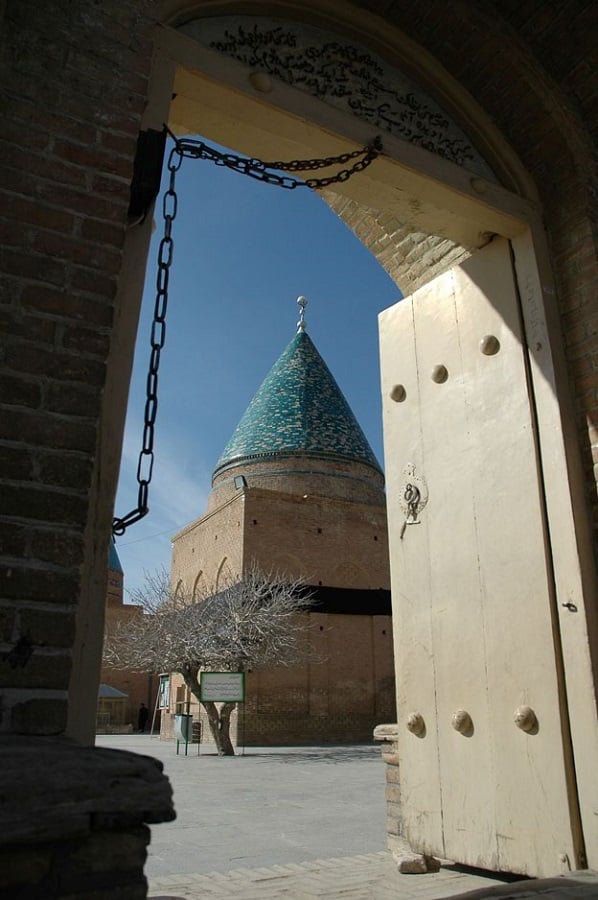
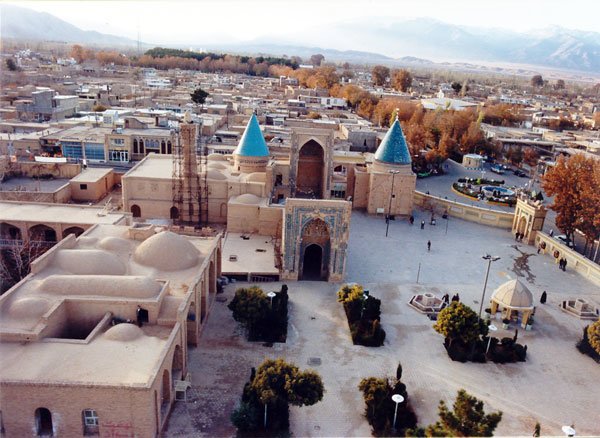
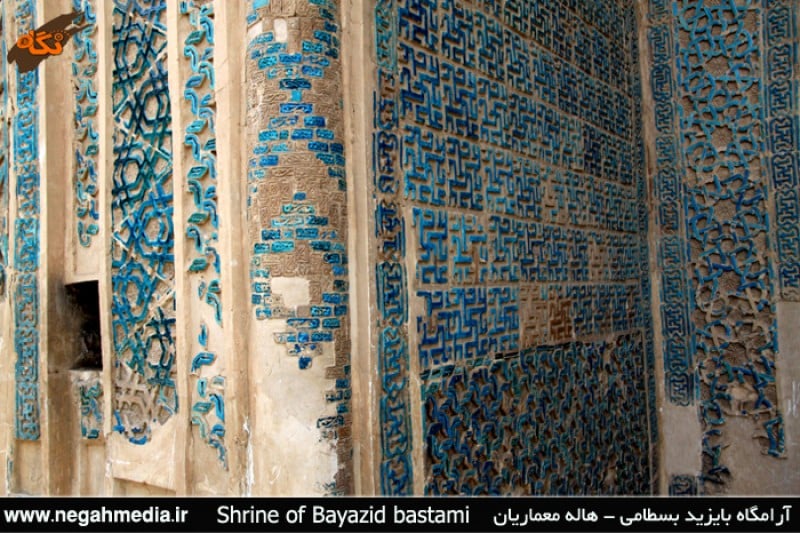
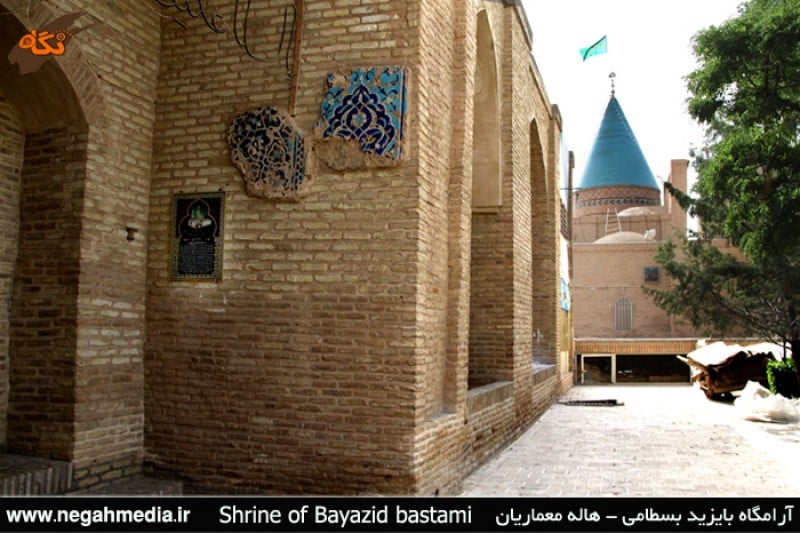
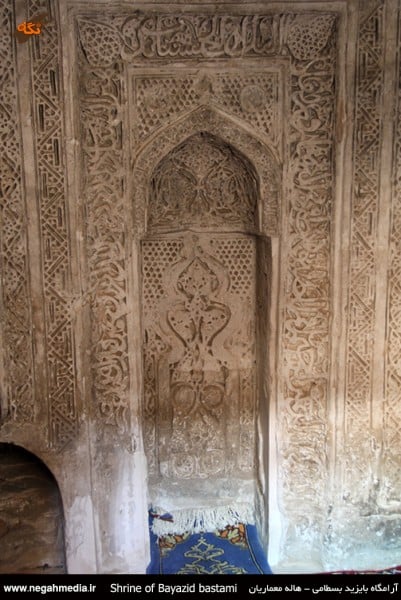
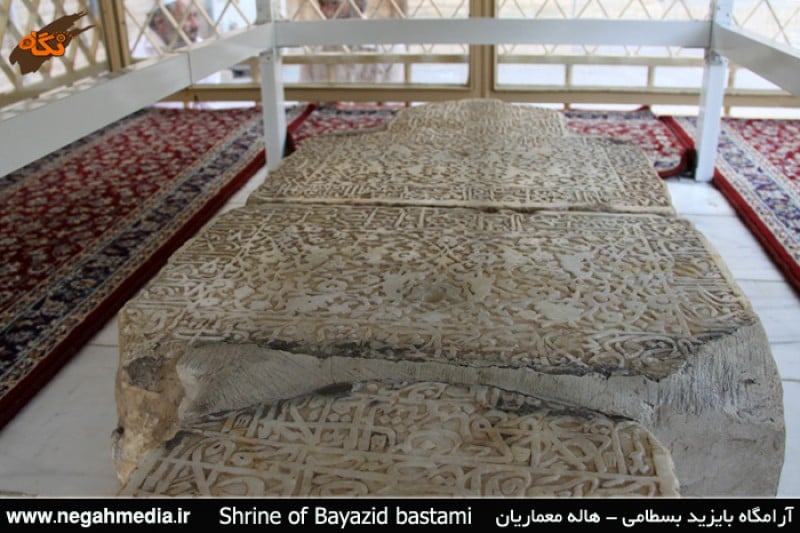
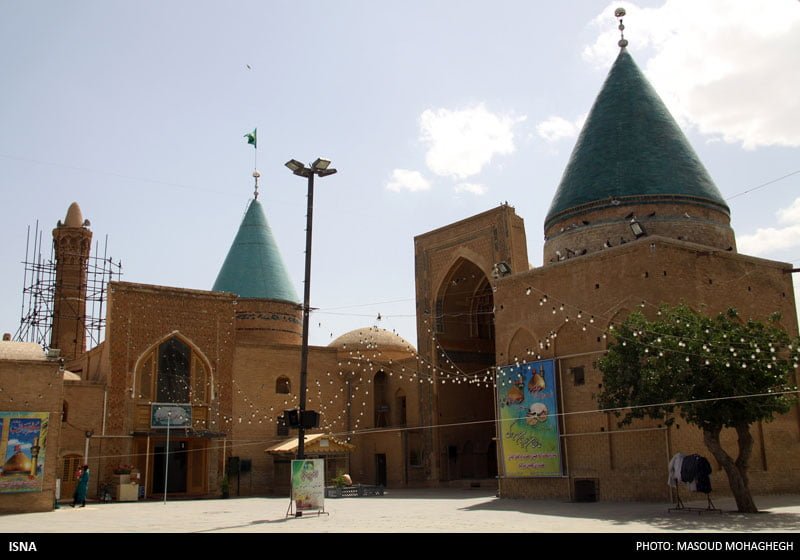
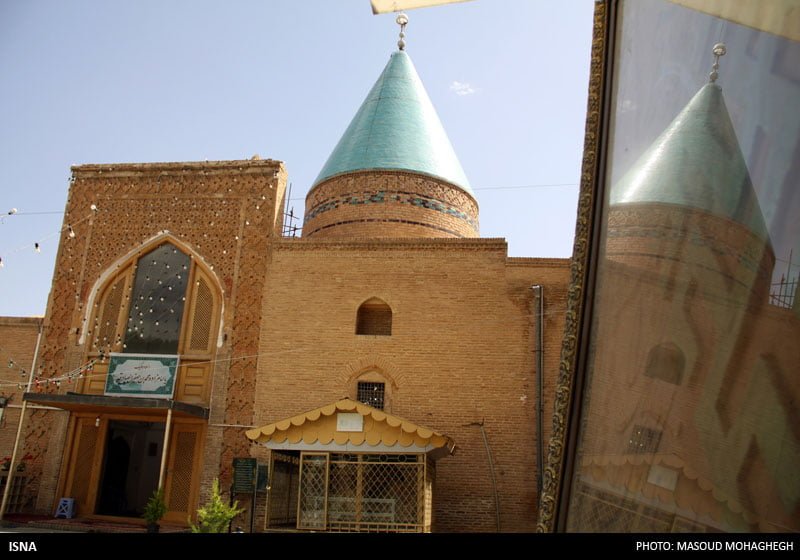
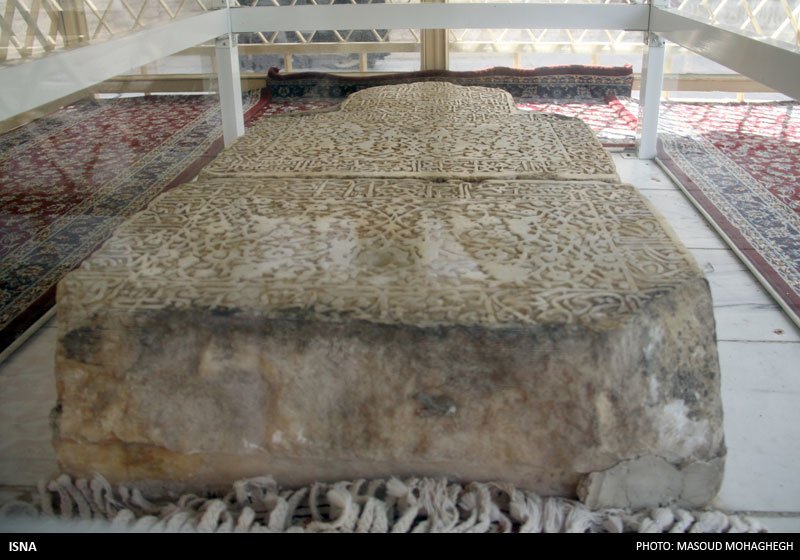
Bayazid Bastami’s Tomb; Tourist Attraction in Iran’s Semnan

Bayazid Bastami’s Tomb; Tourist Attraction in Iran’s Semnan

This tomb is now a historical monument and a tourist destination.

Bastam is one of the cities of Semnan province and 6 kilometres north of Shahrud.

Bayazid Bastami known as Sultan-ul-Arifin is the greatest Iranian Sufi in the 3rd century AH. He has been living in Bastam and his tomb is located in this city.

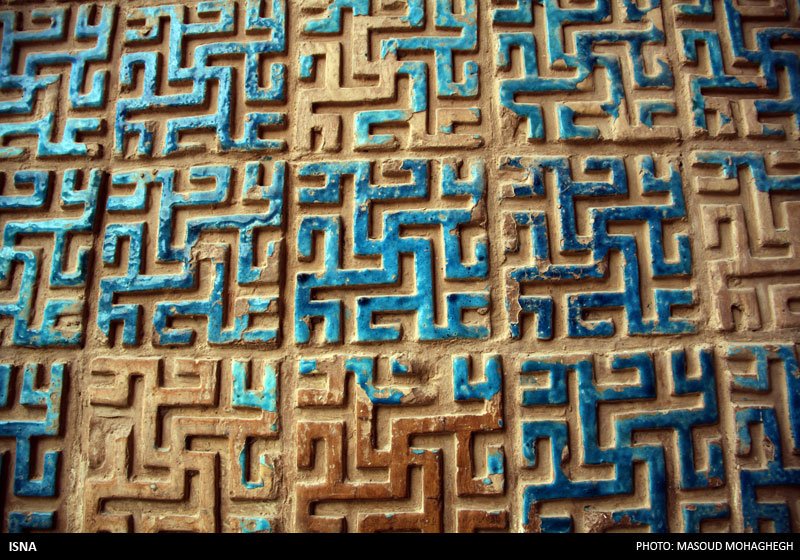
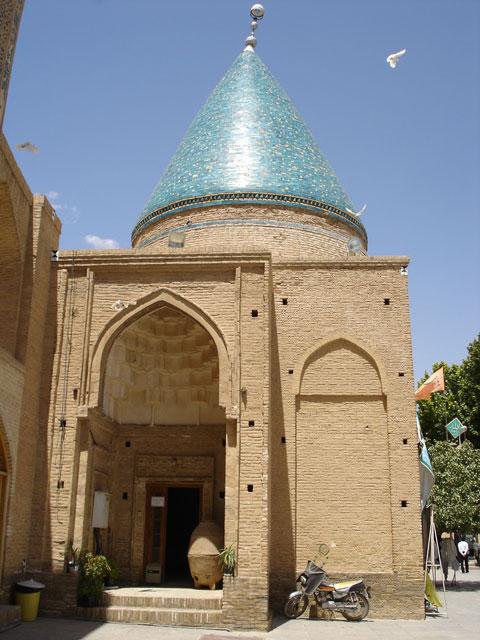
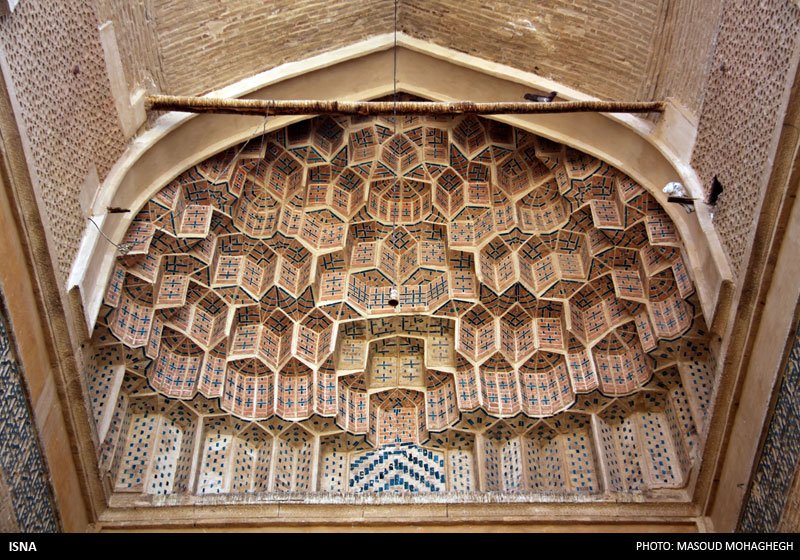
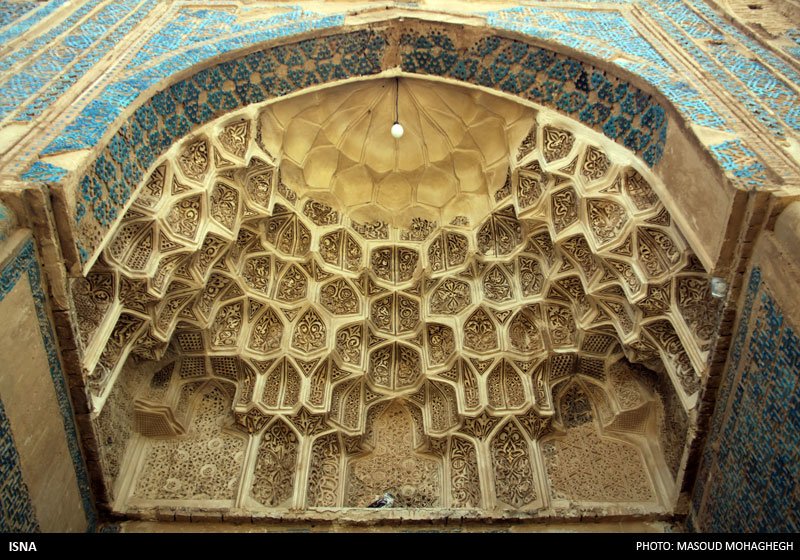
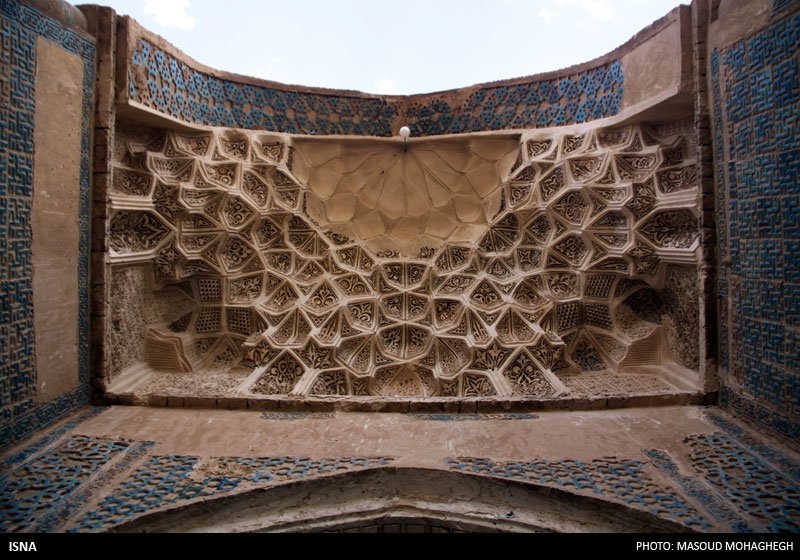
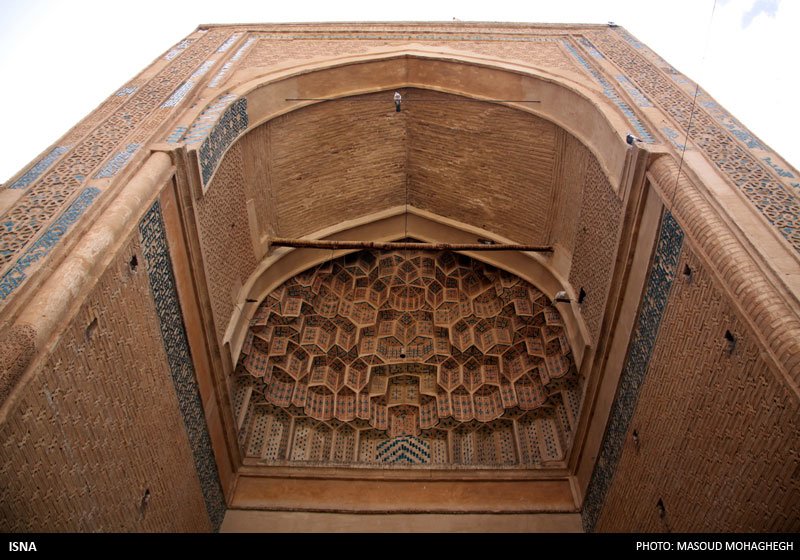
The complex includes mosque, tombstone, dome, minaret, porch, parlor, and patio which feature works from the Seljuk, Ilkhani, Timurid, Safavid and Qajar dynasties.

The tomb of this great Sufi does not have any decorations, and in fact the disregard for the materialistic aspects of life is quite obvious at his tomb.

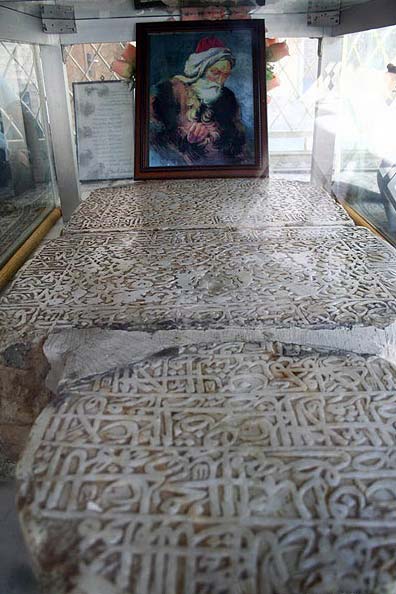
On the grave of Bayazid, there is a marble that carries the words of the famous sermons of first Shai Imam, Ali ibn Abi Talib (AS).

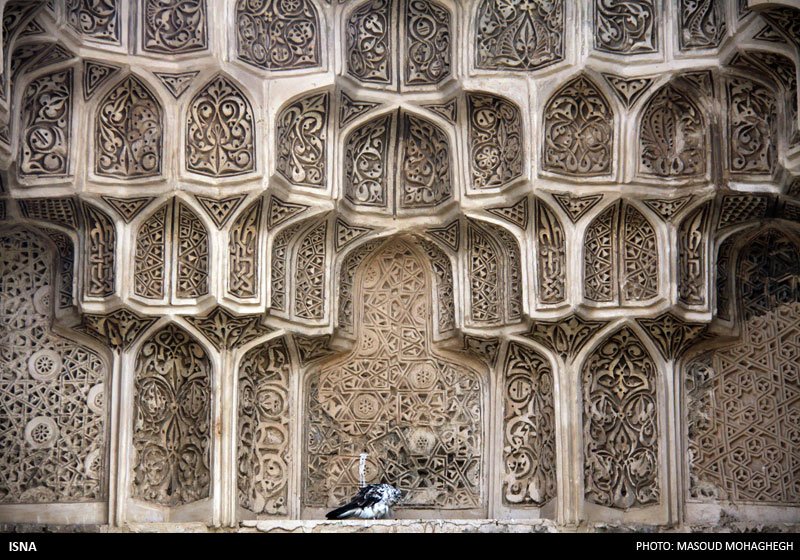
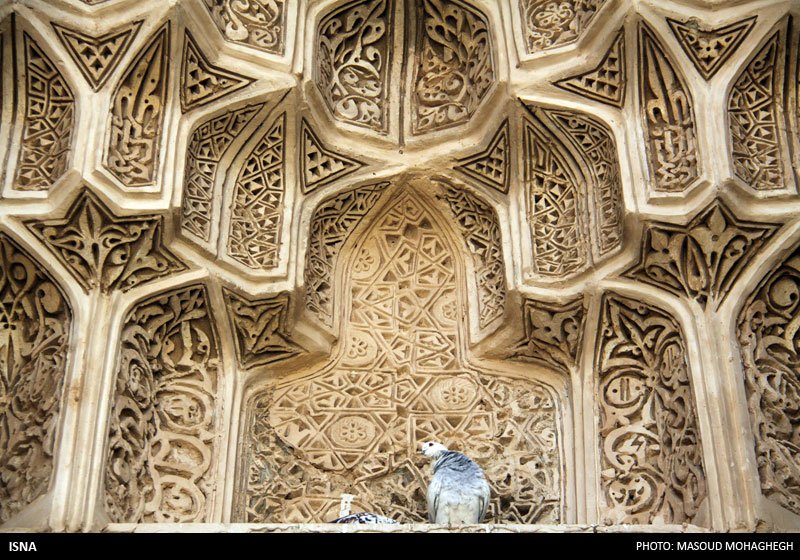
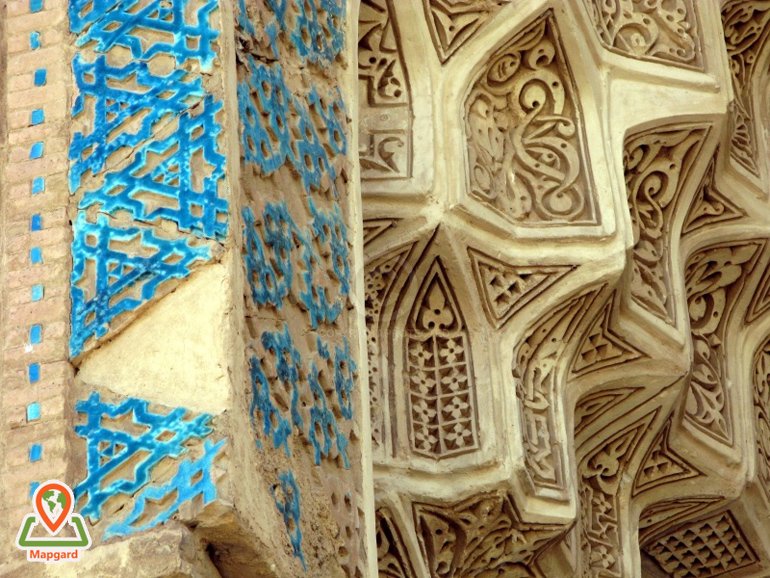
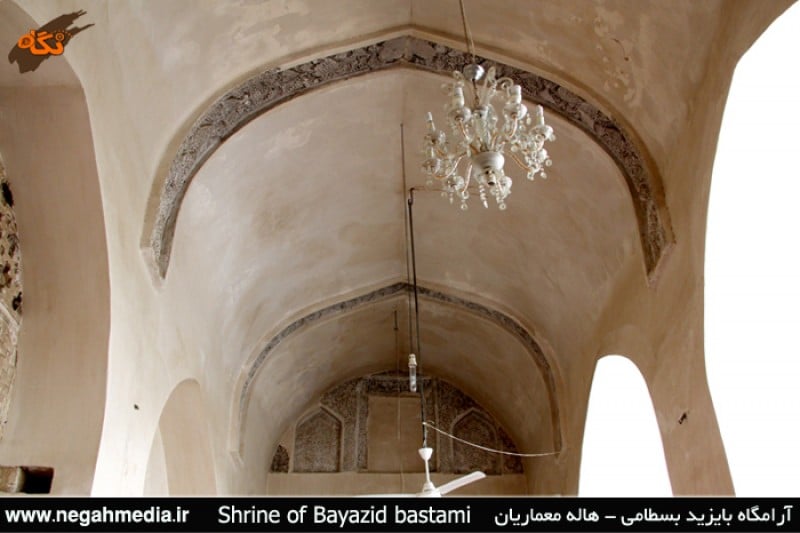
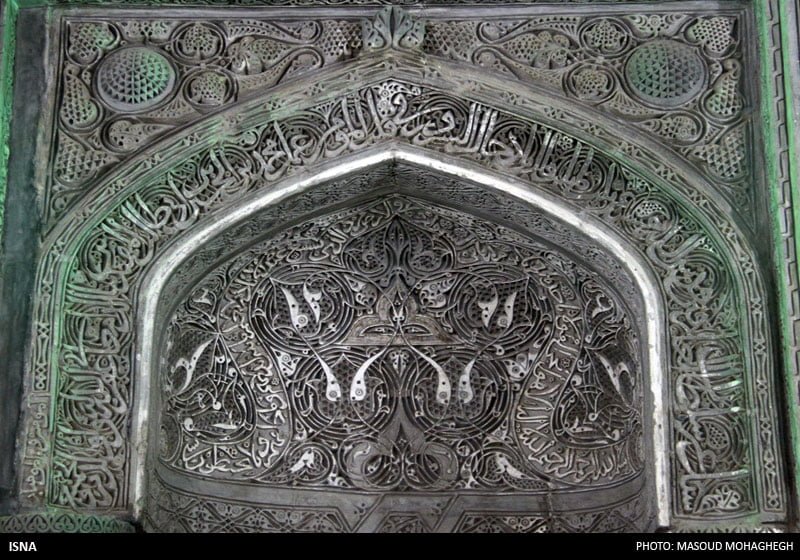
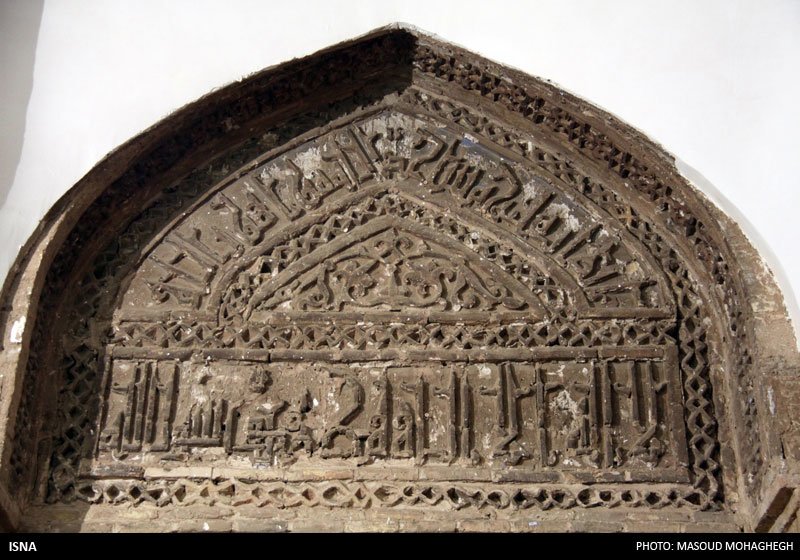
Bayazid monastery is located 4 meters west of the tomb. The monastery has two small rooms that are connected with short ceilings. The walls and ceilings of the monastery have very beautiful stucco works and some sentences are stamped on it. There are also inscriptions on the altar.

What follows are the photos of this tomb retrieved from different sources:

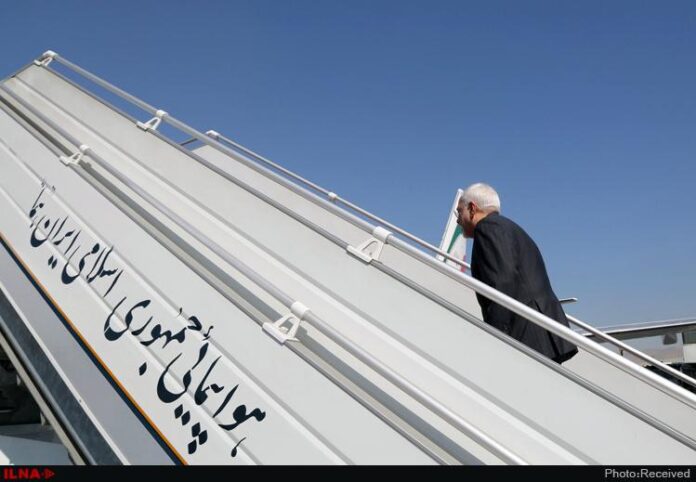
Iran’s FM to Travel to India to Deepen Ties

Iran’s Foreign Minister in Beirut for Talks

Foreign ministry spokesperson said that senior executives from state and private entrepreneurship companies will accompany FM Zarif on this three-day visit.

“He will also meet with Indian officials and participates in a joint trade conference of the two countries. Among the other programs of Iranian foreign minister during this important visit id to attend the annual international conference of the Raisina Dialogue,” added Qassemi.

The Raisina Dialogue is a multilateral conference held every year in New Delhi. Since its start in 2016, the conference has appeared as India’s top conference on geopolitics and geo-economics. The conference is hosted by the Observer Research Foundation, an independent think tank, in collaboration with the Ministry of External Affairs of India.
The conference is organised as a cross-sectoral discussion, involving a variety of global politicians including heads of state, cabinet ministers and local government officials. In addition, The Dialogue also welcomes major private sector executives, as well as members of the media and academia.

The name “Raisina Dialogue” comes from Raisina Hill, an elevation in New Delhi, seat of the Government of India.