Friday, December 26, 2025
Home Blog Page 3252

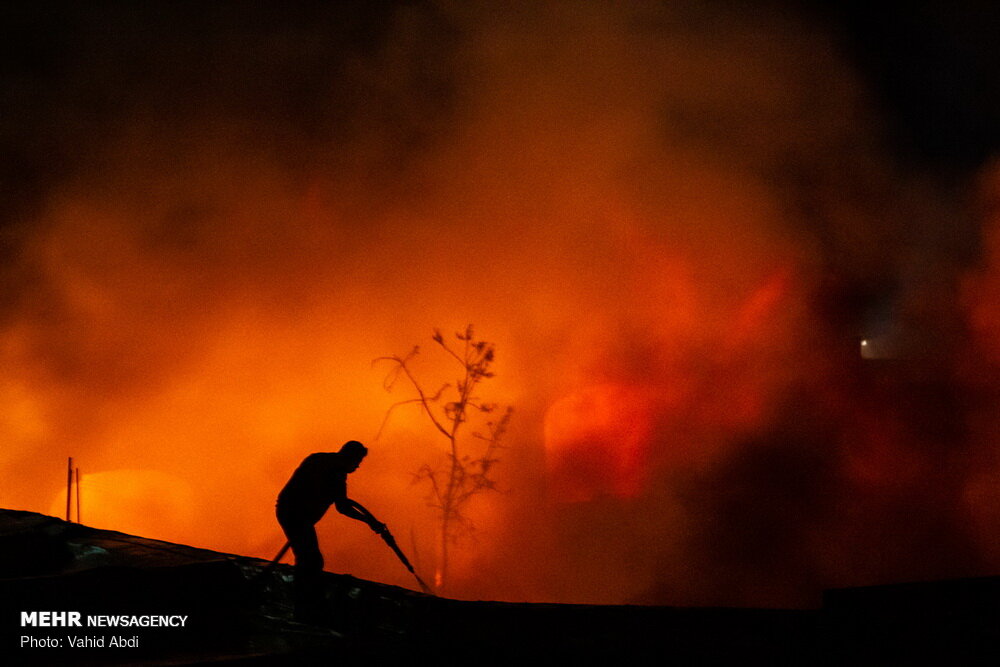
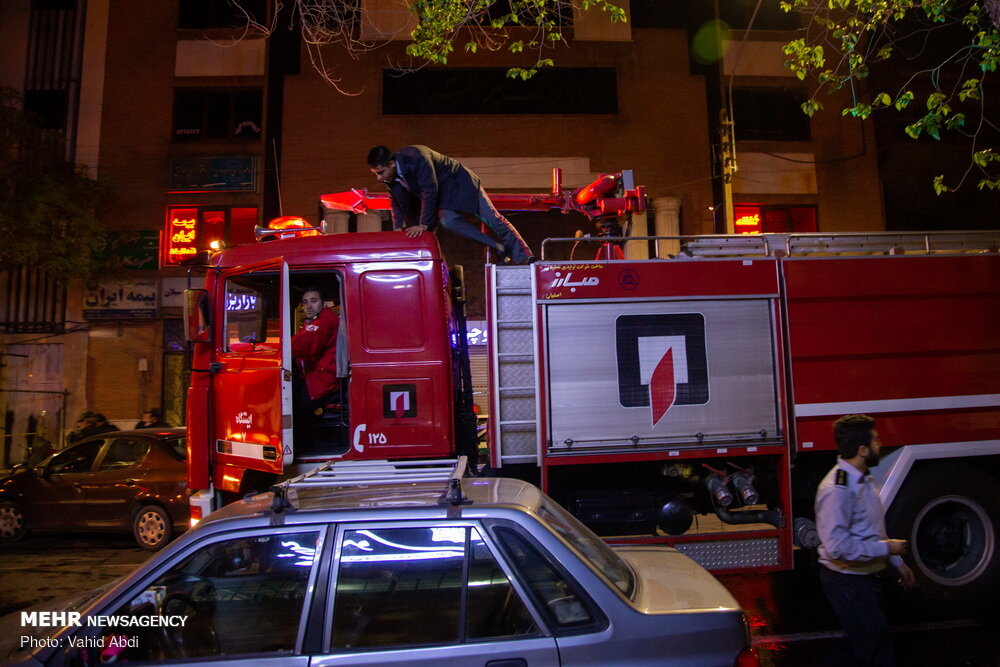
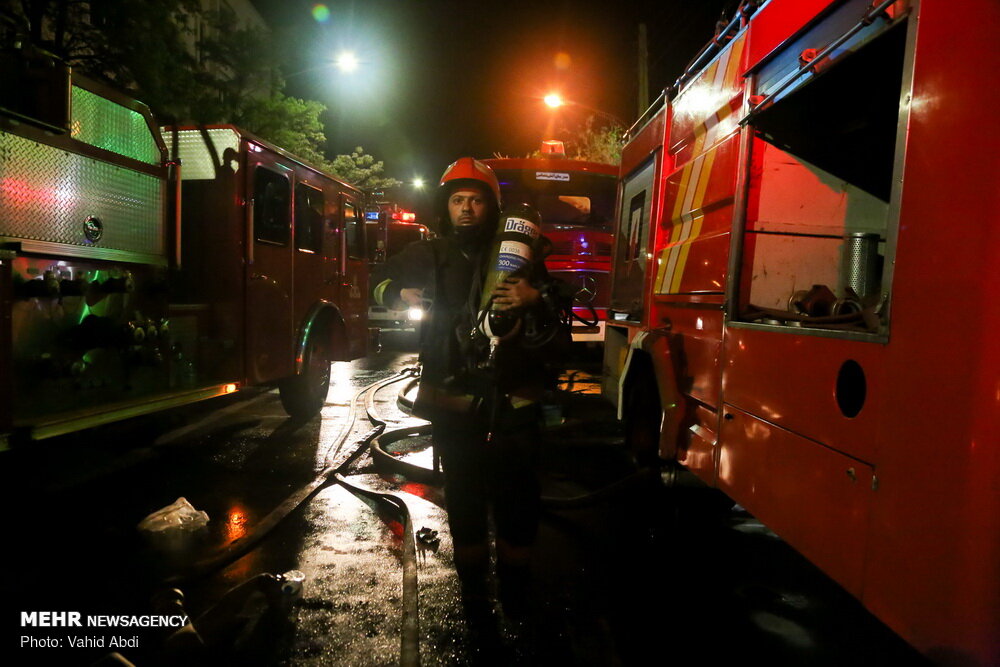
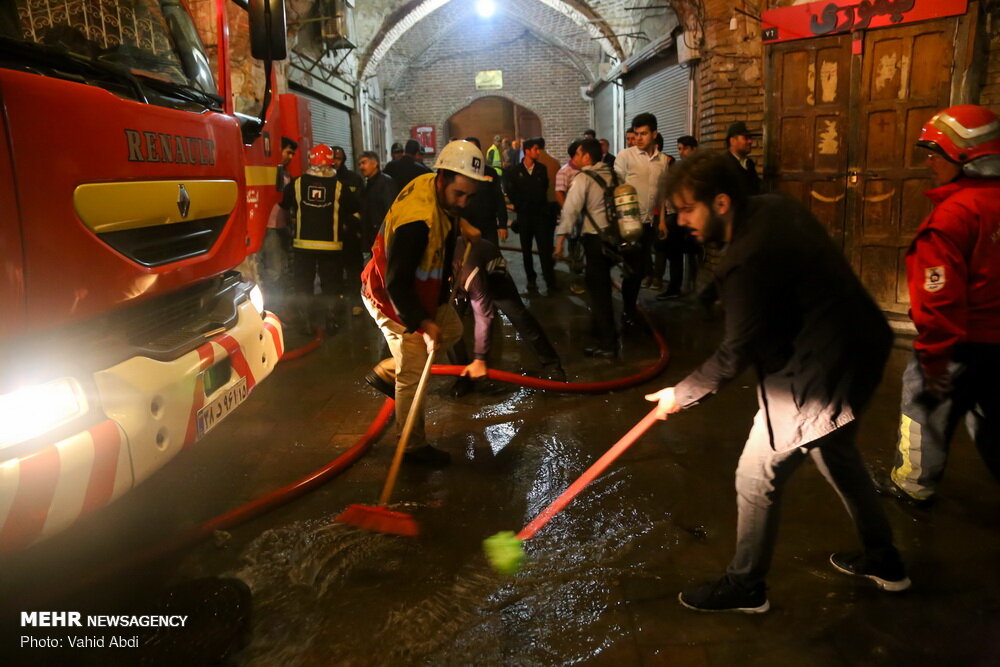
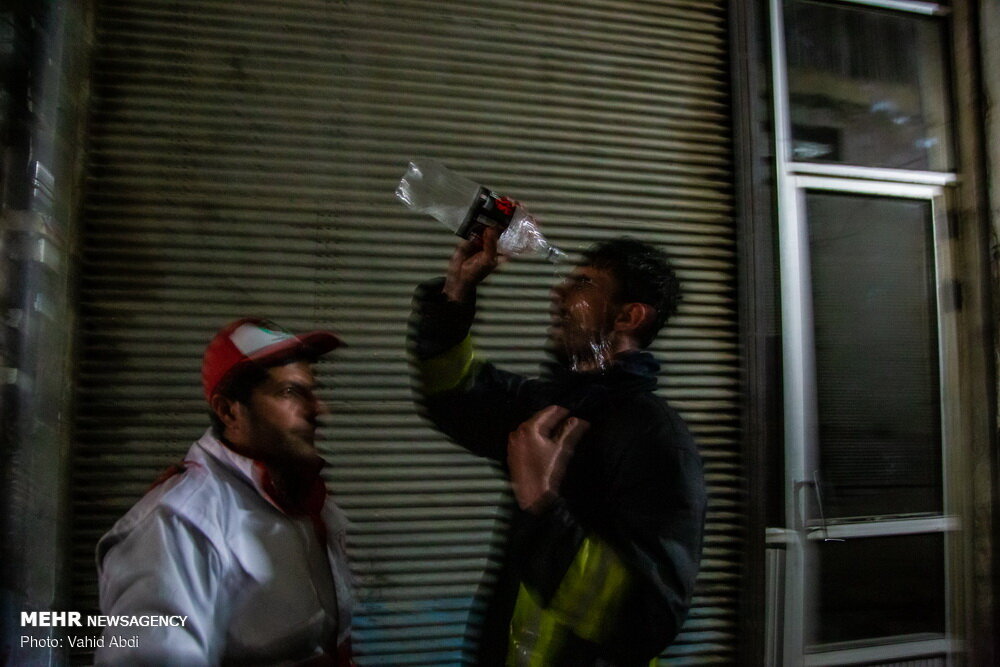
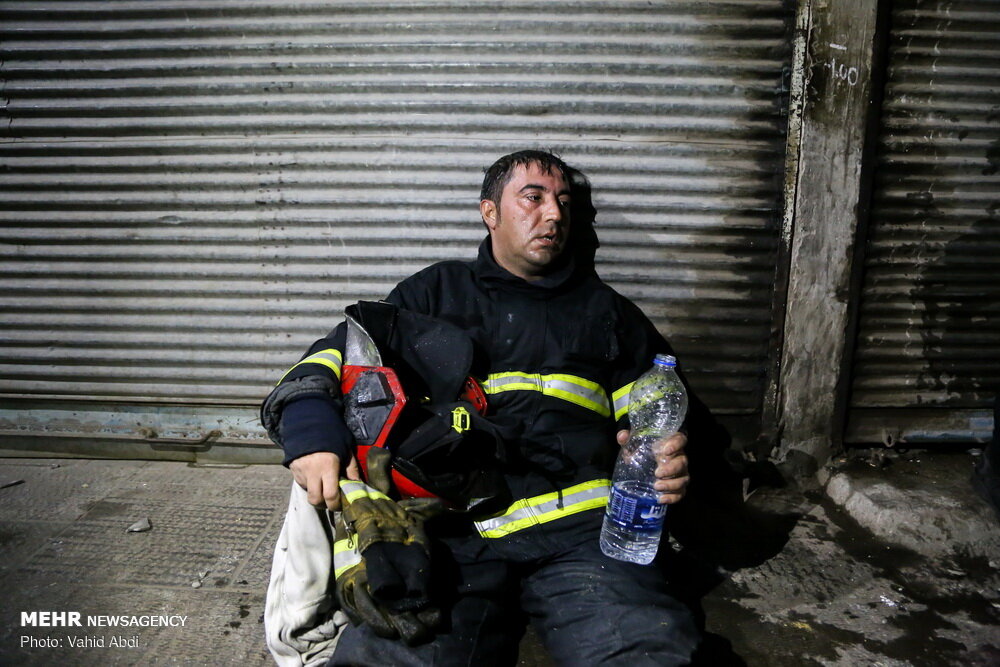
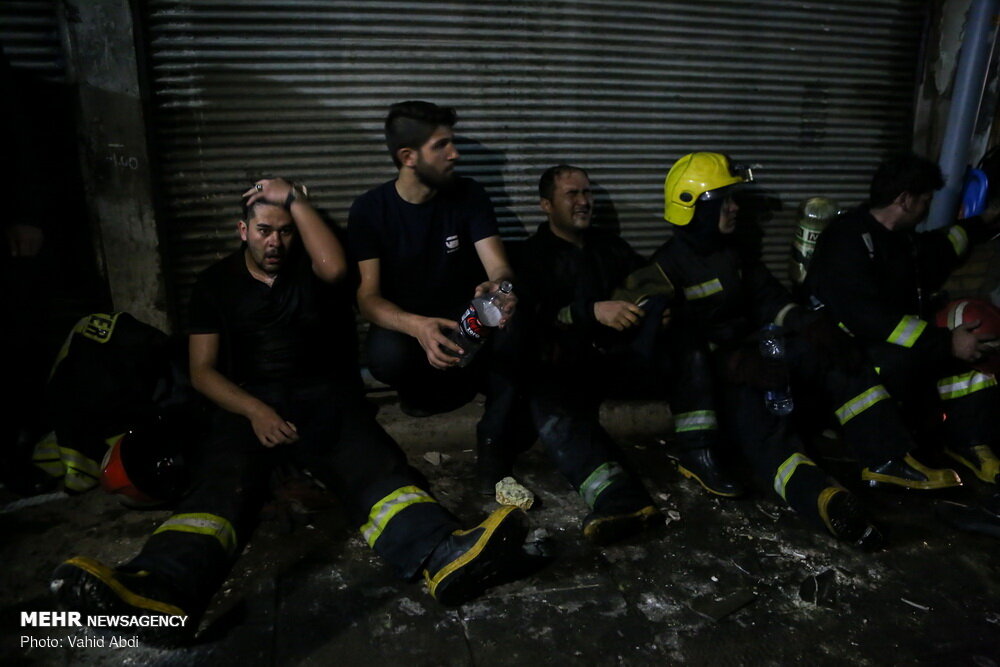
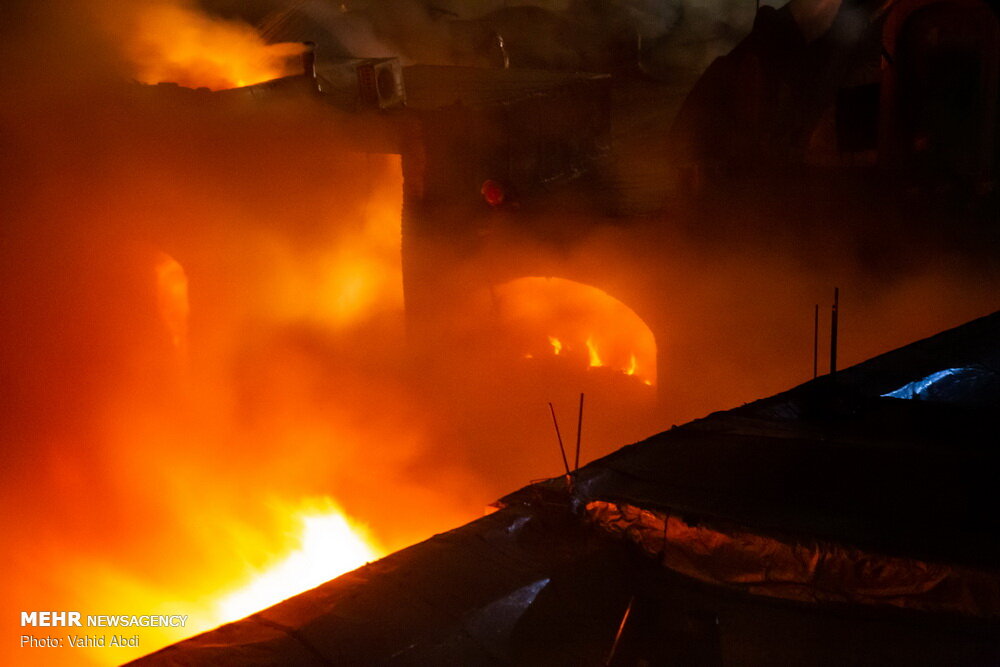
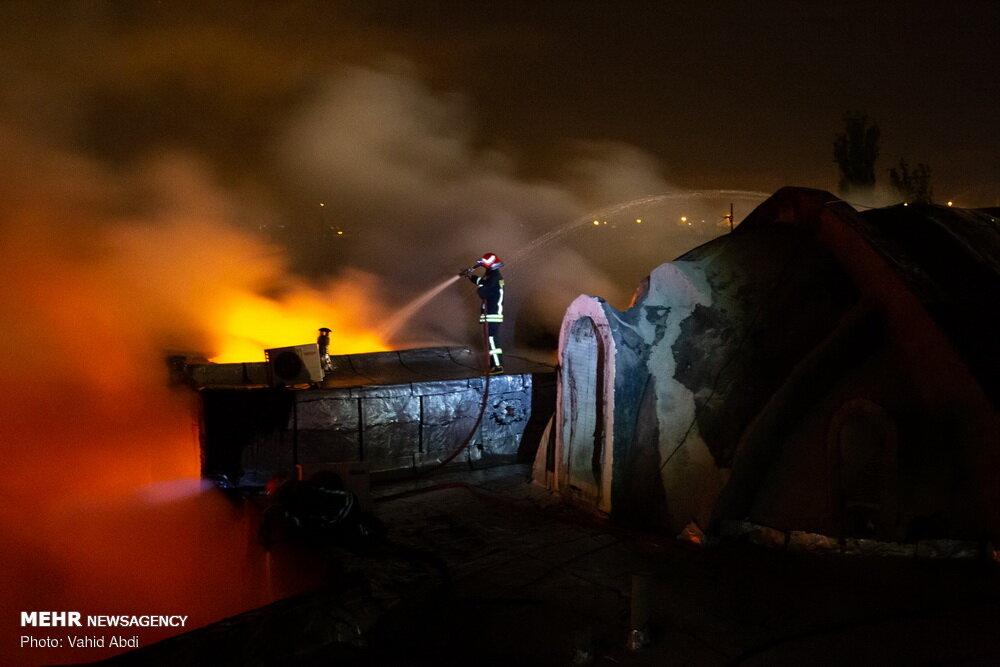
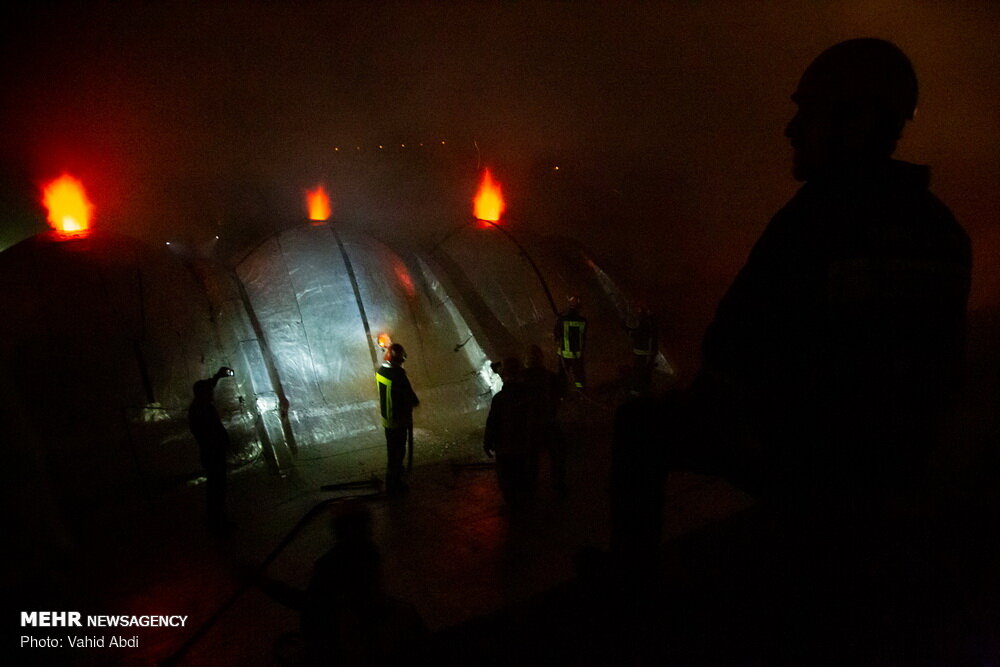
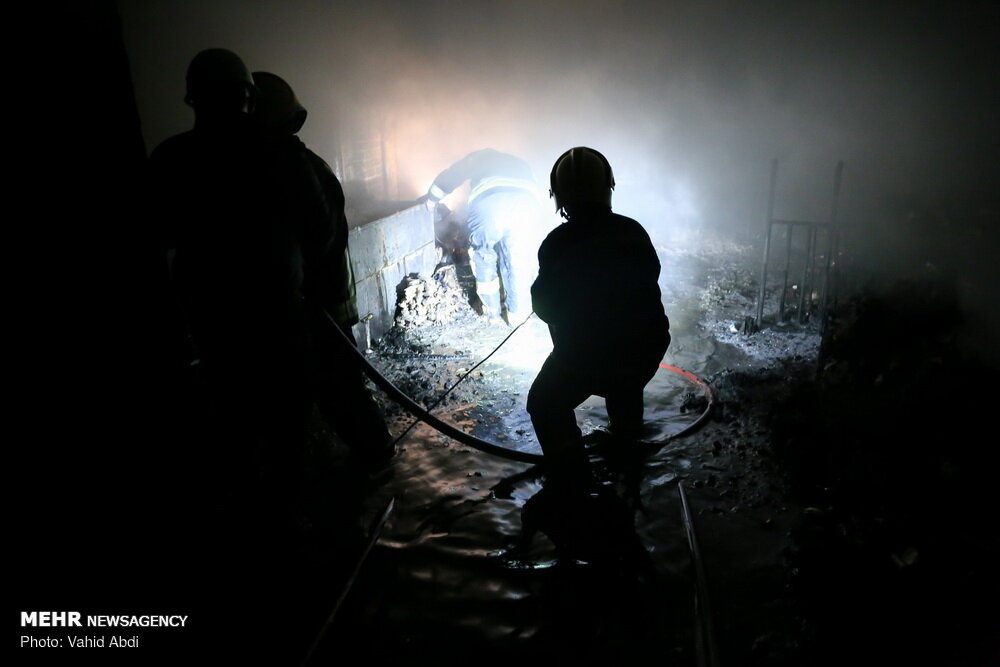
Fire in Grand Bazaar of Tabriz Wounds 16, Burns 100 Stores

The fire in the cosmetics marketplace of the historical bazaar was finally contained at 3 am, early Thursday.

At least 16 people have sustained injuries, and several firefighters suffered burns during their operation.

Cultural heritage officials say the damages caused to the world heritage site are being assessed, but almost 100 stores have been damaged in this fire.

The same place in the grand bazaar had caught fire 10 years ago, but the damages caused by the Wednesday fire were much less than those of the 2010 thanks to the measures taken at the time to increase its safety, officials say.

The 2010 fire had burned down 120 stores right before the UNESCO registers the grand bazaar as a world heritage site.

Iran to Withdraw from JCPOA Stage by Stage: Araqchi

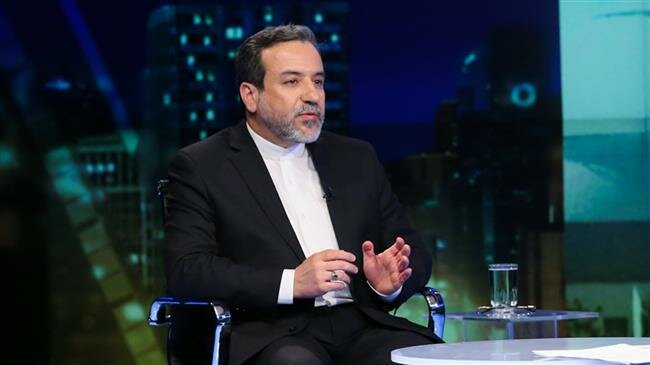
“We have not left the JCPOA so far, but we have put such a move on our agenda and that would happen step-by-step,” Iranian Deputy Foreign Minister for Political Affairs Abbas Araqchi said in an interview on Wednesday.

“No country can accuse Iran of breaching or leaving the nuclear deal,” the diplomat noted, adding that all the measures Tehran has adopted so far, including Wednesday’s move, has been within the deal’s framework.

The ambassadors of the countries remaining in the nuclear deal — France, Britain, Germany, Russia and China — on Wednesday received a letter penned by Iranian President Hassan Rouhani elaborating the suspension of some of Iran’s commitments under the accord, officially called the JCPOA.

The letter was handed over by Araqchi to the ambassadors of the five countries, who had been invited to the Foreign Ministry. The document specifies the details of the decision taken by Iran’s Supreme National Security Council, which is chaired by Rouhani himself.

The document says Tehran has exercised utmost self-restraint and patience since Washington’s exit from the deal last May, and has given the remaining signatories “considerable” time at their own request to compensate for Washington’s withdrawal and guarantee Iran’s interests.

Nevertheless, the other parties have failed to adopt any “practical measures” to blunt the impact of the economic sanctions that were re-imposed against Tehran by the US following its withdrawal, the statement said.

The Islamic Republic is thus entitled to restore the balance between its rights and obligations under the JCPOA, and has no option but to “reduce its commitments” within the framework of the deal, it added.

At the current stage, the statement said, Iran will no longer consider itself committed to the limits agreed under the deal on its stocks of enriched uranium and heavy water stocks.

Under the JCPOA, Iran is allowed to keep 300 kilograms of uranium enriched up to 3.67 percent. The deal requires Tehran to sell off any enriched uranium above the limit on international markets in return for natural uranium.

Tehran’s stock of heavy water is also restricted to 130 tonnes under the deal, which also calls for Iran’s excess heavy water to be sold to a foreign buyer.

The council has given Iran’s partners in the deal “60 days to meet their commitments, especially in the banking and oil sectors,” said the statement.

If they fail to address Iran’s concerns, Tehran will suspend the implementation of two more commitments under the JCPOA, according to the statement.

In the next stage, Tehran will no longer be bound by its commitment to enrich uranium up to 3.67 percent and will also begin developing its Arak heavy water reactor based on its pre-JCPOA plans, it added.

How Do Experts Evaluate Iran’s Nuclear Deal Announcement?

The Supreme National Security Council (SNSC) of Iran has declared the country’s decision to stop implementing some of its commitments under the 2015 nuclear deal in reaction to the US’ withdrawal from the Joint Comprehensive Plan of Action (JCPOA) and Europe’s failure to make up for that.

In a statement on Wednesday, the SNSC said as of May 8, 2019, Iran does not commit itself to observing restrictions of stockpiling enriched uranium and heavy water given the US’ violations of the nuclear deal.

According to the new countermeasures taken by Tehran, Iran gives other JCPOA parties 60 days to implement their commitments, especially in the banking and oil sectors.Once they fulfil that, Iran will restart implementing its commitments.  Otherwise, Tehran will be suspending more commitments stage by stage.

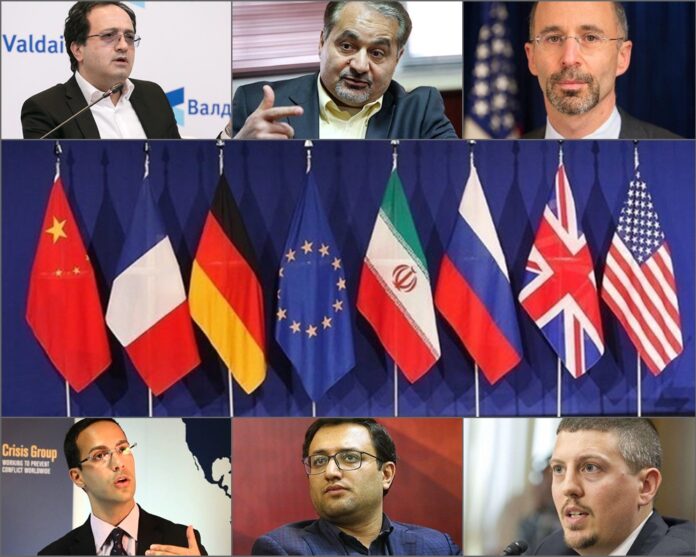
The Iran Front Page (IFP) has reached out to senior Iranian and American experts or former officials to get their quick thoughts on Iran’s nuclear announcement on Wednesday.

What follows are the thoughts they have shared with us:


Keyvan Khosravi, the spokesman for the Supreme National Security Council of Iran:
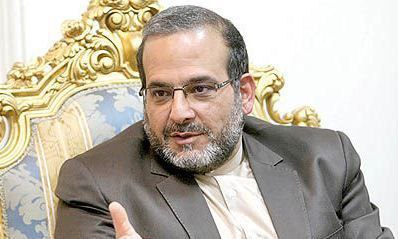
How Do Experts Evaluate Iran’s Nuclear Deal Announcement?“Iran’s decision can lead to two major results, but the extent to which they are achieved depends on how much the audiences of the decision correct their behaviours.

If the offending sides resume implementing what they had undertaken in the JCPOA and respect Iran’s legal rights, Iran will resume implementing its own JCPOA commitments, as it used to do in the past.

In any other situation, where Iran’s legal rights are not secured, Tehran would treat the step-by-step path devised by the SNSC’s new decision, and will go on until full withdrawal from the JCPOA and even beyond that.

Whether the game would be a win-win or a lose-lose one depends on how the ball of JCPOA – which is now in the other side’s court – will move.”


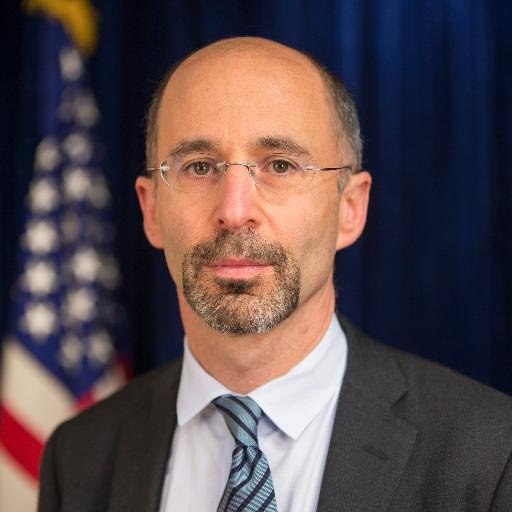
Robert Malley, Crisis Group President & CEO, and formerly Special Assistant to President Obama, and Senior Adviser to the President for the Counter-ISIS Campaign:
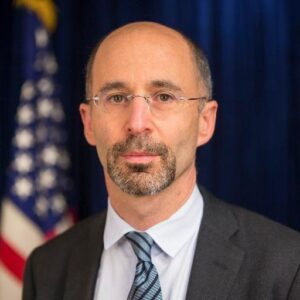
How Do Experts Evaluate Iran’s Nuclear Deal Announcement?“Iran’s reaction was so predictable that it leads to the conclusion that Iran leaving the deal was precisely what the administration has been looking for.

How else to explain its continuous tightening of the economic squeeze or repeated calls on Europe to exit the agreement, steps that were almost certain to provoke an Iranian response?

The administration’s self-proclaimed goals were to change Iran’s behaviour and get a better deal. Those were never going to be achieved. They were not the real objectives. For at least some senior officials, escalation is and always has been.”


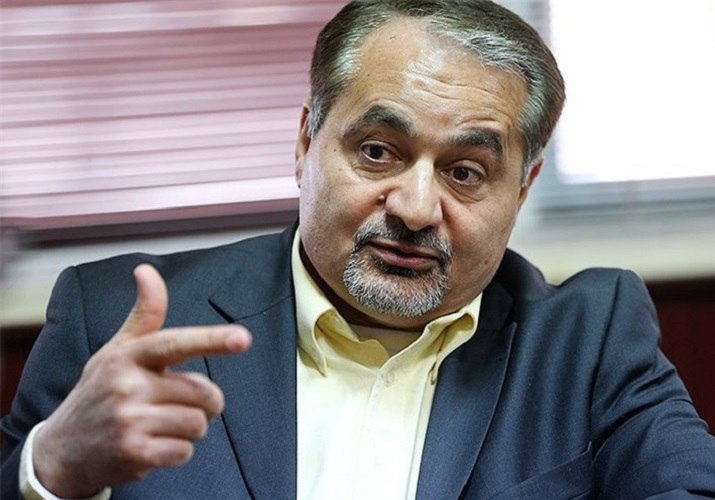
Seyyed Hossein Mousavian, Middle East security and nuclear policy specialist at Princeton University and a former spokesman for Iran’s nuclear negotiating team:
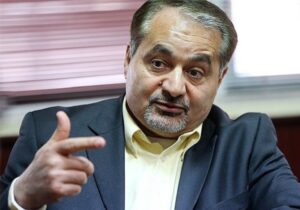
How Do Experts Evaluate Iran’s Nuclear Deal Announcement?“The US systematic campaign to deny Iran any benefits from the agreement forced Tehran to take these retaliatory steps.

There is no incentive to continue complying with the nuclear deal if Washington’s actions block the promised sanctions relief and if other key European states, along with Russia and China, do not work harder to facilitate legitimate commerce with Iran.

The US should return to the JCPOA to help contain the negative consequences ahead.”


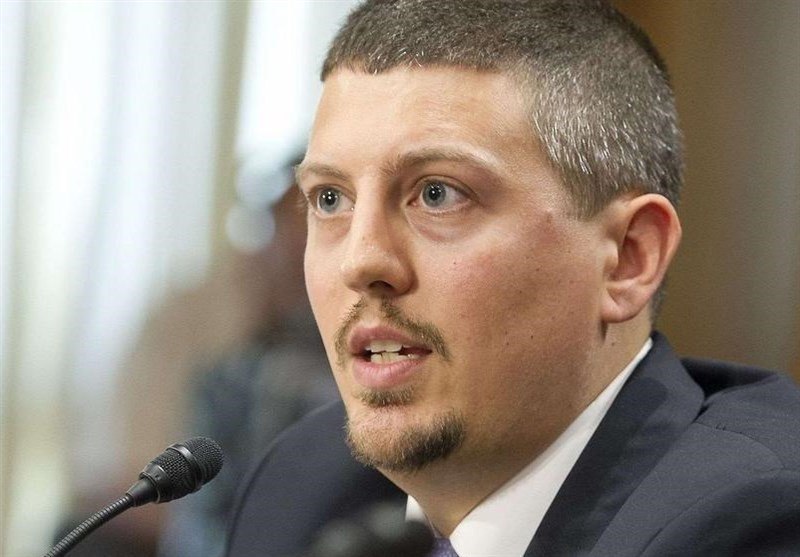
Richard Nephew, a fellow at the Center on Global Energy Policy at Columbia University, and formerly part of the US negotiating team with Iran and advisor on Iran at the White House:
How Do Experts Evaluate Iran’s Nuclear Deal Announcement?

“I think the Iranian announcement today is fairly modest in terms of damage to the Joint Comprehensive Plan of Action (JCPOA), but only for now. In time, the low enriched uranium (LEU) stockpile will expand and that will threaten the breakout timelines to which we attach great value.

The bigger issue is the 60 day deadline and threat. Since neither side will back down, we’re setting up for escalation that may not be so easily controlled in Tehran or Washington.”


Mahdi Mohammadi, senior national security analyst and former member of Iran’s nuclear negotiating team:
How Do Experts Evaluate Iran’s Nuclear Deal Announcement?What the West needs to understand is that the Trump administration’s blind and indiscriminate pressures prepared the grounds for a change in Iran’s strategy.

The Iranian government was not previously interested in using JCPOA violation as leverage for putting the other sides under pressure, but now it stands ready to give up the entire nuclear deal and even go beyond that and turn all its regional leverage into means of pressuring the US.

This is a major change of strategy whose main reason is Iran’s frustration with Europe and the formation of an unprecedented domestic consensus in Iran.

The bad news for the Trump team is that it may soon face developments they would not predict. Iran has started playing at the maximum level of pressure and is ready to take risk, because it has realized it wouldn’t have any chance by playing with low risk. The U.S. well knows how high the level of Iran’s risk taking can be if needed.


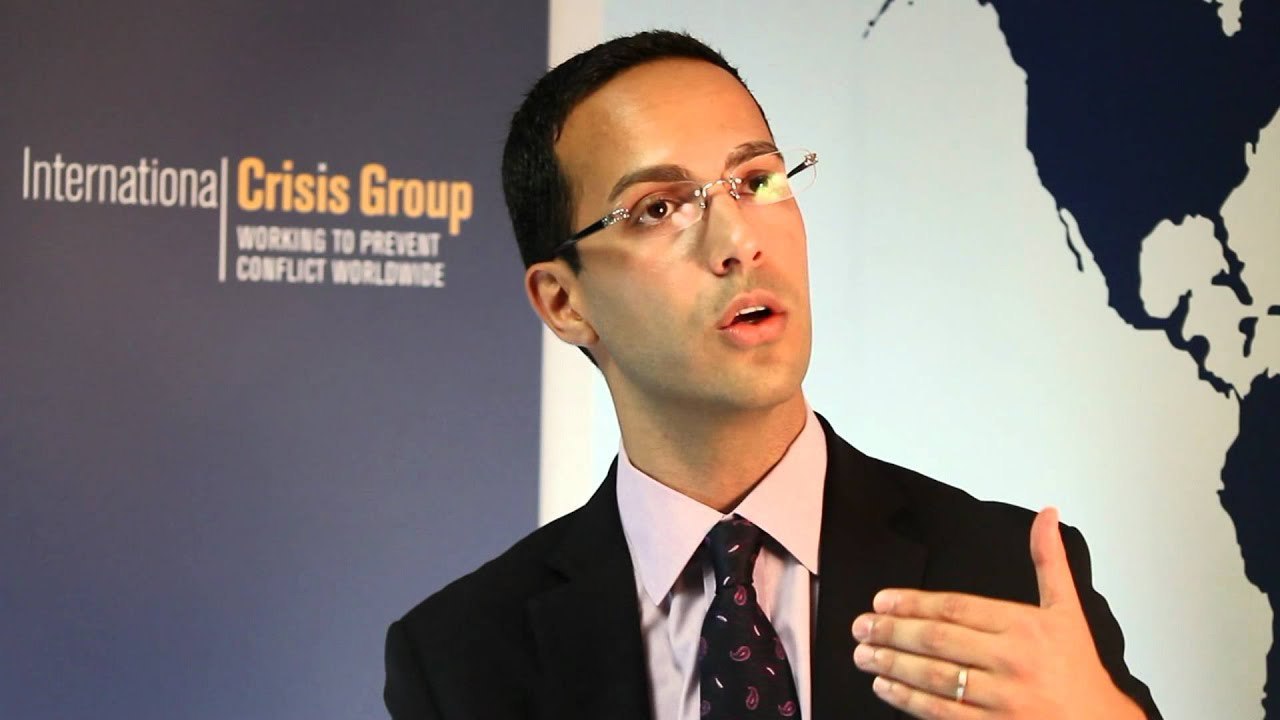
Ali Vaez, Crisis Group Iran Director, and a former Iran Senior Analyst who led Crisis Group’s efforts in helping to bridge the gaps between Iran and the P5+1:
How Do Experts Evaluate Iran’s Nuclear Deal Announcement?

“It could have been much worse. Iran has taken minimum retaliatory measures against US maximum pressure. This slow-motion escalation is the continuation of the same strategy as before: buying time in the hope that cooler heads prevail.

The ball is now in the court of the deal’s remaining signatories to choose between challenging the US unilateral sanctions or witnessing additional Iranian violations leading to eventual unraveling of the deal.”


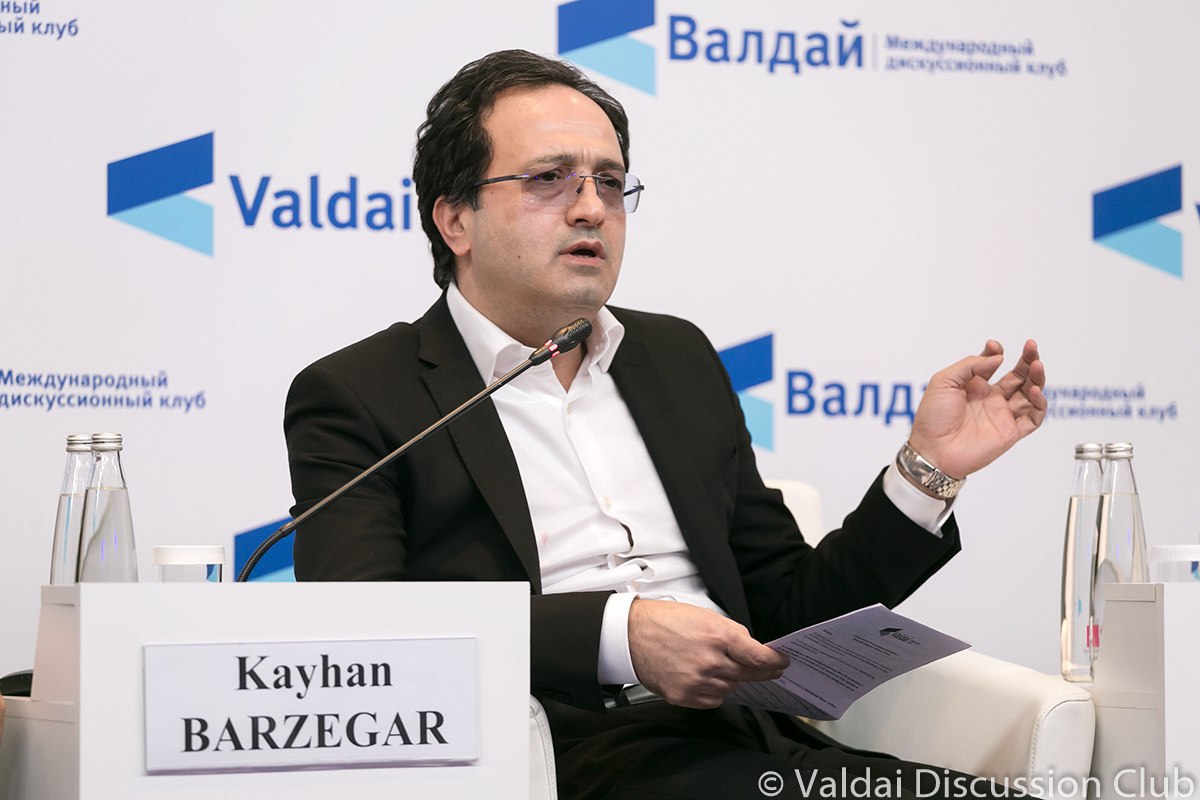
Kayhan Barzegar, director of the Centre for Middle East Strategic Studies in Tehran and a former research fellow at Harvard University:
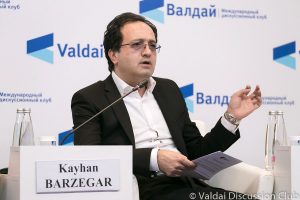
How Do Experts Evaluate Iran’s Nuclear Deal Announcement?“Iran’s action is initially a diplomatic step to put pressure on the five remaining parties of the Joint Comprehensive Plan of Action (JCPOA), especially Europe, to find a financial and trading mechanism for easing the sanctions constraints.

It is also a diplomatic warning to the United States that its “maximum pressure” policy will not alter Iran’s strategic decision to “resist” against the White House warmongering policy and that Iran will use all at its disposal either in the context of the JCPOA or in the region to confront the US policy.”

EU Says Analysing Implications of Iran’s Nuclear Announcement

“We note with concern the statement made by Iran today concerning its commitments under the JCPOA,” said an EU spokesperson on the European Union’s reaction to Iran’s nuclear deal announcement on Wednesday.

“As the coordinator of the Joint Commission, we are analysing the implications together with the members of the Joint Commission,” added the spokesperson.

Describing the 2015 nuclear deal as a key achievement, the EU spokesperson said “We remain fully committed to the JCPOA, a key achievement of the global nuclear non-proliferation architecture, which is in the security interest of all.”
The Supreme National Security Council of Iran has declared the country’s decision to stop implementing some of its commitments under the 2015 nuclear deal in reaction to the US’ withdrawal from JCPOA and Europe’s failure to make up for that.

In a statement on Wednesday, the SNSC said as of May 8, 2019, Iran does not commit itself to observing restrictions of stockpiling enriched uranium and heavy water given the US’ violations of the nuclear deal.
The statement also said that Iran gives other JCPOA parties 60 days to implement their commitments, especially in the banking and oil sectors.

Once they fulfil that, Iran will restart implementing its commitments. It’s now the other parties’ turn to show their good faith, the statement added.

Iran Strongly Condemns Terror Attacks in Lahore, Kabul

Iran Strongly Condemns Terror Attacks in Lahore, Kabul
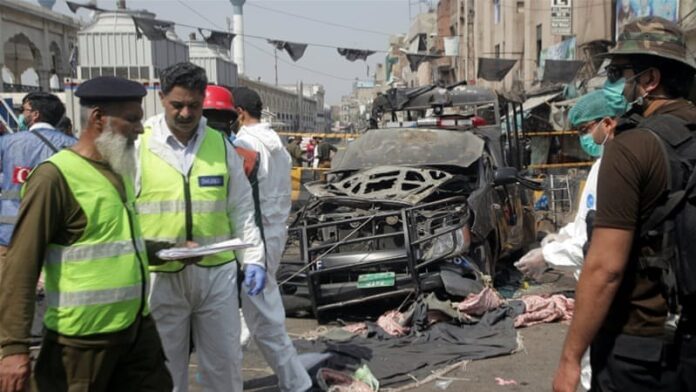
Footage from the scene of a terrorist attack in Pakistan's Lahore on May 8, 2019, showed a badly damaged police vehicle and debris strewn in front of the shrine. / Photo by Reuters

In a Wednesday statement, Mousavi offered sympathy to the Pakistani and Afghan nations and governments, particularly the families of the victims of the incidents.

He also wished speedy recovery for those wounded in these terrorist attacks.

At least ten people were killed and more than 20 wounded in a blast outside a prominent Sufi shrine in the eastern Pakistani city of Lahore, rescue and police officials said.

The explosion took place on Wednesday morning targeting a police security vehicle outside the Data Darbar shrine in Pakistan’s second largest city.

At least five policemen were among the dead, provincial police chief Arif Nawaz told reporters shortly after the attack.

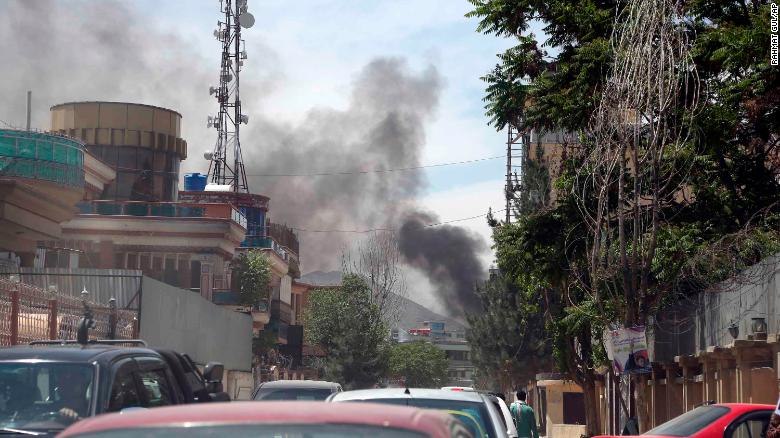
Smokes rises after a huge explosion at the offices of global development charity Counterpart International in Kabul, Afghanistan, on May 8, 2019. / Photo by AP
Smokes rises after a huge explosion at the offices of global development charity Counterpart International in Kabul, Afghanistan, on May 8, 2019./ Photo by AP

Five people were also killed and 24 injured in a separate terrorist attack in Kabul, Afghanistan, on Wednesday, authorities said.

The Taliban quickly claimed responsibility for the attack, in the aftermath of which four terrorists were also killed, according to the Afghan government.

Just before noon local time, the attackers detonated an explosive-laden vehicle at the gates of non-governmental organization Counterpart International in the Afghan capital, said Interior Ministry spokesman Nasrat Rahimy. Images following the blast showed a plume of black smoke rising over the city.

Four terrorists were able to enter the organization’s offices before Afghan Special Forces arrived, Rahimy said. During a nearly five-hour battle, all four were killed. Two hundred of the organization’s employees were rescued by Afghan forces. The death toll includes one woman and one Special Forces member.

Carrot Meatballs: A Yummy Iranian Food

The food is originally made in Kermanshah, a city in western Iran with tasty local foods.


Ingredients:

Minced meat: 350gr

Salt and granules of black pepper: As much as needed

Grated carrot: 200gr

Grated Onion: One onion

Eggs: One egg

Turmeric powder: A quarter of a spoonful

Chopped parsley: 40gr

Wheat flour: 1 soupspoonful

Butter: 1 spoonful

Liquid oil: As much as needed

Walnut: 15gr

Barberry: 1 spoonful

Sultanas: 1 spoonful

Meatball sauce: as instructed


Recipe:

Knead the minced meat in a bowl with some salt. Then add carrot, onion, egg, black pepper and turmeric, and knead the mixture again, so that it becomes sticky. Finally, add parsley and knead it again.

Sauté the walnut, barberry and sultanas in some butter and oil for one to two minutes.

Grease the palm of your hand with some oil. Take some of the mixture (the size of a tangerine) and spread it on your palm. Put some walnut in the middle of it and then roll it into a meatball again. Put the meatballs, one by one, into the casserole containing the boiling sauce, so that the meatballs are completely covered by it. After ten minutes, turn down the heat, put the casserole lid back on, and leave the mixture on the heat for 30 minutes, so that meatballs are cooked and the sauce gets thick. Then take the meatballs out of the dish and serve them with the sauce.

Recipe for Meatball Sauce

Sauté a soupspoonful of wheat flour in hot oil and keep stirring it till its scent of rawness goes away. Then add half a teaspoonful of turmeric powder and sauté the mixture again. In another pan, sauté two soupspoonfuls of tomato paste on low heat. Then add it to the sautéd wheat along with three soupspoonfuls of shredded fried onions, two soupspoonfuls of fresh lime juice, a teaspoonful of sugar, some salt and crushed black pepper, two soupspoonfuls of saffron and around one and a half litres of water. Leave the mixture on heat till it begins to boil.

First Tooth Rich Source for Collecting Stem Cells

Today, the first teeth are referred to as “biological insurance,” and they are somehow a gift from the child to the family. The umbilical cord blood can only be used in the first five minutes of birth, and if not used, the family will lose this opportunity forever.
This comes as there is a greater chance of growing dental stem cells. In addition, dental stem cells treat a wider range of diseases. The other advantage is that each child has 20 first teeth, and we can easily get stem cells from eight front teeth.

The primary importance of the dental stem cell bank is that it belongs to the family, and the first-degree relatives including parents, siblings and to a degree, grandparents, grandmothers, uncles, cousins, etc., can treat diseases using stem cells of the kid’s teeth.

The first-degree family members can benefit from the healing properties of these cells completely, but for the rest of the family, the best condition is to confirm the blood-compatibility through testing and then use the cells. If the tooth is suitable for stem cell cultivation, it should be pulled and placed inside a package and transferred to special centres equipped with stem cell storage equipment. A tooth can be kept up to five days to be transferred to the bank.

Dental stem cells can save the lives of patients. The therapeutic effect of dental stem cells is greater than that of umbilical stem cells. They help in the process of rebuilding the heart muscle as well as bone regeneration. They can also be effective in strengthening the liver, the skin and the cornea of the eye.

First Tooth Rich Source for Collecting Stem CellsThe important thing is that when the teeth are loose, you should not allow them to fall off by themselves and be extracted by a dentist. In the shortest possible time, the dentist sends it to the lab in a special package containing antibiotics. These teeth are very strong and are placed in an incubator so that their stem cells are multiplied for thousands of times.

Then the teeth are kept in liquid hydrogen and can be used until the age of 20. As you see, the first teeth of your children are very worthy and you must take care of them.

Arabs Have ‘Genetic Problems’, Want to Be Under Occupation: Rabbi

Arabs Have ‘Genetic Problems’, Want to Be Under Occupation: Rabbi

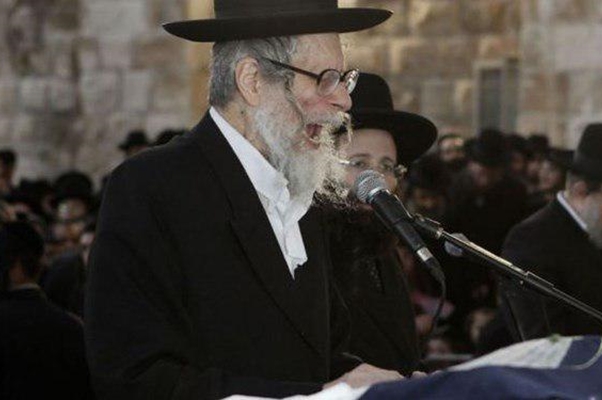
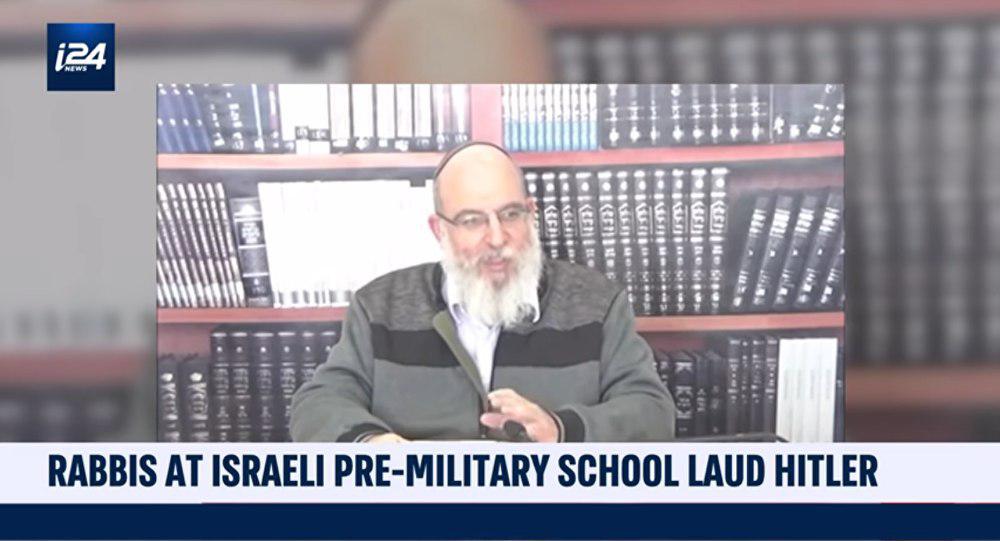
In a recording published by Channel 13 news, Rabbi Eliezer Kashtiel, the head of the Bnei David pre-military academy in the settlement of Eli in the West Bank, is telling a class that being a “slave to a Jew is the best”.

“The gentiles will want to be our slaves. Being a slave to a Jew is the best. They’re glad to be slaves, they want to be slaves. Instead of just walking the streets and being stupid and violent and harming each other, once they’re slaves, their lives can begin to take shapes,” Kashtiel said as cited by Channel 13.

According to the media outlet, the rabbi goes as far as to claim that Arabs want to “be under the occupation” due to what he described as “genetic problems” and promotes Jewish superiority.

“All around us, we are surrounded by peoples with genetic problems. Ask a simple Arab ‘where do you want to be?’ He wants to be under the occupation. Why? Because they have genetic problems, they don’t know how to run a country, they don’t know how to do anything. Look at them. Yes, we’re racists. We believe in racism… There are races in the world and people have genetic traits, and that requires us to try to help them. The Jews are a more successful race.”

Arabs Have ‘Genetic Problems’, Want to Be Under Occupation: RabbiIn another video from the batch, Rabbi Giora Redler can be heard openly saying that Adolf Hitler was the most “correct person there ever was” during a lesson on the Holocaust and lamenting that the Fuhrer was simply “on the wrong side.”

“Let’s just start with whether Hitler was right or not. He was the most correct person there ever was, and was correct in every word he said… he was just on the wrong side. The real Holocaust was not when they murdered the Jews, that’s not it. All these excuses – that it was ideological or systematic – are nonsense. Humanism and the secular culture of ‘We believe in man’, that’s Holocaust”, Redler said, according to Channel 13.

This is not the first time that Bnei David teachers have found themselves at the epicentre of a nationwide controversy: last year, a video surfaced showing Rabbi Yosef Kelner telling students that women are “weak-minded” and have a reduced capacity for spirituality.

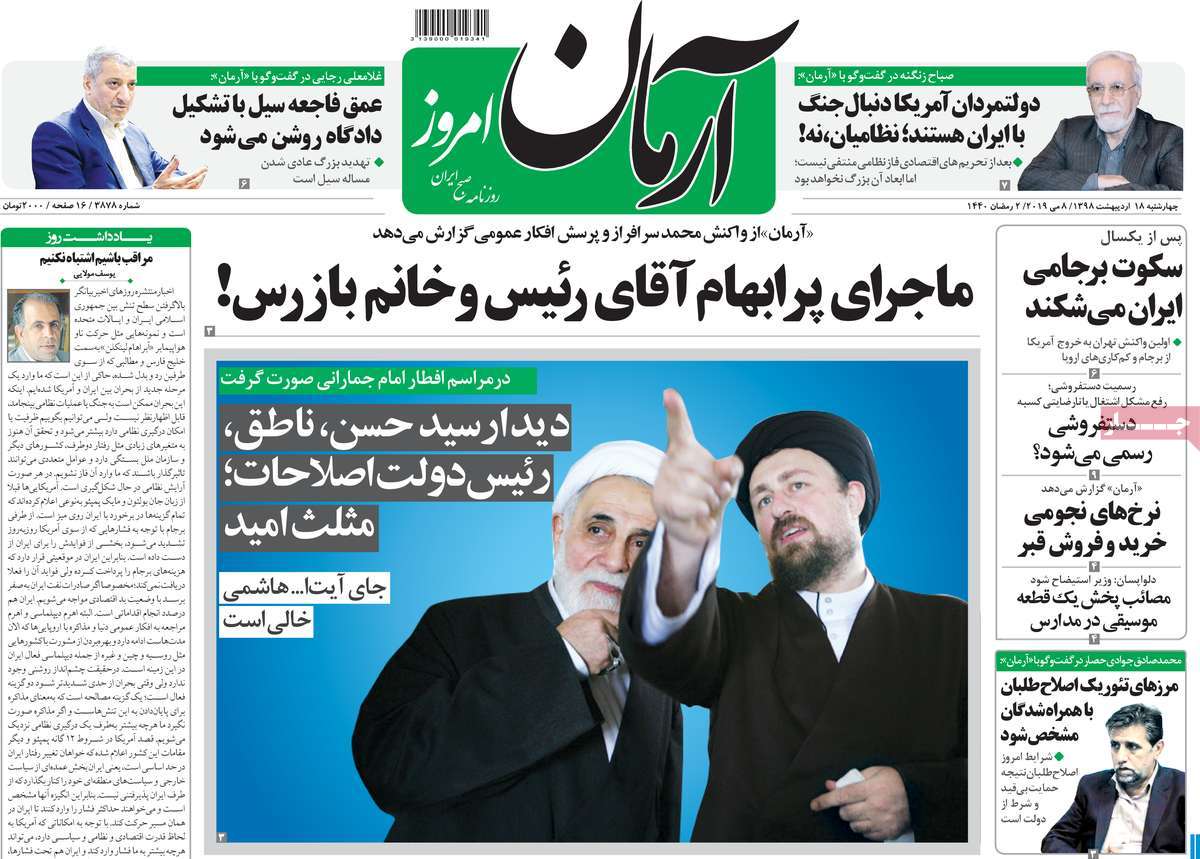
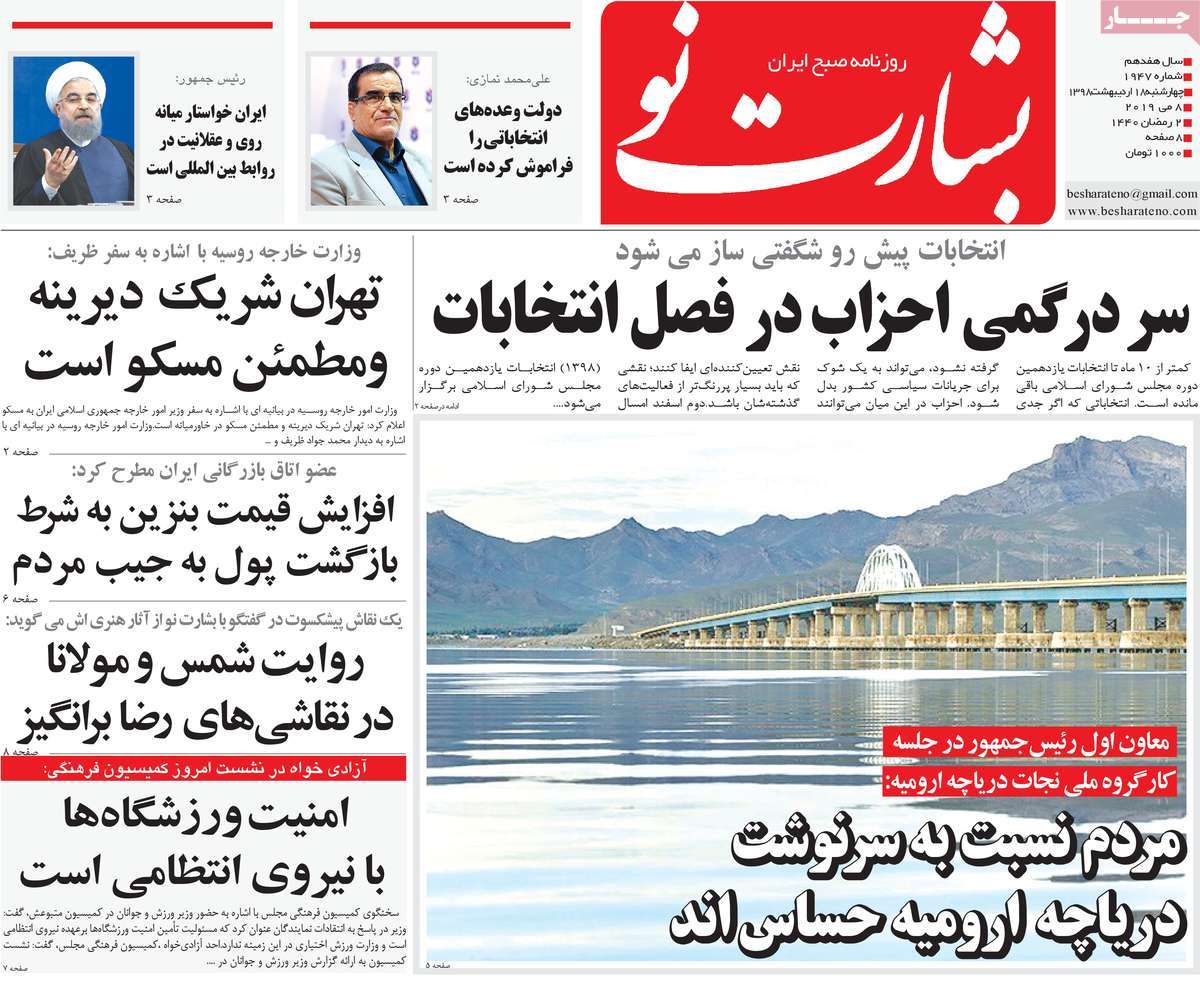
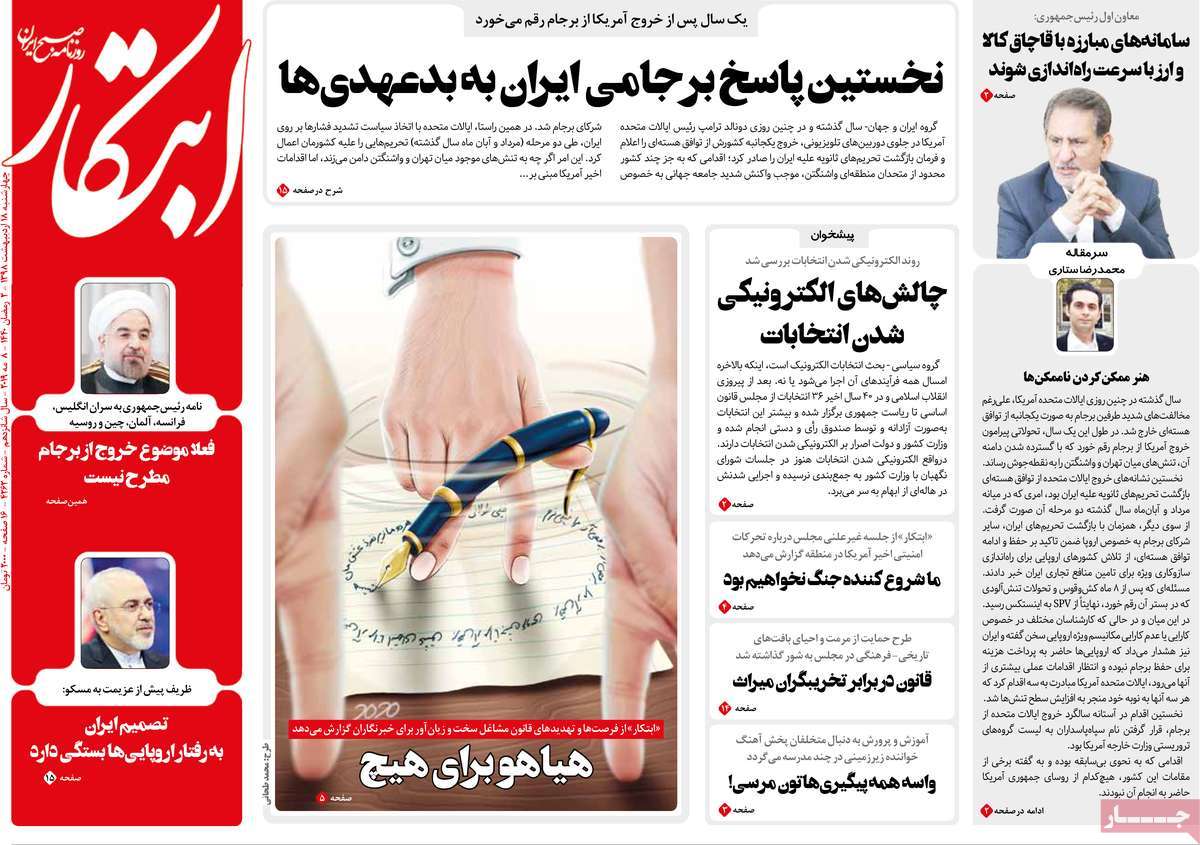
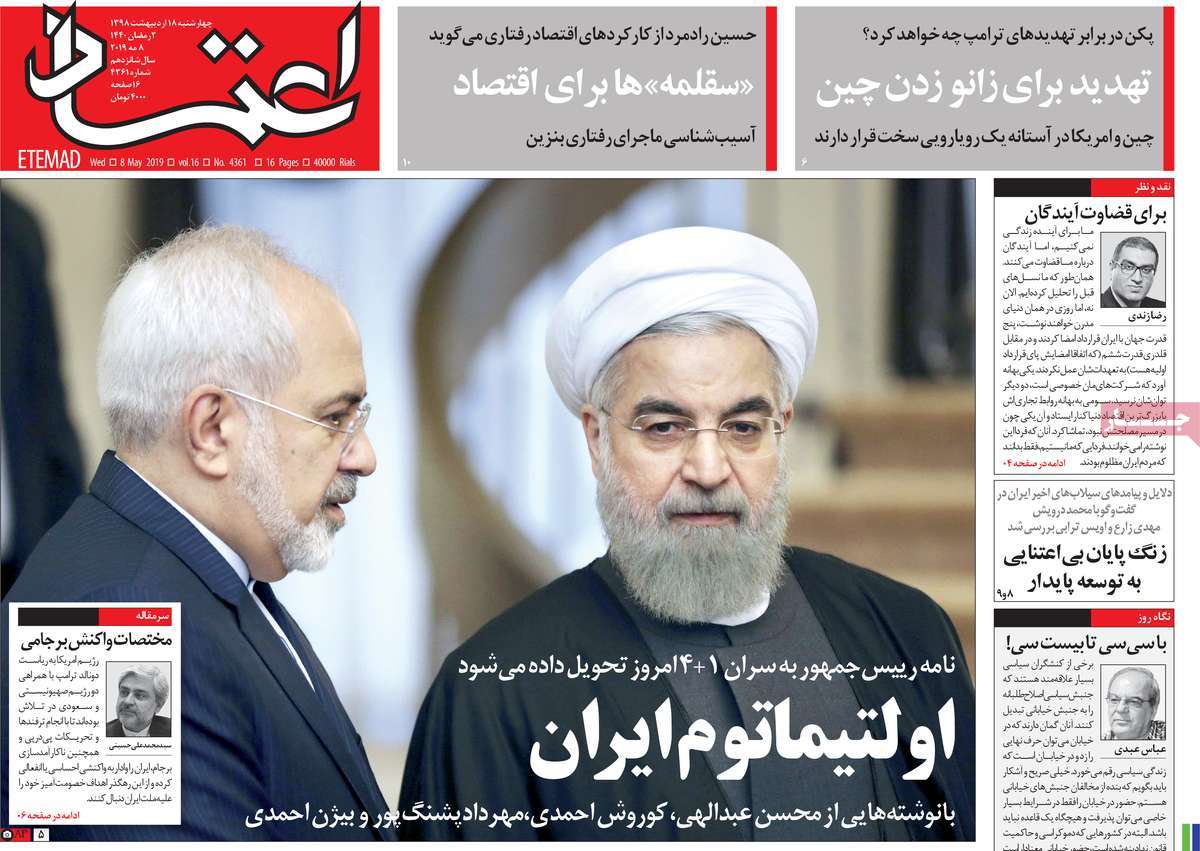
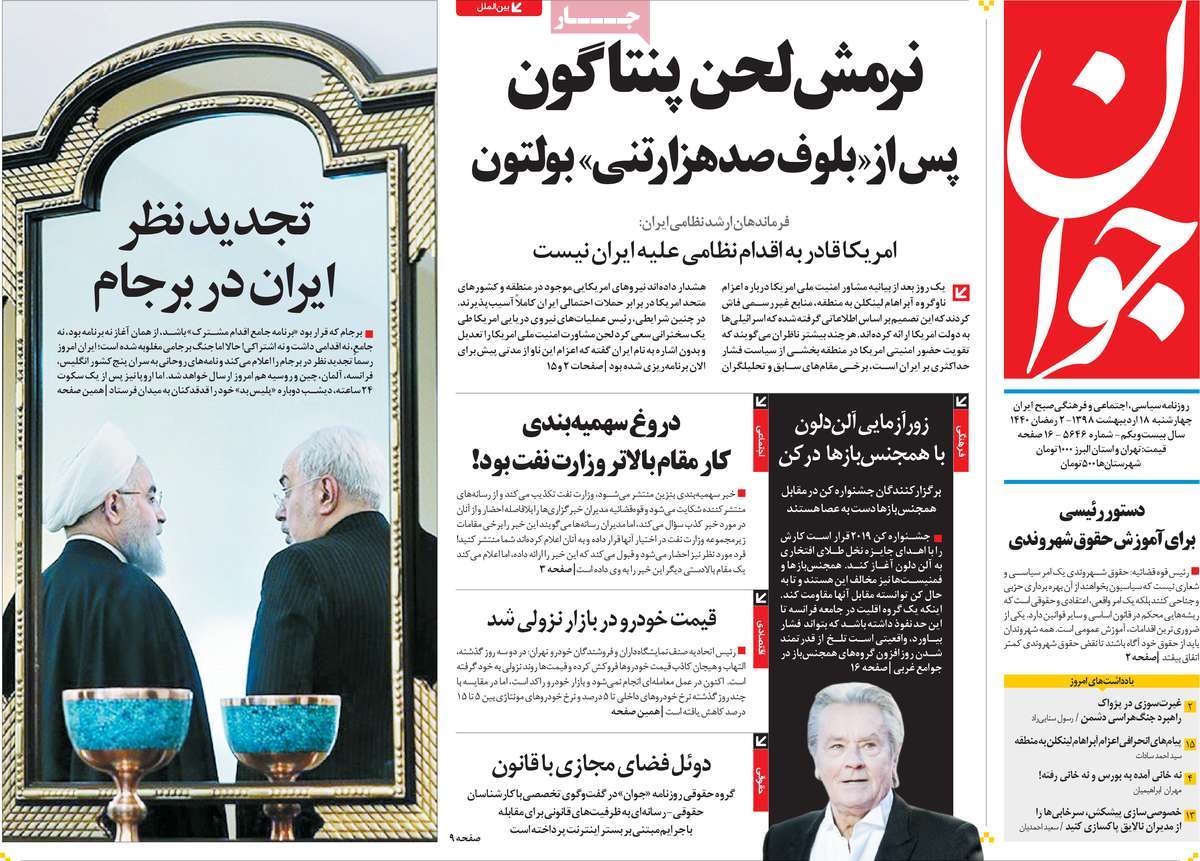
A Look at Iranian Newspaper Front Pages on May 8

A Look at Iranian Newspaper Front Pages on November 19

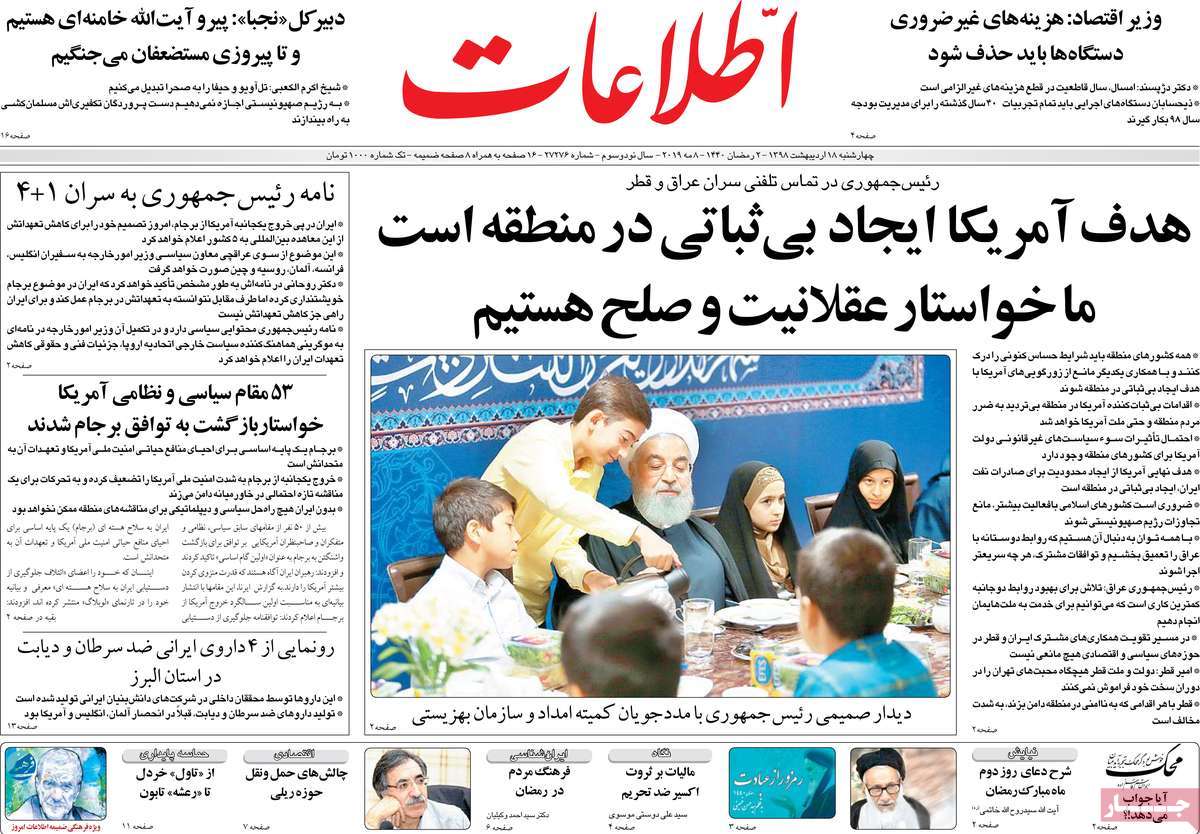
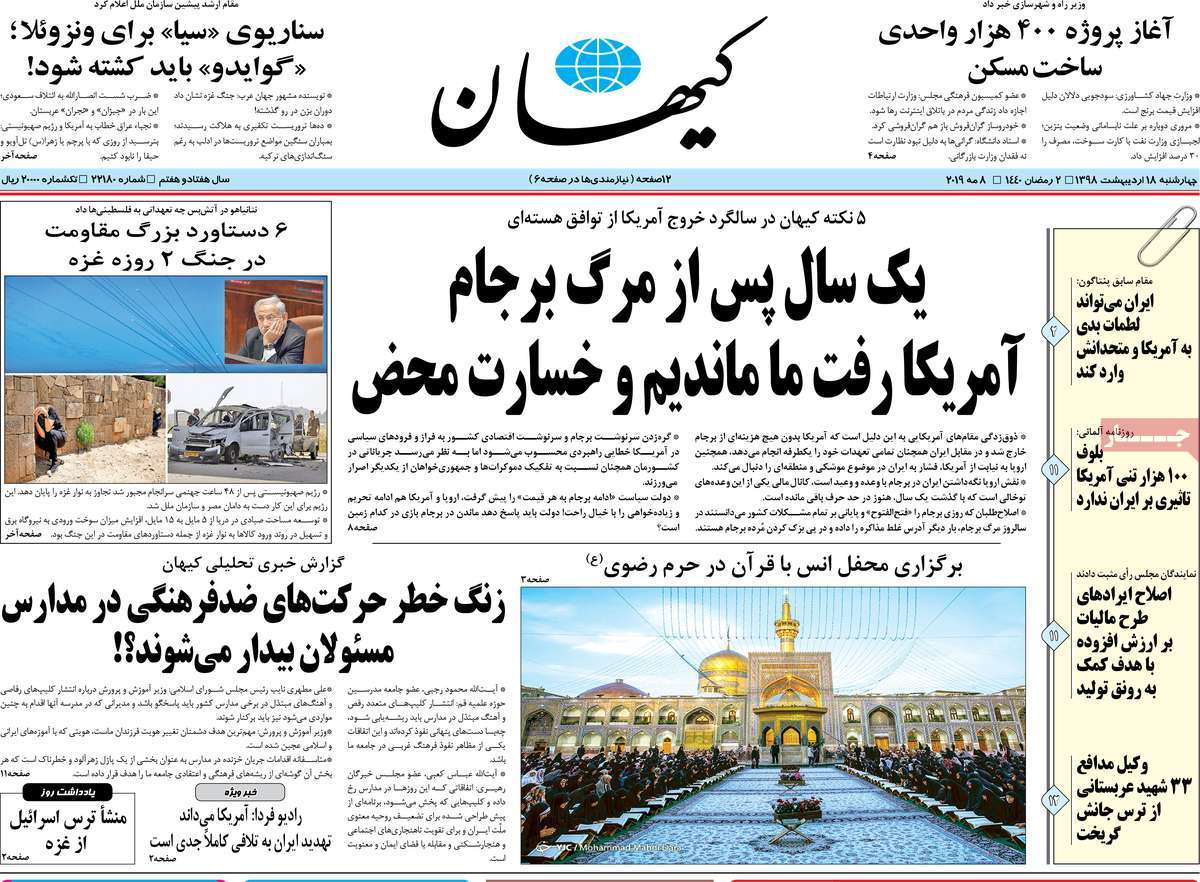
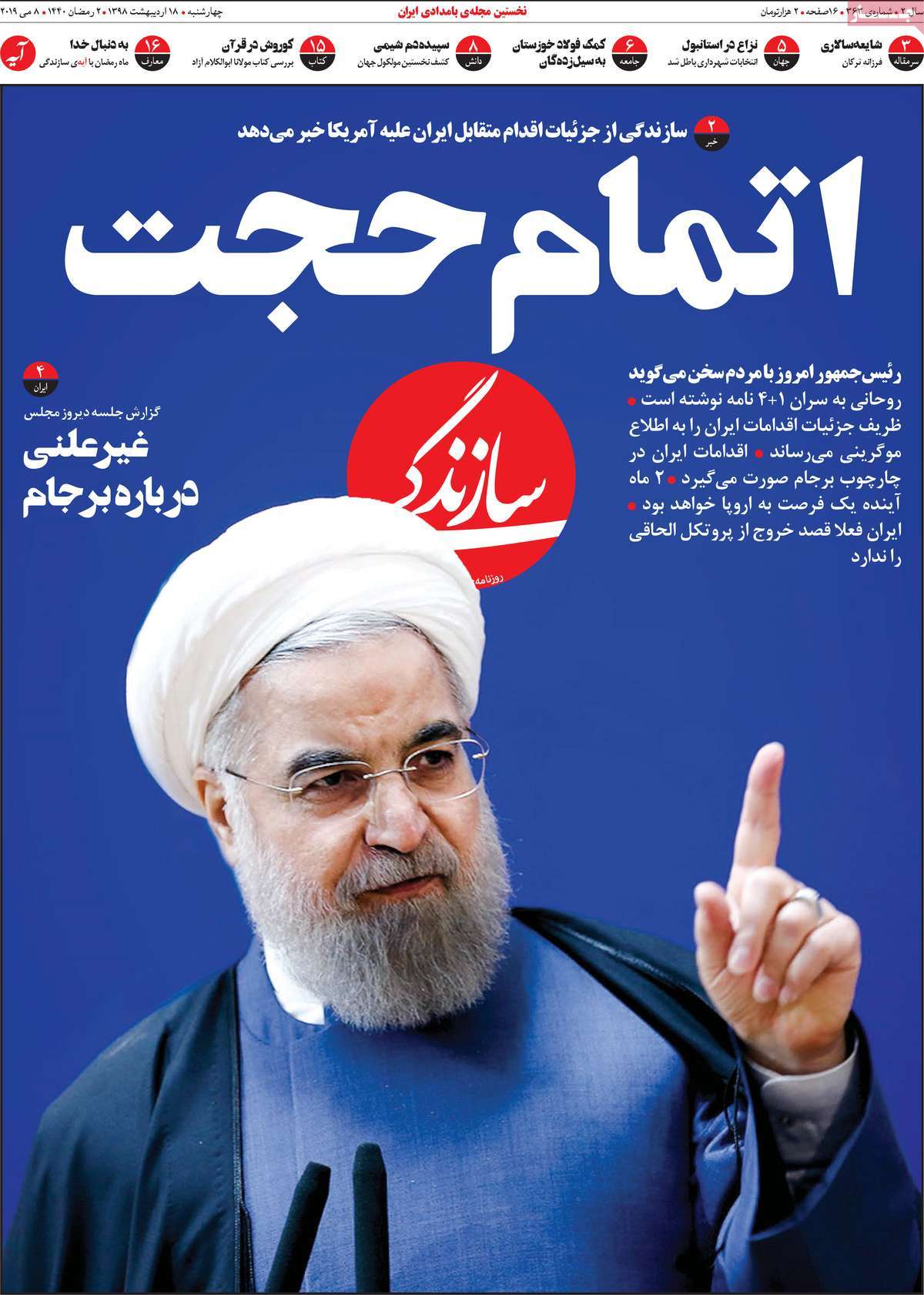
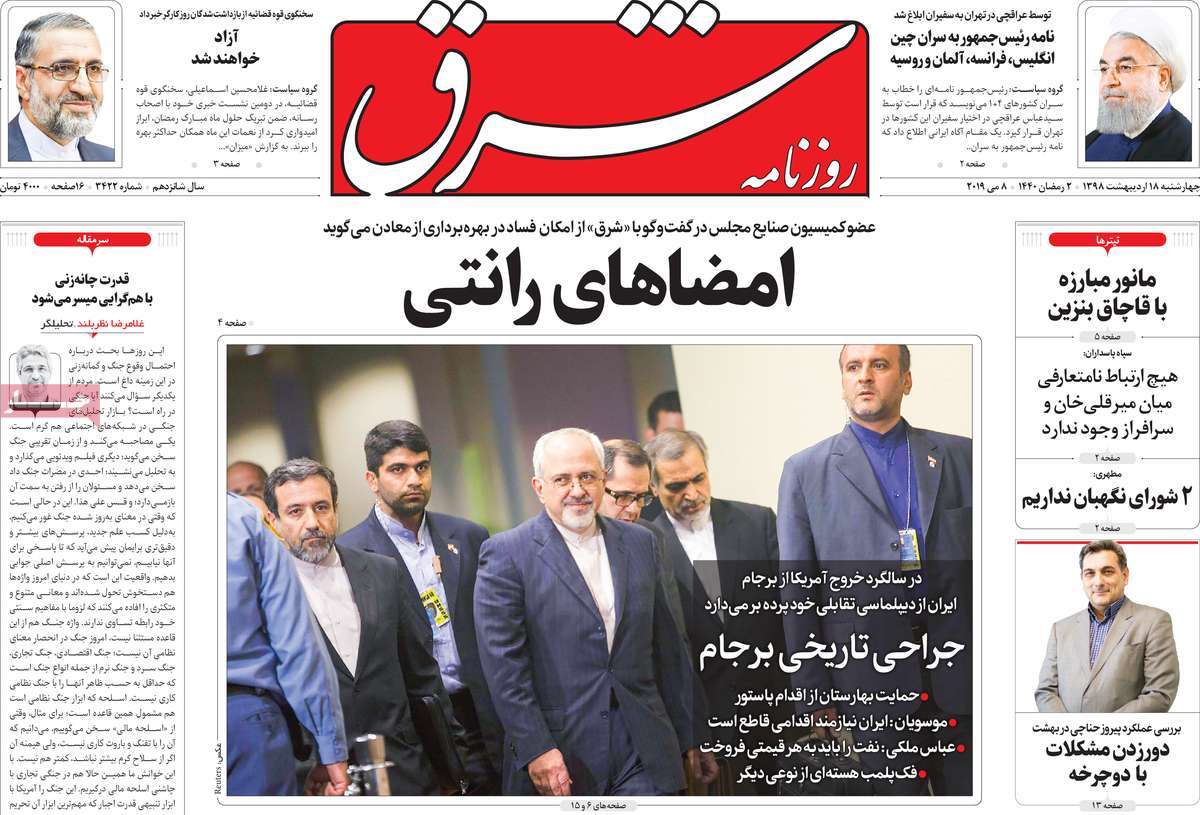
Iran’s Wednesday announcement of its reciprocal measures against the US’ withdrawal from the 2015 nuclear deal was the top story in all papers today. The decision was declared later in the day in a statement by the Supreme National Security Council and a speech by President Hassan Rouhani.

Also a top story today was the Iranian foreign minister’s visit to the Russian capital and his Wednesday talks with Sergei Lavrov, the Russian top diplomat.

The above issues, as well as many more, are highlighted in the following headlines and top stories:


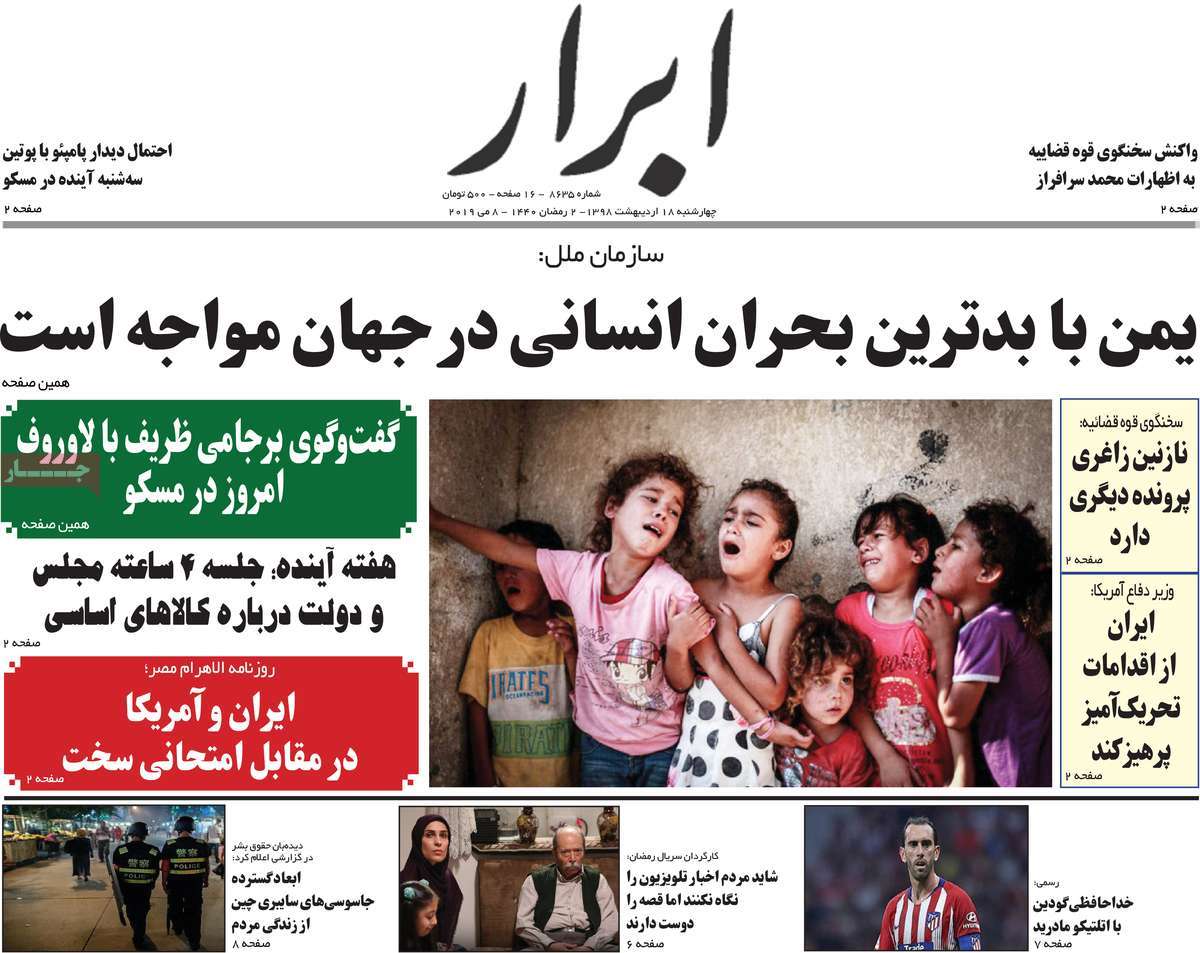
Abrar:

1- Pompeo May Meet Putin Next Tuesday in Moscow

2- Zarif, Lavrov to Hold Talks on JCPOA

3- Iran, US Faced with Difficult Test: Al-Ahram

4- Iran Must Avoid Provocative Measures: US Defence Secretary

A Look at Iranian Newspaper Front Pages on May 8


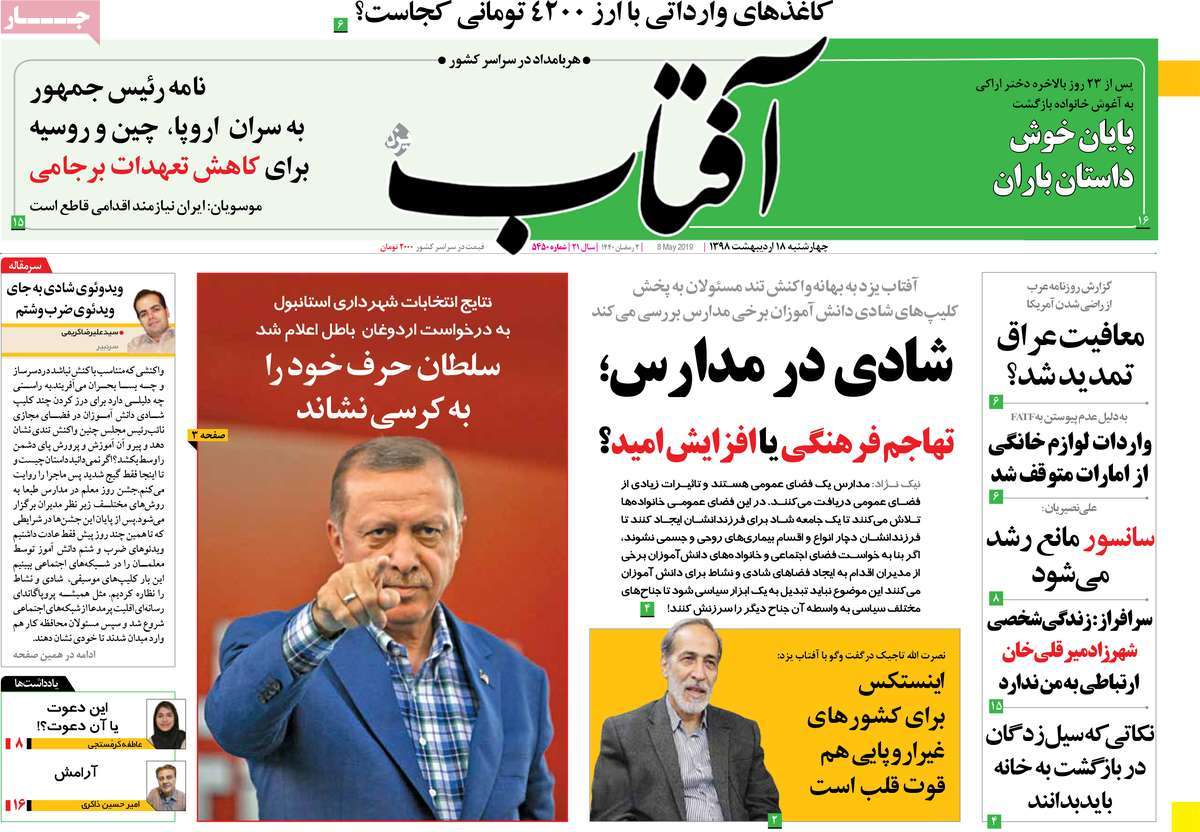
Aftab-e Yazd:

1- Rouhani’s Letter to Leaders of Europe, China, Russia on Reduction of Iran’s Commitments

2- On Erdogan’s Request, Mayoral Elections in Istanbul Nullified

3- US Reportedly Convinced to Extend Iraq’s Waivers on Dealing with Iran

A Look at Iranian Newspaper Front Pages on May 8


Arman-e Emrooz:

1- US Statesmen, Not Generals Seeking War with Iran

2- Iran to Break Its Silence on JCPOA: Iran’s First Reaction to US Withdrawal, EU’s Failure to Do Enough

A Look at Iranian Newspaper Front Pages on May 8


Besharat-e Now:

1- Rouhani: Iran Seeks Moderation, Rationality in International Ties

2- Tehran Longtime, Reliable Partner of Moscow: Russian Foreign Ministry

A Look at Iranian Newspaper Front Pages on May 8


Ebtekar:

1- Iran’s First Response to JCPOA Violations One Year after US Pullout

2- Rouhani Writes to Leaders of UK, France, Germany, China, Russia

* Iran Not to Withdraw from JCPOA for Now

3- Iran’s Decision Depends on Europeans’ Behaviours: Zarif

A Look at Iranian Newspaper Front Pages on May 8


Etemad:

1- What’d Beijing Do in Reaction to Trump’s Threats?

2- Iran’s Ultimatum: Rouhani’s Letter to Leaders of P4+1

A Look at Iranian Newspaper Front Pages on May 8


Ettela’at:

1- Iraq’s Nujaba Movement: We Follows Ayatollah Khamenei, Will Fight Until Victory of the Oppressed

2- Rouhani Pens Letter to Leaders of P4+1

3- US Seeks Instability in Region, Iran Wants Peace: Rouhani to Iraqi President, Qatari Emir

4- 53 Political, Military Officials in US Call for Return to JCPOA

A Look at Iranian Newspaper Front Pages on May 8


Javan:

1- Pentagon Softens Its Tone after Bolton’s Bluff

* US Cannot Take Military Action against Iran: Top Iranian General

2- Iran to Reconsider JCPOA Implementation

A Look at Iranian Newspaper Front Pages on May 8


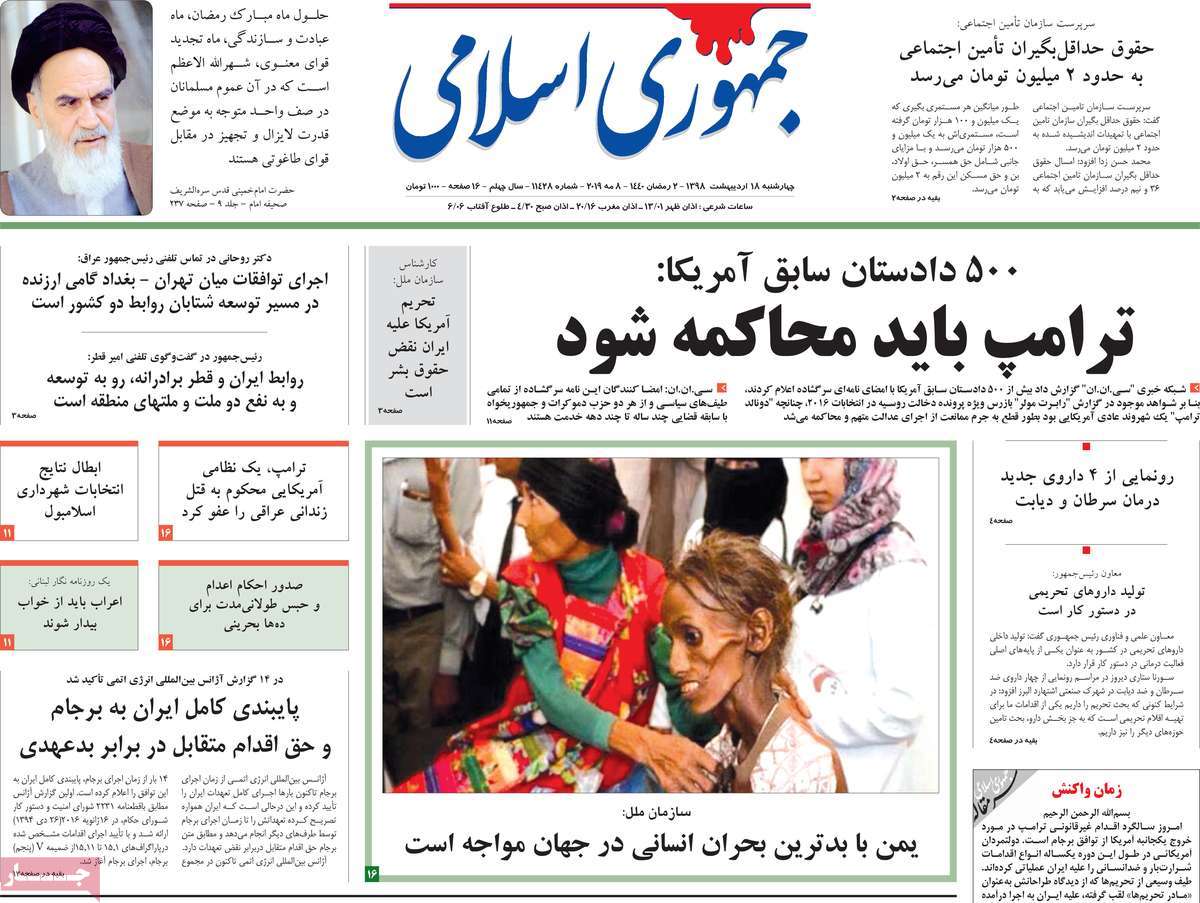
Jomhouri Eslami:

1- 500 Former Prosecutors of US Call for Prosecution of Trump

2- US Sanctions against Iran Violation of Human Rights: UN Expert

3- Iran Totally Committed to JCPOA, Has Right to Reciprocate Violations

A Look at Iranian Newspaper Front Pages on May 8


Kayhan:

1- CIA’s Scenario for Venezuela: Guaido Must Be Killed

2- One Year after Death of JCPOA: US Left, We Remained with Absolute Damage

3- Former Pentagon Official: Iran Can Cause Bad Damages to US, Allies

A Look at Iranian Newspaper Front Pages on May 8


Sazandegi:

1- Ultimatum: A Report on Details of Iran’s Action against US

2- Rouhani to Talk to People Today

* Zarif to Brief Mogherini on Details of Iran’s Measures

* Next 60 Days a Chance for Europe

* Iran Not to Stop Implementing Additional Protocol

A Look at Iranian Newspaper Front Pages on May 8


Shargh:

1- Rouhani Sends Letters to Leaders of China, UK, France, Germany, Russia

2- Historical Surgery of JCPOA: Iran to Unveils Reciprocal Diplomacy on Anniv. of US Pullout

A Look at Iranian Newspaper Front Pages on May 8

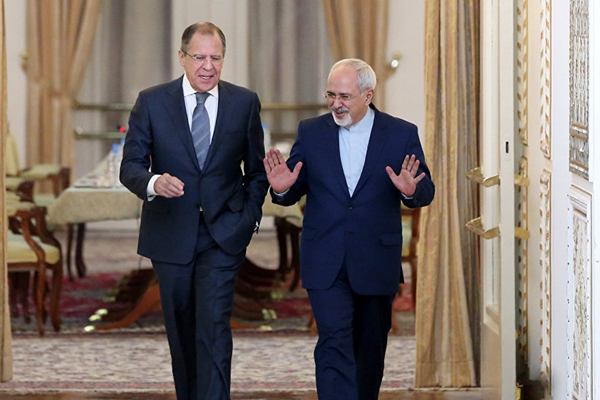
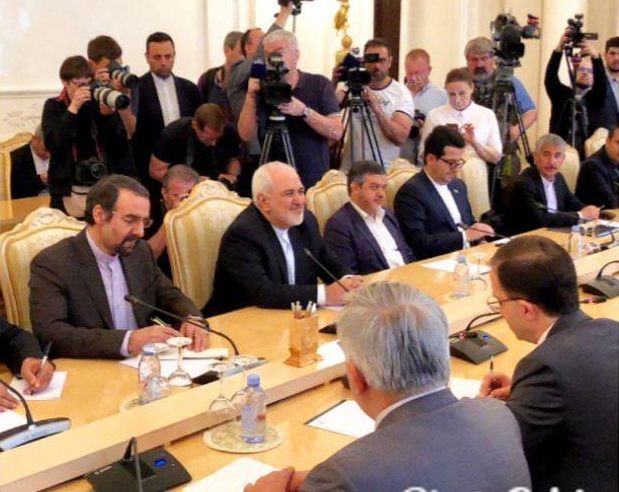
Iran’s Zarif, Russia’s Lavrov Discuss JCPOA in Moscow

During the Wednesday talks, the two sides conferred on various aspects of bilateral relations and cooperation in politics, economy, nuclear technology, oil and gas, transportation, agriculture, culture and tourism.

They also exchanged views on the most important regional and international issues including those of Afghanistan, Yemen, Syria, Venezuela, and Libya.

Zarif and Lavrov further discussed the latest developments with regard to the Iran nuclear deal (also known as JCPOA), the details of Iran’s move to reciprocate the US violation of the deal, and the fact that Tehran’s demands have not been met.

In the meeting, President Hassan Rouhani’s letter to his Russian counterpart Vladimir Putin was also handed over to Lavrov.

The meeting came after the Supreme National Security Council of Iran declared the country’s decision to stop implementing some of its commitments under the 2015 nuclear deal in reaction to the US’ withdrawal from JCPOA and Europe’s failure to make up for that.

In a statement on Wednesday, the SNSC said as of May 8, 2019, Iran does not commit itself to observing restrictions of stockpiling enriched uranium and heavy water given the US’ violations of the nuclear deal.

The statement also said that Iran gives other JCPOA parties 60 days to implement their commitments, especially in the banking and oil sectors.

Once they fulfil that, Iran will restart implementing its commitments. It’s now the other parties’ turn to show their good faith, the statement added.

Iran’s Zarif, Russia’s Lavrov Discuss JCPOA in Moscow