Wednesday, December 24, 2025
Home Blog Page 3240

Iran: Some Regional States Developing Suspicious Nuclear Projects

Signs of US Decline Clearer Than Ever: Iran Official

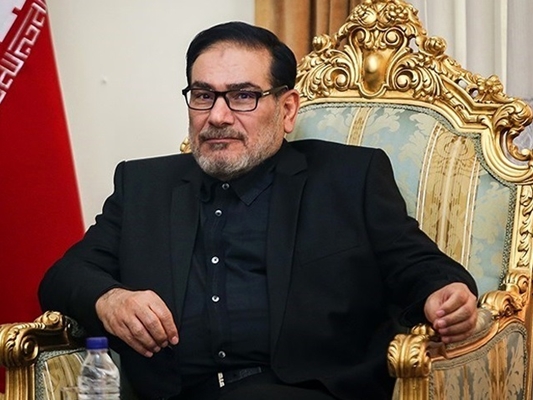
“Some countries in the region have put suspicious nuclear projects on their agenda, spending their petrodollars (on such projects),” Shamkhani said in a speech in the northwestern city of Oroumiyeh on Wednesday.

“Such moves can cause not only the region but also the world to face a threat and crisis worse than the threat of Takfiri terrorists and Daesh (ISIS or ISIL),” he added.

The top security official further emphasized that the emergence of such new threats will force Iran to adjust its strategy and meet the needs of the country’s Armed Forces based on the nature and geography of the new threats.

“We are constantly monitoring all movements of outsiders and some evil countries in the West Asia region, especially the abnormal actions of some regional countries whose dark history of supporting terrorist currents has been proved,” he went on to say.

While Shamkhani did not name any countries in his speech, he seems to have been referring to a proposed transfer of US nuclear technology to Saudi Arabia.

Last month, a US congressional report revealed that the United States is rushing to transfer “highly sensitive nuclear technology” to the kingdom, with President Donald Trump being “directly engaged” in the push.

The House of Representatives’ Oversight and Reform Committee released the 24-page report on February 19, listing the actions taken by the Trump administration in an attempt to win government support for American firms to construct nuclear power plants in Saudi Arabia, in what could increase the risk of spreading nuclear weapons technology.

The report is based on whistleblower accounts and documents showing communications between administration officials and nuclear power companies.

“Experts worry that transferring sensitive US nuclear technology could allow Saudi Arabia to produce nuclear weapons that contribute to the proliferation of nuclear arms throughout an already unstable Middle East,” said the report.
Iran Acquires Know-How to Build Radio Telescopes

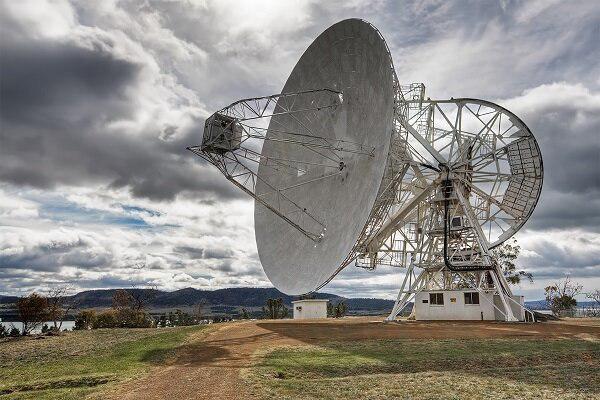
Iran Acquires Know-How to Build Radio Telescopes

“Until now, we [in Iran] did not have an indigenous sample of the radio observatory in this class. Those we had were smaller, but now we have the ability to build radio telescopes of this size and we can build even more complicated and larger systems,” said Omid Shokoufa.

This Iranian scientist noted that the radio observatory is complementary to the optical observatory, and each of them is used for various purposes. This means that what this system can monitor is not measurable at the optical observatory.

For a brief review of Iran’s achievements in various fields of science and technology, check the book “Science and Technology in Iran: A Brief Review

The radio telescope system is a radio receiver that gets radio waves from various astronomical sources such as galaxies, nebulae and various objects.

A radio telescope is a specific antenna and radio receiver used to receive radio waves from astronomical radio sources in the sky. Radio telescopes are the main observing tool used in radio astronomy, which studies the frequency of the electromagnetic spectrum emitted by astronomical objects.

Radio telescopes are large parabolic antennas similar to those used in tracking satellites and space probes. They may be used individually or linked together in an array.

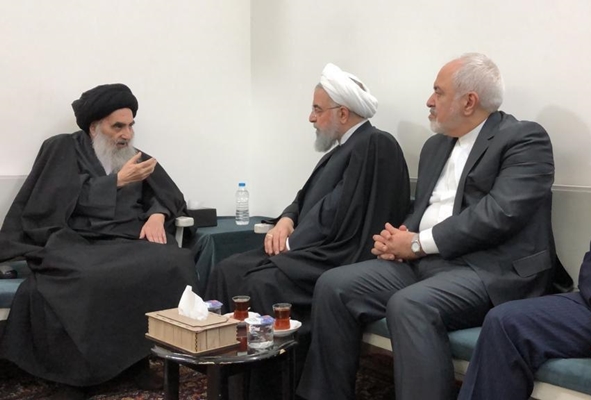
Iran President Meets with Ayatollah Sistani in Najaf

During the meeting, Ayatollah Sistani said he welcomes any initiative that would expand Iraq’s ties with its neighbours. He said the sovereignty of Iraq must be respected, and other states must avoid interfering in its internal affairs.

He called for balance and moderation in regional policies, and said, “Fight against corruption, improved services, and keeping arms in the hands of the government are the

most important priorities of Iraq.
The senior cleric also underlined the significance of keeping regional nations away from

disasters and collateral damages.
Rouhani, in turn, briefed the top cleric on the results of his talks with Iraqi officials.

The Iranian president met the top cleric after visiting the holy shrine of first Shiite Imam and Prophet Muhammad (PBUH)’s son-in-law, Imam Ali (AS) in Najaf.

During the rare meeting, Rouhani was accompanied by Foreign Minister Mohammad Javad Zarif, the president’s chief of staff Mahmoud Vaezi, and Iran’s ambassador to Baghdad Iraj Masjedi.

Ayatollah Sistani had earlier refused to meet Iranian presidents, and this is the first time he has accepted to hold talks with an Iranian president.
The top cleric is known as the spiritual leader of Iraqi Shiite Muslims and one of the most senior clerics in Shia Islam. His fatwas played a significant part in shaping Iraq’s political stage and eradicating ISIS.
In June 2014 – when the Takfiri ISIS terror group unleashed its campaign of destructive in Iraq – Grand Ayatollah Sistani called on his followers to rush to the national army’s help in the fight against the terrorist outfit.

The fatwa helped Shiite fighters, Sunni tribesmen as well as Christian and Izadi volunteers unite under the umbrella of the Popular Mobilization Units (PMU), commonly known as Hashd al-Sha’abi, to reverse ISIS’ gains and ultimately end the terror group’s territorial rule in Iraq in late 2017.

Iran Warns Canada against Giving Asylum to Embezzlers

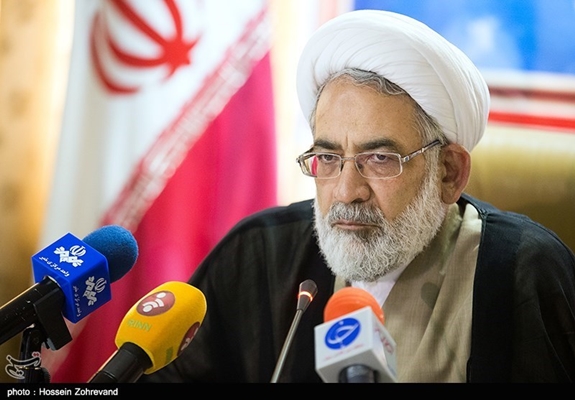
Mohammad Jafar Montazeri said on Wednesday that the Canadian officials must not let their country have an ugly face by giving asylum to embezzlers.

In a conference held in Tehran Montazeri noted that Iran’s Interpol cooperates with the judiciary very well, but the problem is with the Interpol outside the country, especially the countries that have enmity towards Iran.

Iran’s Attorney General further mentioned that “Unfortunately, some people are embezzling people’s property and escape to Canada.”

Montazeri underlined that a judicial order has been issued in this regard.

Iranian Canadians Sign Petition against Two Fugitive Embezzlers

Earlier, members of the Iranian-Canadian community signed a petition against two Iranian embezzlers who are now living in Canada after escaping justice in Iran.

They said the Canadian government must launch investigation against fugitive financial criminals Mahmoud Reza Khavari and Marjan Sheikholeslami Aleagha.

Mahmoud Reza Khavari, a former Iranian banker, fled to Canada after embezzling billions of dollars in 2011. He was sentenced to 30 years in prison and the Interpol issued a warrant for him in 2017.

Marjan Sheikholeslami’s case has recently come into light in Iran. While being accused in Iran of a $10 million corruption case, she has travelled to Canada and invested in properties and started businesses.

A Look at Iranian Newspaper Front Pages on March 13

A Look at Iranian Newspaper Front Pages on November 19

The top story in all papers today was the visit of President Hassan Rouhani to Iraq and his meetings with top Iraqi officials, the agreements he signed with them, and the remarks he made in these visits.

Abdelaziz Bouteflika’s decision to abandon his attempt to contest a fifth term in Algerian presidential elections amid massive popular protests also received great coverage in today’s papers.

Several papers also covered a letter by 50 retired US generals and diplomats in which they called on Trump to get back to the Iran nuclear deal.

The above issues, as well as many more, are highlighted in the following headlines and top stories:


Abrar:

1- US Shuts Down Joint Bank in Russia over Venezuela

2- Raisi Elected as Vice-Chairman of Iran’s Assembly of Experts

3- DM: We’ll Boost Defence Power to Prevent War from Happening

4- Hook: We’ll Impose More Sanctions against Iran

5- Iran, Iraq Playing Significant Role in Region: Rouhani to Abadi

A Look at Iranian Newspaper Front Pages on March 13


Ebtekar:

1- We Want Iraq to Stand by Iran, as We Stand by Iraq: Rouhani

2- Saudi Security Severely Linked with that of Iran

3- Secrets behind Democrats Withdrawal: Pelosi Says Trump’s Impeachment to Cause Rift in US

A Look at Iranian Newspaper Front Pages on March 13


Etemad:

1- Iran, Iraq Issue Joint Declaration, Further Stabilizing 1975 Treaty

A Look at Iranian Newspaper Front Pages on March 13


Hamdeli:

1- Iran an Umbrella for the Middle East

* A Look at Rouhani’s Iraq Visit, Its Regional, Int’l Consequences

2- Bouteflika Is Over

A Look at Iranian Newspaper Front Pages on March 13


Javan:

1- $20-Billion Opening after Europe’s Deadlock: Entire Iraq Meets with Iran President

2- London Revealed Zaghari Was a Spy: UK Ex-Envoy

A Look at Iranian Newspaper Front Pages on March 13


Kayhan:

1- Pelosi: Trump Does Not Even Deserve to Be Impeached

2- Iran, Iraq Deal Joint Blow to US by Signing $20-Billion Deal

3- New York Times: Iran Has Small Body, Big Brain; US Has Big Body, Small Brain

A Look at Iranian Newspaper Front Pages on March 13


Sazandegi:

1- Return of Arab Spring: Bouteflika Drops Presidential Bid after Popular Protests

2- Larijani, Raisi Compete over Seat of Late Hashemi Shahroudi in Assembly of Experts

A Look at Iranian Newspaper Front Pages on March 13


Setareh Sobh:

1- Major Development in Iran-Iraq Ties: Visa Fees Removed

2- 50 Retired Generals, Diplomats Call for Return of US to JCPOA

3- Bouteflika Backs Off: Algerians Celebrate

A Look at Iranian Newspaper Front Pages on March 13


Shahrvand:

1- Strategic Trip: Importance of Rouhani’s Trip to Iraq, His Meeting with Ayatollah Sistani

2- Interpol Wanted List Lacks Names of Iranian Fugitives

* Why Doesn’t Interpol Look for Khavari, Sheikholeslami, etc.?

A Look at Iranian Newspaper Front Pages on March 13


Shargh:

1- Rouhani: We’re Resolved to Expand Relations Based on Common Interests

2- 50 Former Diplomats, Generals Urge Trump to Return to JCPOA

A Look at Iranian Newspaper Front Pages on March 13


Sobh-e Now:

1- US Outraged by Rouhani’s Visit to Iraq

* Hashd al-Sha’abi Chief: Iraq Considers Itself Defender of Iran

* Central Bank: Iraq Settled Part of Its Debts to Iran

A Look at Iranian Newspaper Front Pages on March 13


Vatan-e Emrooz:

1- Austria Chancellor: Macron’s Renascence Imaginary; Crisis in Ties among Europe Leaders

2- Americans Hiding ISIS Leader Baghdadi: Yeni Shafak

A Look at Iranian Newspaper Front Pages on March 13

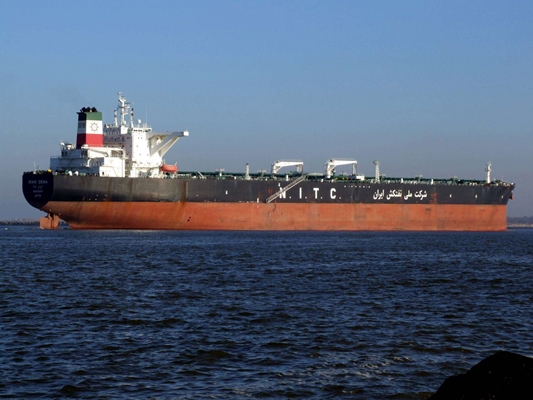
‘Israel to Face Tough Response If Threatens Iranian Tankers’

Iran’s Defense Minister Brigadier General Amir Hatami said Iran considers such actions against its oil sales “piracy”, warning Tel Aviv that it will face a tough response if it approaches Iran’s oil tankers.

He stressed that the Islamic Republic of Iran is capable of dealing with this issue adding that the international community will not accept Israel’s move.

“The armed forces of the Islamic Republic will surely provide the security of the shipping lines and the security of the international waterways for themselves and all those who are in the area of responsibility,” he noted.

The warning comes a week after Israeli Prime Minister Benjamin Netanyahu threatened to stop what he called Iran’s “oil smuggling” by intercepting tankers carrying Iranian crude.

He said Israel’s navy will have a more important role in blocking Iran’s effort to bypass US sanctions on its oil sales.

This is not the first time that Iran’s oil exports are being threatened by the enemies of the country. Brian Hook, who is the US special representative for Iran at the US State Department, spoke publicly of the high probability of an incident for Iranian oil tankers earlier this year.

He said these tankers can no longer be insured by international companies and are likely to be insured by Iranian firms.

From the Suez Canal to the Strait of Malacca and all choke points in between, Iranian tankers are now a floating liability, Hook said in a press briefing.

Hook claimed now that sanctions have been reinstated on Iran’s shipping sector, Iranian tankers calling at international ports and passing through waterways pose a major risk.

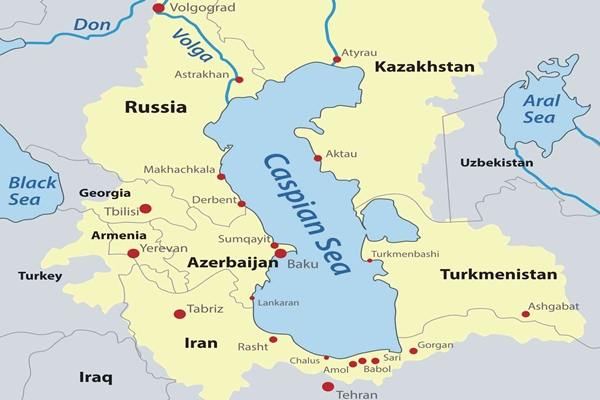
Dubai Authorities Making Investment in Caspian Shores

While in Astana, Sultan Ahmed held talks with Kazakhstan’s Prime Minister Askar Mamin, during which the two sides signed two framework agreements on establishing Special Economic Zones in Aktau and Khorgos.

The Emirati officials are reportedly persuading Kazakh parliamentarians to give the green light for the establishment of the special zones.

DP World has been providing management services to the Port of Aktau, Kazakhstan’s main cargo and bulk terminal on the Caspian Sea, and Khorgos SEZ and Inland Container Terminal (ICD), which is strategically situated on the China-Kazakhstan border and has been acting as the primary transit point for trans-Eurasian cargo trains.

DP World said both facilities play an important role in enhancing trade connectivity along the New Silk Route and have further actively promoted business connectivity between Kazakhstan and Dubai.

Bin Sulayem said, “Our expertise in developing logistics and trade enabling infrastructure will benefit tremendously from building facilities in Kazakhstan and to the needs of local businesses.”

He also noted that “the economic fundamentals of Kazakhstan are very strong, which is why the UAE looks forward to continue investing there.”

“President Nursultan Nazarbayev’s vision and progressive policies have laid the groundwork for linking the Far East to Europe and ensuring that the Khorgos Internal Container Depot and SEZ play a crucial role in facilitating this,” he added.

Through the new agreements, the DP World has reinforced its presence in Kazakhstan, and is turning into a major regional player in transportation and logistics in the Caspian Sea.

The point here is that the DP World has close links to the Israeli regime. Sultan Ahmed Bin Sulayem visited Tel Aviv last August with the aim of promoting ties between Emirati and Israeli ports.

The firm has strong ties with some of the biggest Israeli companies, including the regime’s largest container shipping firm, Zim Integrated Shipping Services.

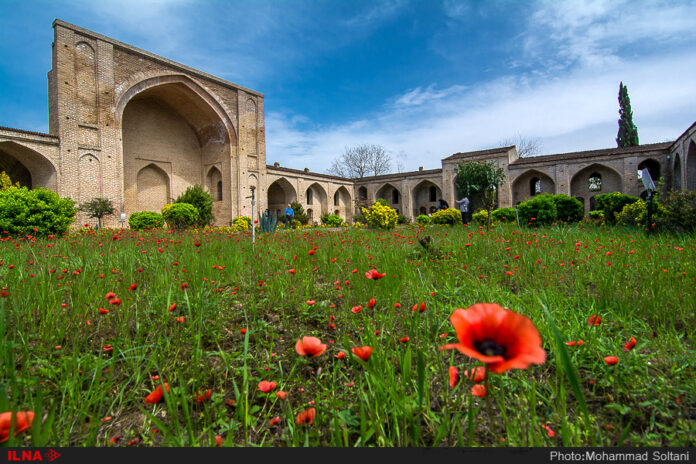
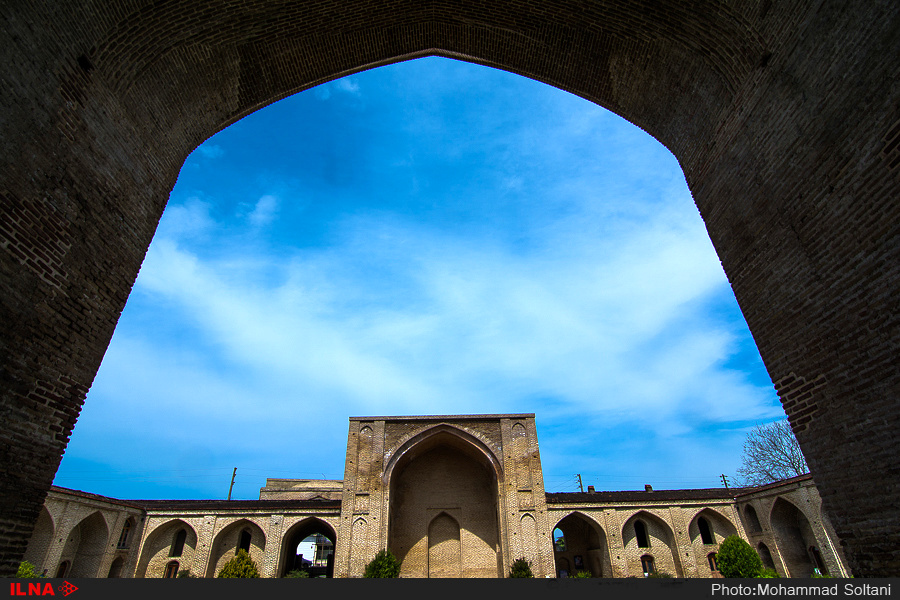
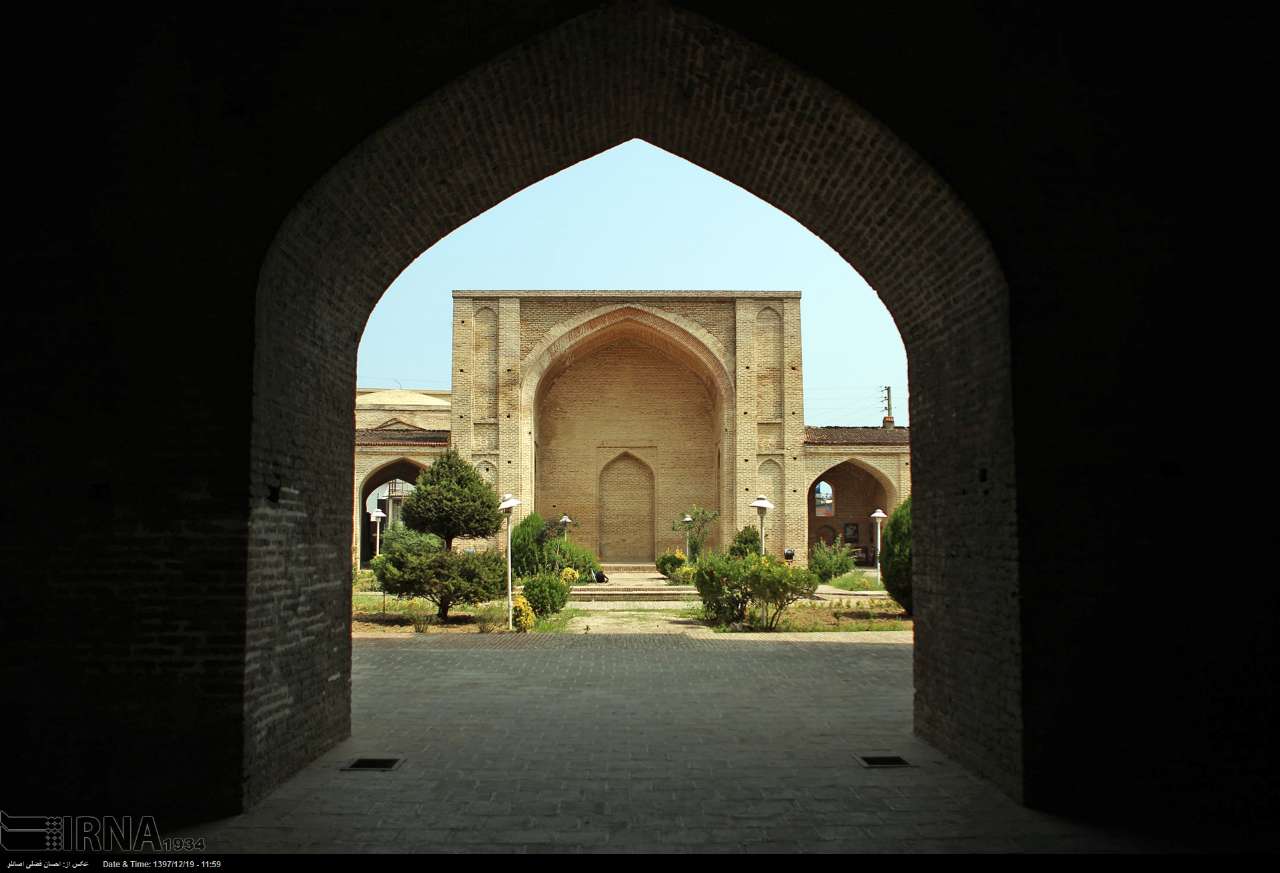
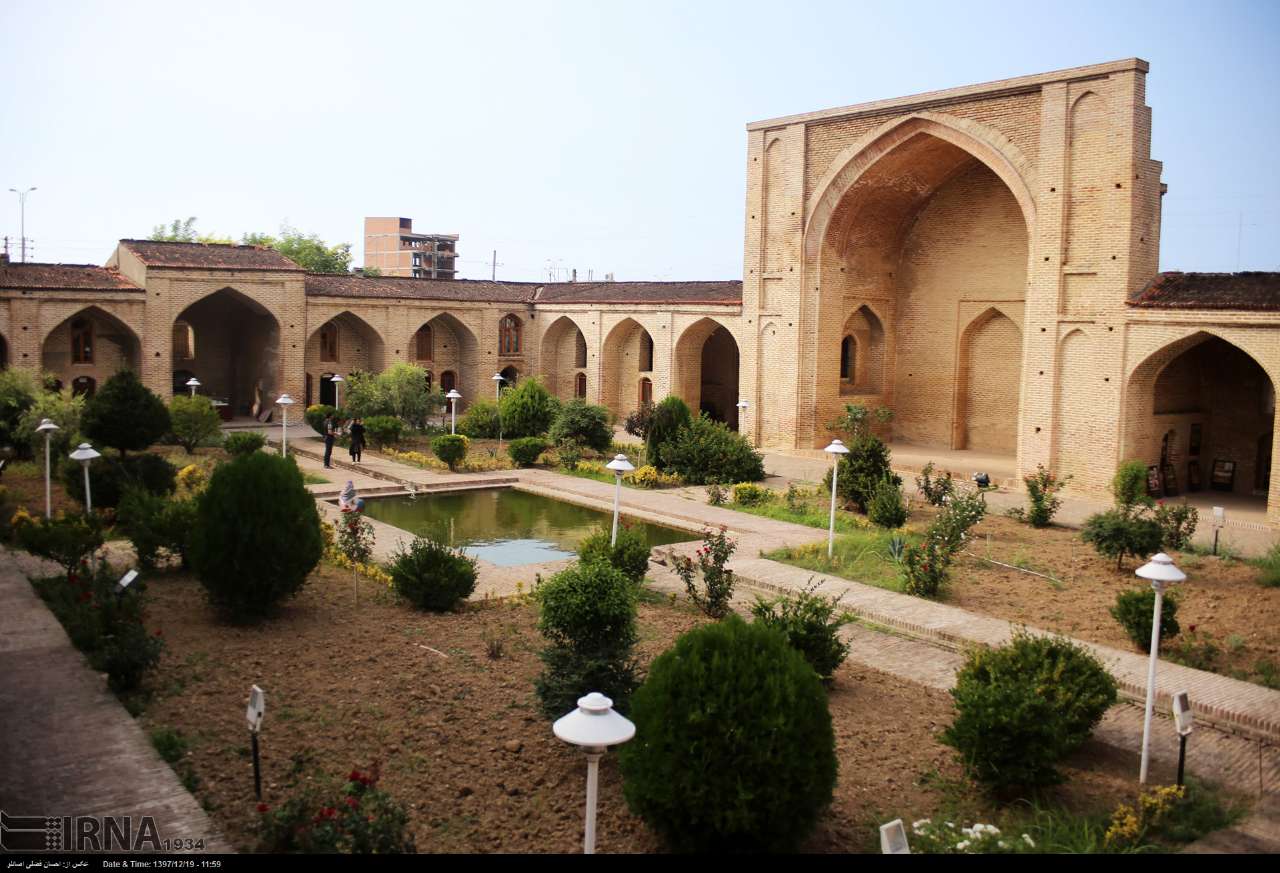
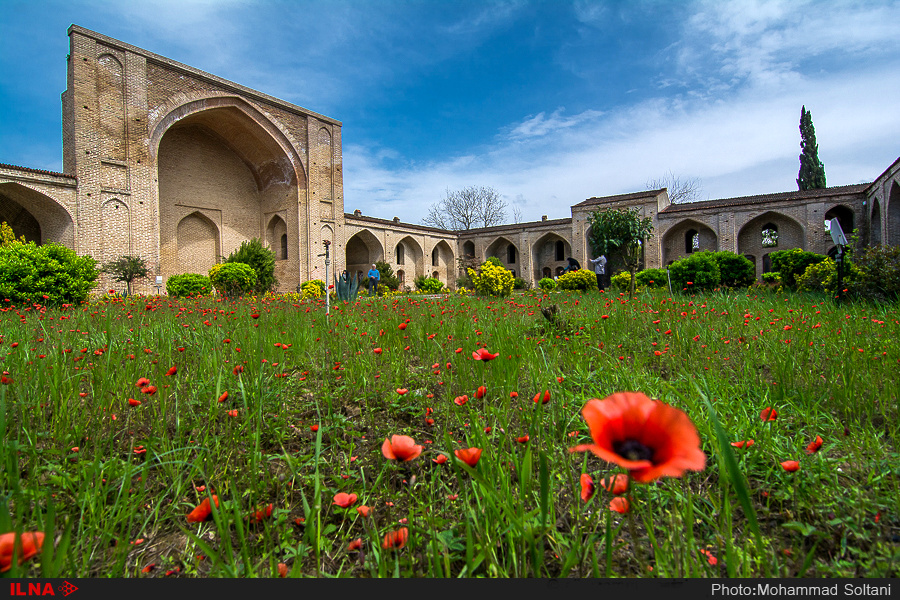
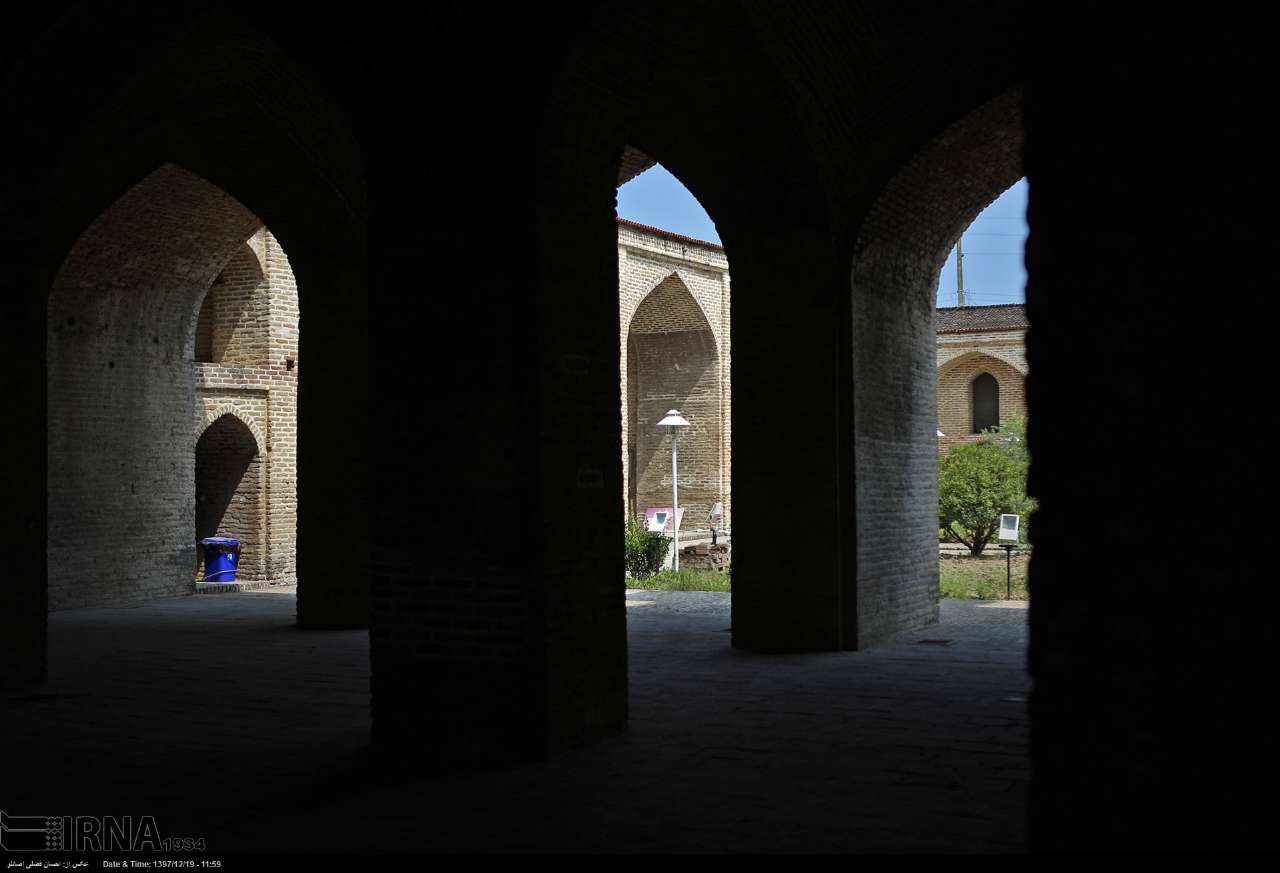
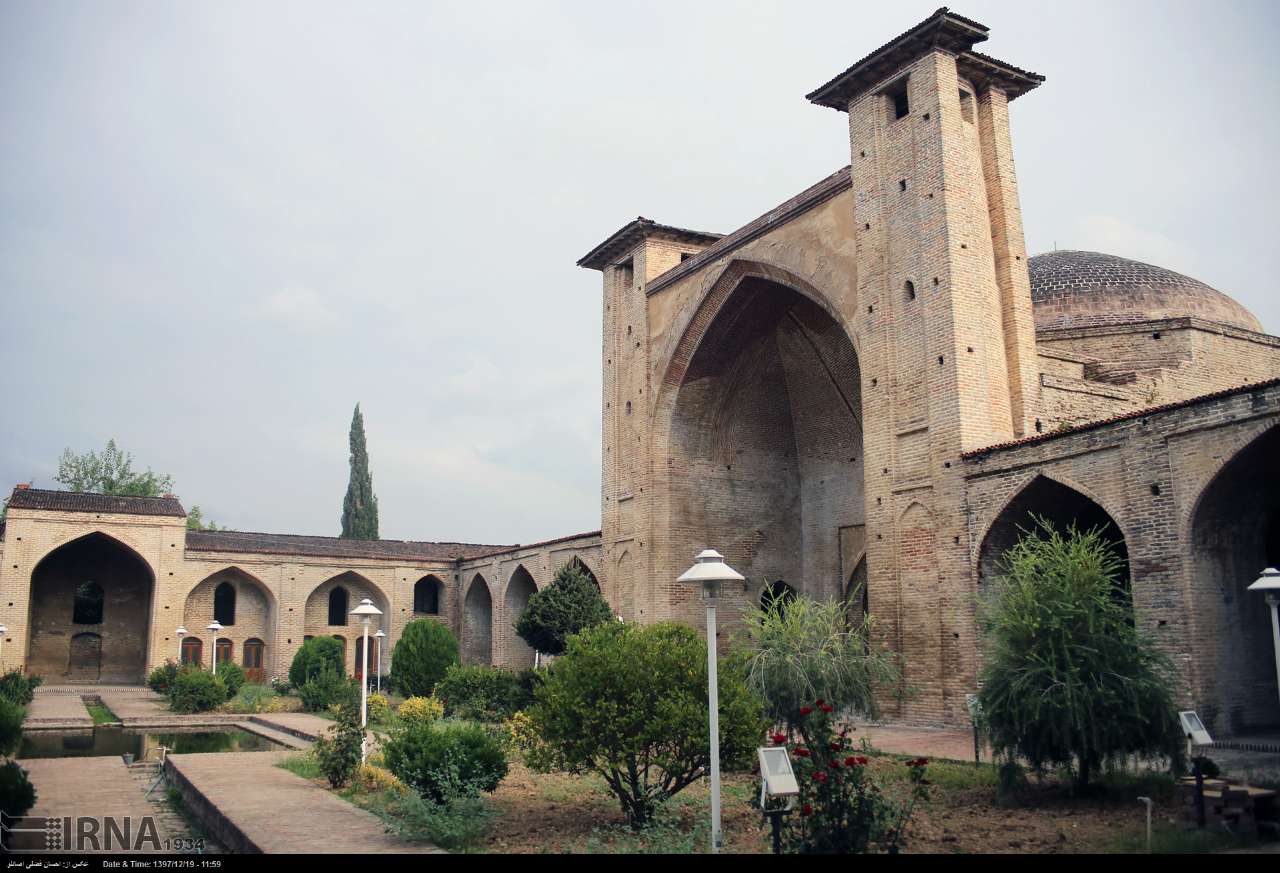
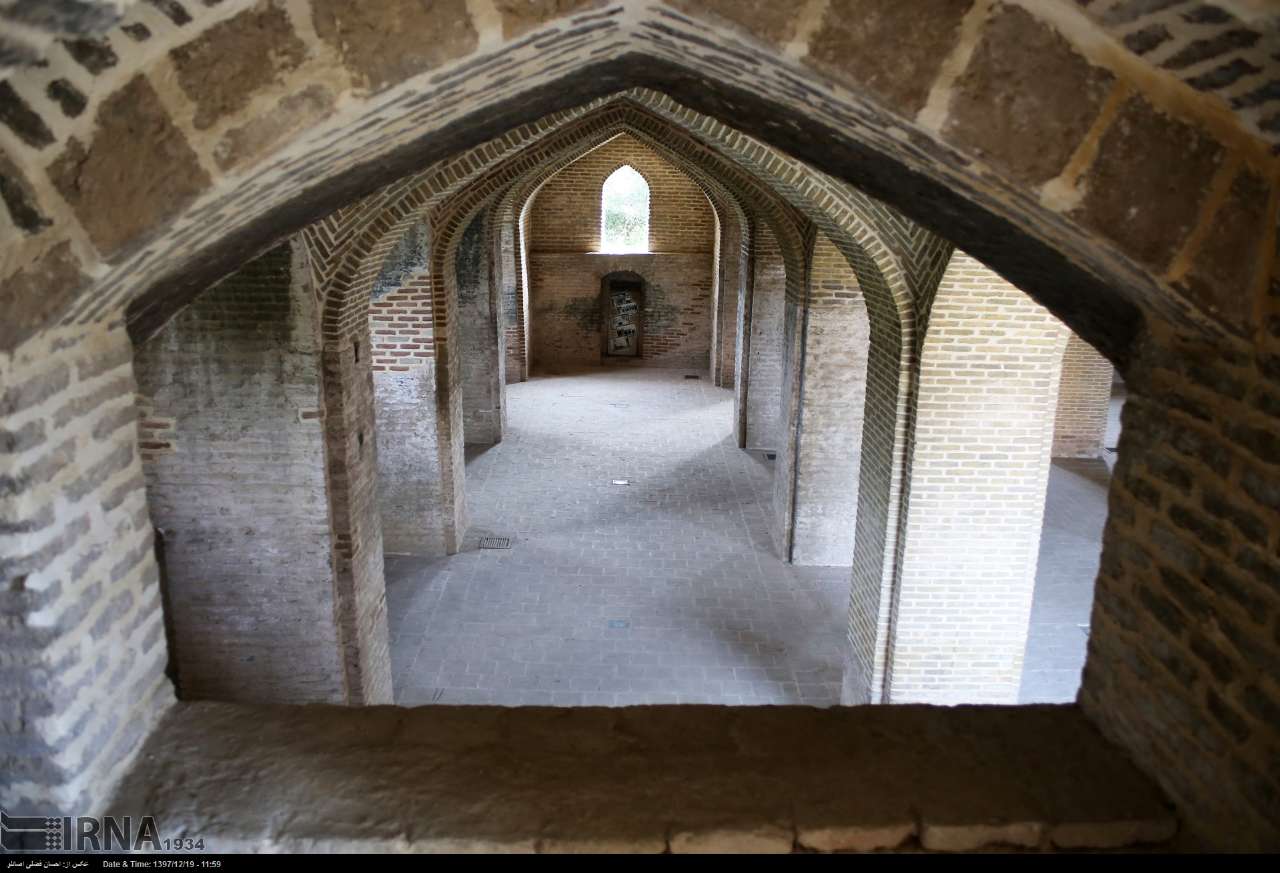
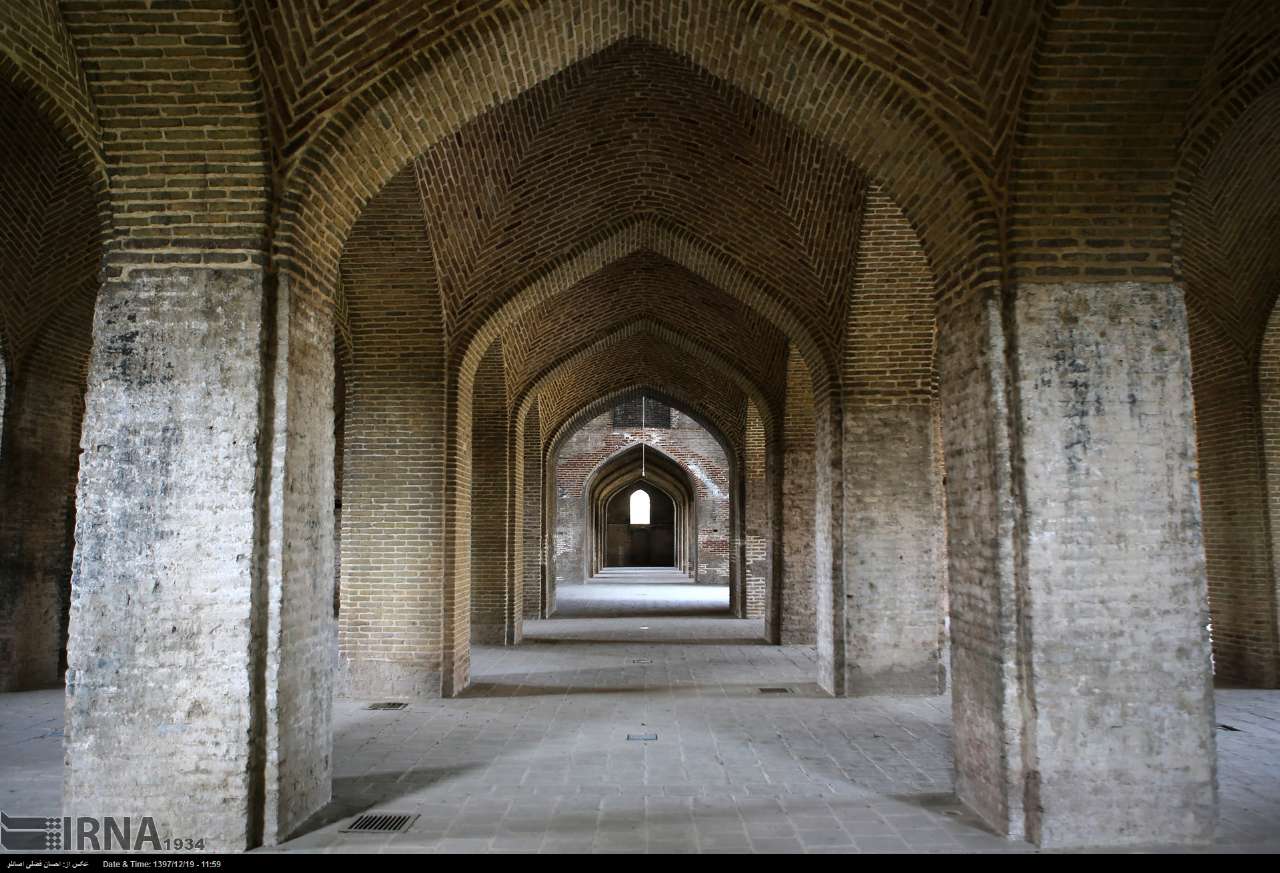
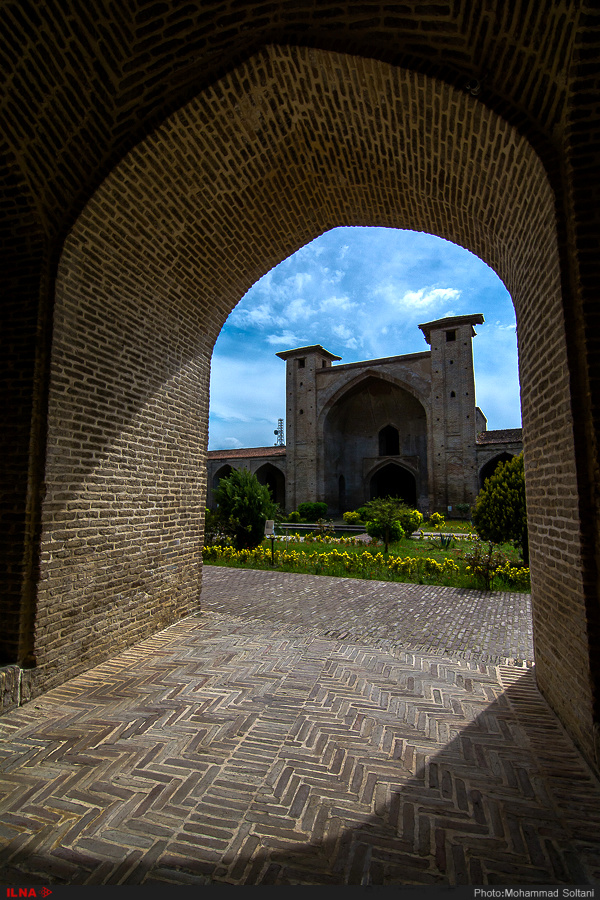
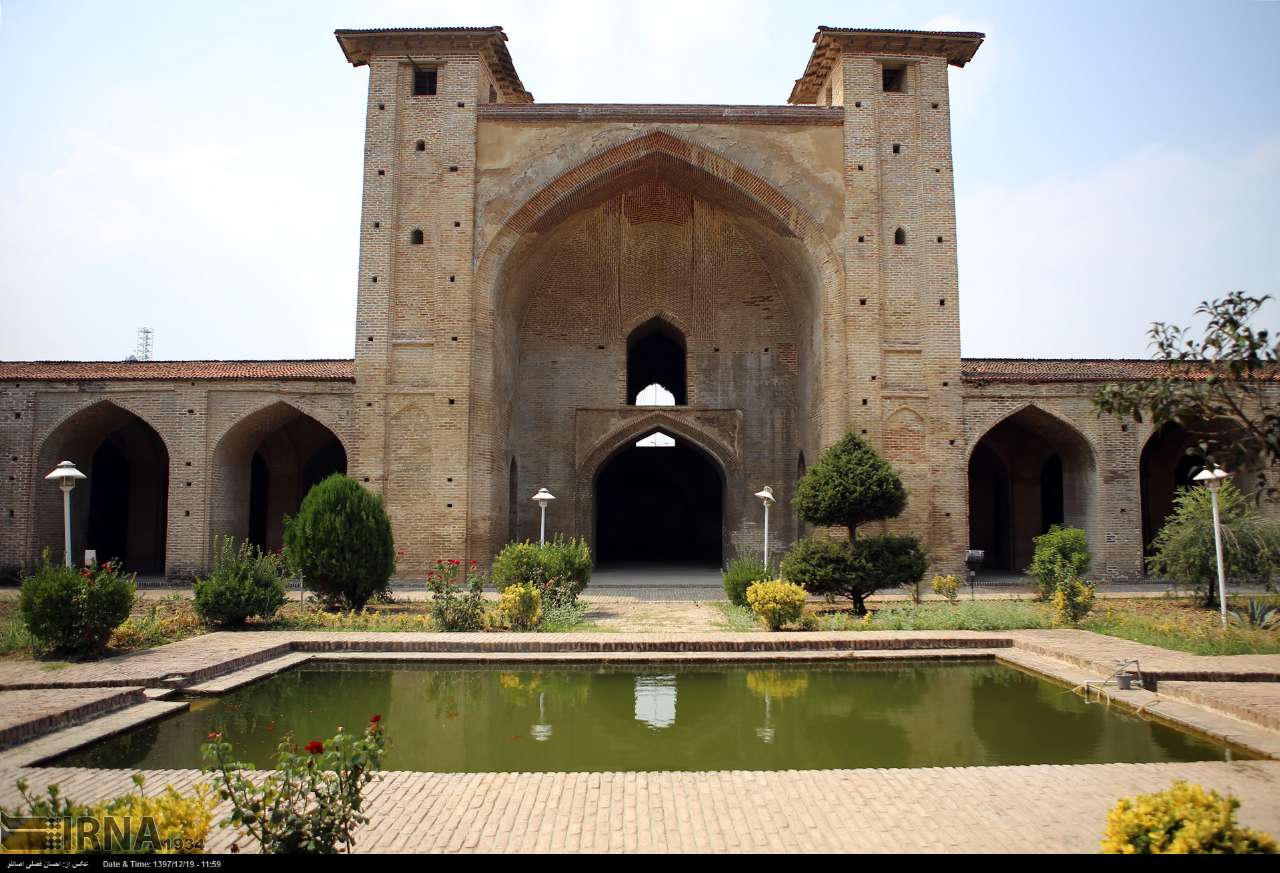
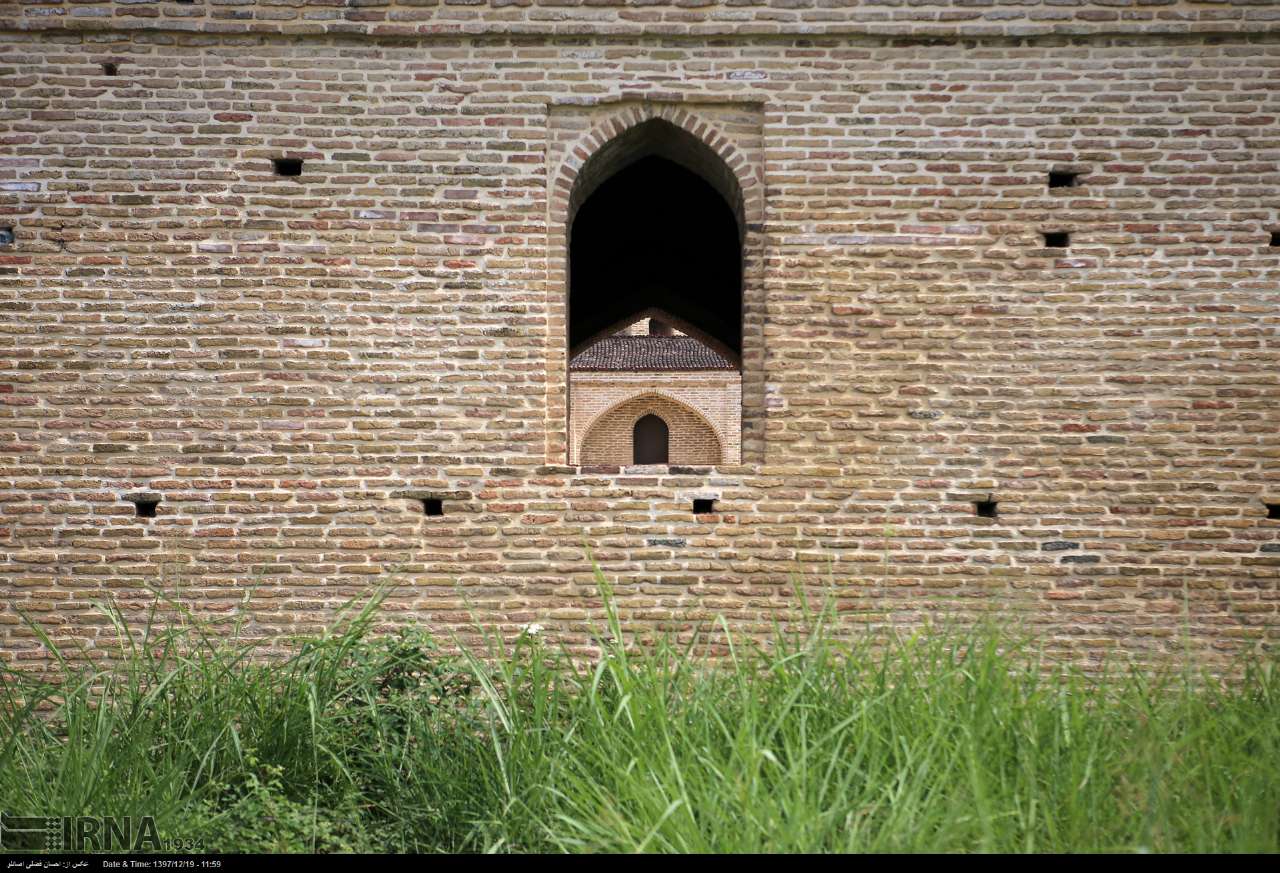
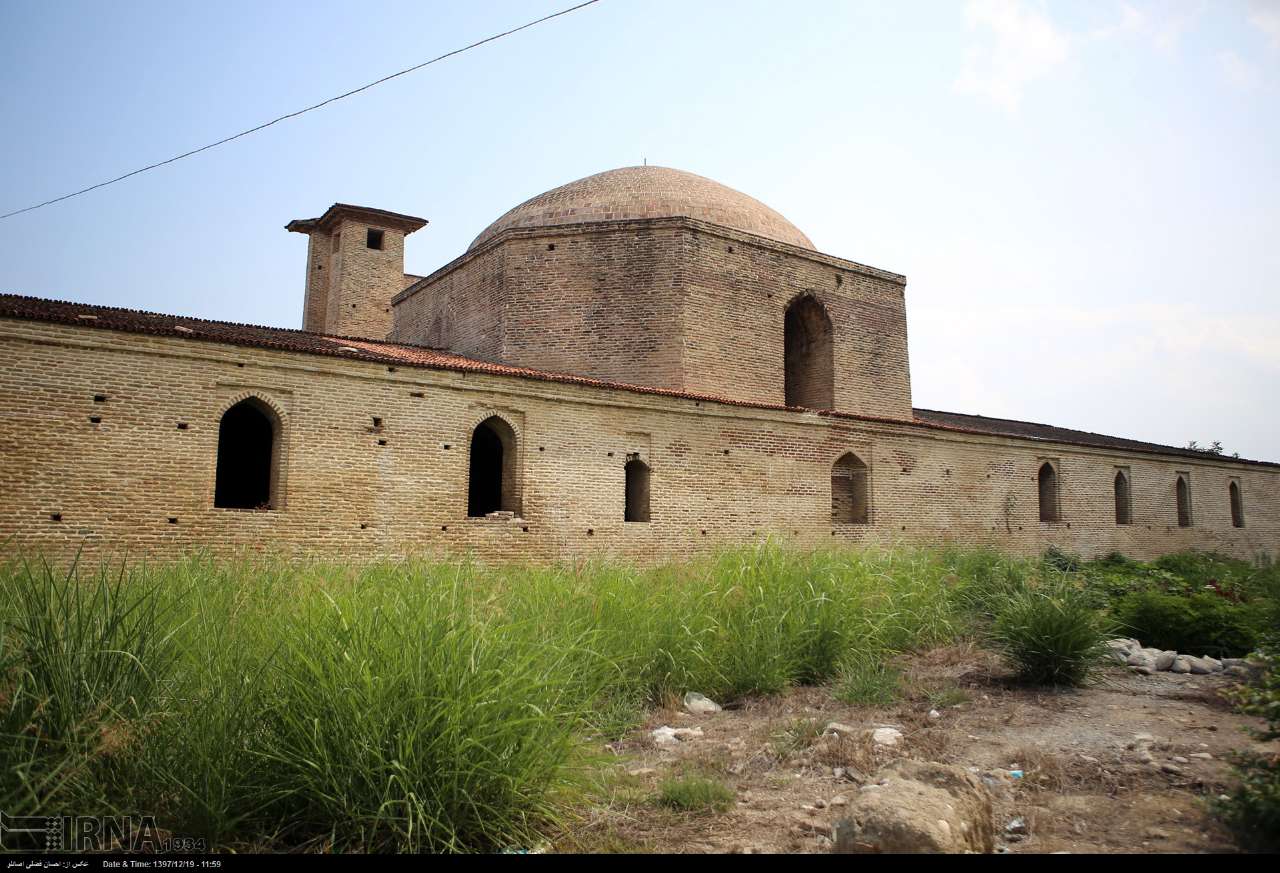
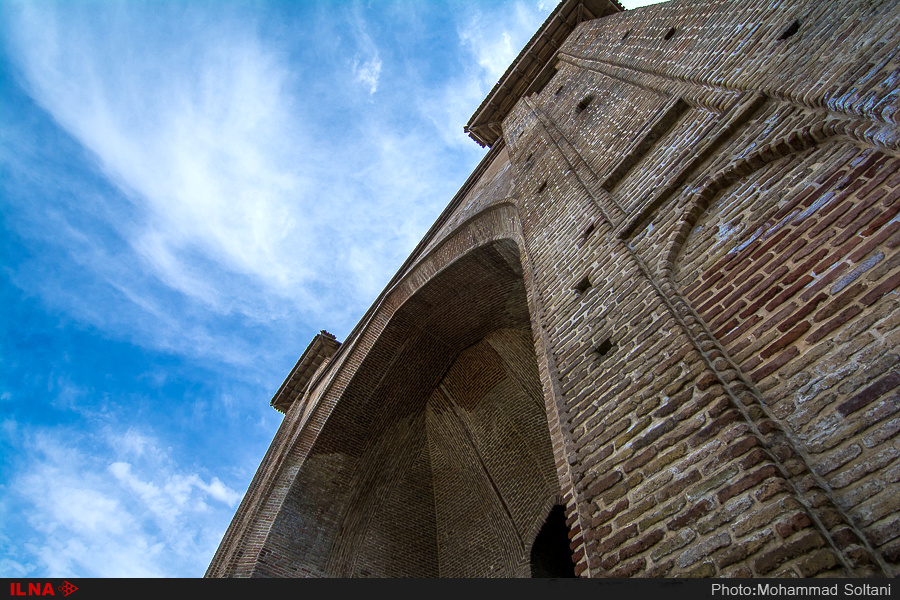
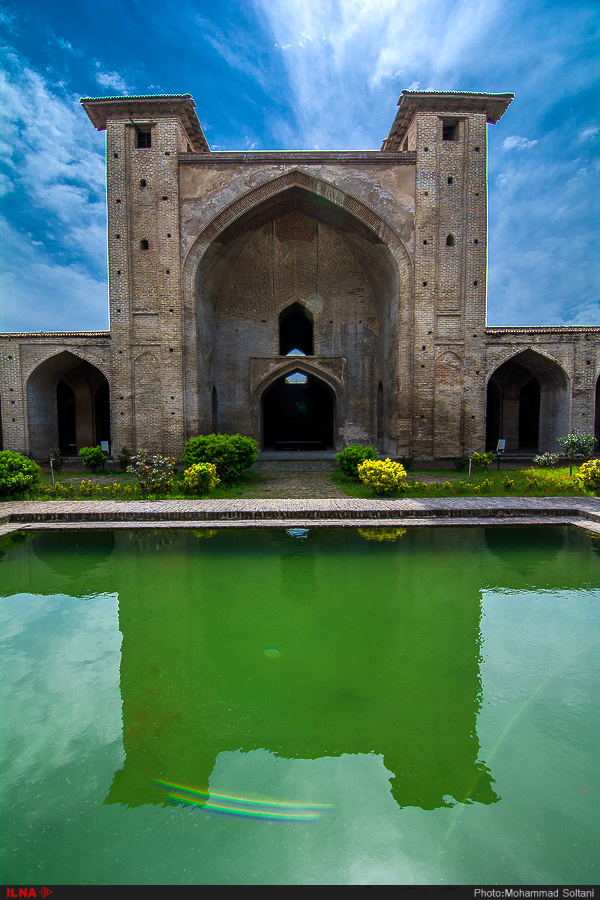
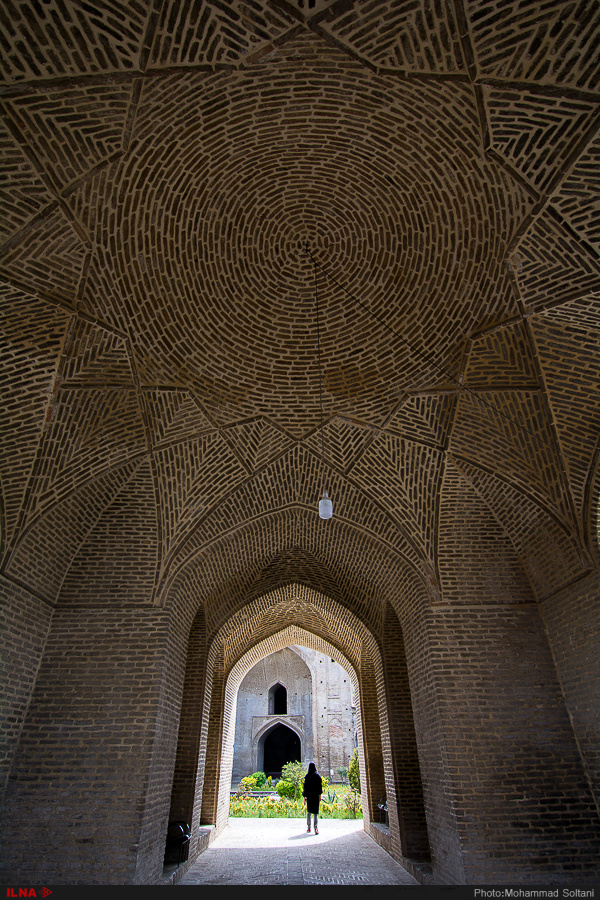
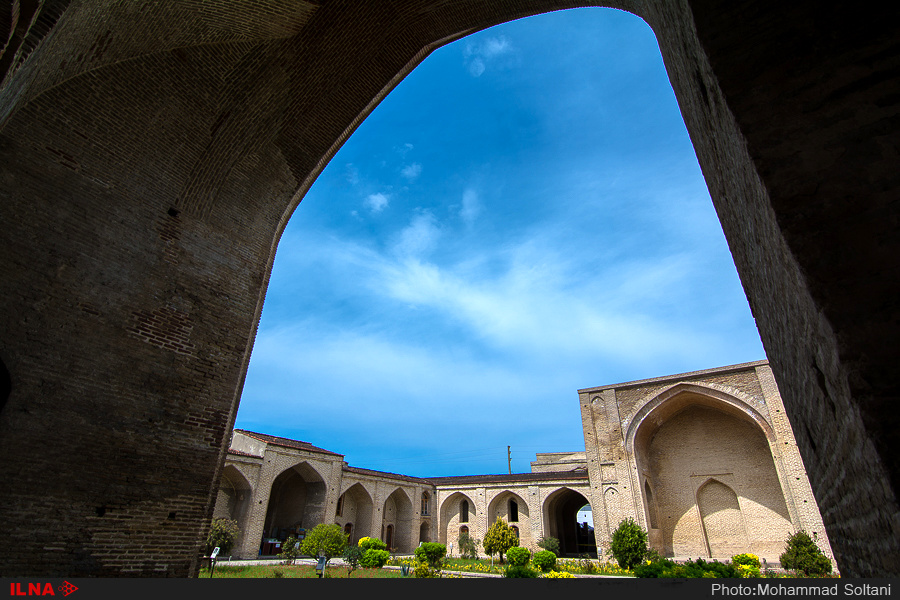
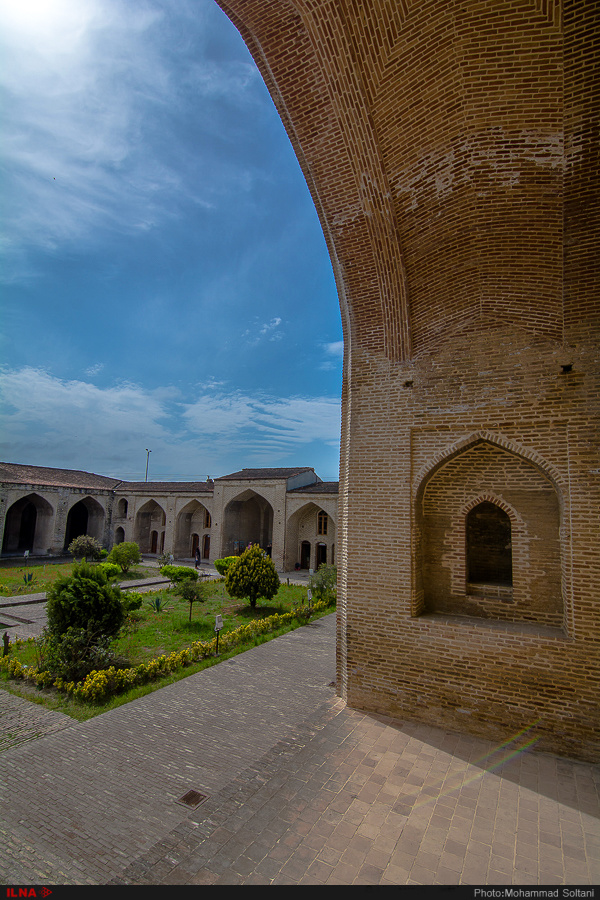
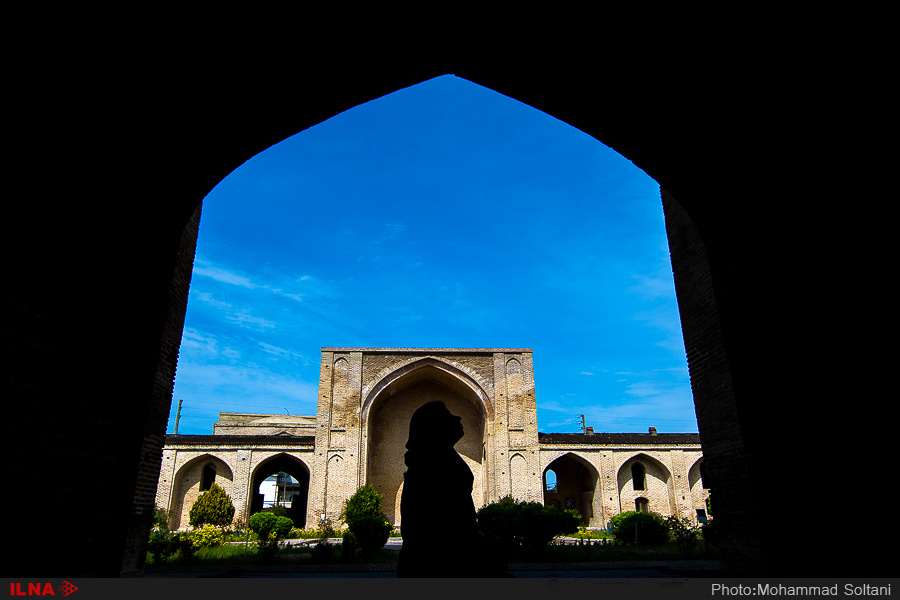
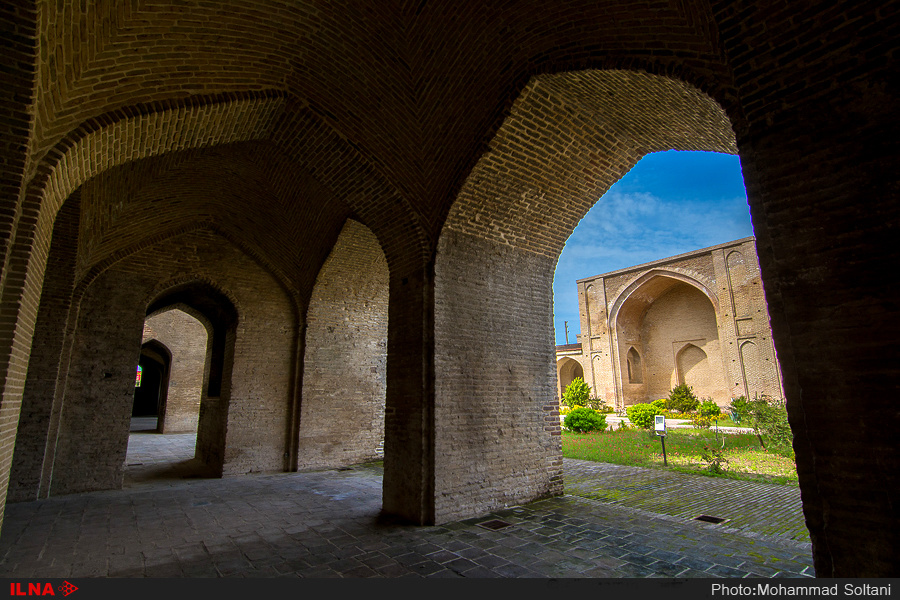
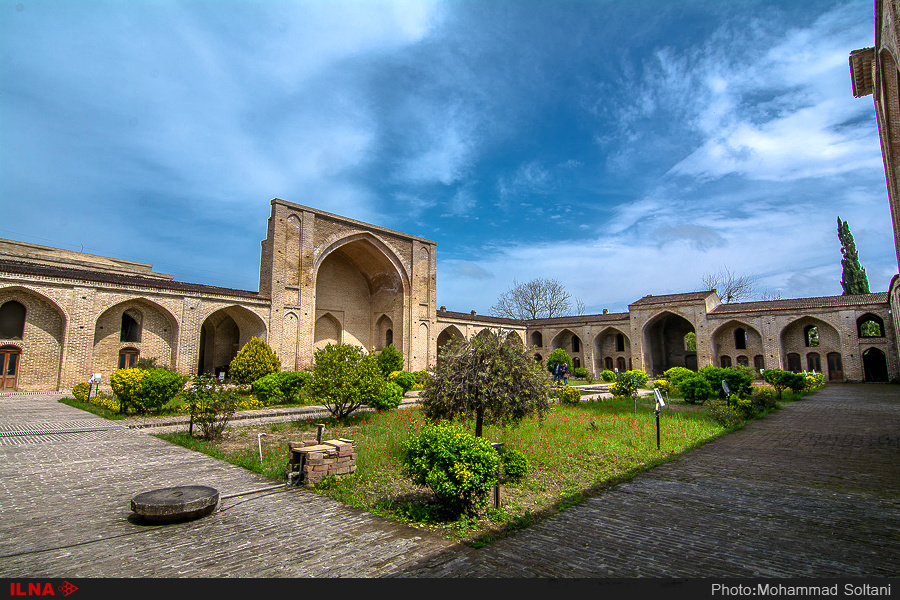
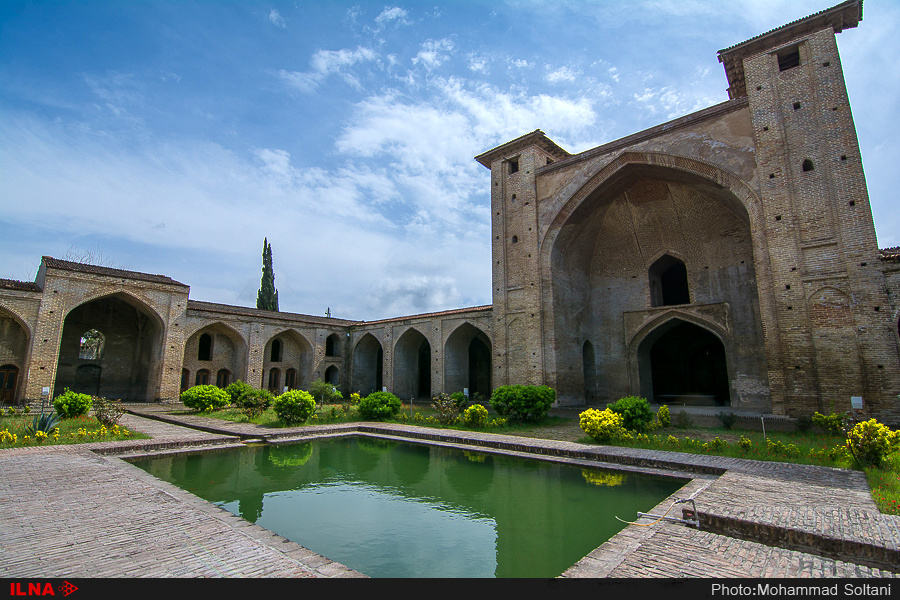
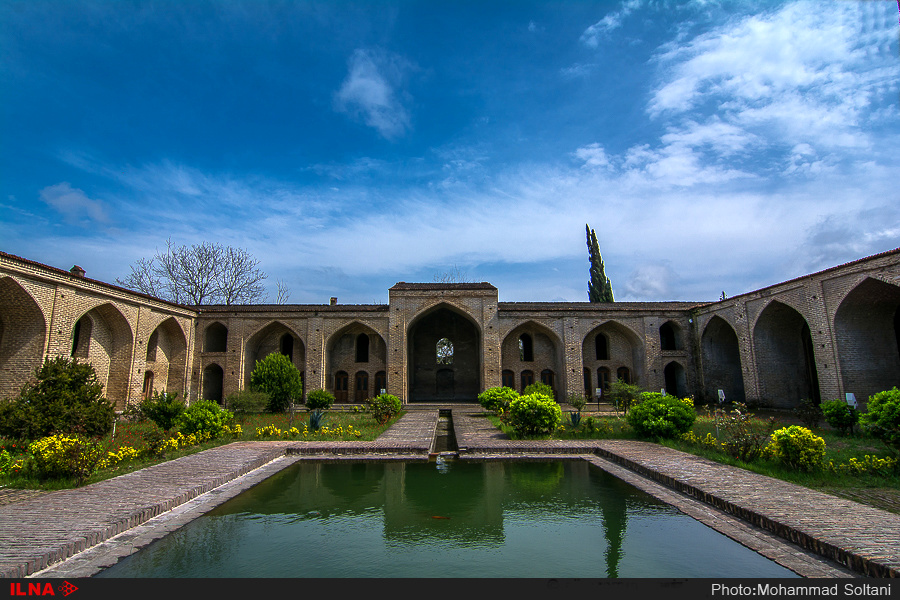
Persian Architecture in Photos: Grand Mosque of Farah Abad

The complex in which the Shah spent some years of his kingdom included the three buildings: the Grand Mosque, Shah Abbas Bridge and a palace named Jahan-Nama.

Many of the buildings in the ancient city of Farah Abad have been ruined throughout the history under Russian attacks except for the mosque.

The complex is located in an area about 25 kilometres away from Sari, the capital city of Mazandaran in north-eastern Iran.

At the time of its prosperity, the complex was called Darolsorour (house of joy) or Darolsaltaneh (house of the kingdom) at Safavid era. This monument was registered in the list of Iran’s national monuments in 1977 with registration number 1376.

What follows are IRNA’s photos of the mosque:

‘Iran Will Ask No One’s Permission to Maintain Ties with Iraq’

Bahram Qassemi

In a Tuesday statement, Qassemi dismissed as “meddlesome and unprofessional” the recent remarks by Brian Hook, the US special representative for Iran, regarding the Iranian president’s visit to Iraq and the warm welcome he received from the Iraqi government and nation.

“The outrage of the American official comes as no surprise because it seems the US has not yet achieved a desirable status among the regional states despite spending billions of dollars in the Middle East,” he noted.

According to the spokesman, the reason behind the failure is “for sure the US’ aggressive, military and meddlesome approaches [towards the region].”

Qassemi underlined that the American officials should stop their undue immorality and greed “to which they have grown accustomed” for many years and have this clear and important point in mind that “the era of interference and making decision for others is over.”

He referred to Iran and Iraq as two independent countries whose governments have been elected by the votes of their people.

“Doubtlessly, the two great nations are capable enough to discern their interests and preferences. So, there is no need for a country [like the US] with such a dark record of aggression, warmongering and destruction to decide for them from thousands of kilometres away,” he noted.

Qassemi noted that Iran and Iraq are two neighbouring countries with long shared borders and a longtime and deeply-rooted common history, adding that the two nations enjoy deep cultural, religious and historical commonalities.

He also said the two nations have chosen to establish strategic and friendly relations with each other based on good neighbourliness.

According to Qassemi, Tehran and Baghdad will spare no effort to preserve and continue their relations and await no one’s permission in this regard.

“What is seen today in Iran-Iraq relations is based on deep and extensive experiences,” he concluded.

Hook had earlier on Monday questioned the motives behind President Hassan Rouhani’s visit to Iraq.

In an interview with Alhurrha TV, Hook said that Iran wants to secure a “military highway” through Iraq to the Western parts of the Middle East “that the IRGC can use to ferry missiles, weapons and fighters across the Middle East.”

“President Rouhani coming to Iraq is not in the interest of the Iraqi people”, Hook claimed, adding that the US will sanction “sanctionable activities” anywhere in the world.

Iranian president arrived in Baghdad on Monday for a three-day visit. A high-level delegation is accompanying Rouhani in his first trip to the Arab state in five years.

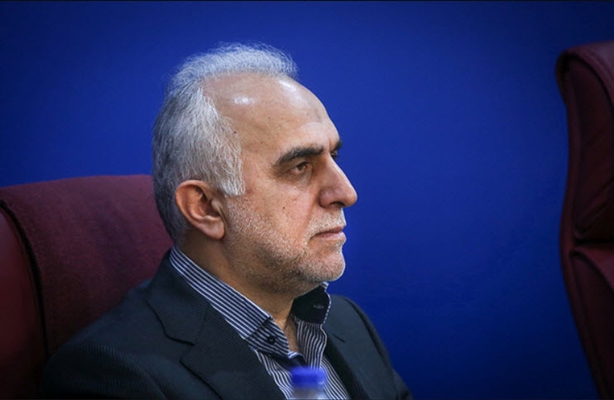
Iran Ready to Boost Ties with China within ‘One Belt, One Road’

Addressing a Monday seminar on the Chinese initiative “One Belt, One Road” in Tehran, Farhad Dezhpasand said the plan goes beyond the field of transportation, covering a wide range of hardware and software areas including roads, oil and gas, economic free trade zones, information technology and communications, human resources, energy, tourism and finance.

He also described Iran-China mutual ties as deep and strategic and said the Iranian president is very much eager to expand his country’s ties with China.

The Iranian minister then said Iran and China enjoy unique capacities to establish further cooperation and added the capacities could be used both in line within One Belt, One Road Initiative and mutual communications.

Dezhpasand also referred to reaching a consensus among all Iranian executive bodies as well as banking systems on the One Belt, One Road plan as the main goal of holding the seminar.

“It goes without saying that the seminar serves only as a starting point for taking a long road for further mutual cooperation with China in all areas,” he said.

The minister also referred to his latest visit to China and added during his stay in China, he shared with Chinese officials the idea of establishing a strategic studies center with a focus on Iran and china economy “which was warmly welcomed by the Chinese side”

“We don’t want to restrict the scope of our mutual ties with China to a limited number of projects because we have a long-term plan to expand our ties in all areas,” he noted.

According to Dezhpasand, Iran is set to develop a comprehensive plan for expansion of ties with China.

The seminar was attended by Chinese ambassador to Iran as well as delegates from various Iranian ministries and executive bodies. During the seminar, a number of delegates delivered speeches on ways to expand ties between Iran and China.

The Belt and Road Initiative also known as the Silk Road Economic Belt is an economic strategy developed in 2013 by China.

It involves infrastructure development and investments in 152 countries and international organizations in Europe, Asia, Middle East, Latin America and Africa.

Belt refers to the overland routes for road and rail transportation, called “the Silk Road Economic Belt”; whereas “road” refers to the sea routes, or the 21st Century Maritime Silk Road.