Thursday, December 25, 2025
Home Blog Page 3239

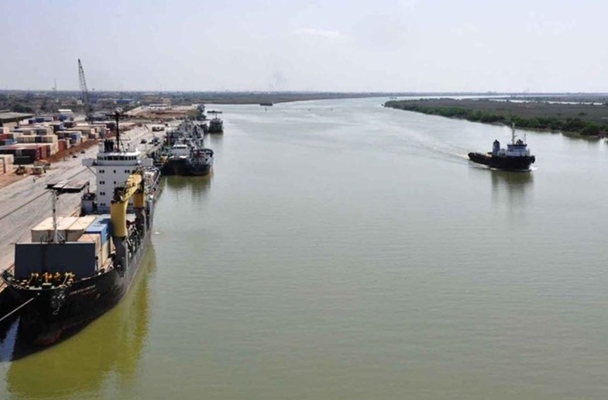
Iran, Iraq Discuss Details of Dredging Arvand Rud

The meeting is underway in the port city of Khorramshahr in south-west of Iran with delegates from the two sides’ relevant bodies in attendance.

The talks are held within the framework of agreements reached between high-ranking Iranian and Iraqi officials to resolve disputes over Arvand Rud based on the 1975 accord on border issues and good neighbourliness and its attached protocols and supplementary agreements.

The meeting is also aimed at implementing the Baghdad statement finalized between the two sides during the Iranian president’s visit to Baghdad on March 12, 2019, and comes following bilateral negotiations between Iranian and Iraqi foreign ministers.

The Iranian Foreign Ministry’s Director General for Legal and International Affairs and a senior advisor to the Iraqi foreign minister are heading the Iranian and Iraqi delegations, respectively.

The 1975 Algiers Agreement (commonly known as the Algiers Accord, sometimes as the Algiers Declaration) was an agreement between Iran and Iraq to settle their border disputes and conflicts (such as the Shatt al-Arab, known as Arvand Rud in Iran), and it served as basis for the bilateral treaties signed on June 13, 1975.

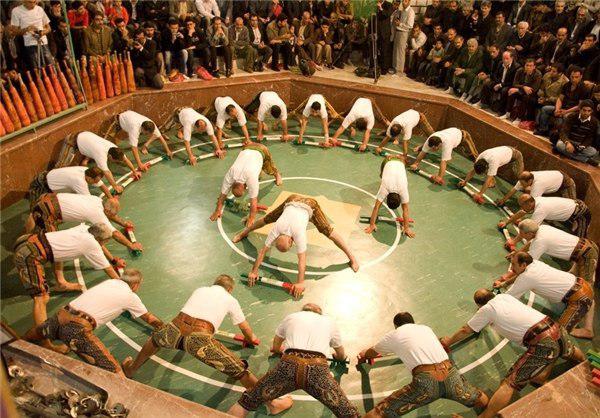
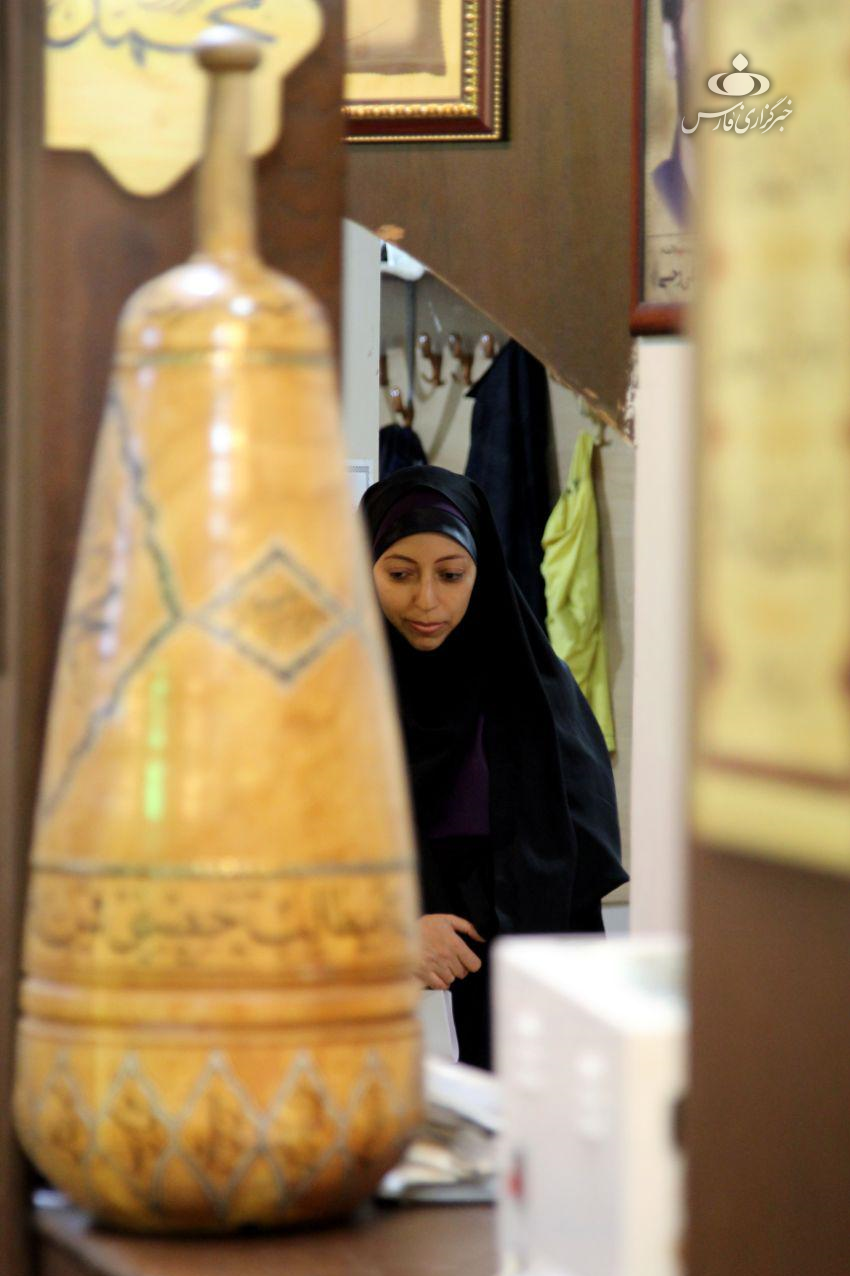
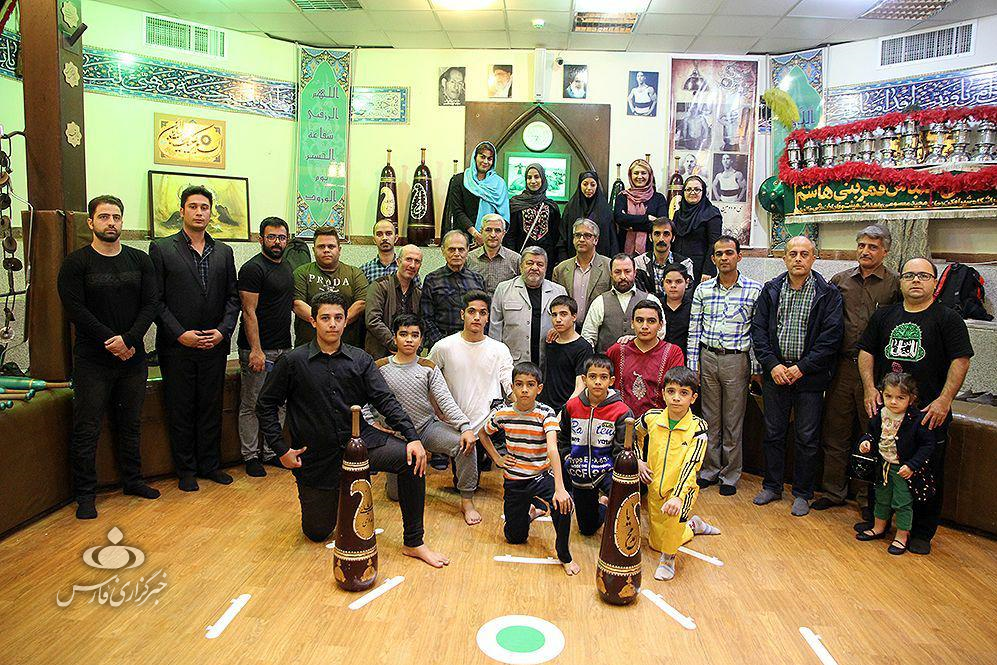
Iranian Woman Receives Badge of Pahlevani

Samira Kazemi Fard is the first woman to receive such an honour in the history of Iran’s Pahlevani and Zoorkhaneh Sports.

Samira, born in 1982, has received the third degree badge of Pahlavani although she’s never been into Zoorkhaneh for sports because she believes Pahlevani has its own rituals and rules.

Although Kazemi Fard received the badge from the most famous Pahlevans of the country, she is against the activity of women in wrestling and Zoorkhaneh rituals.

Iranian Woman Receives Badge of PahlevaniWhat made Samira worthy of becoming a Pahlevan is the extensive research she has done in the field of wrestling and Zoorkhaneh sports. She has talked to veteran wrestlers in order to collect the oral history of the contemporary wrestling. She even took it upon herself to find athletes who have long retired.

That is why when she enters Zoorkhaneh, all of the athletes stop what they are doing in her honour.

Samira is a real fan of legendary Iranian wrestler, late Pahlevan Gholam-Reza Takhti.

During her 20 years of research, Samira has gotten to know all Pahlevans and all the details of their lives, and this is what distinguishes her from other researchers.

In 2014, after the end of the annual ceremony to commemorate Takhti, she was invited to go to a Zoorkhaneh in Shahr-e Rey, in the capital Tehran.

When she was leaving Zoorkhaneh, renowned Pahlevan Mohammad Mahmoudi stopped exercising in her honour.

“I was very glad to be acclaimed for all my years of efforts. It was a gift that was given to me…. I knew in the history of Zoorkhaneh sports, no woman could win such a badge,” noted Samira in an interview with Fars news agency.

“When Pahlevani and Zoorkhaneh rituals were inscribed by UNESCO, all countries started to perform it without understanding the philosophy of this sport. Zoorkhaneh sports are part of the Muslim rituals and are not known without the name of Imam Ali (AS).”

“Some people do not even know what the Islamic traditions are for entering Zoorkhaneh. Although I am a woman, with the research I have carried out and interviews with athletes I understood this sport is not suitable for women because wrestling and Zoorkhaneh activities will harm them,” she said.

Iranian Woman Receives Badge of PahlevaniSamira has been studying the history of the Iranian Pahlevani for about 21 years. She believes this ritual can be studied in three periods of 7,000, 5,000 and 2,500-year periods.

There are some inscriptions from the 7,000-year period, and there are documents available from the 5,000-year period. But from the 2,500-year period, there are some good documents, says Kazemi Fard adding that an encyclopedia is published on the subject in 2,100 pages.

Samira knows all the styles of wrestling and Zoorkhaneh sports and their philosophy. She has also collected most of this information based on interviews with professors, coaches and wrestlers.

“I have composed five books that are waiting to be published, but for the time being I want to publish a book on Pahlevani rituals,” she concluded.

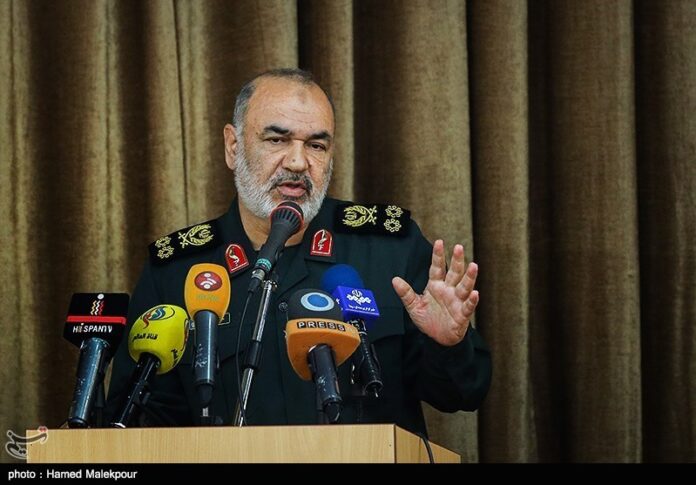
Iran Not After War, But Not Afraid of It: IRGC Chief

General Hossein Salami

Major General Hossein Salami further said the enemy is scared of war.

“The difference between us and them is that they are scared of war, and don’t have the willpower [to engage in it],” said the top commander.

He further noted the Middle East has turned into a “potential field of fire” for the United States.

The top general said Washington’s political philosophy is to plunder the wealth of nations, create an atmosphere for modern slavery and secure unilateral domination over humans’ destiny.

“This philosophy leads to wars and tyrannical interventions, and never results in power; rather, it creates enemies and, as the Americans themselves put it, creates risks across the world,” the top general said.

He said the US is afraid of resistance groups in the world because their Islamic territories have been under the US domination for years.

“This concern has caused the region to turn into a potential field of fire for the Americans,” he added.

He described the United States as an “ostensibly powerful enemy” who is on the decline. The top general underlined the foundations of the United States will soon collapse because the Americans are “tired and desperate.”

“Having a major enemy would be an opportunity to increase one’s power, and now that the enemy has got closer to us, this opportunity has been created for the IRGC, and the IRGC’s forces are on the move in terms of strategy, operation and tactics,” he said.

General Salami’s remarks come as the United States deployed an aircraft carrier and a number of its B-52 bombers in the Persian Gulf days ago, further fueling tension in the region.

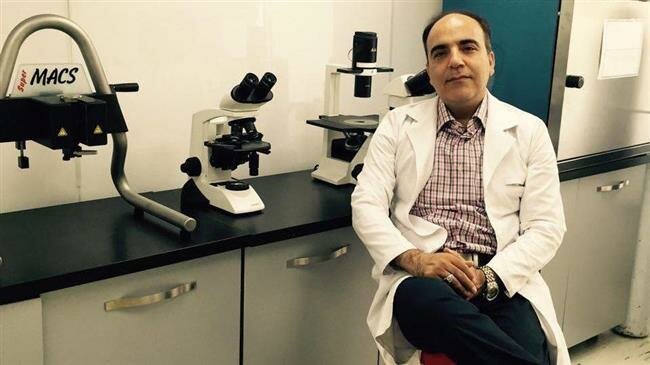
Iranian Stem Cell Scientist in US Jails for 7 Months without Trial

Back in October last year, Soleimani, a professor and biomedical researcher at the Tarbiat Modares University (TMU) in Tehran, was arrested by the US Federal Bureau of Investigation (FBI) upon his arrival in the US.

According to his Atlanta attorney, Leonard Franco, he has since been held behind bars in a jail in Atlanta without bond.

Soleimani had been invited by the Mayo Clinic in Minnesota for leading a research program there, but he was secretly indicted by the FBI, which also canceled his research visa. Neither the FBI nor the US prosecutors have so far officially commented on his detention.

BJay Pak, the US attorney in Atlanta, secured Soleimani’s indictment on June 12, 2018, just a month after President Donald Trump withdrew the US from the Iran nuclear deal, and Soleimani had been fully unaware of such an indictment when he flew to the US.

Franco and Page Pate, another Atlanta lawyer, said that they had been puzzled by the federal government’s decision to prosecute a renowned Iranian professor and two of his former students – Mahboobe Ghaedi and Maryam Jazayeri – for purported trade sanction violations over eight vials of human growth hormone.

Franco said that Soleimani’s treatment by federal authorities, the revocation of his visa and the decision to detain him without bond doesn’t square with Soleimani’s international reputation as a scholar, professor, and doctor widely known in the field of stem cell research and regenerative medicine. Soleimani has no criminal history anywhere in the world, he added.

The hormone, which is a form of synthetic protein, was seized from Jazayeri in 2016 by customs authorities in Atlanta when she was heading to Iran to give it to professor Soleimani for research purposes. Jazayeri had received the hormone from Ghaedi.

The seizure occurred at a time when Washington was still a signatory to the 2015 nuclear deal, officially known as the Joint Comprehensive Plan of Action (JCPOA), and anti-Iran sanctions had not been re-imposed yet.

The growth hormone is not banned in the US or Iran and was being used “exclusively for medical research”, which is still considered largely exempt from US sanctions, Franco said.

However, Ghaedi and Jazayeri faced similar federal charges for attempting to supply Soleimani with the growth hormone.

Ghaedi is a permanent American resident and an assistant professor at Yale University’s School of Medicine. She is free on a $250,000 bond. Jazayeri is a naturalized US citizen and Kentucky resident and has conducted medical research at the University of Louisville. She is currently free on a $200,000 bond.

“I truly don’t understand it,” Franco said of the government’s decision to prosecute, adding that it appeared to be “some type of policy argument.”Pate, who represents Jazayeri, said his client was “completely confused by all this.”

Motions to dismiss the charges are pending in federal court in Atlanta in front of US District Judge Eleanor Ross. However, Federal prosecutors in Atlanta have not yet responded to the motions.

According to TMU authorities, hearing this case has been adjourned for at least three times since October and his family and the TMU have so far paid $70,000 to his lawyers to prove his innocence, but all to no avail.

Almost 50 Iranian nationals are currently imprisoned in the United States under various pretexts, mainly bypassing the US sanctions.

Iranian Firm Develops Herbal Antibiotics for Humans, Livestock

Having made great strides in producing ointment, cream, topical solution and spray for humans and livestock, the leading pharmaceutical company now focuses on producing edible solutions.

The company already produces cattle antibiotics, as well as edible products for poultry.

Some 85 percent of the company’s products are herbal-based and 15 percent are chemical. The herbal medications are all products of years of research and experiments by the company.

For a brief review of Iran’s achievements in various fields of science and technology, check the book “Science and Technology in Iran: A Brief Review

The company operates under the supervision of Iran’s Food and Drug Administration and Qom University of Medical Sciences. The products are regularly exported to a host of countries.

In addition to its unrivaled herbal products, the company’s chemical products match their foreign counterparts in terms of quality for a fraction of the price.

For example, the company’s antibiotic spray costs about 85 to 95 cents, while the Chinese type, which is of inferior quality, is priced at $5.2.

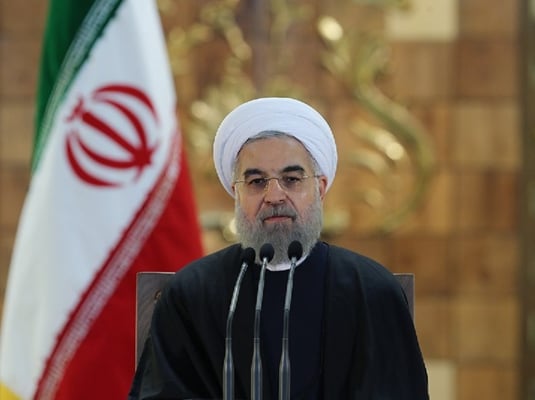
Iran Will Never Sit for Talks with Bullies: Rouhani

Rouhani referred to the US bid to coerce Iran into sitting for talks, and said Tegran is not willing to hold such talks even if all the world powers call for it.

Addressing a group of artists and cultural activists in Tehran on Saturday evening, Rouhani stressed the Iranian nation is logical and ready to negotiate, and it has the strength and ability to do this.

“The whole world has acquiesced that the Islamic Republic is so capable that it can negotiate and reach agreement with the six major powers of the world,” he noted.

“In the course of the [nuclear] negotiations, we were able to annul seven UN resolutions [against us] at the UN Security Council on a single day. This was an honour for Iran and the Iranian diplomacy. So we believe in logic, negotiation and dialogue, but we are not afraid of anyone, and we will never surrender to anyone who wants to bully [us].”

Rouhani also pointed out that today, apart from three to four countries and the Israeli regime, no country in the world approves of the US’s stance.

“The issue was raised at the Security Council last year under the chairmanship of Donald Trump and all 14 members opposed Trump and supported Iran. This is something unprecedented in the history of the United Nations,” added the Iranian president.

Rouhani’s comments come against the backdrop of US President Donald Trump’s claims that its “maximum pressure” strategy would finally bring Tehran to the negotiating table.

Despite his hype against Tehran during the past weeks, the US president has softened his war rhetoric against Tehran.

Trump told his acting defense secretary this week he does not want to go to war against Iran. His comments on Wednesday at the White House appeared to put the brakes on rising tensions with Tehran. Trump spoke up after a warning from the Pentagon that another military conflict in the Middle East would carry a heavy price.

Many believe that Trump’s hostile impulses towards the Islamic Republic were beefed up by advisers who urged the president to withdraw from the nuclear agreement forged by the previous administration.

Iran FM Says There’ll Be No War with US

“As Leader of the Islamic Revolution has also announced, we are certain that no war will break out because neither we want a war, nor has anyone the idea or illusion that it can confront Iran in the region,” Zarif told the Islamic Republic News Agency (IRNA) before ending his visit to Beijing, China, on Saturday.

“However, it is necessary for the people of the United States to realize the dangerous moves inside the country.”

Leader of the Islamic Revolution Ayatollah Seyyed Ali Khamenei on Wednesday ruled out the possibility of war between the United States and Iran, saying Washington knows engaging in such a conflict would not be in its interest.

“The Iranian nation’s definite option will be resistance in the face of the US, and in this confrontation, the US would be forced into a retreat,” Ayatollah Khamenei said. “Neither we nor they, who know war will not be in their interest, are after war.”

Zarif further emphasized that US President Donald Trump does not want war but there are people around him who are pushing him towards war under the pretext of making America stronger against Iran.

The US president has ordered his administration to avoid a military confrontation with Iran, the New York Times and Reuters have reported.

The Times reported Friday that Trump, during a Wednesday morning meeting in the Situation Room, sent a message to his hawkish aides that he does not want the US pressure campaign against Iran to explode into an open conflict.

“Trump was firm in saying he did not want a military clash with the Iranians,” read the paper citing five senior officials who described the administration’s internal debate over Iran.

Tensions mounted between Tehran and Washington last May, when President Trump pulled his country out of the 2015 nuclear deal with Iran, officially known as the Joint Comprehensive Plan of Action (JCPOA), and re-imposed harsh sanctions against the Islamic Republic in defiance of global criticisms.

The tensions saw a sharp rise on the first anniversary of Washington’s exit from the deal as the US moved to ratchet up the pressure on Iran by tightening its oil sanctions and sending military reinforcements, including an aircraft carrier strike group, a squadron of B-52 bombers, and a battery of patriot missiles, to the Middle East.

On May 5, US National Security Advisor John Bolton — an ardent Iran hawk — said the deployment was in response to a “troubling and escalatory indications” of Iranian activity in the region, without giving details or evidence to support the claims.

In an interview with America’s National Public Radio (NPR) released on Thursday, Iran’s Ambassador to the United Nations Majid Takht-e Ravanchi said Iran will not take steps towards the escalation of tensions in the Middle East, but will stand ready to defend itself against any act of aggression.

“We are not interested in the escalation of tensions in our region, because if something goes wrong, everybody will lose, including Iran, including the US, including all the countries in the region,” said the senior diplomat.

‘US Anti-Iran Moves Putting Europe’s Security in Danger’

US President Donald Trump meets with German Chancellor Angela Merkel during their bilateral meeting at the NATO Summit in Brussels, Belgium, Wednesday, July, 11, 2018. / Photo by AP

Mohsen Pakaein, a former ambassador to the Republic of Azerbaijan and Thailand, made the remarks in an interview with Shafaqna.

“The US’ action against Iran will intensify the arms race, especially in the nuclear field, and this will be the real problem for Europe’s future,” he noted.

“Indeed, Trump also questions Europe’s economic, political and security future by acting against Iran. It seems to me that in European countries there is a domestic pressure from the people and the elites against the leaders, and if they do not think of a solution, they may be faced with domestic dissatisfaction in their country.”

He said European countries, including France, want to deal with the Iranian people in a manner consistent with the arrogance of the United States and threat Iranians, but they have usually failed if they acted based on threat, intimidation, and psychological war.

Regarding the recent statement by French Foreign Minister Jean-Yves Le Drian, who called Iran’s suspension of its commitments “bad reaction” and urged the Islamic Republic to show political maturity, he said, they want to deal with Iran with the threat approach, but it fails.

Pakaein also talked about the practical steps taken by France to preserve the JCPOA, saying the European countries, including France, have two approaches.

“One is an independent approach, and France as a result of hostilities towards Iran, adopts a tough stance against our country. But there is another stance within the framework of the European Union, which is set forth by Federica Mogherini. This is a more rational stance without much ado. I think we need to take seriously the European Union’s position on the issue. It is the European Union that has to make the final decision and within 60 days it should find a way to solve Iran’s problems.”

He further mentioned that usually, Europeans do not lift sanctions so as not to fulfil their commitments. To do so, in some way they limit their commitments about the nuclear deal, noted Pakaein.

“They claim we do not have an influence on European private companies and European banks, while this is not the case. We have seen when Europe’s interests are being jeopardised by the US in terms of the tariffs set by Washington against European products, the Europeans stand united. Both governments and private companies as well as banks take a stance against the United States and put in place a reciprocal policy against Washington,” the Iranian former diplomat said.

“That is, when their own interests are endangered, they have the capacity to stand against the United States. But when it is about the interests of Iran, and the sanctions must be removed based on legal and international laws envisaged in the deal, they do not take any action. At this time, they waste time and under the pretext of not having influence on corporations and banks, they do not go ahead.”

Pakaein also maintained that Iran’s measure to stop some of its commitments was wise and smart, stating that “we do hope the Europeans take this message seriously.”

“The JCPOA is very important for Europeans, and in fact, apart from being a commitment between Iran and the P5+1, it is a formula for confronting US unilateralism. It also strengths multilateralism in the world. In my opinion, Europe must demonstrate its political maturity and meet Iran’s demands. At the moment, we must wait and see what the European countries will do,” noticed the former Iranian diplomat.

Under the JCPOA, Tehran undertook to put limits on its nuclear program in exchange for the removal of nuclear-related sanctions.

Trump’s withdrawal from the accord came despite massive efforts by the European allies of the US to convince him to stay in the deal, which was reached between Iran and the P5+1 group of countries.

Late in January, the three European parties to the 2015 nuclear deal issued a joint statement, announcing the launch of a long-awaited direct non-dollar payment mechanism to maintain their trade ties with the Islamic Republic in the face of the sanctions.

Germany, France and Britain registered the mechanism, known as the Instrument in Support of Trade Exchanges or INSTEX.

INSTEX was initially planned to be used for selling food, medicine and medical devices to Iran, but it could also be expanded in the future.

An Iranian structure parallel to INSTEX, called the Special Trade and Finance Institute (STFI), was launched later and the European signatories have no longer any excuse to delay the start of their job.

Khayyam’s ‘Seize the Day’ Philosophy Key to His Worldwide Fame

Iranian poet Reza Esmaeili believes that the philosophy of “Carpe Diem” that could be seen in the life and poems of the Khayyam has made him globally known as a wise man.

What follows is an excerpt from Reza Esmaeili’s note entitled “Khayyam; the revival of spiritual discourse in religion”, which was published Saturday by ISNA on the occasion of the National Day of Khayyam:

Among Iranian poets, Omar Khayyam is more known for his quatrains which are limited in number. That comes despite the superiority and distinction of his educational status in math over his poetry.

Therefore, it is no exaggeration to say that Khayyam’s scientific character is subdued by his literary character, in the sense that today the people of Iran and world know “Khayyam the poet” more than “Khayyam the scholar”.

Khayyam was a great philosopher and mathematician who sometimes wrote poetry. However, his fame and reputation is more indebted to his philosophical worldview, which is summarised in one principle: “Thinking” and living in the “moment”, or in other words the “Seize the day” philosophy.

He was not interested in the past and future. He was a realist poet who lived in the moment. The clarification of this philosophy is the main theme of most of his quatrains that are written in an eloquent language, free from pompousness.

Enthusiastic about the world’s instability, Khayyam was escaping from the past’s suffering and the future regrets. In this way he was looking for peace and tranquility.

In other words, “realism”, “thinking at the present” and living in the “moment” are the secrets of the success of this great poet.

Khayyam’s ‘Seize the Day’ Philosophy Key to His Worldwide Fame
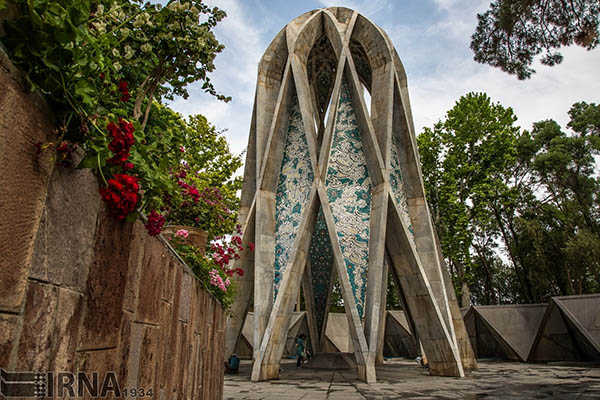
May 17 – Omar Khayyam Day Celebrated in Iran

This is precisely what has been emphasised in the teachings of Islam. Imam Ja’far al-Sadiq (AS) says: The days of life are in three forms: the past day which is not returning anymore, and the future which is just a dream, and the current day that should be seized and people must take advantage of.


Today, unfortunately, we are not paying attention to this current moment of tranquility and live our lives with “the regret over the past” and “the sorrowover the future”. For this reason, we are deprived of the pleasure of life’s sweetness.

Imam Ali (AS) also says in a hadith that “Do not cry over the past and the missing events.”

With a humanistic worldview inspired by the religious truth, Khayyam sought the joy of life and the world. Therefore, he was grateful to divine blessings and lived in the moment: 

When yesterday is vanished in the past,

And morrow lingers in the future vast,

To neither give a thought but prize the hour;

For that is all you have and Time flies fast.

This philosophy, which is seen in Khayyam’s quatrains, has made this wise man famous in Iran and the world. Because of the popularity of this philosophical thought, his quatrains have been translated into many languages of the world:

In childhood we strove to go to school,

Our turn to teach, joyous as a rule

The end of the story is sad and cruel

From dust we came, and gone with winds cool.

Meanwhile, Google, on May 18, 2019, marked the 971st birth anniversary of popular Persian mathematician, poet, philosopher, and astronomer Omar Khayyam with a doodle.

Khayyam was born on May 18, 1048 in Nishapur in north-east Iran. He is popular for several mathematical and scientific discoveries. He was the first to provide a solution for cubic equations. He also provided geometric solutions for the same by the intersection of conics. Khayyam’s list of contributions also included a solar calendar known as the Jalali calendar. Jalali later became the base of many other calendars.

Khayyam passed away on December 04, 1131 at the age of 83. He was buried in the Khayyam Garden in Nishapur.

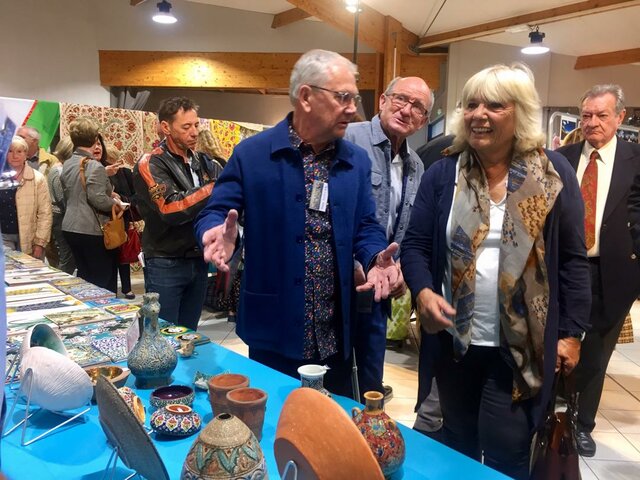
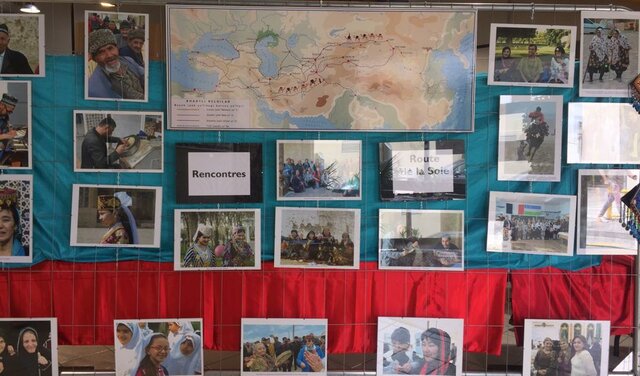
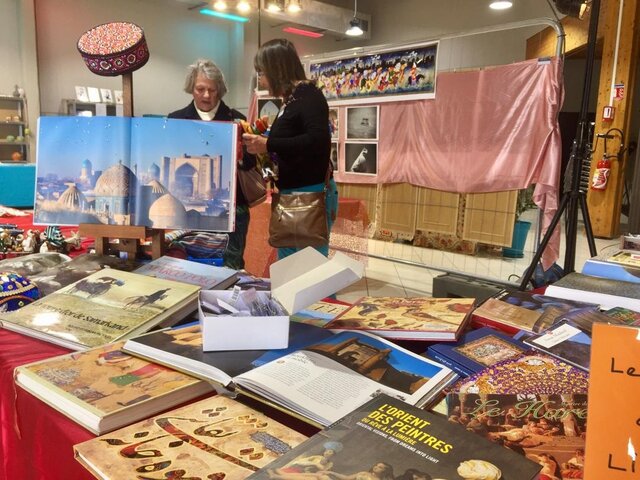
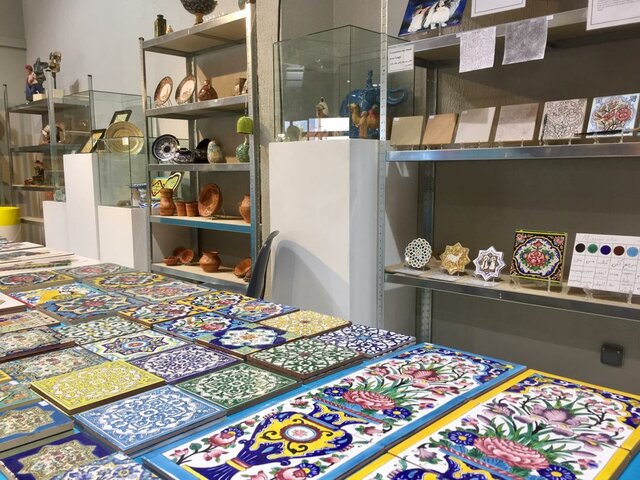
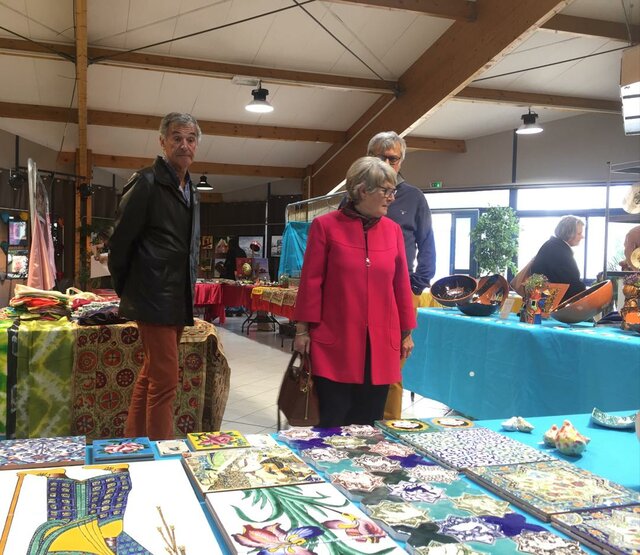
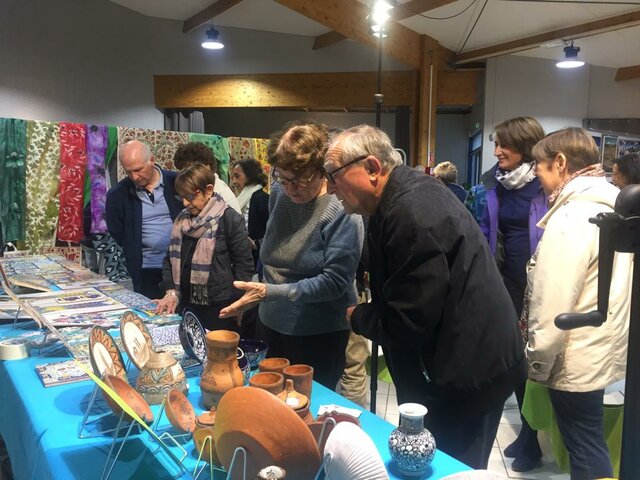
Iran’s Less Seen Face on Display in France’s Silk Road Exhibition

According to the organizers of the exhibition, the main objectives of the exhibition are strengthening cultural bonds as well as clearing up some misunderstandings among the participating countries.

The seven-day exhibition is expected to promote literature, arts, artifacts and history of Iran and Uzbekistan, a report by ISNA said.

The organizers had originally decided to dedicate the first two days of the exhibition to Uzbekistan but changed their mind at the last minute and included Iran as well, giving the country its own exclusive day.

On Iran’s Day, the Silk Road Exhibition is expected to promote some Iranian dishes popular among French tourists who have visited the country over the past years.

“Iran’s Unknown Face” is another section which seeks to give an answer to questions the French people might have about daily life in Iran. An Iranian journalist and tour guide will be present to answer all possible questions, mainly the ones concerning religion and women’s hijab and their role in people’s lives.

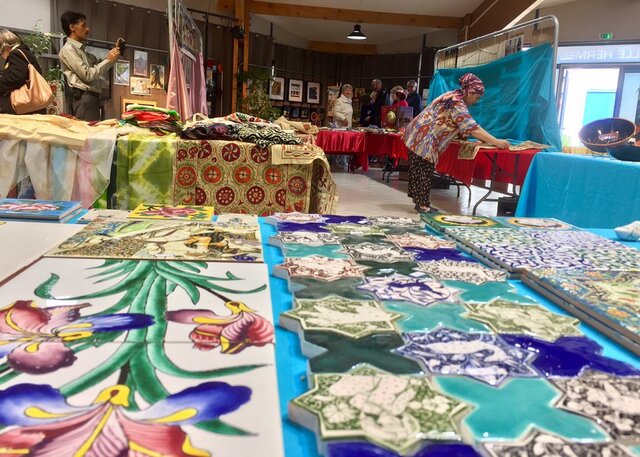
Persian carpet, miniature, architecture, medicine and poem are among other items on display during the Silk Road Exhibition. A group of French researchers who have conducted deep research on Silk Road will be in charge of presenting the items.

The main figure of the exhibition is Molla Nasreddin, a renowned Seljuq satirist and writer highly popular in Turkey, Iran, Armenia, Uzbekistan, Afghanistan, India and parts of Europe.

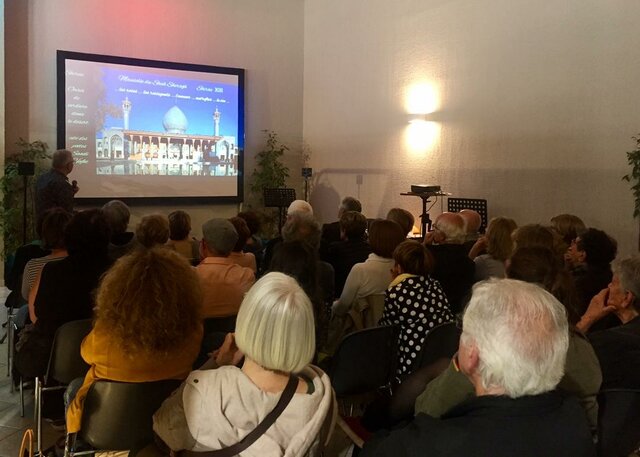
French experts on three legendary Iranian poets Omar Khayyam, Saadi Shirazi, and Hafez introduce the French public to their poetry.

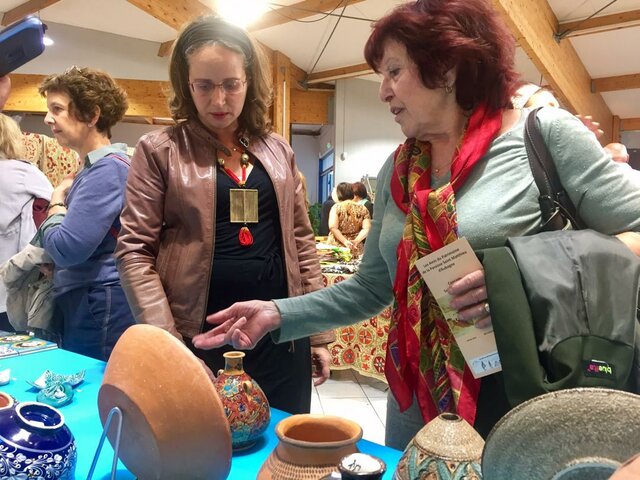
Aubin is widely known as the city of pottery and ceramic. During the exhibition, a caravan resembling the convoys of old times which travelled on the Silk Road will march among potters and ceramic makers in Aubin to raise awareness among the French about the culture of the Silk Road.

The organizers say the event gives France a chance to return some of the respect it has received from the Iranian and Uzbek cultures throughout history. They also added that they were interested in bringing Iranian and French nations closer together.