Thursday, December 25, 2025
Home Blog Page 3240

Khayyam’s ‘Seize the Day’ Philosophy Key to His Worldwide Fame

Iranian poet Reza Esmaeili believes that the philosophy of “Carpe Diem” that could be seen in the life and poems of the Khayyam has made him globally known as a wise man.

What follows is an excerpt from Reza Esmaeili’s note entitled “Khayyam; the revival of spiritual discourse in religion”, which was published Saturday by ISNA on the occasion of the National Day of Khayyam:

Among Iranian poets, Omar Khayyam is more known for his quatrains which are limited in number. That comes despite the superiority and distinction of his educational status in math over his poetry.

Therefore, it is no exaggeration to say that Khayyam’s scientific character is subdued by his literary character, in the sense that today the people of Iran and world know “Khayyam the poet” more than “Khayyam the scholar”.

Khayyam was a great philosopher and mathematician who sometimes wrote poetry. However, his fame and reputation is more indebted to his philosophical worldview, which is summarised in one principle: “Thinking” and living in the “moment”, or in other words the “Seize the day” philosophy.

He was not interested in the past and future. He was a realist poet who lived in the moment. The clarification of this philosophy is the main theme of most of his quatrains that are written in an eloquent language, free from pompousness.

Enthusiastic about the world’s instability, Khayyam was escaping from the past’s suffering and the future regrets. In this way he was looking for peace and tranquility.

In other words, “realism”, “thinking at the present” and living in the “moment” are the secrets of the success of this great poet.
Khayyam’s ‘Seize the Day’ Philosophy Key to His Worldwide Fame
May 17 – Omar Khayyam Day Celebrated in Iran

This is precisely what has been emphasised in the teachings of Islam. Imam Ja’far al-Sadiq (AS) says: The days of life are in three forms: the past day which is not returning anymore, and the future which is just a dream, and the current day that should be seized and people must take advantage of.


Today, unfortunately, we are not paying attention to this current moment of tranquility and live our lives with “the regret over the past” and “the sorrowover the future”. For this reason, we are deprived of the pleasure of life’s sweetness.

Imam Ali (AS) also says in a hadith that “Do not cry over the past and the missing events.”

With a humanistic worldview inspired by the religious truth, Khayyam sought the joy of life and the world. Therefore, he was grateful to divine blessings and lived in the moment: 

When yesterday is vanished in the past,

And morrow lingers in the future vast,

To neither give a thought but prize the hour;

For that is all you have and Time flies fast.

This philosophy, which is seen in Khayyam’s quatrains, has made this wise man famous in Iran and the world. Because of the popularity of this philosophical thought, his quatrains have been translated into many languages of the world:

In childhood we strove to go to school,

Our turn to teach, joyous as a rule

The end of the story is sad and cruel

From dust we came, and gone with winds cool.

Meanwhile, Google, on May 18, 2019, marked the 971st birth anniversary of popular Persian mathematician, poet, philosopher, and astronomer Omar Khayyam with a doodle.

Khayyam was born on May 18, 1048 in Nishapur in north-east Iran. He is popular for several mathematical and scientific discoveries. He was the first to provide a solution for cubic equations. He also provided geometric solutions for the same by the intersection of conics. Khayyam’s list of contributions also included a solar calendar known as the Jalali calendar. Jalali later became the base of many other calendars.

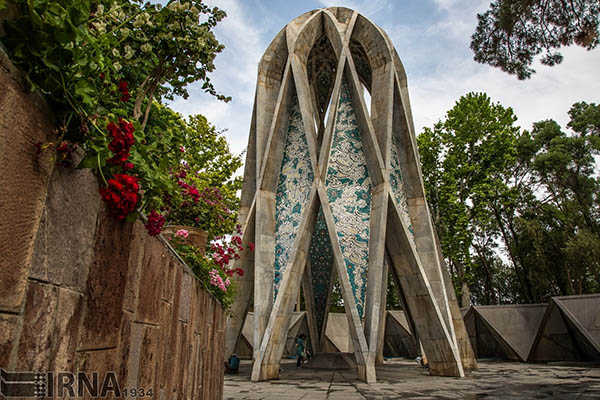
Khayyam passed away on December 04, 1131 at the age of 83. He was buried in the Khayyam Garden in Nishapur.
Iran’s Less Seen Face on Display in France’s Silk Road Exhibition

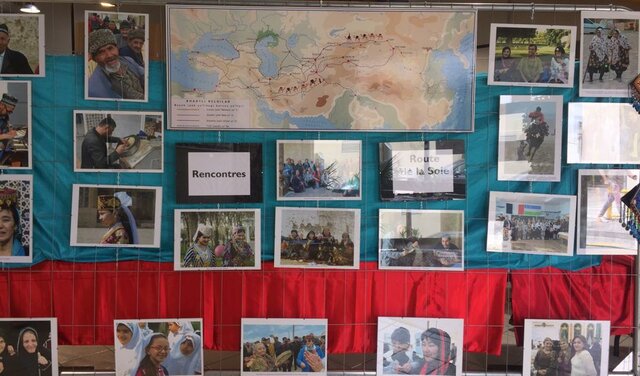
According to the organizers of the exhibition, the main objectives of the exhibition are strengthening cultural bonds as well as clearing up some misunderstandings among the participating countries.

The seven-day exhibition is expected to promote literature, arts, artifacts and history of Iran and Uzbekistan, a report by ISNA said.

The organizers had originally decided to dedicate the first two days of the exhibition to Uzbekistan but changed their mind at the last minute and included Iran as well, giving the country its own exclusive day.

On Iran’s Day, the Silk Road Exhibition is expected to promote some Iranian dishes popular among French tourists who have visited the country over the past years.

“Iran’s Unknown Face” is another section which seeks to give an answer to questions the French people might have about daily life in Iran. An Iranian journalist and tour guide will be present to answer all possible questions, mainly the ones concerning religion and women’s hijab and their role in people’s lives.

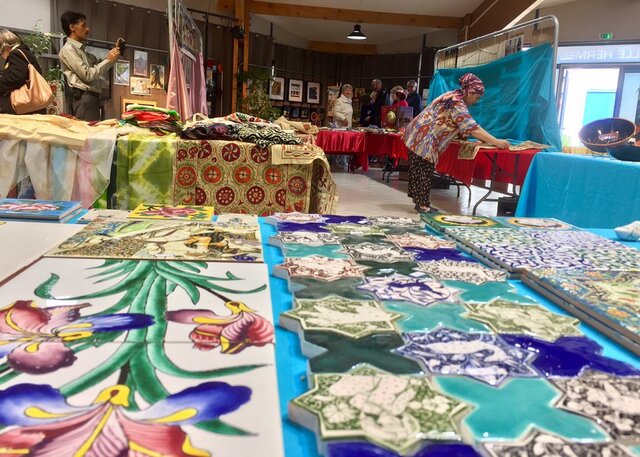
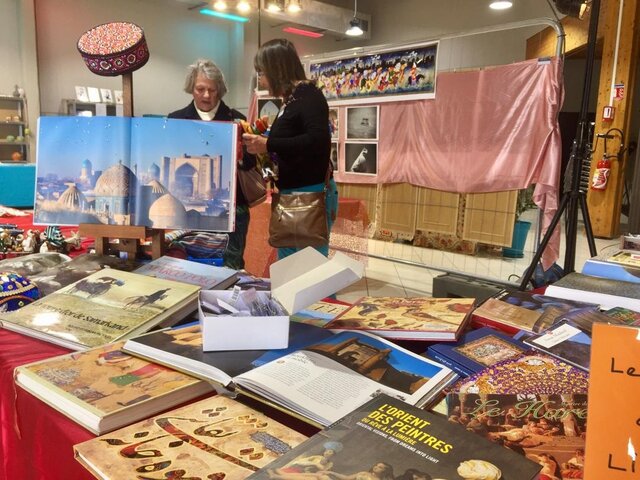
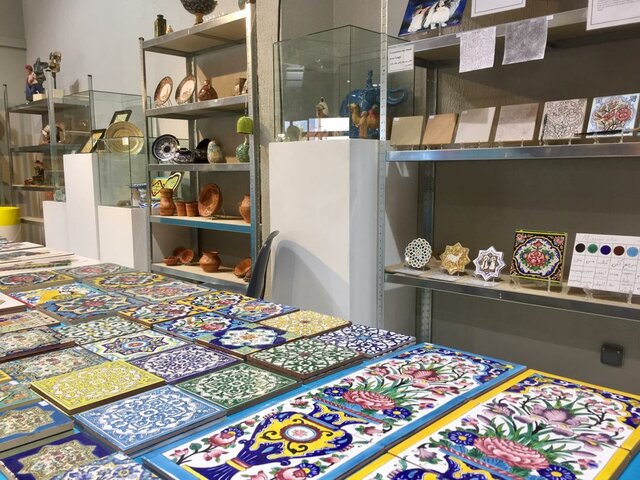
Persian carpet, miniature, architecture, medicine and poem are among other items on display during the Silk Road Exhibition. A group of French researchers who have conducted deep research on Silk Road will be in charge of presenting the items.

The main figure of the exhibition is Molla Nasreddin, a renowned Seljuq satirist and writer highly popular in Turkey, Iran, Armenia, Uzbekistan, Afghanistan, India and parts of Europe.

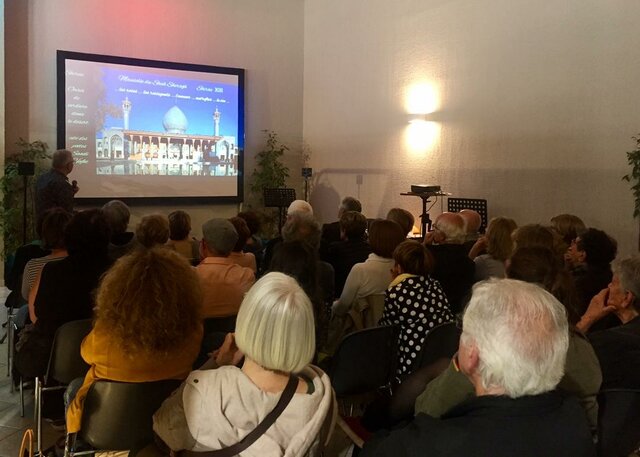
French experts on three legendary Iranian poets Omar Khayyam, Saadi Shirazi, and Hafez introduce the French public to their poetry.

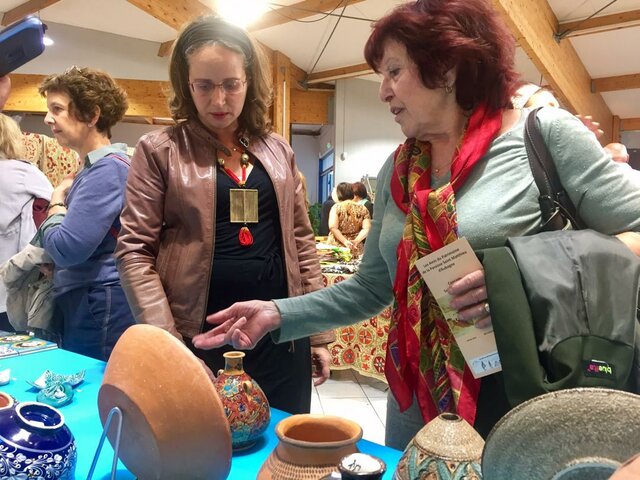
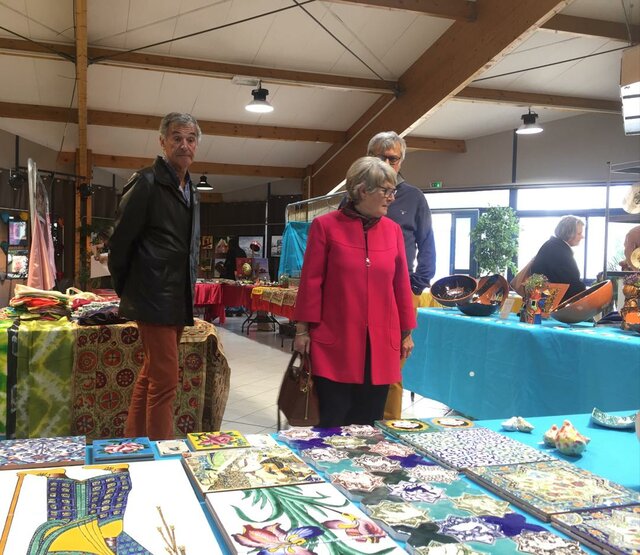
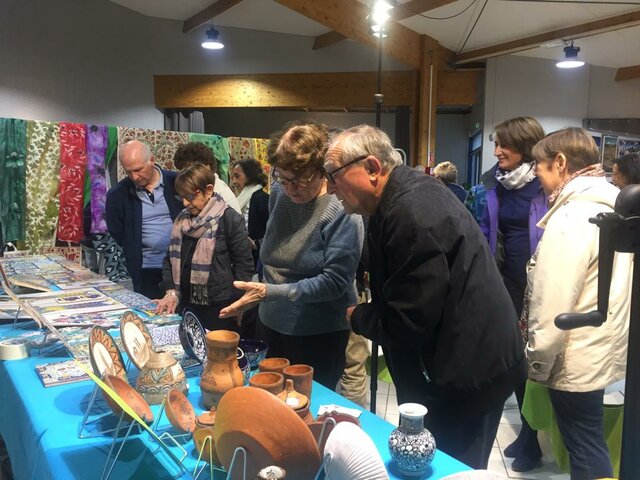
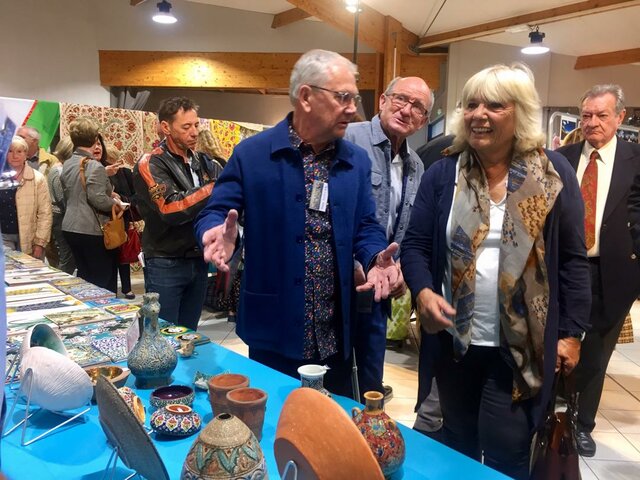
Aubin is widely known as the city of pottery and ceramic. During the exhibition, a caravan resembling the convoys of old times which travelled on the Silk Road will march among potters and ceramic makers in Aubin to raise awareness among the French about the culture of the Silk Road.

The organizers say the event gives France a chance to return some of the respect it has received from the Iranian and Uzbek cultures throughout history. They also added that they were interested in bringing Iranian and French nations closer together.
A Look at Iranian Newspaper Front Pages on May 18

A Look at Iranian Newspaper Front Pages on November 19

Abrar:

1- UN Envoy: Yemen on Verge of All-Out War

2- Trump Claims Iran Will Soon Call for Talks!

3- Zarif: It’s Int’l Duty to Save JCPOA

A Look at Iranian Newspaper Front Pages on May 18


Aftab-e Yazd:

1- Zarif’s Diplomacy after Ultimatum

* FM Zarif Visits Russia, Turkmenistan, India, Japan, China

* What’s He Looking for? What Are Messages of His Trips?

2- What Role Will Russia Play in New Regional Developments?

3- Sherman: Europe Must Take Risk to Save JCPOA


A Look at Iranian Newspaper Front Pages on May 18


Arman-e Emrooz:

1- Major Part of Congress against War

2- Former Diplomat: Threat of War Aimed at Forcing Iran to Sit for Talks

3- Both Closing Strait of Hormuz, Starting War Are Israeli Theories


A Look at Iranian Newspaper Front Pages on May 18


Ebtekar:

1- One Step Closer to Ousting of May’s Government

2- Rouhani: US Sanctions on Iran Crime against Humanity


A Look at Iranian Newspaper Front Pages on May 18


Etemad:

1- Diplomacy of Warning

* Zarif’s Marathon Talks in East Asia

2- Iran Sells 130,000 Tonnes of Crude Oil to China

3- Iran’s Relations with China [Editorial]


A Look at Iranian Newspaper Front Pages on May 18


Ettela’at:

1- Iran Leader’s Advisor: No Iranian Willing to Hold Talks with Trump

2- Global Moves to Save JCPOA

* Putin: Iran Has Most Transparent Nuclear Program in World

* Merkel Admits EU Had Poor Performance in Interacting with Iran


A Look at Iranian Newspaper Front Pages on May 18


Jame Jam:

1- Lessons We Can Learn from Three Consecutive Championships of Persepolis FC


A Look at Iranian Newspaper Front Pages on May 18


Javan:

1- US Intelligence Community Calls White House’s Aggressive Stance ‘Miscalculation’

2- Forming Club of Oil Clients Can Counter Sanctions

* Asian Clients Biggest Losers of Iran Oil Bans


A Look at Iranian Newspaper Front Pages on May 18


Jomhouri Eslami:

1- Japan PM Calls for Saving JCPOA

2- Pelosi: Trump’s Administration Has No Permission for War with Iran


A Look at Iranian Newspaper Front Pages on May 18


Kayhan:

1- US Slapped in Face in Region, No Longer Thinks of War

2- Saudi-led Coalition’s Brutal Attacks on Residential Areas of Sana’a

3- Al-Mayadeen: Fujairah Operation Was Accurate, Calculated, Professional; It Controlled Iran-US Tension


A Look at Iranian Newspaper Front Pages on May 18


Sazandegi:

1- Trump: We Won’t Attack Iran


A Look at Iranian Newspaper Front Pages on May 18


Shargh:

1- Two Scenarios for Possible Confrontation of Iran, US in Mideast

2- Zarif: Negotiation with US Impossible

3- Gambling with US [Editorial]


A Look at Iranian Newspaper Front Pages on May 18


Sobh-e Now:

1- Iran Not Alone

* Unprecedented Fatwa by Sunni Iraqi Cleric in Support of Iran

2- Iranian Girl Wins Silver Medal in Her First World Taekwondo Contest


A Look at Iranian Newspaper Front Pages on May 18


Vatan-e Emrooz:

1- Trump Tells Advisors He’s Not After War with Iran

2- Persepolis Once Again Claims Iran Pro League Title

A Look at Iranian Newspaper Front Pages on May 18


Baghleq; Ancient Cemetery with Standing Wooden Posts

Baghleq; Ancient Cemetery with Standing Wooden Posts

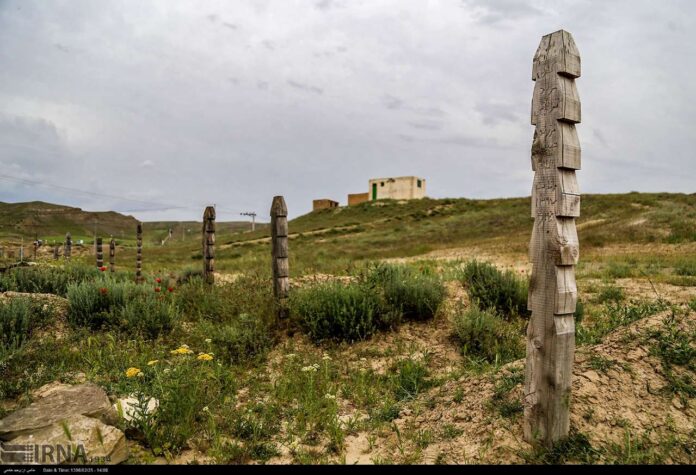
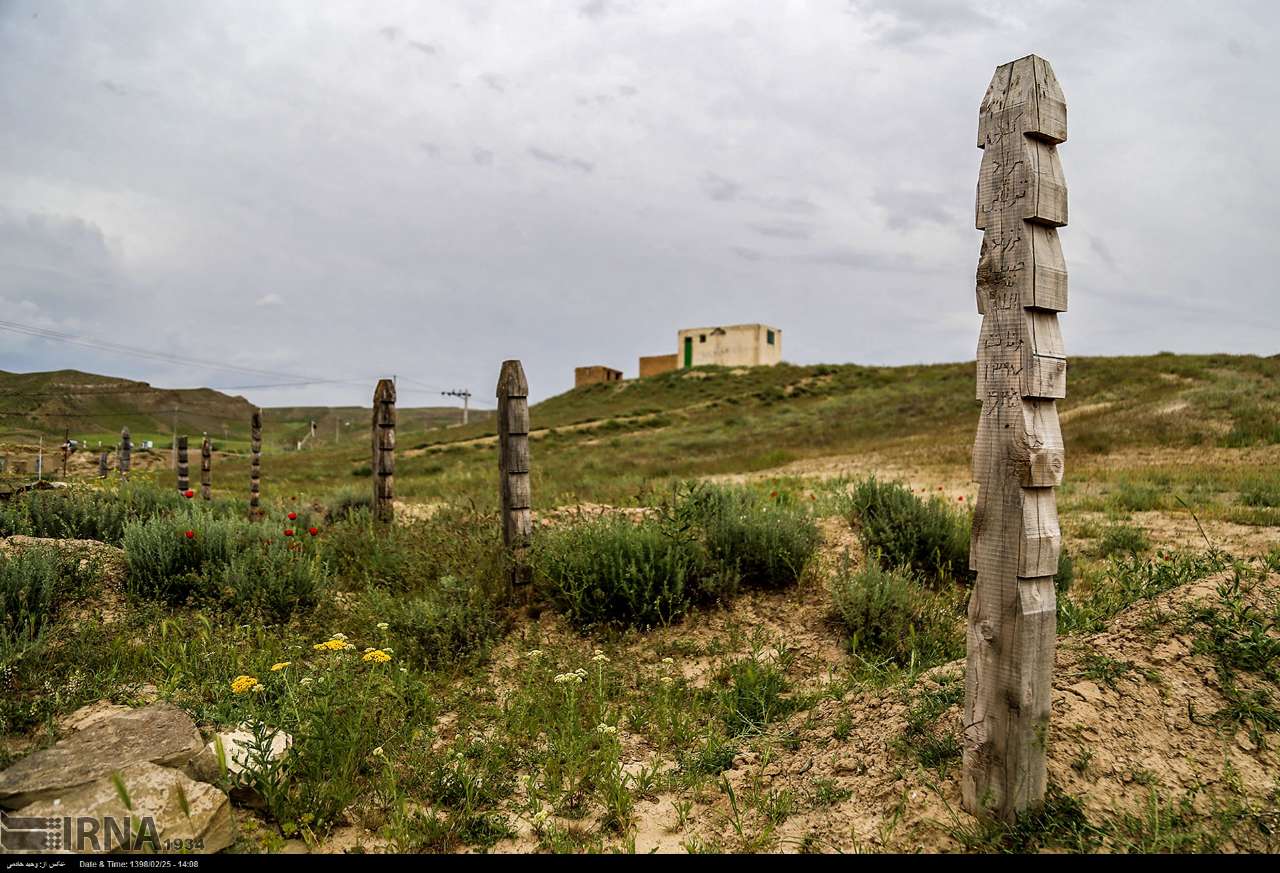
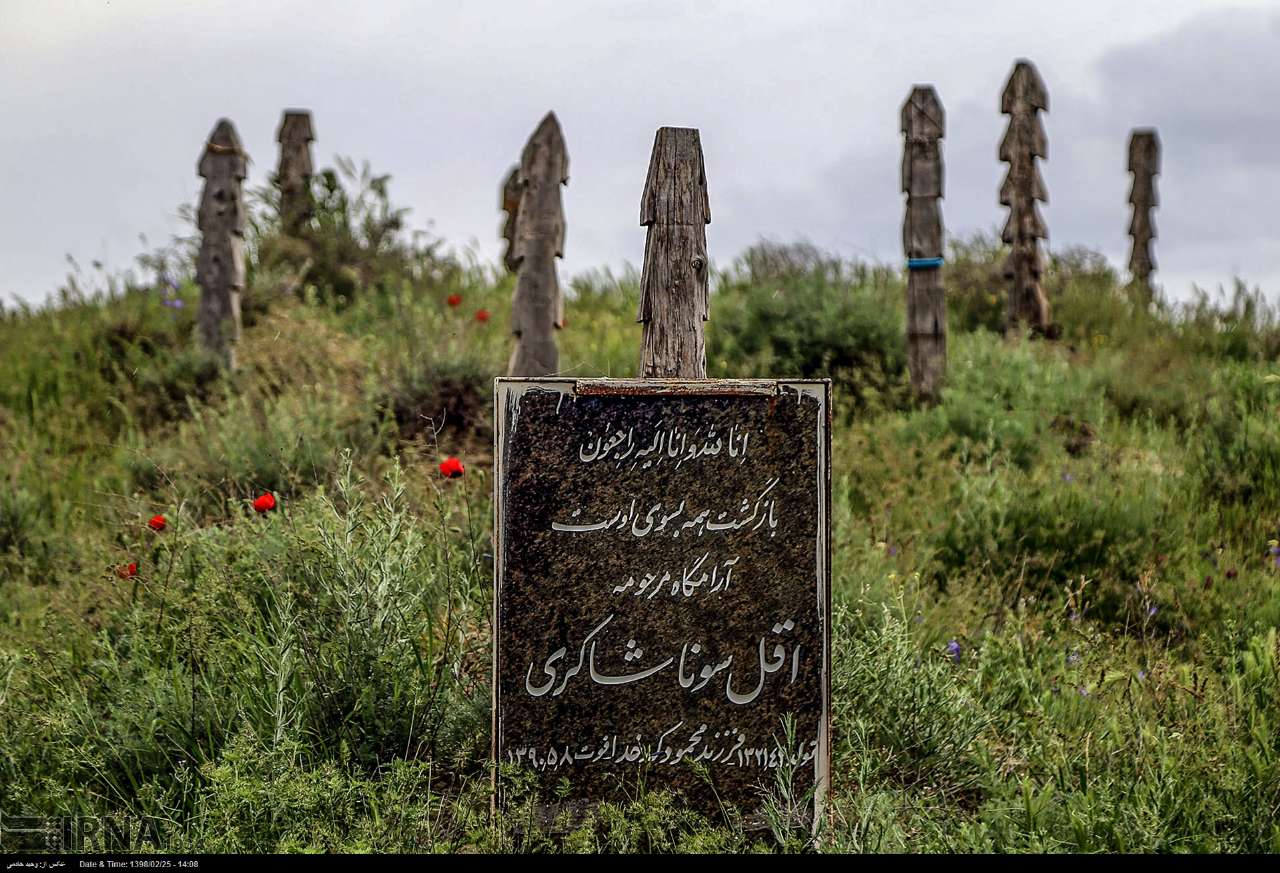
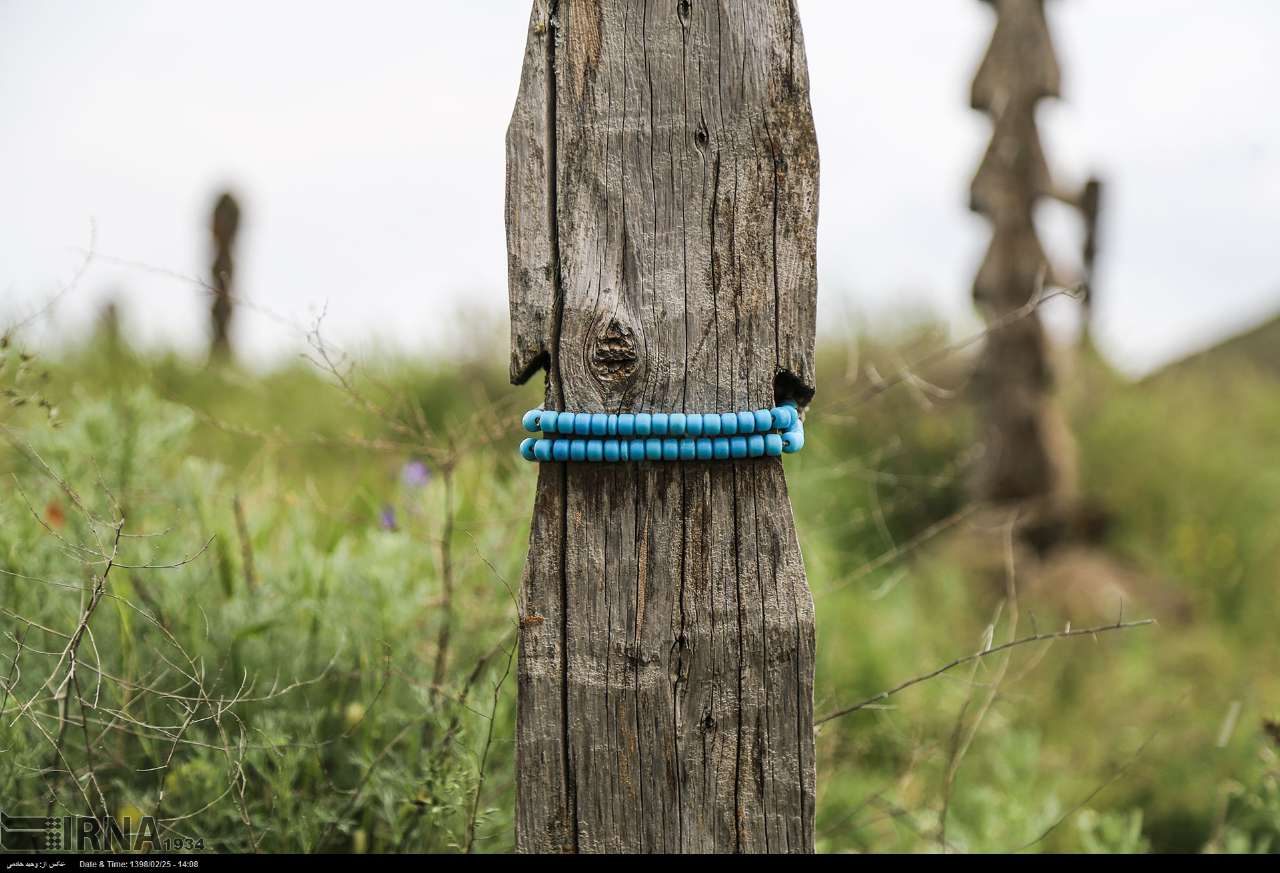
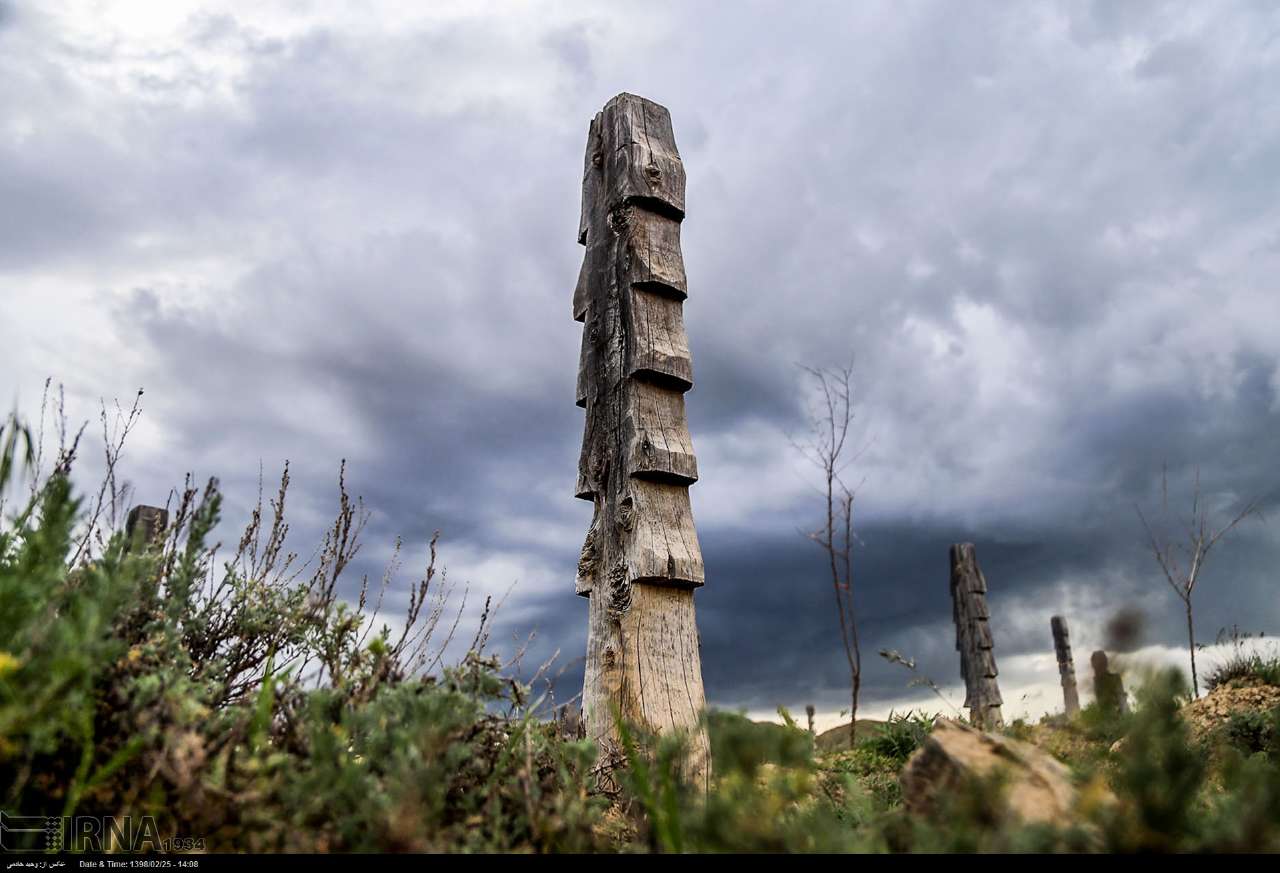
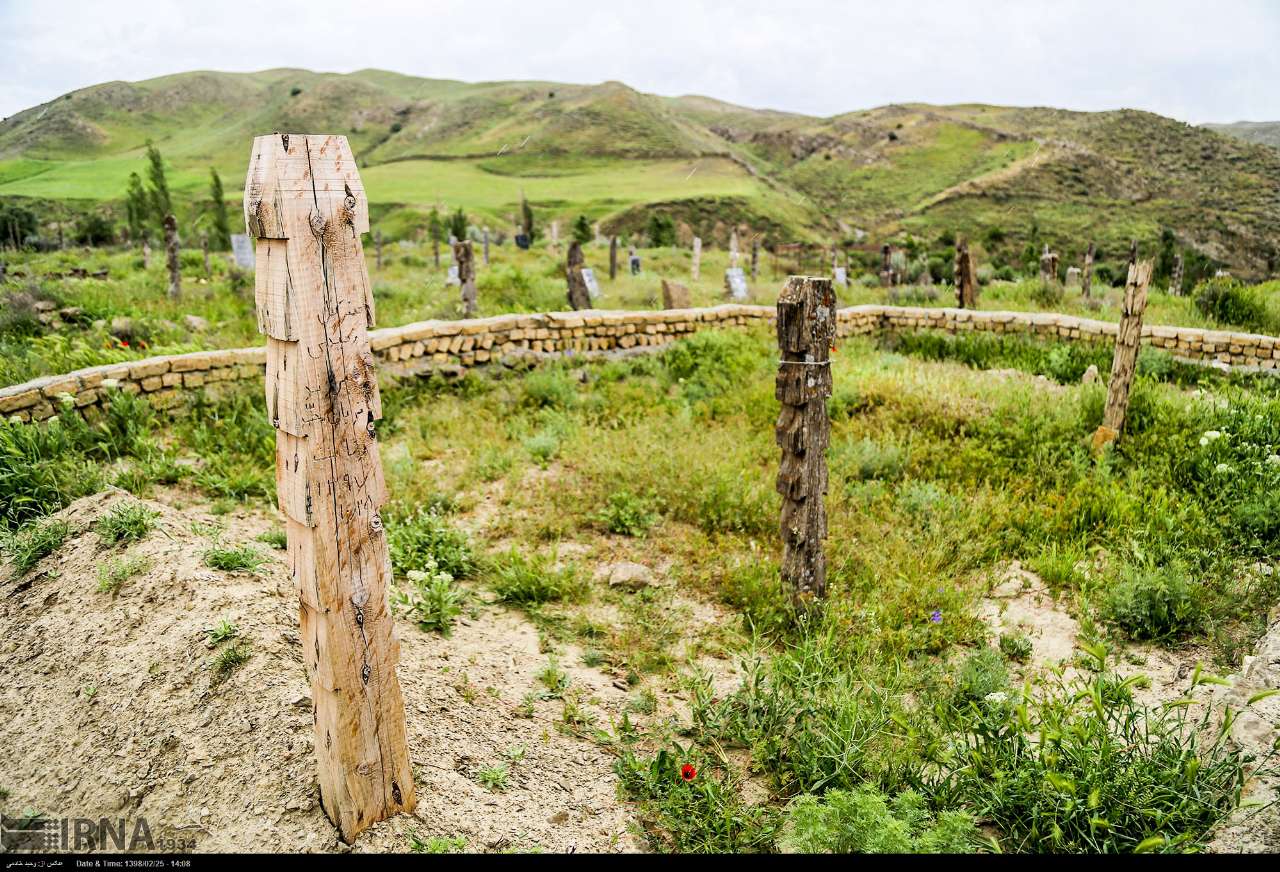
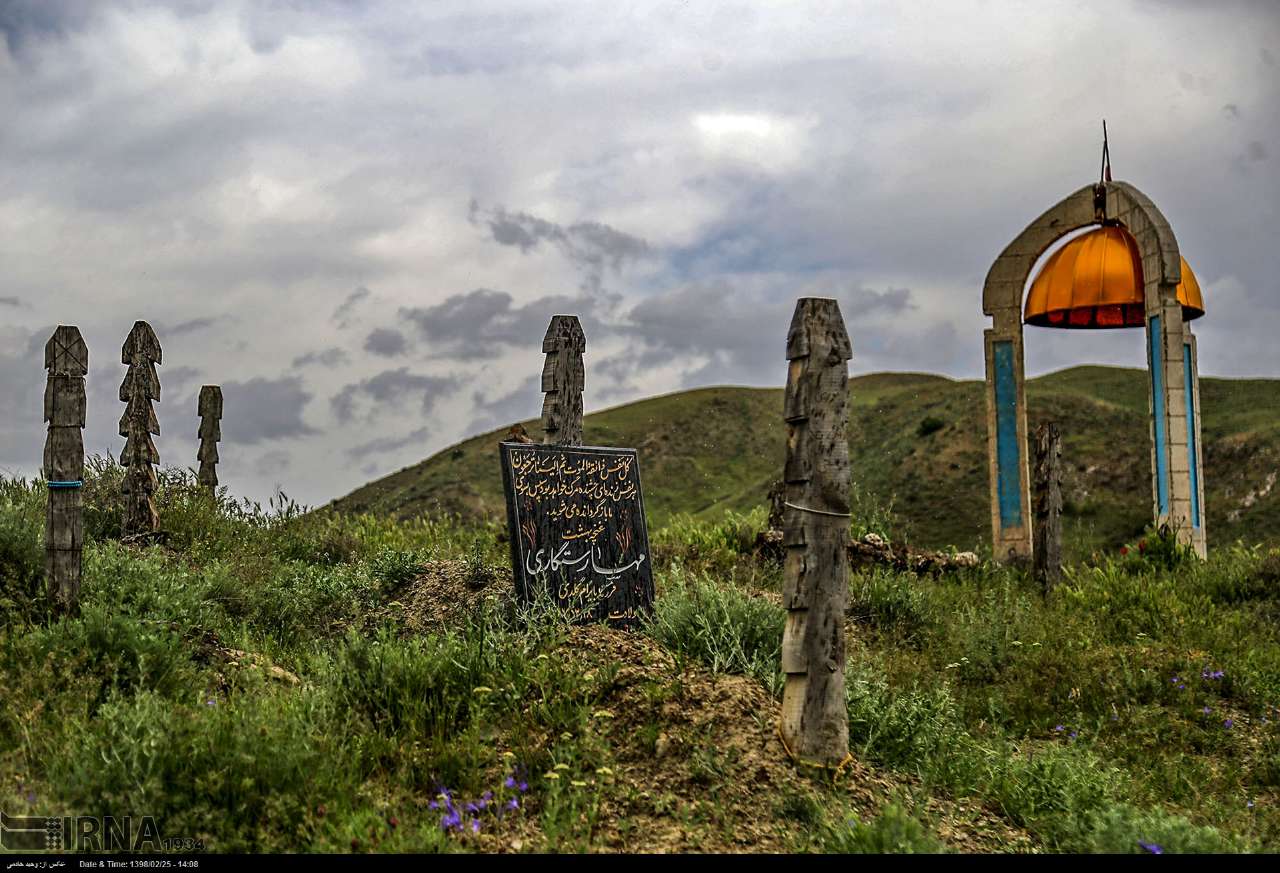
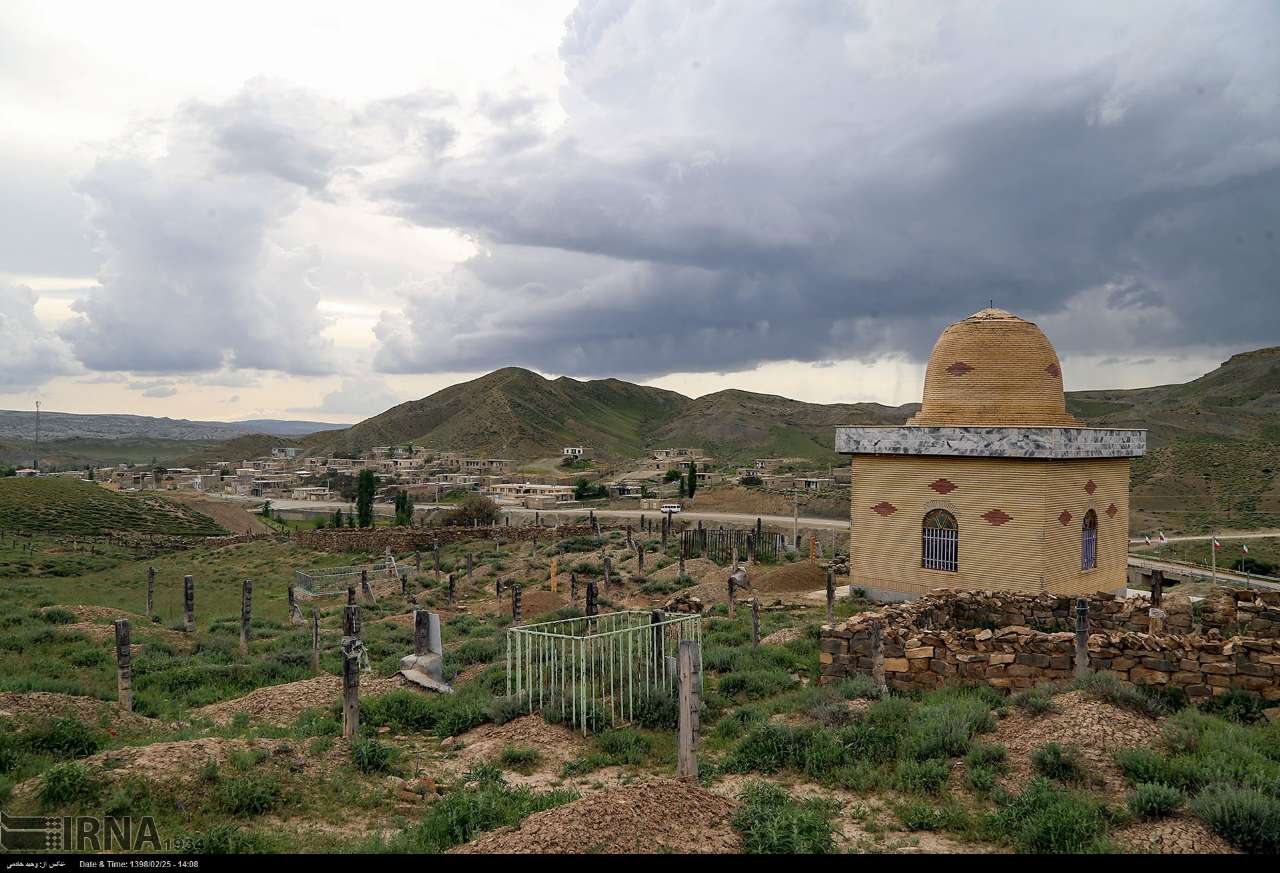
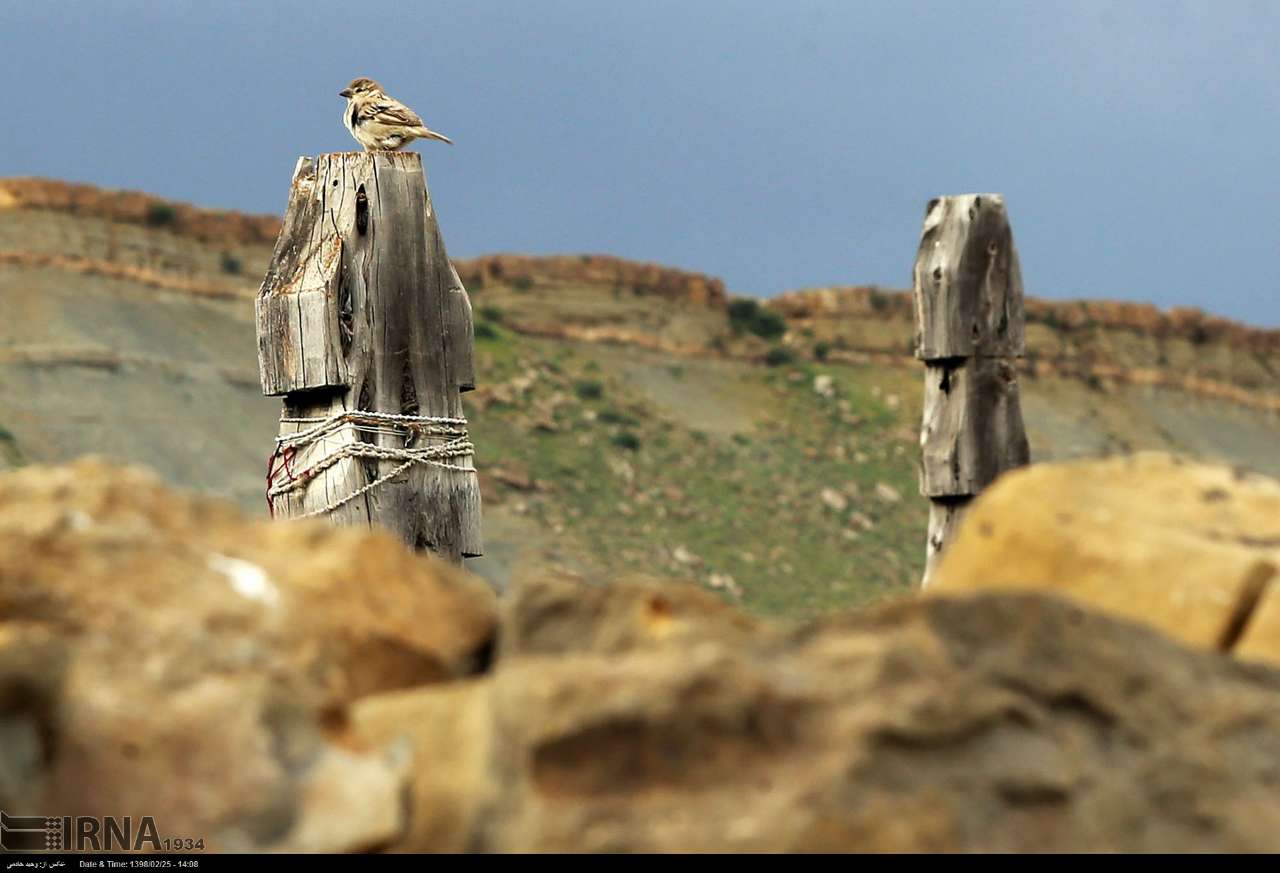
The cemetery lies on top of a hill in Turkmen-populated Baghleq village in Jargalan area in North Khorasan province. The graveyard is one of the ancient cemeteries of the province and has a different shape from that of conventional cemeteries in Iran.
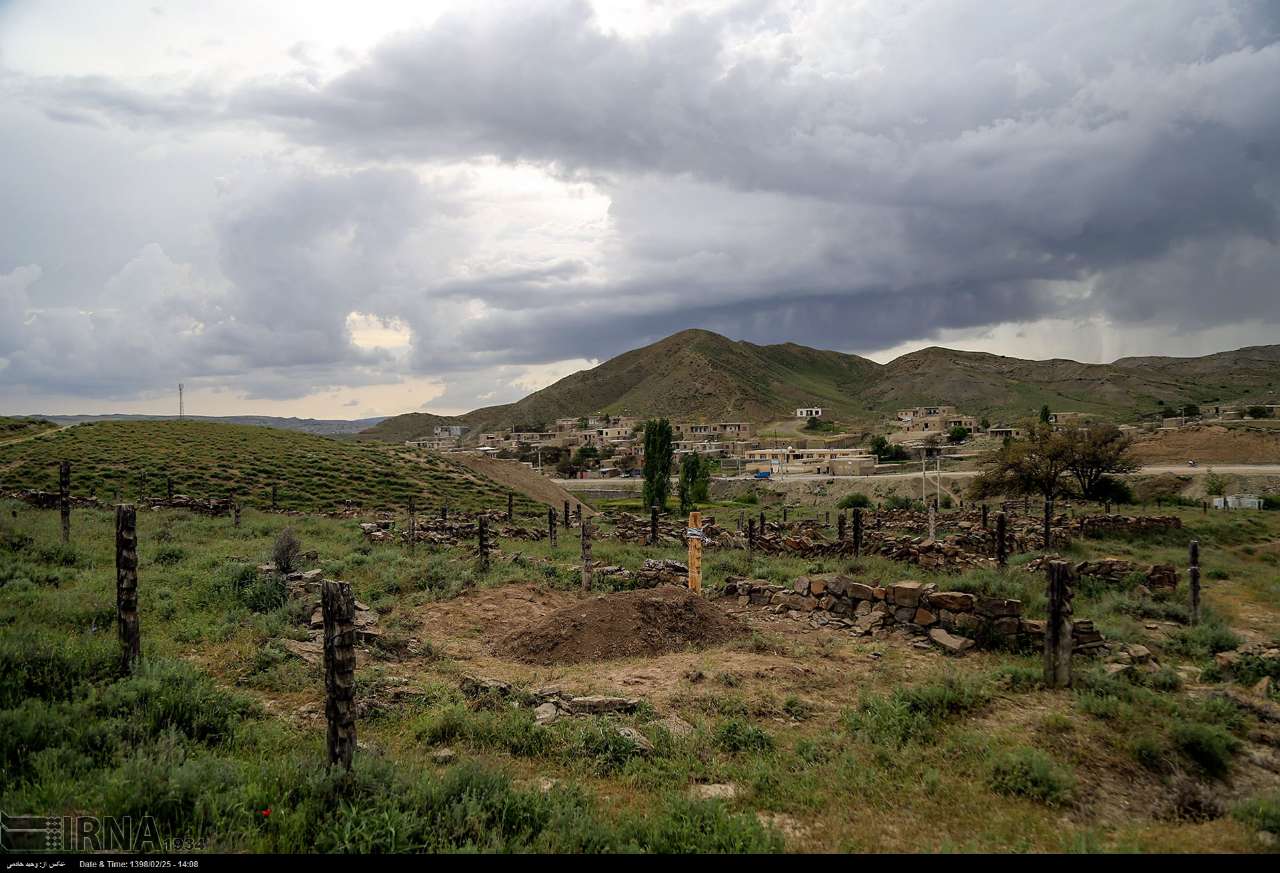
The graveyard is located on a hill away from the village because the deceased should be respected and their tombs should not be trampled underfoot.

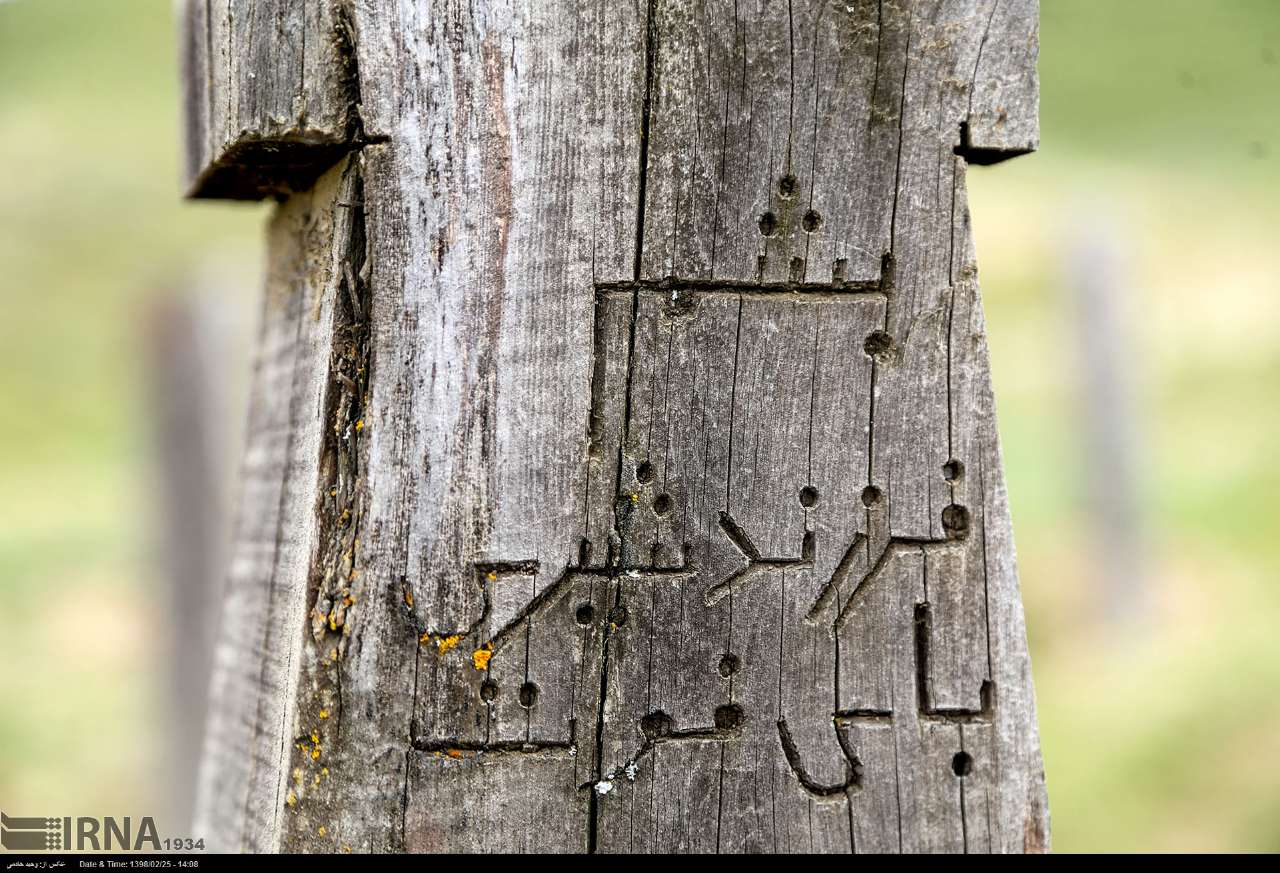
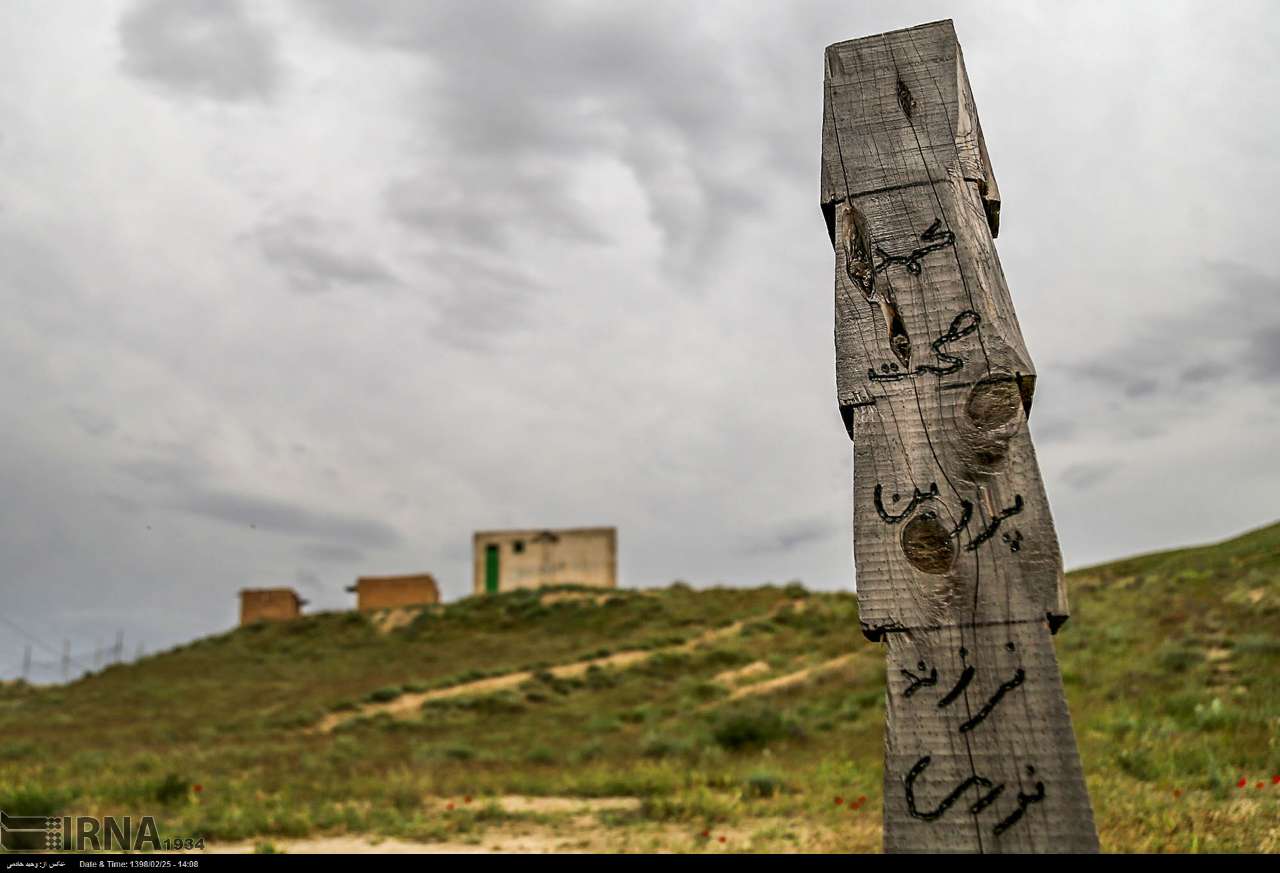
One of the unique features of the cemetery is that the particulars of the dead person are written on vertical wooden posts.

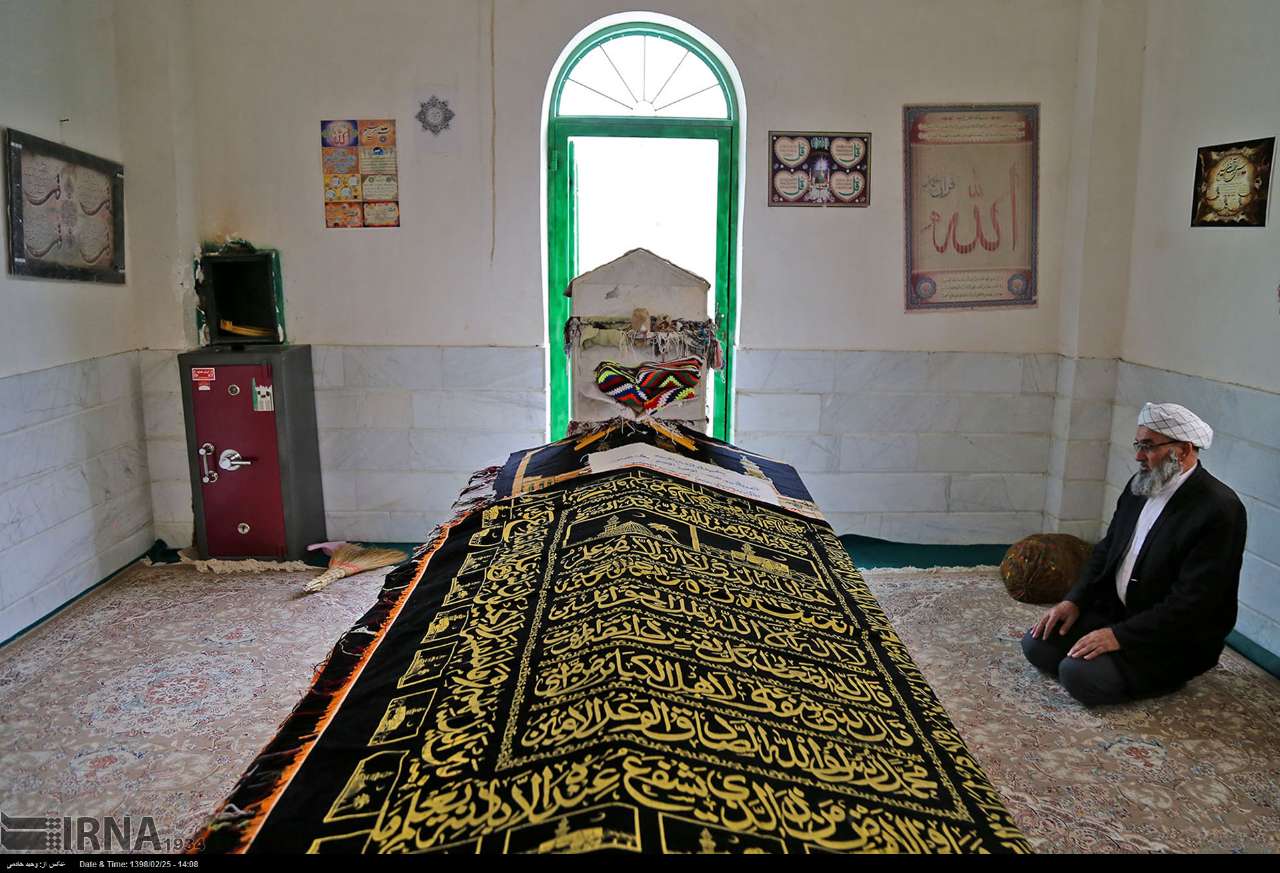
The Turkmen people inhabiting the village have interesting rituals when burying the deceased. They take it upon themselves to attend the funeral service and perform the special prayers which are customarily recited for dead people as instructed in Islam. The locals attend the funeral ceremony whether they know the deceased person or not.

Today, the village and the cemetery have turned into a tourist attraction.

The following are pictures of this graveyard courtesy of IRNA:

‘Being in Tehran Gives Visitors Indescribable Joy’

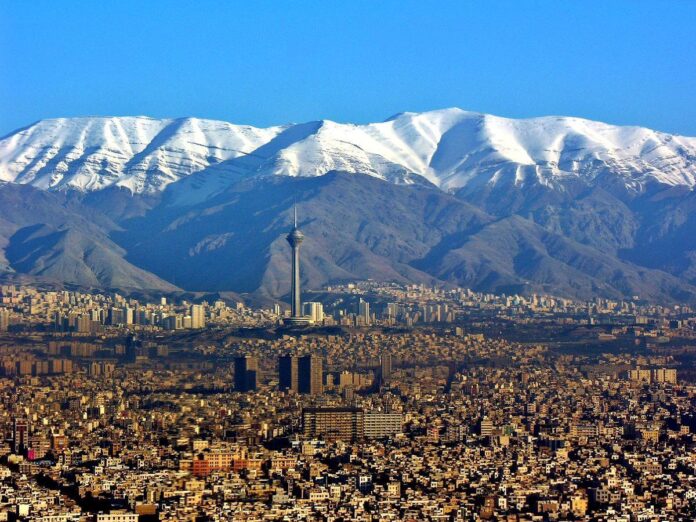
“Tehran is a metropolitan, modern, safe and beautiful city with hospitable people, and watching its innumerable beauties, especially its snow-capped mountains in this time of year, gives you a feeling of indescribable joy.”

This is part of a foreign tourist’s description of the Iranian capital.

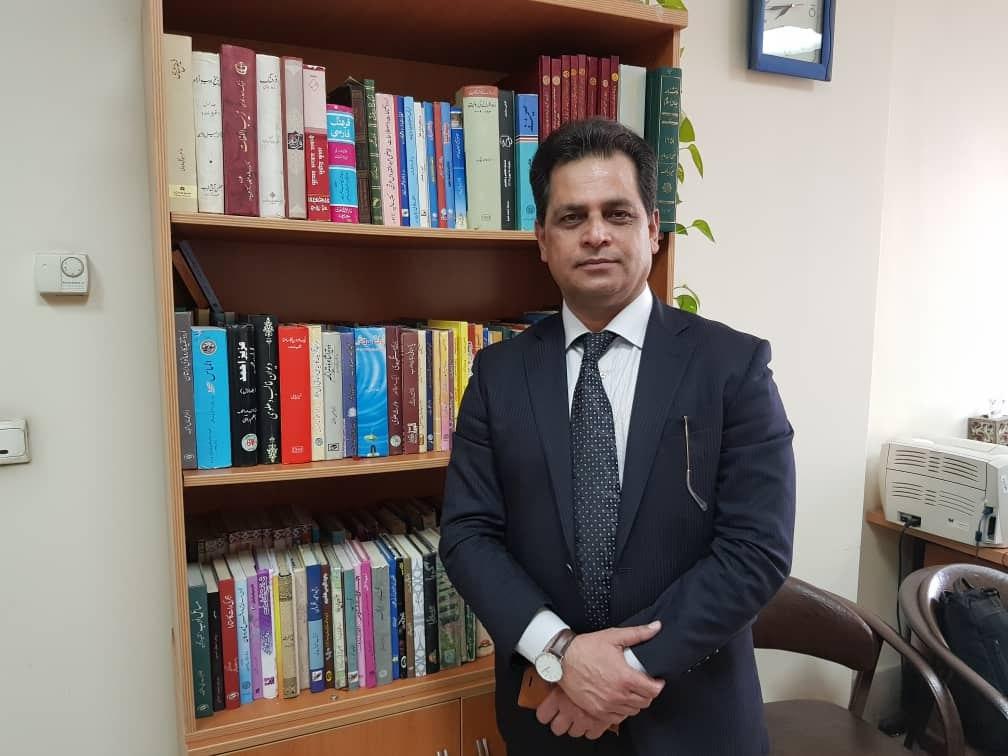
Nasir Nakagawa is a Pakistani-born tourist who has been living in Japan for many years and has made numerous travels to different countries. He recounts marvelous stories of his trips in his travelogues, and now it is the first time he has come to Iran. He intends to make “beauty, calm and security” in Iran the centrepiece of his new travelogue.

He was a guest of the Urdu Language Department of the Faculty of Foreign Languages of the University of Tehran for a few hours. In that friendly meeting, Nakagawa talked about his trips and travelogues and donated to students of the Urdu Language a few copies of his travelogues written in Urdu.

Excerpts of his interview with the Islamic Republic News Agency (IRNA) follow.

Nasir NakagawaIs it the first time you have travelled to Iran?
Yes. It is the first time I am in Iran.

How are you feeling now that you have travelled to Iran, given the numerous cultural, religious and linguistic commonalities between the people of Iran and Pakistan?

The people of Pakistan and the Islamic Republic of Iran are both Muslims, and this is the most important feature shared by both nations. Moreover, both countries share the oriental culture, and Pakistan is a major friend of Iran. Families in both countries have almost the same customs and traditions, Islamic way of rearing children, Hijab (Islamic Dress Code) and lifestyle. Even Nusrat Bhutto, the second wife of former Pakistani Prime Minister Zulfikar Ali Bhutto, was an Iranian. All these indicate the cultural proximity between the two countries. I spent my childhood in Karachi. You can see original Iranian culture in the lifestyle of people across the city.

How do you see Tehran and other Iranian cities in terms of beauty, amenities and urban facilities, people’s culture, etc.?

When I first entered Iran, I visited the Imam Khomeini holy shrine on the way from airport to Tehran. I took photos of his mausoleum and sent them to my friends in Pakistan. They were awed by the beauty and grandeur of this holy place.

The people of Tehran have very good manners. They are well-spoken, well-dressed, very hospitable and kind, too. Tehran is a clean and beautiful city. Its snow-capped mountains fill you with a feeling of joy.

As a tourist, you must have travelled to many countries, and you are in Iran today. What’s your message to those people in different countries who have never travelled to Iran and have a wrong picture of this country in mind?

I’m telling all of them that go visit this beautiful country even once. I’m telling them loud and clear that Iran is unique and foreign tourists are undoubtedly mesmerized by it. I also do recommend Japanese tourists visit this beautiful country because one can find calm and security in this country. Moreover, Iranians like Japanese people.

Iran Hails Venezuela Peace Talks in Norway

Iran Hails Venezuela Peace Talks in Norway

“We hope these negotiations would result in a political solution between the two sides, and Venezuela could improve its economic conditions and the people’s livelihood in a calm situation as soon as possible,” Mousavi said in a Saturday statement.

The spokesman referred to the detrimental effects of the interference of certain states in Venezuela’s internal affairs, and said, “Unfortunately, the US is imposing a collective punishment on the people of Venezuela by blocking and looting their financial resources.”

“It is imperative for the US to stop its economic terrorism and unlawful behaviours, which are in violation of human rights principles, in order to pave the way for the improvement of the Venezuelan nation’s conditions,” he added.

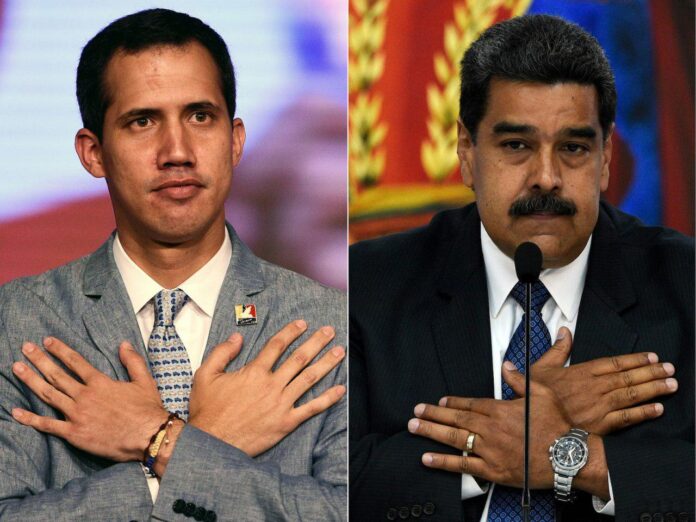
Envoys from the Venezuelan government and the opposition are set to hold talks in Norway on resolving the political impasse in the country. Opposition leader Juan Guaido confirmed on Thursday he sent delegates to Norway but denied talks were underway with President Nicolas Maduro’s government.

Venezuela has been the scene of protests since January, after Maduro was sworn in for a second term. Tensions escalated when Guaido declared himself acting president days later. The US and many European and Latin American countries have supported his presidency.

Iranian-British Citizens Free to Visit Iran despite UK Warning

In a tweet on Friday, Baeidinejad said, “if, as Iranian dual national or as Iranian national working in the UK, you are not collaborating with intelligence agencies and/or not collecting classified information for them, you may safely travel to Iran without any anxiety and are under full protection by law in Iran.”

“Iranian dual nationals and Iranians working in the UK are all respected Iranian citizens and are all welcomed to visit their country and families,” reads his tweet.

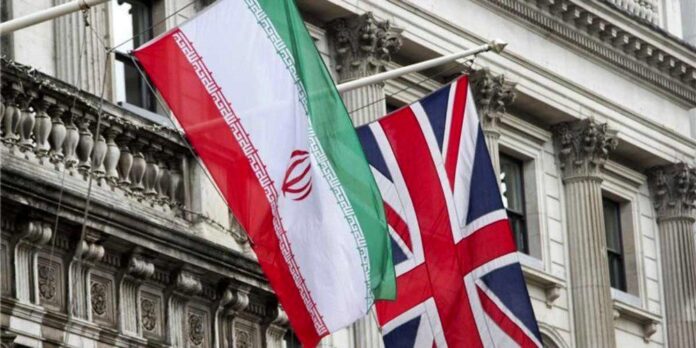
The comment came after the UK Foreign Office updated its travel advice on Iran on Friday, warning British-Iranian dual nationals and Iranians working for organisations that are associated with the UK against visiting the country over an “intolerable” risk of arbitrary detention and mistreatment.

“The Foreign and Commonwealth Office now advises against all travel to Iran by British-Iranian dual nationals. Travel advice has been changed in response to the Iranian government’s continued arbitrary detention and mistreatment of dual nationals, and Iranian citizens with links to institutions based in the UK,” the travel advice said.

The Foreign Office stressed that the Iranian security forces “may be suspicious of people with British connections, including those with links to institutions based in the UK, or which receive public funds from, or have perceived links to, the British government.”

Earlier, Britain gave diplomatic protection to Iranian-British citizen Nazanin Zaghari who is serving her prison term in Iran for espionage. With this move London turned Zaghari’s arrest from a consular issue to a legal conflict between the two countries.

A few days ago, Iran’s Judiciary also sentenced Iranian national Aras Amiri, a British Council employee, to 10 years in prison on charge of espionage.

US Says ‘Sitting by the Phone’ to Hear from Iran

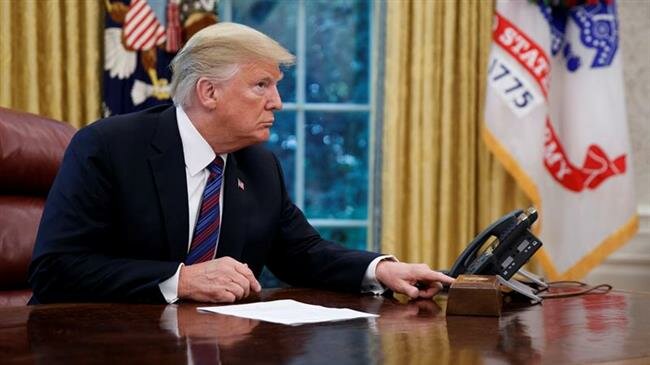
An undated photo of US President Donald Trump in the Oval Office (Photo by EPA)

A senior Trump administration official says the US is “sitting by the phone” to hear from Iran, but it has yet to receive any message suggesting Tehran is willing to accept Donald Trump’s overtures for direct talks.

The US has heard no message yet from Iran, but “we’re sitting by the phone,” the senior official, who declined to be identified, told a small group of reporters on Friday.

Back on May 9, Trump publicly appealed to Iran to call him amid heightened tensions.

On the same day, CNN reported that the White House has contacted Swiss authorities to share a telephone number with Iran in hopes that Tehran will contact Trump.

The call for talks came four days after John Bolton, the hawkish US national security advisor, declared the US was sending an aircraft carrier strike group and a bomber task force to the Middle East in a “clear and unmistakable” message to Iran.

The move, he said, is aimed at sending a “clear and unmistakable message” to Iran that “any attack on United States interests or on those of our allies will be met with unrelenting force.”

Bolton said the decision was “in response to a number of troubling and escalatory indications and warnings.”

Trump, however, later ordered his administration to avoid a military confrontation with Iran, The New York Times and Reuters reported Friday.

During a Wednesday morning meeting in the Situation Room, Trump sent a message to his hawkish aides that he does not want the US pressure campaign against Iran to explode into an open conflict.

“Trump was firm in saying he did not want a military clash with the Iranians,” read the paper citing five senior officials who described the administration’s internal debate over Iran.

The report cited anonymous officials informed on the matter as saying that Trump had privately expressed concern that some of his advisers, such as John Bolton, were pushing for war.

Hawks in Trump’s team have reportedly gone as far as drawing up plans for a possible military strike that could involve sending 120,000 soldiers to the Middle East.

The New York Times on Monday claimed Acting Defense Secretary Patrick Shanahan had presented an updated military plan that envisioned sending as many as 120,000 troops to the Middle East should Iran attack American forces or accelerate work on nuclear weapons.

‘Fake news media’ responsible for ‘fraudulent’ Iran coverage

The New York Times’ claim was later on Tuesday denied by Trump, who described it as “fake news” and said, “Hopefully we’re not going to have to plan for that. And if we did that, we’d send a hell of a lot more troops than that.”

Later on Friday, Trump tweeted that “the Fake News Media is hurting our Country with its fraudulent and highly inaccurate coverage of Iran.”

“It is scattershot, poorly sourced (made up), and DANGEROUS. At least Iran doesn’t know what to think, which at this point may very well be a good thing!” he added.

https://twitter.com/realDonaldTrump/status/1129382204990214144

Iranian Foreign Minister Mohammad Javad Zarif immediately replied, “With the #B_Team doing one thing & @realDonaldTrump saying another thing, it is apparently the US that ‘doesn’t know what to think.’”

“We in Iran have actually known what to think for millennia—and about the US, since 1953. At this point, that is certainly ‘a good thing!’” the top Iranian diplomat added.

Zarif’s response apparently made the US president soften his tone to some extent, as he later suggested that fake news are confusing Iran too.

https://twitter.com/realDonaldTrump/status/1129429624331657217

The Iranian foreign minister has yet to continue this Twitter war of words, but Iran’s Minister of Information and Communications Technology Mohammad Javad Azari Jahromi said that Trump’s “mad advisors” are the source of fake news.


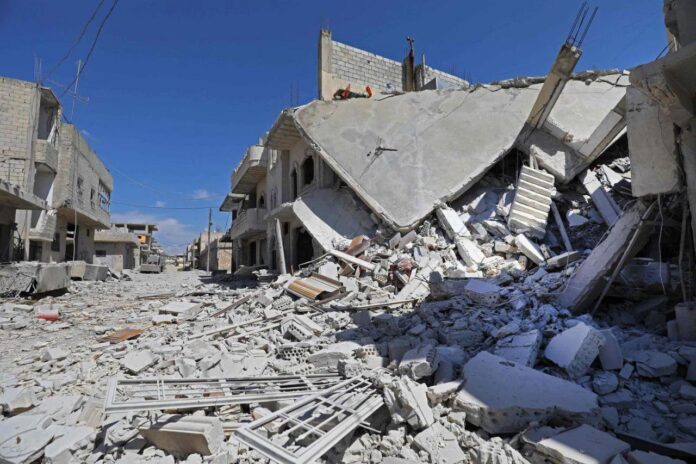
Iran Warns Civilian Lives Threatened by Terrorists in Idlib

Majid Takht-Ravanchi said continuation of current state of affairs in Idlib would further interrupt the restoration of Government’s control over all its territory and securing the safety and security of all its citizens, prevent the return of refugees and internally displaced persons, delay the country’s reconstruction, and hamper the political solution, all of which are inherently interlinked.

Speaking at a meeting of the UN Security Council over a surge in fighting in Syria’s northwest, Takht-Ravanchi said along with other Guarantors of the Astana Talks on Syria, the Islamic Republic of Iran continues to support keeping Idlib as a de-escalation zone.

He also stressed that this approach is based on a reality and a fundamental principle [as] there are a large number of civilians there whose lives must be saved.

“At the same time, certain questions are in order: can and should this situation continue indefinitely? Should the government allow these internationally designated terrorist groups continue their control over its territory? Should the international community allow such terrorist groups to take a large number of civilians as their hostage?

He added that the answer is clear: the establishment of the Idlib de-escalation zone was only a temporary measure with the exclusive objective of protecting civilians, not providing terrorist groups with a safe haven. It does not limit the right of the Syrian government to fight Security Council designated terrorists, which of course have to be carried out in accordance with International Humanitarian Law. Therefore, both, defeating terrorists and releasing civilians are necessary.

Iran’s Permanent Representative to the UN further underlined that current situation in Idlib under which the most dangerous terrorist groups are allowed to use over two million civilians as human shields, continue their control over a large part of a sovereign State’s territory, and conduct their operations therefrom attacking both military and civilian targets beyond that area cannot and must not continue indefinitely.

“Persistence of this situation would enable terrorists to kill more civilians. This is in contradiction with the objective of the Idlib de-escalation zone’s creation. We should be vigilant enough not to confuse the protection of civilians with the protection of terrorists,” highlighted Takht-Ravanchi.

He also called for full respect by all to sovereignty, political independence, unity and territorial integrity of Syria.

“As underlined in the Joint Statement of recent meeting of the Guarantors of the Astana Process in Nur-Sultan on 25-26 April 2019, no action, no matter by whom, should undermine these principles. In this context, the Guarantors of the Astana Process also rejected all attempts to create new realities on the ground under the pretext of combating terrorism. Therefore, the US must put an immediate end to its illegal military presence in parts of Syria,” he went on to say.

Takht-Ravanchi also underscored that the Syrian government must be assisted in the formation of the Constitutional Committee facilitated by the SRSG Pedersen, whose efforts enjoys Tehran’s support.

“We encourage him to further strengthen its direct consultation with the Government of Syria.”

He said as stated in the aforesaid Joint Statement, there is no military solution to the Syrian conflict and the only option is to advance the Syrian-led and Syrian‑owned, UN-facilitated political process.

“Ultimately, the right to determine the future of Syria belongs exclusively to Syrians themselves. We must genuinely support the realisation of this objective.”

The UNSC meeting was held amid a recent escalation in clashes in Idlib after the Syrian Arab Army carried out an operation to counter numerous terrorist violations of an earlier de-escalation deal.

Under the agreement, which was sealed by Russia and Turkey last year, Takfiri groups in Idlib ought to pull out from regions bordering Syrian government-controlled territory, but they refused to do so.

Meanwhile Russia’s ambassador to the UN, Vasily Nebenzya blamed the al-Qaeda-linked Tahrir al-Sham terrorists for the recent escalation of clashes and rejected allegations of violating international law.

“Neither the Syrian army nor Russia’s aerospace force launch any combat operations against civilians and civilian infrastructure. Our target is terrorists, which in fact some of you opt not to mention,” he stressed.

He also maintained that certain countries were trying to protect foreign-backed terrorists in Idlib.

Iranian Robes: Fire-Proof, Snake-Repellent

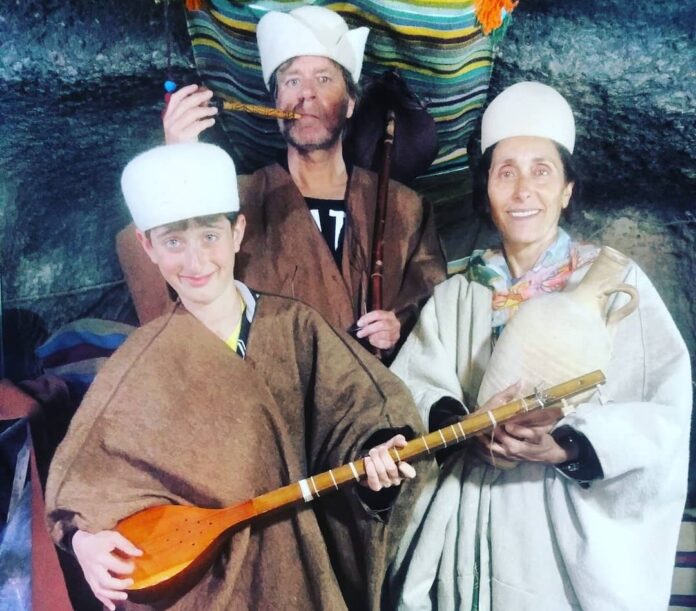
Foreign tourists visiting the underground workshops and wearing the traditional robes

The robe-weaving art was very popular in the city of Nain in the central Iranian province of Isfahan. Mohammadieh, a village adjacent to Nain, is regarded as the birthplace of robe-weaving.

Iranian Robes: Fire-Proof, Snake-RepellentAs you step into the village, the first thing which draws your attention is the cellars located next to an ancient site known as the Palace of Mohammadieh. The cellars, which are dug several metres deep into the ground, are very warm in winter and very cool in summer.

These cellars are, in fact, robe-weaving workshops. The robes are made of camel or sheep wool. However, the cellars are mostly used as rug-weaving workshops nowadays.

Robe-weaving was registered on Iran’s National List of Cultural Heritage years ago and dates back more than half a century.

According to one of ten surviving robe-weavers in Nain, the robes woven in this city are very resistant and fire-proof.

Moreover, no snakes or scorpions would ever get close to the robes. They even have medicinal properties and are used to heal low back pain and kidney pain.

Iranian Robes: Fire-Proof, Snake-Repellent
Foreign tourists visiting the underground workshops and wearing the traditional robes

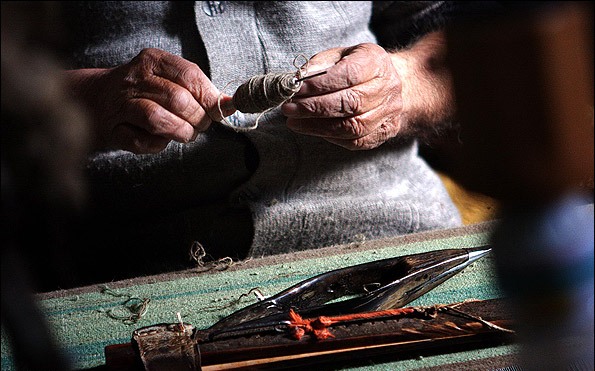
In order to weave these robes, one has to shear a camel and wash the wool with water. After the wool is dried, the low-quality parts are removed. Then extra hair is removed from high-quality parts of the wool by women.

Then, the wool is cut up and beaten with a special machine. Afterwards, the beaten wool is made into thread and twisted around a spindle using a manual spinning wheel.

Now, the thread is ready for knitting. Each robe is six metres long and weighs 5.2 kilogrammes. Robe-weaving machines are made of wood and cane. The robes woven is this way are all suitable for winter and, in the past, everybody would wear these robes during winter.