Sunday, December 21, 2025
Home Blog Page 3201

Soundtrack Album of ‘The Warden’ to Be Released Globally

Kousha has already composed music for 40 American films and series, including “Radio Flash”, “A Day like a Week” and “5th Passenger”. Since a while ago, he has been working with young filmmakers in Iran.

His most recent work is the music of “The Warden” that is currently in theatres across the country, and is among the best-selling movies.

Kousha has elaborated on the details of the soundtrack in various parts of the film. “Maybe Nima Javidi (the film director) cannot speak with the language of music and its techniques, but he knows well what he wants from a scene created in the script.”

“He always explained to me the result of this process and helped me choose the right musical space and arrangement,” added Kousha.

“In coordination with Nima, we’re going to publish the Warden’s soundtrack album in a month,” he said.

He went on to say that he is “in talks with some internationally-acclaimed companies to bring the work to the final stage. Therefore, we are currently busy separating various pieces of the film, and hopefully we will see the release of this work as soon as possible.”

The use of percussion and string instruments is notable in the music of this film.

‘Iran Would’ve Bravely Admitted If It Were Behind Tanker Attacks’

bagheri

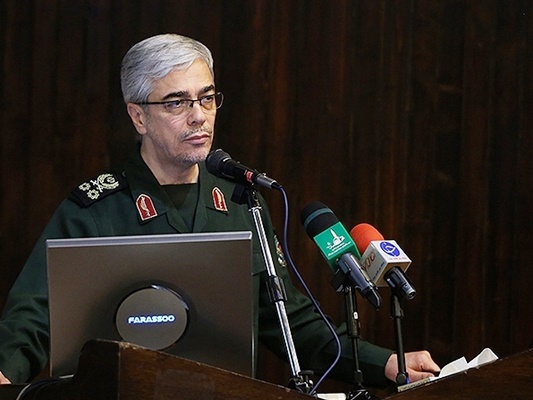
Major General Mohammad Baqeri, the Chief of Staff of the Iranian Armed Forces, made the remarks on Monday in reaction to recent anti-Iran accusations.

General Baqeri stressed that Iran is brave enough to accept responsibility for its actions.
He then blamed the “enemy” for the recent attacks on the oil tankers.

“The enemy makes any worthless move to divert the resistance [front] from its path,” said general Baqeri, the chairman of the General Staff of the Iranian Armed Forces.

“The ridiculous and worthless actions against the oil tankers in the Sea of Oman and the Indian Ocean are but some of such actions. They want to lead the people in the region and across the world to believe that Iran is carrying out its threats” he said.

The top commander reiterated that if Iran decides to block the Strait of Hormuz, no single vessel or oil tanker will be able to cross the waterway.

The top general said as long as no one creates problems for the Strait of Hormuz, Iran will ensure its security, adding, “As long as the Islamic Republic of Iran’s oil is exported, others can also export their petroleum with security.”

“The Islamic Republic of Iran ensures security in the Strait of Hormuz and the Sea of Oman, and we have announced, time and again, that the security of the Strait of Hormuz and the Persian Gulf is as important as the country’s domestic security,” he said.

The top commander underlined that Iran’s Armed Forces have control over the Persian Gulf and Strait of Hormuz, and, hence, are able to ensure security in those regions.

“Last month, some suspicious incidents happened in the south of the Sea of Oman. The US and the Zionist regime [of Israel] and a few of their reactionary supporters in the region attributed those events to the Islamic Republic of Iran,” the top commander noted.

He further said Iran is capable of blocking the Strait of Hormuz.

“We are able to block the Strait of Hormuz if we want to, and our move will be in such a way that not even a single drop of oil will cross the strait,” he said.

Elsewhere in his remarks, the top general touched upon Washington’s withdrawal from the Iran nuclear deal known as the Joint Comprehensive Plan of Action (JCPOA). He said Tehran scaled back some of its commitments under the deal due to the US pullout from the agreement.

General Baqeri then touched upon the United States’ double standards in dealing with Iran.

“The enemy has adopted the strategy of pressure in dealing with Iranian people, but, in word, it speaks of talks and understanding,” the senior commander said.

He said no one would believe the Americans’ claim that they want to reach a compromise and understanding with Iran at a time when the White House adds to its sanctions against Iran every week.

He also referred to the power of Iran’s deterrence doctrine.

“Whatever happens, the enemy says it has no intention of waging war, which is due to the deterrence established by the Iranian nation and Armed Forces,” general Baqeri said.

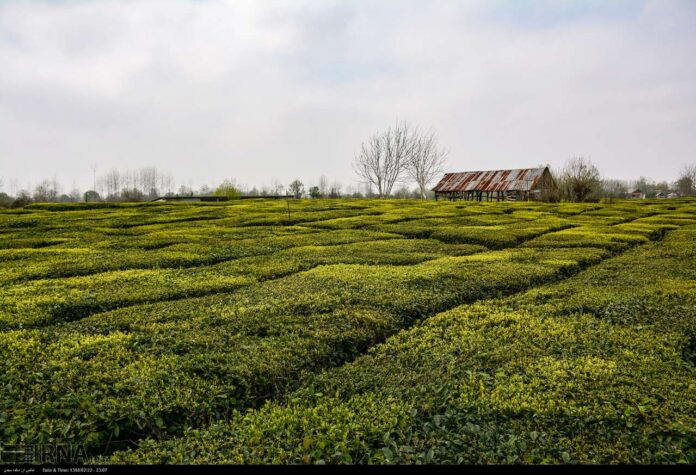
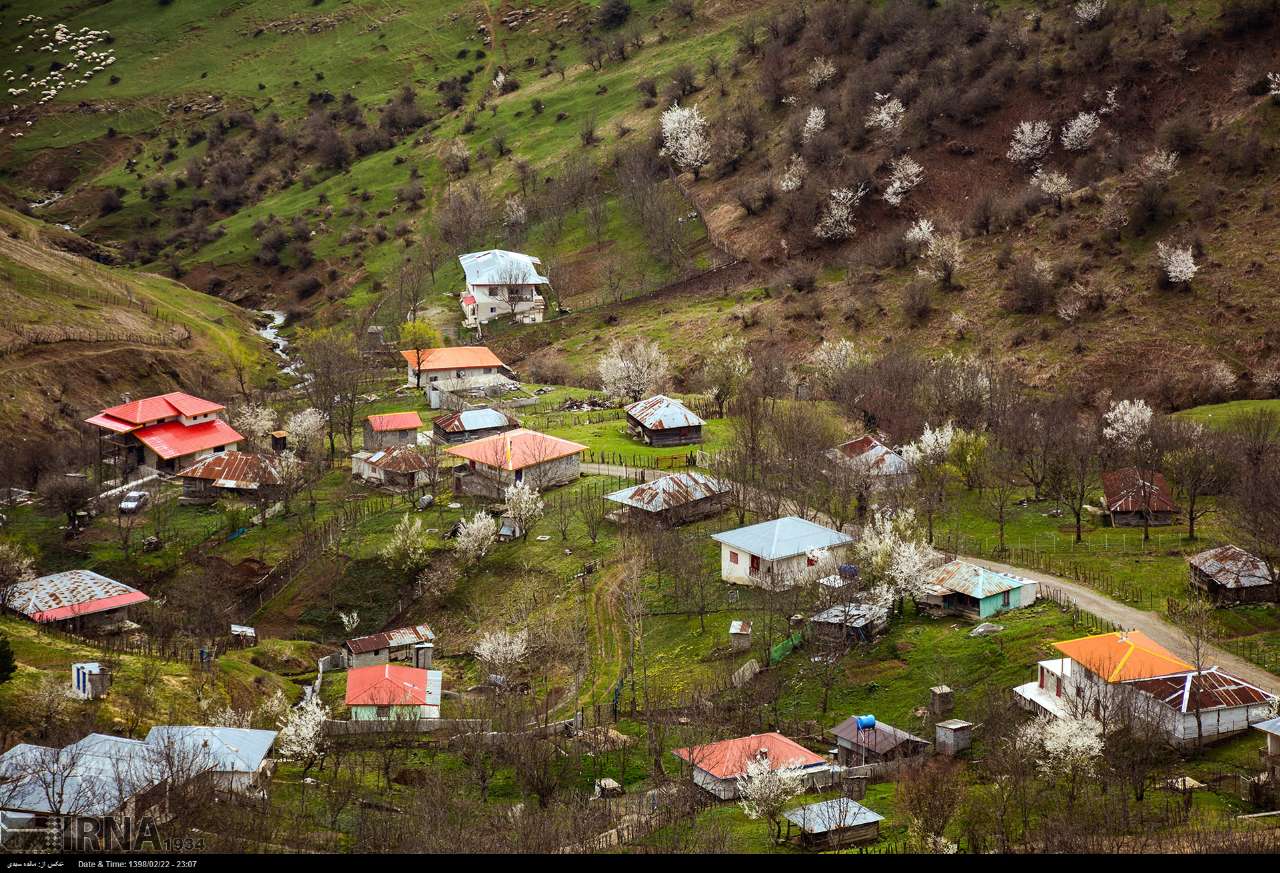
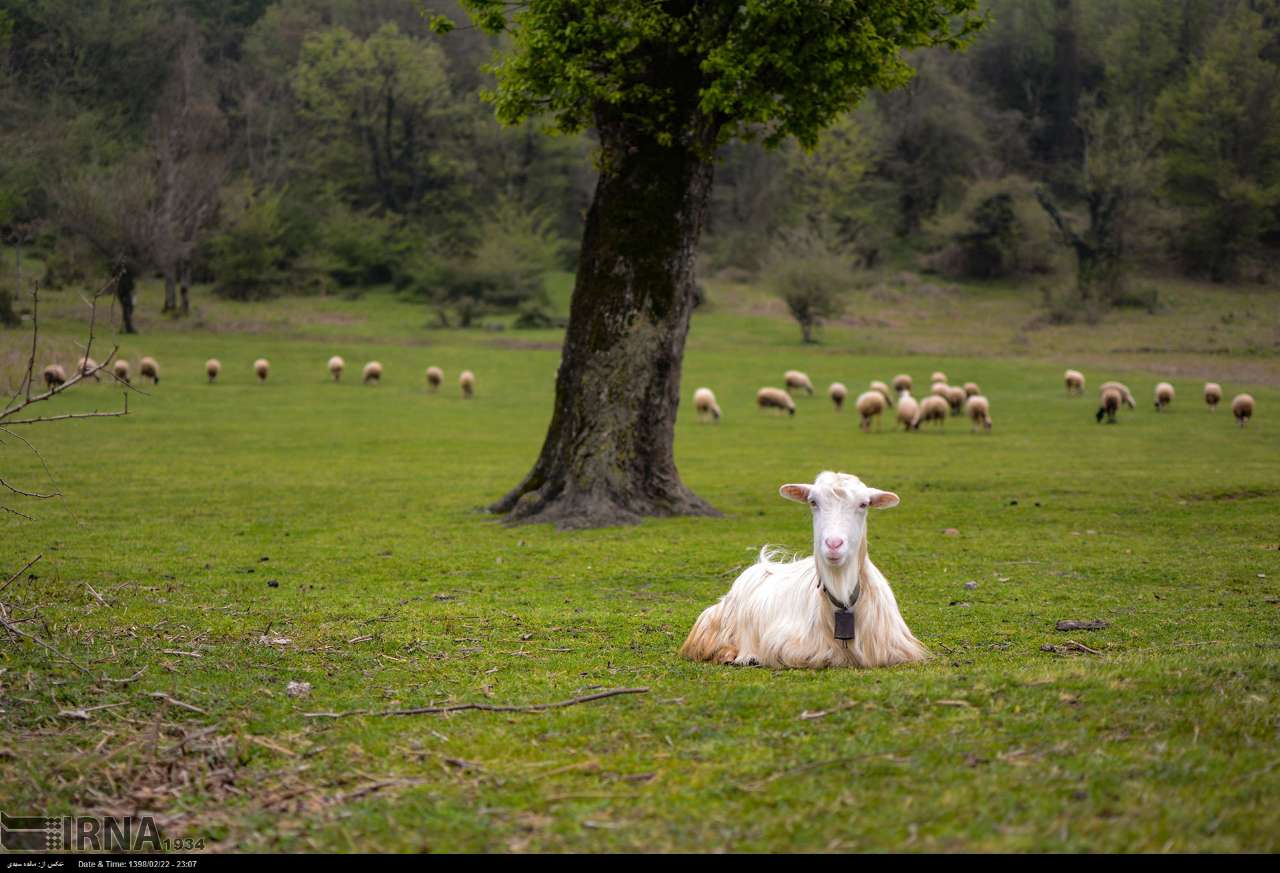
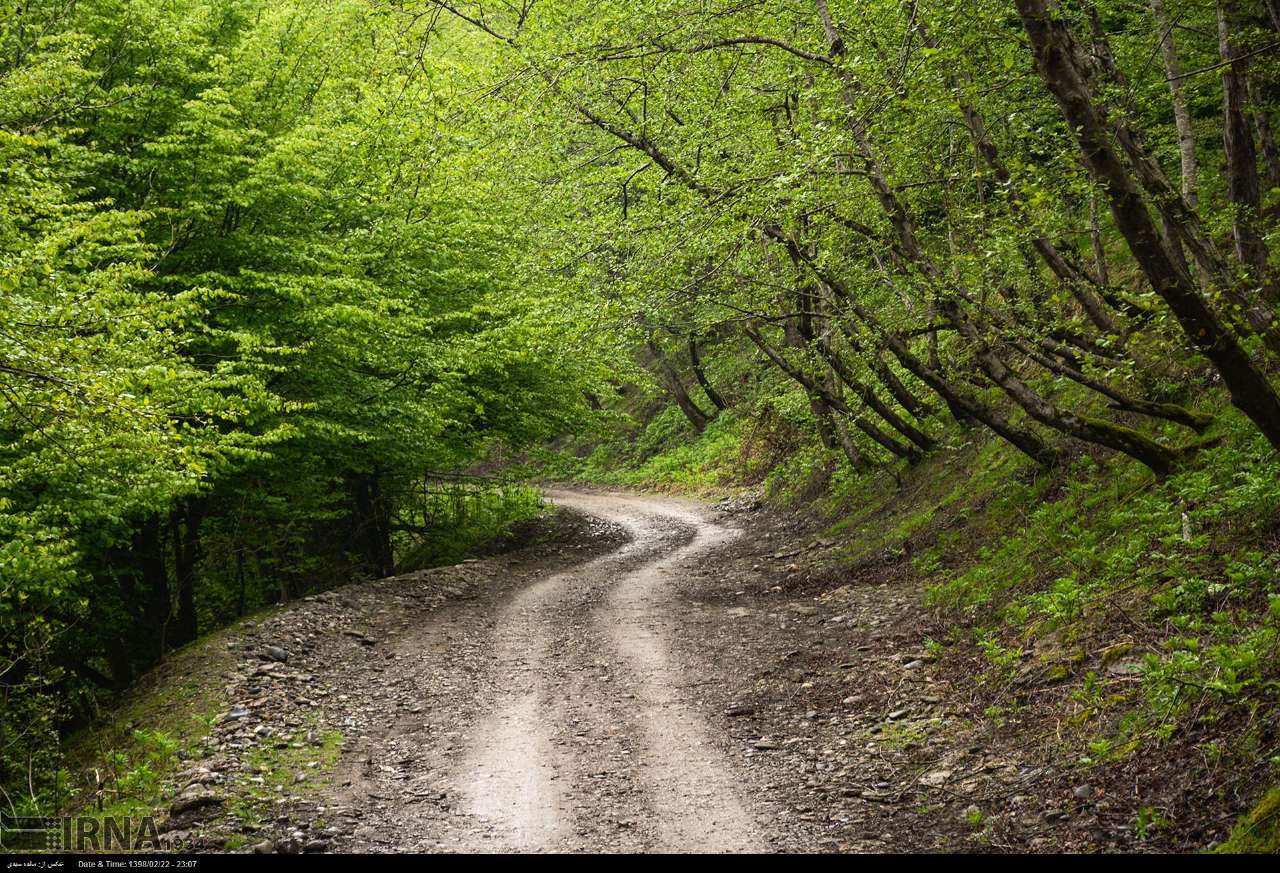
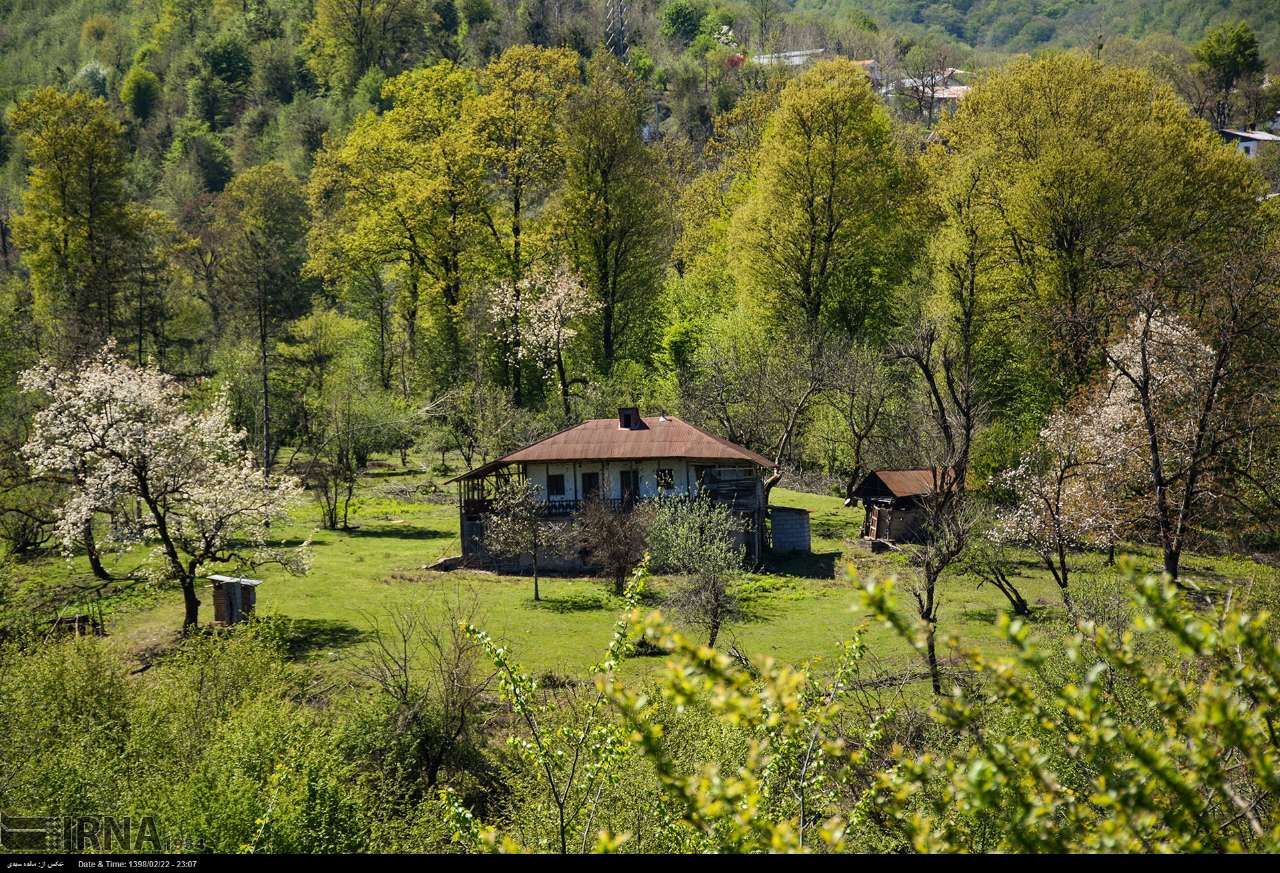
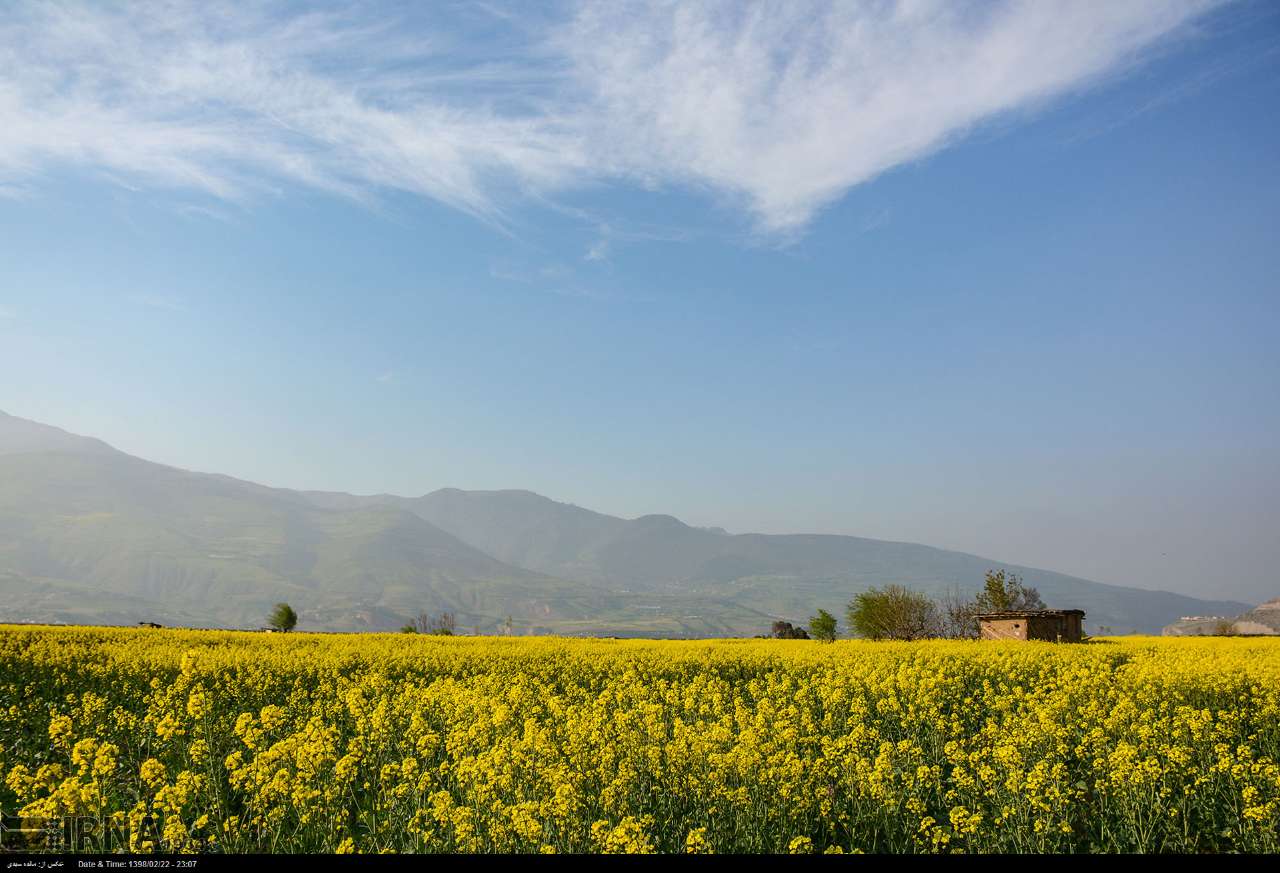
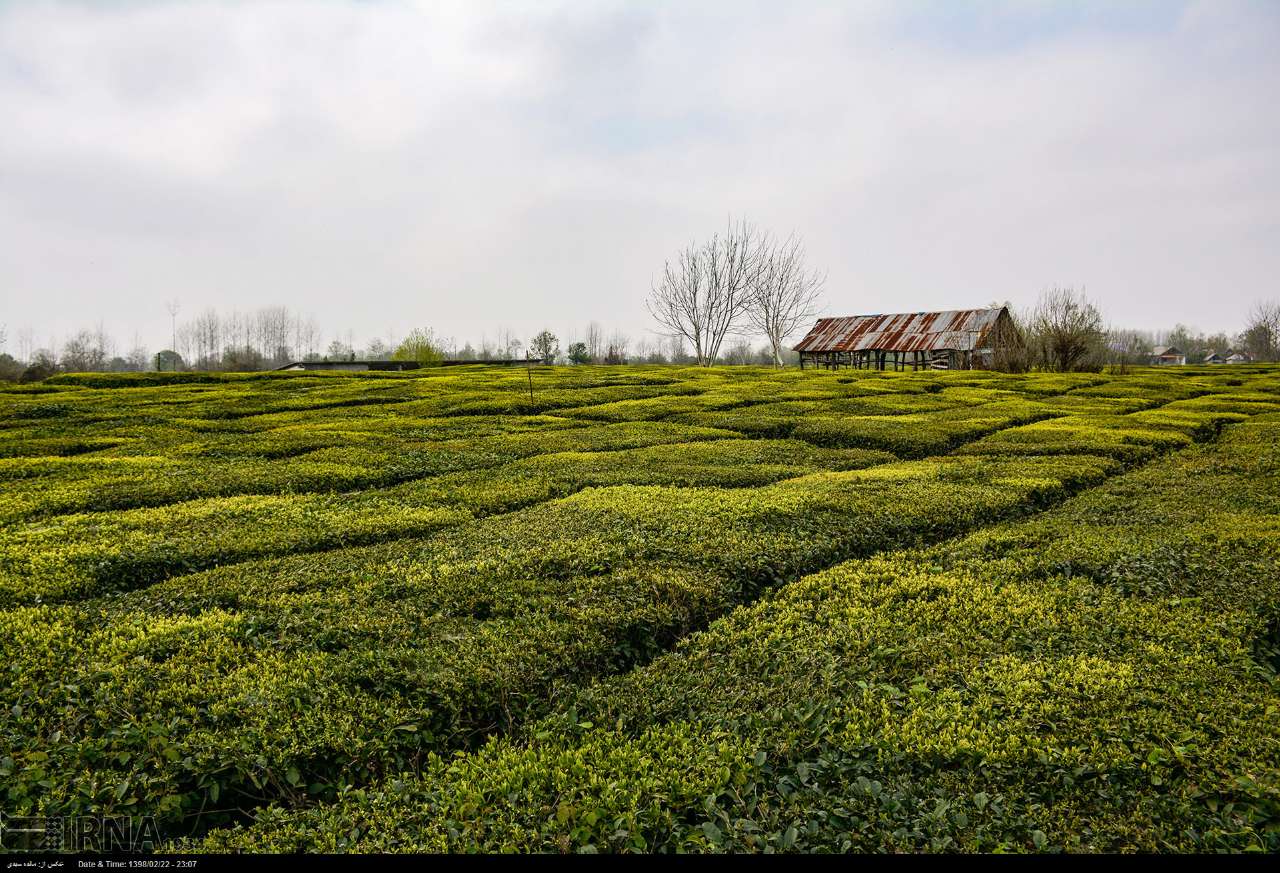
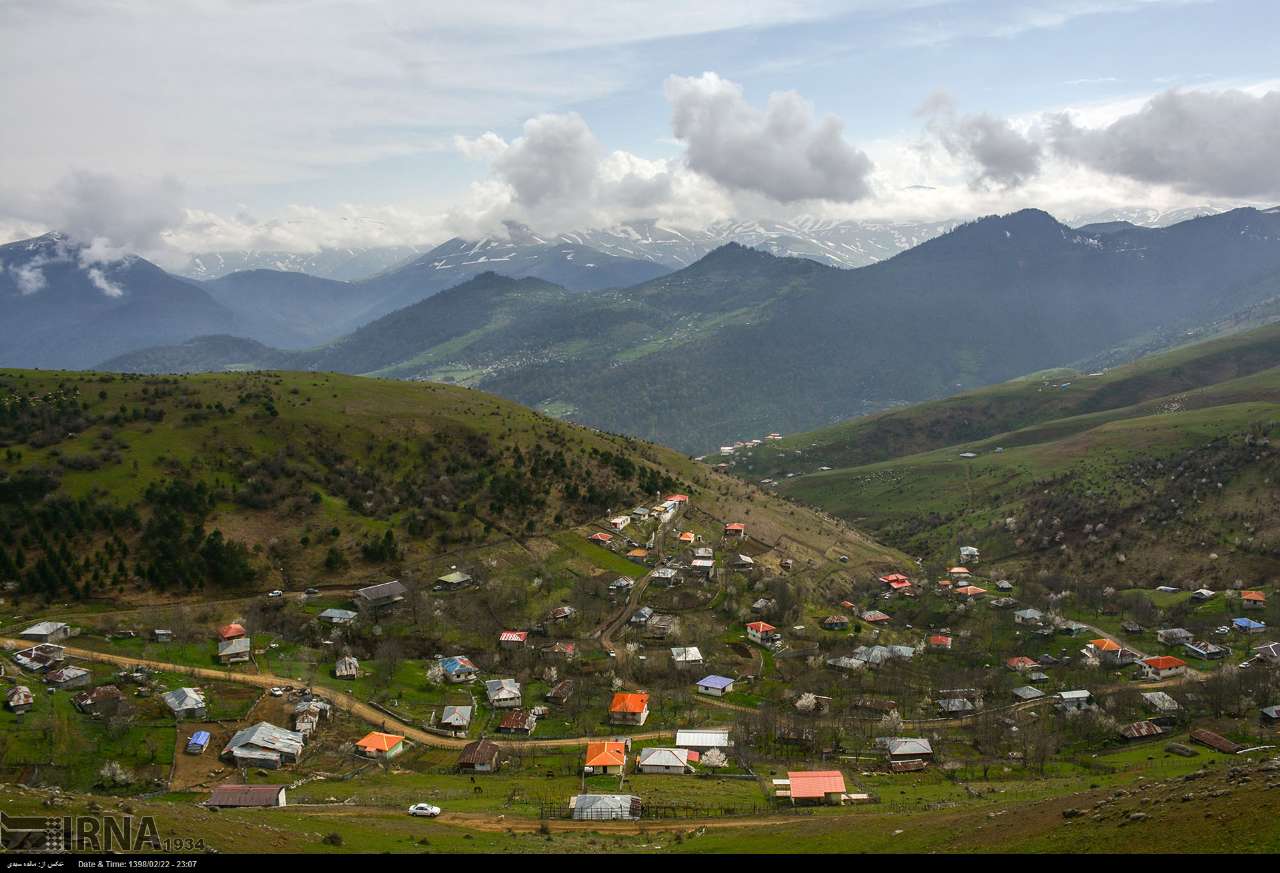
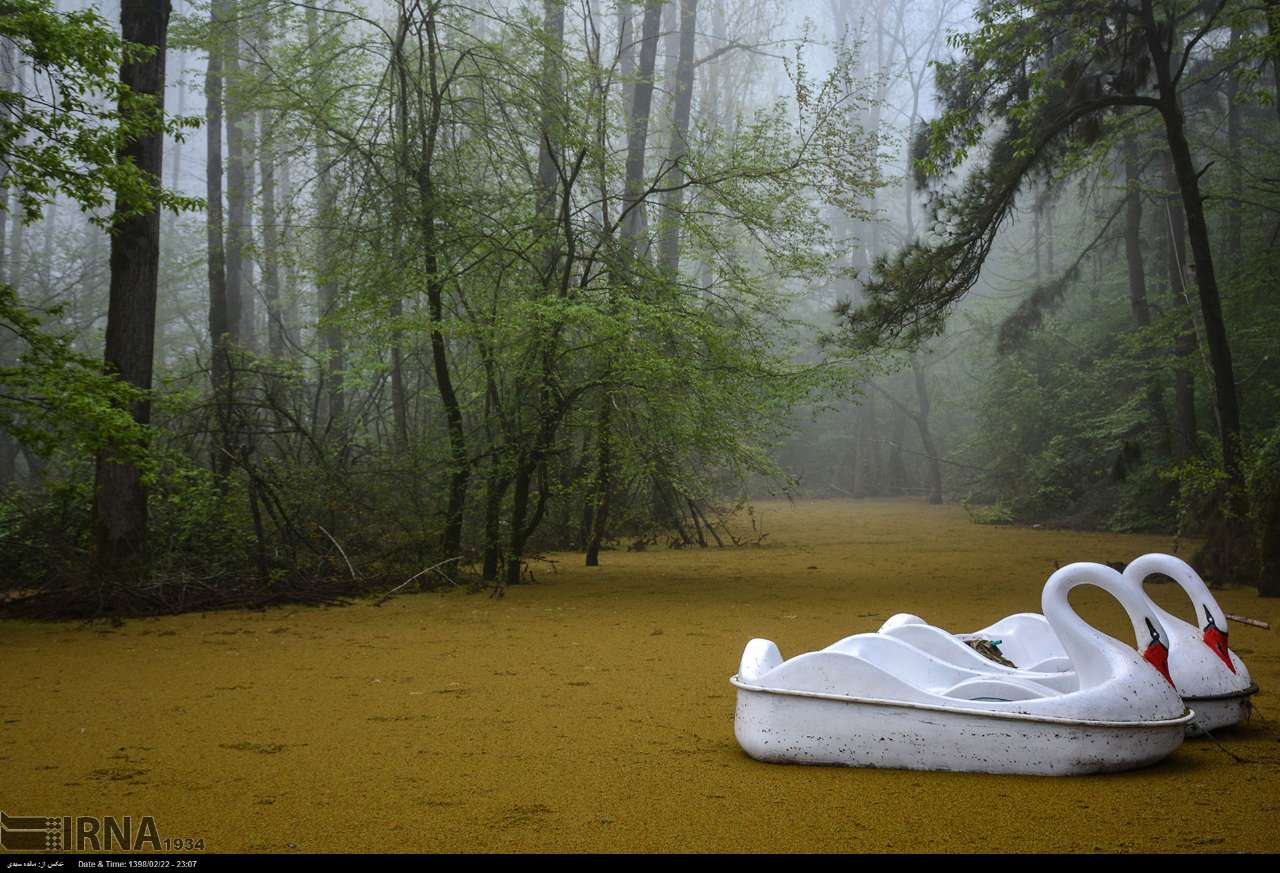
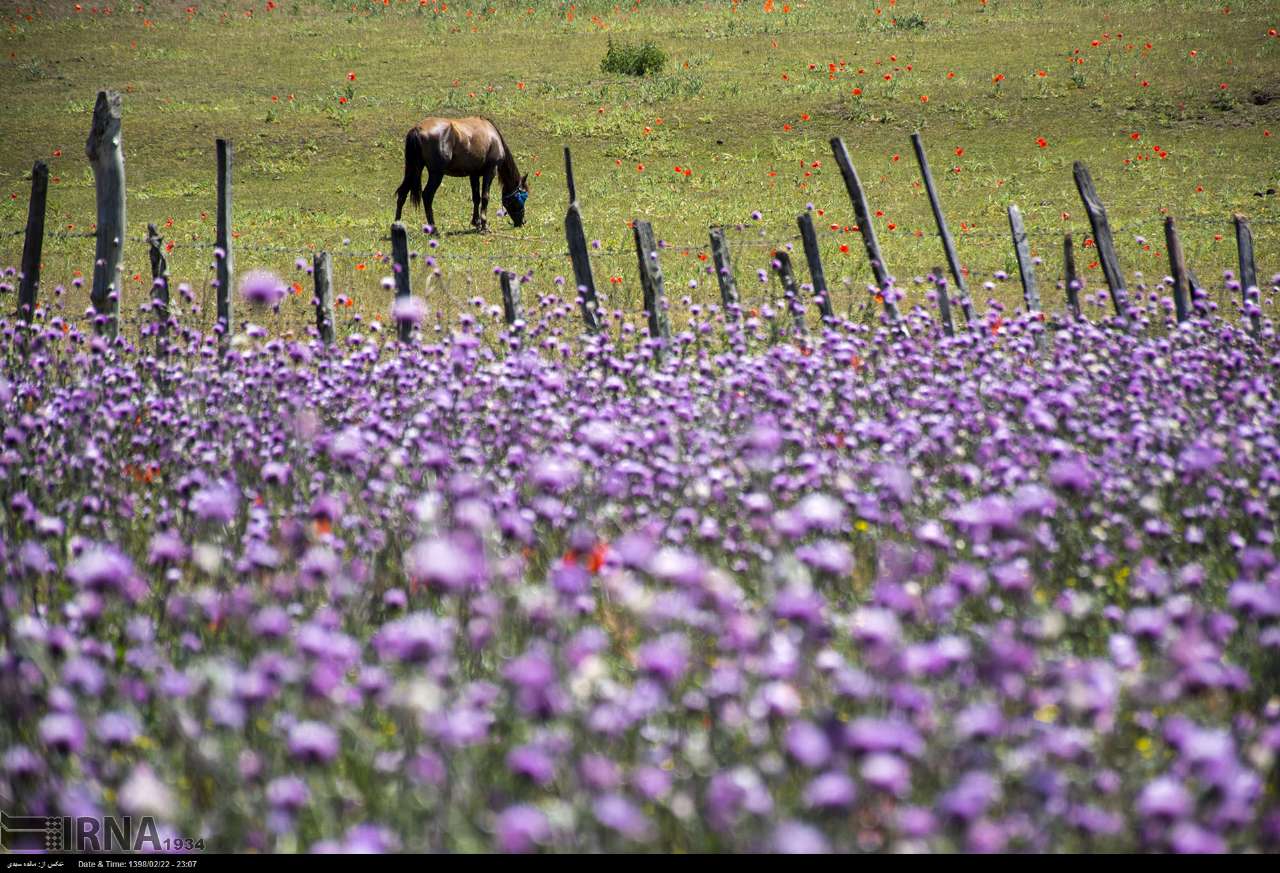
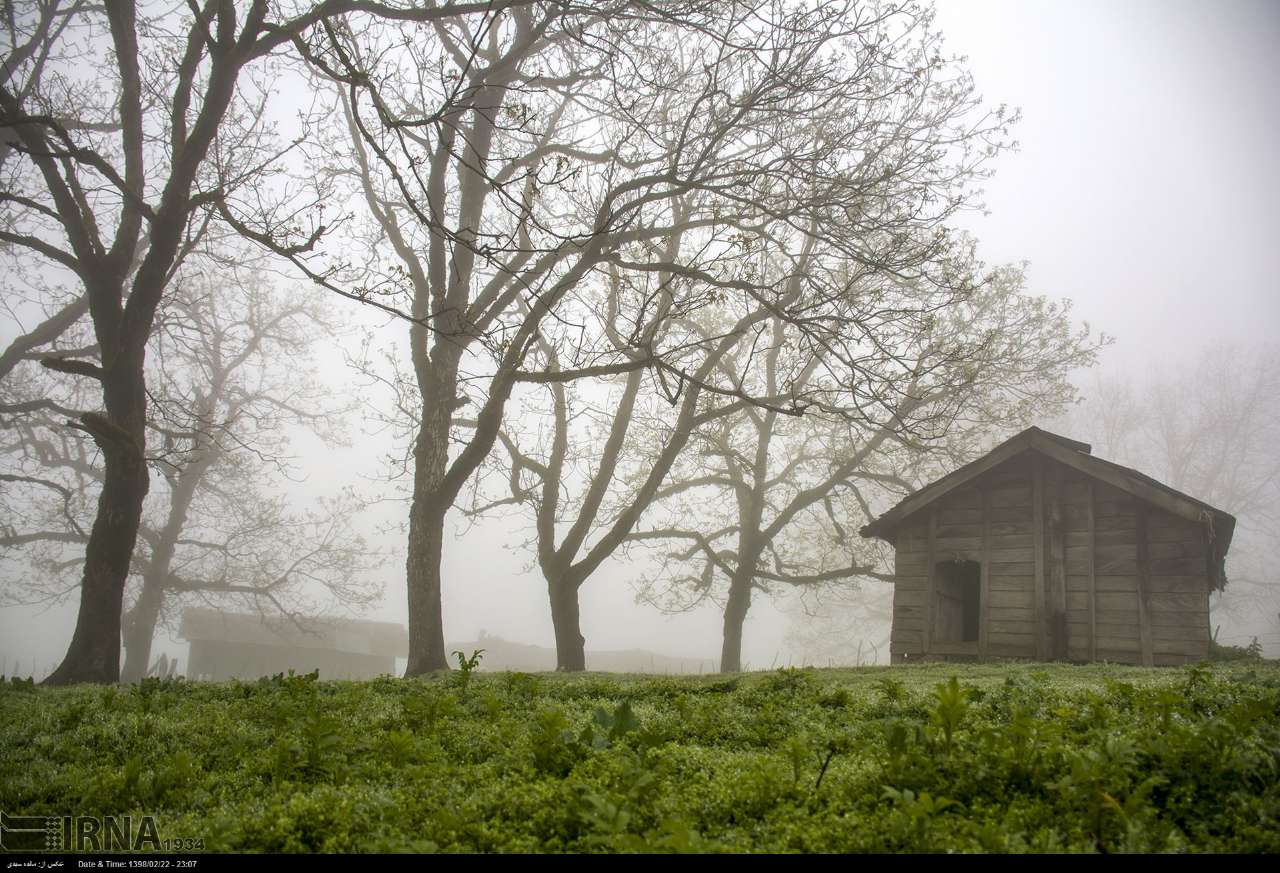
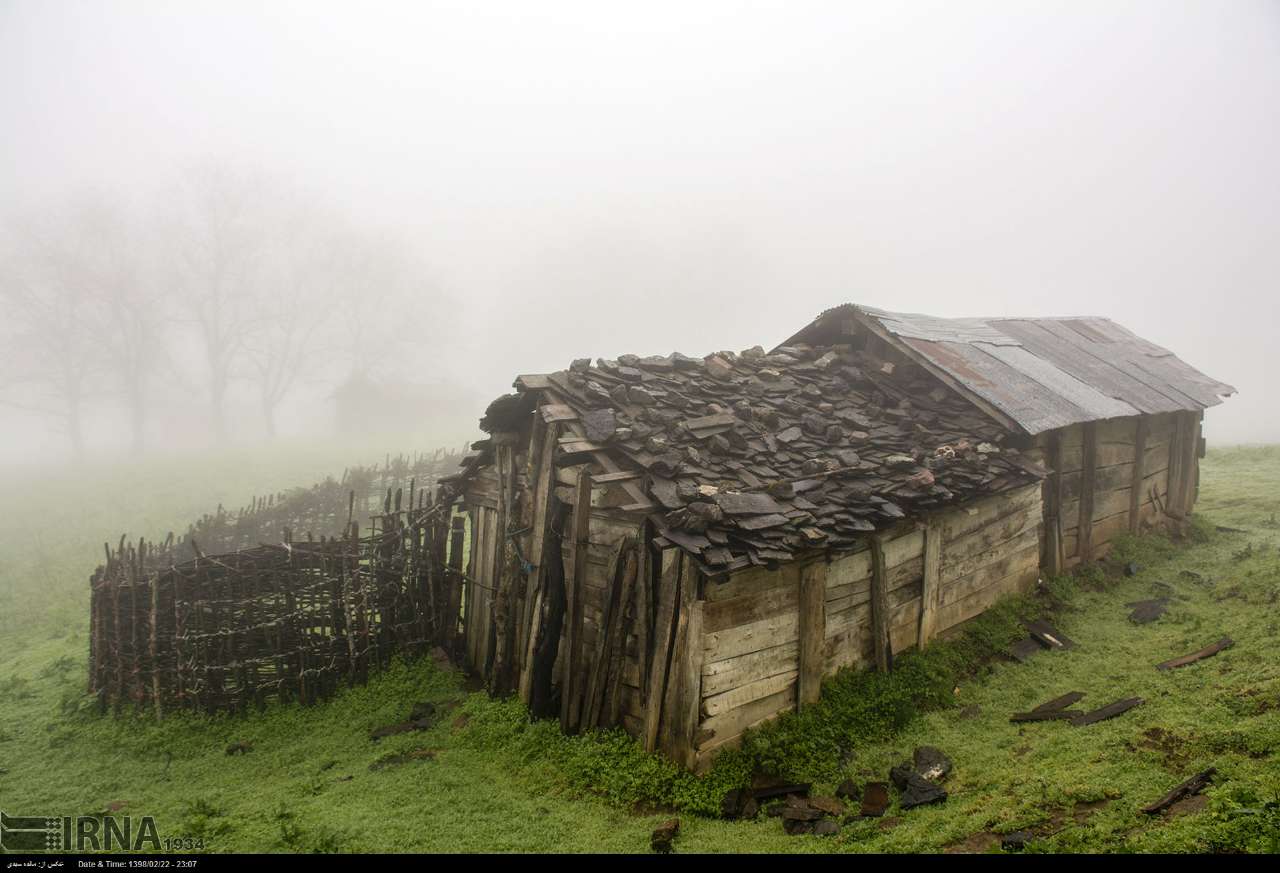
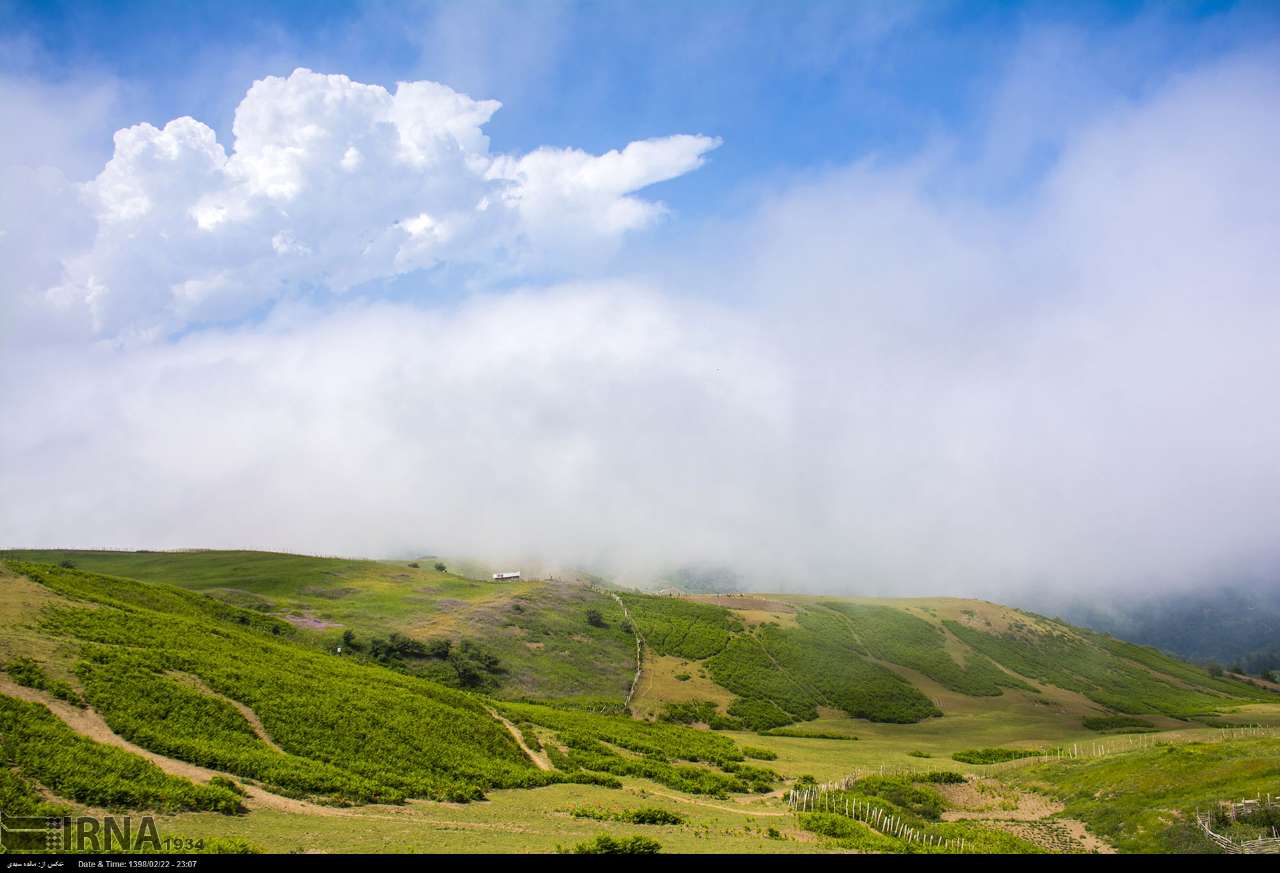
Iran’s Beauties in Photos: Spring in Gilan

With its dense forests, mild climate and beautiful sea shores, Gilan province is the most visited destination for Iranian tourists.

What follows are IRNA’s photos of Gilan’s magnificent natural sights in spring:

Newly-Developed Cream Can Remove Skin Cracks

Cracks or lines of skin usually appear on the skin due to skin lifting, thinning, etc. The colours of these lines and their shape are different from natural skin. You may feel itching or burning while touching the skin cracks.

These cracks usually occur during pregnancy or after delivery or with the increase of body weight. Skin cracks are not dangerous and often disappear over time based on age and type of skin care.

To eliminate these cracks, researchers at a knowledge-based company have produced a cream that boosts the production of collagen and fibroblasts and antagonistic effects against corticoids in the skin, and thus prevents skin cracks.

The ingredients of this cream are extracts of “Asiatic pennywort”, vitamin E and collagen. This medicine is also used to remove scars.

The Asiatica Centella has traditionally been used thousands of years ago in East Asia, India, China, Indonesia, Sri Lanka and South Africa.

Historically, the plant has been used to treat diseases such as hepatitis, stomach ulcers, brain problems, epilepsy, diarrhea, fever, and asthma.

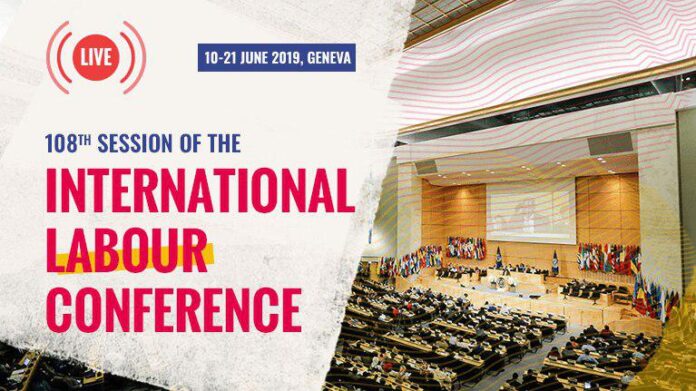
Iranian Minister in Geneva to Attend Int’l Labour Conference

The conference was kicked off on June 10 at the headquarters of the International Labour Organisation (ILO) and will run until June 21, 2019.

The government of the Islamic Republic of Iran, as one of the founding members of the organisation and a member of the board of directors, has an active role in the ILO’s policy and decision making process.

The agenda of the 108th session of the International Labour Conference will cover thematic debates and events connected to the future of work, including various centenary initiatives.

The Conference, which is often called an international parliament of labour, has several main tasks.

First, there is the crafting and adoption of international labour standards in the form of Conventions and Recommendations. Conventions are international treaties that, once adopted by the Conference, are open to ratification by member States. Ratification creates a legal obligation to apply the provisions of the Convention in question. Recommendations, on the other hand, are intended to guide national action, but are not open to ratification, and are not legally binding.

The Conference also supervises the application of Conventions and Recommendations at the national level. It examines the reports which the governments of all member States are required to submit, detailing their compliance with obligations arising out of ratified Conventions, and their law and practice in respect of Conventions and Recommendations (ratified or not) on which reports have been requested by the Governing Body of the ILO.

Since the adoption of the Declaration on Fundamental Principles and Rights at Work (1998), another important function of the Conference is to examine the Global Report prepared by the Office under the follow-up procedure required by the Declaration. Over a four-year cycle, the Conference examines in turn Global Reports covering the four fundamental rights, namely: (a) freedom of association and the effective recognition of the right to collective bargaining; (b) the elimination of all forms of forced or compulsory labour; (c) the effective abolition of child labour; and (d) the elimination of discrimination in respect of employment and occupation.

The Conference is also a forum where social and labour questions of importance to the entire world are discussed freely – sometimes passionately. Delegates explore the course of social progress in the world, but the central theme is the report presented each year by the ILO’s Director-General. In recent years, these reports have addressed: Social insurance and social protection (1993), Defending values, promoting change: Social justice in a global economy (1994), Promoting employment (1995), The ILO, standard setting and globalization (1997), Decent Work (1999), Reducing the decent work deficit: A global challenge (2001) and A fair globalization: Creating opportunities for all (2004).

The Conference also passes resolutions that provide guidelines for the ILO’s general policy and future activities.

Every two years the Conference adopts the ILO’s biennial work programme and budget, which is financed by member States.

Iran’s Enriched Uranium Stockpiles to Surpass 300kg Limit

According to the Spokesman of the Atomic Energy Organization of Iran (AEOI), the move is part of Tehran’s decision to reduce some of its commitments under the 2015 nuclear deal with world powers in reaction to the other parties’ failure to live up to their commitments.

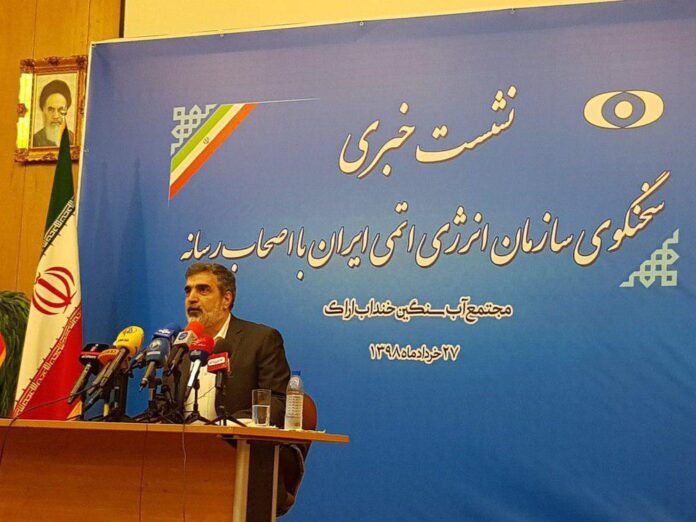
Behrouz Kamalvandi told a press conference at the site of the Arak nuclear facilities on Monday that the increase in uranium stockpiles is based on the Articles 26 and 36 of the Joint Comprehensive Plan of Action (JCPOA).

He also announced that the country’s heavy-water stockpiles will exceed the 130-tonne limit set by JCPOA within 2.5 months.

Kamalvandi said US President Donald Trump thinks Iran would shut down its facilities if no one buys its heavy-water.

However, he added, Iran has domestic use and we can also sell it in market.

He also noted that the decision is reversible in case other parties to the deal implement their commitments. “The Europeans still have time to compensate.”

The announcement came almost 40 days after Iran gave the Europeans a 60-day deadline to fulfill their commitments under the nuclear accord; otherwise, Iran has vowed to take “further measures” after the two-month period.

Iran will make decision about the level of its uranium enrichment after the 60-day deadline, Kamalvandi said Monday.

We’re waiting for the decision of the country’s top authorities, but for now we are thinking of different scenarios including an enrichment level of 3.68 percent and more, he noted.

The level can be 5 percent for Bushehr nuclear power plant, and 20 percent for Tehran research reactor, he predicted.

“With current facilities, we have a production capacity of 190,000 SWUs. In the 15th year of the JCPOA (11 years later), we will have a capacity of 272,000 SWUs. If we withdraw from the deal, the speed will be much higher.”

Iran-EU Relationship May Result in Divorce

“If it is important for them [Europeans] to preserve the nuclear deal, they have to work. Iran will no longer wait for their actions.”

The current circumstances may cause the Iran-EU relationship to result in divorce, he warned.

He further referred to the Arak reactor, and said, “Both the previous design of the Arak reactor and its redevelopment are considered. If anything happens, Iran can revive the previous reactor.”

“In the second phase of reducing its JCPOA commitments, Iran won’t any more feel obliged to not return to the previous reactor. It’s said it’d take 6 months to 1.5 years, but it can take place sooner,” he added.

He said various scenarios are available to the Iranian officials. “An overhaul is well carried out on the heavy water reactor, and its capacity can be increased.”

China Working with Iran on Heavywater

“The United States has been discouraging China [from buying Iran’s heavywater] with the perception that if Iran does not have a re-designed reactor, it does not need heavy water. Americans in the last waivers had said that nobody should buy Iran’s heavy water. Fortunately, the Chinese, whom we have been contacting for the past two weeks, are working well with us. The designing is carried out by us. We are now in the stage of supplying the equipment that Europeans can supply, and this is a good criterion if they provide the equipment. We can produce a lot of equipment, but if they give us the facilities, we will work more quickly,” he noted.

Kamalvandi also warned that if they [Europeans] want to work on technical issues politically, Iran will continue its own strategy.

Referring to the US bans, the Iranian official noted that Washington’s sanctions on radiomedics industry is an instance of “terror”.

However, he added, “fortunately, nothing serious happened because we have enough capacity to produce them.”

“We are in good condition to move forward through accelerating the development of our nuclear industry. God willing, we will make progress in all areas of the nuclear industry. Everyone is listening to the Leader and this industry will not be shut down,” he stressed.

“This is an important test for Europe. It is not in their interest if the United States assigns them what to do. There are many options [for us] in the technical field. The Islamic Republic is currently moving on a slope. If they do not take any serious action, there would be more serious options on the agenda.”

Kamalvandi also underscored that Iran is implementing the Additional Protocol voluntarily saying that as long as Tehran adheres to the NPT, it must carry out the safeguards.

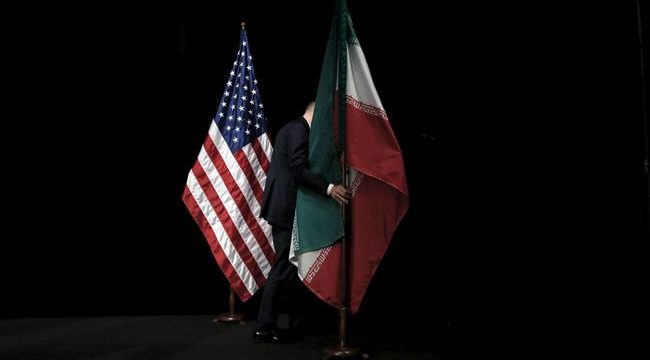
Iran Wiser, More Predictable than US: German Ex-Diplomat

Iran-US-flags

In an interview with a German radio, Jürgen Chrobog has expressed doubts about the allegations against Iran on the recent attacks on two tankers in the Oman Sea, saying there was no credible evidence that Iran was involved in the attacks.

According to the veteran diplomat, heightening tensions will not benefit Iran, especially as it is facing economic problems.

As Iran does not achieve anything from waging a war, Trump also does not want a military confrontation in the region, he noted.

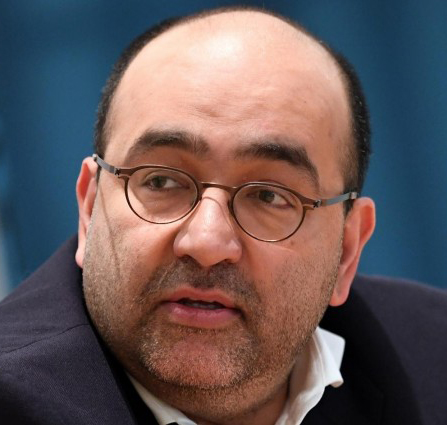
Iran Wiser, More Predictable than US: German Ex-DiplomatMeanwhile, Omid Nouripour, a German lawmaker of Iranian descent, has warned of tensions in the region, and called for independent international investigations into the attacks on the two tankers in the Oman Sea. He also rejected accusations against a regional country without any proof.
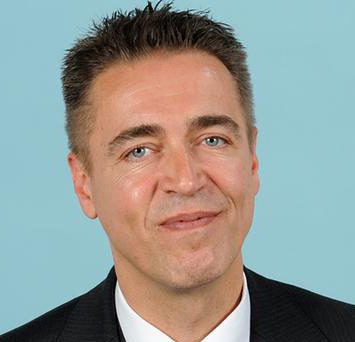
The Green Party MP recalled that the involvement of Iran or the parties associated with Iran would be as likely as that of the Saudi or other regional players who benefit from tensions.

A senior EU diplomat in Brussels has also said that “we are studying the situation and gathering information about the incident.”

Iran Wiser, More Predictable than US: German Ex-DiplomatRainer Sollich, the head of Deutsche Welle’s Arabic online and television programming, says anyone involved in the recent developments in the Strait of Hormuz has the forces that, contrary to political and human rationality, take dangerous steps to settle accounts with the enemy.
He warned that such a conflict would not just involve Iran, but it would engage countries such as Yemen, Syria and Lebanon, as well as other countries in the region, including Saudi Arabia, the United Arab Emirates and the Israeli regime. However, no one would win this war.

After the Trump administration and the US regional allies failed to heighten the tension against Iran’s nuclear program and could not form an international coalition, the group is now trying to invent excuses and take the case to the United Nations Security Council to push for anti-Iran resolutions.

The signs of tension-creating by the so-called “B-Team” are on the rise, and the typology of creation of tensions by the Trump government show that it is not possible to create crisis against the Islamic Republic of Iran with the aim of forming coalitions and building consensus to justify their withdrawal from the nuclear deal.

Iran’s Shamkhani Due in Russia’s Ufa to Attend Security Forum

Iran Once Again Rejects Claims of Harming Afghan Citizens at Border

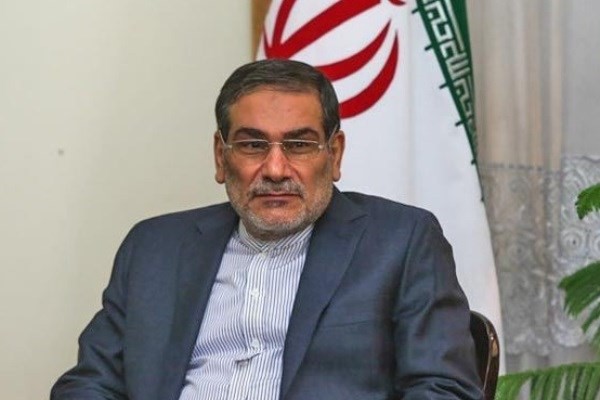
Rear Admiral Ali Shamkhani will travel to the southern city of Ufa upon the official invitation of his Russian counterpart Nikolai Platonovich Patrushev.

The international summit will be held on June 18 and 19. It will bring together high-ranking delegates from about 100 countries to discuss the most important issues in international security.

Holding talks and bilateral consultations to look into joint political, military and security initiatives with some of the countries attending the event is on the agenda of the Iranian senior official.

These negotiations are going to be held to share efforts to confront and control security threats.

Such forums are held annually at the initiative of the Russian Security Council in one of Russian cities. Previously, such meetings were held in Yekaterinburg, St. Petersburg, Vladivostok, Kazan, Ulan-Ude, Grozny, in the Tver region and twice in Sochi.

Last year’s conference in Sochi was attended by delegates from 118 world nations and three delegations from various United Nations structures.

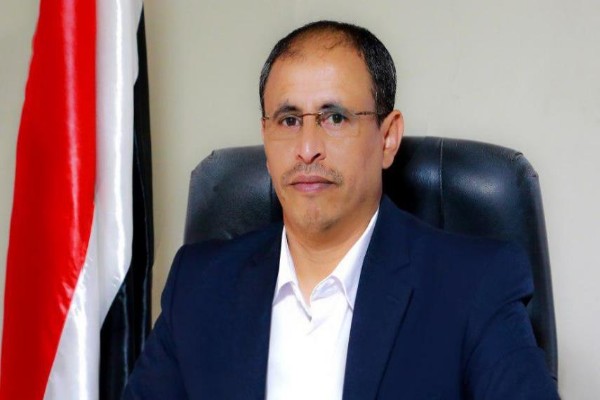
Yemen Boasts of Having Unique Weapon No Regional Country Has

Dhaifallah al-Shami said on Sunday that if the Yemenis are forced to, they will use this weapon.
The Yemeni minister also noted that one of the features of this weapon is its long range.

Regarding an airport for an airport equation, which the Yemeni army and popular forces have carried out, Daifullah al-Shami further mentioned that the equation was raised after all the concessions given during Geneva 1, Geneva 2, Kuwait 1, Kuwait 2, and Sweden negotiations were to no avail.

“The more we showed interest in security and peace of the region and Yemen, the more obstinacy and arrogance we saw from the other side. They committed more crimes and did more acts of aggression. They also tightened the siege and intensified political, humanitarian and military war against the Yemeni people.”

He went on to say that these aggressive countries are always trying to get more and more concession from the Yemeni people to sell their land and surrender, but such a thing is impossible and the Yemeni people will not do this.

Arab States Obstructing Registration of Iranian Windcatcher at UNESCO

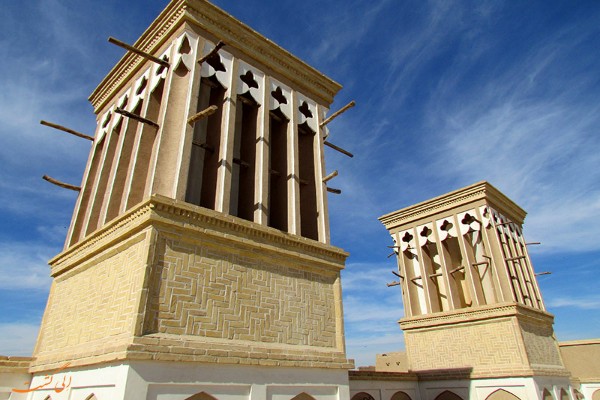
Head of the Cultural Heritage, Handicrafts and Tourism Organization of Iran in the central province of Yazd says the efforts to inscribe the “technology of constructing windcatchers” as an element of Iranian architecture in the UNESCO world heritage list have been underway for 10 years.

The efforts, however, have gone nowhere so far, mainly due to the interference and protests from representatives of the Arab states, particularly the UAE, Mostafa Fatemi added.

The official also noted that several researches demonstrate that windcatchers originate from Iran, pointing to the extensive etymological studies by a Yazd-born Canadian-based university professor into the name of windcatcher, called ‘Badgir’ in Persian.

He finally explained that windcatchers came into being in central plateau of Iran, namely in the cities of Yazd, Kerman and Semnan, and gradually spread over the other areas, including the Persian Gulf littoral cities in Hormozgan and finally to the Arab states like Kuwait, Oman, and others.

Historical documents prove that windcatchers were introduced to Arabs in southern Persian Gulf in 1850s, when Iranian traders created structure built of stone or mud to ventilate their mansions.

These governments, particularly the UAE, have in recent years been building elements of Persian architecture, particularly the Iranian windcatchers to turn their countries into attractive destinations for foreign tourists.

Interestingly, the UAE has registered the Iranian windcatchers, which are called Barjil in Arabic, as its own cultural and historical heritages in the country’s school books.

A windcatcher is the traditional Iranian architecture found throughout the country, particularly in the central parts of Iran.

The tower is a simple yet effective solution for cooling air in warm climates, allowing hot air to rise out the top of it, and cooler directed winds to flow down into the home.

Yazd, a city in central Iran known as the “City of Windcatchers”, was inscribed as a UNESCO world heritage site in 2017.