Sunday, December 21, 2025
Home Blog Page 3202

Chak Chak Temple Hosting Zoroastrians for Annual Pilgrimage

The Chak Chak fire temple, located 43km east of the city of Ardakan in Yazd province in central Iran, is the most sacred of the mountain shrines of Zoroastrianism.

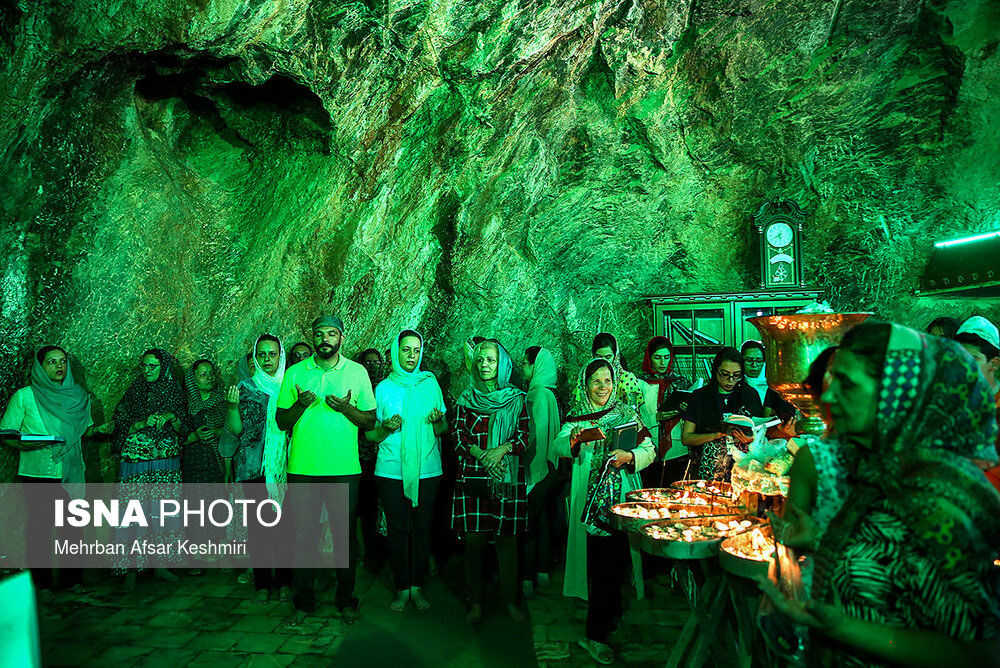
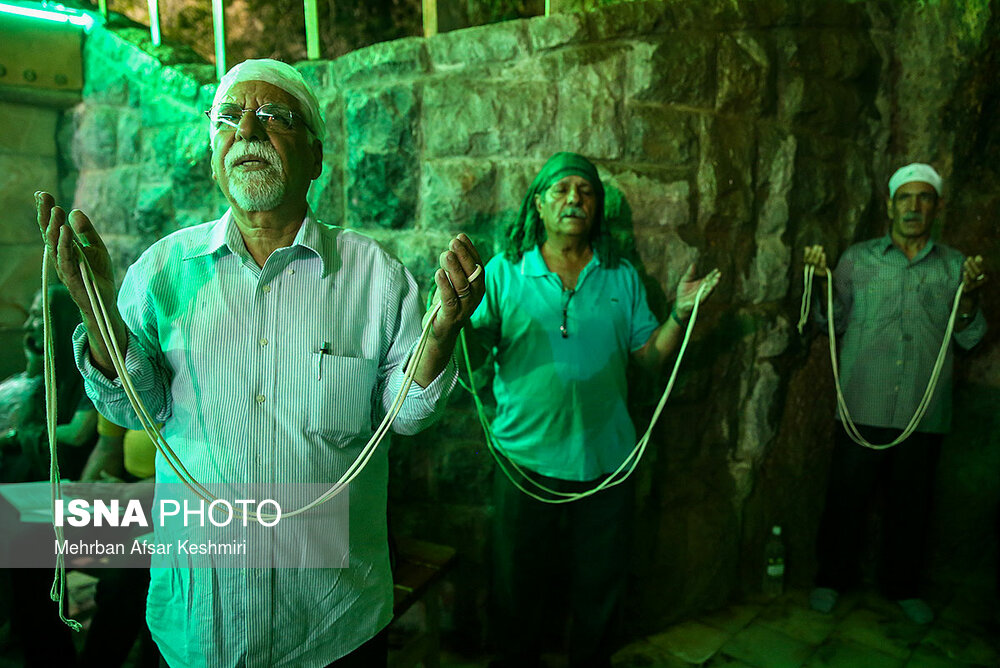
The congregational pilgrimage is observed inside a cave, where an “eternal” flame is kept alight.

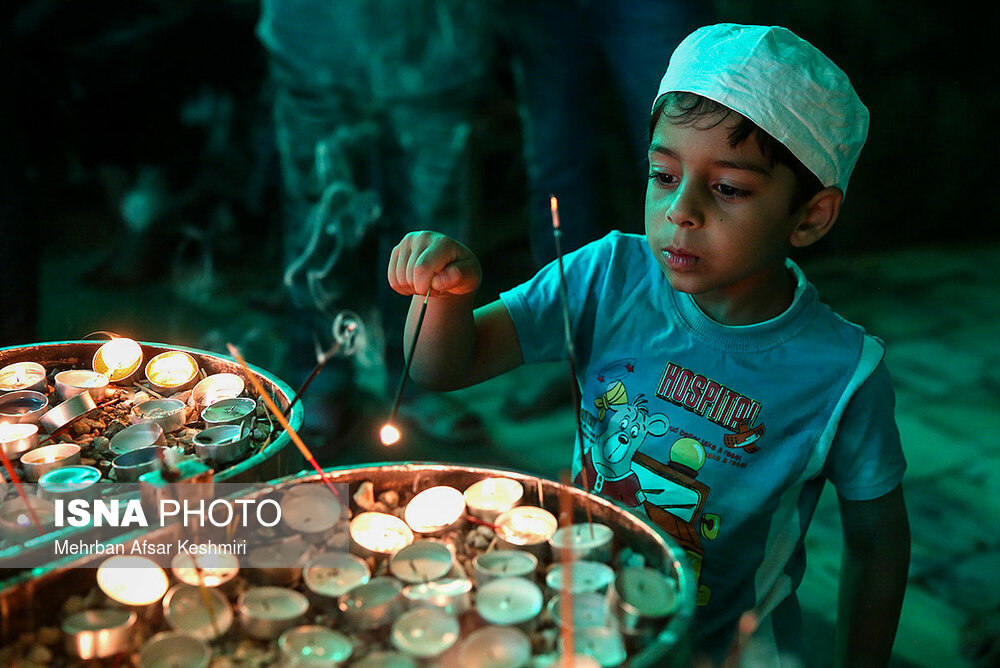
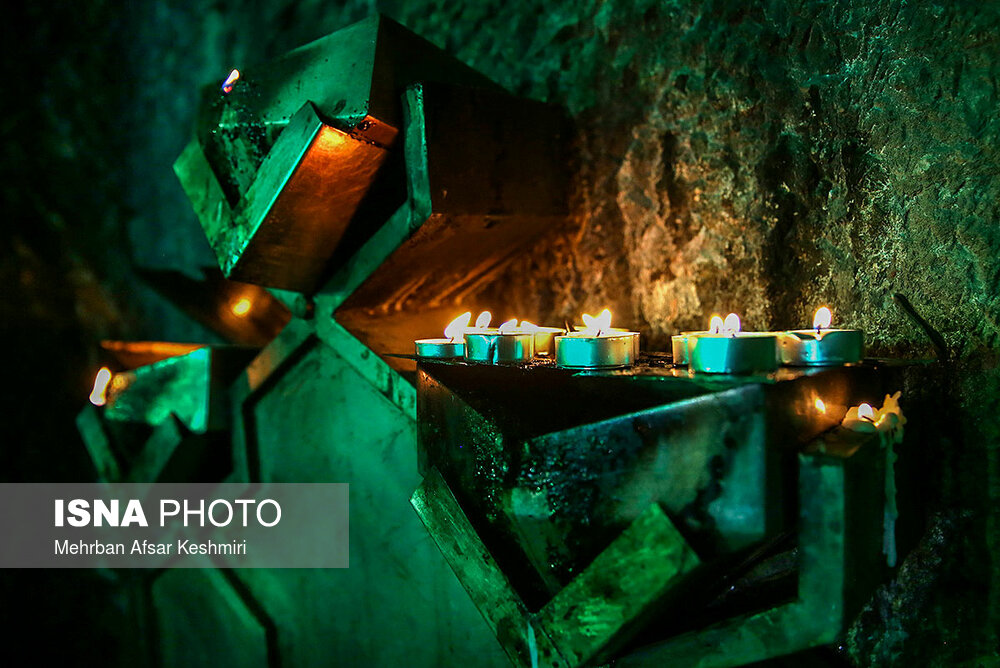
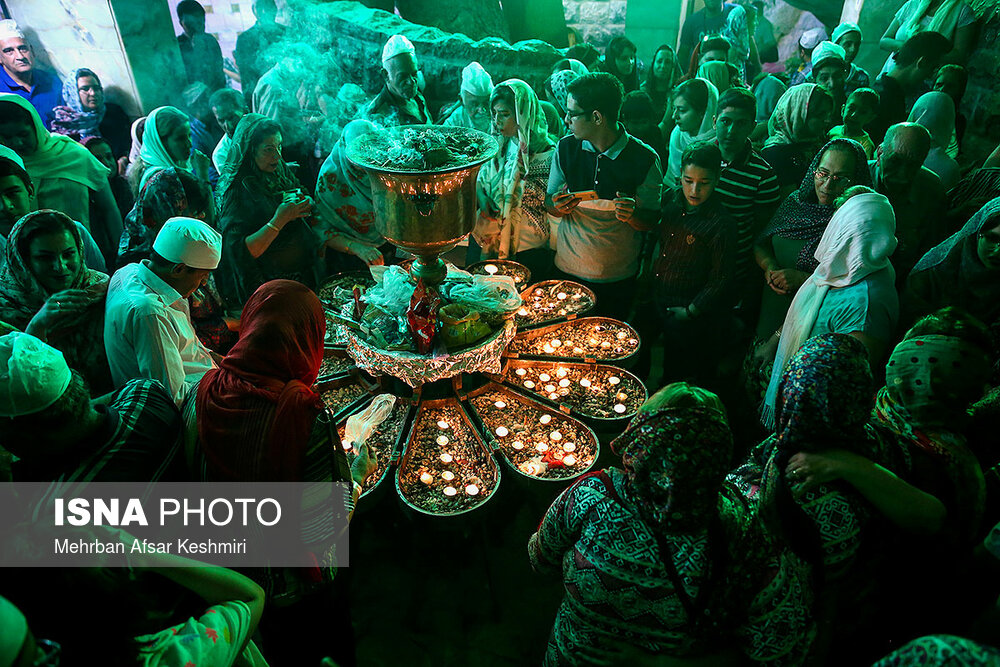
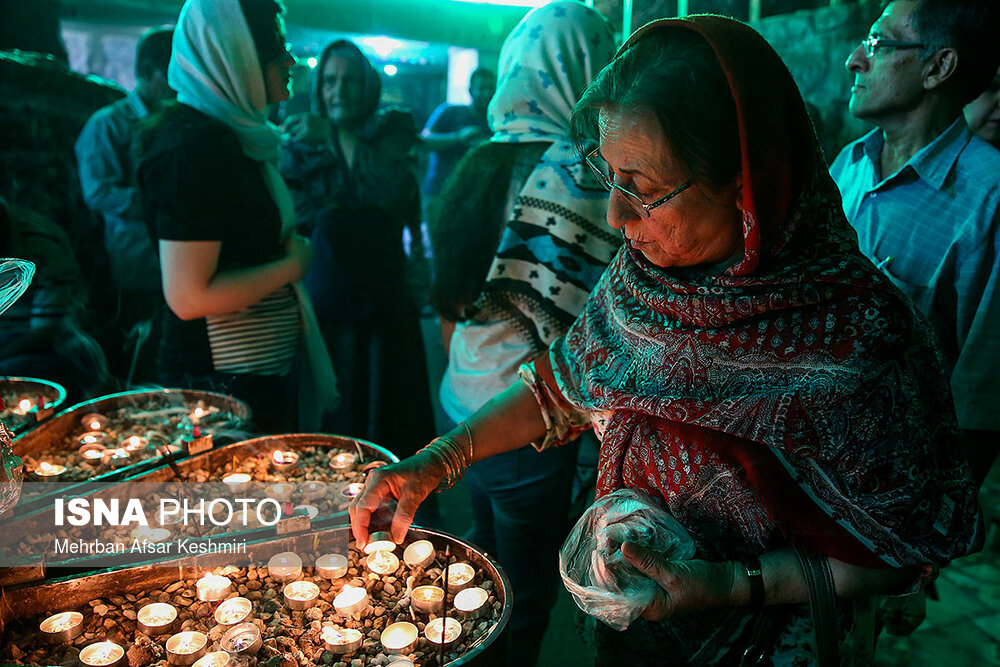
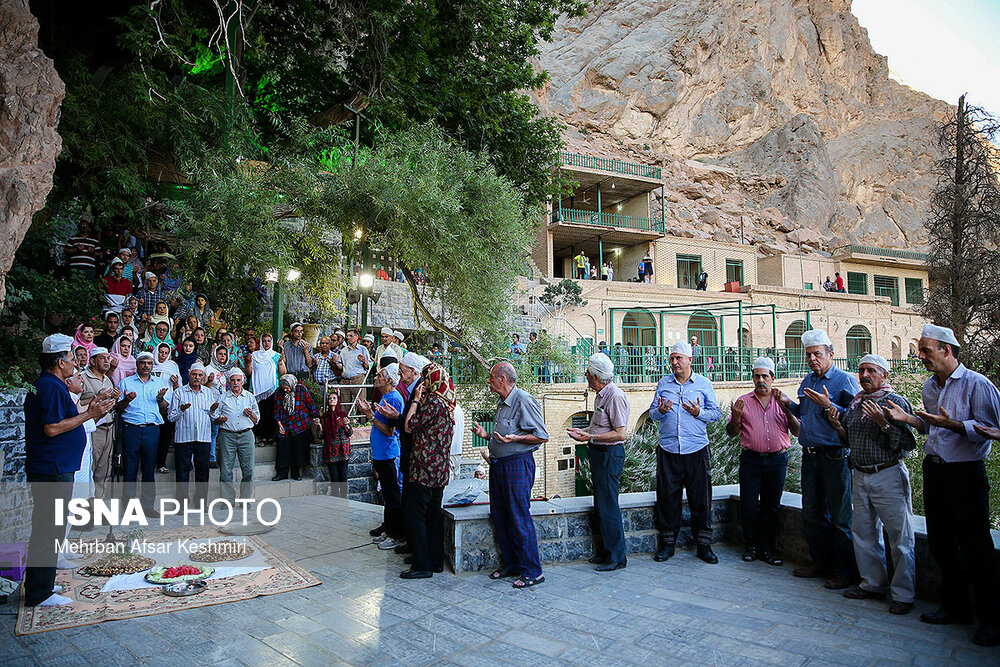
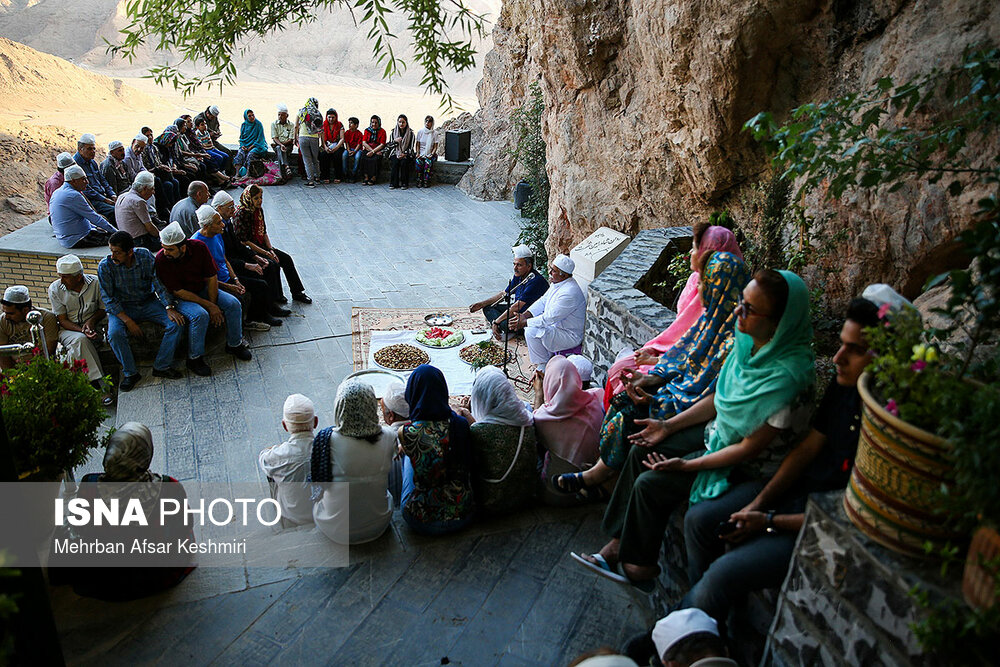
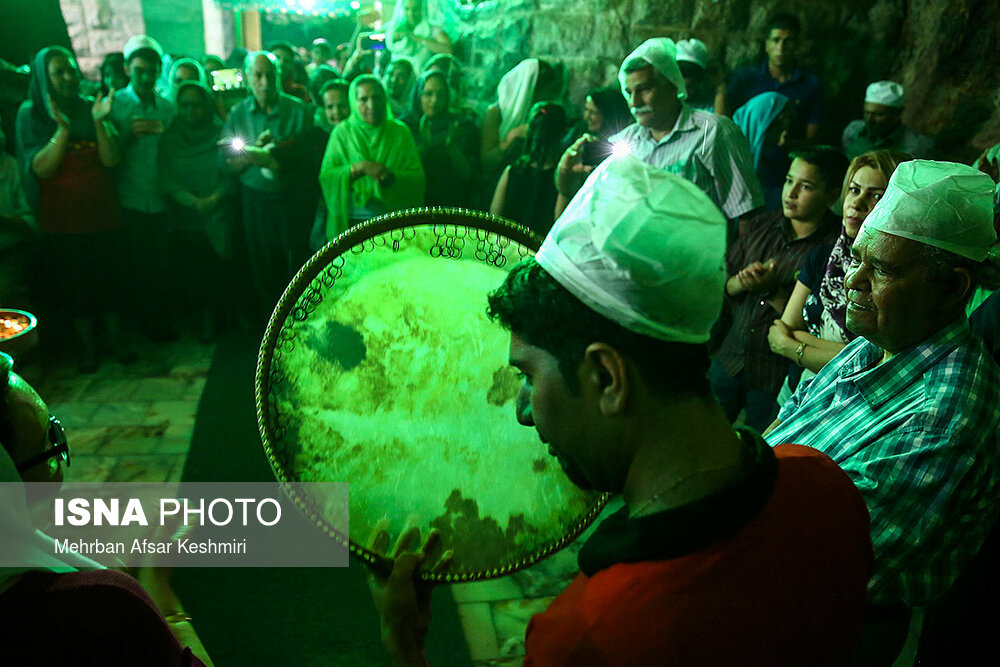
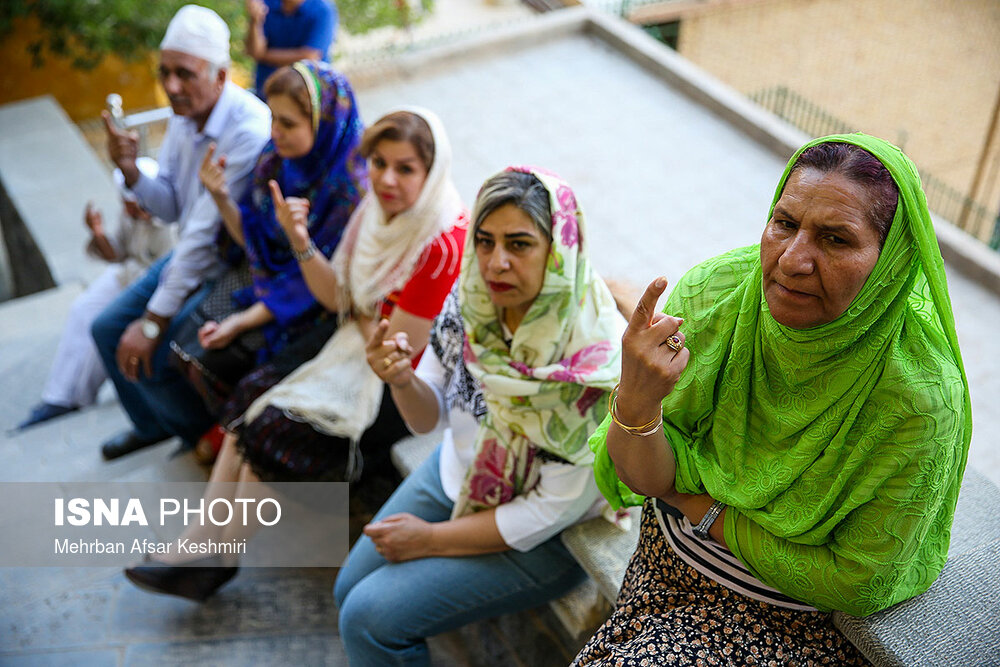
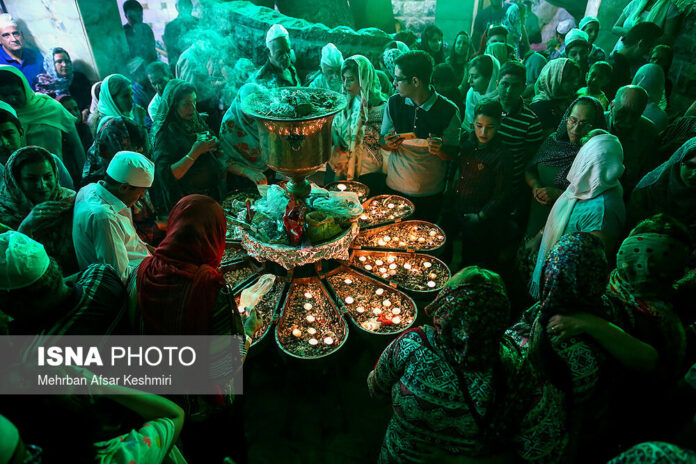
At the ceremony, which is a socio-religious ritual, the Zoroastrians first ignite a fire at the Pir (shrine) by lighting candles and flames. Then they worship God, and gather at the site to pray in hope of a better future and to wish for the well-being of Zoroastrians.

Chak Chak serves as a pilgrimage point for pious Zoroastrians who annually flock to the site from Iran and all around the world.

Tradition has it that pilgrims are to stop riding the moment they catch sight of the temple and complete the last leg of their journey on foot.

In Zoroastrian belief, Chak Chak is where Nikbanou, second daughter of the last pre-Islamic Persian ruler, Yazdgerd III of the Sassanid Empire, was cornered by the invading Arab army in 640 CE.

Fearing capture Nikbanou prayed to Ahura Mazda to protect her from her enemies. In response to Nikbanou’s pleadings, the mountain miraculously opened up and sheltered her from the invaders.

Notable features of Chak Chak include the ever-dripping spring located at the mountain. Legend has it that these drops are tears of grief that the mountain sheds in remembrance of Nikbanou.

Growing beside the holy spring is an immense and ancient tree said to be Nikbanou’s cane. Legend also has it that a petrified colorful cloth from Nikbanou was also visible in the rocks, although pilgrims have since removed it.

Here are ISNA’s photos of the ongoing gathering of Zoroastrians in Pir-e Sabz:

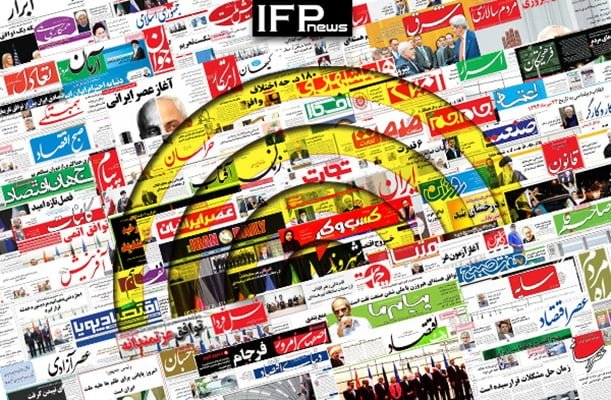
A Look at Iranian Newspaper Front Pages on June 16

A Look at Iranian Newspaper Front Pages on November 19

Abrar:

1- Larijani: Macron’s Vow to Save JCPOA Not Realized

2- Xinhua: Abe’s Visit to Iran Positive

3- Kuwait’s Reaction to US Anti-Iran Claim Regarding Tankers

4- Rouhani: Iran’s Foreign Policy Based on Win-Win Policy

A Look at Iranian Newspaper Front Pages on June 16


Aftab-e Yazd:

1- Oil Price Drops Unlike Expectations

  • Why Oil Prices Didn’t Go Up after Tanker Attacks?

2- Need for Forming Fact-Finding Committee after Tanker Attacks

A Look at Iranian Newspaper Front Pages on June 16


Arman-e Emrooz:

1- Women’s Wonderful Presence in Urmia Volleyball Hall

2- Fact-Finding Committee to Probe into Suspicious Persian Gulf Incidents

A Look at Iranian Newspaper Front Pages on June 16


Ebtekar:

1- Iran’s Diplomacy Seeking De-Escalation in Region

2- Rouhani: Iran Won’t Remain in JCPOA Unilaterally

3- CICA Chiefs Underline Sustainable Peace, Regional Cooperation

A Look at Iranian Newspaper Front Pages on June 16


Etemad:

1- 60-Day Deadline Won’t Be Extended: Araqchi to Schmid

2- Radicals Taking Advantage of Tanker Incidents: US Media Fabricating News


Ettela’at:

1- Rouhani: Iran Can’t Remain Committed to JCPOA Unilaterally

2- Yemen: Our Missiles Can Hit Occupied Territories (Israel)

A Look at Iranian Newspaper Front Pages on June 16


Jomhouri Eslami:

1- Russia, Europe Deal Blow on US’ Economic Hegemony by Ditching US Dollar

2- Putin: No Way but JCPOA to Resolve Iran-Related Issues

3- Rouhani: Instability in Syria, Iraq, Afghanistan, Yemen Result of Trump Policies

A Look at Iranian Newspaper Front Pages on June 16


Kayhan:

1- Foreign Affairs: Trump to Accelerate Fall of US

2- Europe’s Hollow Promises Not to Revive JCPOA

  • MPs Talk about 60-Day Deadline

3- Macron: It Was Wrong to Crack Down on Yellow Vests Protesters

4- Yellow Vests: Resign Instead of Apologizing

A Look at Iranian Newspaper Front Pages on June 16


Mardom Salari:

1- Washington’s Empty Hands in Anti-Iran Scenario

2- Oil Tankers Taken Out of Iran Waters

3- Efforts Underway in Tel Aviv to Find Someone to Replace Netanyahu

A Look at Iranian Newspaper Front Pages on June 16


Sazandegi:

1- East vs West: SCO, CICA Express Support for Iran, JCPOA

A Look at Iranian Newspaper Front Pages on June 16


Vatan-e Emrooz:

1- No One Believed US’ Anti-Iran Accusation on Oil Tankers

2- Great War in Saudi Arabia Imminent: Yemen’s Ansarullah

A Look at Iranian Newspaper Front Pages on June 16

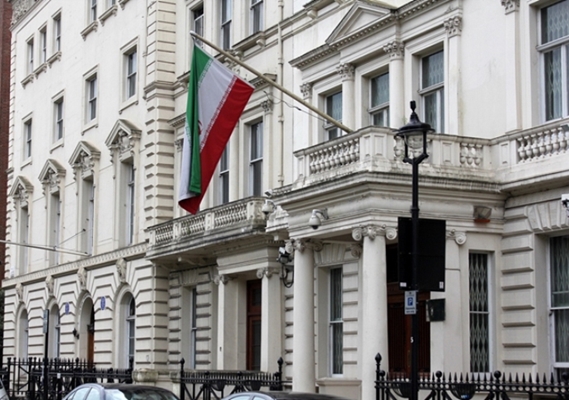
Entrance to Iranian Embassy in London Blocked by Protesters

Hamid Baeidinejad wrote on his Twitter account that despite several warnings to the police and the British Foreign Office, several people have blocked the entrance since yesterday and stayed there overnight.

“Today, in addition to these people, journalists have also gathered in front of the embassy to file their reports. Still the walkway in front of the embassy is blocked and there is no possibility for diplomats to commute,” he added.

“The embassy’s privacy should be respected. The presence of protesters and cameras in front of the embassy, which is only a few metres wide, compromises the security of the diplomats when entering the building,” the Iranian envoy said.
“Civil protest is the citizens’ right, but it must be carried out outside the embassy premises under the supervision of police,” added Baeedinejad.

This comes as the Iranian embassy has been attacked by anti-Iran elements for several times during recent months.


Trump, Not Iran, Has Reached Deadlock

Senior commentator Yadollah Javani has, in an article published on the Basirat news website, weighed in on the tensions between Iran and the US. Excerpts from the article follow.

US President Donald told his French counterpart Emmanuel Macron in the northwestern French city of Caen on June 6, 2019 that Iran is a country that will reach a stalemate because sanctions against Tehran have been extraordinary and effective.

However, Trump added, the US can change this situation. Trump said he knew that Iran wanted to hold talks with the US, adding Washington was ready for negotiations with Tehran.

Now, a fundamental question has arisen in political circles around the world, and that is, which one has reached a dead-end: Iran or the US? The answer to this strategic question will depict the future and its features. The reality is that there is a smart and multifaceted war going on between Iran and the United States in all domains, except a direct military conflict. The Americans have come to the scene with all their power, and their only aim is to force Iran into submission through negotiations. In this arena of all-out conflict and confrontation, the main war is one of willpowers.

Business-like Trump had no doubt that after taking the helm at the White House, he would be able to draw on his business skill to shatter forty years of resistance by the Iranian nation and force the Islamic Republic of Iran to submit to the United States. However, two years into Trump’s presidency, he is now seeing other realities unfolding before him and his team. A glance at a few acts of plays by Trump and his team with key men like John Bolton and Mike Pompeo sheds more light on the trends which have taken shape in the past and now, making it almost possible to predict the future.

1. The first act of this play goes back to the time when Trump entered the domain of politics and the election campaign. At that time, Trump adopted very tough stances against the Islamic Republic of Iran, accusing the then US administration of being naïve in dealing with Iran. Trump announced if he was elected to the White House, he would tear up the Iran nuclear deal known as the Joint Comprehensive Plan of Action (JCPOA) and would seriously confront Iran.

2. After setting foot in the White House, and following the psychological warfare he had launched during the first act of his play, Trump called for re-negotiation with Iran and revising the JCPOA or formulating new deals. Trump believed that by kicking up a fuss, Iranian officials would bow to his excessive demands fearing the termination of the JCPOA and would agree to some revisions to the JCPOA. Nevertheless, unlike what Trump thought and contrary to his assessment, which had its roots in his business skills, Iran ruled out the possibility of any talks and revision of the JCPOA.

3. Trump, who had failed in the previous act, staged the third act of his play by announcing the United States’ withdrawal from the JCPOA and imposing the most severe sanctions on the Islamic Republic of Iran.

By making miscalculations about the domestic situation in Iran, and by drawing on the news reports and intelligence provided by the terrorist group the Mujahadeen-e-Khalq Organization (MKO), monarchists and some other West-leaning local elements, the Americans believed that Iran was teetering on the edge of a precipice and was on the verge of collapse. Accordingly, they set more conditions for a likely dialogue with Iran. The scenario of “Hot Summer” and of the Islamic Republic failing to reach its 40th anniversary was blown all out of proportion in media outlets run by hegemonic powers and anti-revolutionary elements, so much so that the Americans, including individuals such US Secretary of State Mike Pompeo, became more delusional than ever.
Pompeo set 12 conditions for negotiations with Iran. He was of the conviction that the US was at the apex of its power and Iran was at the nadir of weakness, and hence, Tehran would have no other option but to accept those conditions. The twelve conditions set by Pompeo had been designed in such a way that accepting them would have meant Iran’s complete submission to the US. The scenario looked as if Iran had been defeated in a military war with the US and had had no other choice but to give in to the demands of the winner!

4. In order to win the battle of willpowers, Trump, on the one hand, spoke of bringing Iran’s oil exports to zero along with intensifying the sanctions, and, on the other, put Iran’s Islamic Revolution Guards Corps (IRGC) on the list of terrorist groups, suggesting he was using his willpower to mobilize all resources to counter the Islamic Republic of Iran. In order to realize and justify its threats against Iran, Trump deployed the USS Abraham Lincoln aircraft carrier to the Persian Gulf. Nevertheless, despite all the ballyhoo and propaganda campaigns by the US and its allies as well as the anti-revolutionary current, last winter was marked by the most glorious scenes of people’s participation in rallies marking the 40th anniversary of the victory of the Islamic Revolution.

People also turned out en masse in International Quds Day demonstrations, showing their solidarity against the enemy.

5. The show of power in the resistance of Palestinians in hero Gaza during the recent war with the launch of more than 800 missiles and rockets, nearly 70 percent of which slipped through the iron dome; the determination of the government and army and the popular resistance in Syria to liberate Idlib as the last stronghold of the US-sponsored terrorists; the insistence of Iraqis on cooperation with Iran and ignoring the sanctions; the show of power by the Yemenis and their superiority in the field with the use of their advanced drone unit; emergence of signs of the Islamic Republic’s success in tackling pressures, bypassing the sanctions, turning the sanctions and threats into opportunities to reduce economic dependence on foreigners including the sale of crude oil; and the appearance of the Islamic Republic’s resolve to seriously counter any kind of American military action in the region have all proved the calculations and evaluations of the US and Trump and his team false.

It was in such circumstances that Mr Pompeo with his 12 conditions talked about negotiations with Iran without preconditions, in an unequivocal manner and with a 12-position collapse! It was under such circumstances that Trump officially announced during the visit to Japan that he is not pursuing an overthrow of the Islamic Republic and its leaders and called on the Japanese to mediate between Iran and the US.

Now these acts of the play have been visible to all analysts and experts of strategic issues before Mr Trump’s move into the White House until today.

The Islamic Republic emphasizes the strategic option of not negotiating with the promise-breaking and untrustworthy US, and is rapidly overcoming the obstacles and problems caused by the pressures and sanctions. But the selfish US and Trump with narcissism derived from his art of making deals in the economic field are now begging everybody for negotiations with the Islamic Republic in the sphere of politics, and are looking for a way out of a self-inflicted impasse.

Trump has now realized what predicament he has gotten into by advisors like Bolton and secretaries such as Pompeo. He has now realized that the field of politics is different from economics. He has now realized that the Iranian nation and their steadfast leader are completely different from the other nations and world leaders. Yes, he is now understanding the fact that the Iranian nation’s resistance is unending and that the Islamic Republic will never abandon the ideology and thought of resistance. Yes, a nation which exercises resistance in the face of the enemies of God on the basis of its beliefs and religious faith will never reach a dead end, because it has faith in the word of God that says: “As for those who strive for us, we will guide them in our ways. God is with the doers of good.” (Quran, Al-Ankaboot Sura, 69)

Iran to Give Details of Measures to Reduce JCPOA Commitments

The Atomic Energy Organisation of Iran has announced that details of the second phase of decreasing nuclear deal commitments will released on Monday in the presence of more than 70 representatives of the country’s media in the Arak Nuclear Complex.

the AEOI will provide mass media with important information on restriction-free uranium enrichment, as well as measures taken in the second phase of decreasing the commitments of the country regarding the nuclear deal.

The latest measures taken to re-design the country’s research reactor as well as the process of increasing the production of heavy water in the Arak Complex will be explained on Monday.

On Saturday, Iran’s Deputy Foreign Minister for Political Affairs, Seyyed Abbas Araqchi, underlined in a meeting with Secretary-General of the European External Action Service, Helga Schmid, that the 60-day deadline will not be extended at all, and Iran will take the next steps, or the second phase, unless they [Europeans] meet Tehran’s demands.”

In his speeches during the SCO summit in Bishkek and CICA conference in Dushanbe, Iran’s President Hassan Rouhani also highlighted that Tehran cannot remain committed to the nuclear deal unilaterally.

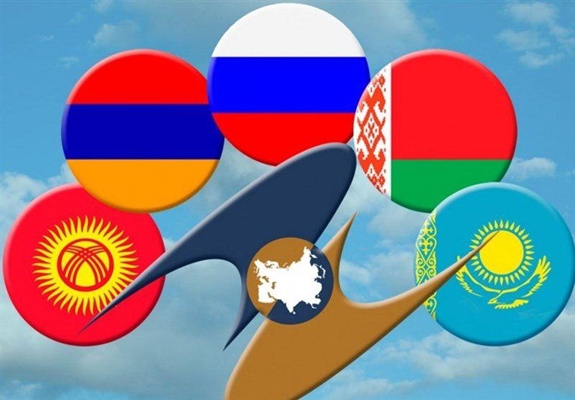
Iran on Verge of Joining Eurasia Free Trade Zone

In an address to the fifteenth meeting of the Joint Commission of Iran and Russia on Sunday, Ardakanian said based on the agreement which is expected to be approved by Iran’s Guardian Council, 800 goods would be subject to tariff reductions.

“The agreement will pave the way for further expansion of ties between Iran and the EAEU,” he was quoted as saying in a report by ISNA.

The minister expressed hope that the agreement is implemented as soon as possible, preparing the ground for further mutual ties.

His remarks came after the Iranian parliament on Monday ratified the agreement that allows the administration to join the free trade zone with the Eurasian Economic Union (EAEU) countries.

The agreement, signed in Kazakhstan in May 2018, sets the main rules of trade between the EAEU, Iran and those of the World Trade Organization (WTO), of which Iran is not a member.

The free trade zone is planned to be in effect for four years, under which the EAEU will grant Iran tariff concessions on more than 500 items.

Russia’s State Duma and the Federation Council had ratified the agreement to establish Iran-EAEU free trade zone in November 2018.

The Eurasian Economic Union is an economic union of states located in central and northern Asia and Eastern Europe. The Treaty on the Eurasian Economic Union was signed in 2014 by the leaders of Belarus, Kazakhstan and Russia, and came into force on 1 January 2015.

In his Sunday comments, Ardakanian also referred to the cooperation underway between Iran and Russia in tourism sector and said the two sides can take advantage of the Caspian Sea tourist capacities through joint projects.

“Today, amid the current brutal sanctions by the US, the two countries can expand their economic ties more than ever,” he said.

Ardakanian called for drafting a special roadmap for the Caspian Sea.

He also said Iran attaches great importance to the Caucuses region for its expansion of mutual ties with Russian and said “with its 10-million population, the north Caucuses can play a key role in expanding Iran and Russia’s economic ties.”

He added the current capacities in all areas including transport, tourism and so on should be tapped into for further ties.

Tanker Attacks Another False Flag Operation by US: Iran

Addressing lawmakers before an open session of Parliament began on Sunday, Ali Larijani touched upon the history of Washington’s false-flag attacks. He said during the Second World War, the Americans deliberately targeted their own vessels near Japan to fabricate a pretext for animosity.

He also said the attacks seem to have been a “complement” to Washington’s sanctions.

“Apparently, these moves are complements to [US] economic sanctions because they failed to get any results by imposing sanctions,” he told.

The top parliamentarian then scoffed at remarks by US Secretary of State Mike Pompeo, who had urged Iran to use diplomacy in response to diplomatic measures. Larijani said Washington’s economic terrorism against Iran is, by no means, a diplomatic move.

He also lashed out at the US for arming Saudi Arabia to press ahead with its war against the oppressed Yemeni people.

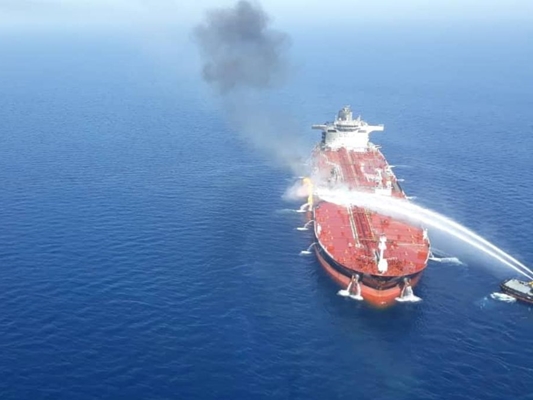
The Front Altair oil tanker, moving Ethanol from Qatar to Taiwan with the flag of Marshal Islands, caught fire at 8:05 local time on Thursday, 25 miles from Iran’s Jask Port.

A second Panama-flagged tanker Kokuka Corageous, moving Methanol from Saudi Arabia to Singapore, also caught fire at 9:50, 30 miles from Jask.

The US, the UK, and some of their allies in the Persian Gulf have blamed Iran for the attacks, but Tehran denies any involvement in the “suspicious” incidents.

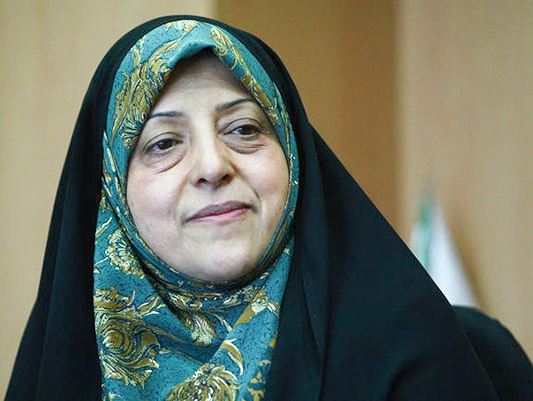
Iranian Women Account for 41% of State Employees: VP

Massoumeh Ebtekar

Masoumeh Ebtekar said on Saturday this is an honour for the Islamic Republic as it shows that women’s capacities are being used in the appropriate way in the country.

She also noted that “there are no problems in using women’s capabilities in managerial positions, and we expect that special attention would be paid to women’s individual qualifications in appointments.”

The vice-president said that according to President Hassan Rouhani’s decree, until the end of the twelfth administration, 30 percent of the country’s managerial posts should be given to women.

The Iranian government has undertaken several measures to empower women and enhance their activities in social arenas and management, in the hope it will help accelerate the development of the country.

Gholam-Hossein Dehqani, the Iranian deputy foreign minister for legal and international affairs, says the Islamic Republic is determined to help boost participation of women in the job market as part of five-year development plans.

Speaking in a conference last year, Dehqani said the government is working to provide women with appropriate job opportunities, support equality in wages for men and women, protect security and health of women in the workplace, help them maintain life-work balance and set heavy punishment or those who harass female workers.

Dehqani said the Iranian government will remain faithful to its obligations to improve the status of women within the Islamic context.

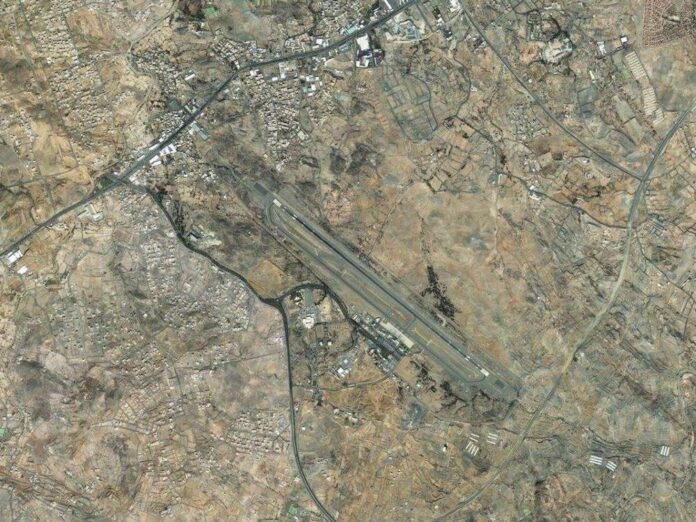
Saudi Arabia Closes Airports amid Yemenis’ Retaliatory Attacks

Yahya Saree said the UAV unit of Yemen’s armed forces made the airstrikes on the airports in southern Saudi Arabia.

“In the first airstrike, our drone unit targeted the central command of Jizan airport and in the second operation, the fueling centre of Abha airport was hit,” he said.

He underlined that the operations were carried out with a high accuracy leading to the closure of the airports.

Saree also warned that Saudi Arabia will go through more painful days if it continues to target the impoverished nation of Yemen.

Nearly 16,000 Yemenis have lost their lives in Saudi airstrikes on Yemen since 2015. According to the UN, the invasion of Yemen by Saudi Arabia has led to a humanitarian crisis in the region.

Yemeni armed forces have increased their attacks on Jizan and Abha airports over the past weeks.

Last week, the UAV unit of Yemeni armed forces targeted Jizan airport using Qasef K2 drones. The Yemeni armed forces hit the airport four times last month inflicting heavy damages on it.

The spokesman of Yemen’s Ansarullah movement has lashed out at Saudi Arabia for keeping its blockade on Sana’a airport and said the aggressors must know that their airports are within Yemeni army’s reach.

Mohammed Abdulsalam said the aggressors should come to realize that targeting Saudi airports is the simplest way to make a tit for tat move against Saudi Arabia.

INSTEX Not Translated into Reality Yet: Iran

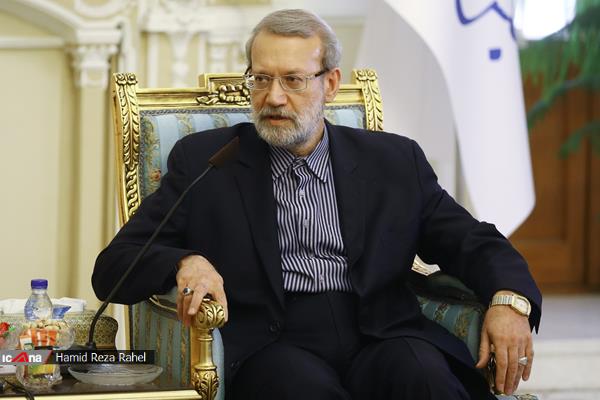
Photo of Iranian Parliament Speaker Ali Larijani in a meeting with Chairwoman of the Foreign Policy Committee of the French National Assembly Marielle de Sarnez in Tehran on Jun 15, 2019. / Photo by ICANA

In a meeting with the Chairwoman of the Foreign Policy Committee of the French National Assembly Marielle de Sarnez in Tehran on Saturday, Larijani said despite several rounds of negotiations held between Iran and the European Union, French President Emmanuel Macron’s promise to preserve the Iran nuclear deal has not yet been realized.

“When there is no appropriate ground for banking ties, how can Iranian and French firms press ahead with their economic activities?” Larijani said.

The parliament speaker went on to say that France’s Total company was among the first foreign firms which left Iran after the US unilateral withdrawal from the Iran nuclear deal back on May last year.

For his part, the French senior lawmaker said Paris is seeking to preserve the JCPOA and is making efforts to implement the Instrument in Support of Trade Exchanges (INSTEX).

“Efforts are underway to preserve the Iran nuclear deal,” she added.

After the US withdrawal from the Iran deal, the European Union set forth the INSTEX to keep its economic ties with Iran amid the US sanctions. But over one year on, the mechanism has not yet been implemented. Iran has warned that preserving the JCPOA requires multilateral efforts by all remaining signatories of the deal.