Friday, April 10, 2026
Home Blog Page 3010

A Look at Iranian Newspaper Front Pages on December 30

A Look at Iranian Newspaper Front Pages on November 19

Iran Newspapers

Abrar:

1- France’s Recent Moves ‘Meddlesome’, Lack Legal Basis: Iran

2- Iran-China-Russia Joint Drills Finish

3- Kuwait Appeases Iran after Controversial Meeting with Separatist Element

A Look at Iranian Newspaper Front Pages on December 30


Aftab-e Yazd:

1- What to Expect from Zarif’s New York Trip

2- Zarif’s Upper Hand [Editorial]

A Look at Iranian Newspaper Front Pages on December 30


Donya-ye Eqtesad:

1- Trump’s Soldiers in Villages

* Radicals Seeking to Establish Power in White House

A Look at Iranian Newspaper Front Pages on December 30


Ebtekar:

1- Message of Iran-China-Russia Drill: Iran Can’t Be Isolated

A Look at Iranian Newspaper Front Pages on December 30


Etemad:

1- November Protests, 2020 Parliamentary Elections

A Look at Iranian Newspaper Front Pages on December 30


Hamshahri:

1- 2019 Year of Protests

A Look at Iranian Newspaper Front Pages on December 30


Javan:

1- Christmas of Protests and Strikes in France

2- Girl Who Broke Iran’s Clean Sheet Record: Brilliant Future Awaiting Iran’s Women Football

A Look at Iranian Newspaper Front Pages on December 30


Kayhan:

1- Barham Salih Returns: Political Groups Agree on Early Elections

2- Mass Killings in US at Highest Level in 50 Years

A Look at Iranian Newspaper Front Pages on December 30


Mardom Salari:

1- Return of Iraq President to Baghdad

2- Zarif to Visit Moscow, and Then New York

3- Wilmots Sues Iran at FIFA

A Look at Iranian Newspaper Front Pages on December 30


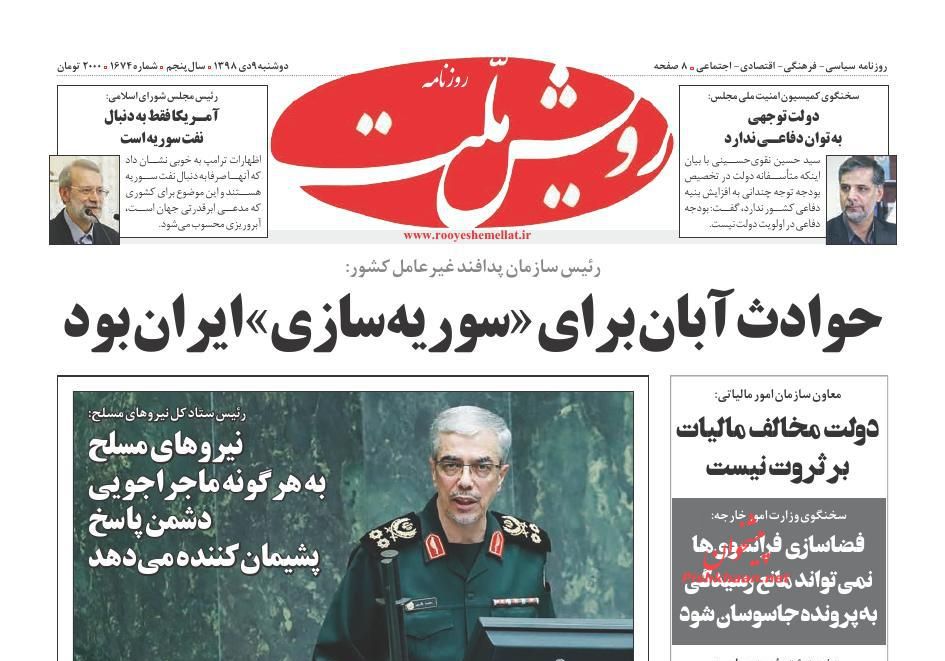
Rooyesh-e Mellat:

1- November Unrest Aimed at Turning Iran into Syria: IRGC General

2- Iran’s Response to Any Adventure by Enemies Will Make Them Regret: Top General

A Look at Iranian Newspaper Front Pages on December 30


Sazandegi:

1- Zarif’s Mission in New York

A Look at Iranian Newspaper Front Pages on December 30


Shargh:

1- It’s No Surprise to See a Populist’s Victory in Next Elections: Analyst

2- Tehran-Paris: Return to the Past

3- Mediators with Little Impact on Iran-US Ties [Editorial]

A Look at Iranian Newspaper Front Pages on December 30

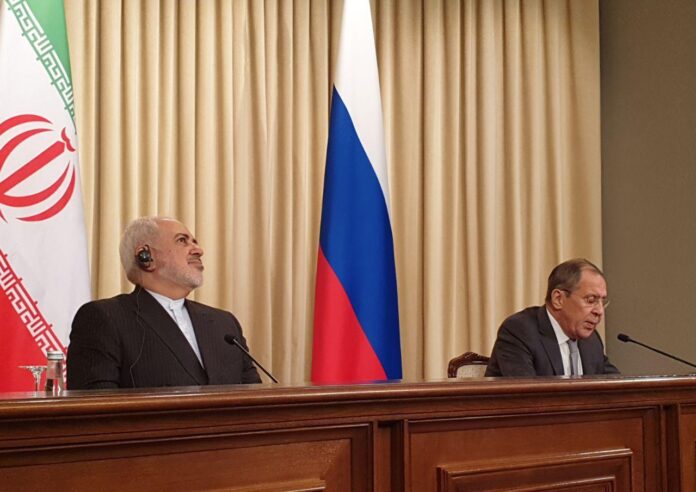
Iranian, Russian Foreign Ministers Hold Talks in Moscow

Iranian, Russian Foreign Ministers Hold Talks in Moscow

Foreign Minister Zarif, who has travelled to Russia at the head of a political delegation, held a meeting with Minister of Foreign Affairs of the Russian Federation Sergei Lavrov in Moscow on Monday.

In the meeting, the top Iranian diplomat highlighted the close and strategic relations between the two countries, saying, “In this delicate situation, the relations between Iran and Russia are at the highest level, and Iran is determined to enhance and deepen these relations.”

“Unlike the others who fuel insecurity and belligerence, Iran and Russia seek stability and security in the region and the world, and the both countries have similar and parallel regional initiatives,” Foreign Minister Zarif added.

He also described the joint naval exercise among Iran, Russia and China as an act of cooperation for peace, adding, “The two countries (Iran and Russia) will continue cooperation at all levels.”

For his part, Lavrov pointed to Foreign Minister Zarif’s “very timely” visit to Moscow, noting, “We have common views about many regional and international issues, and the peaceful initiatives of the two countries confirm this.”

Lavrov also said the US’ unilateral and illegal withdrawal from the JCPOA was in breach of the United Nations Security Council Resolution 2231, stressing that all parties should try to save the JCPOA and prevent its collapse.

The other topics discussed in the meeting between Zarif and Lavrov included various issues relating to the bilateral ties between Tehran and Moscow, and the regional issues such as the situation in the Persian Gulf, Syria, and Afghanistan.

Following the meeting, the two sides also held a joint press conference.

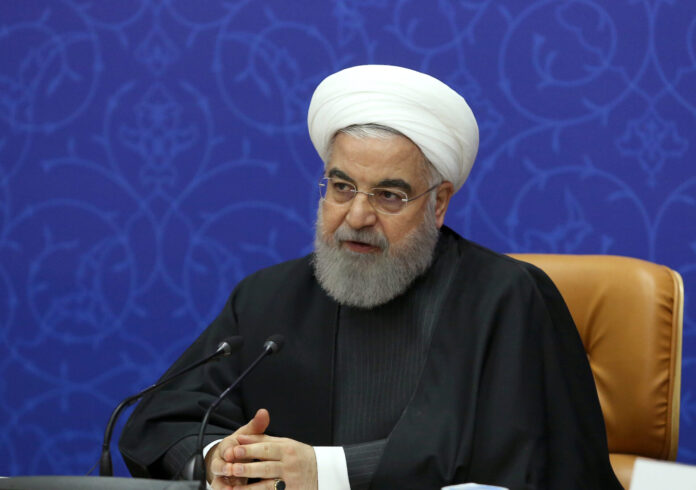
US Knows Iran Will Not Surrender: President Rouhani

Hassan Rouhani - President of the Islamic Republic of Iran

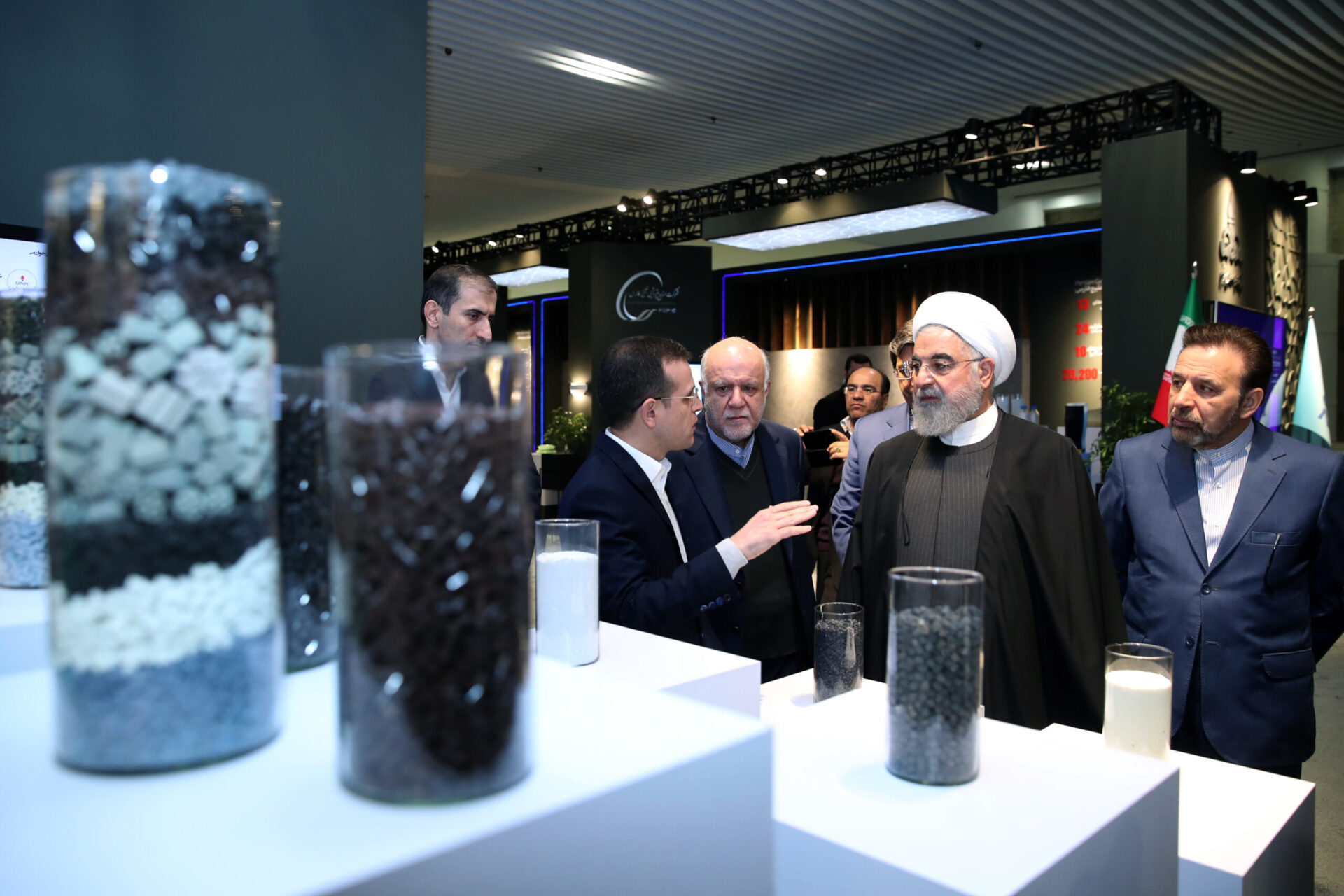
“Our enemies have realized that they cannot bring us to our knees through maximum pressure. Their entire goal was to get us to the negotiating table so that we resign ourselves to whatever demand they have, but this is impossible in our Islamic Iran,” the president noted during a visit to an exhibition of the country’s petrochemical achievements.

Referring to criticisms levelled at him over his administration’s failure to keep its campaign promises, Rouhani said “we made those promises at the time of peace whereas now we are under war conditions. Since 2018 they started a full-scale, atrocious economic warfare against us.”

Rouhani went on to say that “they further wanted it to be a political and legal warfare, but they were unsuccessful.”

“They wanted the United Nations and international institutions to condemn us, but they did not succeed. Nor shall they achieve their aims in their economic warfare.”

Referring to his administration’s international negotiations, the president said “all the world leaders we meet quote Americans as saying that their calculation was not correct.”

“They [the US officials] calculated that they would pressurize Iranian people into taking to the streets and rebelling against their political system, and that the people would invite them to Iran, rolling out red carpet for them. That shows their maximum ignorance and miscalculation,” he noted.

“Our people understand well who puts pressure on them. Had we waged the warfare, we could be questioned and criticized, but we well delivered our commitments [under JCPOA].”

“On the road to success the main factor has been the brave, informed and vigilant presence of Iranian people. They distinguished their pathway, and the foe from the friend. All those means of propaganda could not deviate our nation,” Rouhani noted.

Describing the Iranian entrepreneurs and industries, especially petrochemical industry, as “the commanders of the economic frontline”, Rouhani said “they came to the frontline after the enemies figured that the reduction of Iran’s crude oil revenue would disturb our foreign exchange earnings.”

Iran Strongly Condemns US Terrorist Attack on Iraq

Iran Condemns US Oil Deal with Syrian Kurdish Group

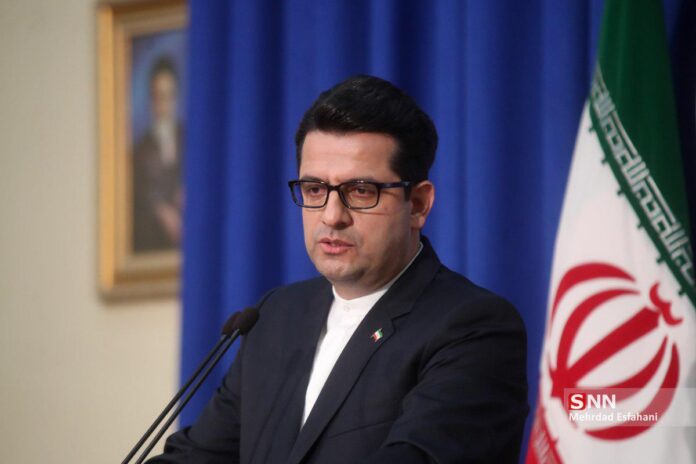
In a statement on Monday, the Foreign Ministry spokesman condemned the American military strike on the Iraqi soil and against the Popular Mobilization Forces (also known as Hashd al-Shaabi) positions as a brazen example of terrorism.

Mousavi also called on the US to respect Iraq’s independence, sovereignty and territorial integrity, and to stop interfering in the internal affairs of the Arab country.

Slamming Washington’s false claims about fighting against terrorism, the Iranian spokesperson said, “The attacks once again proved the US’ false claim about fighting against the Daesh (ISIS) Takfiri group, since the United States has struck the positions of the forces who have dealt heavy blows to the Daesh terrorists over the past years.”

“The US has demonstrated its decisive support for terrorism and disregard for the independence and sovereignty of nations by launching these attacks, and it must accept the responsibility for the consequences of such illegal measure,” the Iranian diplomat underlined.

The presence of foreign forces in the region would create insecurity, convulsion, and crisis, the Iranian spokesperson noted, adding, “The US must end its occupier-style presence (in the region).”

He finally reaffirmed the Islamic Republic of Iran’s support for the independence, territorial integrity, and sovereignty of Iraq, and expressed sympathy with the families of those martyred and wounded in the US’ terrorist attack on Iraq.

Mousavi’s comments came after the United States military carried out strikes in Iraq against PMU forces. The air strikes targeted positions of Kataib Hezbollah Brigades affiliated with PMU near the western al-Qaim district on the border with Syria.

At least 27 people have been killed and 51 wounded in the attacks, according to a PMU statement.


Iran Says Barriers to Transit Ties with Neighbours Removed

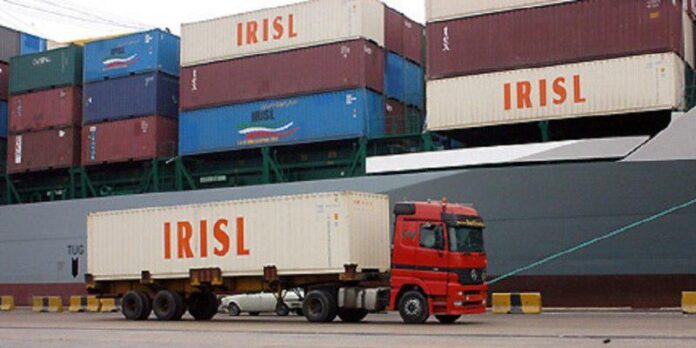
Iran Eyes Resumption of Border Exchanges with Neighbouring Countries

Mohammad Eslami further noted that a protocol has been signed with Kazakhstan and Russia and one of its goals is the export and transit of livestock and agricultural products.

Referring to Iran’s accession to the Eurasian Union, Eslami said some facilities are taken into consideration for investors, and given the preferential tariffs, there is a good opportunity for economic operators.

He also said the government’s strategic plan is being implemented in collaboration with the ministers of economy and tourism.

Eslami made the comments during his visit to Mazandaran province where he launched a road connecting Amir-Abad to Rostam-Kola.

Referring to the issue of investment in ports, Eslami said, “The private sector has welcomed the investment in the ports, especially in Amir-Abad which is to become a free zone.”

“The port of Amir-Abad has a special position in the north-south corridor, and we should consider that different modes of transport in the form of a chain harmonise the transit process.”

“Using the Amir-Abad wharf and having access to roads and railways, more than six million tonnes of farming products in Mazandaran province will find the chance to be exported through the north-south corridor,” maintained Eslami.

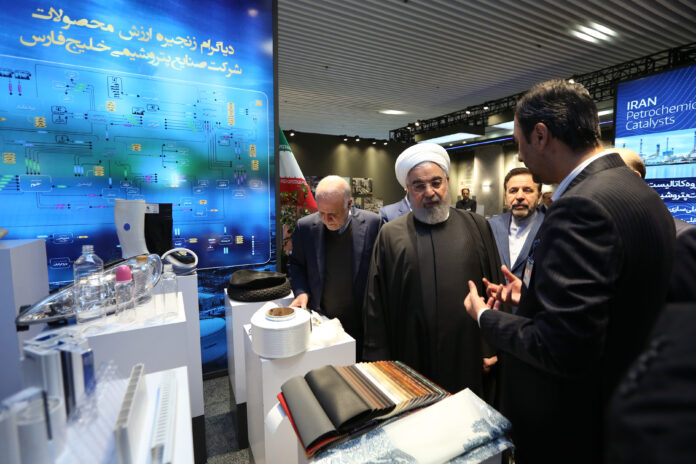
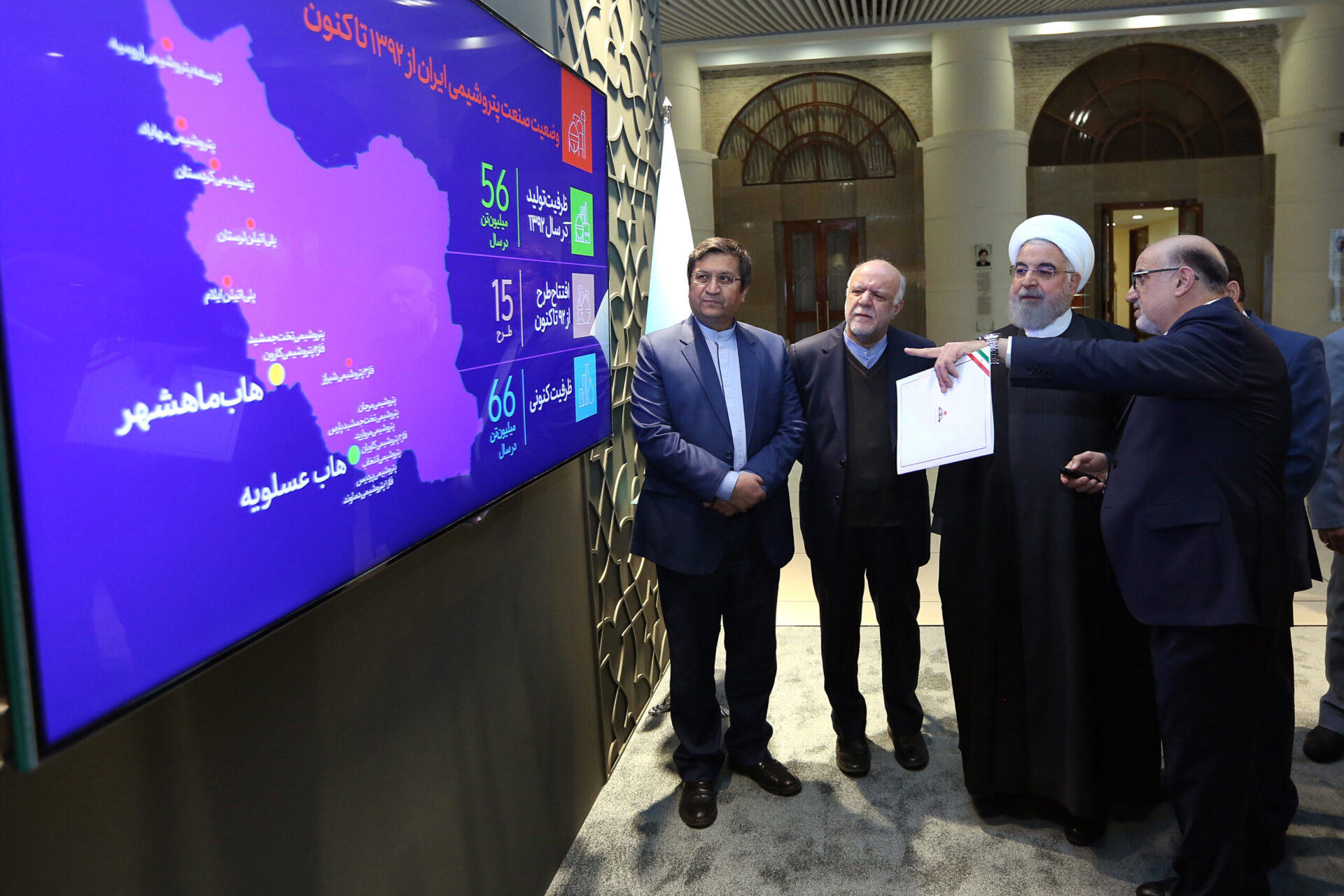
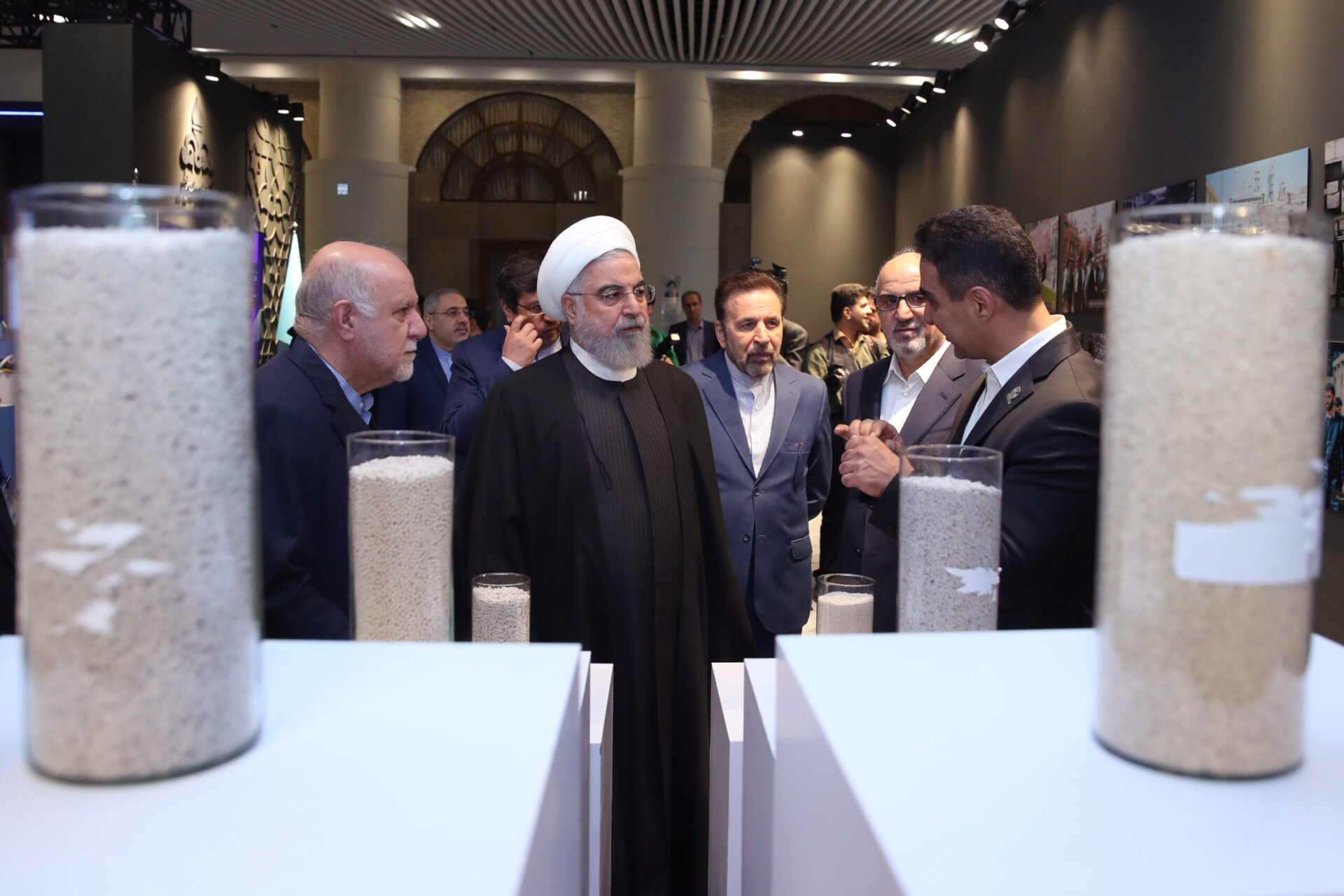
Rouhani Visits Exhibition of Iran’s Petrochemical Achievements

Rouhani Visits Exhibition of Iran’s Petrochemical Achievements

The exhibition kicked off in celebration of the Iranian Petrochemical Industry Day on Monday morning.

Following the exhibition, exemplary petrochemical companies were rewarded in a ceremony attended by the Iranian president.

Addressing the ceremony, Rouhani said the country plans to turn into the region’s top petchem producer through a great leap in coming years.

“Currently, our petchem industry’s revenue is some $17 billion, which will be increased to $25 billion by 2021 and $37 billion in the next phase,” Rouhani noted.

Iran has kept selling its petrochemical products despite the US sanctions on the country’s exports.

The United States imposed its inclusive sanctions on Iran’s oil sale in November last year, months after Washington withdrew from an international agreement on the country’s nuclear program.

Government officials believe the sanctions, which were toughened in May, have caused a major boom in the downstream sections of the oil industry where Iran had normally lagged behind in terms of investment and production over the past decades.

Iran to Continue Holding Joint Naval Drills: Commander

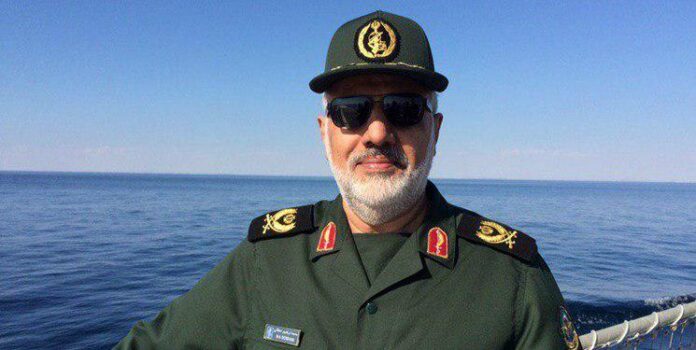
General Mohammad Ebrahim Dehqani

Speaking to reporters on the sidelines of a large-scale joint naval exercise that the Iranian, Russian and Chinese navies held in the Sea of Oman and the northern parts of the Indian Ocean, director of the Naval Operations Department of the General Staff of the Iranian Armed Forces said such joint drills will definitely continue in the coming years.

General Mohammad Ebrahim Dehqani said the joint war games are going to involve the other regional countries too.

The commander also noted that the massive naval exercise among Iran, Russia and China has sent the enemies a clear message that any mistake would draw a crushing response from the Iranian Armed Forces.

“Our friends receive an assurance that the region’s maritime security would be ensured by the Islamic Republic of Iran and its allies, and there is no need for the alien forces in the region, particularly the Americans,” he added.

The presence of American forces in the region creates insecurity, the general noted, saying the fact that the US has transferred its military forces from the Persian Gulf and the Sea of Oman to the northern parts of the Indian Ocean reveals that “Americans are even incapable of ensuring their own security.”

Iranian, Russian, and Chinese naval units on Sunday wrapped up a joint exercise after three days.


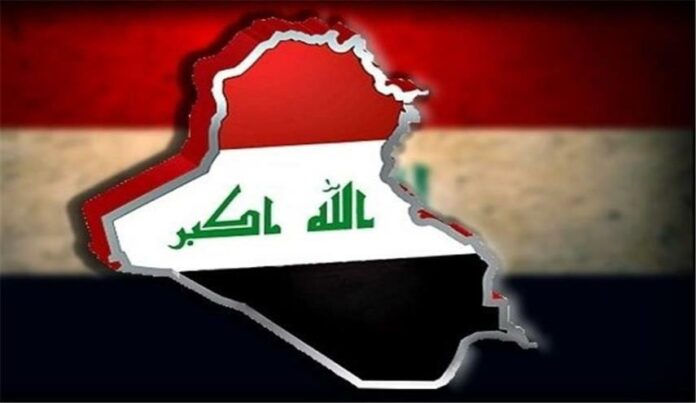
US Attacks on PMU Positions in Iraq Draw Strong Reactions

US Attacks on PMU Positions in Iraq Draw Strong Reactions

US attacks on several bases of the Popular Mobilization Units (PMU) have drawn widespread reactions from Iraqi political currents.

Deputy Commander of the PMU Abu Mahdi al-Muhandis said the blood of those martyred in the US raids will not go to waste and that US troops in Iraq will receive a crushing response.

The Asa’ib Ahl al-Haq paramilitary group also known as the Khazali Network said the US presence in Iraq is a threat to the country. In a statement, the group reiterated that it is all the more necessary to put an end to the United States’ military presence in Iraq in any way possible.

Asa’ib Ahl al-Haq called on all Iraqi political groups to unanimously react to the US attack.

Qassem Mosleh, the commander of PMU troops in the operation in Anbar province said the US bombardment of PMU positions was aimed at disrupting the equations.

Meanwhile, Israeli Foreign Minister Israel Katz welcomed the US attacks on PMU positions in Iraq and described it as a move to confront Iran.

Also in reaction, Iraqi Prime Minister Adel Abdul-Mahdi sent a message to the US defence secretary, expressing his strong opposition to the attacks. He warned that the bombardment of PMU positions could fuel tensions threatening the security of Iraq and the whole region.

Ammar al-Hakim, the leader of the Iraqi National Wisdom Movement, condemned Washington’s attacks on PMU positions in Iraq, dismissing them as a gross violation of Iraq’s sovereignty and security agreements signed between Baghdad and Washington. He called on the Iraqi government and parliament to adopt a clear and firm position on the US move, which is regarded as disrespect for Iraq’s sovereignty.

In the meantime, Iraqi lawmaker Faleh al-Khazali, said the US bombardment of PMU positions amounts to Washington’s involvement in an overt war with Iraq. In a tweet, he said the US military has not taken a lesson from the consequences of its invasion of Iraq.

The Hezbollah Brigades of Iraq also issued a statement, dismissing the US attacks on its positions in the west of Anbar province as hostile aggression against troops which are defending Iraq’s borders. The group also denounced the attacks as disregard for Iraq’s sovereignty and the Iraqi nation’s dignity.

Also, Iraqi President Barham Saleh dismissed the US attacks as unacceptable and contrary to the agreements between Baghdad and Washington.

Reactions began pouring in after the United States military carried out strikes in Iraq and Syria against PMU forces. The air strikes likely carried out by drones targeted positions of Hezbollah Brigades affiliated with PMU near the western Qaim district on the border with Syria.

Several were reportedly killed and dozens wounded in the attacks.

Kuwait Reaffirms Respect for Iran’s Sovereignty after Controversy

Kuwait Reaffirms Respect for Iran’s Sovereignty after Controversy

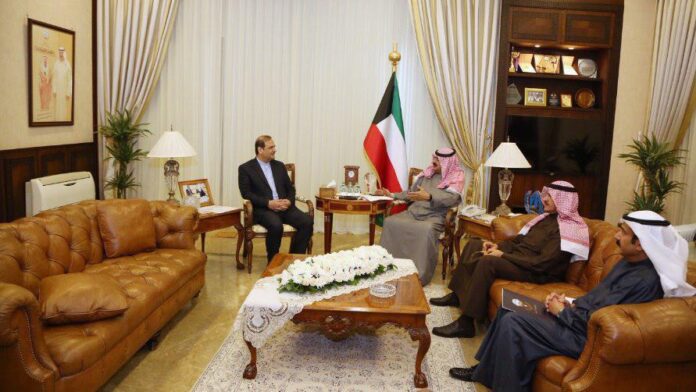
In a Sunday meeting with Iran’s Ambassador to Kuwait Mohammad Irani, Al-Jarallah emphasized that his country’s policy is based upon respecting the sovereignty of other nations, observing the principles of good-neighbourliness, and non-interference in the internal affairs of the other states.

Pointing to a recent meeting between Speaker of the Kuwaiti National Assembly Marzouq al-Ghanim and member of the al-Ahwaziya terrorist group which has irritated Tehran, the Kuwaiti deputy foreign minister said the private gathering has been held without permission from the Kuwaiti bodies.

Al-Jarallah noted that the relevant Kuwaiti institutions have launched legal procedures against the controversial move.

The deputy minister finally reaffirmed Kuwait’s respect for the Islamic Republic’s sovereignty and territorial integrity, including the Iranian city of Ahvaz.

In the meantime, Kuwaiti lawmaker Khalil Abul has on Sunday sent a message to Marzouq al-Ghanim to voice protest against his meeting with a member of the al-Ahwaziya terrorist group.

Criticizing Al-Ghanim for hosting the anti-Iran group, Abul said hosting the separatist group has been “in vain and politically dangerous”, IRNA reported.

Such measures are not in the interests of Kuwait, Abdul told the Kuwaiti parliament speaker, stressing that formal support for an armed group which is against a neighboring country is unacceptable.

On Saturday, Iran’s Ministry of Foreign Affairs summoned Kuwaiti chargé d’affaires to Tehran in protest at the meeting of Kuwaiti officials with the representative of al-Ahwaziya terrorist group.