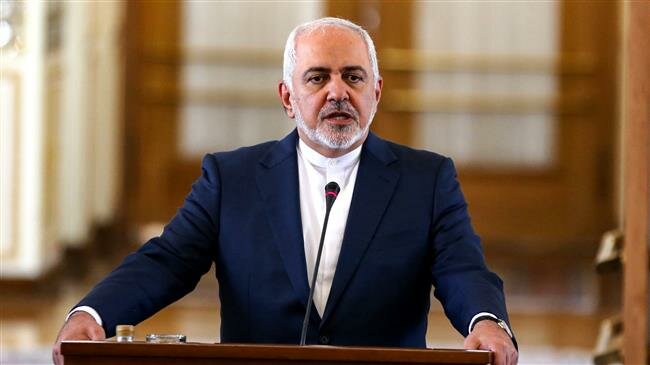
In a Thursday message posted on his Twitter account in Chinese, Foreign Minister Zarif voiced Iran’s support for the Chinese people in the wake of the outbreak of a new strain of coronavirus.
In his message, Zarif also praised the Chinese government for responding in a timely and decisive manner in the fight against the new coronavirus-infected pneumonia epidemic.
People from all over the country were united in their hearts, so that there was confidence that China would win the epidemic prevention and control war, he added.
The minister further hoped that all Chinese people would have a healthy and peaceful Spring Festival and wished them health in the Chinese Year of the Rat.
In a post in Arabic language on his Twitter account on Thursday, Zarif said Iran remains open to dialogue with its neighbours.
تبقی ايران منفتحة للحوار مع جاراتها و نعلن عن استعدادنا للمشارکة في أي عمل تکاملي يصب في مصلحة المنطقة ونرحّب بأي خطوة تعيد الأمل إلی شعوبها وتأتي لها بالإستقرار والإزدهار
The top diplomat also declared Iran’s readiness to participate in any complementary work that is in the interest of the region.
The Islamic Republic also welcomes any step that restores hope to its people and brings them stability and prosperity, Foreign Minister Zarif underscored.
In remarks on the sidelines of the annual meeting of World Economic Forum (WEF) in Davos on Wednesday, bin Farhan also noted that “it is really up to Iran”.
The Saudi diplomat said he was glad the region has “avoided any escalation” with Iran, noting that “many countries” have offered to mediate talks with Tehran.
In a message on Wednesday, Jahangiri congratulated Mishustin on his appointment as the new prime minister of Russia.
The Iranian vice president also noted that the potential available in the two countries have prepared suitable grounds for the expansion of mutual cooperation, calling for determination and efforts on part of the officials of the two countries to put that potential into practice.
Jahangiri further expressed hope for the enhancement of relations between Iran and Russia in all fields during Mishustin’s term, in light of joint efforts and determination of the two countries’ top officials.
Russian President Vladimir Putin has picked 53-year-old former tax chief Mikhail Mishustin as the new prime minister after Dmitry Medvedev resigned from the job.
The new government of Russia includes a new economy minister and a new first deputy prime minister, but the finance, foreign, defence, energy and agriculture ministers all kept their jobs.
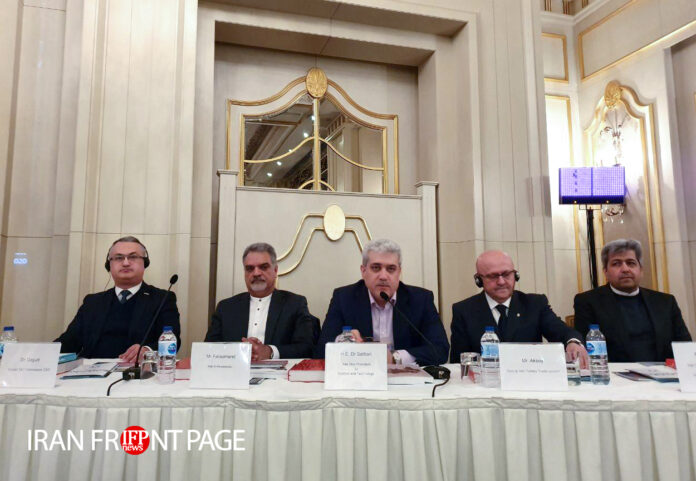
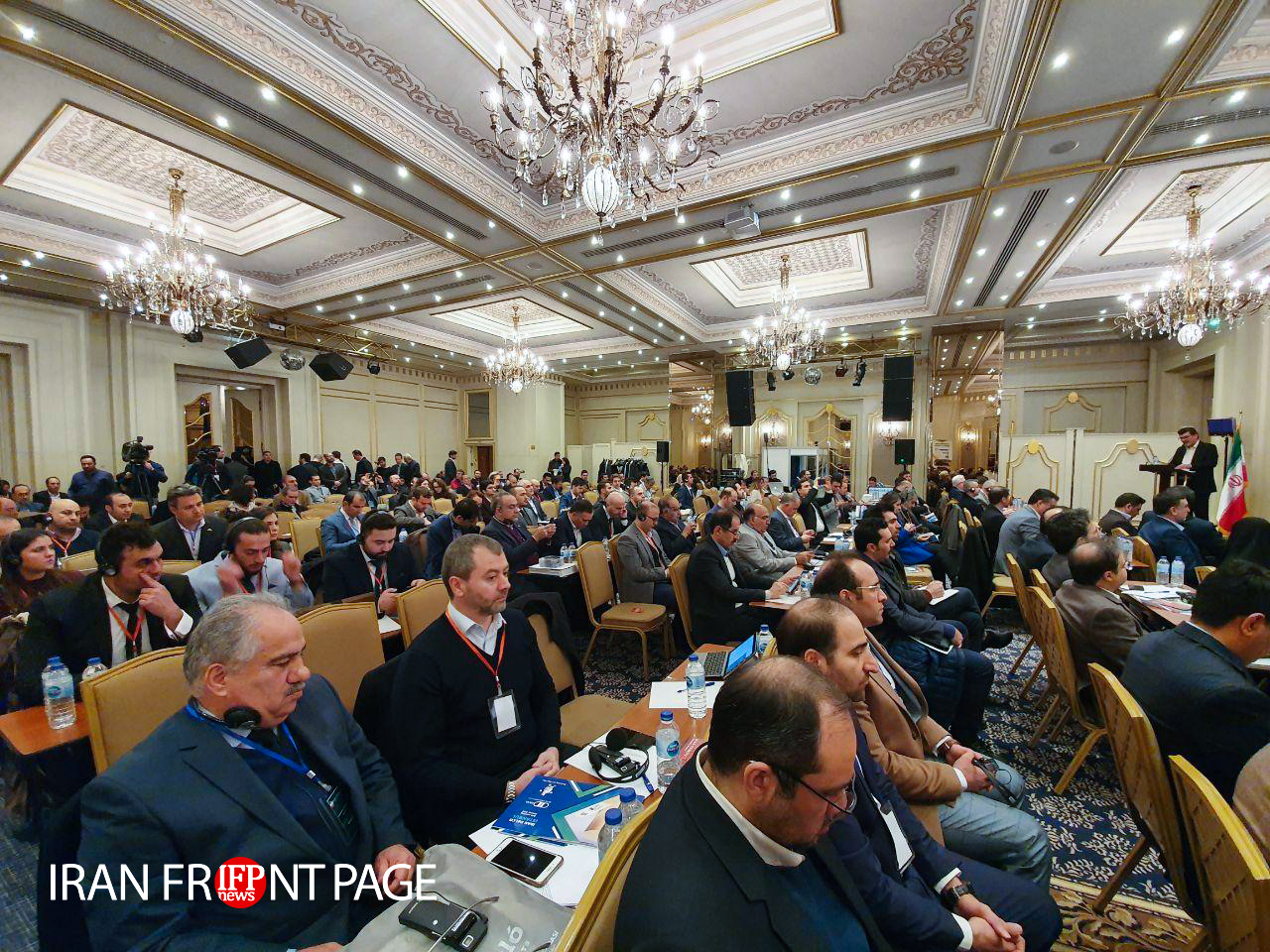
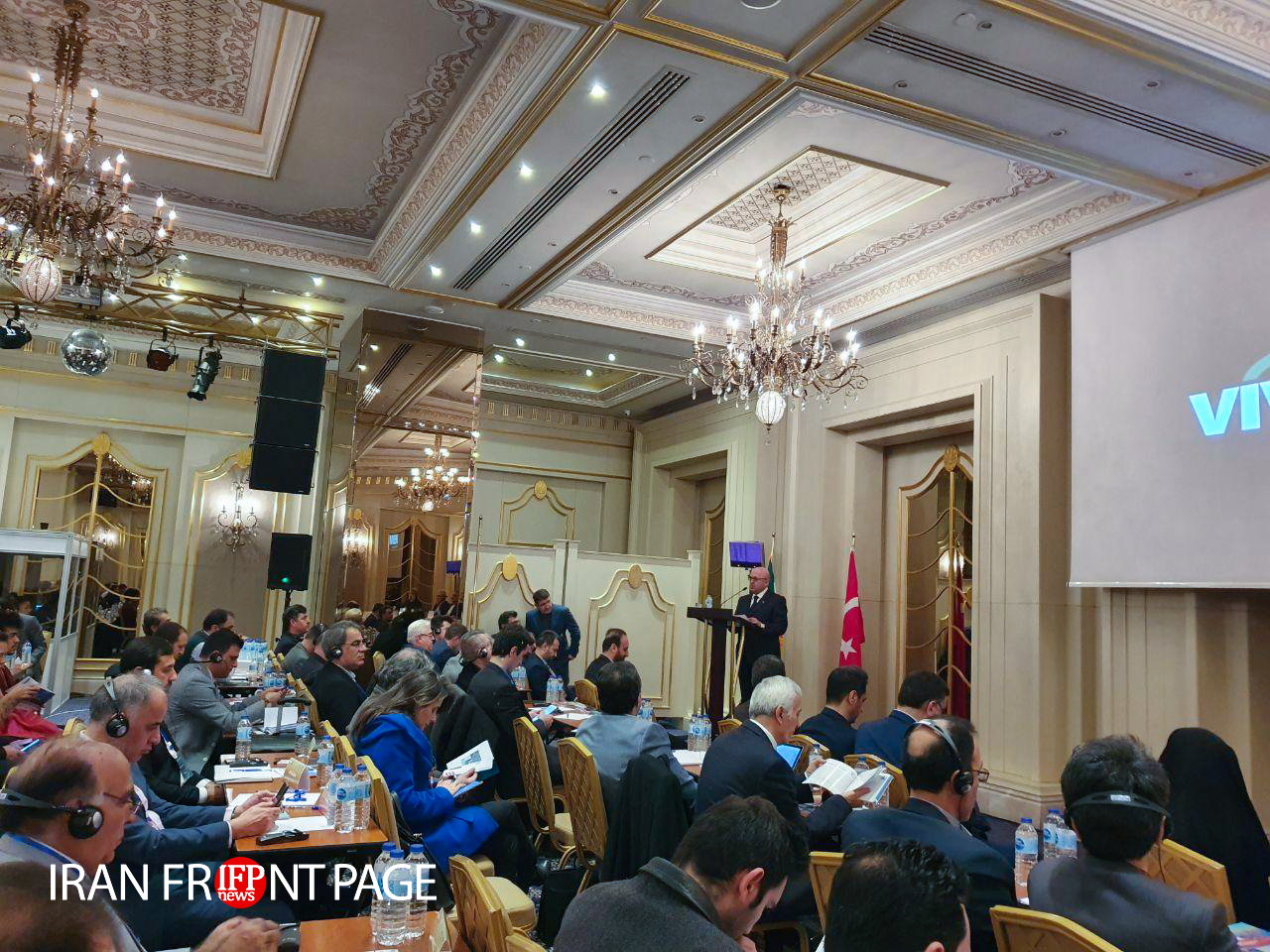
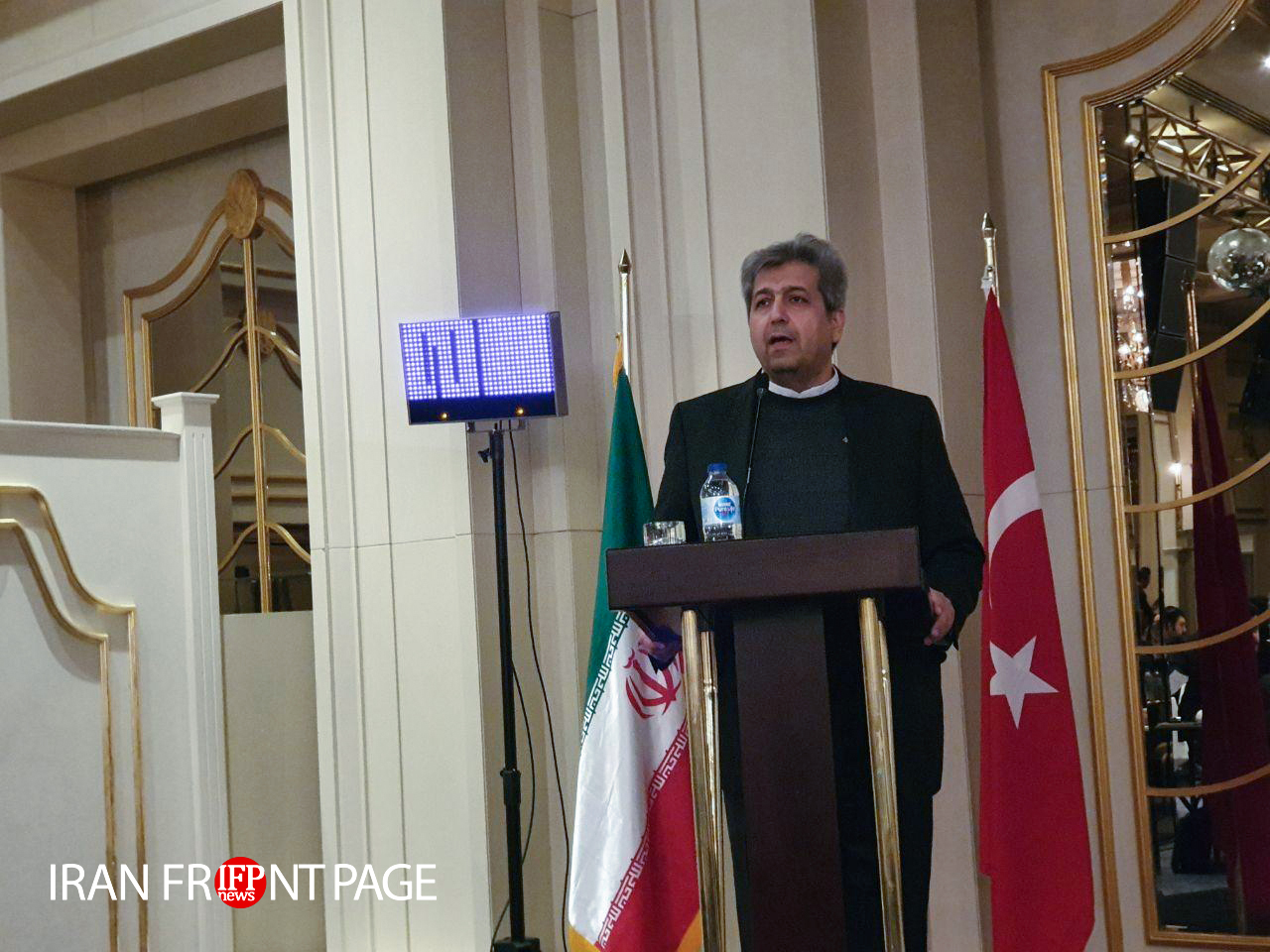
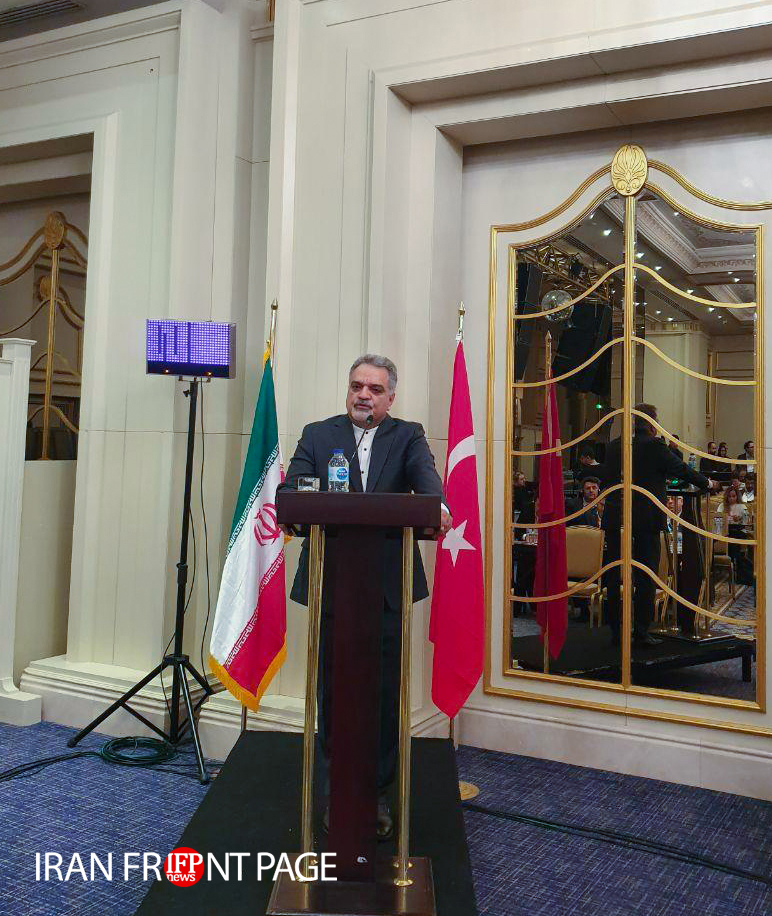
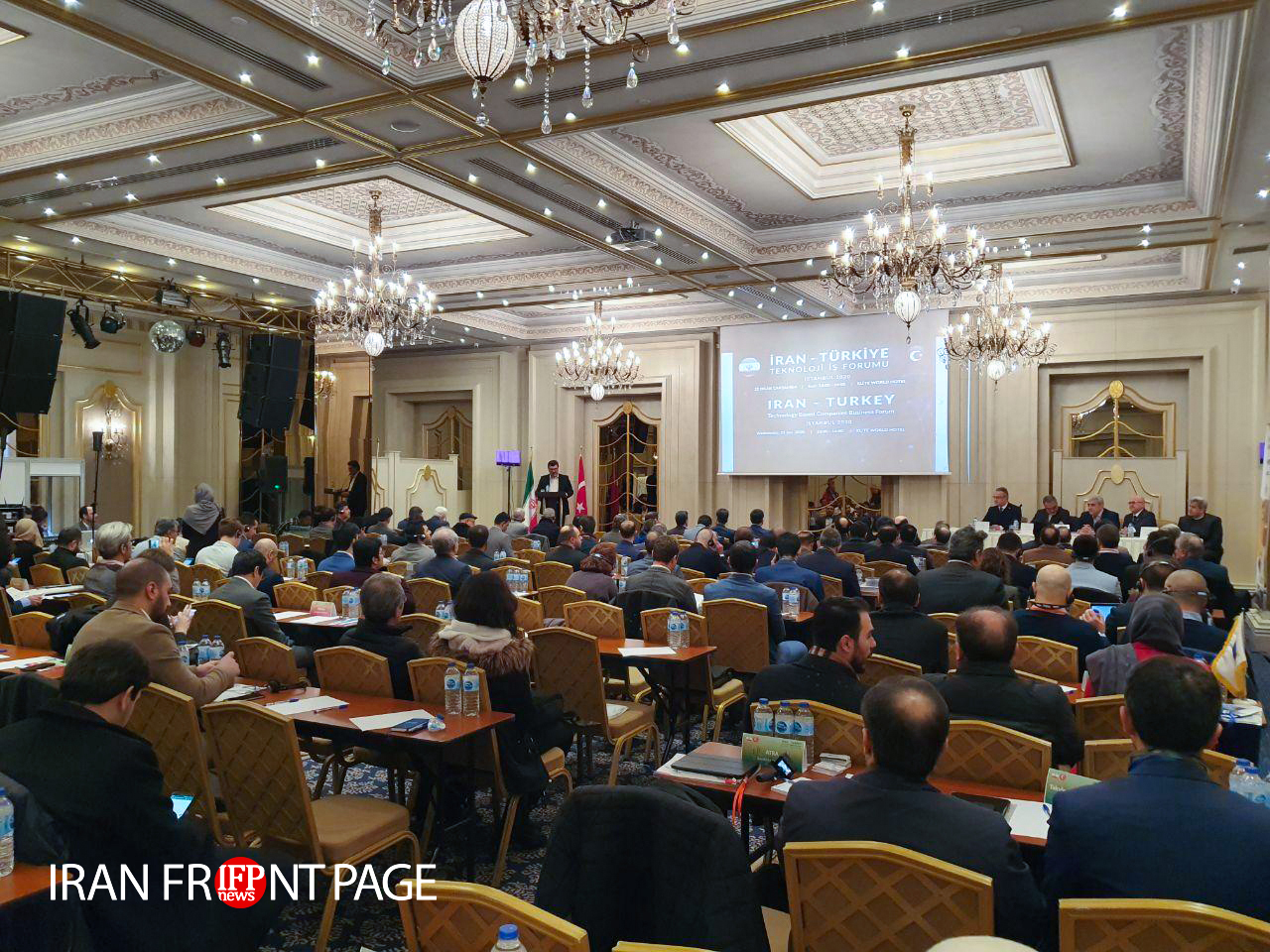
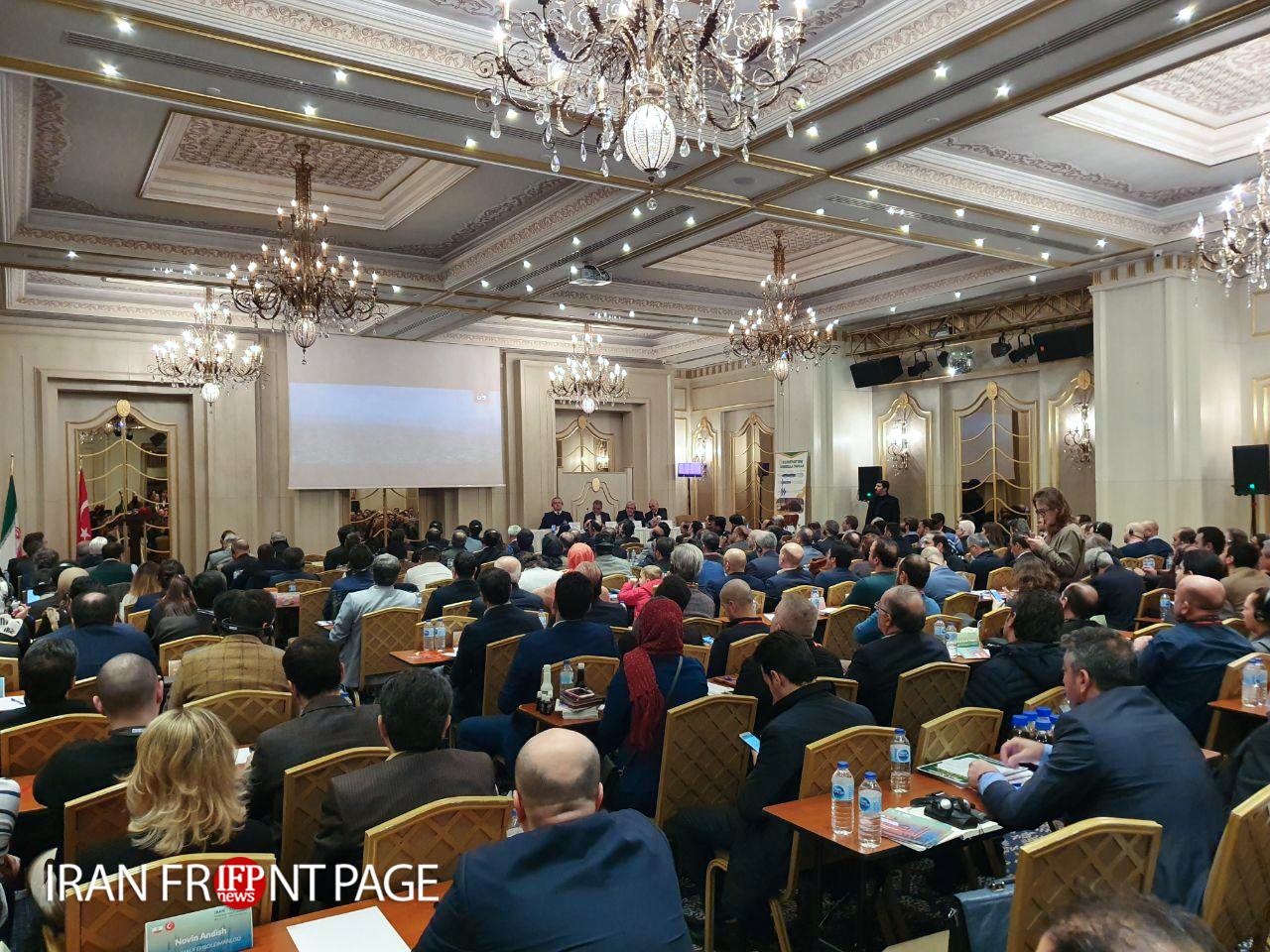
In an address to a technology meeting between Iranian and Turkish high-tech companies, held in Istanbul on Wednesday, Iran’s Ambassador to Ankara Mohammad Farazmand lauded Iran-Turkey Joint Commission on economic cooperation as one of the most active of its kind in the region and even in the world.
The most recent meeting of Iran-Turkey Joint Commission, held in Ankara in September 2019, has opened the door to mutual cooperation in a new field, which is the medical and pharmaceutical sectors, the envoy added.
Farazmand also noted that during the next session of the Joint Commission, due to take place in Tehran, a new committee on scientific and technological cooperation will be added to the commission.
Pointing to the fruitful meetings that Iranian Vice-President for Science and Technology Sorena Sattari has held in Ankara on Tuesday, the ambassador said the Iranian and Turkish authorities have expressed their determination to meet the $30-billion annual trade target, although the export of Iranian oil to Turkey was excluded from the bilateral trade in 2019.
The Turkish officials, most notably President Recep Tayyip Erdogan, have repeatedly made it clear that Turkey is not involved in the “cruel and illegal” sanctions that the US has imposed on Iran and that Ankara is losing benefits because of the US sanctions, Farazmand added.
“We are delighted to have very friendly relations with a neighbor that supports the interests of itself, the regional countries and the friendly and Muslim countries at such level,” the ambassador noted, saying Iran and Turkey share interests in many organizations and multilateral conferences, such as the Islamic Conference.
“Today, we are witnessing the formation and launch of cooperation that, God willing, could not be obstructed by the enemies, because science and technology is not something that would be easily restricted,” the Iranian ambassador stated.
Chairman of the International Interaction Centre of the Iranian Vice-Presidency for Science and Technology Mahdi Qalenoei
In a separate speech to the gathering, Chairman of the International Interaction Centre of the Iranian Vice-Presidency for Science and Technology Mahdi Qalenoei expressed gratitude to the Iranian Embassy in Ankara and the country’s Consulate in Istanbul for helping to hold the business meeting between the Iranian and Turkish high-tech companies, and lauded the Iranian knowledge-based companies for taking part in the event.
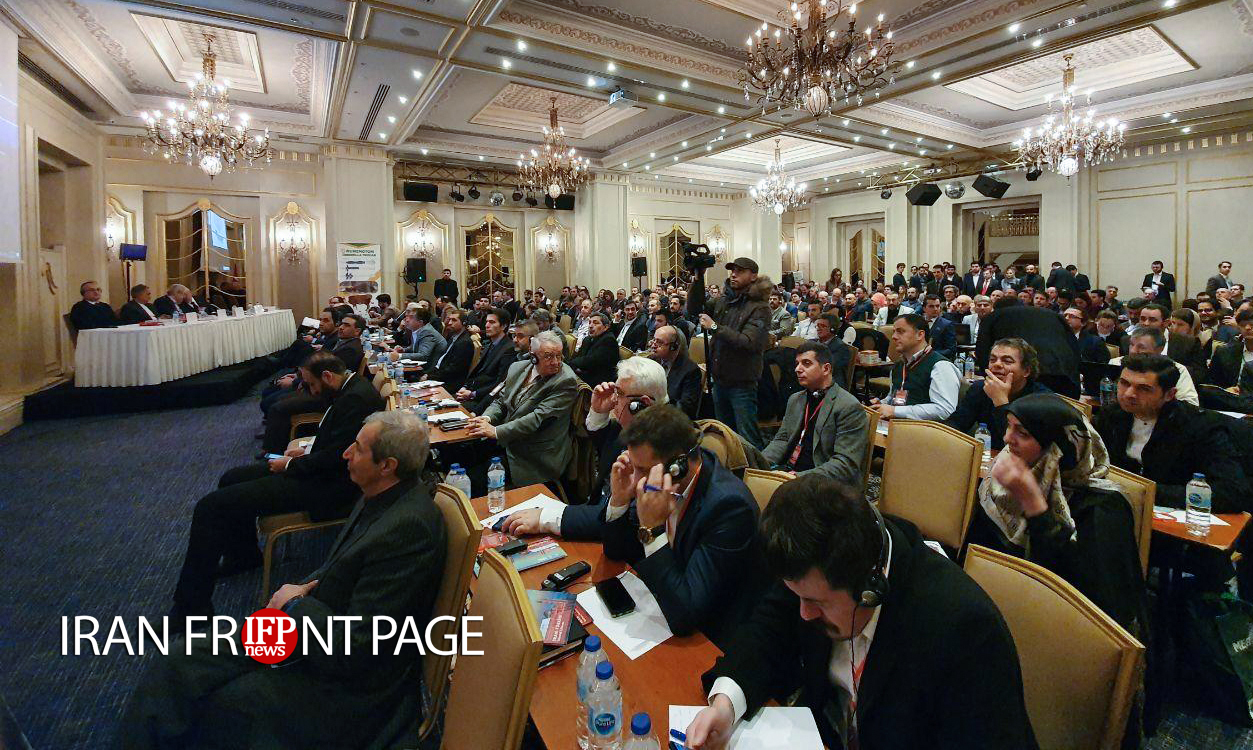
He said the participants in the meeting include representatives of 23 companies engaged in the electronics and Information Technology (IT), 15 firms from the health sector, 12 enterprises producing machinery and equipment, and 10 companies working on advanced materials.
Qalenoei also noted that a new sector has been created in the course of interaction between the two countries, namely the financial funds tasked with facilitating the business cooperation between the companies of Iran and Turkey.
“Moreover, three representatives of the financial funds are also present (at the event). We have around 1,200 knowledge-based companies in the health sector, 15 of which are representing the others, and have come here. Our companies attending the meeting are engaged in the fields of medical equipment, stem cells technology, nanotechnology, and herbal medicine,” he added.
Qalenoei further proposed the idea of holding expert B2B meetings between the Iranian and Turkish companies, saying the businesses in the health sector can visit Iran and attend an expert forum.
There are approximately 900 knowledge-based enterprises working on the electronics and communication in Iran, he noted, saying they are represented by 23 companies in the ongoing event in Istanbul which cover a range of activities such as the software and hardware industries, the Internet of Things (IoT), artificial intelligence (AI), media sector, remote sensing, and telecommunication hardware.
The official also noted that Iran has some 1,500 knowledge-based companies in the field of industrial and laboratory equipment and 300 companies working on advanced materials.
A number of the leading Iranian companies present at the event are engaged in the oil, gas and petrochemical industries, manufacturing polymers, nanofibres, and resin, and developing technologies for melting and casting, he noted, saying Turkey could take the opportunity to collaborate with the Iranian companies in the petrochemical industry and polymers.
Qalenoei further said that three financial funds have taken part in the event, the largest of which is the Innovation and Development Fund of Iran. He expressed hope that those funds could finance the production activities of the Iranian companies, facilitate their trade interaction, and promote their cooperation with the other knowledge-based companies.
He also pledged that the Iranian Vice-Presidency for Science and Technology will also provide support for the knowledge-based companies and enable them to face the risks associated with the trade processes.
The presidential official finally expressed Tehran’s readiness to host Turkish delegations in the expert meetings and the various exhibitions due to be held in Iran in the comings months.
The business meeting of Iranian and Turkish high-tech companies was held on Wednesday in Istanbul. The event was organized by Iran’s Vice-Presidency for Science and Technology, and funded by Iran’s National Innovation Fund.
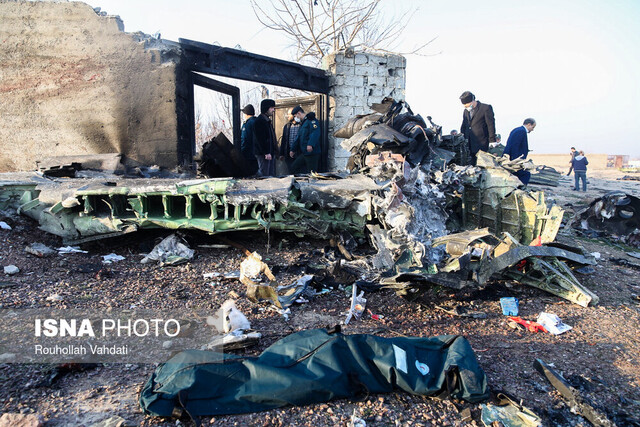
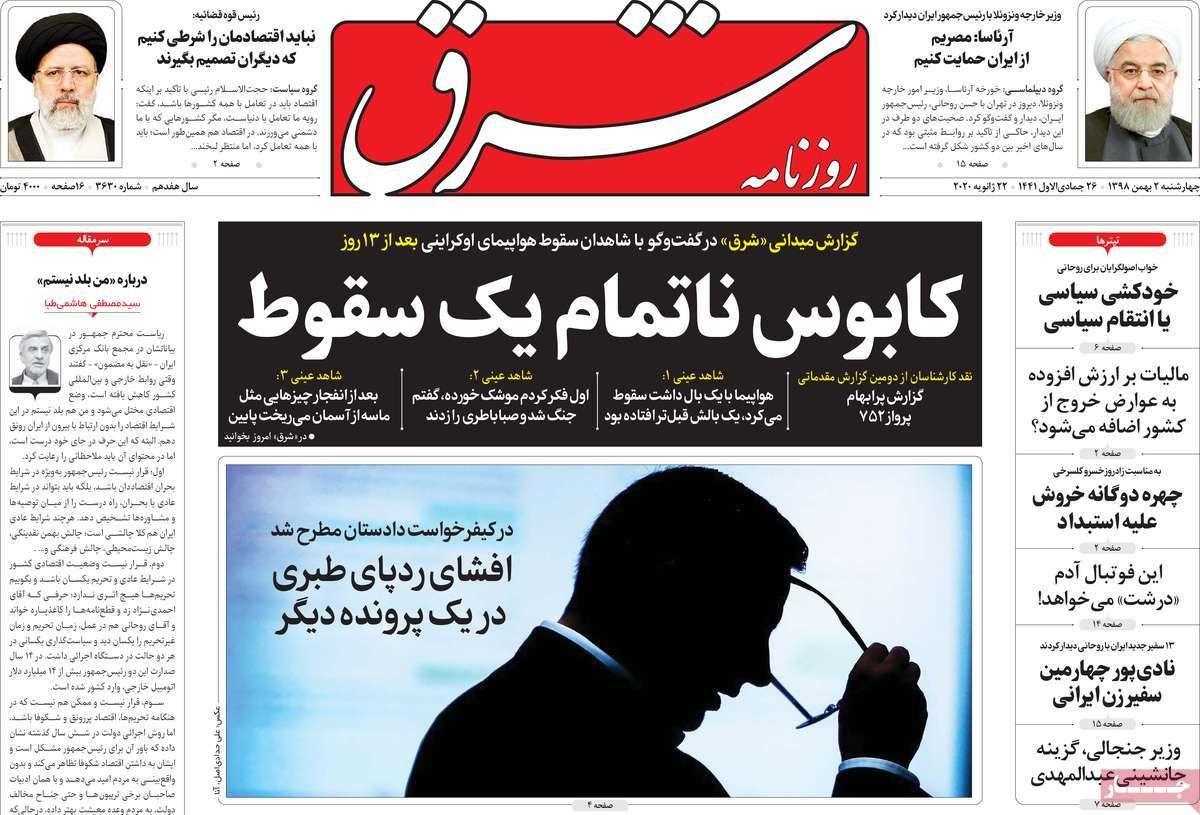
13 days after the tragedy, which left all the 176 people onboard dead, Shargh newspaper has reported the eyewitnesses’ accounts, shedding new light on the moment of the incident.
Mehdi is a young man whose barber’s shop is right in front of the plane crash site and the hole created by the crash is less than 20 metres away from his shop.
“Early in the morning I was taking a stroll with my dogs when I noticed the plane. I started running after it to figure out what it was at all, as it was catching fire. At first I didn’t realize it was a plane.
I guess the pilot intentionally led the flight down towards the park, because if the plane had hit the ground before that, lots of houses and people would have been destroyed. But I saw it made a jolt, soared a little bit, and passed the square, while flames were falling off the plane. The plane was exactly coming from Shahriar towards our town, and it crashed into the park. What I saw was that the plane was crashing one-winged. One of the wings had come off before. Later, I heard from a friend of mine that the wing had fallen off near Parand Town. And when it hit the ground, first I heard a crash and then felt a tremor. Thereupon, there was a big explosion and it was luminous and red everywhere.”
Asked whether he heard a missile hitting the plane or anything like a shot, he said, “The only sound was something like a “whooof”, like a gust of wind.
But there were some white-coloured stuff beside the plane, which I don’t know what they were.”
Here, Shakour, a teenage boy whose house is the nearest to the plane crash site, chimed in: “One of the neighbours found a burnt bag with US dollars in it. One of the children found a little box containing gold. Children turned them all over to the officials.”
He and his friends say that from that day up until now the images of the bodies do not go away from their minds and that they do not sleep without nightmares.
“The plane passed right over our house and crashed into the park. I was awakened by the crash, the building’s shaking and the windows’ cracks. And a few moments later there was a great explosion. It was really frightening. At first, I said wow, the war has broken out and Saba Battery [Company] was just hit, as it is nearby.”
“It was dark; but suddenly it was light everywhere, not like daylight though; it was luminous with red, red flames. It was really strange. The plane crashed at 06:20 and we all were there at 6:25 having pajamas on! The entire neighbourhood was on the scene. We thought we might save some people’s lives. But everyone was dead. There were dead bodies, and blood all over the ground, and the smell of smoke and dead bodies burning in the air.
As it lightened, we came to realize what had happened. We realized that we had been walking over the bloods and people’s entrails.”
“What that situation and the dead bodies did to me was that I have a nightmare every night. I cannot sleep in my own room for the fear of terrible nightmares. I go to the hall so that I might go to sleep. The scenes come before my eyes, as soon as I close my eyes.”
A lady whose shop is close to the plane crash site tells Shargh about the morning: “We ran out into the alley. The plane crash site was visible from inside the alley. My son was standing next to me.
All of a sudden some tiny, tiny stuff resembling sand was falling from the skies. I don’t know what they were. I just put my hands over my son’s head so that they would not fall onto his head. Then I ran towards the park, as everybody was going in that direction. From the very beginning, I noticed a few pieces of human body and blood. I feared and returned. And from that day up until now I have not gone that way. My daughter has not eaten meat for several days. She tells me not to put meat in our food, as she feels sick and cannot eat.”
A young woman from the town says: “Into our and other neighbours’ yards and onto the rooftops had fallen pieces of cloth and other stuff. The day after that day, my mother washed the yard, the walls and the rooftop. Many did so. It felt bad that those pieces of cloth and other stuff probably belonged to the poor passengers, and that they had been blown into pieces and scattered everywhere.”
Another witness says: “I was asleep when all of a sudden my room’s flowerpots fell off the windowsill. First I didn’t get it. I thought it was certainly an earthquake. But then, following the neighbours’ outcries I too moved off to the park into which the plane had crashed. Somewhere at the beginning of the park, I noticed a piece of head, ear and hairs of people. It was so visible. And there was no blood around it. It was really scary. At that point my legs faltered, and I returned. I have not gone to sleep for several days. I feel really bad, and I don’t know what to do. I think many feel bad nowadays.”
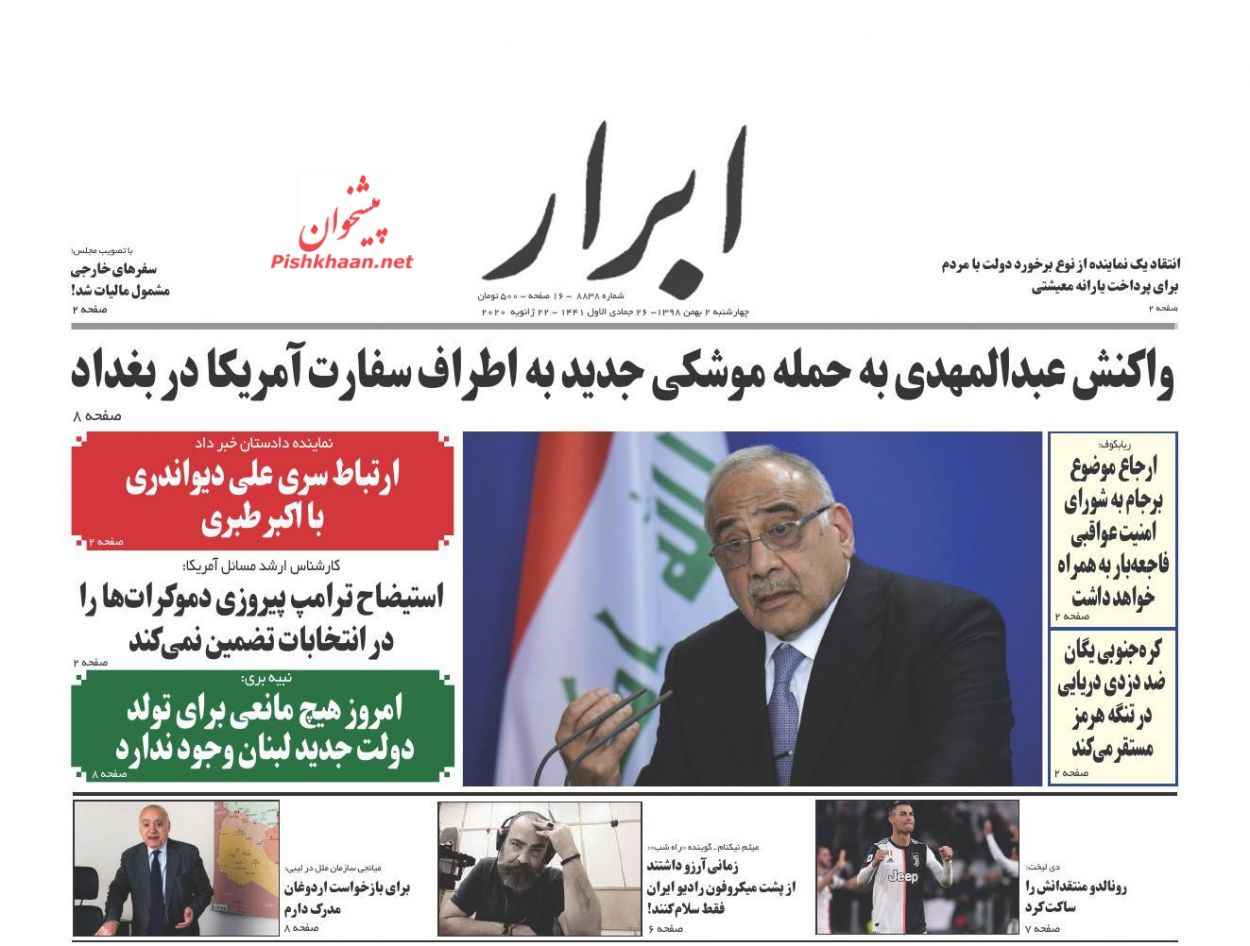
Abrar:
1- S Korea to Deploy Anti-Piracy Unit in Hormuz Strait
2- US Analyst: Trump Impeachment Won’t Guarantee Victory of Democrats
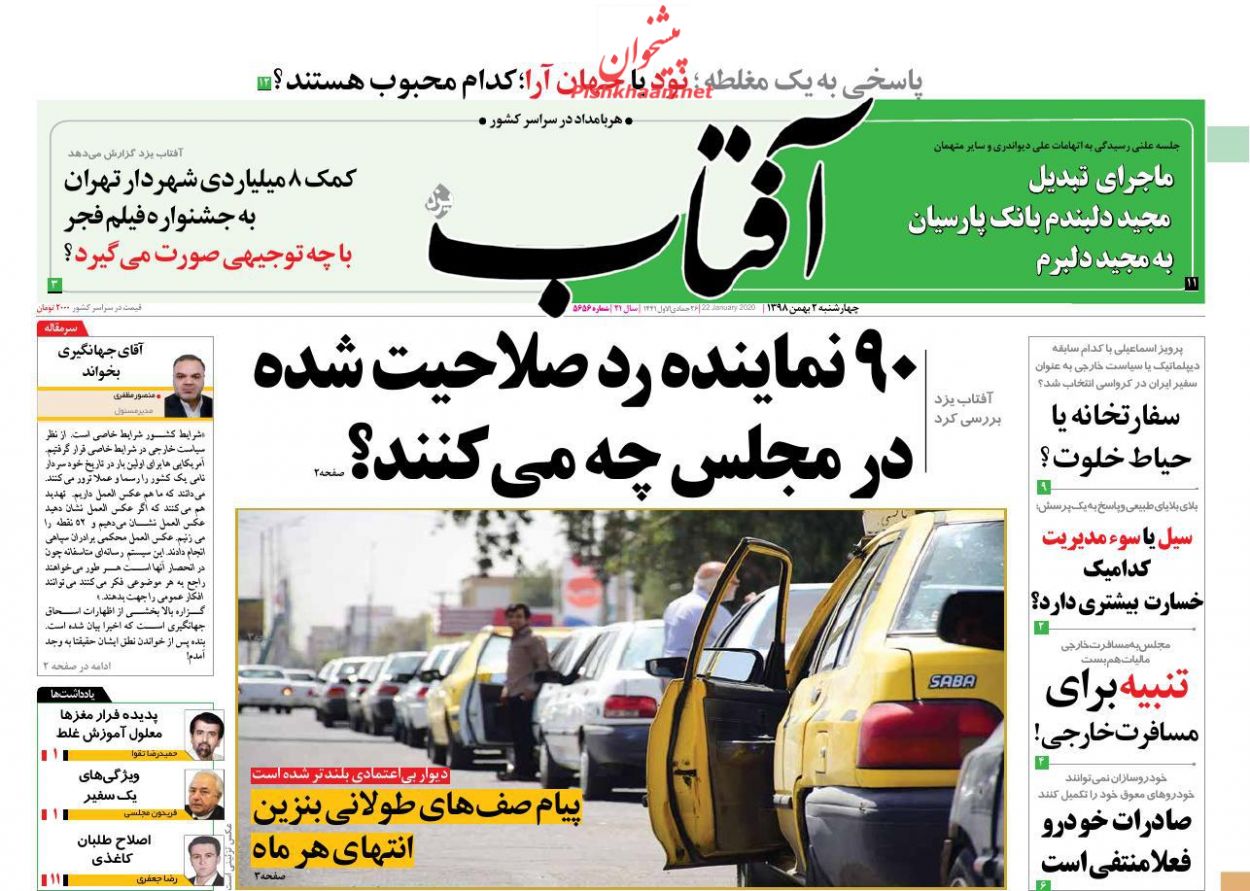
Aftab-e Yazd:
1- Punishment for Foreign Travel!
* Parliament Imposes Taxes on Foreign Trips
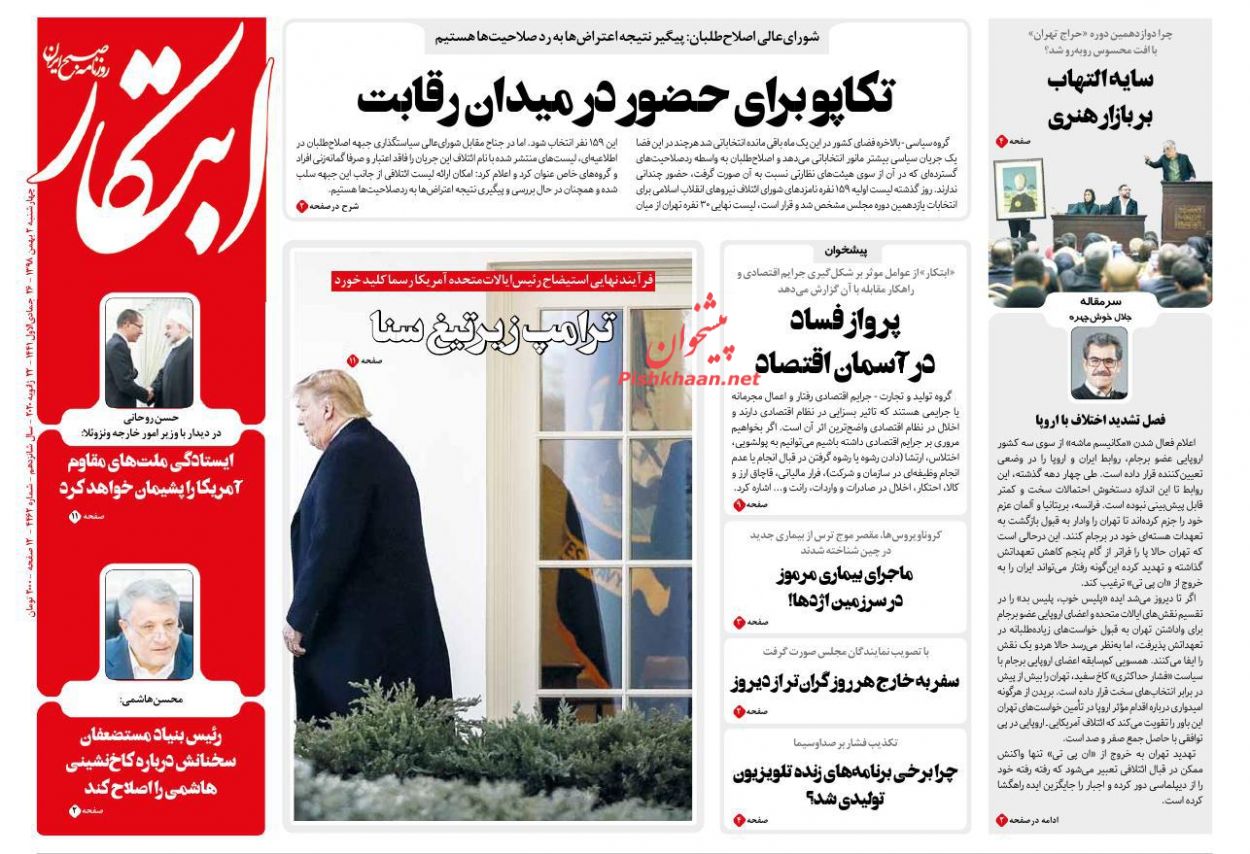
Ebtekar:
1- Rouhani: Resistance of Resilient Nations Will Make US Regret
2- Era of Increased Disagreement with Europe [Editorial]
Etemad:
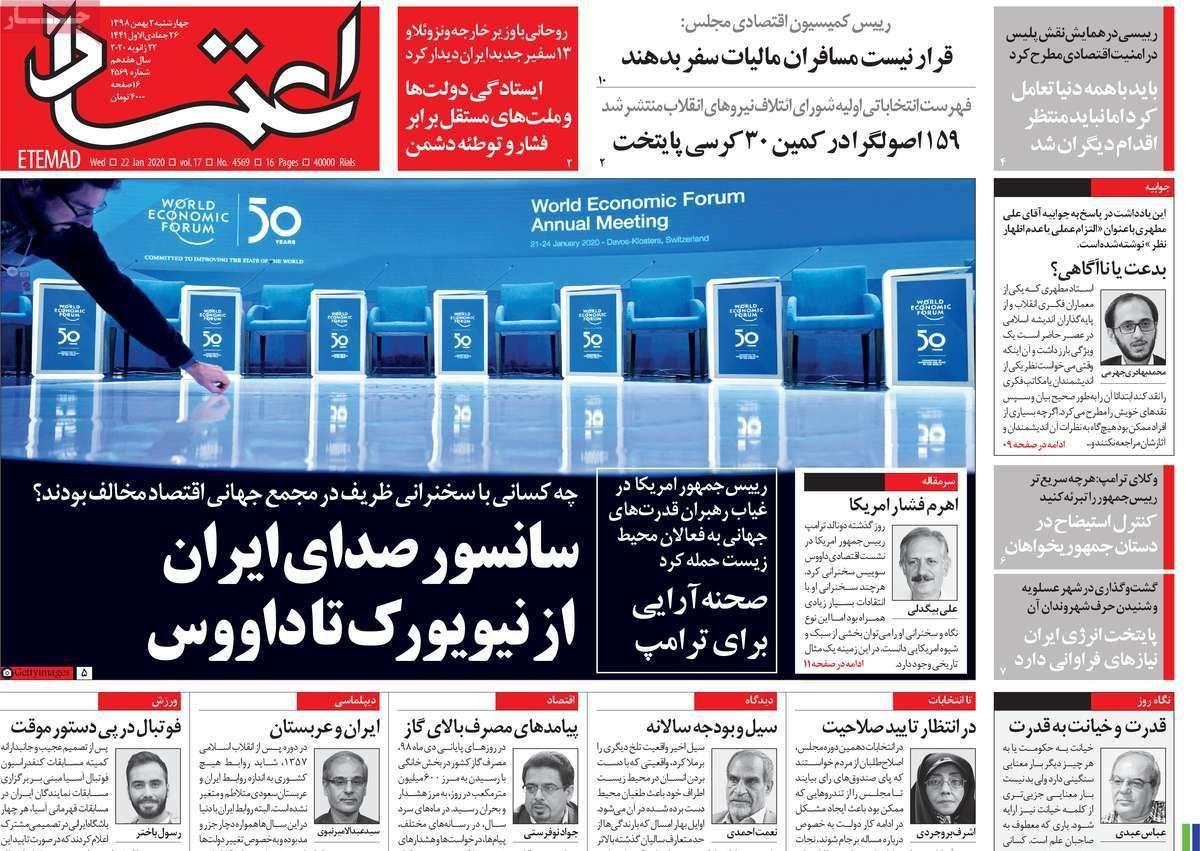
1- Censorship of Iran’s Voice: From New York to Davos
* Who Was Opposed to Zarif’s Speech at WEF?
2- US’ Leverage [Editorial]
Hamshahri:
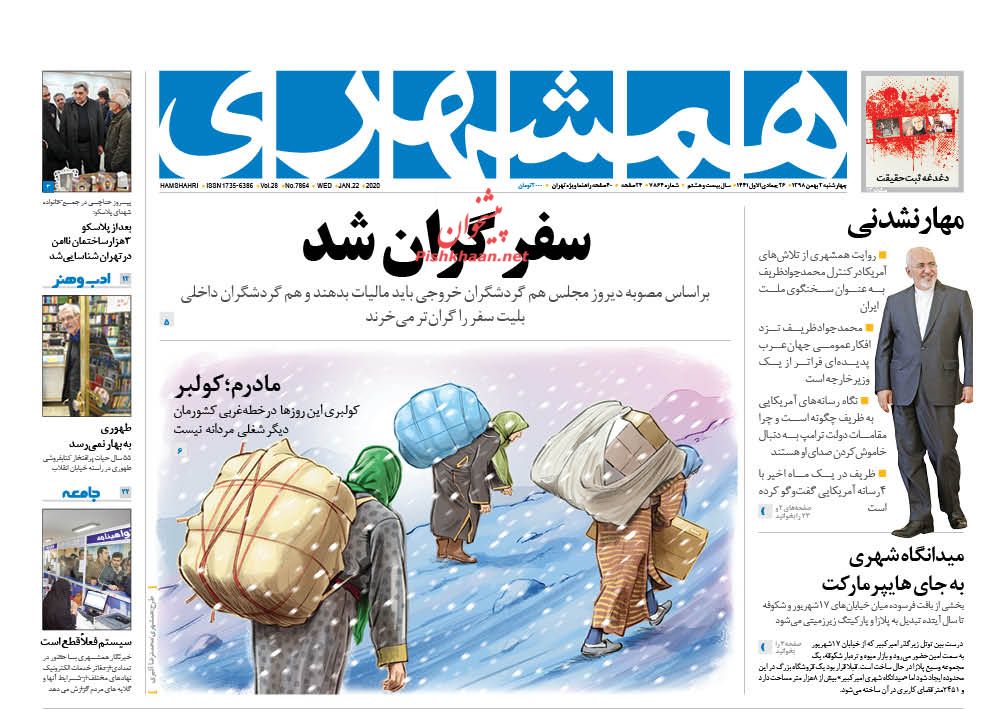
1- Uncontrollable
* A Review of US Efforts to Contain Zarif as Iran’s Spokesman
* Zarif Beyond a Foreign Minister in Arab World
Javan:
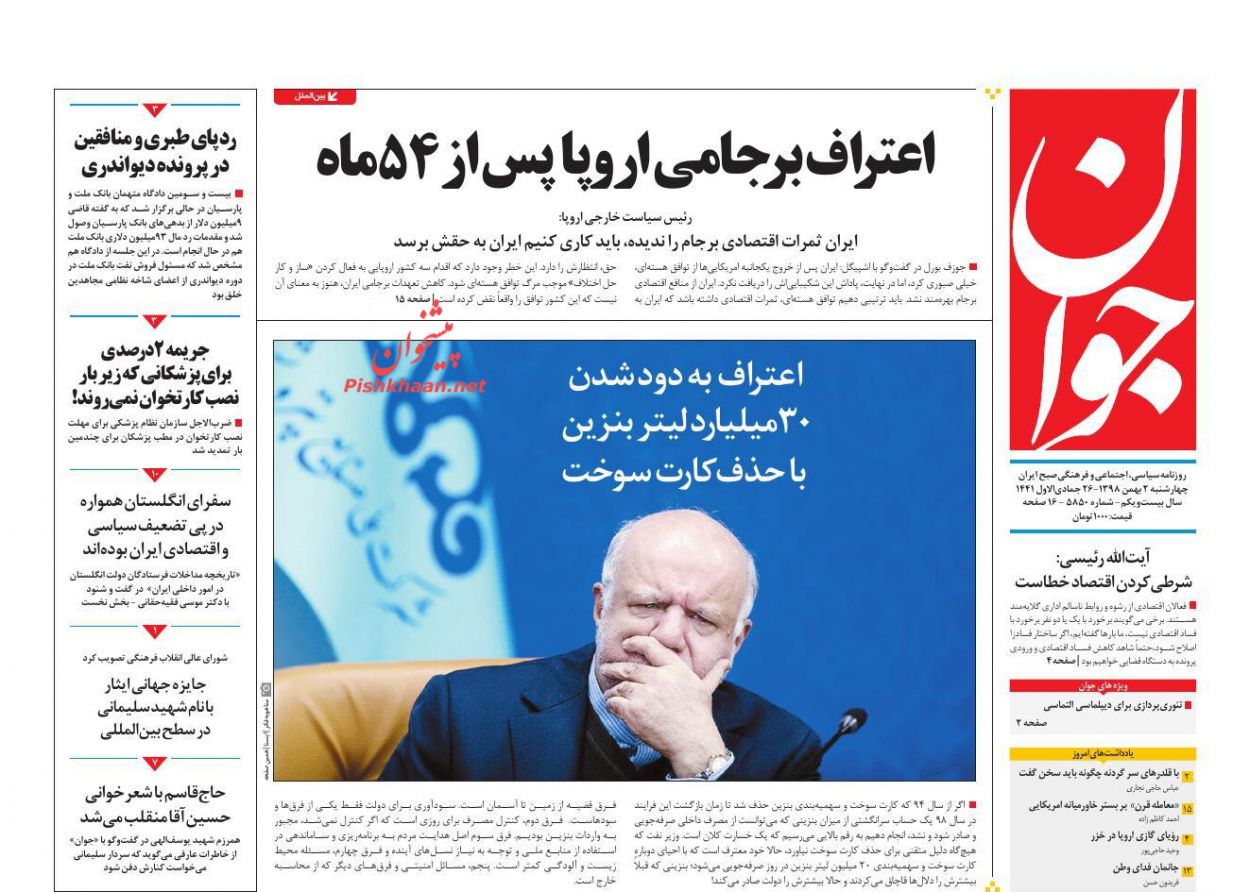
1- Europe’s Nuclear Confession after 54 Months
* Iran Hasn’t Reaped Benefits of JCPOA, We Should Help Iran Claim Its Right
Jomhouri Eslami:
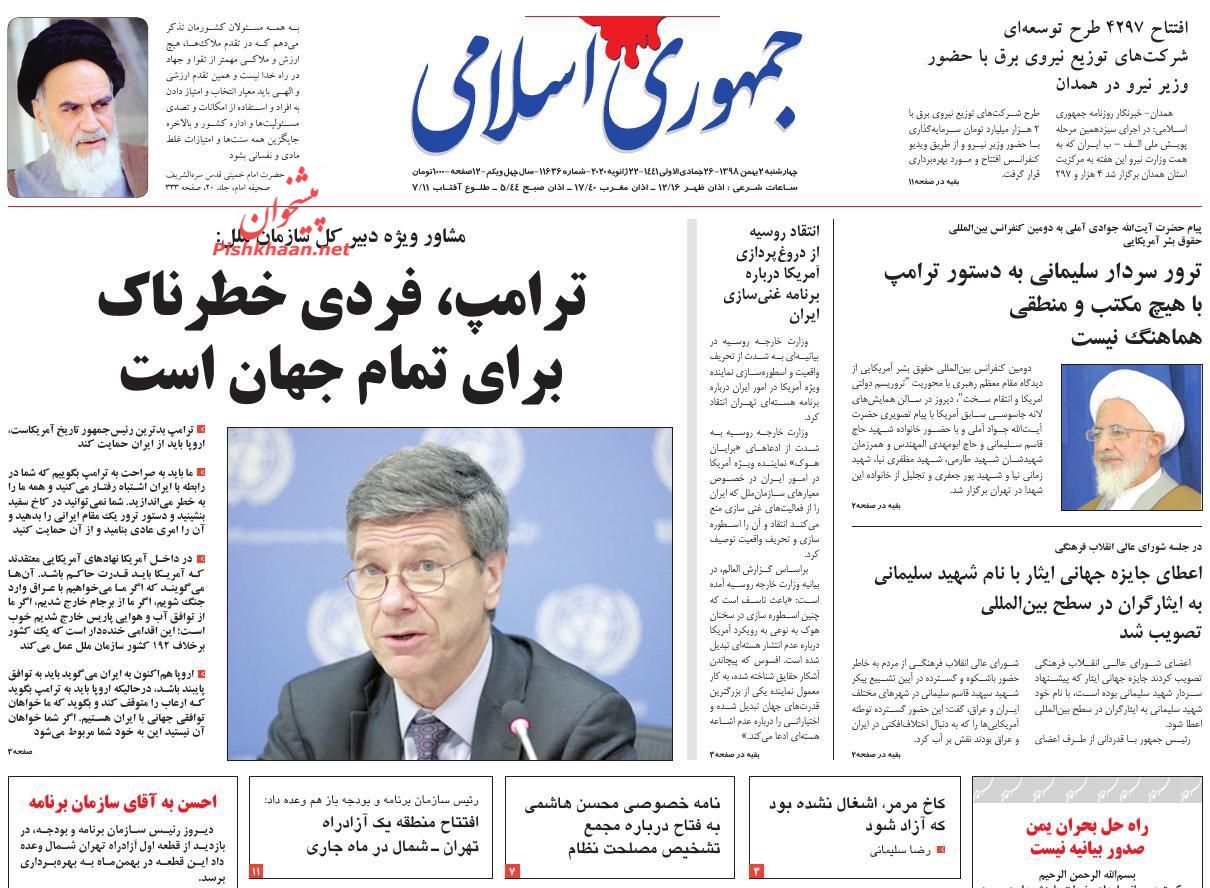
1- Advisor to UN Chief: Trump Dangerous Person to Entire World
2- Gen. Soleimani’s Assassination Upon Trump’s Order Not Consistent with Any Logic: Ayatollah Javadi Amoli
Kayhan:
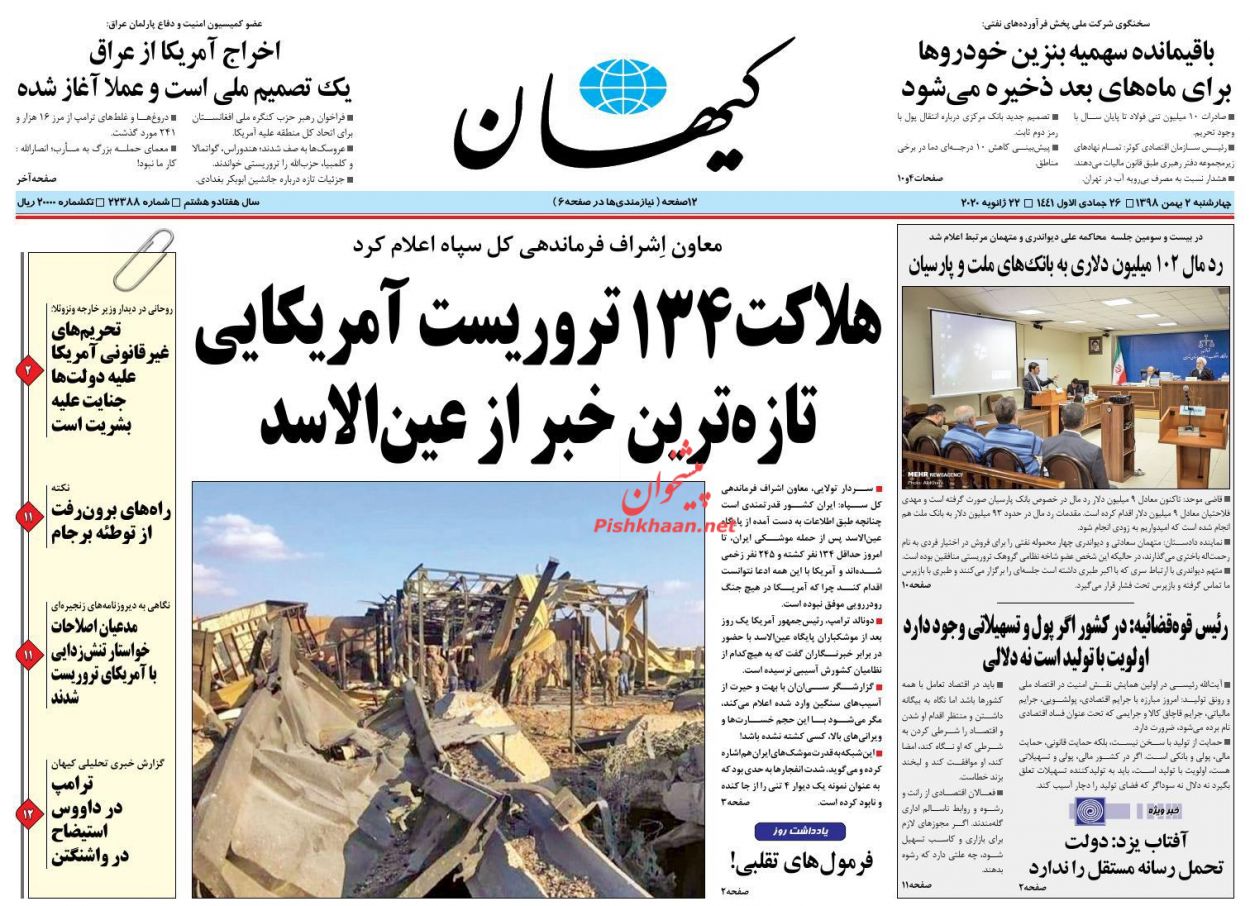
1- 134 US Terrorists Killed in Attack on Ain al-Assad
2- Iraqi Lawmaker: US Expulsion from Iraq National Decision Already Started
Sazandegi:
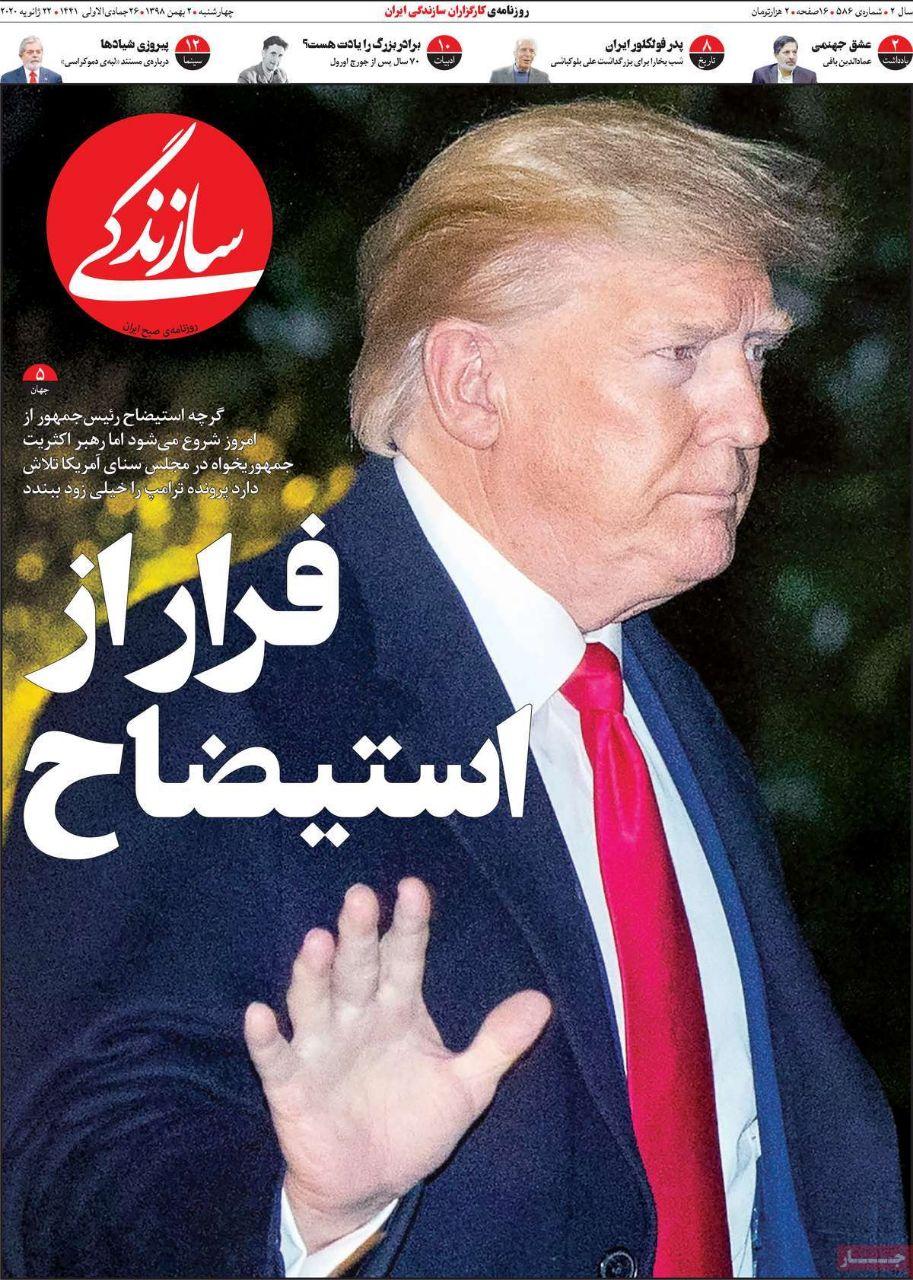
1- Evading Impeachment
* GOP Majority Leader Trying to Close Trump’s Case Very Soon Despite Beginning of Impeachment
Setareh Sobh:
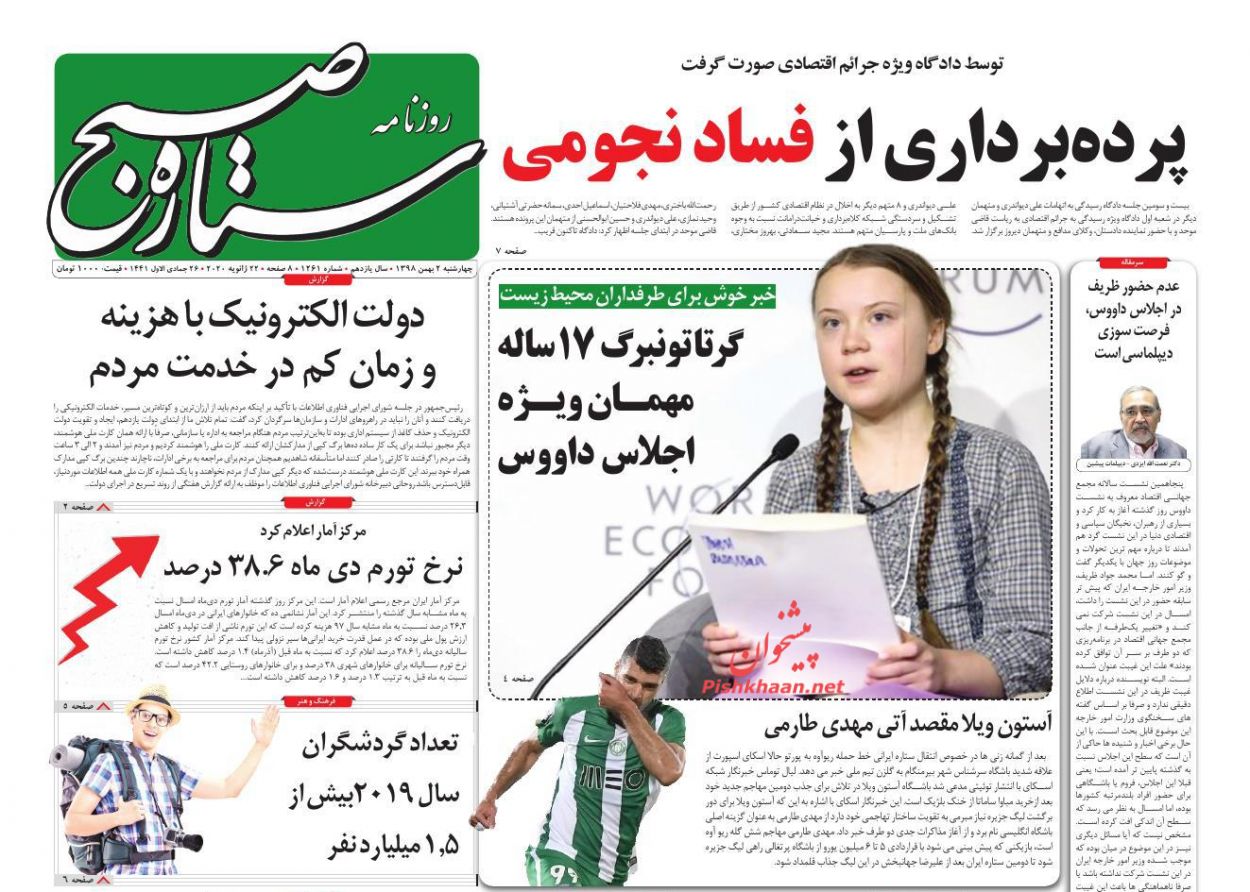
1- Zarif’s Absence from Davos Waste of Diplomacy Opportunities [Editorial]
2- 17-Year-Old Thunberg Special Guest of Davos Summit
3- Number of Tourists in 2019 Over 1.5 Billion
Shahrvand:
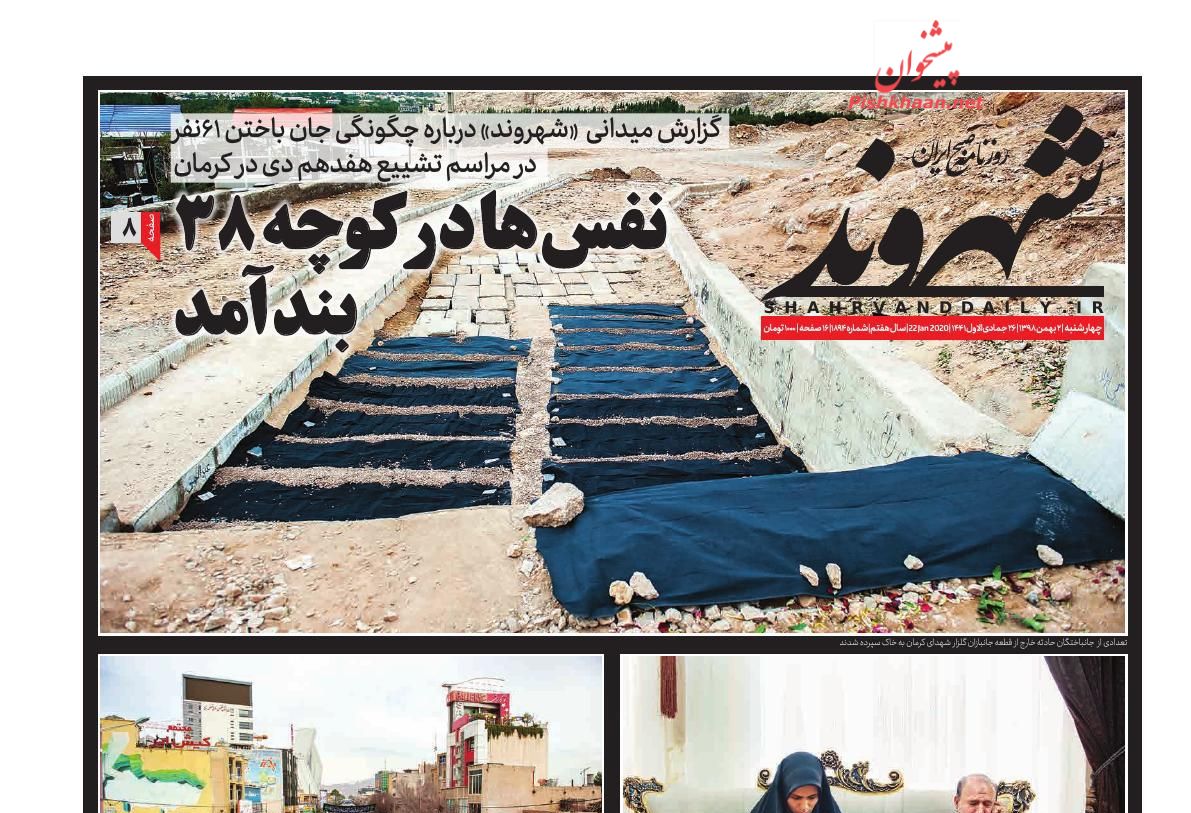
1- A Report on How 61 People Died in Kerman Stampede
Shargh:
1- Endless Nightmare of a Crash
* Interview with Eye Witnesses of Ukrainian Place Crash after 13 Days
2- Nadipour Becomes Fourth Iranian Female Ambassador
In comments on the sidelines of a technology meeting between Iranian and Turkish high-tech companies, held in Istanbul, Sattari expressed delight at the trip to Turkey following the “good news” of Iran’s agreements with foreign companies after a fruitful visit to China.
The vice president said he has been accompanied by the representatives of 80 Iranian companies in the trip to Istanbul, saying the necessary arrangements have been made beforehand to enable the Iranian enterprises to find and hold meetings with their Turkish peers.
He also noted that every Iranian company in the ongoing trip to Istanbul has been holding face to face and B2B meetings with three or four Turkish companies.
“Good agreements are being made,” Sattari added, noting that Iran is determined to boost the export of technologies.
The Iranian technologies are indigenized and are perfectly appropriate for the people of the region and the neighbouring countries, the vice president explained, saying Iran has now the largest companies across the region in the sphere of technology.
A large number of Iranian enterprises are engaged in new technologies such as the biotechnology, nanotechnology, information and communications technology (ICT), aerospace technology, medical sector, stem cells, as well as the medical and laboratory equipment, he added.
Sattari also hailed the new generation of entrepreneurs promoting the knowledge-based economic strategies as the “new ambassadors” of Iran, saying the country needs to boost the export of technologies.
The Iranian vice president also said he has held perfect meetings with the Turkish officials on Tuesday, including Turkey’s vice president, minister of Industry and Technology, and head of Scientific and Technological Research Council of Turkey (TUBITAK).
“All of them (Turkish authorities) emphasized their willingness to expand relations with Iran,” Sattari added.
He finally expressed hope that the economic relations between Tehran and Ankara would grow like their close political ties and that the two neighbours could stand against the foreign sanctions.
The business meeting of Iranian and Turkish high-tech companies was held on Wednesday in Istanbul. The event was organized by Iran’s Vice-Presidency for Science and Technology, and funded by Iran’s National Innovation Fund.
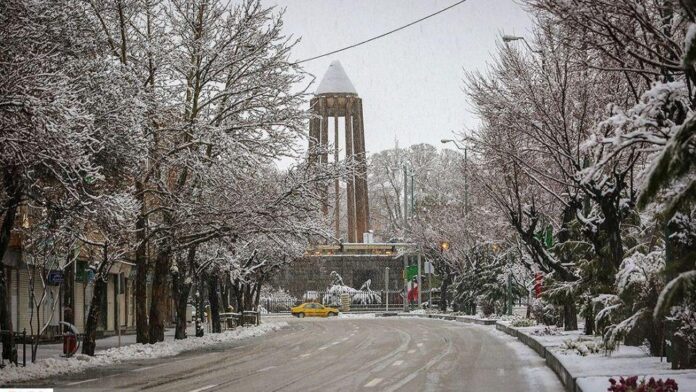
The event features winter story-telling competitions in Korsi-Khaneh, which are rooms facing winter sunshine, with a Korsi, a traditional item of furniture in Persian culture, a type of low-table with a heater underneath it, and blankets thrown over it.
Giant dolls in the streets, cooking a whole variety of soups and broths, skiing, launching squash carnivals (cars adorned with squash) and cooking and serving squash in Hamadan are also included in the event.
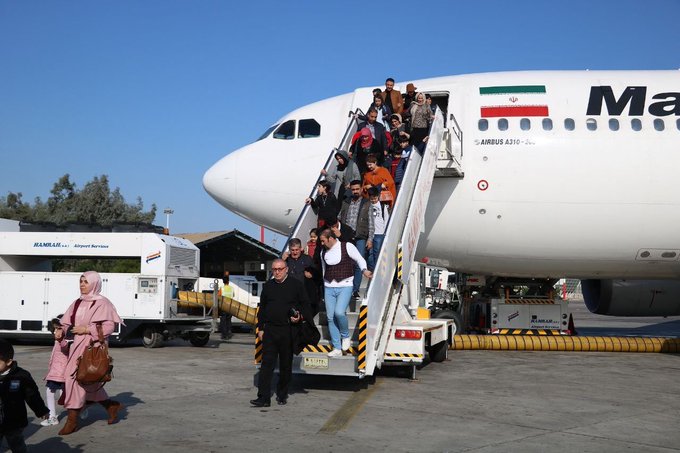
The launch of the airline route seems to be an effort to normalize tourist flights to Iran after the unintentional downing by the Islamic Revolution Guards Corps of the Ukrainian Flight 752 on 8 January.
Officials at Iran’s Fars province have also said that all tours of Shiraz and Persepolis have been cancelled over the recent developments, and the country’s tourism is expected to get in trouble in coming months.
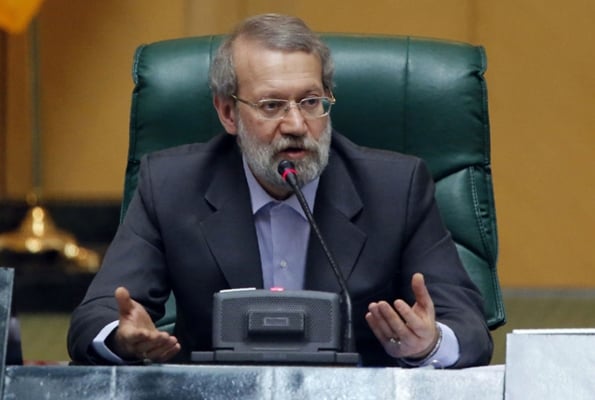
In remarks on Wednesday, the Iranian Parliament speaker said the Europeans’ behavior towards Iran’s nuclear program is inspired by the US policies.
He also noted that the three European parties’ decision to resort to the dispute mechanism, set out in Article 36 of the Joint Comprehensive Plan of Action, signifies their intentions, adding, “However, Iran will respond to them.”
The Parliament speaker also noted that the European conducts resemble the American policies and indicate that they are in the US’ camp.
“However, it is natural that political skirmish will have consequences for both sides,” Larijani added.
The three European countries have triggered a dispute mechanism under the nuclear agreement, which could lead to the reinstatement of United Nations sanctions against Iran lifted under the JCPOA.
In a tweet on January 15, Iranian Foreign Minister Mohammad Javad Zarif lashed out at the three European parties for failing to live up to their commitments under the JCPOA and for “selling their integrity” for fear of US’ bullying tactics.